December 22, 2014, Truth or Consequences- It was a mild day, which I started with a lovely breakfast of Strawberry Pancakes and sausage patties, at Socorro’s El Camino Family Restaurant. Once again, all the regulars were present; nobody named Strawberry, though.
I set out for my first visit to Bosque del Apache (Apache Woods), since Penny and I came here in 1983. It made an impression then, and did so now. There were more sandhill cranes back then, and one of the docents gave a reason for the relative decline in their numbers. The cranes have become dependent on corn that is grown by a farmer, who is employed by the Refuge. The farmer they had, left and so, if anyone is interested in growing corn, specifically to feed birds, and be part of an upbeat crew of wildlife managers- contact Bosque del Apache National Wildlife Refuge, US Fish and Wildlife Service.
I began my drive down El Camino Real (New Mexico Highway 1), with a stop at this defunct Catholic church, in San Antonio, NM. This little village has few remaining residents,but it is still worth remembering. Each small settlement along the Royal Road was once a major stop, for those on foot or on horseback.
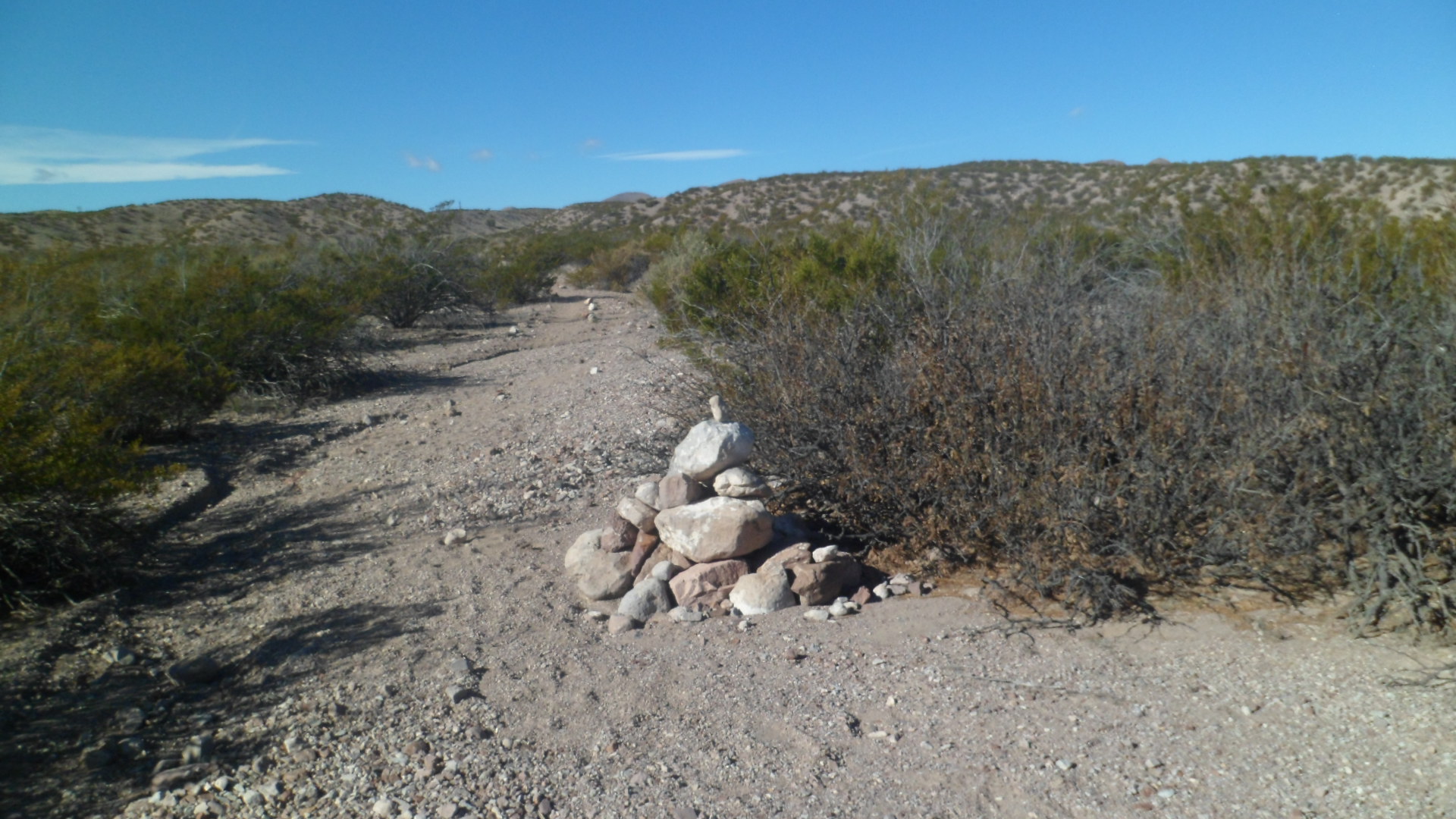
 I was greeted, upon my entrance into the Wildlife Refuge, by a Greater Sandhill Crane, perched on a branch. Of course, he flew off immediately as I got my camera ready to shoot. Continuing on, I walked a 3-mile loop of Chupadera National Recreational Trail. The whole trail, up Chupadera Peak and back, would’ve been 9 miles. I had more on my agenda, so that can be done another time. The cairns mark each length of the trail.
 Watch out! The snakes and scorpions may be hibernating. Not so, the thorny bushes.
 Out in the distance, lie the San Andres Mountains.
 Ann Young was an avid birder, who has since passed on. To make up for the relative lack of wintering birds this year, here is a video of one of her last visits to Bosque: https://www.youtube.com/watch?v=KyecyGVWrto.
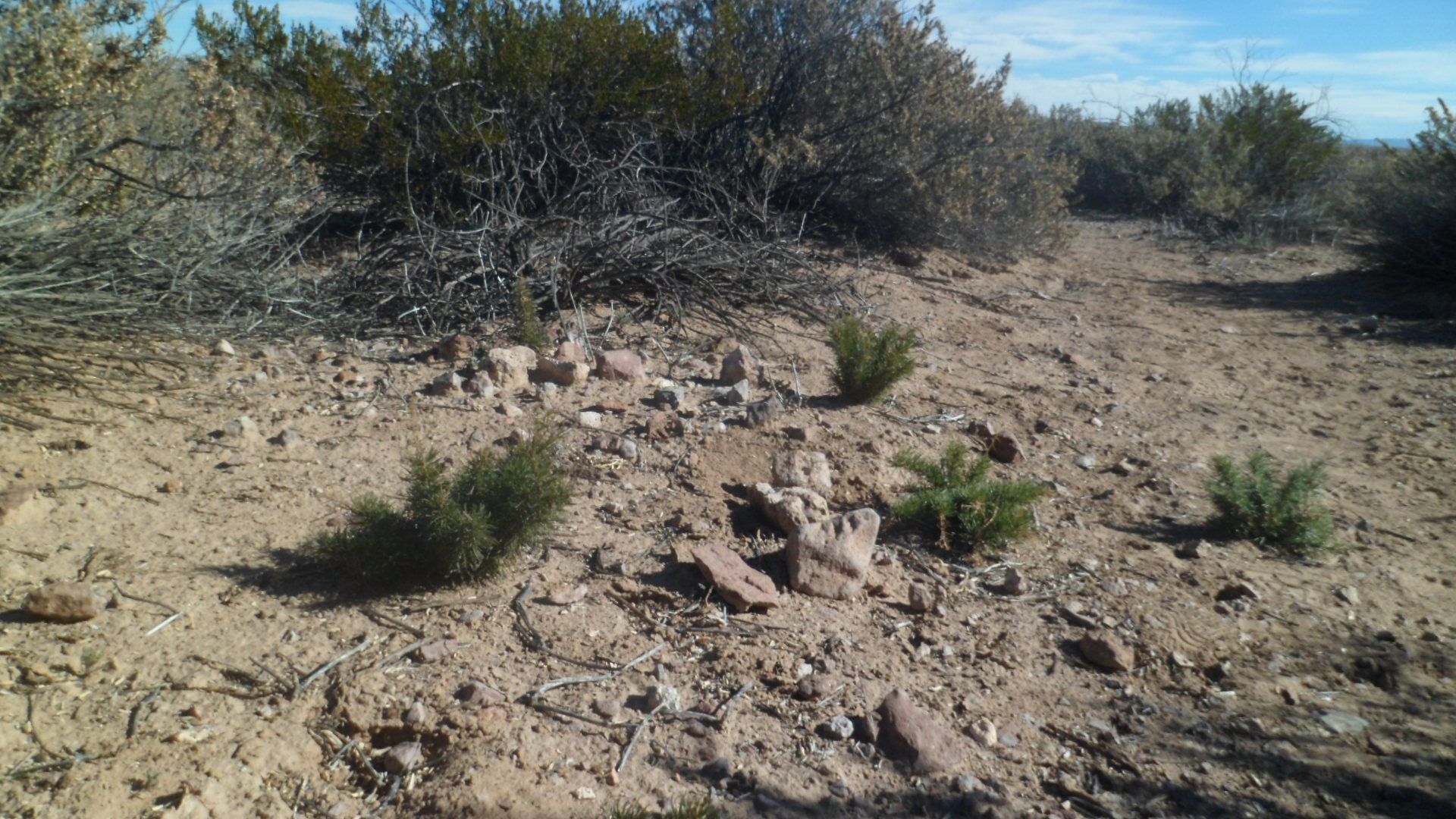
 New growth is taking its place, all over Bosque del Apache.
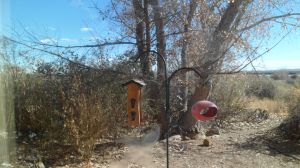
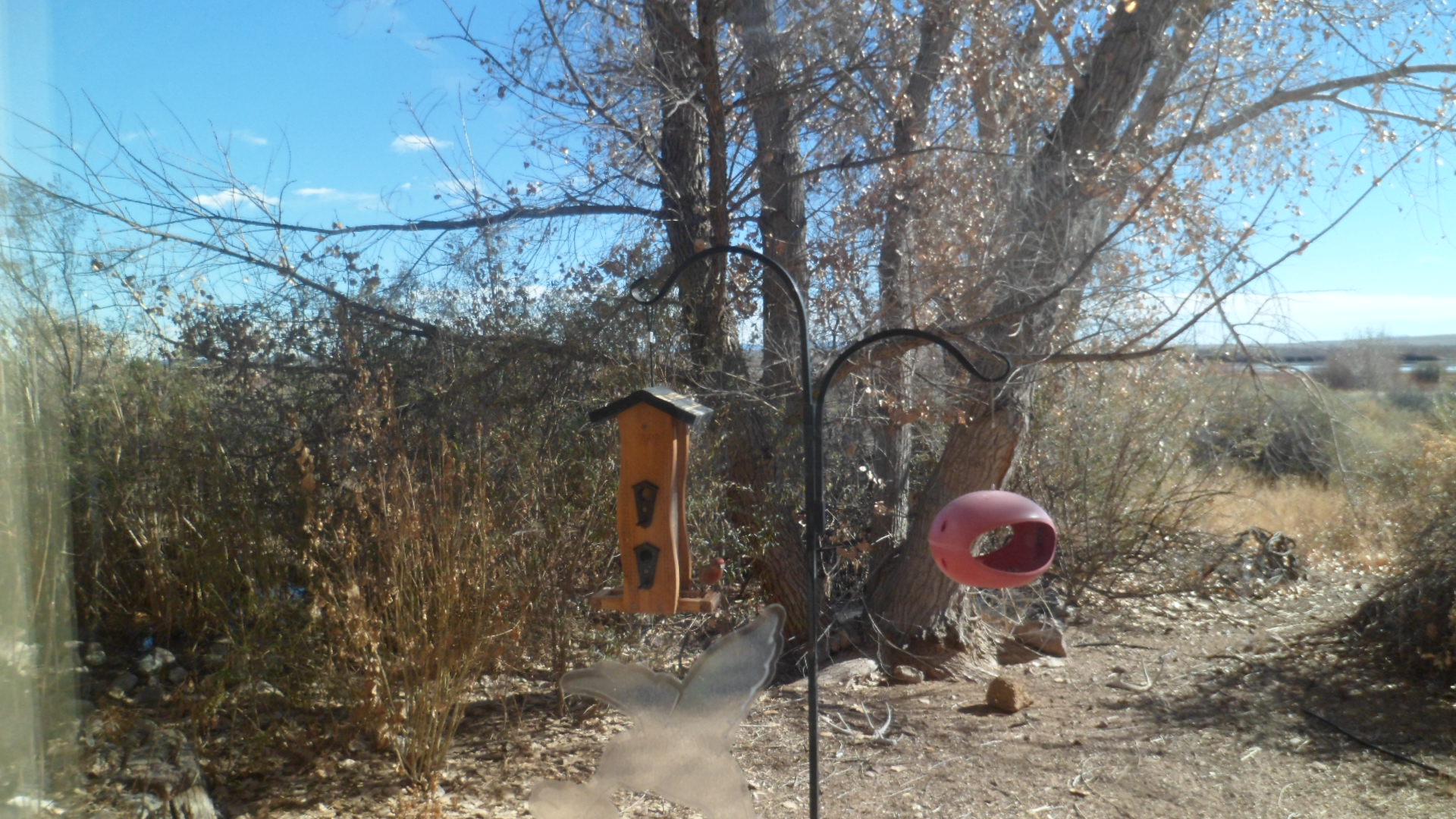
 From the window of the Visitor Center, one can sit for hours, just watching the various finches, wrens and hummingbirds eat their fill. Many, though, prefer the findings on the ground and in the brush.
 Believe it or not, a bald eagle is perched in the cottonwood tree on the right.
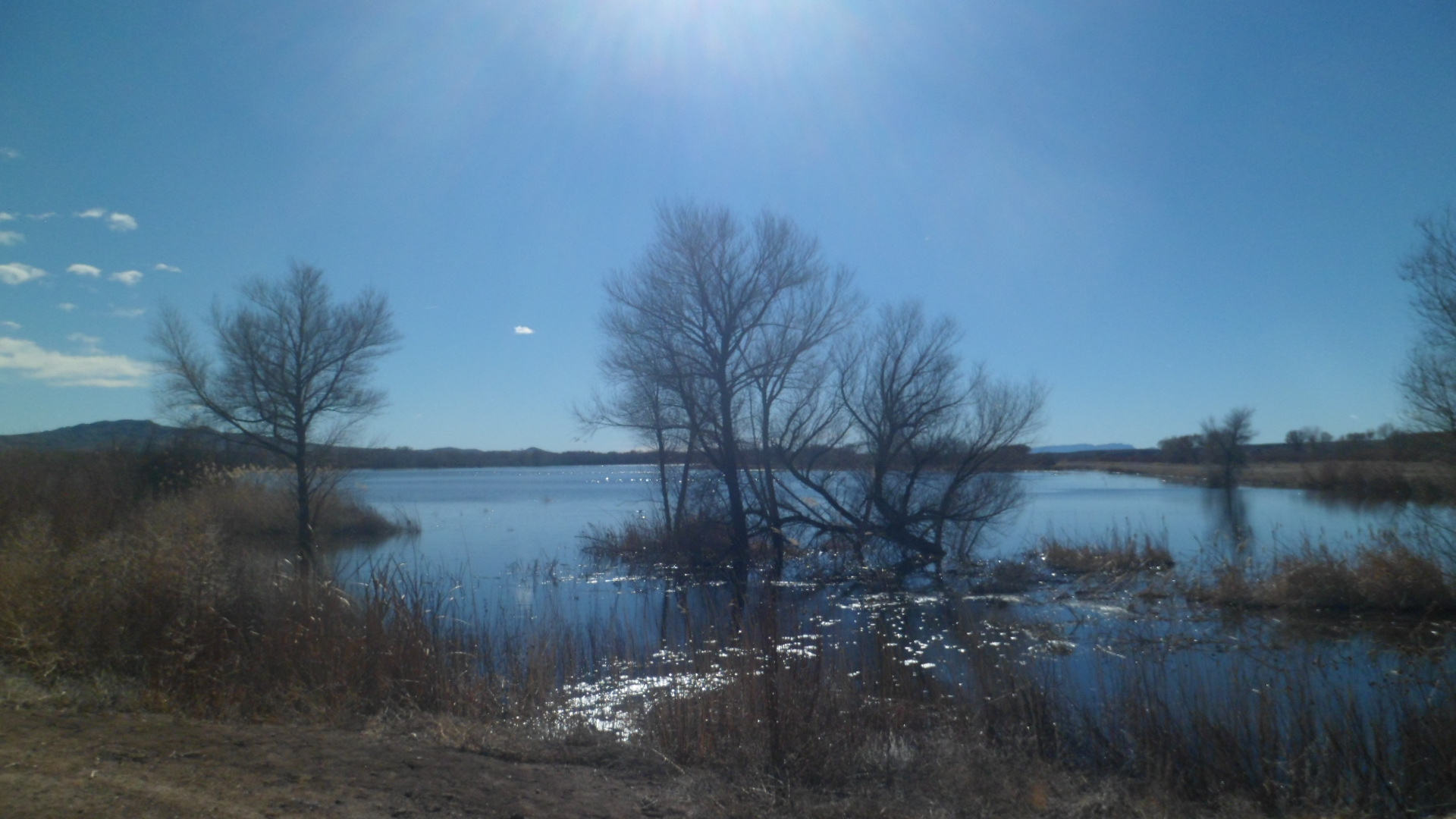
 Trees growing up out of the sandbars create a safe haven for aquatic life, but also are a convenient place for raptors to sit and enjoy the view.
 I walked this berm, around a marsh that is full, seasonally. This is not the season of its fullness, but I got a sense of what it could be. A Cooper’s hawk followed me around the loop, screeching, but never quite finding its favourite meal.
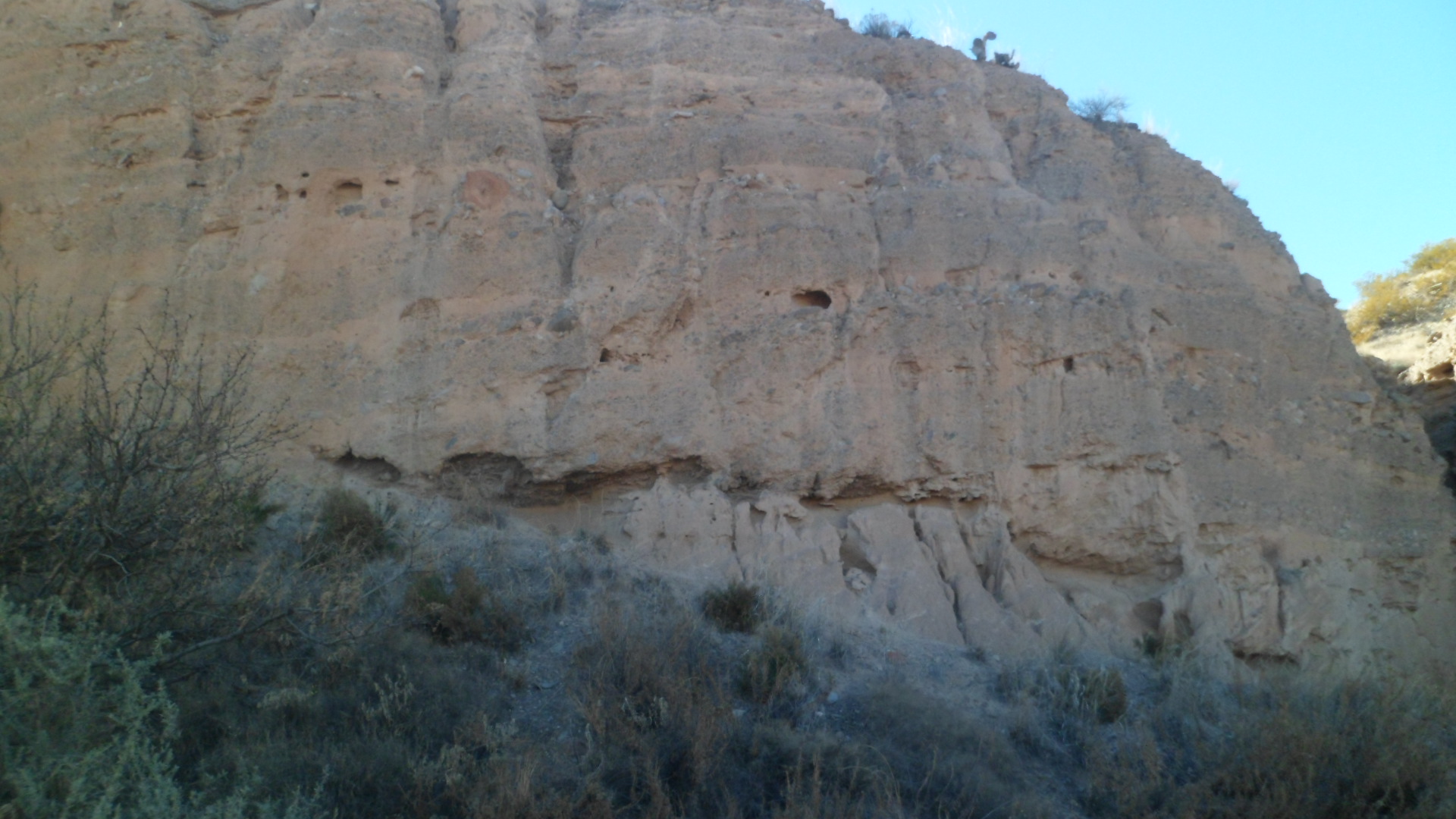
 Raptors, cliff swallows and barn swallows make their nests in these sandstone cliffs.
 Here is an overlook, above the Marsh Trail.
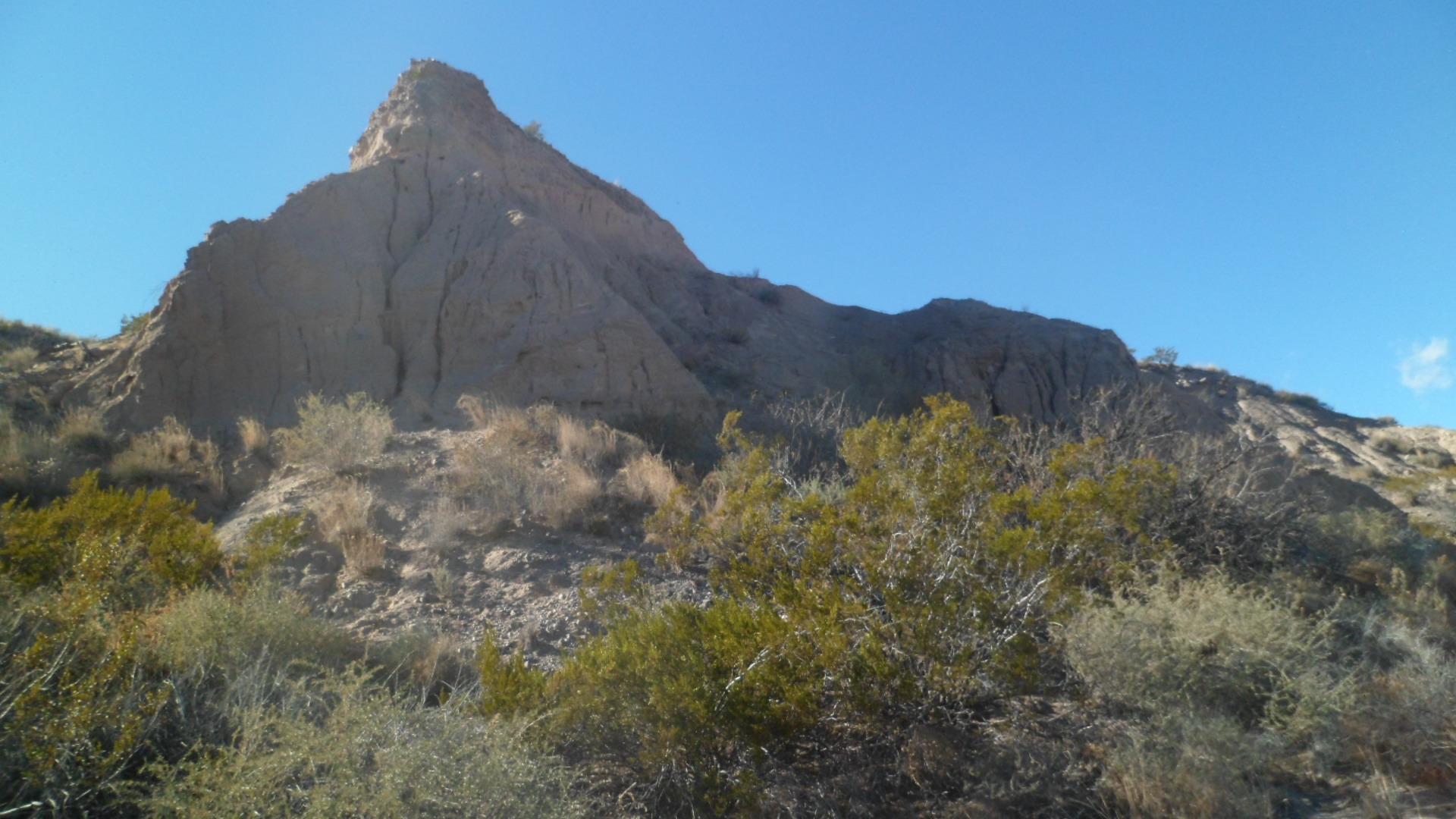
 When I climbed the path, this was my view. Some say the Chihuahua Desert is more barren than the Sonoran. Right now, I’d say they are correct.
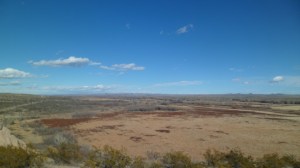 This is an oxbow of the Rio Grande, and trends towards dry, even when the river itself is full.
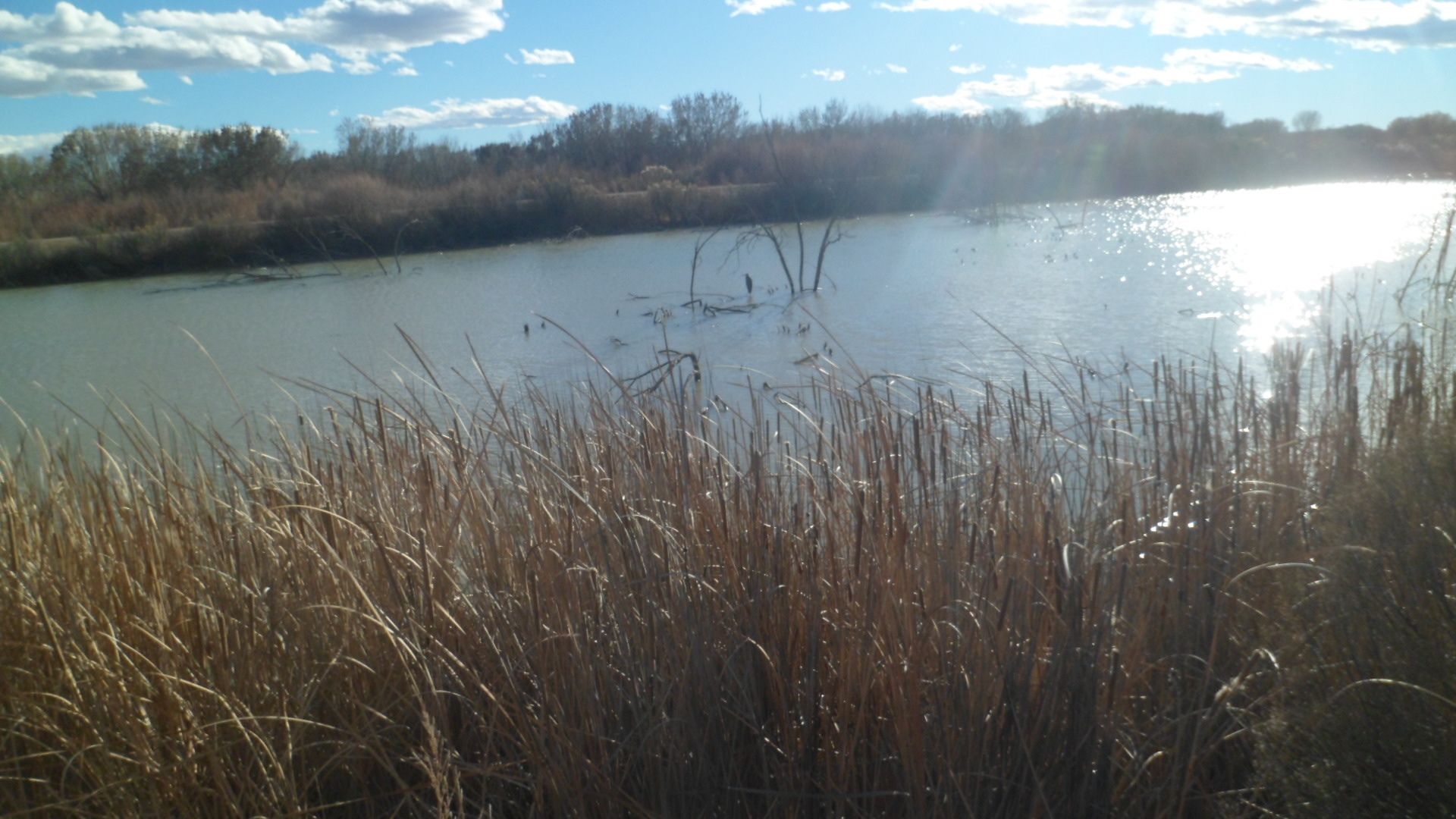
 As you can see in Ann Young’s video, sometimes the bed under this boardwalk is full of water. Not today.
 It is good enough for cattails, though.
 My spirit friend was on the job.
 Once back along the main flow of the Rio Grande, I spotted a Lesser Sandhill Crane, by its lonesome.
 From the Eagle Scout Deck, more evidence of past drynesses and flows could be seen.
 On my next visit to Bosque, I will focus more on the North Loop and the Canyon Trail. It’ll also mean taking in a Fly-In, at sunset.
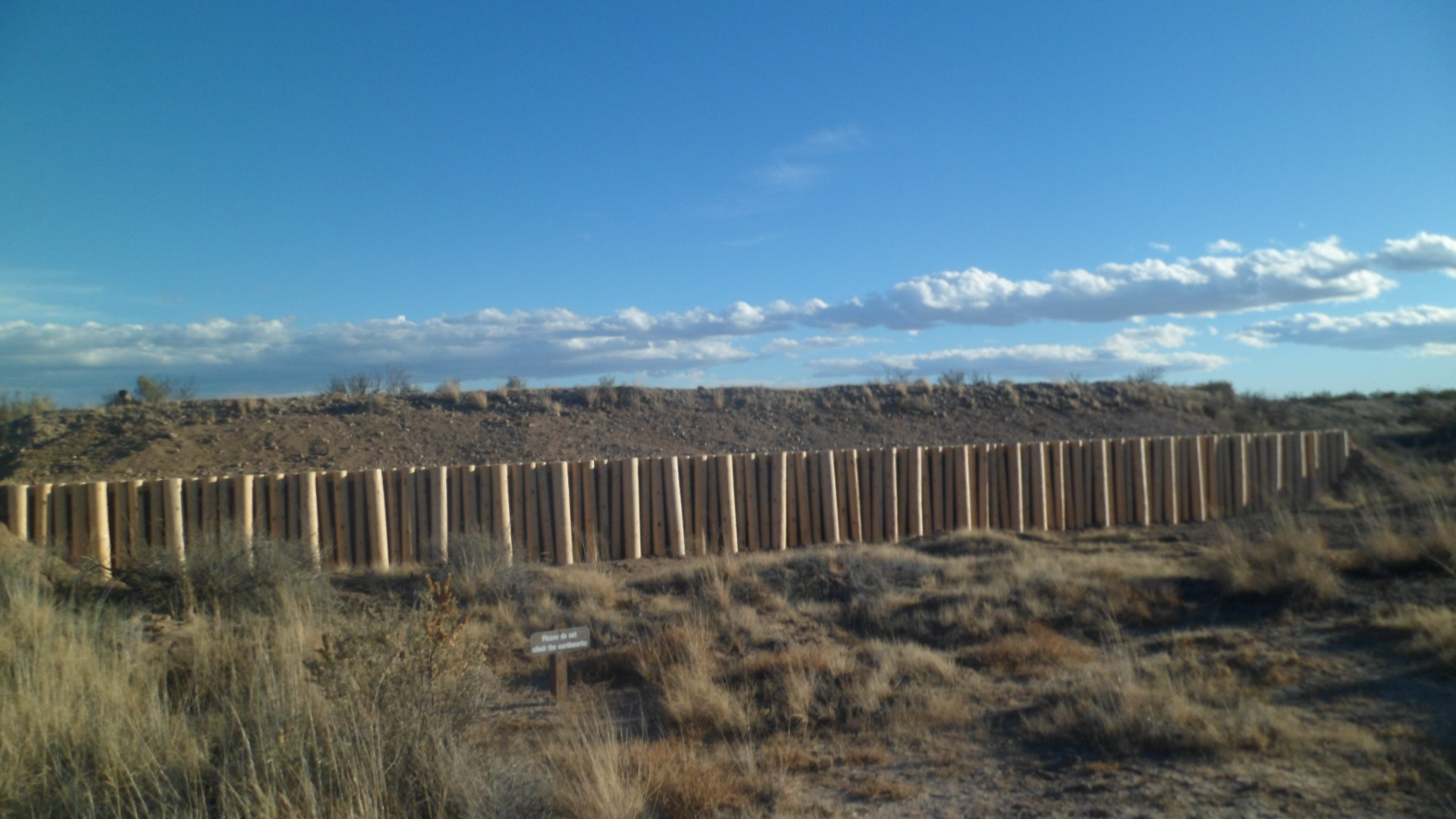
Continuing down El Camino Real, I came to a dirt road, which led me to Fort Craig, five miles eastward. This National Historic Site is comprised of ruins, and figures in three sorry episodes of our nation’s history: The Mexican War, which was its raison d’etre; the Civil War, during which Confederates from Texas tried to use New Mexico as a steppingstone to Colorado’s gold fields; and the Trans- Mississippi Indian Wars, which just led to more suffering and misunderstandings, on both sides. That its ruins stand at all, however, show just how formidable Fort Craig was. Walking these paths brought me back to the ramparts and walls of France, Belgium and Luxembourg. The pilings below support the earthworks, which defended the fort against the Confederate force.
 This is what’s left of the Guard House and Jail. Prisoners were segregated by race, as were the soldiers.
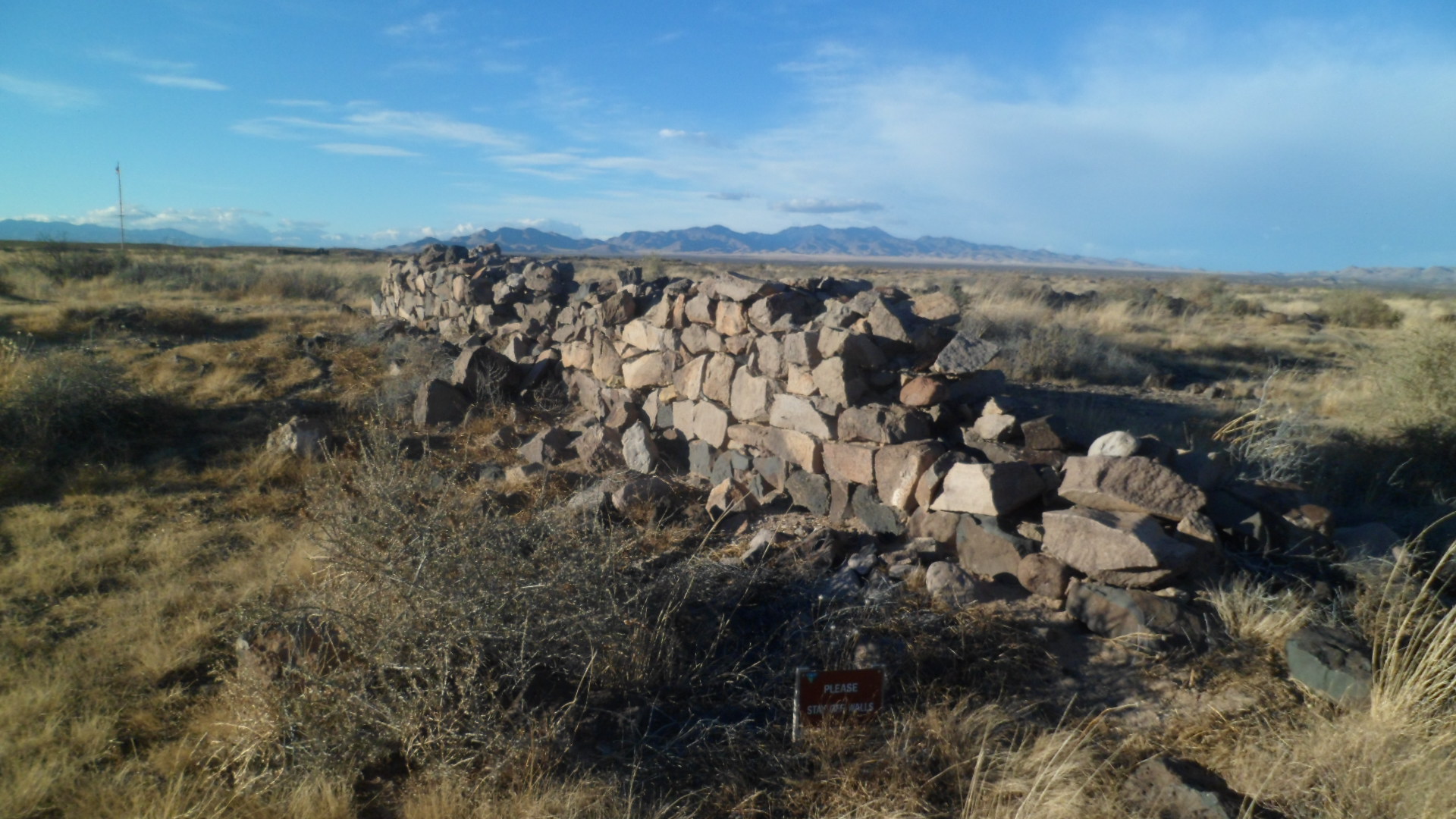
 These are the remains of the Commanding Officer’s Quarters.
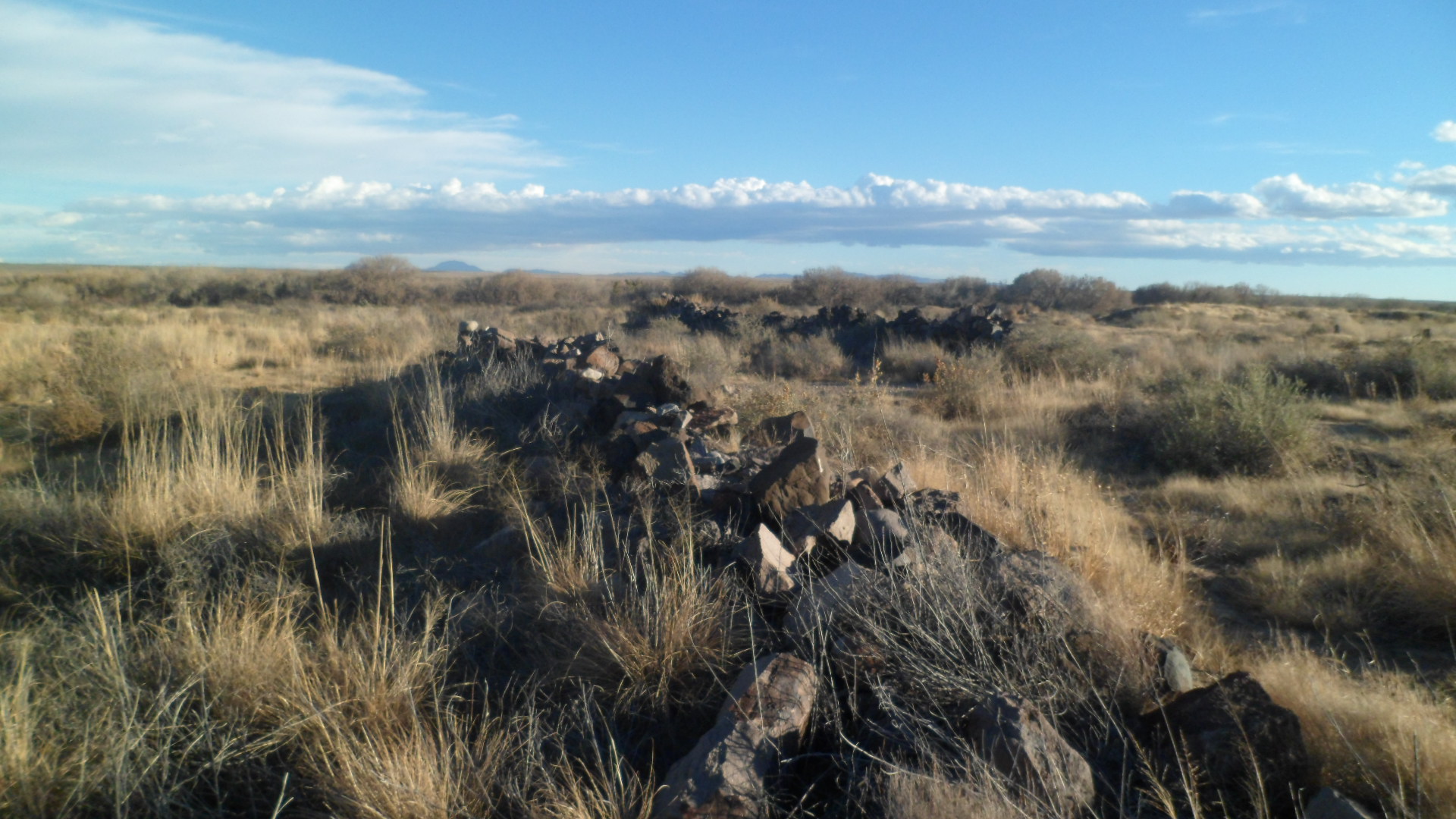
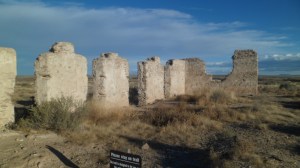 The perimeter walls were more formidable than they look now.
 Here is the Magazine Storage, where ammunition was kept safe and dry.
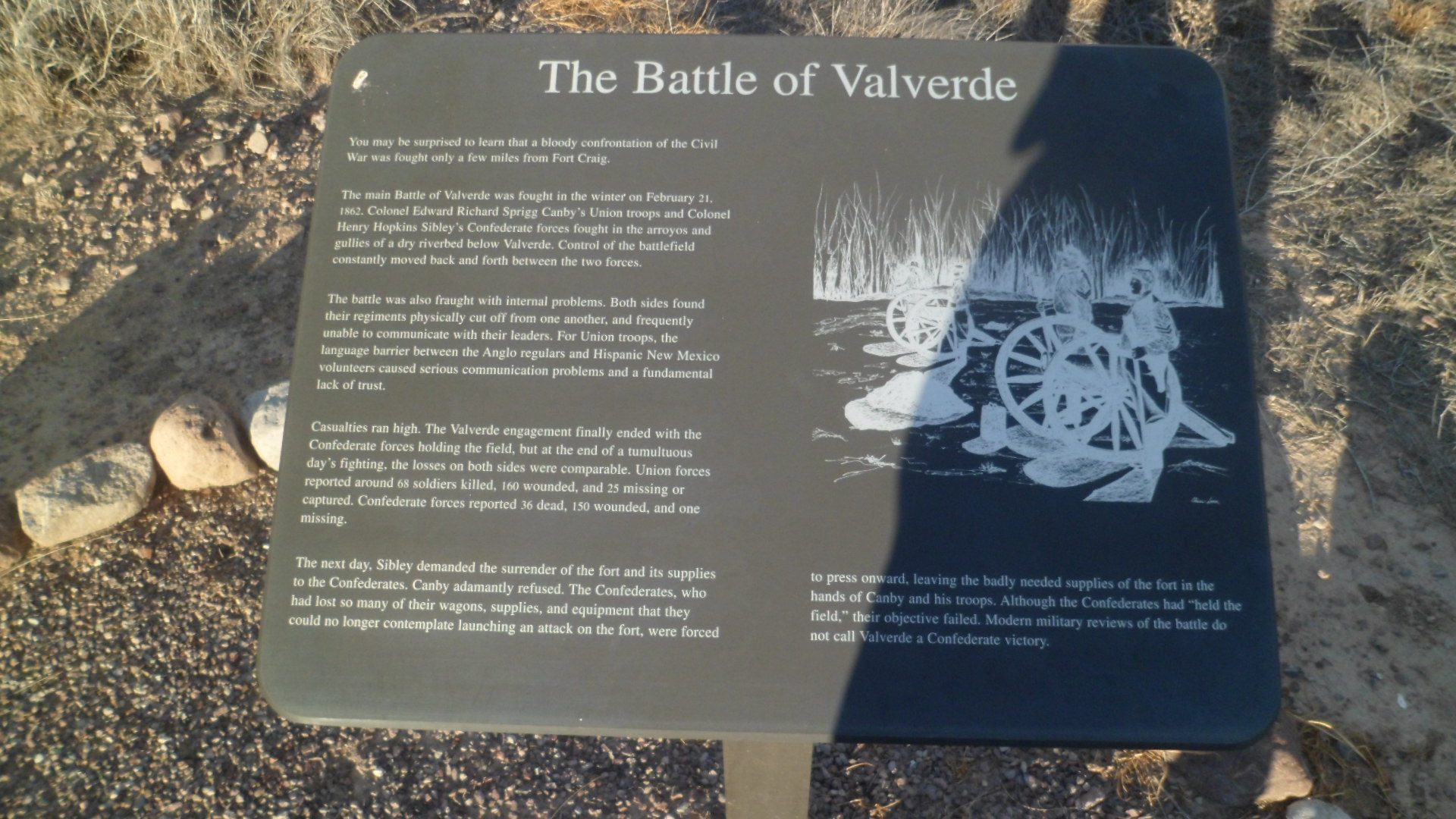
 The Battle of Valverde, near Socorro, was a Pyrrhic victory for the Confederates. They lost so much in materiel that they were unable to capture Fort Craig and hobbled on to Albuquerque, never gaining control of New Mexico.
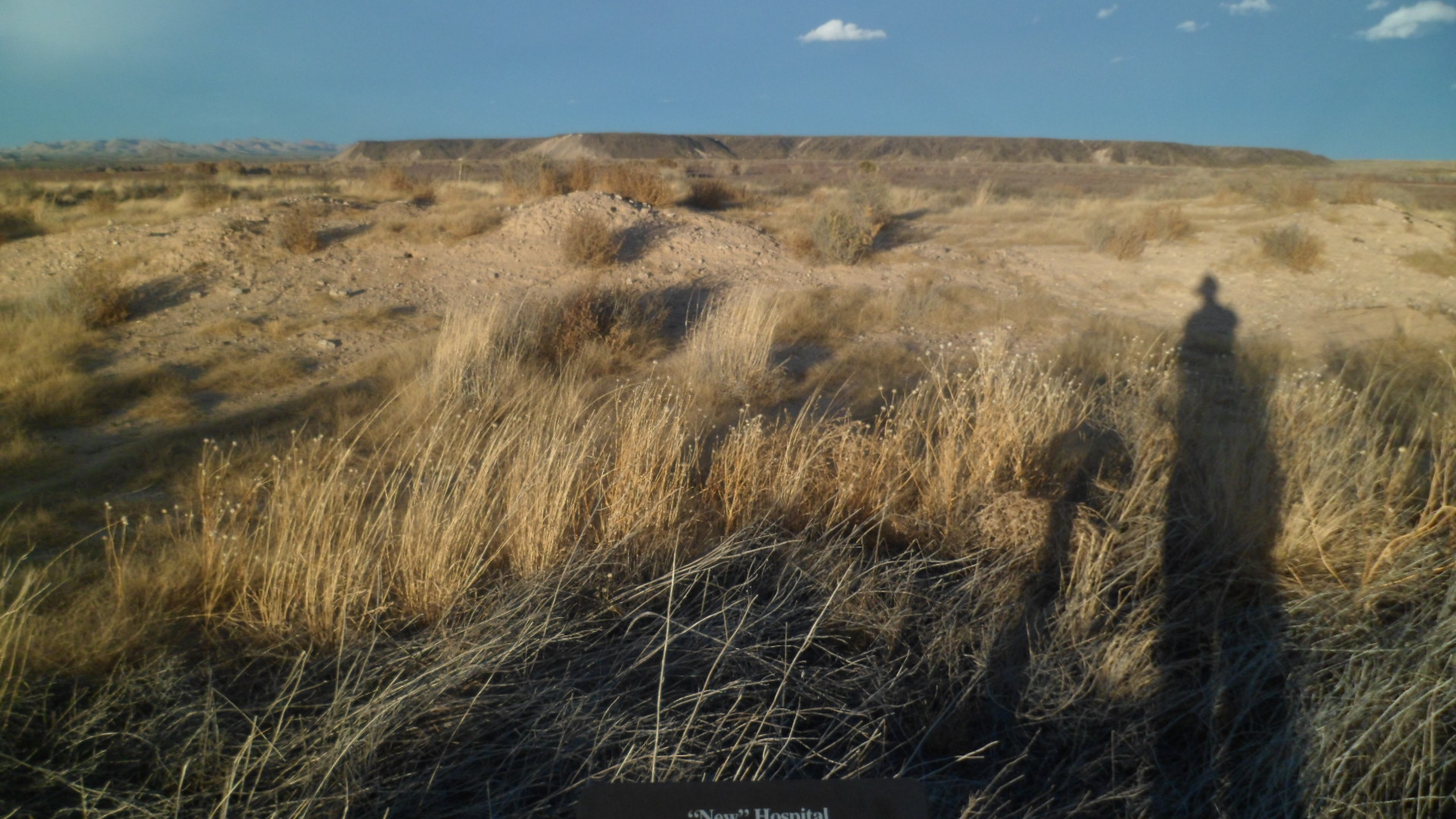
 I don’t believe I have ever cast such a long shadow. Being tired by now, my course of action was to stop in the unique town of Truth or Consequences. The story has been told by someone on my Facebook wall, but I will discuss it at length in “Mile 25.”
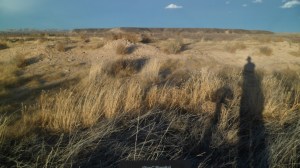















 A Sagittarian Seeker