
I have wanted to visit Arizona’s largest known publicly-accessible caverns, located nine miles south of Benson, for several years now. A few days ago, tickets to the two tour routes were purchased and I set aside Saturday, Jan. 4, as my Cave Man day.
After a pleasant night’s rest at Quarterhorse Motel, and a hearty breakfast at the Farm House Restaurant, I headed down the short stretch of U.S. 83.
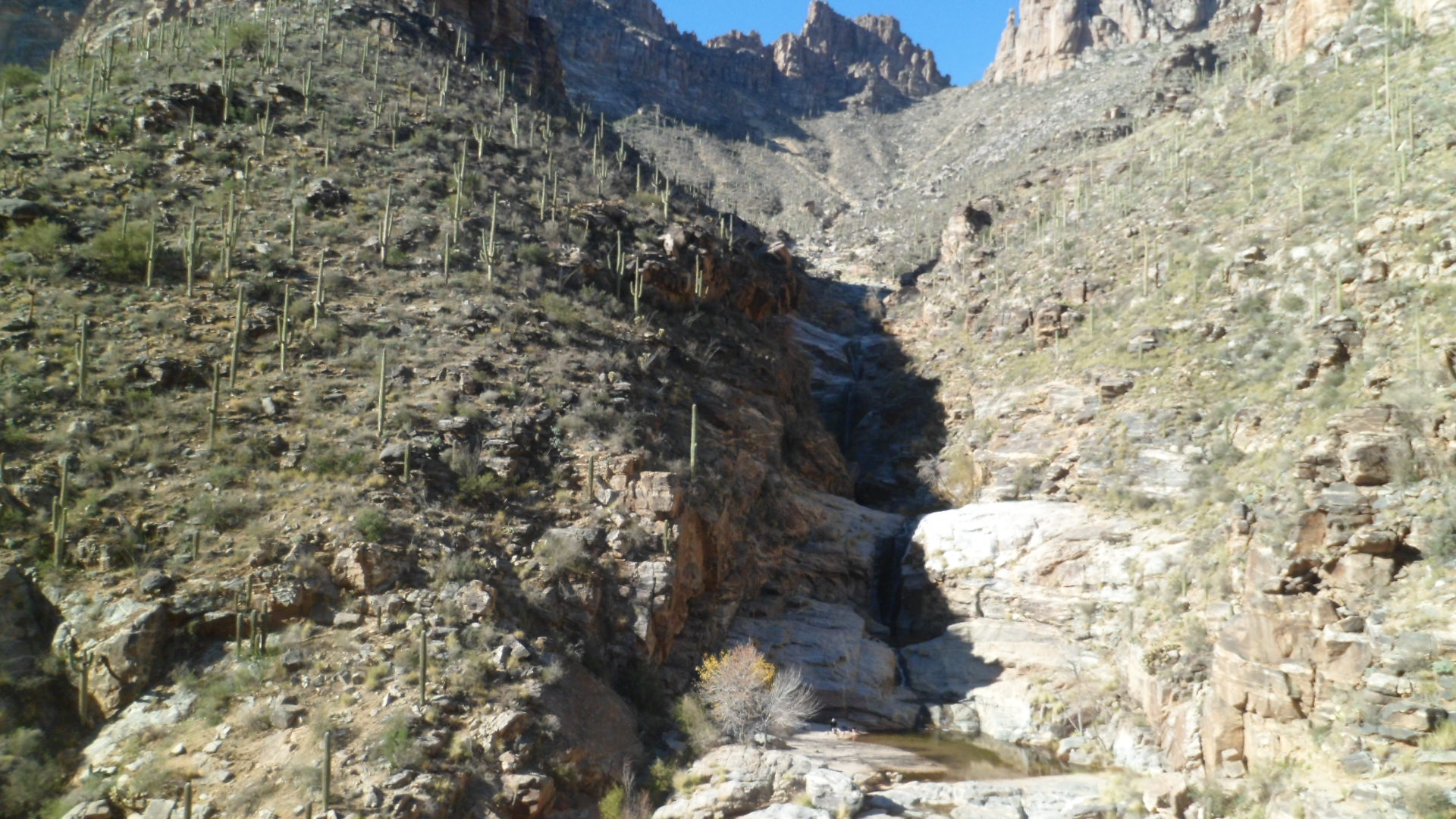
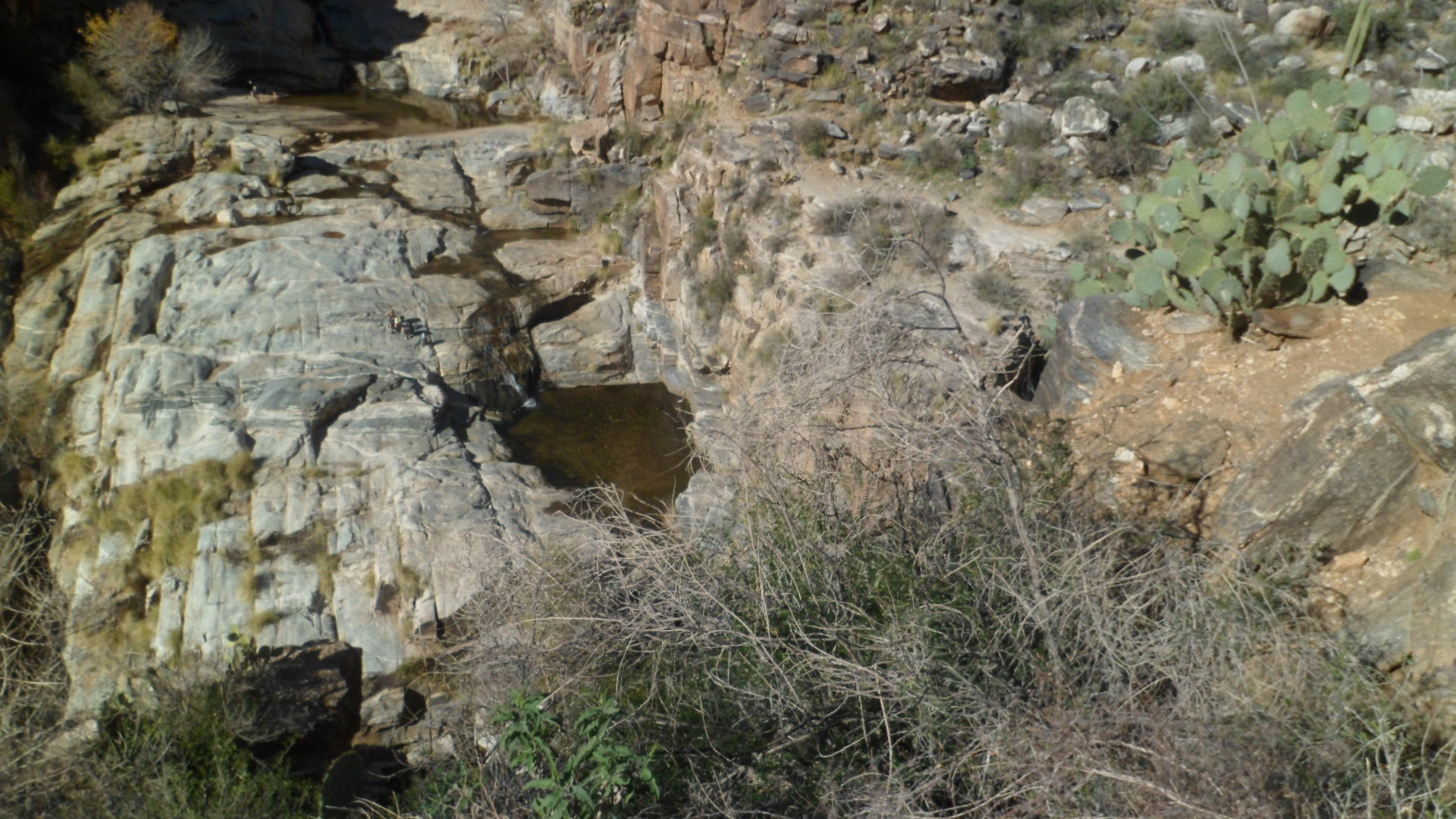
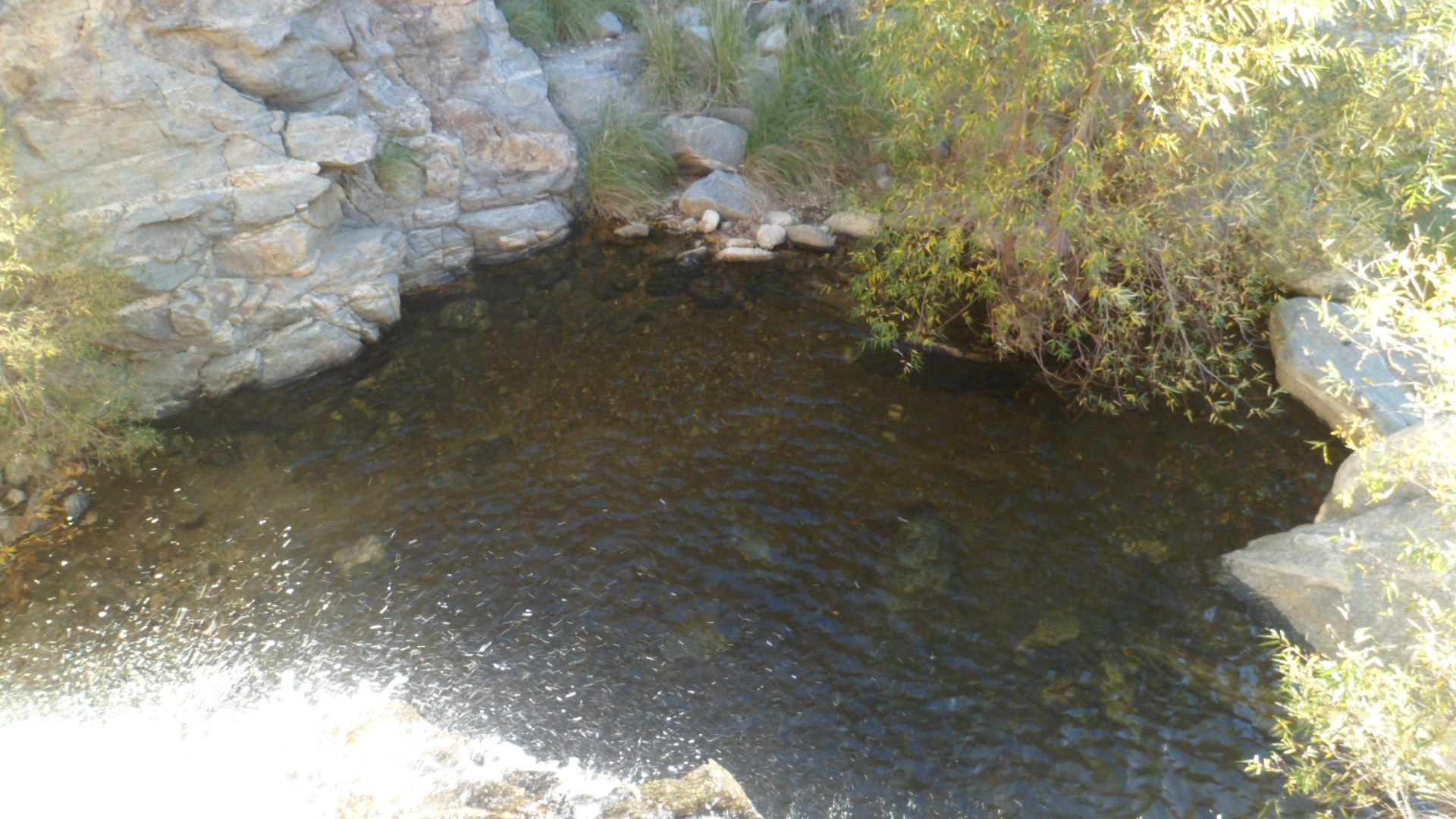
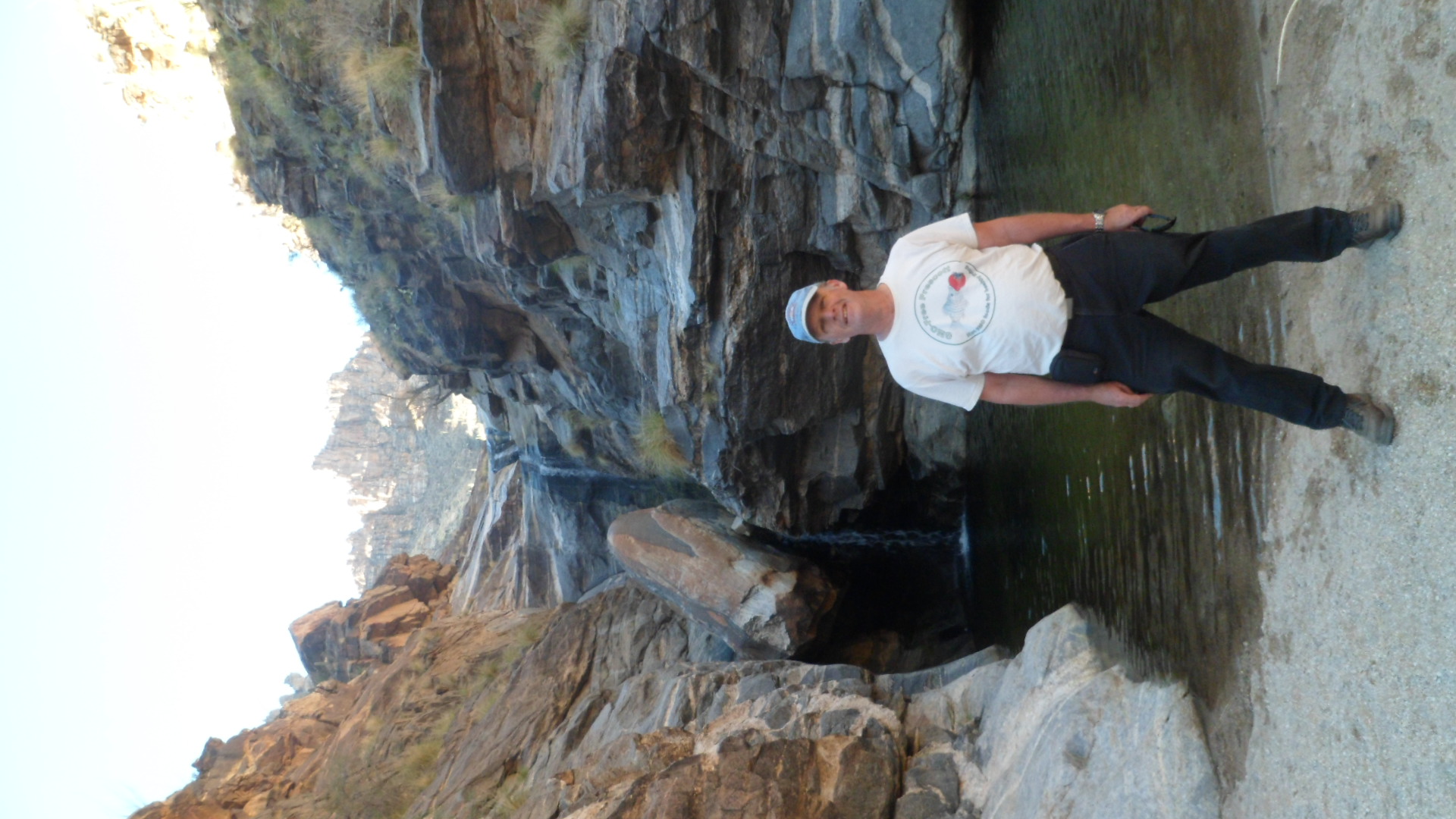
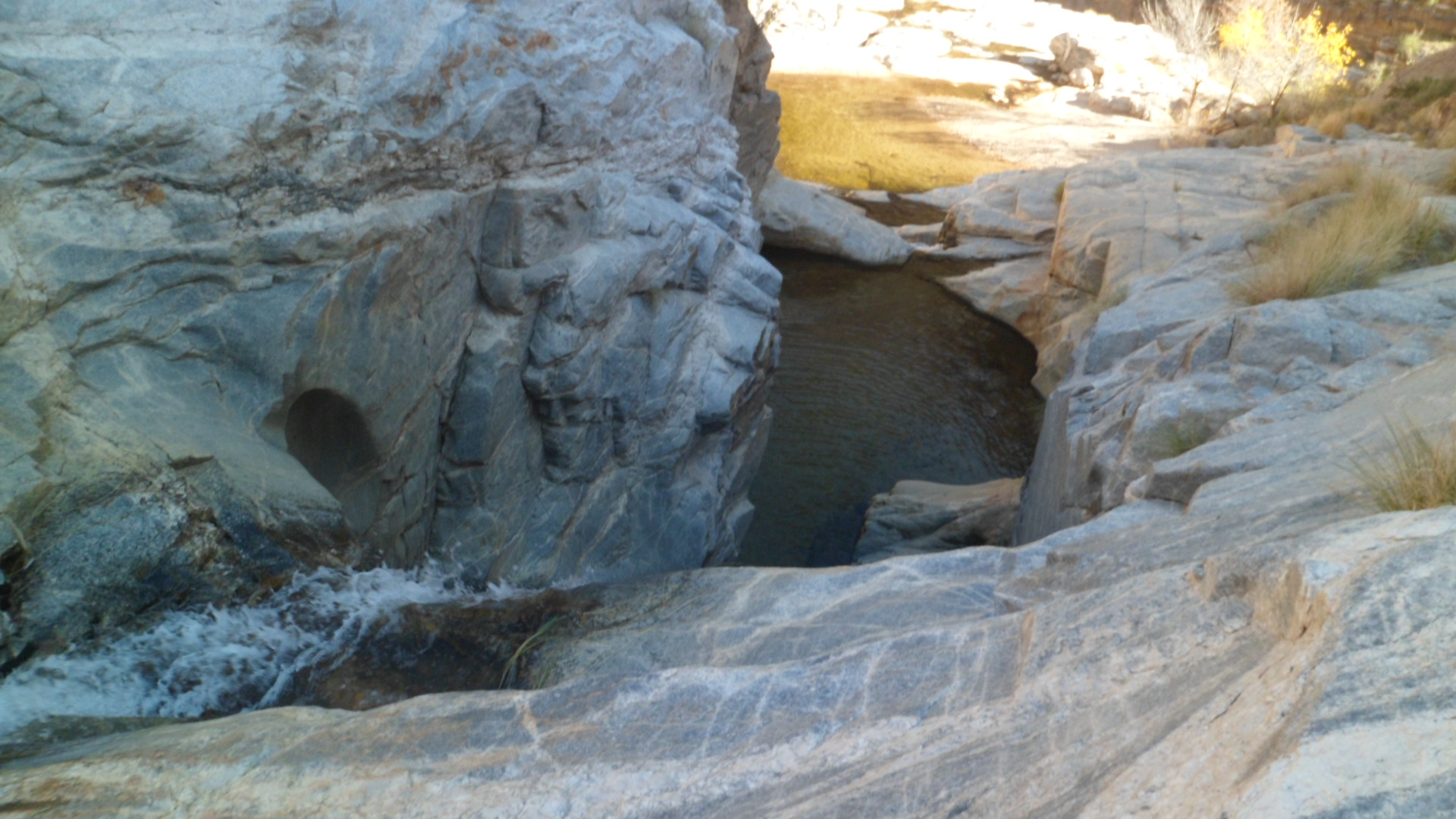
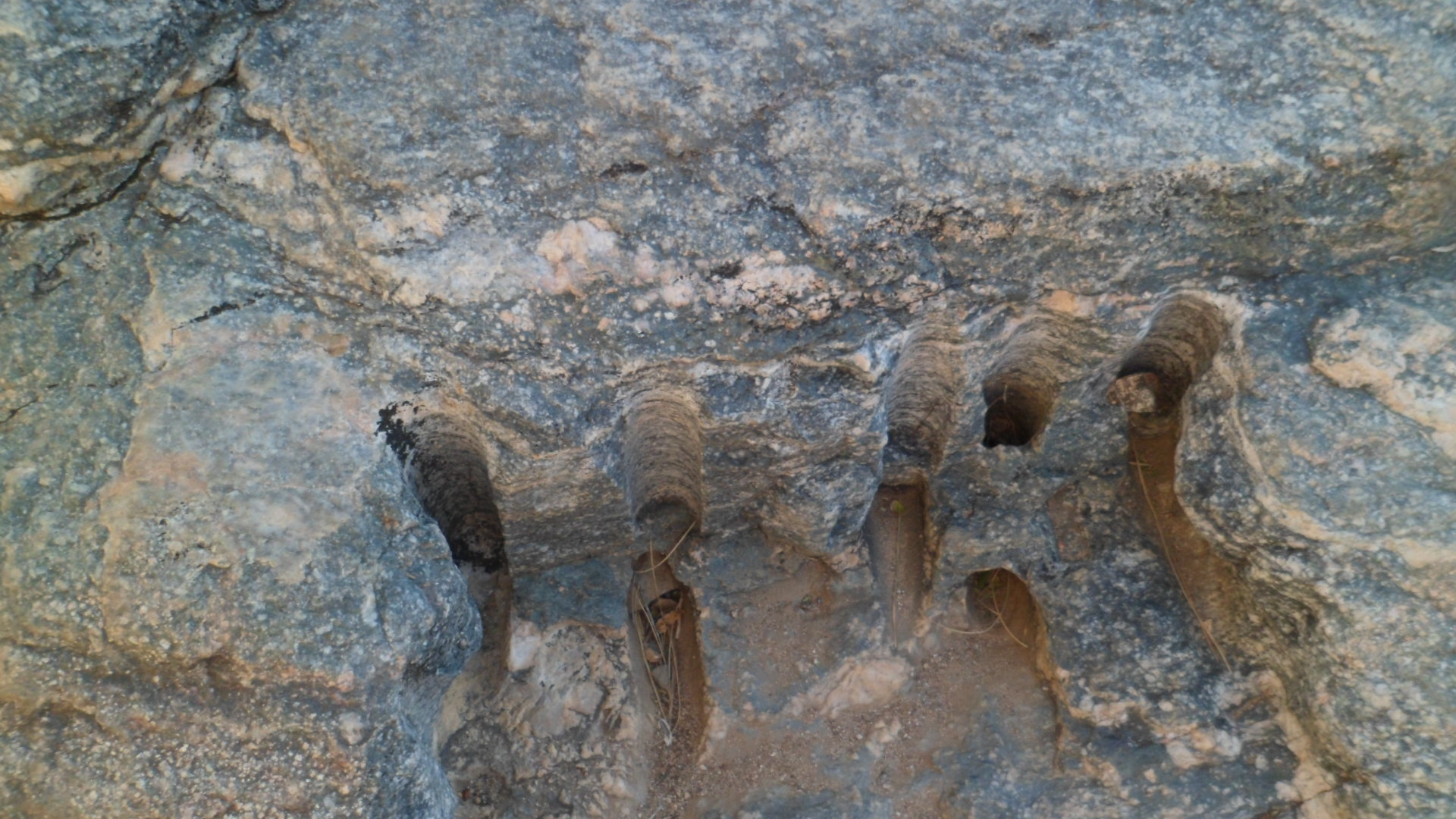
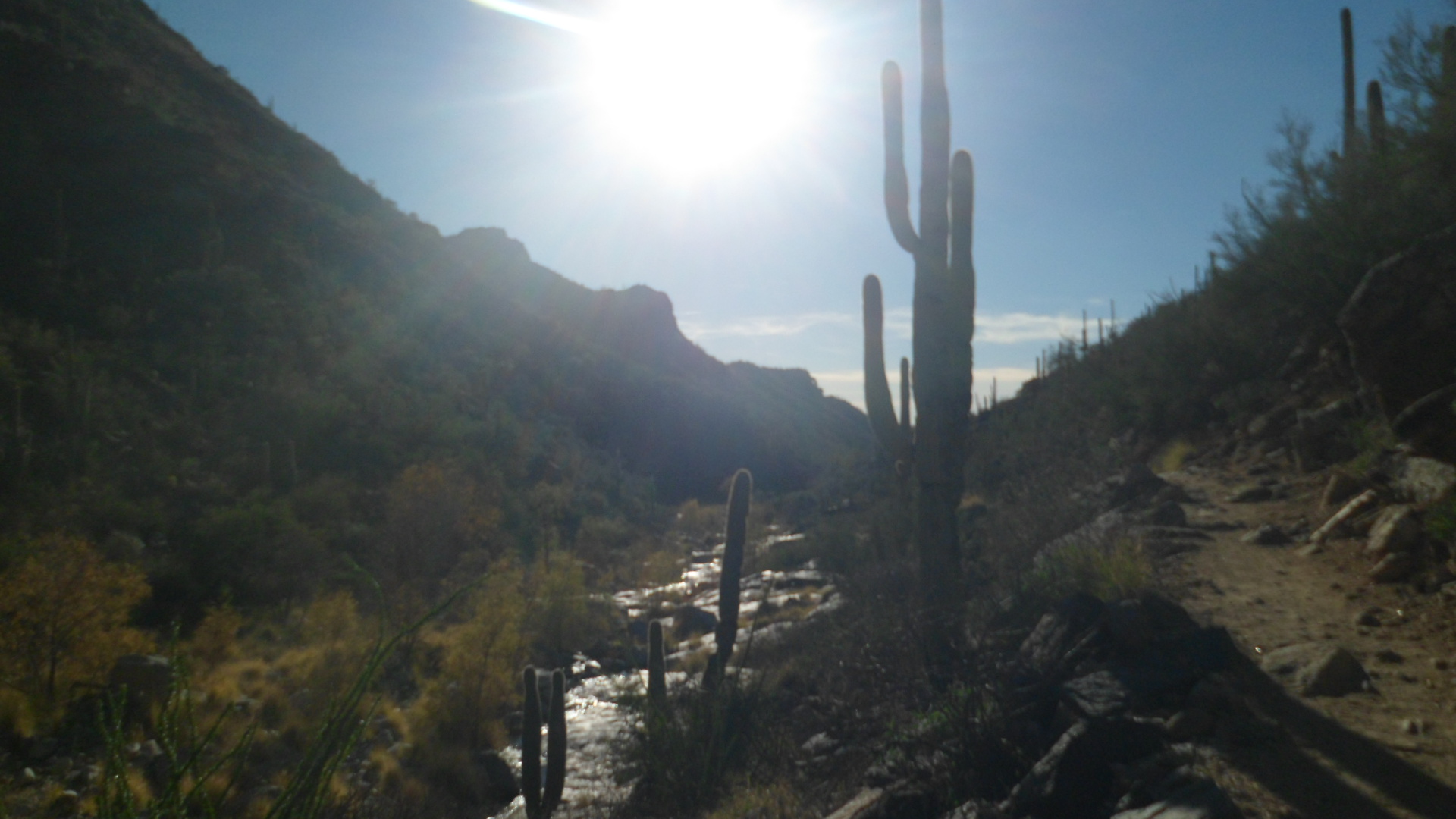
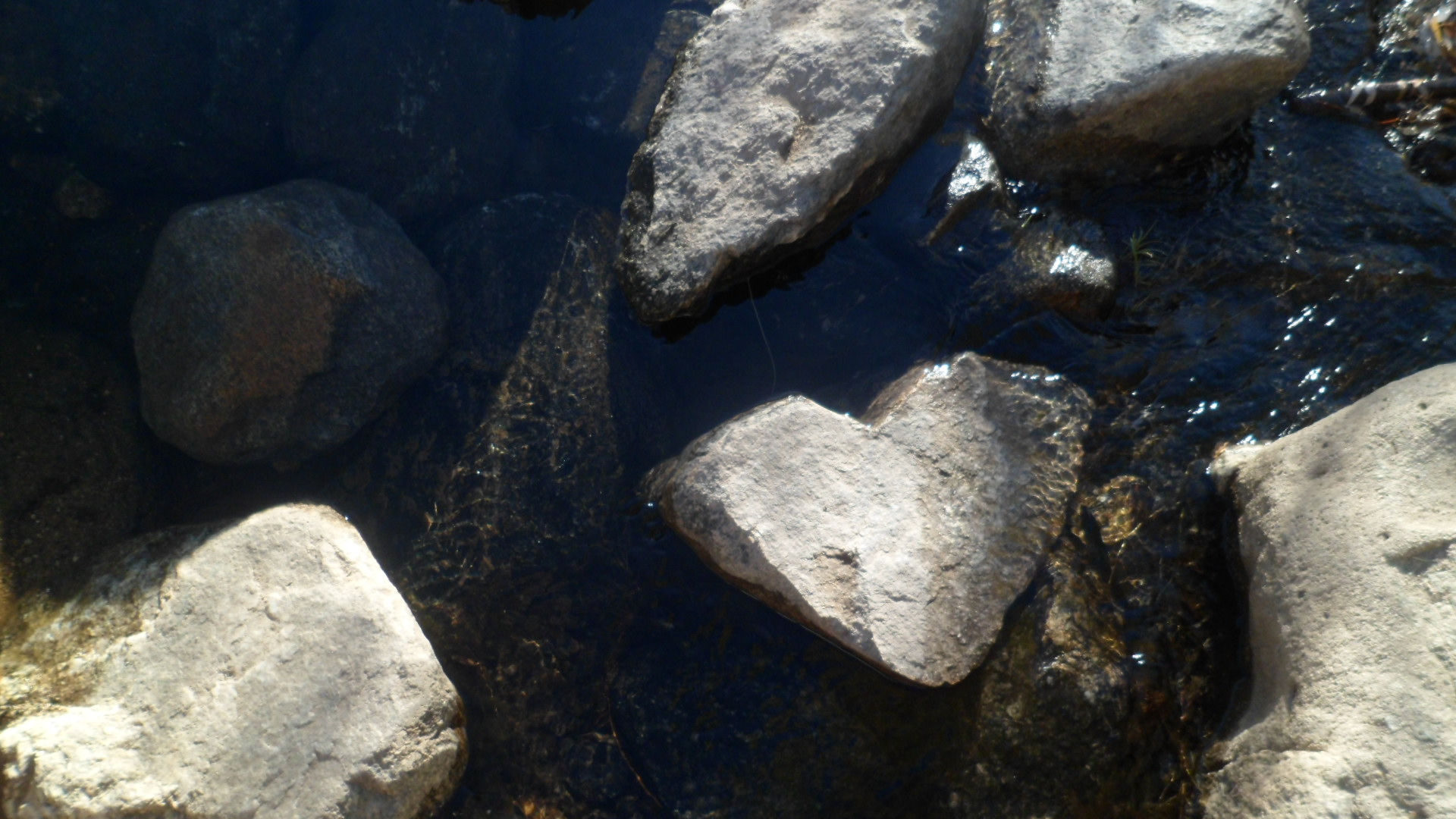
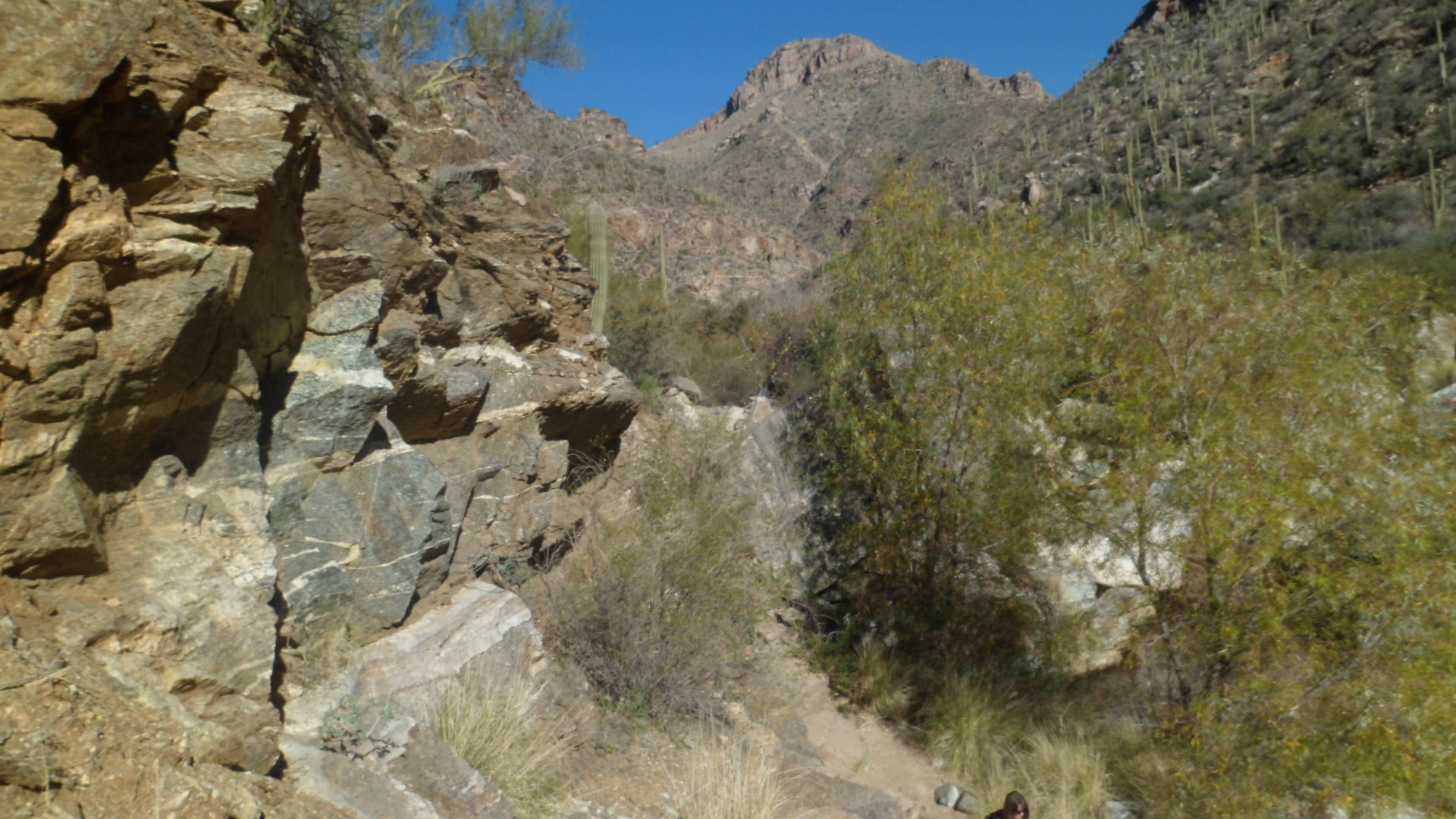
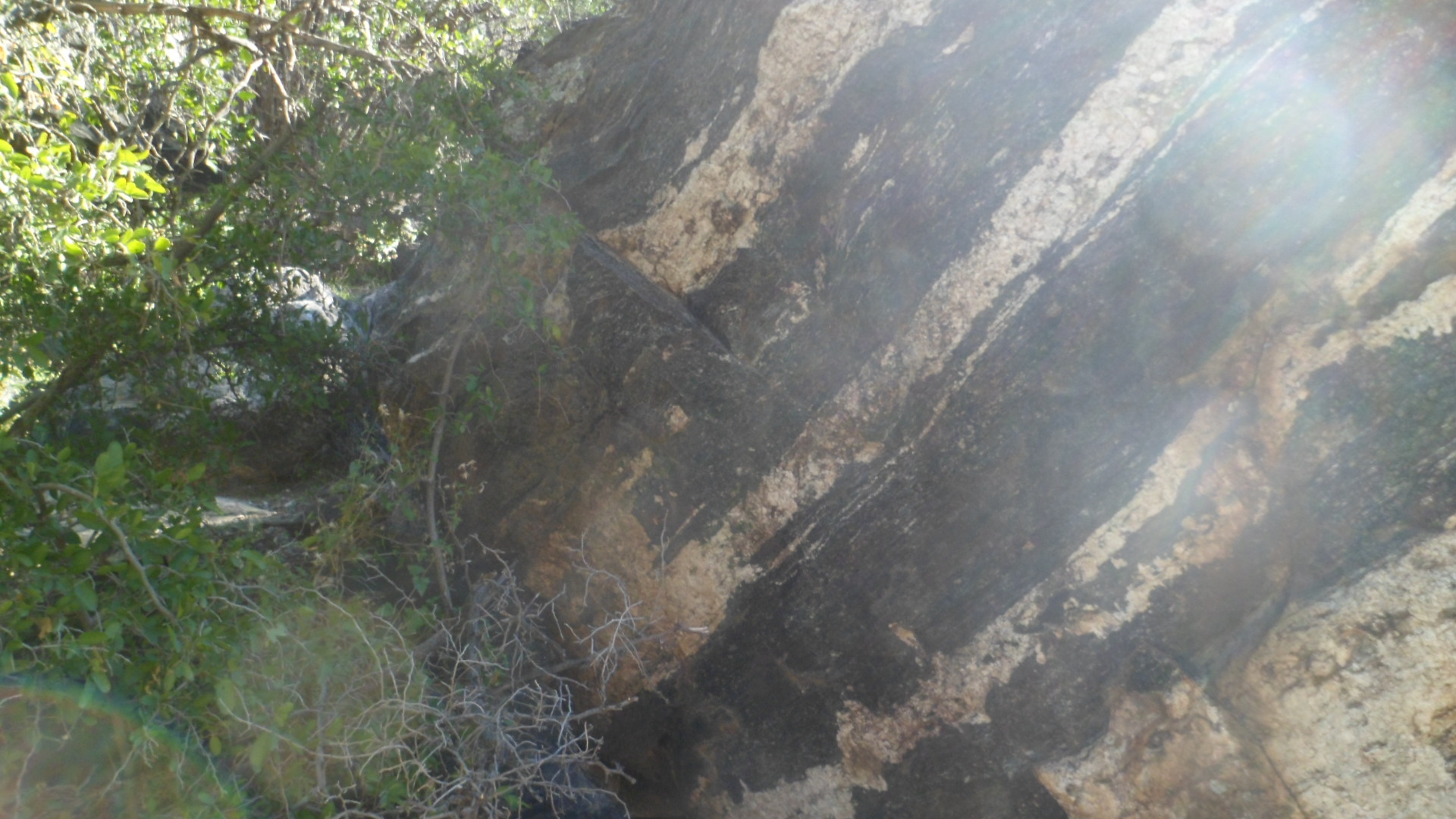
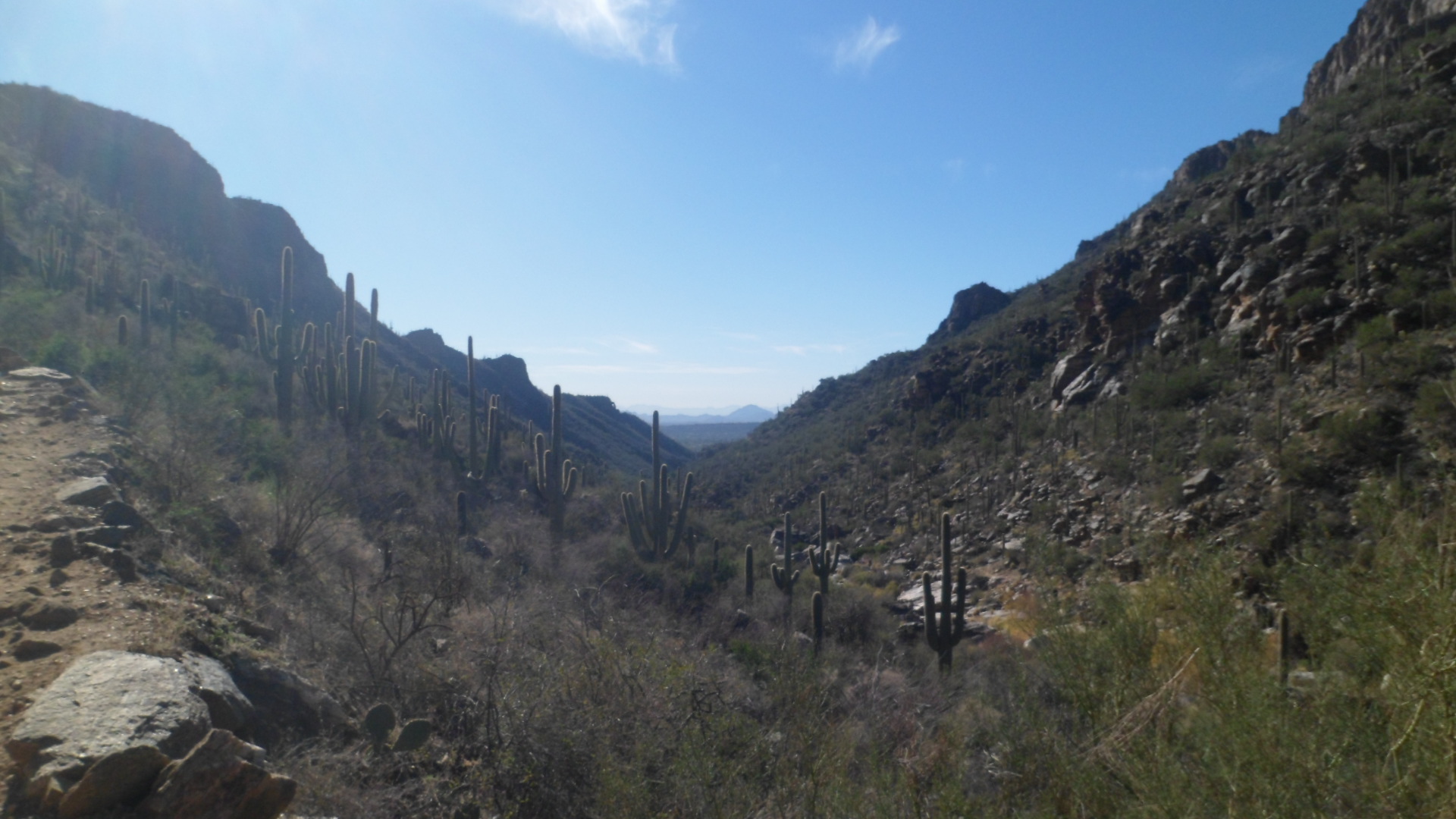
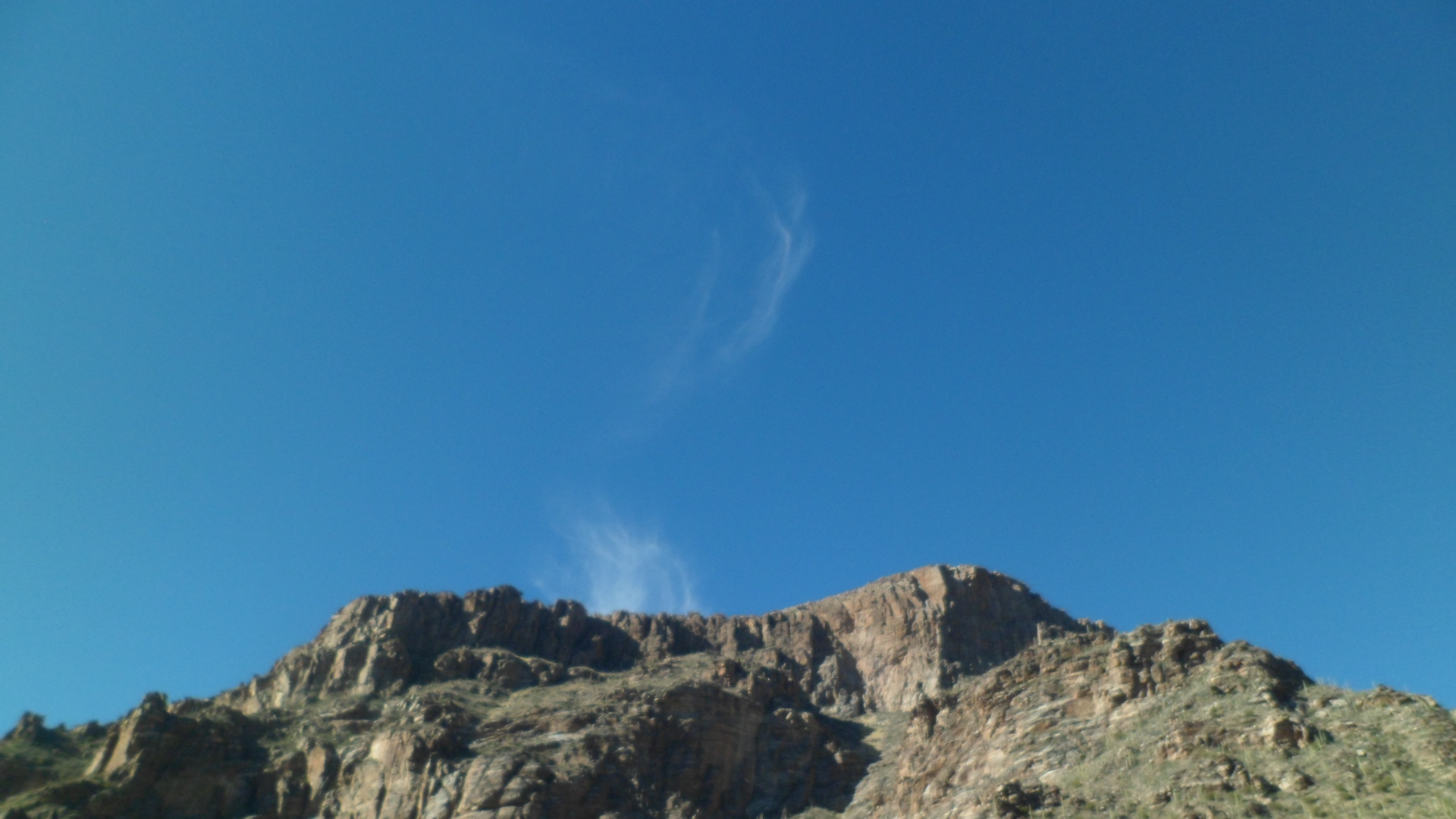
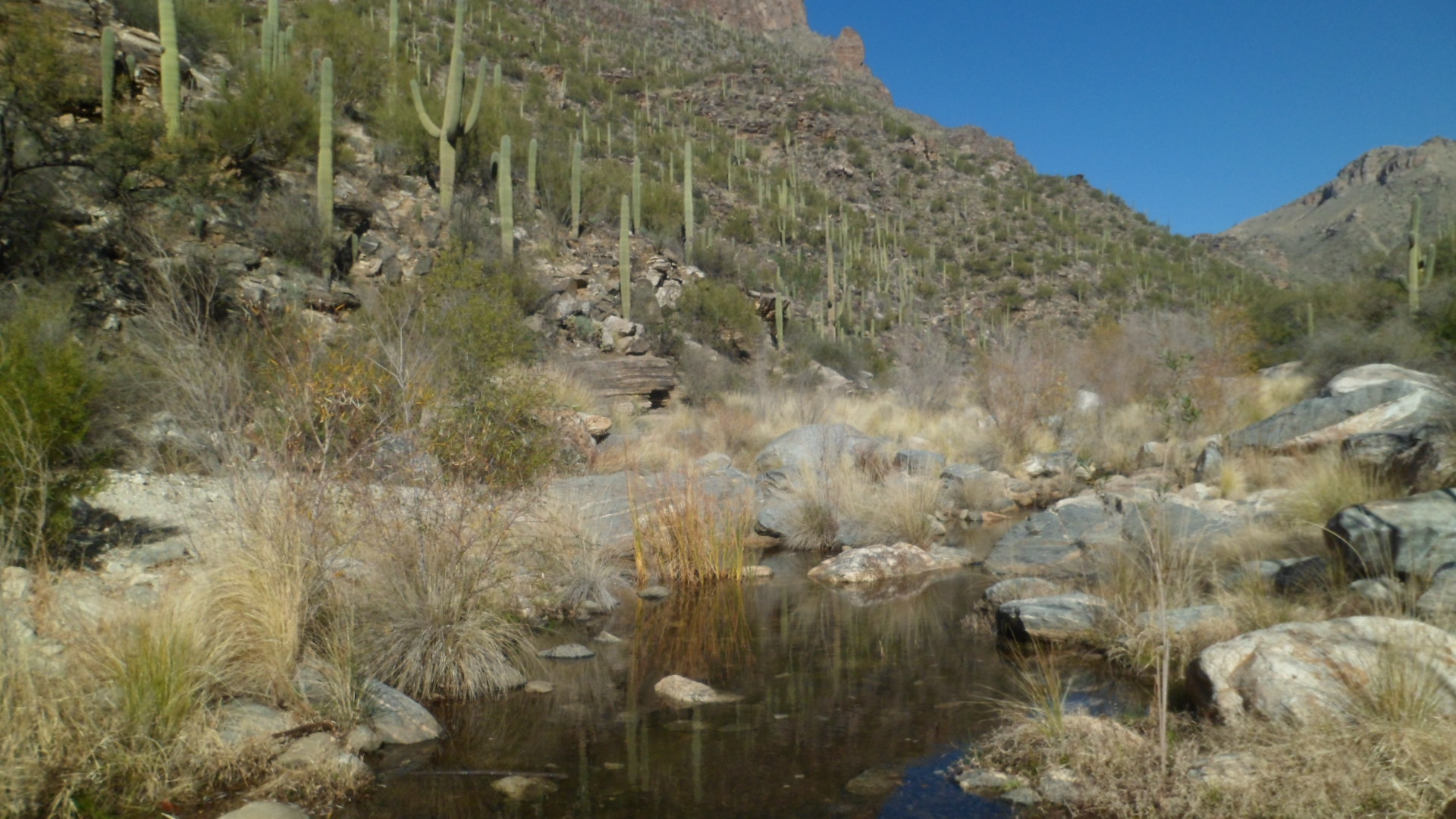
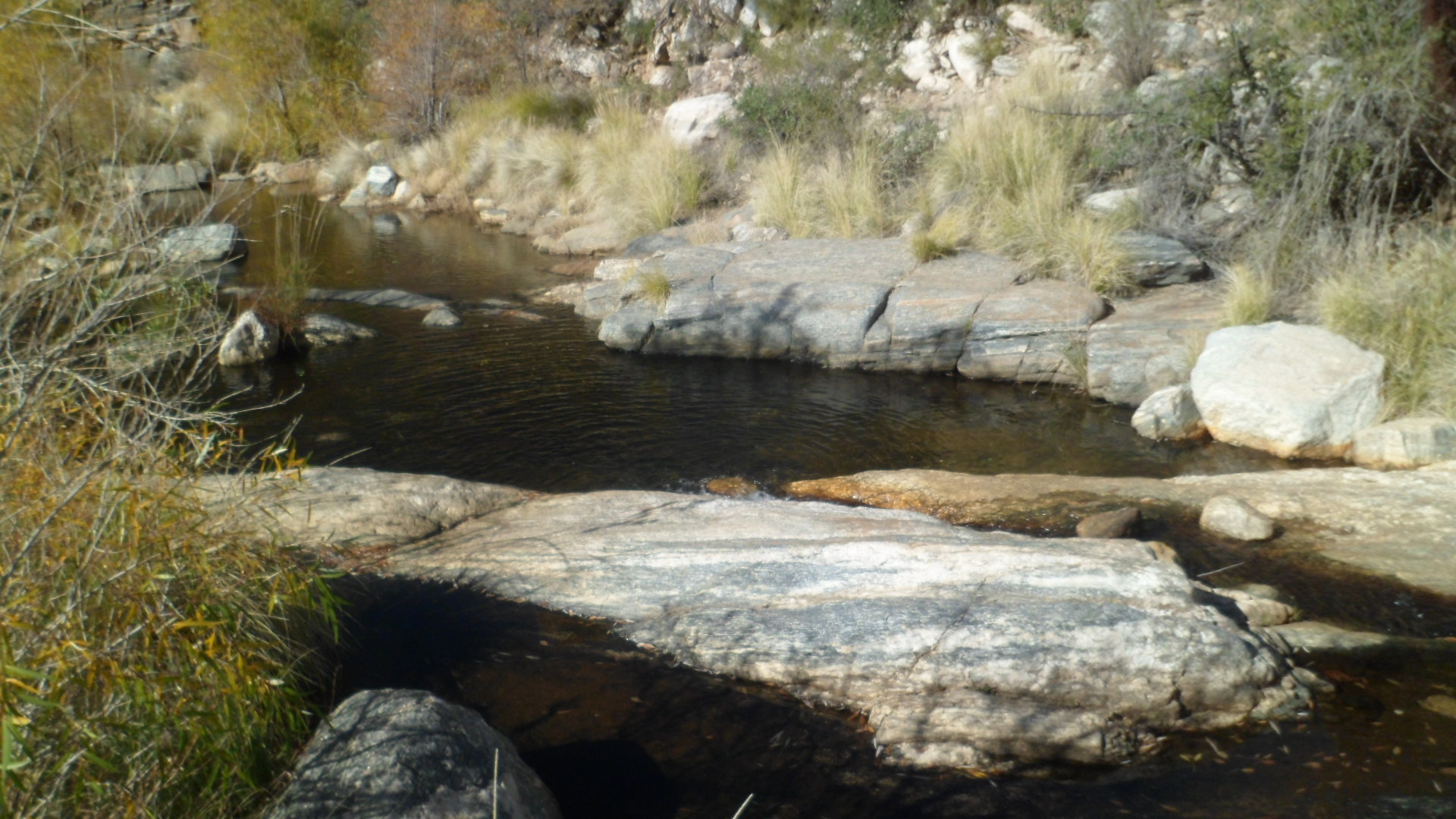
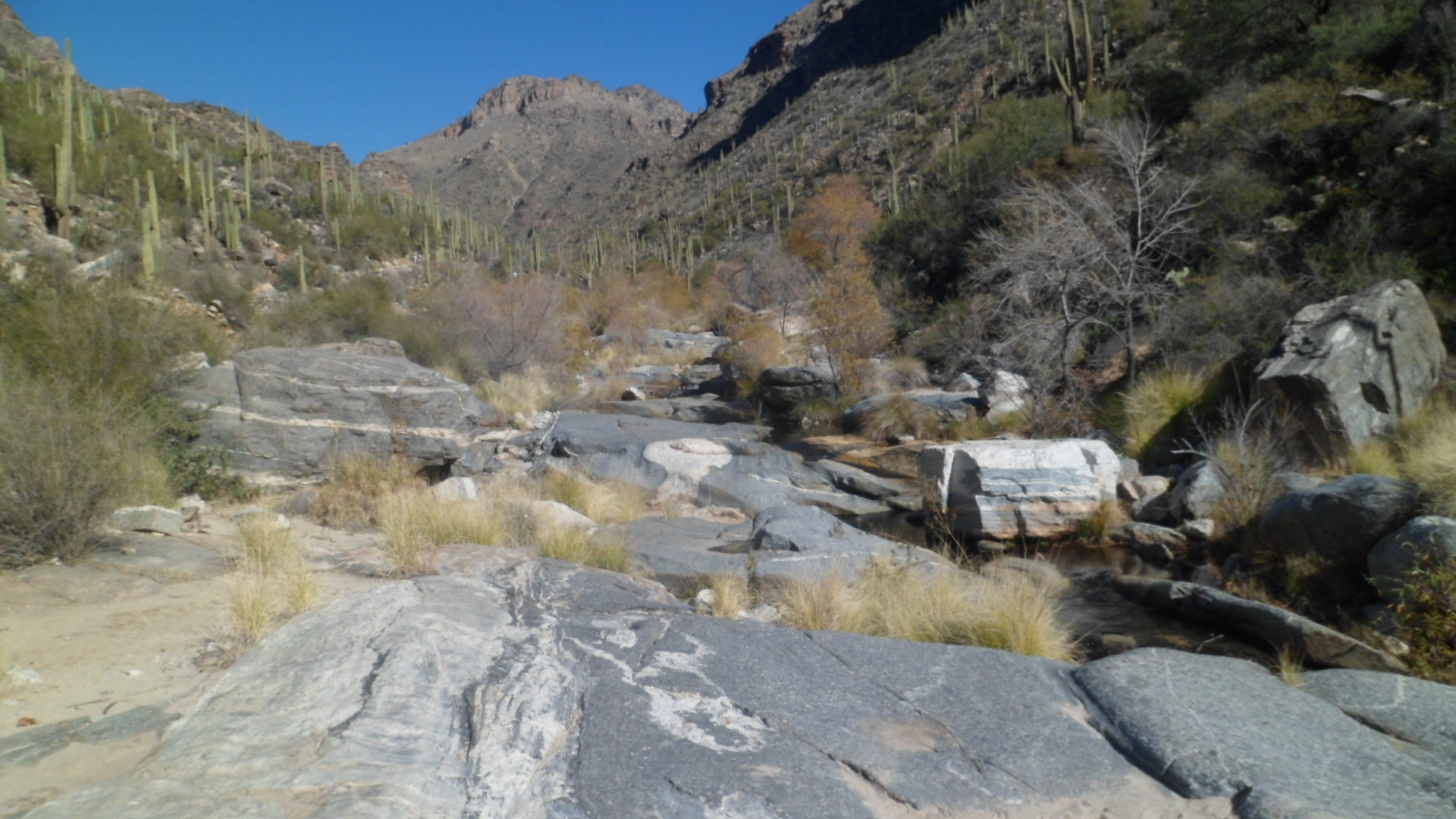
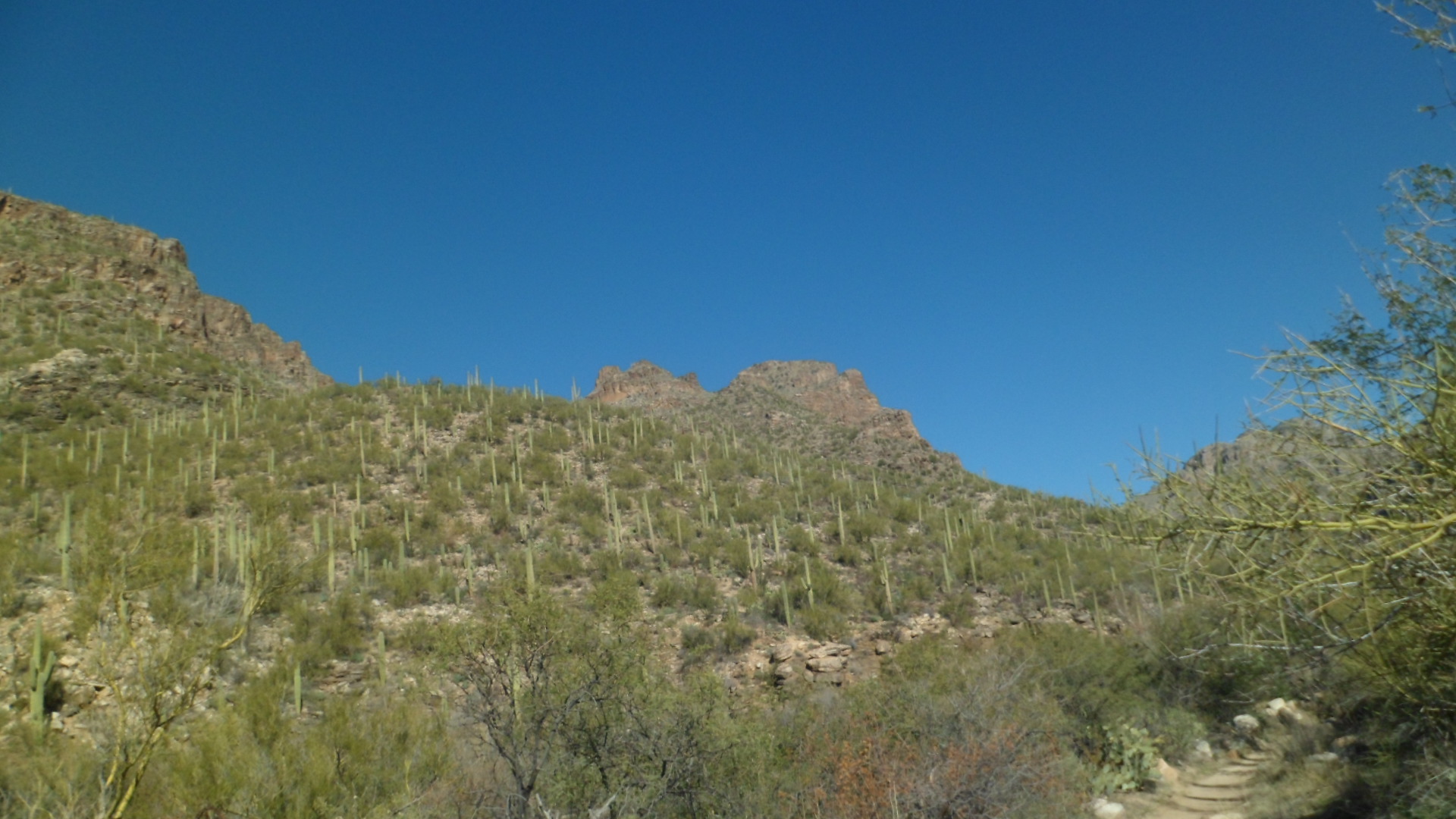
I pulled into the gate, showed my ticket receipt and went to the Discovery Center, to get my actual tickets, which are collected by the tour guide and reused by many visitors. I was unable to take my camera or cell phone with me, into the caverns, so my own photos are of the Whetstone Mountains, which serve as the roof of Kartchner Caverns.
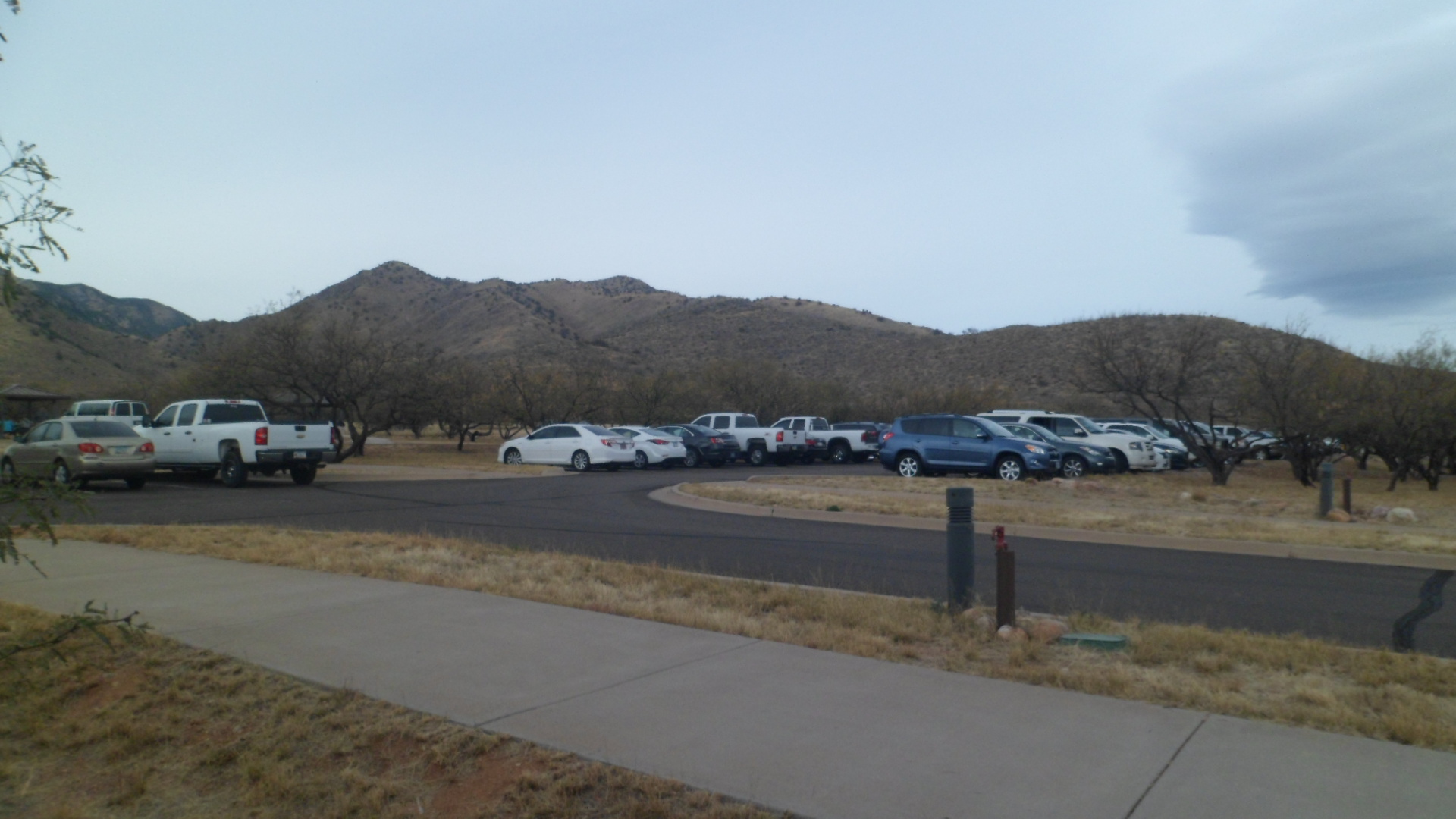
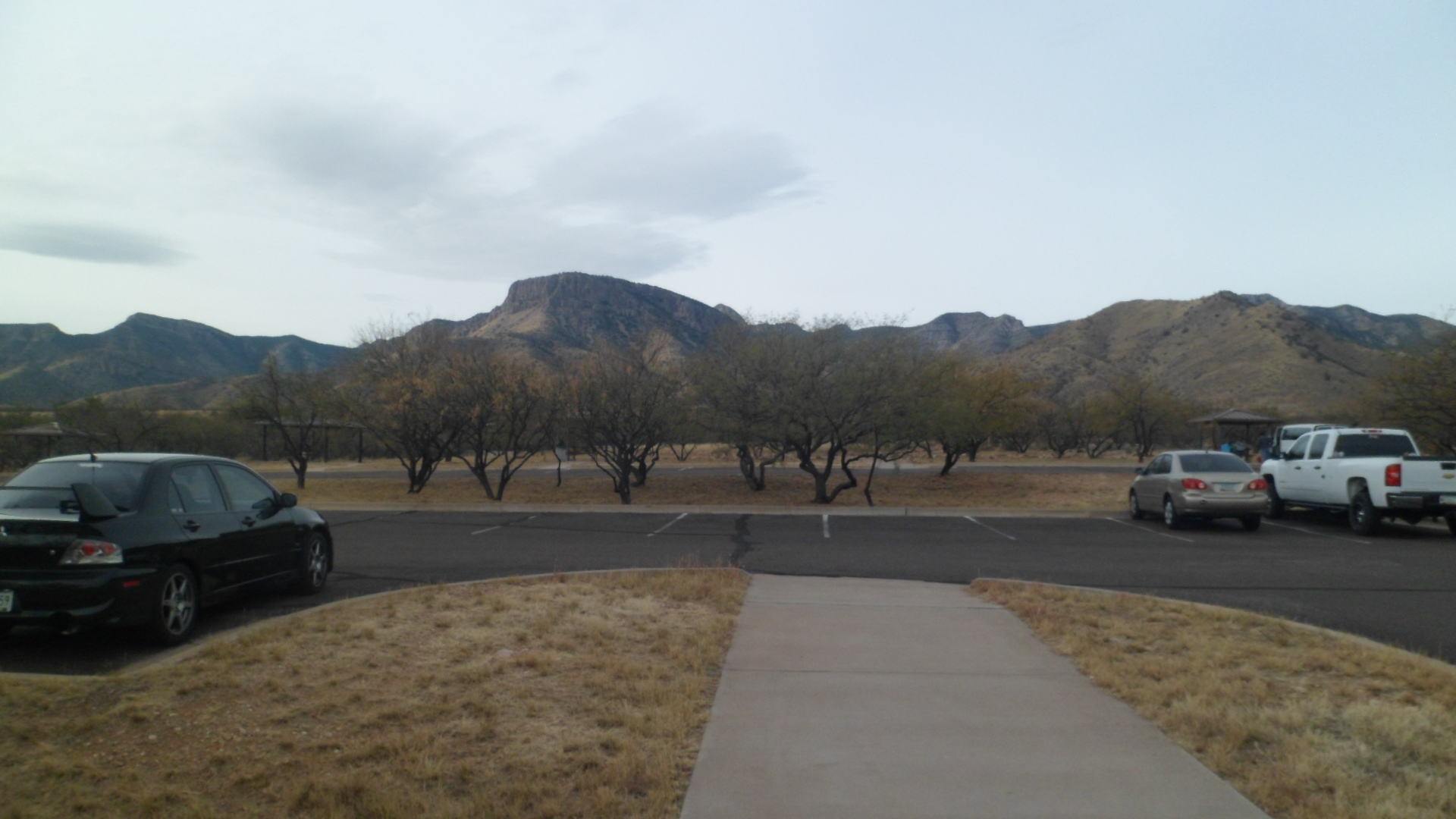
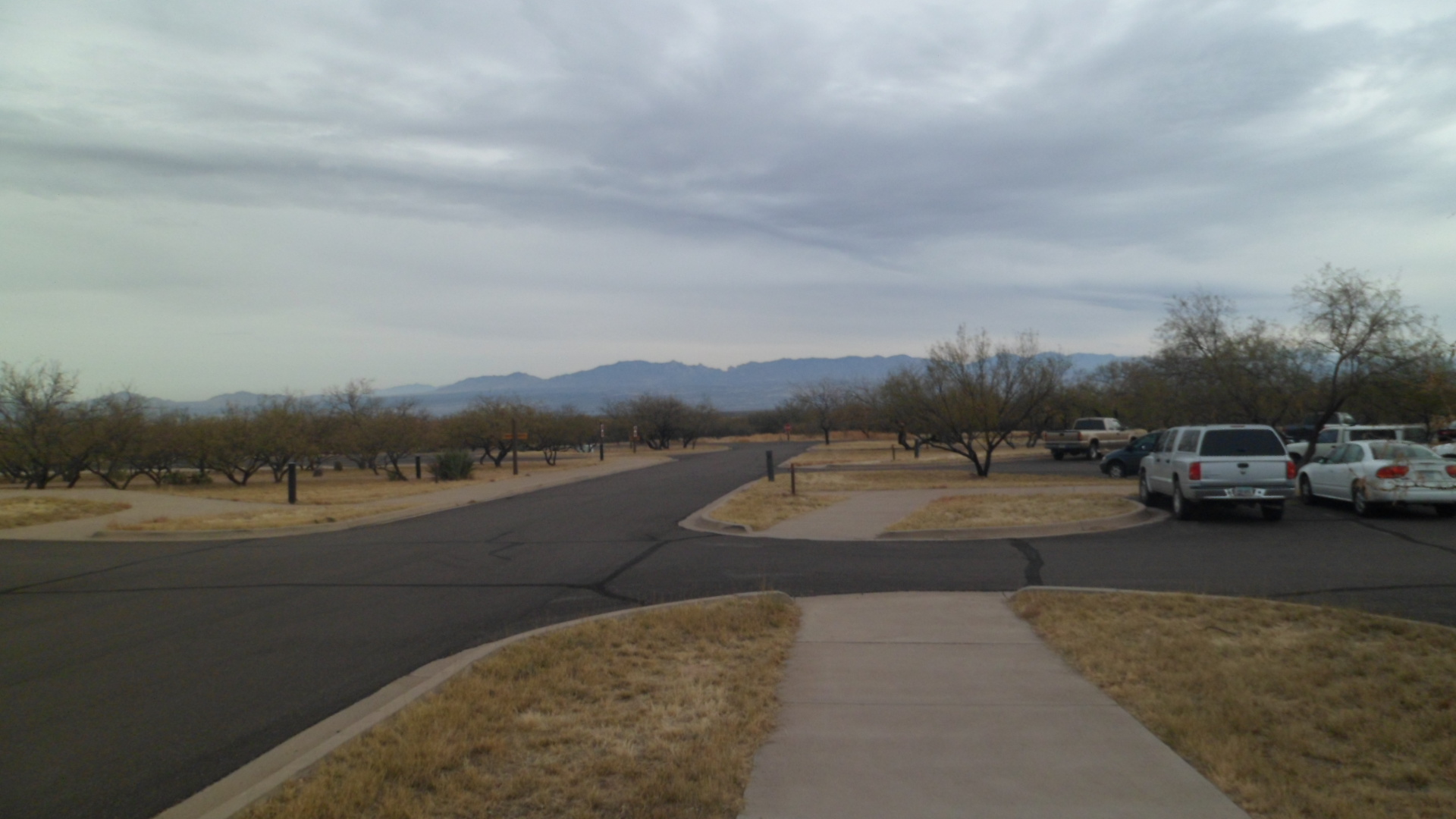
To the east, one can see the San Pedro River valley, southern Arizona’s most active riparian system.
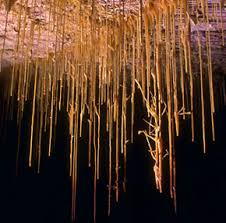
While I wasn’t able to take my own photos of the caverns, the Park itself graciously posts several, on Google. Here are three representative scenes.
Soda Straw Stalactites are made from the mineral deposits of a single drop of water, suspending over time.
^ @Copyright Arizona State Parks
Below is a drapery, which is a horizontal, rectangular mineral deposit. This is called bacon drapery, for obvious reasons.

Finally, we see Kublai Khan, a stalagmite, named for the Mongol Emperor of China, celebrated in verse by Samuel Taylor Coleridge. This formation, found in the Throne Room, is the centerpiece of a delightful laser-light show, at the end of the Throne Room tour.

^ @ Copyright Arizona State Parks
I also toured the Big Room, in the afternoon. This room is closed, from May-October, as large colonies of bats roost here then, whilst giving birth and nursing their young.
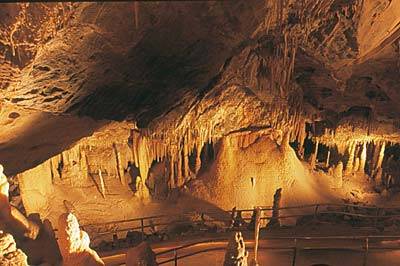
^ @ Copyright, GoCalifornia.com
The staff goes to great lengths to keep human oils, peeling skin and hair, as well as clothing lint, from getting in the cavern formations. Visitors stay on a paved pathway, there are drain cups all along the paths in the caves and no animals are allowed in the caverns.
Ironically, the first exhibit that greets us, in the Discovery Center, is that of a Shasta Ground Sloth, one of the smaller ground sloths of Pleistocene North America. The remains of one such sloth were found inside Kartchner, when the first two known explorers, Gary Tenen and Randy Tufts entered the caverns, in 1974. A dead coyote was later found in the caverns. These finds suggest an earlier passageway into the caverns, perhaps from Guindani Wash, which flows through the area, seasonally.
The Caverns, as mentioned earlier, are surrounded by the Whetstone Mountains, largely comprised of gray chert, which resembles the stone used in sharpening blades. These small mountains may be explored further, by way of Foothills Loop Trail (2.5 miles) and the Guindani Trail (4.2 miles). These two trails may be areas I explore later. For Saturday, the caverns were more than enough to occupy my attention.
















 A Sagittarian Seeker