An Eastward Homage, Day 11: Morning in Rouen, Afternoon at Utah Beach

8

D-Day was the beginning of a hard deliverance for the French people.  We, the Allies, landed on the beaches of northern Normandy, on June 6, 1944.  So, June 6, 2014, some 32 years after Penny and I were married, and 70 years after the combined weight of the U.S., Canadian, Free French, British and Anzac forces were first brought to bear on the German/Vichy French Army, was a very big deal.

I had no  concrete plan to join in the observance, other than to get on a train from Rouen to Caen, thence to Bayeux, then to St. Mere Eglise, or as close as I could to Utah Beach, or Omaha Beach.  I brought money to kick in for a taxi, in any case.

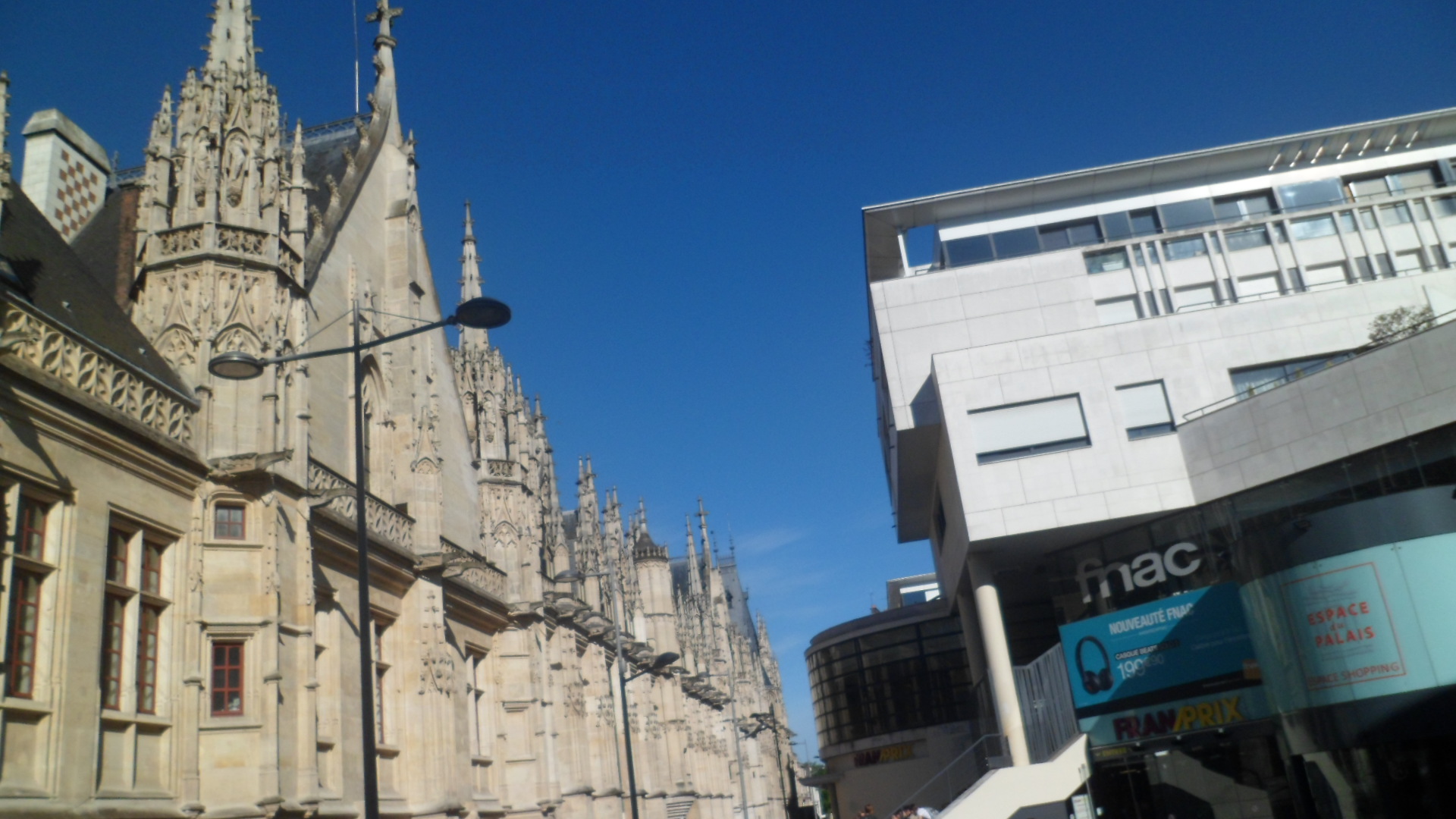
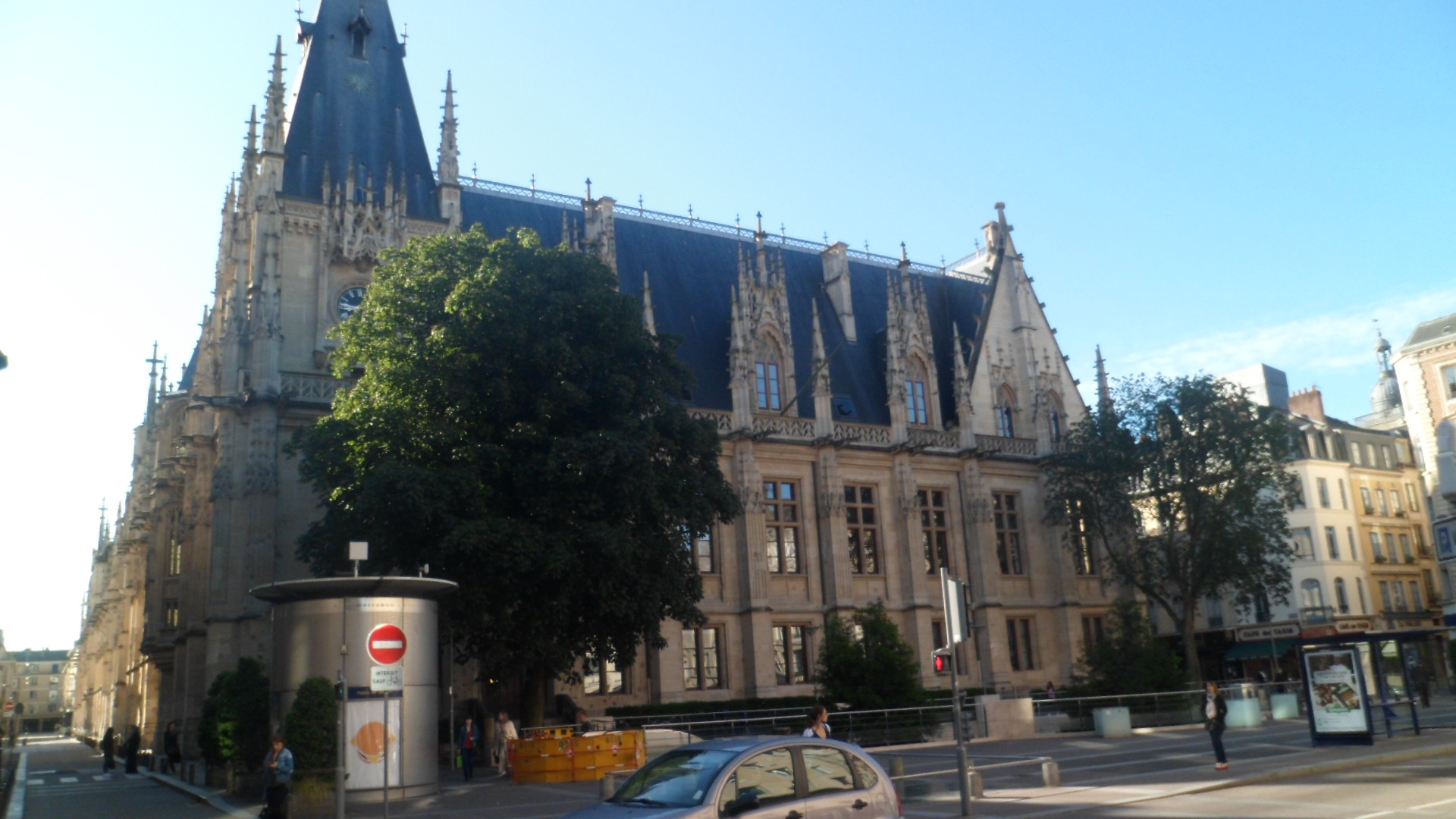
Before hopping the train to Caen, I sauntered around Rouen’s Palais de Justice for a few morning stretches.  By ANY stretch, this thing is huge.
SAM_9669

SAM_9675

SAM_9681

It is still used for legal matters, in the Department de Seine-Maritime.  Having looked at my watch, though, I knew it was train time.

Along the way to Caen, we passed the lovely little town of Lisieux.  The river, of course, is the Seine.

SAM_9682

I met a Seattle-based couple who are researching for a book the wife is writing on the experiences of living World War II veterans.  They were headed to Omaha Beach.  I had decided to go to Utah Beach, as that would give me the best chance to get to St. Mere Eglise, afterward.

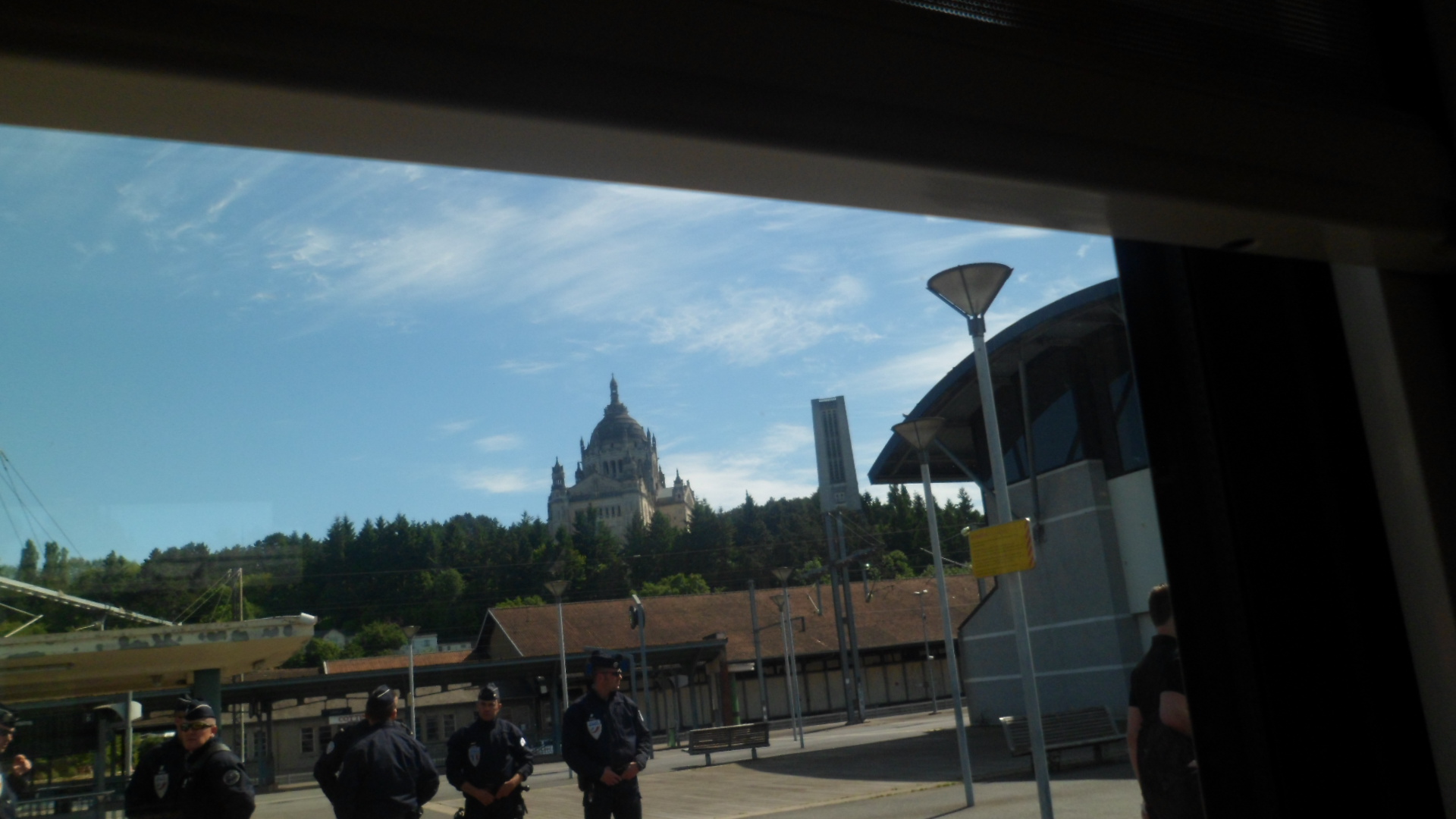
We arrived in Caen, and found this scene.
SAM_9683

The French Army was on full alert, as so many dignitaries were out and about, for the commemoration. We were not bothered at all, and got on a train that would get us to Bayeux.  A young lady named Anne, an American, met us on board the train.  Once she heard I was headed for Utah Beach, she became my friend for the day, and we got along most agreeably.  She gave me a few pointers on photography, so my shots ended up clearer than they had been earlier.  She turned out to be  embedded in a military unit, elsewhere in Europe.

This is near the train station at Bayeux, where we got off.  Bayeux is also famous for the tapestry that shows William the Conqueror, but today was not to be a day for examining that great work of art.

SAM_9686

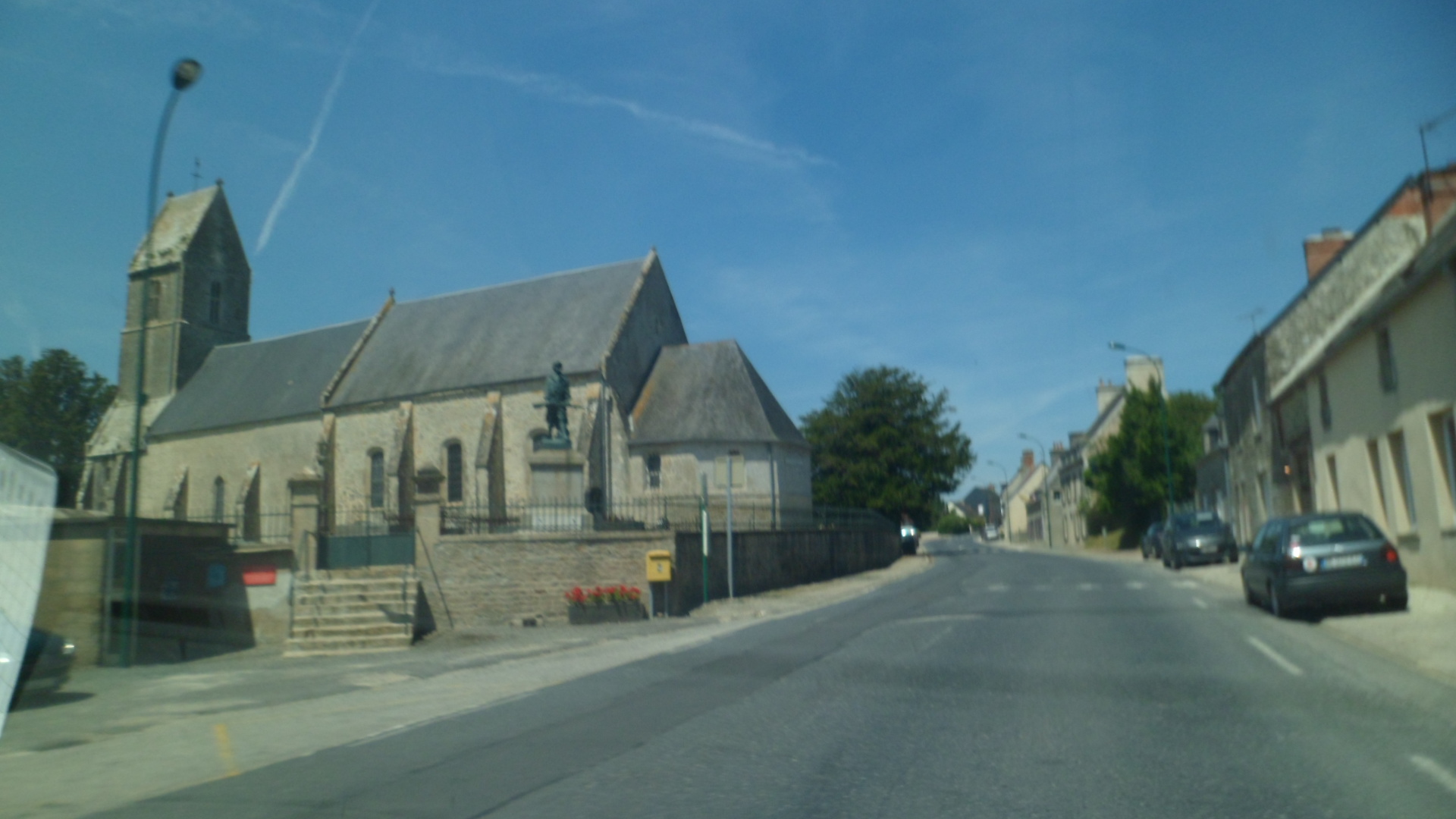
Anne and I split a taxi fare to Utah Beach.  Here are some things we saw, en route.  Below, is Carentan.
SAM_9688

Next, being blocked from going to St. Mere Eglise, we went to St. Marie de Mont.  Here a few shots of that nice little town, before we arrived at Utah Beach.  I will show you other shots that I took here, on our return trip to Carentan, after posting the Utah Beach photos.

First, though, here is the approach to St. Marie de Mont, from the south.

SAM_9689

Next, is the center of town.

SAM_9690

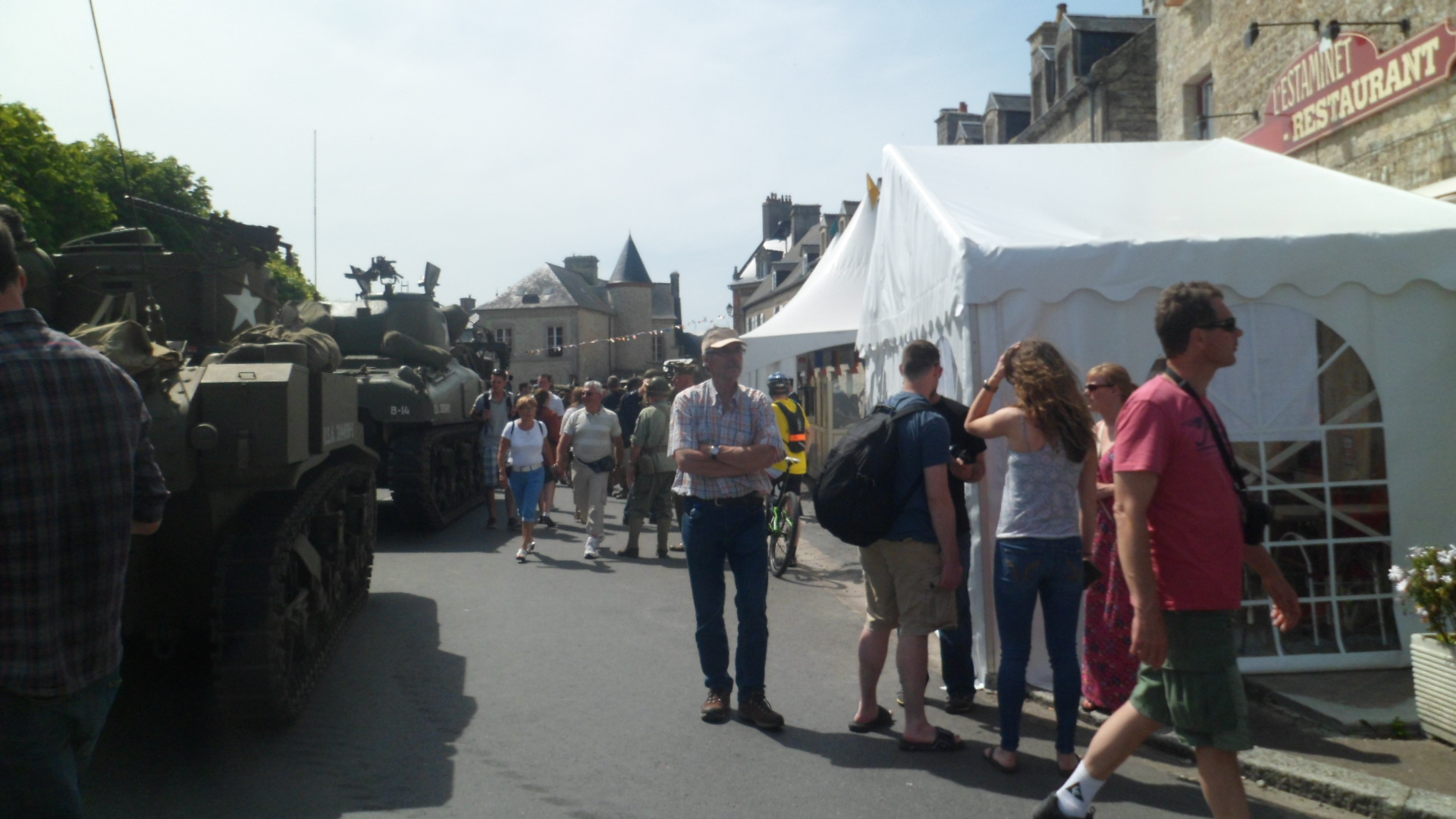
Finally, the 101st Airborne, in loose parade mode.
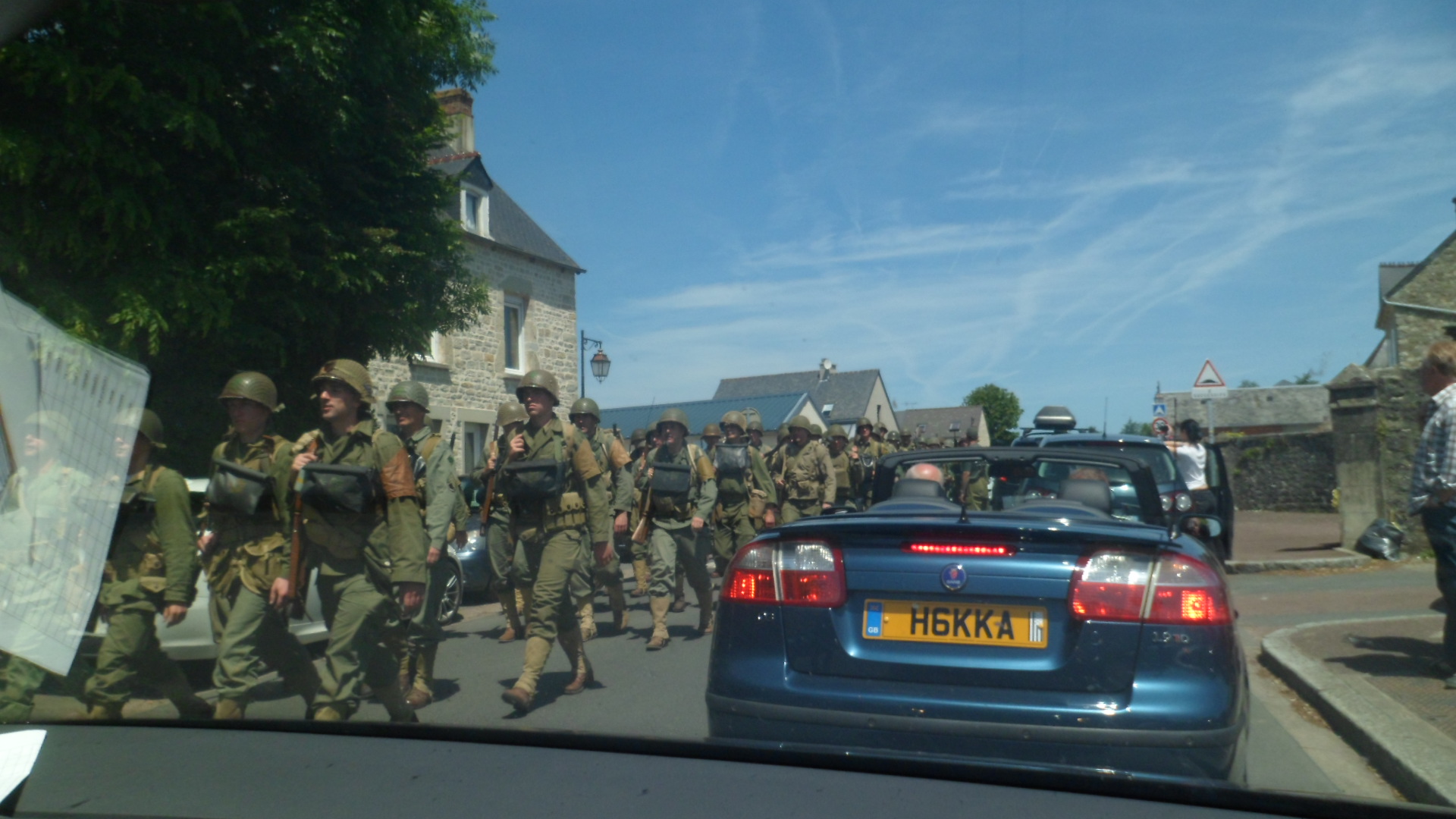
SAM_9692

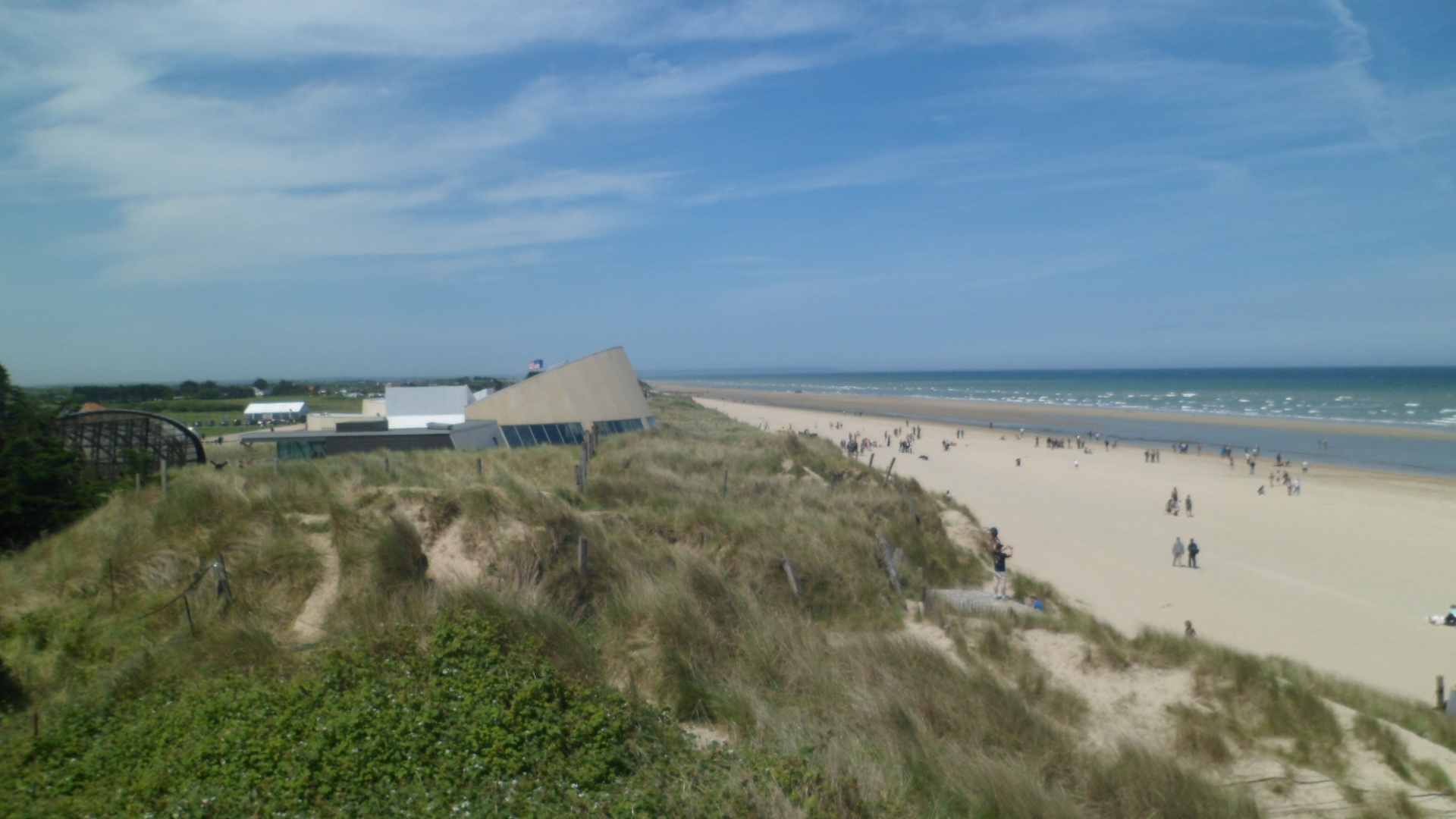
We got to Utah Beach, in plenty of time. This is just west of the Utah Beach Visitors Center.

SAM_9696

The tide was, of course, out, so we had a good scene for the memorial activity.

SAM_9707

I used the occasion to honour a Prescott resident who was a commander in the U. S. Army, on that fateful day.  He is still very much alive, and I’m told he was delighted to see this photograph.

SAM_9709

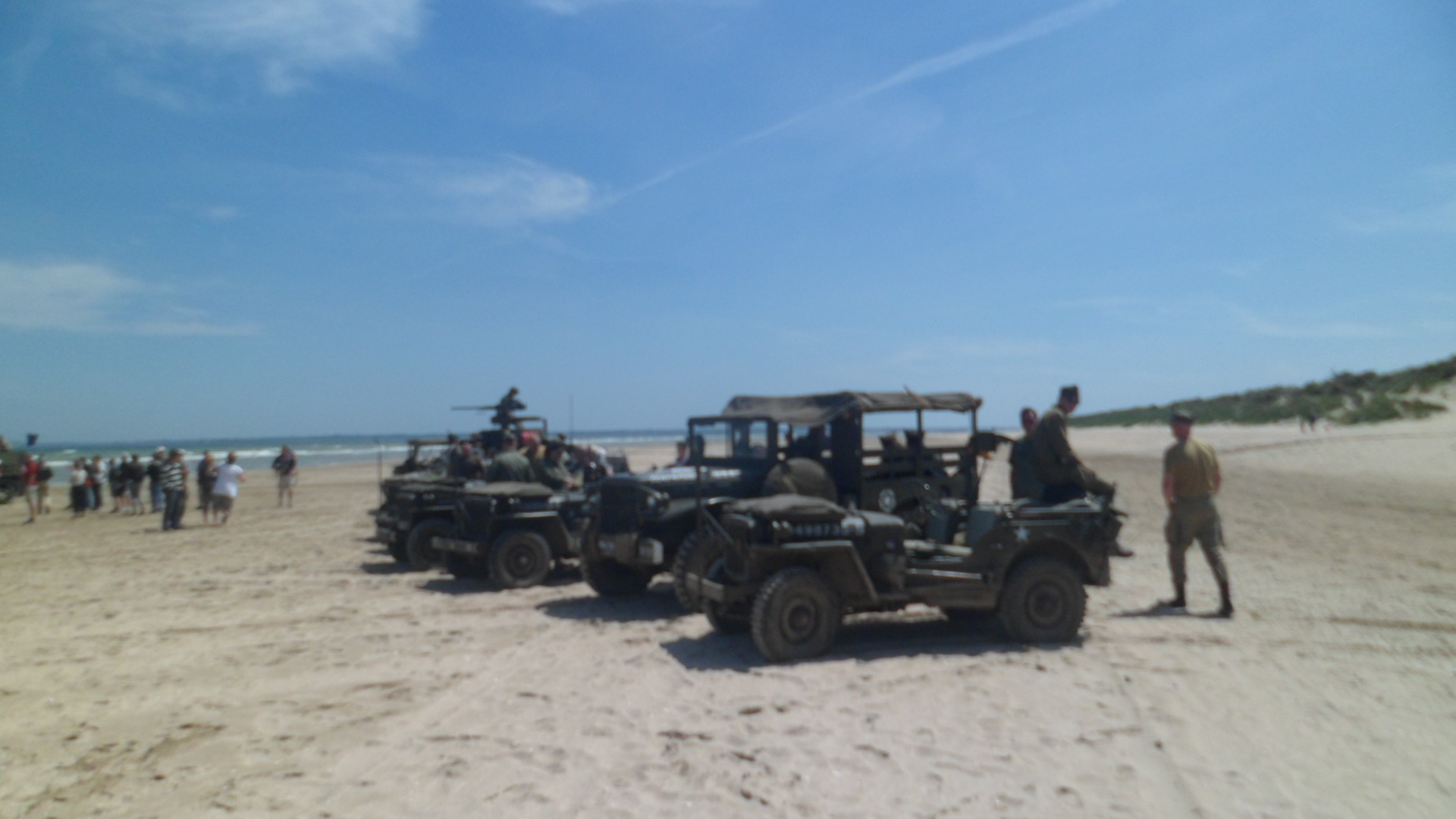
The re-enactors were getting set, as we walked about the beach.SAM_9715
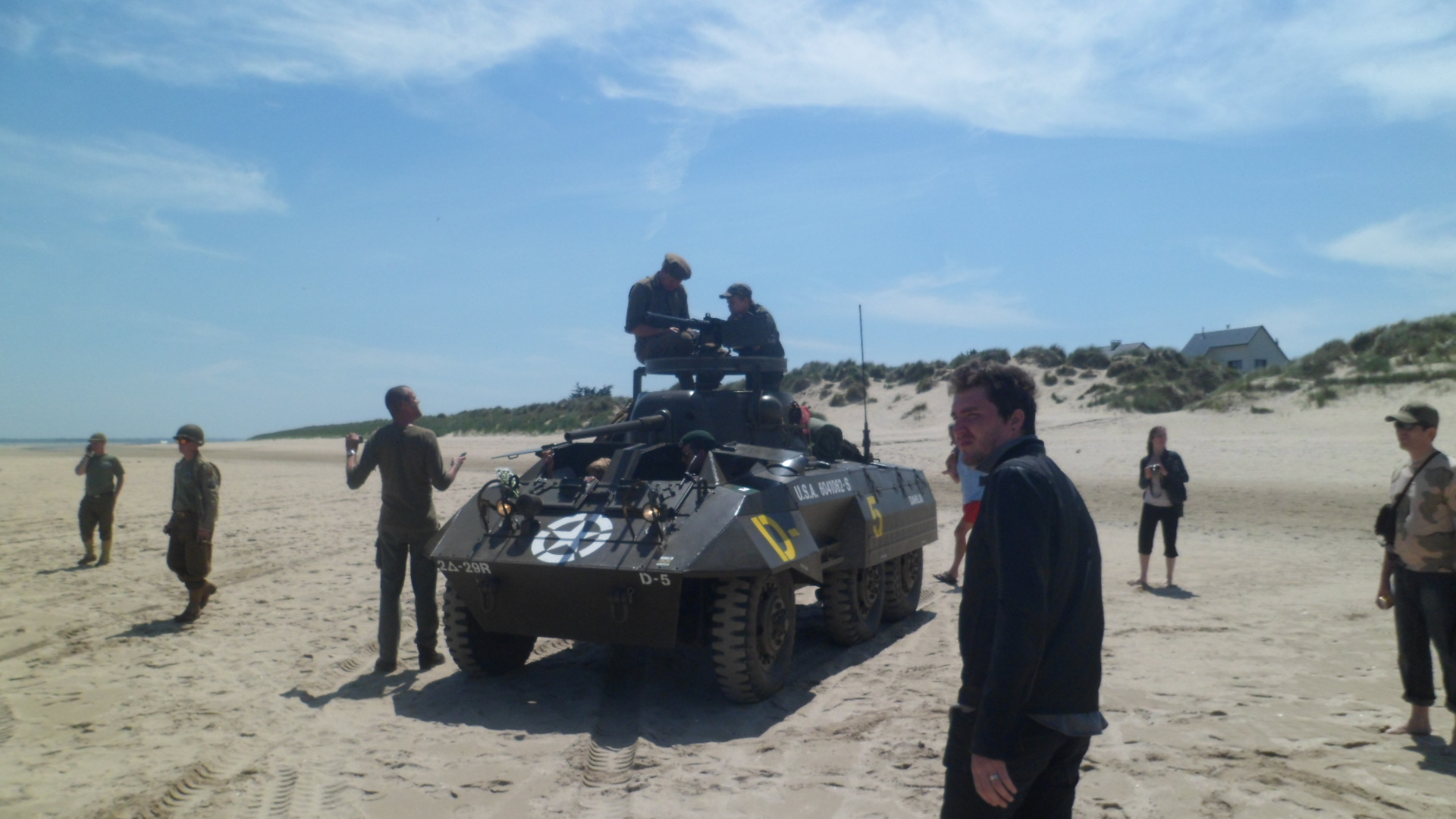
SAM_9745

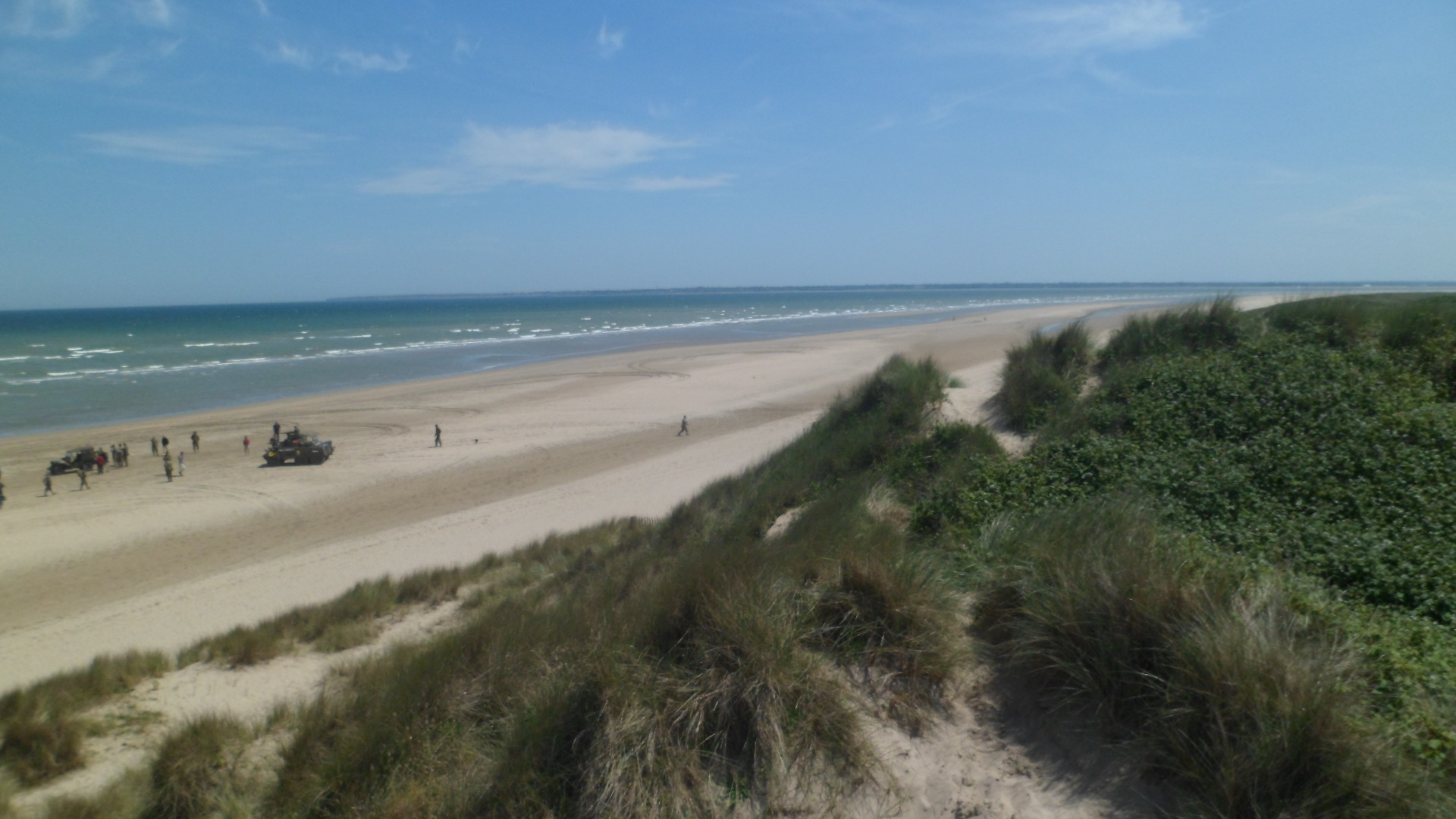
We also climbed the dunes, to see what the Allies were up against.
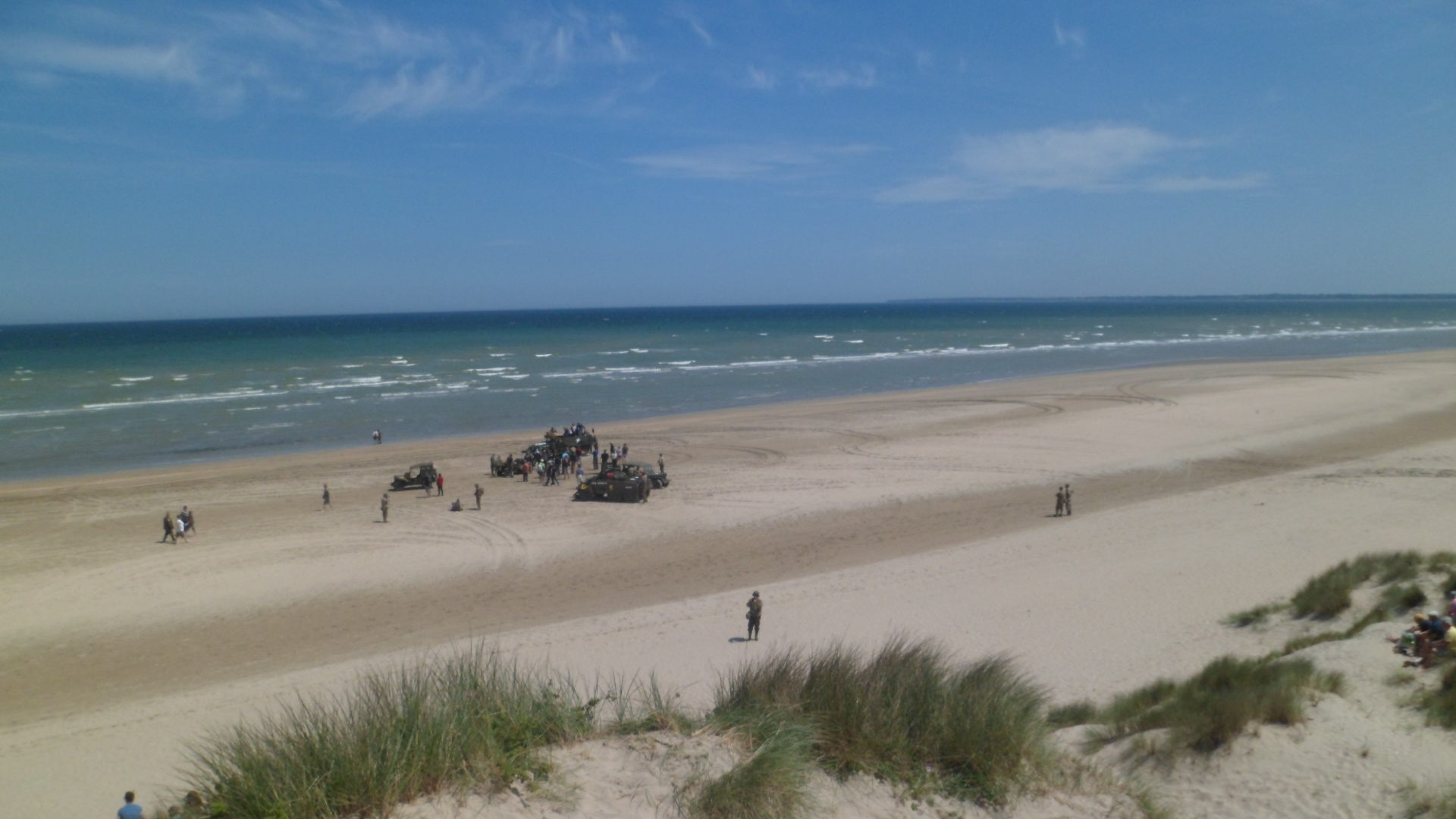
SAM_9742

SAM_9728

SAM_9732

I ended up in a few scenes. This is the second time in my life that I’ve been this close to a tank.  The first time was in Basic Training, in 1969.

SAM_9698

All colours were flying, at one place or another.SAM_9699
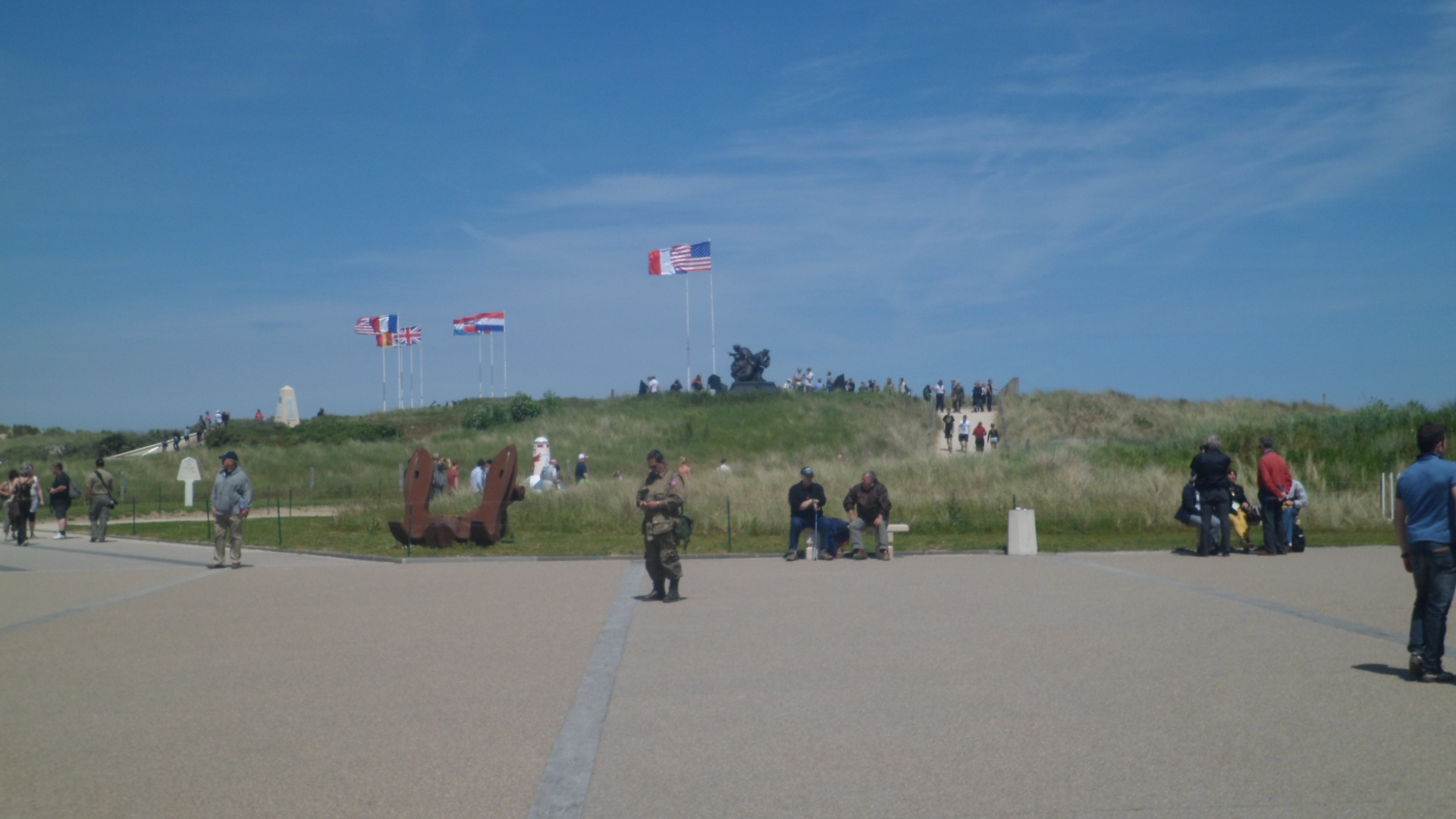
Here is a reminder that “Freedom isn’t free.”
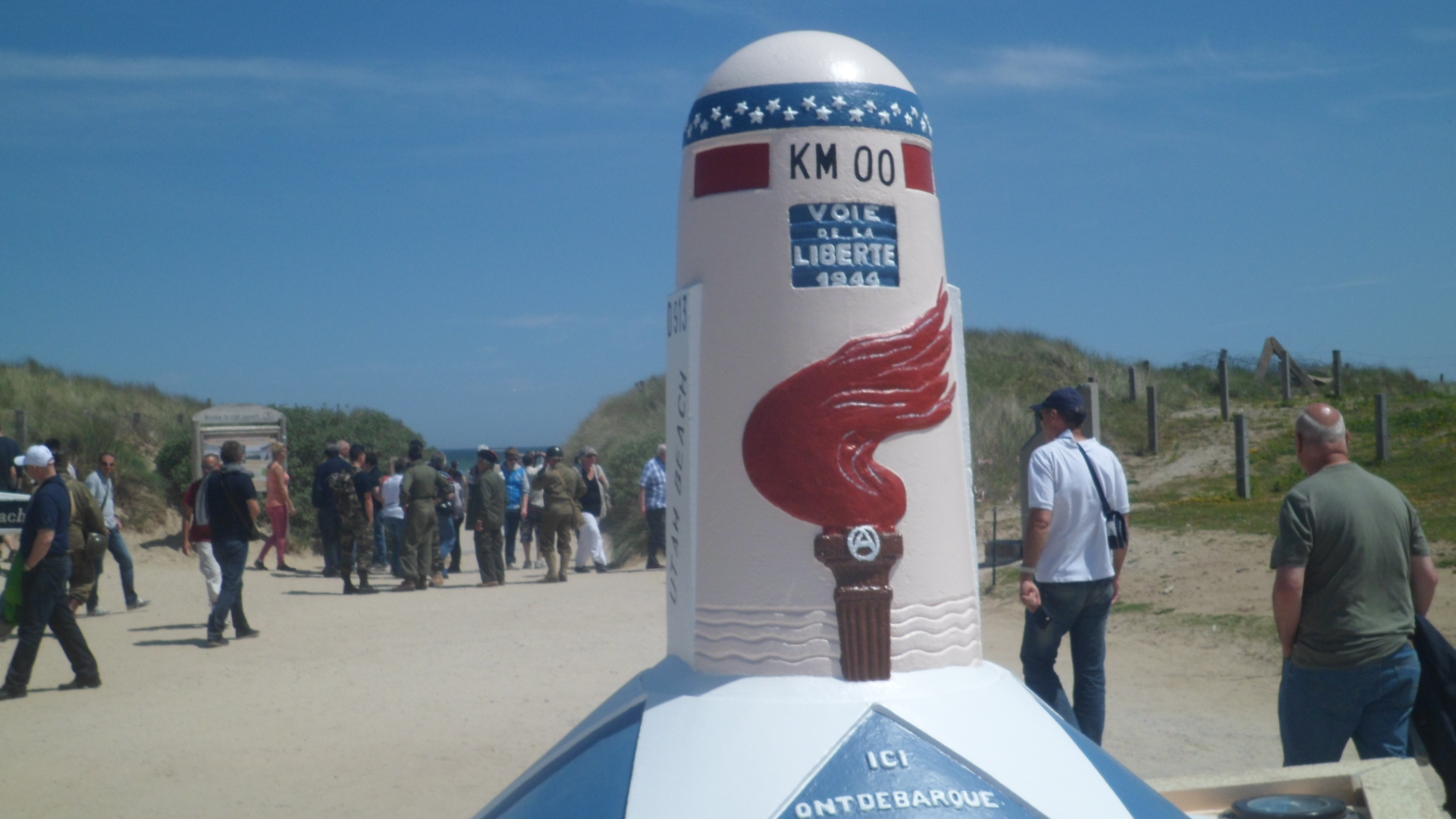
SAM_9700

SAM_9701

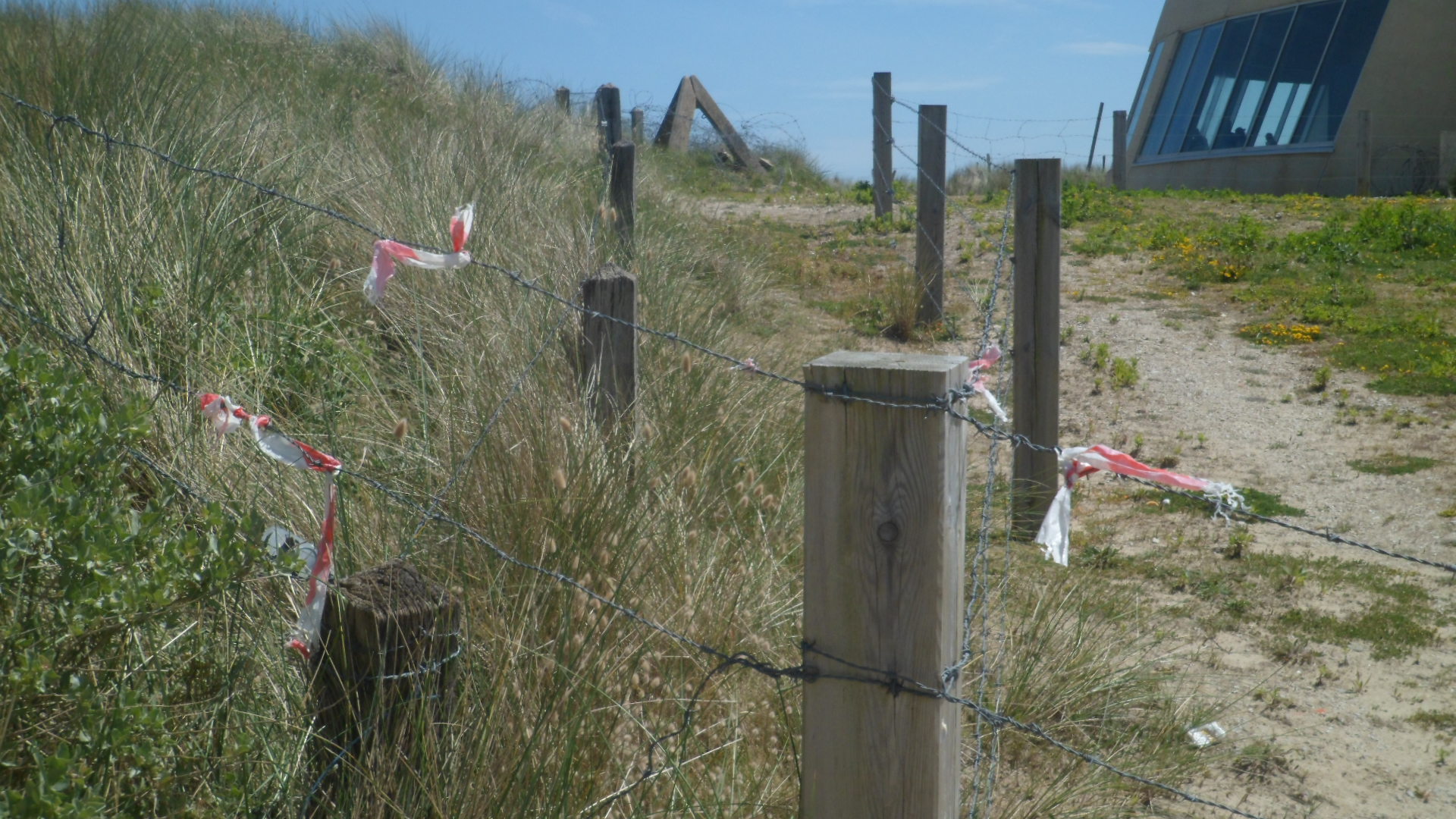
This was a German bunker, which the Allies had to approach, and overcome.

SAM_9725

Here are some reminders of the resilience of sand dunes.

SAM_9738

SAM_9739

Anne was watching the gathered force.
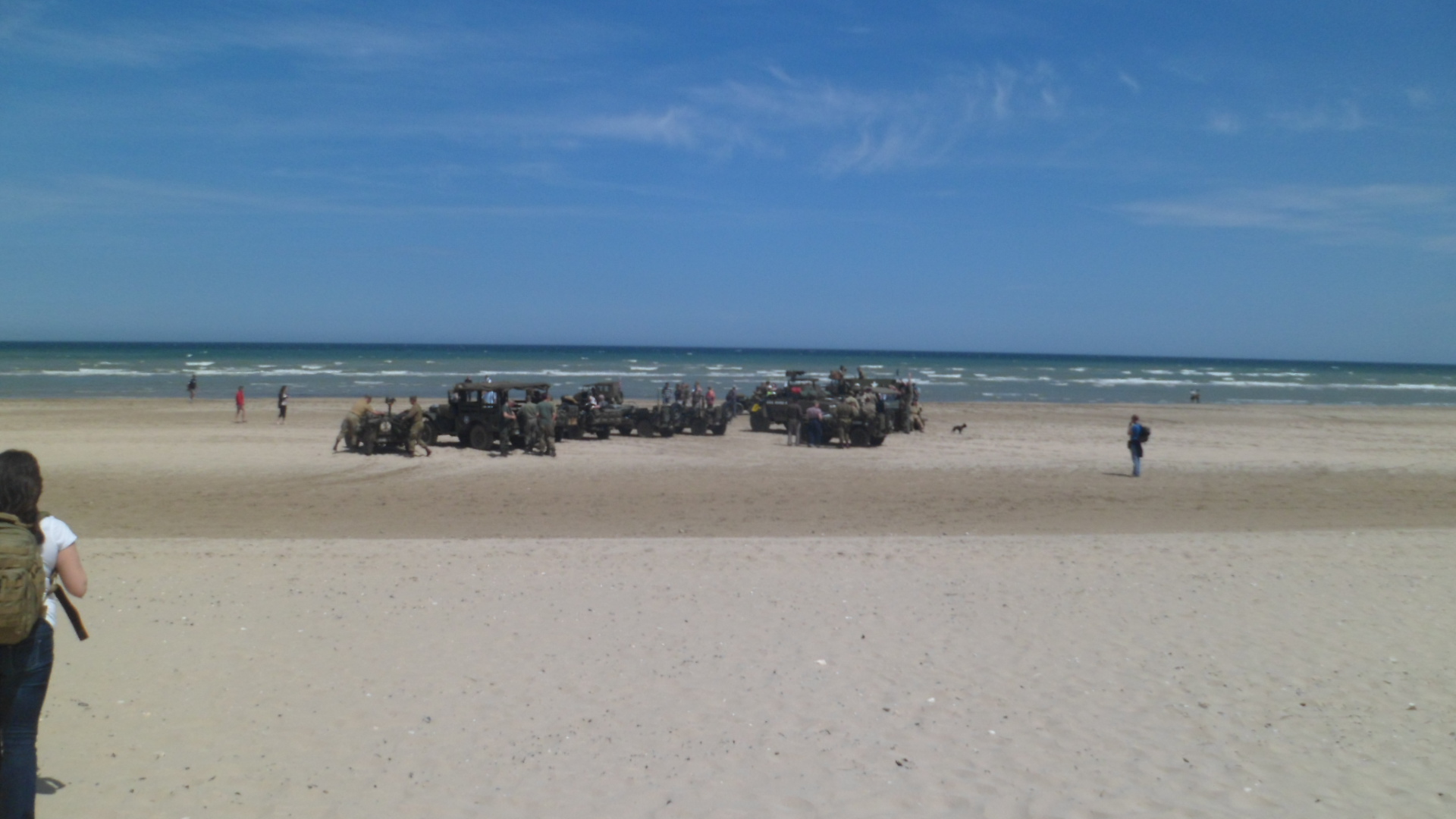
SAM_9744

I got in the middle of it all, just one more time.
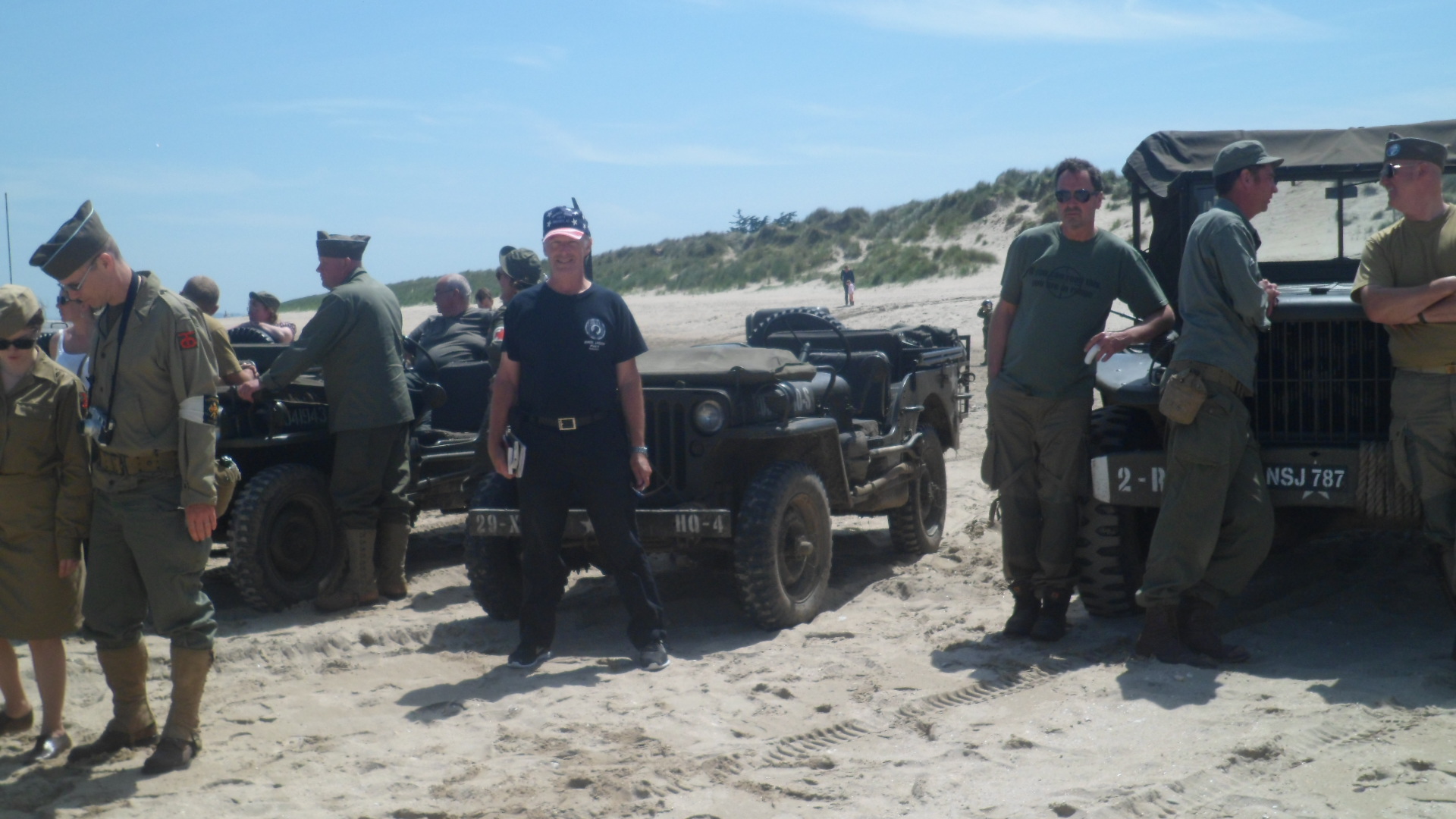
SAM_9746

Then, we headed up for lunch, to call a taxi to Carentan, and to thank the motorcyclists of Europe, for all they do to keep the memory alive.

SAM_9750

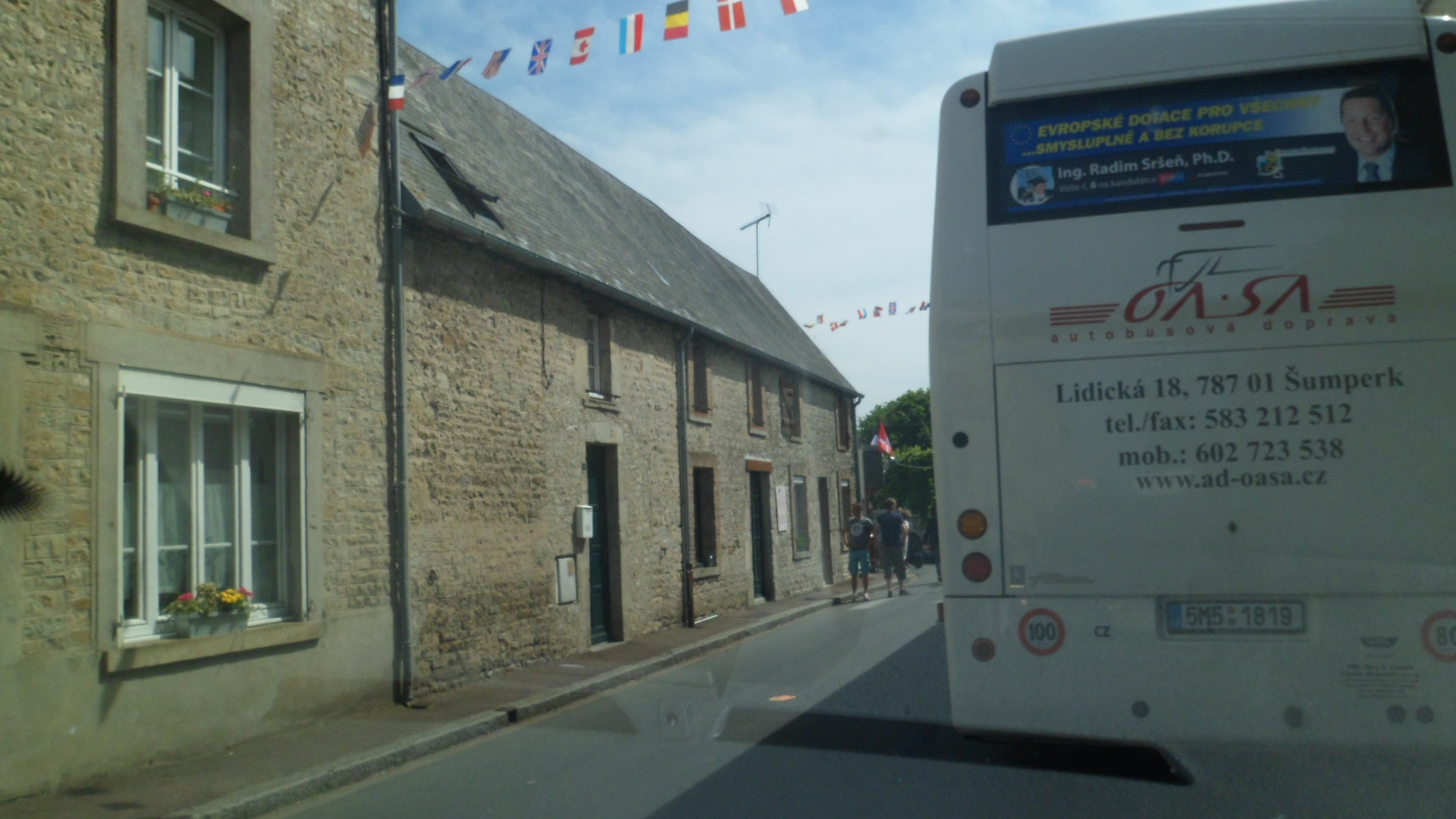
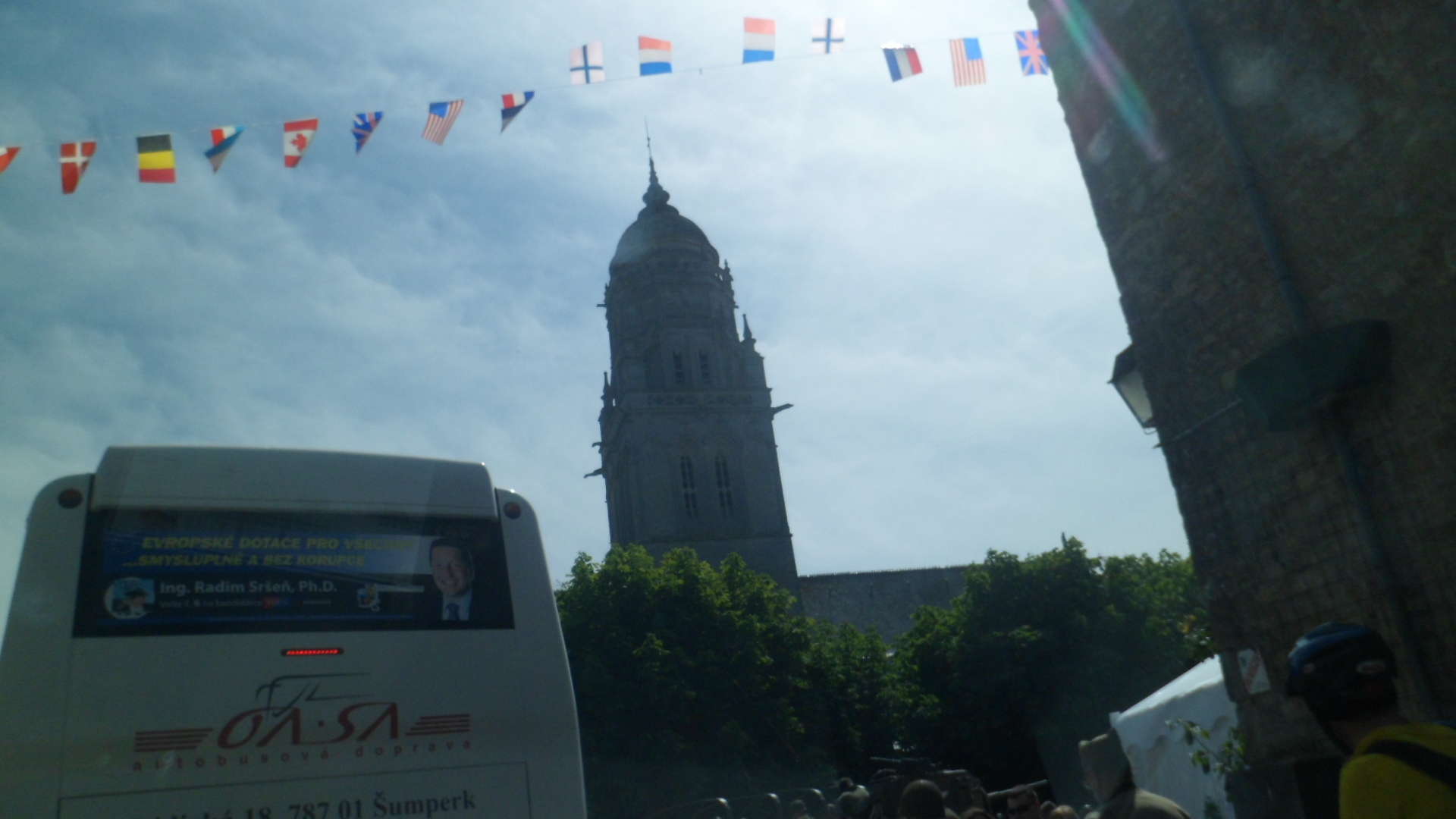
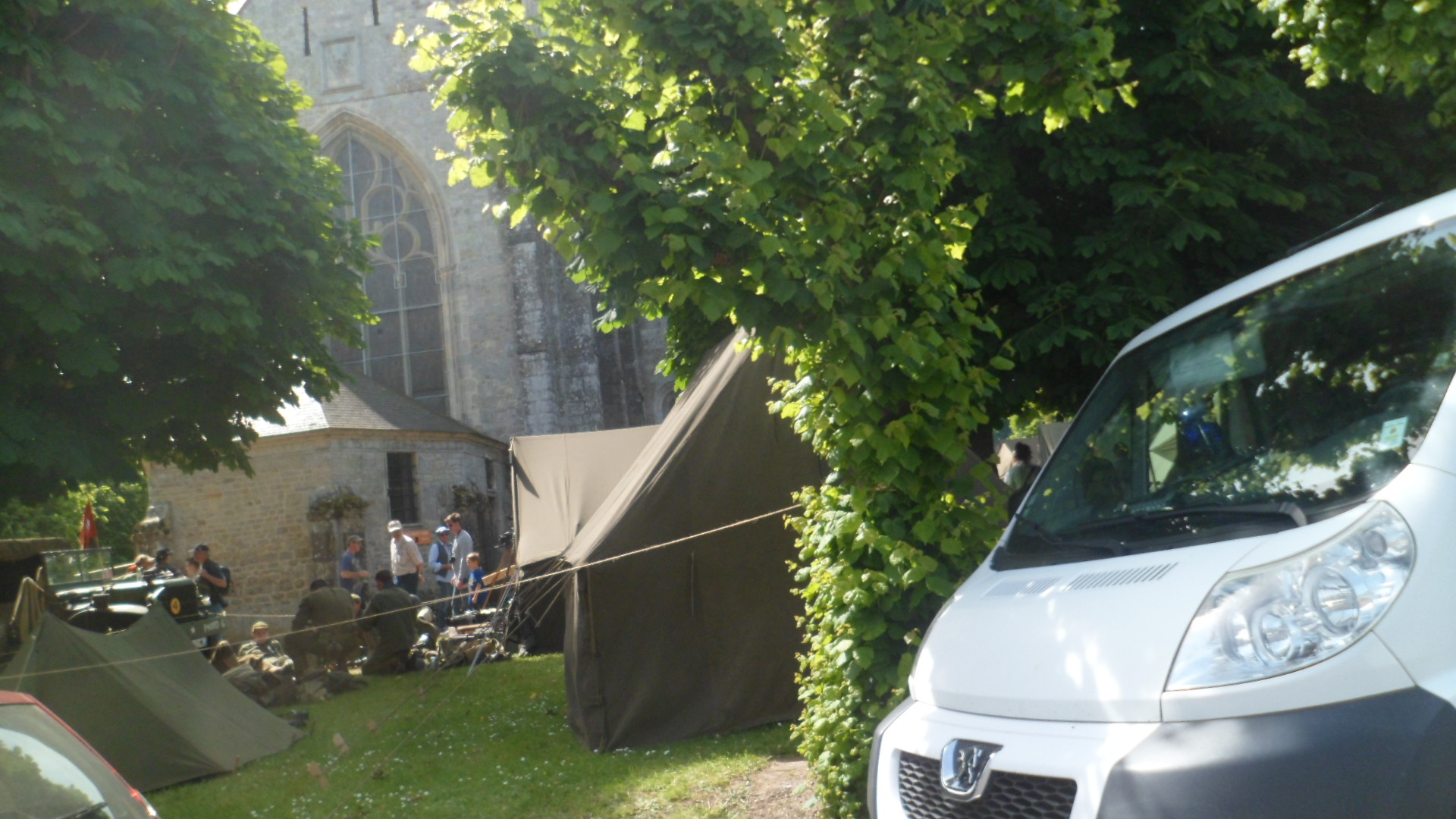
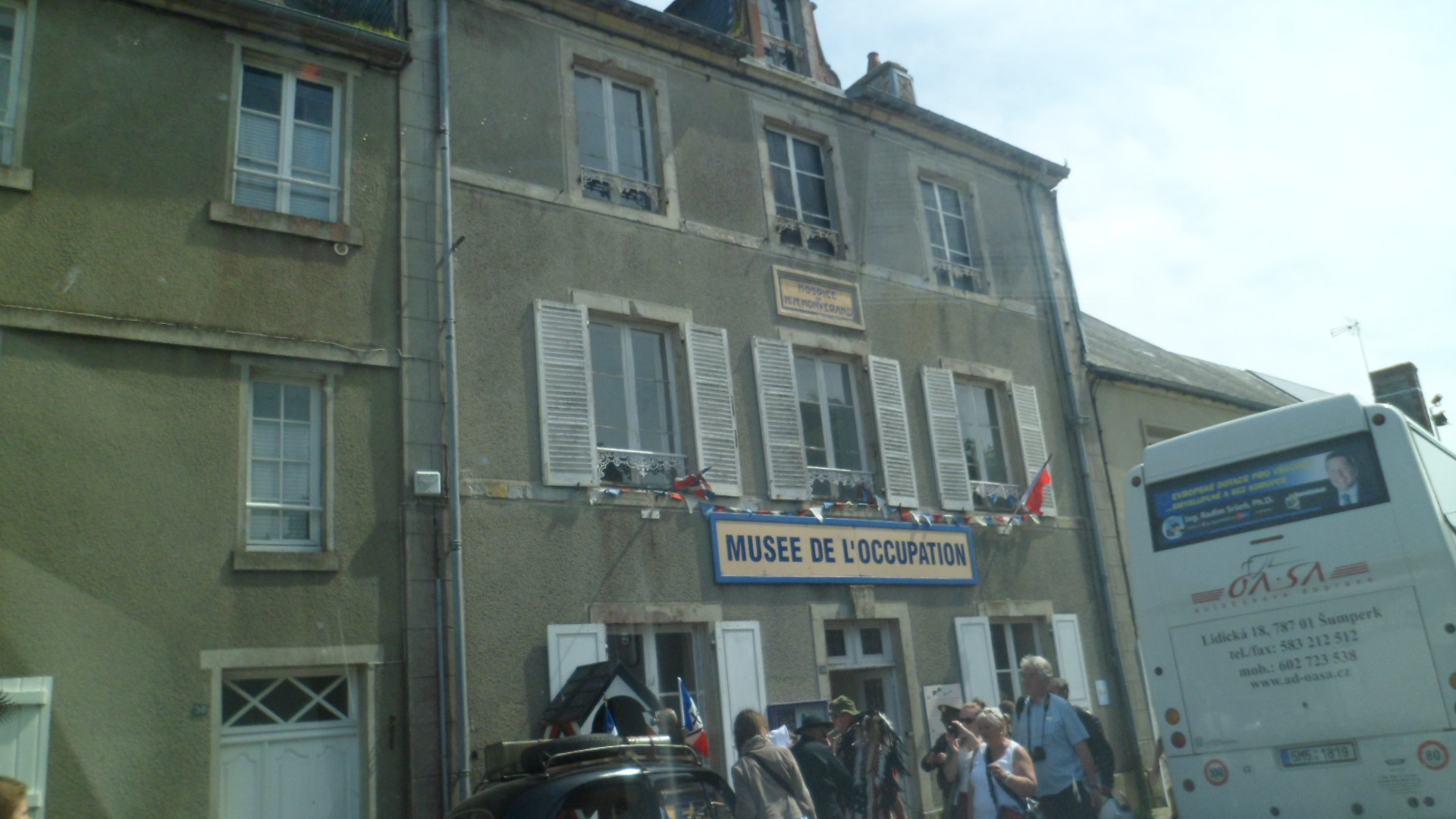
After twenty minutes or so, a taxi came to take us to Carentan, and our train back to the east of Normandy.  Here a couple of scenes from St. Marie de Mont, on the return trip. Note that the tour bus ahead of us is from Czech Republic.  They were among the first to suffer Hitler’s rage.

SAM_9751

SAM_9752

SAM_9753

SAM_9755

SAM_9756

SAM_9757

Above is one of the ways the French remind us that this was no invented story, but a true, worldwide horror.  No amount of revisonism or faded memory can change what actually happened.

NEXT:  Rouen’s Vieux Marche, and Jeanne d’Arc’s legacy
An Eastward Homage, Day 10, Part 2: Coming to an Ancient Home

4

In about 1650, three brothers left Rouen, France and joined a sailing expedition to the thriving French settlement of Quebec.  They were roofers, and as such, made a thriving business in the emerging French colony.  Their descendants would spread to Montreal, Ottawa, New Brunswick and Prince Edward Island, and from those haunts, the Boivins spread throughout North America, into Mexico and among various Caribbean islands.  Today, the surname is common enough, and when I last checked, there were twelve of me, in various parts of North America.

Rouen is a thriving and picturesque city, on the western course of the Seine River, as it heads towards the sea, hence the name of the department:  La Seine-Maritime.  It is perhaps best known to the wider world as the place where English King Henry VI ordered Jeanne d’Arc to be burned at the stake, for “witchcraft” and “heresy”.  It is that, but is also vibrant, welcoming and forward-looking, with strong links to Le Havre, at the mouth of the Seine, in fostering French commerce.

My ancestors were recorded as having been baptized at L’Eglise St. Sauveur.  It was destroyed during the French Revolution, but its ruins have been maintained by the state, first under orders from Napoleon I and by his successors, both regal and presidential.  A new church, honouring St. Jeanne d’Arc, stands at the site of St. Sauveur.

The evening prior to the 70th anniversary of D-Day gave me time to get acquainted with this ancestral home.  Here are some scenes of the evening of June 5.

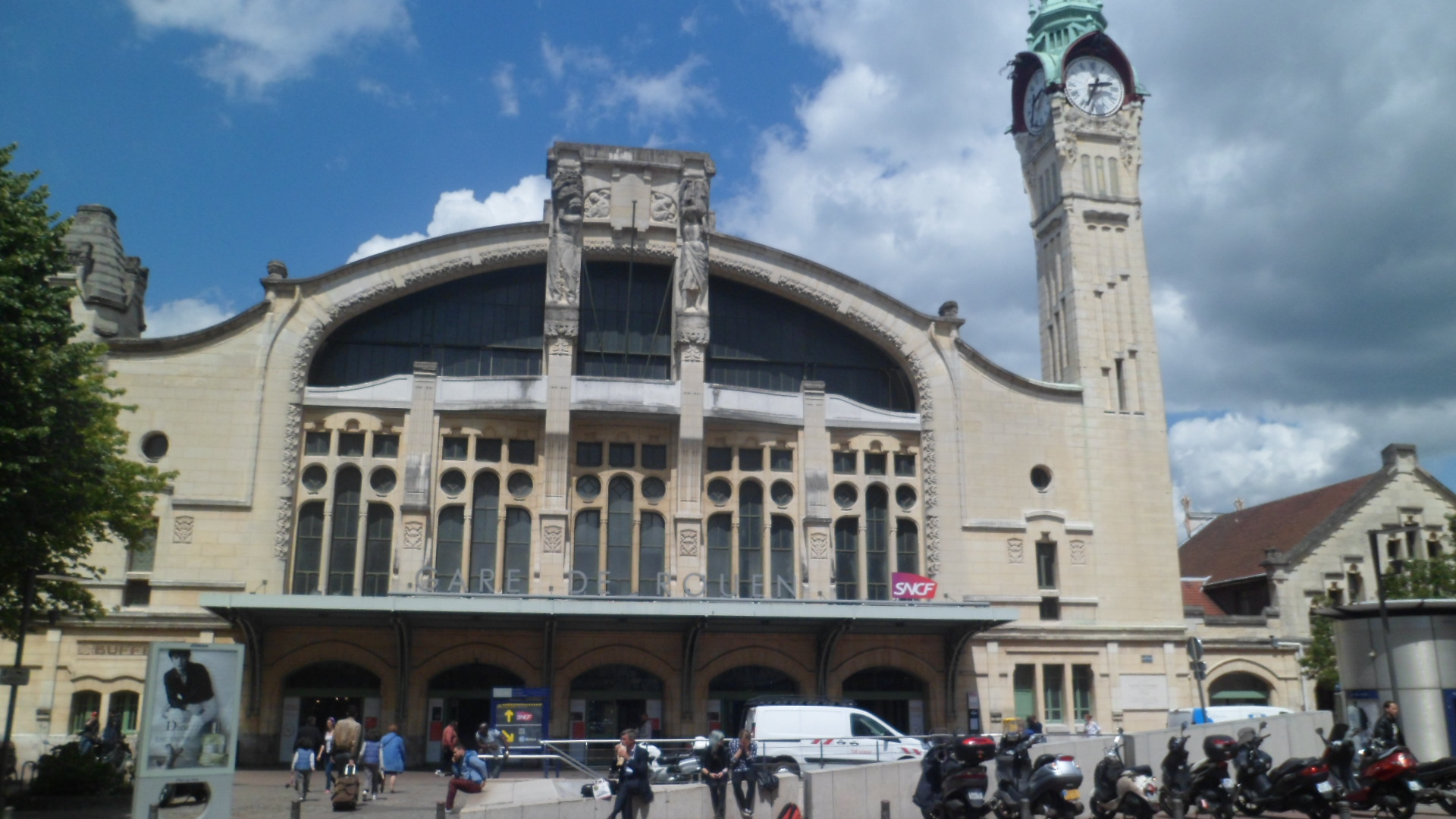
I arrived in Rouen at La Gare Rive Droite, a reference to its location on the right bank of the Seine.

SAM_9590

I  walked across the square, wandering a bit before getting clear directions to Hotel Morand.  Here is Place de la Gare.

SAM_9592

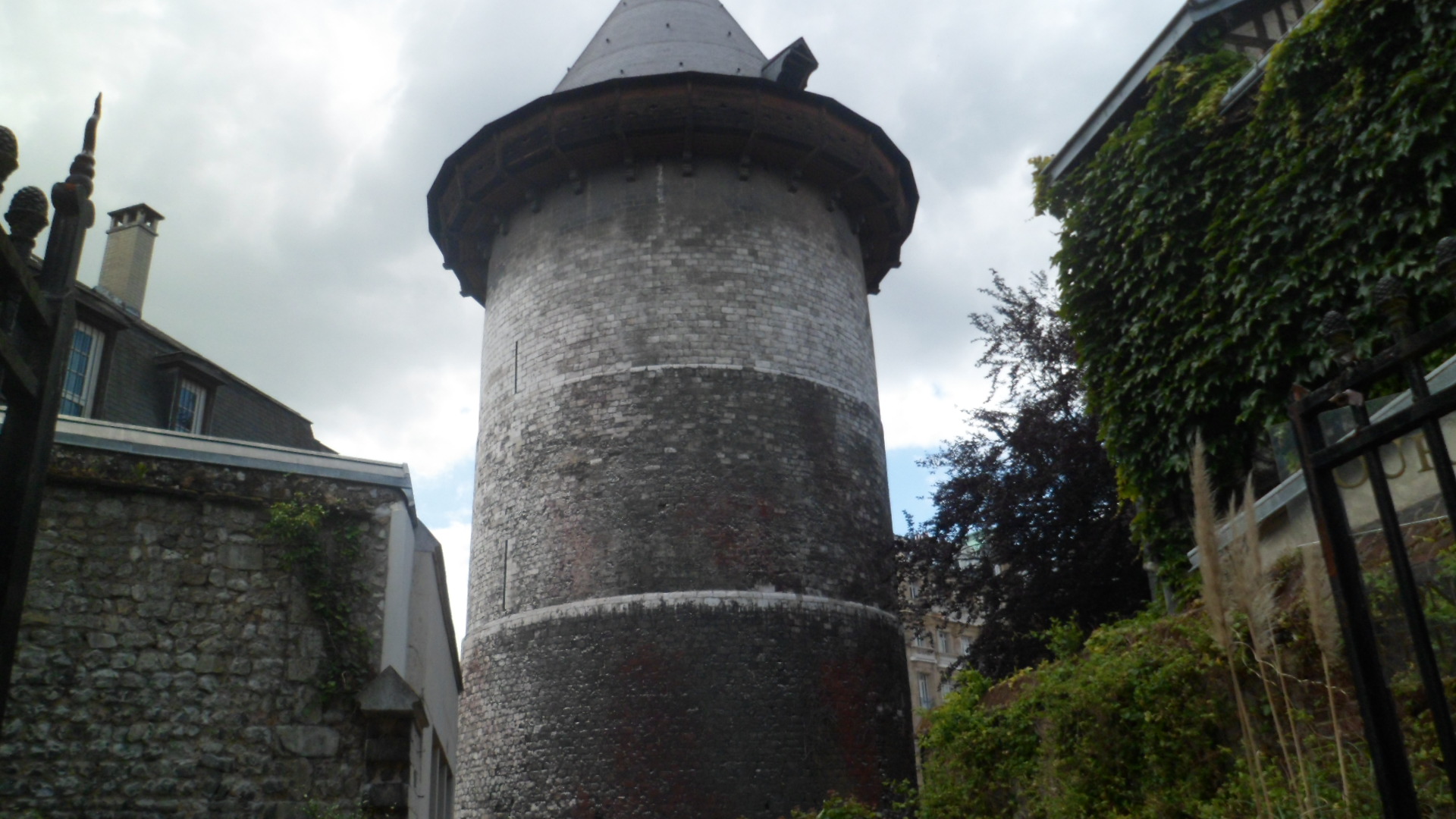
There were a few short blocks to be crossed, before the district of my hotel.  On the way, I passed Tour Jeanne d’Arc, where the great young lady was held captive.  I will have much more to say about her, and the Donjon, in a subsequent post.

SAM_9594

Many of the houses in this district are rather Hanseatic in style, reflecting the Norse influence on Rouen.

SAM_9595

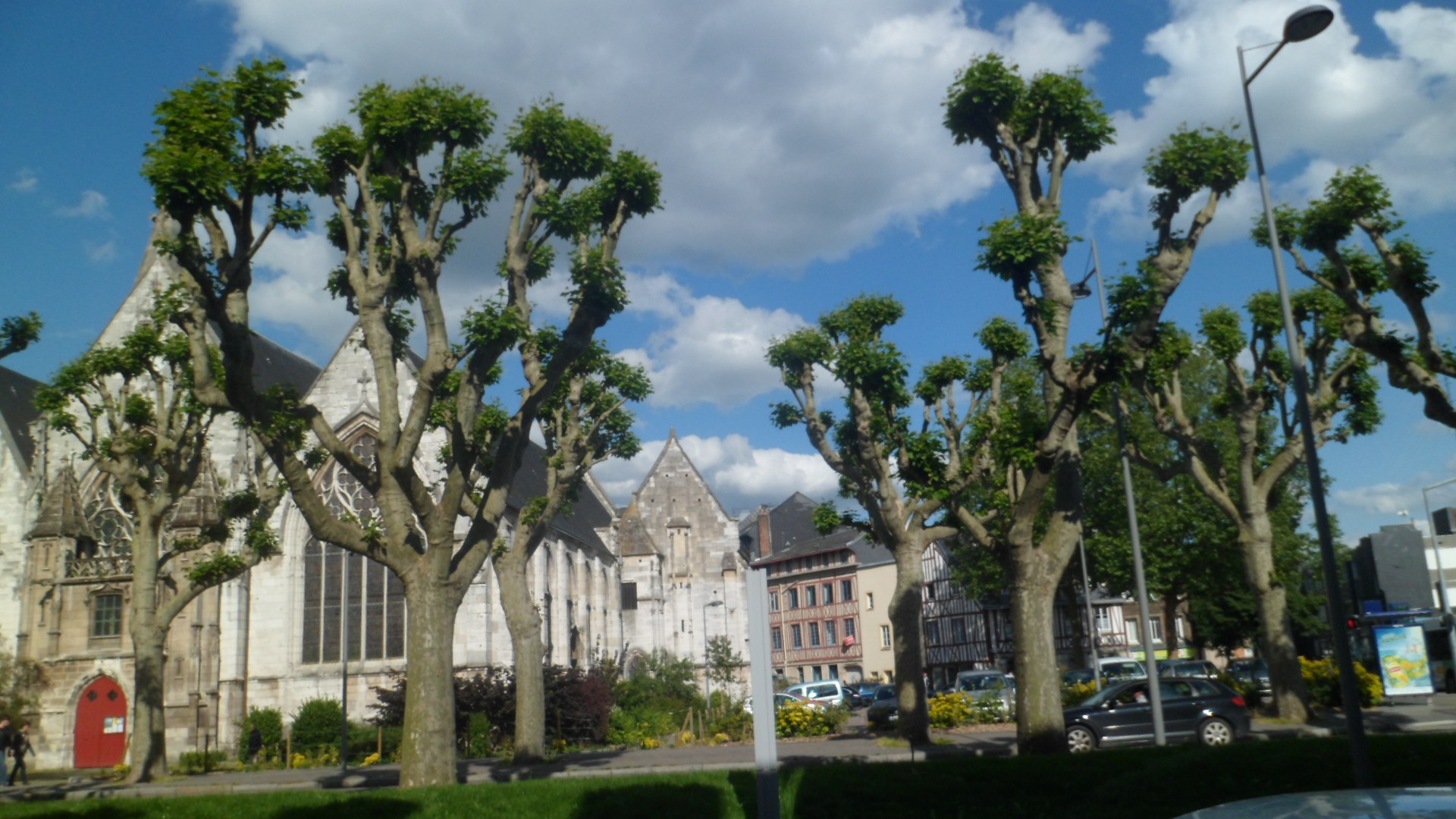
I also passed by L’Eglise St. Maclou, one of about 20 which make up an alliance of parishes in Rouen.

SAM_9597

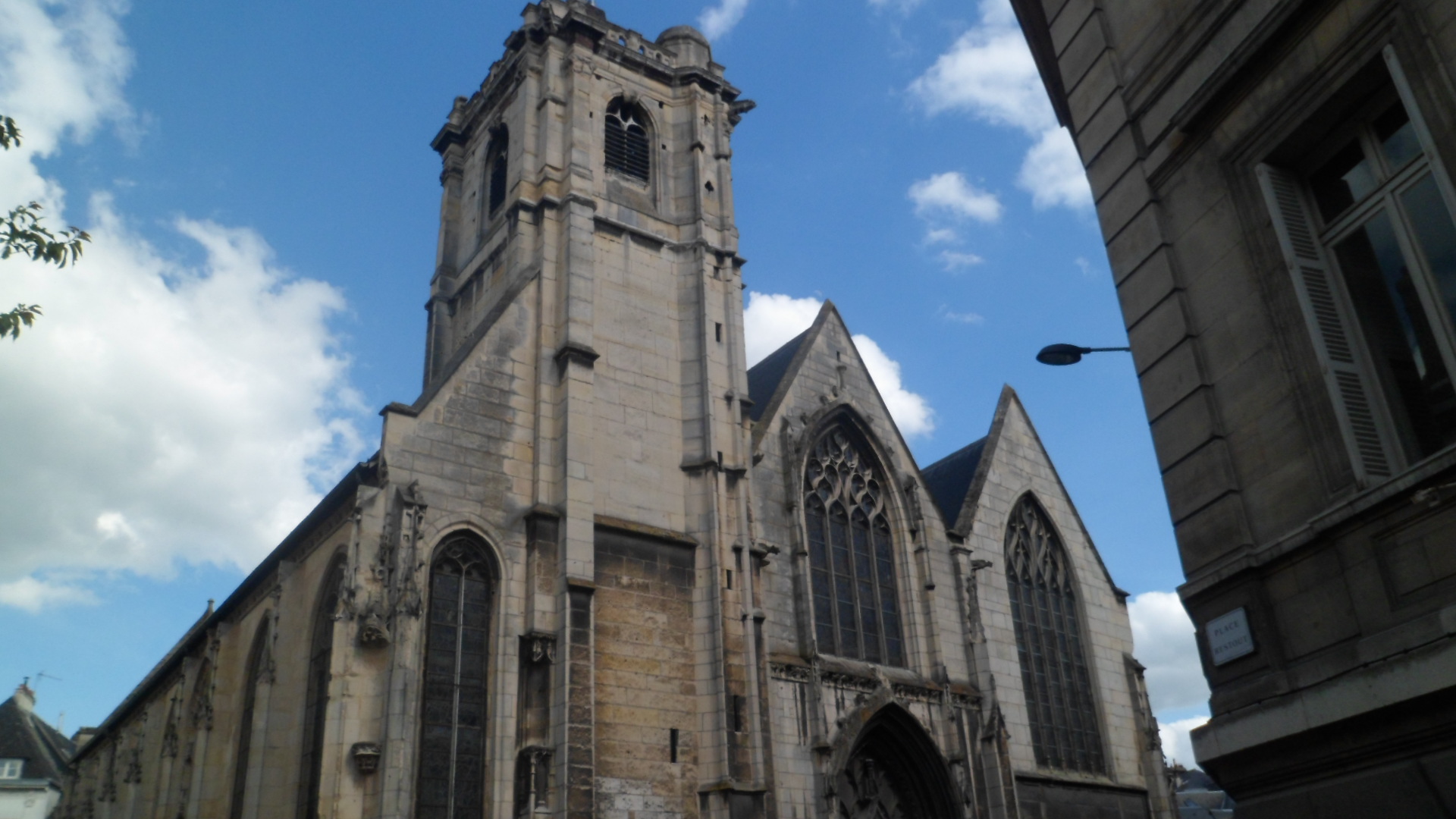
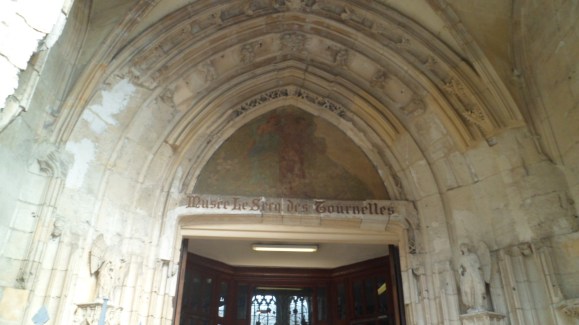
One of Rouen’s great buildings looks like a church, and used to be one (L’Eglise St. Antoine), but it was desanctified by the Jacobins in 1790, and is now the home of Musee Secq des Tournelles.  It displays the quality ironwork of Normandy.

SAM_9601

SAM_9602

SAM_9604

After passing the plaque which honours the liberation of Rouen, by the Allies, in 1944,

SAM_9608

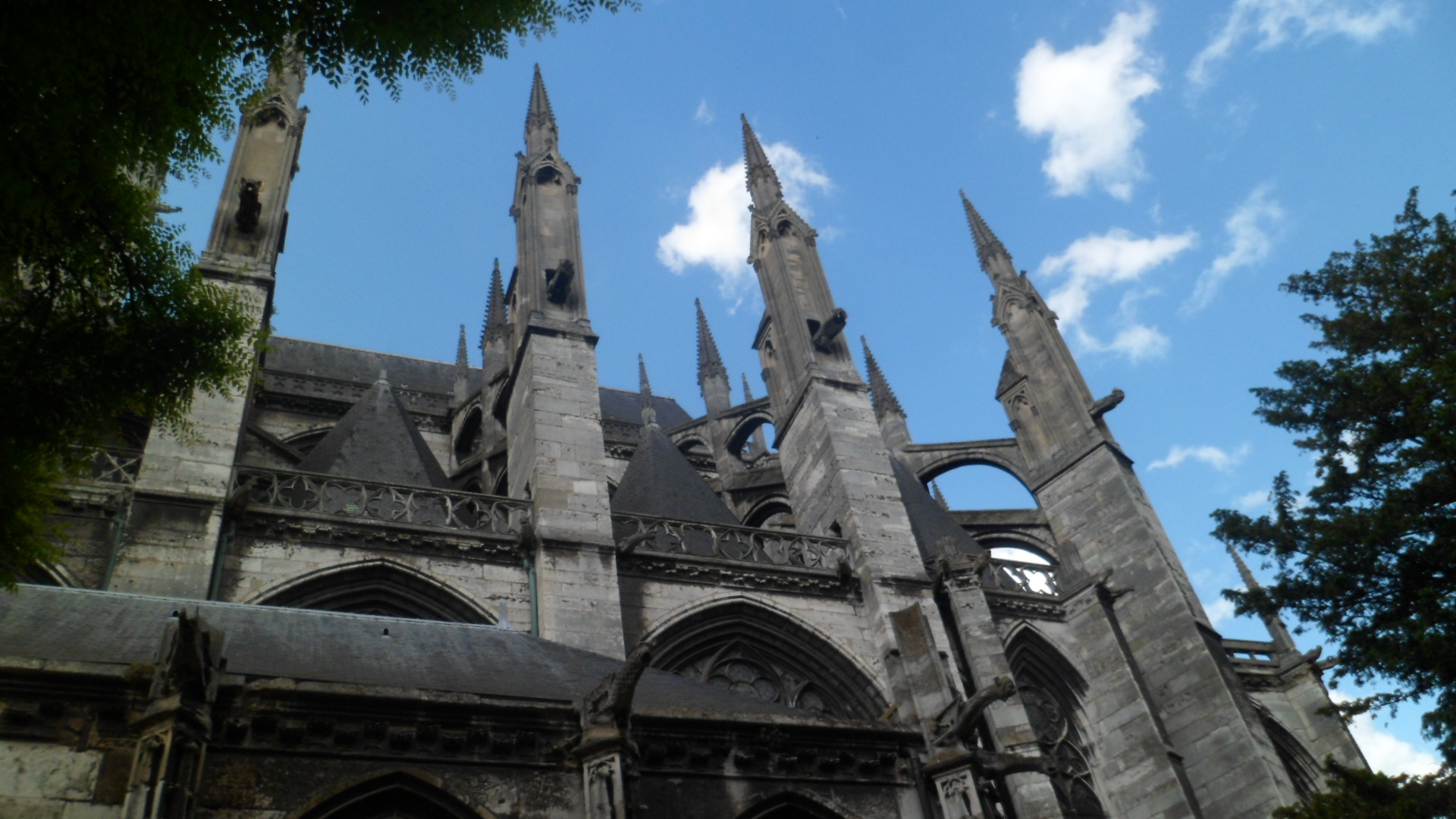
I came to the city’s largest church: Abbatiale St.  Ouen.  Note the severe Gothic exterior.

SAM_9618

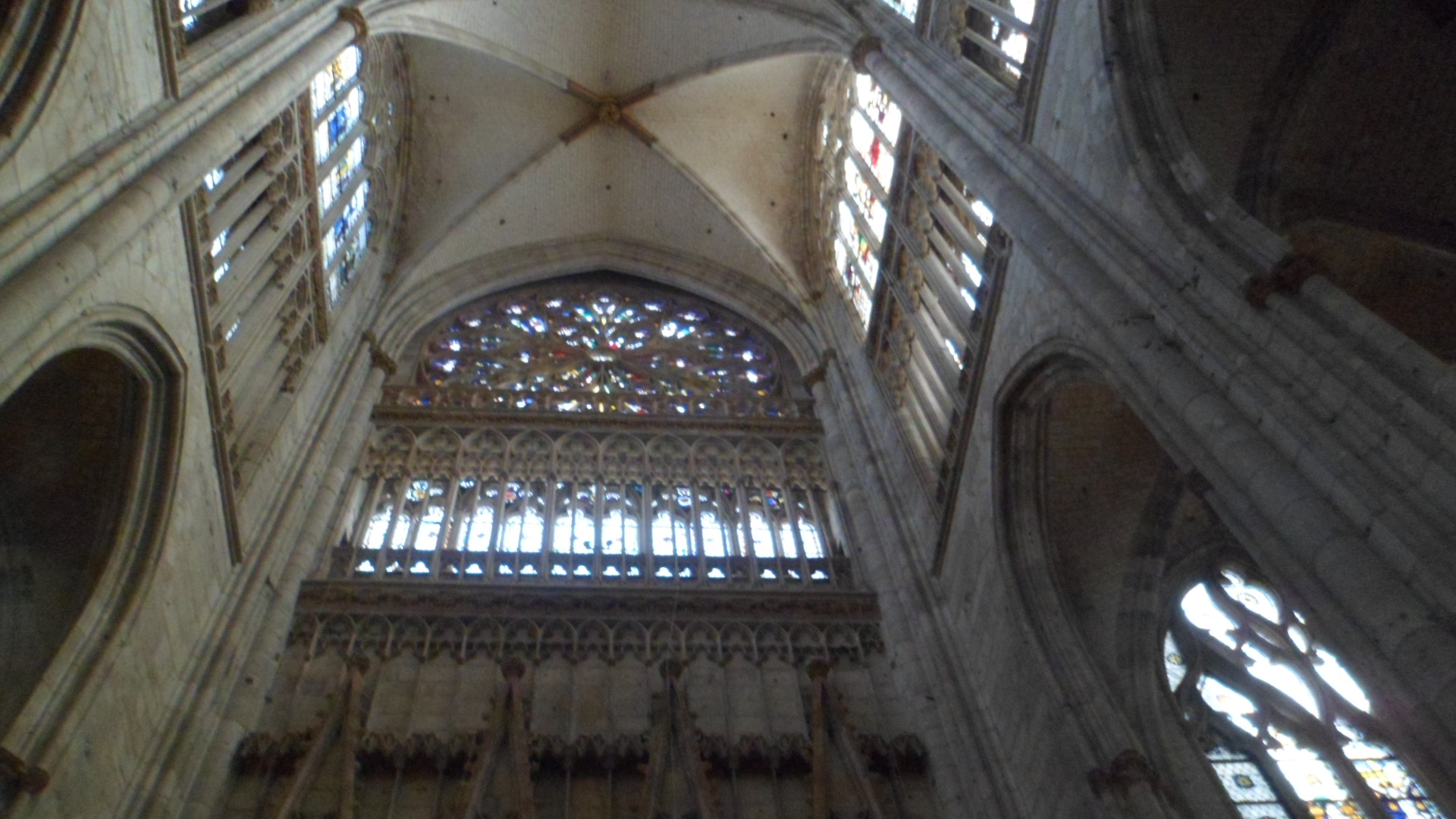
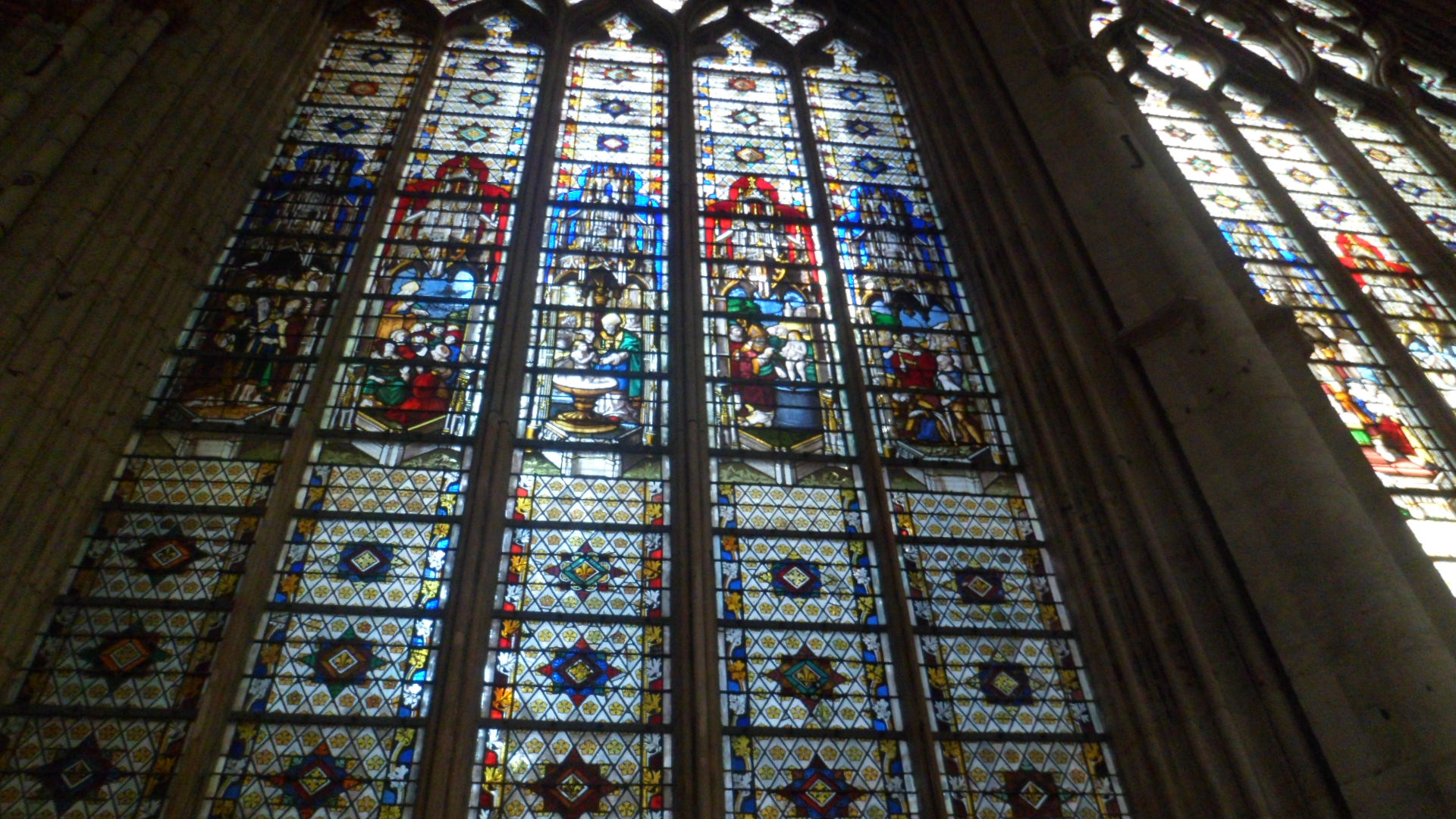
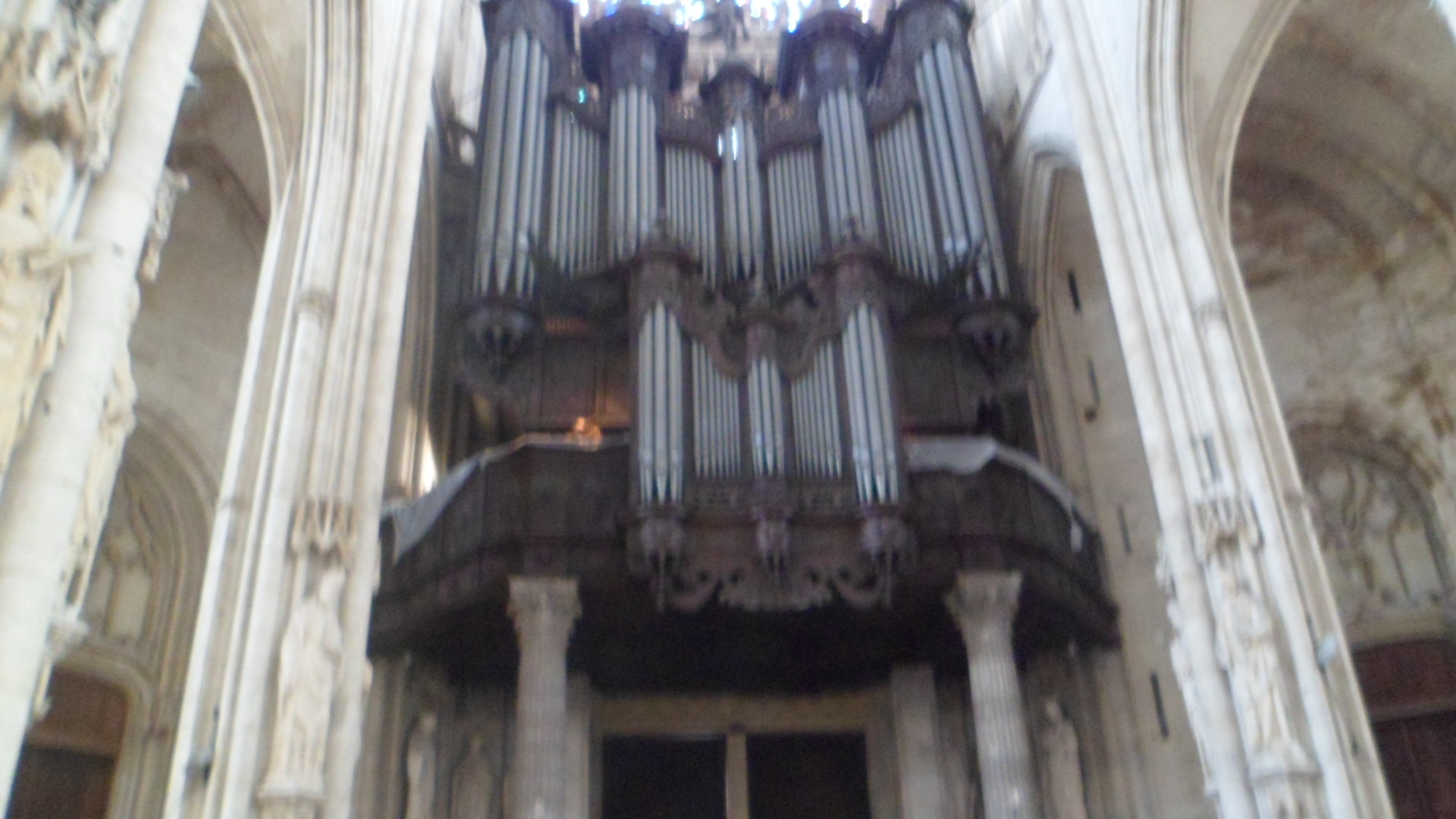
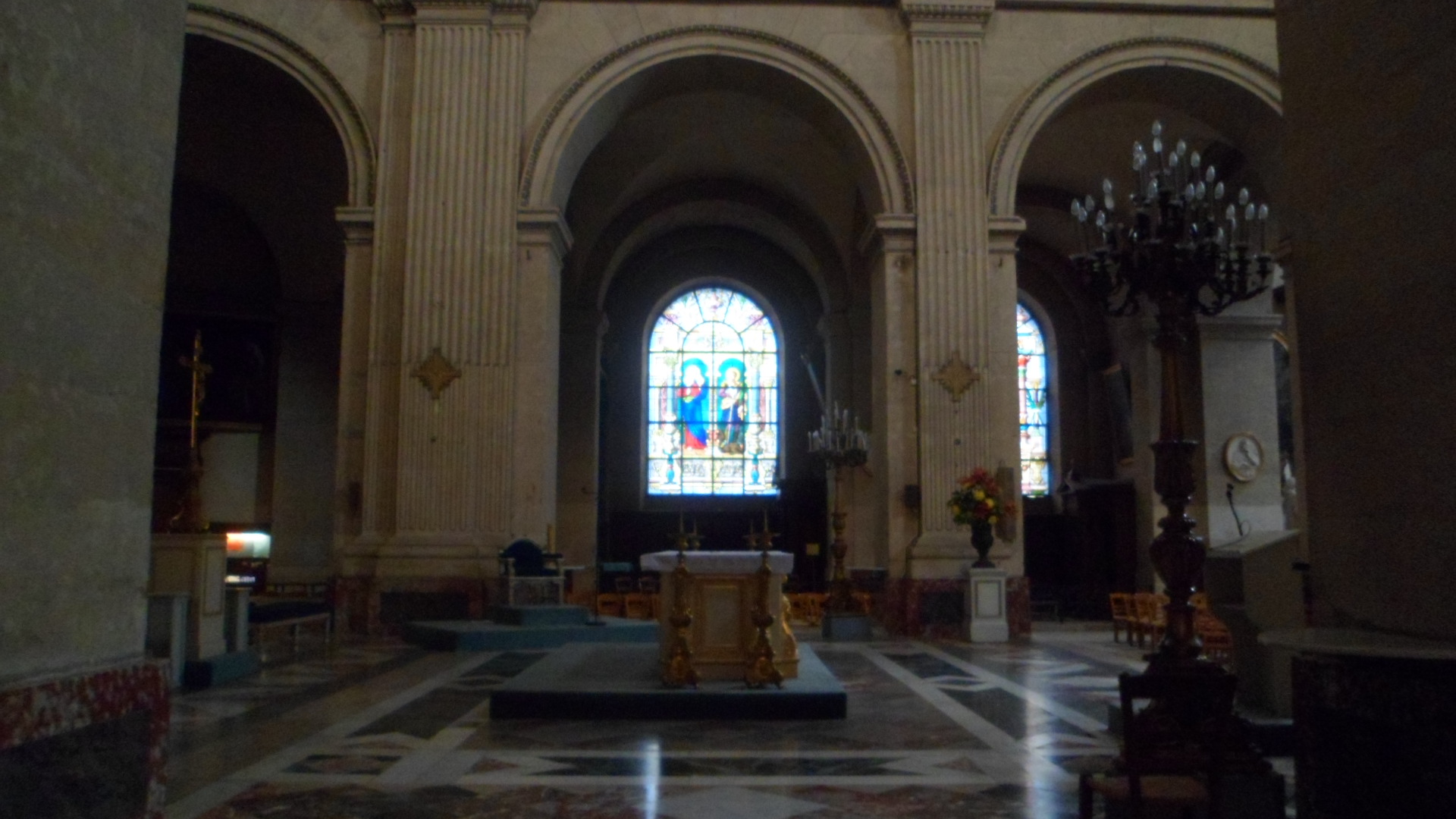
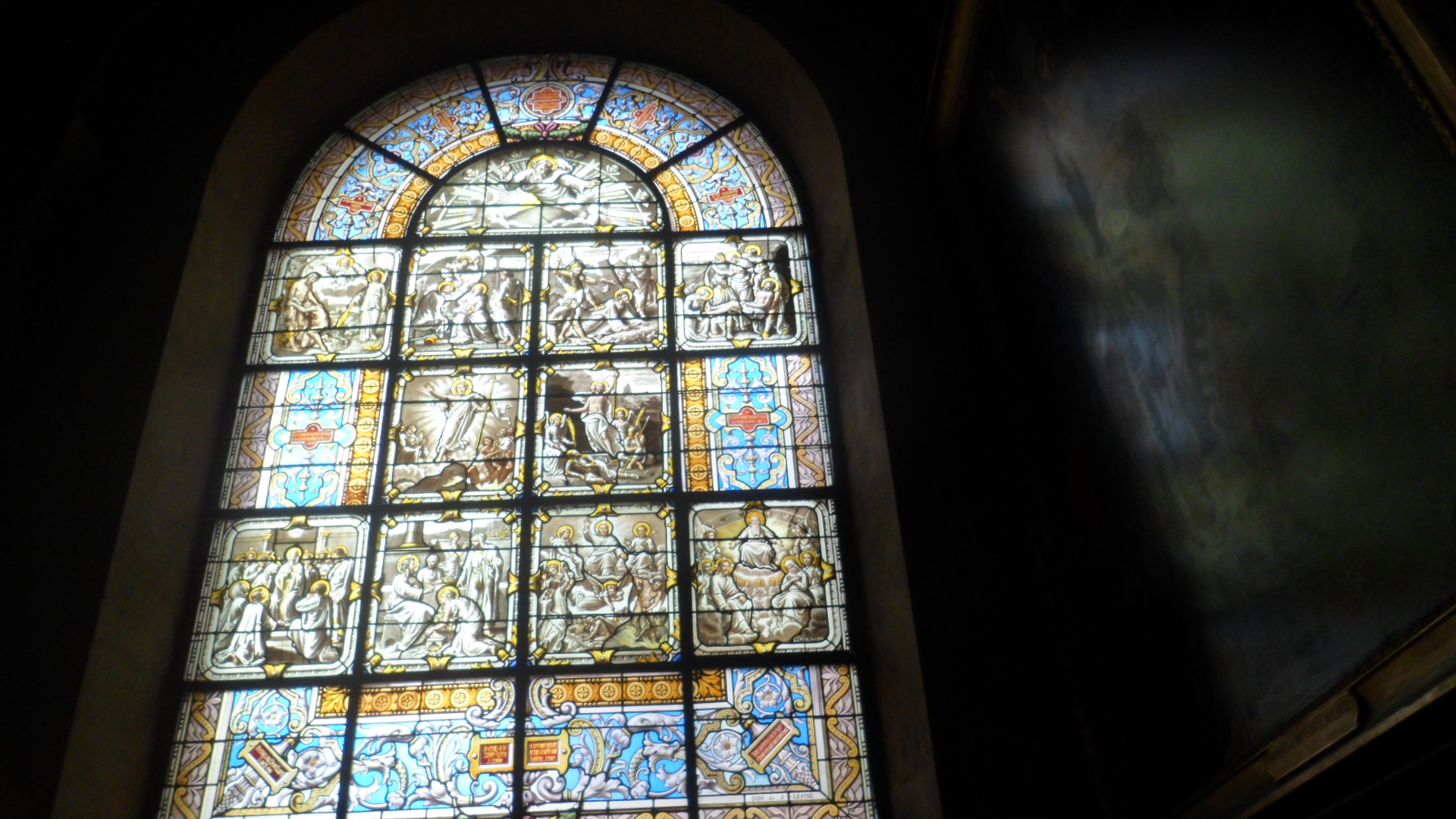
The interior is absolutely delightful, with all the stained glass one could want, and a heavenly organ-trumpet.

SAM_9623

SAM_9625

SAM_9626

SAM_9627

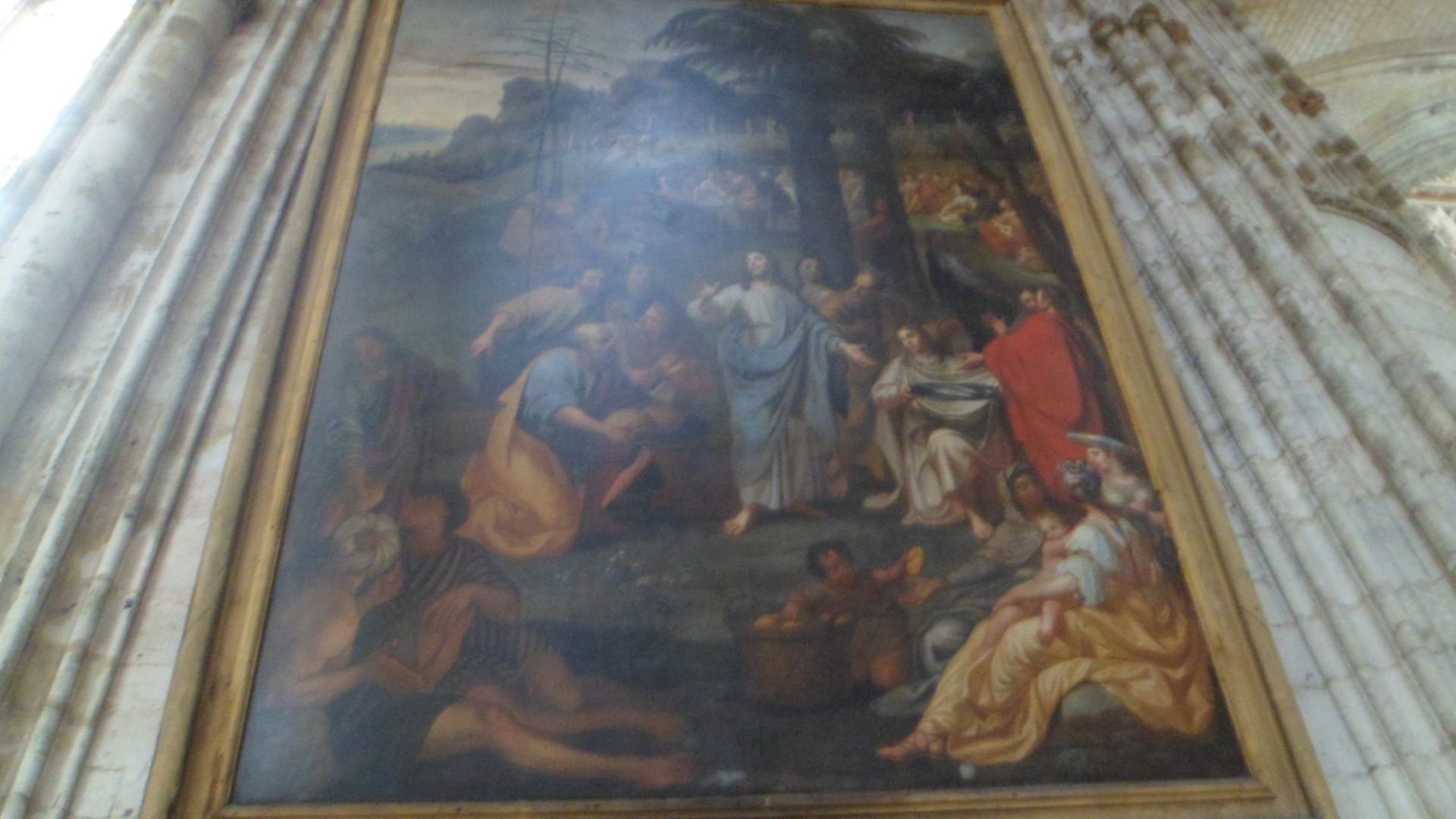
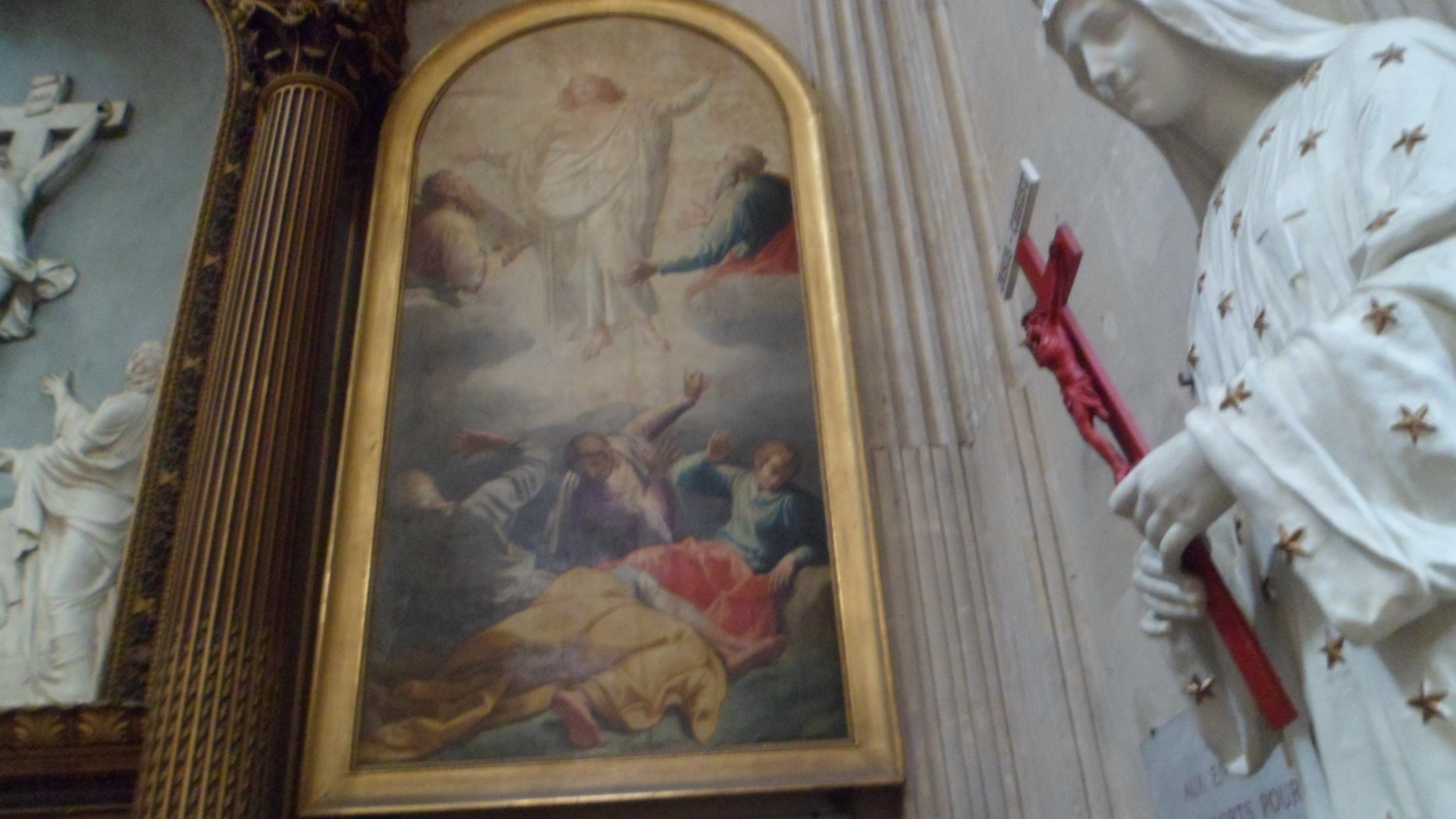
Here is “Christ as an Apparition to St. Peter”.

SAM_9630

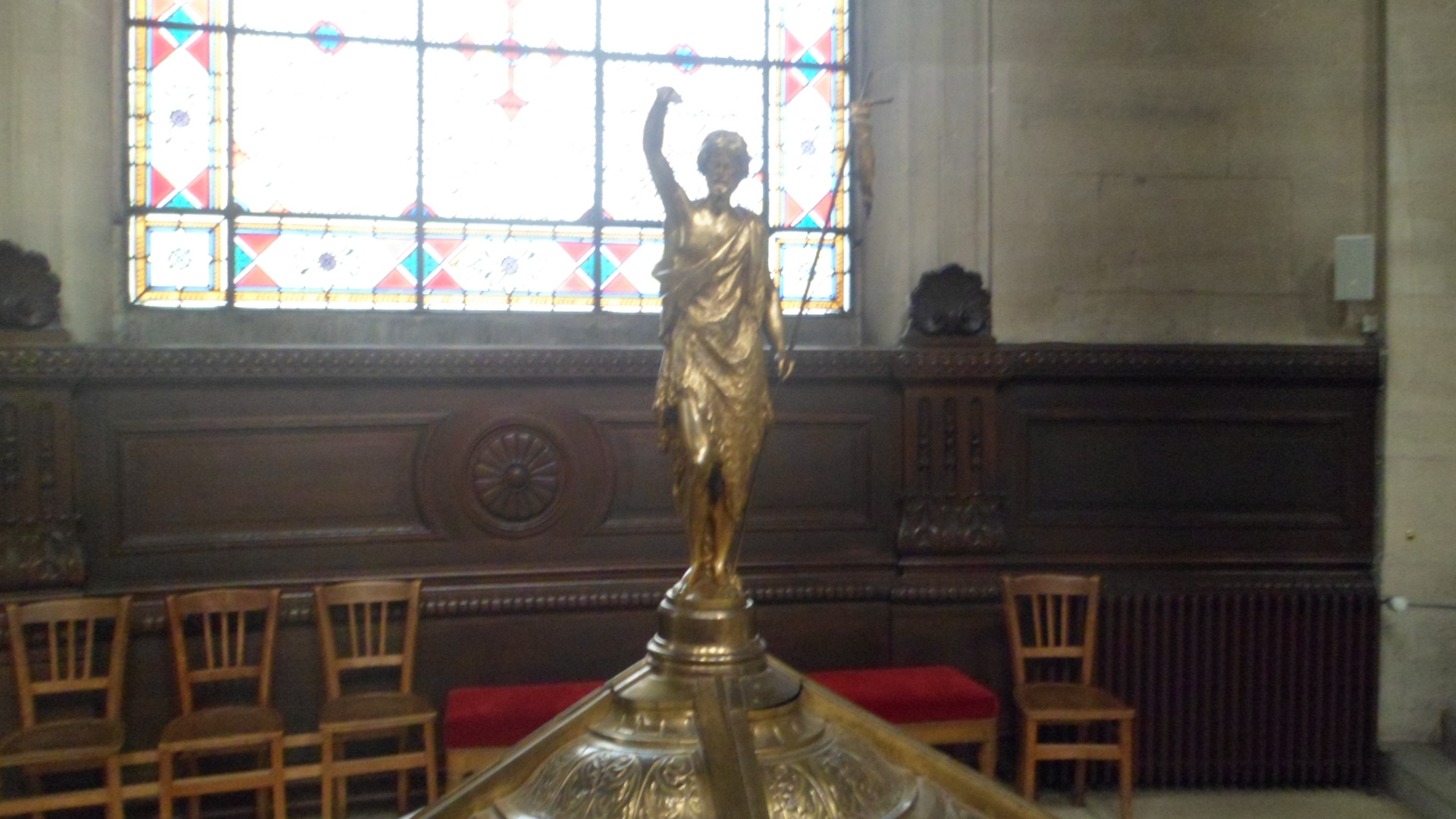
A passageway leads from the baptismal font to the street.

SAM_9631

Next, are a couple of examples of Norman metalwork.  This is a receptacle for Lenten ashes.

SAM_9636

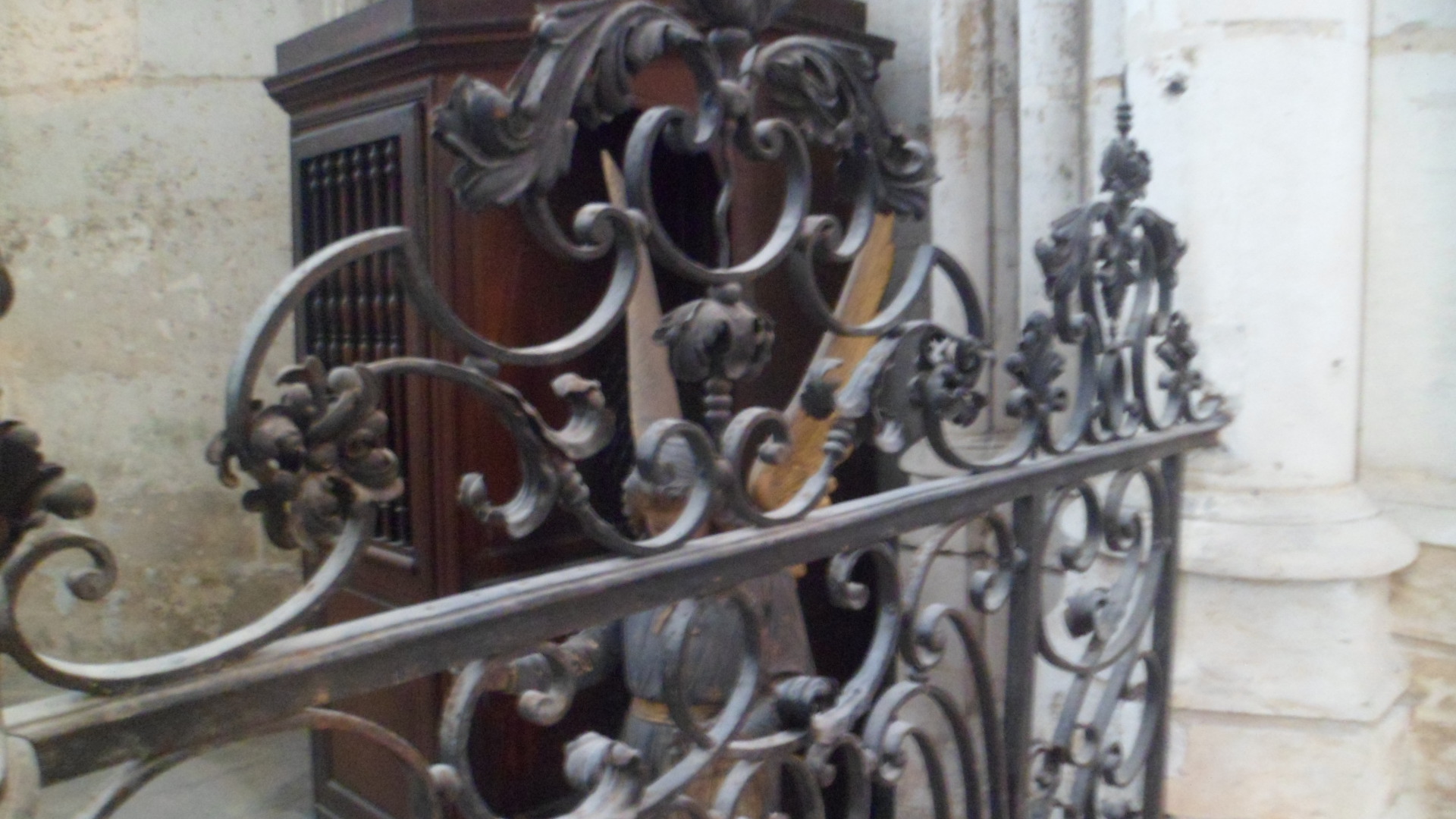
Here is some wrought iron, at the communion rail.

SAM_9645

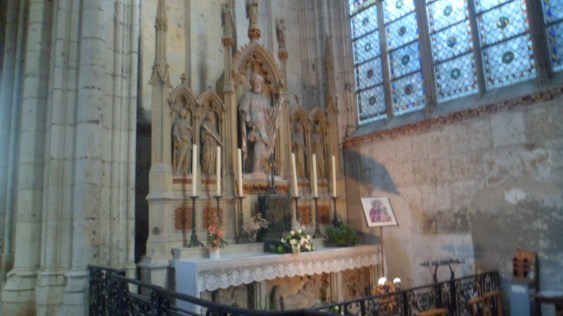
Lastly, here is the altar.

SAM_9648

In the garden between the church and Rouen’s City Hall, there were several young people relaxing and playing various games.  Looking on was the first Duke of Normandy:  Rollo.

SAM_9619

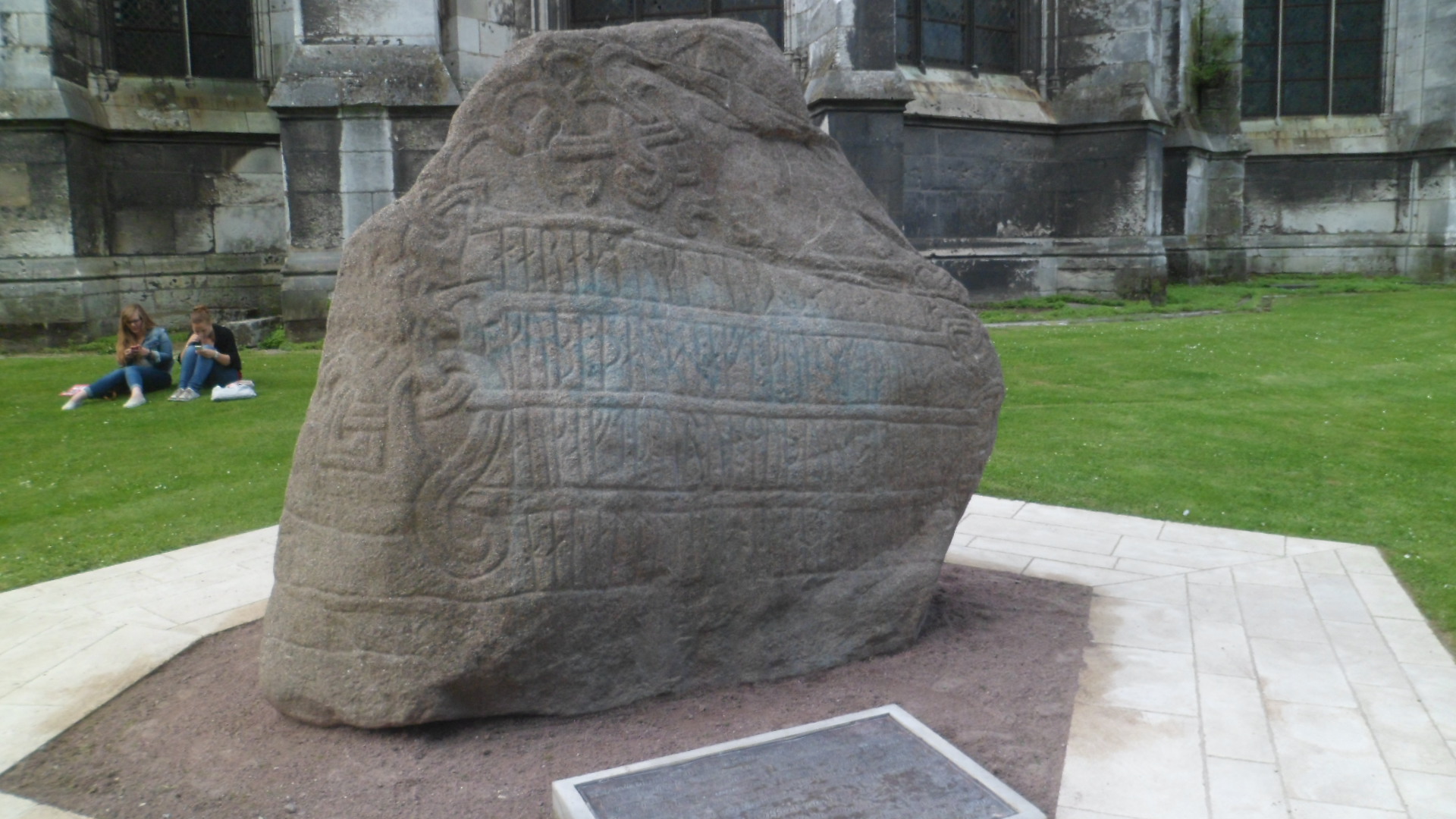
Rollo’s Viking compatriots communicated with runes.  Here is a copy of a runestone, sent to Rouen by Denmark.

SAM_9620

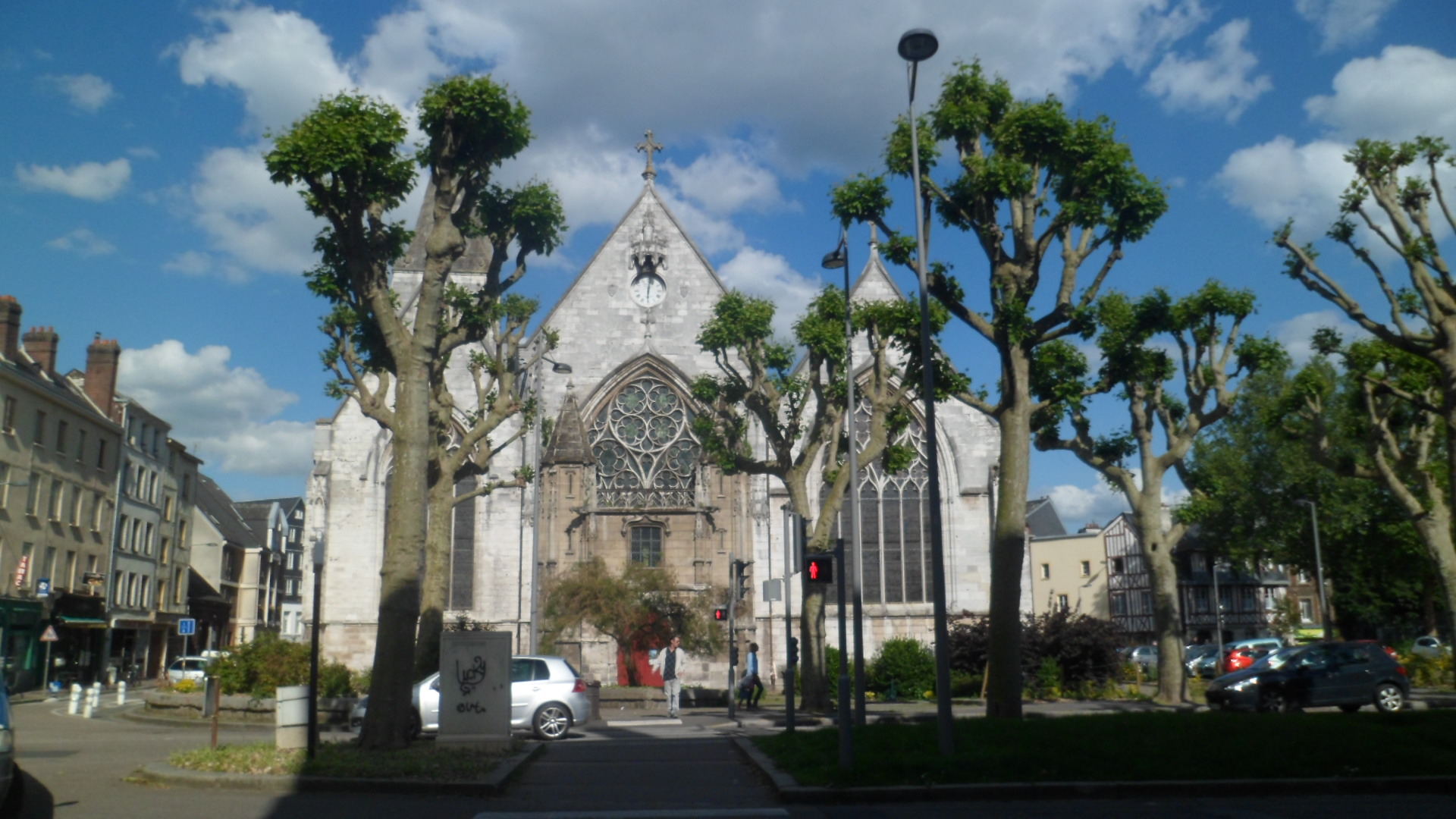
Across from Place Hotel de Ville is a smaller church, L’Eglise St. Marc.

SAM_9652

SAM_9655

As i walked back towards the hotel, to meet a taxi taking me to my evening appointment, I spotted Lycee Pierre Corneille.  The author of “Le Cid” was a native of Rouen, and is proudly honoured with this school and a museum devoted to his life and work. I regret not getting to visit that establishment.

SAM_9658

Near the Museum of Natural History, a small park has this imposing work.  It is a monument to the French farmer.

SAM_9662

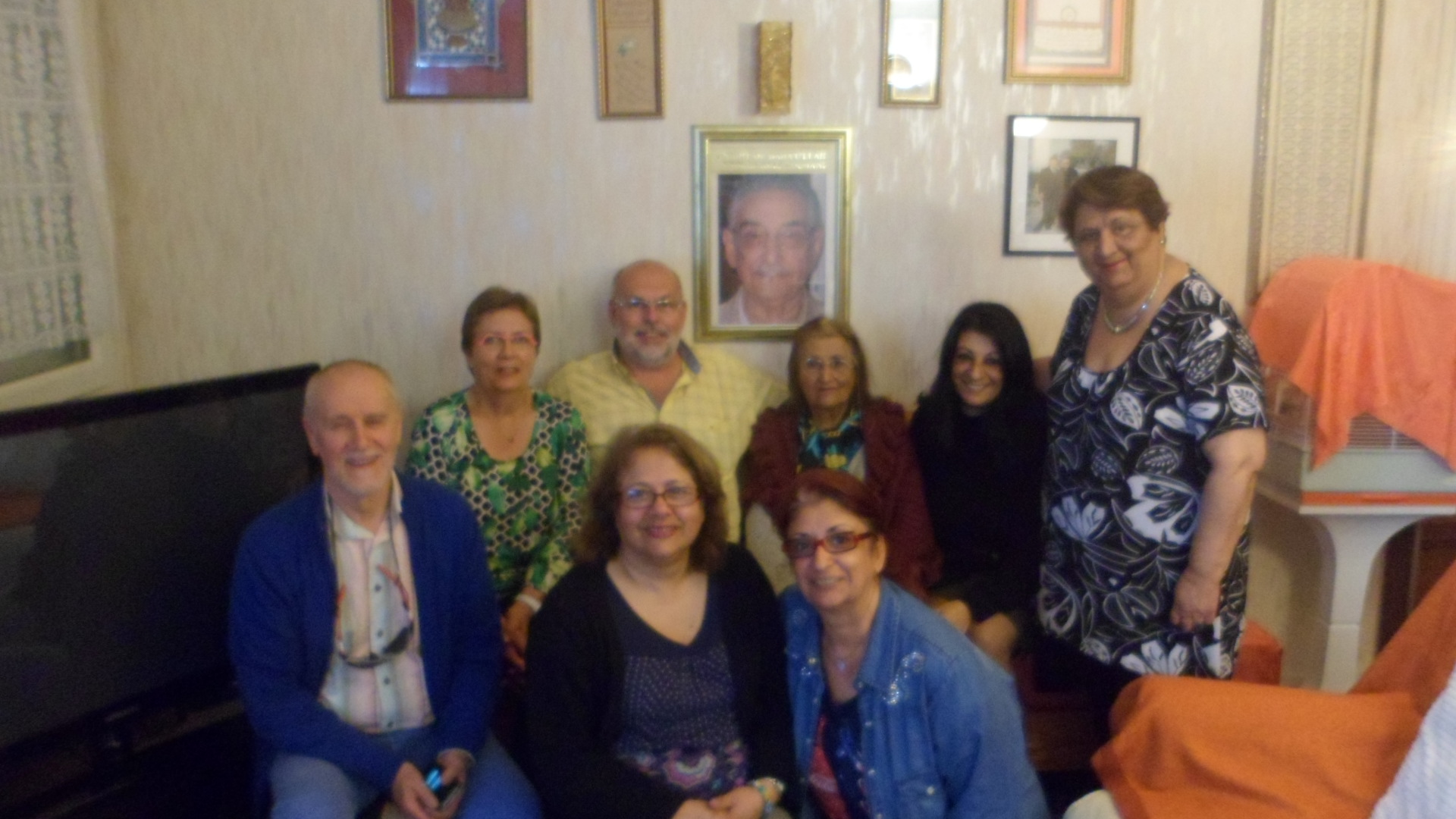
I crowned the evening by visiting with the Baha’is of Rouen, on the occasion of one of our Spiritual Feasts, which mark the beginning of a new month on our spiritual calendar.  We offer devotions, discuss various internal matters and then enjoy fellowship and refreshments. The gentleman in the photo introduced the Baha’i Faith to the Canary Islands.  Several of his family members, including his widow (rear, underneath picture), are serving the Faith in Rouen.

SAM_9664

SAM_9665

This was the perfect ending to an exciting day.

NEXT:  A Morning Walk in Rouen

An Eastward Homage, Day 10: Paris in the Rear View Mirror

14

June 5, 2014- I left my luggage downstairs at the Hotel Monte Carlo, so the ladies could get about their business.  There are two types of chambermaids in Europe:  Those who blaze through the rooms like the White Tornado of 1960’s American television, having everyone’s room clean by check-out time; and those who pick and choose which rooms on which to focus, maybe getting them all done by quitting time, or not.  With one exception, I had the first kind working on my rooms.  The Monte Carlo was definitely of the first order. There are also two types of desk clerks at these same hotels.  The first kind are semi-formal, but professional, glad but not overjoyed at your arrival and helpful with all reasonable requests.  The other are dour, have to work hard at even letting guests in the door and less than pleased at one’s approach to the counter.  The man who checked me in was of the second type, and never quite forgave me for having removed his door block, in my initial attempts to get in.  It took the Senegalese woman in the real estate office around the corner, calling and asking just what kind of hotel locks the door on their guests at 5 PM on a Sunday evening, to guarantee my entrance. That was about my only encounter with the French arrogance of legend.

The vast majority of people I met, in this land of my paternal ancestors, were more than gracious and very pleasant.  France is a very busy place these days.  There was a strike by SNCF workers, the entire time I was in the northwest of the country.  I was pretty much inured to coming to Paris, each time I traveled from one provincial city to another.  Despite that, though, people were focused and seemed to be working hard at whatever task was in front of them.

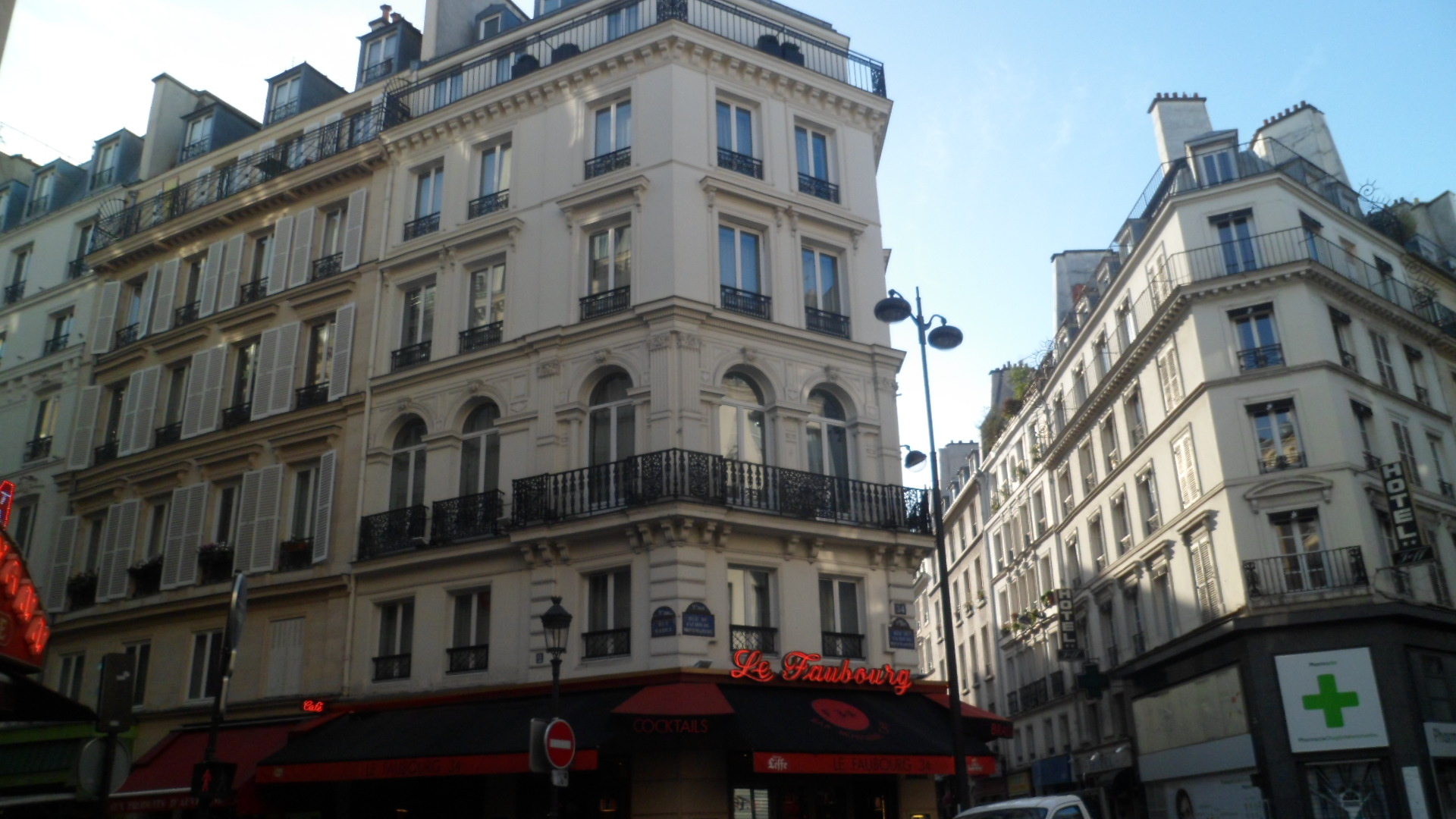
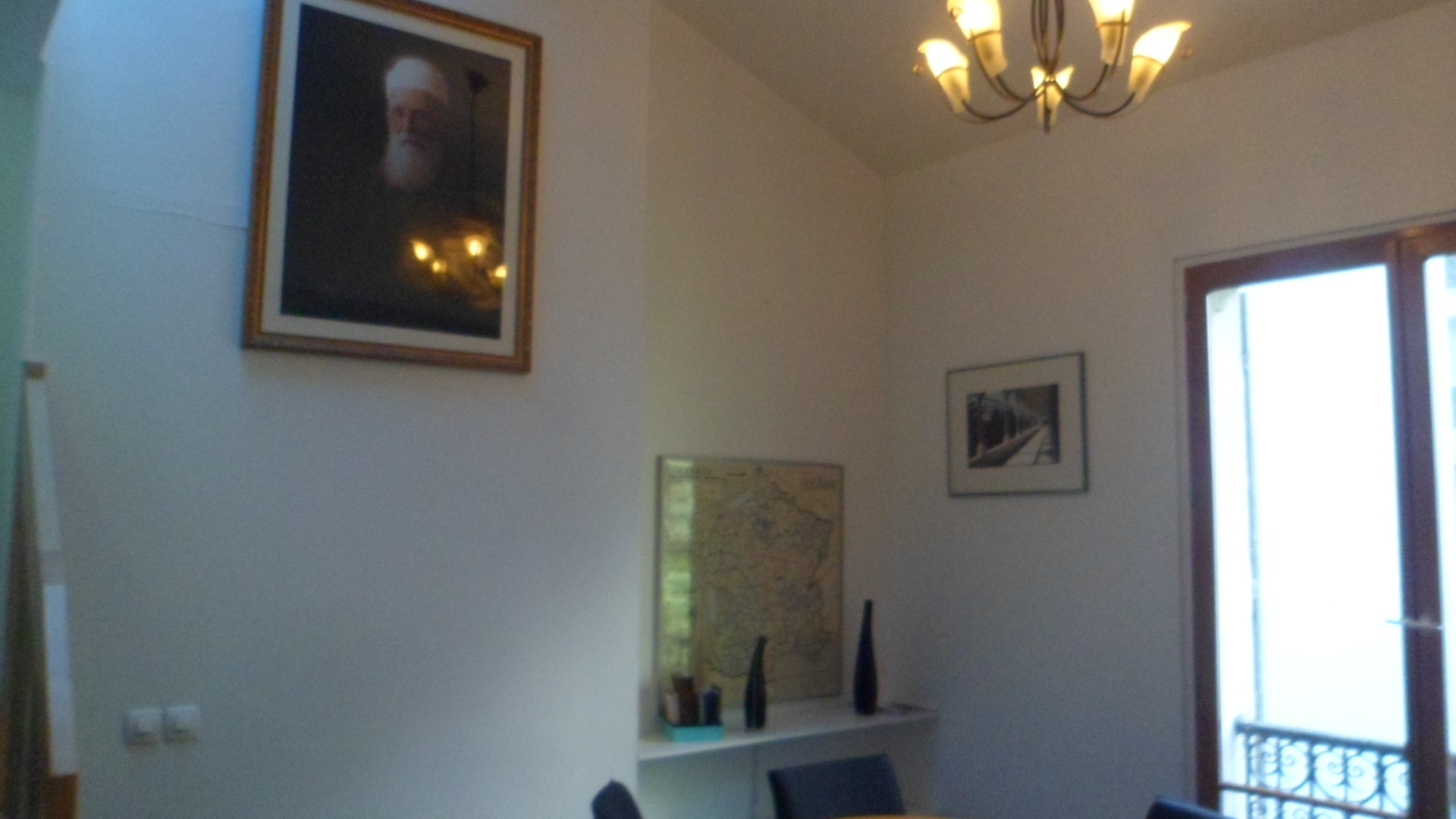
I spent the morning of this final day of my first extended visit to Paris, visiting a place that may well be one of the most important offices in the City of Light, in years to come:  The National Centre of the Baha’is of France, several blocks east-northeast of L’Arc de Triomphe.  I say this out of personal conviction, but anyone who is interested is more than welcome to investigate the Teachings of Baha’u’llah for themselves.  The unity of the human race, and independent investigation of all truth, are cornerstones of what we believe, and of what we do. Here are scenes of the immediate neighbourhood, the interior and the garden of the National Centre of the Baha’is of France.  The buildings below are not the Baha’i Centre.  The actual location is just to the right of the Red Cross, on Rue Pergolese.

SAM_9557 SAM_9567

Once inside and properly introduced to staff, a prayer room is available.

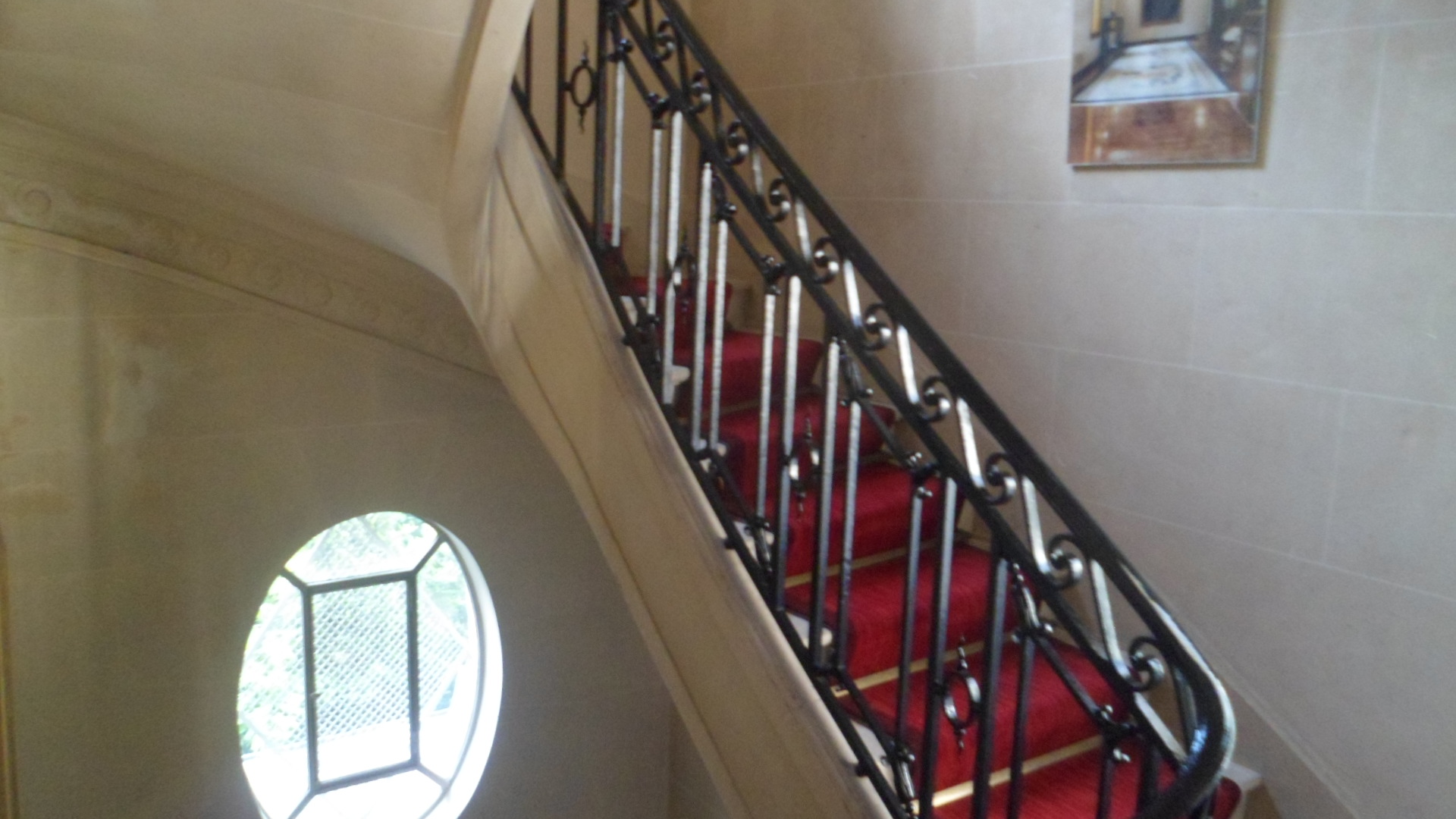
The staircase leads to offices on the second floor.

SAM_9566

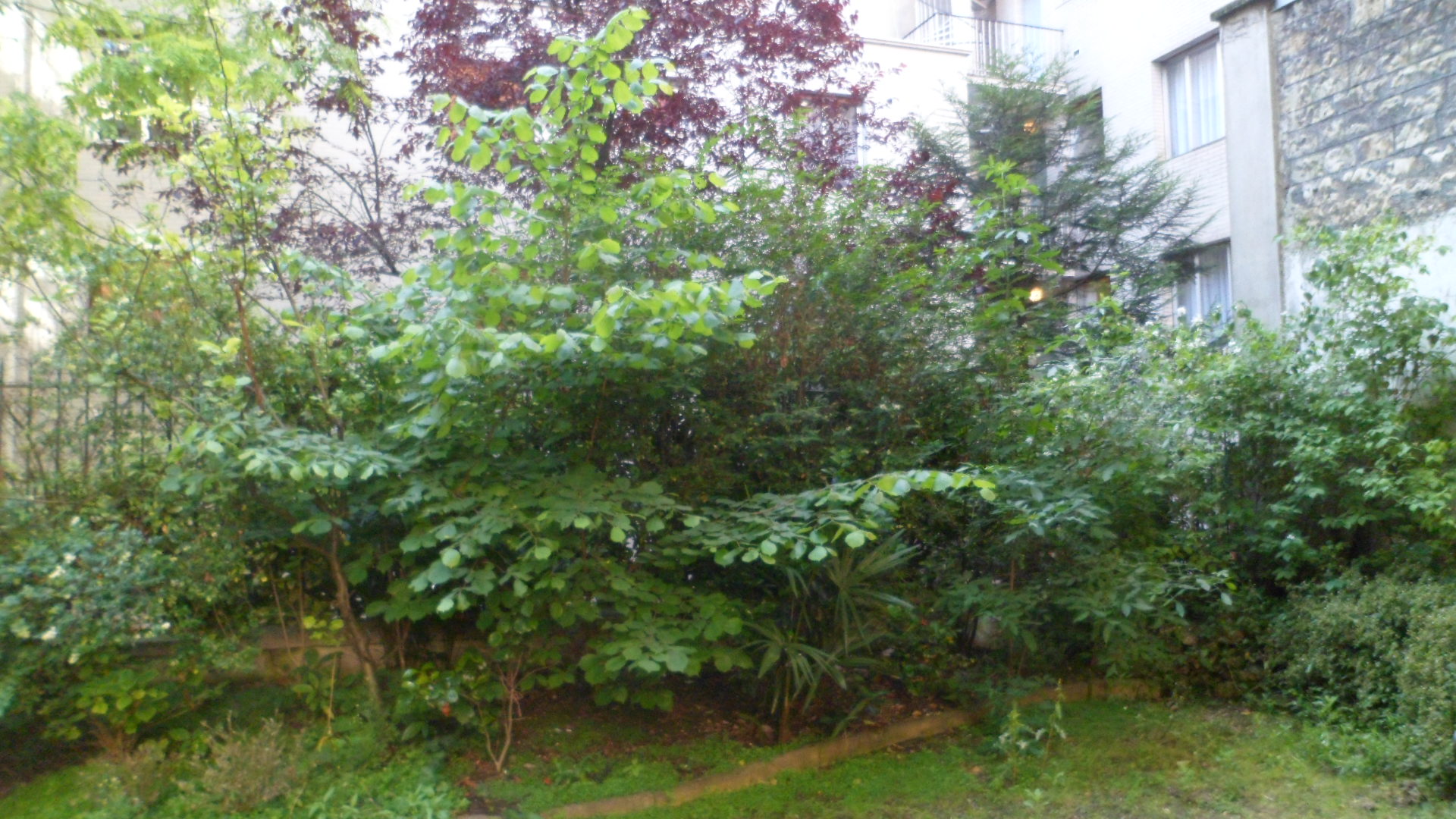
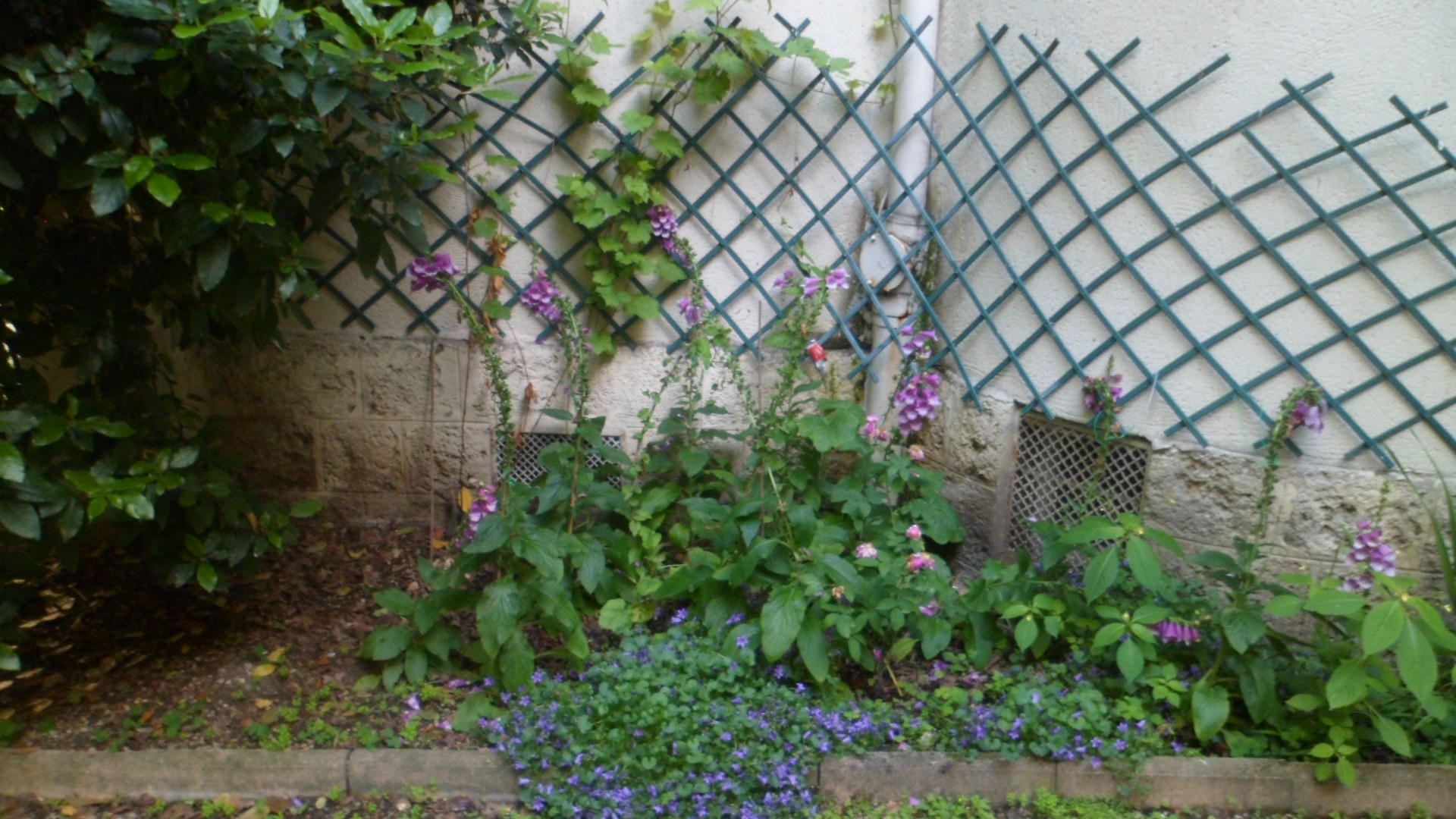
As with all important buildings in France, there is a garden in back. SAM_9580   SAM_9583

I spent about thirty-five minutes speaking with the three staff members who were present, enjoyed a cafe au lait, bought a prayer book in French, and bid them a fond “A dieu”. After retrieving my luggage, and thanking the gracious daytime desk clerk, for his steadfast help over the four days, I headed to Gare St. Lazare, for the journey to Rouen, from whence some of my paternal ancestors set out for L’Amerique du Nord, one day in 1650. So, this is a good point to look back on Paris.  I first made a brief stop here, with Penny, in 1982.  We were en route to Israel, and our Baha’i pilgrimage, so sightseeing was not on the agenda.  It was a mere transit stop.  This time, though, was planned almost to the hour, and I certainly took in a lot:  Montmartre (though not Le Moulin Rouge), Tuileries, Le Musee de Louvre, Versailles, Champs-Elysees, Le Tour Eiffel, Trocadero and L’Arc de Triomphe.  I enjoyed Petits Dejeuners aux pain, viande et fromage, a four course dinner at a Brasserie, another four course dinner at a Turkish restaurant, and a few kebab sandwiches here and there.  One rainy day, I wore my poncho. On the other rainy day, I pretty much stayed indoors or underground.

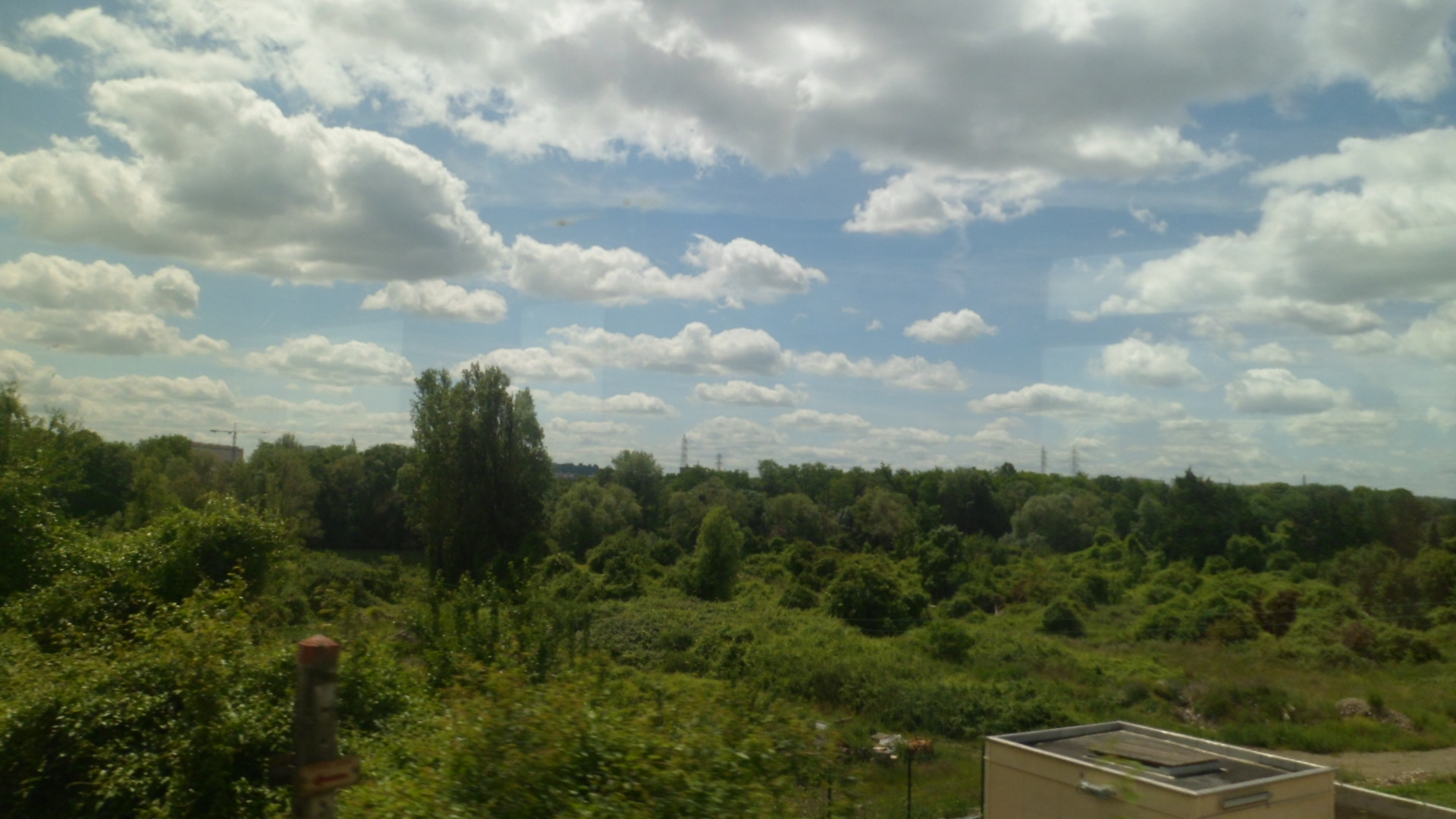
I learned the difference between eating au place and taking my meal emportee. (It was usually 5 euros).  I learned that one should never, ever write on a France Pass rail voucher, before it has been cleared by the proper official.  I learned that, if the first three trains on the Metro are overcrowded, the fourth will afford sufficient space for a man and his household.  I learned that Paris is a supremely lovable place. Many thanks then, to the young lady at the Montmartre Tourist office, the clerk at Metro Station Le Peletier, the desk clerk at Hotel Victoria and the aforementioned real estate agent, for getting me to Hotel Monte Carlo, albeit in piecemeal fashion; to the manager of Hotel Monte Carlo,  his day clerk and the chambermaid, for arranging a most pleasant stay; to our tour guide at the Louvre and to the staff at Versailles, for their most informative explanations of these fabulous cultural repositories; to the restaurateurs, of establishments great and small, for unfailingly delicious fare, served pleasantly and to my Baha’i friends, for helping me add a spiritual dimension to my Paris visit and for connecting me with the friends in Rouen and Strasbourg. I leave you with this view of the French countryside near Vernon, west of Paris.

. SAM_9588

NEXT:  An Evening in Rouen

An Eastward Homage, Day 9, Part IV: Trocadero and The Master’s Apartment

8

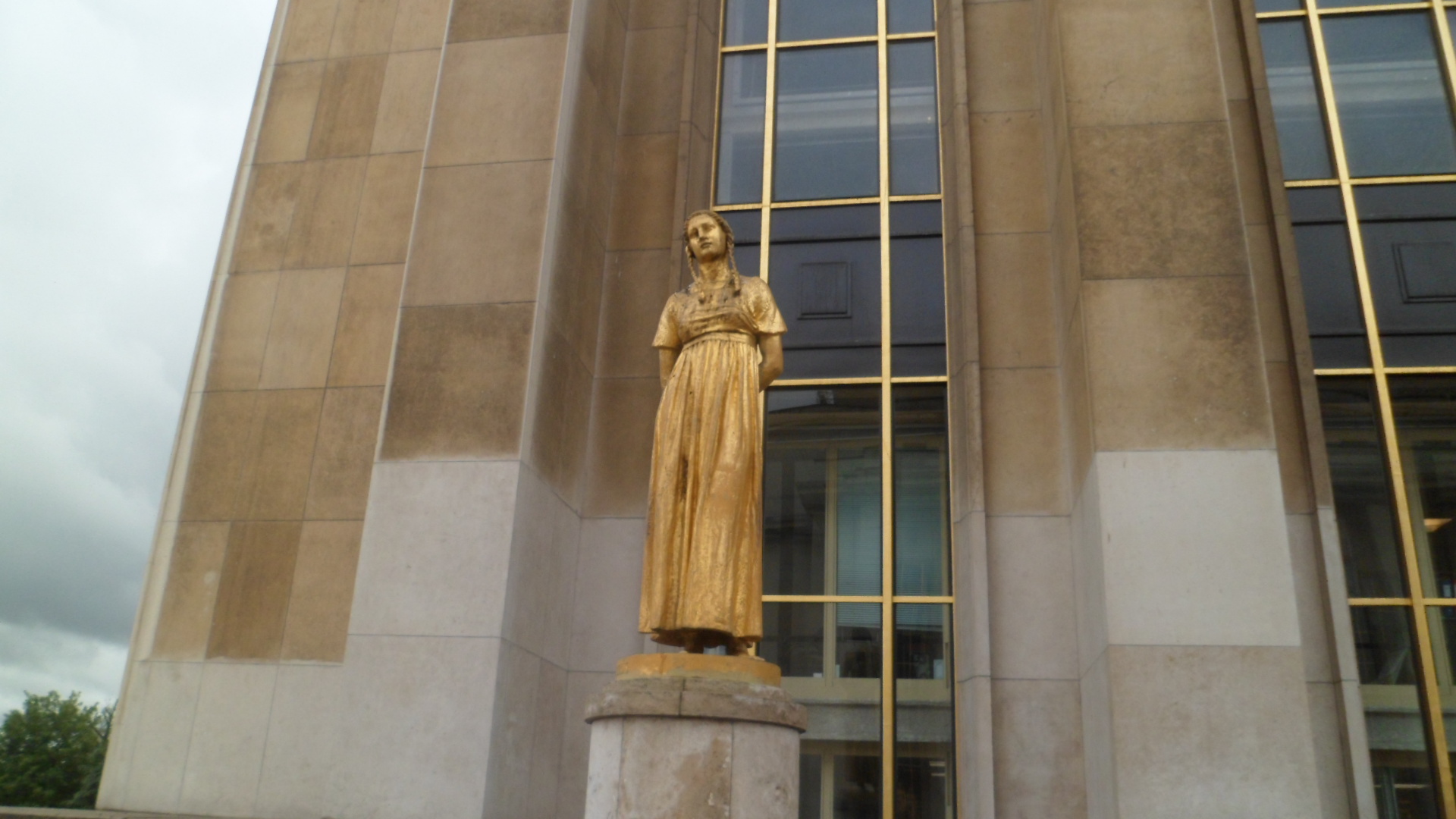
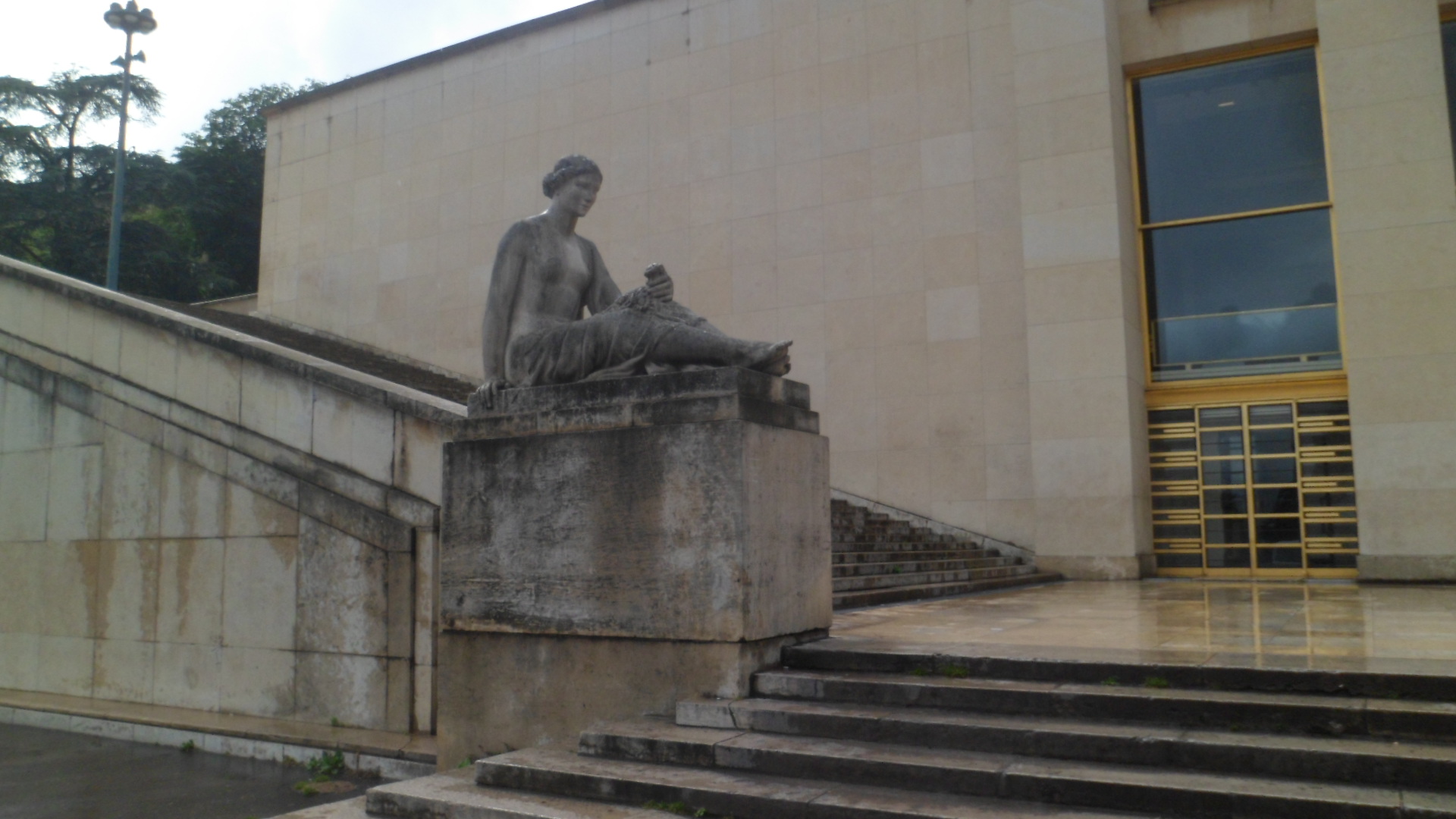
June 4, 2014-  Upon finding that the rain had stopped, I set out from my hotel room for Trocadero, the near west Parisian neighbourhood with exquisite views of  Le Tour Eiffel, and a smaller, but no less tantalizing garden, replete with fountains.  There is a National Theatre here, and some important museums.  One, the Museum of Man, is under renovation, though, and will not reopen until next year.  Trocadero is so named, in commemoration of the restoration of the Spanish Bourbon King Ferdinand VII to his throne, with French help, in the 1830’s.  The present Palais de Chaillot was built in the 1930’s, to replace the demolished Palais du Trocadero, as a concert hall.

Here are some scenes of Trocadero, taken while I was waiting for my Baha’i friends. This is  La Theatre Nationale, or Palais de Chaillot, a large concert hall.

SAM_9512

Anne de Bretagne, inspired this sculpture, entitled “The Midas Touch”.

SAM_9515

This is an eastward view of Le Tour Eiffel, from the top of Trocadero’s hill.

SAM_9516

As is evident, the sweep of Trocadero’s canals, fountains and gardens makes it the perfect place to while away an evening, and many Parisiens do.

SAM_9520

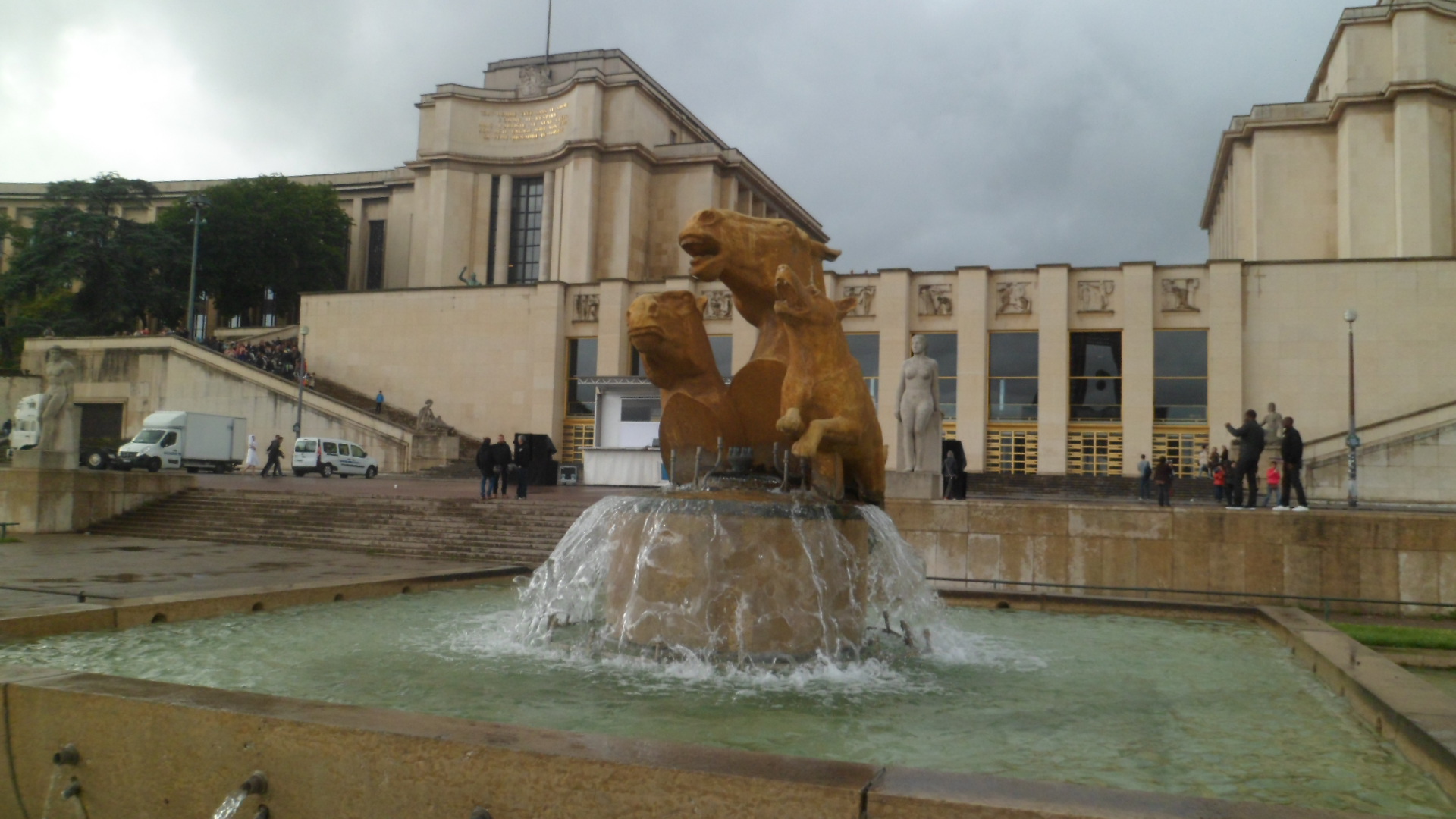
The rural origins of Chaillot are not forgotten here, and busts of animals grace two of the fountains.  This is “Chevaux et Chien”, or “Two Horses and a Dog.”

SAM_9523

Several of the statues are risque.  This one is called “The Naked Musicians”.  French people today can get quite saucy with one another, but they were demure and modest around visitors like me.
SAM_9526

SAM_9529

At 6 PM sharp, my Baha’i escorts arrived to take me to the apartment where our Exemplar, ‘Abdu’l-Baha, Who was Baha’u’llah’s eldest son and immediate successor, stayed during the first of His three visits to Paris, in 1911.

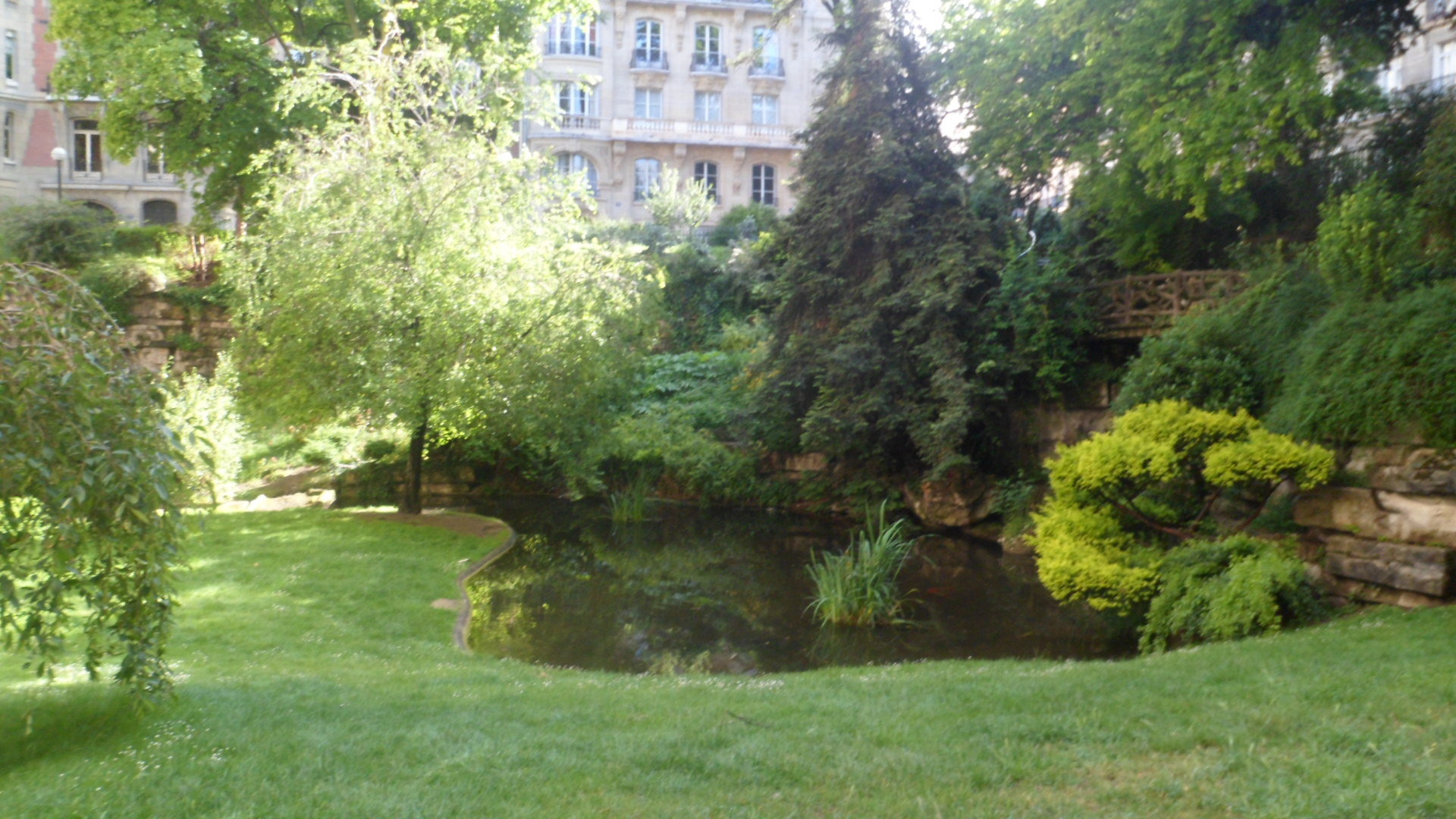
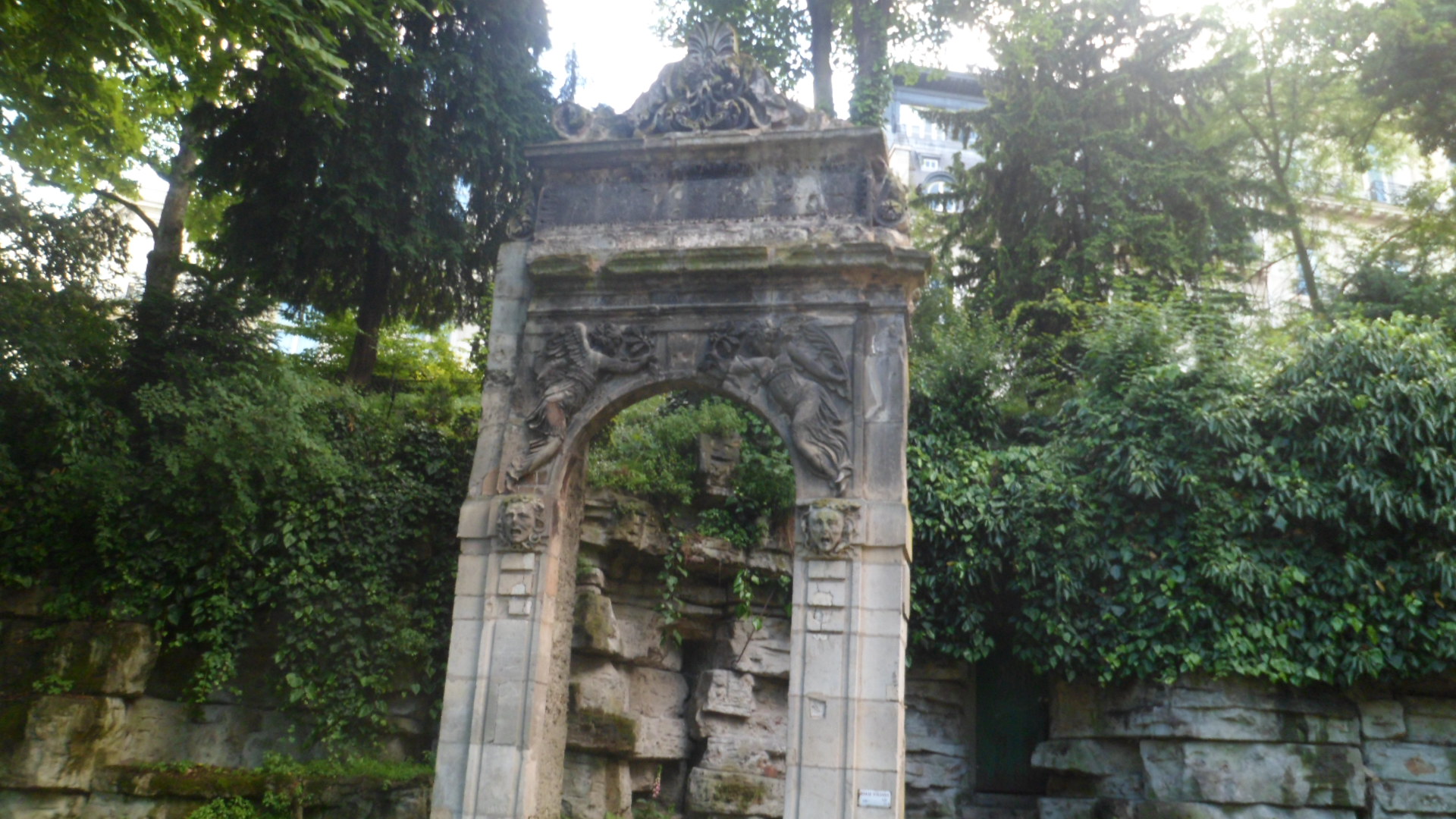
To get to this apartment, on the north side of Trocadero, we went through a peaceful garden, some of it arranged in Japanese style.  ‘Abdu’l-Baha,  to Whom we refer sometimes as the Master, enjoyed taking walks in this garden, each day.

SAM_9531

SAM_9532

SAM_9536

SAM_9538

SAM_9541

We also relished this garden walk, then came to the likeness of Luis do Camoes, the Bard of Portugal, for whom the street, on which the apartment is located, is named.

SAM_9543

The apartment is viewed as a sacred place for Baha’is, and is open by appointment, a couple of days per week.  I feel very honoured to have visited and prayed there.

SAM_9544

My younger host was not putting up his hand to stop the photo, but was engaged in making a point of information.

SAM_9548

These two thumbnail photos of ‘Abdu’l-Baha came out more dignified than the others I took of His full countenance, which had a glare to them.

SAM_9549

After prayers and delicious tea and cookies, we left the same way we came, through the lovely garden.

SAM_9550

SAM_9553

SAM_9554

My time in Paris was growing short, and this visit was one of the most perfect ways to end it. The following morning, I would visit the National Center of the Baha’is of France, then catch a train to Rouen, home of my paternal ancestors on the grandpaternal side.

An Eastward Homage, Day 9: Le Musee de Louvre, Part III- La Joconde and Other Treasures

107

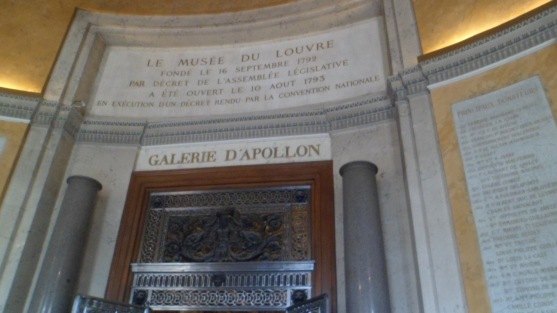
June 4, 2014- The Section Denon, which contains many of the Renaissance paintings in the Louvre’s treasury, is entered via the Hall of Queen Anna.  An informational sign tells the origins of the Louvre as a public museum.

SAM_9434

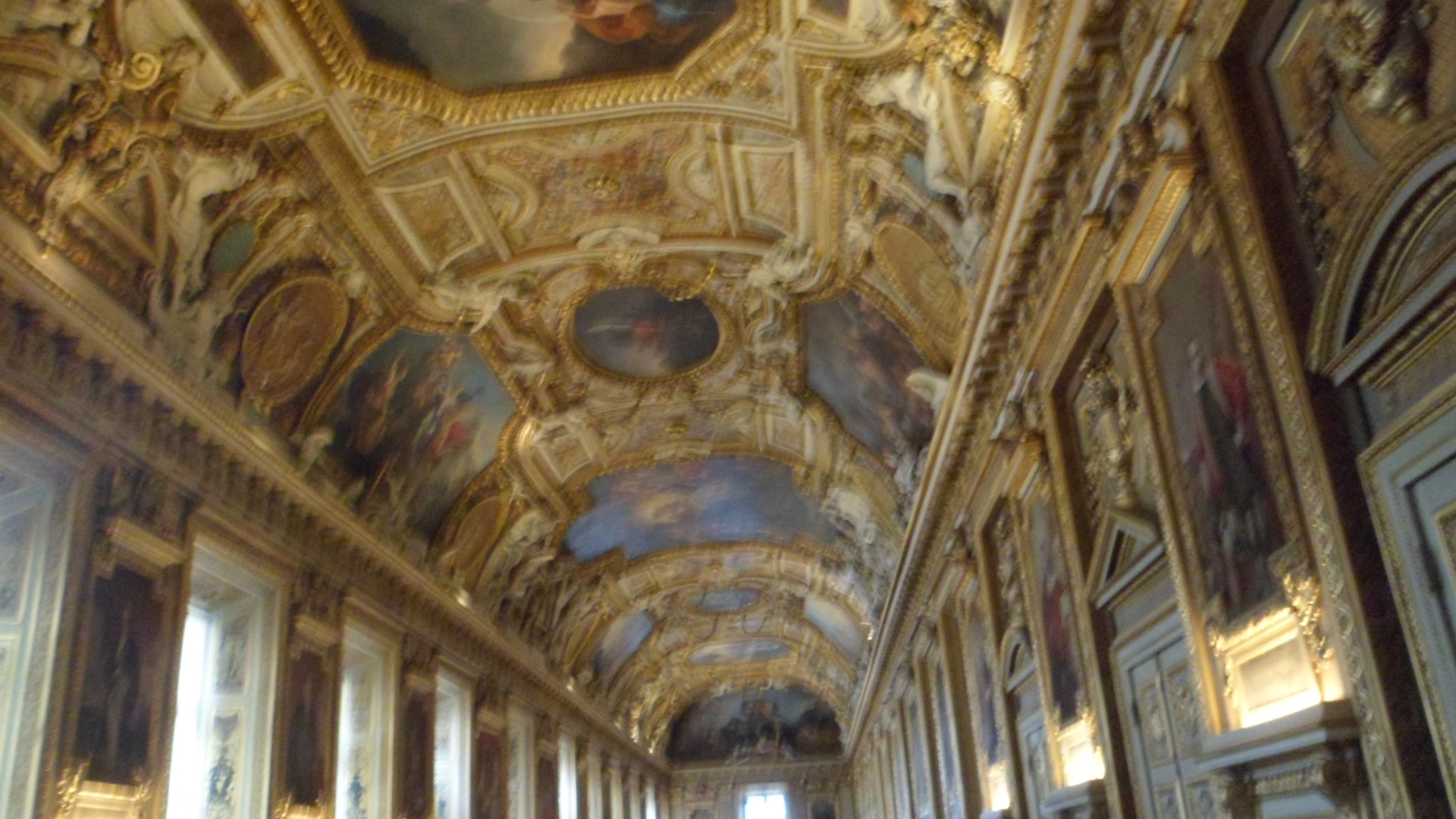
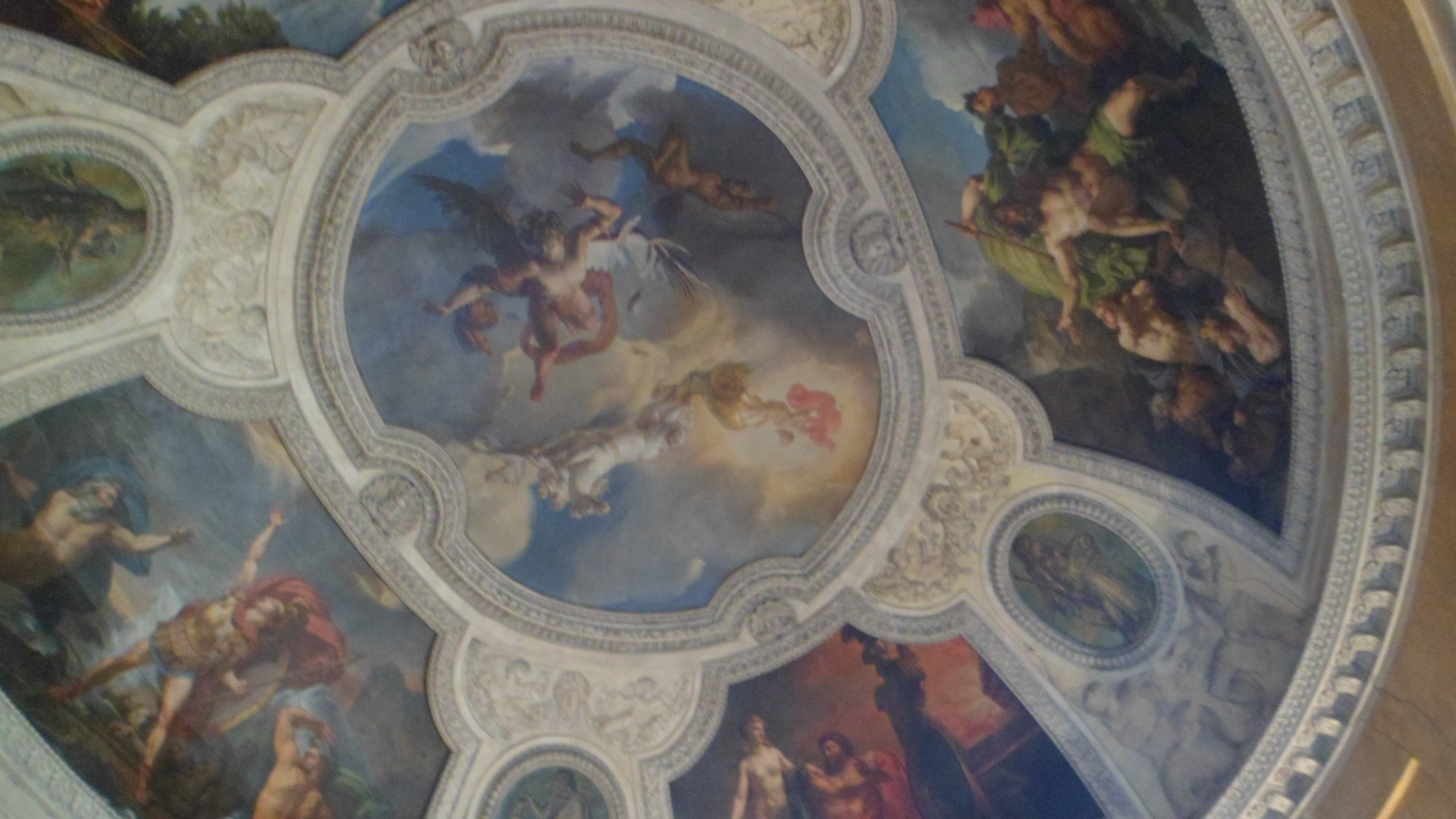
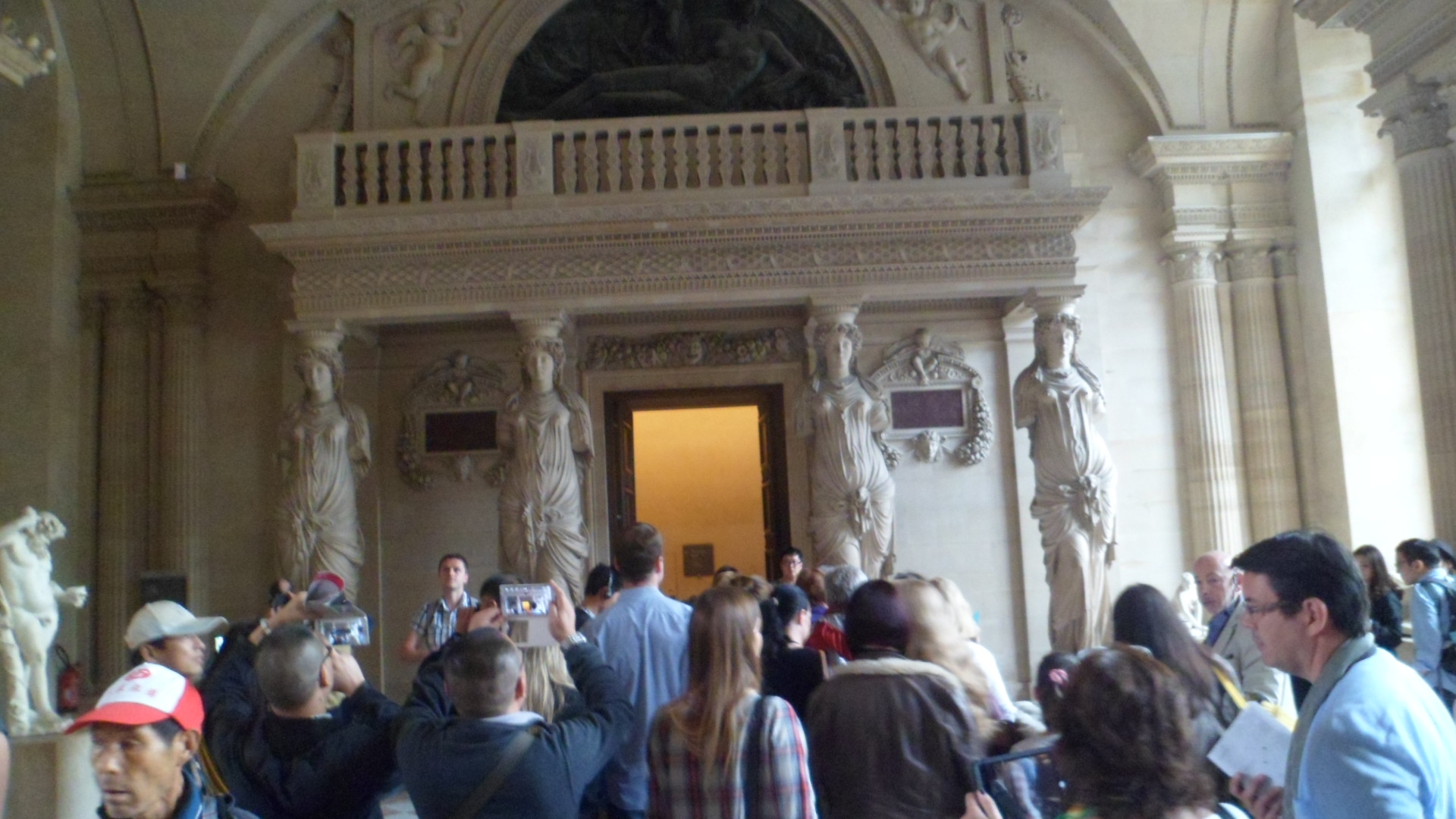
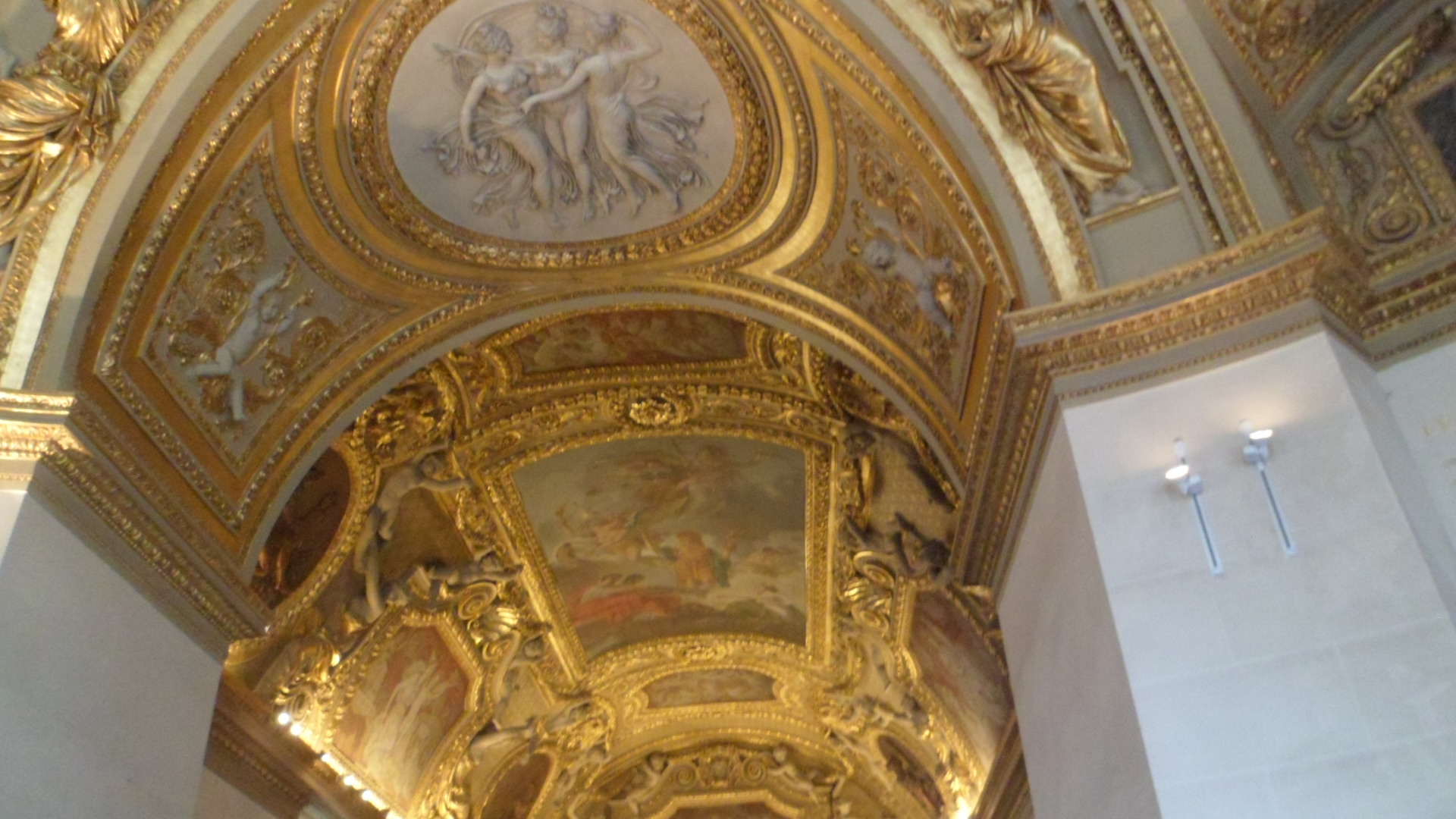
Next, note the ceiling.  The ceilings throughout this lead-in to Cour Corree (Square Salon) are done up like those in a palace, or grand cathedral.

SAM_9437

The hall has a series of ceiling panels, all in high ornate gold.

SAM_9438

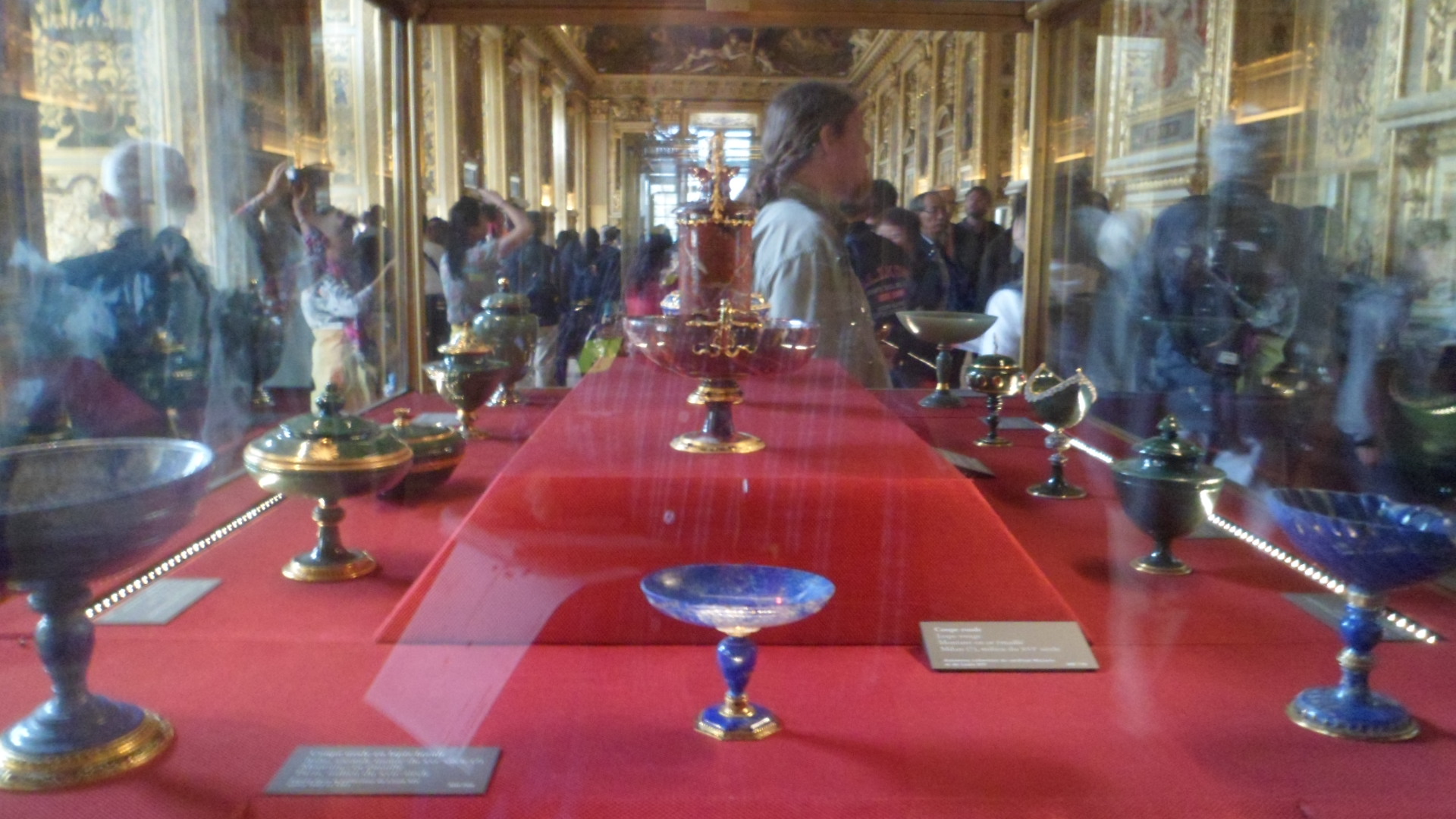
We will see the Coronation of Napoleon, as well as the treasures of Chambre de La Joconde (The Mona Lisa Room).  First, though, I wish to share some of the items in the Great Hall of Louis XIV.  Many fine crystal and lapis lazuli pieces have been brought here from Versailles.

SAM_9443

SAM_9446

SAM_9447

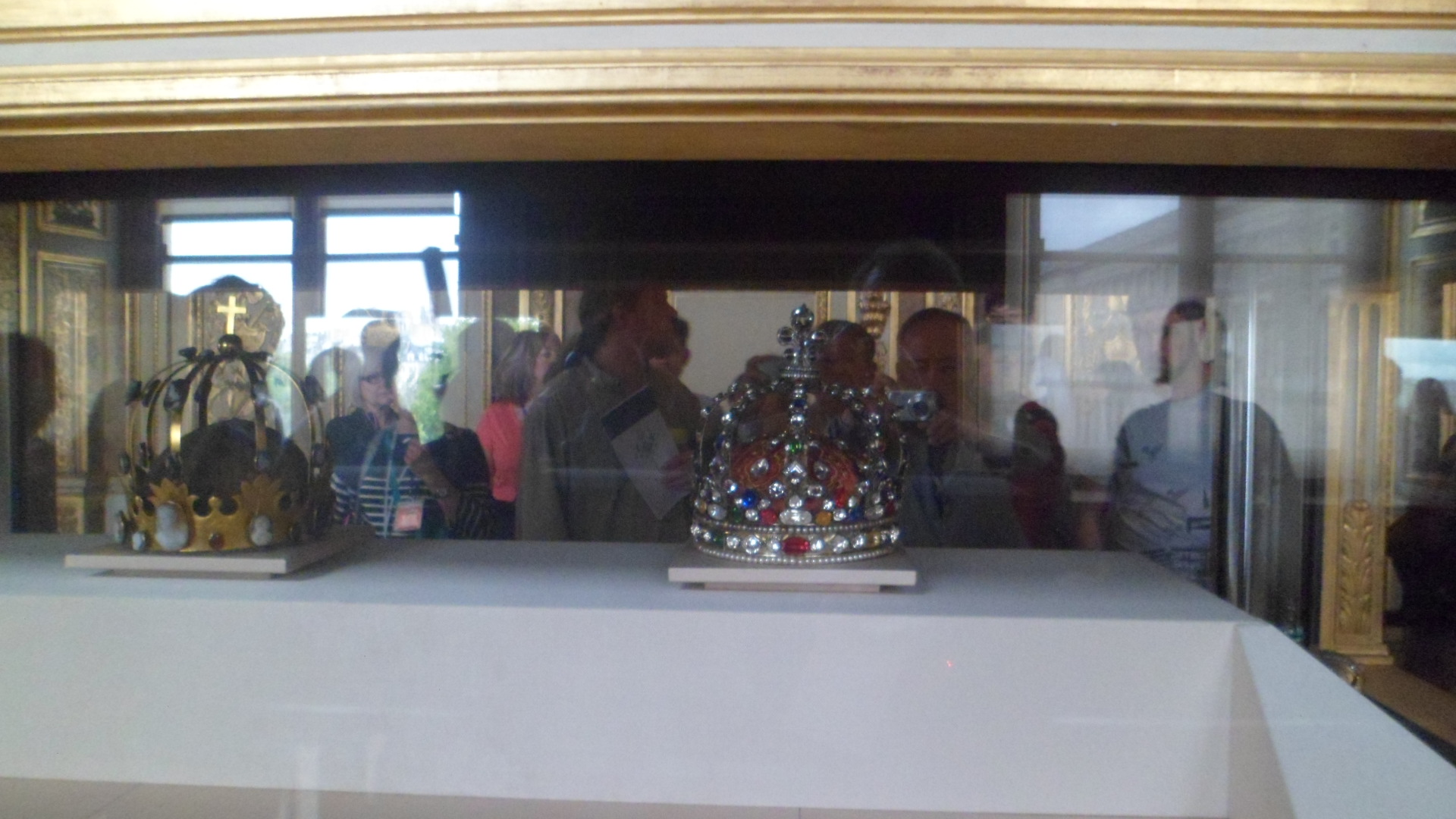
The Two Crowns, those of Louis XIV and of Louis XV, are shown in this case.

SAM_9451

In the subsequent galleries, the aforementioned Chambre La Joconde and Salon de Coronissement, are found several of the paintings for which people visit the museum.

SAM_9463

I will start with Veronese’s  “The Wedding at Cana”.

SAM_9467

This, and “The Coronation of the Virgin in Paradise”, by Tintoretto, are actually far more  prominent in the gallery itself.

SAM_9472

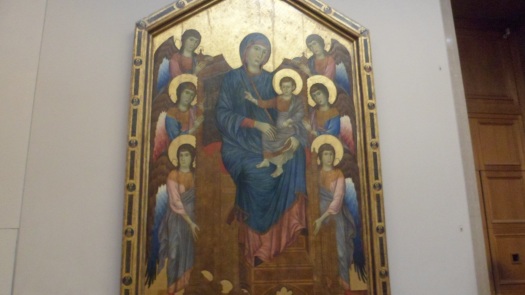
Giotto’s “Madonna and Child ” complements Veronese’s masterpiece.

SAM_9462

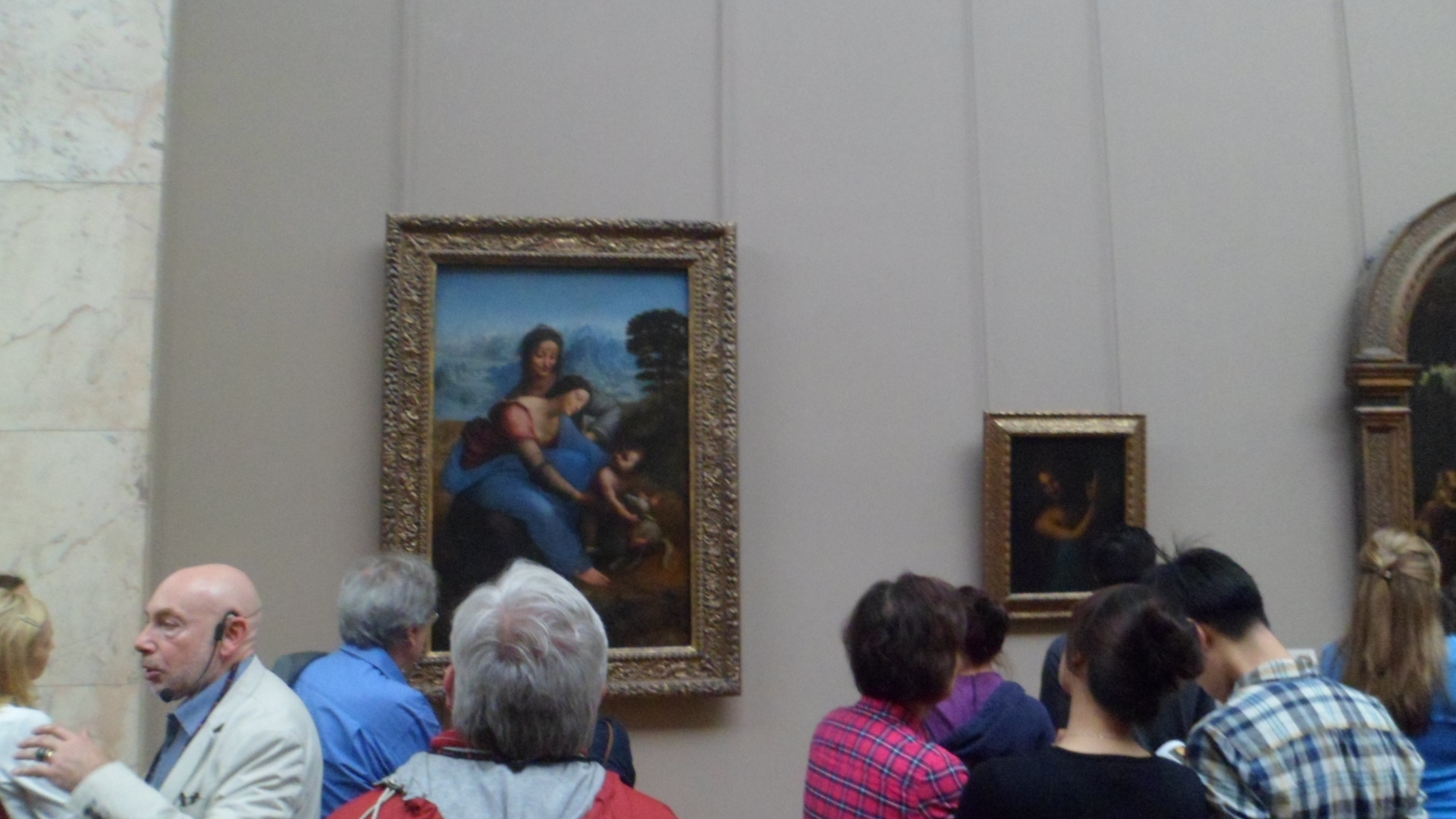
Leonardo da Vinci’s “Madonna and Child with Ste. Anne” follows his predecessor’s depiction.

SAM_9465

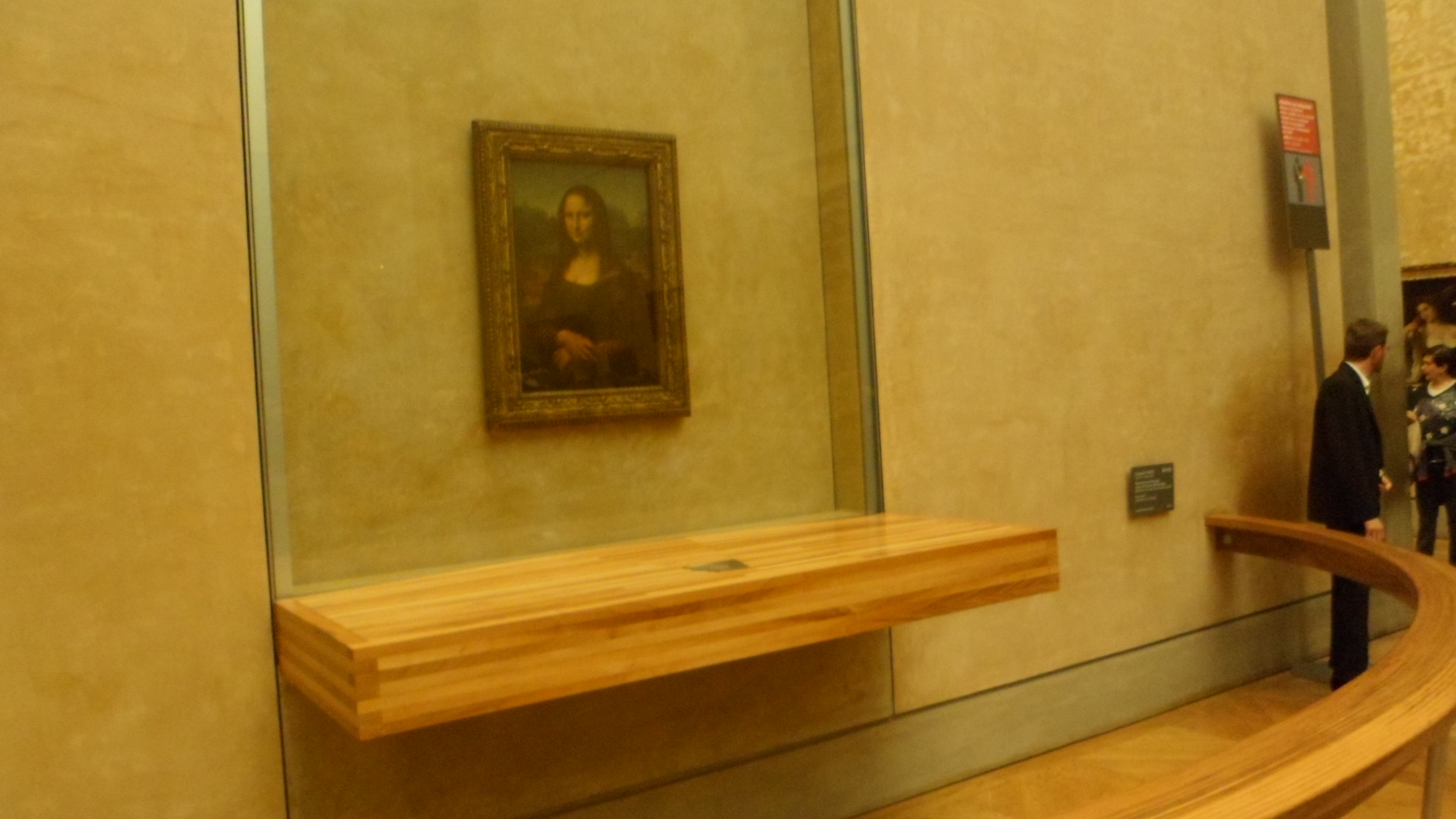
On the opposite wall is the Other Lady.  I was actually fortunate to get this close.

SAM_9471

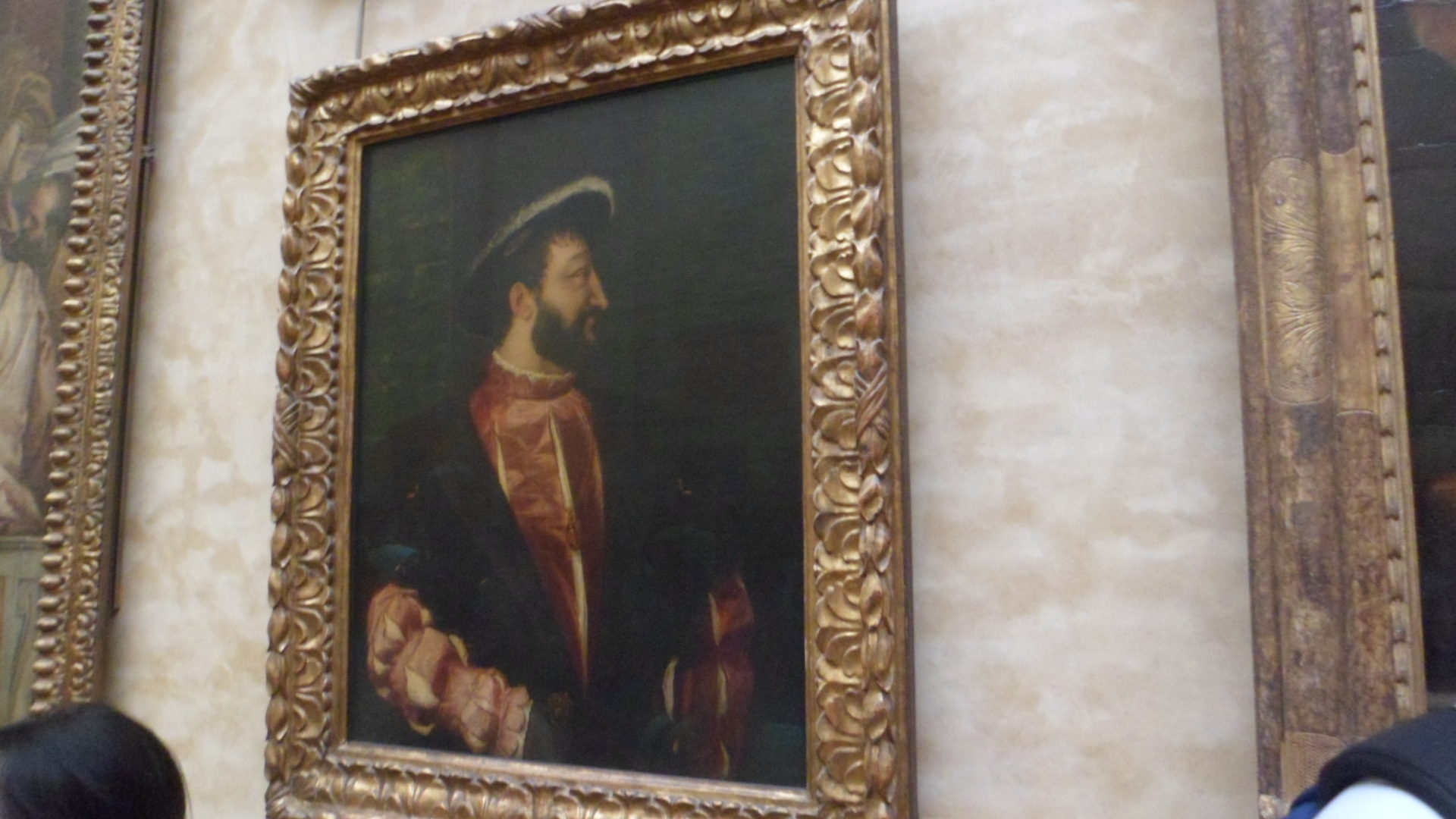
We left this sanctified room after fifteen minutes, and spent time with France’s two most active militarist rulers.  First is Francois I, a contemporary of Henry VIII.

SAM_9475

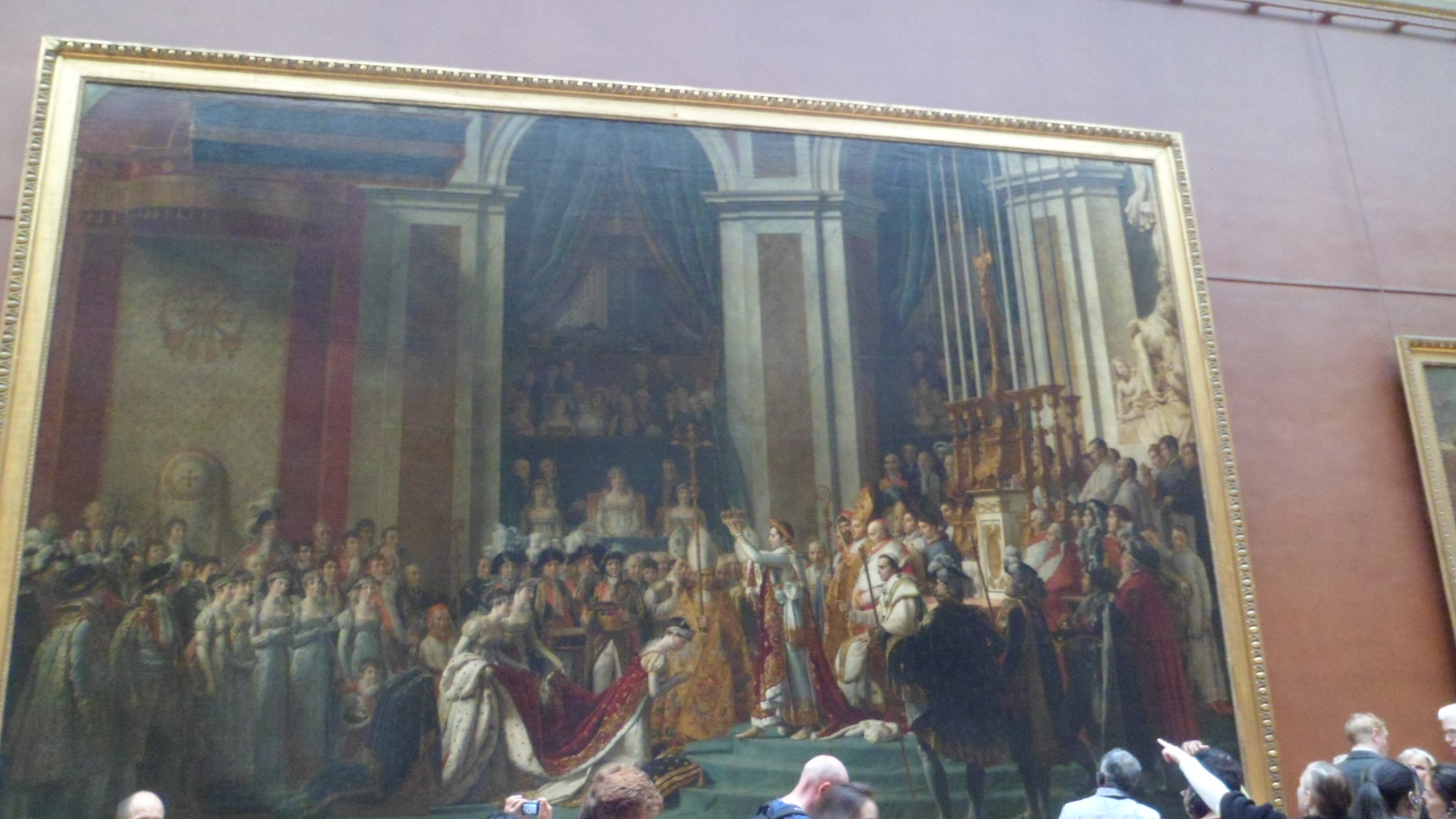
Then there is the Emperor, at his coronation.  Jacques-Louis David’s masterpiece is the center of Salon de Coronissement.

SAM_9476

After the guided tour ended, I found Salon de Verres, and these Biblical gems.  First is “The Fainting of Esther”, by Veronese, showing the Jewish Queen swooning at the prospect of her marriage to Xerxes.

SAM_9489

The ceiling fresco, “The Banishment of Lucifer” graces Salon de Verres as well.

SAM_9491

With this brief visit to Salon de Verres, I thought I was ready for the east segment of the Left Bank.  The Universe had other plans, and as the rain was getting heavier after lunch, I visited L’Eglise St. Germain d’Auxerres and then went back to my hotel for a bit.  This was nonetheless a fantastic introduction to one of the world’s true treasure houses.

NEXT:  A Visit to Trocadero, and ‘Abdu’l-Baha’s Apartment

An Eastward Homage, Day 9: Le Musee du Louvre, Part II- The Antiquaries

2

June 4- The Louvre is divided into three sections:  Sully, Denon and Richilieu.  Section Sully, on the east side of the museum, was our group’s place of entry.  It is here that one may peruse the Egyptian, Classical Greek, Etruscan, Roman and Bourbon French collections.

As we did in Ancient History class, when I was a high school freshman, our group started with the Egyptian artifacts.

A Pharaonic sphinx, from one of the tombs, greeted us.

SAM_9410

There are a couple of sections of wall, from one of the early Egyptian temples, reportedly brought to Paris by Champoleon, when he was sent to Egypt by Napoleon I.  Here is one of those sections.

SAM_9411

We spent about fifteen minutes in the Egyptian Antiquities Room, then went on to the Classical Greek collection, about twice as large as most of the other rooms.

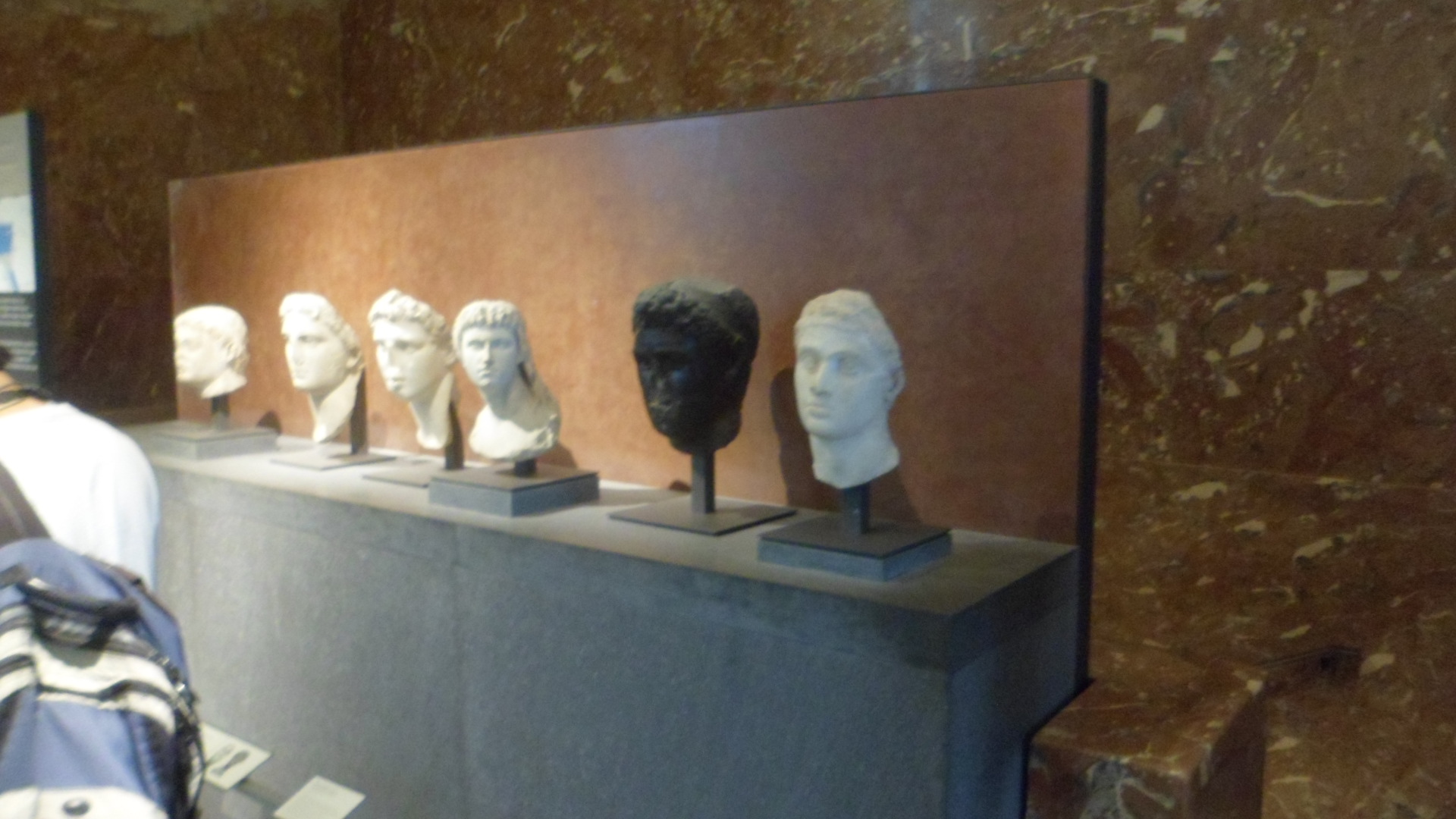
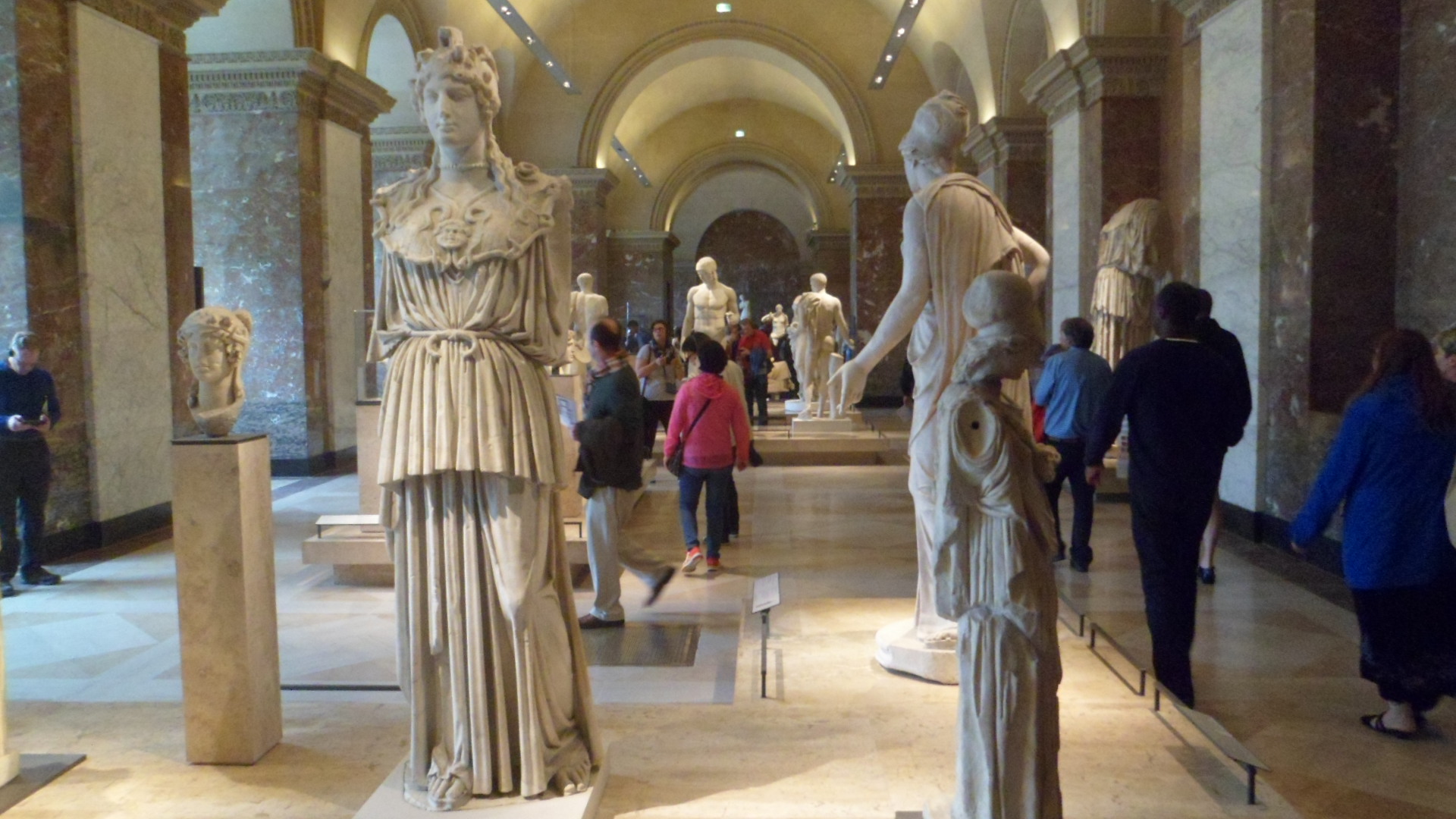
Here are some masques and an overview of the Hall of Greek Statues.

SAM_9413

SAM_9417

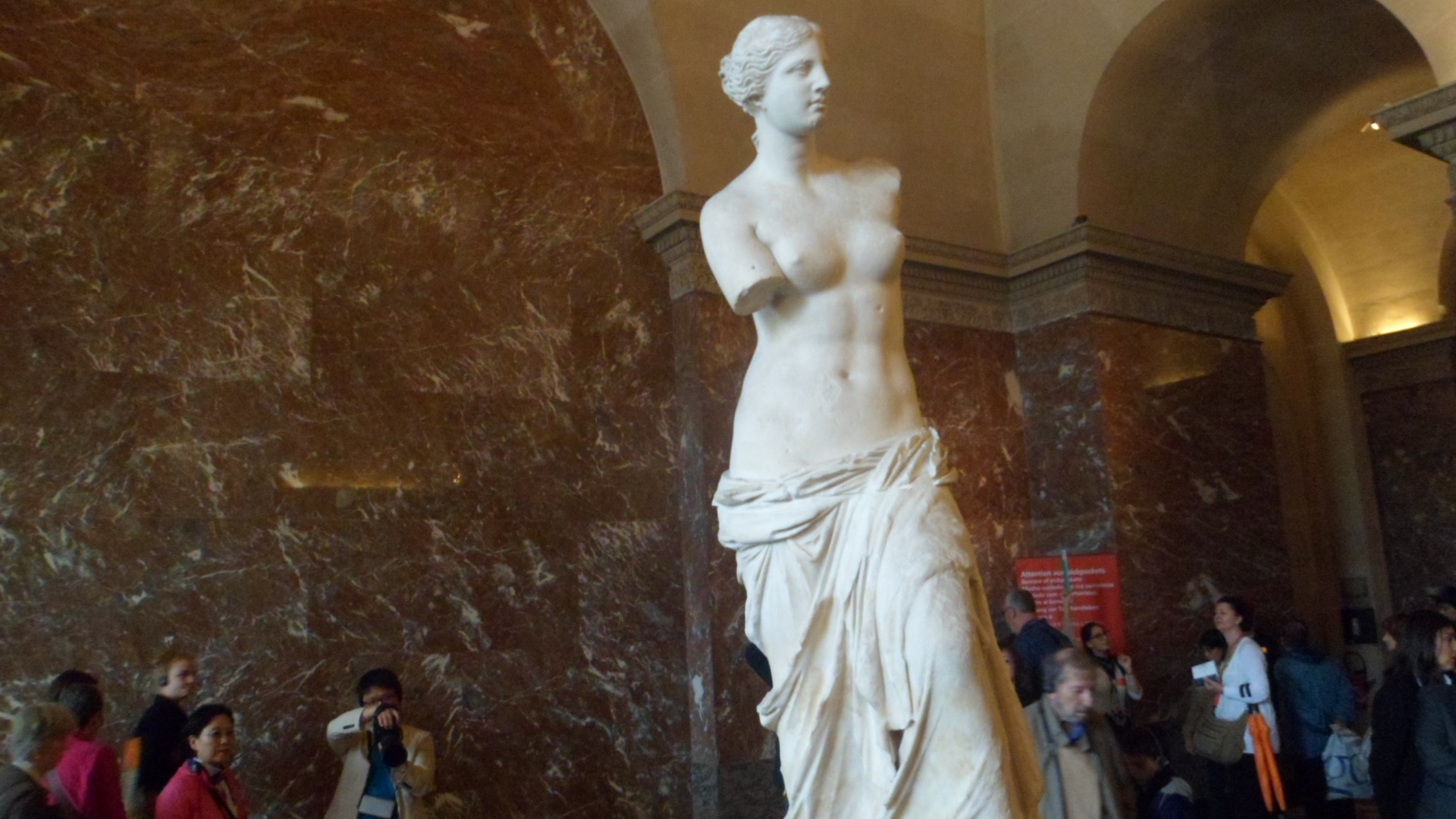
The centerpiece of this Hall, as is widely known, is the limbless statue of Aphrodite, popularly called “Venus de Milo”.  Here is one view of this iconic piece, presently credited to Alexander of Antioch.  I took several shots of Madame Aphrodite, from several vantage points.  I think I was outmatched by a Chinese photographer with a Nikon, but the lot of my photos are all on my Flickr site. (www.flickr.com/boivin.gary)

SAM_9421

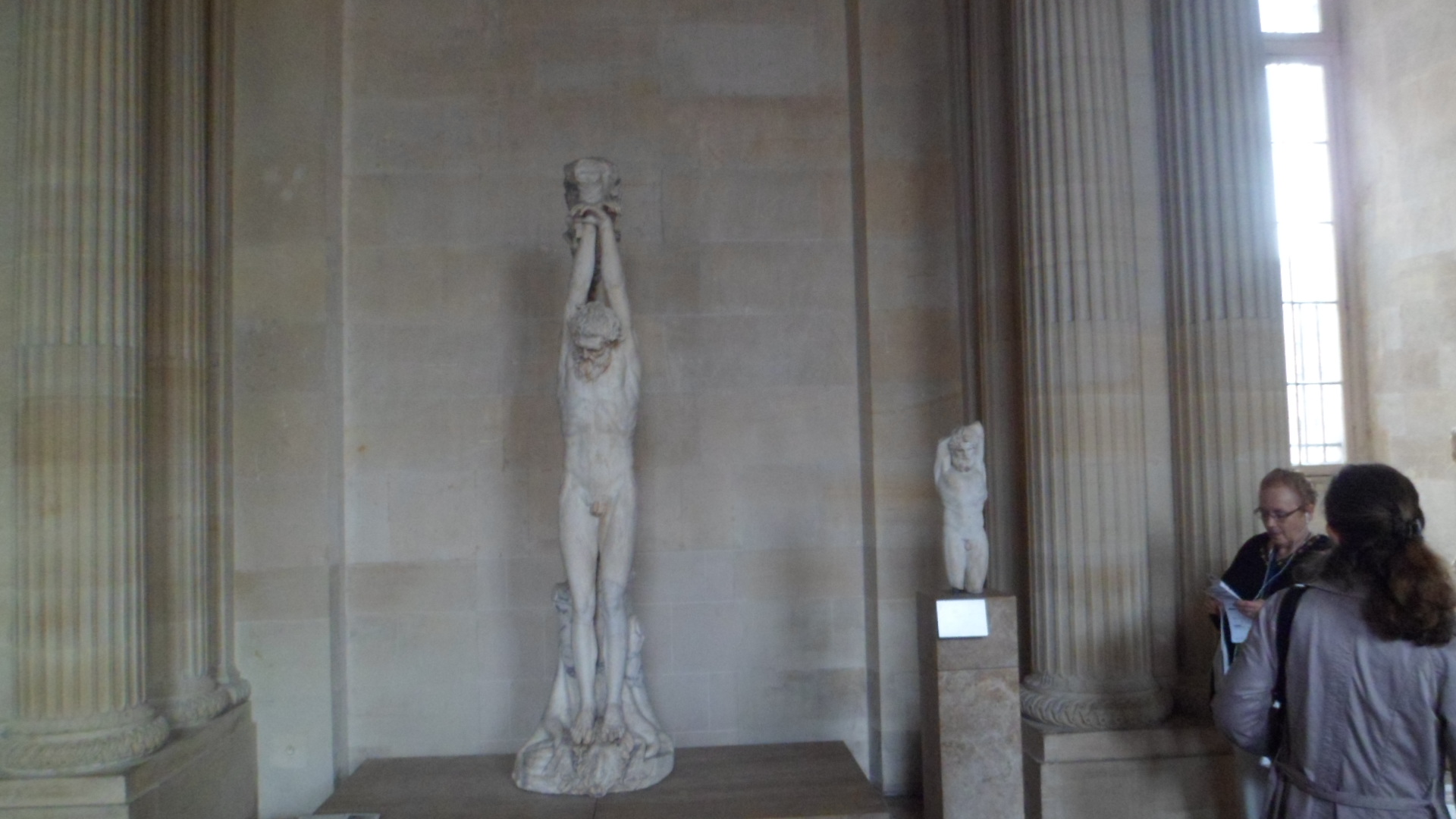
The next item  I spotted in the Hall, as we headed towards the Great Hall of Louis XIV, .was “The Torment of Marsyas”.  You may notice that the sculptor’s working model is to the right of the completed piece.  This was done by Athenian sculptors, looking to produce better quality work.

The story goes that Marsyas, a satyr, challenged Apollo to a flute-playing contest.  One simply did not challenge supernatural beings to a contest of any kind, so when Marsyas lost, he was subjected to this punishment.

SAM_9423

The next frame shows details of the Hall’s ceiling.  Arches were essential in distributing the weight of large stone structures.

SAM_9424

The Four Muses are depicted, at the western end of the Hall.  I always liked these ladies.  Then again, I like most ladies.

SAM_9427

The bust of a satyr gives the impression of a creature contemplating some rather insane spot of mischief.

SAM_9428

We left the Hall, looking at a celestial scene, of more recent vintage, on the ceiling.  The gold was a sign we were in Bourbon territory.

SAM_9432

After the guided tour was finished, I returned to the Greek Antiquities section, and found these gems.  First is a sarcophagus,  reportedly from Corinth.

SAM_9479

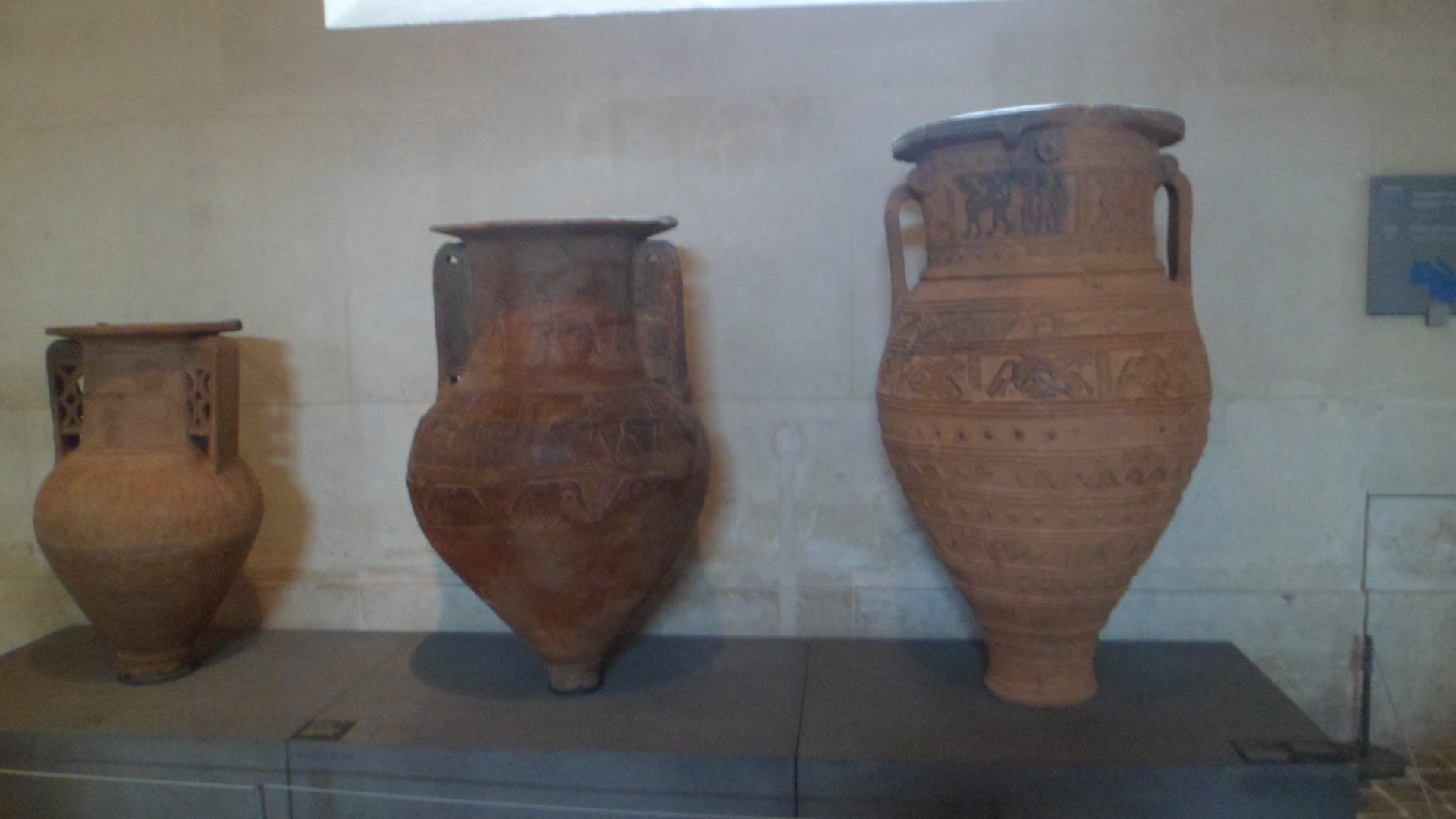
Next, are three Pithos urns.  Pithos simply means “large storage container”.  They were most commonly used in cremations.

SAM_9481

For those who like hideous things, here is “Gorgon Barbue Agenouillae”.  Gorgons were the creatures who had snakes as hair, and could turn a voyeur to stone.

SAM_9482

Lastly, I spotted this amphora, with a two-headed lion.  The large cats were present in Europe until about the time of Christ, and in the Caucasus Mountains until about 1000 A.D.  I don’t know about conjoined cats though- that’d be a bit much.

SAM_9485

With that, I again found myself in Section Denon, and went into Salle de Verres.  This, and other great repositories of French and Italian Renaissance objets d’art, will be featured in the next post.

An Eastward Homage, Day 9: Le Musee du Louvre, Part I- The Exterior and Neighbourhood

0

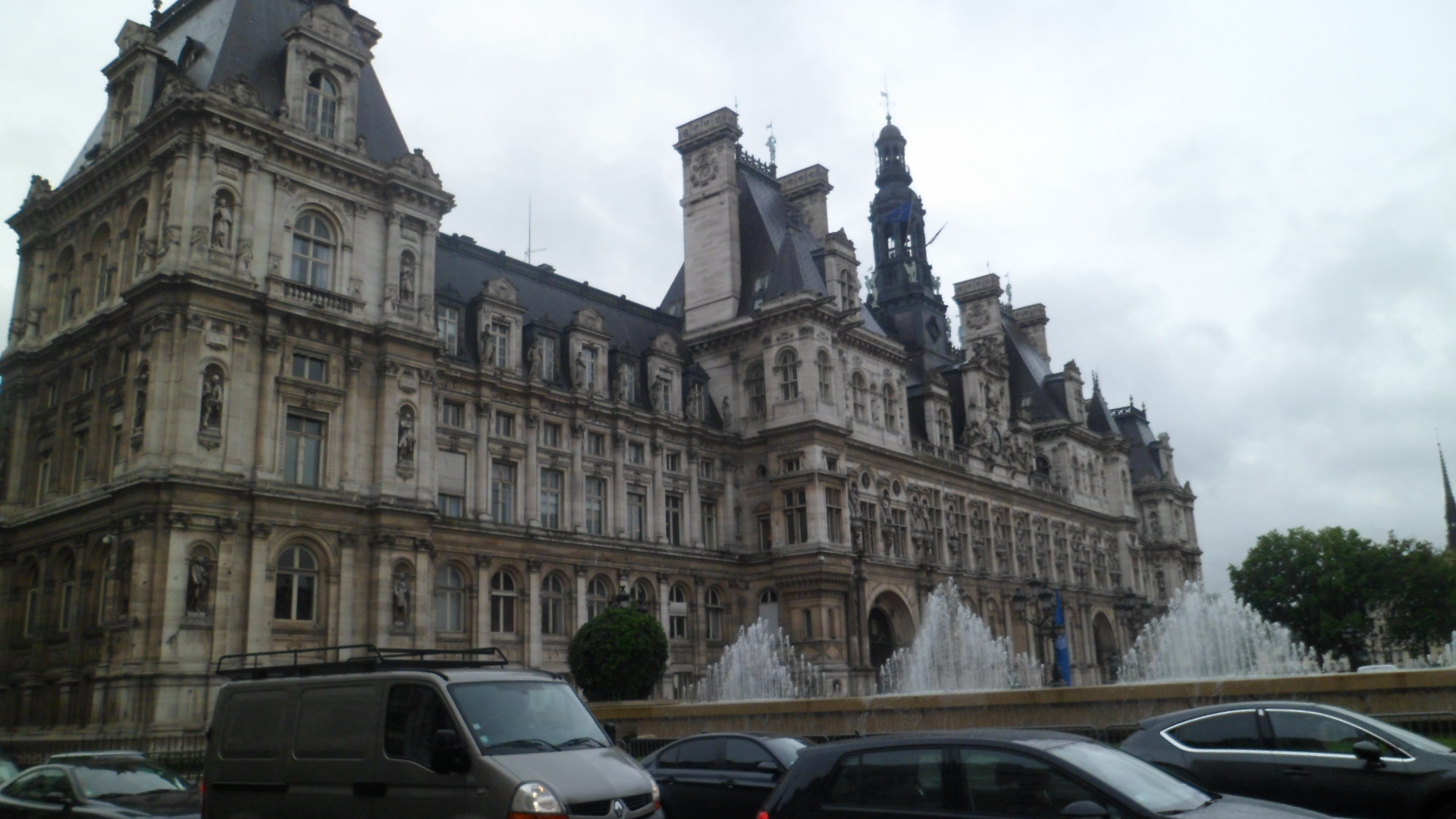
June 4, 2014– During my time in Europe, there were only two rainy days.  This was one of them, but I was going to the Louvre!  My Wednesday would be spent with six hours in this grand museum, two or three hours in the southeast quadrant of the Left Bank (Paris City Hall, Notre Dame de Paris, La Sorbonne),and topped off by a jaunt over to Trocadero and visit to the apartment where ‘Abdu’l-Baha lived on the first of His three visits to Paris (1911).

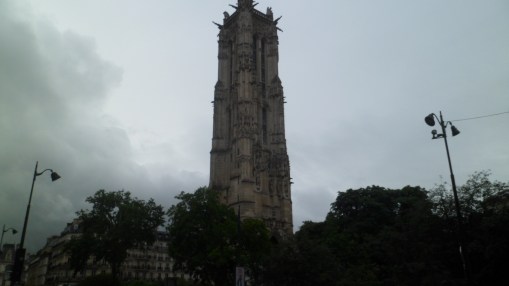
I caught a bus over to Rue Rivoli and dawdled just a bit, around Tour St. Jacques and L’Eglise de St. Merri, two architectural gems just west of the Louvre, in Place St. Jacques.

SAM_9386

SAM_9387

I met the tour guide and our group, at the tour office, with five minutes to spare, and we all walked over to France’s signature museum, with no rain falling while we were en route.  There would be no lines, as we were in a pre-paid tour, but we were to mind our photography etiquette and keep an eye out for pickpockets.

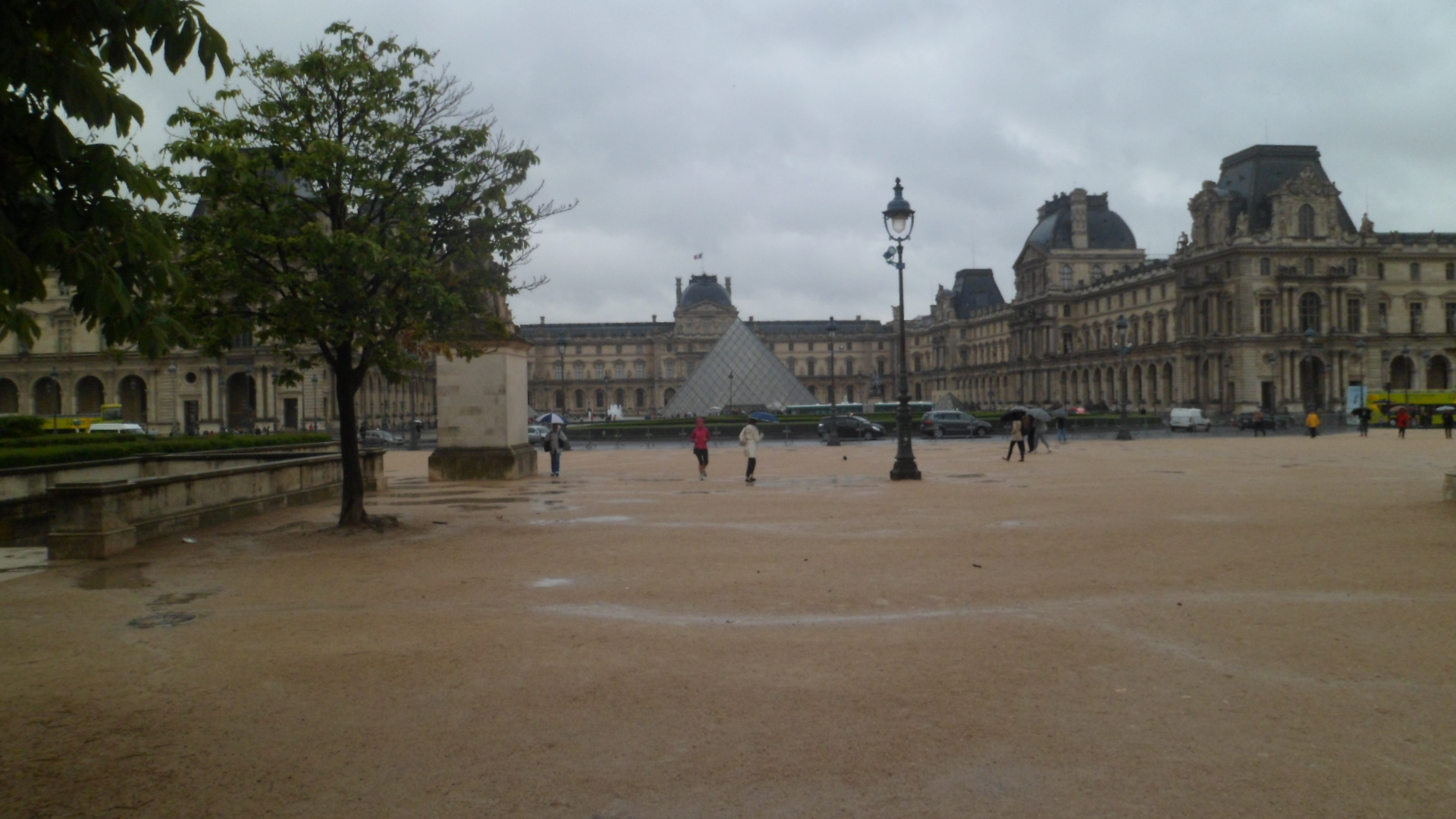
The visitor is greeted in the Courtyard by scam artists bearing clipboards and “petitions”, Roma bearing gold rings and I.M. Pei’s Pyramide.  I like the structure, and it does fit, as the first exhibit one sees in the museum itself is the Egyptian Room.  Let’s start this segment with a look at the west courtyard.

SAM_9390

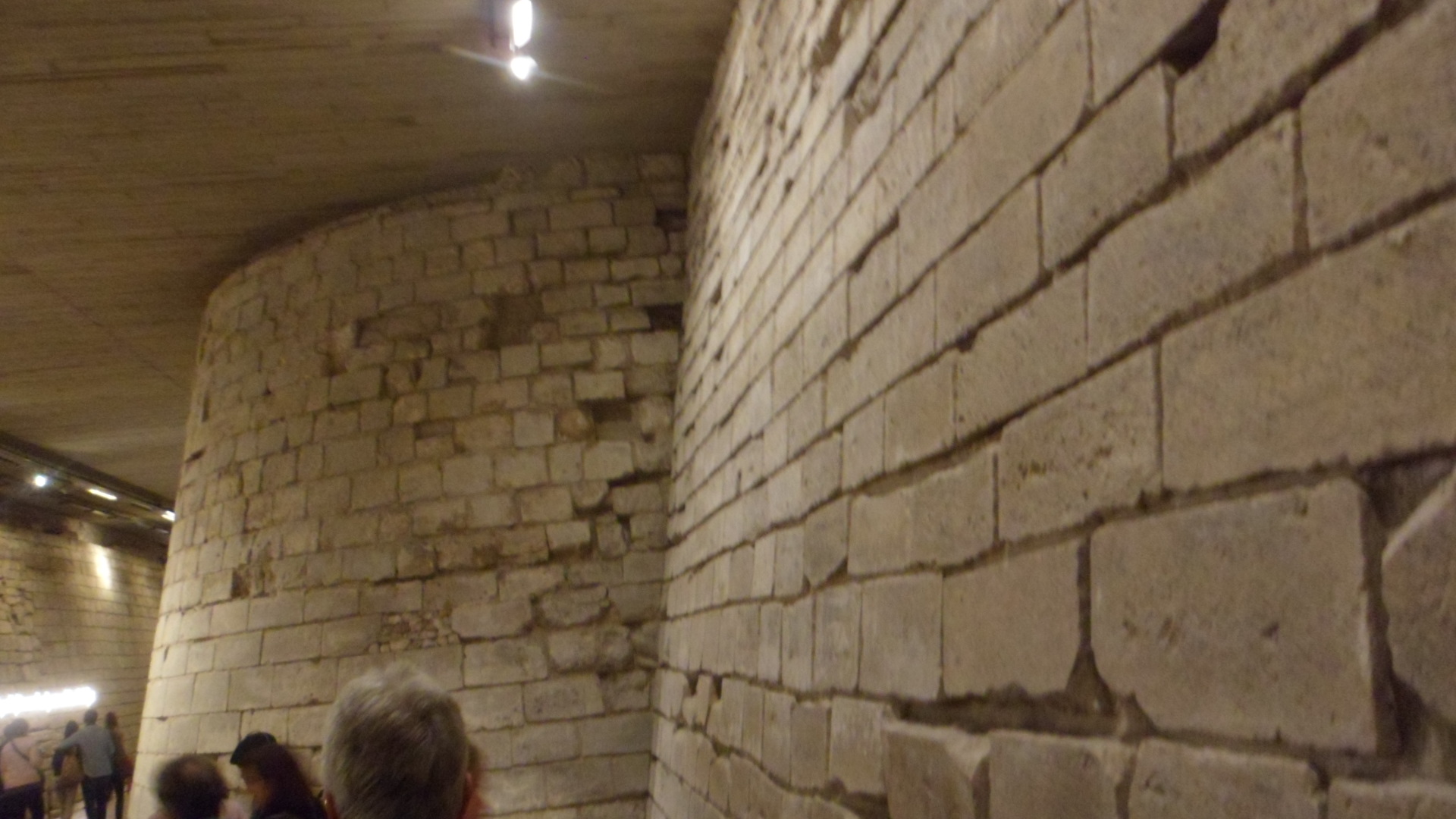
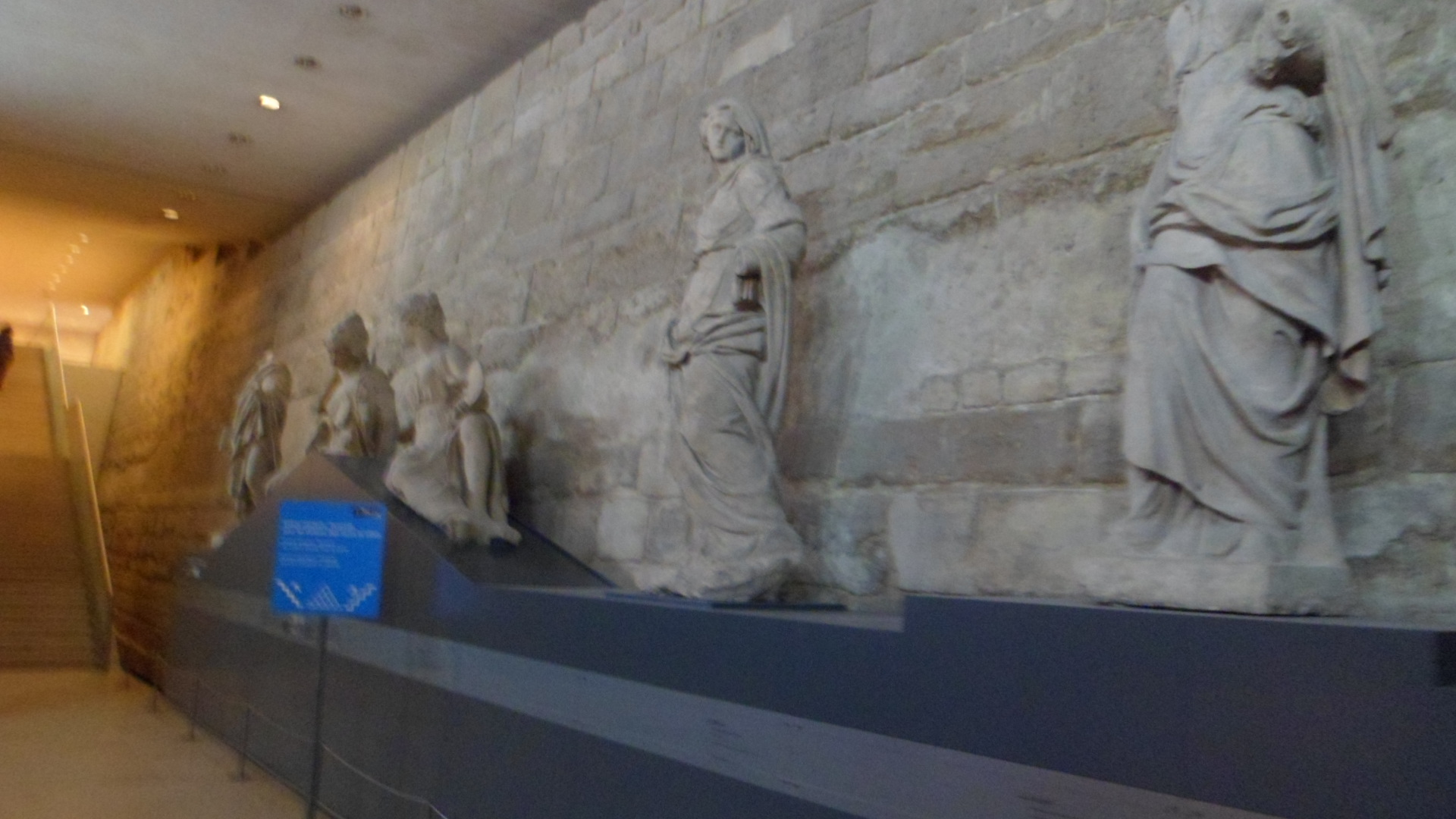
We entered the museum and got a look at the original walls of the Louvre, when it was a fortress, during the reign of Louis XIII.

SAM_9400

SAM_9391

Below, we see a water catchment.

SAM_9405

Here is a look at the wall’s thickness.

SAM_9409

With this, we began our visit to Section Sully, the Egyptian Antiquities Collection, and two hours of some of the world’s greatest art, which you will see in the next two posts. 🙂

Once the guided tour was over, I spent two more hours in the Greek Antiquities Room and the French Renaissance Gallery.  After lunch at Chez Paul (the cafeteria), I headed outside to the Inner Courtyard

SAM_9493

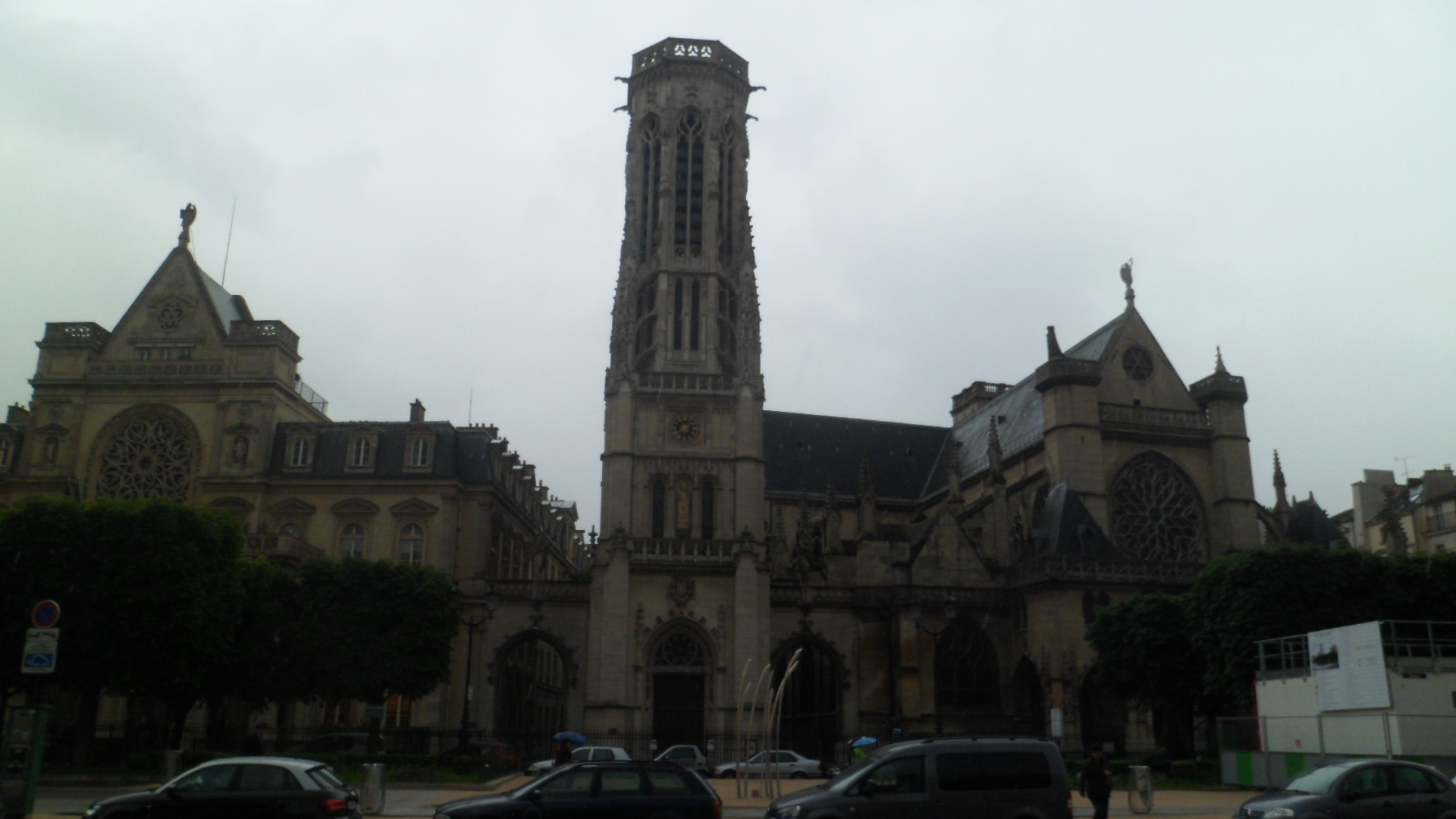
It was dry!  I happily exited upstairs, and headed across the street to L’Eglise St. Germain d’Auxerres, the first stop on my anticipated walk to Sorbonne, via L’Ile du  Cite and Notre Dame de Paris.

It started drizzling as I was approaching St. Germain.SAM_9495

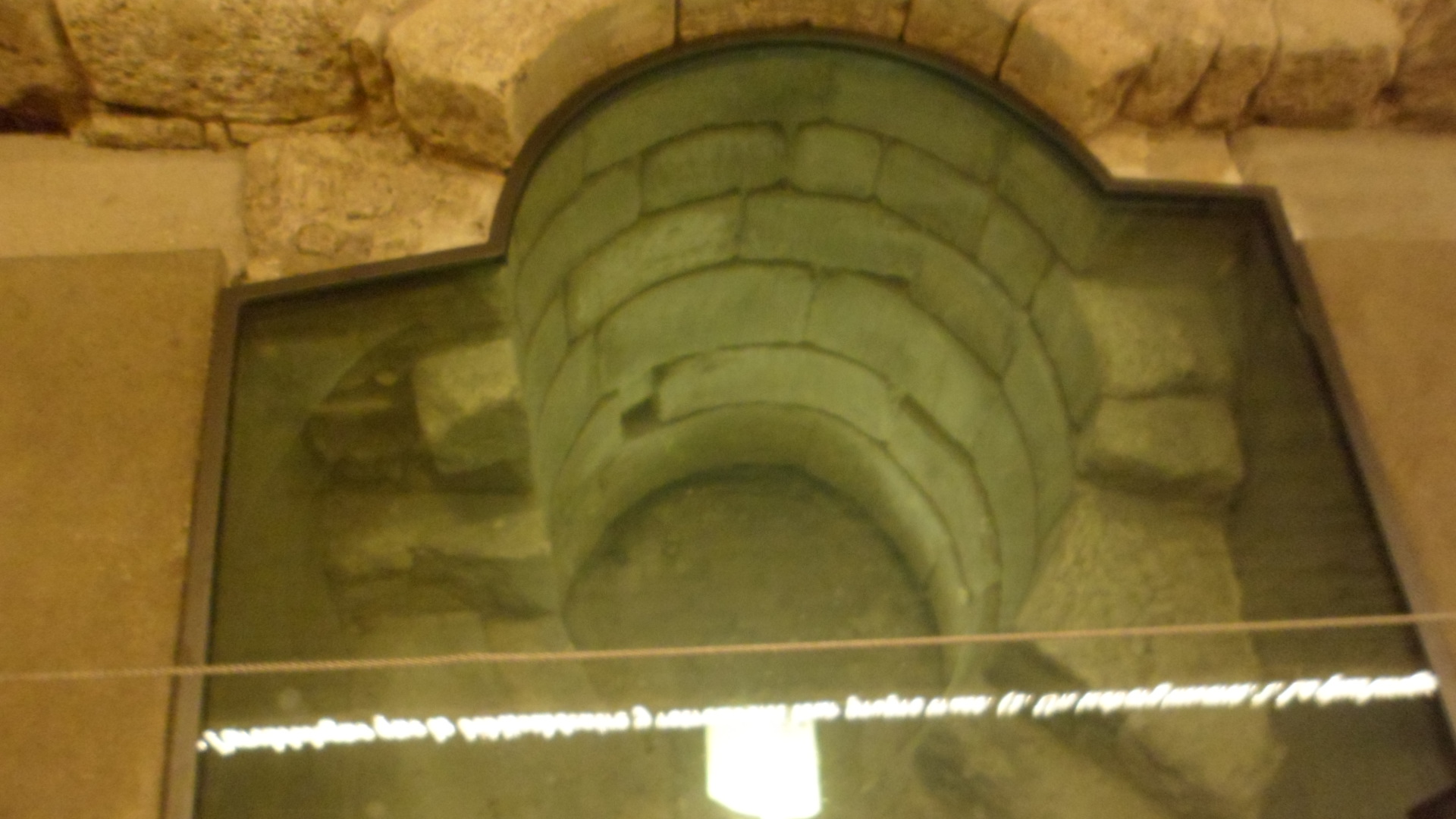
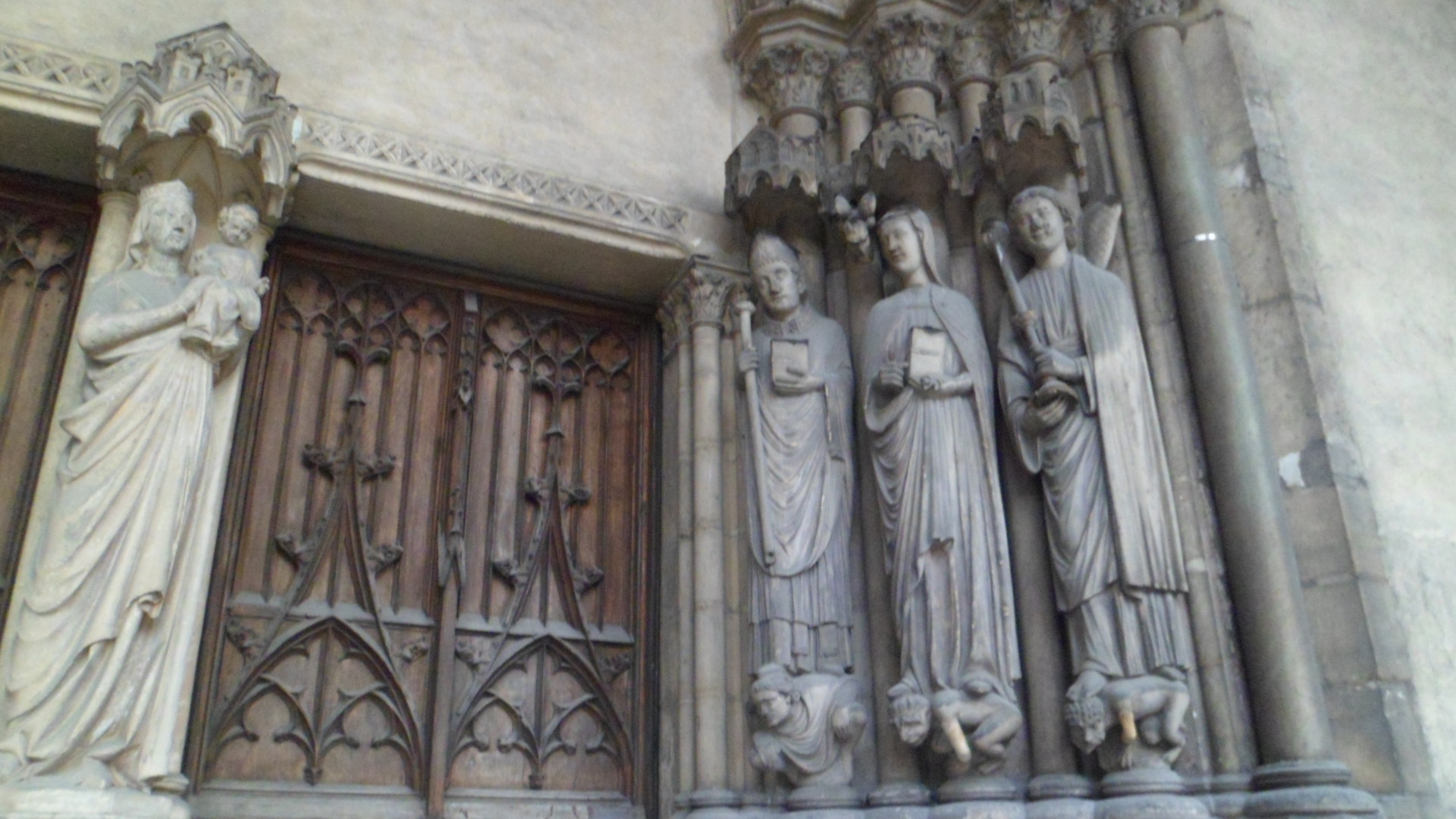
I went in this marvelous church, on the Musee’s east flank, and spent about forty minutes inside. I was greeted by Madonna, Child, and Three Magi.

SAM_9497

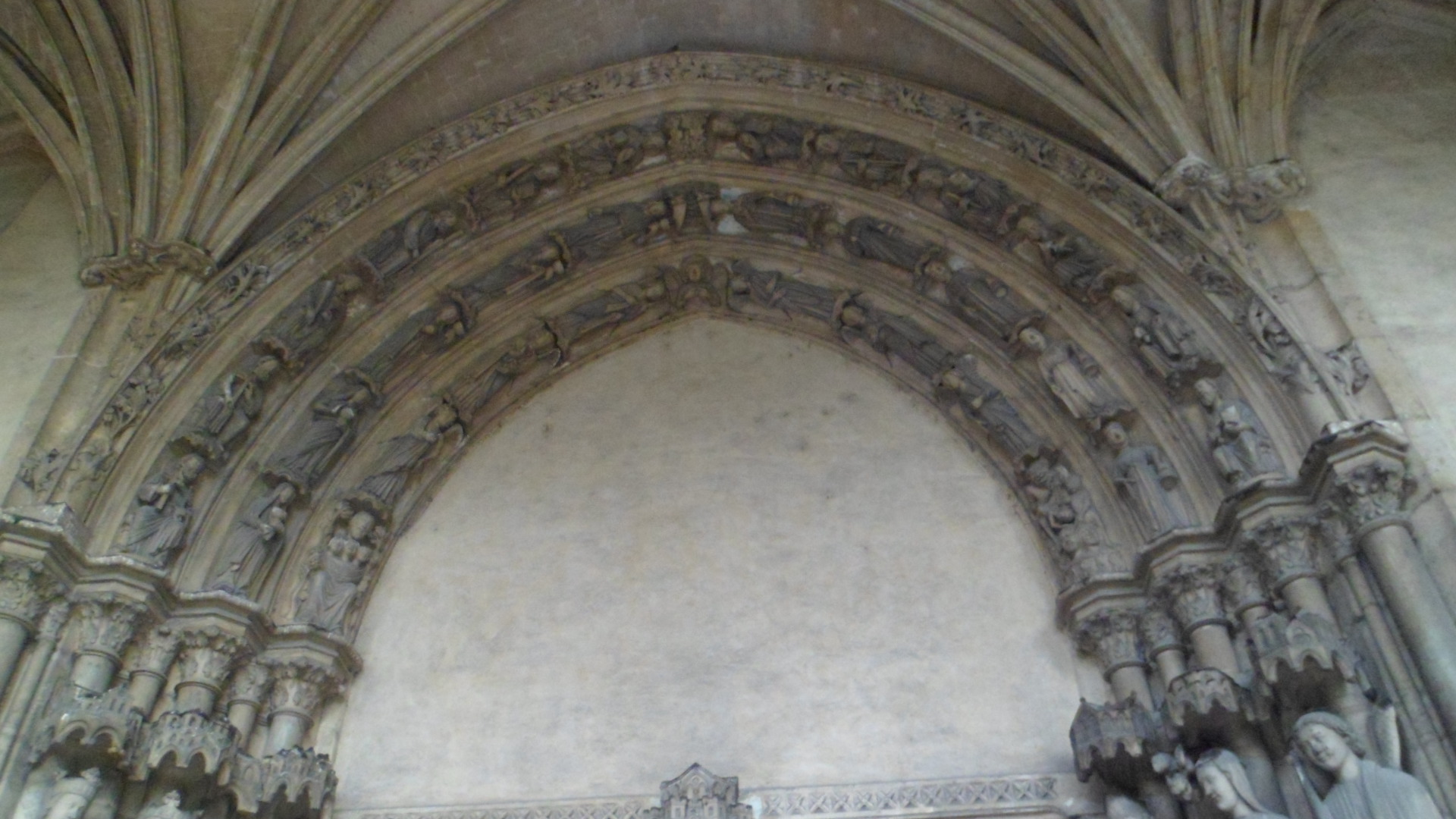
Angels graced the archway.

SAM_9498

The scene of Christ being taken down from the cross was a key feature of the confessional chapel.

SAM_9507

As with any church, though, the most majestic sight was the altar.

SAM_9509

When I left the church, it was pouring, and the street and sidewalks were rapidly being inundated.  Thus, my outing to the Left Bank is left for a future date.

So is the Musee du Louvre  framed, west, east above and below.  In the next post, I will highlight Egyptian and Greek art of the antiquarian kind, followed by a post devoted to the Italian and French Renaissance collections, with a nod to Louis XIV and his displays of wealth.

An Eastward Homage, Day 8: Versailles, Part 3- The Town

4

Mesmerized as I was by the gold, marble and extraordinary spread of the chateau and its grounds and grand canal, finding the town that had both pre-dated the palace, and grown up around it, was a perfect finish to the day.

Versailles is not anywhere near the grey, troubled suburbs that I am told ring Ile de France.  It stands quite proudly on its own.

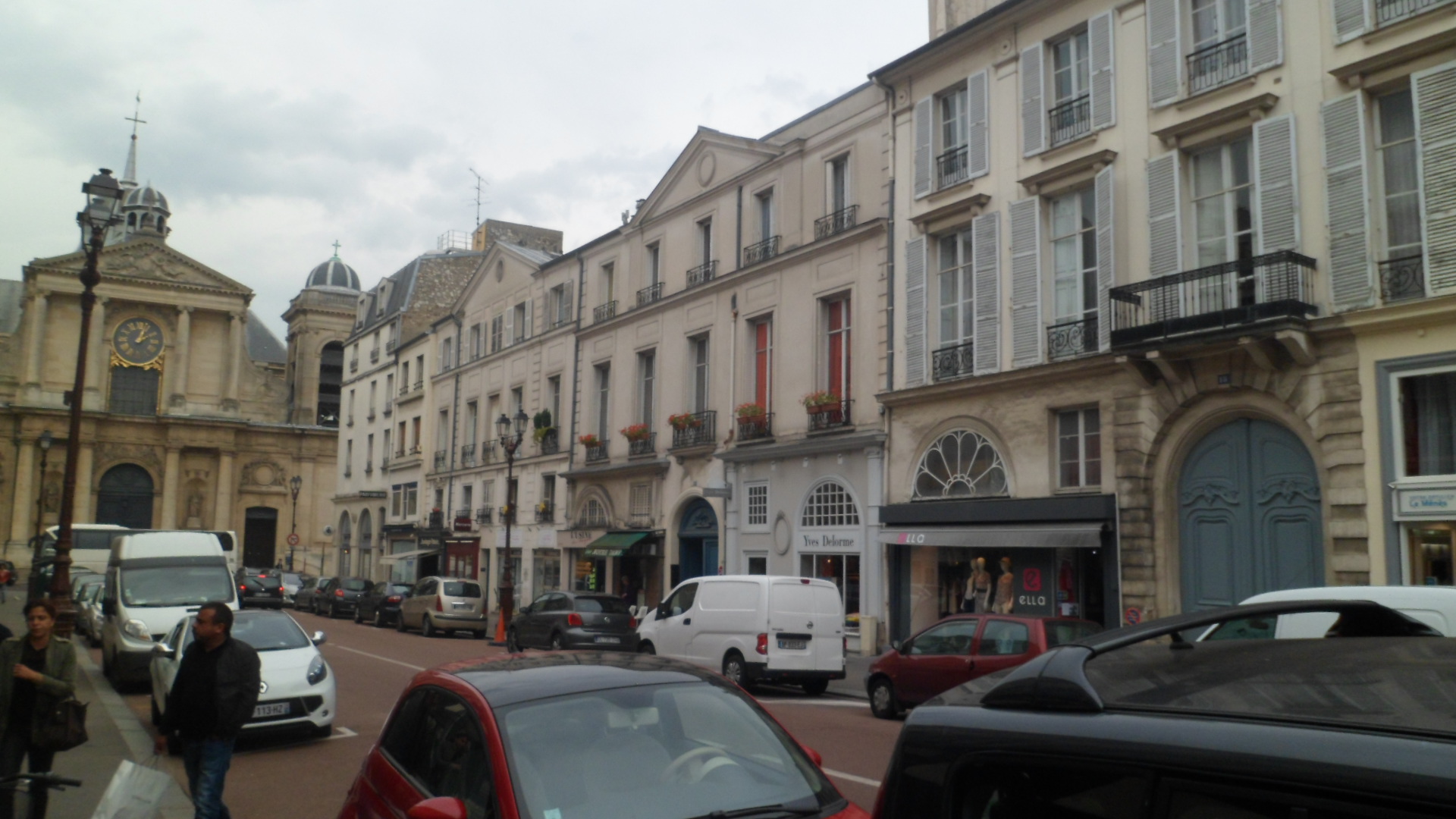
Here are some scenes from this marvelous little city.

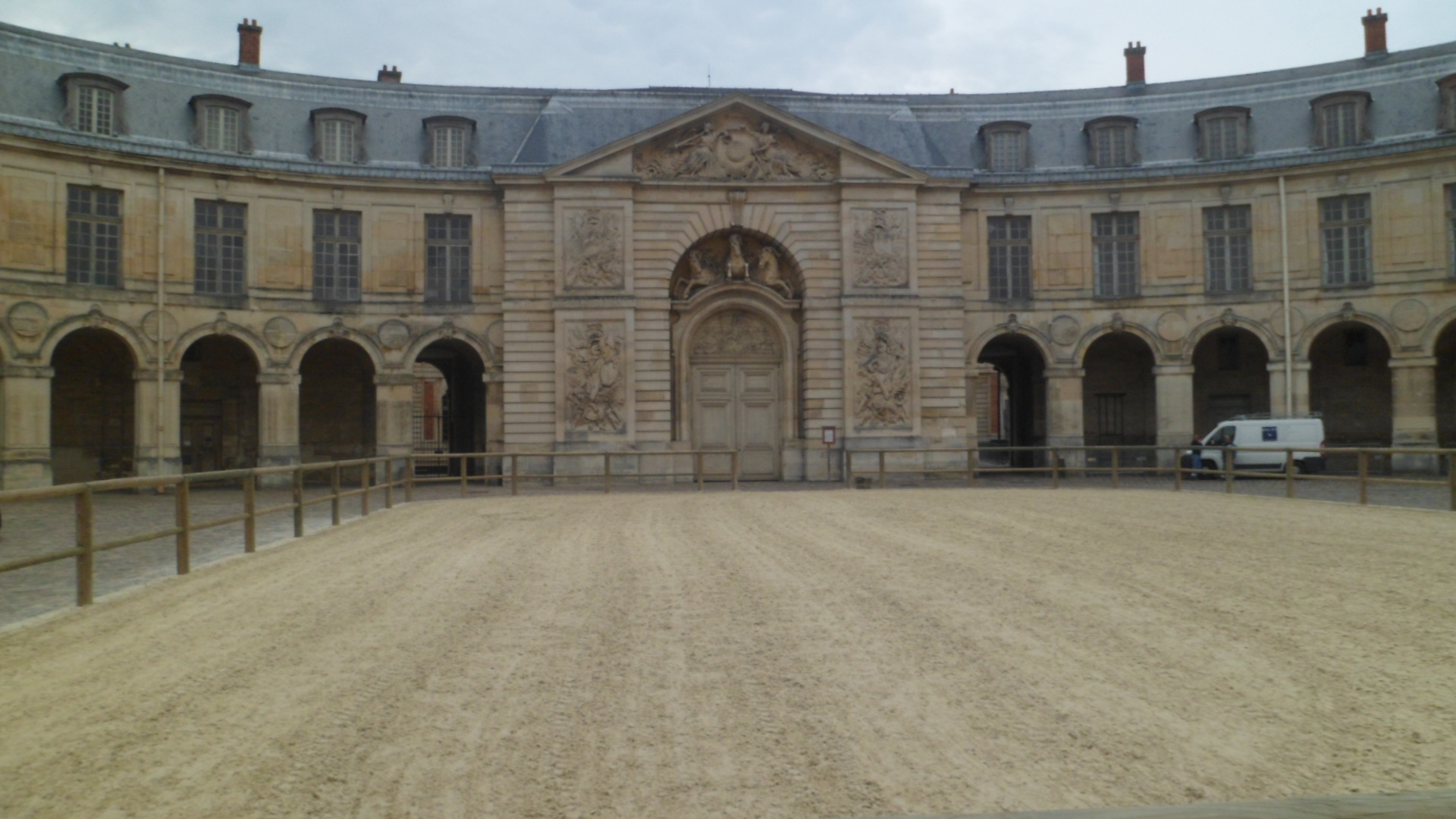
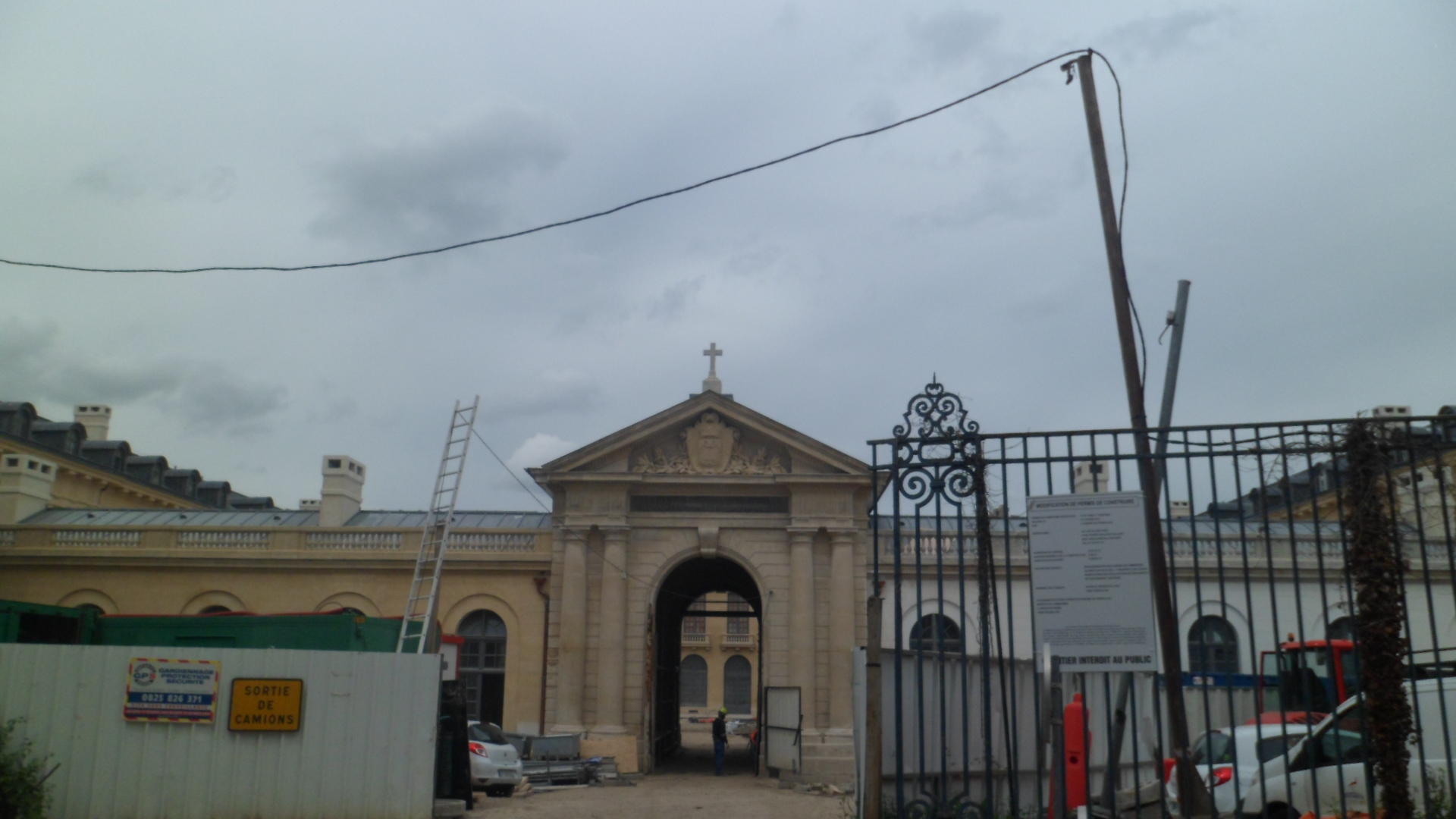
First, here is Grande Ecurie du Roi (the King’s Stables), the first site I encountered, upon leaving the palace ground

SAM_9310

Next came the east end of  the District of Notre Dame, named for- you guessed it, the cathedral.  Every major city in France has a cathedral, or a parish church, named Notre Dame.  The cathedral in Versailles could stand proudly next to any given counterpart in France.

SAM_9320

We will see the cathedral in a bit, but first, making my way westward, I found Eglise Protestante Unie de France.   The Huguenots were terribly repressed by the House of Bourbon, making their presence in this town especially meaningful.

SAM_9312

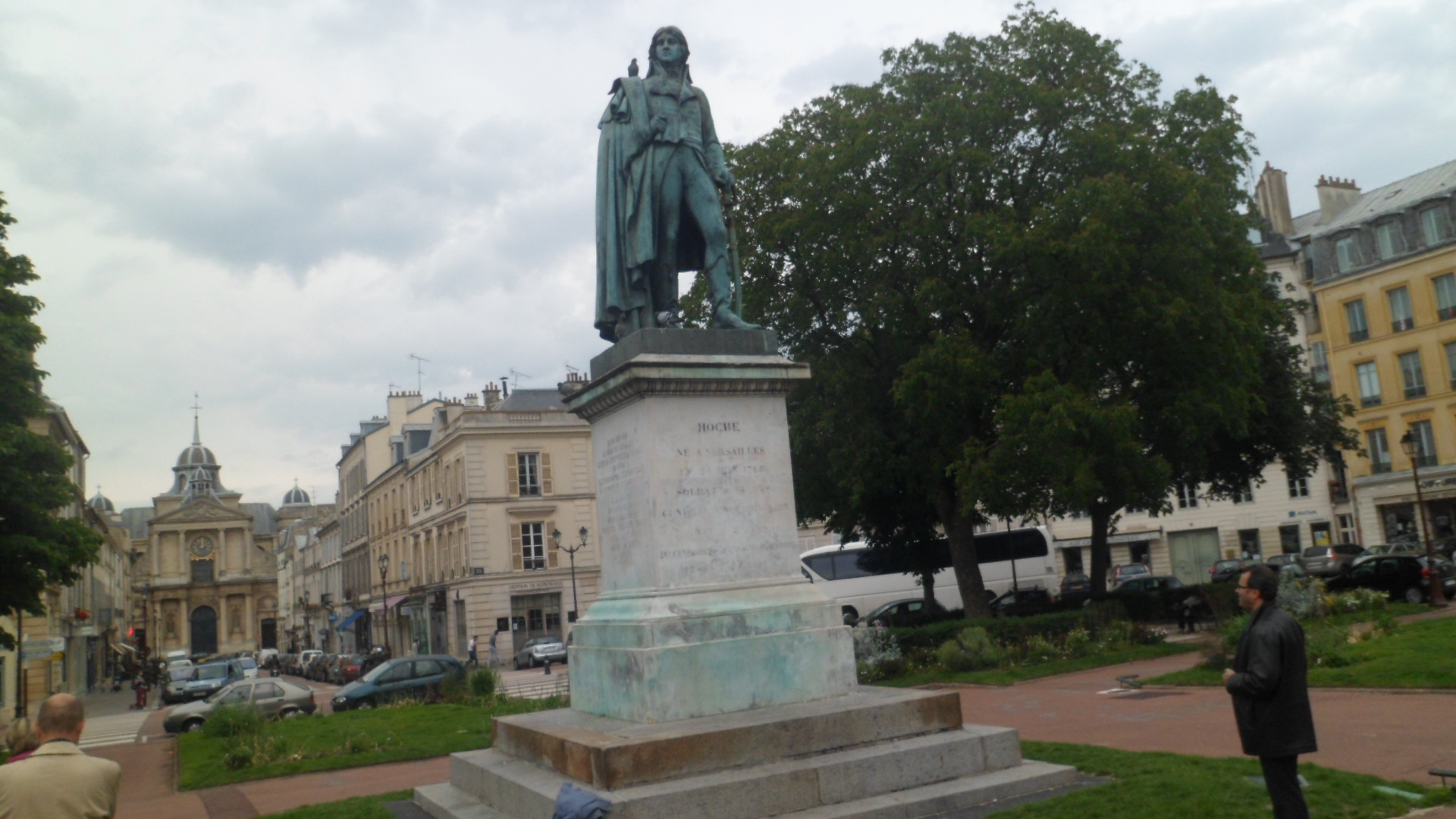
Next to the Protestant church is Place Hoche.  Louis Lazare Hoche was the commander of the Revolutionary Army. Louis Philippe I authorized statues of Hoche, as a token of national unity.

SAM_9318  SAM_9316

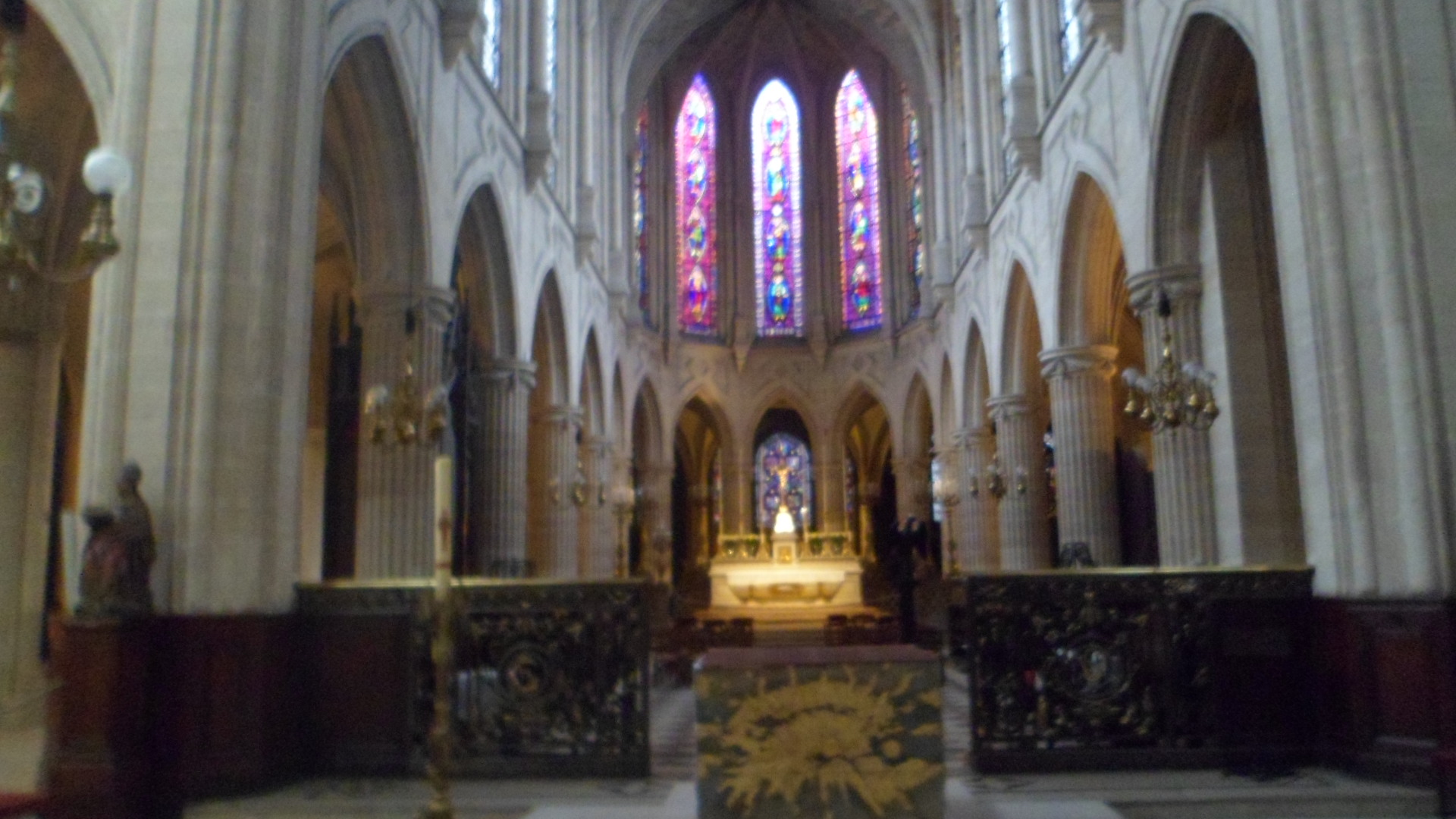
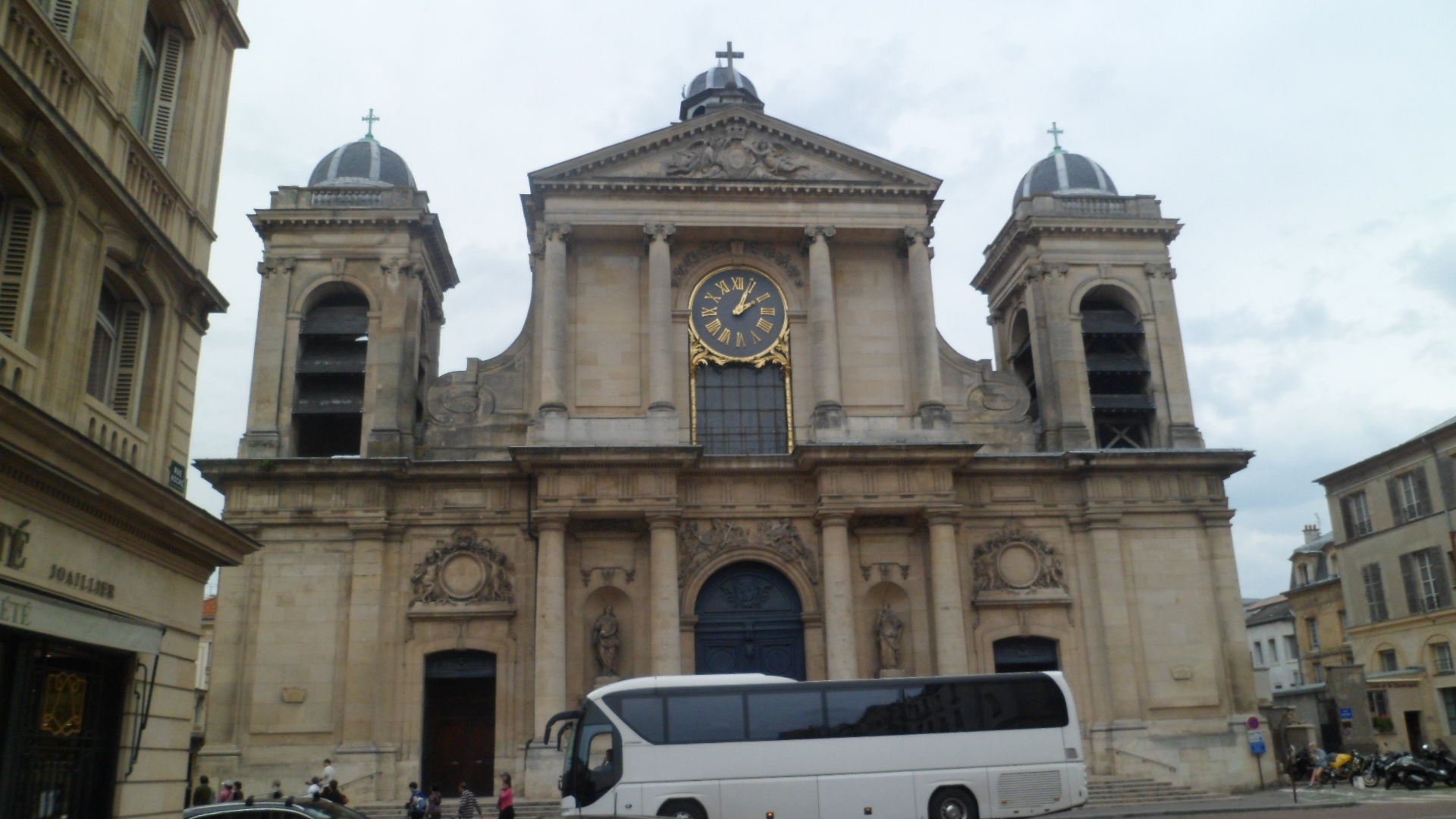
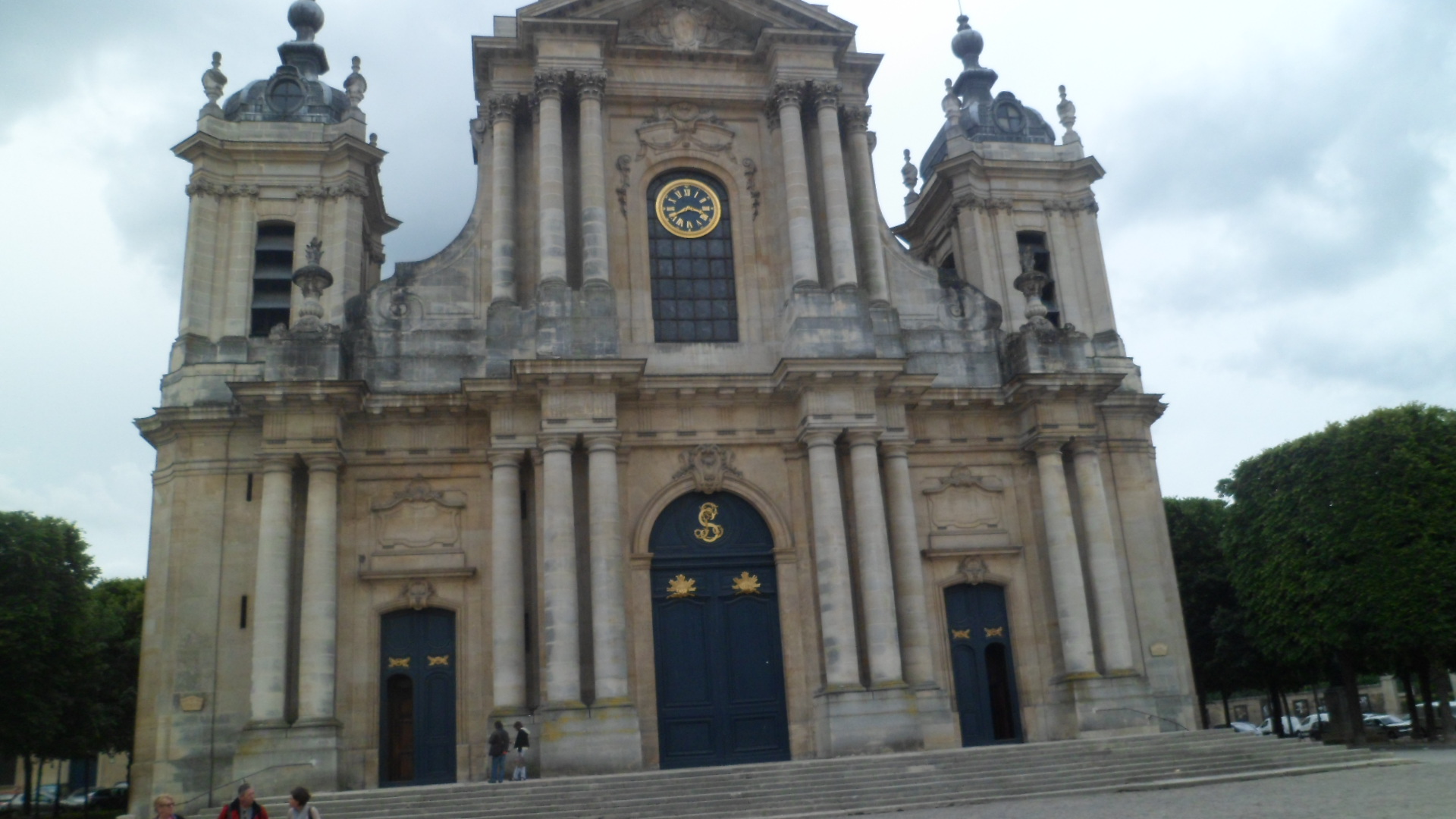
It was then time for me to visit Cathedrale Notre Dame de Versailles.  Here is a view of the heart of Distrite Notre Dame, followed by the cathedral itself.

SAM_9322

SAM_9319

SAM_9332      SAM_9340

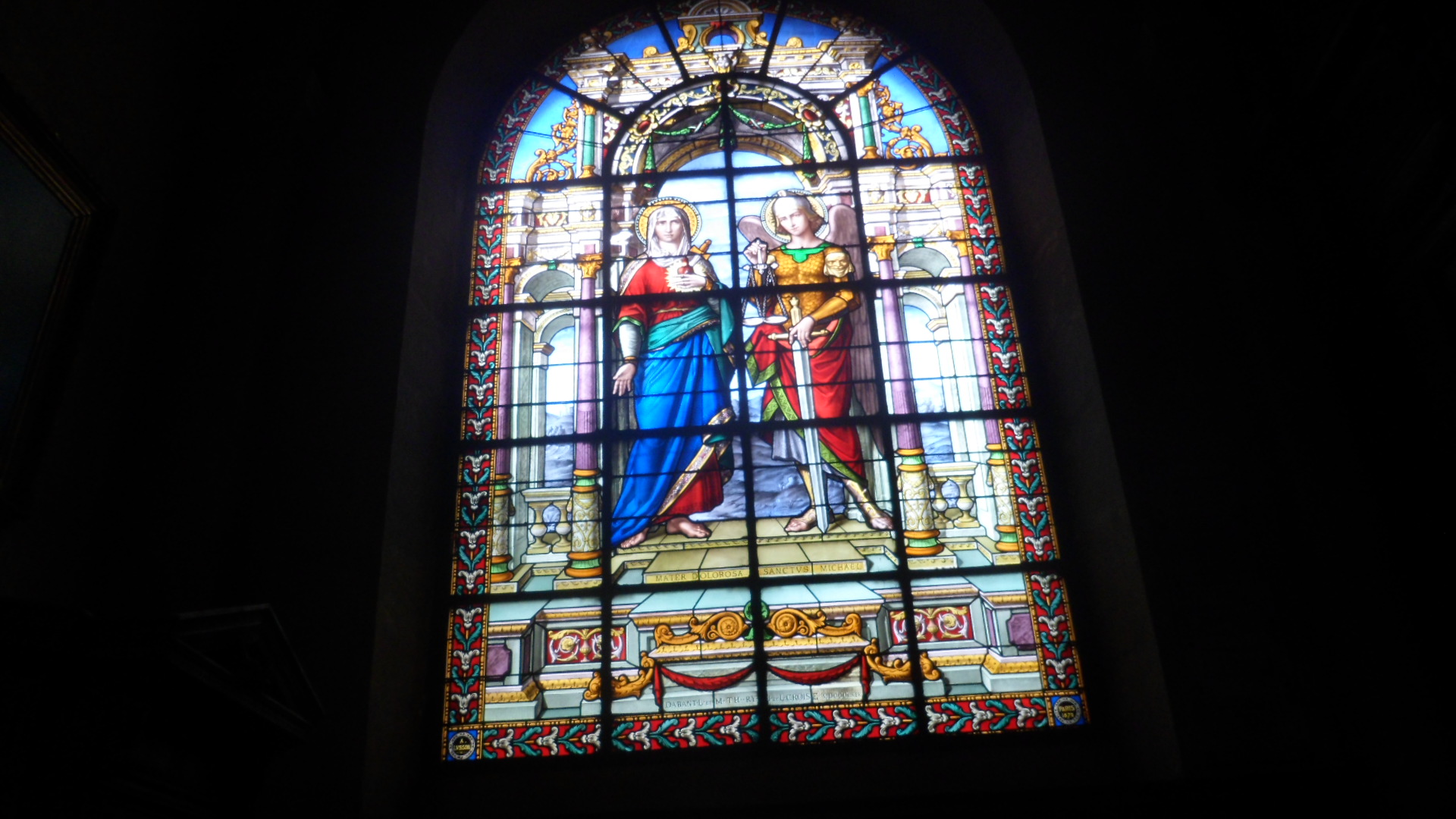
I could look at stained glass all day long, contemplating the interplay of light and colour.  Here are a few of Versailles Cathedral’s offerings.

SAM_9324    SAM_9331

SAM_9353    SAM_9354

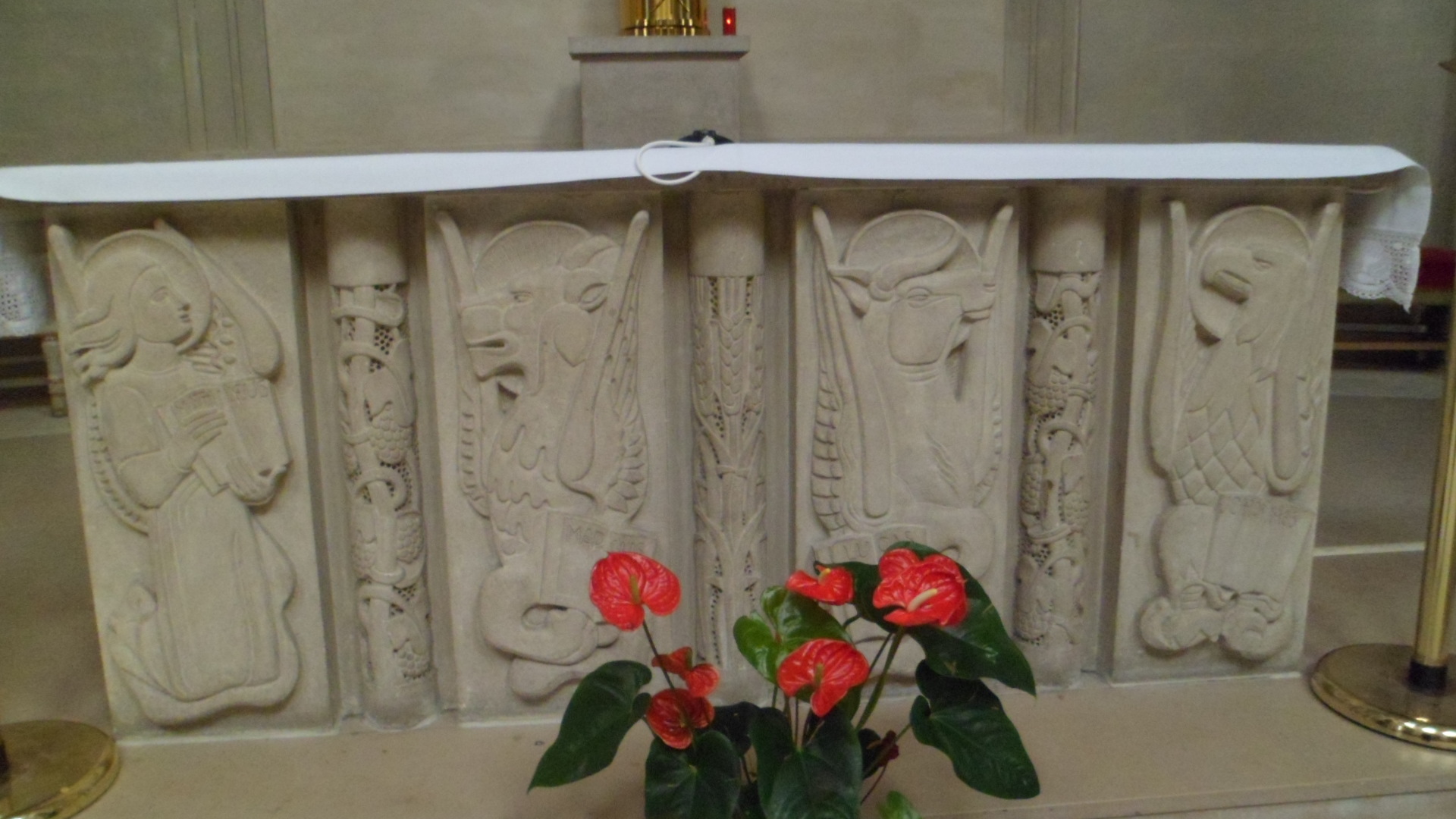
Paintings and statuary interplay here as well.

SAM_9339  SAM_9346

One noticeable difference between French churches and those in the U.S, is the seating arrangement.  many cathedrals in France have rows of small individual wooden chairs.  Some have seats of wicker.

SAM_9328

Upon bidding this fine little cathedral farewell, I came upon a pigeon which was quite different in colour from the rest of the considerable flock, along Rue Rameau.

SAM_9355

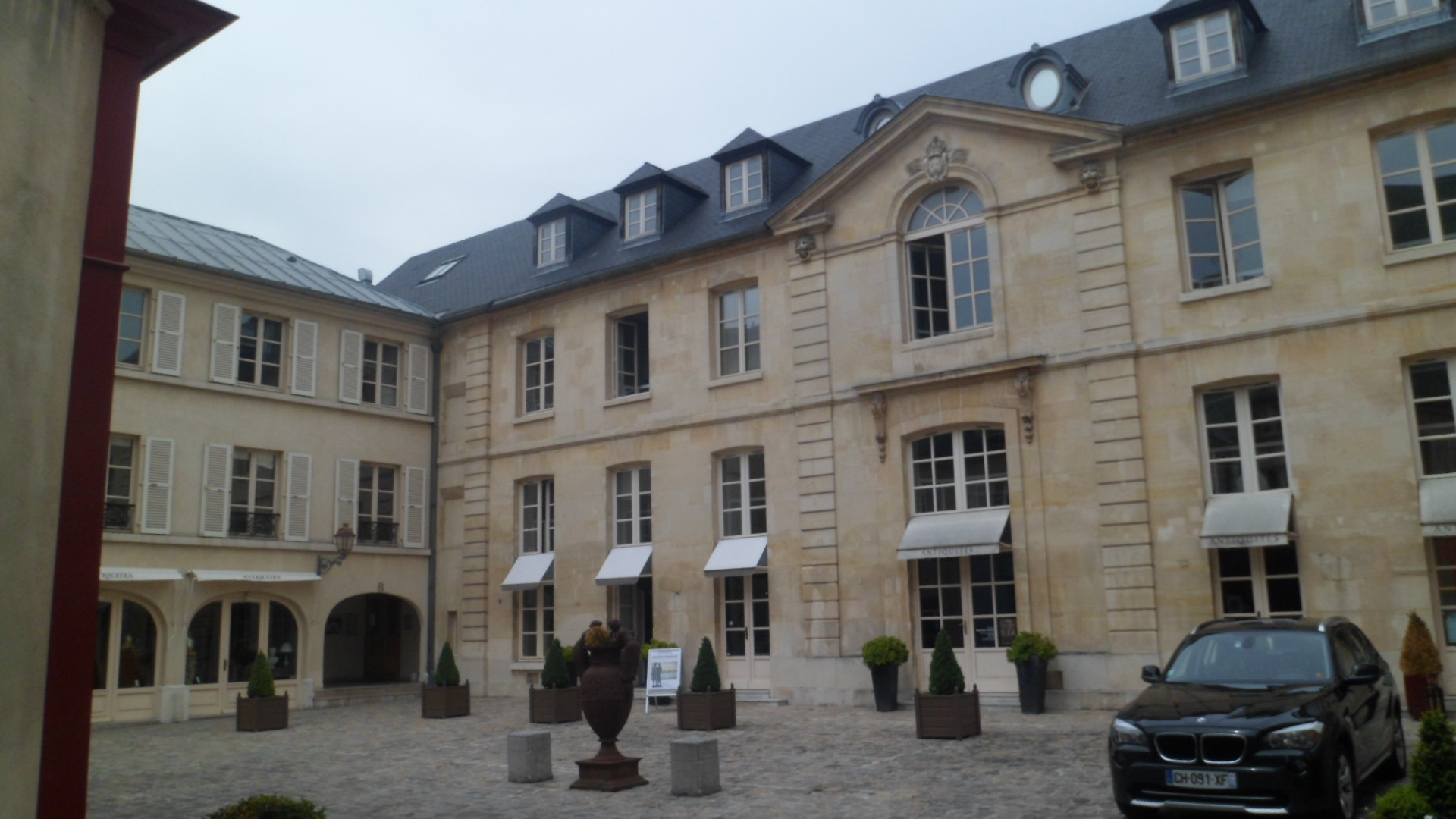
Next, slightly to the north, was Distrite des Antiquaires (Old City).  Old Versailles is not as ancient as some of the other cities I visited, but the streets are quite narrow.

SAM_9357

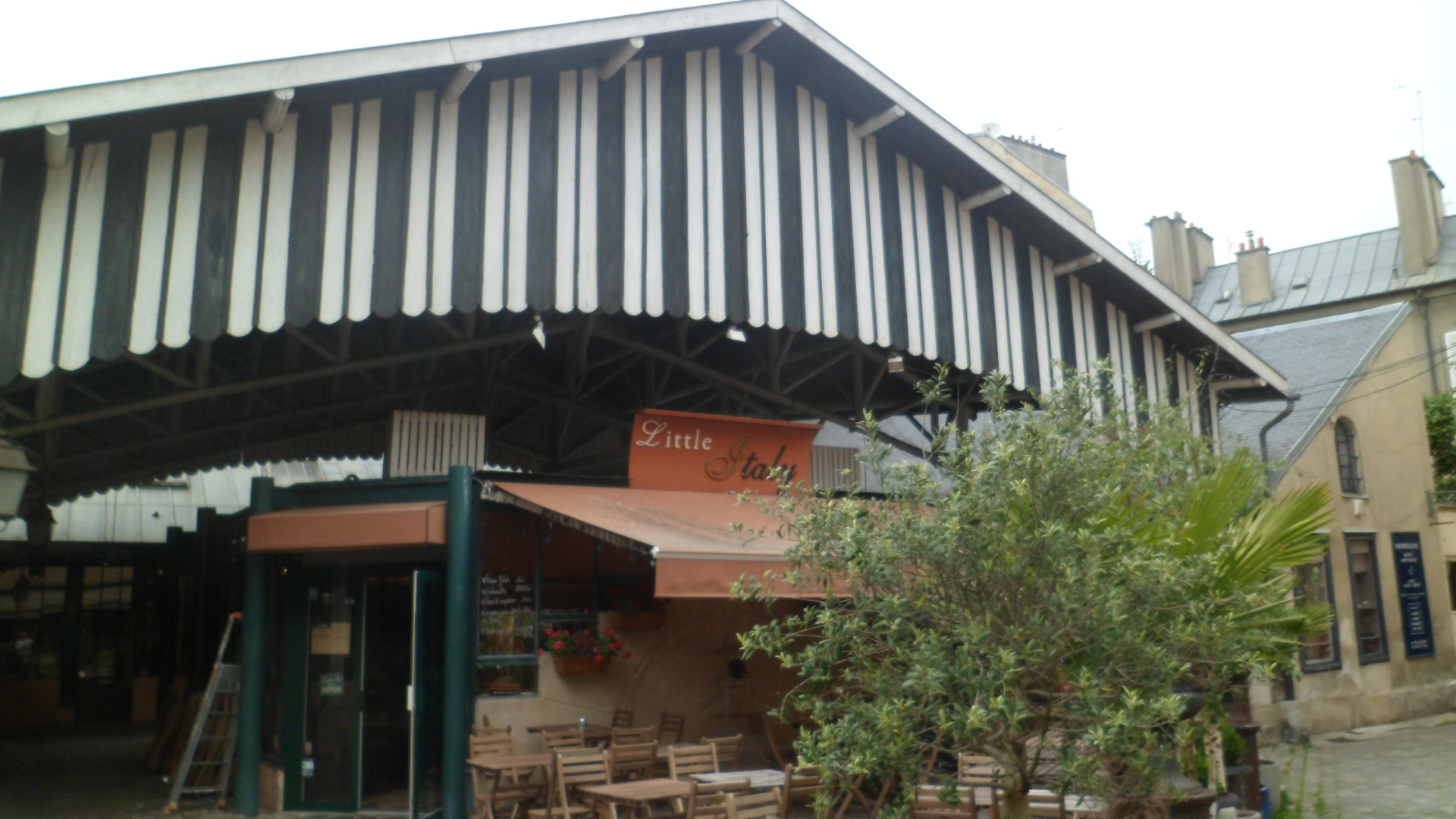
Hotel du Bailliage was used as a prison by the Bourbons.  Just behind it, to the east, is Little Italy, Versailles-style.

SAM_9358 SAM_9362                                                                           SAM_9363

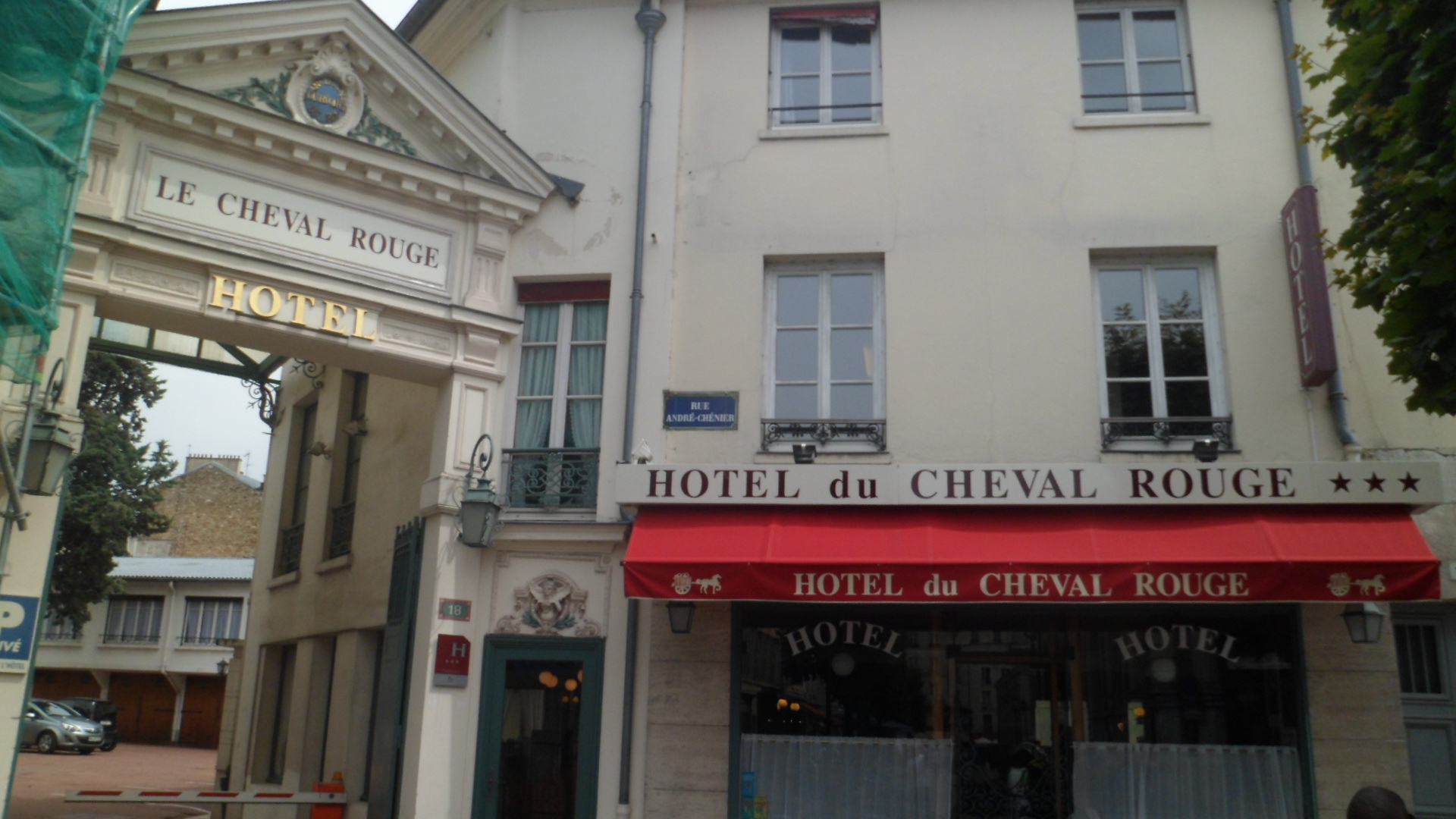
Hotel Cheval Rouge was built in 1676, and remains one of Versailles’ premier establishments.

SAM_9364

Also in Distrite des Antiquaires is Hopital Olivie, a key facility during the 19th Century.

SAM_9365

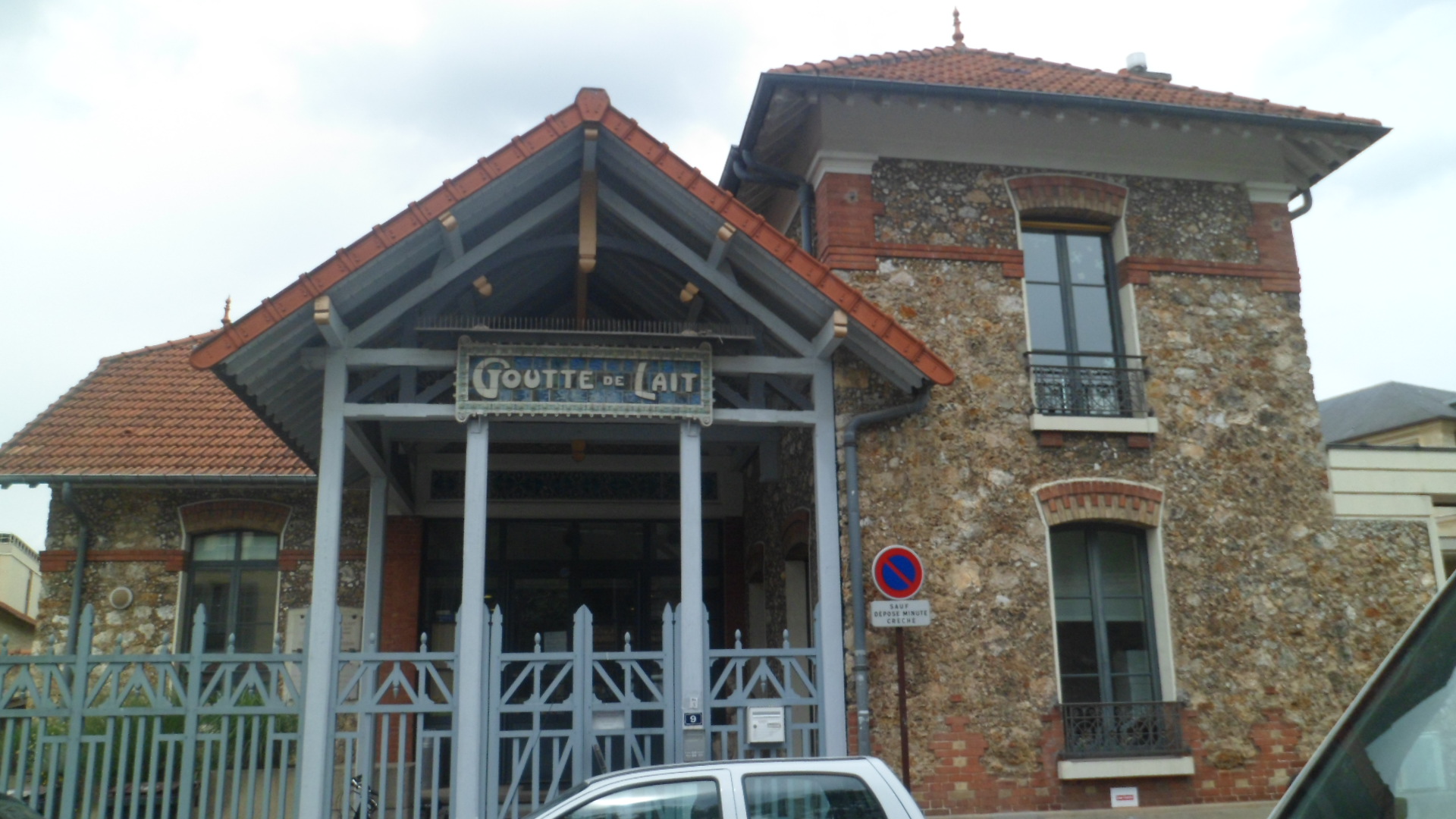
I stopped at an old dairy, Goutte du Lait, only to have a rather stern father tell me this was his daughter’s pre-school.  I was allowed one photograph.

SAM_9366

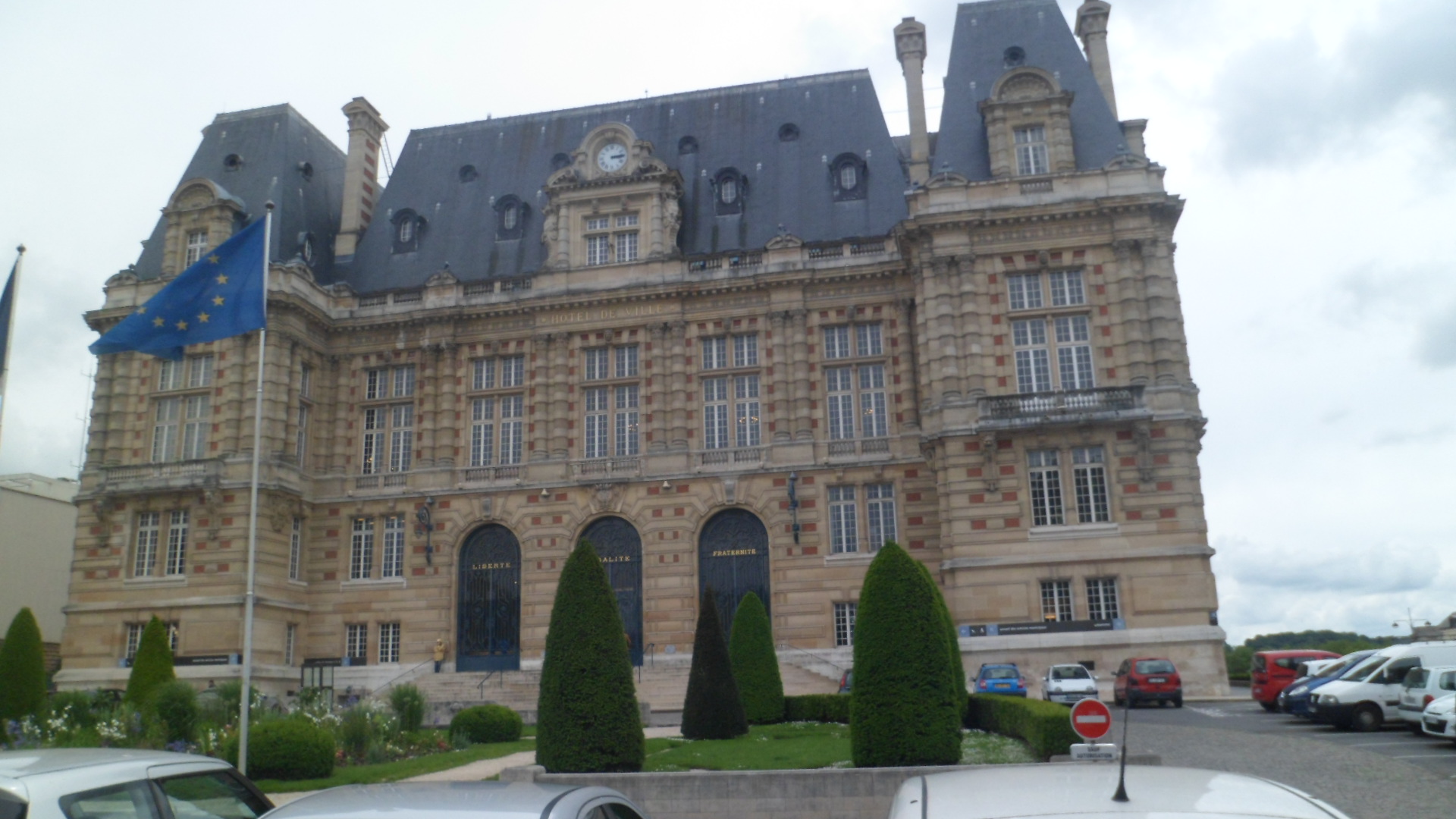
Child safety always being one of my own passions, I headed towards Distrite d’Hotel de Ville.  City Hall stands, proud and imposing, in the center of it all.

SAM_9370     SAM_9371

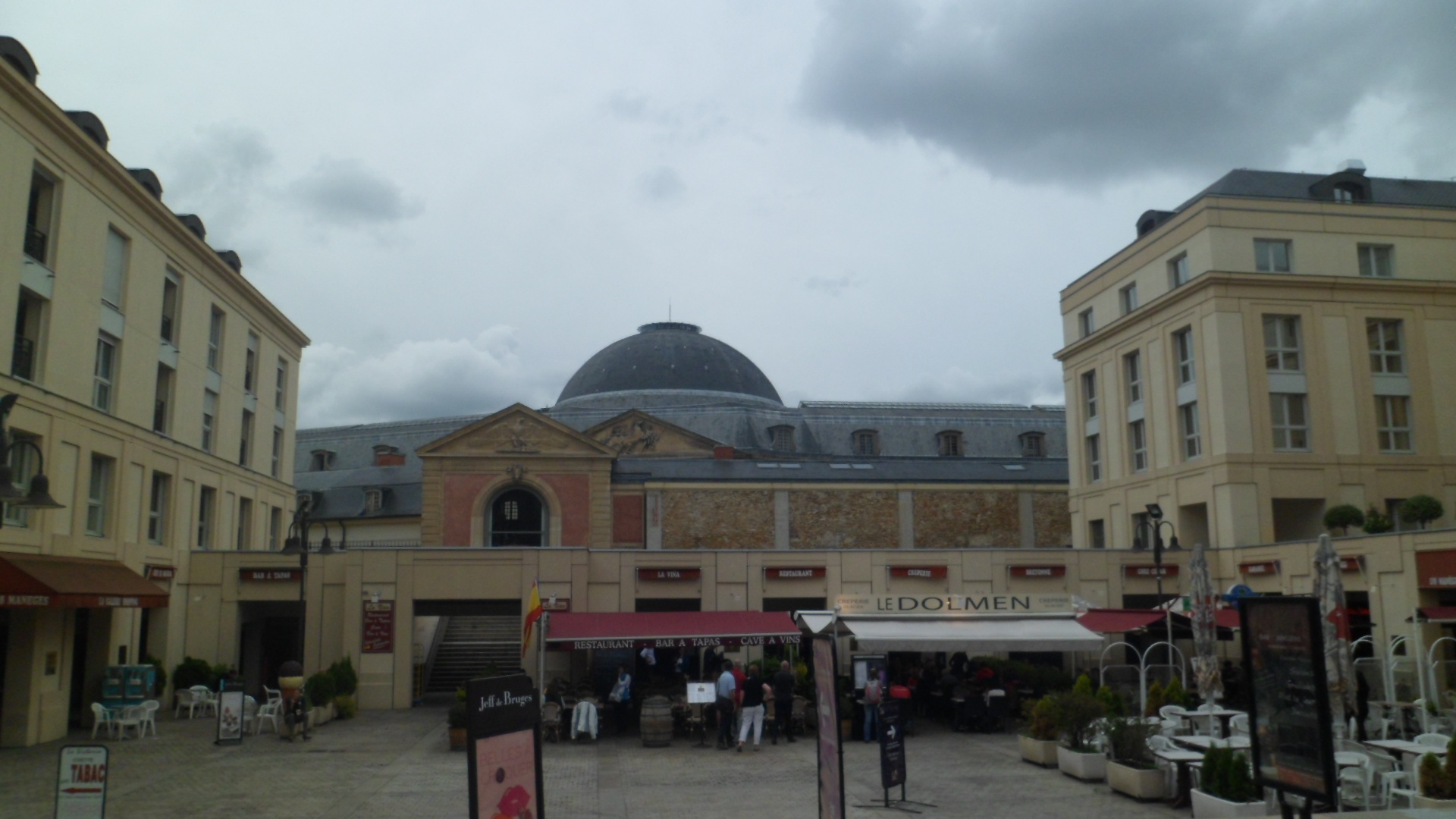
Here is a view of Hesperides des Les Maneges, a prime apartment complex.

SAM_9372

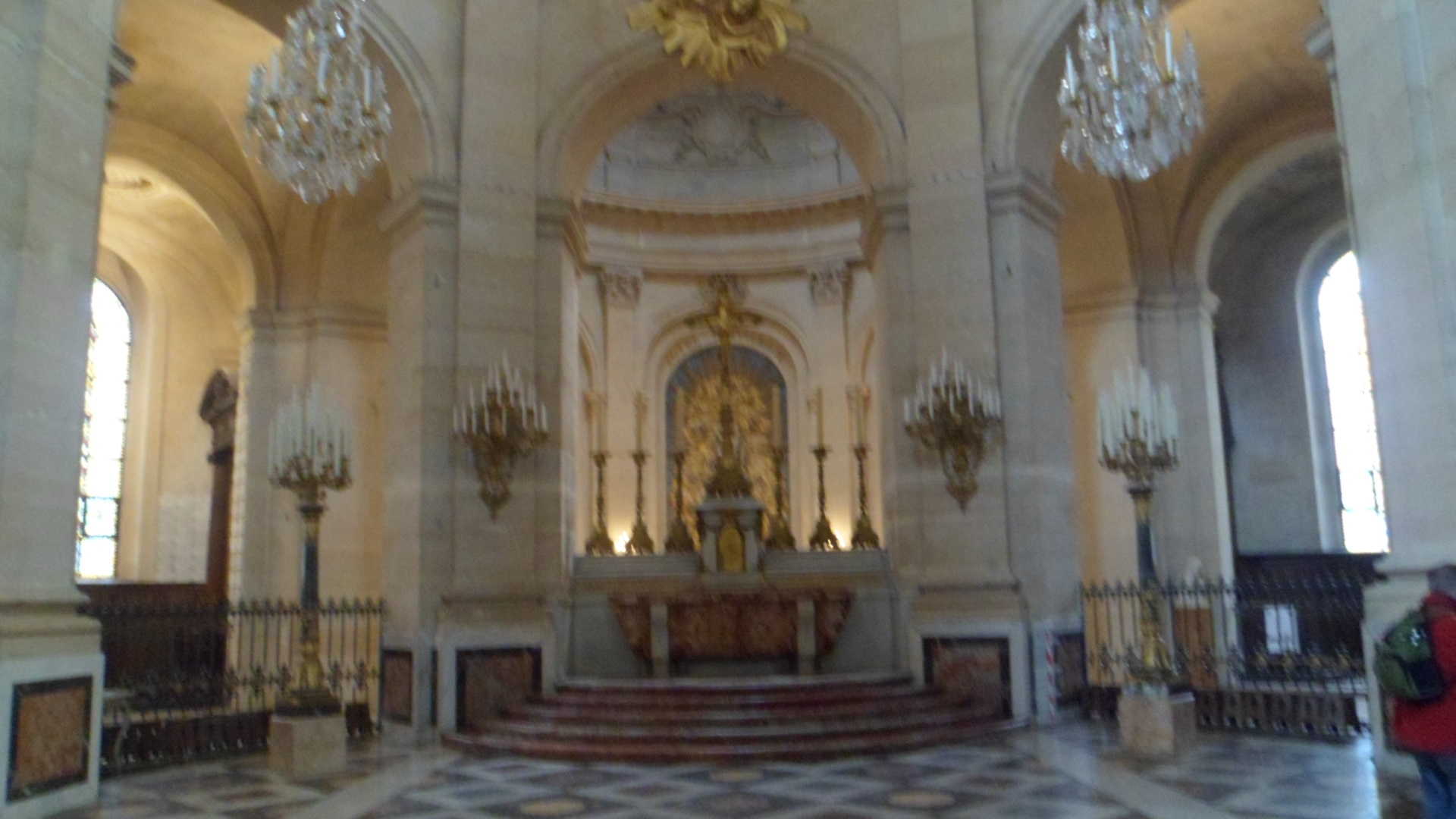
Cathedral de Saint-Louis, across town from Notre Dame, is also quite impressive.  I joined a laid-back pair of artistes for a short tour, whilst waiting for the train back to Paris.  This cathedral seemed somewhat lighter and airier than Notre Dame de Versailles.  It is named in honour of St. Louis the King.

SAM_9379                      SAM_9383

SAM_9384

Thus, my very full day in Versailles came to a happy close.  To celebrate, I had a fine dinner near my hotel.  If you are ever on Rue de Faubourg Montmartre, I recommend Restaurant Sizin, a full-service Turkish establishment.  This is a cut above the ubiquitous kebab shops, which I also frequented during my journey.  (“Eat Me” is a different establishment, and my curiosity didn’t get the better of me.)

SAM_9385

NEXT:  Day 9, Part 1:  A Visit to La Louvre.

A Tale of Two Debacles

4

Transportation has always been a sideshow, in the life of a traveler.  It is, of course, a basic element of travel, but is often used as a fulcrum, to get the traveler to notice the discomfort of those who live, day to day, where he/she happens to be headed, or from where the departure is taking place.

I am going to continue, in my next installment of “An Eastward Homage”, with the story of Versailles, the town.  For a few moments, though, I want to focus on two modes of transport, two countries, and two large entities coming to grips with the difficulties that come with an excess of size.

On June 12, my sole intent was to take the SNCF train from Brest to Rennes, then to Rouen.  The French train strike was, however, still full on.  The journey could only be accomplished, thus, by going from Brest to Rennes to Le Mans to Paris- Gare St. Lazare to Rouen.  My France Pass being a carte blanche for ANY First or Second Class train, over a nine-day period within one month, I thought I was set for a comfortable, seated trip.  Enter a horde of Gauls, coming from a trip to St. Malo, in northeast Brittany.  First, I was rousted from a seat, by a young lady, whose ticket had that seat’s number.  I moved to a second seat,and an imposing young man came along, with that  seat’s number on HIS ticket.  (Bear in mind that, on a France Pass, there are no tickets with numbered seats.)  I moved again.  Two Orthodox rebbes, who appeared to be father and son, appeared at the seat, raised their eyebrows, Gallic-style, and I moved again- to Standage.  There, in the no man’s land between cars, were a family of four, a university co-ed, (who was visibly miffed at the presence of two little boys, and even more miffed at an Americain joining the group,)  a French biker and his missus (headed to his shop at Montparnasse) and a hapless Italian tourist who had a France Pass as well,  and had been booted from HIS seat by a nurse whose ticket had that seat’s number.  The train had, in the aggregate, about 30% more people on board than was practicable.  Still, we all made it, shared the four small, folding seats that are available between cars, and just looked after one another.  The initial shock on the faces of the French people in standage at the thought of an American NOT sitting comfortably in a First Class coach gave way to the realization that I had no such expectation of undue privilege, in the midst of such chaos and mass discomfort among my hosts.  It was a good outing- for me.

It was an experience that served well to show the visitor just how absurd the bureaucrats and the unionists can be, and the extent to which their absurdity discomfits the average French person. Those fighting the Train Battle likely were not out riding the train, during the impasse.  They did, effectively, send France back to the regional and the parochial trains of thought that are described so well by Graham Robb, in his “The Discovery of France”.  It was, for two weeks or so, impossible to go from Rennes to Rouen, or from Rouen to Amiens, par train.

Fast forward to Sunday, July 6, at Logan International Airport, in Boston.  There was an airplane sitting at the departure gate, ready to go to Charlotte, or so everyone thought.  My journey would soon be over, or so I thought.  Airline policy is that a fresh cockpit team takes over after so many hours.  Our fresh cockpit crew was coming from Washington, DC.  There was a “difficulty” with the plane bringing the captain and first mate from Reagan.  We were told they would be in Boston at 9:30, and we would be underway thirty minutes behind schedule.  No one would miss their connections.
That was at 9 PM.  Seventy-five minutes later, we greeted the cockpit crew with silent cheers.  Fifteen minutes after that, we were airborne.  One hour and forty-five minutes after take-off, we landed in Charlotte.  Nearly an hour later, upon learning our “safe” connections had gone on without us, we were assigned various hotel rooms.  My seat-mate on the plane and I were sent to Holiday Inn Express.  The hotel informed us that a shuttle at 2 AM would be impossible and we were to take a taxi, for which the airline would reimburse the person who picked up the tab.  That ended up being my seatmate, as he had cash and I didn’t.  We each got our own room, got from 2-4.5 hours of sleep, and the next day caught a shuttle from hotel to airport.

After bidding my previous night’s seatmate farewell, I met another man who had stayed at Express.  He nonchalantly told of having taken a shuttle to Express- at 2:30 AM.  All he did was call the same person who had told me at 2 AM, “impossible”, and a shuttle was dispatched.

This goes to show that, the more things, and locations, change- the more they stay the same.  Man plans, bureaucrats bumble, common folk work together to get around the snafus- and God laughs.

An Eastward Homage, Day 8: Versailles, Part 2- The Grand Gardens

13

Everyone needs a place in nature, where one may recover one’s senses and restore equilibrium.  The Bourbon royalty were no different from the rest of us, in that regard.  After taking in the Great Chateau, and all its opulence, I also needed some time in nature.

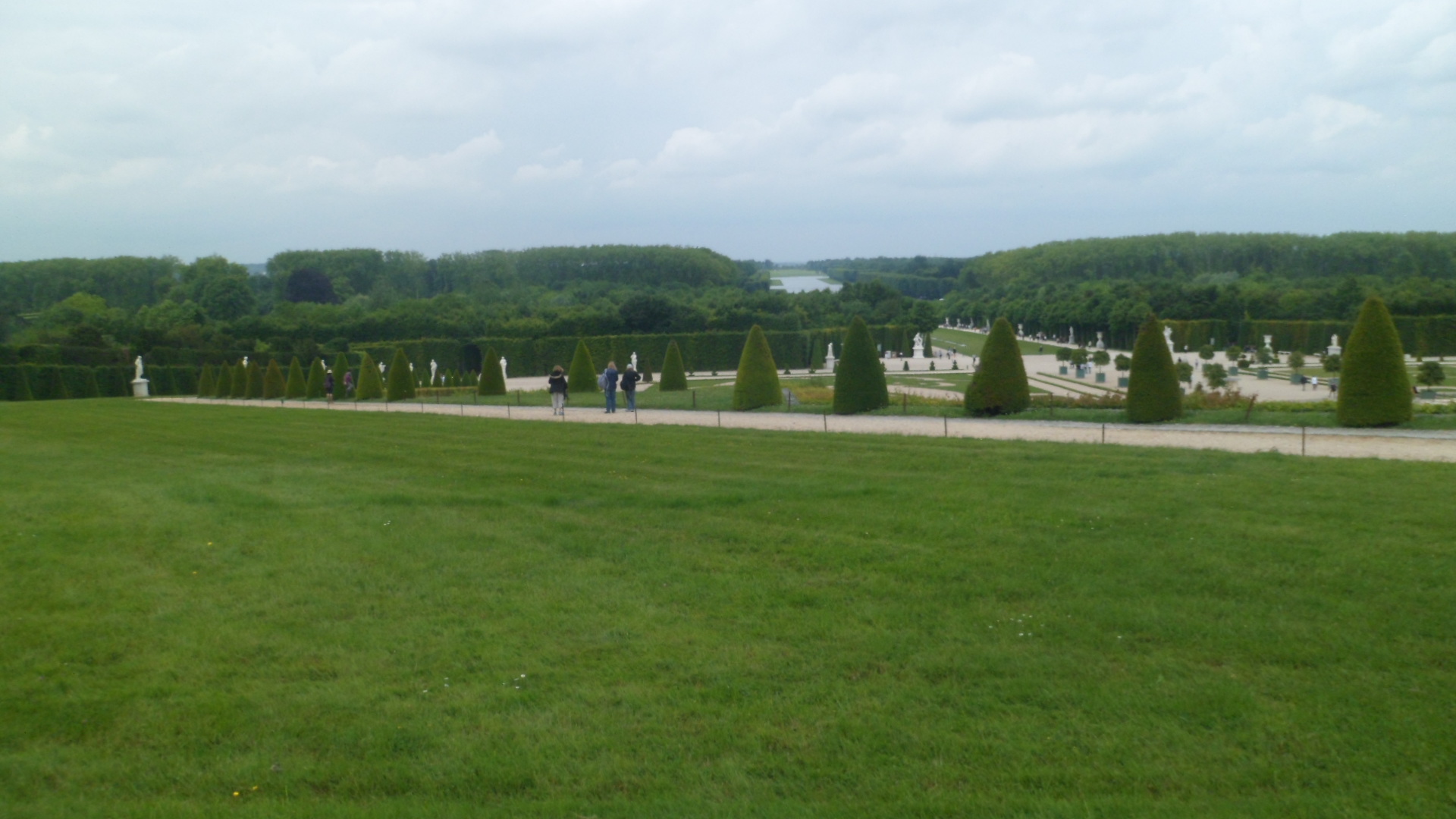
So, here are some scenes of the King’s Grove, the Queen’s Grove, the Dauphin’s Grove, and bosques set aside for just about anyone who lived at the Chateau.  Just outside the Chateau, there are small, well-manicured gardens and a great fountain, en route to the Ballustrade which itself overlooks Les Bois Royaux.

SAM_9254   SAM_9255.

Here is a long view of Allee Royale:

SAM_9262

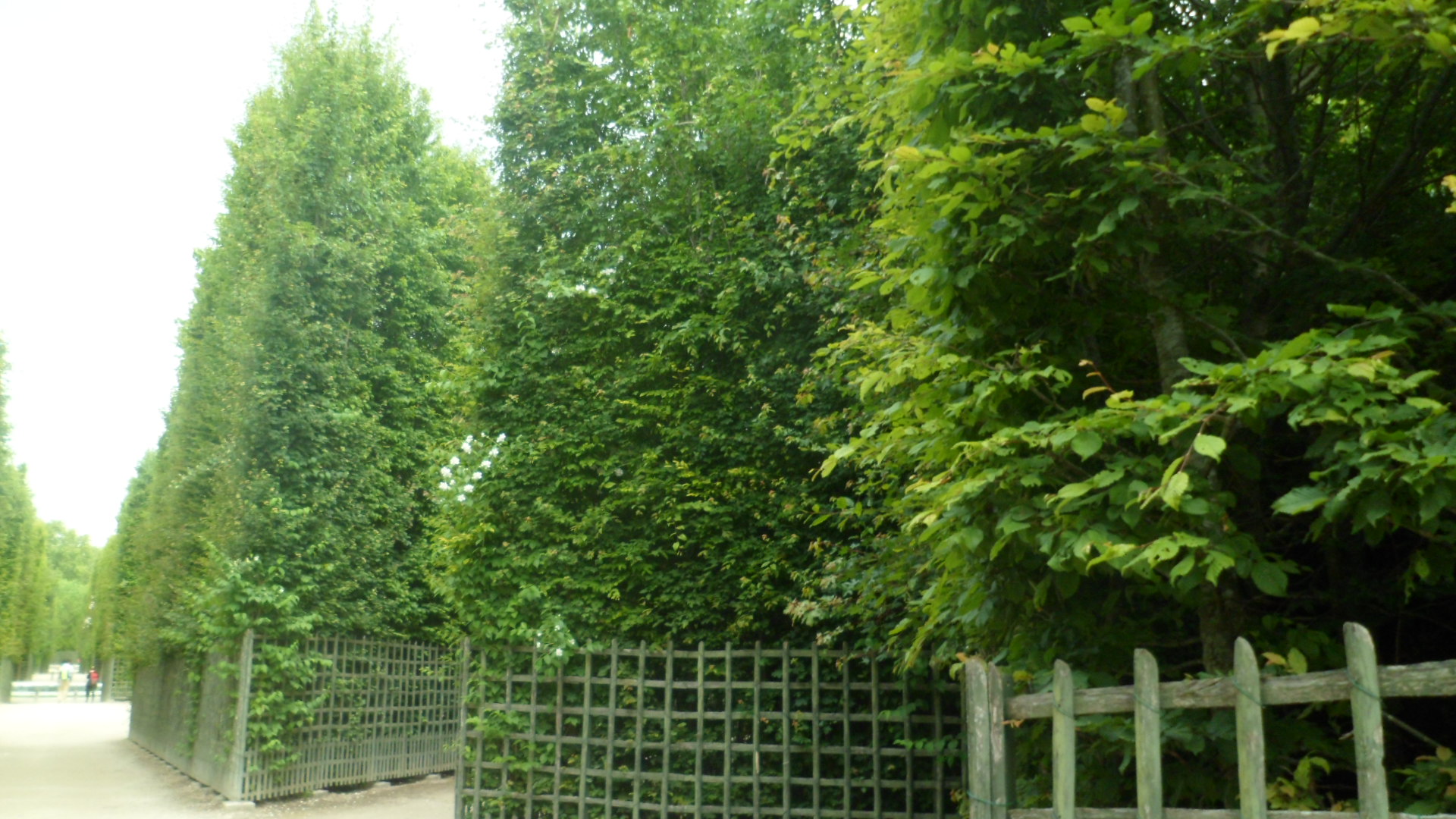
Once I made my way down the stairs, and into the King’s and Dauphin’s Groves, I found myself in the company of several school children, engaged in a fabulous game of Hide  and Seek, in the Dauphin’s Labyrinth.  To me, one of the great tragedies of the French Revolution was that no one gave thought to the three children of Louis and Marie Antoinette.  They died in childhood, in prisons, and the Labyrinth sat silent.  Thankfully, it was not silent on Tuesday, June 3.

.

SAM_9264      SAM_9269

Those who ventured forth saw scenes such as these:

SAM_9271    SAM_9273

SAM_9270     SAM_9265

SAM_9268     SAM_9302

Eventually, I made my way back to more manicured scenes, near the Queen’s Grove, and the restoration area- not the Restoration of the Bourbons, but that of the forest.

SAM_9283   SAM_9292

SAM_9291   SAM_9285

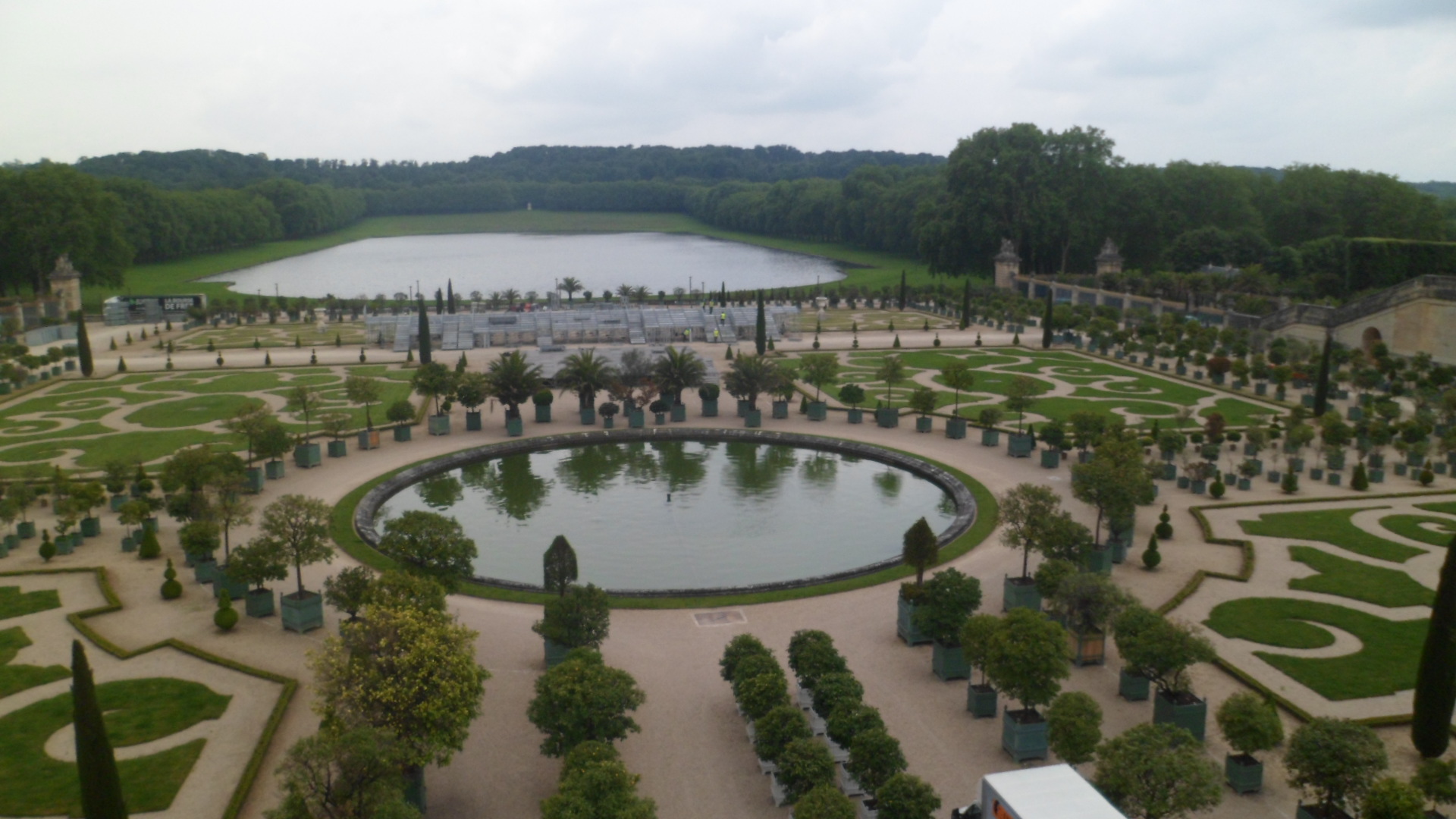
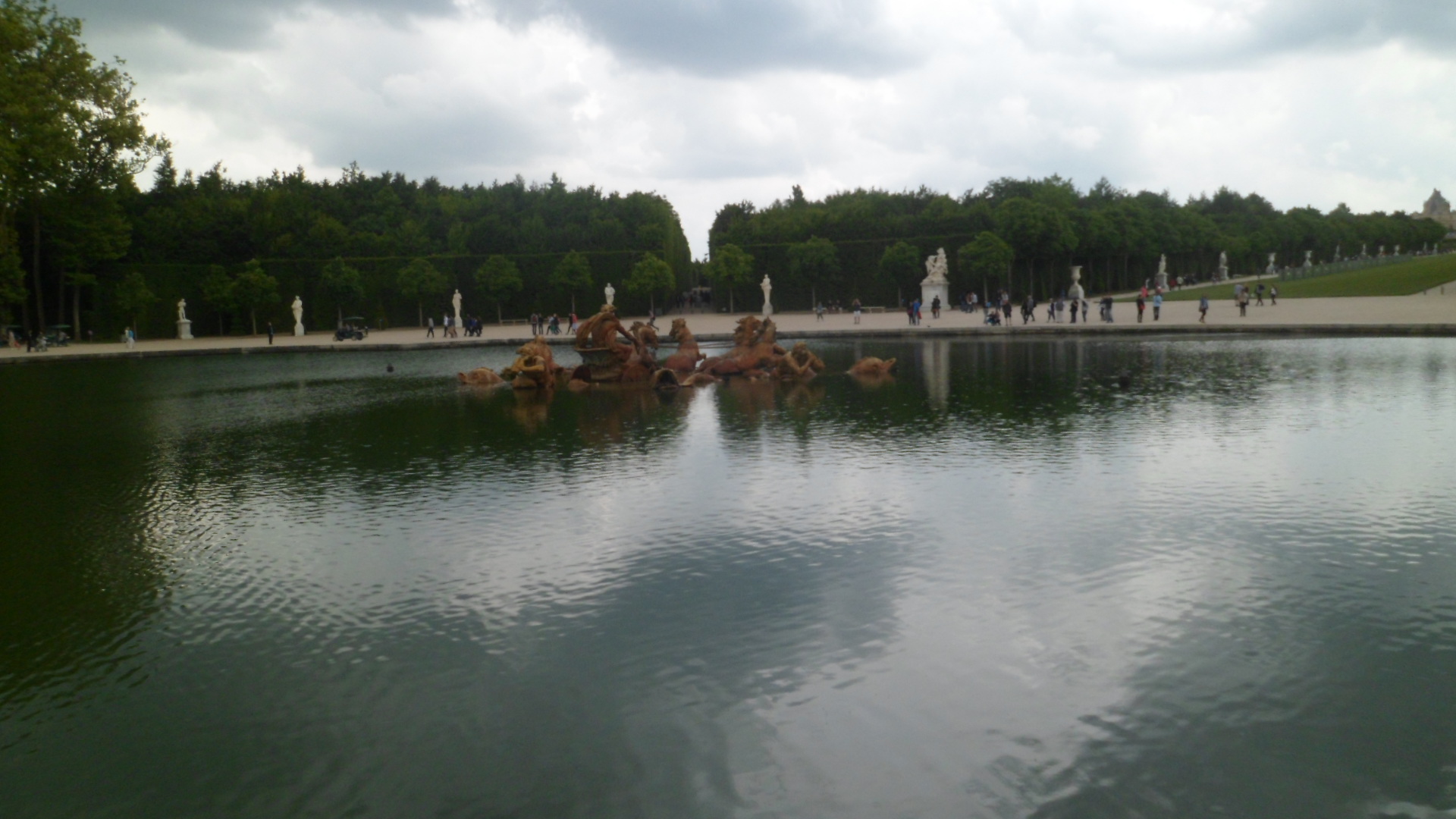
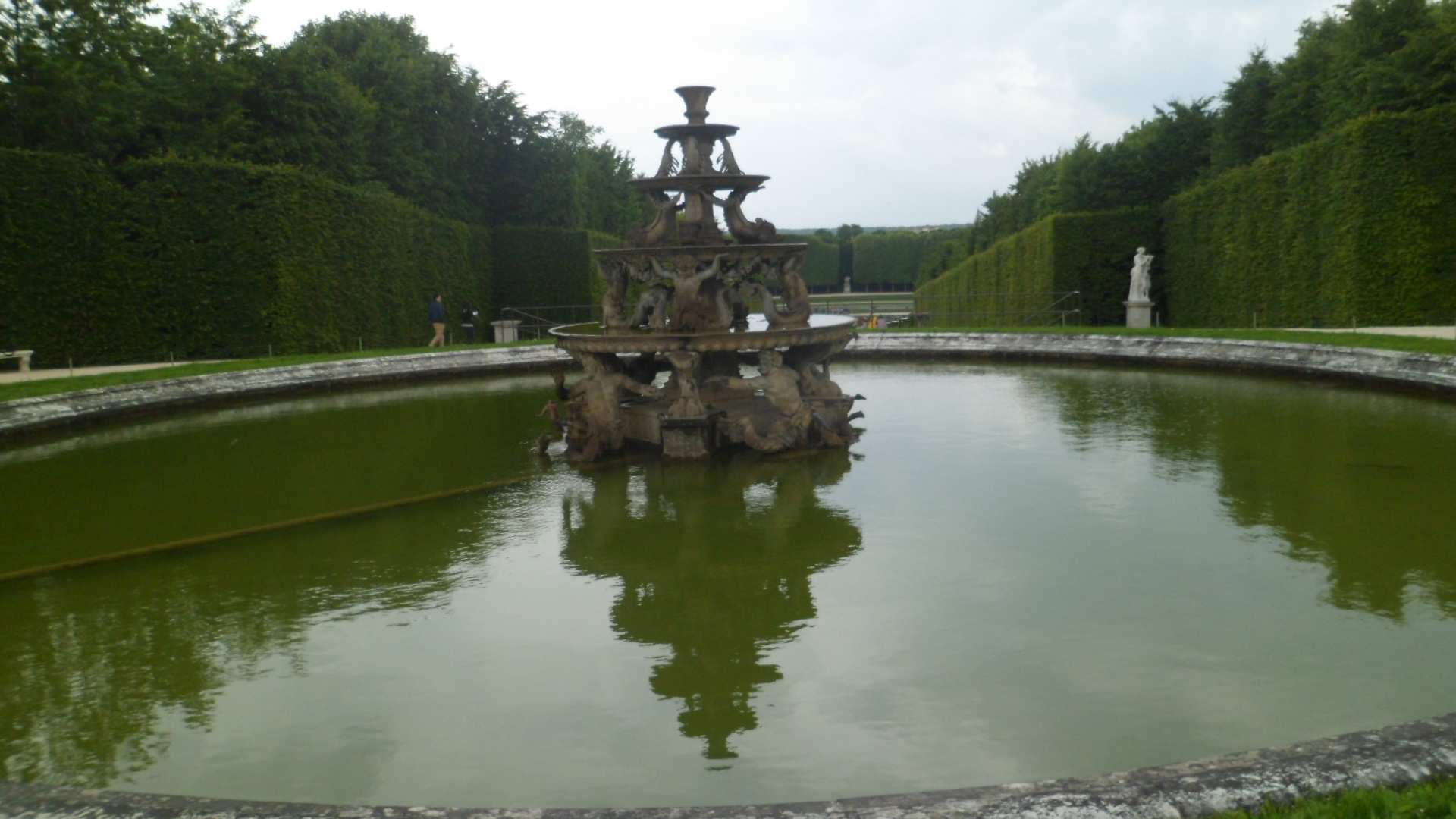
I walked on down to the Grand Canal’s edge, and enjoyed Les Parterres, L’Orangerie, and their water-borne sculptures, including  the Apollo  Fountain,

SAM_9304

and Bassin de Latone (Latona Fountain).

SAM_9305

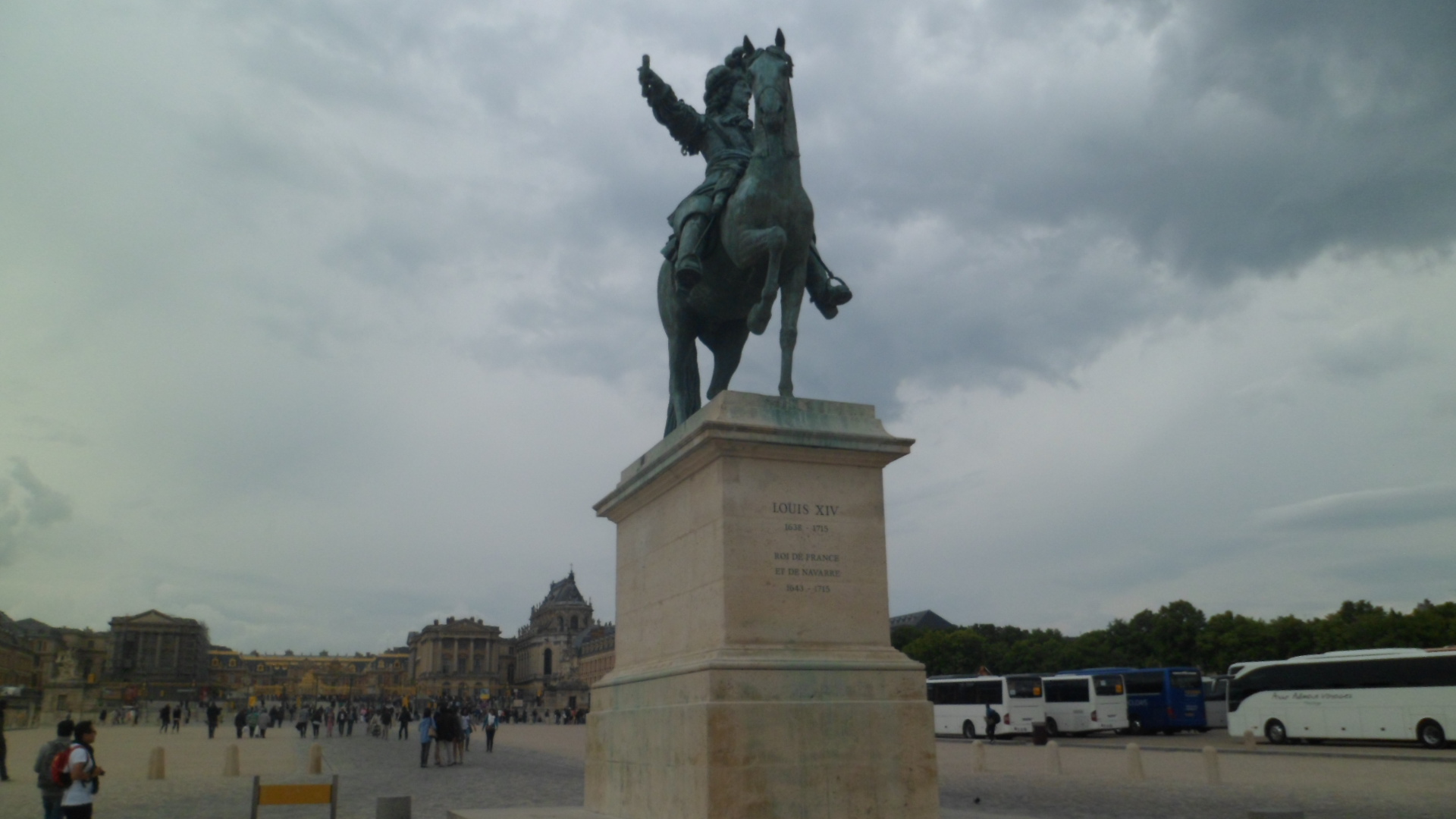
Here is a final nod to the man who got this all started.

SAM_9306

At this point of decision, I elected to forego Les Trianons (Marie Antoinette’s private estate) and spend some time in the city of Versailles.  That marvelous counterpart to the Palace will be featured next.