
June 15, 2019, Chinle-
Many people, when comparing Arizona’s myriad of canyons, prefer smaller ones. Canyon de Chelly (pronounced SHAY), high on the eastern edge of the Colorado Plateau, has its thousands of afficionados. It was one of the alternatives to the Grand Canyon, for Dineh people seeking to hide from Kit Carson’s forces, during the run-up to the Long Walk.
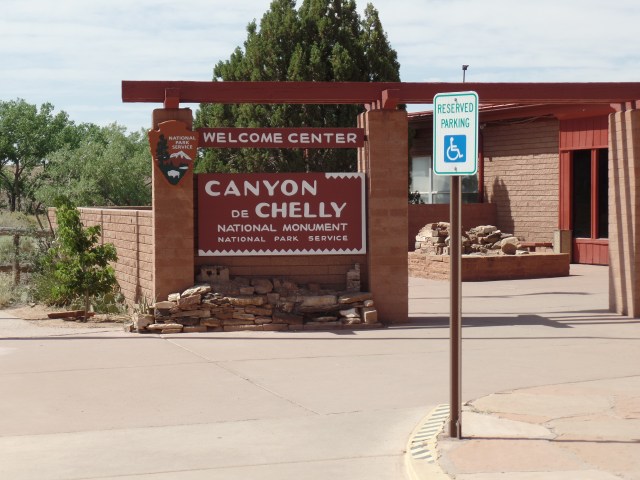
Today, the place is, reasonably, packed with visitors of all ages- taking jeep tours, riding horseback, walking with authorized Dineh guides, or on their own (along White House Trail, which will be the subject of the next post). Some are happy with viewing the magnificence from rim overlooks. Still others are okay with just camping, at the NPS-run Cottonwood, or at the privately-owned Spider Rock Campground. Then, there is the chill-out crowd, hanging out at Thunderbird Lodge.
My focus was two-fold: Take in the South Rim overlooks, camp at Cottonwood, then hike White House Trail and end with the North Rim viewpoints. That worked well, and so-here are views from each of the overlooks, beginning with Tunnel Canyon and ending with Mummy Cave.
Tunnel Canyon Overlook:

Tsegi Overlook: (Tsegi is Dineh for “canyon”)
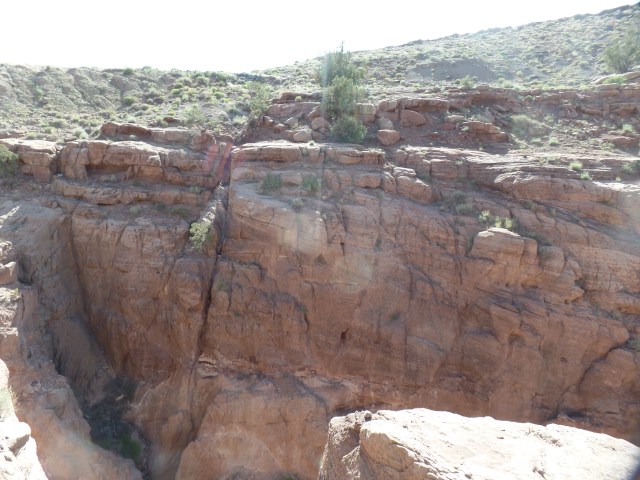
Junction Overlook: (Canyon de Chelly {South} and Canyon del Muerto {North} converge here.)
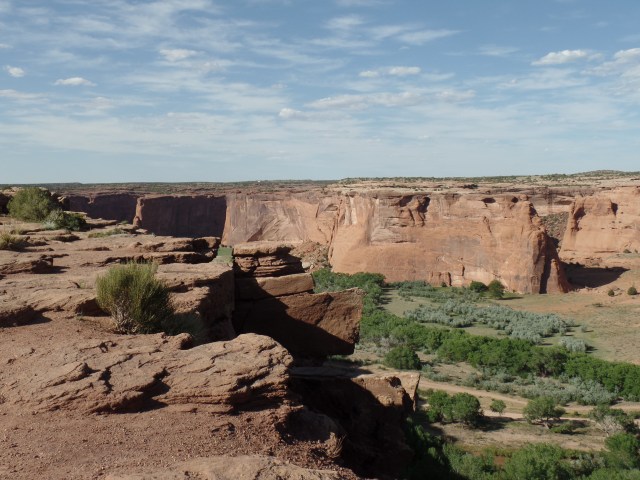
The overlook, and other highlights, of White House Trail, will be featured in the next post.
Sliding House Overlook:
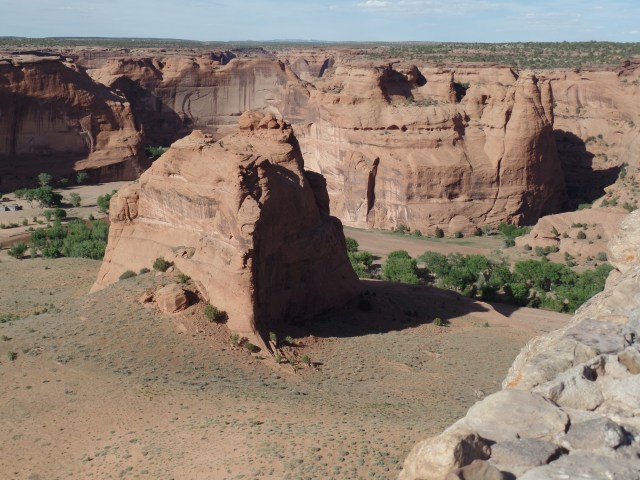
Face Rock Overlook:
Spider Rock Overlook:

Now, from the North Rim, here’s a view from Antelope House Overlook: (This ruin may only be viewed up close, if one is accompanied by a registered Navajo guide.)
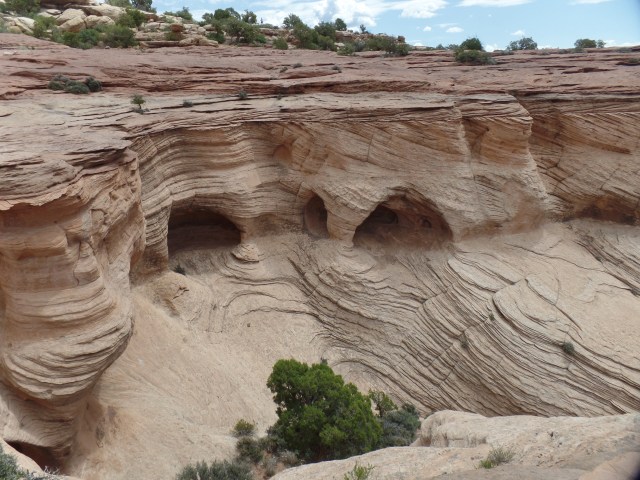
Massacre Cave Overlook: (The cave itself was the scene of a wanton slaughter of Dineh women and children, by Spanish soldiers, in 1805.)
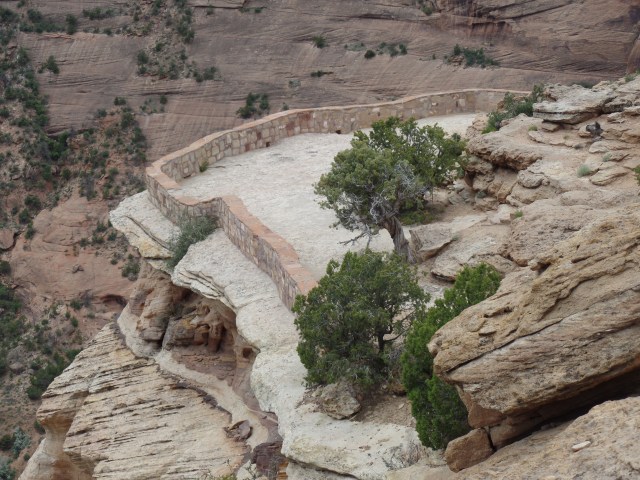
Mummy Cave Overlook: (This also accessible only on a guided tour. Mummy Cave is the largest Ancient Puebloan ruin in Canyon de Chelly National Monument.)
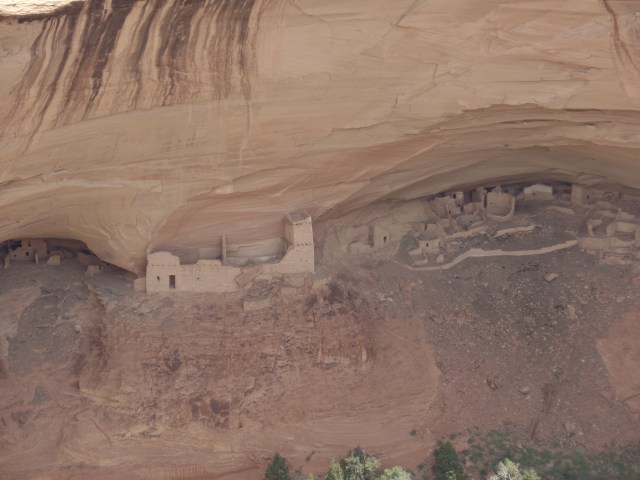
So, as you can see, there is a wide variety of learning activities at Canyon de Chelly National Monument. An old favourite hike, White House Ruins Trail, is among them and is the subject of the next post.
 A Sagittarian Seeker
Wow, Gary — what a post! There is so much drama and yes, color, in the desert landscape. Thanks for sharing these breathtaking vistas with us. Hugs.
LikeLiked by 3 people
There is no end to the variations, Teagan. The deserts hows us how rocks, and change in light, can make up for the sparse vegetation.
LikeLike
Looks breathtaking!
LikeLiked by 2 people
It certainly is!
LikeLiked by 1 person
The mountains and rocks are awesome. Lovely view.
LikeLiked by 2 people
Thanks so much, Angy!
LikeLike
A reminder of the history (shameful on the part of the US govt.) of the native peoples. I love the photos showing the stark beauty of the area…
LikeLiked by 1 person
Thank you for your support, Val!
LikeLike
The spider rocks though! My goodness! So beautiful! Blessings! 😀
LikeLiked by 1 person
Thank you, dear Tammy! Glad you enjoy the photos.
LikeLiked by 1 person
Most welcome 🙂 I sure did.
LikeLiked by 1 person
Hey sweetness… I’ve nominated you for he Liebster award in my post…. 🙂 no obligation to participate… ❤️
LikeLiked by 1 person
Thank you, Donne!
LikeLike
Thanks for posting! Awe inspiring!
LikeLiked by 1 person
My pleasure.
LikeLiked by 1 person
A fond memory among many from childhood camping trips is that view of Sider Rock and some of the Spider Woman legends! Thank you for sharing this part of the Navajo world!
LikeLiked by 2 people
It is one of my favourite places in Dineh tah, as well.
LikeLike