The Flip- Flop, Day 4: Oregon’s Volcano Alley

2

Leaving the Central Oregon KOA, in Culver,  just north of Redmond, my itinerary for the day was Bend and Crater Lake, with an overnight stop somewhere in the Rogue River Valley.   I did  not figure on three of Oregon’s best kept secrets. Ogden Memorial Park, on the south edge of Culver, captures Crooked River Canyon.  It is named for Peter Ogden, the hero of the Whitman Massacre and founder of Ogden, Utah.

Also memorialized here is Navy Lieutenant Rex Barber, a native of Culver, who shot down the airplane carrying Admiral Yamamoto, in World War II.   Smith Rock overlooks the town of Terrebonne, just north of Redmond and Bend.  Here is the middle of Volcano Alley (my term for central Oregon), with Mt. Jefferson and the Three Sisters winking back, from the west.

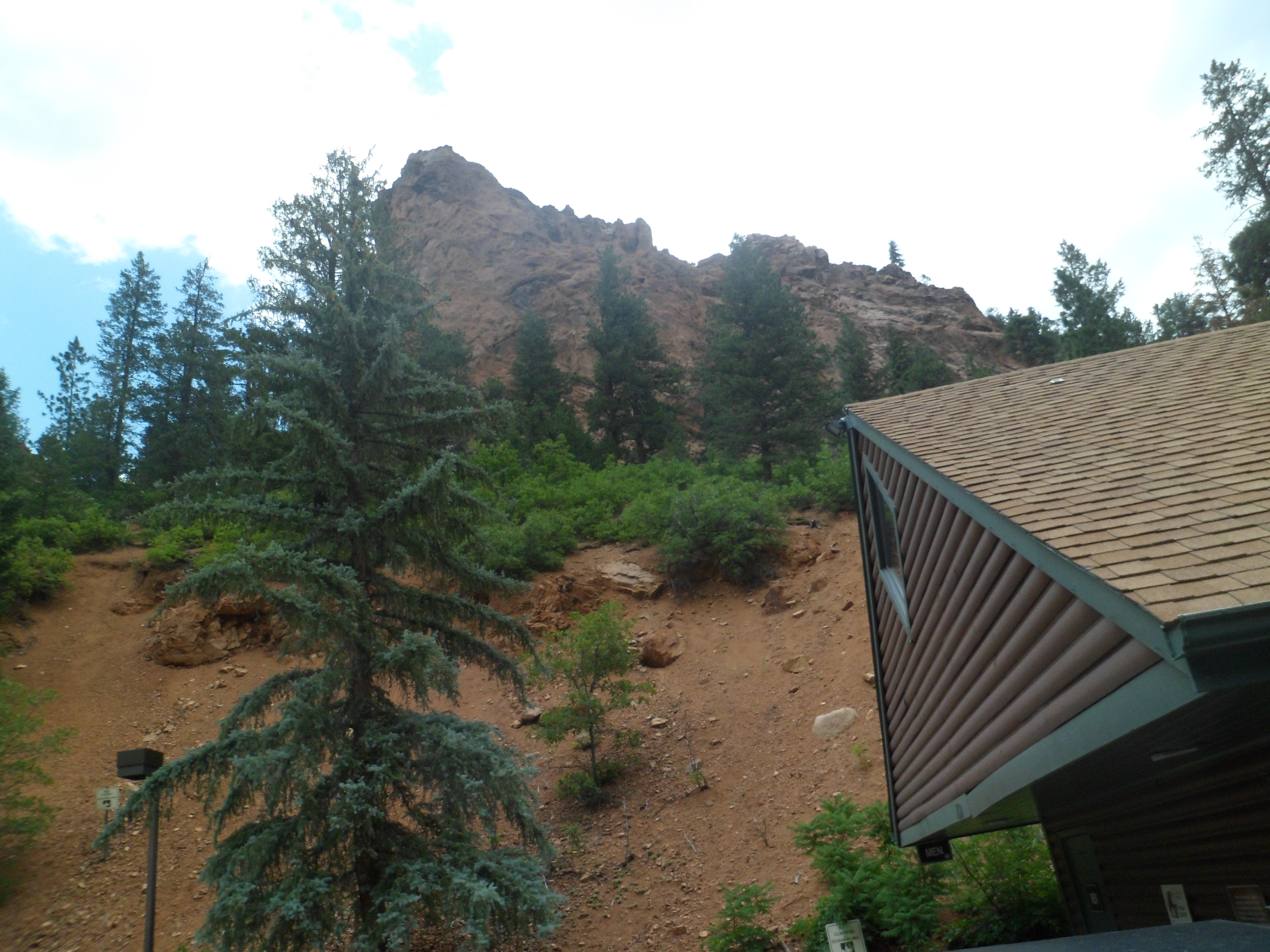
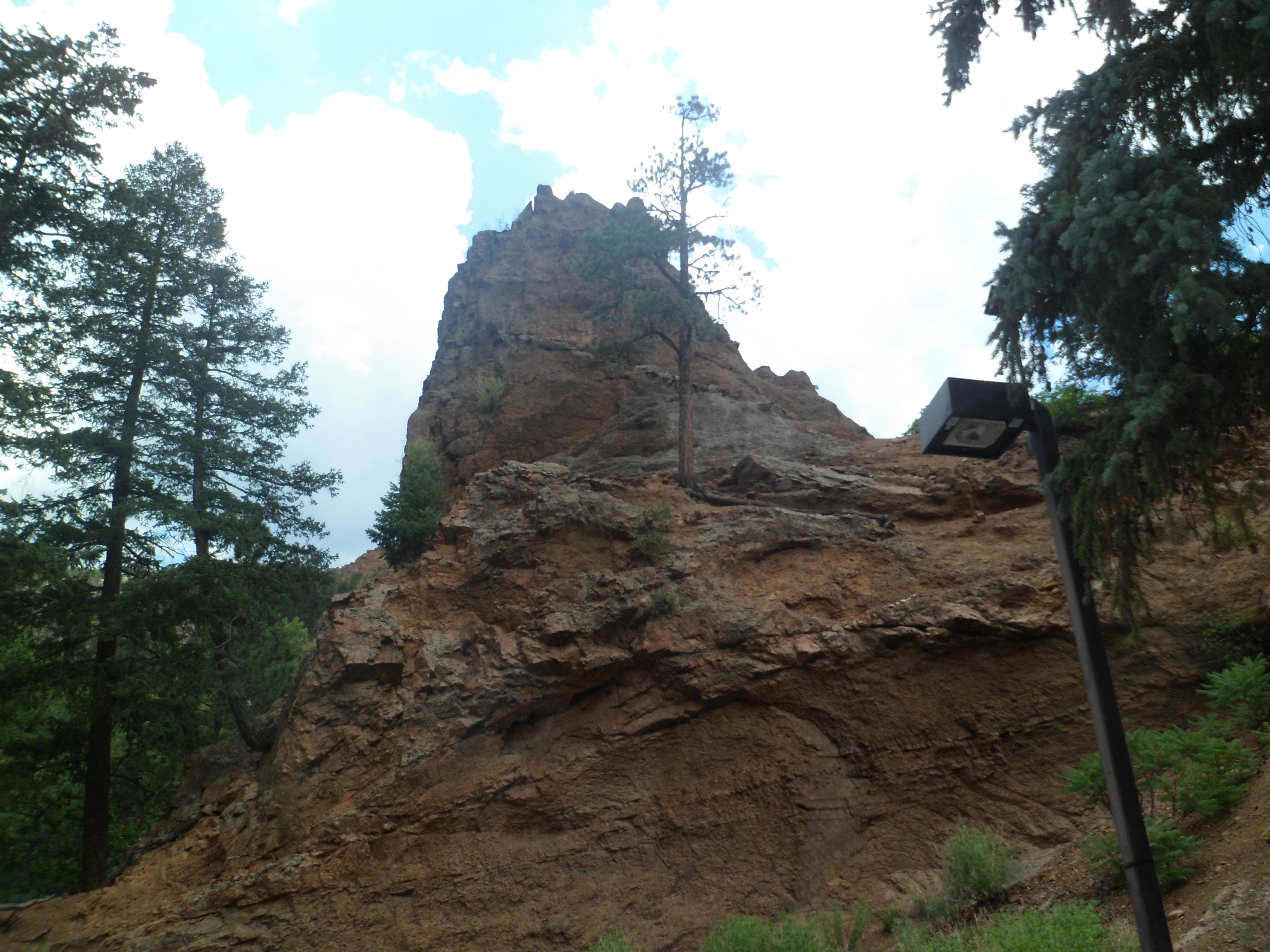
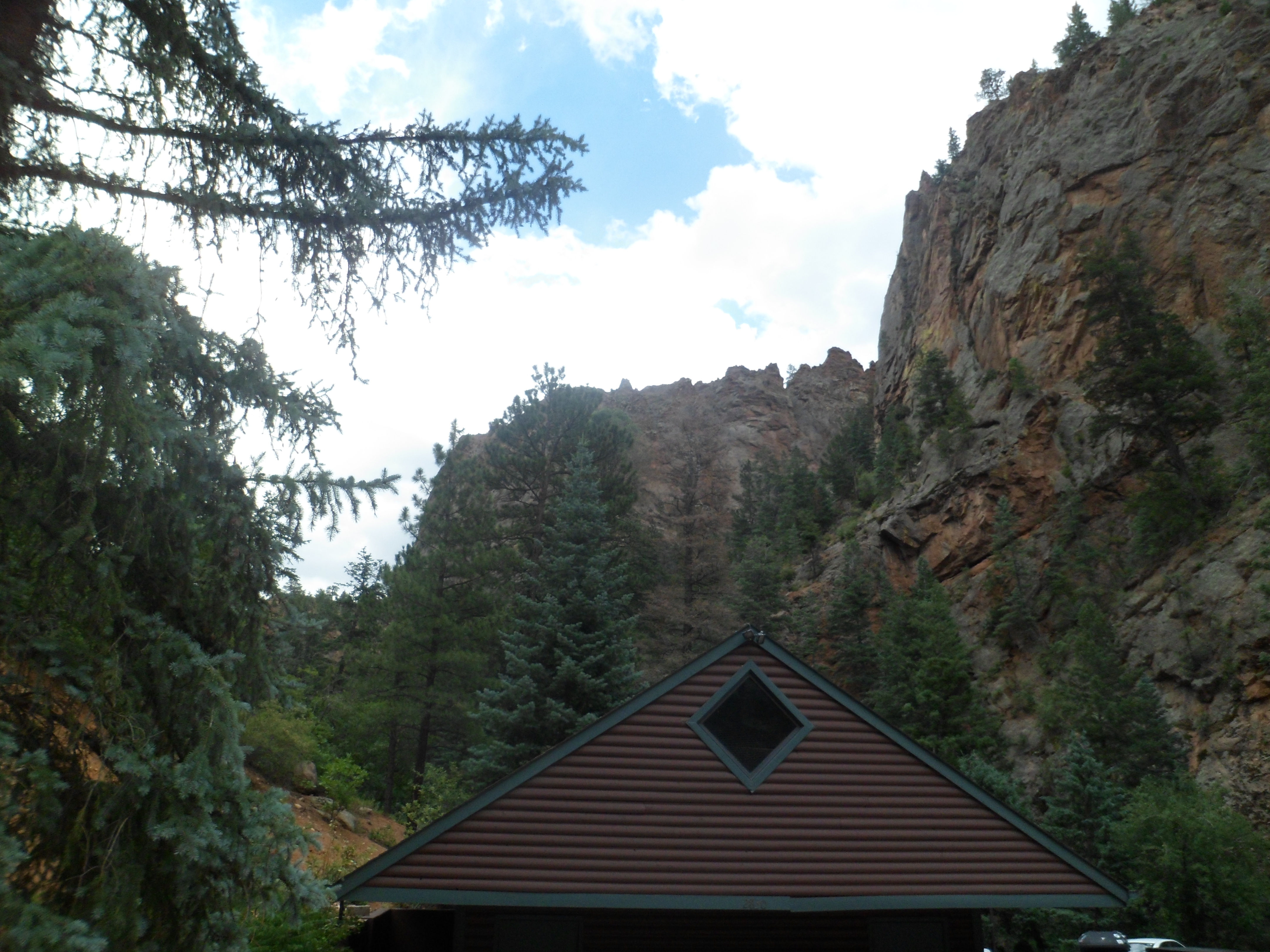
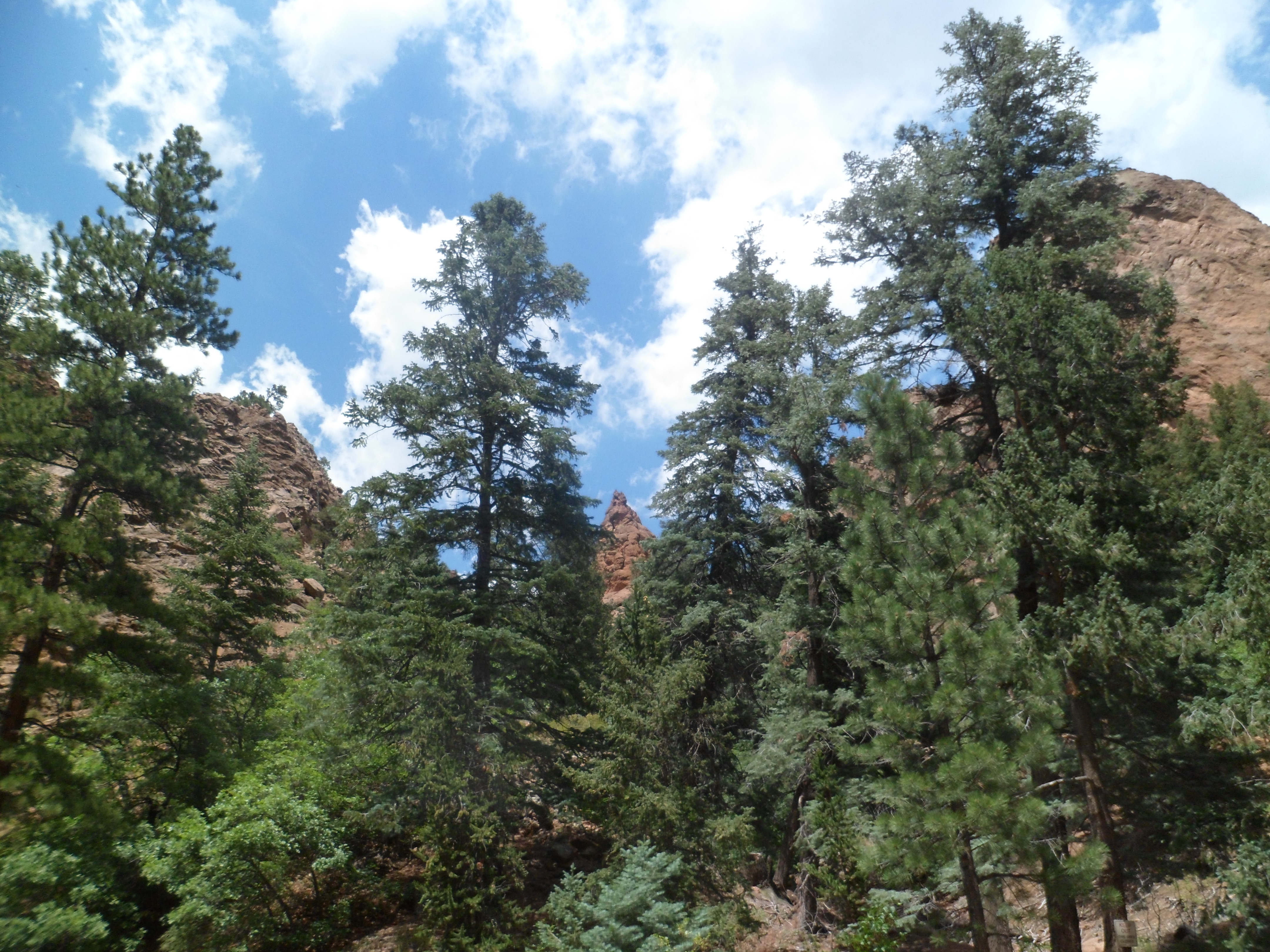
 At Smith Rock State Park, hundreds of Oregonians and visitors busied themselves with hiking, jogging, rock-climbing and just plain gawking, in an environment not unlike several in central or western Arizona.

Smith Rock, OR
Crooked River Bridge, Culver, OR

Below, is the aptly-named Crooked River. Rock climbers were numerous, on this bright, blessed day.

I hiked down to the river and along its banks for a while, before heading to Bend, central Oregon’s burgeoning hub.  

Crooked River, at Smith Rock, OR

Bend has a fine reputation as an interesting recreation center.  Stopping for lunch at Sidelines Sports Bar & Grill, I was not disappointed.  Yes, they have great lemonade, as well as superb food.  I learned something new about Oregon- there are lots of Arizona Cardinals fans here.

Below is Brooks Park, along the banks of the Deschutes.

I soon found myself in another unexpected treasure:  Newberry Volcano National Monument.  This is one of a few national monuments run by the US Forest Service, rather than by NPS.  I took the road to the top of a cinder cone, in the North Unit of the Monument, and spent a little time near the Visitor’s Center, afterward.  This volcano exploded some 7,000 years ago.

The Middle Sister comes into view, from the top of the North Cinder Cone at Newberry.

On my way to the car, a little park resident was busy with its supper.

The day drew to a close, with a near-perfect sunset, at chilly and gorgeous Crater Lake, Mount Mazama’s gift to posterity.

The only drawback of being on the north side of this quiet gem at sunset is- the lake is not in the foreground.  It is still a thing of beauty, though.

These days, one after another, have been amazing. Next up:  The Rogue River Valley and northern California’s own Volcano Highway.

The Flip-Flop, Day 3: Goldenridge, Columbia Gorge and Queen Marie

2

The Ponderosa Motel, in Goldendale, is one of the most welcoming places in which I have taken a room, so far this trip.  Operated by a cheerful young couple, with help from a grandma, the place offers large, comfortable rooms, at bargain prices, with a real breakfast- no packaged goods at inflated prices.

I checked out the Goldendale Observatory, but as it didn’t open until 2 PM, I photo’d the grounds and went back to town to do laundry.

Goldendale has its share of nice little shops, many of which close at Noon on Saturday.  I did get a slice of Sheena’s apple pie, to go, before she and Shane went home for the weekend.

Yesterday and today, I had lunch at neighborhood bars.  In Wenatchee, that was The Igloo.  Here in Goldendale, it was The Top Hat.  Both had good food.  I was the one drinking iced tea. Leaving Goldendale, I passed through the stark beauty of the Columbia Plateau, which would surround me clear to Maupin and the Deschutes River.

Three miles south of Goldendale is the Maryhill Museum, which features Native American art, the works of Rodin, an exhibit on the Fin de Siecle American entertainer Loie Fuller, some decorative art exhibits and a hall devoted to Queen Marie of Romania, who ruled the country with her husband Ferdinand I, in the 1920’s and 30’s.

 Outside of the museum, one may enjoy fine views of the Columbia River Gorge.   Below, on the left, is John Day Dam.

I spent about two hours in the museum, which does not allow flash photography, and my camera has no shut-off on the flash.  No matter- I learned a great deal about each of the themes.  The museum itself was founded by Samuel Hill, a merchant from Illinois.  Maryhill is named for his wife, Mary. The Hills were good friends of Queen Marie and King Ferdinand, and the royals were key benefactors of the museum.  Queen Marie, a granddaughter of Britain’s Queen Victoria, was a member of the Baha’i Faith, and, though British by birth, thoroughly immersed herself in Romanian culture and language, becoming one of the country’s most revered rulers.  Being committed to world peace, she became fast friends with Sam and Mary Hill, who were Quakers. The Museum’s Native American collection is, naturally, emphatic on Columbia Plateau, Great Basin, and Northwest Coast art, but has items from all other regions of the U.S. and Canada. The Rodin collection features all three of the artist’s media:  Sculpture, paintings and sketches.  His concern with Dante’s Inferno is well-presented, as are his great works, such as The Thinker. A delightful section has two rooms devoted to chess pieces.  There are an amazing variety of chess sets, from all parts of the world. Finally, there are illustrations of six Grimm Fairy Tales, by the British artist, David Hockney. After leaving Maryhill, I focused on a couple of other areas along the Gorge- Horsethief Butte and the bridge to The Dalles, Oregon. Here are two views of Horsethief Butte- South Ridge, then North Ridge.

Leaving Washington State gave me mixed feelings, but I enjoy Oregon also, so on we went to The Dalles.  This is The Dalles-Dallesport  Bridge.

The Dalles has a fine frontier-themed museum, Fort Dalles.  It was closed when I arrived, but I took some photos of the buildings.  First is the Anderson House.

Next is the fort’s Headquarters.

Fifty miles west of The Dalles is Mt. Hood, seen far in the distance below.

My final photos of the day came into focus at Maupin, OR’s Deschutes River Park.  This is a major rafting center, and the white water looks fabulous.

I stopped for supper at a rest area about ten miles south of Maupin.  Finding all the restrooms clogged, three of us called the ODOT number.  Within ten minutes, two crews showed up and got on the task.  That’s not too shabby for a Saturday night.

Now, I am settled in at a KOA in Culver, OR, between Madras and Redmond.  Things keep going well on this “about face”.

The Flip Flop, Day 2: Along Washington’s “Knife Edge”

0

The last day of summer stirred, fresh but still very smoky, in East Wenatchee.  I had the pleasure of staying overnight with these fine folks.

After freshening up, breakfast, morning prayers and writing my Seattle post, I was off to see the condition of Wenatchee, in the ongoing struggle with relentless smoke.  It was not as thick as yesterday’s, but visibility was, as yet, not too good.  Nonetheless, I stopped at Riverside Park, for further prayer and reflection.  This could be any misty morning, along the Columbia River, but the smoke was palpable still. The air was a bit clearer when I got to Wenatchee’s centerpiece, Ohme Gardens, on the north side of town. There is a complete arrangement of nature here:  Great trees, flowers, rock, water, and manicured Victorian-style lawns.

Just outside Ohme Gardens is a stark reminder of Wenatchee’s location, at the divide between the green Cascades and the brown that covers much, but not all, of the Palouse.

The interplay between the Palouse and the Columbia River is much in evidence, in the area between Wenatchee and Quincy, the next sizable town to the east.

As I got past the bustling city of Yakima, I spotted Yakama Nation Cultural Center, in Wapato.  This fascinating culture would be well worth a trip north, in and of itself, one of these days.  Alas, the center was about to close when I got there.  The motels I checked nearby were far too pricey and there was no camping in evidence anywhere nearby, so I moved on.

I made a brief stop at Toppenish National Wildlife Refuge, before continuing on to Goldendale.  This wetland is vital to sustaining the web of life in a largely dry area  north and east of the Cascades.

Next:  Goldendale, Columbia Gorge and on to Bend, OR.

About Face, Day 1: Smoke Is No Barrier

0

I did some thinking about Thursday, September 20- and my itinerary.  Vancouver, BC had beckoned, for quite some time.  I was to head up there yesterday.  Then came the  confluence of three fires in the Cascades above Wenatchee and Cashmere, WA.  Where there is smoke and fire, there needs to be spirit to counteract them.  A devotional meeting had been planned in the town of East Wenatchee for some time.  When I was told of it, on Wednesday morning, and saw the flames above Blewett Pass, the gathering became something I would not think of missing.  Vancouver, BC would wait until 2015.

So, I headed out yesterday, about noon, got the car serviced  in Issaquah, just east of Seattle and arrived in East Wenatchee at 5:15 P.M.  In between, was Nature’s fury.

We had all elements of a successful spiritual meeting last night- welcoming hosts, heartfelt prayers, a solid topic of focus, and a variety of age groups and perspectives.  Then, there was the 800 pound monster, hovering above us all.

The biggest impetus to praying and devoting spiritual energy towards curbing the excesses of nature is the presence of people like these:

The children created intense and detailed works of art, while adults discussed the nature of the soul and life after death.  They haven’t been in school for a week, due to the smoke.  More than anything else, the health threat to children and seniors is the biggest reason to do all possible to bring things back to normal in central Washington, or anywhere where there are natural disruptions.

People around Wenatchee said it is like the Mount St. Helens eruption, all over again.  I hope it doesn’t last anywhere near as long.  With hundreds of dedicated firefighters on this one, the hope has a good chance of coming true.

Northwest by North, Day 14: Around the Emerald City

2

Seattle has nothing to do with the Land of Oz, though Dr. Oz is ubiquitous on the TV here.  I arrived by ferry, from Bainbridge, on Tuesday evening.  Meeting my friend, Ted, in Chinatown, I then went with him to a place called Mike’s Noodle House.  Brisket noodles hit the spot after the ferry ride and rather dicey drive up a 40-degree incline that leads from the Waterfront to Chinatown.

The view of Seattle’s stadia from Ted’s neighbourhood is awesome, even at dusk.

I digress, though.  It was Wednesday that was my main day to explore Seattle.  Ted and I started  at Lake Washington.

A short time later we stopped in Chinatown, and went to the Amitabha Buddhist temple, which is served by two nuns.  The nun who greeted us is from Burma (Myanmar).

We spent several minutes in prayer and reflection in that refreshing environment.  The nun graciously gave me several texts.  This is auspicious, as we Baha’is view Baha’ullah as the embodiment of the Buddha Amitabha (Future Buddha), Whose coming was foretold by Gautama Siddhartha.

We headed next to downtown, where I ensconced myself in the Library, whilst Ted tended to other business.  Along the way to the Library, there were some interesting sights, including China Gate, King Street Station, and the Smith Building.

No visit to Seattle is complete without a visit to a waterfall.  This park is just south of the Smith Building.

Upon finishing our individual business, we  headed towards Pike Place.  The intervening territory is inhabited by some curious beings.  Ted is the being on the right!

 Then, there is Maximus Minimus, the Barbecue Emperor.

Pike Place itself has a gazillion shops and eateries.  We chose  Athenian Seafood, with its harbor views, for lunch.  Of course, there were several stops for artisan cheese and other road food, afterward.  Below are three Pike Place scenes.

This last photo is a view of Puget Sound from Athenian Seafood.

Next up was the Waterfront, with its totem pole.

We spent about forty minutes at Vital Tea Leaf, at the north edge of the Waterfront.  Vinny graciously explained the tea preparation process and offered several varieties of tea.  I chose Puer, which helps with digestion.  The shop also has wood sculptures, which are one-of-a-kind.  Here are a dragon and a tiger, which represent my son and myself,  horoscope-wise, respectively.

Our last excursion was to Seattle Center, and the Space Needle.  I went alone to the Observation Deck.

There is a lovely outside garden, on the grounds of Space Needle.

Here are three views from the Observation Deck.

After descending from the spectacular height, I spent a little time looking at some aphorisms that are engraved into stones in Seattle Center’s plaza.

Here is a parting thought for this very special day’s post.

There are few places that outmatch the great cities of the Northwest- Seattle and Portland, each vibrant and forward-looking, in different but complementary ways.  I am grateful for having had time to get to know each of them better.

Now, it is time to head slowly back towards Arizona.  I will see Vancouver, God-willing, in 2015.  Spokane, too,will wait until another time, as my friend there has different plans for the weekend.  Next is Wenatchee, suffering and determined to get through the tests of fire.

Northwest by North, Day 13: Lake Ozette to the Puget Sound Ferry

2

In the 1980’s, Penny and I made a list of places we wanted to see together.  The idea of a trip up the coast, “The Whale Trail”, came into our collective mind.  We would go to Santa Cruz, Coos Bay, Astoria, Grays Harbor, Neah Bay, Port Renfrew, the (then) Queen Charlotte Islands and southeast Alaska. Time constraints, continuing education and money issues rained on that parade, and we did make it to Santa Cruz once or twice, but never beyond it.  All these years later, with our son raised and now living his own life, my spirit-soul mate and I finally made it to  Coos Bay, Astoria, the Grays Harbor/ Ocean Shores region and, Tuesday morning, to Neah Bay. I spent Monday night sleeping under the blessed stars at Lake Ozette’s  Lost Resort.  Once or twice, I awoke during the night, glanced up and saw two stars directly above me, looking like a pair of eyes.  Just before dawn. I awoke for the day, looked up, and saw one star, appearing like a heart beaming down at my heart.

Upon getting myself together, I went up to the office and found Lost Resort’s owner, who was somewhat befuddled that anyone would be up and about at such an early hour. There were, actually, about six of us wandering about.  He took my payment, excused himself and I also moved along, to photograph my surroundings. Below is Lake Ozette itself.

The owner left a message for all who came while he was gone to Forks.

So, on do we all go. I headed up the hill to Neah Bay.  Along the way, there are views of the Straits of Juan de Fuca and of Vancouver Island.

I was glad to find, open for business, the Warmhouse, upon arriving in Neah Bay.  The Makah people mean it, when they say “Welcome”.  Of course, there is a $10 fee for using the trails, but it’s good for a year.

After biscuits and gravy, coffee and a bit of conversation with some of the Makah and a pair of motorcyclists from Idaho, I went on towards Cape Flattery, the northwestern-most point in the contiguous 48 states.


First, though, a stop was in order at  Fort Nunez Gaona DIAH Veterans Park.  This spot pays homage to the brief occupation of the area by the Spanish in the 1760’s (thus, the name Juan de Fuca being attached to the strait just north of here, as well as the San Juan Islands, at the north end of Puget Sound.).  It also lists the names of every Neah Bay resident who  has served in the nation’s military, living or dead.  “Diah” is the original Makah spelling of Neah Bay. Below is a view of Neah Bay itself.
Those with several days to spend here may hike down past Hobuck Beach, to Shi-shi Beach and the old settlement of Ozette (U’cit, in Makah), which was the original home of the Makah people, west of the present-day lake of the same name.  Neah Bay was the U. S. Government’s established reservation site for the Makah.  Ozette gives me a reason to return, someday. Cape Flattery Trail is largely planked, making the area easily accessible to many who would otherwise have difficulty.  It is  a 3/4 mile journey, each way.  

Above is the trailhead to Cape Flattery.  Below, is the split between the north and south points of the cape.  

Here are some of the sea caves which riddle Cape Flattery, and which may be the downfall of the cape above.

Just off the Cape, lies Tatoosh Island, a gull nesting site, which is also sacred to the Makah.

  I spent about forty minutes at the Makah Cultural Museum. at the north end of town.


After bidding farewell to Neah Bay, I headed for the Straits Coast, towards Port Angeles.  The first town one encounters on this route is Sekiu.


Along the way, there are views of the Olympic Range to the south.

Port Angeles is a major hub for the Straits Coast.  Here, one may take a ferry to Victoria, BC.  

Here, people come from all over the northwestern corner of Washington to meet their supply needs.  Here, one may swim in the Strait.   I visited Feiro Marine Life Center, and met the resident octopus, among other tenants.

East of Port Angeles lie Sequim,  Jamestown, and Sequim Bay.  The s’Kallam people are stewards of this area, much as the Quinault, Hoh, Makah and other peoples are along the west coast.

Lastly, the evening found me on the ferry from Bainbridge Island, on the west side of Puget Sound to Seattle.

So went another full day, on yet another block. 🙂
Northwest by North: Day 12, Washington’s West Coast

2

I spent the day Monday reaching one of my primary destinations, the Northwest tip of Washington State, which makes Neah Bay the northwest tip of the contiguous United States.   Day twelve started in Aberdeen, at the aformentioned Tomahawk Motel.

Chehalis River, Aberdeen

 My  online friend in Aberdeen was silent, so I stopped briefly at Hoquiam’s Polson House, after breakfast, then moved on along the Ocean Beaches.

Polson House, Hoquiam

The Burton Ross Memorial Garden has a small, but well-arranged, collection of roses.

Ocean Shores is a lovely, somewhat swanky, resort area along the coast, just north of Hoquiam.  Gulls and people generally get along well.  It was disturbing, though, when a rowdy driver aimed his car directly at a large nesting area and laughed uproariously at the frightened, scattering birds.  No one else was much amused.

I drove inland a bit, past Humptulips,

to Lake Quinault, and the first of several beautiful temperate rain forests that are offered by the Olympic Peninsula.

Above, is a view of Lake Quinault.

After walking a bit near the Lake Quinault Lodge, a Victorian-style hotel, and having a very leisurely lunch at Quinault Cafe, I walked along three rain forest trails.

After walking a bit near the Lake Quinault Lodge, a Victorian-style hotel, and having a very leisurely lunch at Quinault Cafe, I walked on three rainforest trails.

This is, purportedly, the world’s largest spruce tree.  There are four species of evergreen in Quinault Rain Forest:  Red hemlock, red cedar, Sitka spruce and Douglas fir.

Here is a full view of a Sitka spruce.

There are numerous small waterfalls along Quinault Creek.  Here is Marriman Falls.

The Kalaloch (“Easy living”) area has one of the Washington coast’s largest piles of driftwood, and again purportedly, the world’s largest red cedar tree.

I stopped at the Forks Visitor Center, more out of homage to the town’s timbering heritage than to its most recent claim to fame.  “Twilight” references here were tongue in cheek, and there is a display inside, dedicated to the series.

After using the WiFi to post about Day 11 of this trip, I inadvertently left my camera on the ground, under my seat.  When I got to Seqiu, up the coast a ways, I found- No CAMERA.  Driving immediately back to Forks (20 miles, or so), I was greeted, on the opposite side of town, by about five high school-age boys, one of whom called out- “Ha! He came back.  Hey, dude, your camera’s on the clip.”  So, I drove back to the Visitor’s Center, and voila- there it was.  Only in a town like this could such a thing happen.  I celebrated with a clam strip dinner at this fine Forks establishment.

I went on to Lake Ozette, down the hill from Neah Bay, and spent a restful night, under the stars.

Next:  Day 13- Lake Ozette, Neah Bay and the Straits Coast

Day 14- The Emerald City

Northwest by North, Day 11: Straddling the Broad Columbia

0

The day started with the mundanity of laundry, and a delicious breakfast from Coffee Time, in the Portland suburb of Tualatin.  My spirit guide set me on the way to Astoria, bypassing most of Portland.  I made three pit stops along the Columbia, first at Sauvie Island, just west of the city.  Here, there are large family-run fruit and vegetable farms, and a thriving sport-fishing enterprise.

The second stop was in St. Helens, the largest Oregon town on the Columbia, between Portland and Astoria.  This is a busy port and a welcoming recreational center, especially for weekenders.  I was fortunate to find Hawaiian Islands Cafe, where it’s easy to connect with the Internet, using the town’s WiFi from the city’s riverside park.  They also have great food.

My last stop before Astoria was at Rainier.  Here, a long bridge spans the Columbia, to connect with Longview, WA.

I last visited Astoria thirty years ago.  Astoria Column was the town’s centerpiece then, as now.

The heat does this sort of thing, but you get the idea.  Below is a distant, but somehow better view of the Column, taken from the Riverside Park.

In turn, the column affords views of all four directions.  Here are two of them.

From Riverside Park, one also gets a clear view of the mouth of the Columbia River.

I then crossed the westernmost bridge spanning the Columbia River.

That was my day, crossing one of our great riparian systems.  It seemed a bit long to cross the Columbia, because there are repairs being done to the bridge, so it’s a one-lane structure, in its midsection.  That’s okay; the Columbia is not one of those places into which I’d want to go car-diving.

Tomorrow, more from Washington State:  The ocean beaches and Olympic Peninsula.

Northwest by North, Day 10: Portland

0

The Queen of Roses is just about being who you are.  People dive around in Hummers, people sleep in parks, alleys and doorways.  No one bothers either group.  I saw a lot of tolerance in my walk around downtown, the Pearl District and the Cultural District.  I was a recipient of some of that tolerance- getting used to new traffic patterns, to full service at gas stations- with a payment slip handed to me for presentation to the cashier (while the FS attendant fills the tank) and a “24-hour” laundromat whose hours are really 6AM-9:30 PM, made for an interesting Rose City experience.

Breakfast at Tina’s Corner, with a Facebook friend, got the day off to a rousing start.  I enjoyed a fairly wide-ranging conversation and biscuits & gravy that felt as if made with organic fixings.  It lasted me the day.

I admit, a good part of today was spent in Central Library, getting a post together for yesterday’s O-Coast experience, and trying to connect with Facebook and other friends, both in Portland and in other parts of the Northwest.  There were some fine sights in downtown Portland, in the Cultural District and in the Pearl District.

Here is Portland’s Central Library.

These Pegasus figures guarded my car, for the first thirty minutes that it was parked.

Theodore Roosevelt, Rough Rider, stands watch outside the Oregon History Museum.

A bejeweled elephant hold sway at O’Bryant Park, in the Pearl District.

Another great feature of Portland is the lively street arts scene.  Within earshot of each other, a didgeridoo player and a banjo player were competing for audiences, and donations.   The former had the edge- being as he was right in front of Powell’s World of Books  and the other guy was around the corner.

Two more mega-treats were left- a stroll through Portland Rose Garden and dinner at Pastini- one of the best Italian meals I’ve ever had.

O’Bryant Park, between downtown and the Rose Garden

Then, there is Thomas Tyner, the high school senior from the Portland suburb of Beaverton, who scored ten touchdowns last night, his eighteenth birthday.  Finally, there is London, the dog, whose front legs were broken by sadists and had to be amputated.  London gets around in a special wheelchair and has no idea he’s disabled.  Take a bow, Portland, your “just being yourself” is a class act.

Northwest by North, Day 9: Coquille Point to Portland

0

I woke yesterday, semi-determined to get to Tillamook in time for a few samples of cheese and ice cream.  It didn’t happen that way, for two reasons.  I get Tillamook products at home and the major sites that appeared in the interim, were too good to pass up.  I spent about an hour at one of the Oregon Coast’s centerpieces:  Coquille Point, just south of Bandon’s Old Town and others rocks and islets caught my eye, as far as the Sea Lion Caves.  I also wanted to get to Portland before midnight, which I did.

So, here are about eight shots of the venues from Day 9.  The O-Coast has lots more to offer, between Florence and Cannon Beach, as well.  Maybe someone will post on those in the days and months to come.

The above four are a taste of what awaits at Coquille Point, which is a major part of Oregon islands National Seashore.

I drove down along Seven Devils Road, next, and enjoyed the solitude and sanctity of the three beaches which are part of the Seven Devils State Park.  Few people would join me along the shore, from here to the Oregon Dunes, until later in the afternoon.

After a delicious lunch at High Tide Cafe, in Charleston- just west of Coos Bay, I checked out the harbor of the O-Coast’s commercial hub.


Then, after a latte, it was time to call on the California Sea Lions of Cape Arago and nearby Simpson Reef.  This species is the smaller and noisier of the two which gather along the Oregon Coast.

My next major stop was at Oregon Dunes, which are barrier sand dunes that stretch from just south of Reedsport to near Florence.

I walked the 1/2 mile round trip of the Dellenback Trail, which offers a taste of the three types of topography in this area- spruce forest, fresh-water marsh and high dunes.

I caught another urban break in Florence, spending a few minutes at the bay and its small vegetable and fruit stand, picking up some kiwi-lime marmelade.

Lastly, for now, is a shot of the Sea Lion Cave, north of Florence, near Heceta Point.  This is billed as “America’s largest sea cave”.  I would not know about that, but it is large enough to fit nearly a hundred Steller Sea Lion cows and pups, every Fall and Winter.  Sean, the cave docent, knows a wealth of information about the five species of sea lions, their interrelationships and their migration patterns.  He has also kept abreast of the flotsam coming east from the Fukushima Earthquake and Tsunami.

The Steller sea lions shown above are the largest sea lion species.  They are quieter than their smaller cousins to the south, but a full-grown bull can roar like a lion.

Below is the viewpoint from which Heceta Point Lighthouse is visible, on a clear day.

As I don’t have mastery of turning off the flash on my Samsung as yet, I could not photograph the sea lion cave itself.  So, here is a file photo, courtesy of the park. (Copyright of Sea Lion Cave).

After this, the combination of fog and diminishing sunlight sent me forward, with an “eyes only” appreciation of the beauty of the north coast, from Yachats to Tillamook.  I got into Portland and will enjoy the hospitality of small, but comfortable, Budget Lodge, just west of downtown.

The joys of the City of Roses will be posted as “Day 10”.