Love

0

This is one of several posts I wrote for my Google website, on which Google refuses to allow others to post comments.  I am therefore bringing the posts to Xanga, WordPress and Facebook, so that my friends CAN read and comment, if THEY wish.

There are basically four elements that have defined my life, up to now:  Curiosity, Intuition, Introspection and Love.  As Jesus the Christ and Baha’u’llah have each said:  “The strongest of these is love.”

There are basically for kinds of love- ‘Abdu’l-Baha explains that these are the Love of God for man, the love of man for God; the Love of God for Self (reflected in Creation) and the love of man for man.  This last kind of love, ideally, reflects the others.
The more time I spend on this plane, the more I reflect back that the only things of consequence I have ever done have been those stemming from love.  Anything done from avarice, hurt, ignorance or anger has ended in naught.
In childhood, I wanted to protect my mother from anyone that might have hurt or upset her, especially when Dad was at work.  It didn’t matter how big the person was, I was not going to let her suffer.  It was the same with my siblings, but meekness on my part didn’t really bring that out so much, once we were in school.  I saw the best in even the roughest character, among my school mates.  Yet, as I recall, my sister and brothers did not get picked on very much.
Junior High was what it was- little good, for anyone, but most of us made it out okay, except for a kid named George who burned down a few schools, when we were in eighth grade.  He went into treatment.  For my part, I started to really make the connection between love and pleasure, as soon as I hit Grade 7.  Girls were no longer just cute;  they were nothing short of amazing.  I was just shy of twelve, when that connection was made.
In high school,and through early adulthood, love showed several forms.  I started to pray more fervently.  I saw my female classmates as complete human beings.  I felt loyalty to my neighborhood.  I saw my parents more as allies than as overseers.  Alcohol clouded things, alot, from ages 15-26, but more on that another time.  In my thoughtful moments, I had concerns for my youngest brother, for my sister in a time of pain and for those around me- especially for my fellow veterans, after we came back from the war in the jungle.
I never did, in all that time,find one who was close enough to me that the name soul mate applied.  The girls I dated were nice enough people, but the chemistry needed to bring out the love that had started to bury itself, only came when Penny entered my life.  I knew something was up when, a few weeks before we met, I had this thought that I was ready for a relationship.  The person with whom I was talking at the time was not the one of whom I was thinking.
She appeared in the middle of a stormy night, at the Shalako (a house-blessing ceremony) of Zuni, New Mexico.  I was there as part of an anthropology course; she, out of personal curiosity and a thirst for knowledge.  That last quality, and a gentle concern for the well-being of children, defined the love of my life.  We were together for thirty years, three months- twenty-nine of those as husband and wife; twenty-three, as parents; all of them as best friends.
Penny taught me unconditional love- not a day went by that we didn’t affirm it at least twice.  Not a night came that we hadn’t resolved any differences in the name of love, before going to bed.
The love of man for woman- an outgrowth, among many, of Mankind’s love for his fellow humans- kept me at her side through all the aches and pains, and declines, of her last eight years on this plane.  There is something more, though- the love of spirit for spirit.  She has been with me constantly, since March, 2011.  Whether appearing in dreams, wafting a light current of air or gentle feeling on my skin, or giving me a sense of where to go or how to go about a given task- the love remains, constant and unconditional.
Recently, I have met many new friends. I take each person as he or she needs to be taken.  Penny has seen to it that I don’t follow any sort of false lust, or give in to momentary urges.  Those have nothing to do with love, anyway.
I have felt another tug at my heartstrings, over the past few weeks.  I don’t know for sure who this is about, but my angel tells me it’s okay and that she and I will have plenty of time for each other in the Great Beyond, and that whoever this new woman is will be well-cared for also.  See, Penny knows who I am moving towards.  She will only say it’s someone I don’t know very well yet.
I will stay tuned-in.

Heirlooms, Presidia and The Oneness of Us All

8

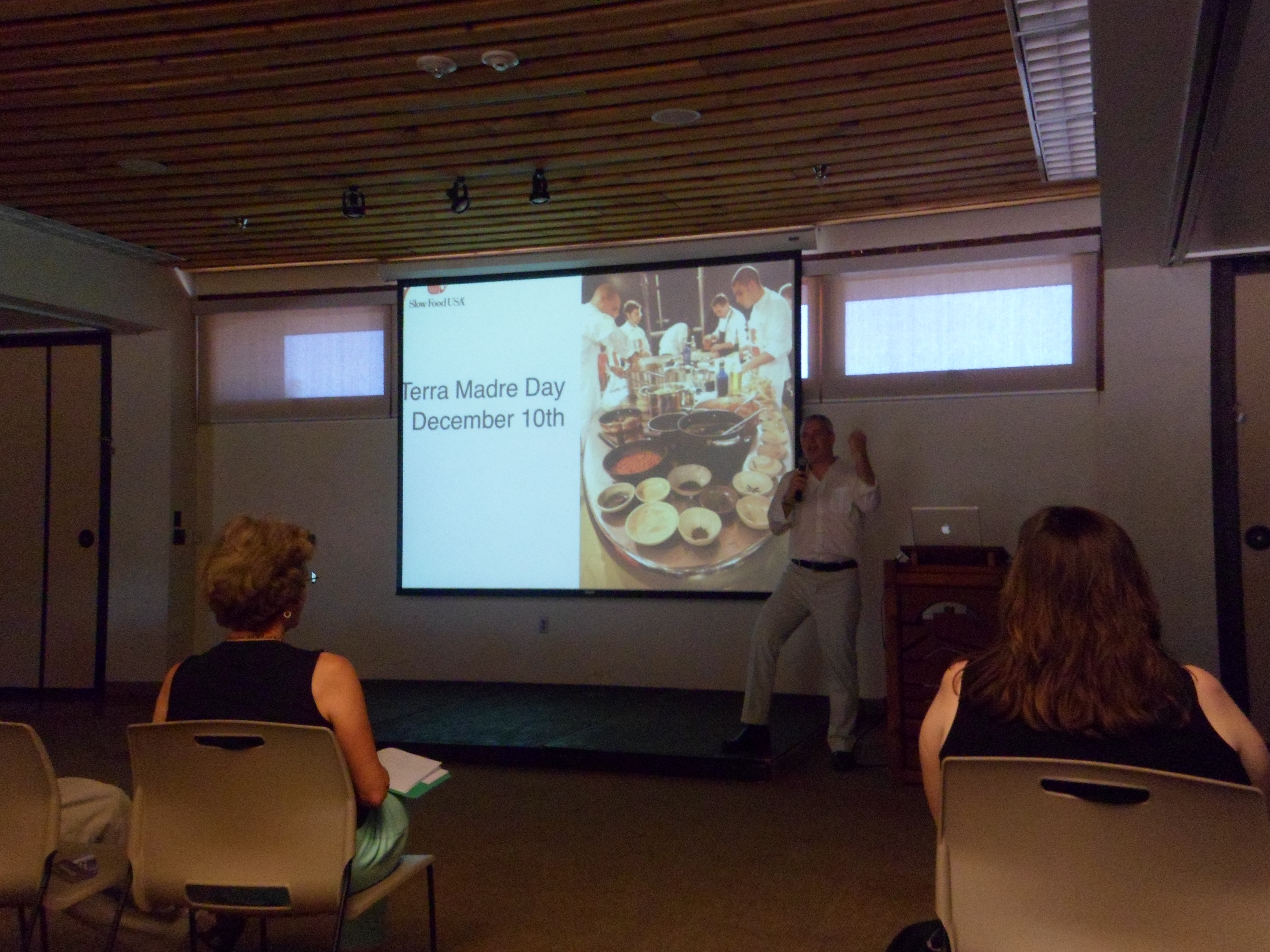
Some of my finest adventures happen “close to home”.  This past watershed weekend was a prime example.  One of the organizations that has drawn me into itself is Slow Food Prescott.  This is part of a larger organization, founded in Italy in 1989, which seeks to revitalize the interplay between nutrition and socialization- a counterpoint to the phenomenon of eating in one’s car, or otherwise taking a meal “on the fly”.

This past weekend, several things happened.  Friday night, I attended a gathering at the American Legion Post, in Prescott, enjoying a well-prepared meal in a relaxed atmosphere, which we do several times each month at the Post.  This set the stage for the weekend of food that was to come.

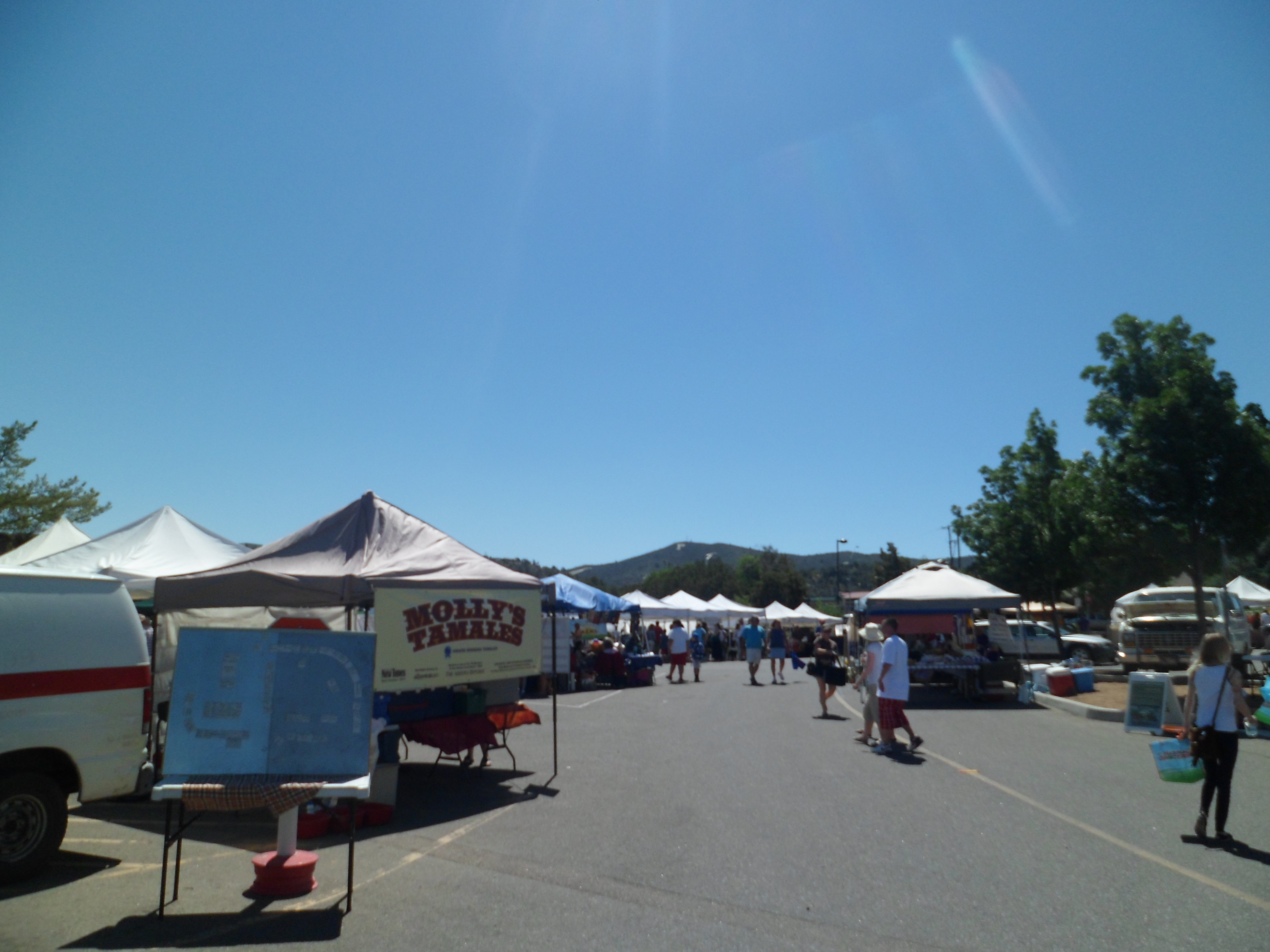
Bright and early Saturday morning, I headed to Prescott Farmers Market, purchasing enough food to get me through the coming week, before heading out on my two-weeker, either to Colorado or Oklahoma/Texas, or both.  Prescott’s Farmers Market is balanced between produce and freshly-prepared foods, such as baked goods and artisan tamales.

SAM_4951

After getting the food home and into the fridge, it was time to head to Bill’s Grill for the lunch which launched the 2013 meeting of Slow Food USA’s Southwest Region (Arizona and New Mexico).  Bill’s features organic beef, much of it from locally-raised cattle.

SAM_4952

The Slow-Food group was well-nourished, and ready for an afternoon of agricultural tourism, by 12;30.

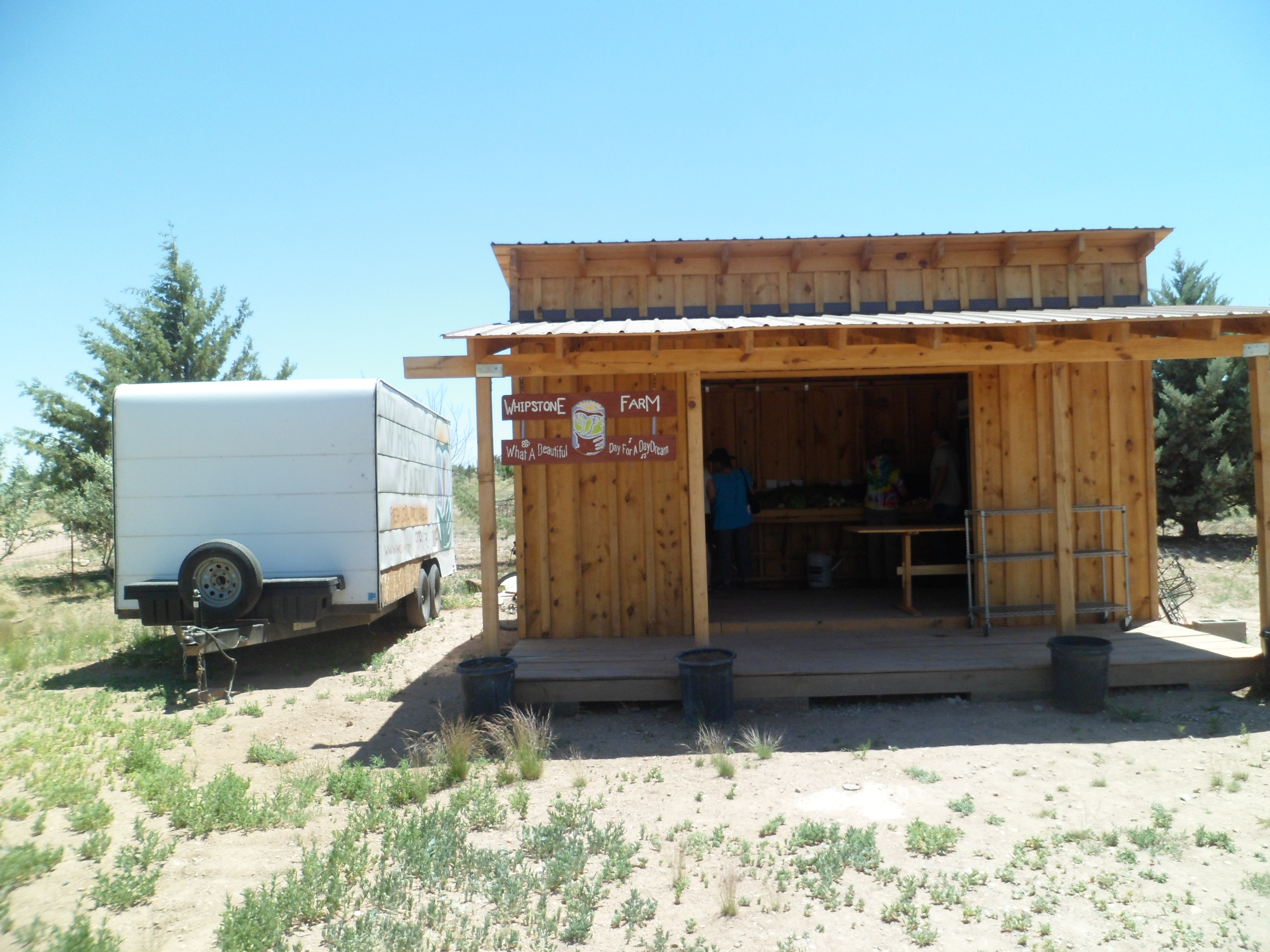
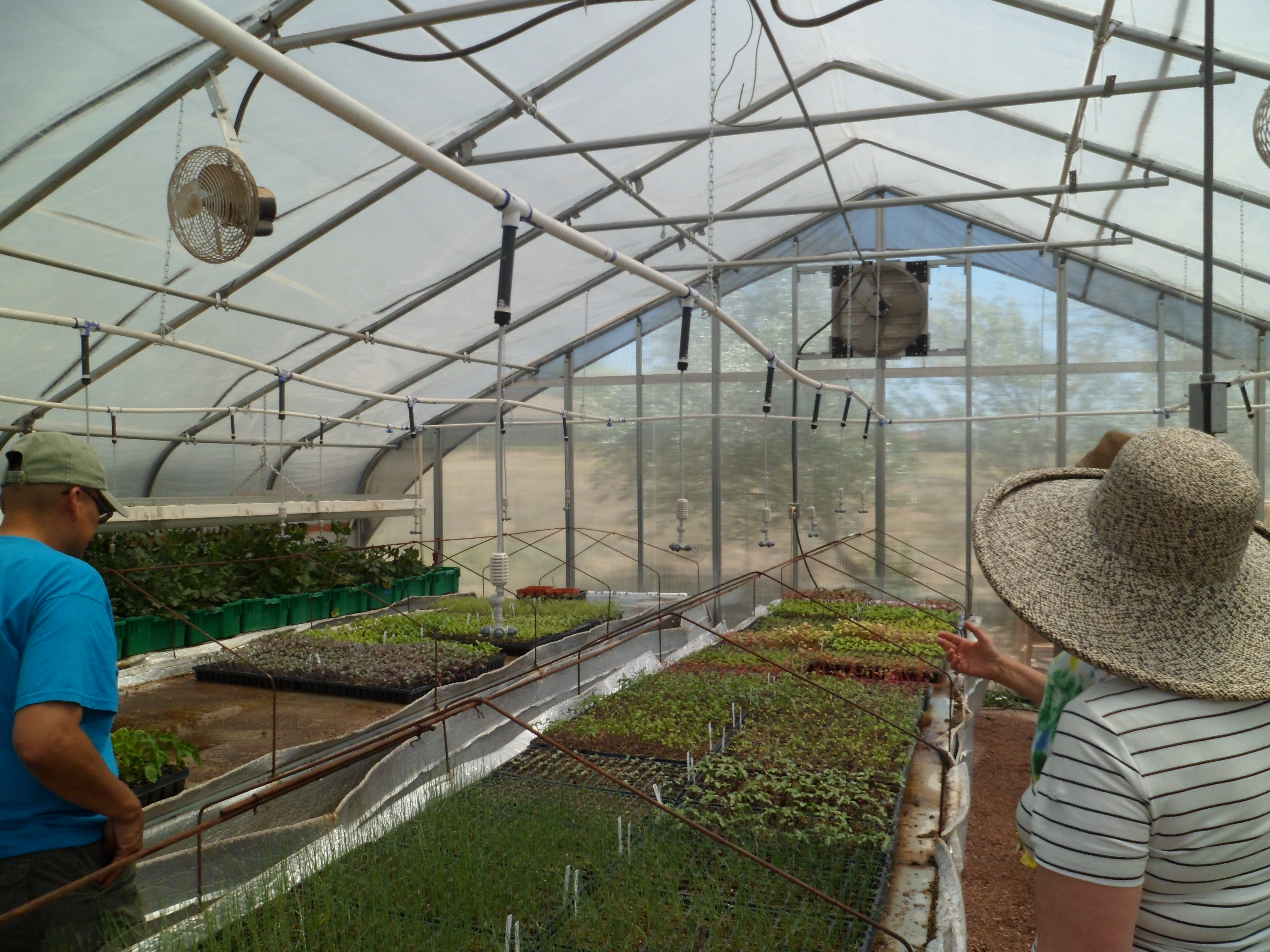
We first headed to Whipstone Farm, in the hamlet of Paulden, about 20 miles north of Prescott. This establishment raises a variety of vegetables, fruit and livestock,  from arugula and asparagus to raspberries and tomatoes,using organic methods.

SAM_4955
SAM_4960
SAM_4972


SAM_4965
SAM_4969


SAM_4973

There are many theories as to how we ought approach the task of feeding our numbers.  Genetic modification of crops is advanced, by industry, as the most efficient way to do this.    The organic methods, which I witnessed here at Whipstone, represent another, less-intrusive method.  Certainly, it’s more work to farm organically.  I have to say, though, that there seem to be fewer health issues arising from organic farming, than from other methods.  It’s noteworthy that the group with whom I spent much of the weekend look, almost to a one, about ten-twenty years younger than their chronological age-mates in the generality of society.

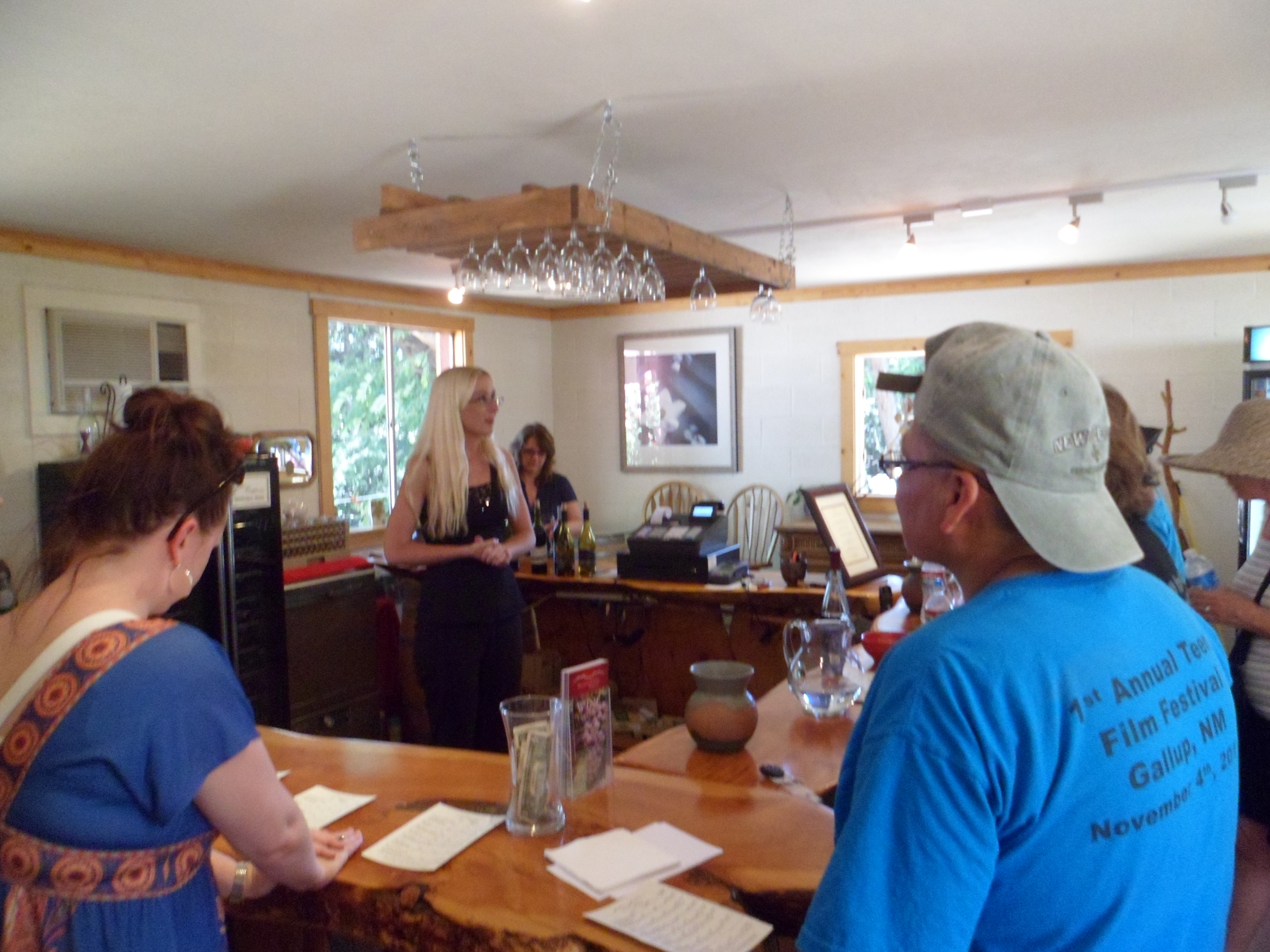
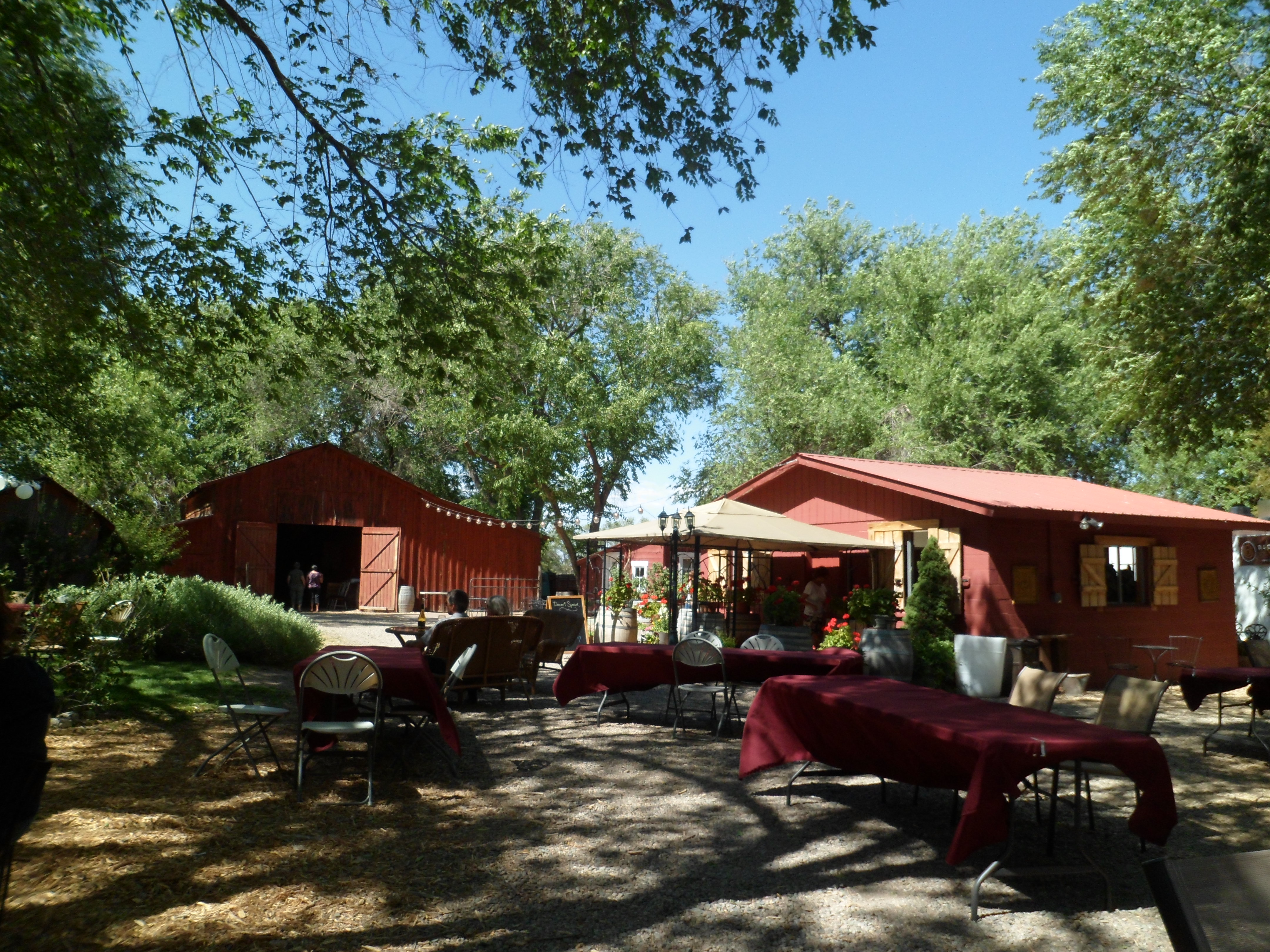
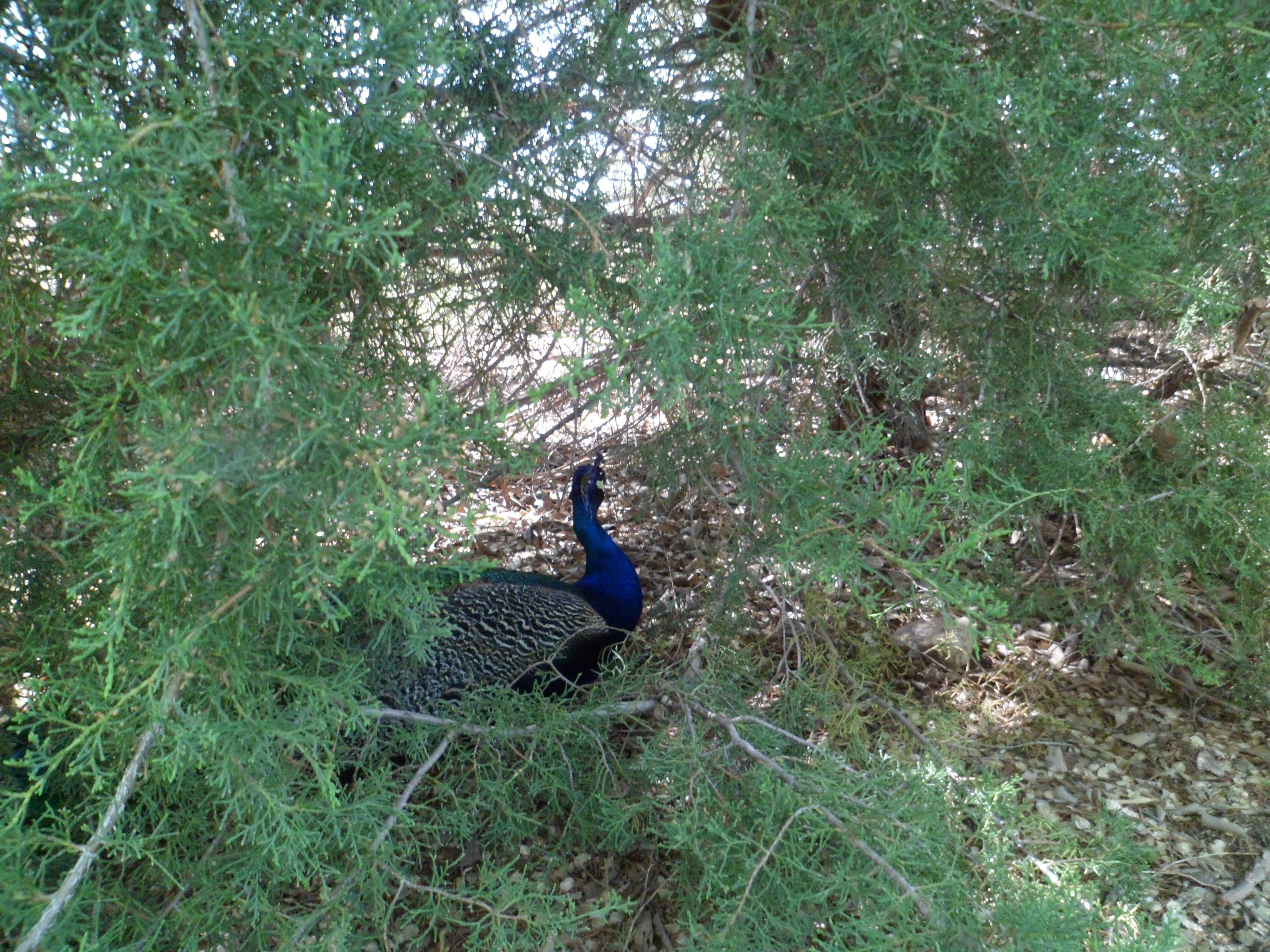
I don’t partake of alcoholic beverages, but I tagged along to Granite Creek Vineyards, on the north side of Chino Valley.  Here, several of the group members enjoyed six varieties of fruit of the vine, attended by a well- versed sommelier.   Afterwards, we retired to the lawn, enjoying live music and the company of a peacock.

SAM_4977
SAM_4981


SAM_4984
SAM_4986


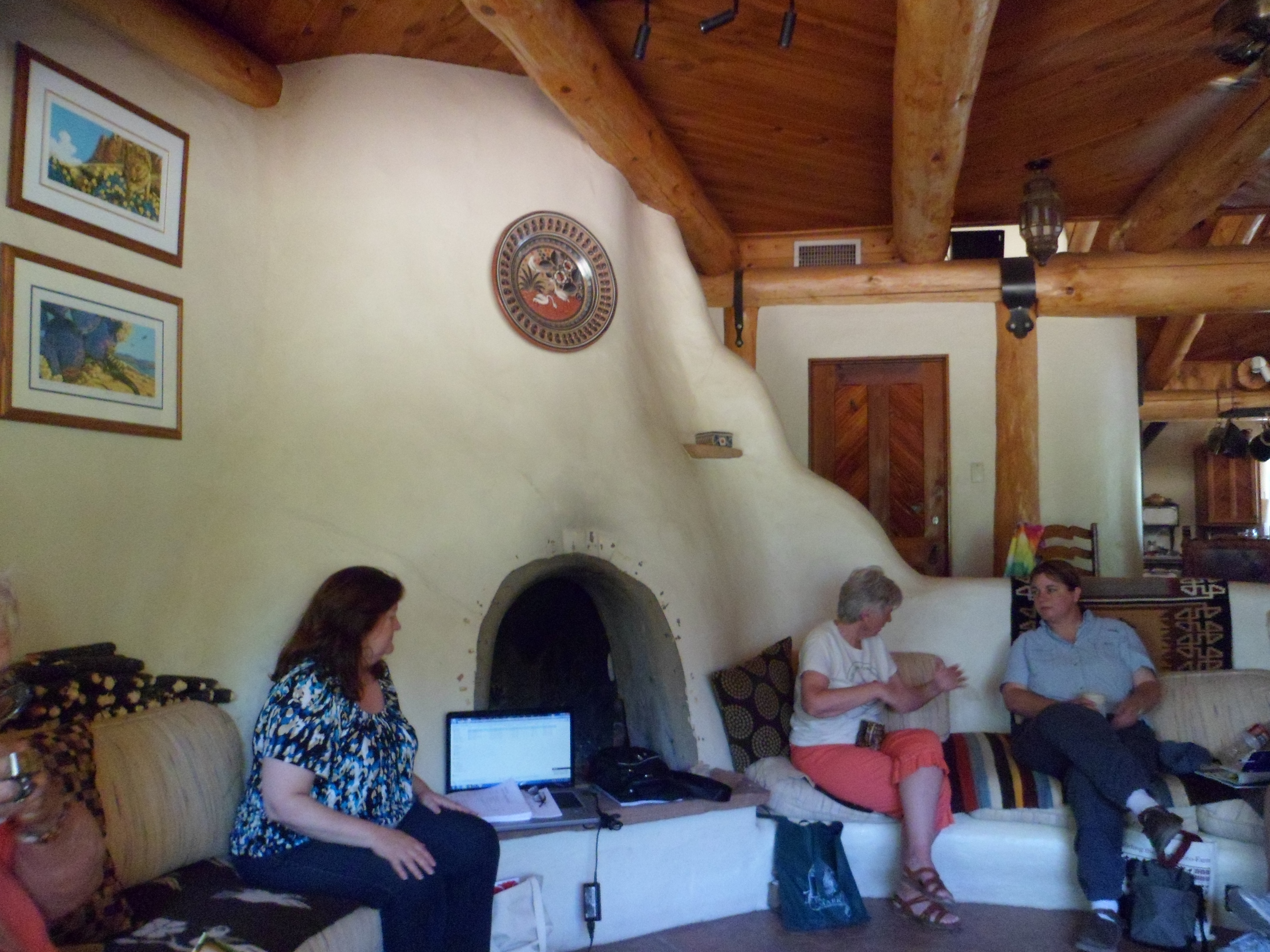
Now, it was time for the main event.  We bundled into various cars, around 3:30, and headed to the hosts’ residence, just east of the vineyard.

This is another of the homes which have been carefully, lovingly refurbished and made resplendent by astonishingly handy owners, across the country.                  SAM_4989  SAM_4990

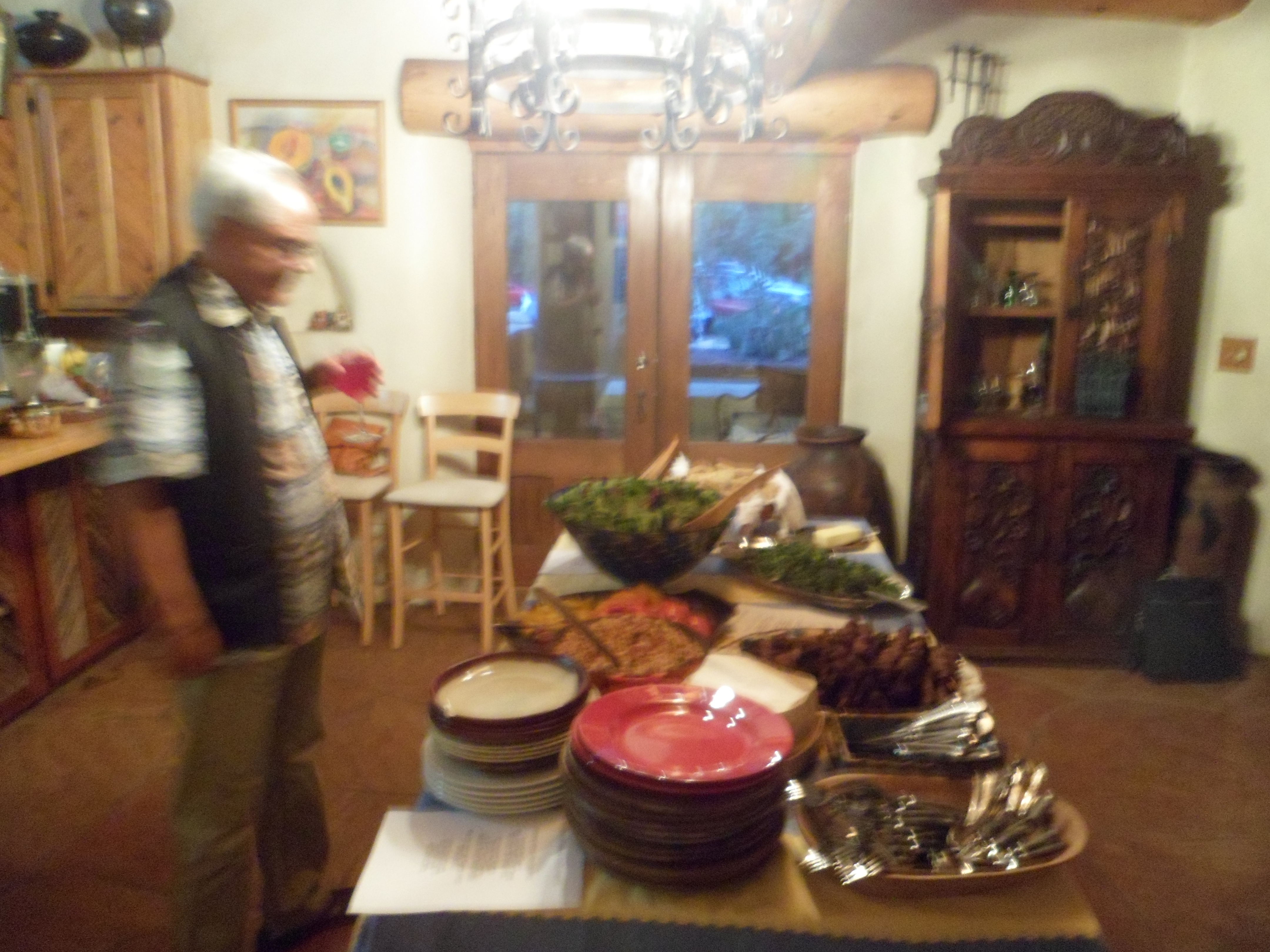
So here, we enjoyed an Ark of Taste dinner. Arc of Taste alludes to Noah’s efforts at animal husbandry, and directly speaks to the effort to preserve and foster many local ingredients, which would otherwise risk being squeezed out, for the sake of monoculture.  Thus, we have the term Presidia, Italian for “fortress”.  A Presidia item, such as the Churro sheep being raised in the Four Corners region, on the Navajo Nation,   is one of the major focal points of Slow Food International.  Variety in our diet improves digestion, diet and overall health.  Many might differ, but may I say their sentiments are along the lines of “Been down so long, it looks like up to me.”

We thoroughly enjoyed a well-balanced and varied bill of fare, both on Saturday night and at the buffet-style breakfast, the next morning.  All was prepared from scratch.

SAM_4995

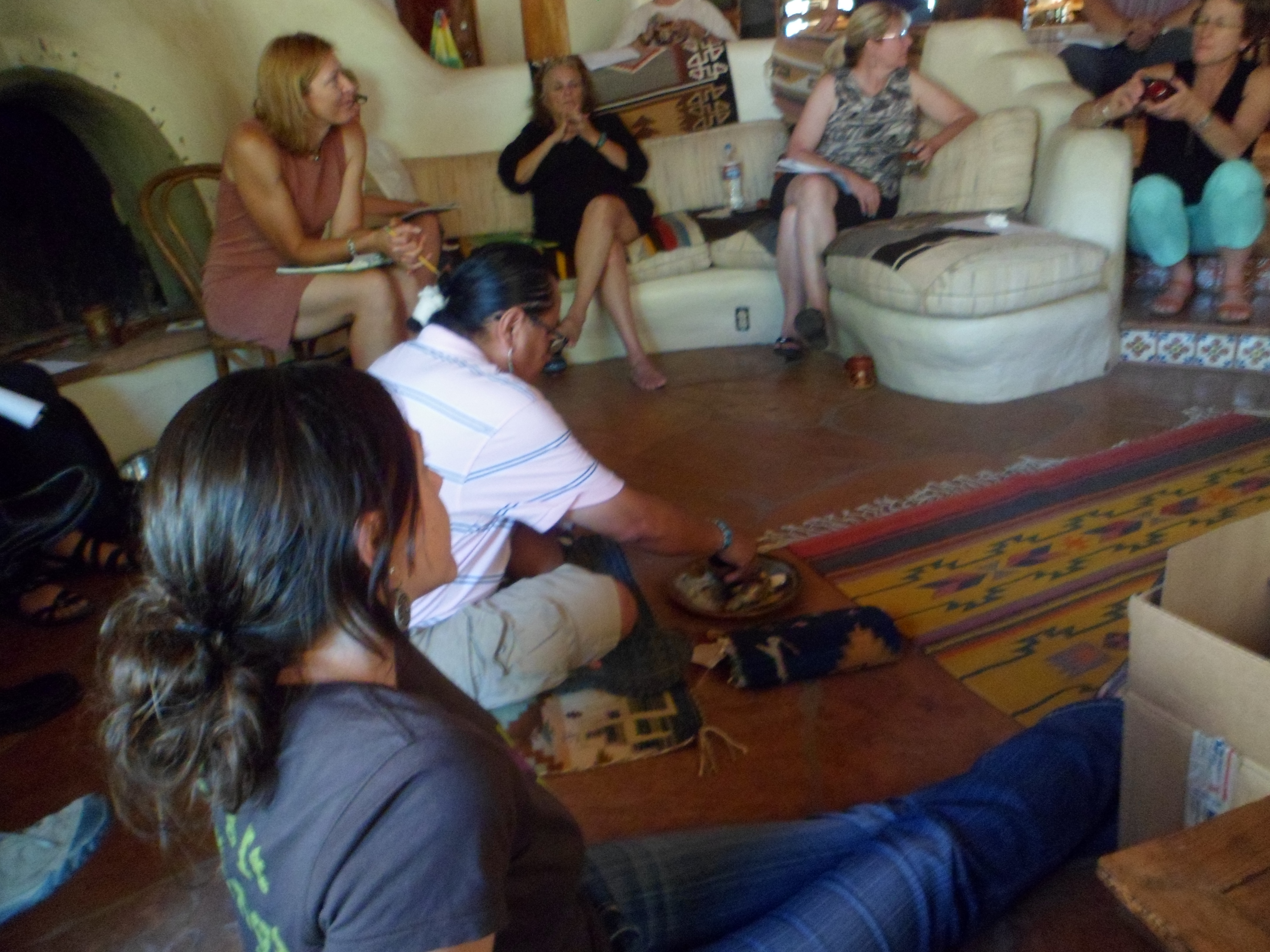
On Sunday morning, after breakfast, we were honoured by a traditional Navajo blessing. I have missed this, for some time.

SAM_5002

Richard McCarthy, the new director of Slow Food USA, is an accomplished gastronome, from New Orleans.  His efforts are creating sure order out of chaos and he has built a highly-functioning team at the New York headquarters.  Richard was honoured by our Dine (Navajo) friend.

SAM_5003

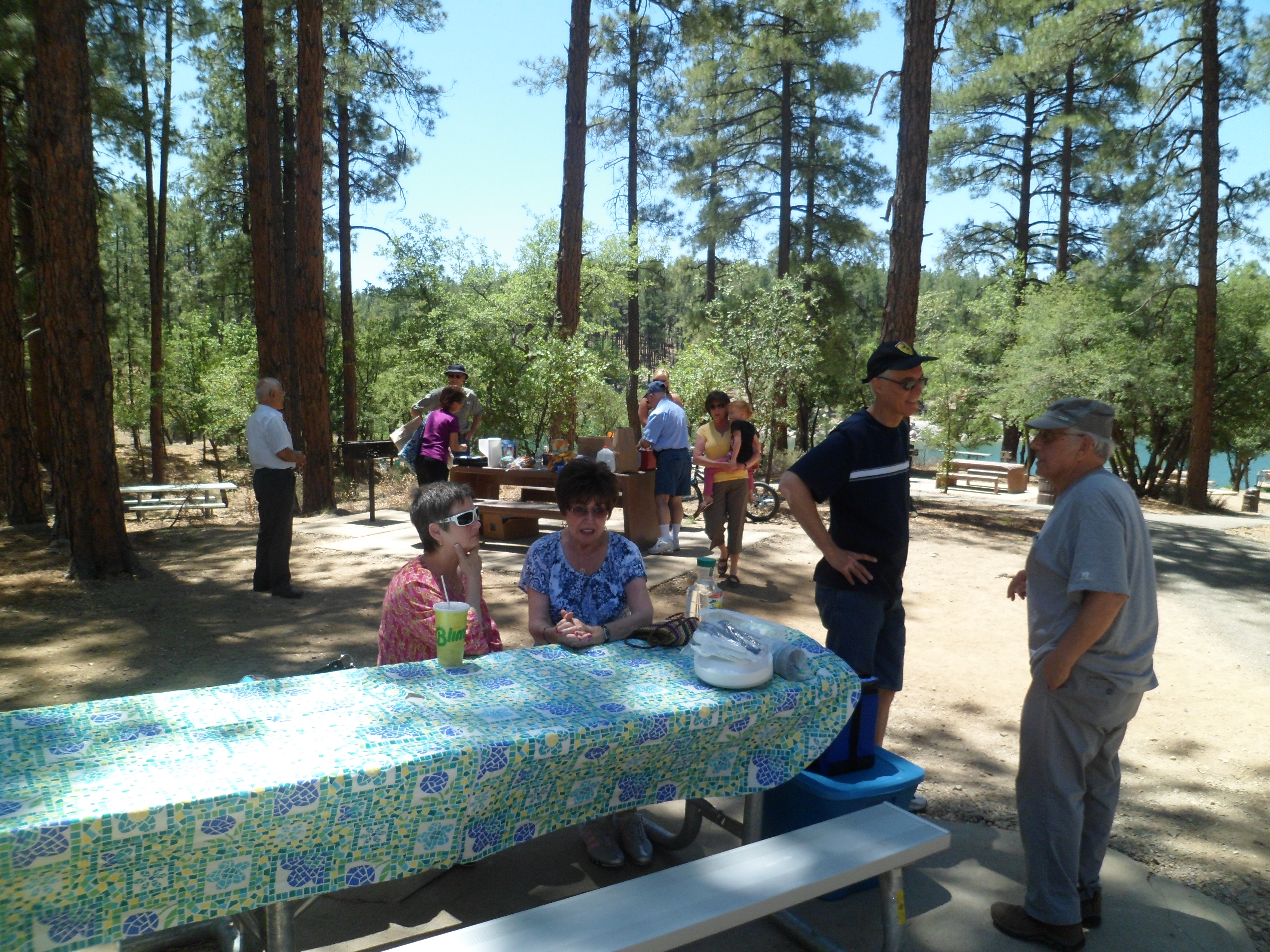
Sunday, June 9, was Race Unity Day, so this blessing was particularly auspicious.  The Baha’i Faith has the Oneness of Mankind as its basic tenet.  Several of us gathered in mid-day, at Goldwater Lake.  I briefly took leave of my fellows at the Slow Food gathering, for this equally worthy event.  Spirit and body must surely work as one.

SAM_5004

It was here that I learned a steadfast friend of 32 years had passed on, two days earlier.  This was a saddening, yet also comforting backdrop to the events of the weekend.  We now have one more angel pulling for us in the Divine Light.  Meanwhile, here in the Earthly frame, I can take comfort in have made several more friends:  Richard and his assistant, Aimee; the spirited Slow Food team of Santa Fe; and engaging, creative members of the Phoenix, Tucson and Flagstaff  Slow Food groups.

SAM_5006

I look forward to so much that is good in life and to working through the challenges that lie ahead of us all.

Pine Mountain’s Mini- “Rain Forest”

4

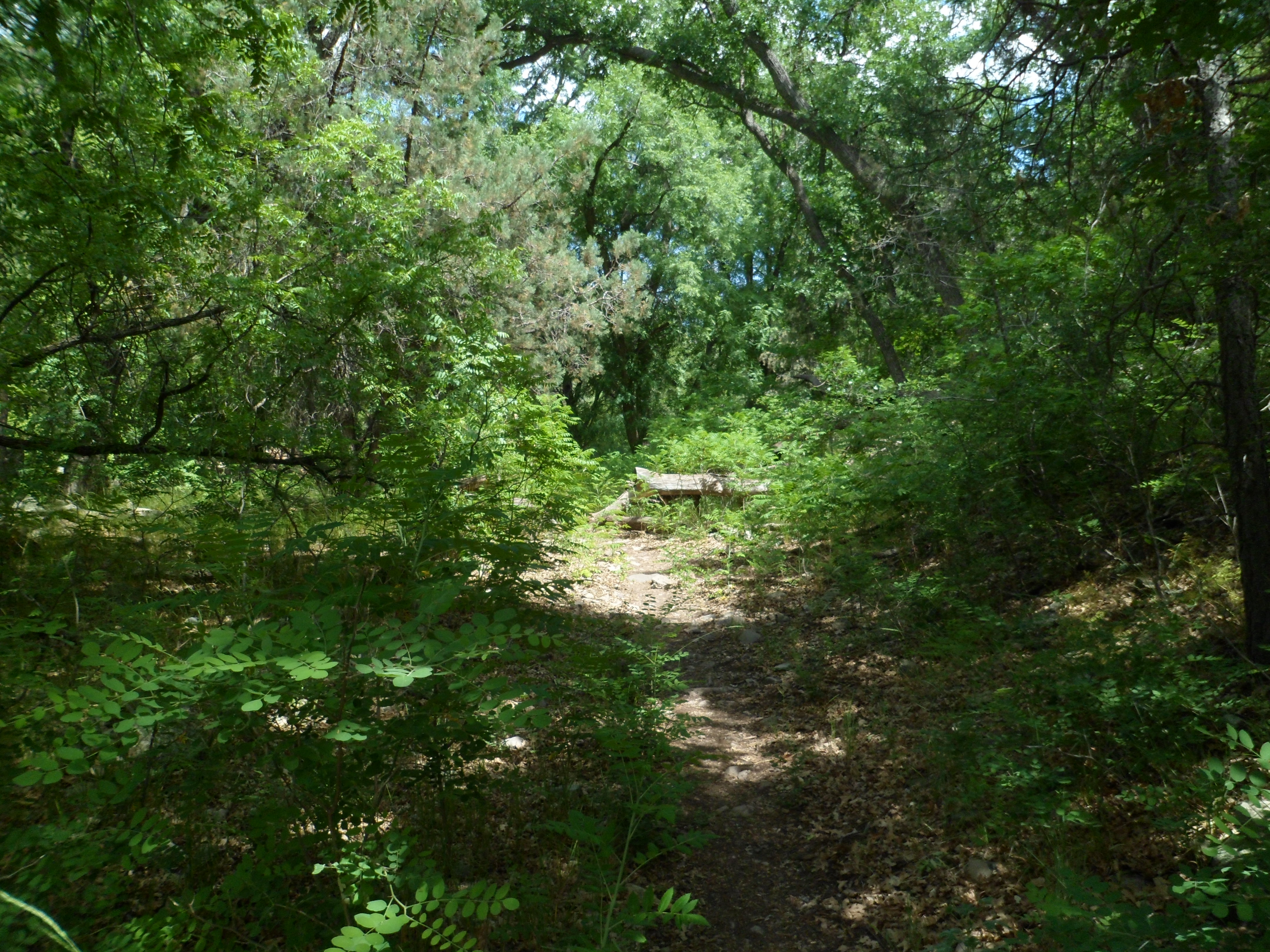
It doesn’t rain any more intensely on Pine Mountain than it does anywhere else in Arizona.  I did find, though, that the trail to Nelson Place Spring and onward along Beehouse Canyon Trail is intensely green.

It attracts the same intense wildlife as the Mazatzal Range, some forty miles to the southeast- including mountain lions, bobcats and bears.

SAM_4916

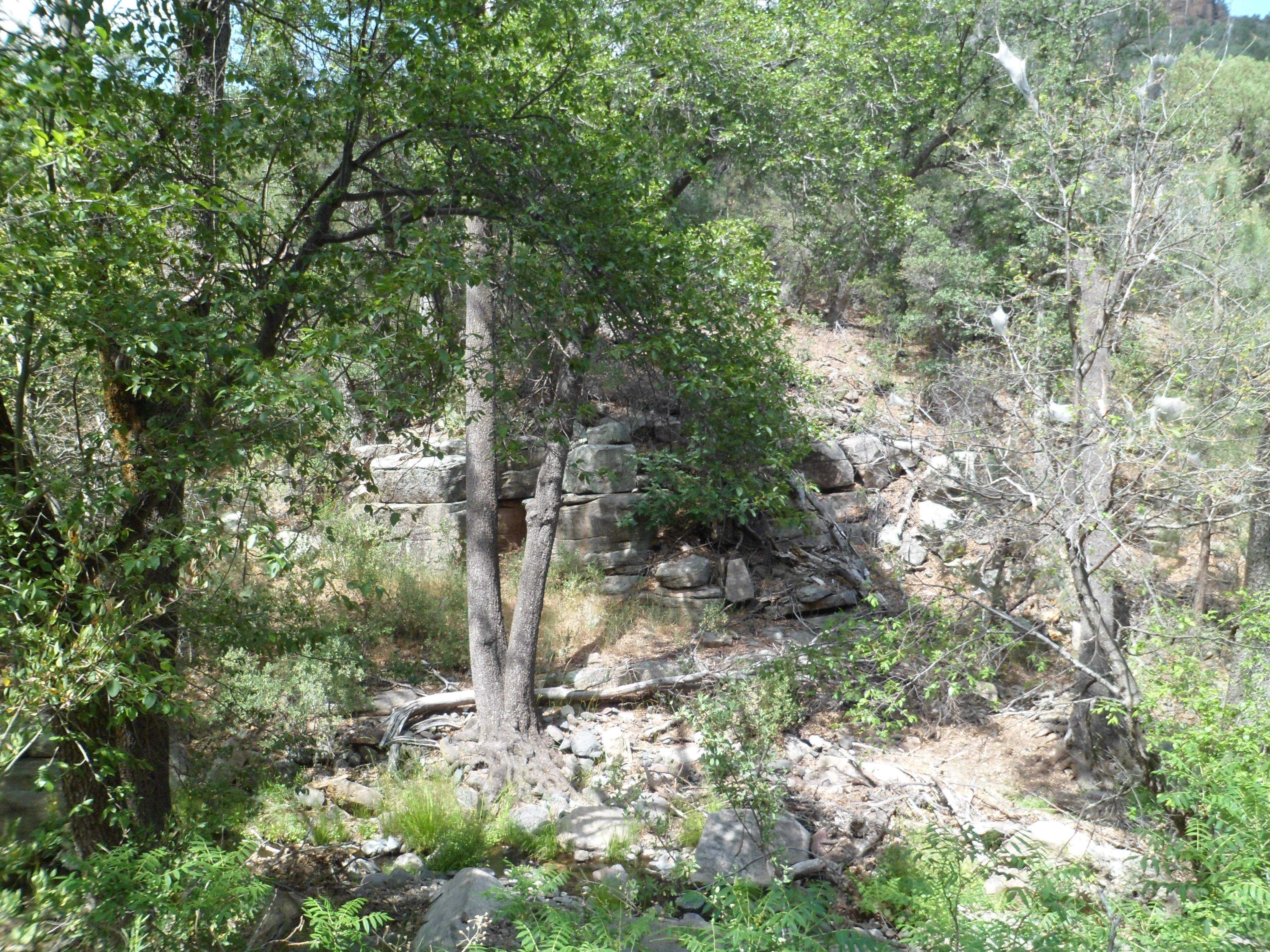
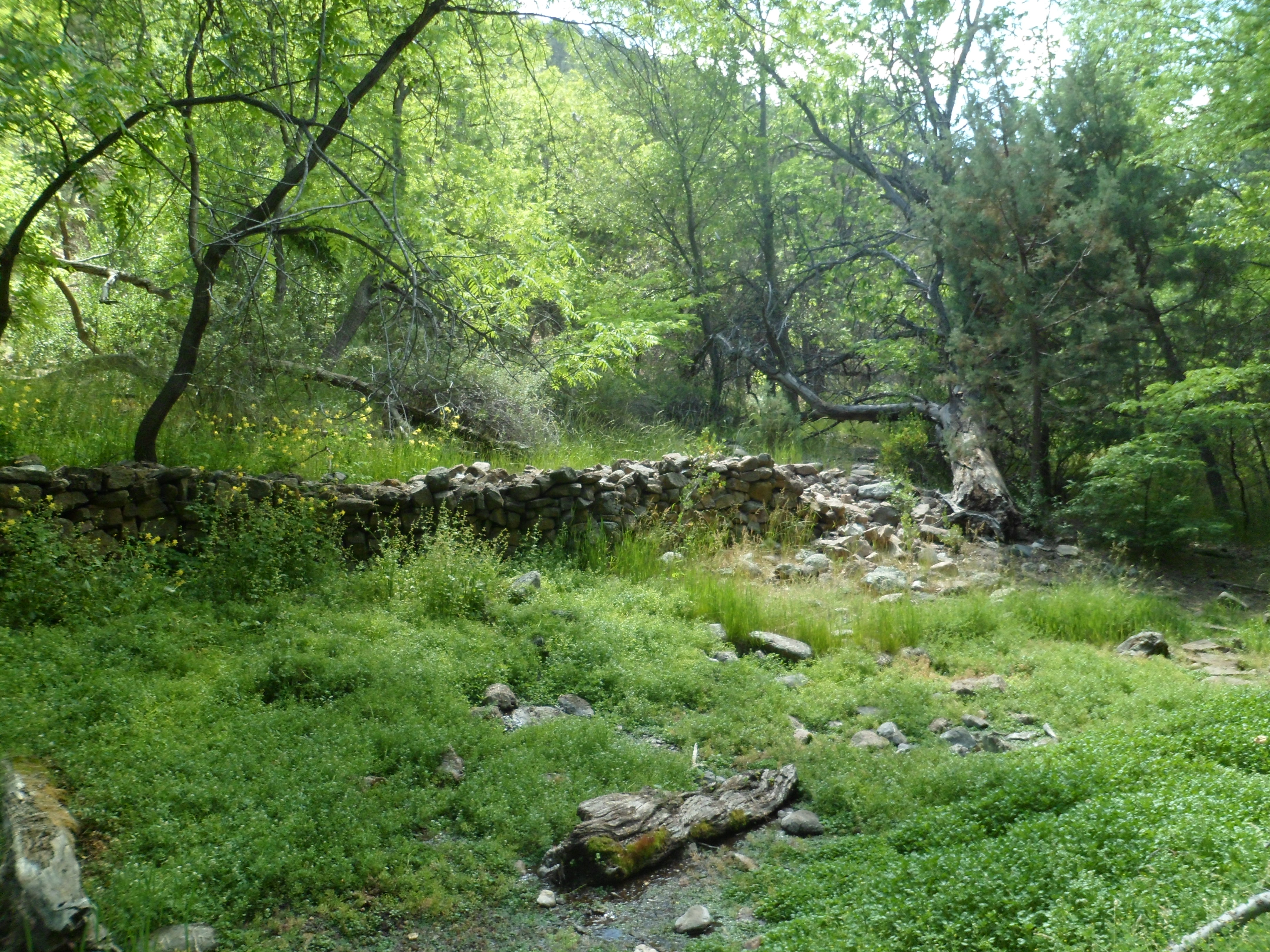
So, here are a few scenes near Nelson Place Spring, where there are but remnants of some stone walls to show the vibrant life that people had here, 100 years ago.

SAM_4919
SAM_4921


SAM_4922
SAM_4924


Not far along Beehouse Canyon Trail, I got a fine view of Beehouse Mesa.

SAM_4927


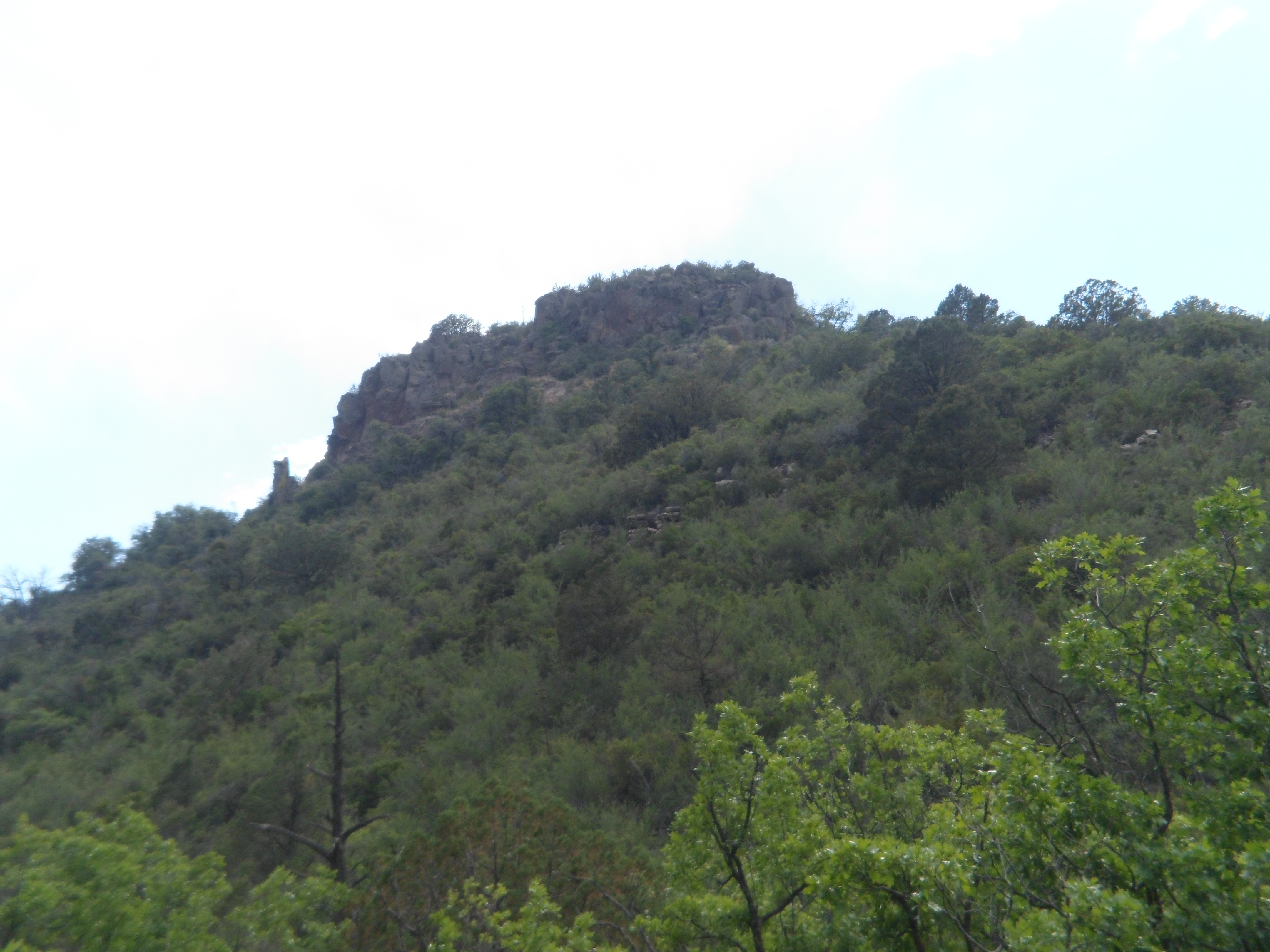
Going in and out of the forest, I got fine views of Pine Mountain itself, which will be the focus of another hike, sometime in the next year or two.


SAM_4928
SAM_4931
SAM_4935
SAM_4938

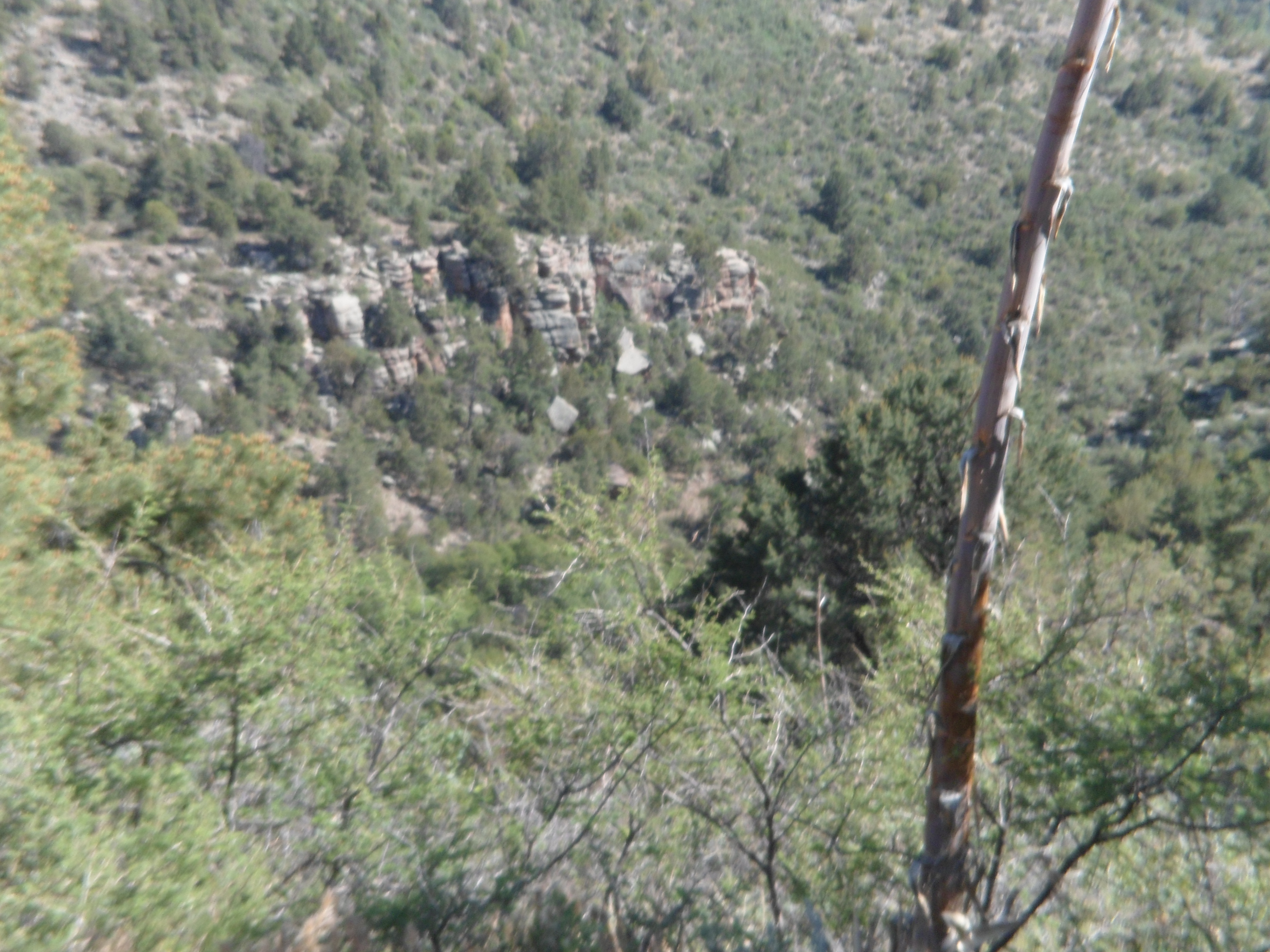
On the way out of the Wilderness, I enjoyed views of Sycamore Creek Gorge, not to be confused with Sycamore Canyon, which follows the same body of water, but lies several miles north of here.

SAM_4942


SAM_4947
SAM_4944


SAM_4942


So went my mini-adventure, on what would have been our 31st wedding anniversary, June 6, 2013.


The Road to Pine Mountain

6

Yesterday would have been our thirty-first wedding anniversary.  June 6 will always be one of those days when something out of the ordinary calls to me, to be done.

I chose to have lunch with the arcology students at Arcosanti, the avant-garde community-in-progress that was started by the late Paolo Soleri, in the early 1970’s.  I was not disappointed; the buffet fare was well-balanced and freshly made. Besides, having to wait thirty minutes, in the small outdoor garden, gave me a chance to contemplate creatures like a red-tailed hawk, hummingbirds and a chuckawalla.

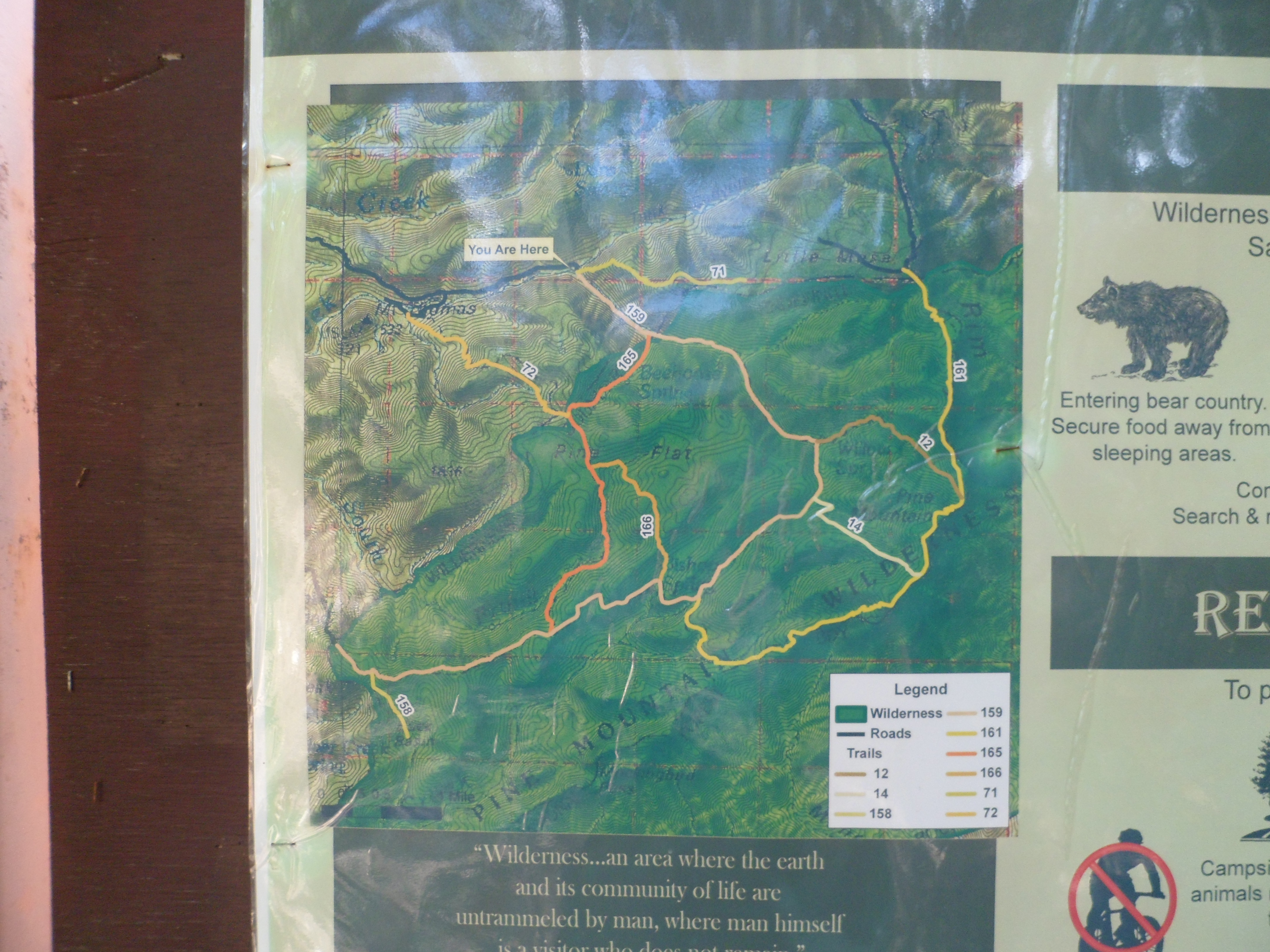
After this fine meal, I headed northeast, to Pine Mountain Wilderness, a rarely visited area, between Cordes Junction and Payson.  At its highest point, PMW affords magnificent views of the Verde River, with steep canyon walls in between.  As it was late in the day for any blowout hike, I chose to spend an hour or so in Beehouse Canyon, a connector trail on the north side of PMW.

Of course, as with any remote wilderness, the route to the trailhead is itself a worthy experience.  I met few humans along the narrow dirt road, but did slow down or stop for a robust juvenile coyote, a long bull snake and a spirited mule deer.

Here are a few scenes of the features presented by Forest Road 68.  First, I encountered Estier Peak.

This short mountain is east of I-17, off Dugas Road.

Just east of Estier is five-mile long Horner Gulch.

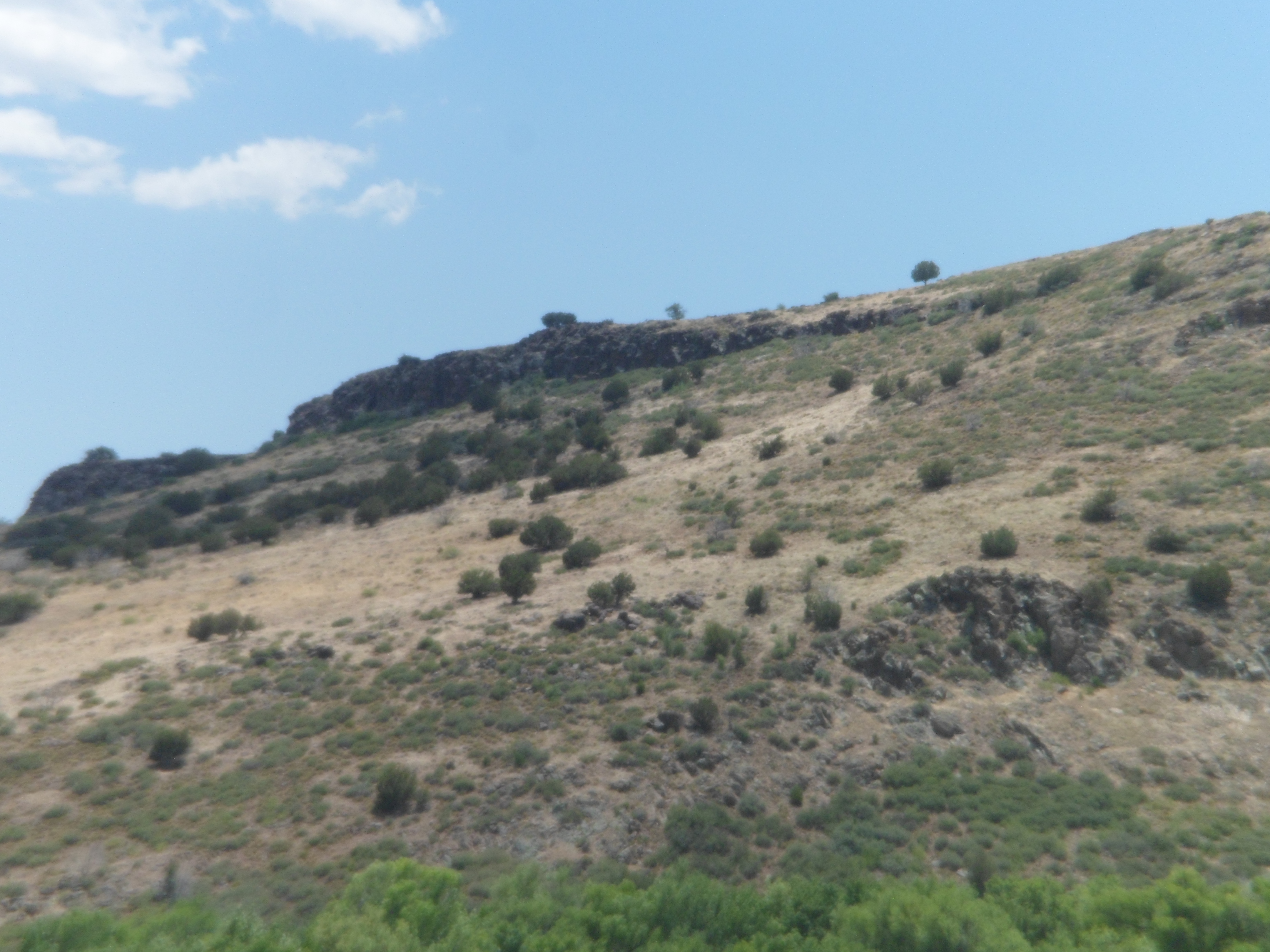
This long sub-canyon stretches for five miles along Forest Road 68, below Yellow Jacket Mesa, visible at the top.

Here is a longer view of Yellow Jacket Mesa.

This ridge runs northeastward, from Horner Gulch.

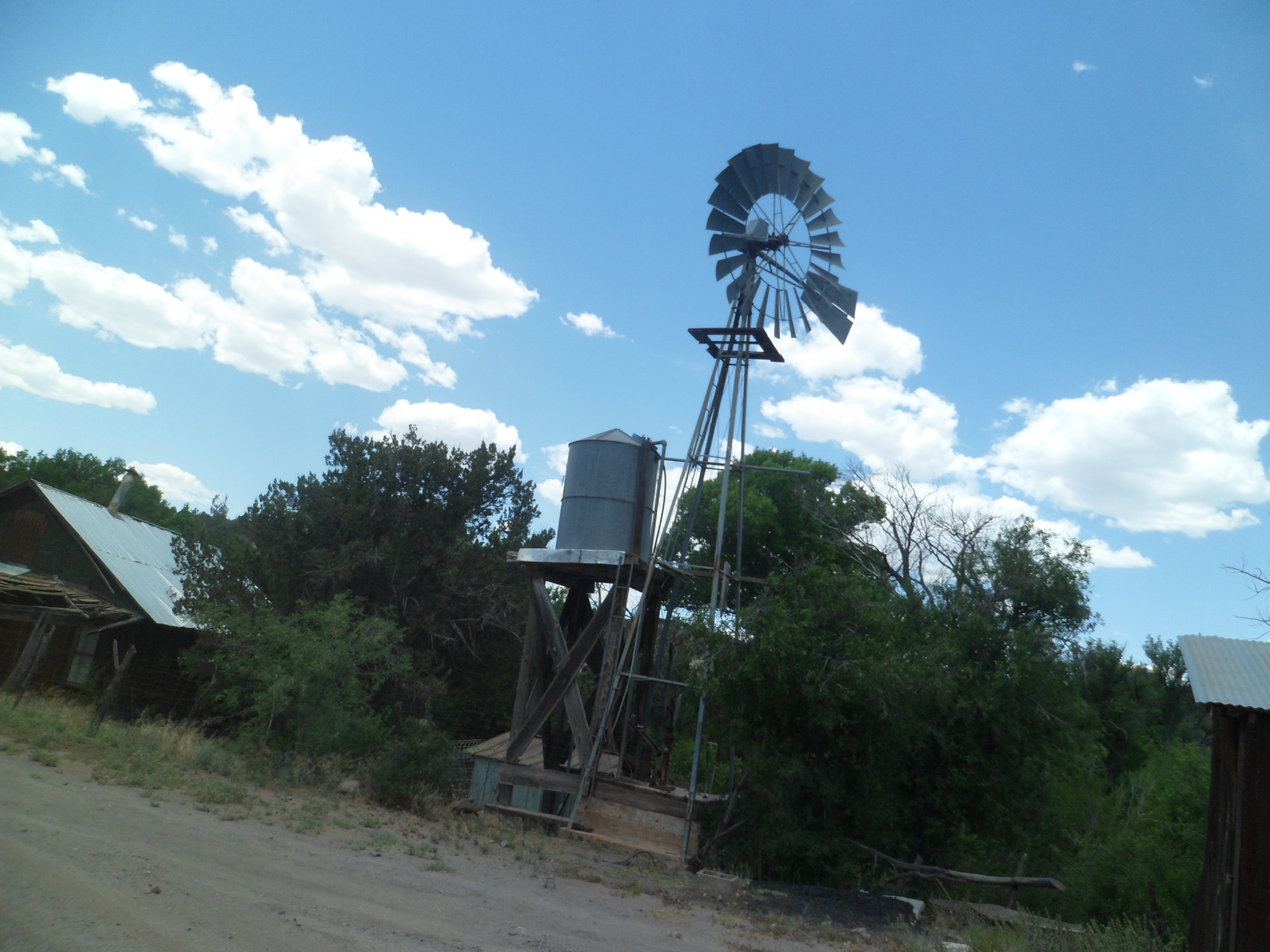
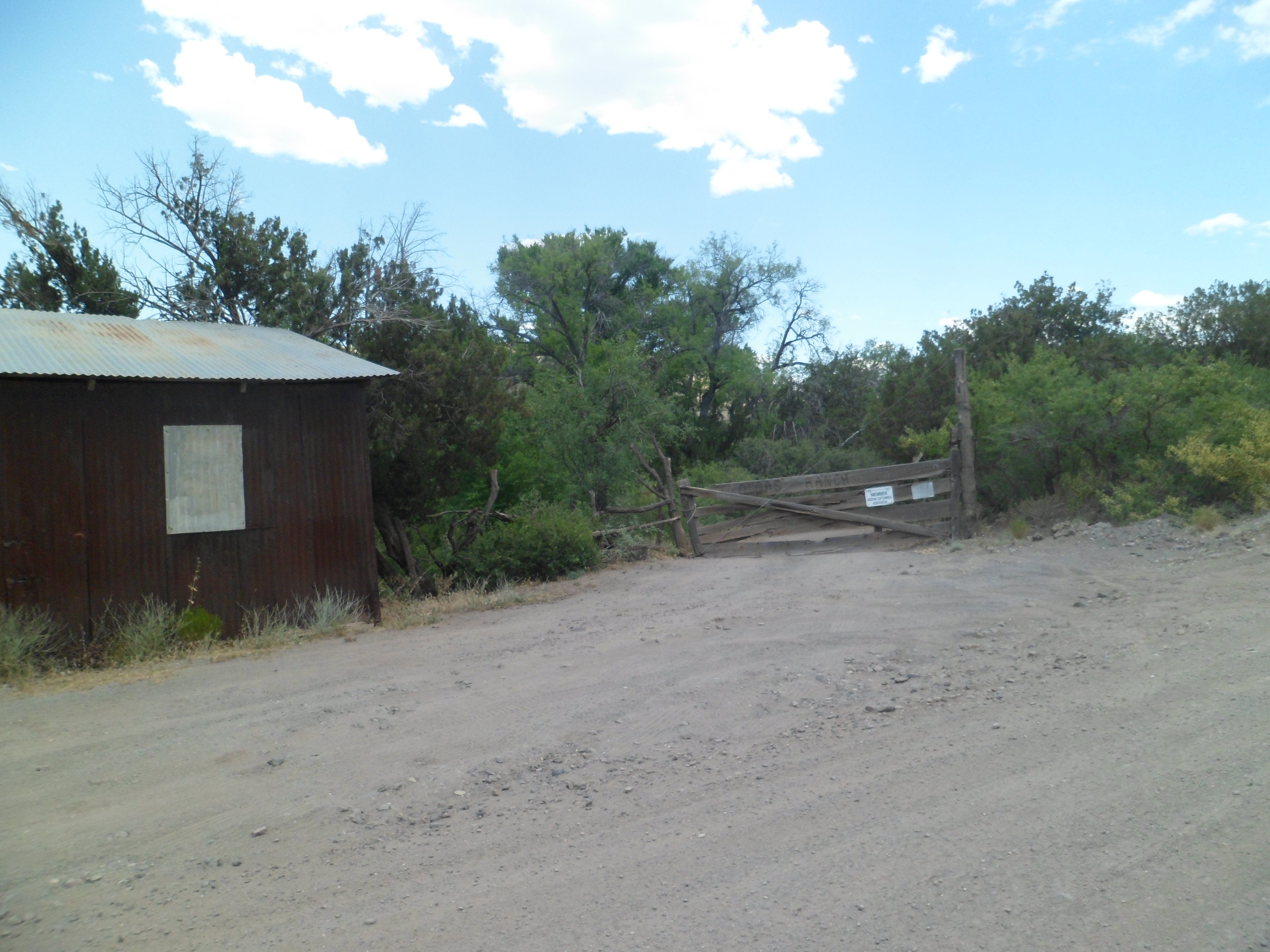
The area has several ranches, which are still fully operational.  It also has the old mining town of Dugas, now a place of refuge for those needing to be “out-of-towners”.

This is the remnant of yet another old mining town.  Now, those who want to be left alone hang out here.  They were nice enough to let me take two photos.
This is the remnant of yet another old mining town. Now, those who want to be left alone hang out here. They were nice enough to let me take two photos.
This property is mostly abandoned.  The owner supposedly just shows up once in a blue moon.
This property is mostly abandoned. The owner supposedly just shows up once in a blue moon.
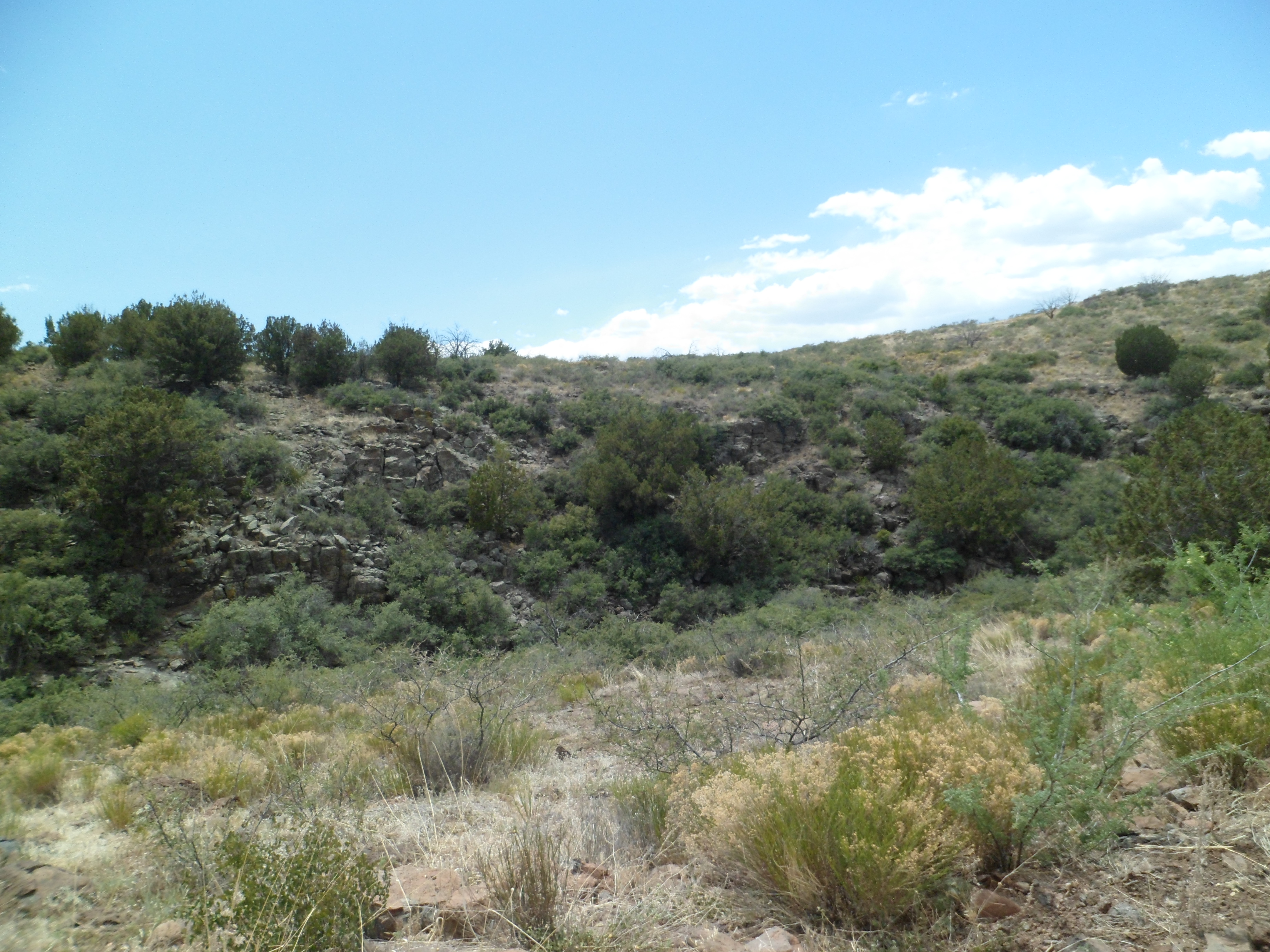
This is the north ridge of Tule Canyon, which runs east of Dugas.

This is Mount Thomas. From here on, the landscape becomes more lush, with Sycamore Creek and the Verde River exerting greater influence.

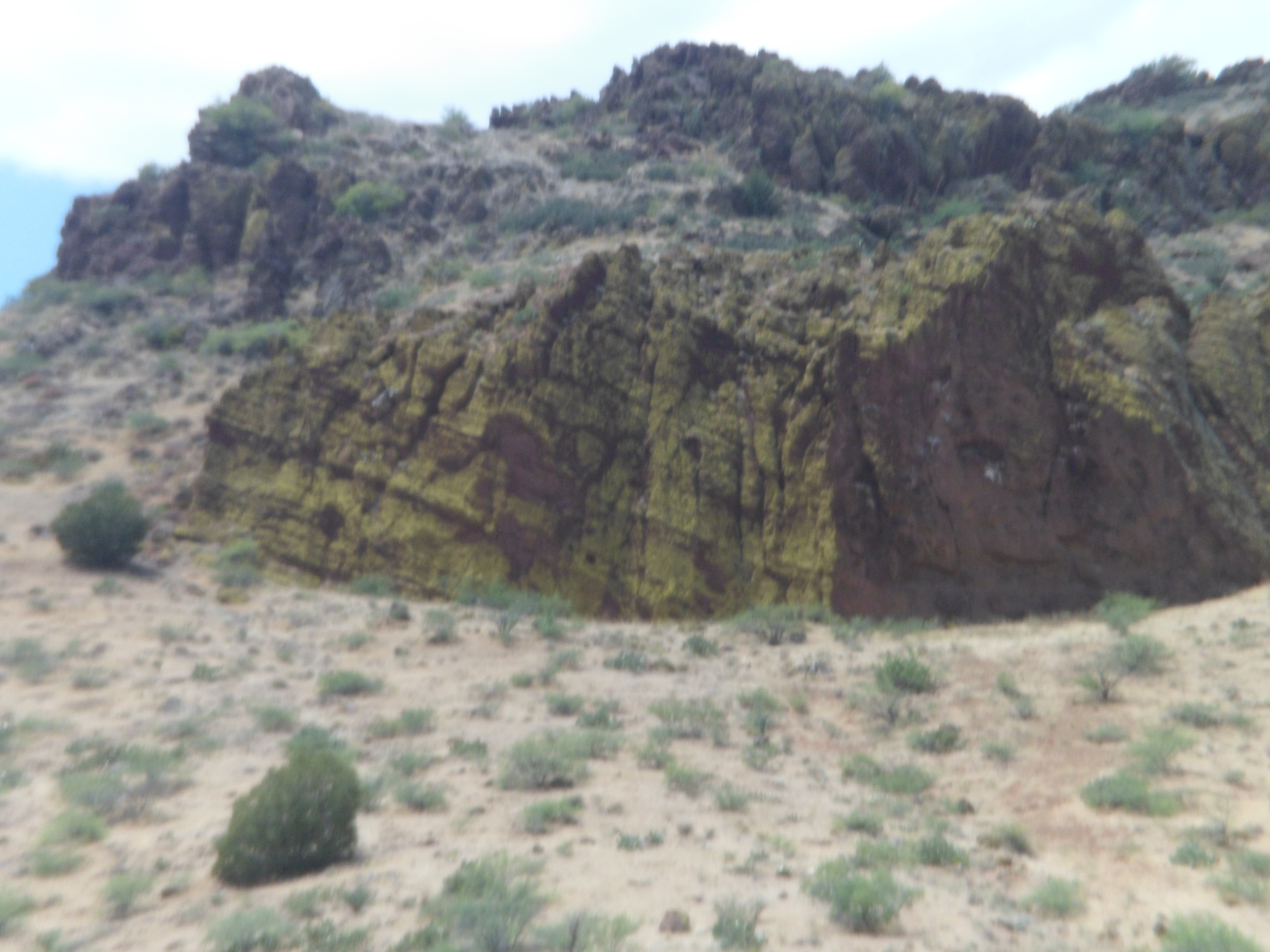
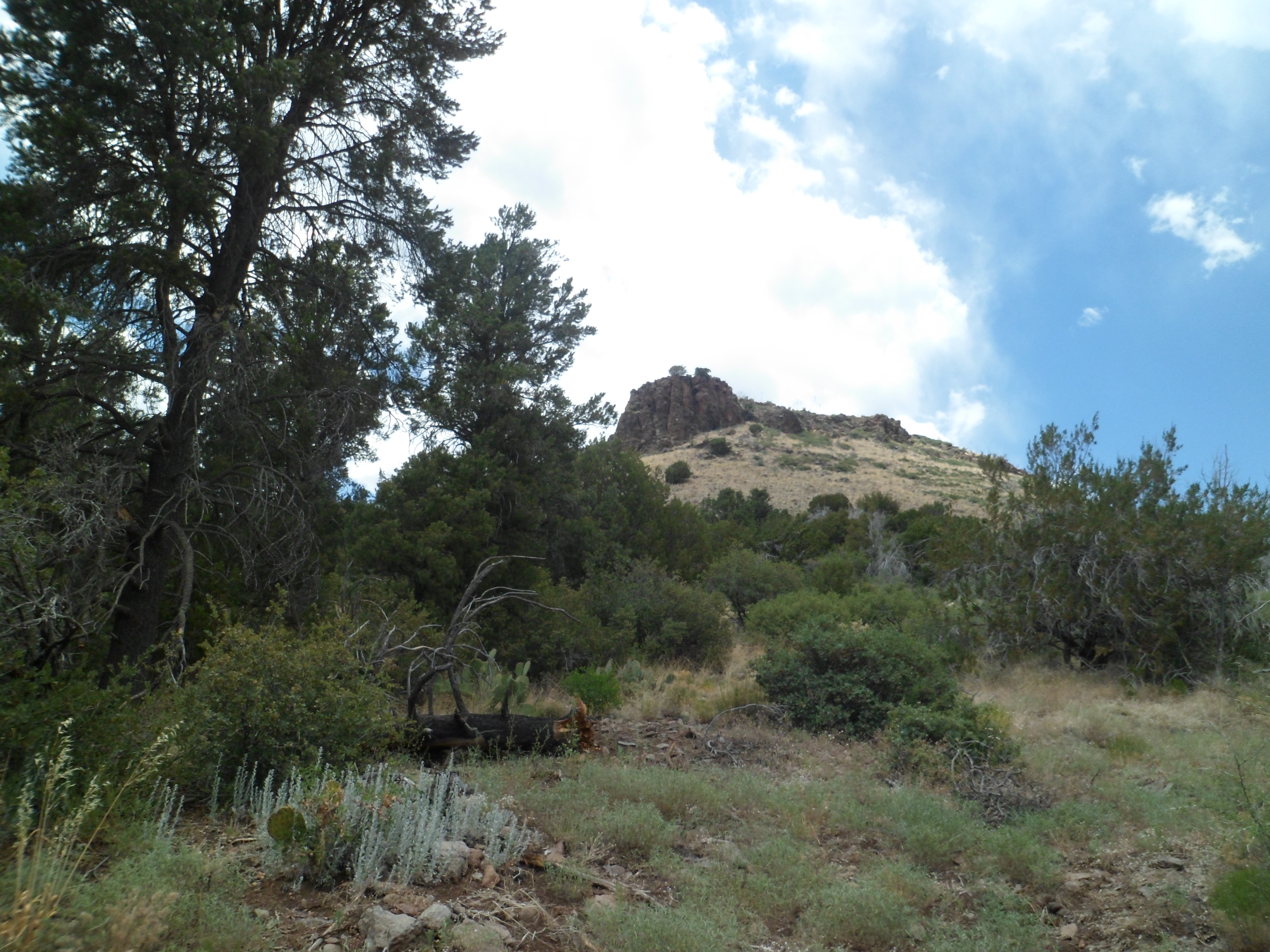
This igneous rock outcropping rises just southeast of Dugas, and about three miles southwest of Pine Mountain Wilderness

In the next post, I will showcase the canyon rising from Sycamore Creek, the northern first mile of Pine Mountain Trail,  and the lushness of Beehouse Canyon.

Prescott Folk Arts Fair and Street Concert, 2013

4

This past weekend began a three-weekends-in-a-row series of downtown festivals in our fair city.  The emphasis on June 1-2 was on Folk Arts of the Mountain Southwest, with various scenes like these at Sharlot Hall Historical Museum.  A few thousand visitors came for chance to learn crafts from the 19th Century, like shearing, quiltmaking and woodcarving.


A goat is being shorn,and not altogether willingly.


A few blocks east, in Courthouse Square, a Block Party music fest was taking place.  The Centennial Tree, planted on February 14, 2012, is tall enough to co-host the festivities.

When I was there, the Pistoleros were doing some 80’s hits.

They were followed by Zero Zero, serving up tunes of the ’90’s.

Events like these get me out of my shell, during a rare time of emotional stress, and are prime examples of what makes Prescott a special place in which to live.

Old Bill’s Favourite Mountain

2

Bill Williams was a mountain man, in the mid- 19th Century, trading with the Havasupai, Hualapai, Yavapai, Navajo and Hopi, in the north central region of Arizona.  He is remembered by having the City of Williams, Bill Williams River, and this mountain named for him.

Bill Williams Mountain is the furthest west of a series of uplifts that rise majestically out of the semi-arid Colorado Plateau.  The higher mountains in this loosely-constructed “range” are known collectively as the San Francisco Peaks, or Kachina Peaks.  All are sacred to the five nations that call the area home.  They are also used by the ski industry, at Mt. Agassiz, near Flagstaff and on one of the slopes of Bill Williams Mountain.  The two interest groups are not 100% in agreement, as to how the Peaks should be treated.  So far, though, the mountains remain in majesty.  The indigenous people, particularly the Hopi, regard the Peaks as the realm of their sacred spirits, known to the Hopi as Kachinas.

I took time yesterday to hike to the top of Bill Williams Mountain, something that I’ve had in mind for thirty years or so.  Here are some views of this western sentinel of the Peaks.

There is a map of the area, at the trail head

.

Then, we are off,up a mild set of switchbacks.


The trail is used by many creatures.  This one looks familiar.  Absalom?

The trail is three miles, one way, variously flat and inclined.


It offers nice views of Bixler Peak, the western sub-peak of Bill Williams.

There are also hints of the summit, still well ahead.

Along the way, a progress report is offered

There are limestone boulders, on which to rest, plus plenty of aspen, ponderosa pine and fir trees (White and Douglas) for shade.


I offer here a small homage to @Buddy 71, and his friends.

Now, back to “work”.


There are numerous views, in all directions, en route to the top.


By this time, I came upon a father and two sons, who had made the trip to Mile Post 2.5,  about twenty minutes before me.  We went the rest of the way as a unit.

As you can see, the US Forest Service maintains elaborate communications and fire watch equipment, atop Bill Williams Mountain.

I moseyed on over to the west overlook, and smiled for the birdie, as a souvenir of this hike.

Now, it’s back to Prescott, and a weekend of Folk Arts Festival! happy


The Fauna of Arizona-Sonora Desert Museum

2

There are now two main sections of the Arizona- Sonora Desert Museum where animals are prominent.  As with any zoological park, the venomous reptiles and arachnids are kept in displays that are apart from other areas of the zoological segment.  Large predators are likewise kept in areas appropriate for their safety and well-being, and those of all other living creatures, including us.   The new addition to the museum is Warden Aquarium, which focuses on the Sonoran Desert’s rivers, particularly the Colorado, and on the Gulf of California/Sea of Cortez.

Let me start with my greeter, a small lizard.      

Immediately to the right of the lizard’s lair is Warden Aquarium.  You may recognize the animals who greeted me there, as relatives of those featured at the Birch Aquarium, in La Jolla.

Yes, sea horses from the Sea of Cortez!

Moving on, we find more curious animals sticking out of the sand.


These are garden eels, saying “Welcome!” to one and all.

Do you think all minnows are small?

Psych!  These are pike minnows.  They are among the largest members of the minnow family, and are carnivorous, sometimes eating kangaroo rats and small birds, which may get too close to the water’s edge.

I visited this cave, but no bats were around.  Actually, the bat area is off limits, as they transmit fungal and other diseases to humans.

Of the larger predators, the Mexican gray wolves were out and about.  The mountain lions are arthritic and have been sent to Mountain Lion Assisted Living.  A new mountain lion is being sought.  The sea otter is also being replaced.  The coyotes and javelinas  were in hiding, as it was afternoon when I got to their area.

Prairie Dog Town was lively, as always.  Prairie dogs don’t take well to strangers, be they big animals or other prairie dogs from outside the family.


A Great Blue Heron was ruling the roost on this fine spring afternoon, near the lagoon.

Finally, the Desert Bighorn Sheep were ranging about their enclosure.  Arizona has some of these great creatures in an area called Palm Canyon, north of Yuma.

There were no sheeple here today.  Everyone was rather animated and engaged in the magnificent surroundings.


The Flora of Arizona-Sonora Desert Museum

2

In 1952, desert afficionados William Carr and Arthur Pack began this center for the extensive study of the Sonoran Desert and its surrounding geological areas.  It was named for both Arizona and the neighbouring Mexican state of Sonora, to lend credence to the view of the desert as a biological zone which transcends national and state boundaries.  This was one of the first international biological preservation efforts.

I was delighted to be able to visit this beautiful site, 12 miles west of Tucson, on the afternoon of May 5.  Here are several scenes of its botanical and zoological treasures.  In this post, the plant life takes center stage.                


Cacti and succulents, including spurge, are brought here from around the world, just as they are at Phoenix’s Desert Botanical Garden.  The spurge species below are from Ecuador and from Madagascar.


Flora in the Sonoran Desert can be lush,

or sparse.

A single plant may resemble a colony.

A colony may look like a single plant.

A garden may be in its first stages,

just as a nearby plot is in full bloom.

Some gardens fulfill an ecological role.


Others are more spiritual in purpose.


The Labyrinth Garden, above, is arranged to allow the visitor to experience it, while walking in meditation.  The three plots shown immediately above it are intended to attract hummingbirds, butterflies and bees.

As plants set the stage for animal life, so the next post will give a few glimpses of Arizona-Sonora’s fauna.


The Mission Church at San Xavier del Wa:K

0

It is visible from Interstate Highway 19, which links Tucson with the Mexican border:  The gleaming white dome shimmers off to the west.  Upon arrival at Mission San Xavier del Wa:K, one encounters a vibrant little community of Tohono O’Odham people, offering basketry and ceramics- and love for their Creator.  They, and the Akimel (Pima) followed the teachings of a Messenger they called I’itoi (“Elder Brother”), so it was easy for them to embrace Christ, when the Spanish brought His teachings.

The mission is among the most active in the Southwest, with several services on Sunday and Wednesday.

As I approached the church, the outside  balconies were striking.  They were built to replicate Christ’s Mount at Capernaum, when He delivered the Beatitudes.

The mission bells struck twice while I was there.

While waiting for Mass to finish, so my photo shoot inside the  church could commence, I wandered over to the west chapel, and noted this fresco of the Madonna.

While entering the church, I noticed the foyer’s ceiling is similar to that of other Franciscan missions in the area-ocotillo lashings, supported by mesquite beams.

At 10:10, the scrum of photographers were able to enter the sanctuary.  I captured these fine features:


With St. Kateri as witness, the choir is in full voice, each Sunday, from this loft:

A soloist frequently rings forth, from this dais on the side of the nave:

Although I am not a Roman Catholic, I find the efforts made by this faith community are laudable and uplifting. The mission is sure to be the subject of further visits.


The Mission San Xavier del Wa:K: Its Surroundings

2
  • Mission San Xavier del Wa:K, like Tumacacori and Tubac, to the south, is a mission established and still operated by the Franciscan Order of Roman Catholic monks.  Like them, it is a mission to the Tohono and Pima people.  Nearby Pascua Yaqui people also attend services here, as do Hispanics and Whites who live in the vicinity.  San Xavier operates a mission school, located on the grounds to the west of the church.

    Wa:K (pronounced “bvaak”) is a Tohono community.  Tohono speak a language similar to the Pima, and both are descended from the Hohokam, the ancient farmer-gatherers who lived in the Salt, Gila and Verde River Valleys, from what is now Tucson to what is now Prescott.

    In this segment, I will show some scenes of the surrounding buildings, gardens and Grotto Hill, which augment the beautiful mission church.

    Here are the Arts and Crafts Center, and a panel of the Pavilion built by students at San Xavier Mission School.


    The Mission School serves the community of Wa:K lovingly and well.

    The gardens in front of the church, and to its east, highlight the importance of xeriscaping (desert gardening) to the Tohono.


    Grotto Hill features a pair of crosses, in memory of parishioners who are laid to rest there, and an outdoor shrine of the Virgin Mary.  The hill is of igneous rock, and has a path which circumnavigates, but does not climb, the promontory.  It lies just east of the Mission’s East Chapel.

    The visitor to Grotto Hill is greeted by twin busts of lions, which have assumed a prominence in this mission, to symbolize the tenacity of the missionaries in their service to Christ.

    The Shrine of the Madonna is just beyond the gate, at the foot of Grotto Hill.

    From Grotto Hill, one has several fine views of the mountain ranges which surround Tucson.  Here is a view of the Santa Rita Range, to the west.


    The Mission also honours a Native American saint, Kateri Tekakwtha, who was canonized by Pope John Paull II.

    Like many Catholic parishes in the Southwest and elsewhere in the world, San Xavier incorporates indigenous traditions in its work with the people.  Here is a Tohono prayer circle.

    This was the first part of my visit here on May 5.  Next, we’ll visit the church itself.


  •