Aunt Grace’s Homeland

2

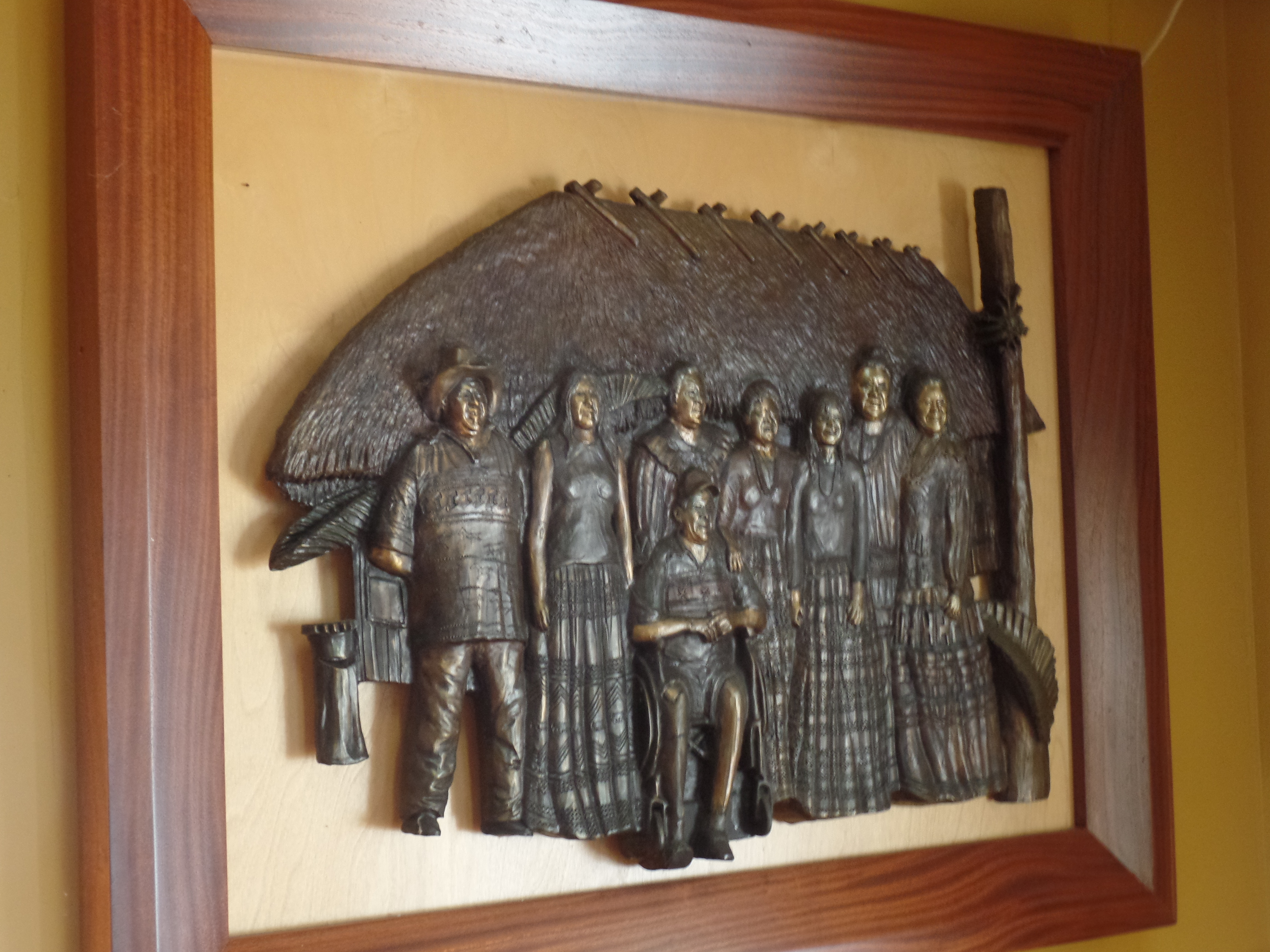
March 26, 2022, Naples, Florida- The sweet-spirited young woman was glad as heck, that someone entered her family’s small cafe, just as she was opening the door to business. I felt like royalty, being welcomed as if I was the first soul in years to stop by. It didn’t hurt that she had a gorgeous smile and a barely concealed measure of confidence. When I ordered coffee and a piece of fry bread, (a staple among the Miccosukee, as well as among First Nations people around the United States and Canada-a testimony to the creative use of worm-shot flour, back in the Nineteenth Century.), J placed the order for the bread and turned to her uncle and me, admitting that she only knew how to use a Keurig. Uncle D was nonplussed, and calmly showed his teenaged niece how to make coffee using a drip system. Her coffee was superb, as was her mother’s fry bread.

These are the extended family of my late Aunt Grace, who left Big Cypress after World War II, and never returned, even after leaving her husband. Gracie was content to raise her five children and work as a waitress at a discount department store’s lunch counter, until she died a few years back, at age 90. She was pleased when I went to work with other First Nations people, though. She was quiet. but firm in her assessment of things- much like young J.

The Miccosukee are a southern branch of the Seminole, who came to central and southern Florida in the 1700s, and are the branch of Seminole who managed to elude Andrew Jackson’s forces, when he was appointed military governor of Florida, in 1821. Today, they live along the Tamiami Trail and in sections of the Everglades and Big Cypress natural preserves. No sane United States official, today, would recommend moving these careful stewards from the Federal lands. South Florida is rightly viewed as a proving ground for our species’ commitment to conserving water and all other living natural resources.

I spent about an hour in Osceola Panther, as Uncle D’s small village and store are called. Here are some of the scenes from the store and along the Tamiami Canal outside.

Another hour was spent, up the road, at Big Cypress National Preserve, which offers extensive programs to educate the public on the intertwining topographic areas of savanna and wetlands, which comprise most of southern and central Florida.

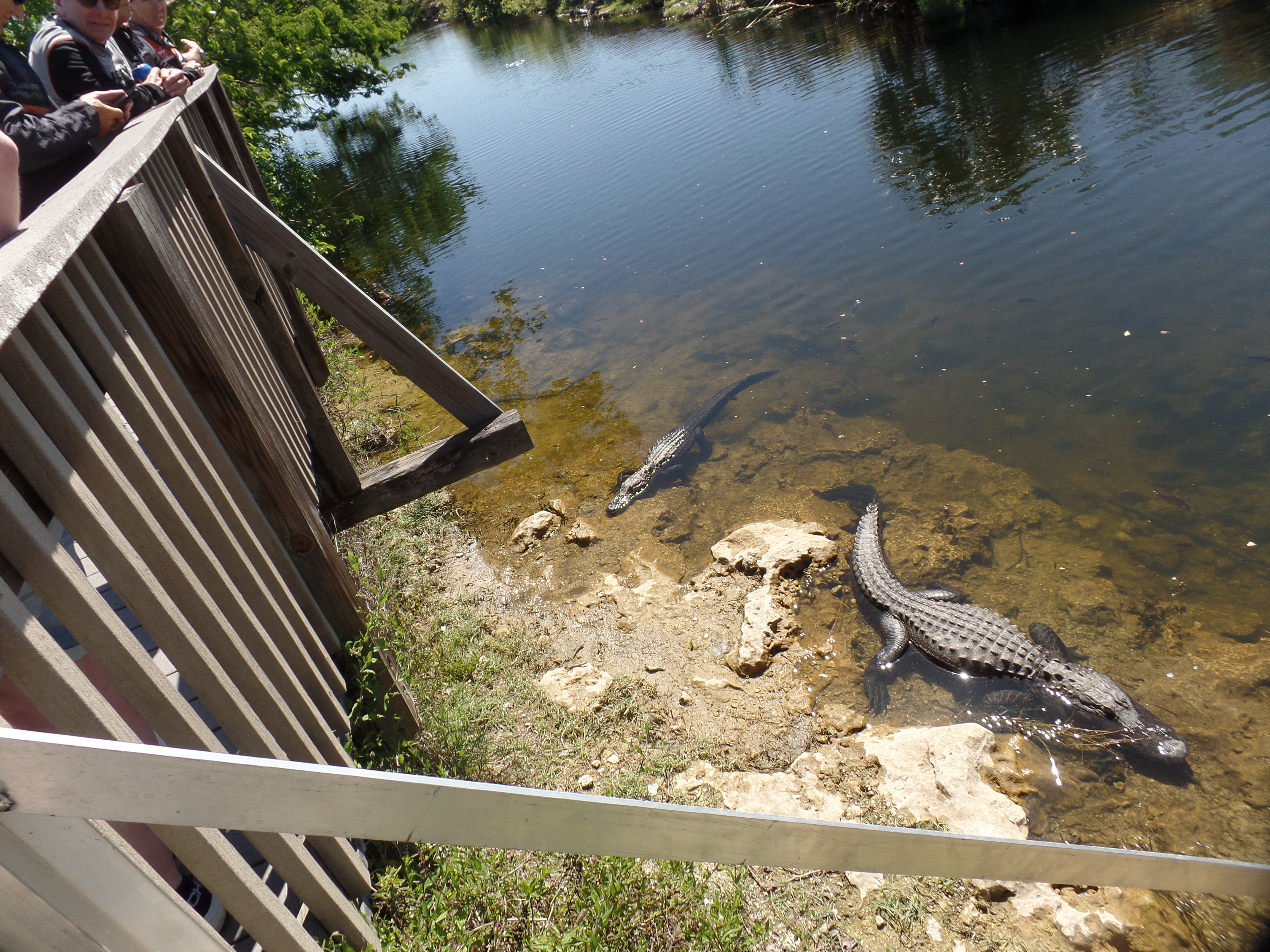
Here are a few scenes of everyone’s favourite swamp creature: The alligator.

The heat became a bit enervating, after noon, when I found myself dealing with the hyper-energy of Naples, southwest Florida’s southern anchor community. Here, I found that I had returned to suburbia, intense high-speed traffic and people who had scant patience for one another. After a brief preliminary visit to Naples’ excellent Botanical Garden, I rested, took in a Baha’i planning session and rested more.
A Capitol’s Quiet Hour

4

June 30, 2019, Raleigh-

Perhaps in a moment of selfishness, I chose to head to North Carolina’s Triad region, specifically to the Capitol, rather than to the west central area, north of Charlotte.  This, though, is what my spirit guides were telling me was in order.

I found Raleigh in a quiet and pensive collective mood, whilst walking about the Capitol District on this morning, when many were engaged in acts of worship.  I pretty much had the area to myself.

The great museums would not open until noon, by which time I was getting my laundry done, in south Raleigh’s International Market, a haven for the area’s Hispanic community.

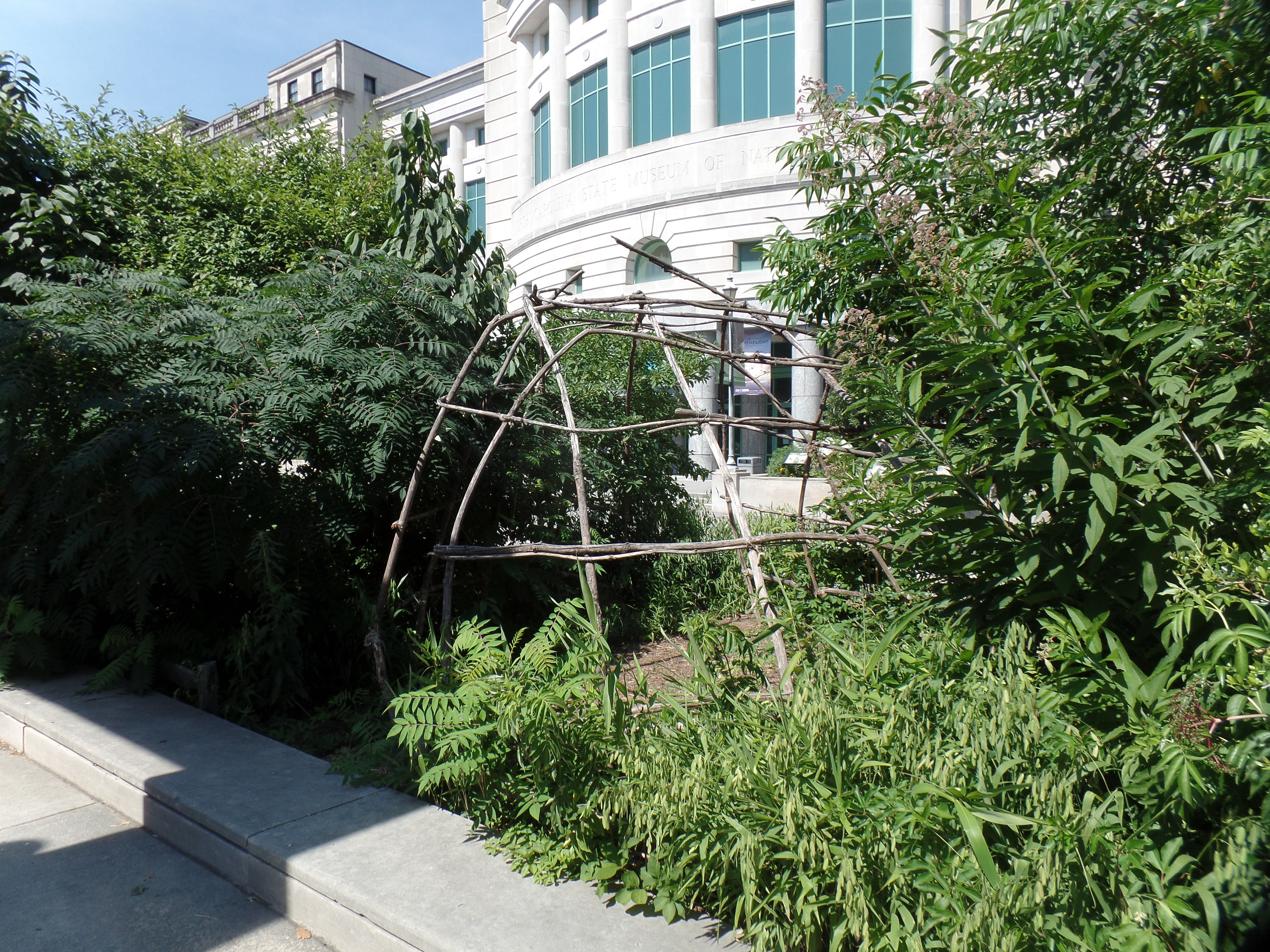
Part of the Tar Heel story is told on the Museum of History’s grounds.  The frame of a Catawba home is here, surrounded by the lushness of the Piedmont.

SAMSUNG CAMERA PICTURES

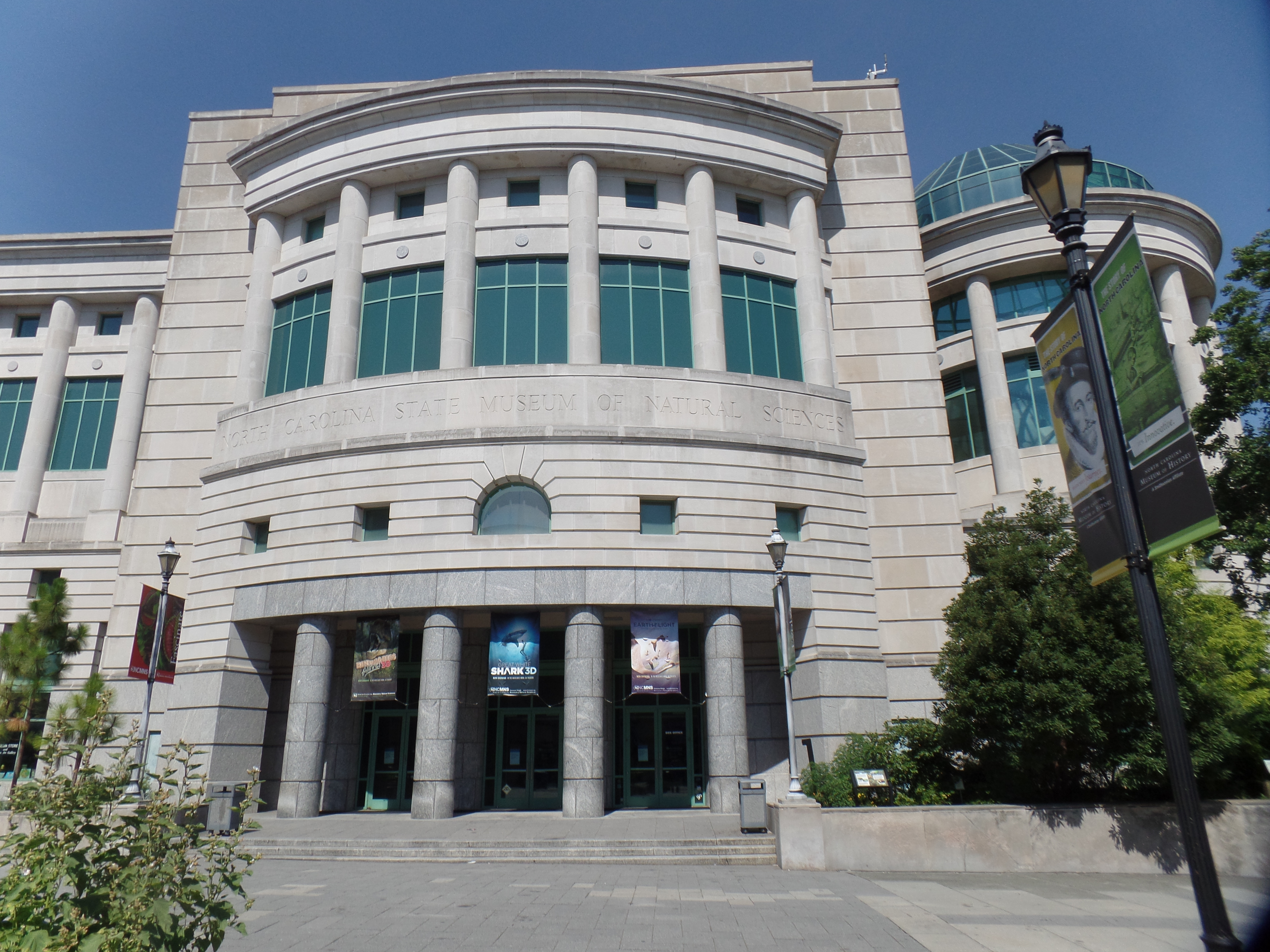
North Carolina Museum of Natural Sciences takes up the right flank of the Museum Quarter.

SAMSUNG CAMERA PICTURES

The North Carolina Museum of History occupies the left hand side.

SAMSUNG CAMERA PICTURES

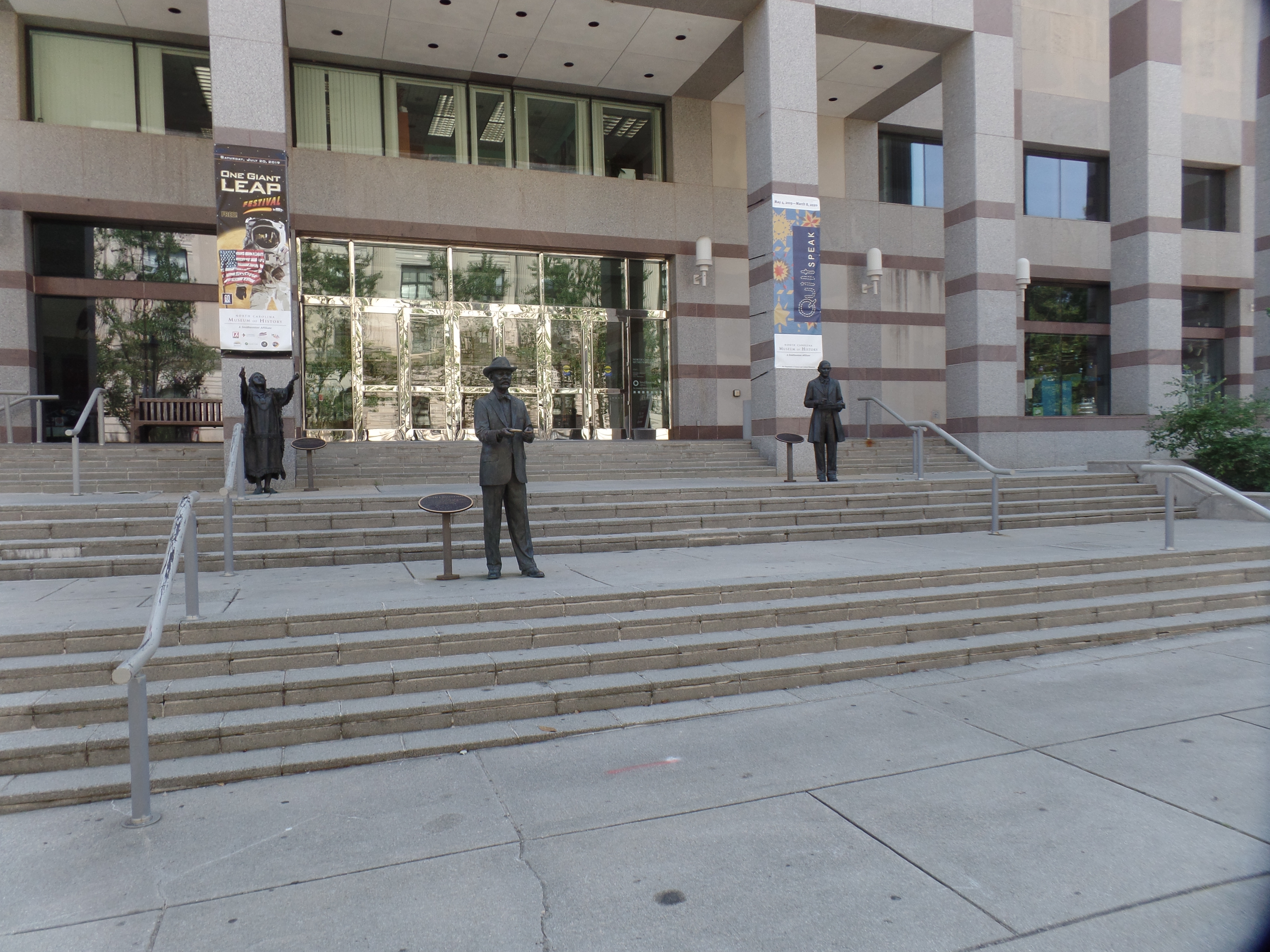
Three figures greet the visitor to the Museum of History: A woman of Sauratown, Thomas Day and Frederick Augustus Olds.  Sauratown is an isolated mountain region, northwest of Winston-Salem.  The independence of area residents is commemorated by this statue of an unidentified woman.  Thomas Day is celebrated as an example of how much a free Black man could achieve.  He was a skilled cabinetmaker, of the Antebellum period. Frederick Augustus Olds, a journalist, was a relentless advocate of telling North Carolina’s story, especally of “human history” and of the advancement of both Boy and Girl Scouts.

SAMSUNG CAMERA PICTURES

Here is the Promenade, in its fullness.

SAMSUNG CAMERA PICTURES

North Carolina is the birthplace of three U.S. Presidents:  Andrew Jackson, James Knox Polk and Andrew Johnson.  They may not be the favourites of many people, but each pursued and achieved his goals.  The State Capitol looms in the background.

SAMSUNG CAMERA PICTURES

Here are more complete views of the State Capitol.

SAMSUNG CAMERA PICTURES

SAMSUNG CAMERA PICTURES

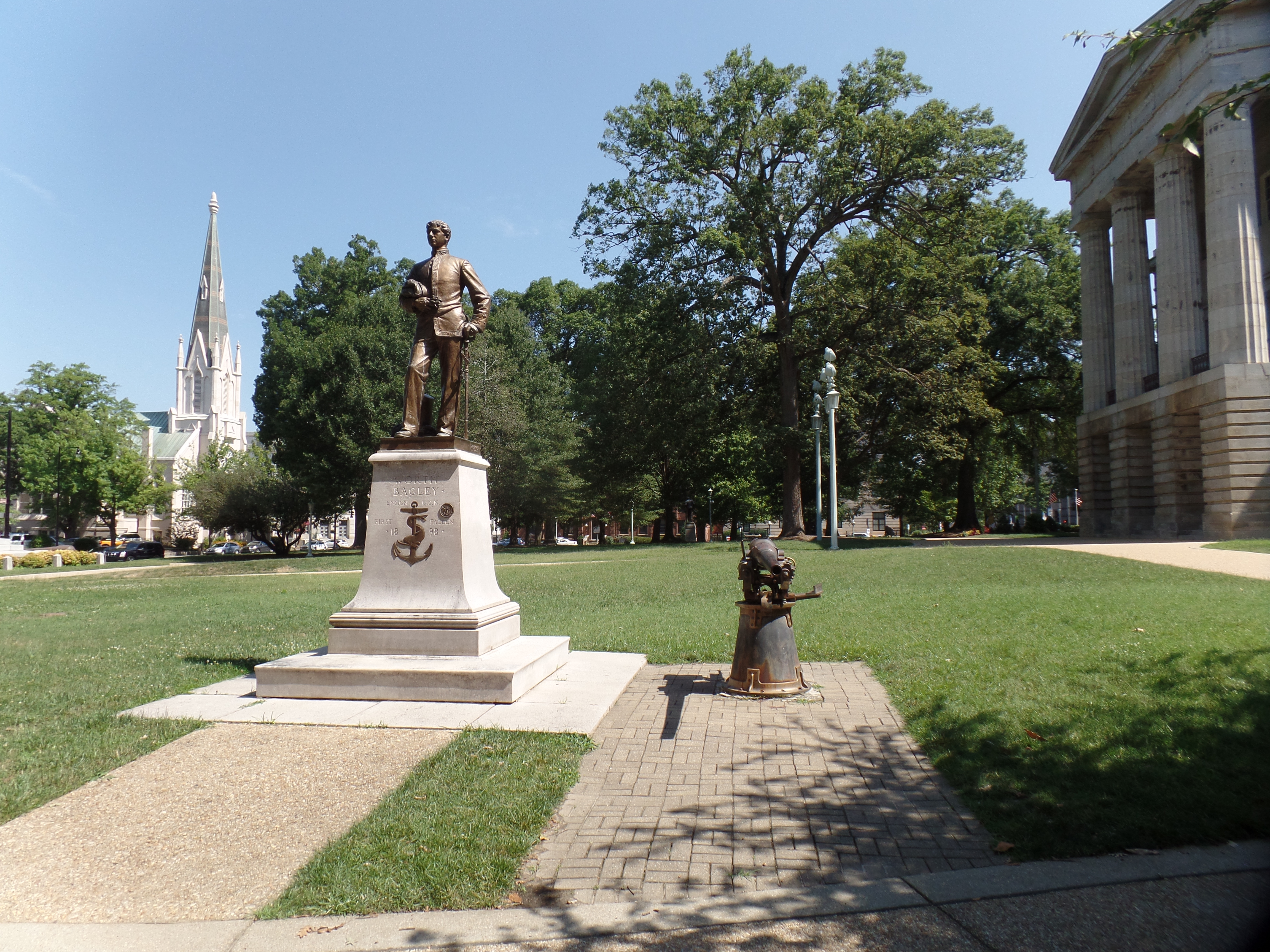
This statue depicts a naval cadet, of the late Nineteenth Century.  A woman passing by with her young daughter remarked to the child that it must have been most uncomfortable to have to wear such garb, in the heat of a Carolina summer.

SAMSUNG CAMERA PICTURES

This bell tower, of First Presbyterian church, is framed by the Memorial Garden of the Harden family.

SAMSUNG CAMERA PICTURES

SAMSUNG CAMERA PICTURES

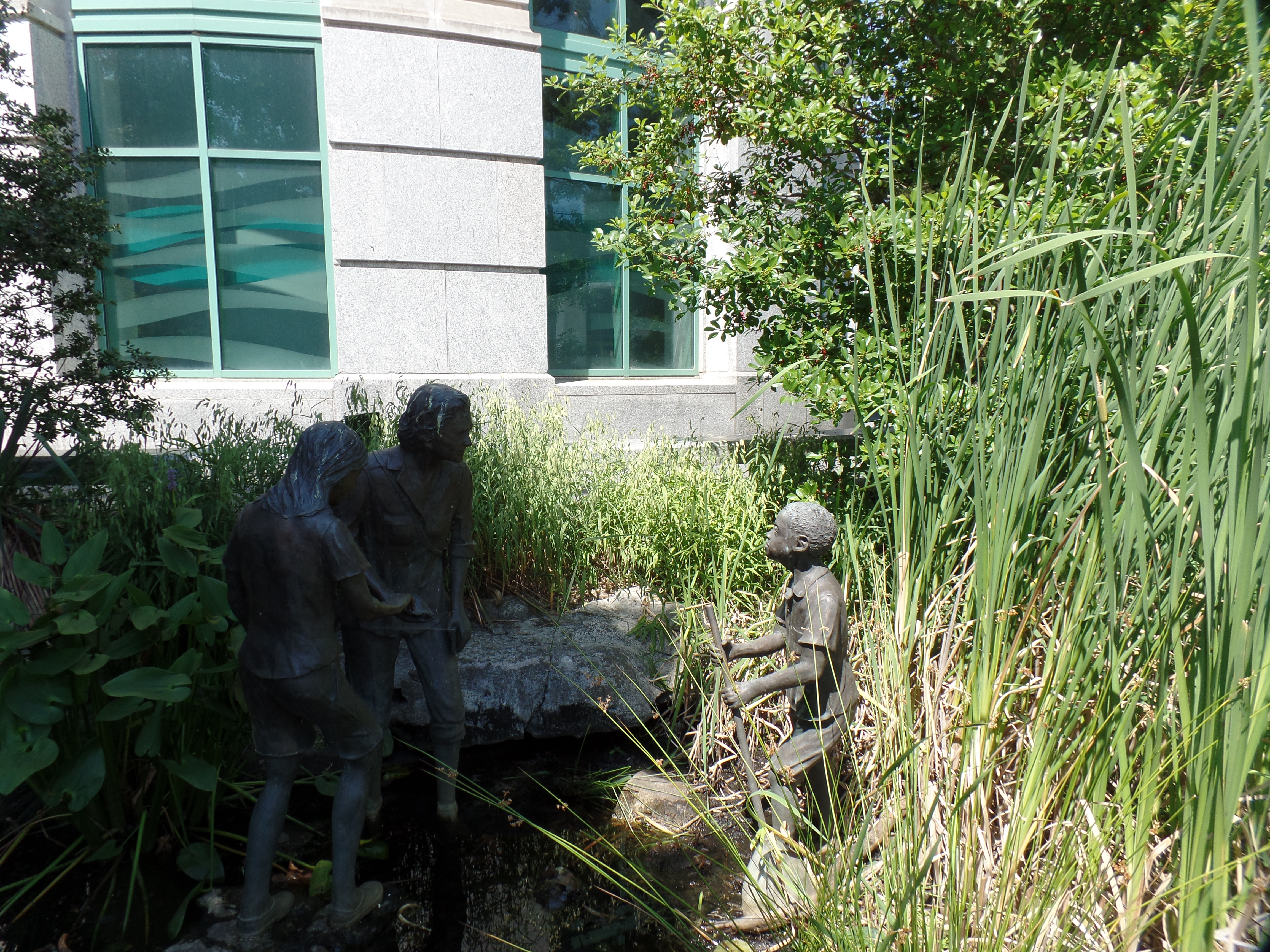
At the opposite end of the Promenade, near the Natural Sciences Museum, is this statue depicting the naturalist Rachel Carson, listening to a story being told by a young boy.  She was passionate about educating the young, as to the dangers posed by excessive chemical use, in the mid-Twentieth Century.

SAMSUNG CAMERA PICTURES

My time with the Hispanic people showed that the Tar Heel tradition continues to promote the achievements of the individual, over a mass ideological swell.  May that ethic long continue.

NEXT:  Virginia’s Eastern Shore