An Eastward Homage, Day 8: Versailles, Part 3- The Town

4

Mesmerized as I was by the gold, marble and extraordinary spread of the chateau and its grounds and grand canal, finding the town that had both pre-dated the palace, and grown up around it, was a perfect finish to the day.

Versailles is not anywhere near the grey, troubled suburbs that I am told ring Ile de France.  It stands quite proudly on its own.

Here are some scenes from this marvelous little city.

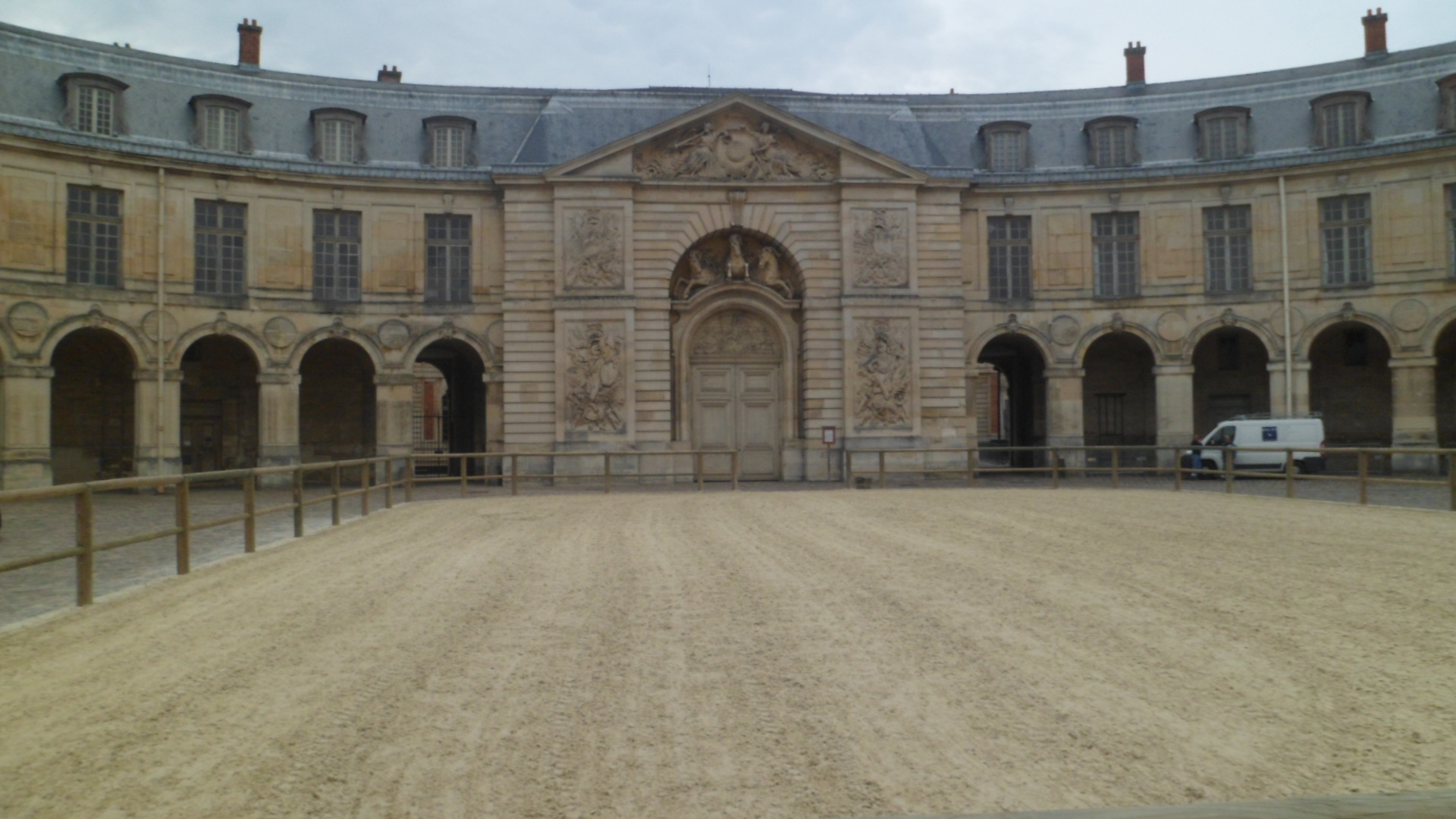
First, here is Grande Ecurie du Roi (the King’s Stables), the first site I encountered, upon leaving the palace ground
SAM_9310

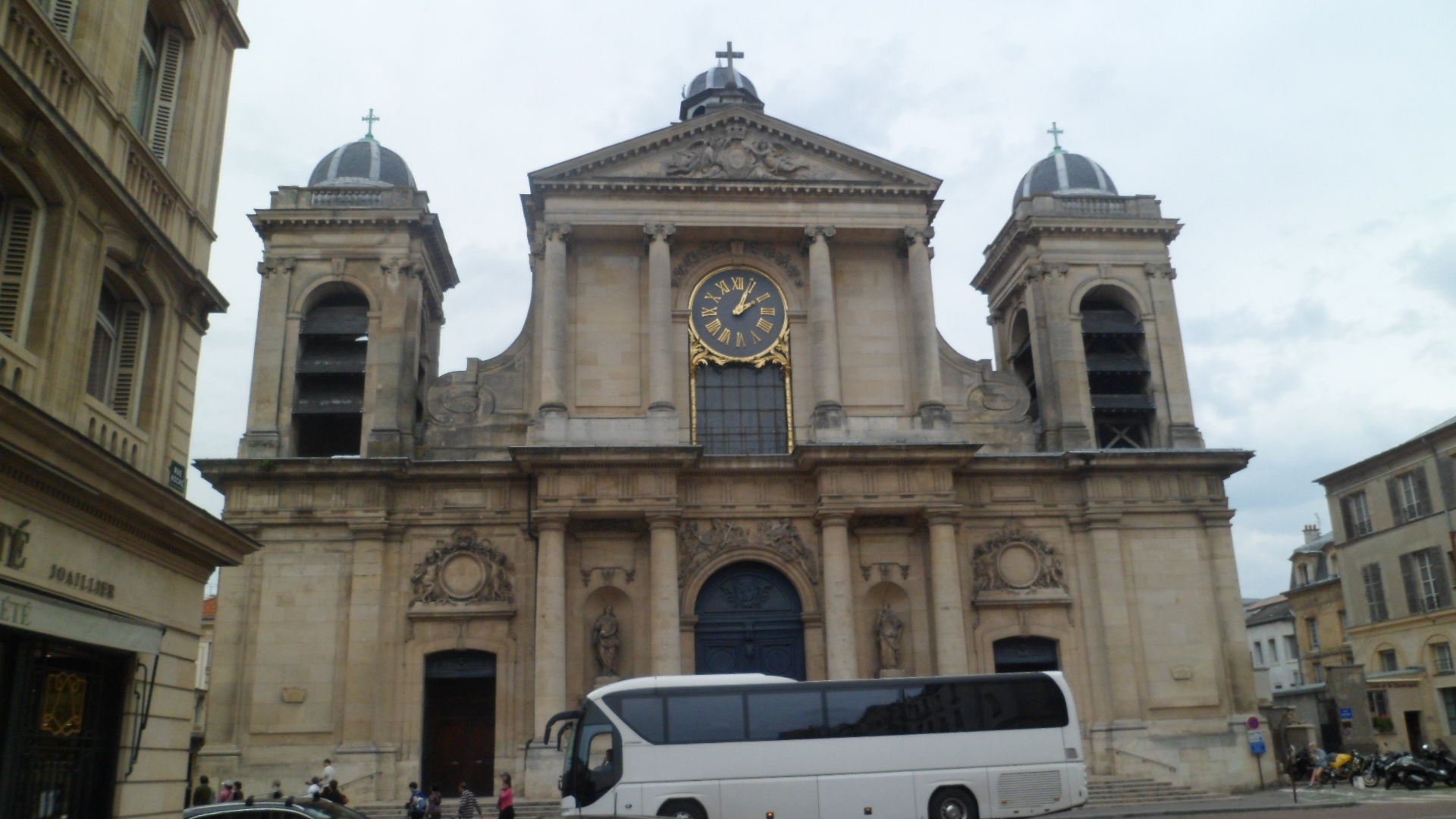
Next came the east end of  the District of Notre Dame, named for- you guessed it, the cathedral.  Every major city in France has a cathedral, or a parish church, named Notre Dame.  The cathedral in Versailles could stand proudly next to any given counterpart in France.
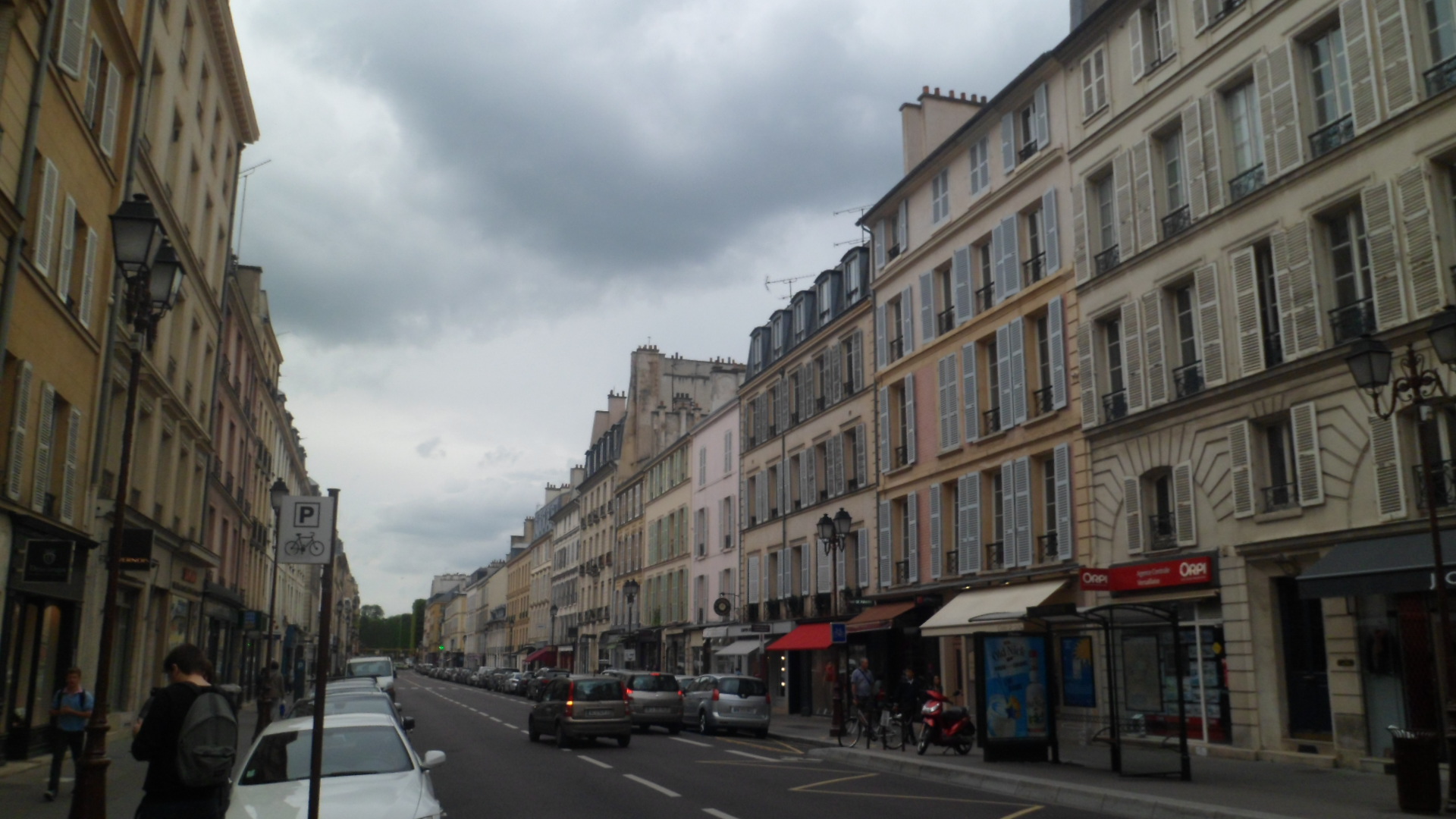
SAM_9320

We will see the cathedral in a bit, but first, making my way westward, I found Eglise Protestante Unie de France.   The Huguenots were terribly repressed by the House of Bourbon, making their presence in this town especially meaningful.
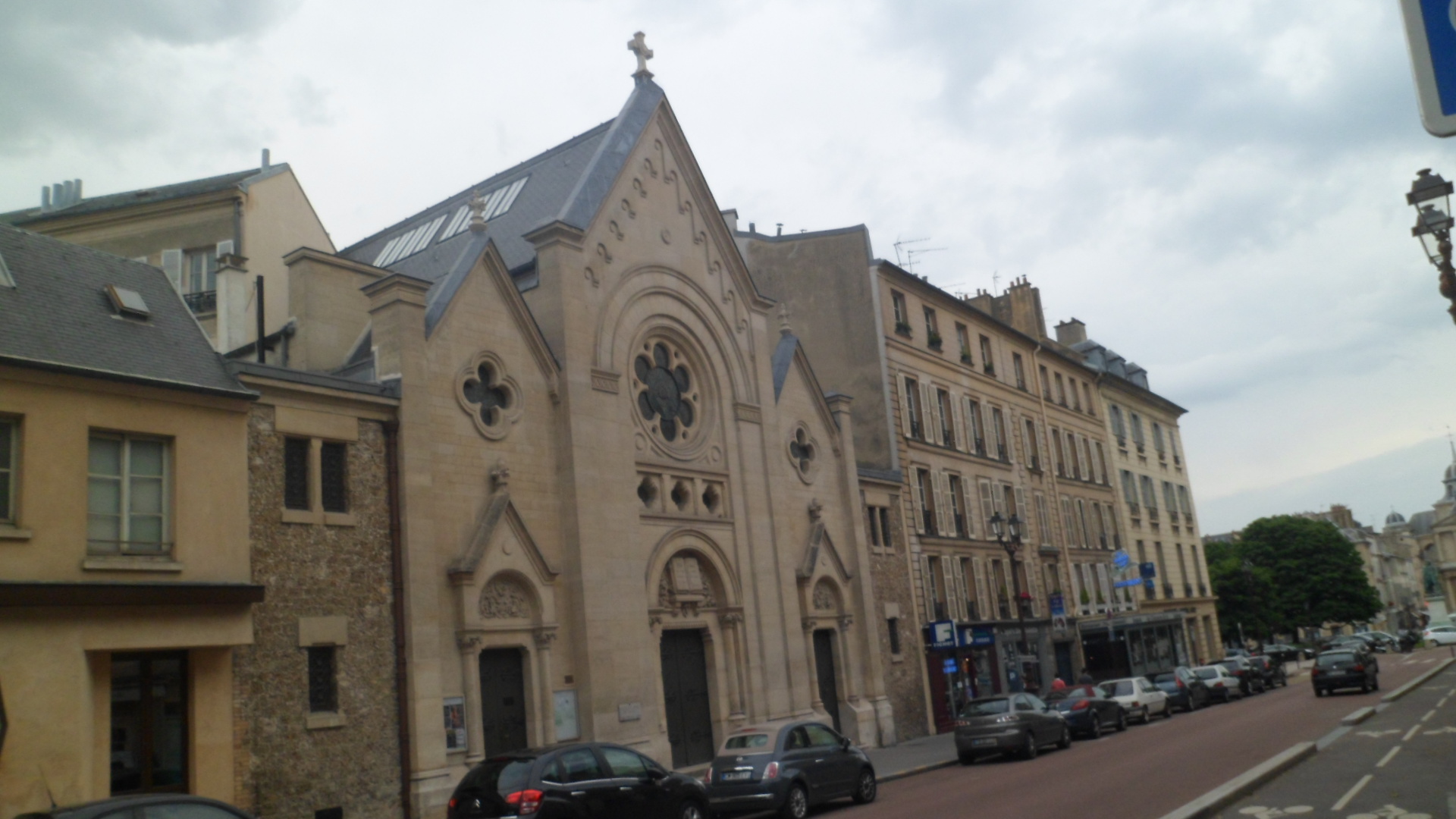
SAM_9312

Next to the Protestant church is Place Hoche.  Louis Lazare Hoche was the commander of the Revolutionary Army. Louis Philippe I authorized statues of Hoche, as a token of national unity.
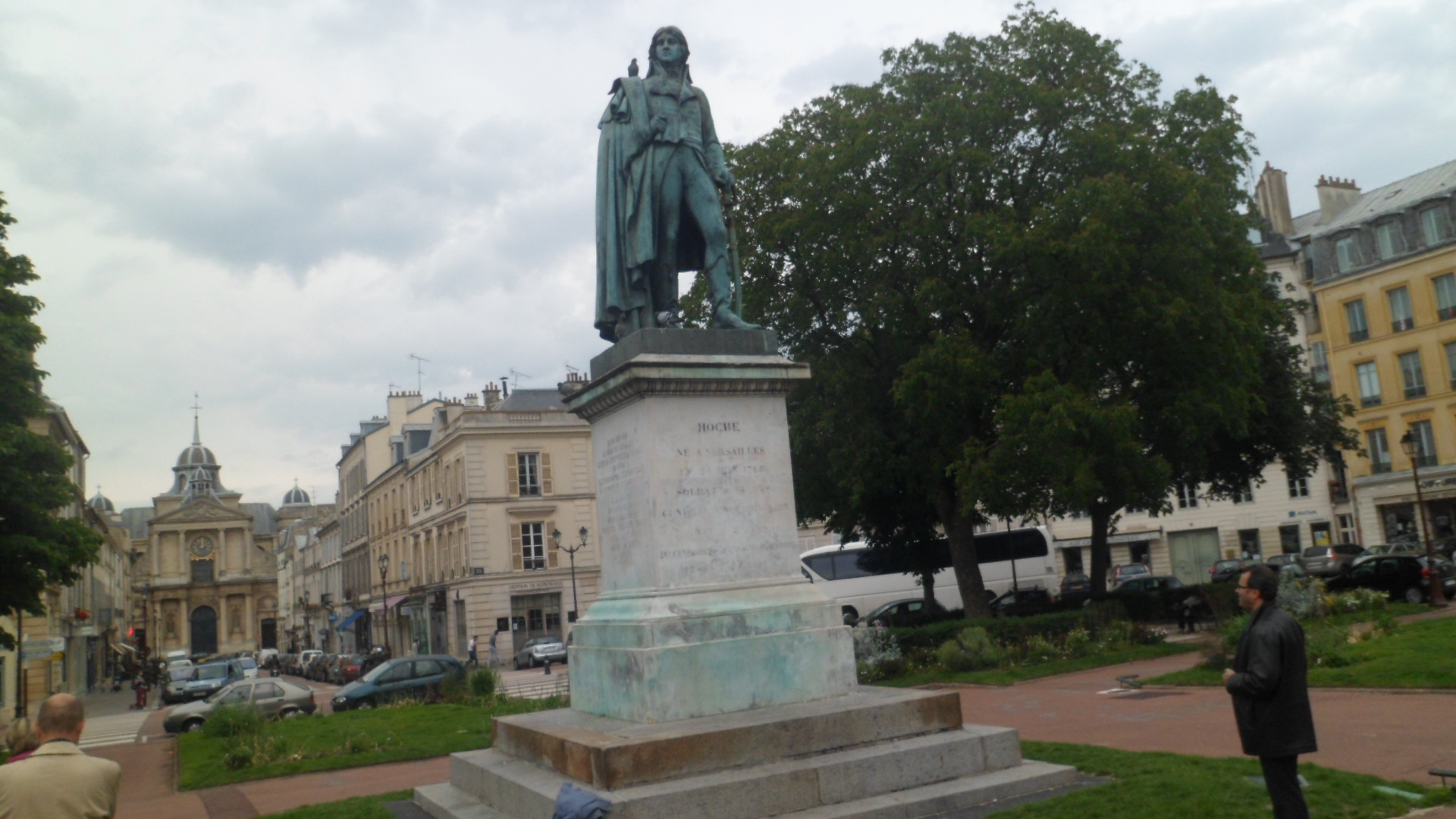
SAM_9318  SAM_9316

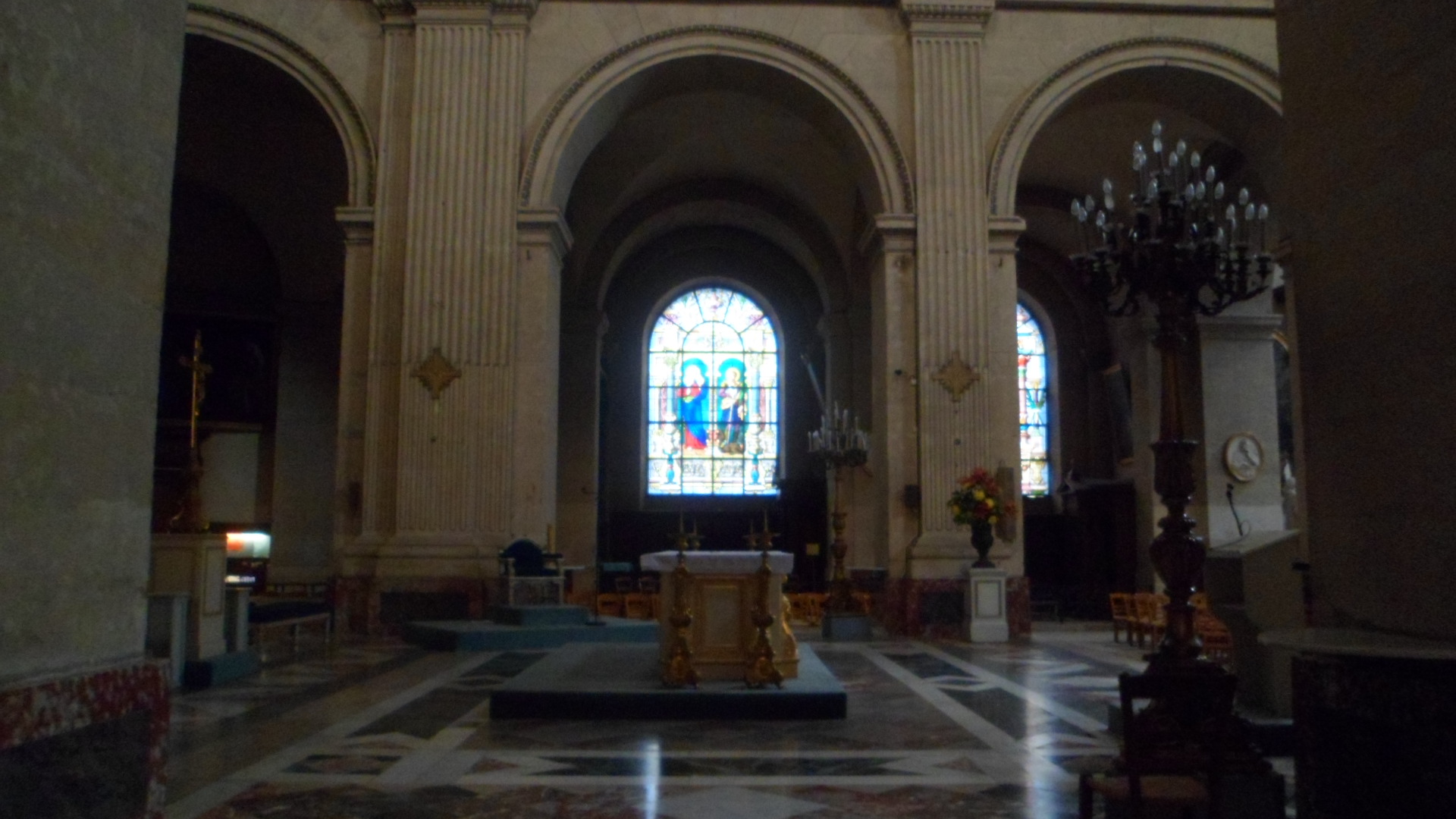
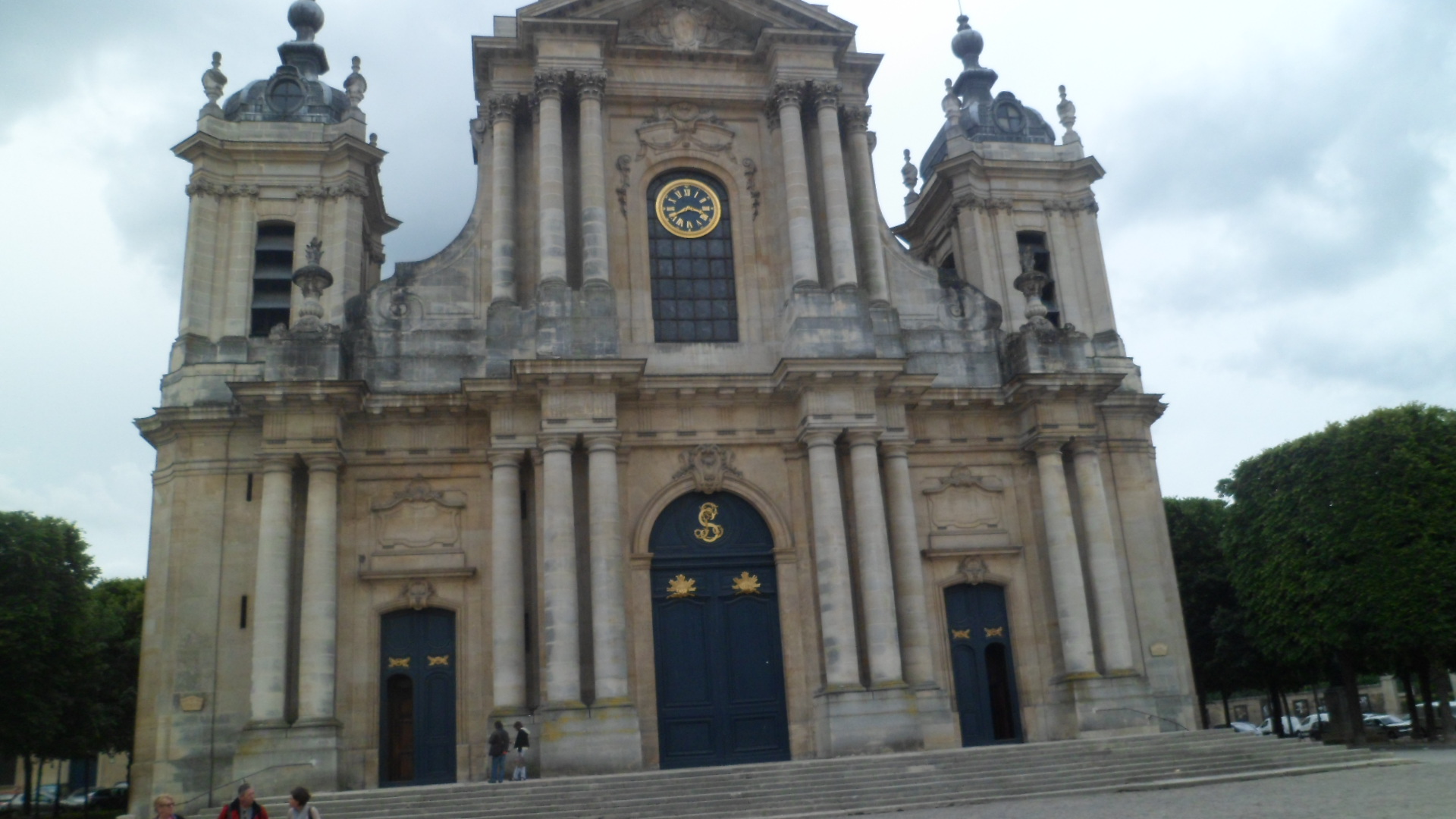
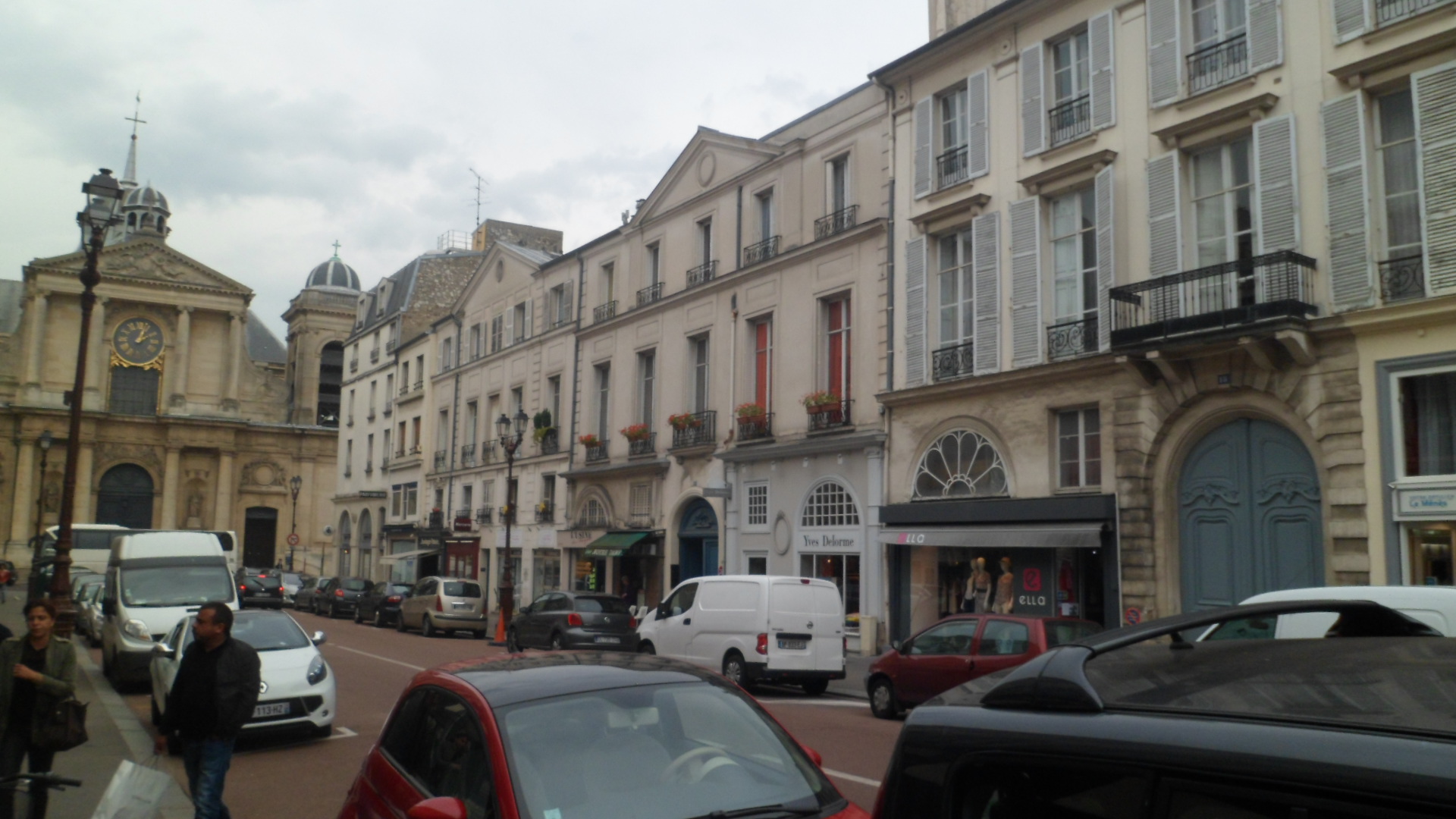
It was then time for me to visit Cathedrale Notre Dame de Versailles.  Here is a view of the heart of Distrite Notre Dame, followed by the cathedral itself.

SAM_9322

SAM_9319

SAM_9332      SAM_9340

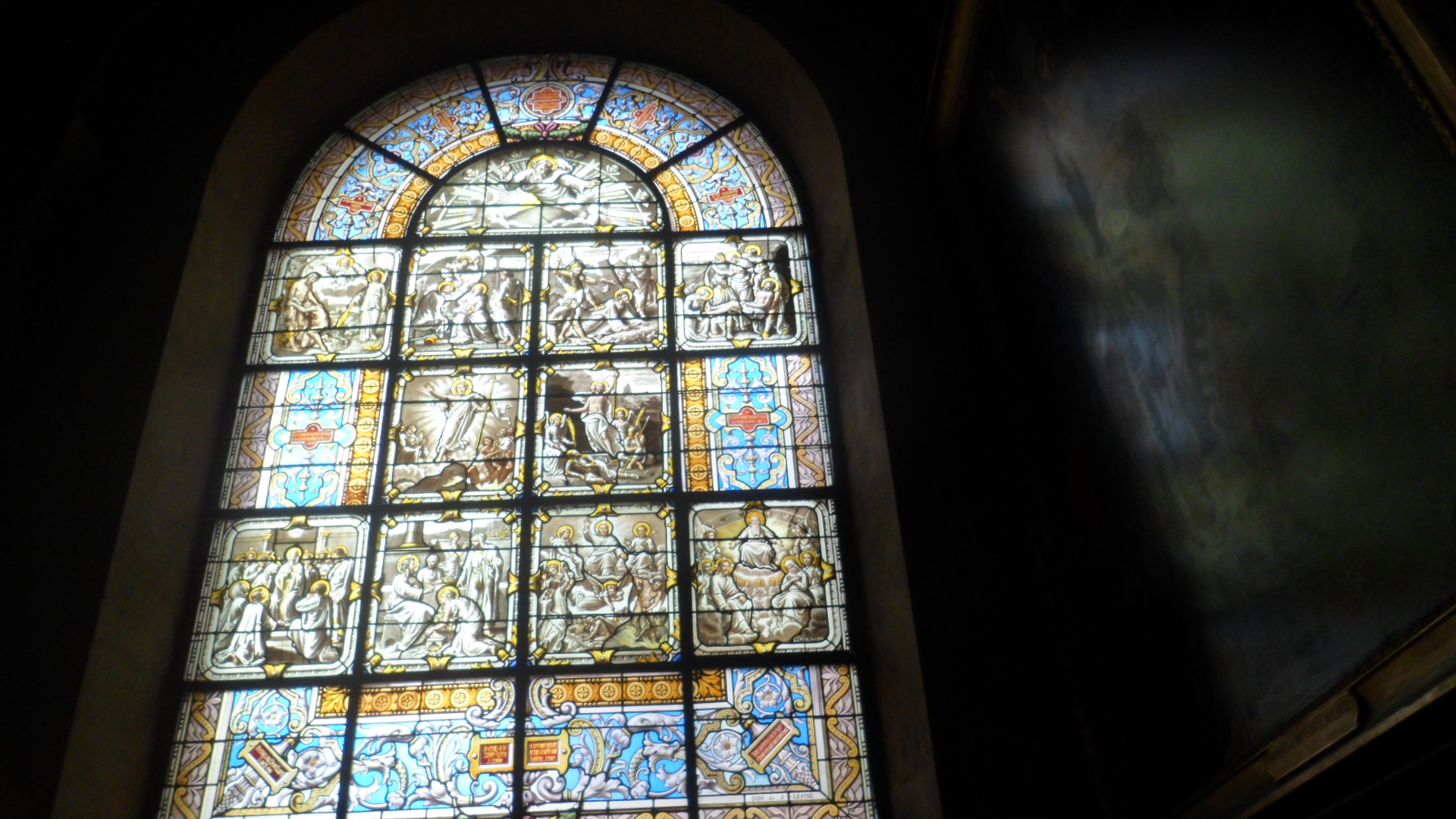
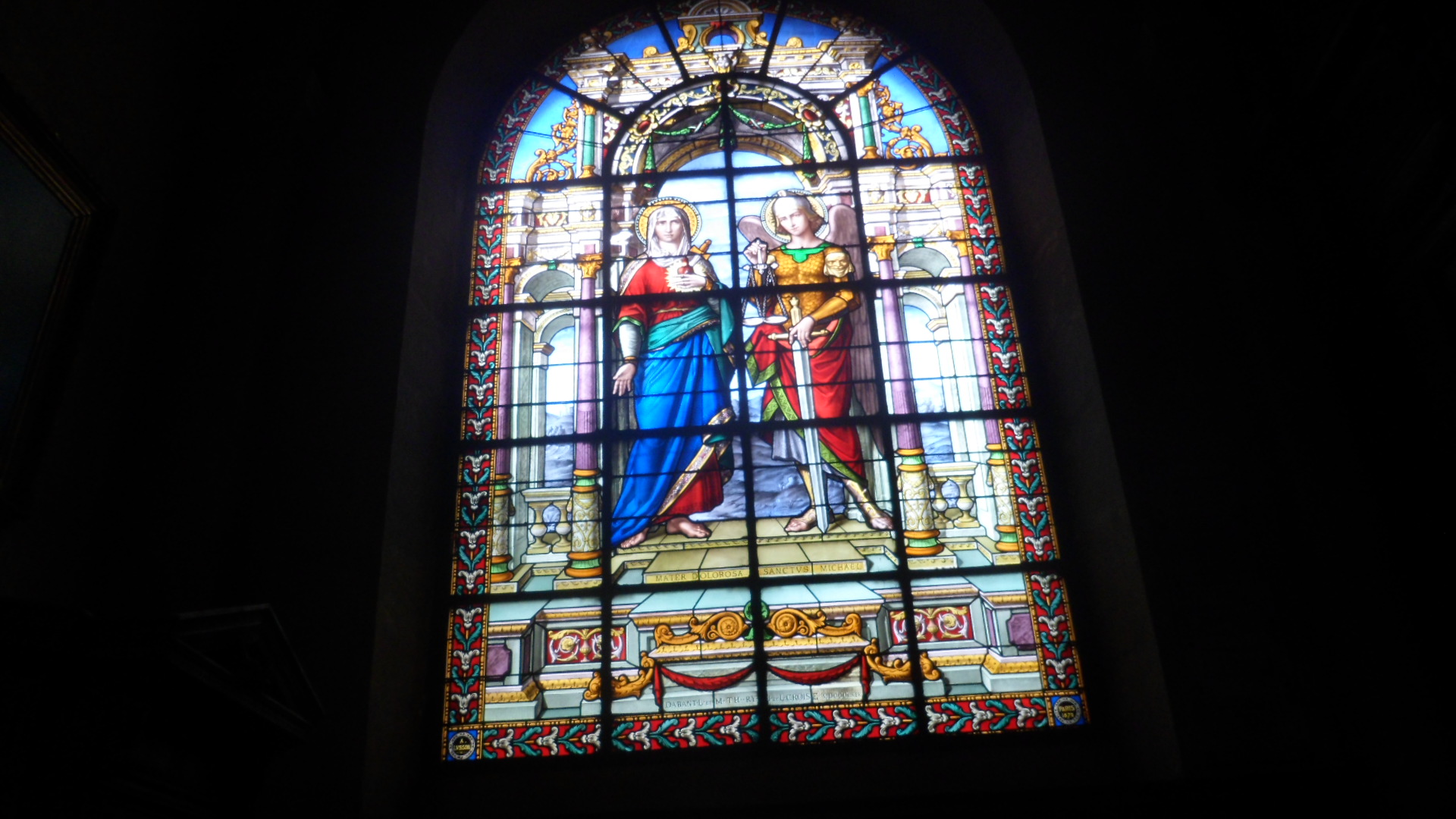
I could look at stained glass all day long, contemplating the interplay of light and colour.  Here are a few of Versailles Cathedral’s offerings.
SAM_9324    SAM_9331

SAM_9353    SAM_9354

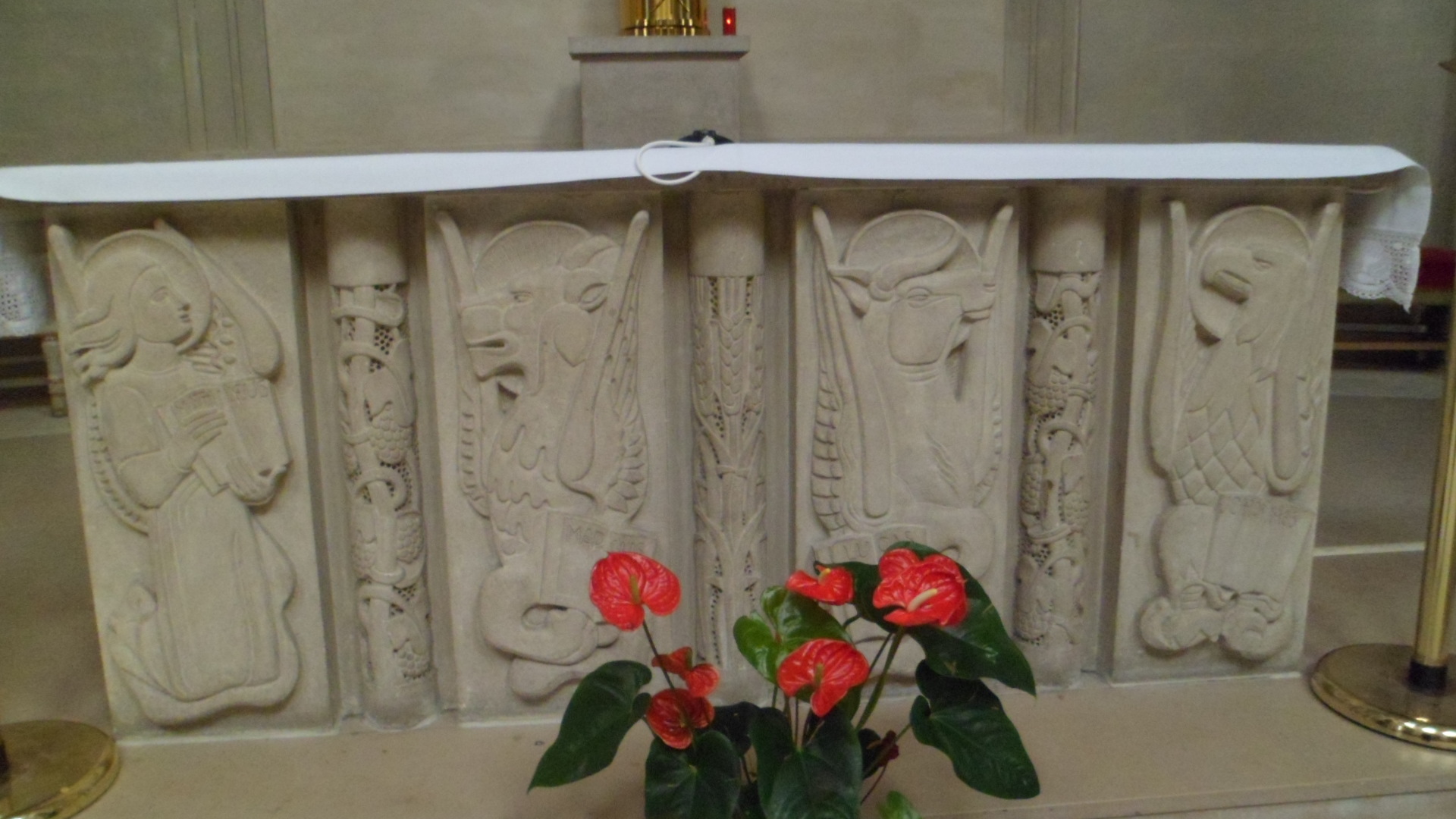
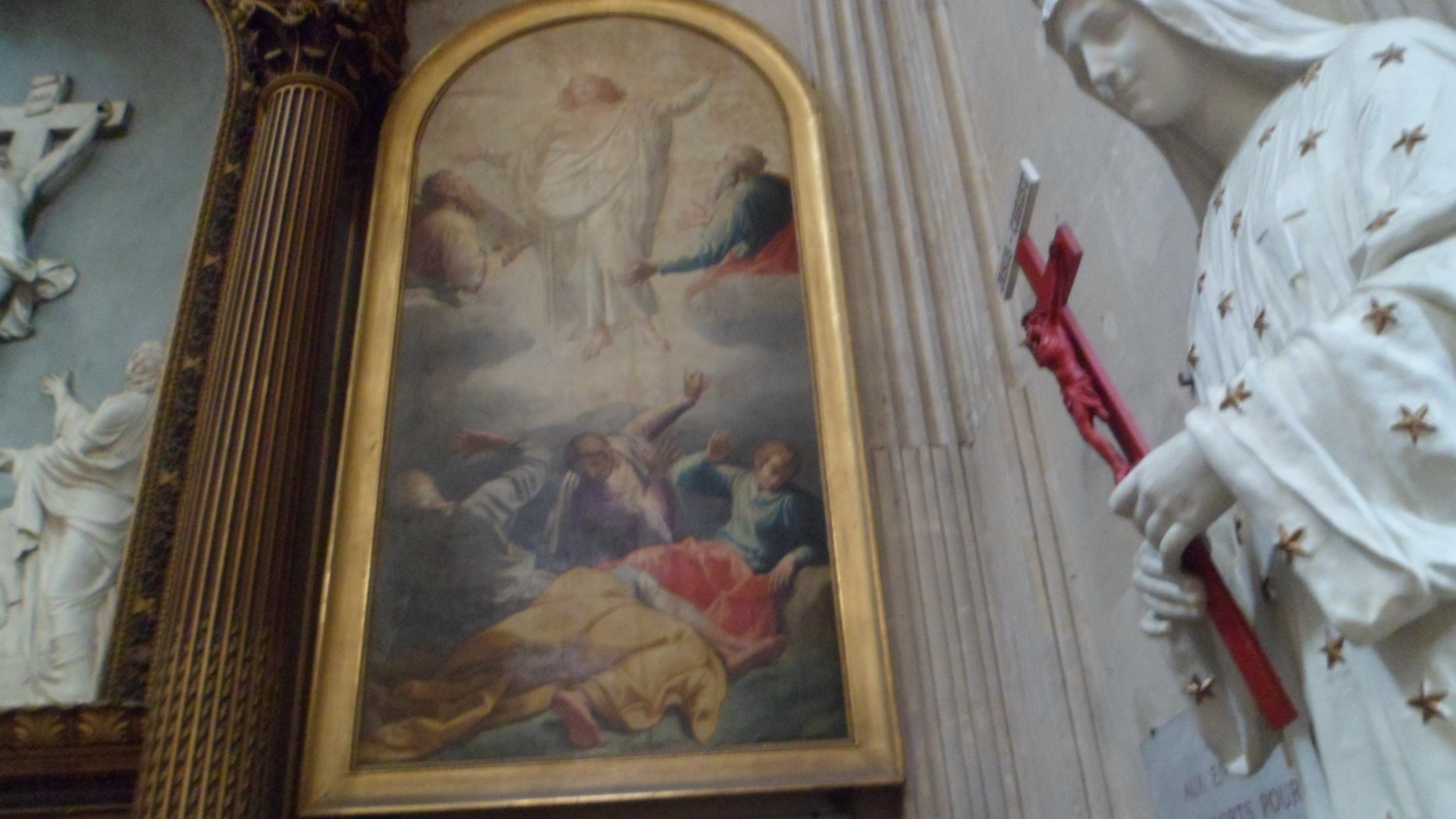
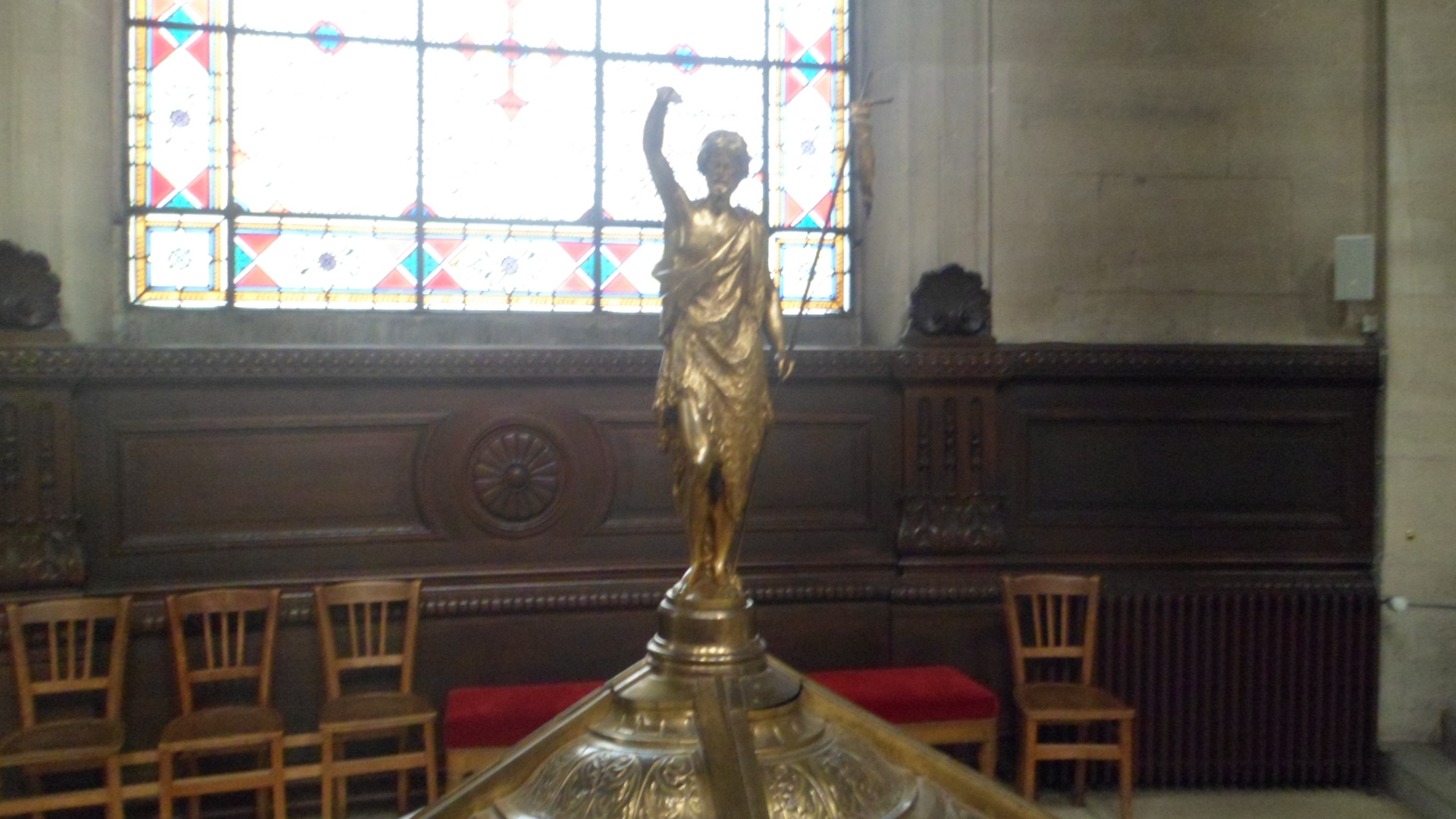
Paintings and statuary interplay here as well.
SAM_9339  SAM_9346

One noticeable difference between French churches and those in the U.S, is the seating arrangement.  many cathedrals in France have rows of small individual wooden chairs.  Some have seats of wicker.

SAM_9328

Upon bidding this fine little cathedral farewell, I came upon a pigeon which was quite different in colour from the rest of the considerable flock, along Rue Rameau.

SAM_9355

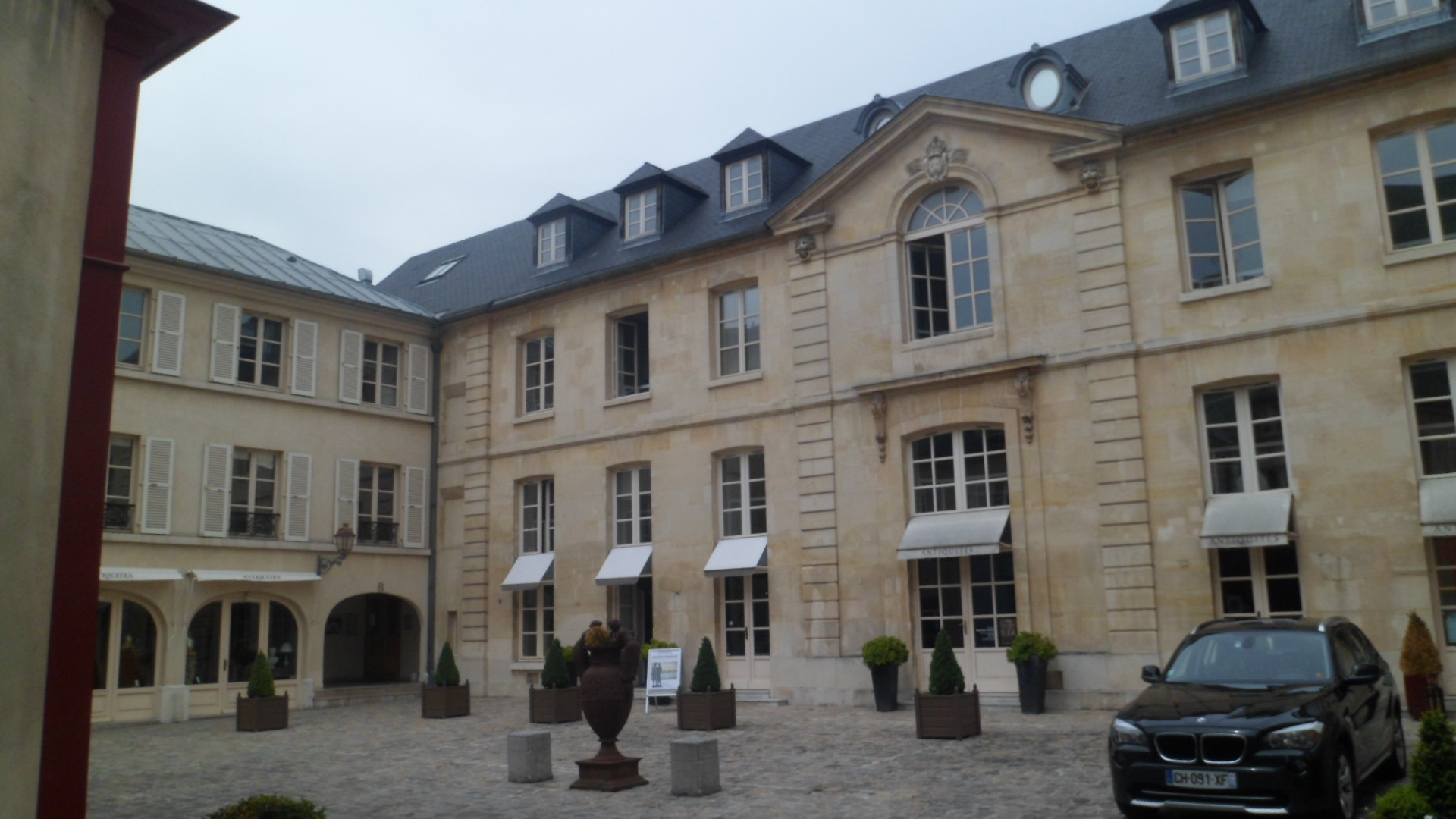
Next, slightly to the north, was Distrite des Antiquaires (Old City).  Old Versailles is not as ancient as some of the other cities I visited, but the streets are quite narrow.

SAM_9357

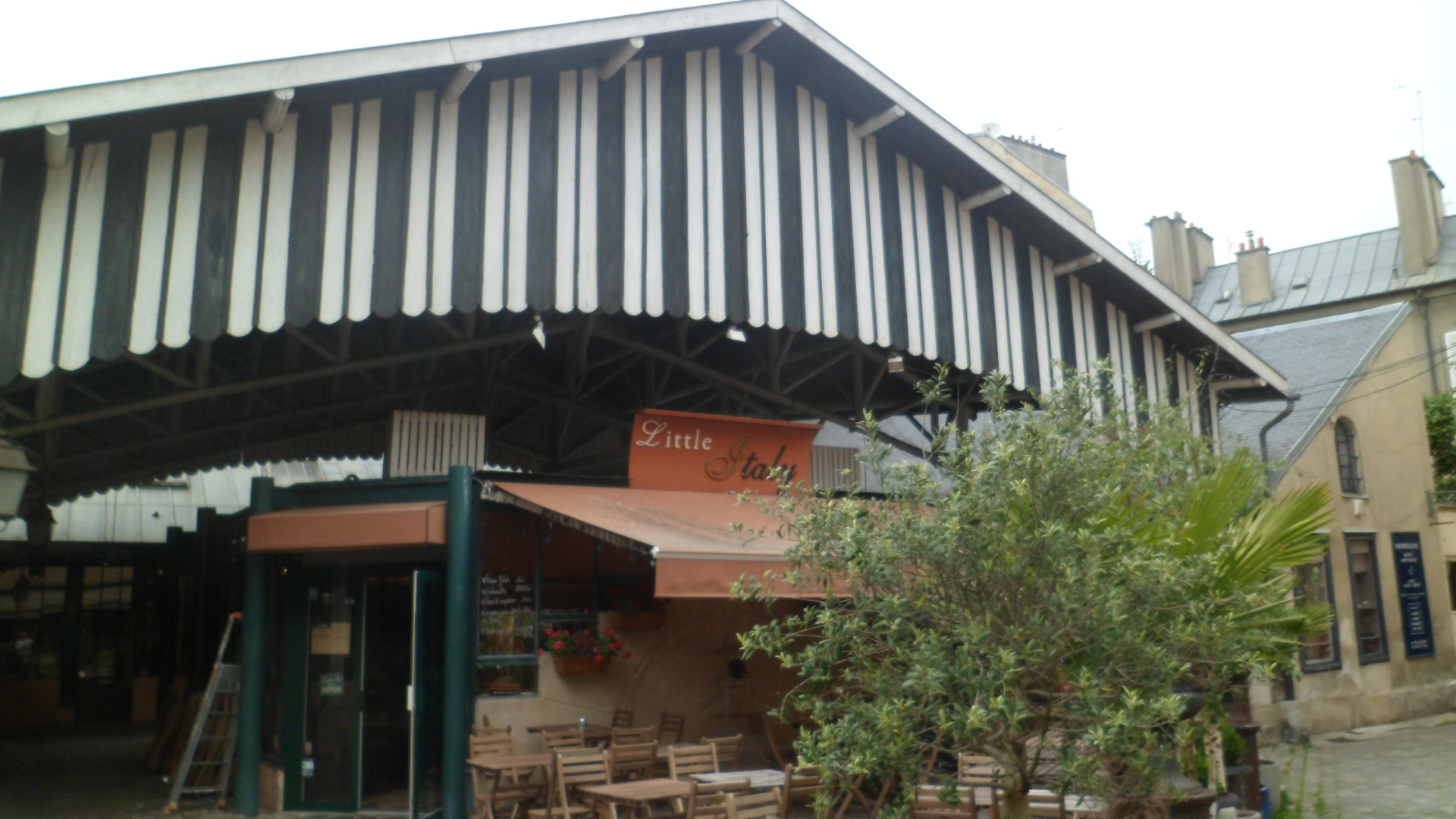
Hotel du Bailliage was used as a prison by the Bourbons.  Just behind it, to the east, is Little Italy, Versailles-style.
SAM_9358 SAM_9362                                                                           SAM_9363

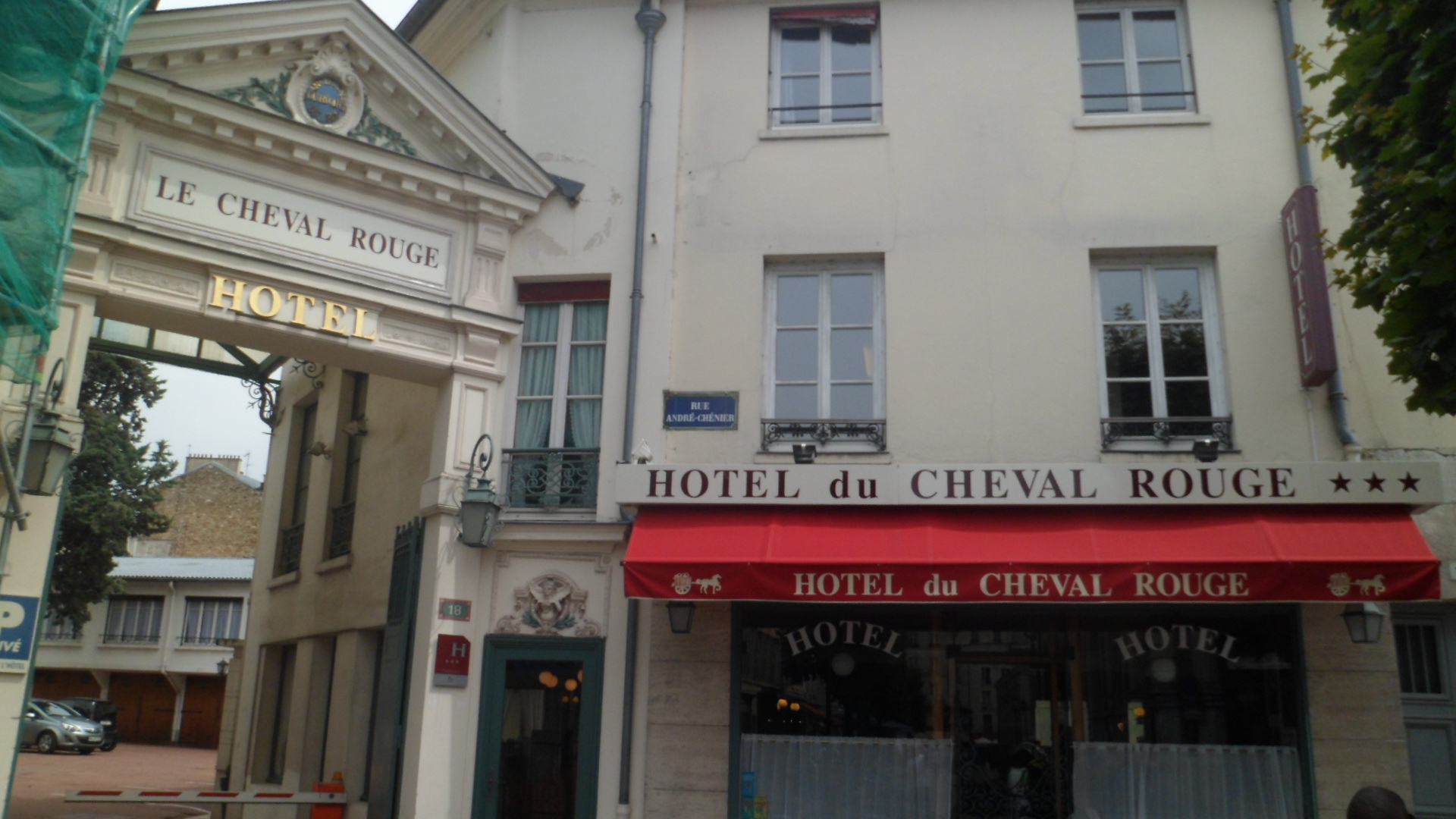
Hotel Cheval Rouge was built in 1676, and remains one of Versailles’ premier establishments.
SAM_9364

Also in Distrite des Antiquaires is Hopital Olivie, a key facility during the 19th Century.
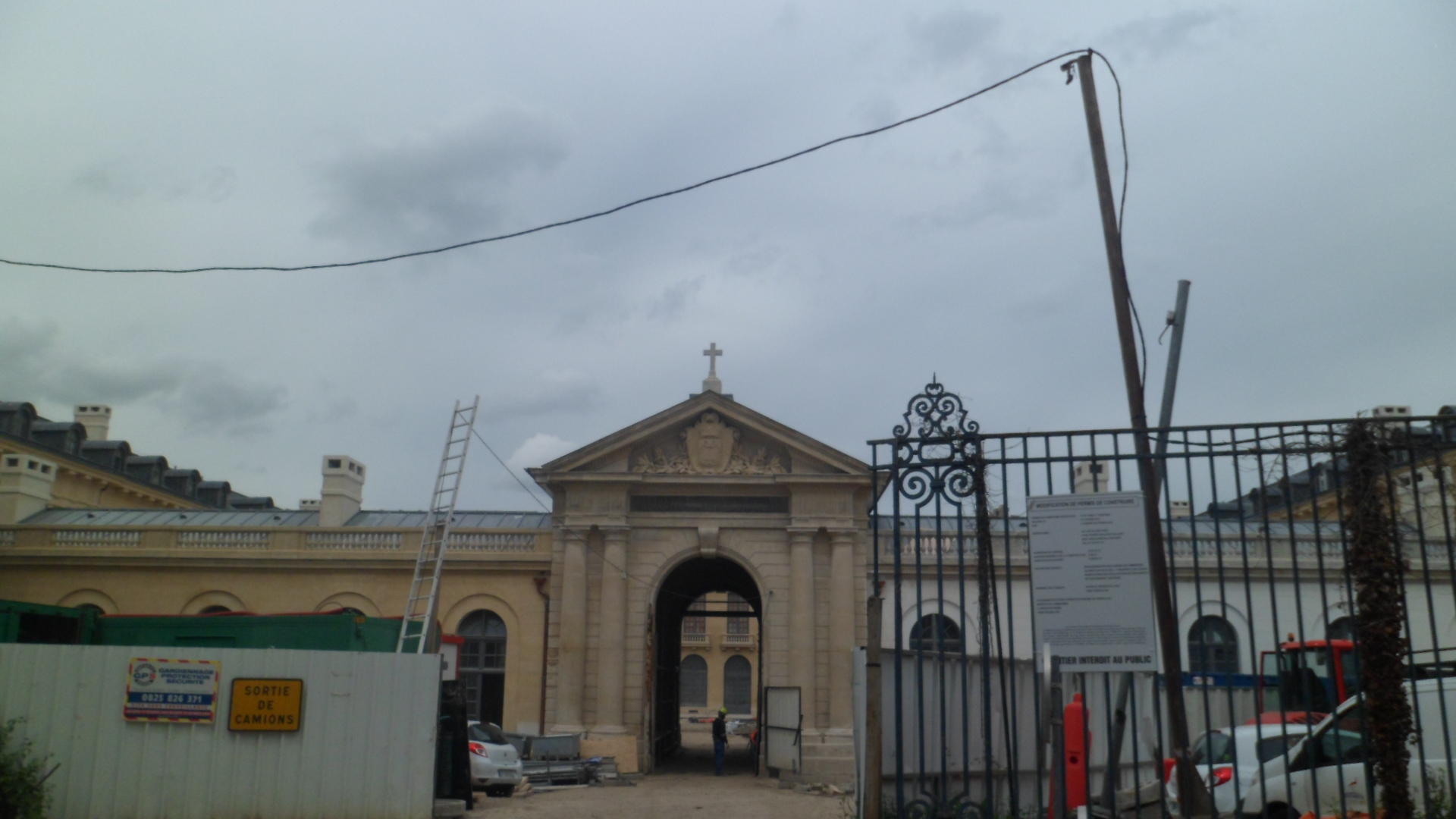
SAM_9365

I stopped at an old dairy, Goutte du Lait, only to have a rather stern father tell me this was his daughter’s pre-school.  I was allowed one photograph.
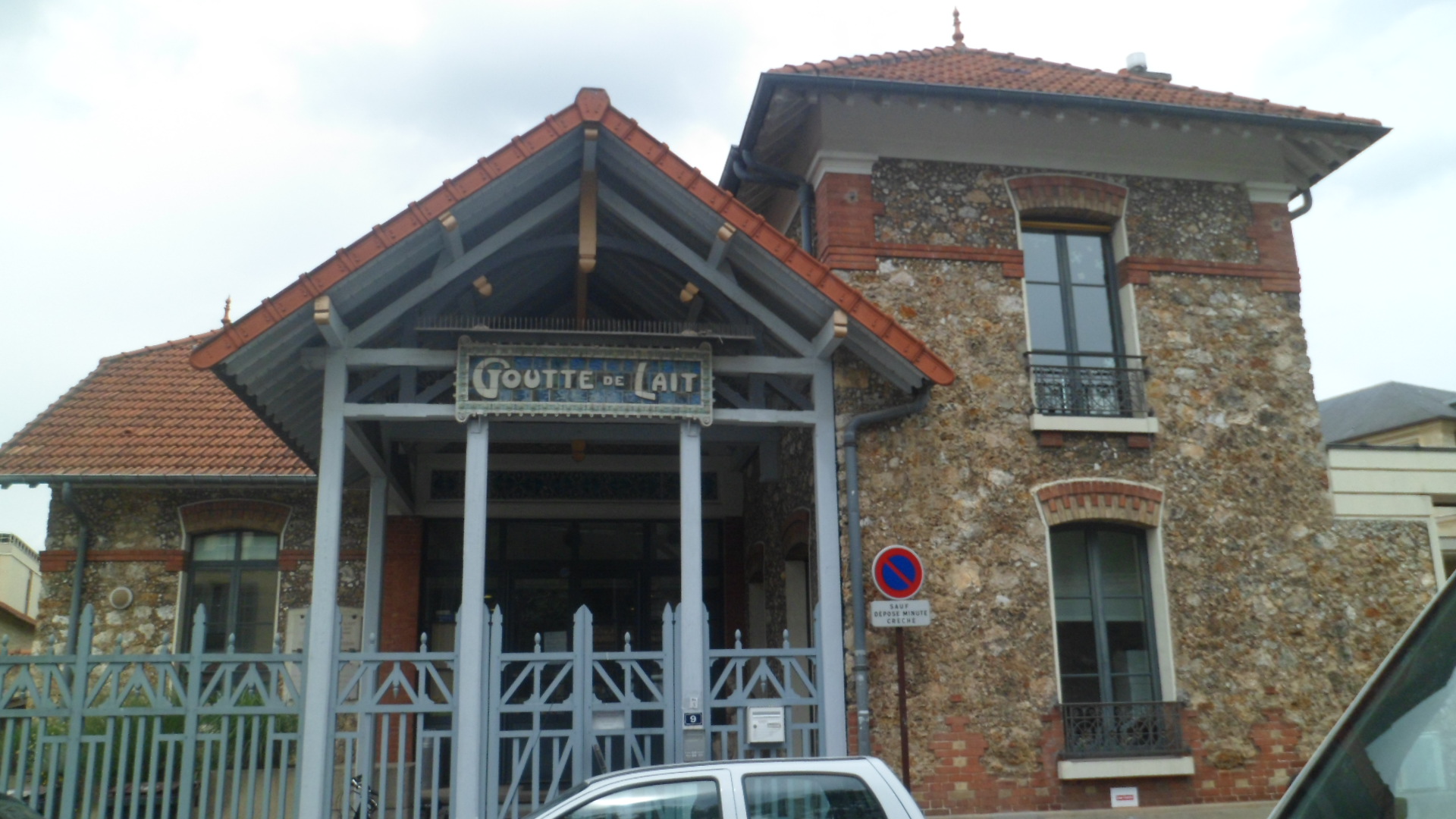
SAM_9366

Child safety always being one of my own passions, I headed towards Distrite d’Hotel de Ville.  City Hall stands, proud and imposing, in the center of it all.
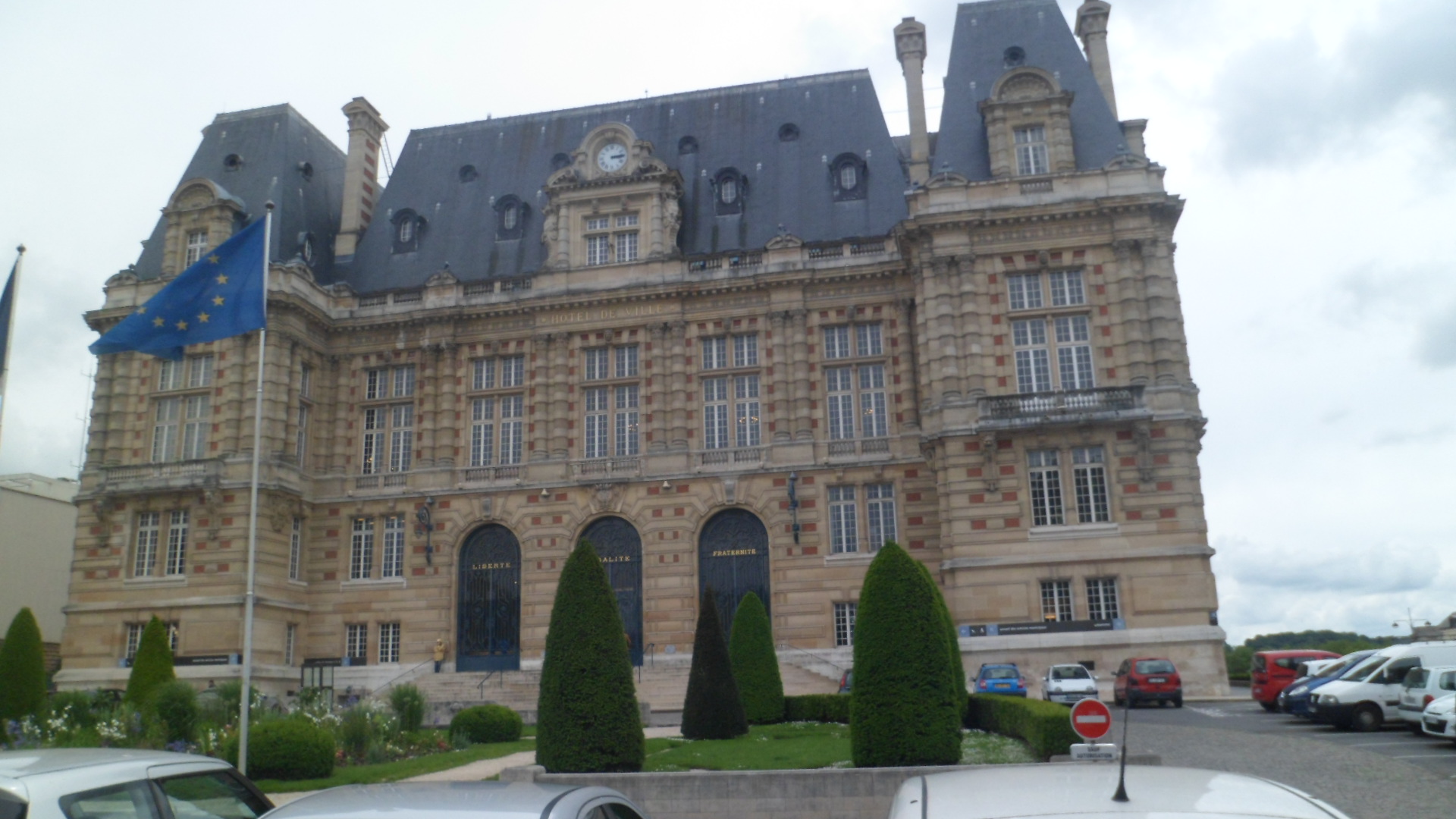
SAM_9370     SAM_9371

Here is a view of Hesperides des Les Maneges, a prime apartment complex.
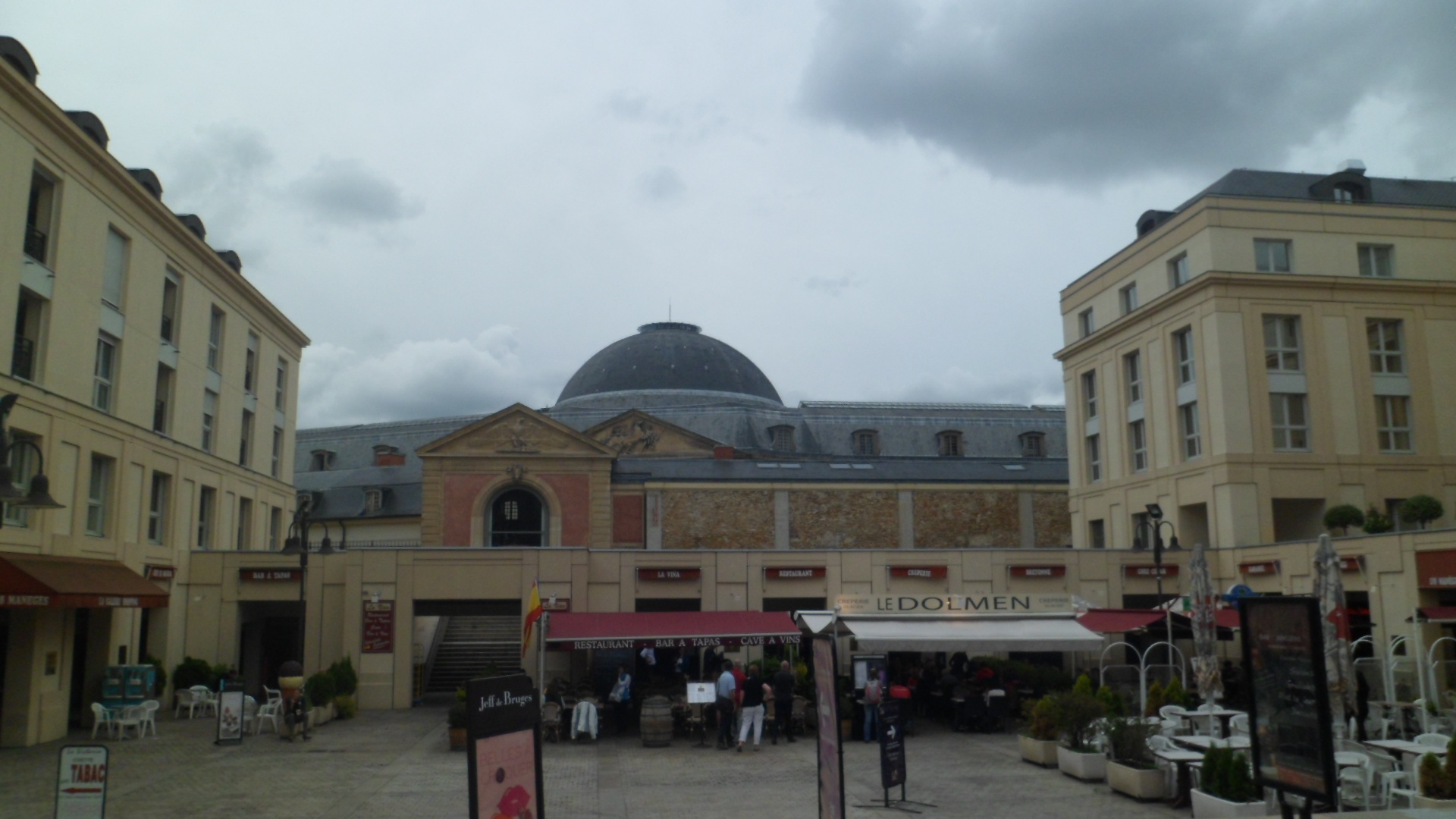
SAM_9372

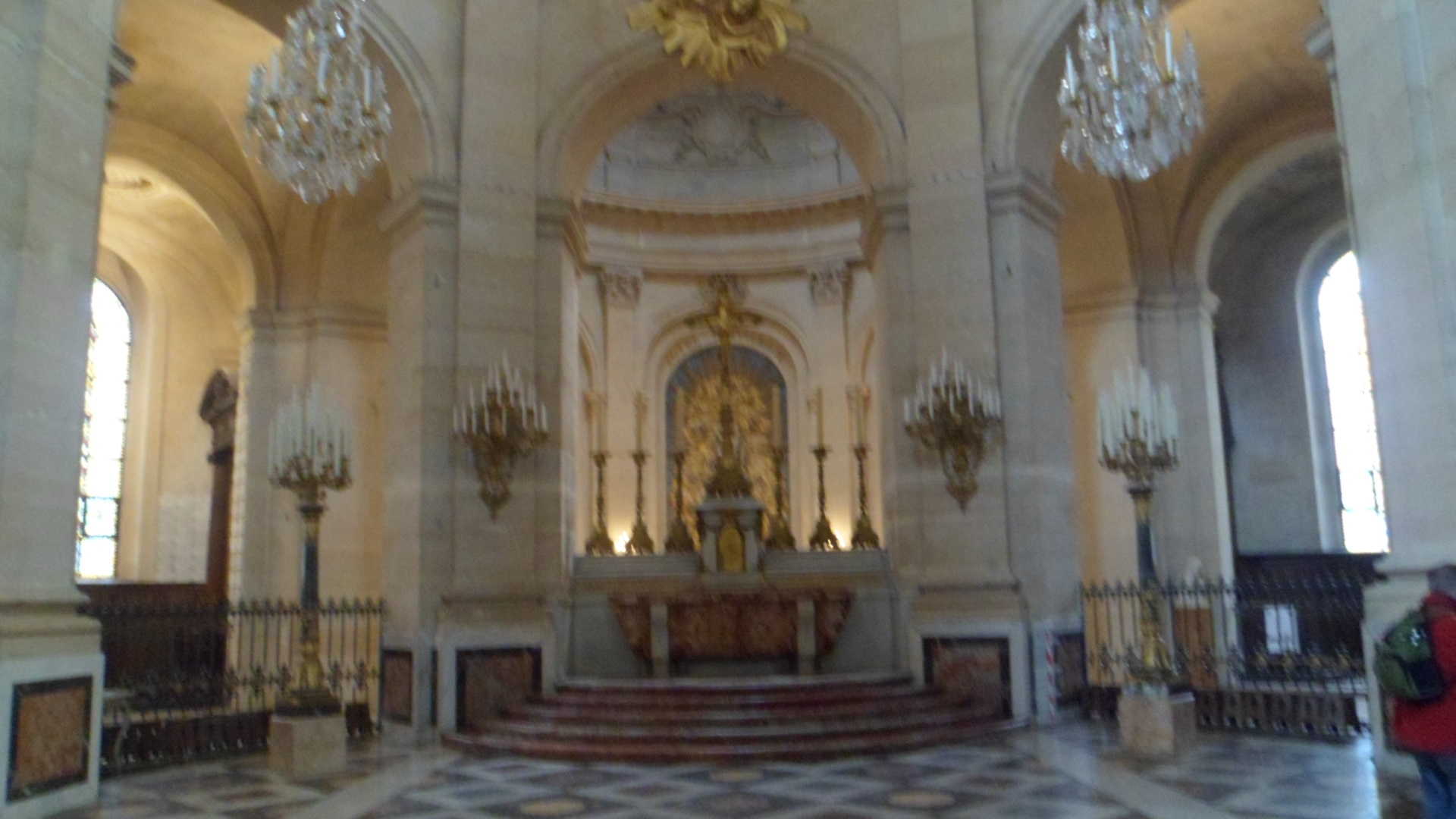
Cathedral de Saint-Louis, across town from Notre Dame, is also quite impressive.  I joined a laid-back pair of artistes for a short tour, whilst waiting for the train back to Paris.  This cathedral seemed somewhat lighter and airier than Notre Dame de Versailles.  It is named in honour of St. Louis the King.
SAM_9379                      SAM_9383

SAM_9384

Thus, my very full day in Versailles came to a happy close.  To celebrate, I had a fine dinner near my hotel.  If you are ever on Rue de Faubourg Montmartre, I recommend Restaurant Sizin, a full-service Turkish establishment.  This is a cut above the ubiquitous kebab shops, which I also frequented during my journey.  (“Eat Me” is a different establishment, and my curiosity didn’t get the better of me.)

SAM_9385

NEXT:  Day 9, Part 1:  A Visit to La Louvre.

An Eastward Homage, Day 8: Versailles, Part 1- The Chateau

8

Be forewarned, this post is heavy on photos, and tends towards gaudiness, but that is Chateau de Versailles- and those were the Bourbons.  It is an exhausting place to visit, but I am glad to have gone through the chateau first.  The gardens, and the town of Versailles, are most refreshing.

I am glad to have gone through all the chambers, and great halls, as they tell the story of  several men’s excesses, on the backs of their fellows, as well as any other great monument around the world.  If you are put off by all the gold and finery, you are in a good place.  We all know to what this excess led.

SAM_9065  SAM_9066

We start in the front courtyard, where one gets a sense of the enormity of the completed palace.  Know that this chateau was intended as a place of refuge for Louis XIV and his successors.  Versailles, from the 16th-19th centuries, was very much a country town.  Paris, then as now, was lovely, exciting- and exhausting, for the royals as for everyone else.

SAM_9068  SAM_9070

SAM_9075    SAM_9079

SAM_9081

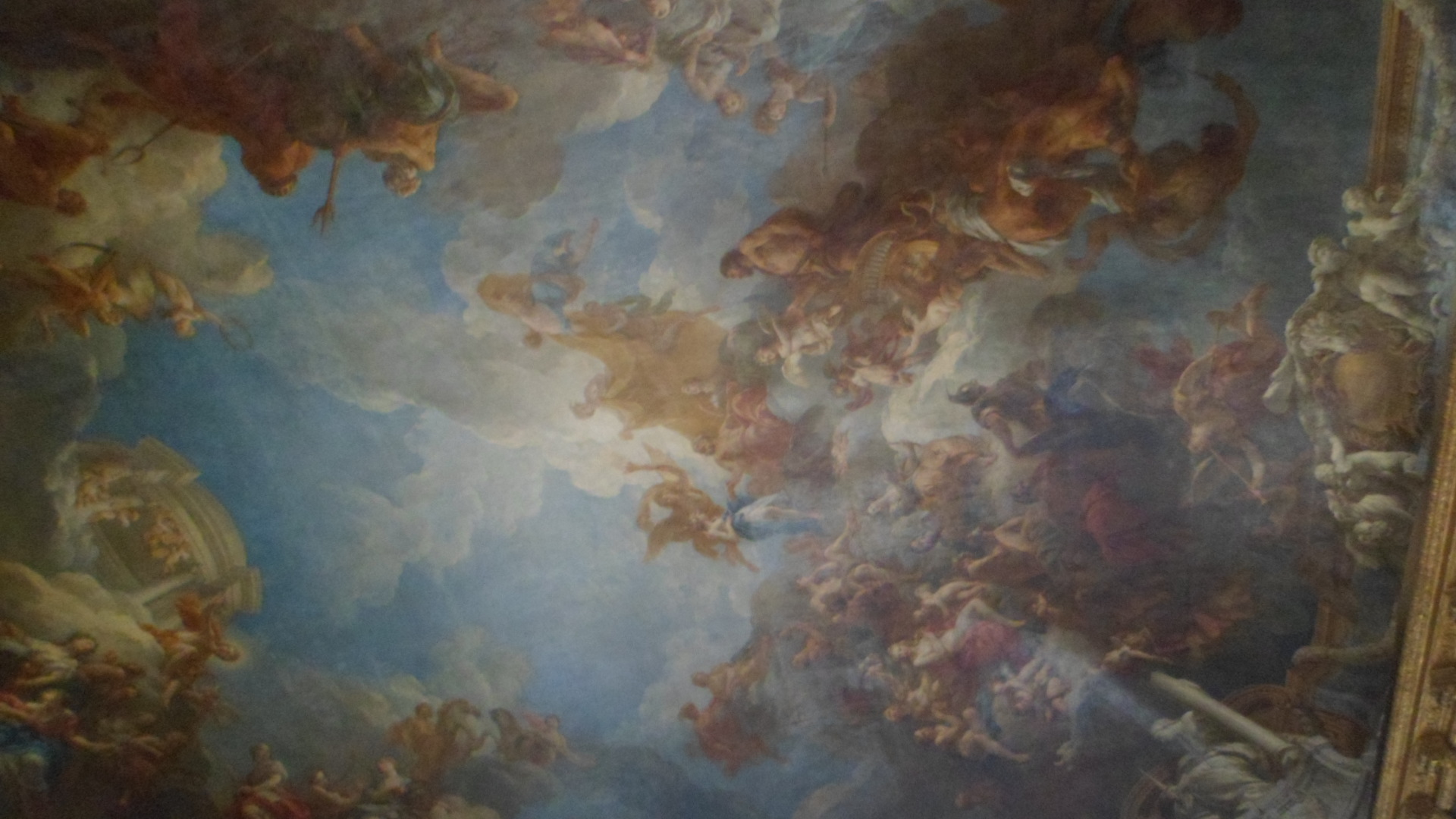
The first gilded gate, the detail of the front entry point and the ceiling of the antechamber follow.  Creation and classical mythology are themes covered over and over by the architects and landscapers of Versailles:  Andre Le Notre, Charles Le Brun, Jules Hardouin-Mansart and, under Louis-Philippe I, Frederic Nepven.

SAM_9091          SAM_9096

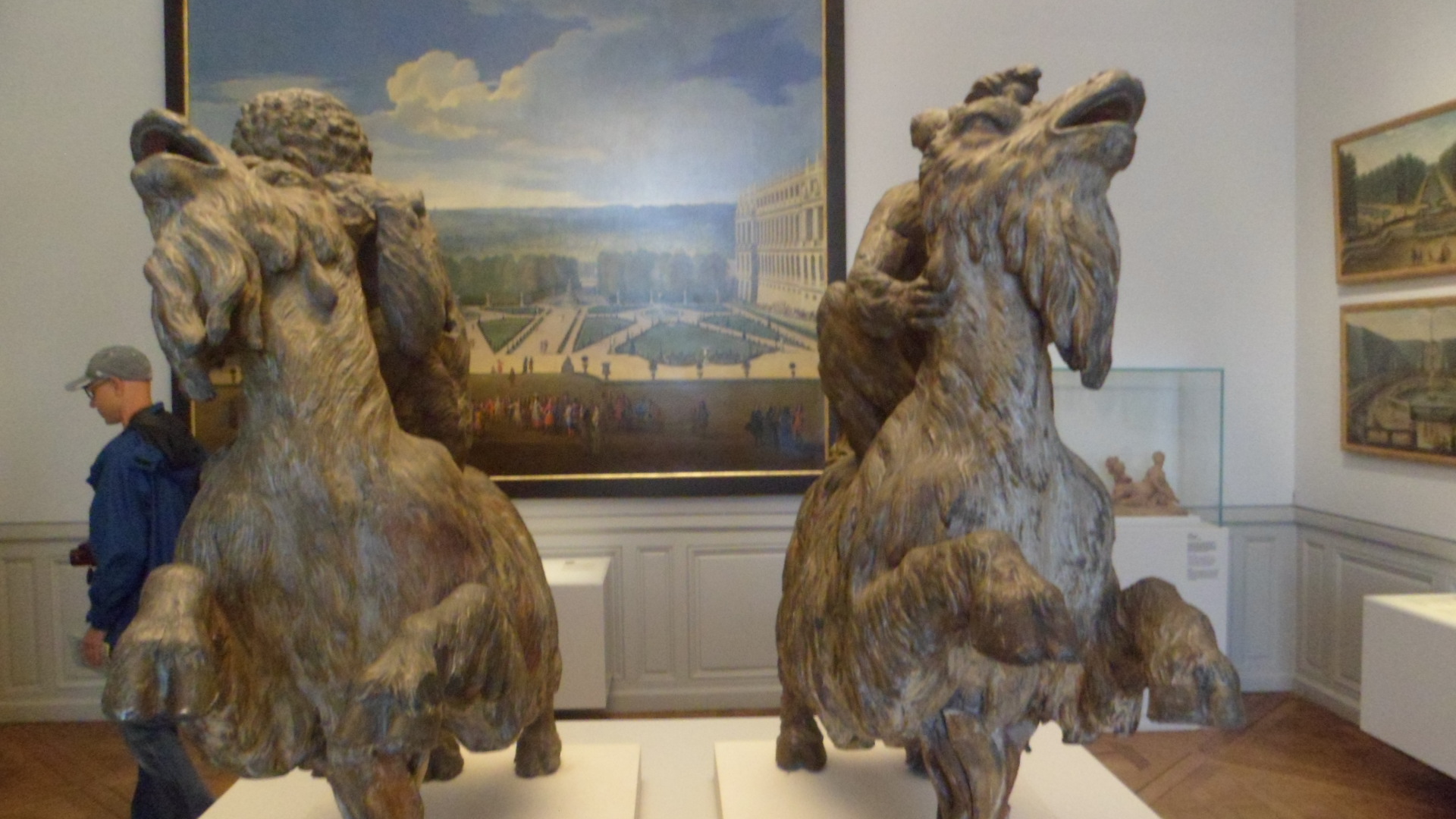
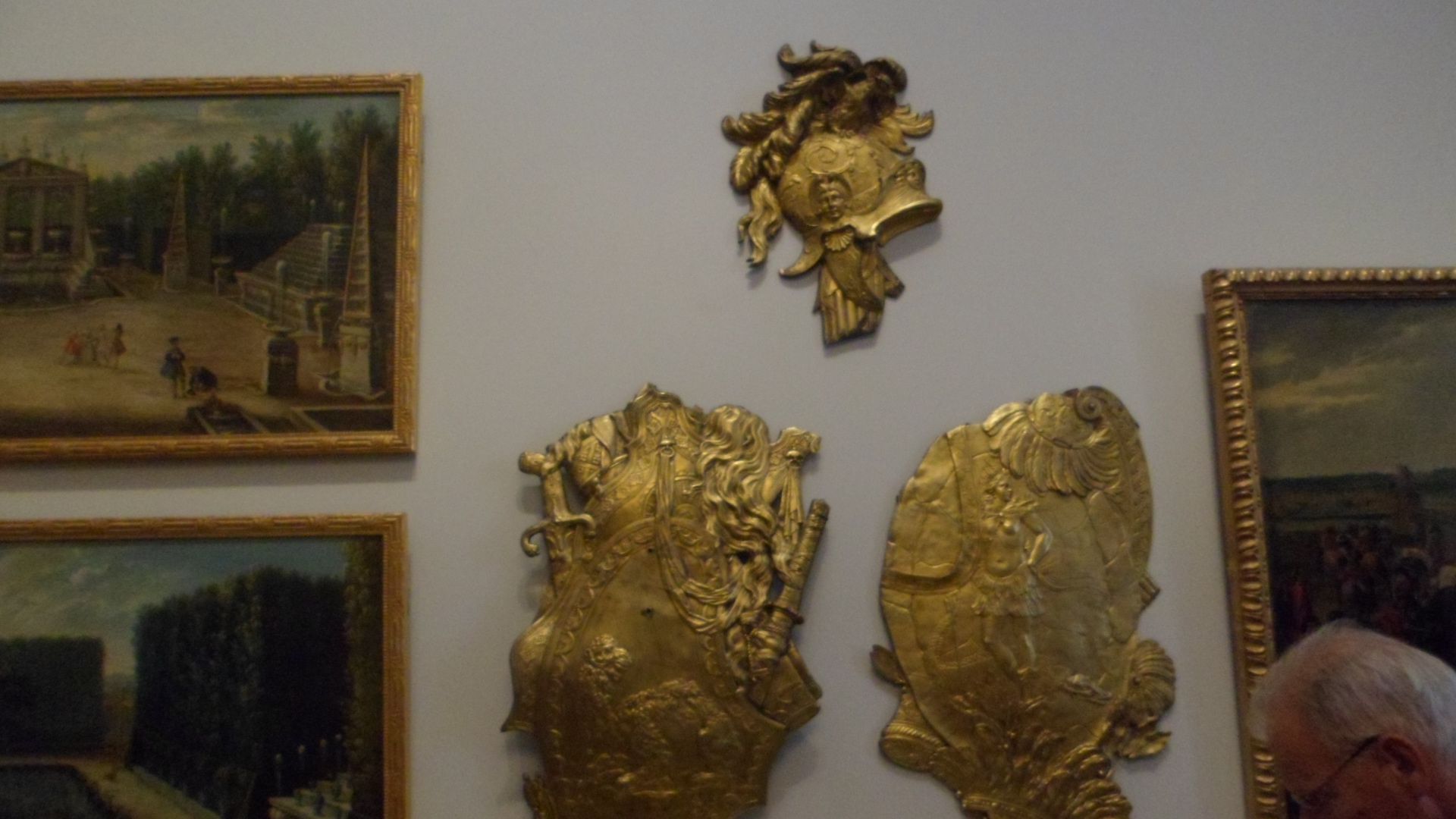
Next, two mythological characters, depicted in statuary, greet visitors as we go through a series of halls that tell the history of the chateau, from Louis XIV to the time of Louis-Philippe I, who bestowed this magnificent place upon the people of France, as THEIR treasure.  The gold, the marble and the enormity thus reverted to their truly rightful owners.  These are followed by “Tres Casques”, great gold pieces, representing helmets.

SAM_9097   SAM_9098

SAM_9099

Moving along, we see a portrait of Marie Antoinette, her son, the Dauphin, and his attendant, Madame Royale.  Next is Louis-Philippe, mounted on horseback, followed by his architect, Frederic Nepven.

SAM_9103  SAM_9104

Up the staircase, and down another long hall we go, to the salons. A series of halls, each named for a particular Roman god or goddess, were used by Louis XIV for regular audiences.  Salon de Diane, for example, was used as a buffet room.  Salon d”Apollon was a concert hall.  Salon de Mars was the ballroom.

SAM_9112       SAM_9115

SAM_9121   SAM_9130

SAM_9132   SAM_9142

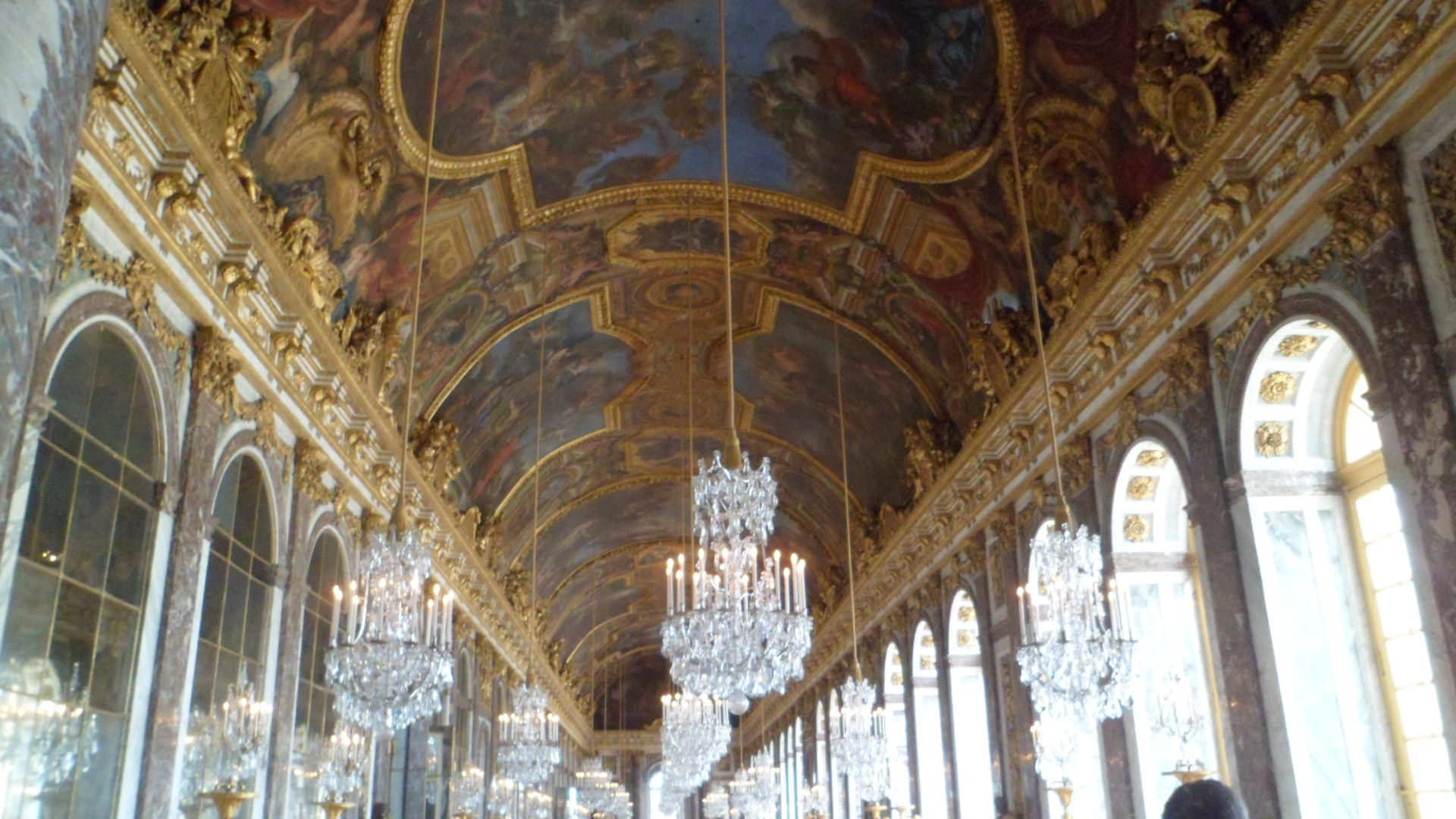
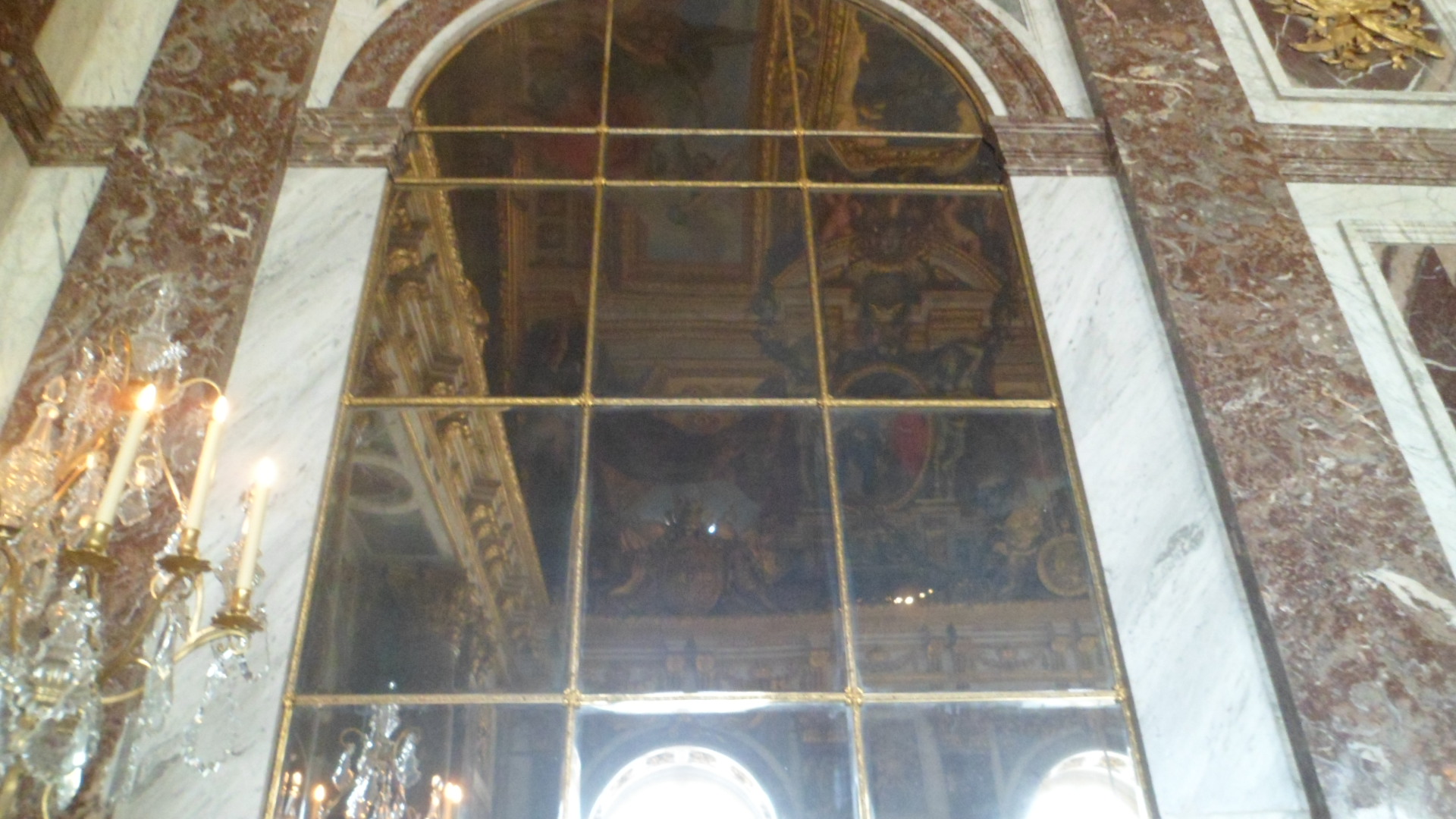
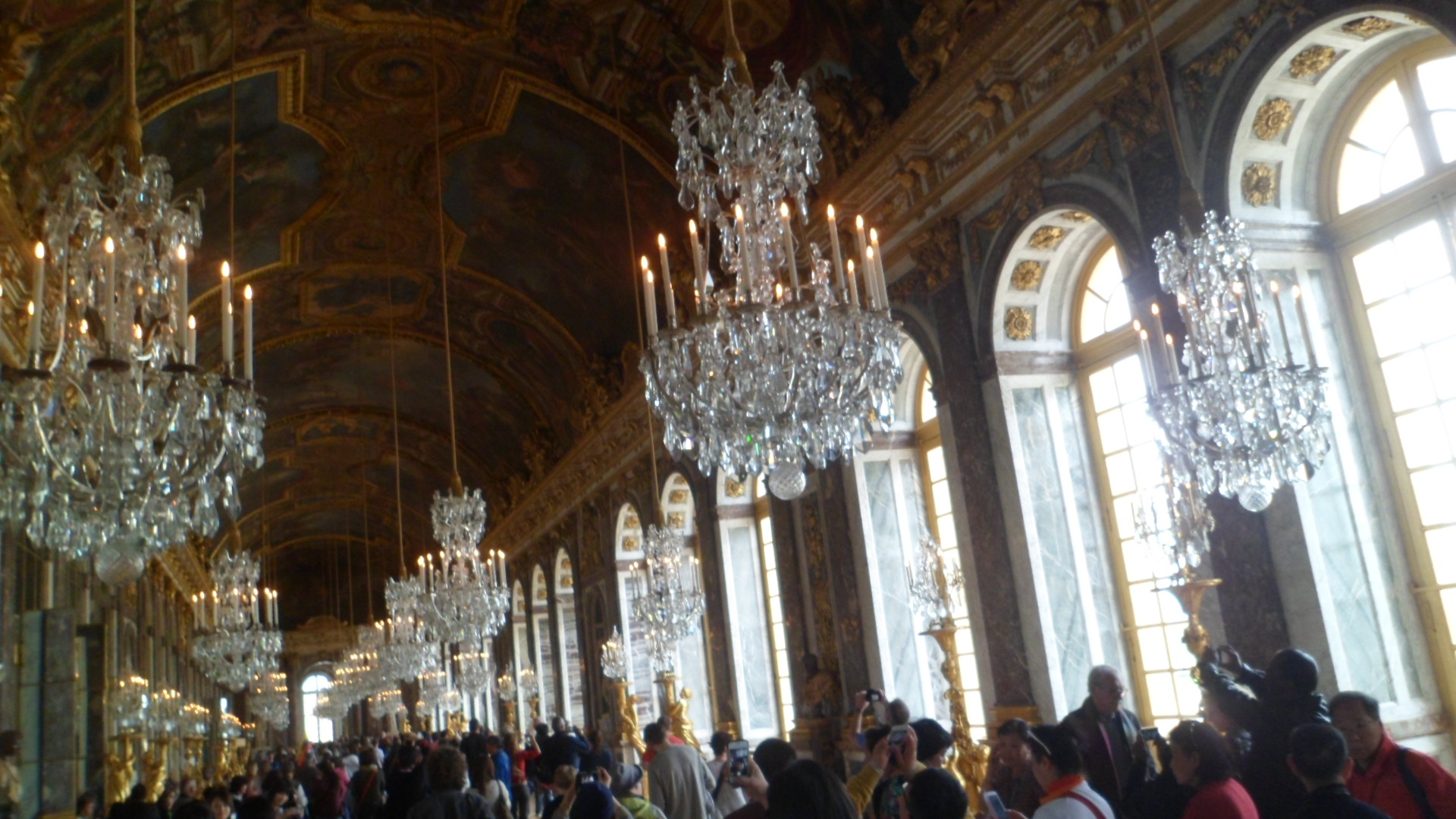
Three scenes from the Hall of Mirrors are next,(photos 22-24).  This great  hall was constructed under the supervision of Louis XIV’s crafty Treasure, Jean-Baptiste Colbert, who brought in several Venetian mirror craftsmen, at great peril to themselves, to fashion this great hall.  It links the King’s bed chamber with that of the Queen.  Louis had himself as the focus of the portraits and statuary.

SAM_9147      SAM_9149

SAM_9150

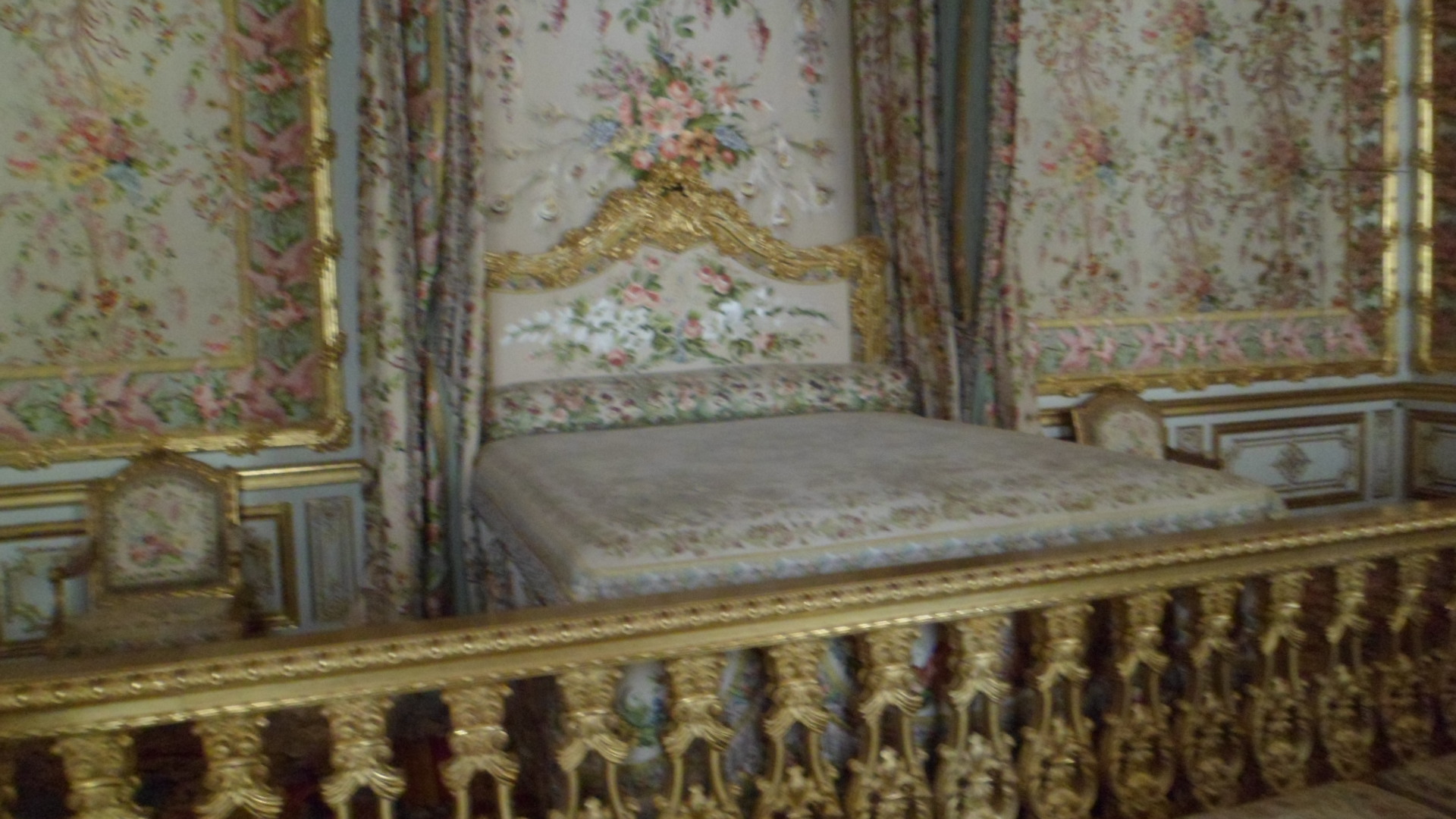
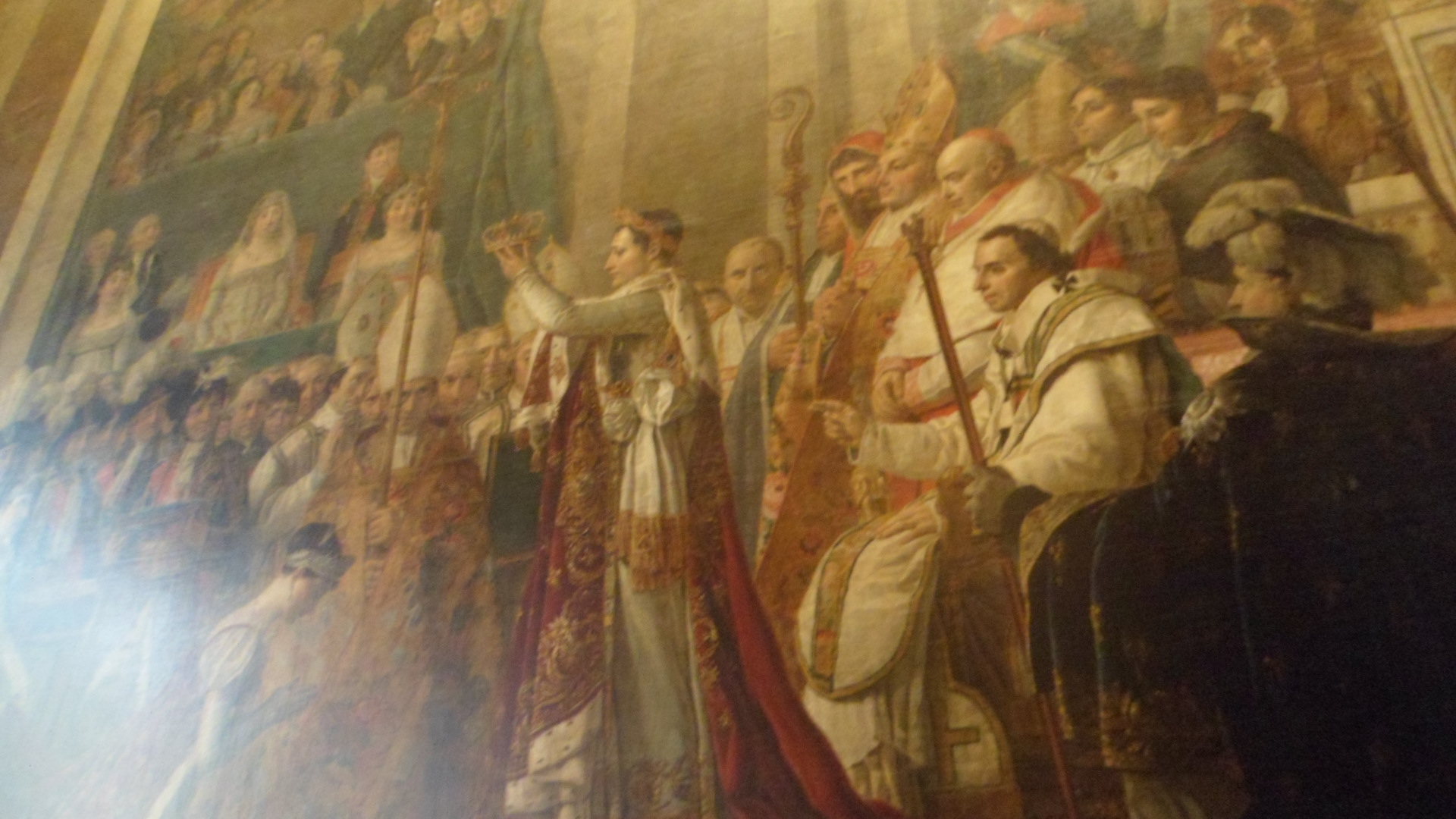
Views of the Queen’s bedchamber follow, with the famed portrait of Napoleon I, crowning first Empress Josephine, then himself, as a later addition to Court de la Reine.

SAM_9154  SAM_9165

SAM_9186   SAM_9192

SAM_9207

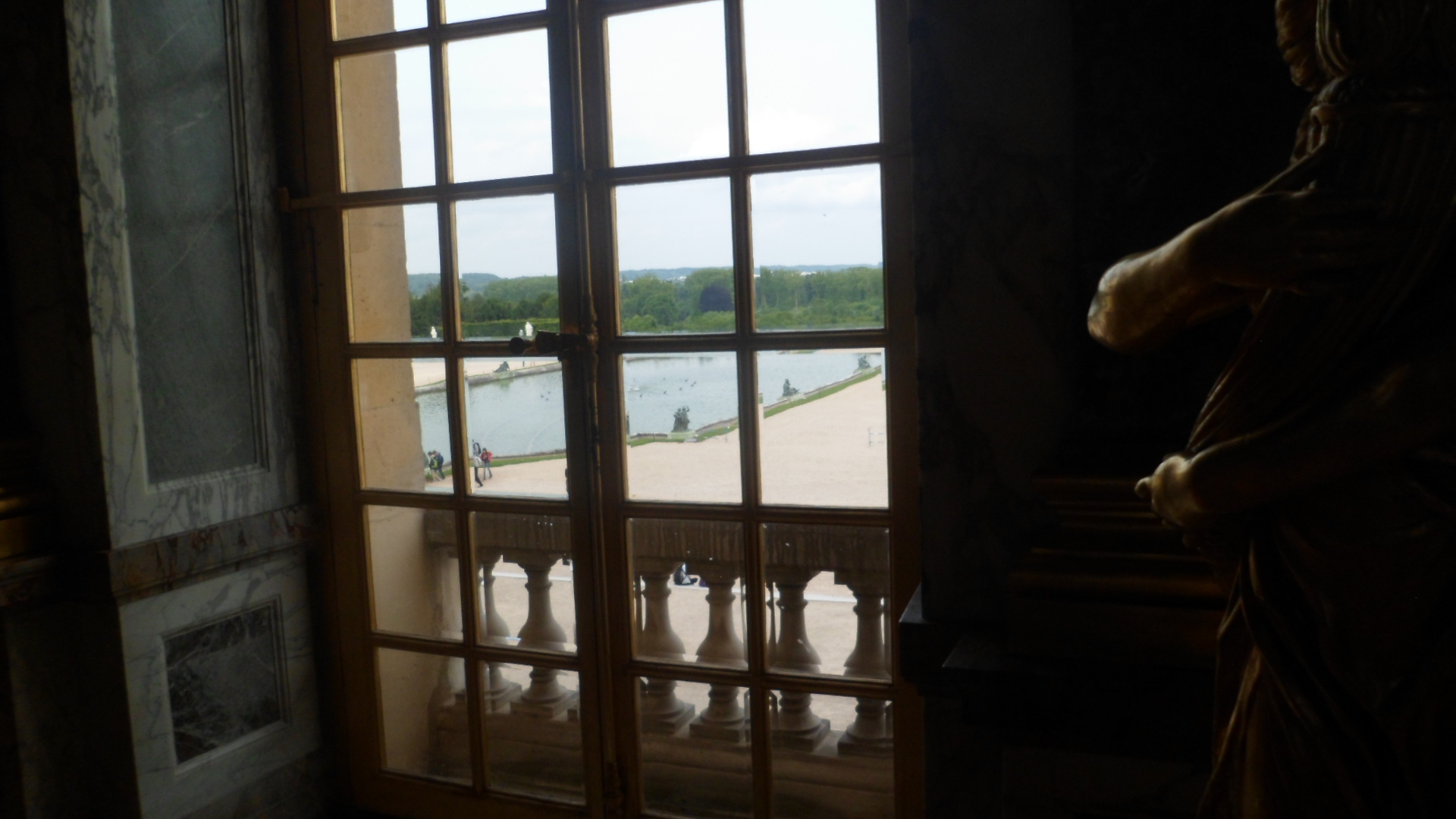
A view of the Inner Courtyard is next, and we finished our tour of the Chateau with visits to the apartments of Louis XV’s spinster daughters,  Madame Victoire and Madame Adelaide.  These ladies had little use for Marie Antoinette, their niece-in-law, and heeded the warnings by the peasant women who marched on Versailles, in 1789, leaving the Chateau for Italy, then for Greece, where they lived out the rest of their lives together.

SAM_9210

SAM_9214   SAM_9223

SAM_9225

The story of the Bourbons is a hard one, in the end, and fully illustrates how it is that we all have to hang together in this life, not vaunt ourselves over one another.

NEXT:  The Palace Gardens