The Hana Chronicles: Month 9, Day 15

0

October 6, 2026- At the midpoint of her ninth month, Hana walked with me, around the first floor, three times. She had very little need for napping today, taking a 30-minute rest, this morning, and wanting to stay on the move, the rest of the day. She expressed a momentary interest in trying to go upstairs. I vetoed that one. It will, at minimum, require her ability to walk around the house unassisted, over at least a two-week period. Her parents, of course, also need to be on board with it.

My granddaughter also mimicked someone-not sure who, that she thinks yaks too much. I don’t say all that much, so I will leave that one to the Universe to decipher. She loves my prayers, and comes over to put her hand on the prayer book, while I am reciting. In the middle of the devotional, this morning, she called out “Baha’u’llah!” I have used His name in her presence, maybe twice. Something is at work in her little mind.

HANA’S NOTE- I don’t want to be held anymore, when I am drinking from a bottle. I drink it better when I am standing up.

EXPANDING CIRCLES: Montana- I have been in Big Sky Country three times: 1972, between Babb and Monida, by way of Great Falls and Butte; 1982, from Monida to Cut Bank and then on up through the Blackfeet Reservation to Cardston and Stand Off, Alberta and over to Bozeman, on the return trip; 1987, crossing the state by bus, from St. Regis to Wibaux. It is one of two states that I have not re-visited since 1987 (the other being North Dakota). I would love to come up with a reason to fix that, in the next several years.

The turf- Western Montana is covered by the Rocky Mountains. The central and the eastern areas are riparian and high plains. It is the latter region that gives Montana its moniker: Big Sky Country. The state is drained by the Kootenai, Flathead, Bitterroot, Marias, Missouri, Blackfoot, Beaverhead, Musselshell, Yellowstone, and Milk Rivers, along with their tributaries.

First Nations- Montana is the ancestral home of the Assiniboine, Blackfeet (Piegan)., Little Shell Chippewa, Cree, Crow, Gros Ventre, Kootenai, Northern Cheyenne, Pend d’Oreille (Kalispel), Salish and Sioux.

Seven battles between First Nations and the U. S. Army figure strongly in Montana history. The most famous is 1. the Battle of Little Big Horn, June 25-6, 1876, between the U.S. Army 7th Cavalry and forces of the Lakota, Cheyenne and Arapaho Nations. The First Nations won this battle, which was sparked by a Cavalry raid on a Lakota and Cheyenne village. This is the battle which resulted in the deaths of 268 U.S. soldiers. including General George A. Custer. 2.Baker’s Massacre (1870) was intended to “teach good manners” to the Blackfeet (Piegan), as Gen. Baker’s mission was to punish a chief who was thought to be harbouring the killers of a prominent rancher. Baker attacked the wrong village, resulting in the deaths of 90 women, 50 children and 37 men. 3. Battle of the Rosebud, occurring the week before Little Big Horn. The forces of General George Crook fought to a draw with the Cheyenne and Sioux.4. Two Medicine fight(1806) Piegan warriors fought with a unit of the Corps of Discovery, led by Meriwether Lewis. Two Piegan were killed. This resulted in the Piegan closing their territory to fur traders. 5. The Hayfield Fight(1867) was one of the last skirmishes of Red Cloud’s War. Chief Red Cloud won commitments from the U.S. Government that the Powder River area would be “unceded Indian territory”. Of course, that “commitment” was soon forgotten. 6. Battle of Bearpaw (1877) was the last battle of the Nez Perce War (October 5). It was upon this defeat that Chief Joseph delivered his surrender speech: “From where the sun now stands I will fight no more forever.” 7. Battle of Big Hole (1877)- This battle, in July, deepened the distrust which the Nez Perce had towards the U.S. military. General John Gibbon’s forces killed between 70-90 Nez Perce, mostly women and children. 29 soldiers were killed.

Where I feel most at home: Babb (I was welcomed by a Piegan family, upon crossing the Canadian border, in 1872), Bozeman, Choteau, Butte.

Where I feel most at peace- Babb, Flathead Lake

Future Five: Glacier National Park, Bob Marshall Wilderness, Little Big Horn National Historical Site, West Yellowstone, Missouri Breaks.

NEXT: We go to the Great Plains, and North Dakota.
Tales from the 2016 Road: The Other Half Gives

7

July 3, 2016, Ponca City-  I spent about forty minutes visiting this spacious northern Oklahoma town’s three major landmarks, all associated with the oil magnate, E.W. Marland, and his family.

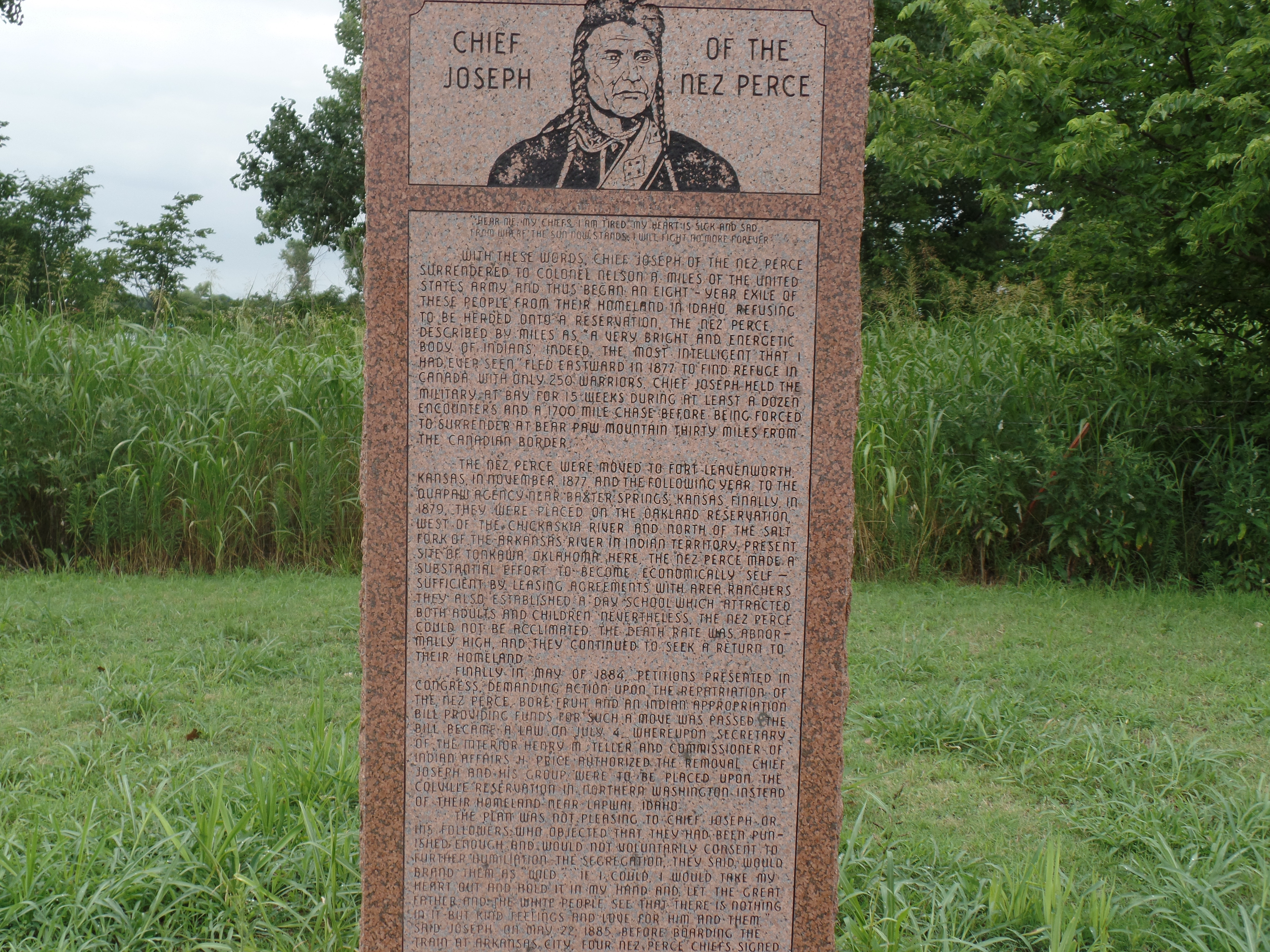
Prior to arriving here, I stopped at the roadside memorial to Chief Joseph, logistics chief of the Nez Perce, in the mid-Nineteenth Century.  The captive Nez Perce, native to Idaho, had been brought here, to Tonkawa, in 1877, and made to remain there, until 1884.  They were allowed to return to Idaho, then, and given the choice of becoming Christian and staying in Idaho, or retaining their old ways, and being moved to Colville, Washington.  Chief Joseph and his band chose the latter.  Below, is the photo of the memorial to him.

SAMSUNG CAMERA PICTURES

Memorial to Chief Joseph, Tonkawa, OK

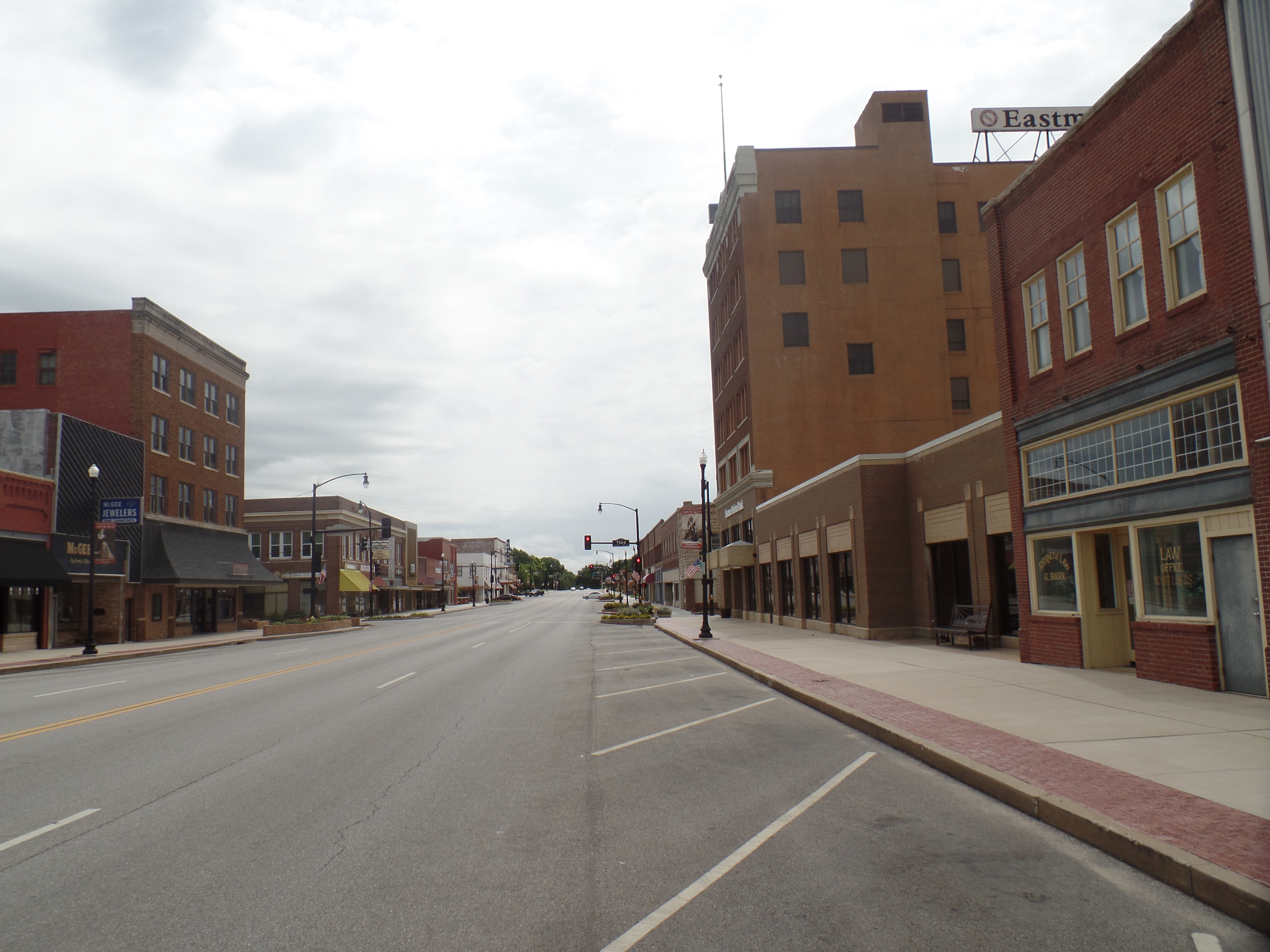
Ponca City, in Osage country, has among the earliest ties to the petroleum industry in Oklahoma.  It is, nonetheless, among the state’s most spacious and well-appointed communities.  Here is a look at downtown.

SAMSUNG CAMERA PICTURES

Grand Avenue, Ponca City

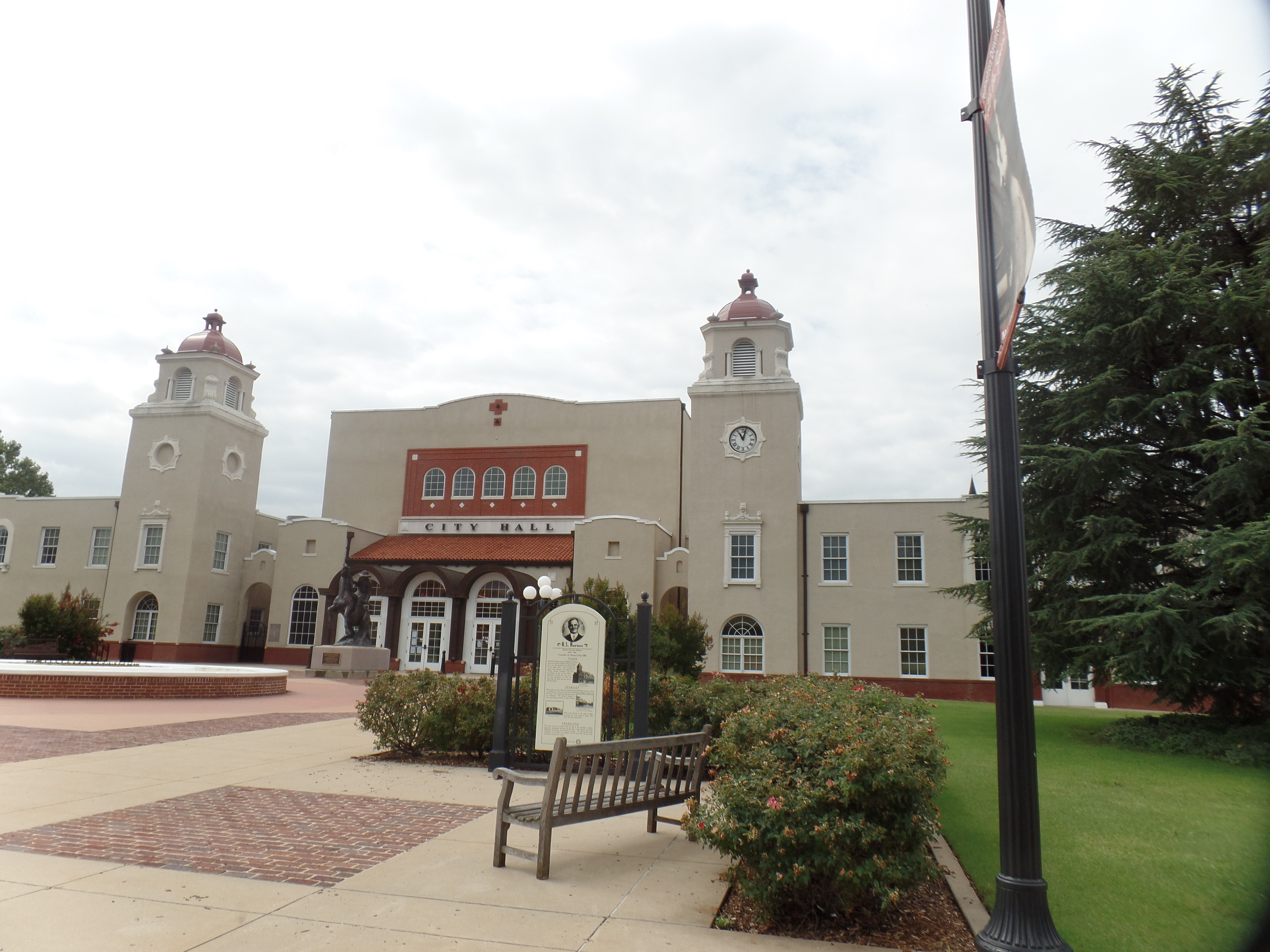
City Hall is also strikingly modern.

SAMSUNG CAMERA PICTURES

Ponca City Hall

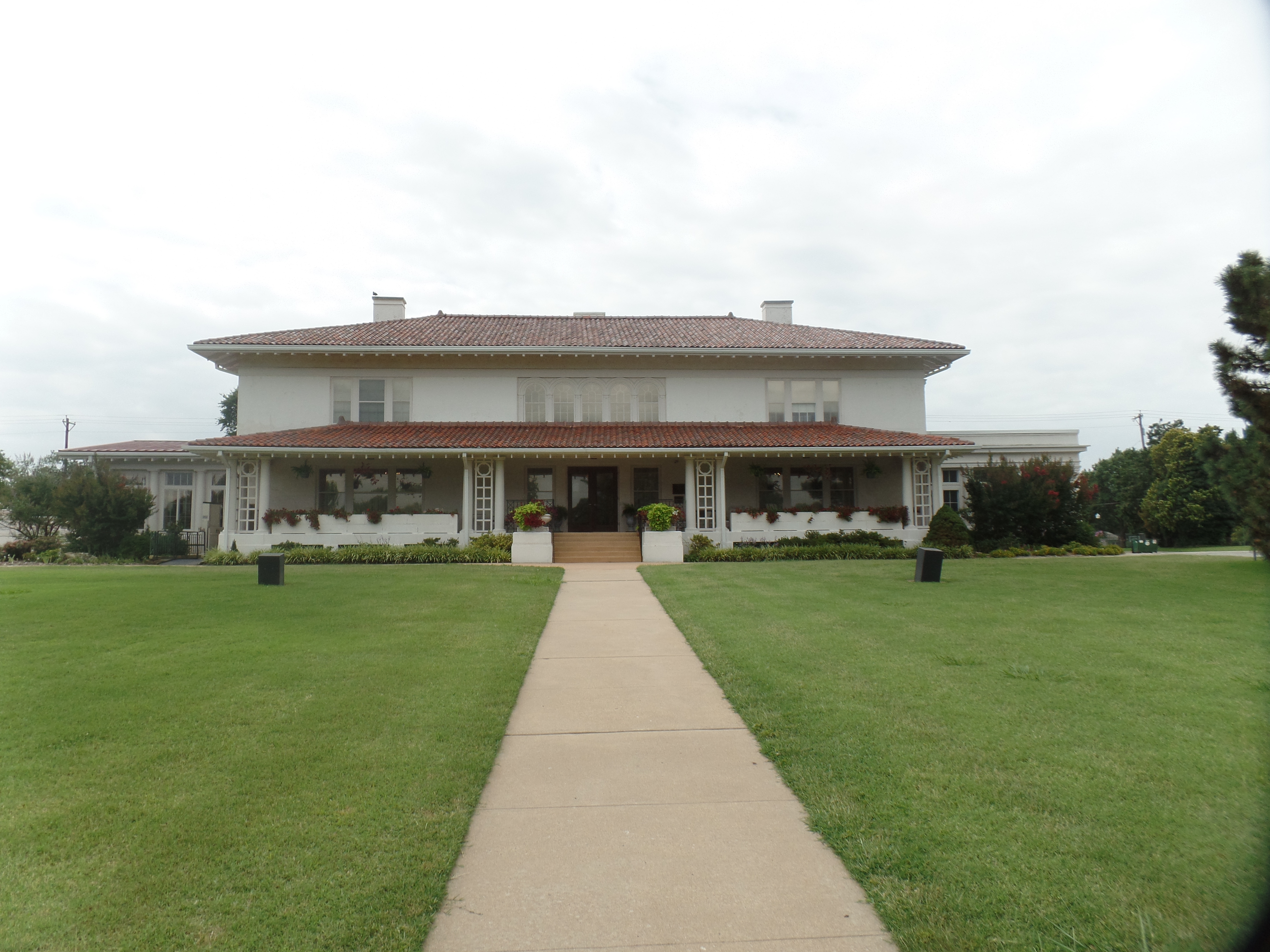
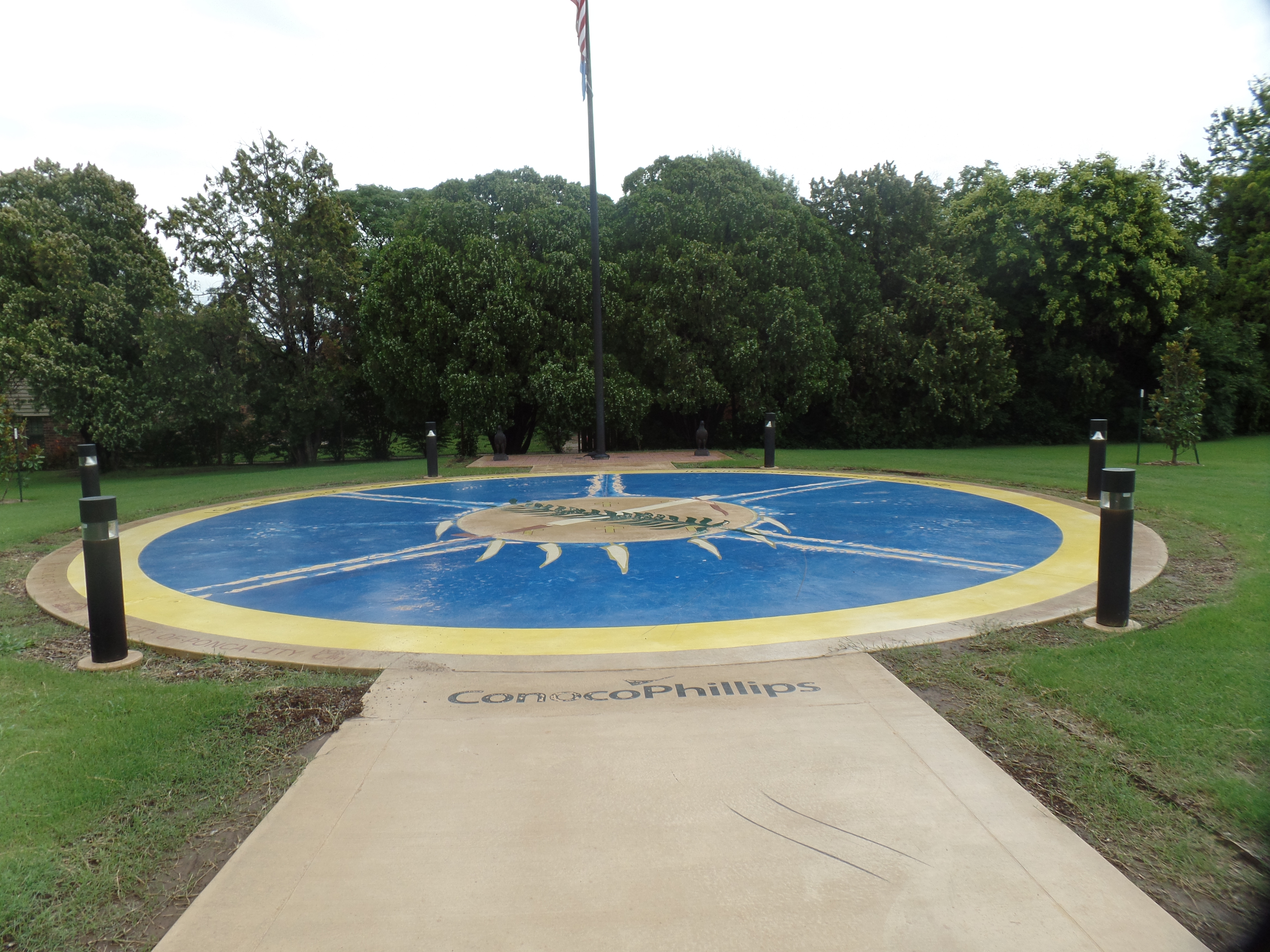
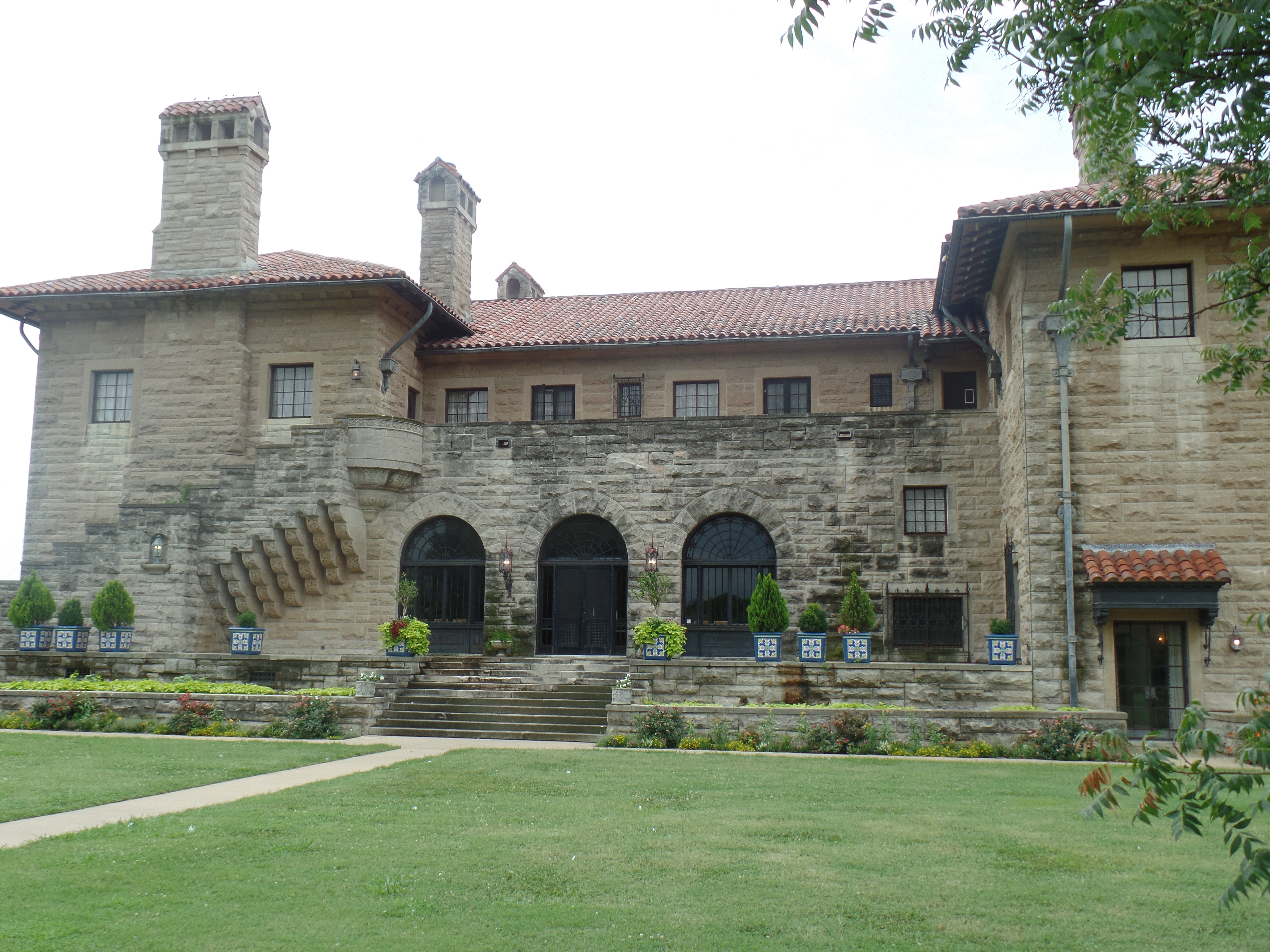
There are two homes, built by E.W. Marland, which feature prominently in Ponca City’s civic life.  Marland’s  Grand Home, built by him in 1916, now serves as the city’s cultural center and Indian Museum.

SAM_7078.JPG

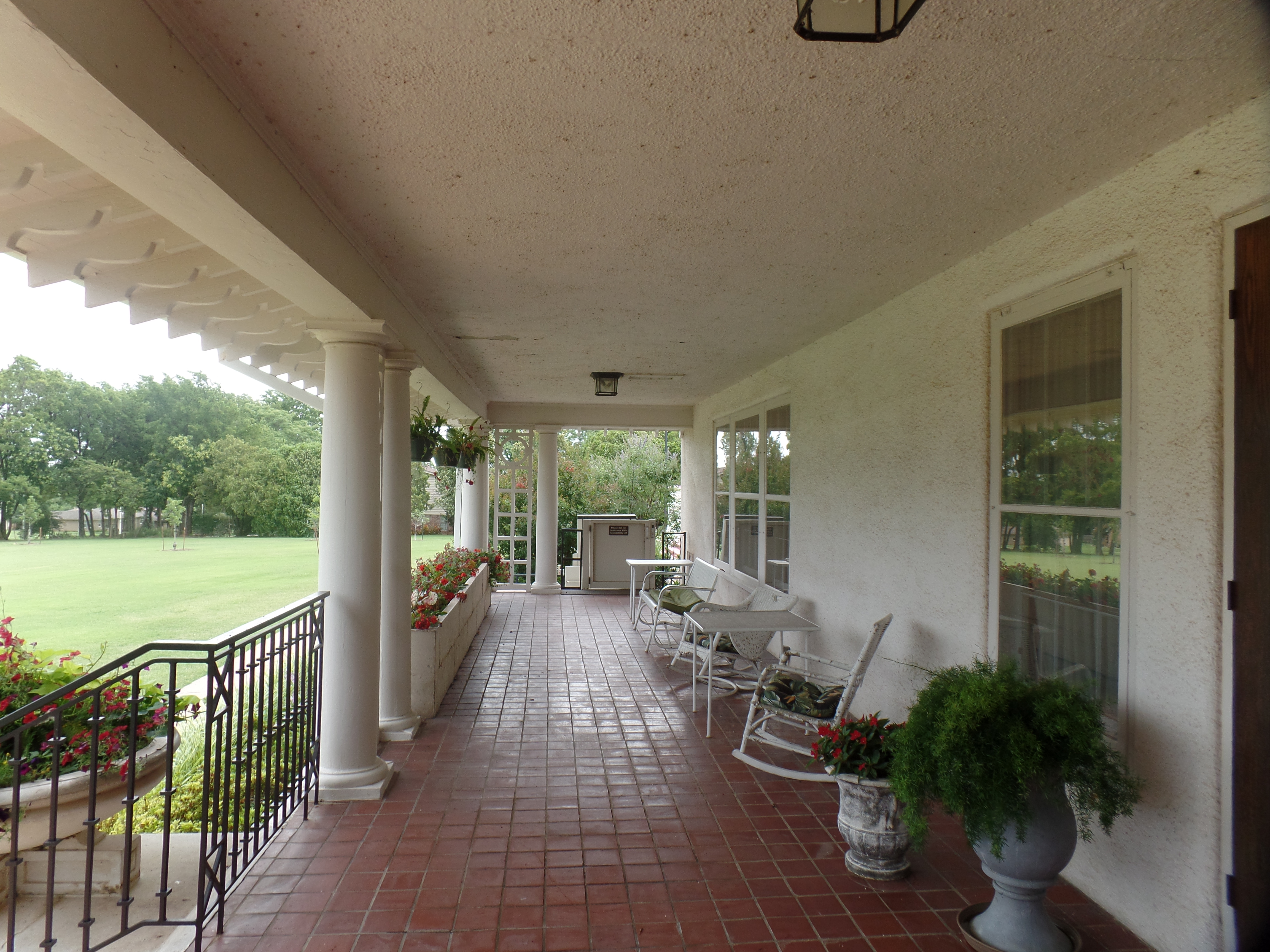
Veranda, Marland’s Grand House, Ponca City

SAMSUNG CAMERA PICTURES

Full view of Marland’s Great House, Ponca City

SAMSUNG CAMERA PICTURES

Original Marland Oil Company Flag Staff, Ponca City

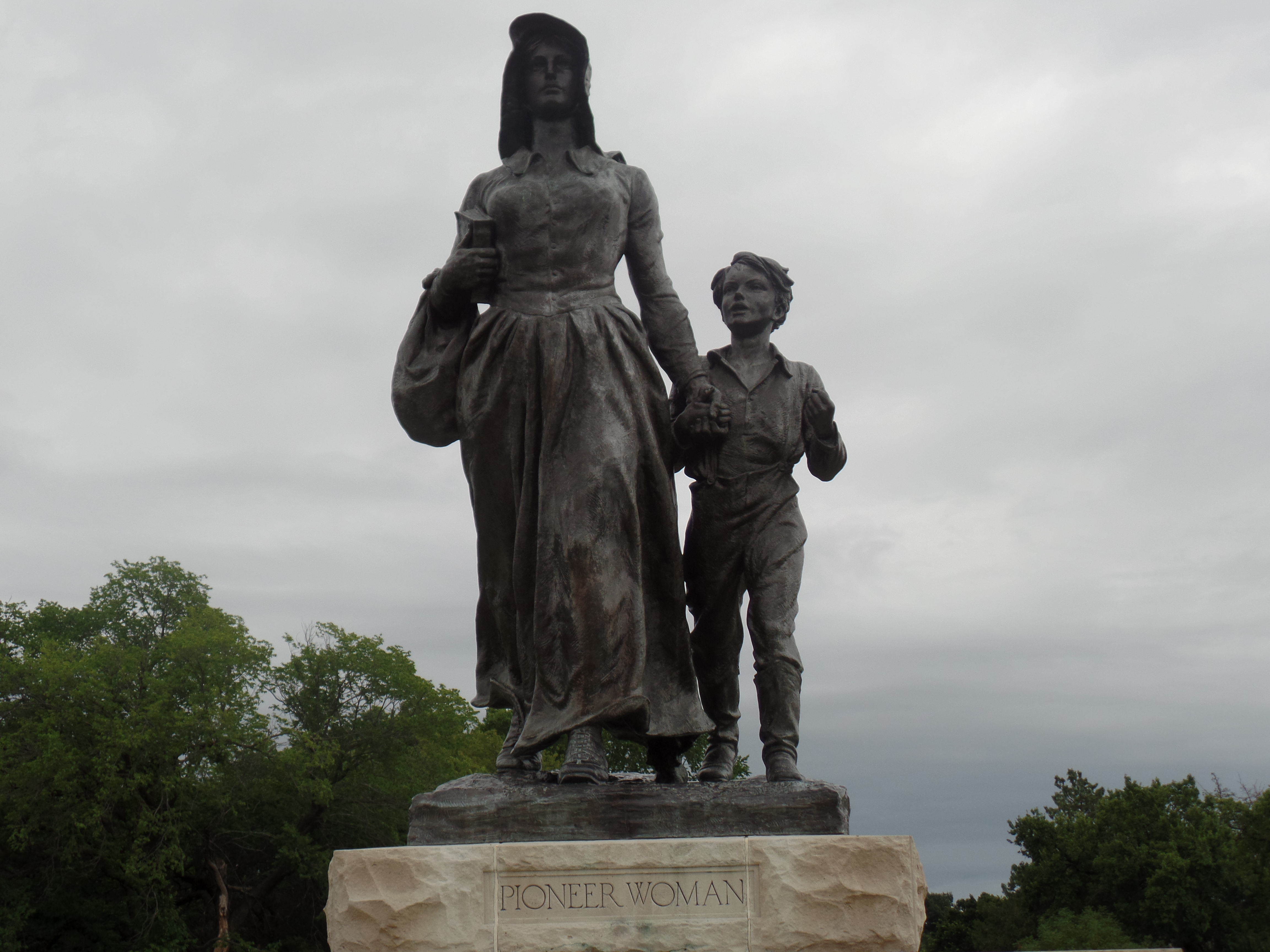
Ernest Whitworth Marland had a sincere respect for the sacrifices made by women, on the prairie, and had this statue built, in their honour.

SAMSUNG CAMERA PICTURES

Pioneer Woman Statue, Ponca City

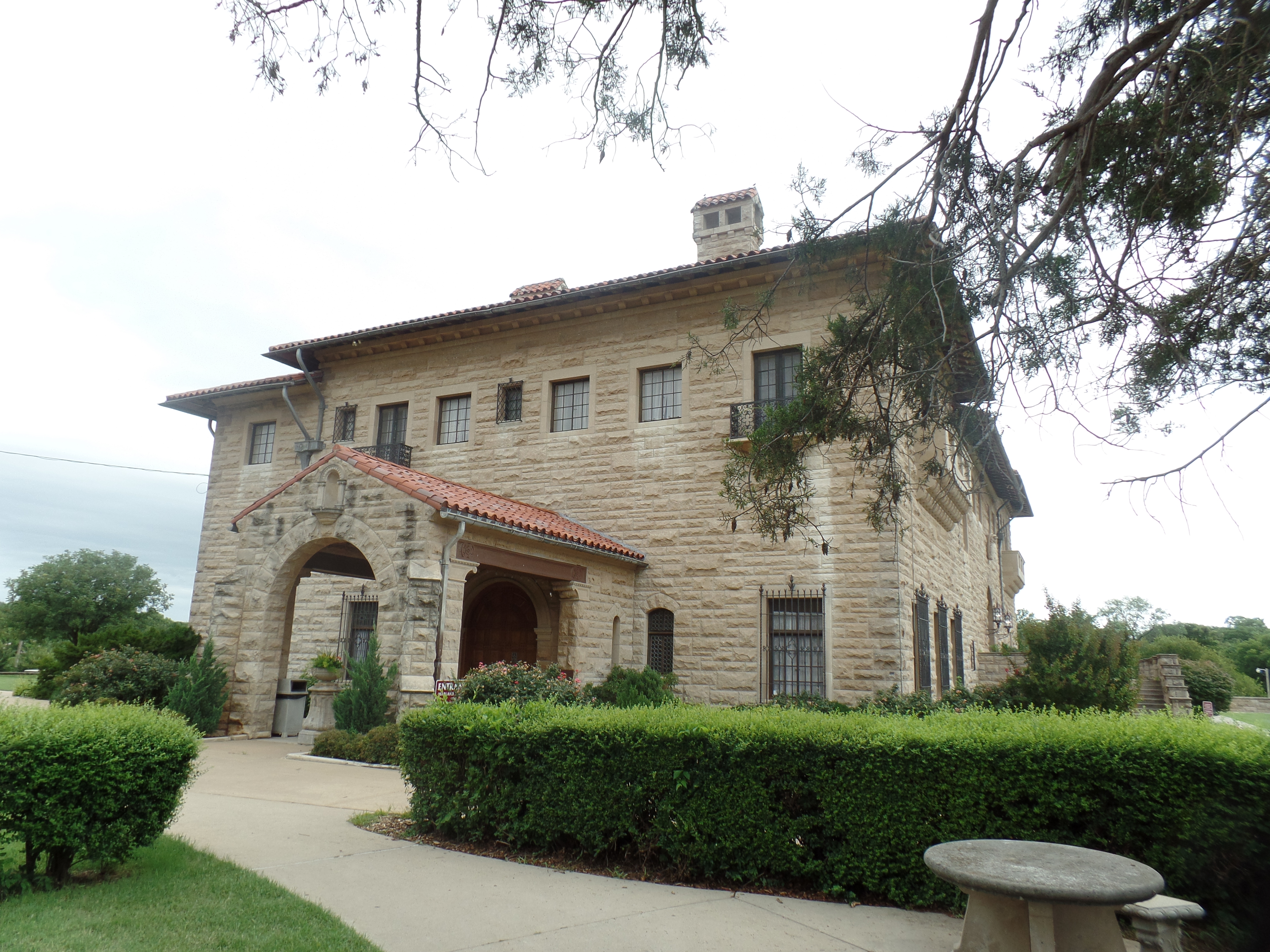
The Marland Mansion, where the family lived after 1916, is the centerpiece of a city park, and is maintained in the spirit of the early 20th Century.  I toured the grounds, as the interior is not open on Sundays.

The Marland children, George and Lydie, are honoured with statues, at the northern and eastern ends of the property, respectively.

The mansion itself was built in grand, European style.  Ernest was a generous man, and did not spare himself or his family of that largesse.

SAM_7085.JPG

SAMSUNG CAMERA PICTURES

Marland Mansion, Ponca City

There is a wealth of flora on the grounds.

SAMSUNG CAMERA PICTURES

Rhododendron bush, Marland Mansion, Ponca City

There is an extensive walking trail around the grounds, which I did not have time to explore, given my invitation to a Fourth of July gathering, east of Joplin.

The pond, though, lends a serenity, and a wildness, to this most epicurean of parks.

SAMSUNG CAMERA PICTURES

Pond, Marland Mansion grounds

The park is a refreshing place for Poncans to gather, so in my view, E.W.’s largesse has had a good long-term effect.  Now, as long as we keep moving towards cleaner energy….

NEXT UP:  Christmas in July

The Road to 65, Mile 209: A Triangle of Towns, Part 2- Pullman, WA and ITS University

0

June 25, 2015, Pullman-  It’s hard to not crisscross between Idaho and Washington, when in this part of the Palouse.  Pullman, a scant eight miles from the University of Idaho, at Moscow, has the equally estimable Washington State University.  I parked in a two-hour spot, downtown, and used these steps to visit the University.

325

The school was begun about the time that Washington became  a state, in 1889.  The Palouse was already drawing farmers from the Great Plains, and the small Midwestern colleges were models for the initial Normal School.

With many of the settlers being of Germanic or Scandinavian ancestry, the turreted structures found in universities in northern Europe found emulation here.

326

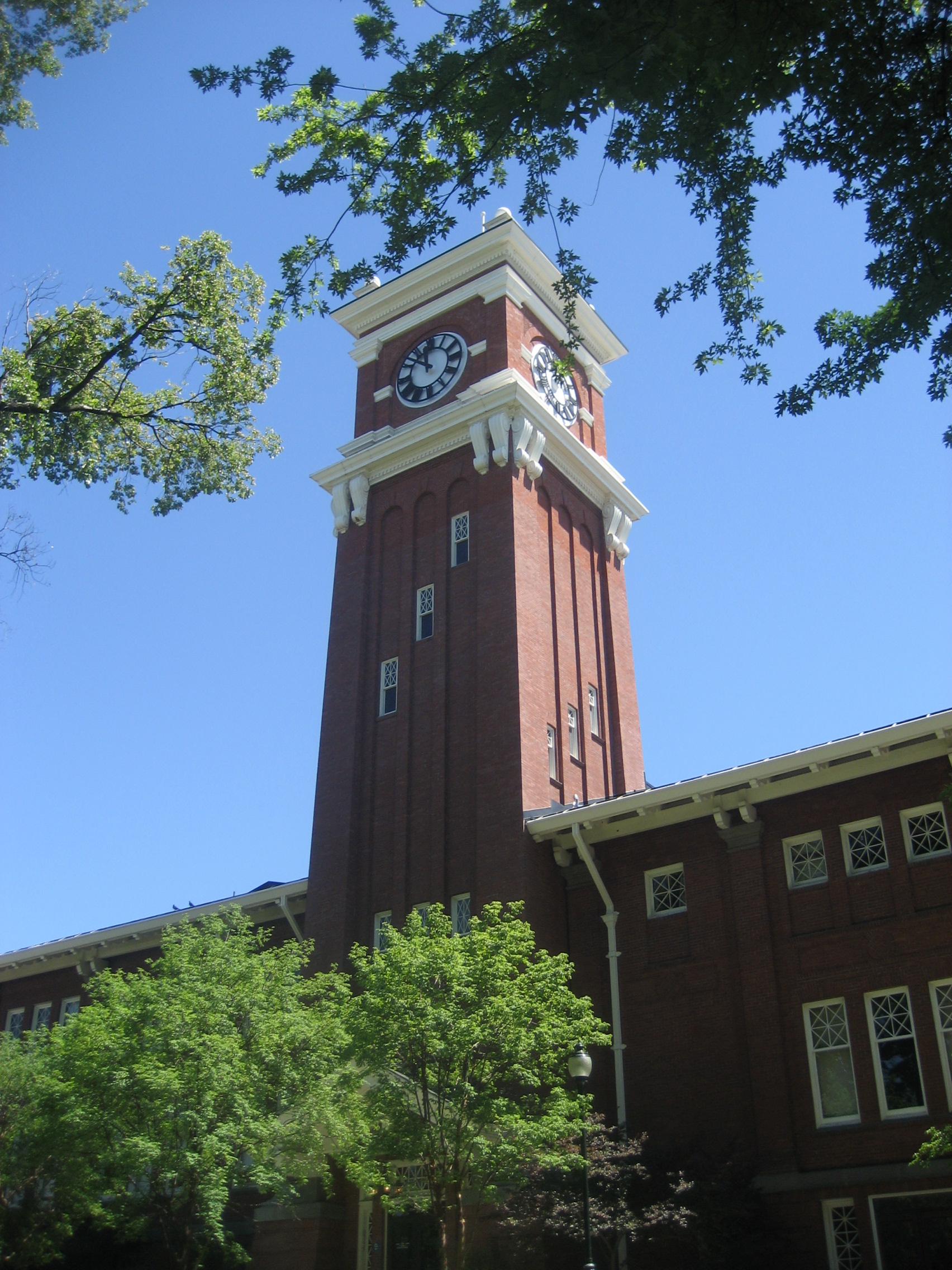
The Clock Tower, a nearly-universal feature of institutions of higher learning, was also one of WSU’s early structures.

329

The university library was quite busy, as summer session was still in full swing.  I noted that was true at UI, and, a year ago, at the University of Heidelberg, Germany.

331

This touching memorial met me, along the South Fork Palouse Riverwalk, as I returned downtown from the hilltop University.

333

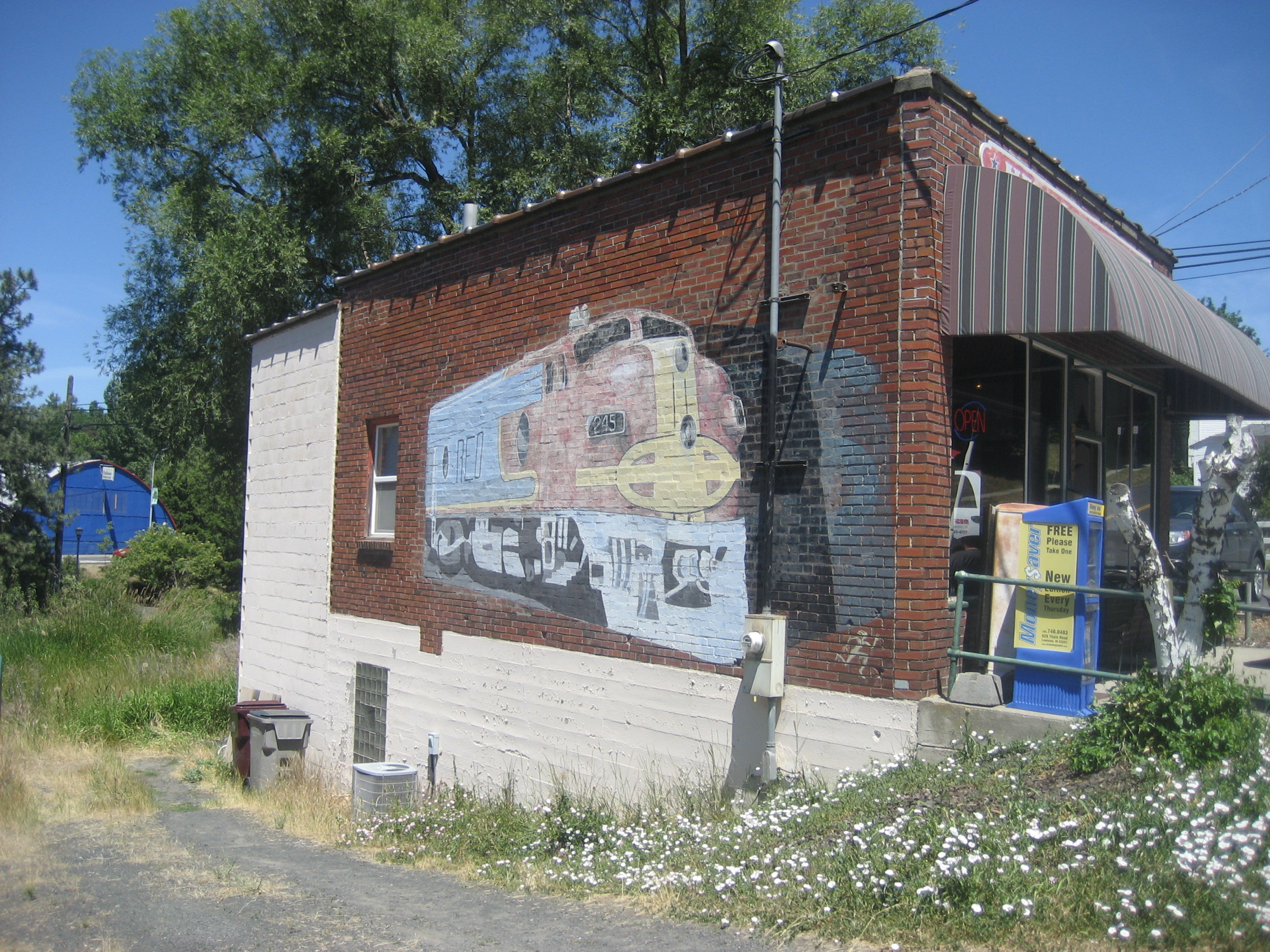
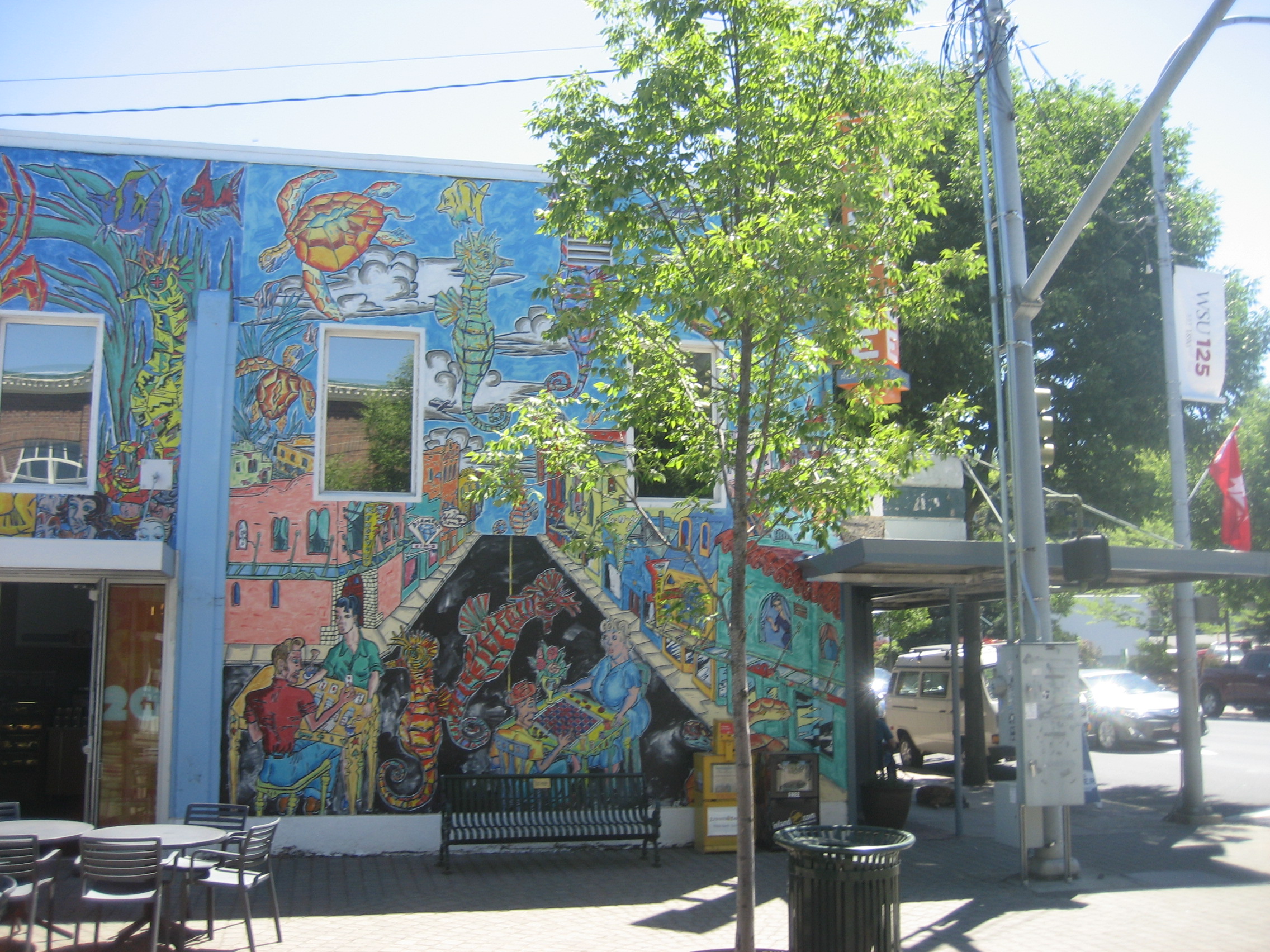
Cities worldwide are embracing outdoor murals, and Pullman’s celebrates its railroad past.

334

The town has a smaller art scene than Moscow, but young people here are every bit as proud of their joyful noises, as their counterparts to the east319

South Fork Palouse Riverwalk is heavily used by locals, though in the lunch hour, I had the path virtually to myself.

320

322

324

The Nez Perce influence is still felt here, at the western edge of that great nation’s rangelands.323

I enjoyed a hearty lunch at Heroes and Sports, in the building on whose exterior the railroad mural is shown, above.  Two WSU ladies cheerfully welcomed about twelve of us in from the increasing heat, and I relished a Philly steak, before heading off, towards Lewiston, and points further south.