
If Oatman, a preserved 19th Century town which still has an active mining operation nearby, were to tout itself as a north Arizona version of Bisbee- it’d be a stretch. Oatman is, however, unique. It has a bustling crowd of California and southern Nevada day-trippers, a few off-the-beaten track adventurers, who scout the nearby Black Mountains- which are quite interesting, in and of themselves, and a pack or two of semi-wild burros. The equines are descended from pack animals which came with northwest Arizona’s silver and uranium prospectors, in the late 1890’s. They are generally beloved in these parts, and loathed by a few “earth-firsters” who have somehow concluded the burros are a threat to native bighorn sheep- which stay in the mountains, while the burros are town dwellers and content themselves with the foothills.
This past Presidents Day marked my second trip to Oatman. The last time I was here, in 1979, the road was rutted and potholes were predominant in the pavement. This time, the road was quite smooth, though there were several hairpin turns. Oatman lies 28 miles west southwest of Kingman. In between are the awesome Black Mts.


Oatman appears, rather suddenly, after 28 miles of Mohave goodness. The initial ambiance is of a misplaced ski chalet. Right around the corner, though, is the town’s official greeting.
The main street would not be out of place in any of a number of Western mining towns; nor would the wry humour.


The main attraction, though, are the town’s unofficial greeters.


Excuse the last, grainy photo. I just couldn’t resist including Mama and Baby, even if they appear rather impressionistic.
This all goes to show what a wealth of delightful scenes may be found between Phoenix and Las Vegas- a stretch of road many view as “Let’s just get it done.”
 The Joshua tree, along with the yucca, is a staple of the Mohave Desert.


 and one more recent visitor’s autograph (thankfully, it is off in an obscure spot). The murals themselves are a stunning contrast to what lies around them.






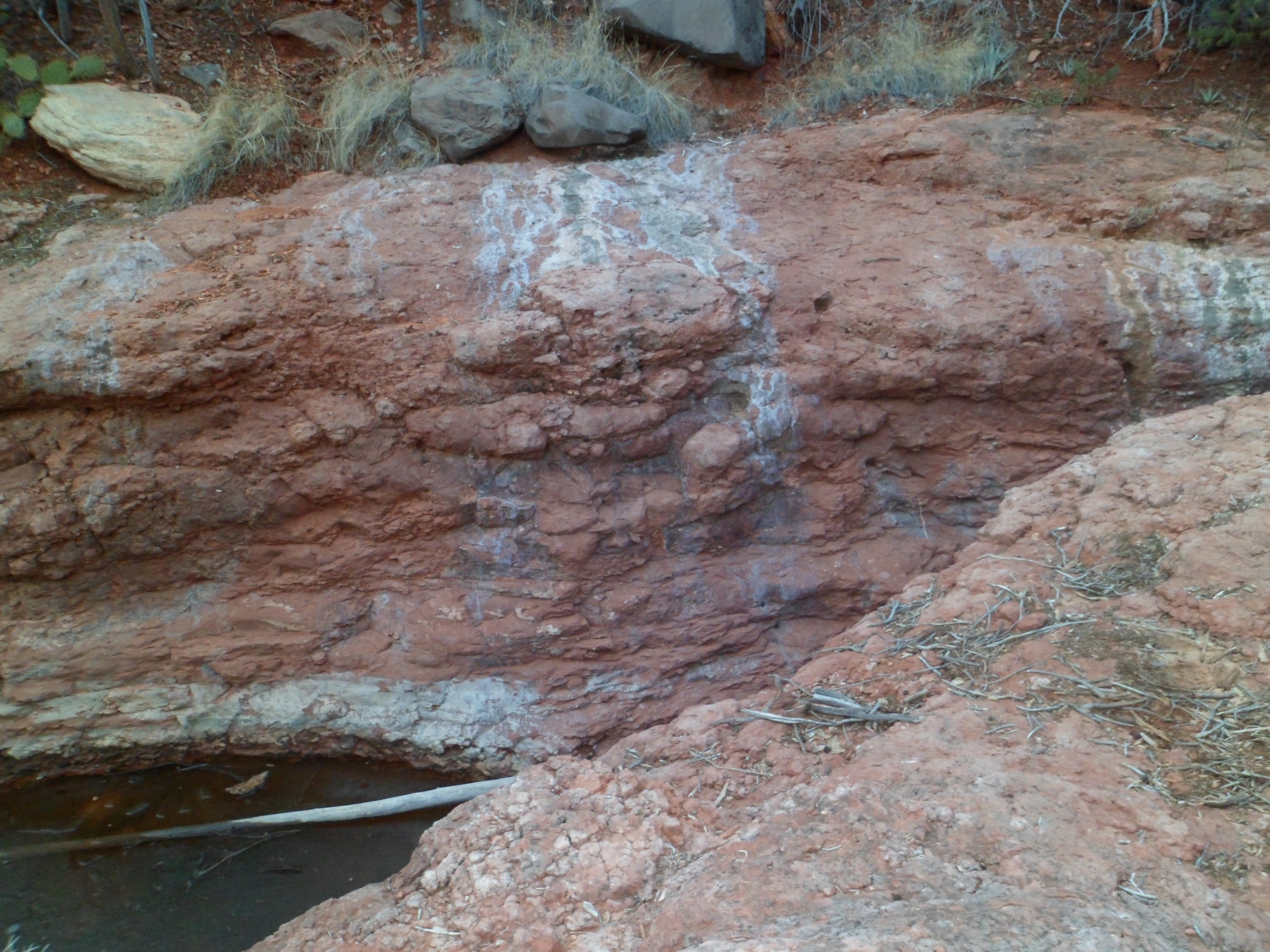


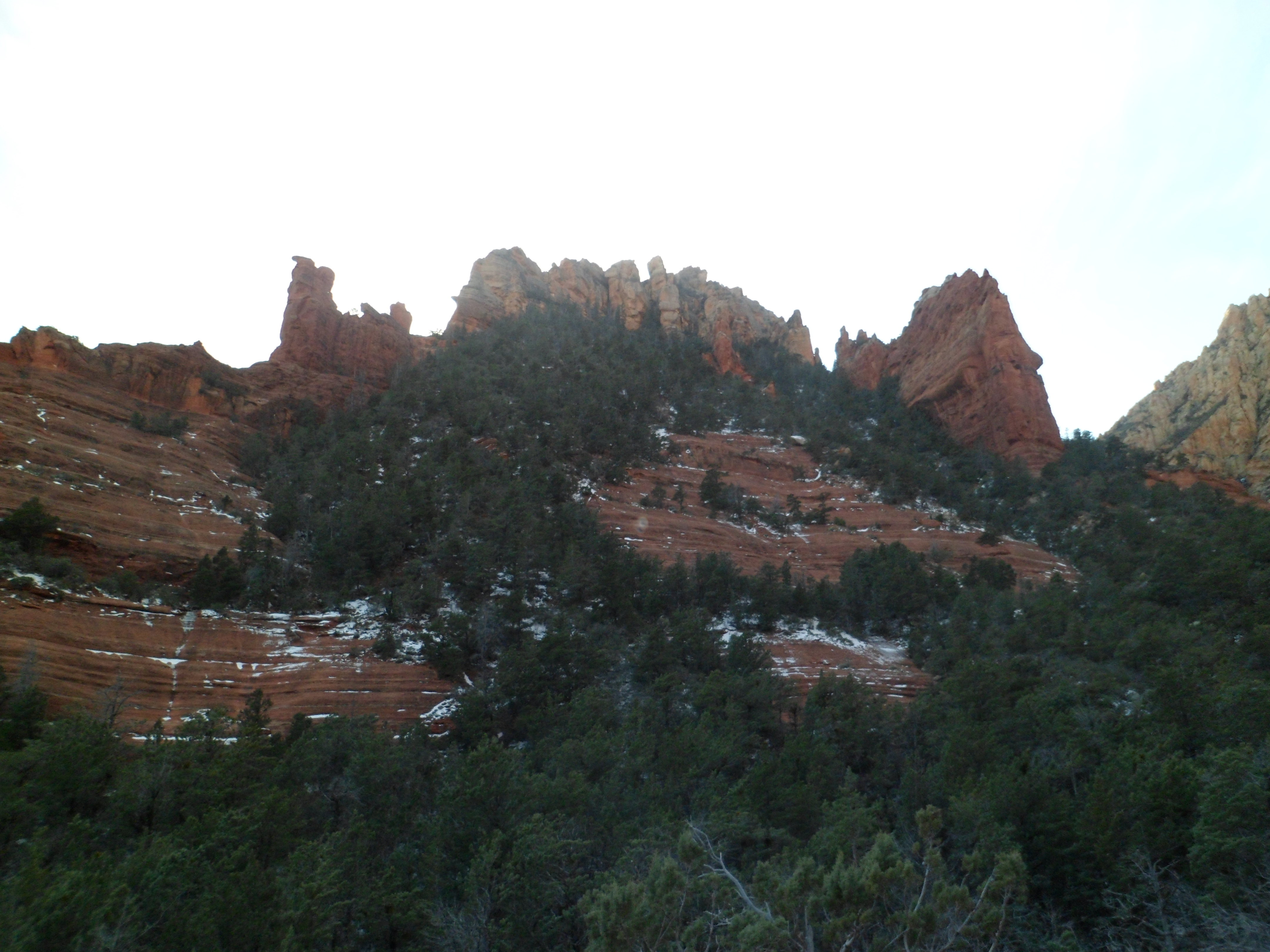


 The rocks are mostly white limestone here, with the occasional igneous volcanic cast-off, from eons ago. An example is the boulder in the lower right corner of the photo below. Igneous rocks absorb salinity easier than their granite and limestone companions.
 Some fifteen years ago, a couple of local teens spotted some ancient petroglyphs along the trail from the parking area to Badger Springs. Walking further towards the second bend, they decided to tell their own story on this limestone bench. It’s a love story, and still is visible in the fluorescent spray colours they used.















 A Sagittarian Seeker