The United States Naval Academy was an outgrowth of the War of 1812. It had become evident that America would be subject to continued outside harassment, without a more systematic training of officers, especially for our Navy. After years of debate (wonder of wonders), the Academy was founded in 1845, at what was then Fort Severn, near the waterfront of Annapolis.
Today, here are some scenes from this elegant and well- appointed institution of learning. It must be remembered that the Academy is also an active military base, so the photographs are of public areas, only.
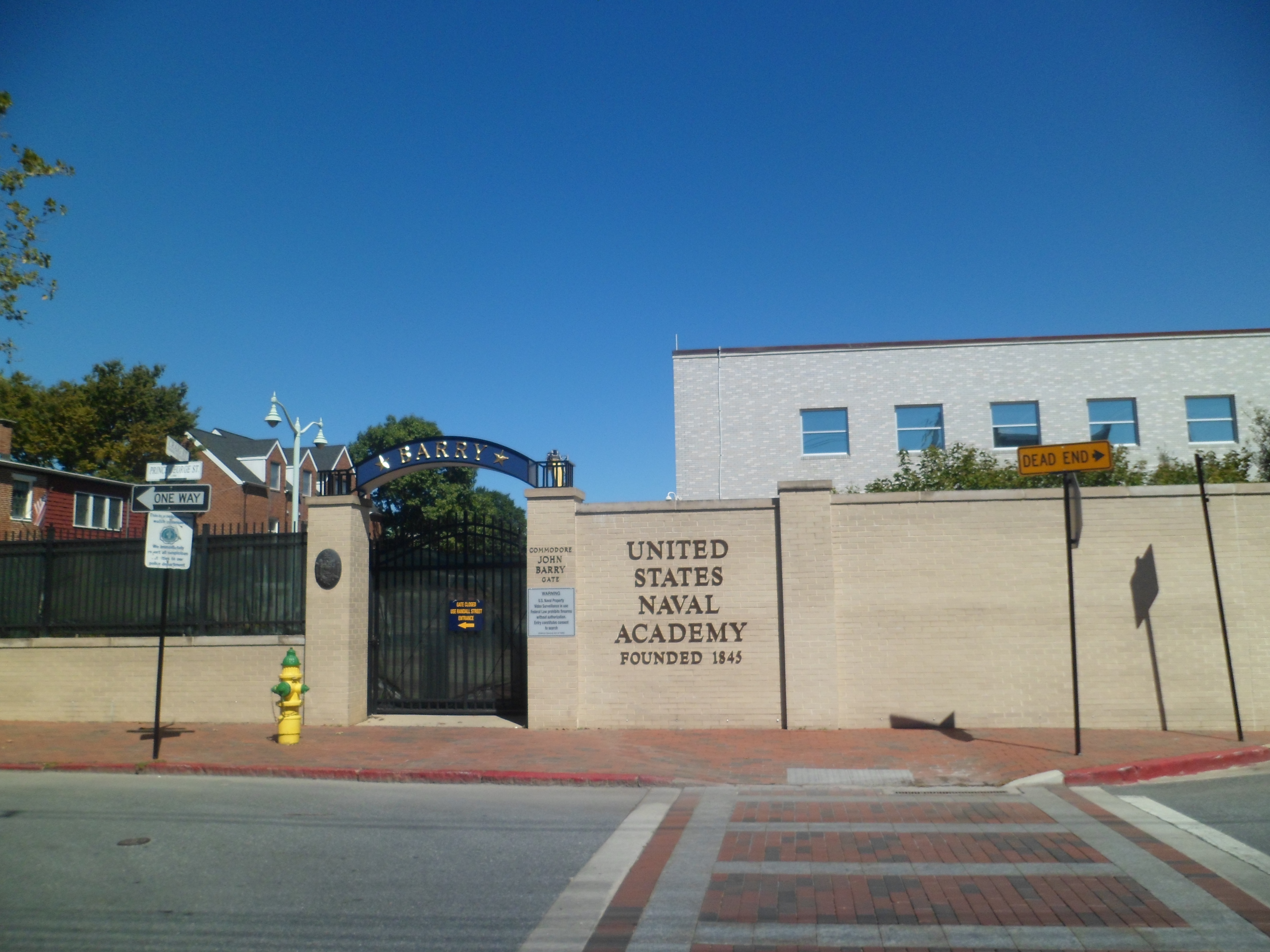
This entrance is for special events, only.
The north entrance is the main gate.
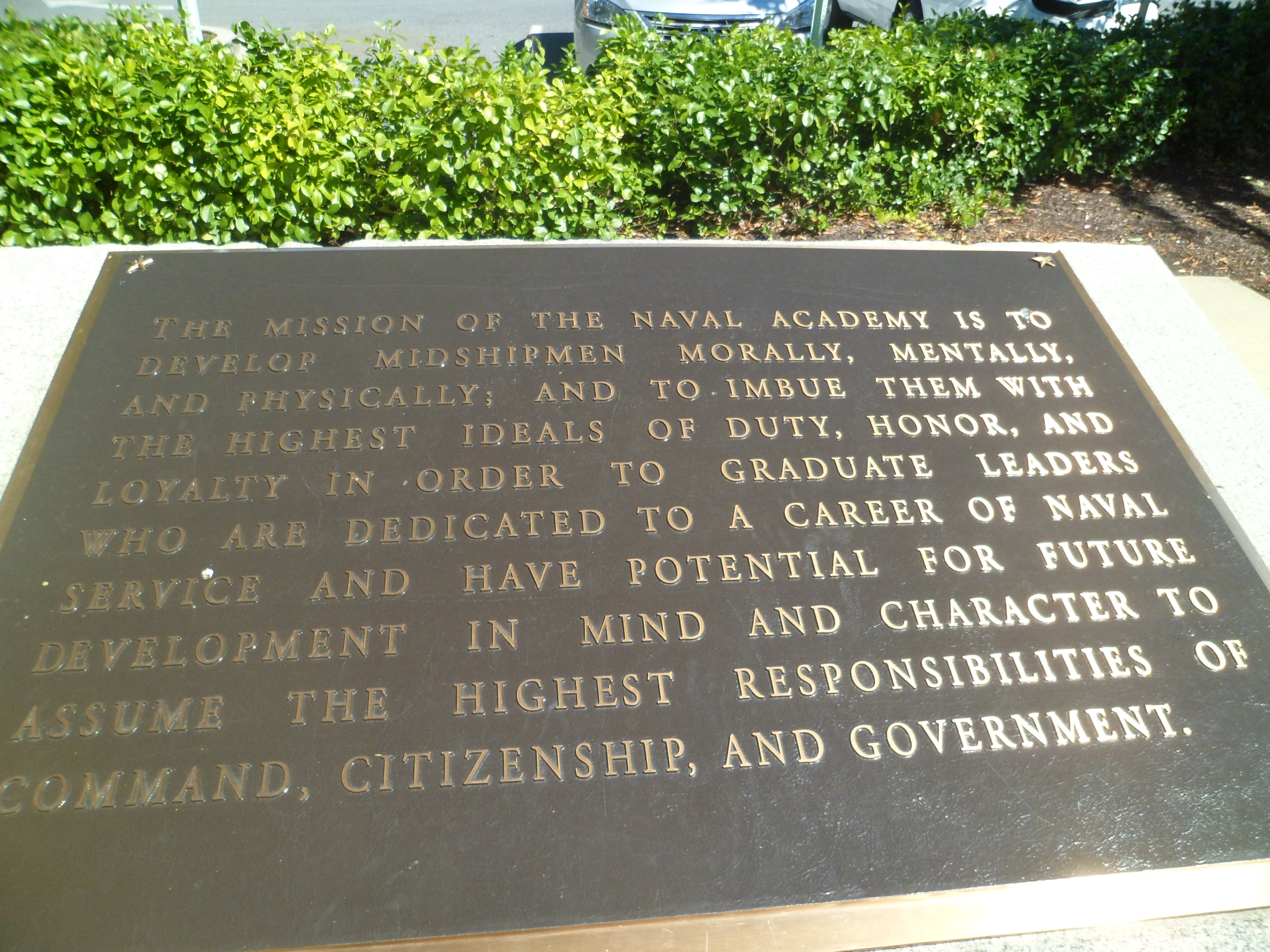
The Academy’s mission is clearly stated.
One clears security, in this building.
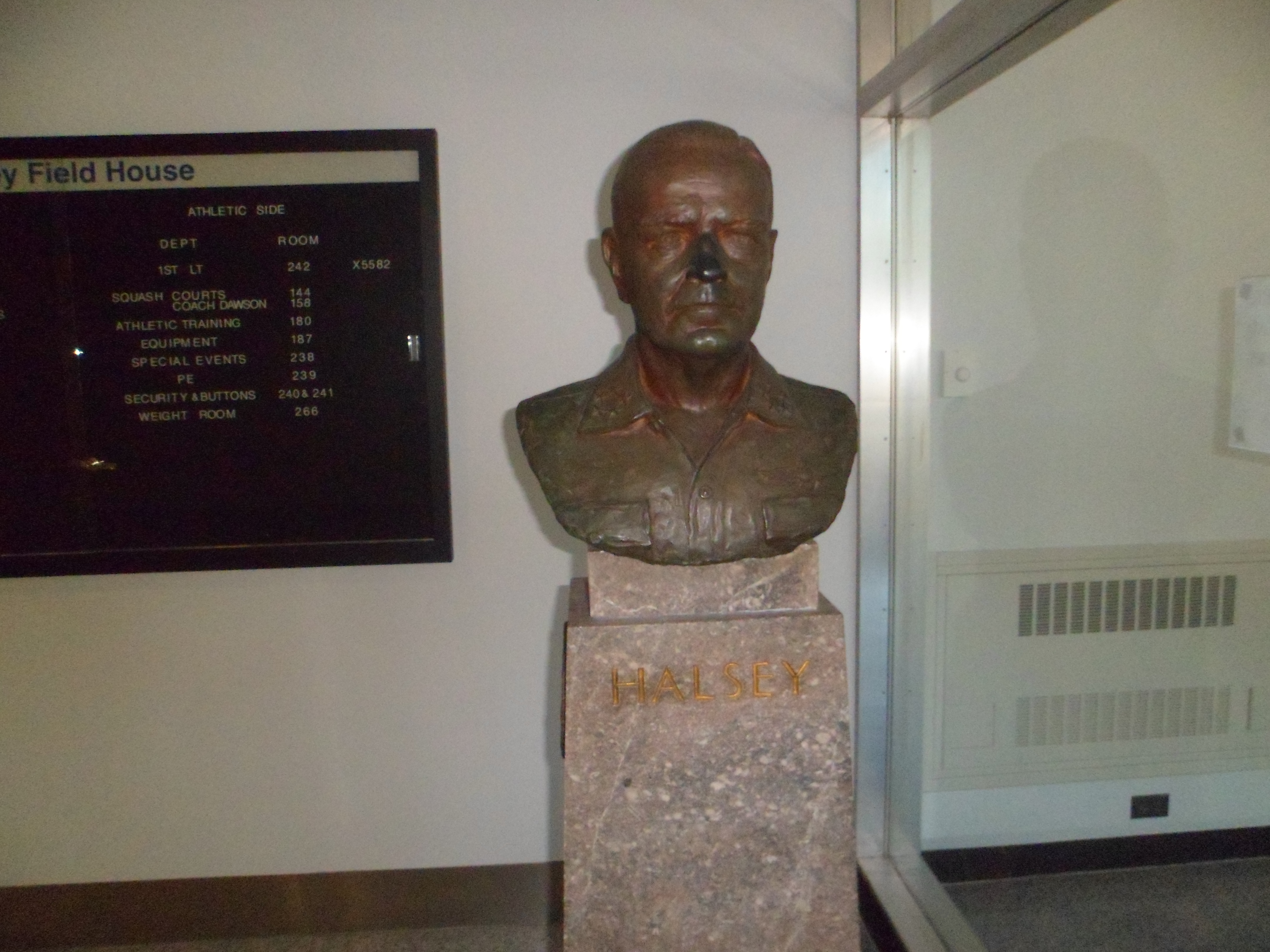
Admiral William F. Halsey, a hero of World War II, is prominent in Academy lore.
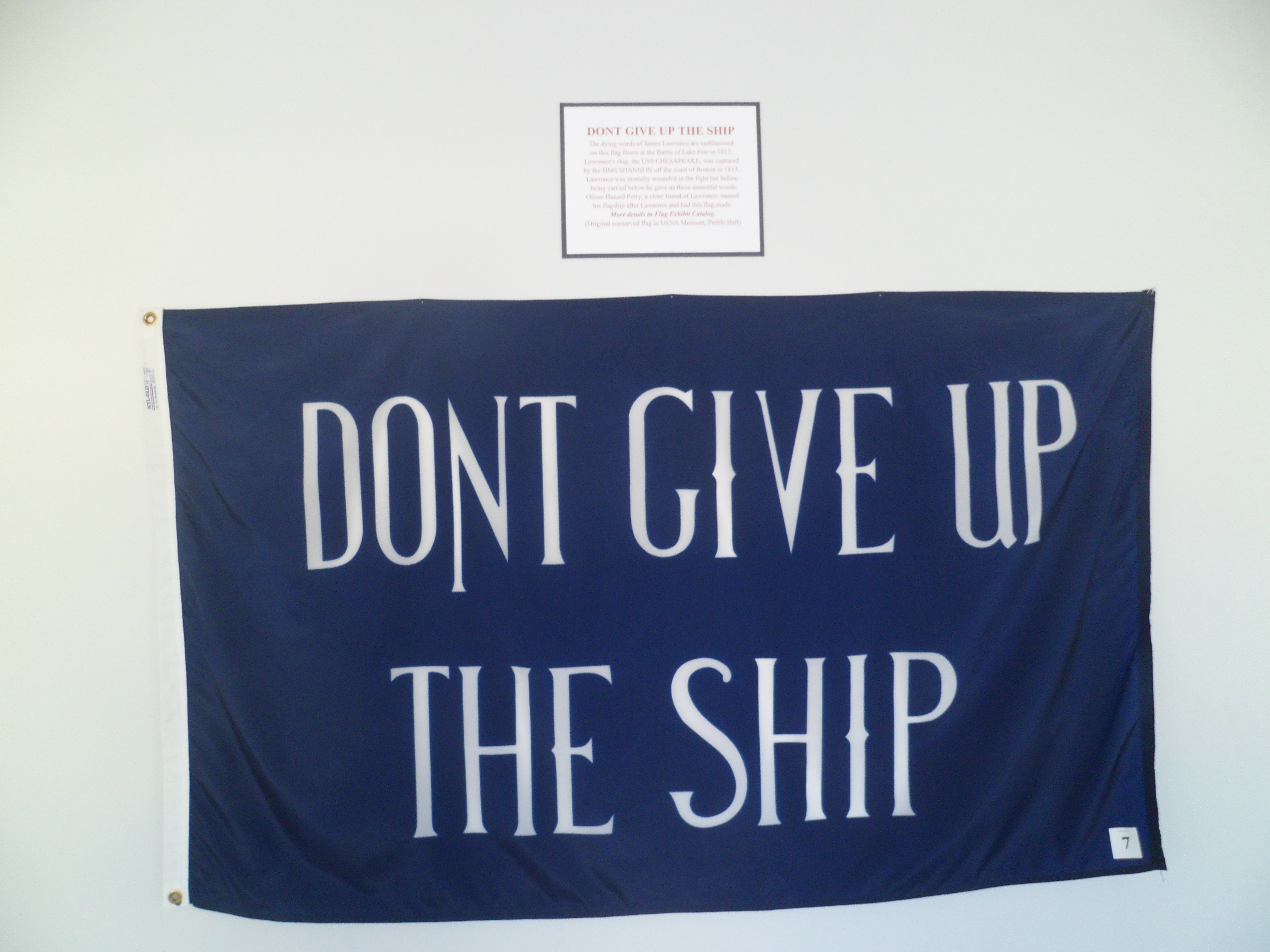
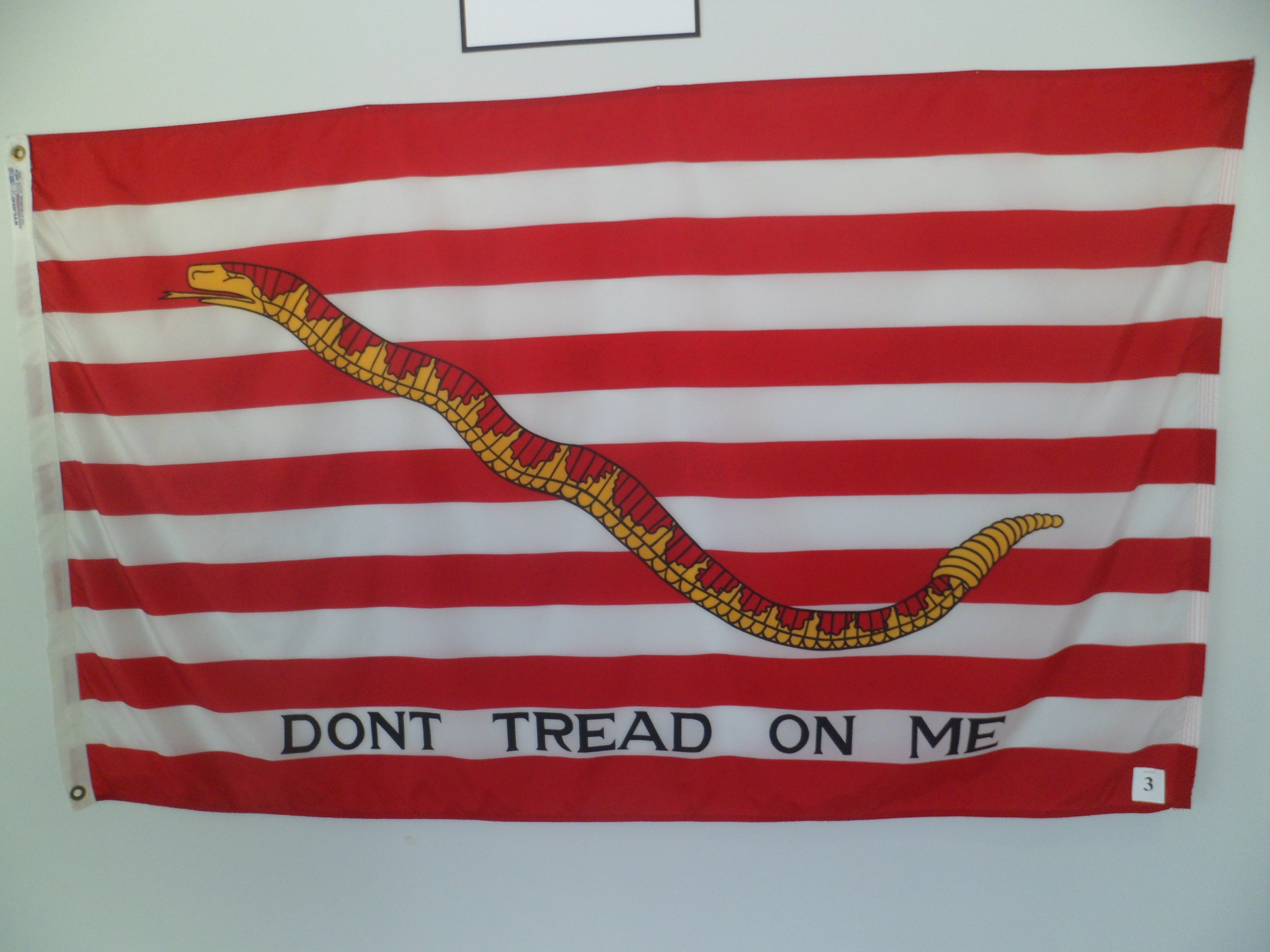
Slogans from earlier times keep the cadets inspired.
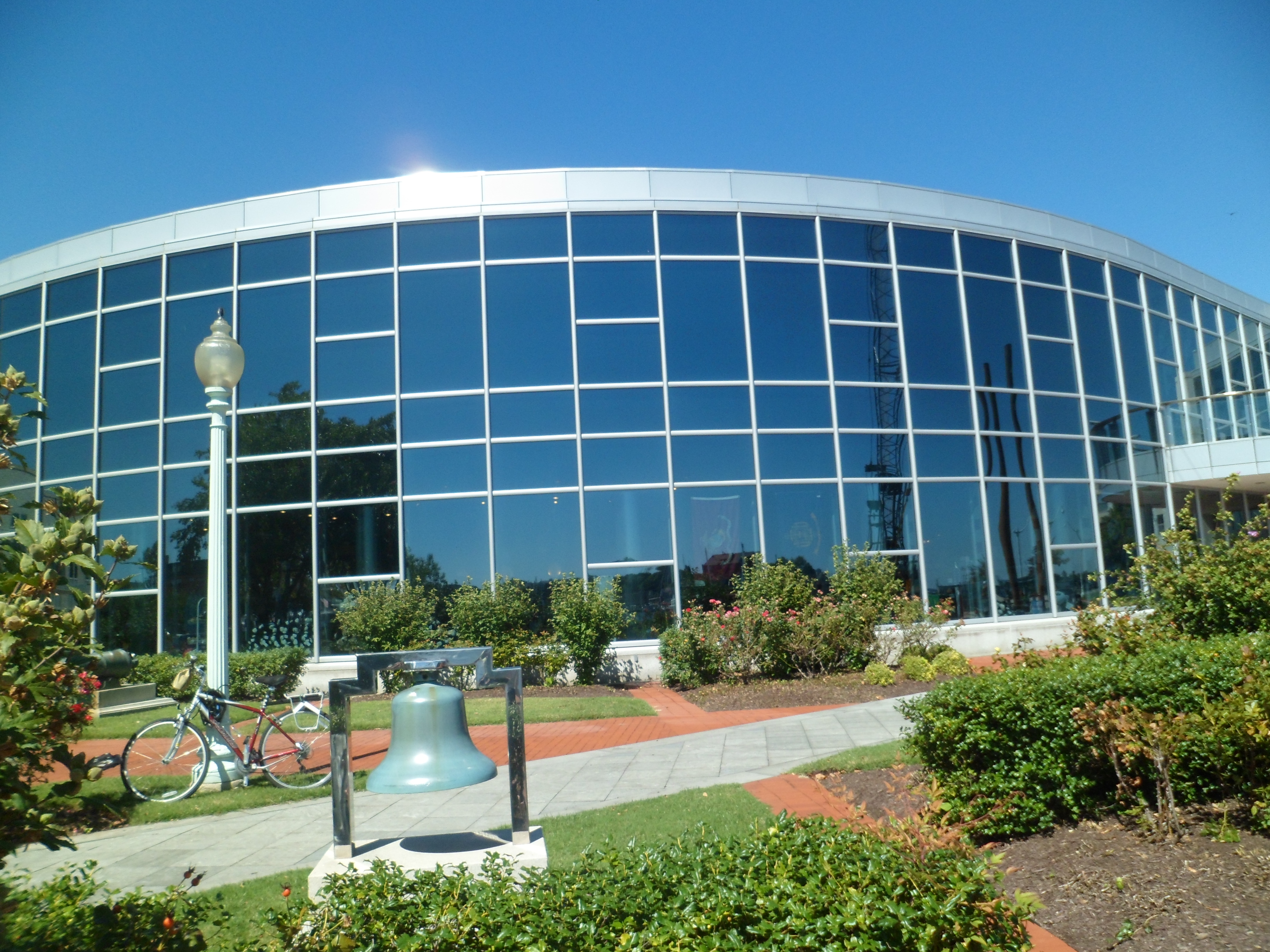
Here is the Visitor Center, from the water’s edge.
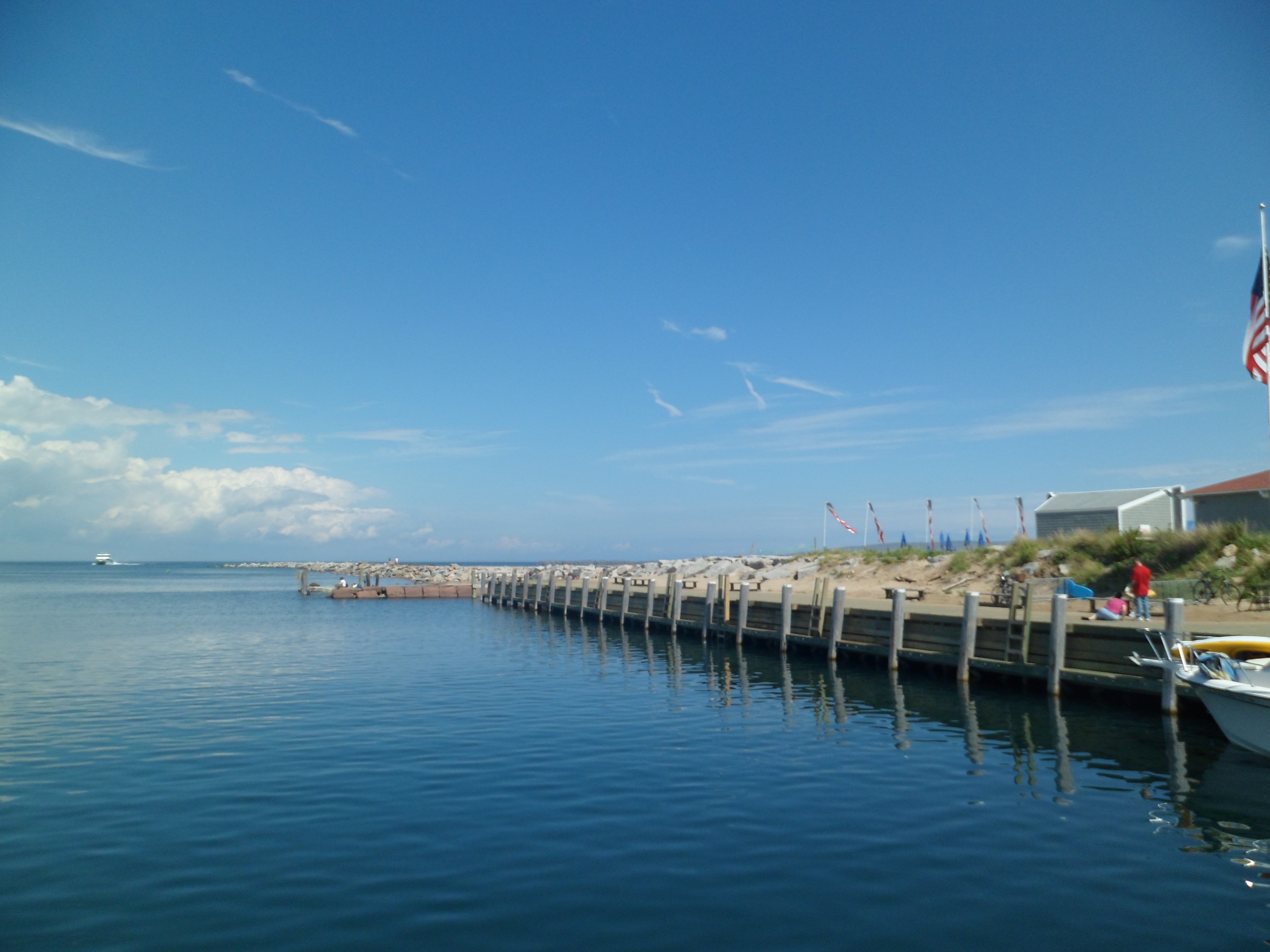
As the residential areas and classroom buildings are off-limits to visitors, here is a reprise of the water, as seen from the Academy grounds.
It was, all too soon, time to head west, so I said farewell to my childhood friend, the Atlantic Ocean, and headed across Maryland, West Virginia, and Pennsylvania, before stopping for the night.
The right way, to me, to experience a town like Annapolis, MD, is from the water’s edge, on inland. That was not exactly how I actually carried out my visit, because there was a rather important matter that attended my arrival there:
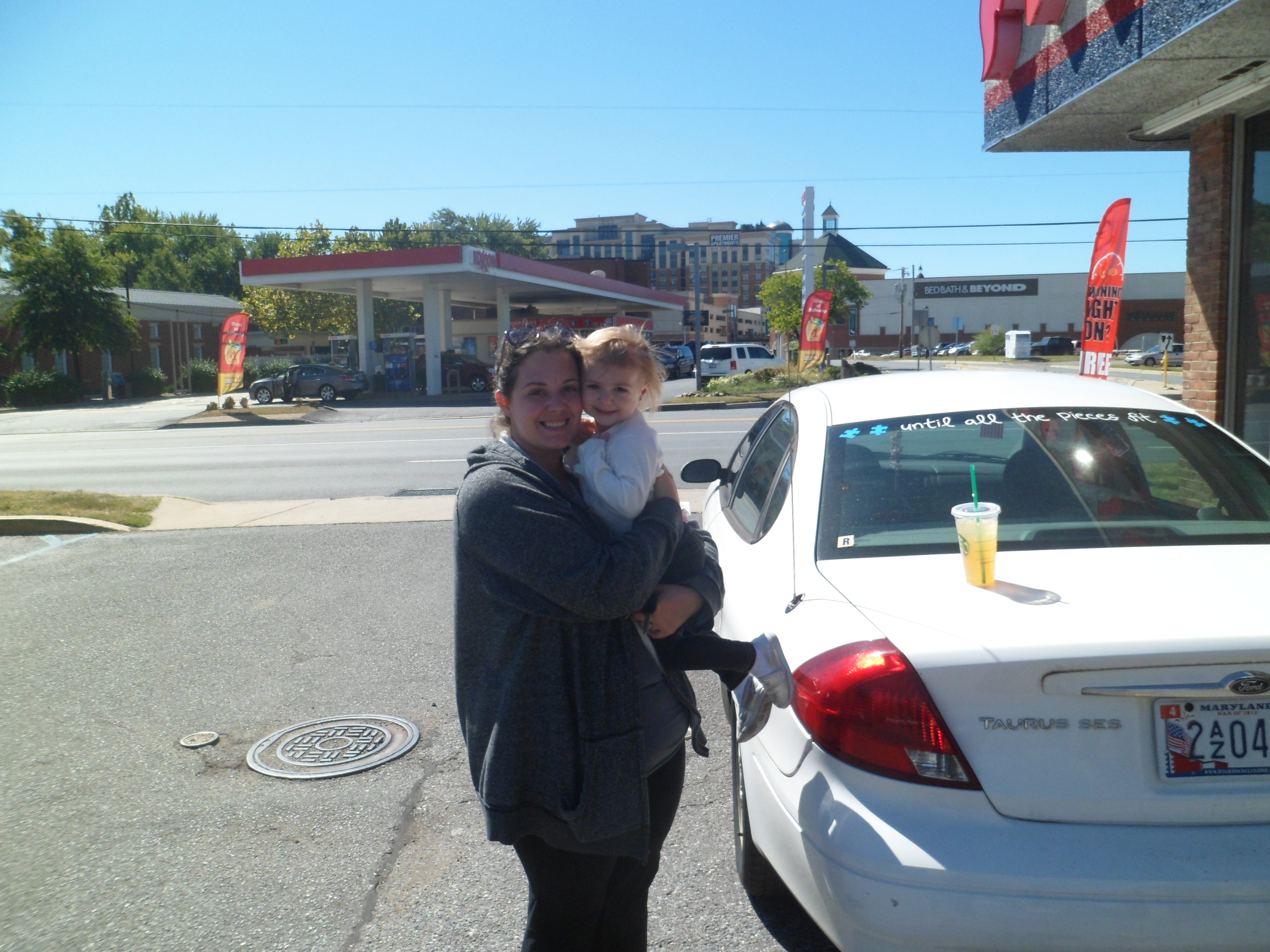
I was glad to spend an hour or so visiting with Christina and her daughter. I have known the family, online, for about 3 1/2 years now. Real time just underscores my joy at feeling close to them. Christina has a very good sense of things, and is an excellent parent.
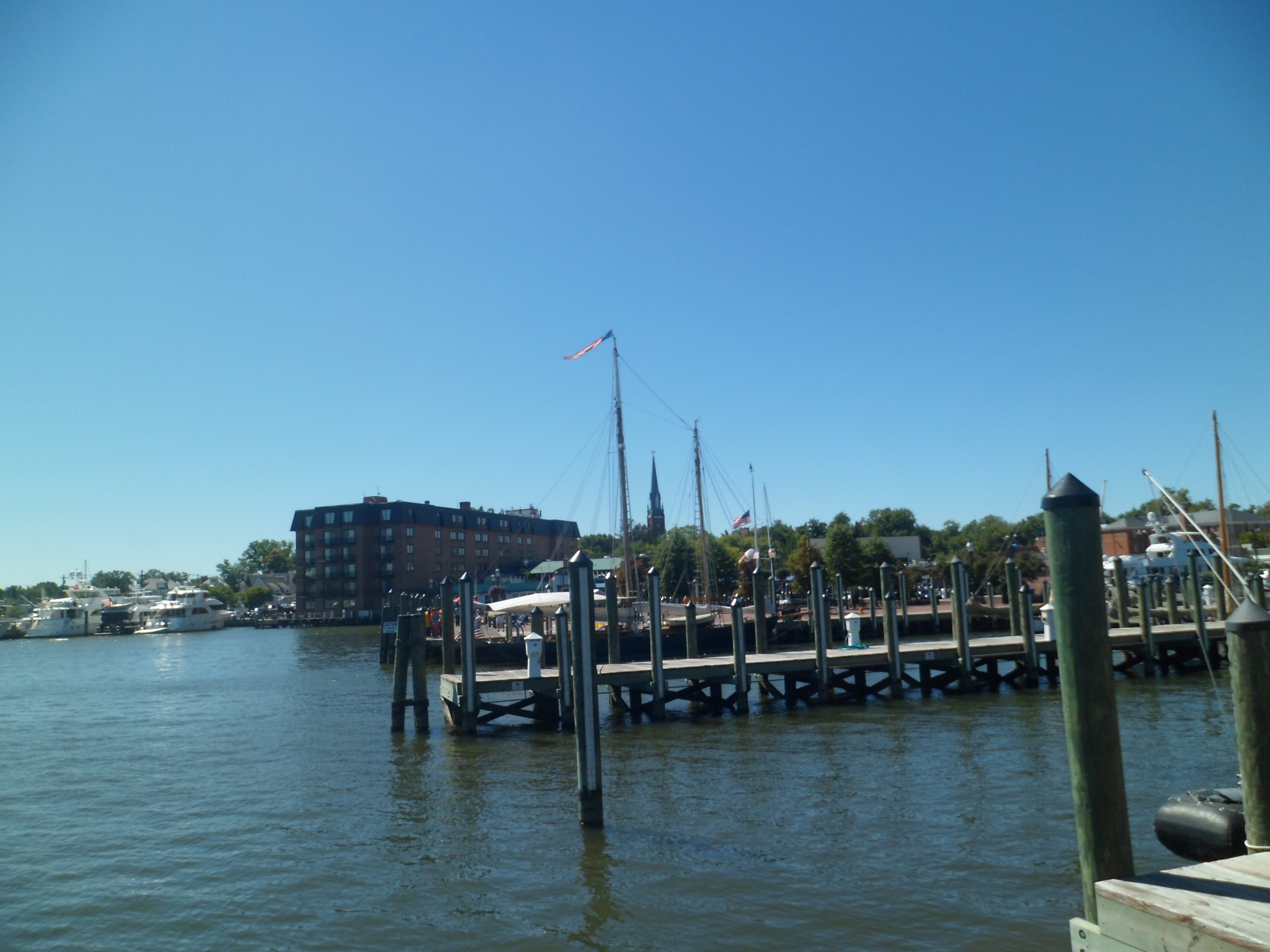
Returning to the traveler’s Annapolis, my maritime roots were well-nourished here. Some of these scenes were taken from the Town Dock, and some from the United States Naval Academy- more on that great institution, later.
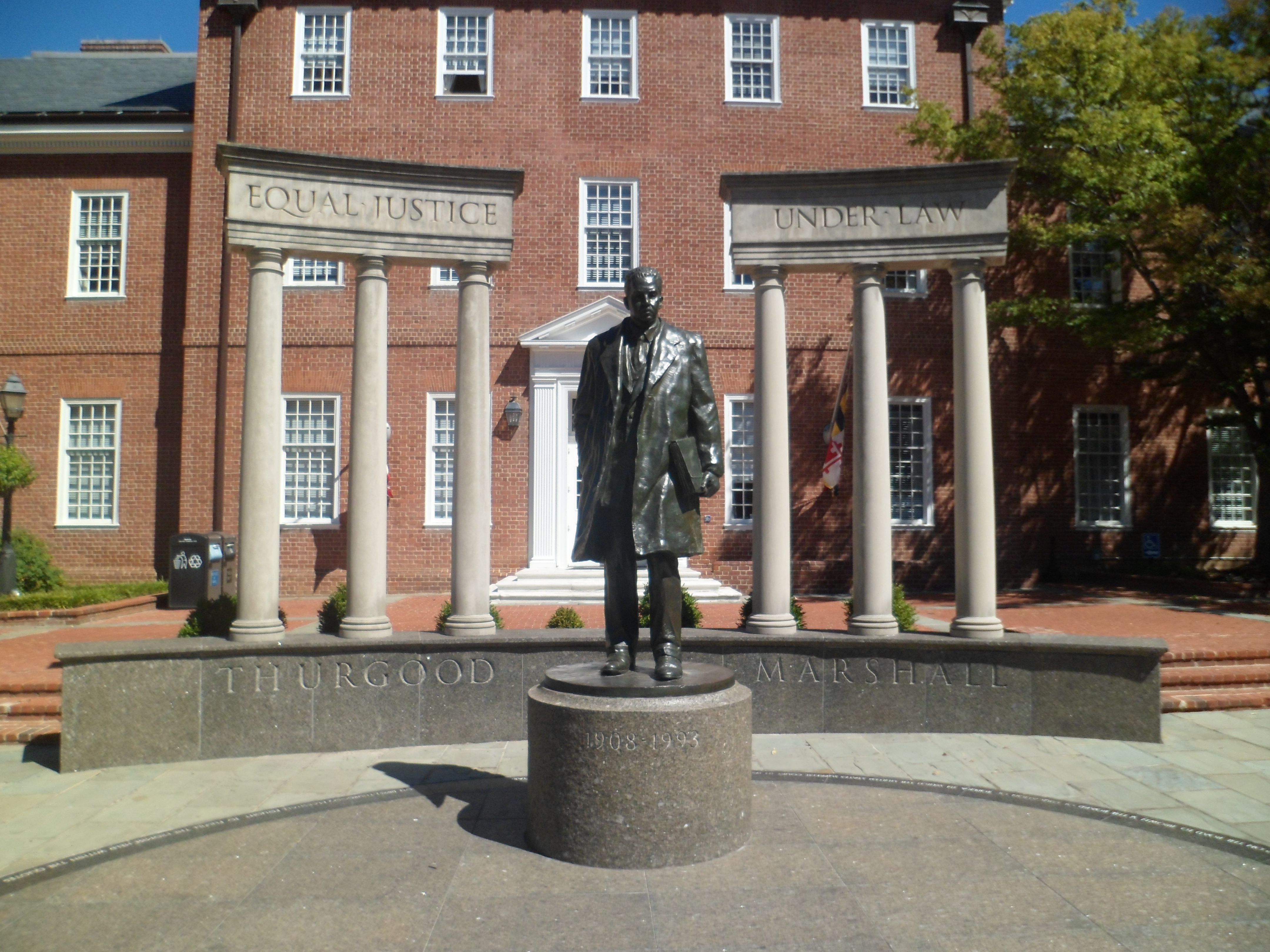
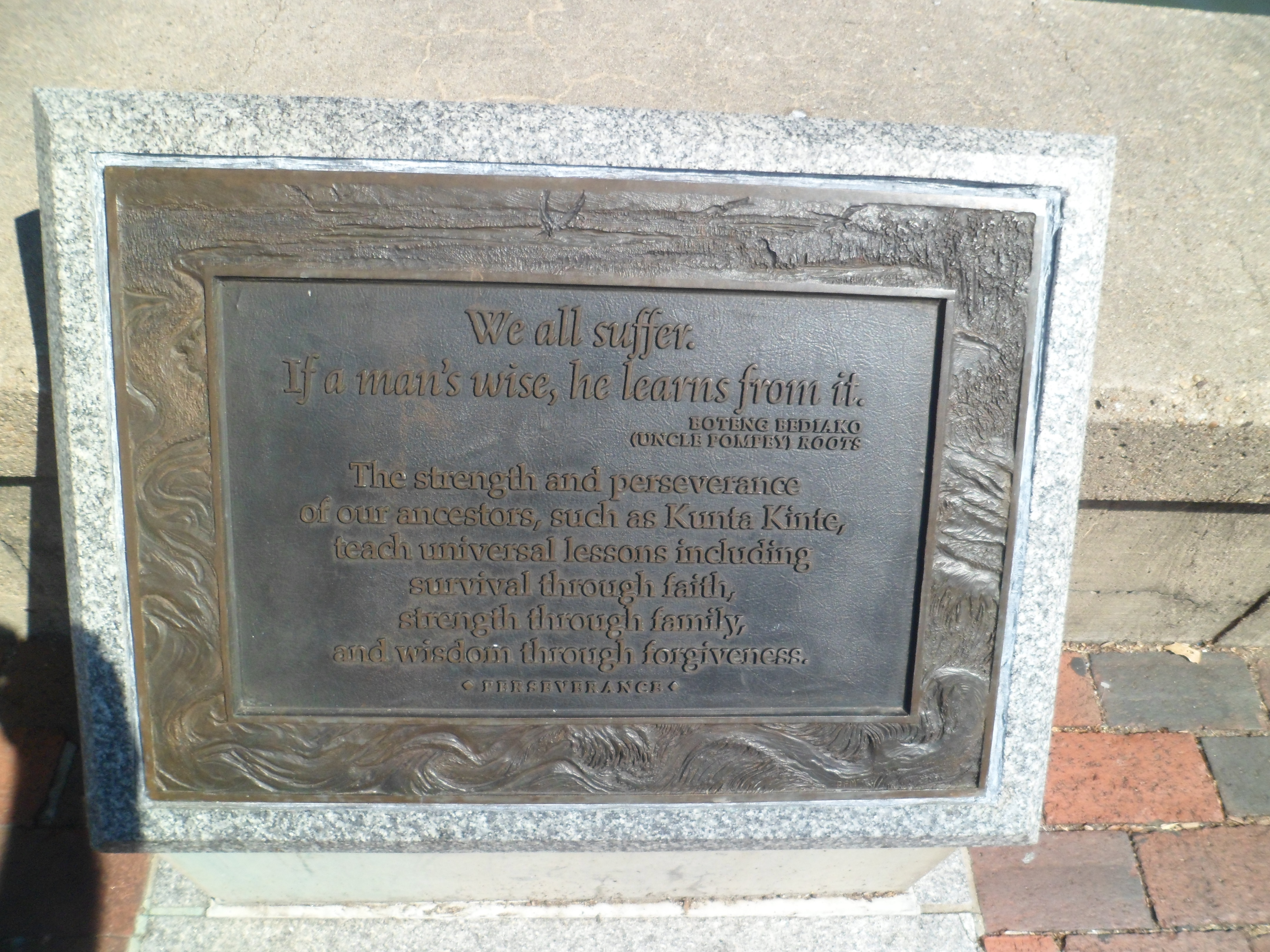
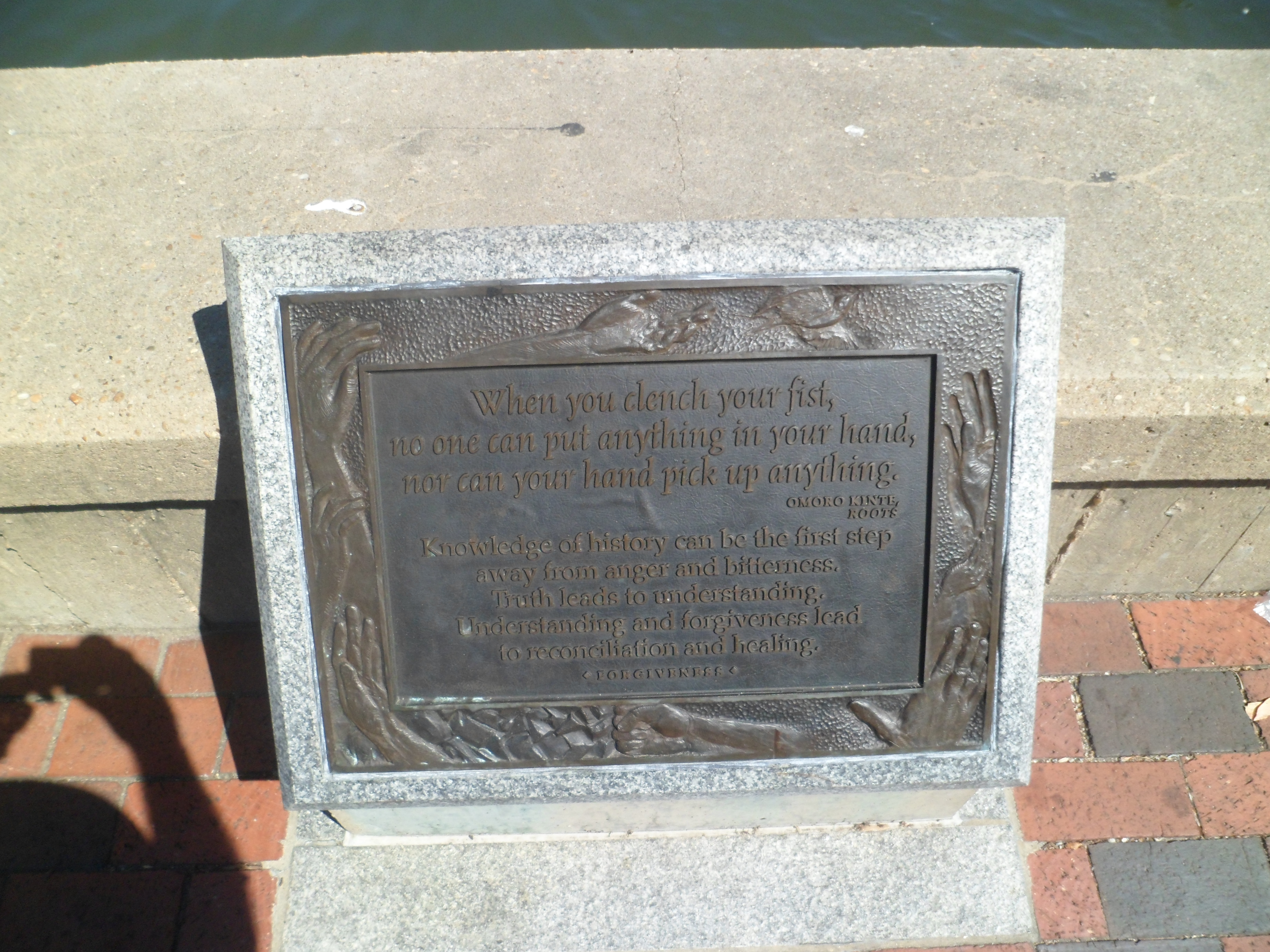
Annapolis’ maritime history is part nefarious (It was a center of the slave trade), and part honorable (The American naval effort in the War of 1812 was, in good part, waged from here.) It is all worthy of study. There are two major African-American figures associated with Annapolis: Alex Haley and Thurgood Marshall. Mr. Haley’s ties to this city stem, as is well-known, from the documented arrival here, in 1767, of one Kunta Kinte (see Harold Courlander’s, The African), whom Alex Haley claimed as an ancestor, in his book, Roots. Alex Haley, and his ancestors, are honoured at a dockside park
Following, are some tablets, recapping some timeless quotes from “Roots”.
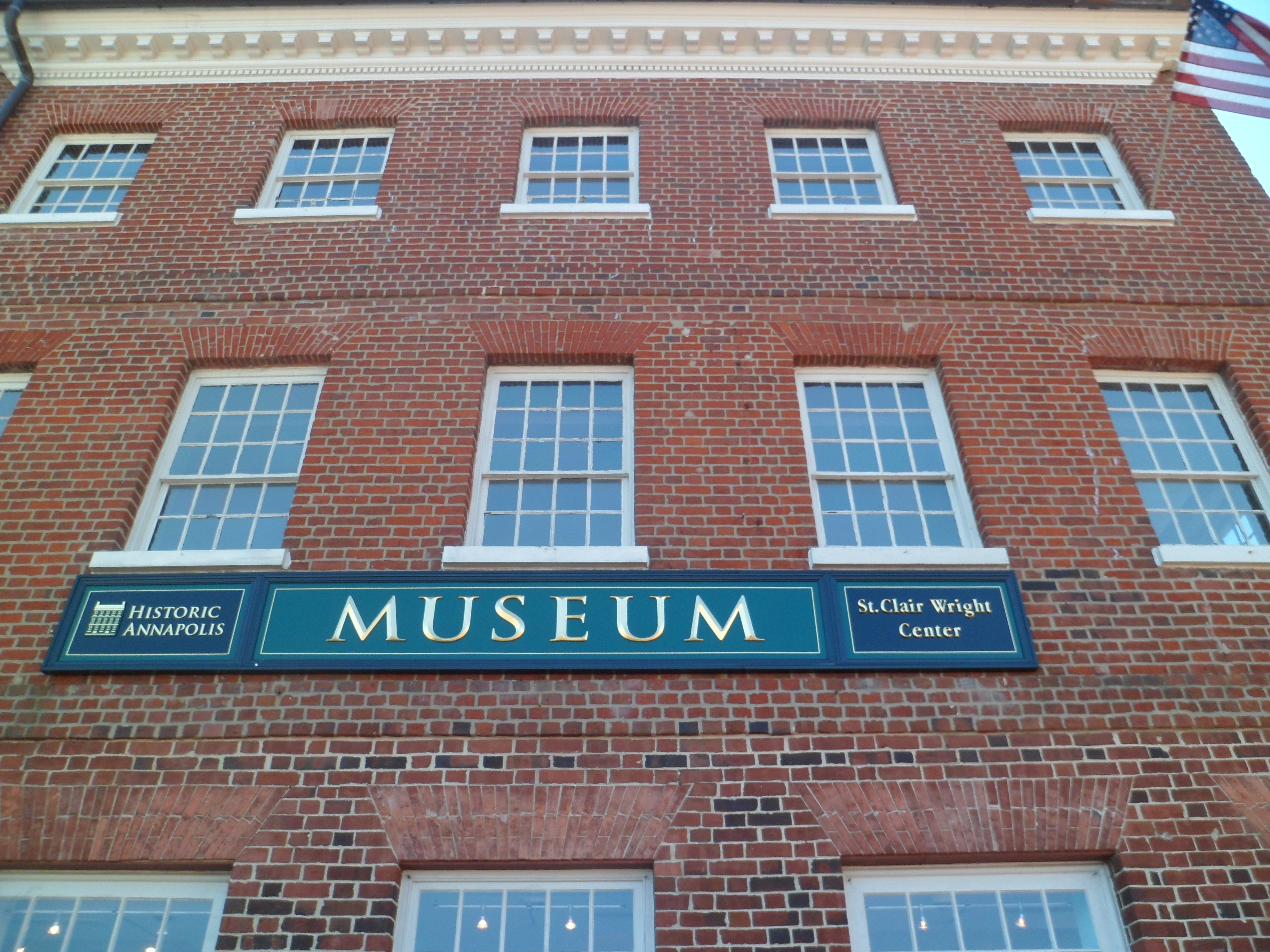
The full story of Annapolis is contained herein.
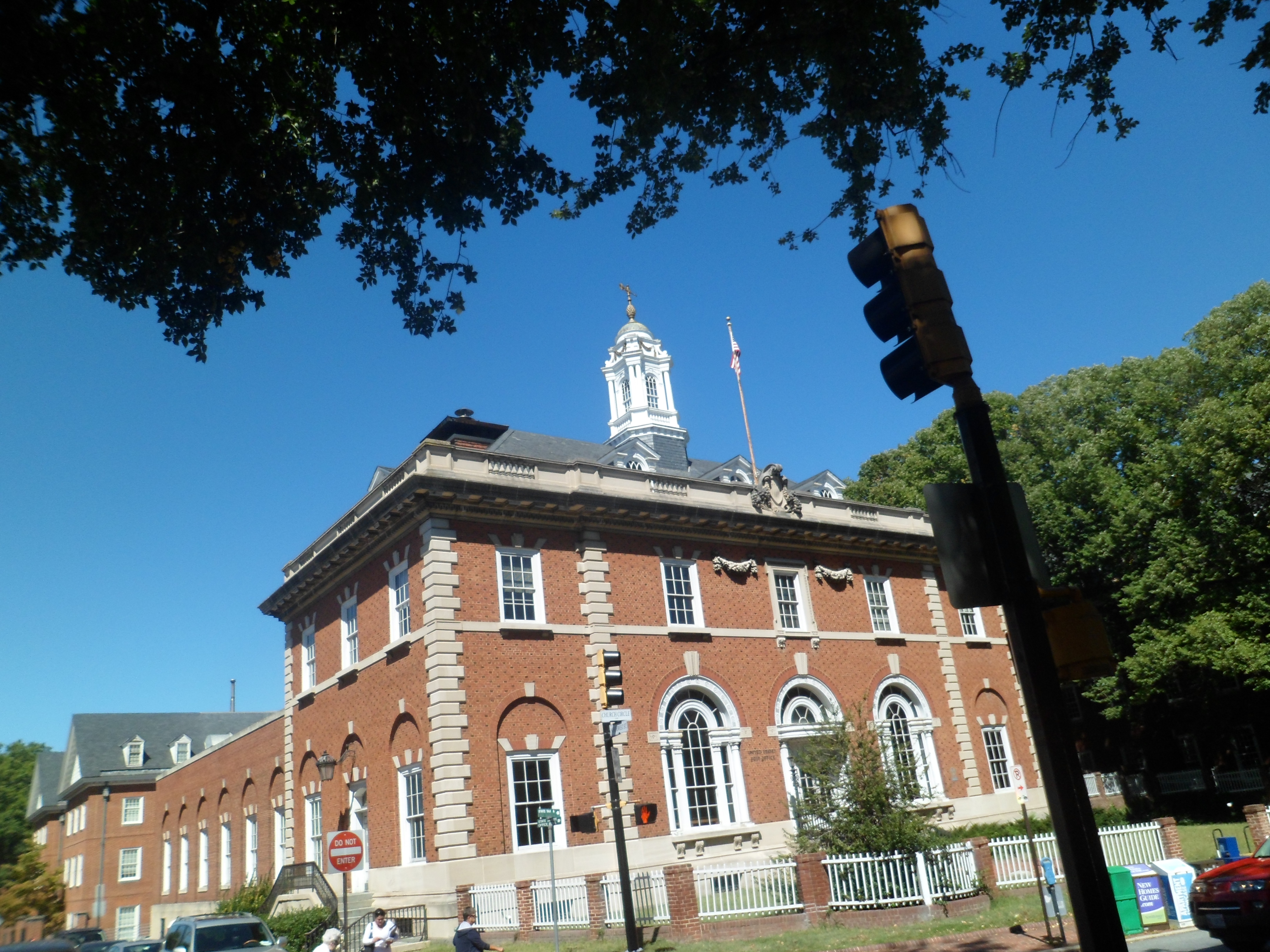
This edifice is, for me, something to be savoured another time.
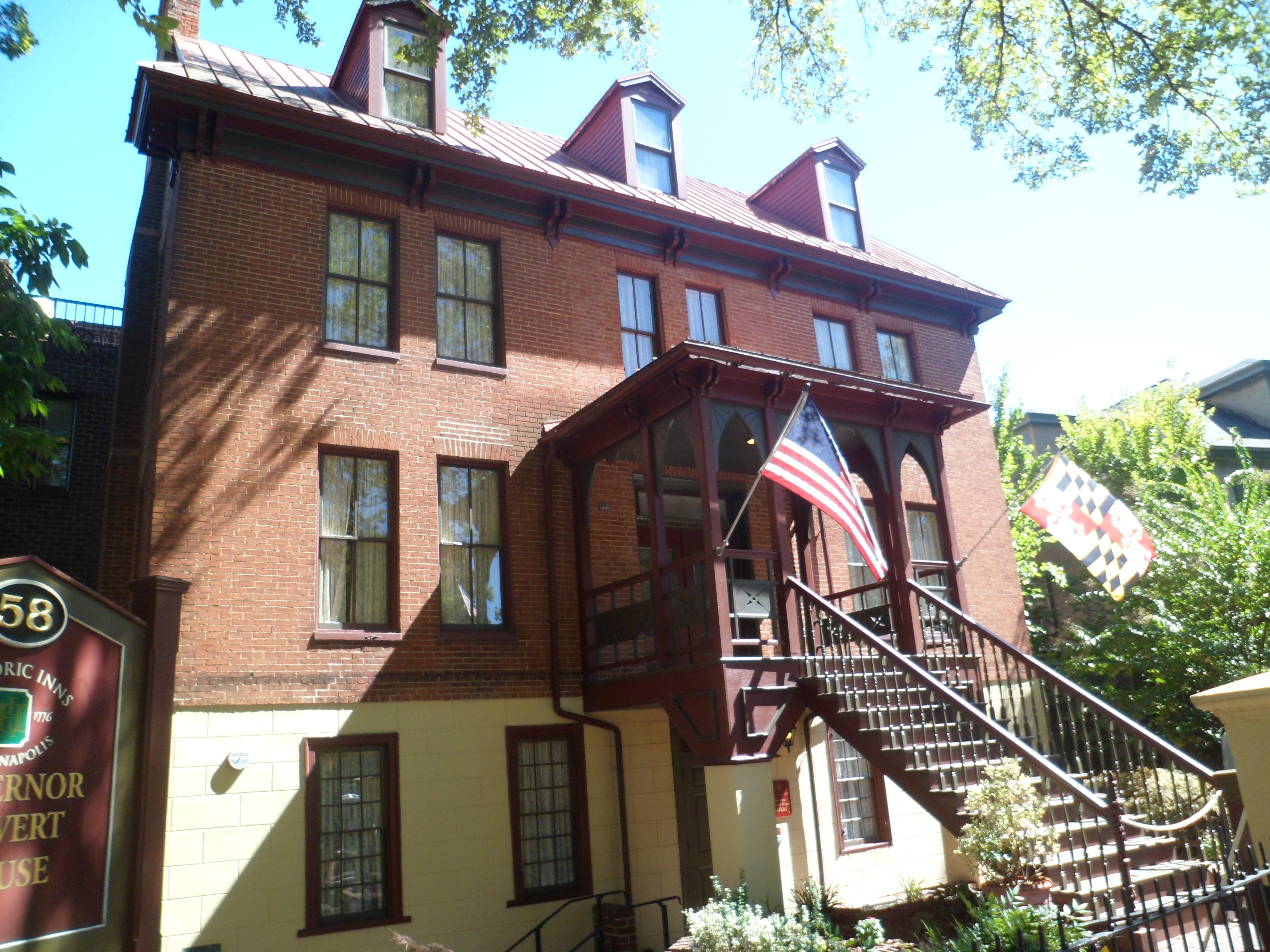
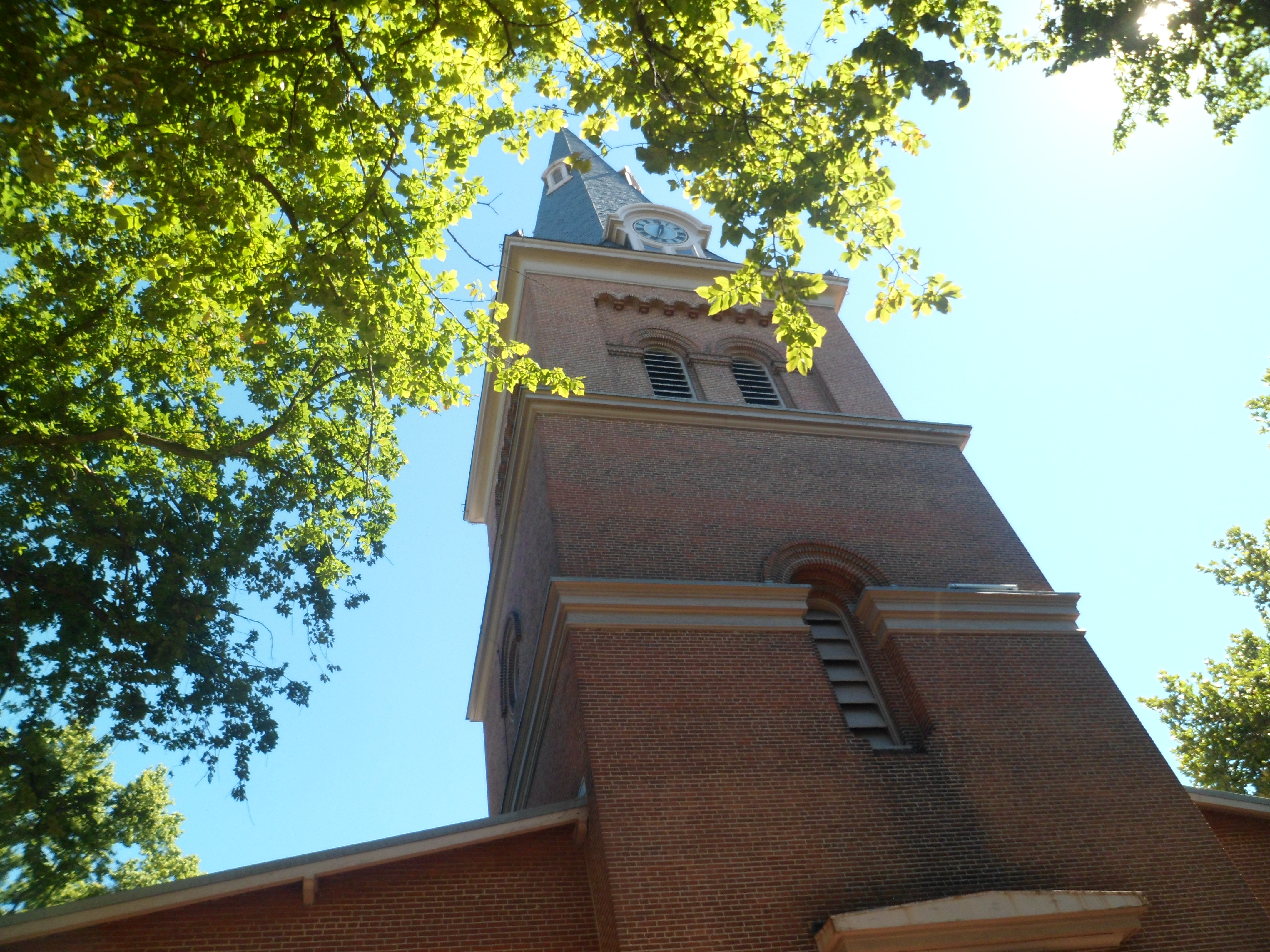
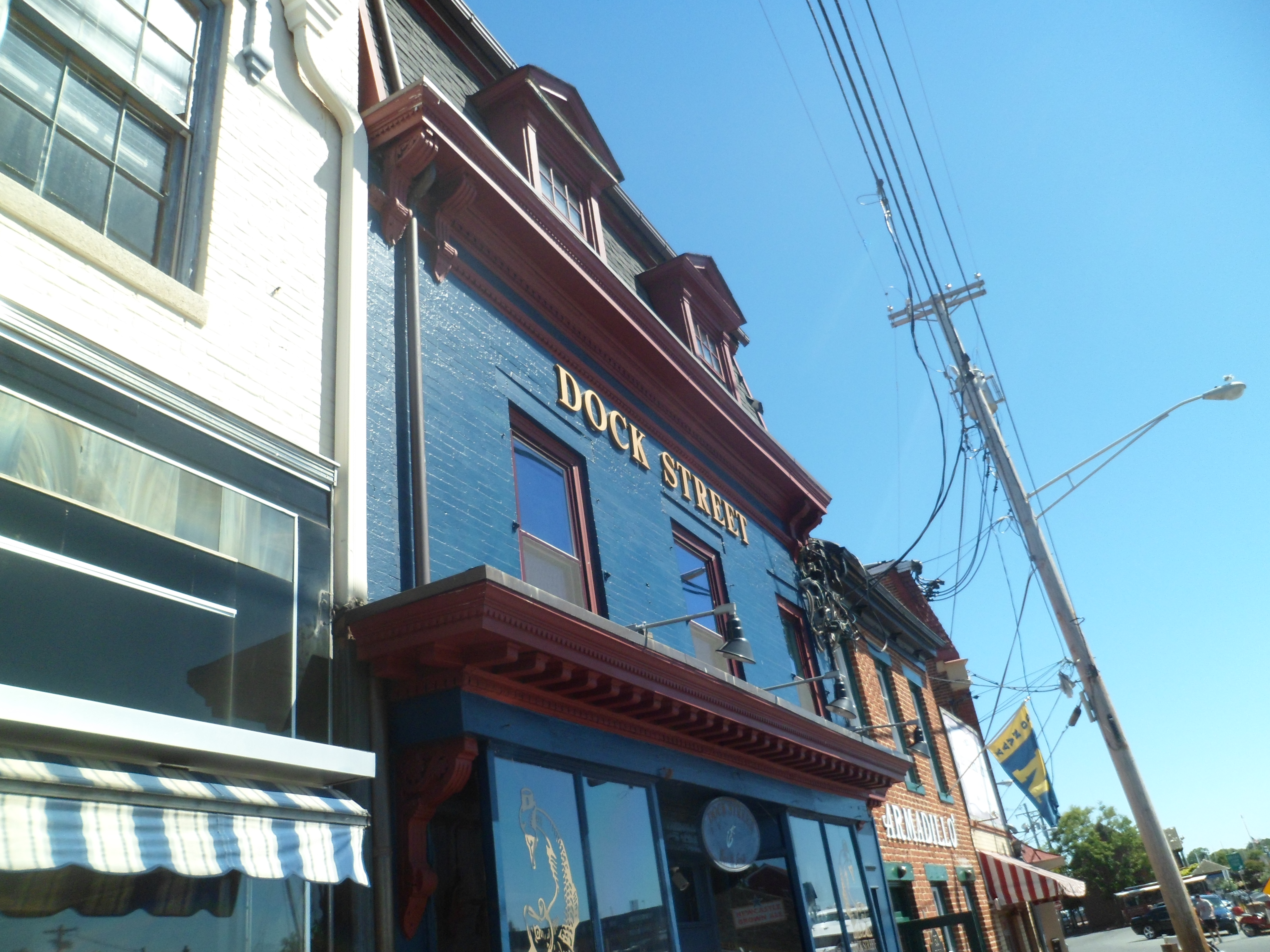
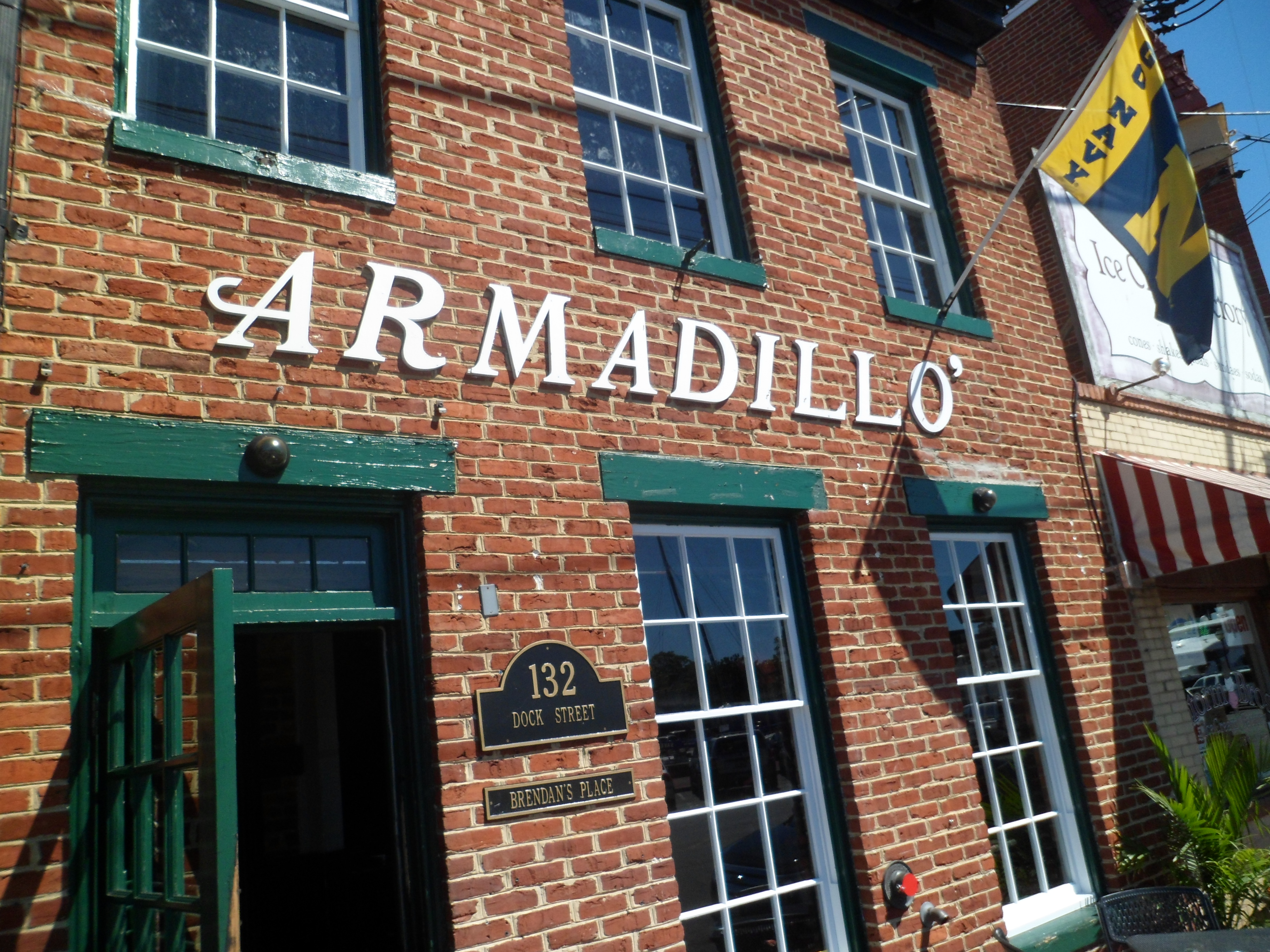
In Part 2, I will focus on the center of historic Annapolis, from the Visitor Center, to the Capitol and on to Dock Street, gateway to the Naval Academy, which will itself be the focus of Part 3.
There is, at Gettysburg Battlefield National Historical Park, an eerie stillness- even in midday, and even with tourist hordes disgorging from buses, filling the Visitor Center, and lining up for bicycle and Segway tours. The fallen rule these precincts.
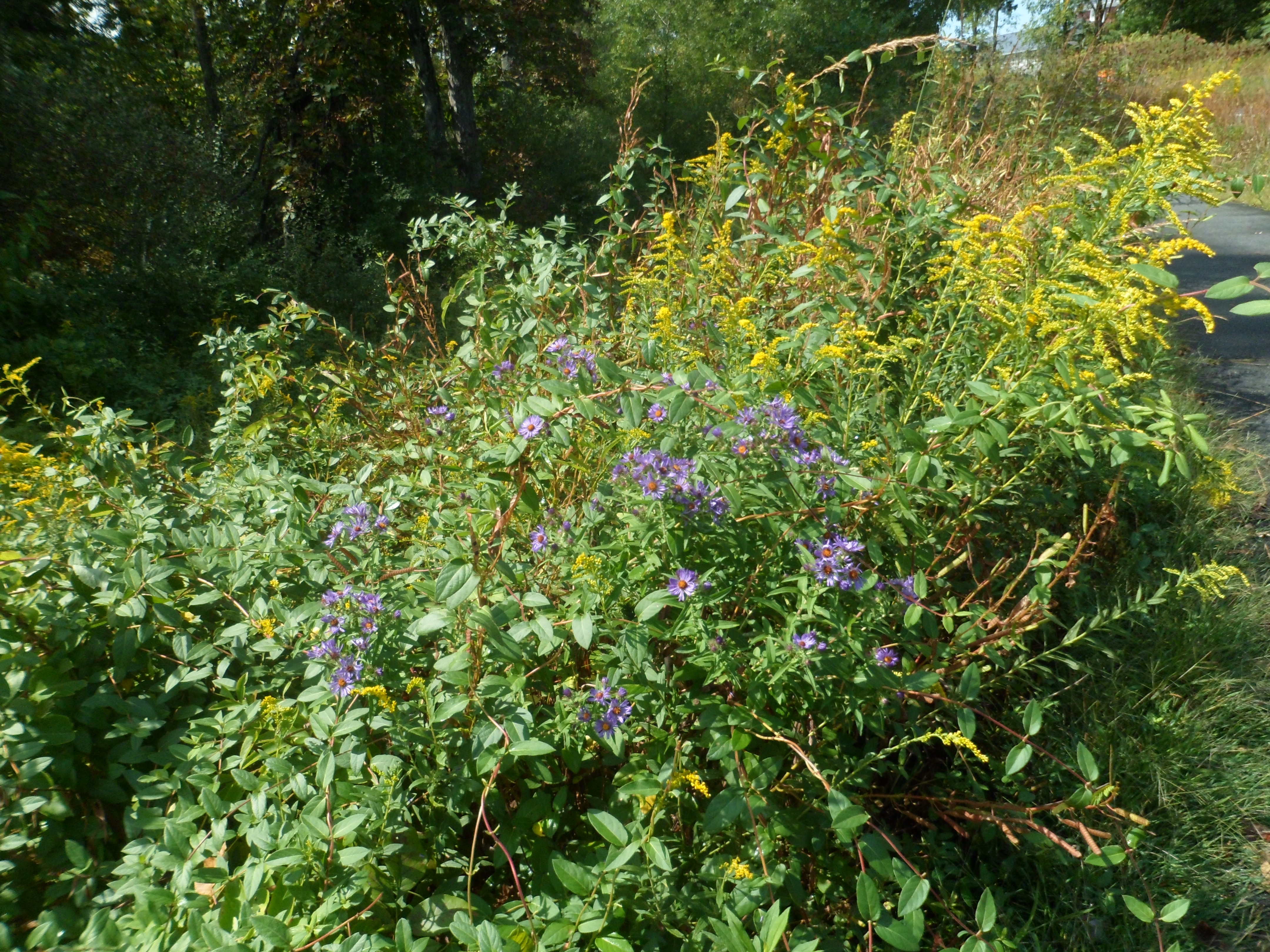
Central Pennsylvania is filled with natural beauty, and the approaches to he battlefield are filled with same.
The Visitor Center is huge, and always full.
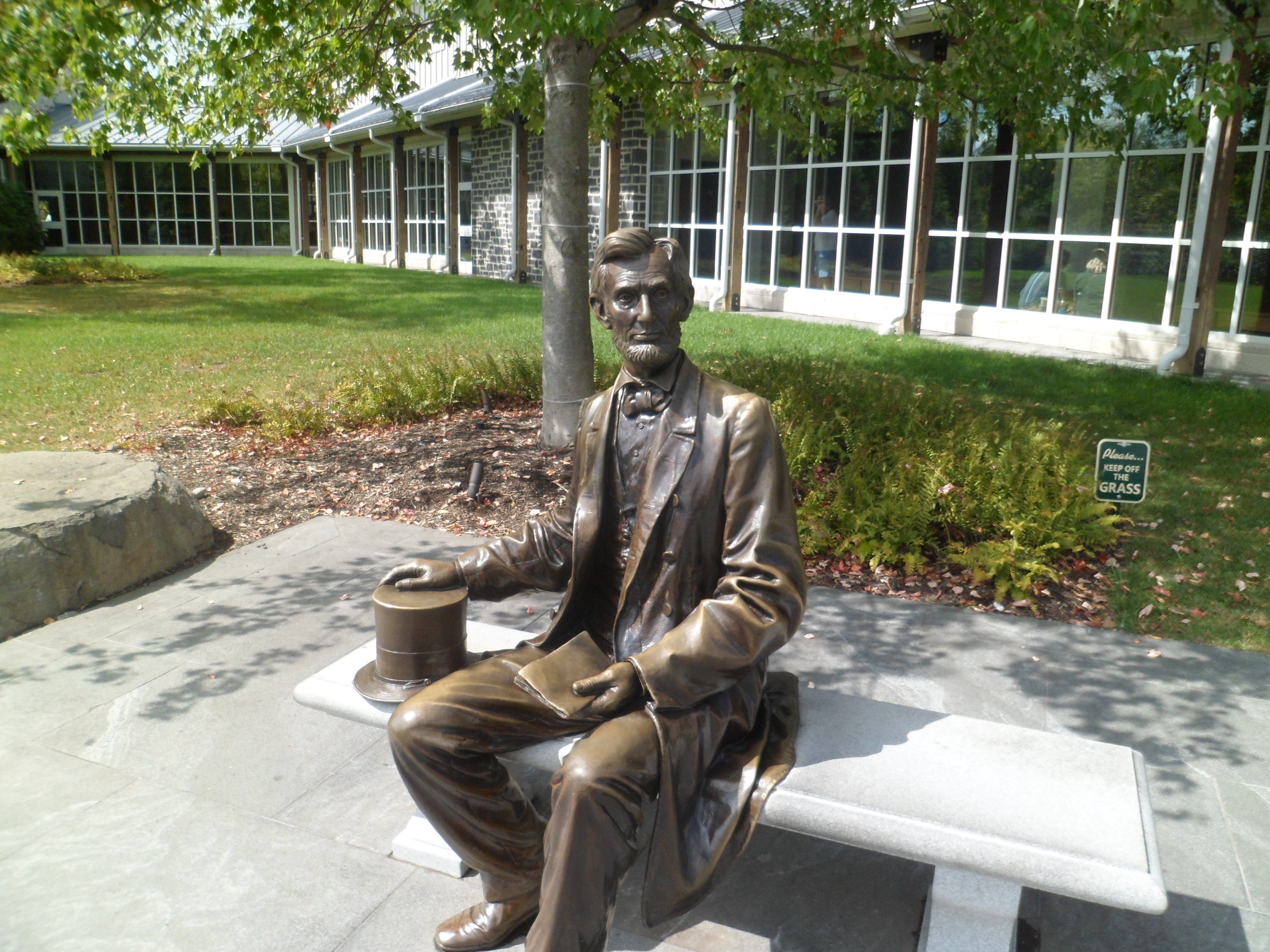
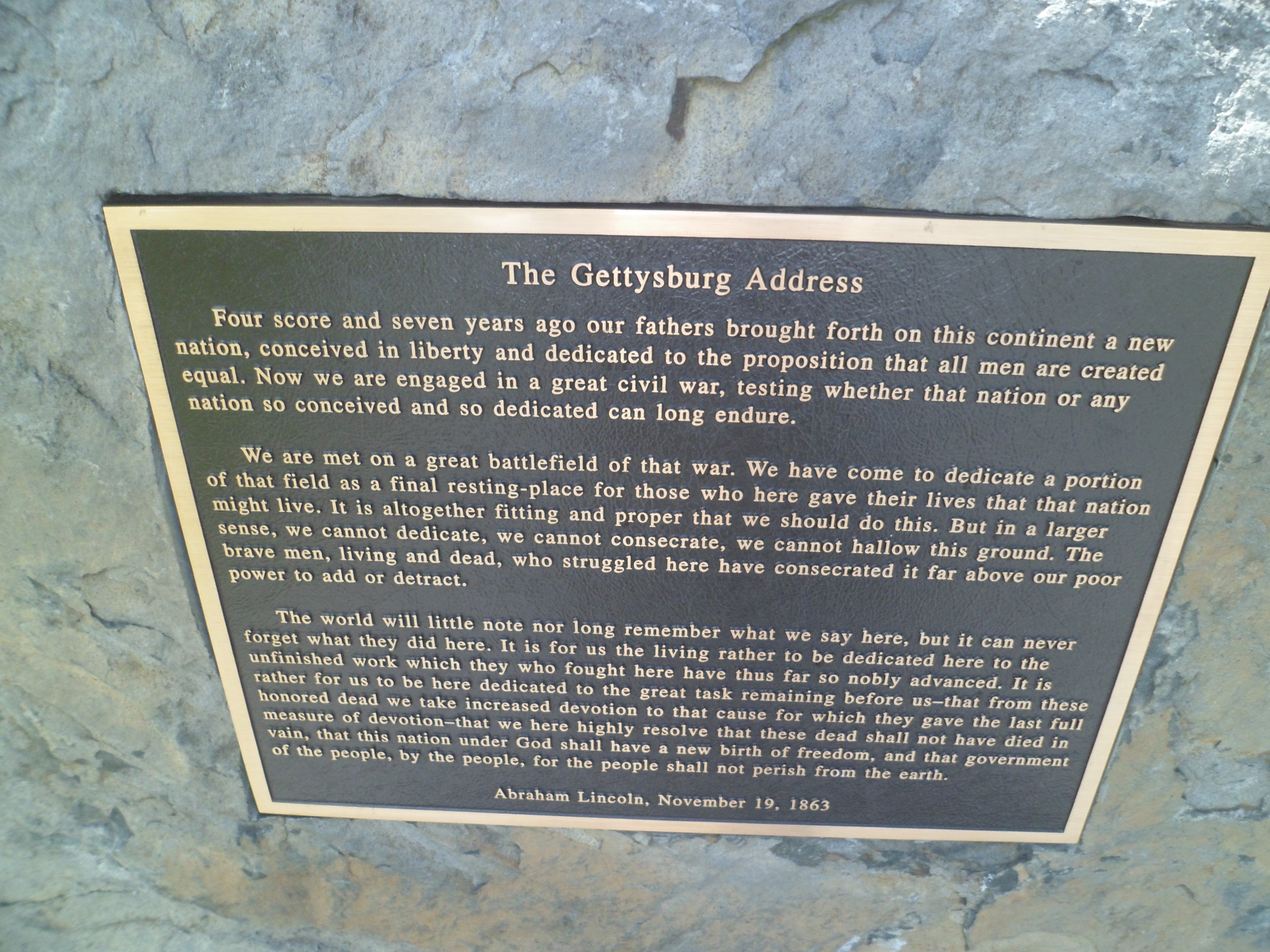
There is one figure, though, who remains unruffled by it all, having spoken his peace, so long ago.
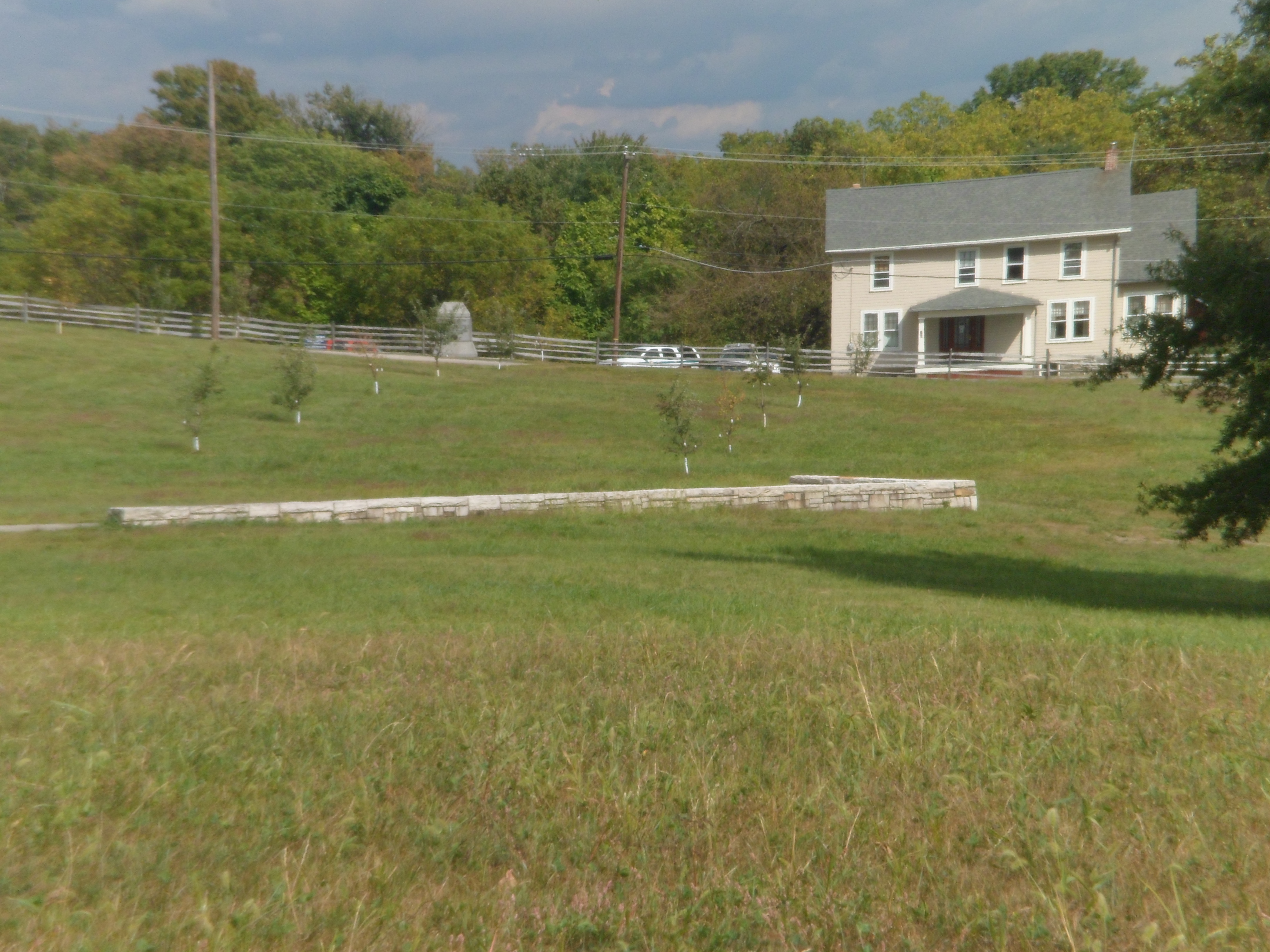
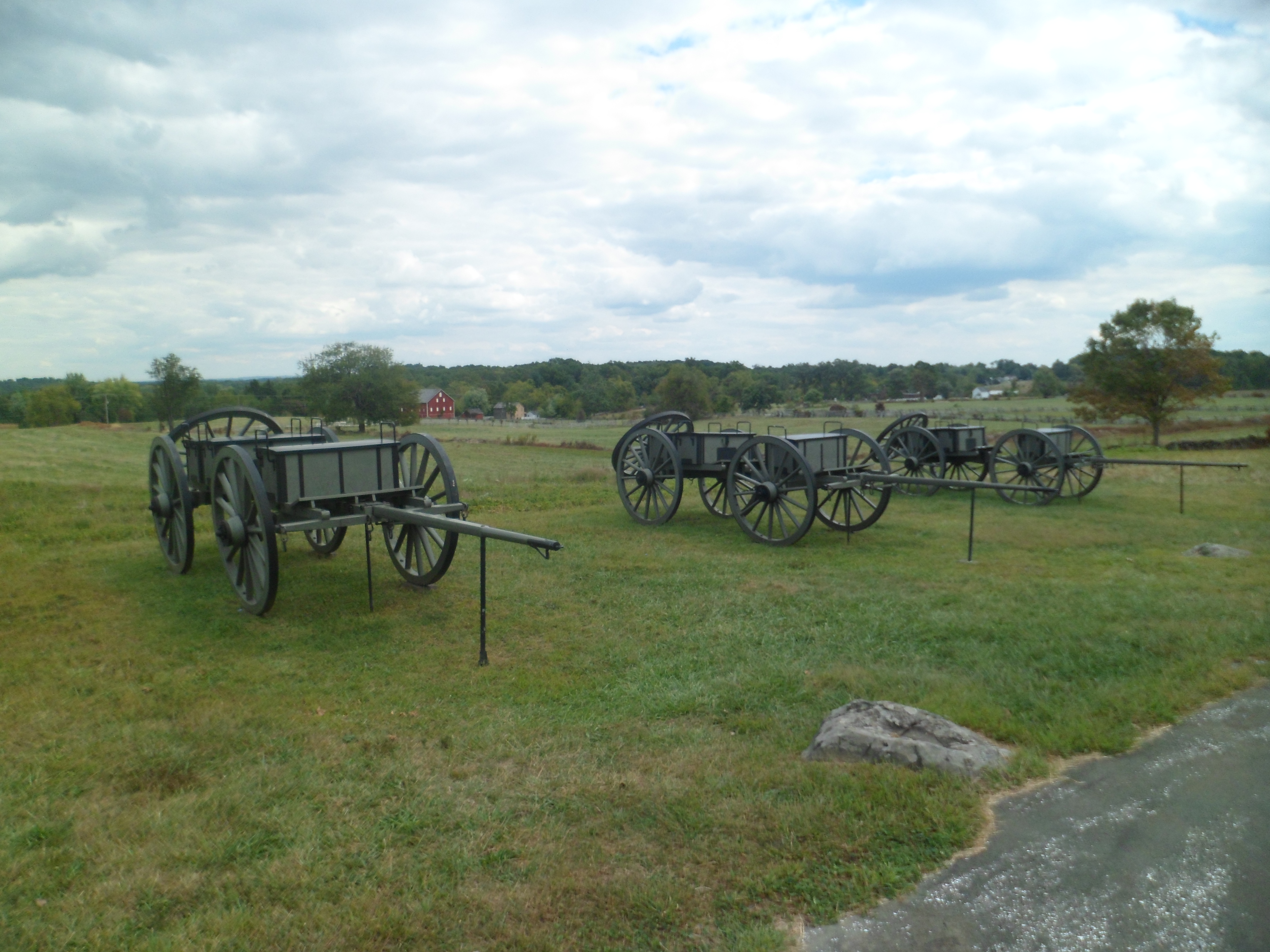
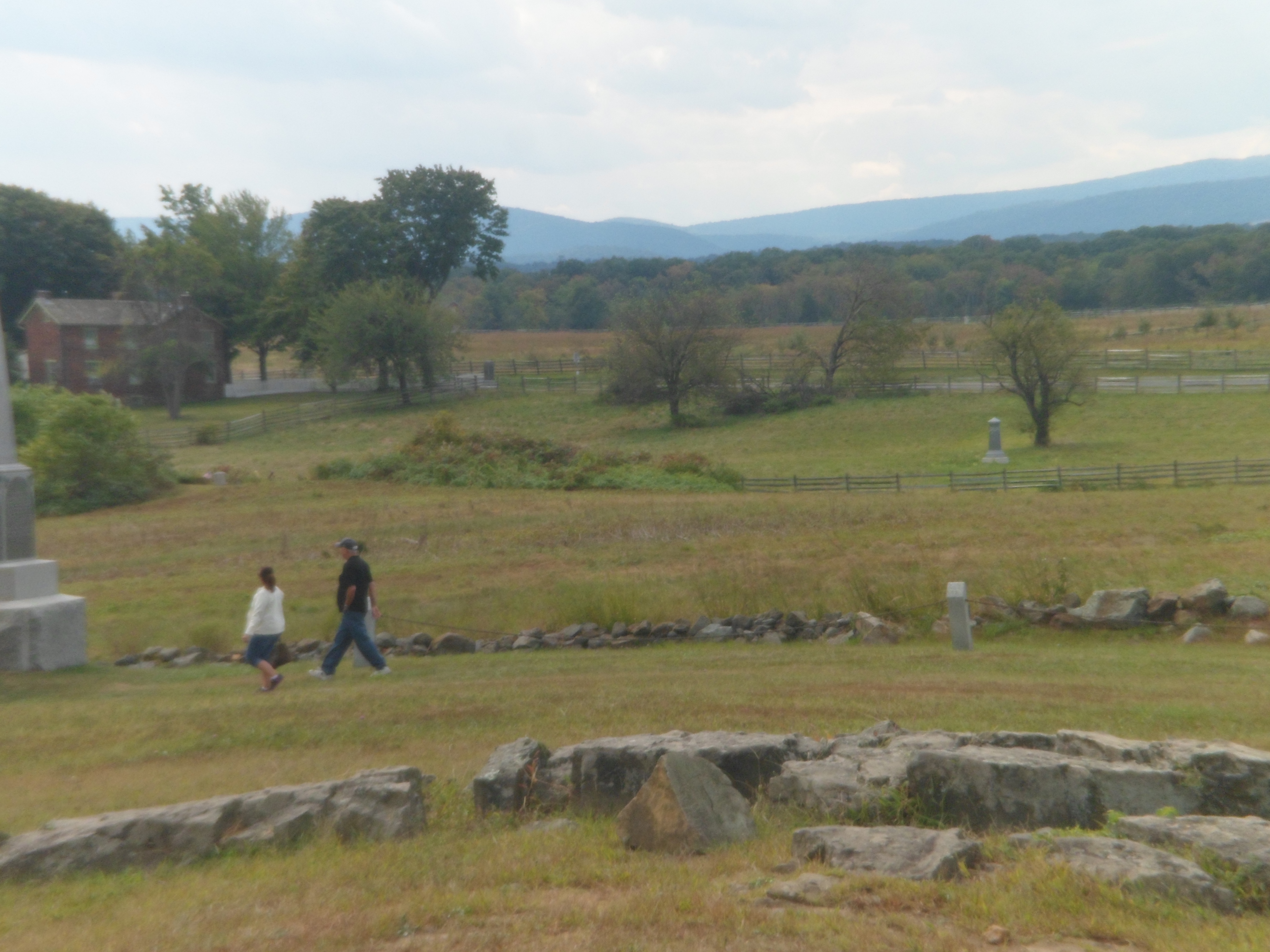
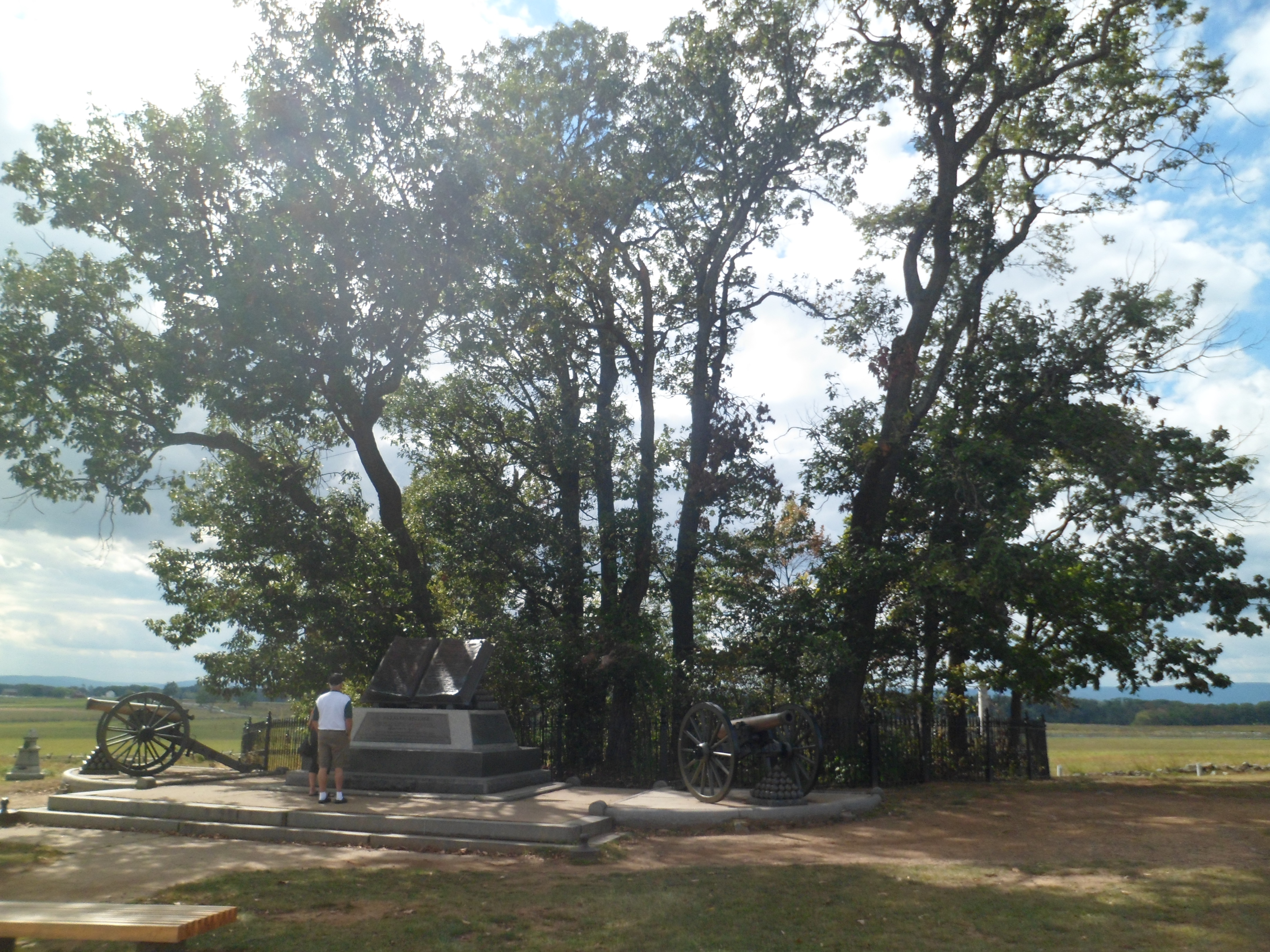
Once in the cemetery and monument areas, the horror of the three-day battle is underscored by every grave, every monument and every southward view, towards the Mason-Dixon Line, a scant 12 miles away. It’s said, by frequent visitors, that ghosts congregate here, on a regular basis. I post the following photos, without individual comment. Please note that all are of Union soldiers and regiments.
This is a look back north, towards the Union commander’s headquarters.
Below, is The Angle, from which the Union advance guard fired on Confederates, who were advancing in the fields below.
Here is another Union reconnaissance point. This stone wall was defended by Union troops, upon Confederate General Armistead’s troops having advanced to the Copse of Trees, passing just west of the grove, before Union troops engaged them and drove them back.
This obelisk honours the 89th Pennsylvania volunteers.
\
The Copse of Trees, below, represents the northernmost advance point by Confederate forces in the War Between The States. The monument in front of the Copse is called the High Water Mark.
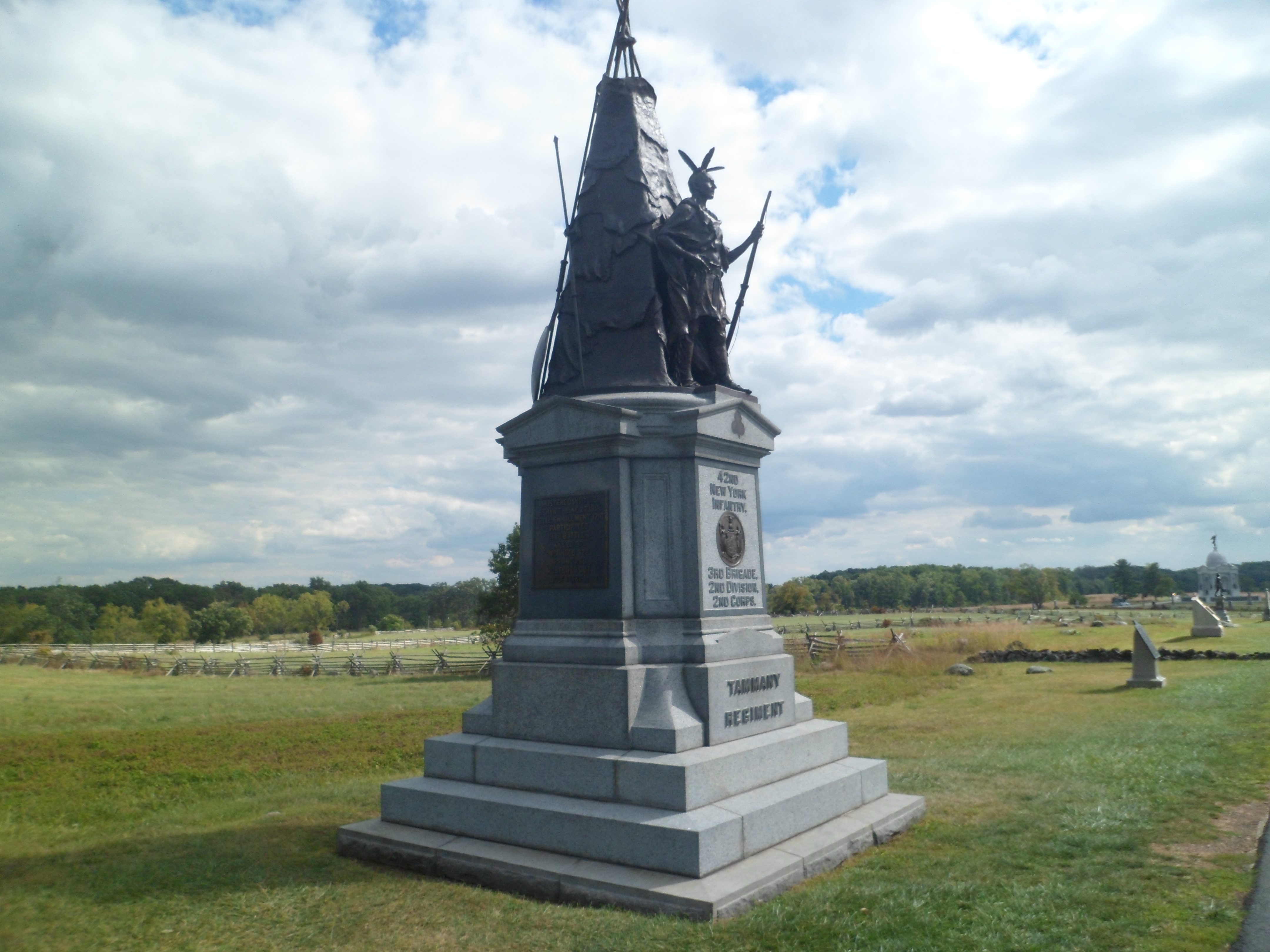
Native Americans fought for both sides in the conflict. This monument honours the Tammany Regiment, from New York City.
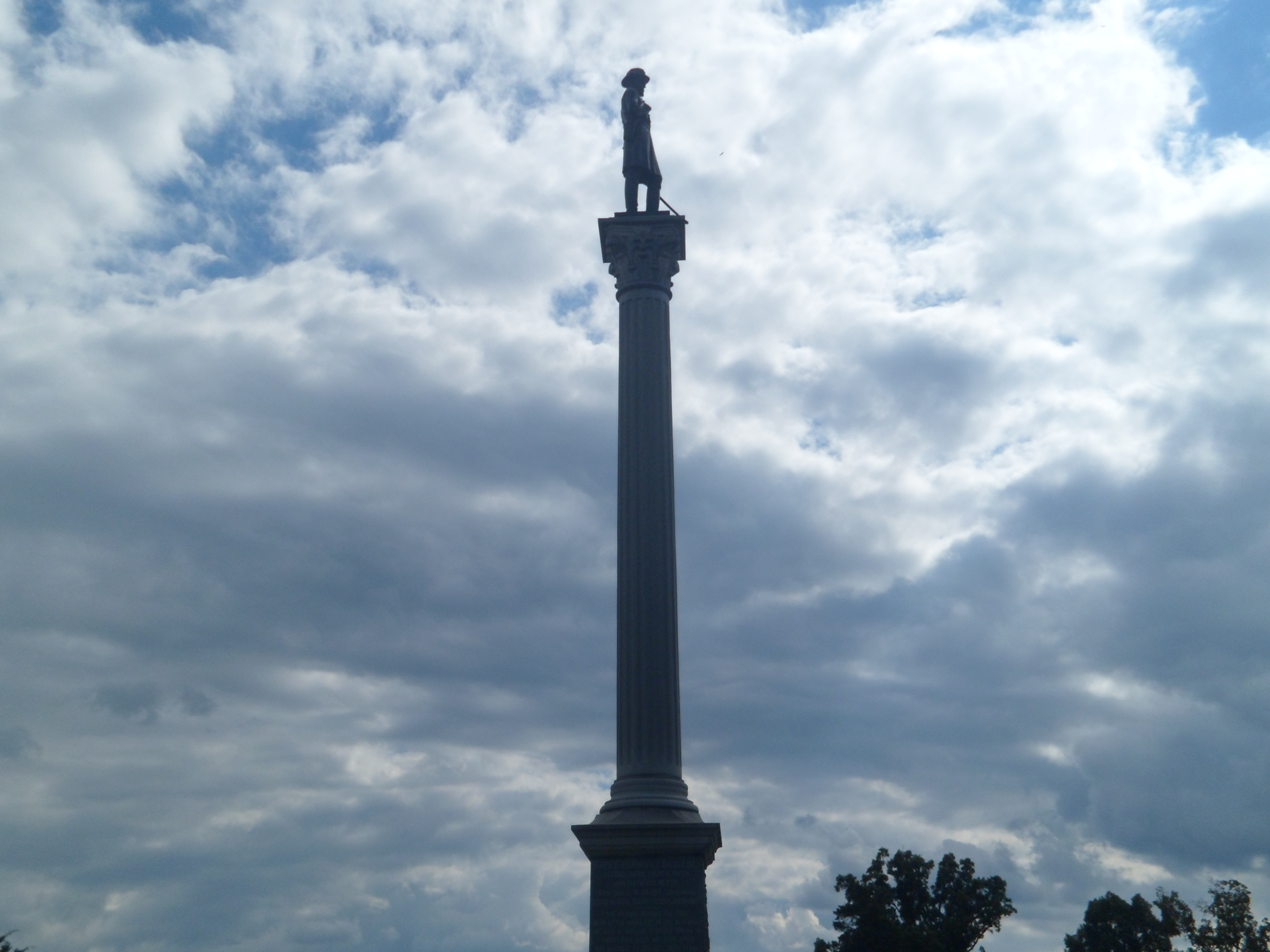
The monument below honours the Vermont Regiment, and is shown in two frames.
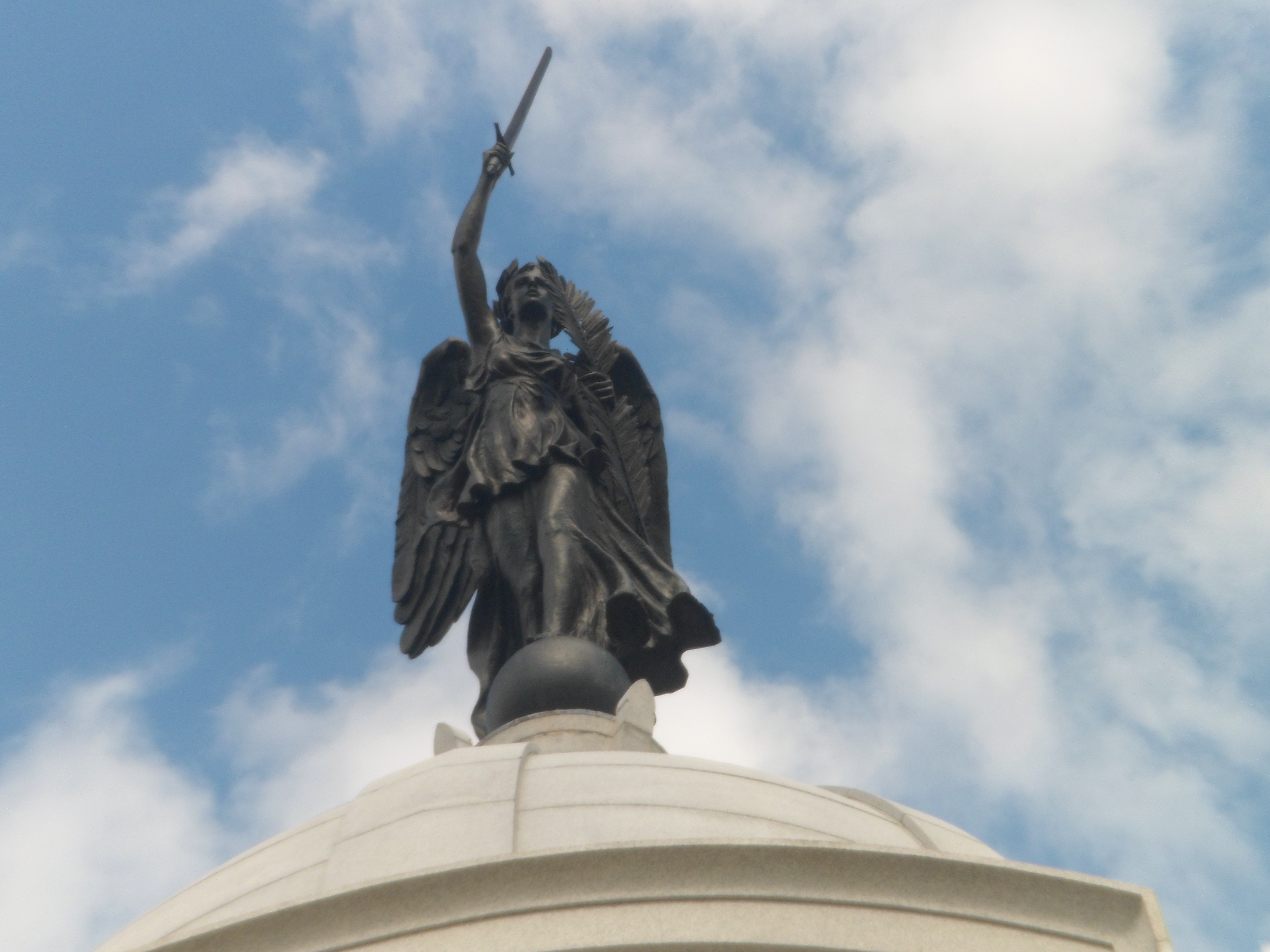
The following frames show the Pennsylvania State Monument, at the eastern edge of the park.
The next two views are from the top of the Pennsylvania State Monument.
I caught one final glimpse of the Copse of Trees. Were it not for this vantage point, the story of our nation may have turned out far differently.
I was in a somber mood, the rest of the day. Driving through the Brandywine Valley, Chadds Ford, Wilmington and the University of Delaware at Newark, I was in no further mood for photography. At North East, MD, I learned what else had transpired that day- 12 innocent lives were snuffed out, at Anacostia Navy Yard, a place I visited twice, as a soldier, in 1970
My planned visit the following day, to the United States Naval Academy, took on a graver mien.
My first inclination, when visiting a place of historic significance, is to look at the surroundings of the historic relics. Who are the people who live here? How do they adapt to having to share their home with others? What does the town/city, which surrounds the historic park, have to offer?
In going about the city of Gettysburg, PA, I concerned myself with the town center, and with Gettysburg College, which was in existence, and in session, at the time of the seminal battle. Here are some scenes of those two.
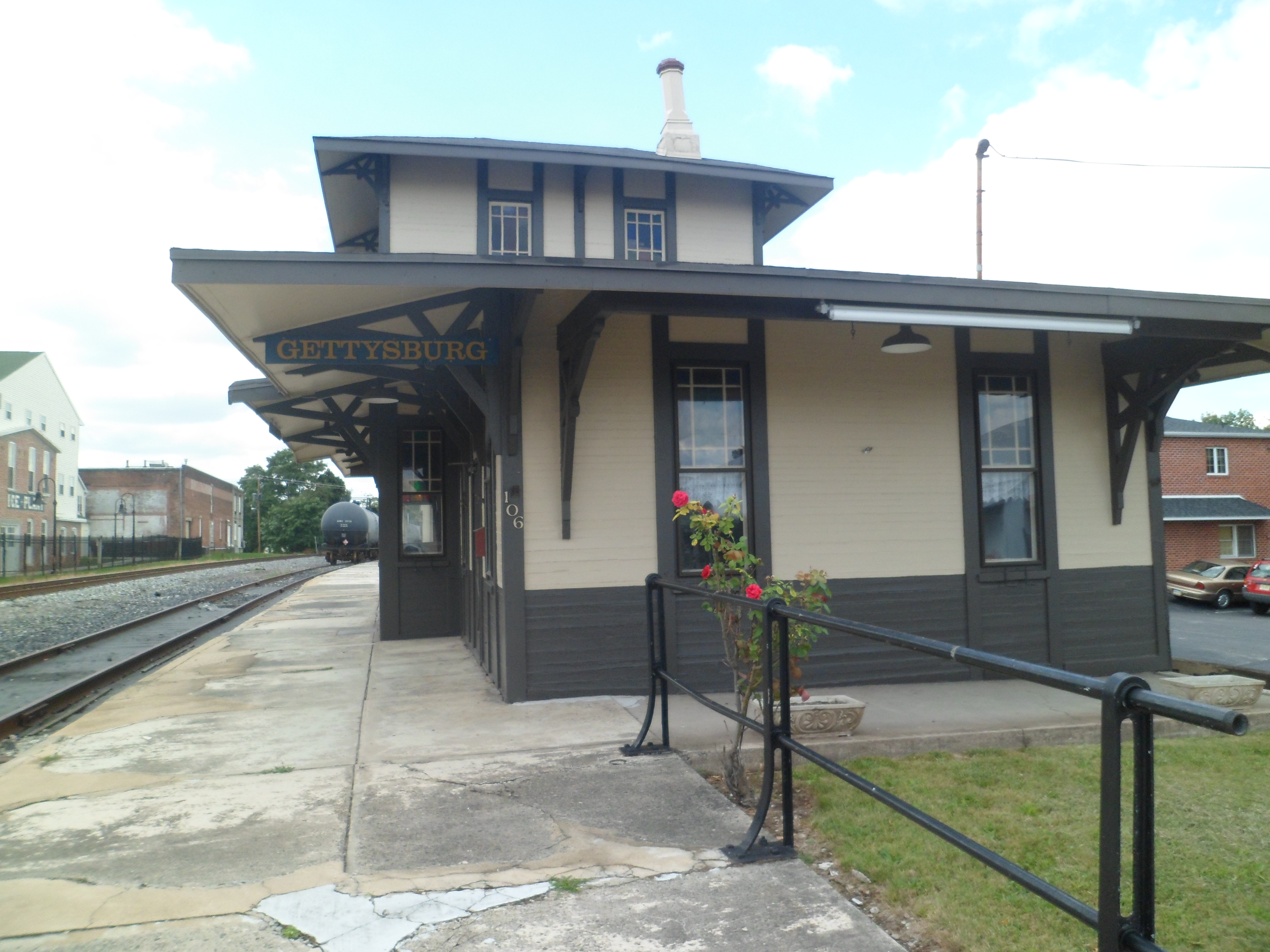
I started at the Central Train Station, walked towards Gettysburg College, and proceeded in a southwesterly direction, then around the campus and back to Lincoln Square.
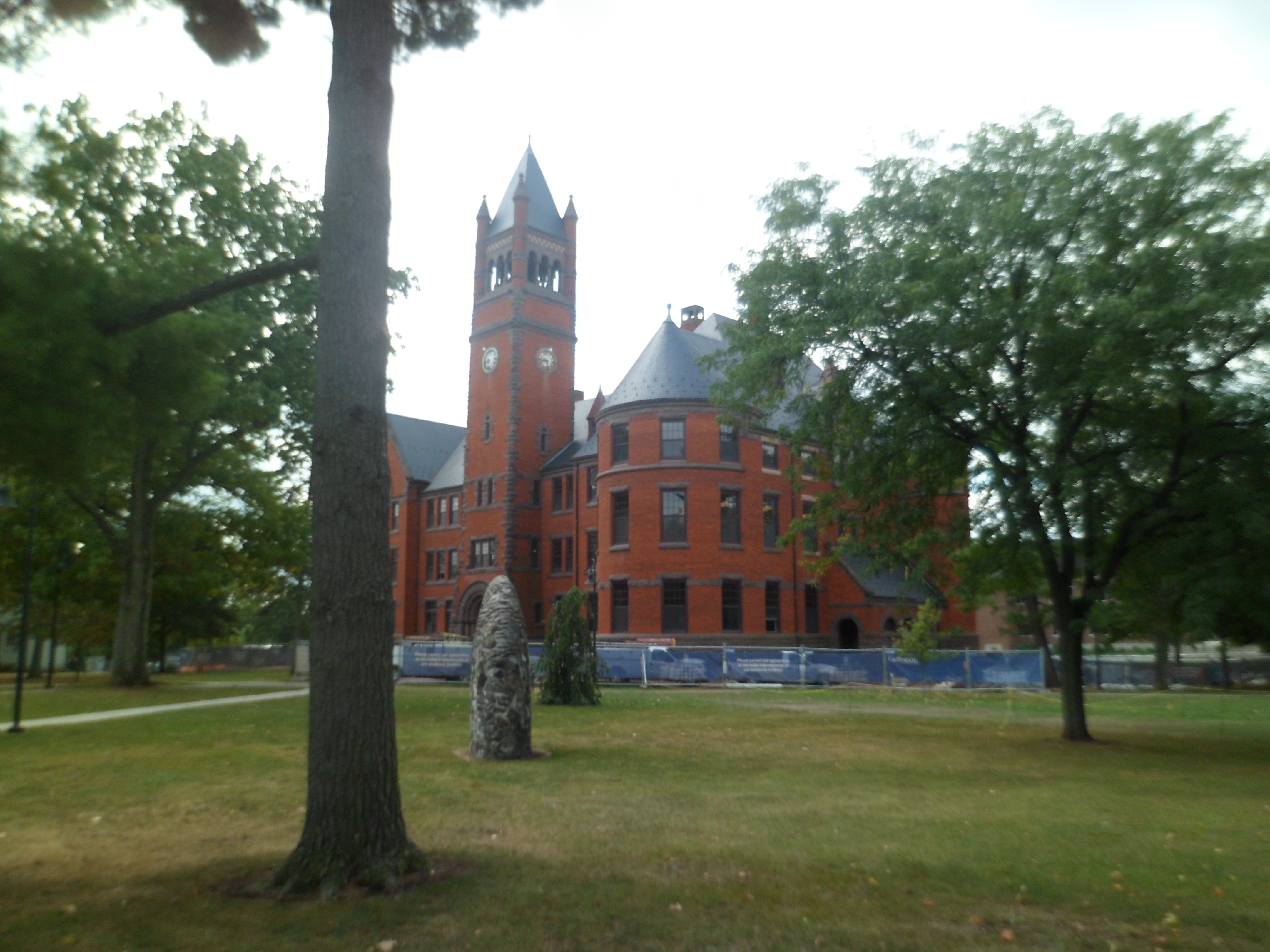
I came upon Gettysburg College, at the Kline Theater. Each and everyone of the buildings that follow, bore witness to the horrors of the War Between the States.
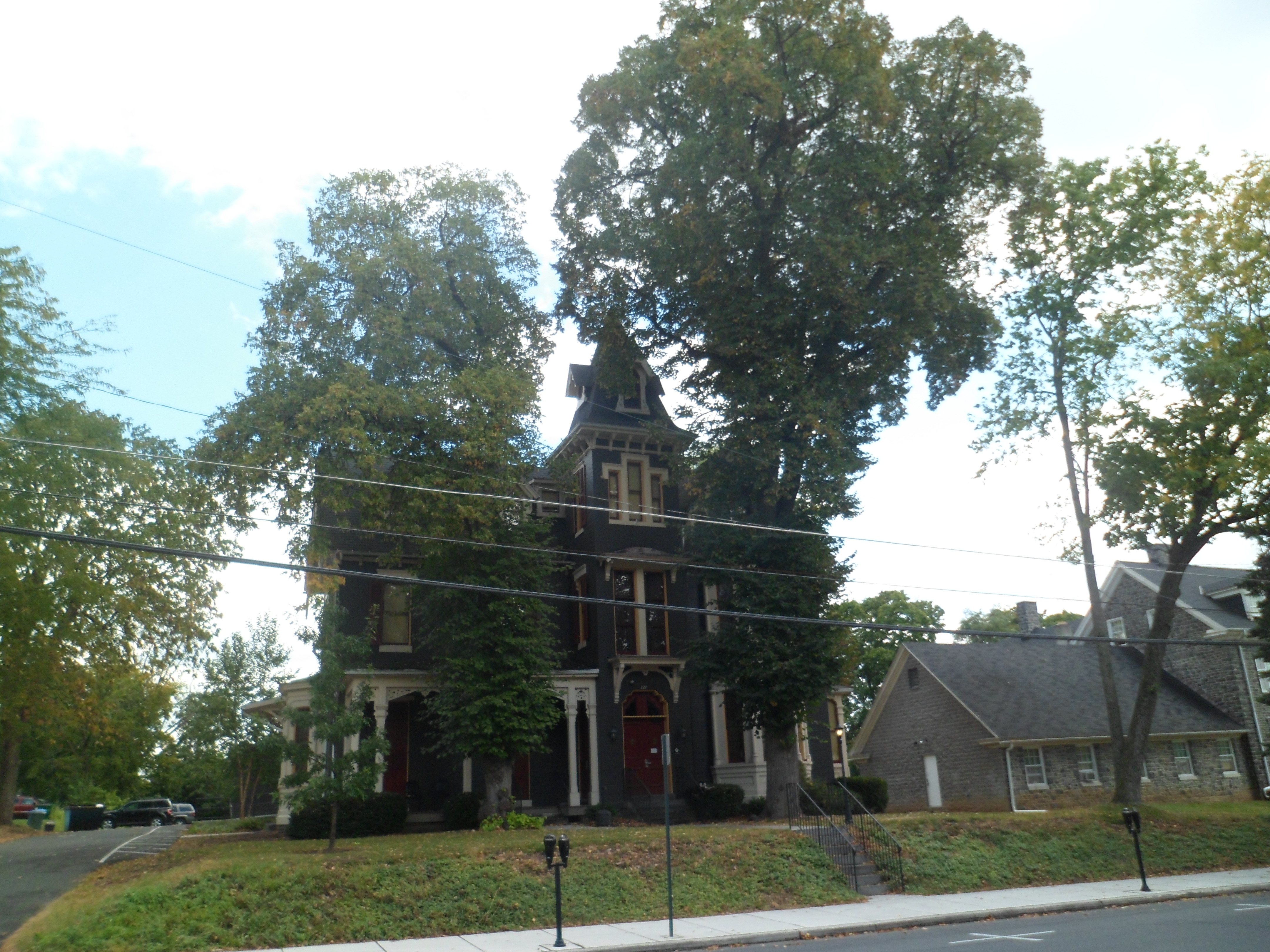
Walking back into town, a Victorian neighbourhood comes into view.
.
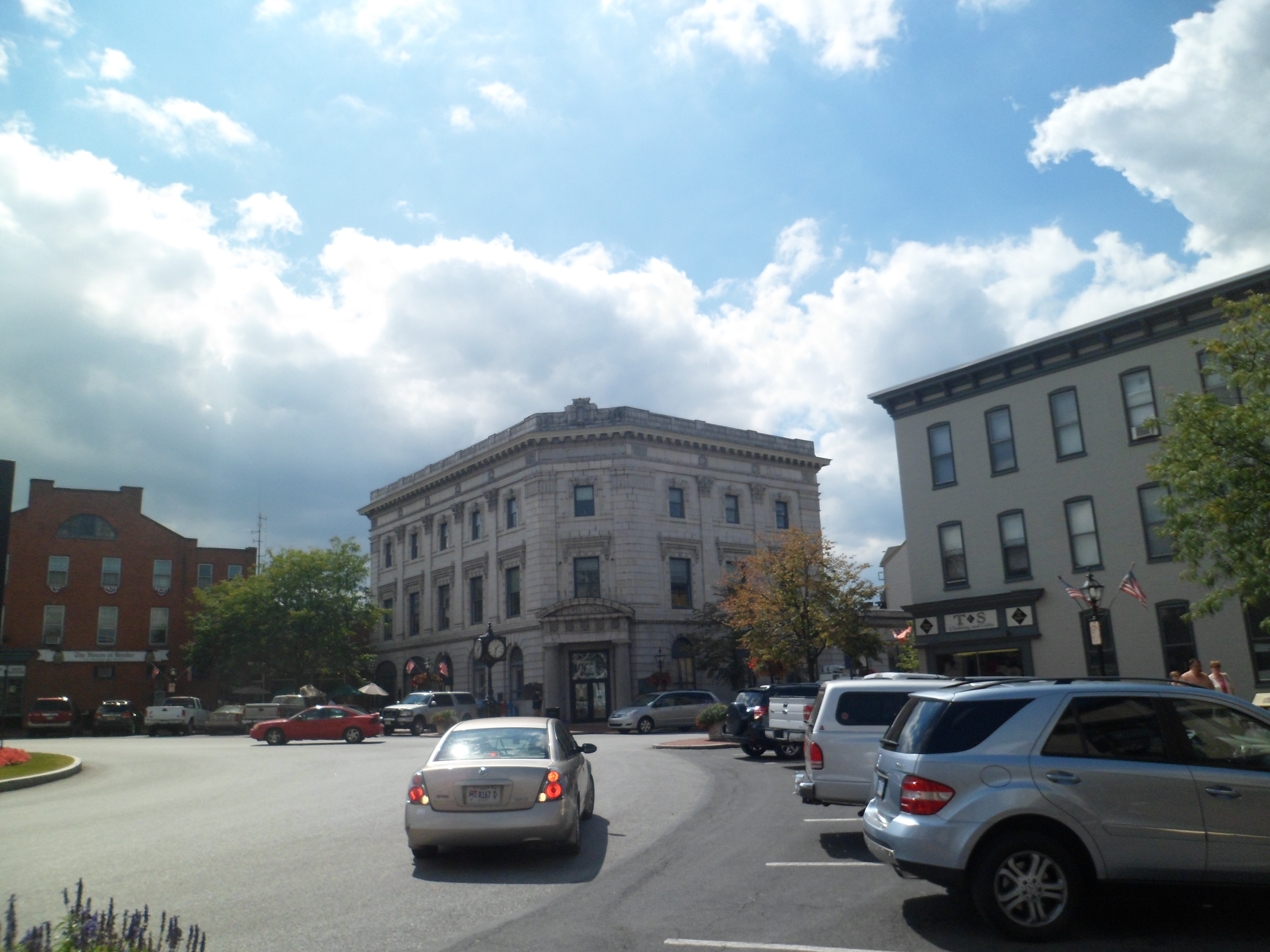
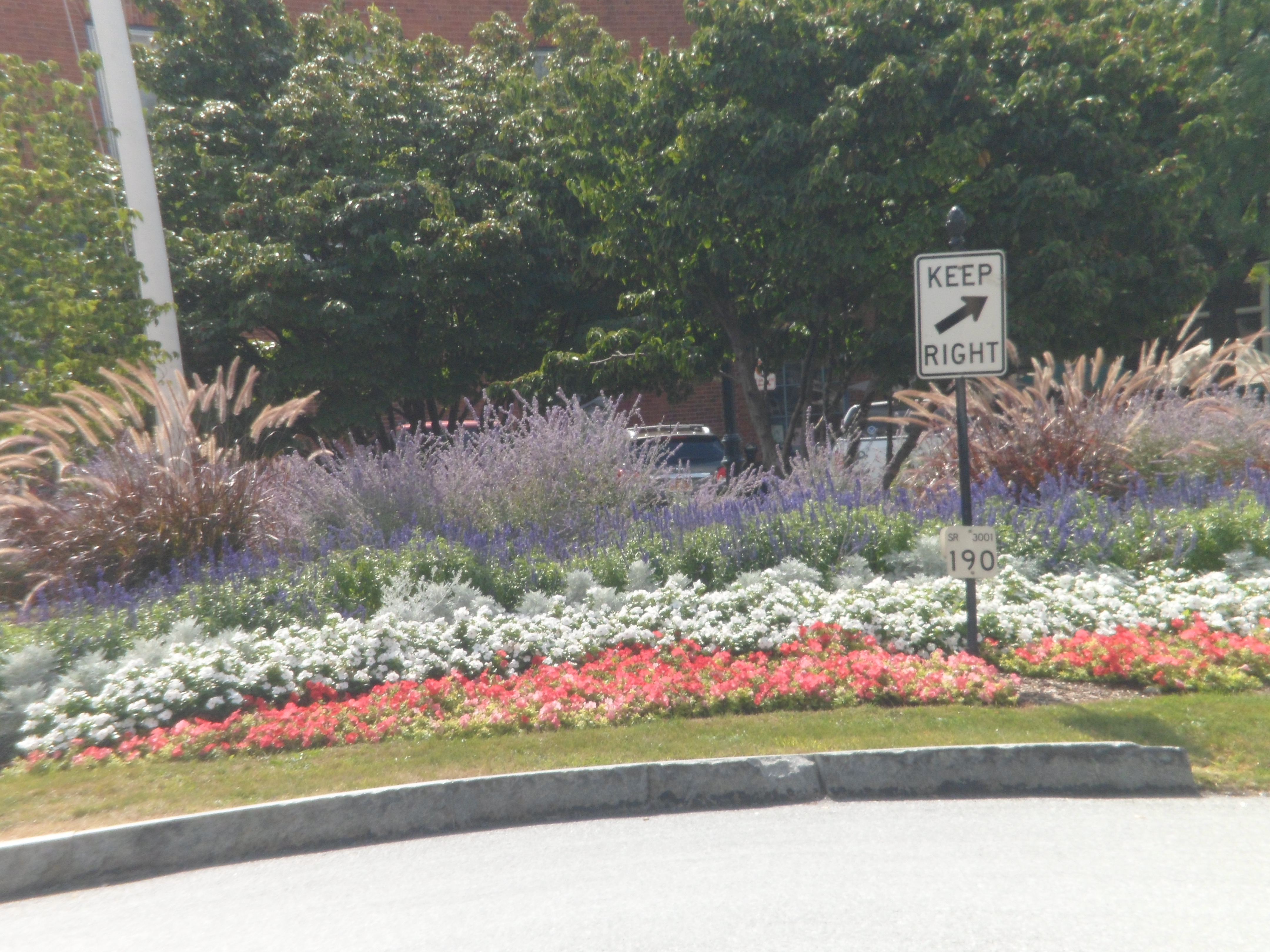
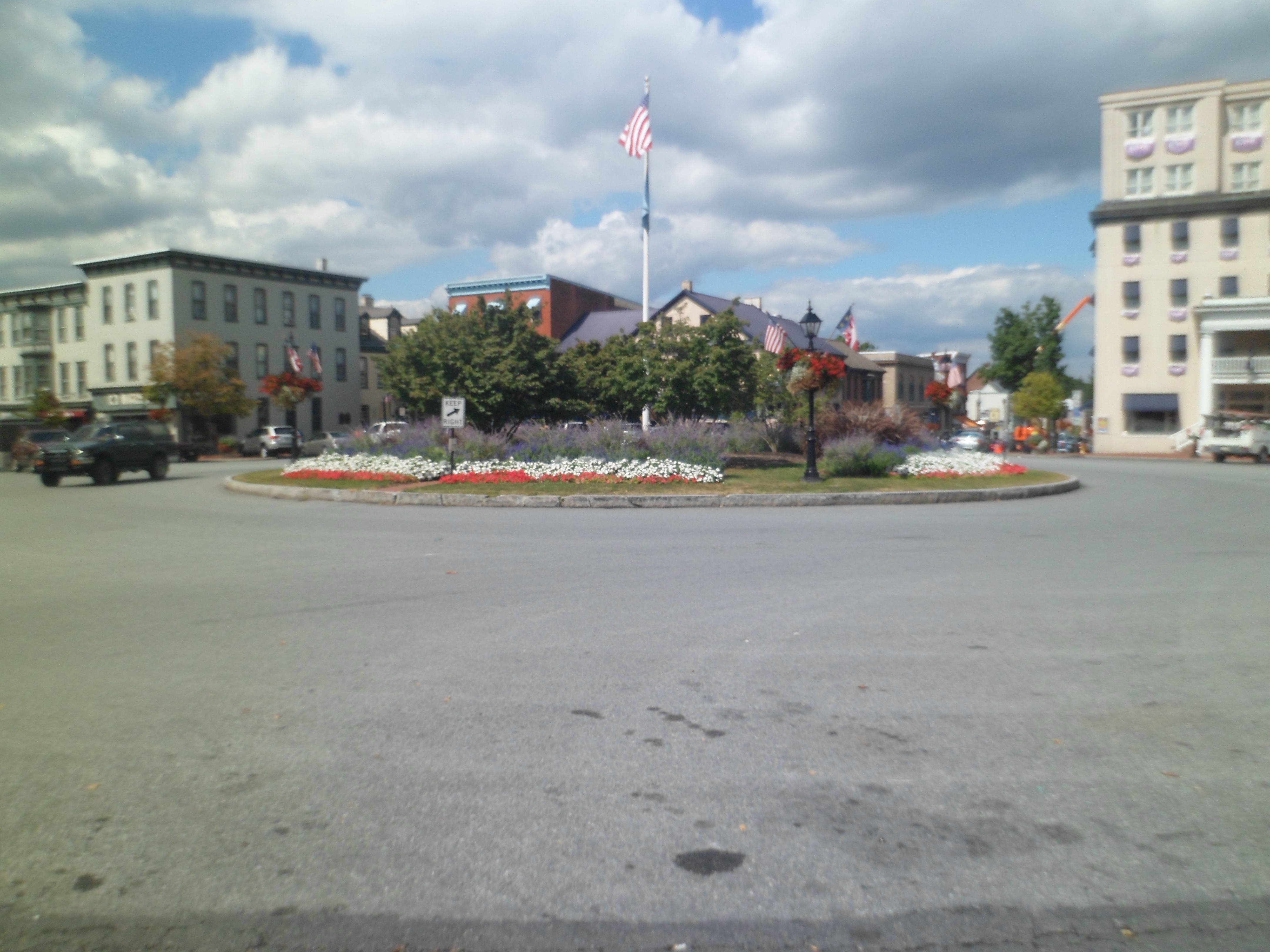
Lincoln Square is the centerpiece of the city, and in fact, was where the President stayed, when he came here to pay his homage to the fallen.
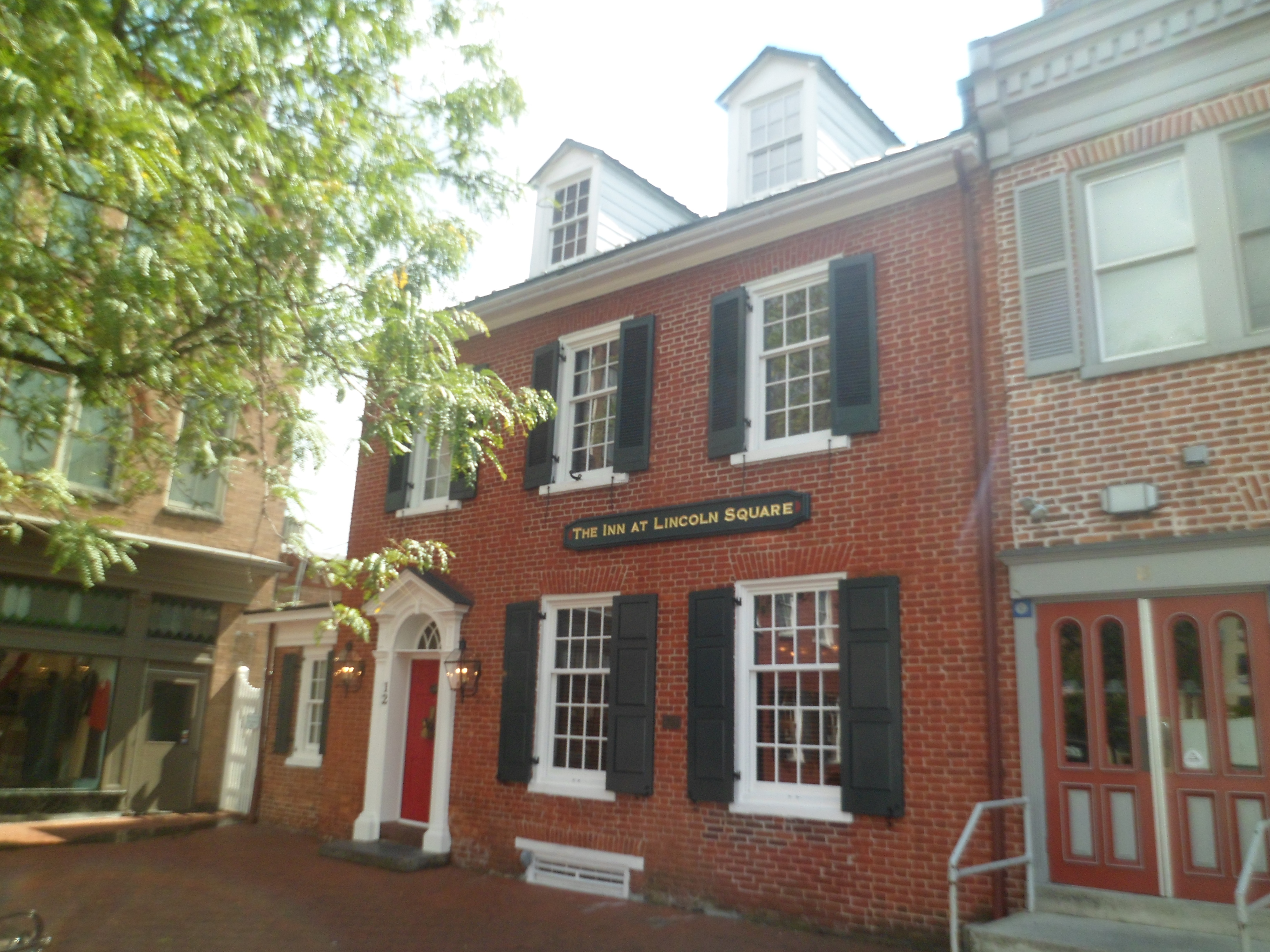
This hotel housed Mr. Lincoln’s entourage, and the press corps, in 1863.
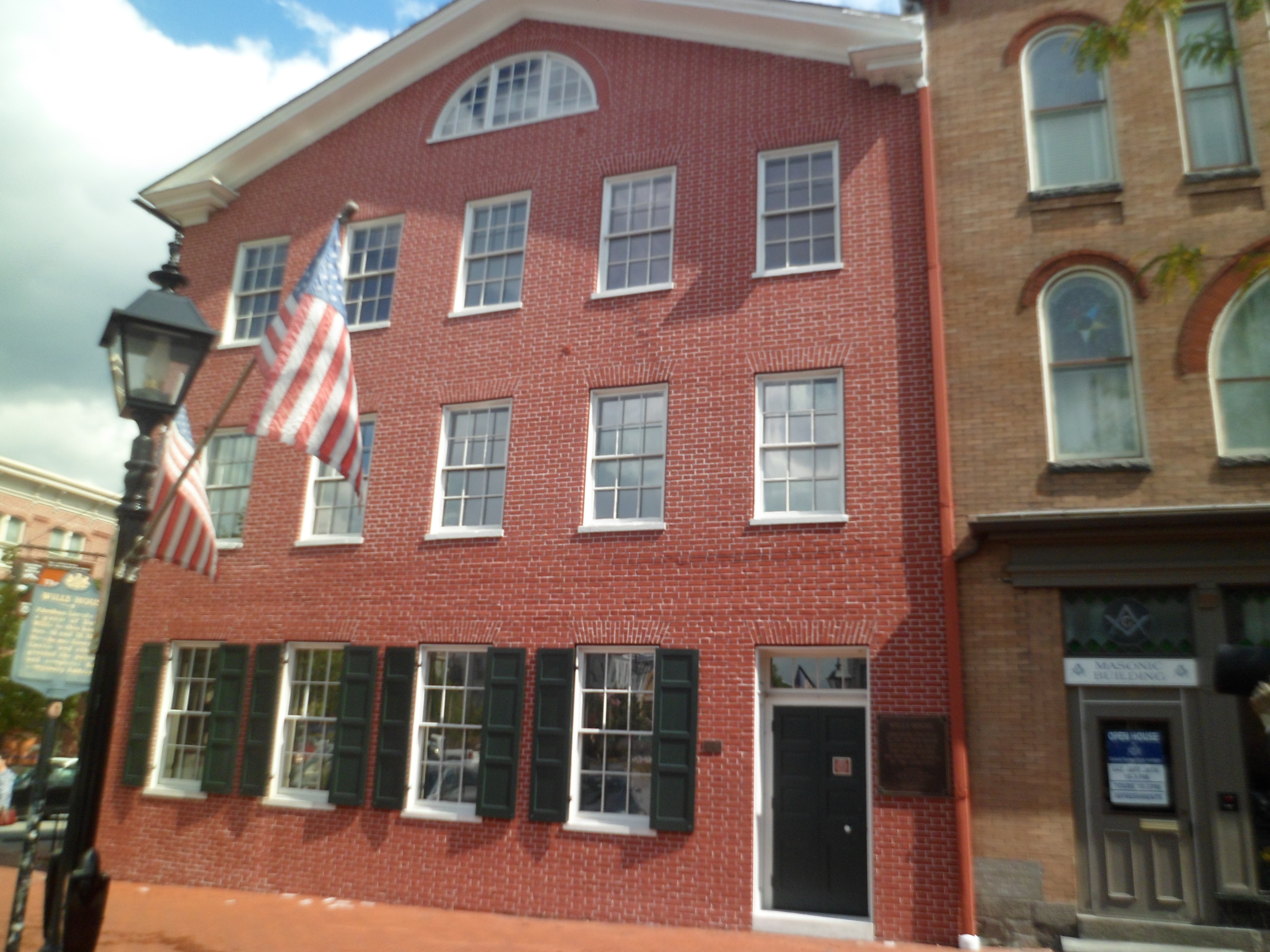
The president himself, though, stayed here:
The Wills House was the residence of a businessman who was Abraham Lincoln’s sincerest backer in Pennsylvania.
Here is one final look at Lincoln Square.
It would be an afternoon of awe, fascination, and considerable spiritual pain, at Gettysburg Battlefield National Historical Park.
I woke up in Danbury, CT on September 15, and, seeing no place open for a Sunday morning breakfast, picked up coffee and a muffin at the Gulf station, and headed out. Northwest Connecticut and the lower Hudson Valley got short shrift this time, as I needed to make it to Pompton Plains, NJ by 11:30, to see the folks at my FIL’s hospital room.
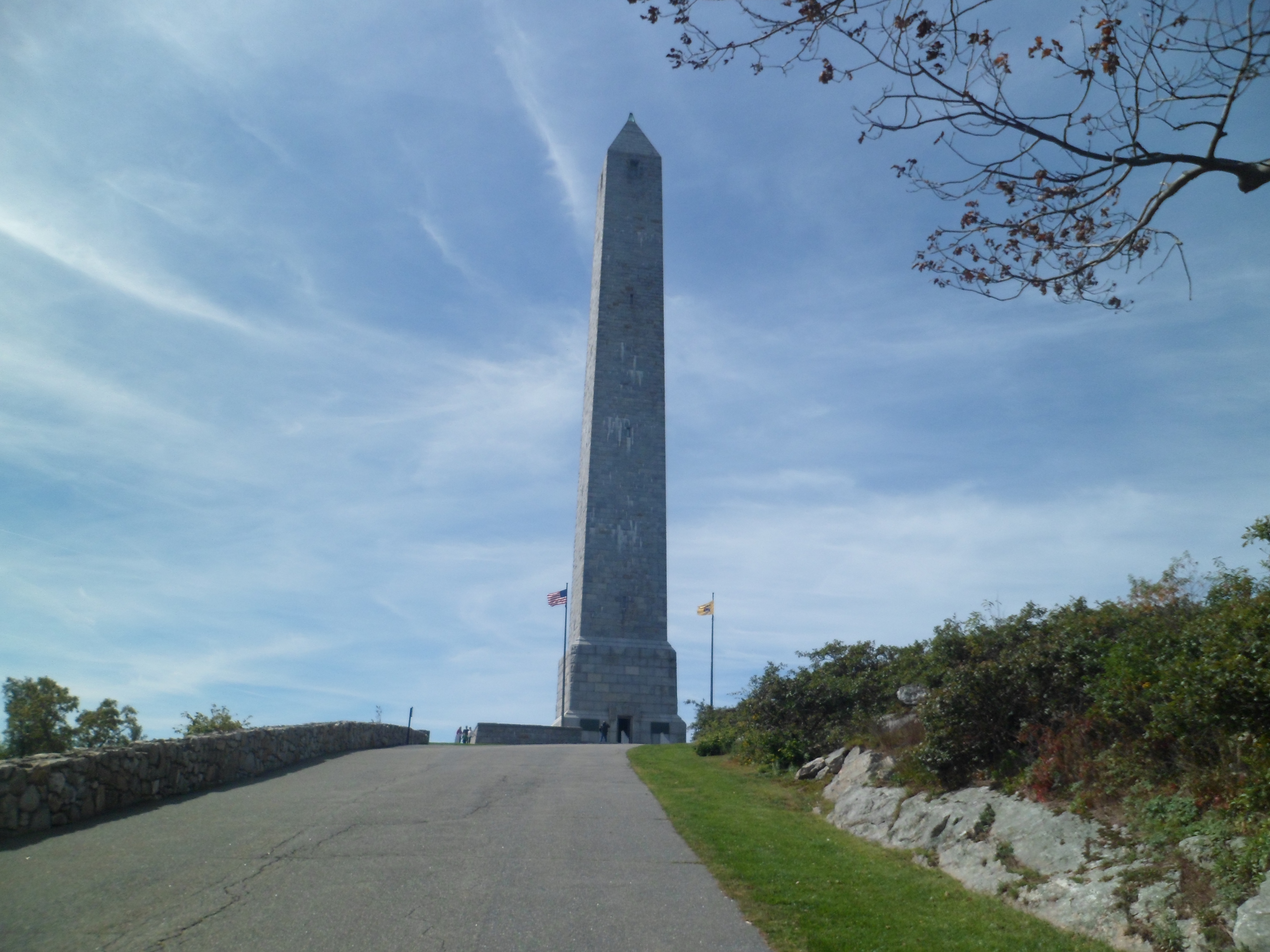
As it happened, the nation’s Prisoners of War were being honoured at High Point, NJ, not far from Pompton, so I spent about twenty minutes there. High Point is New Jersey’s- highest point. LOL.
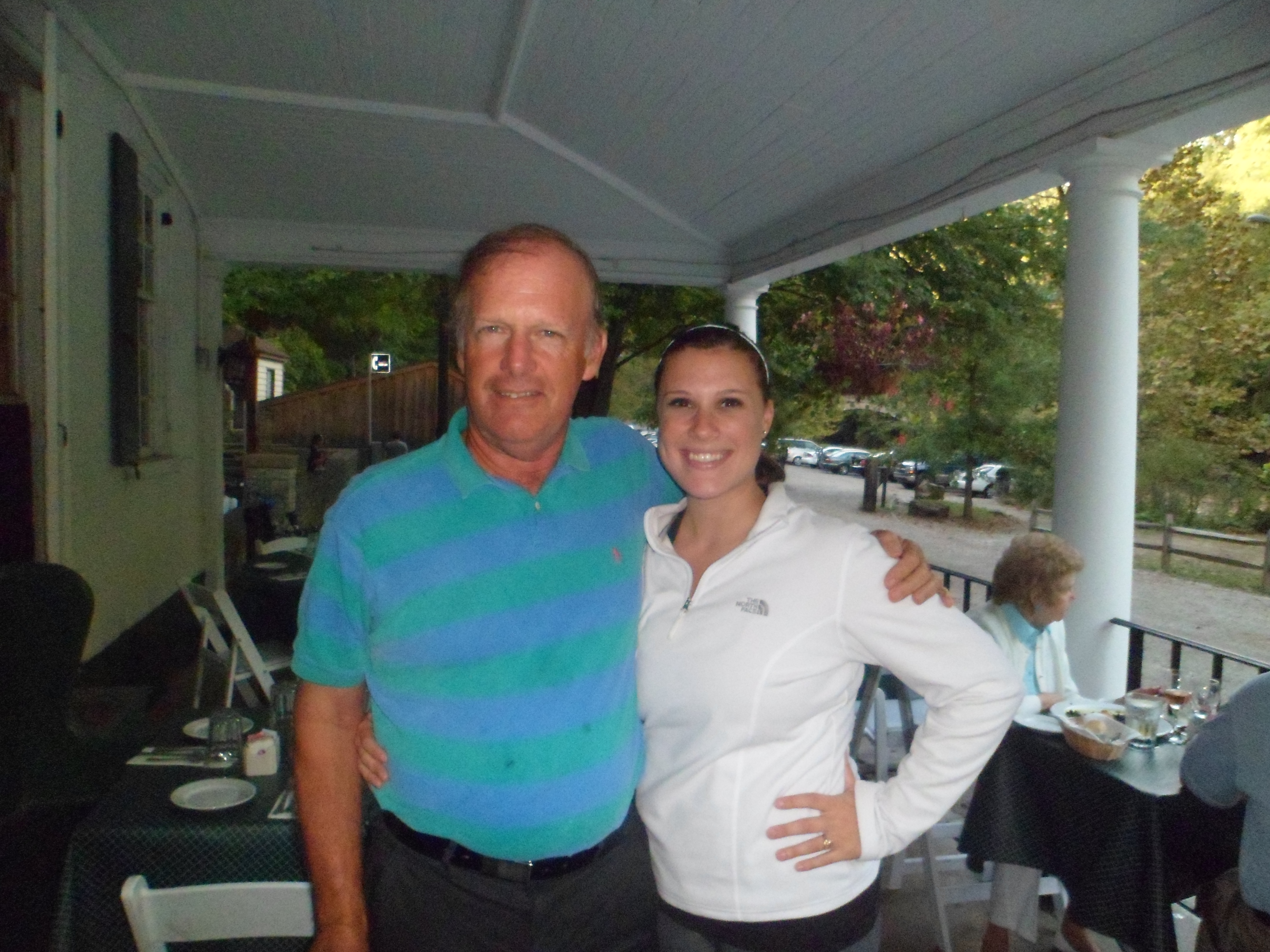
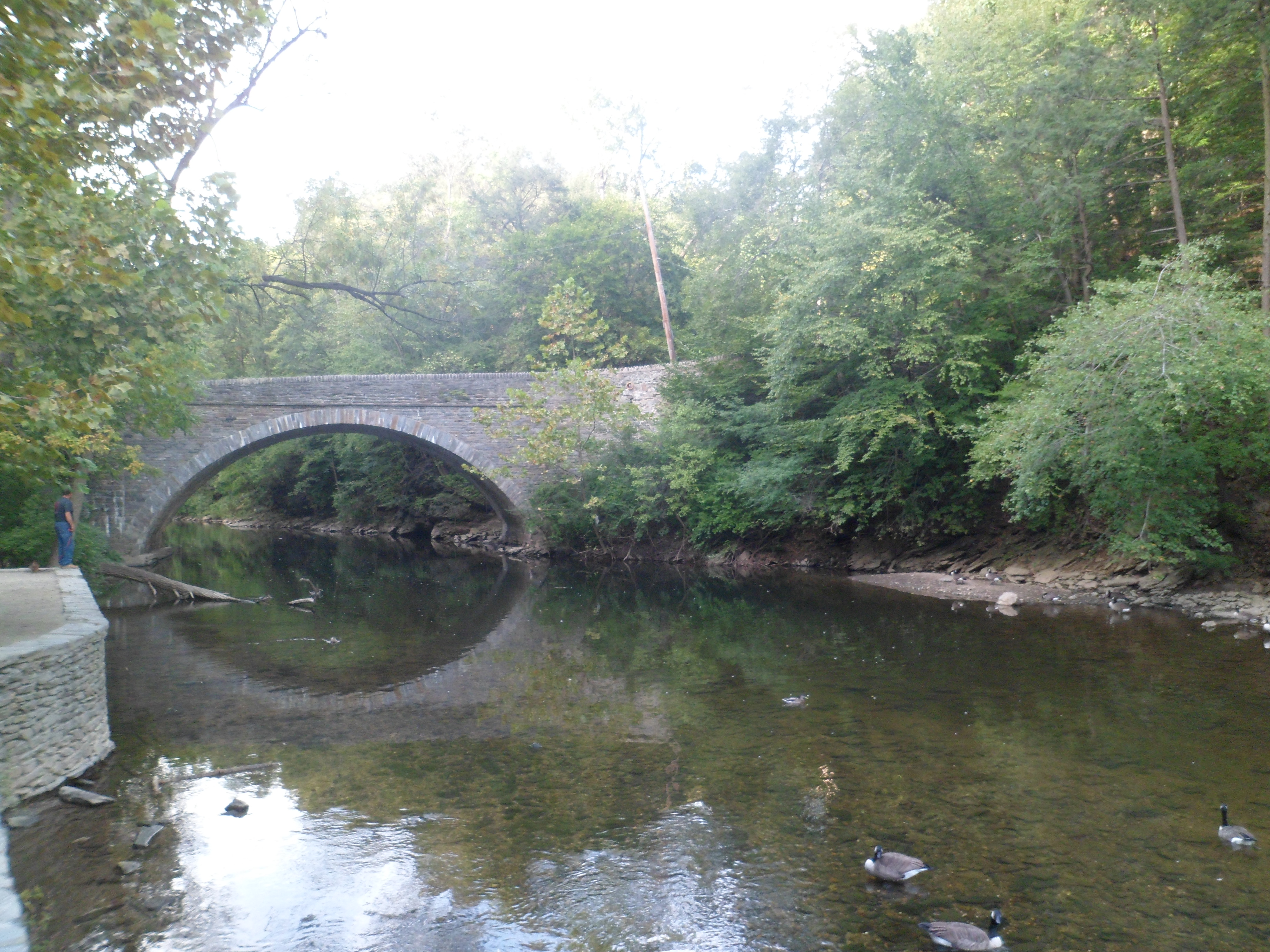
I spent about 45 minutes in Pompton, and, satisfied that Pops would be getting out of the hospital the next day, I made a beeline for Philadelphia, and Chestnut Hill’s Wissahickon Park, where I met my youngest niece and her friend, and enjoyed a light supper, amid salubrious surroundings.
Leaving Philly, I passed through Germantown.
Day’s end found me in more familiar surroundings- Glick Farm, for a good night’s rest.
Such were my Sunday meanderings- on the way to Gettysburg.
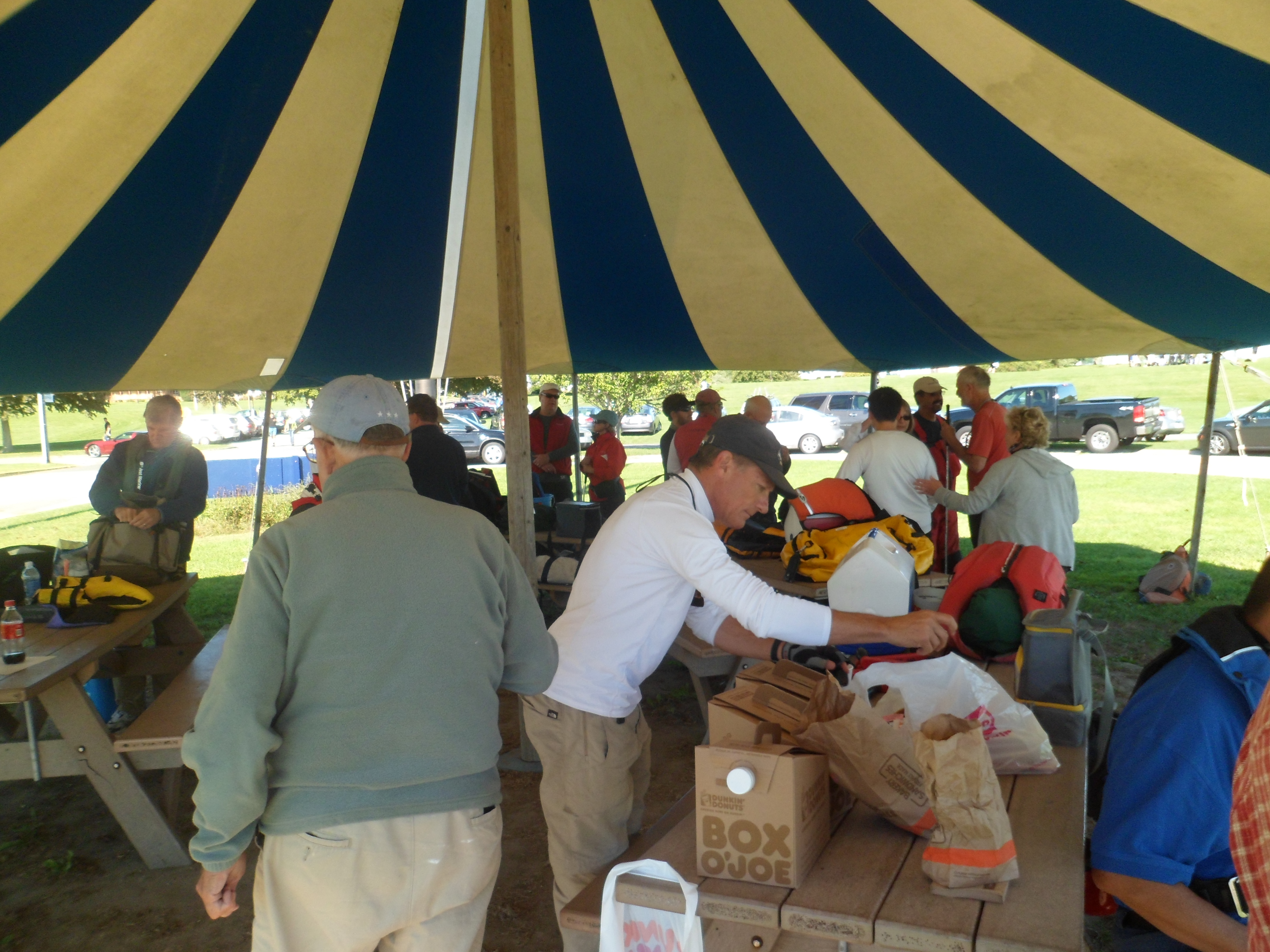
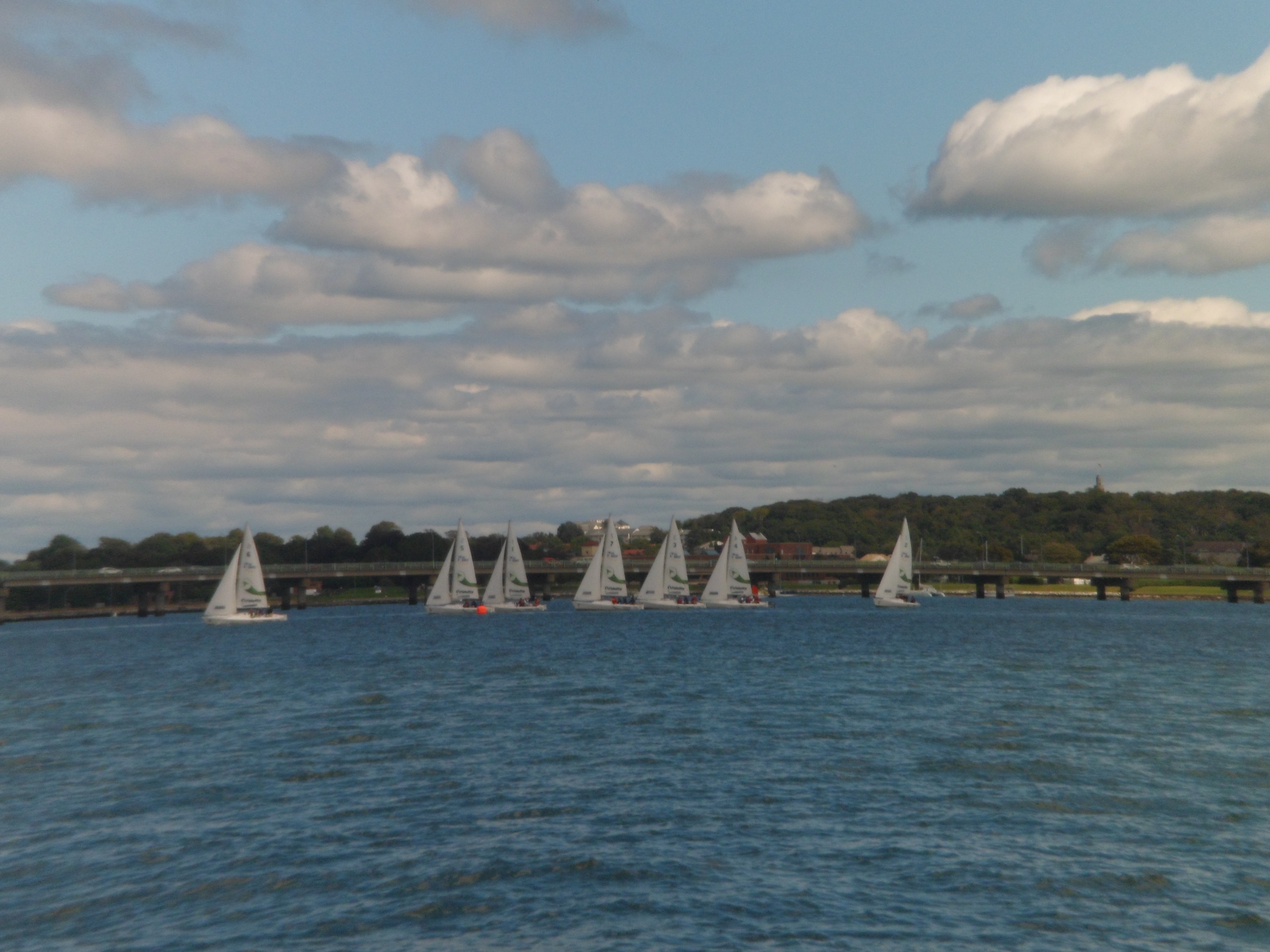
Sail Blind is a non-profit organization, which supports the legally blind and totally blind, in their efforts to use Braille and other tactile and auditory means, in manning sailboats, for both therapeutic and recreational purposes. My brother, from Massachusetts, is a member of this organization. He participated in a series of races, on Newport, RI Harbor, September 14-15.
This is a series of glimpses into that event, and its environs. Below, my brother and a member of the supervisory team.
Here is another view of the race group.
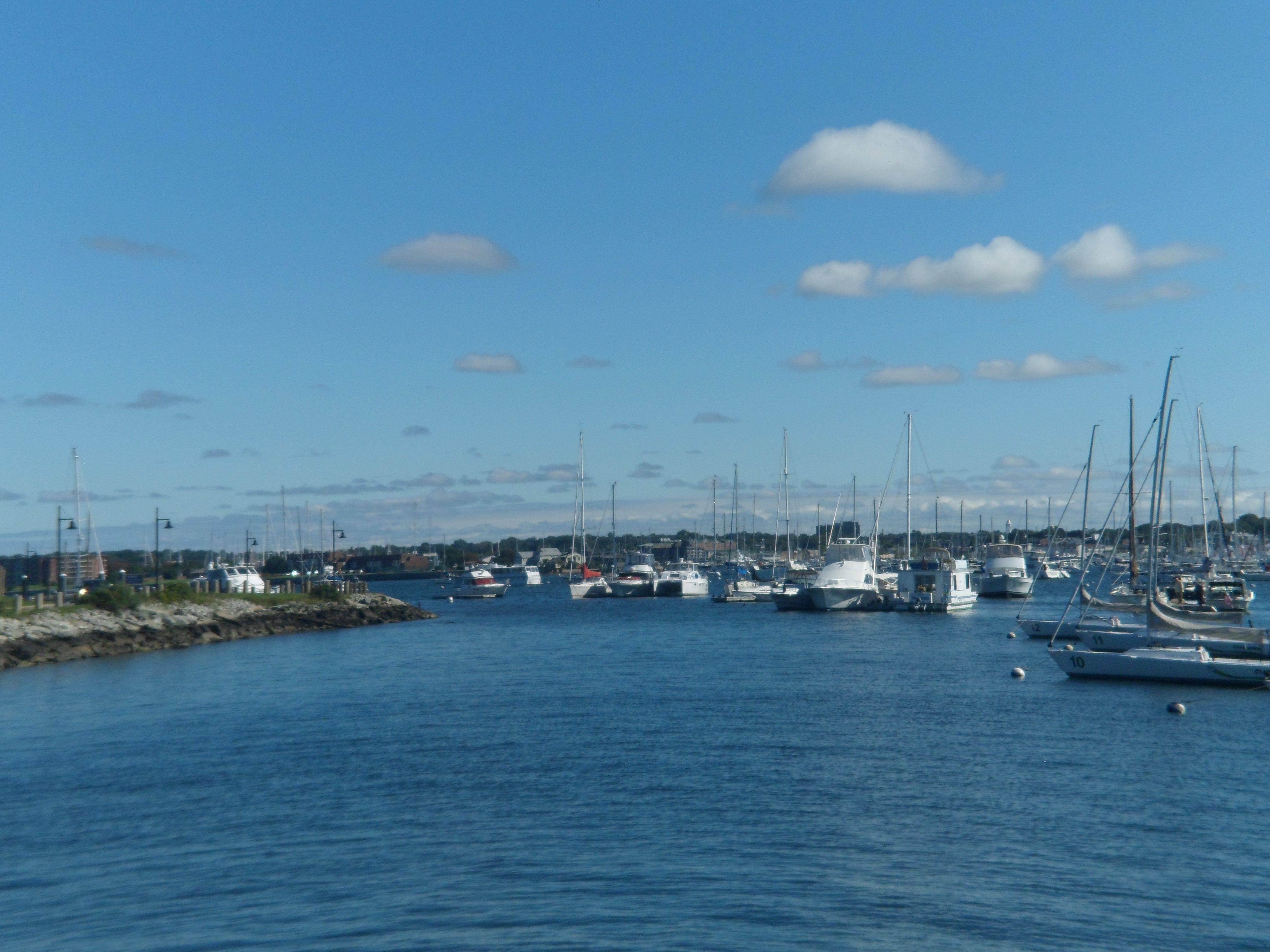
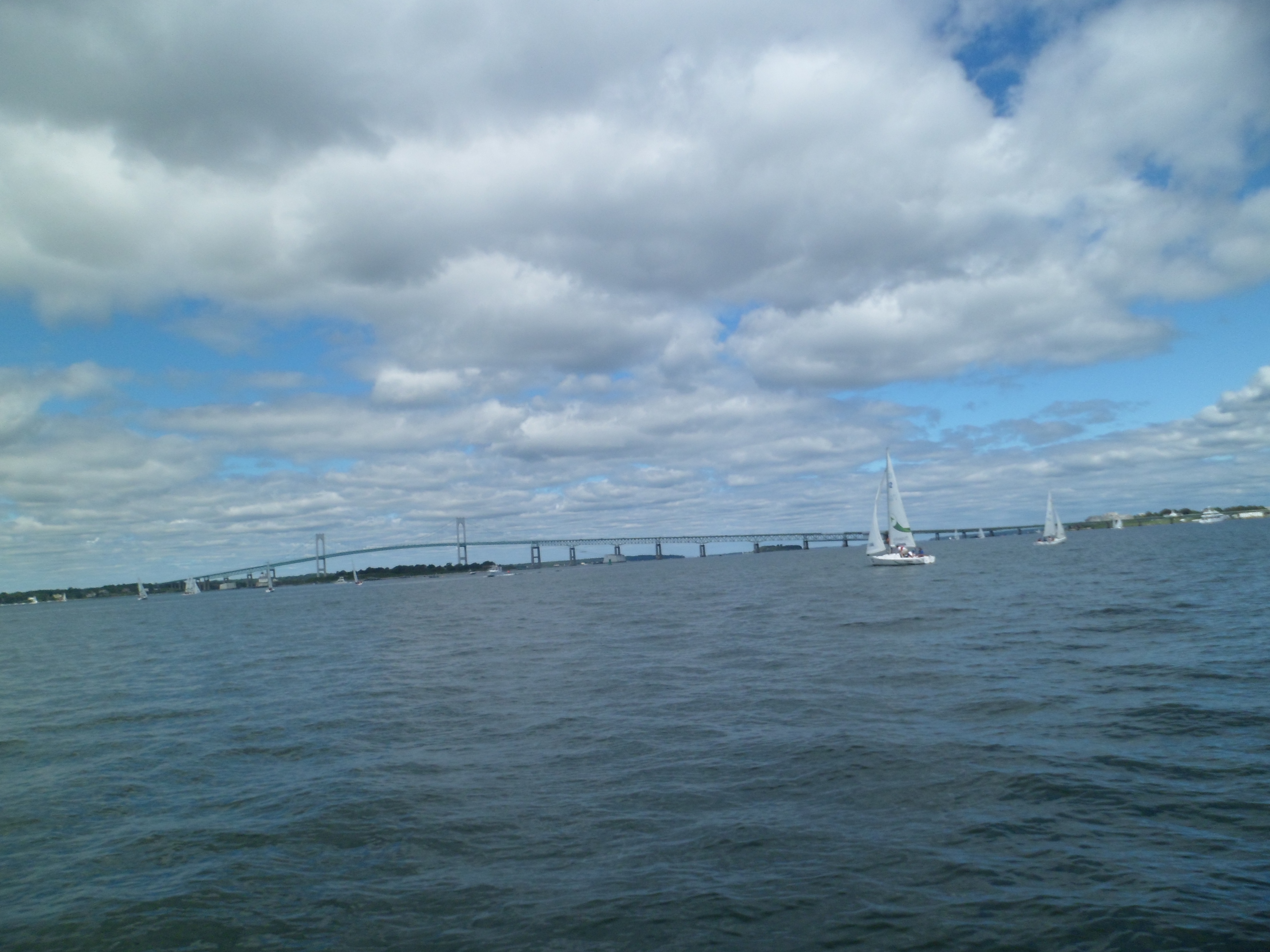
Below is a view of Newport Harbor.
While waiting for the race to start, I took a brief ride over to Oceancliffs Resort Hotel.
Here is a view of Aquidneck Bridge, from Oceancliffs.
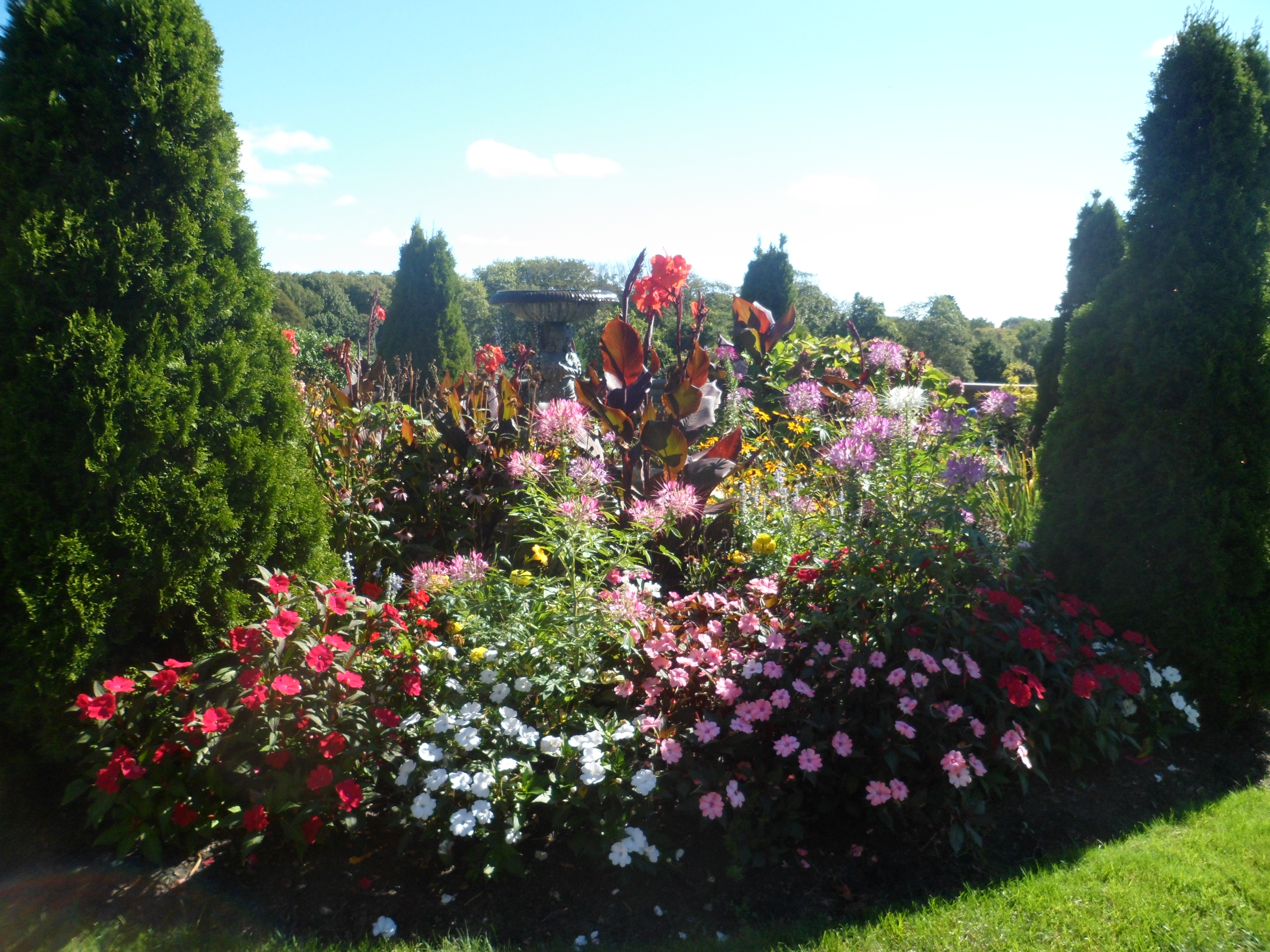
The decor and landscaping at Oceancliffs are indicative of Newport as a whole.
At 11:30, it was time to go back to Fort Adams, from whence the race would begin.
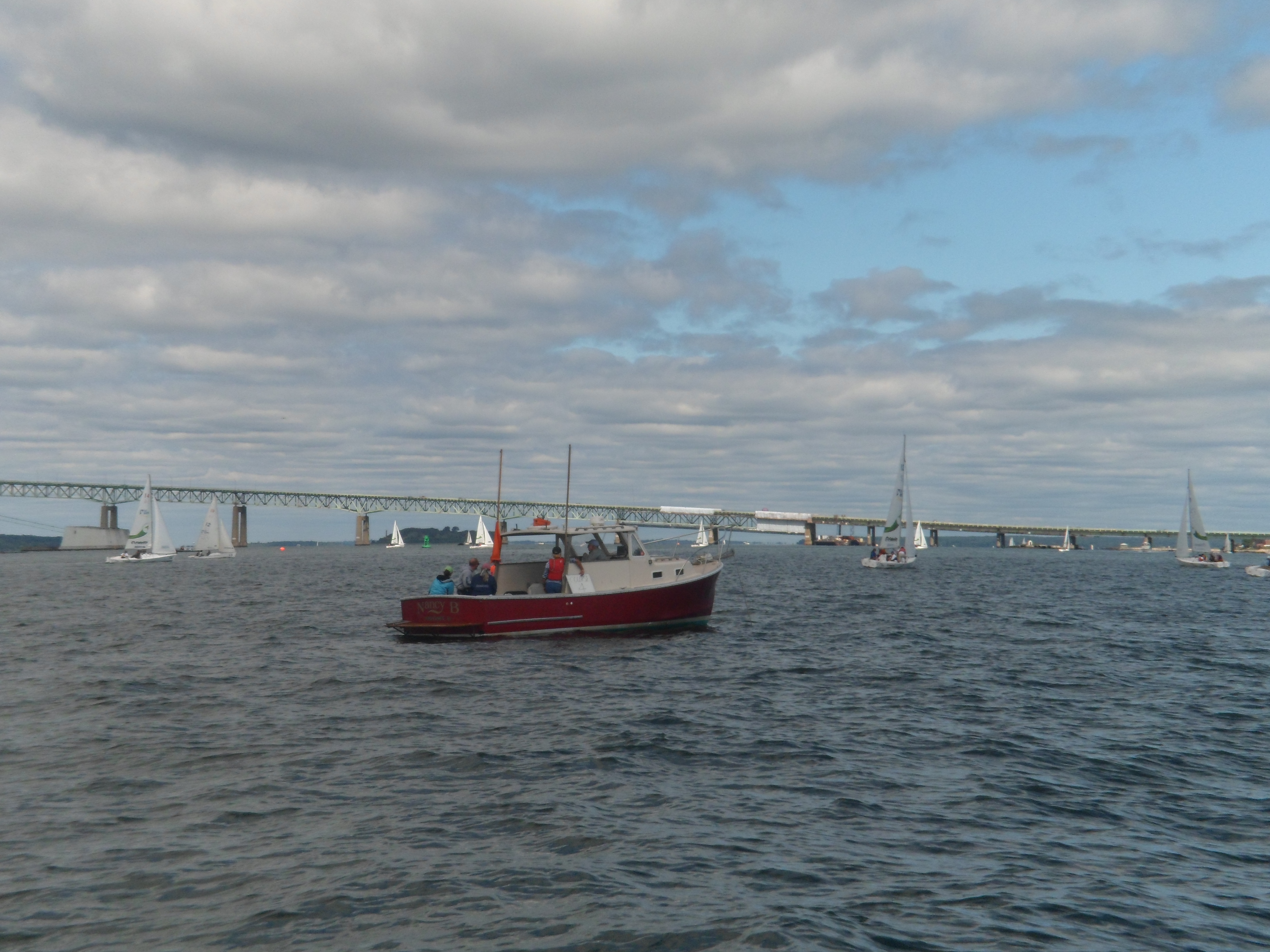
Here is the administrative boat (below).
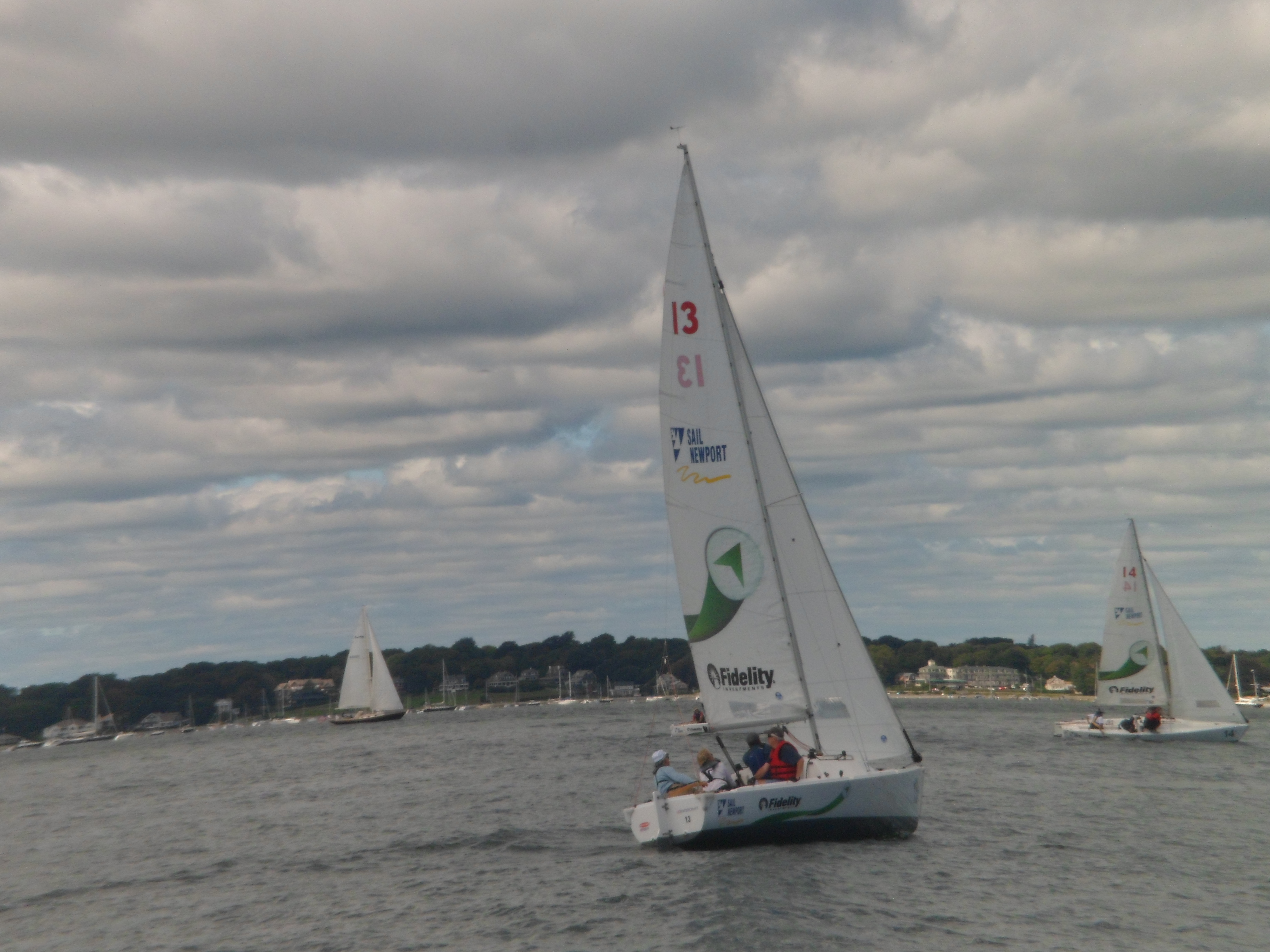
Where you see #12, in the photos below, you are seeing my brother’s boat.
The vessel below is one of the supercontainers which use Newport Harbor,
The Manatee, below, was our Spectator Boat.
The gentleman below was our Sail Blind staff accompanist and commentator, who greatly added to the experience.
We ended the day with a group dinner at this restaurant, in Middletown, just north of Newport, on Aquidneck Island.
After dinner, I bid farewell to my brother and sister-in-law, and headed northwest, spending the night in Danbury, CT.
I undertook the Payne Steps, from the overlook to the seashore, as I can’t pass up an opportunity for a cardiovascular workout, especially when faced with luscious New England seafood.
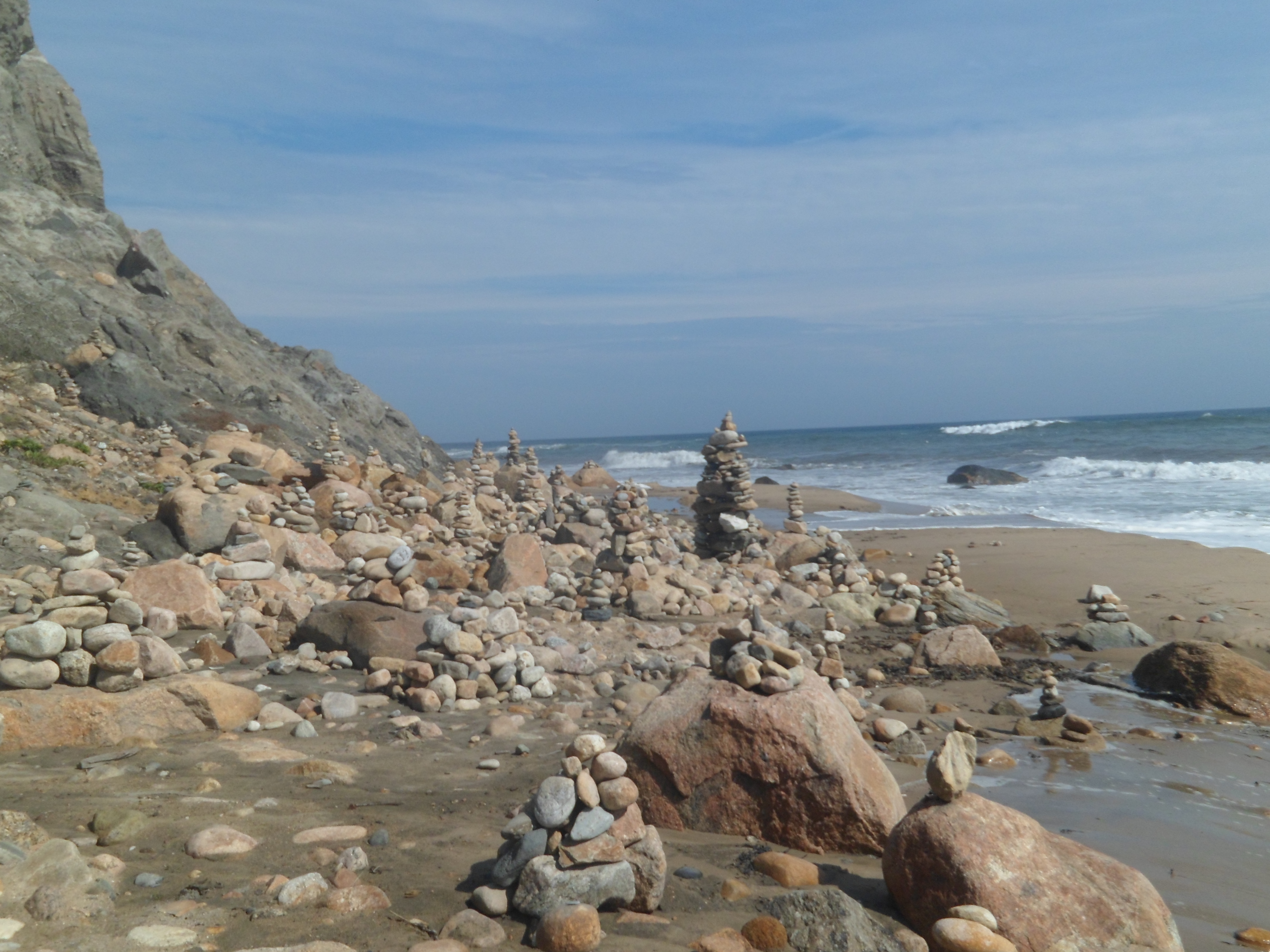
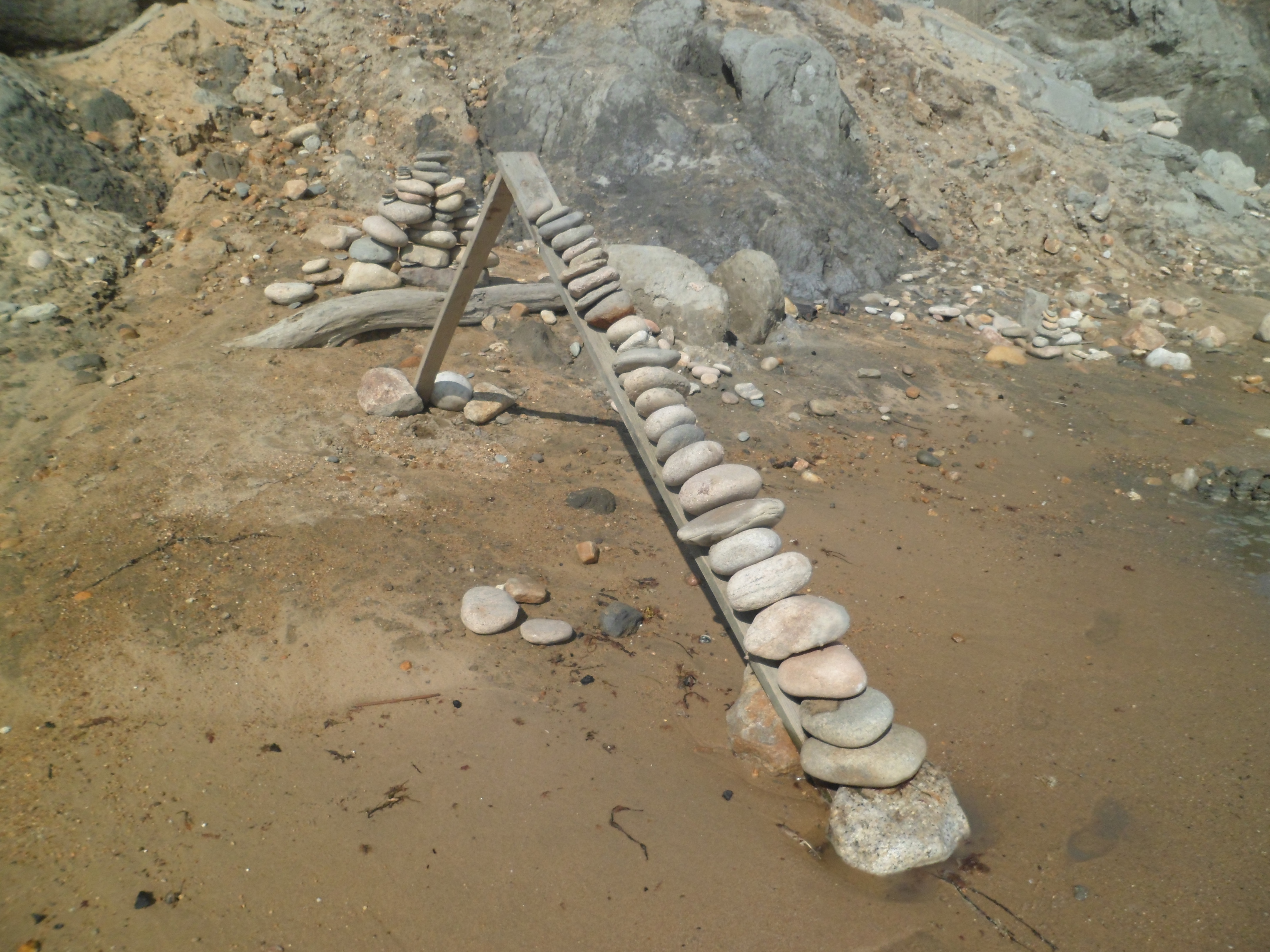
These are examples of cairn art, a pastime I have seen elsewhere along the New England coast. It seems to be in full flower here along Block Island’s eastern shore.
Here is a piece of detritus, actually adding some ambiance to the beach.
This “catapult” is of recent vintage, though several indigenous nations counciled here in the 17th Century, around the time of King Philip’s War.
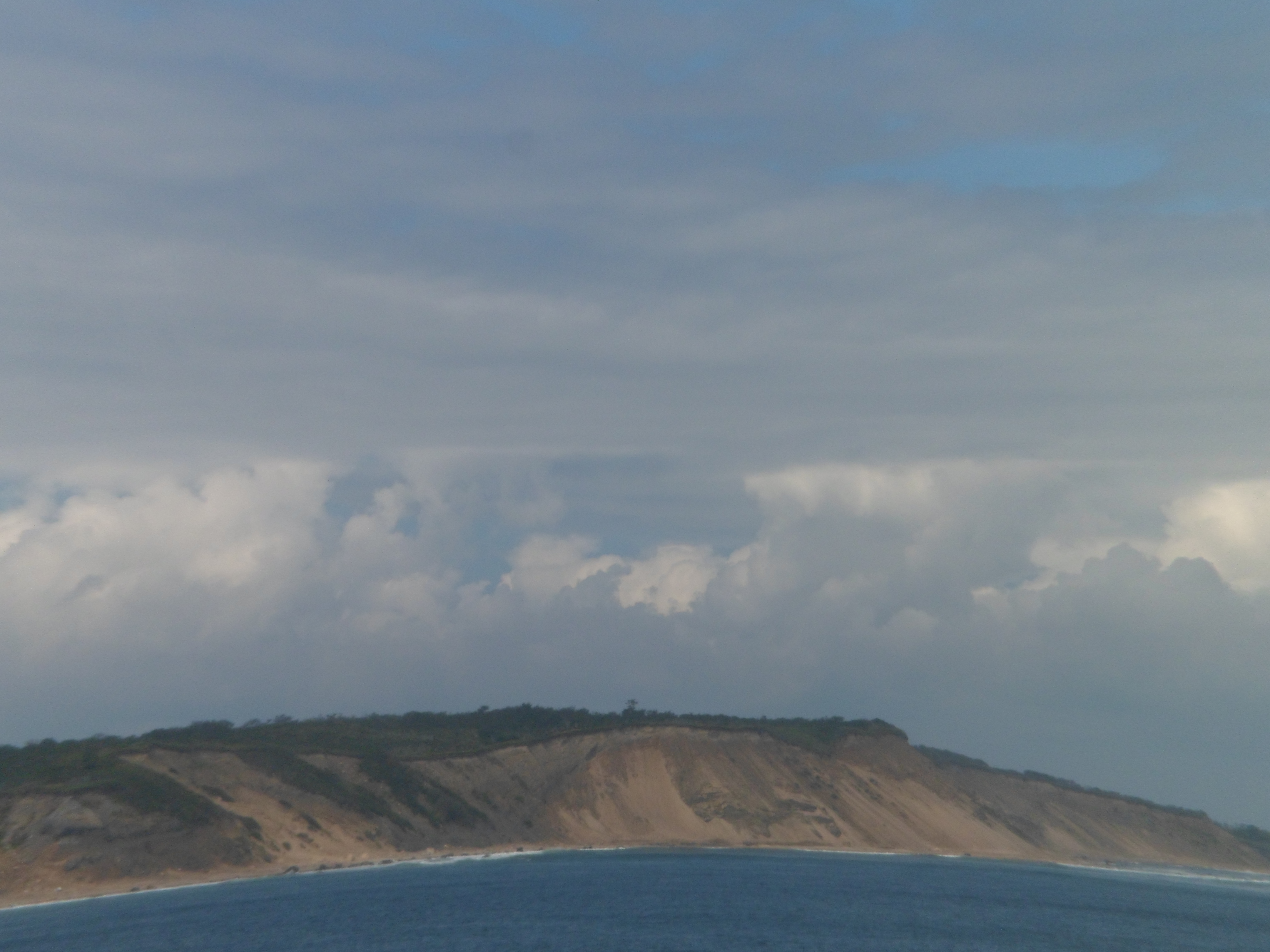
The gypsum and limestone cliffs that ring the island provided a measure of protection for the gathered nations.
Moving inland, just a bit, one finds static, catchment-type ponds.
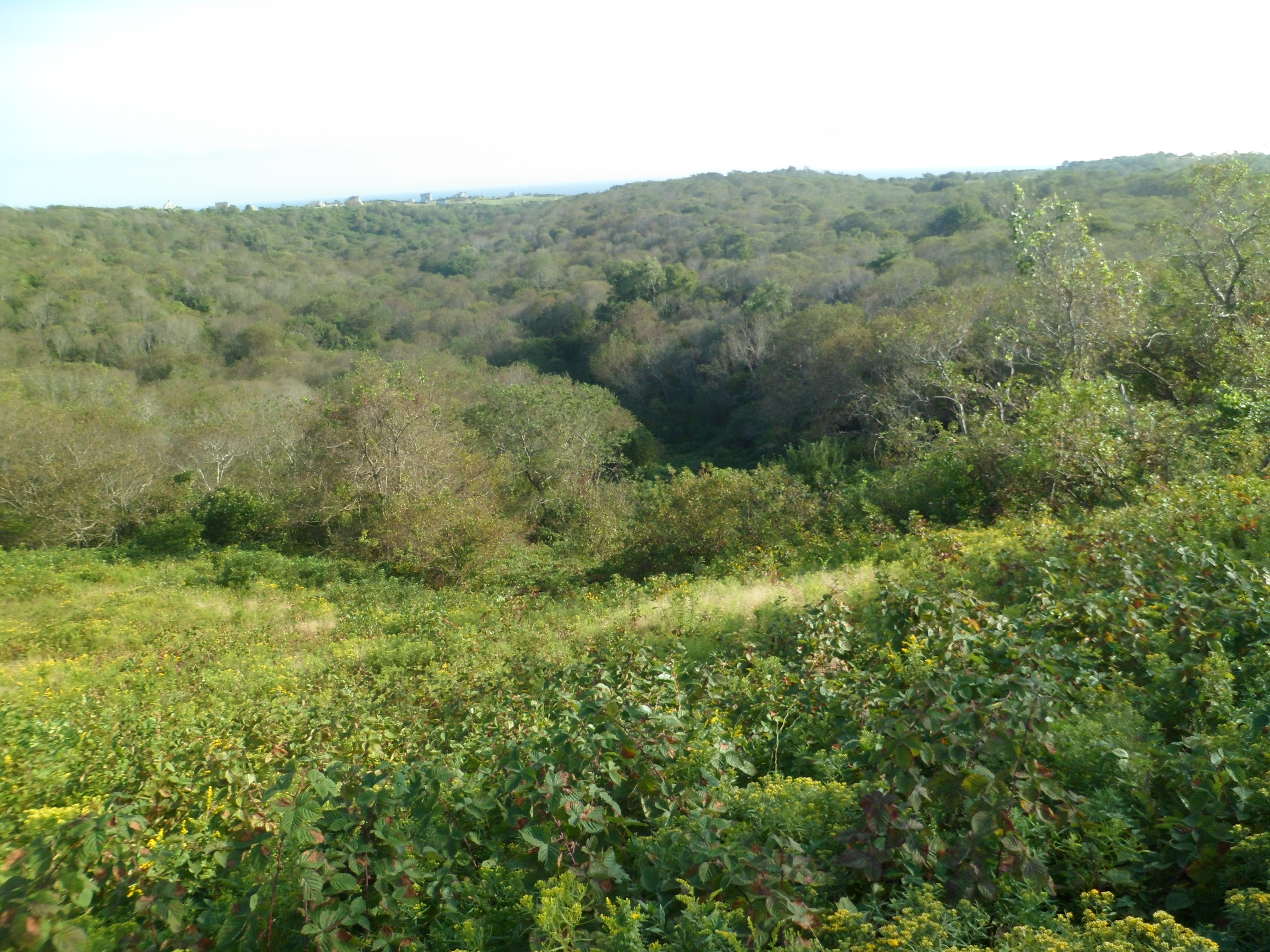
Along the approach to the glacial moraines of Rodman’s Hollow, an invitation to take a few swings at life.
Then, we get to Rodman’s Hollow.
Once out of the glacial moraines, I passed the airport and New Shoreham’s Town Hall.
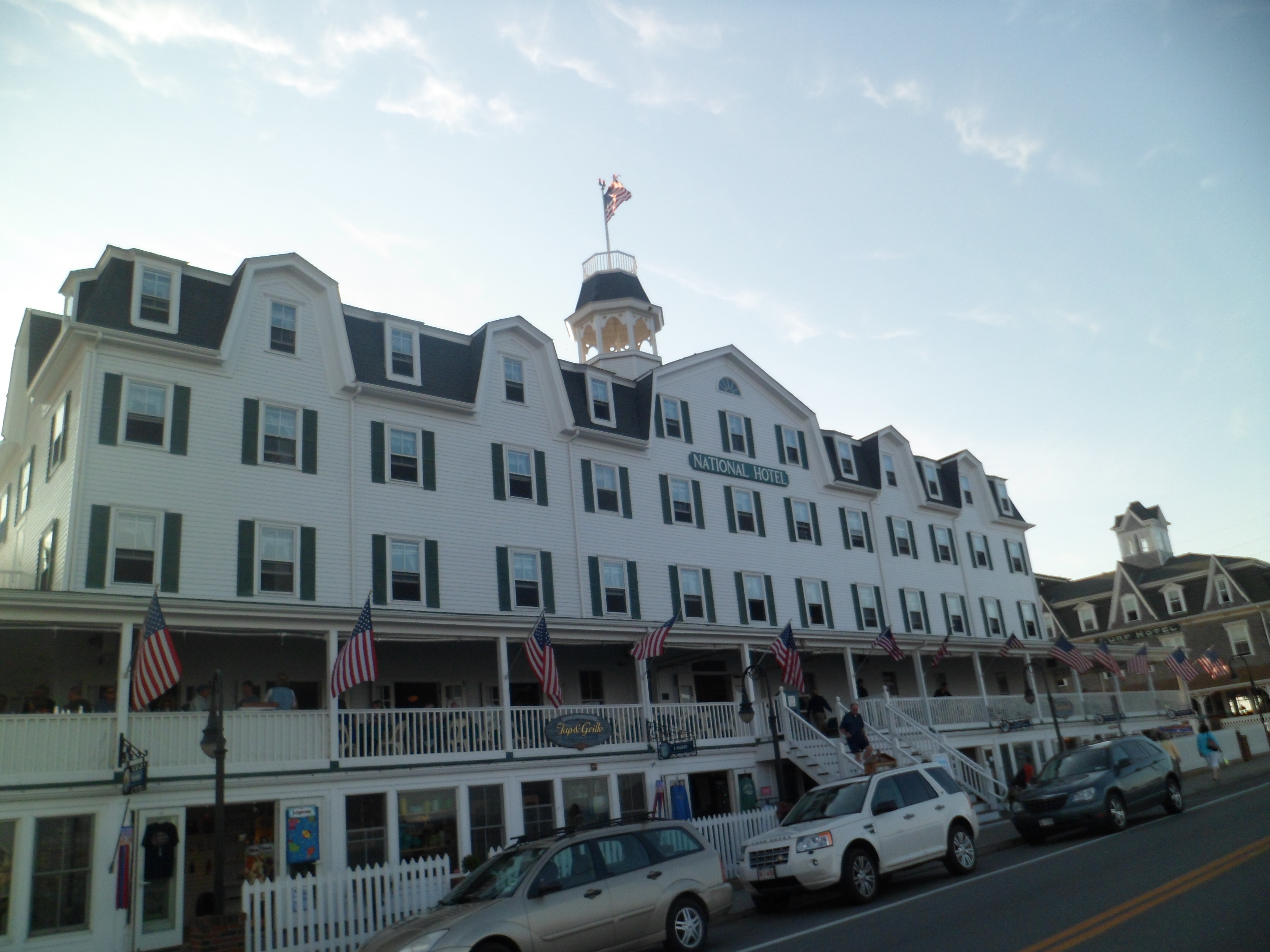
Back in town, en route to New Harbor, I passed three more of Block Island’s great hotels. First, is the National.
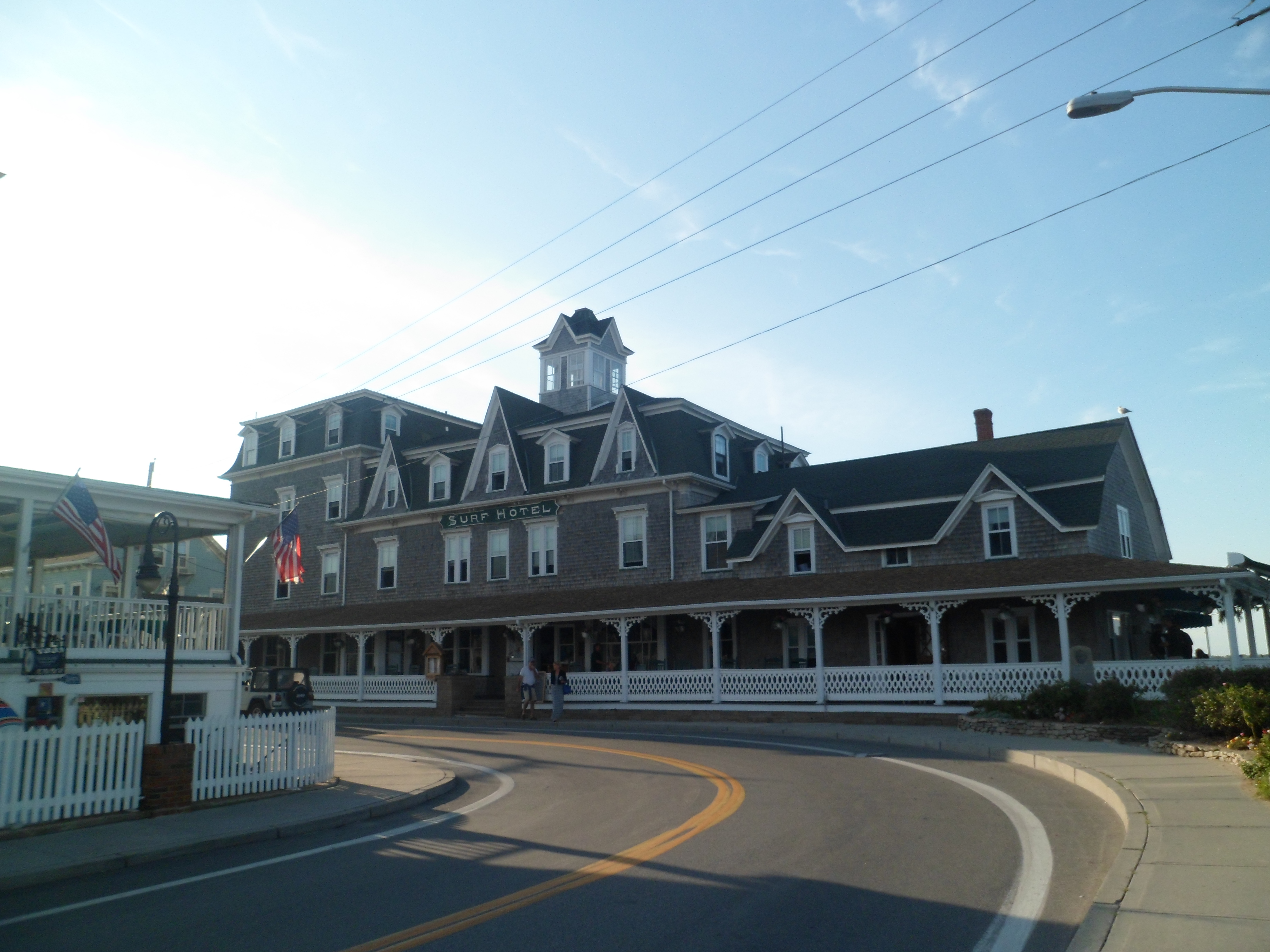
Next is the Surf Hotel.
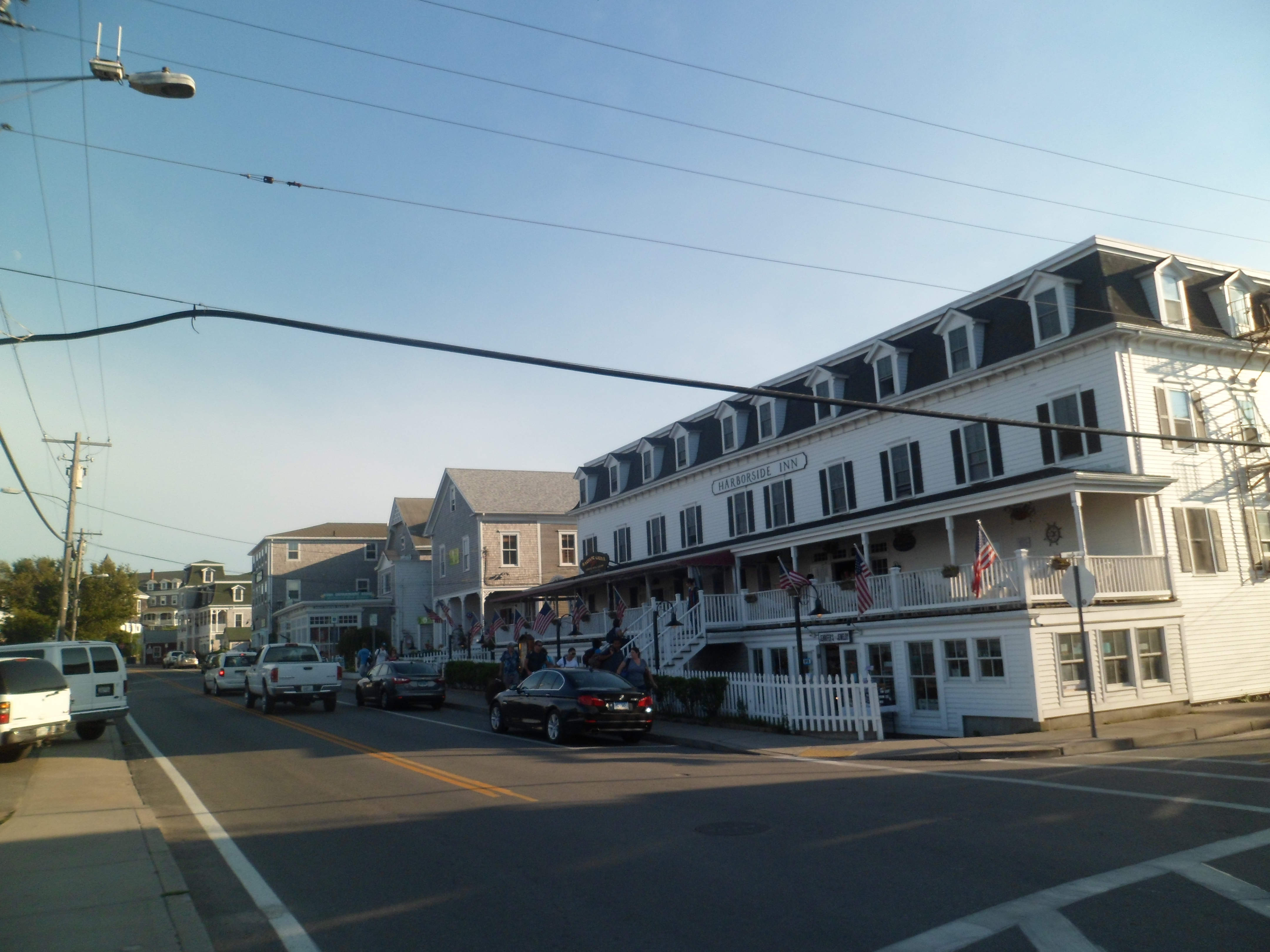
Finally, here is the Harborside Inn.
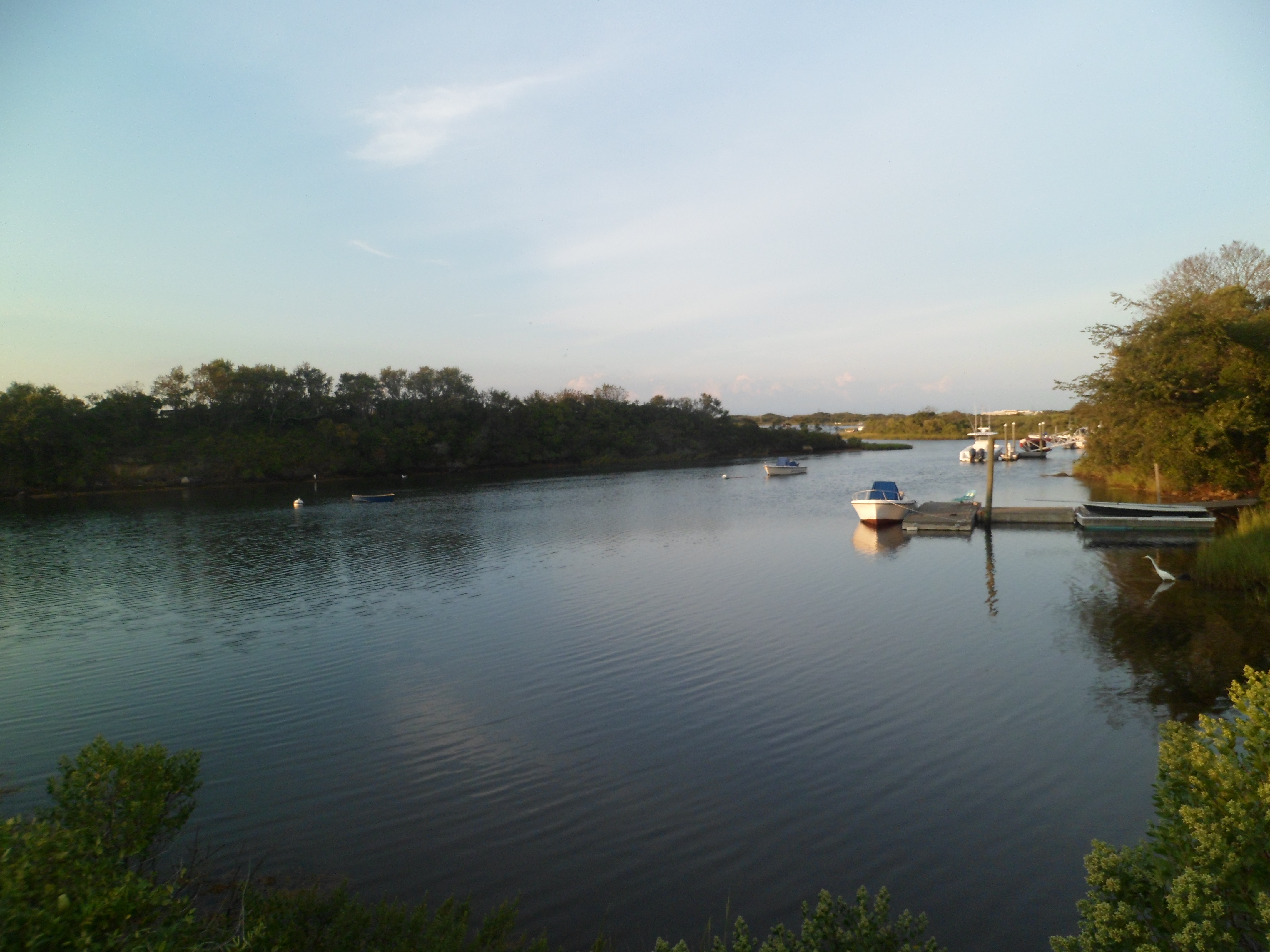
I came to New Harbor, a mile west of the Old, as the day was drawing to a close.
There is “lethal” twist to New Shoreham’s rather formidable line of restaurants.
Finally, as the ferry back to Point Judith pulled out, I caught the sunset.
This island, like its Massachusetts and New York neighbours, is a place of dreams.
I spent about two hours on this stretch of the walk, and found it the most varied in scenery. The crowds congregated around the great houses, between New Shoreham and North Point Fibers.
Here is the Manisses Hotel, owned by the Abrams family.
Lightburne House is a bed and breakfast, just south of the Manisses.
The Abrams’ also have an organic farm and exotic stock ranch. The animals may be fed with pellets, which are purchased outside the pens.
As it happened, only the donkey was much interested in eating.
Tank, the Galapagos tortoise, was just glad to be out and about.
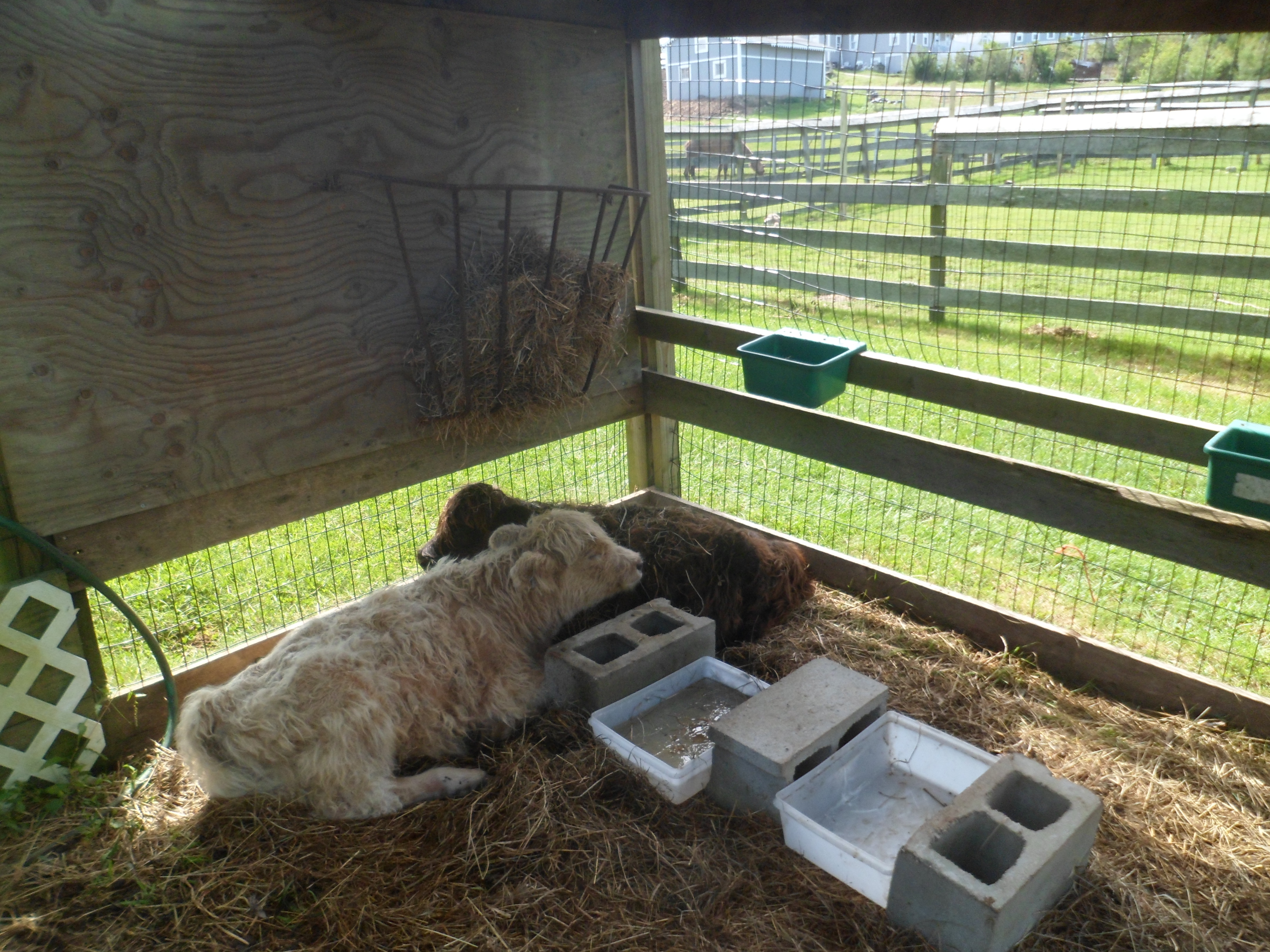
I have always liked long-haired, shaggy-looking Scottish cattle.
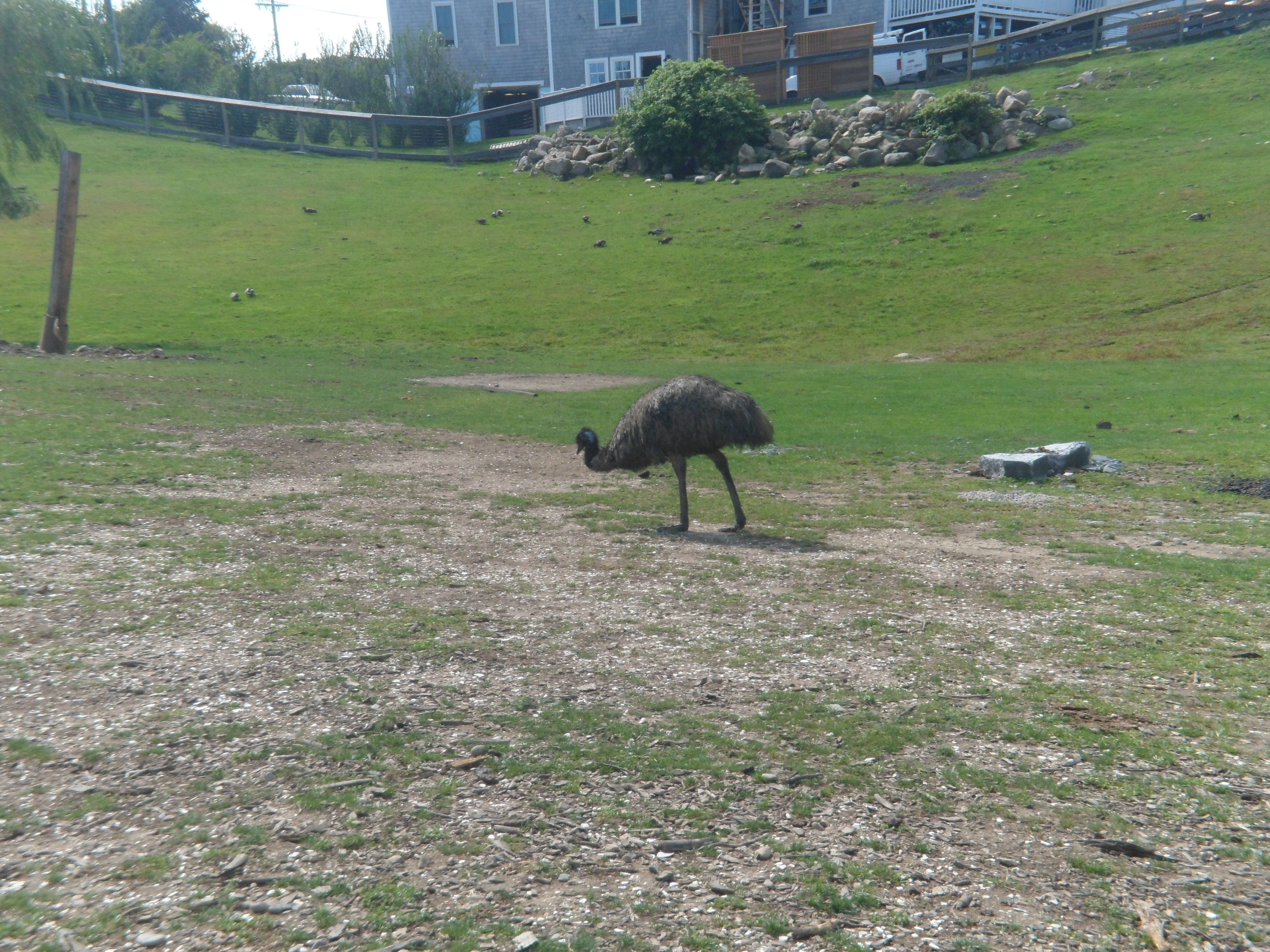
This seems to be my summer for emus.
The dromedaries were making a racket, but kept back from feeding.
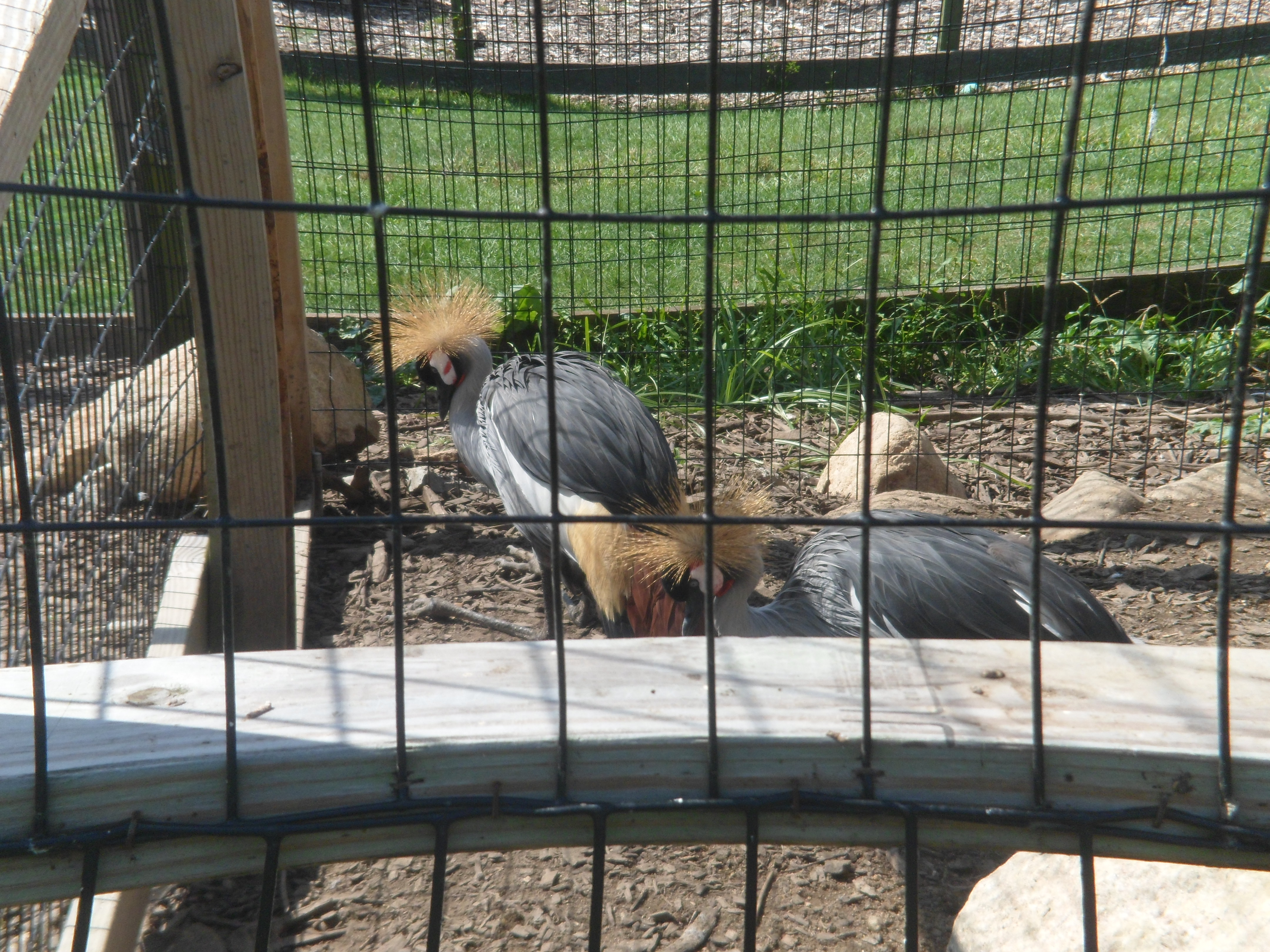
The Birds of Paradise were not flying up anyone’s nose, in this early afternoon.
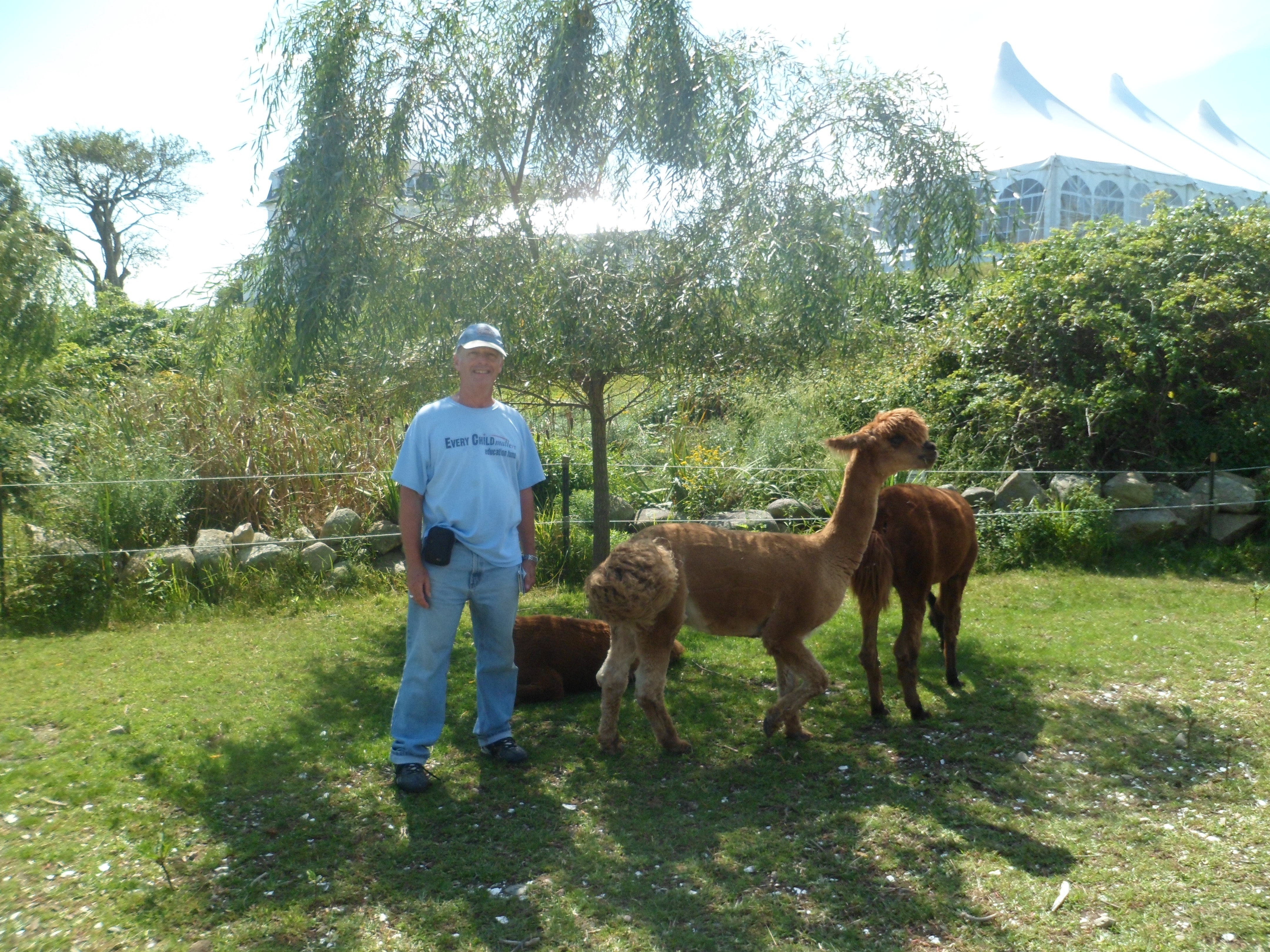
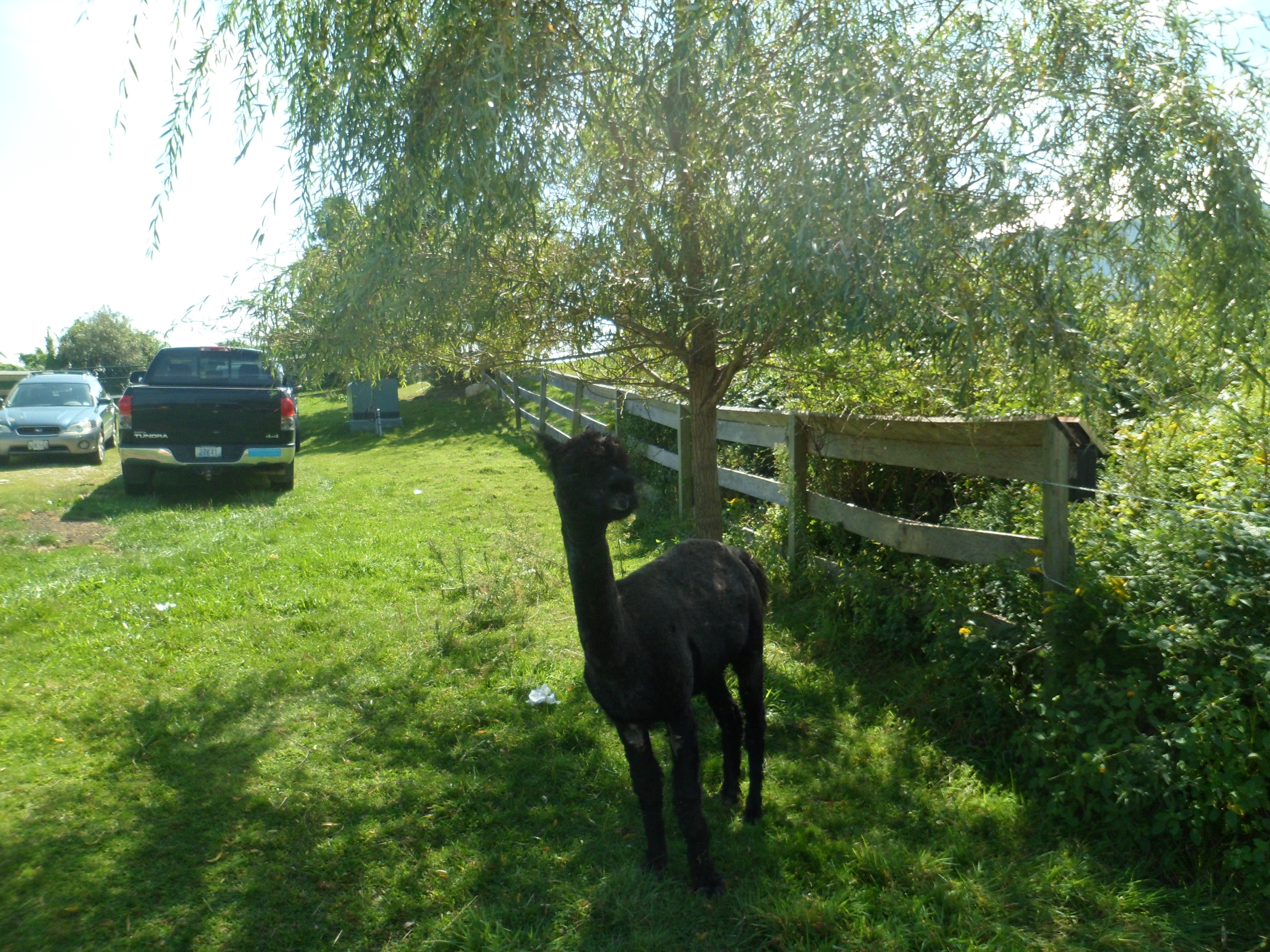
Free-ranging alpacas are the sources of wool for North Light Fibers, whose store is adjacent to the ranch.
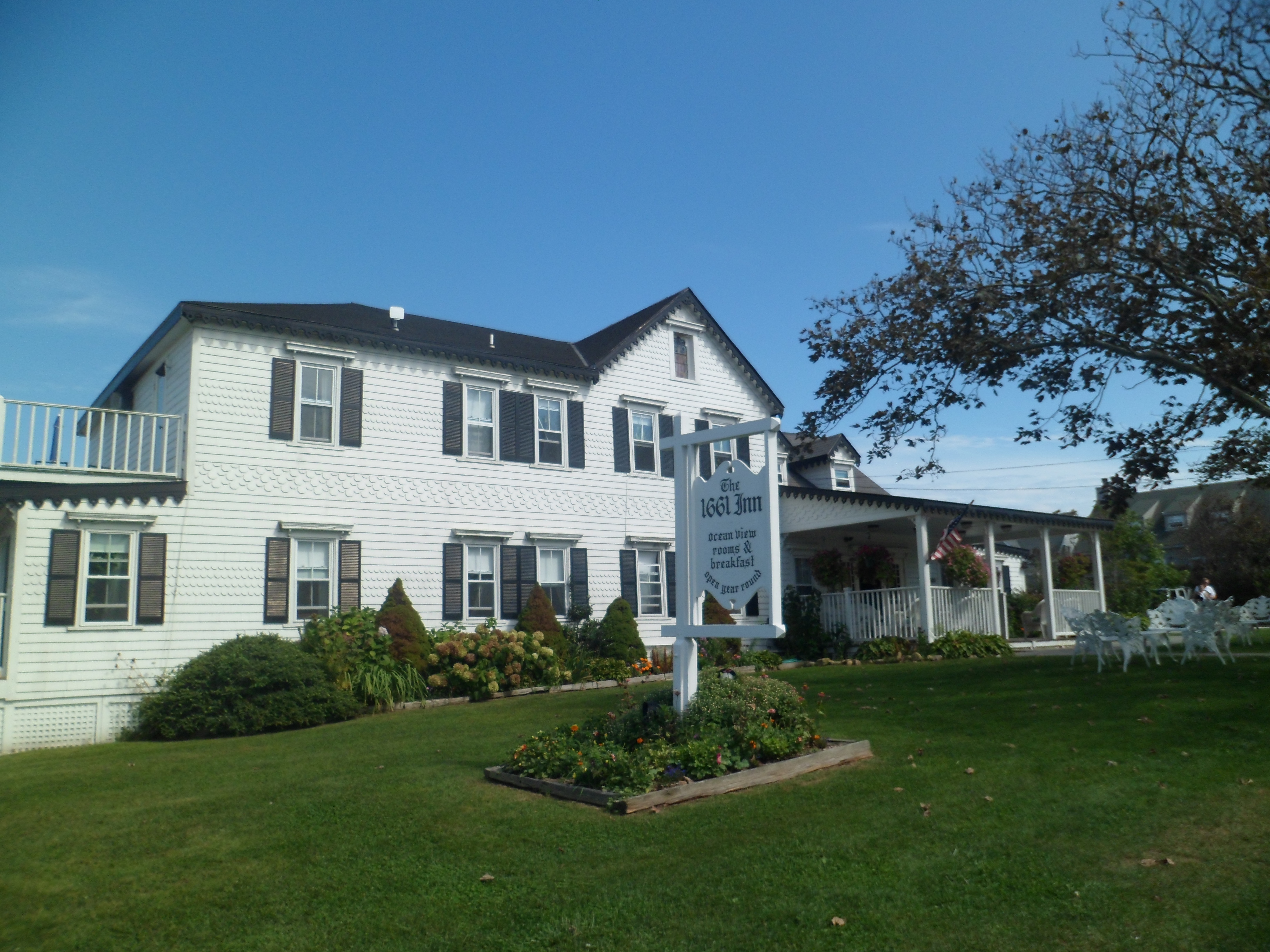
1661 House is the southernmost of the Abrams Family properties.
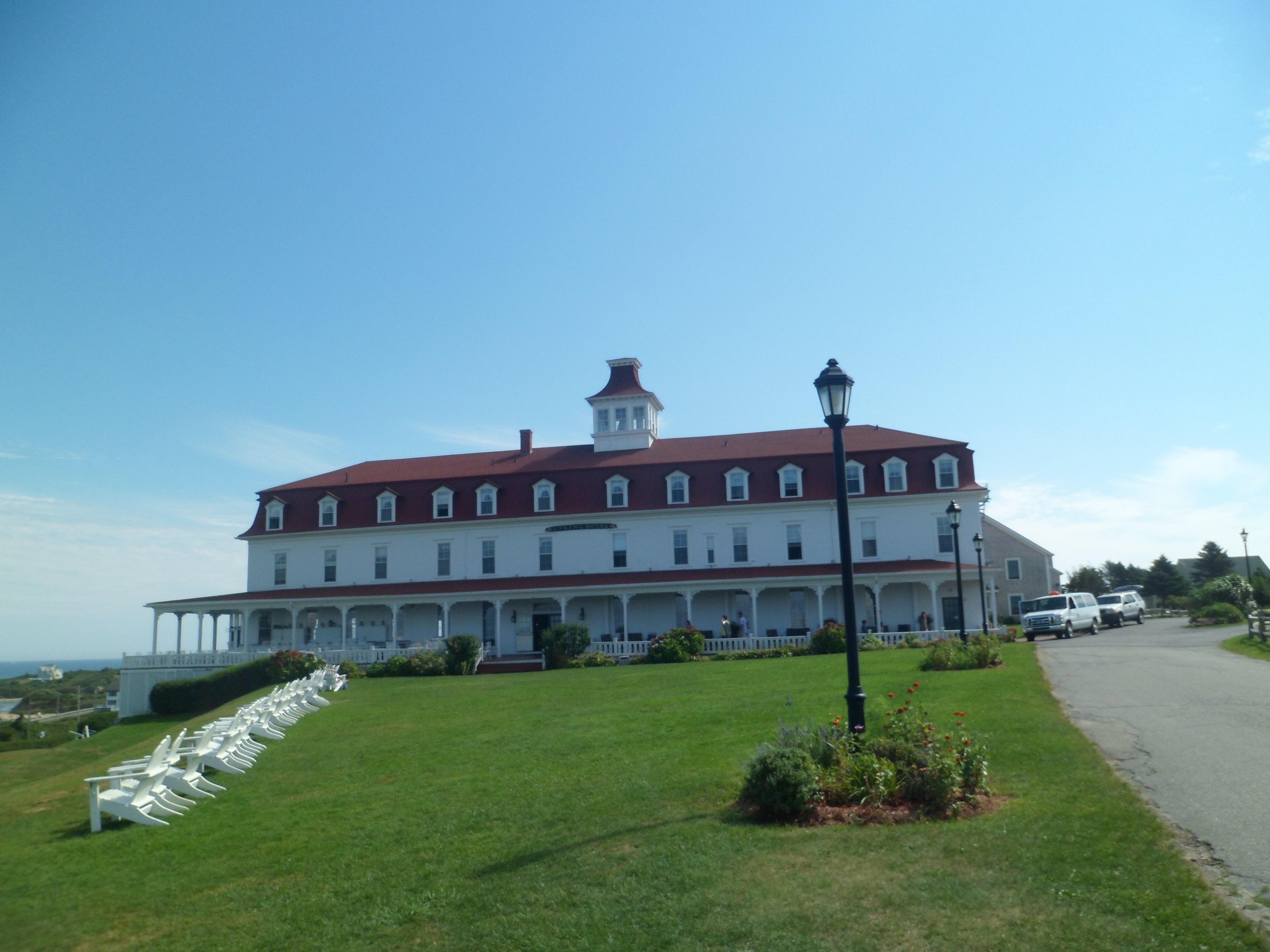
The Spring House is the last of the great resorts in the southeast quadrant.
Occasional views from the road reminded me that there is good reason for these resorts to be expensive.
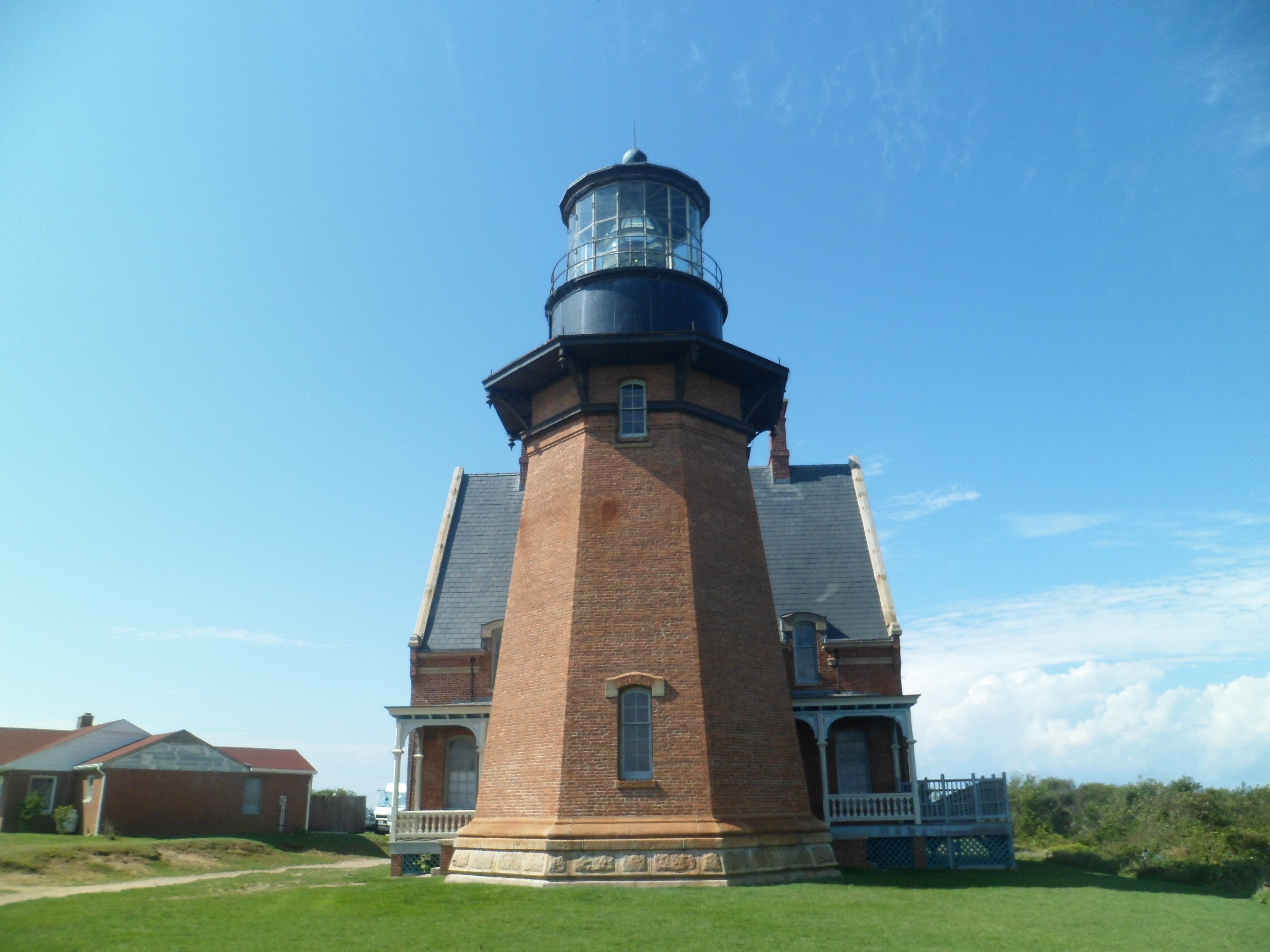
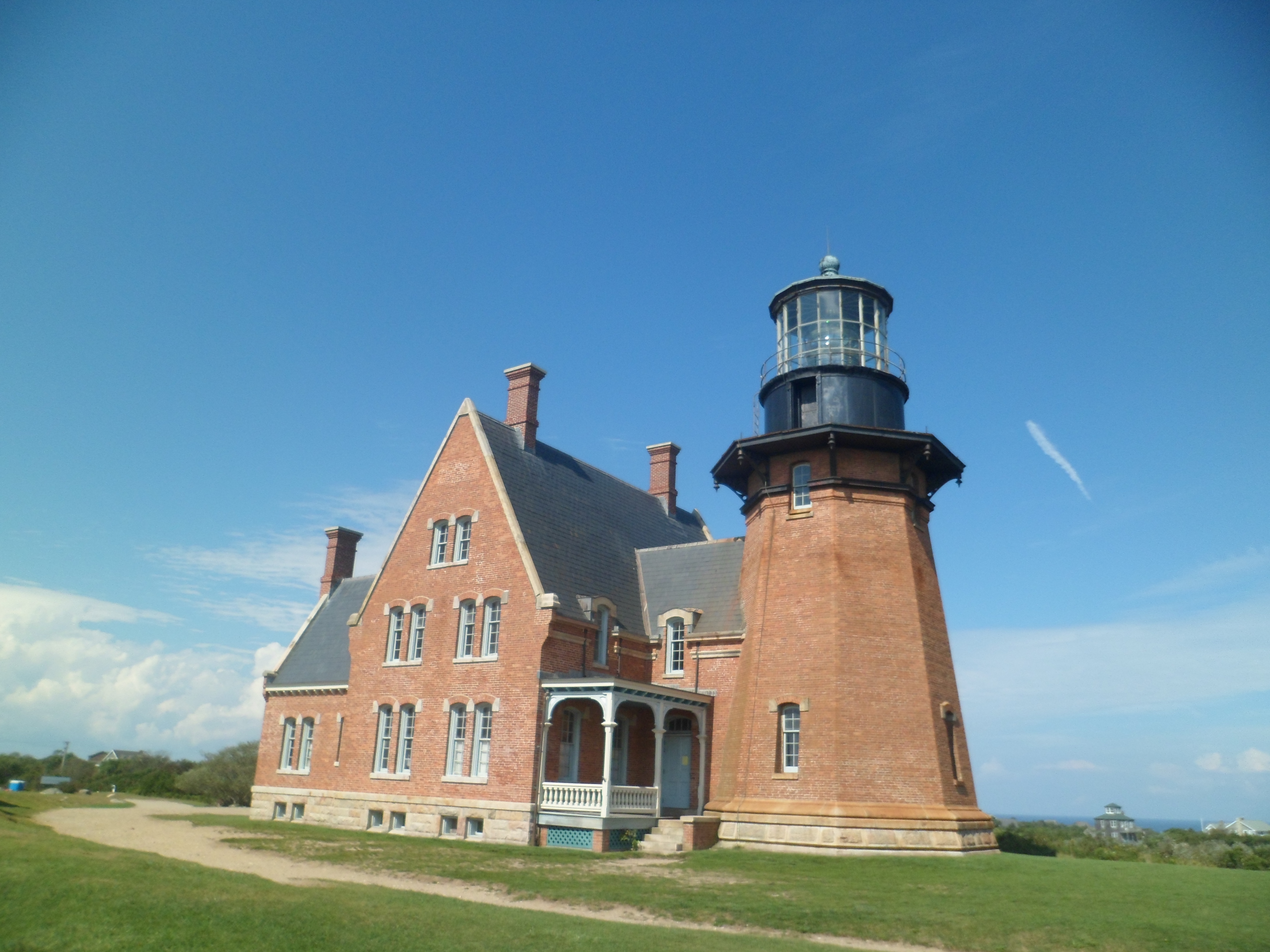
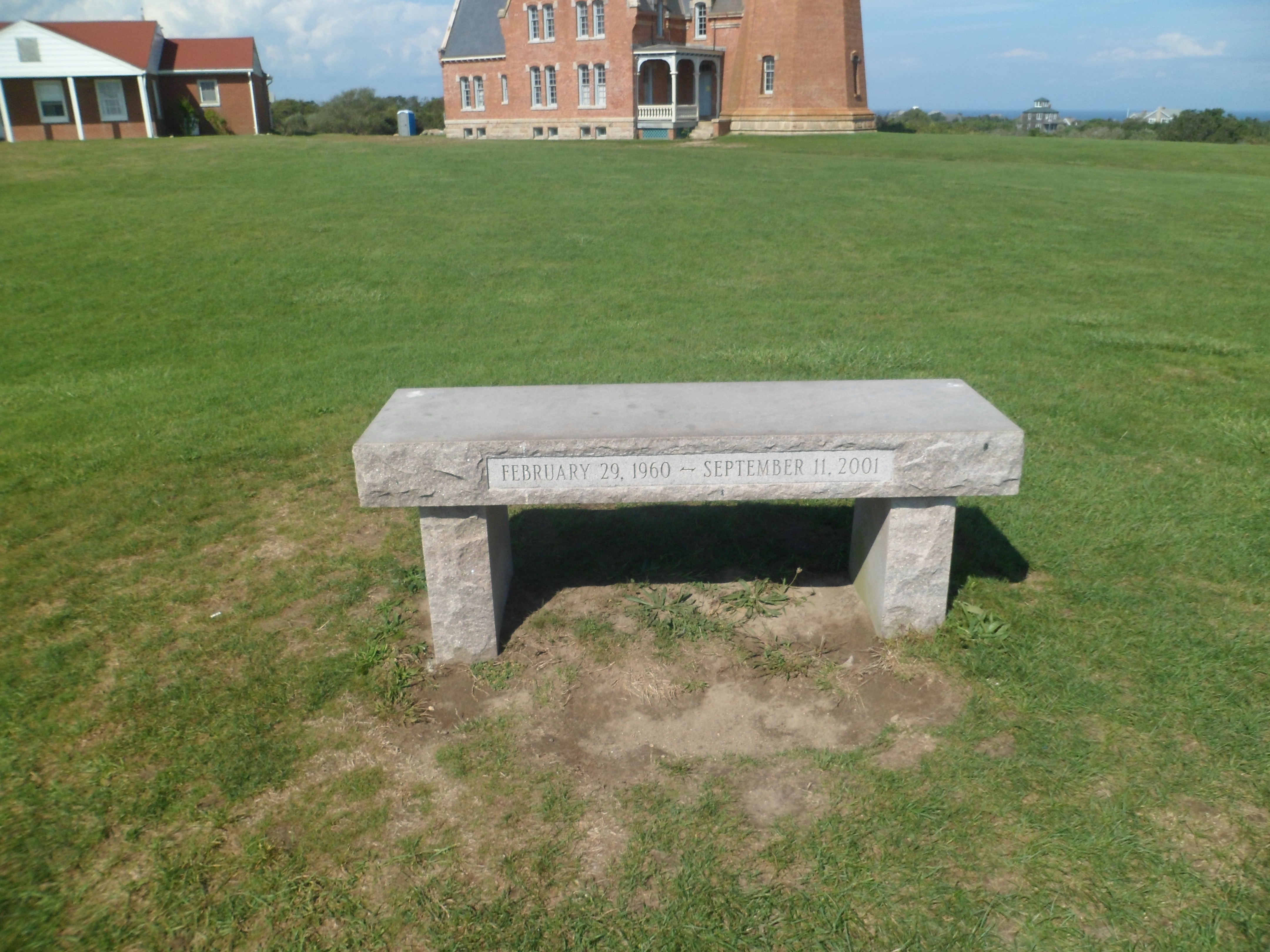
I arrived at Southeast Light House around 2:30. The house is unoccupied, but is maintained by the Block Island Historical Society.
Like other communities, Block Island suffered a loss on September 11, 2001.
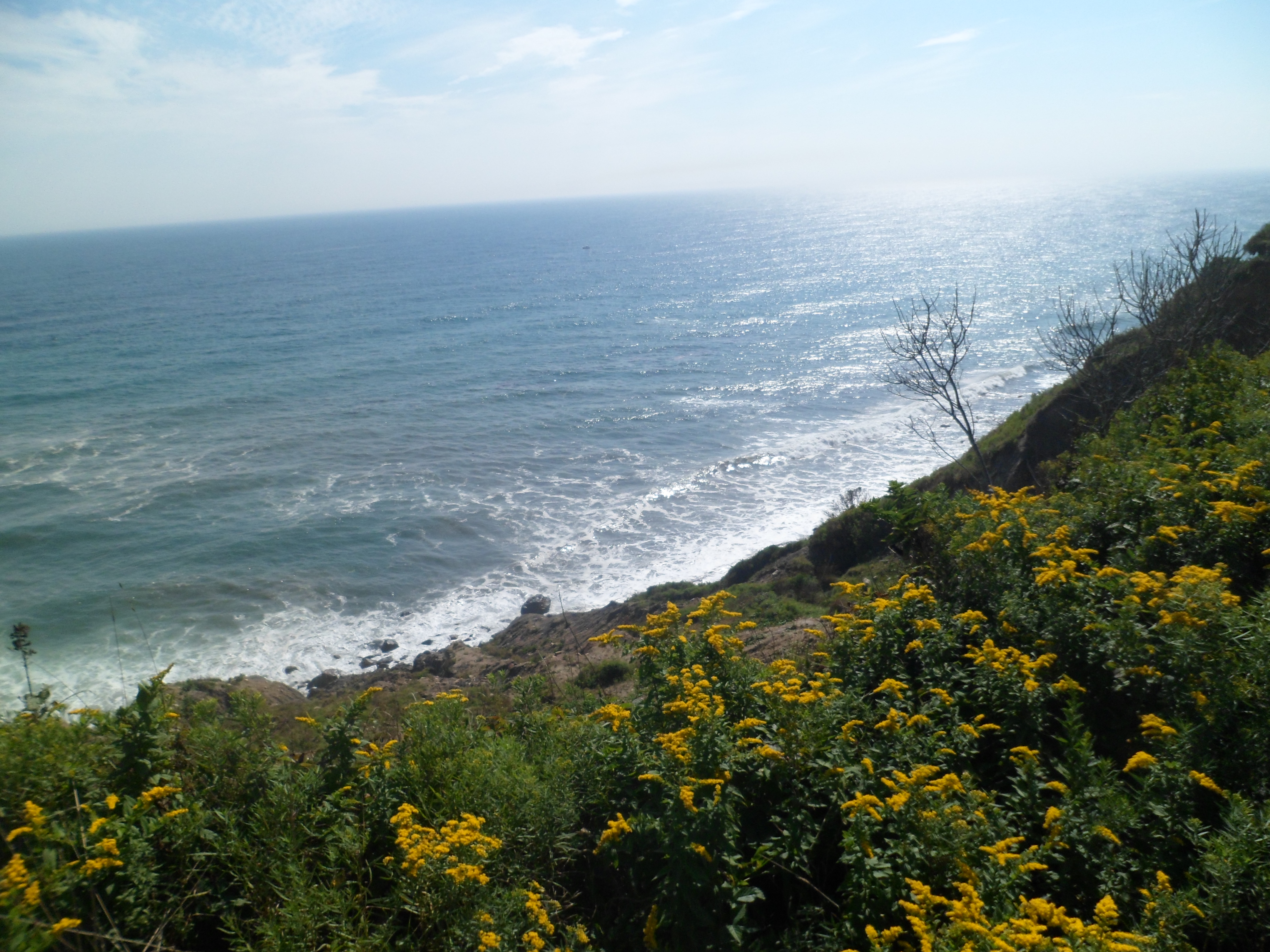
The view from Southeast Light is, nonetheless, breathtaking.
There were other gems awaiting: Payne Overlook, and its Steps to the Shore, and Rodman’s Hollow.
The small island that lies between Rhode Island’s southern coast and Long Island’s eastern tip has elements of both New England and New York. New Shoreham, the village on the north side of the island, is the business and administrative center of the island, and is home to most of the 900 or so year-round residents.
It is to New Shoreham that regular ferry boats come, each day, year round, from Point Judith (Galilee), RI, New London, CT and Montauk, NY. I took the 11 AM from Point Judith, arriving in New Shoreham at noon, on Friday the 13th. It turned out to be a fine day, and no one was brandishing a scythe.
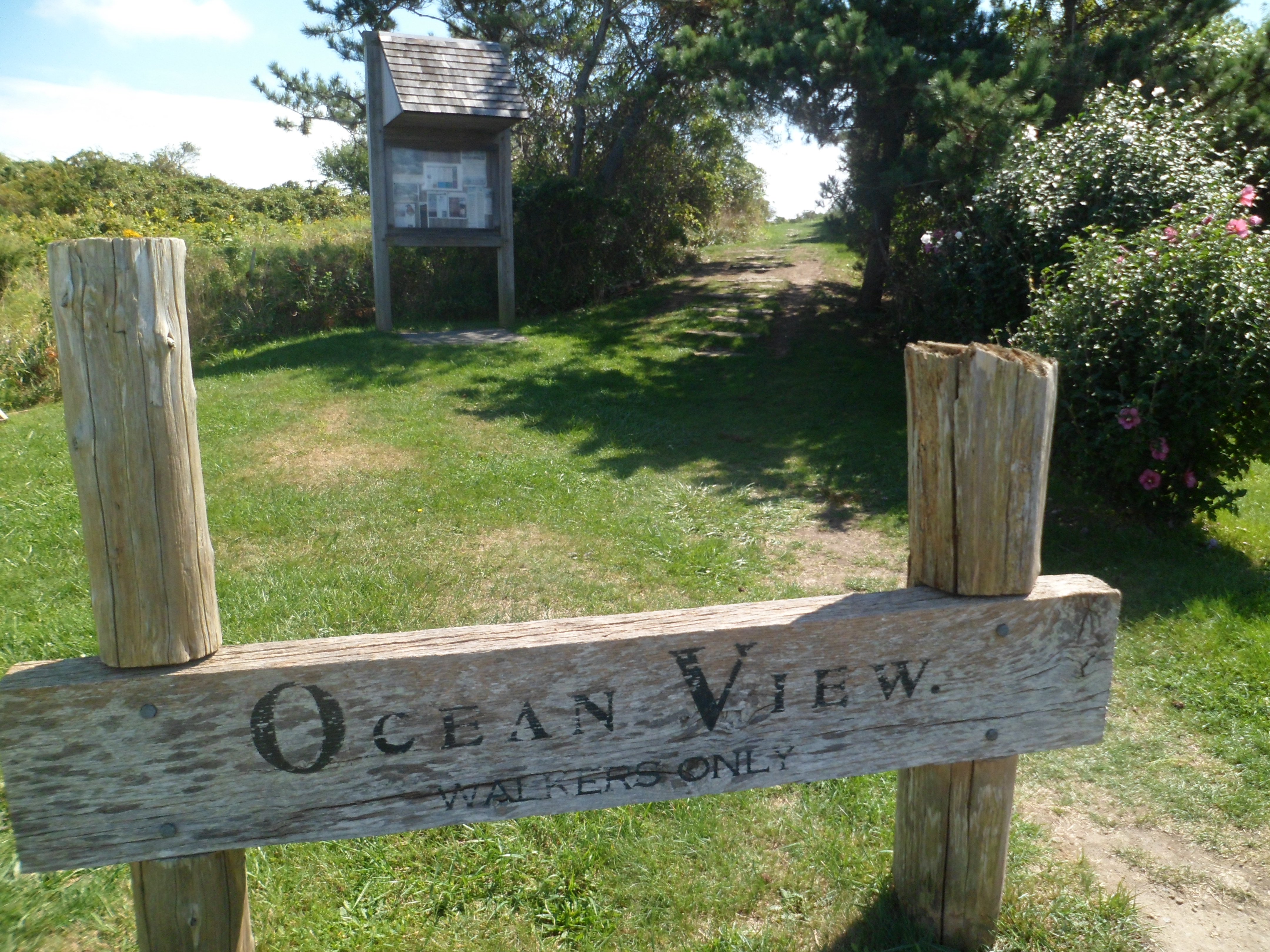
I spent the day on foot, exploring much of the eastern portion of the island, from New Shoreham to Rodman’s Hollow and Black Rock Point. This post shows New Shoreham, and Ocean View, its town park, overlooking the sea to the east.
Here are some views of North Point, as we steamed towards the island’s Old Harbor.
Around noon, we came into New Shoreham.
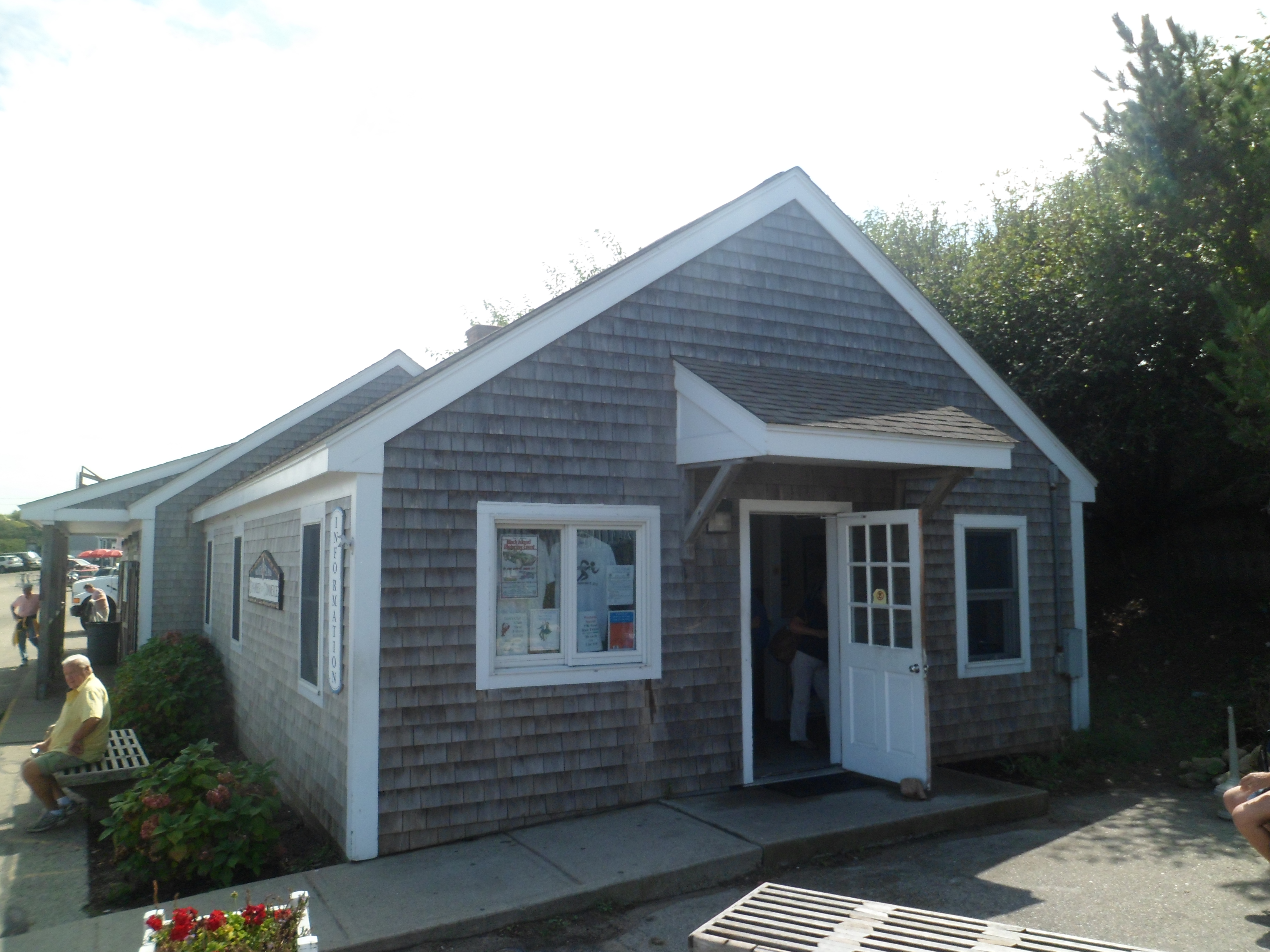
The Visitors Center greets one and all.
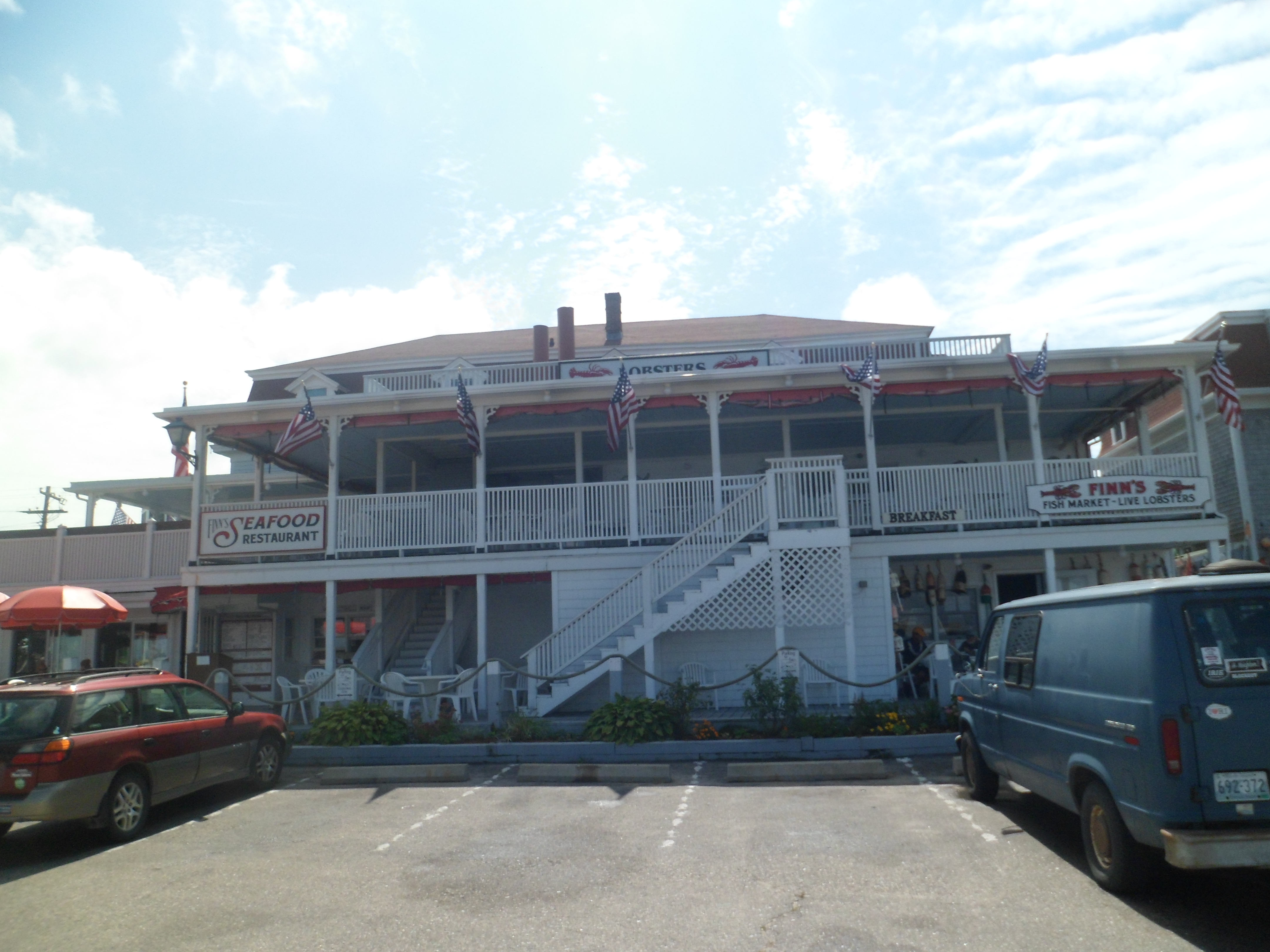
I enjoyed lunch at Finn’s, choosing an al fresco table.
Old Harbor Inn is one of nearly two dozen establishments where one could spend the night. I, of course, was a day traveler.
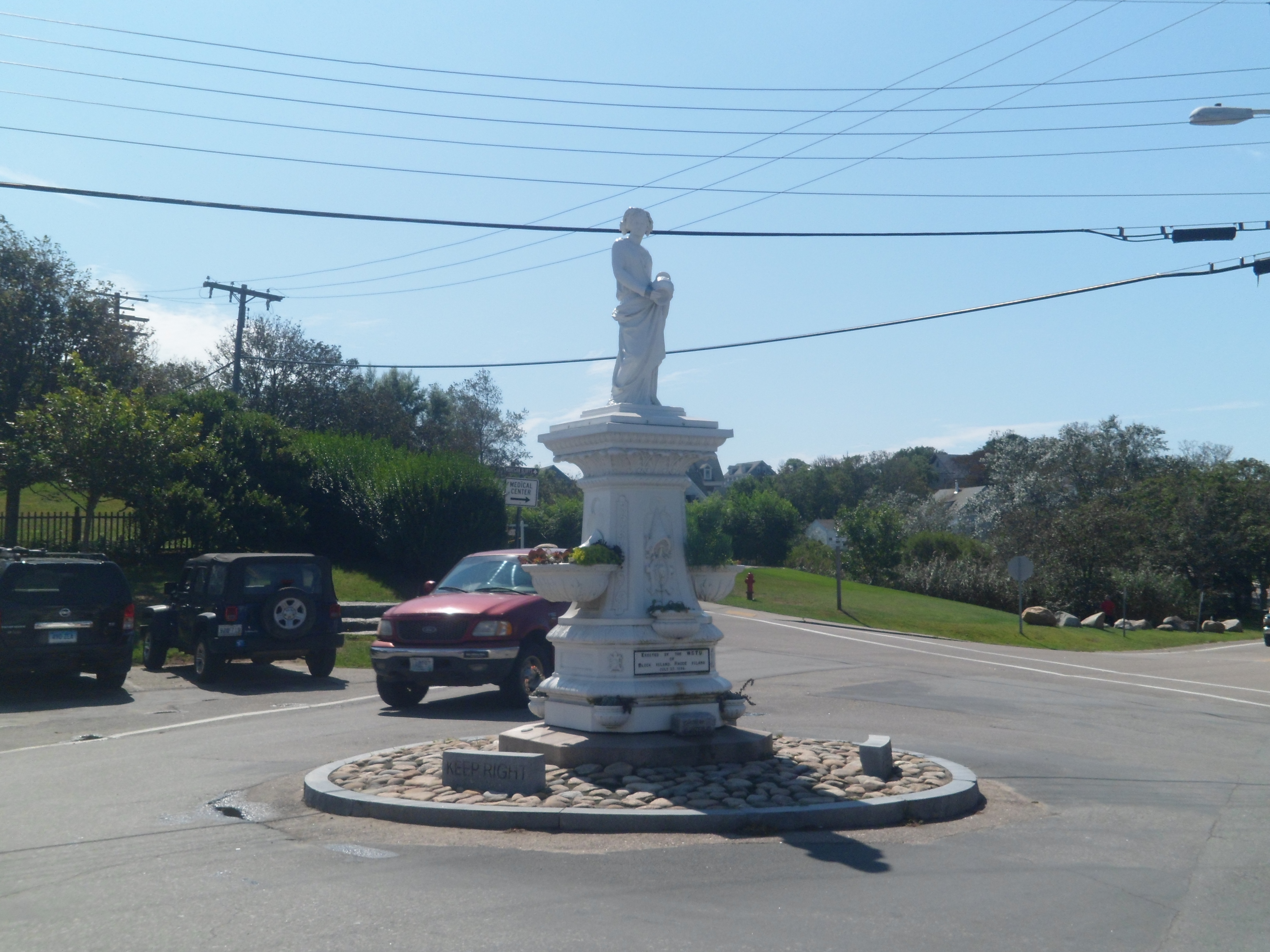
The island’s sole rotary is in the middle of New Shoreham.
Another Cape Cod style structure is the chapel on the hill.
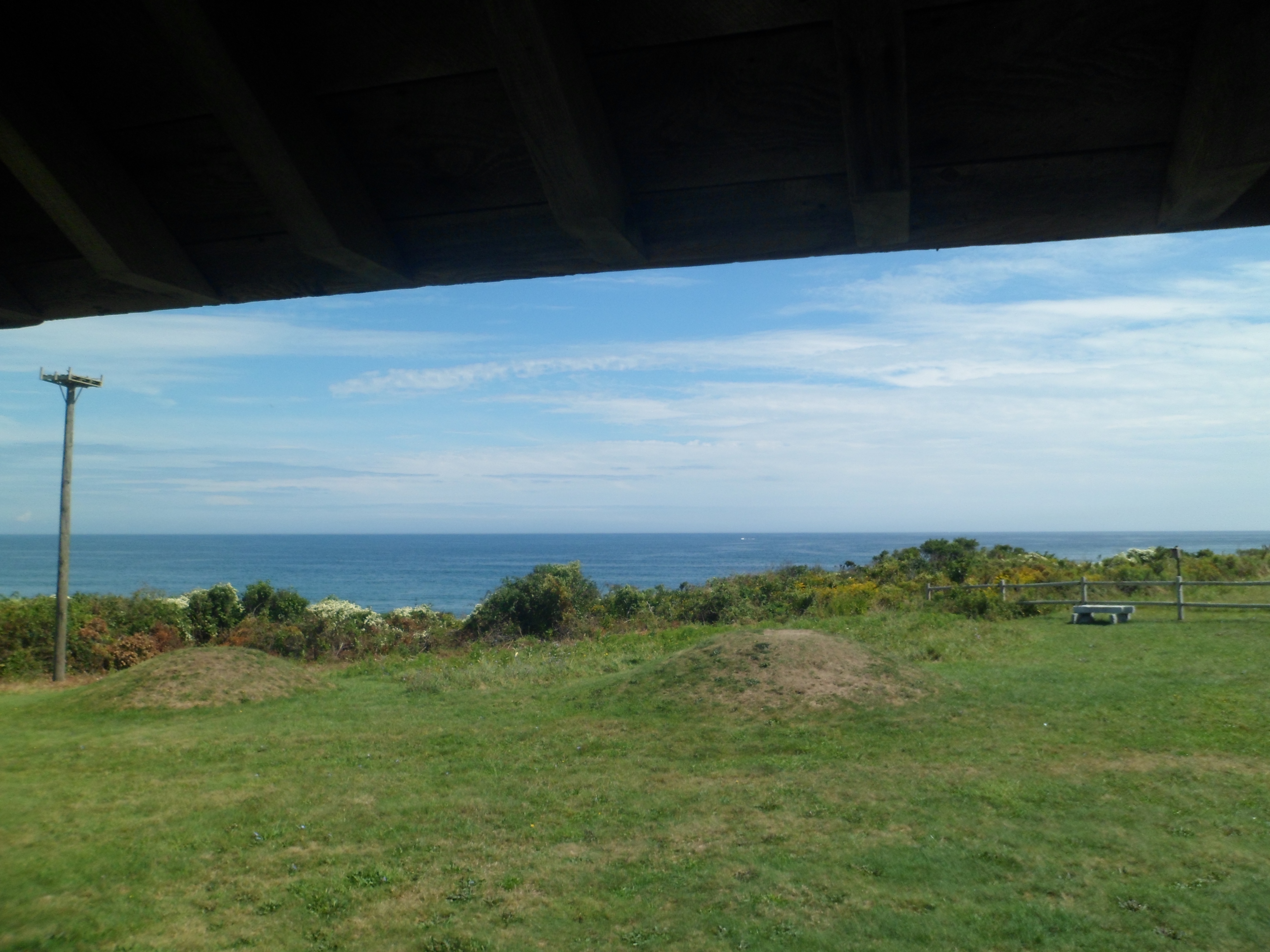
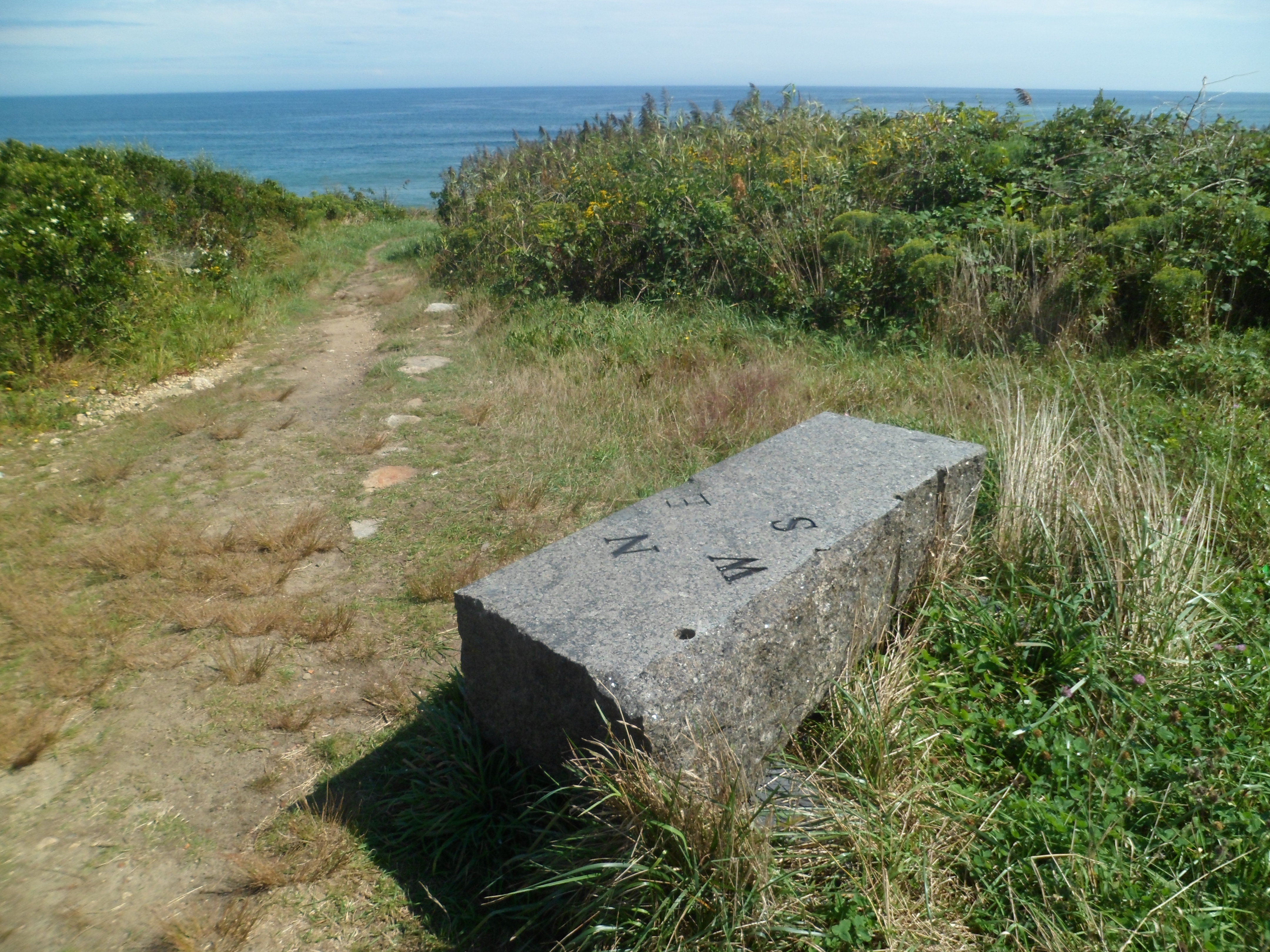
Just east of the chapel is Ocean View, with its meditation pavilion and short, but scenic trails.
Here are the stairs to nowhere. Actually, the area is a remnant of a small farm house, from the 18th Century.
A small cenotaph memorializes a fisherman from New Shoreham.
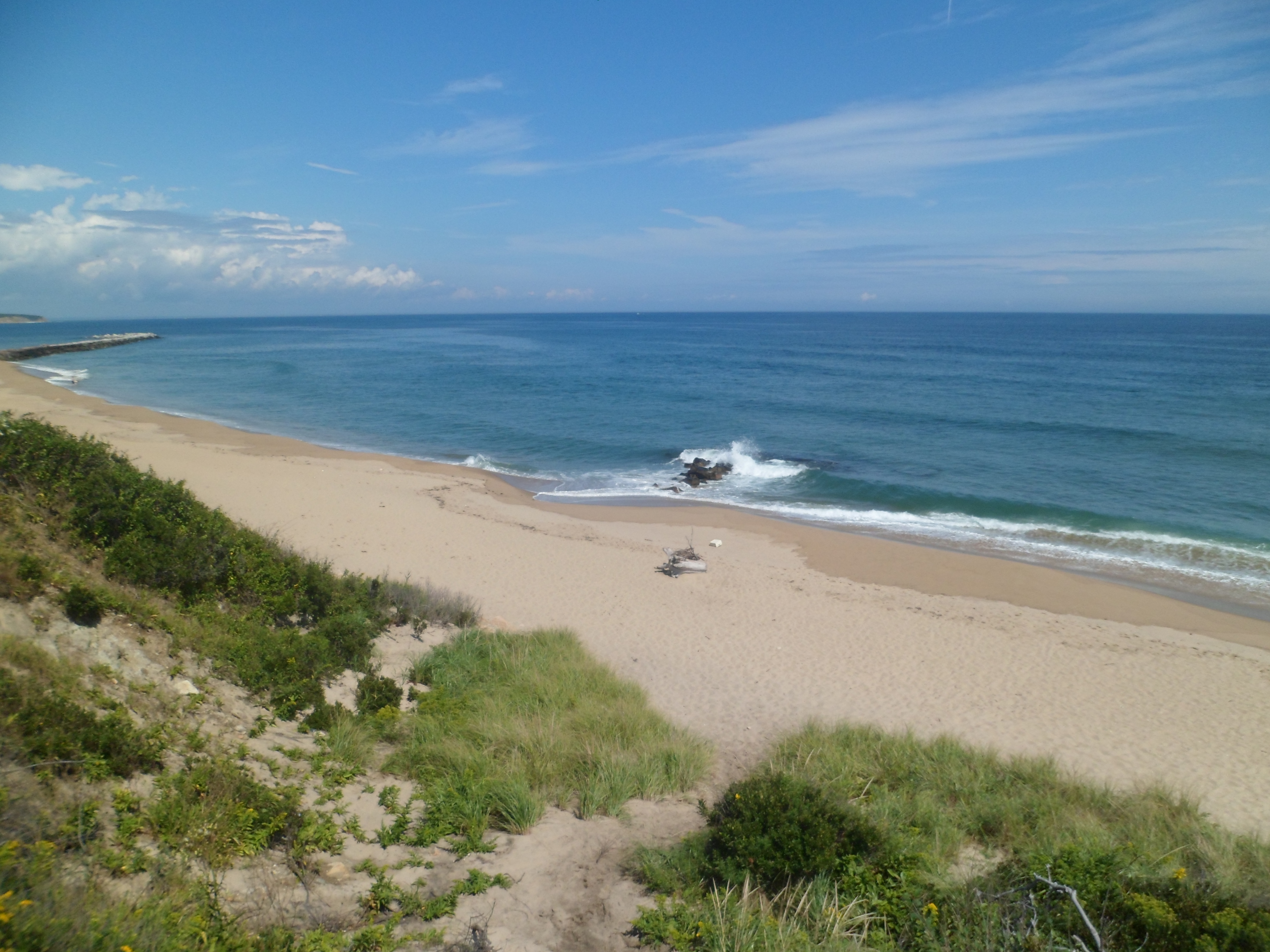
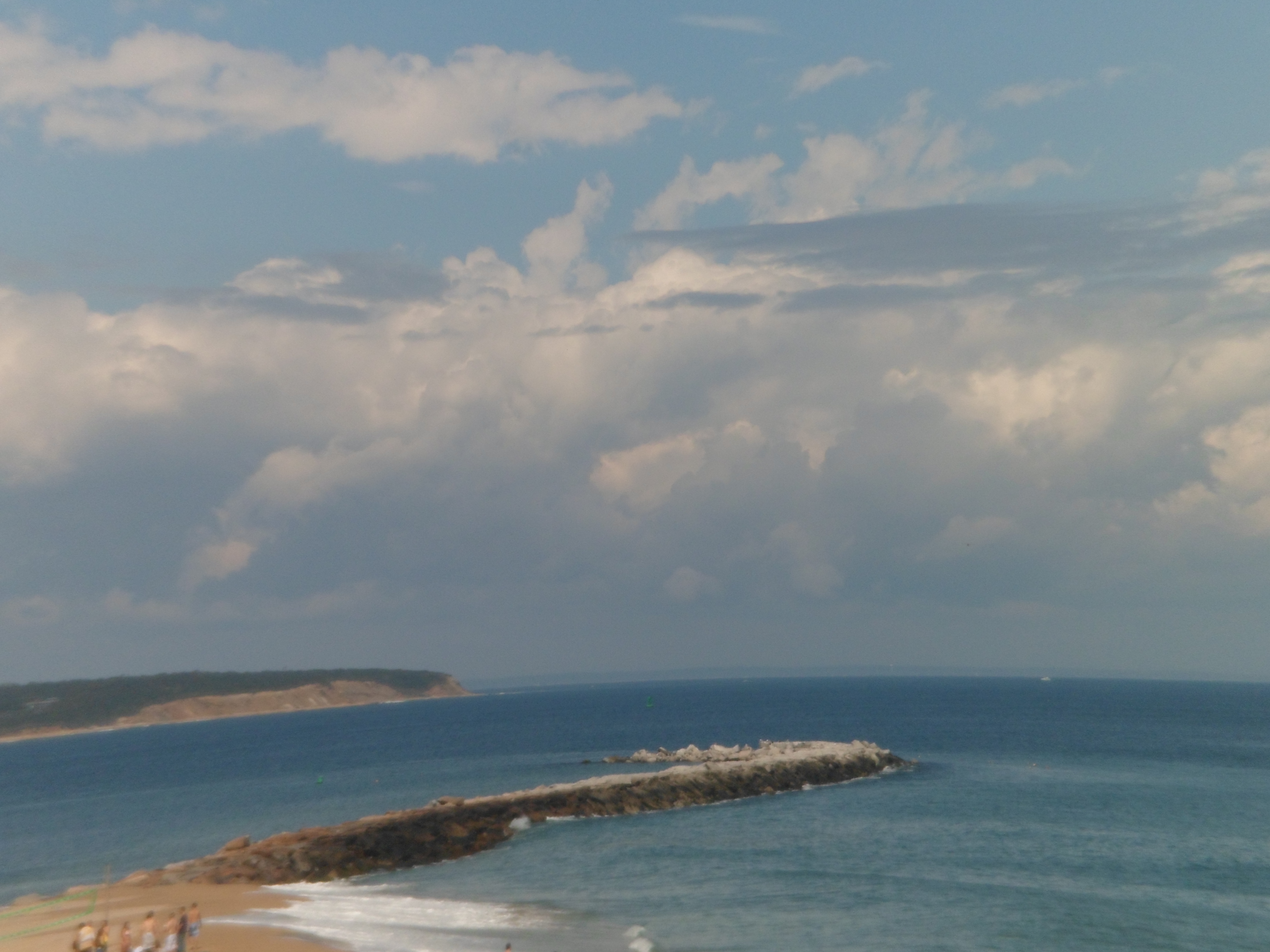
From the overlook, one can see Ballard’s Beach and jetty.
The inland trail takes one around to a small farm, run by the town’s public school. Ruins abound, of the abandoned farm.
The children decorated and laid these stones.
From Ocean View, the path took me past some other small farms.
Next: Part 2, East Side resorts to the Payne Overlook.