The last order of business, on my most recent visit to Orange County, was to have a “catch-up” dinner with an old friend. This meant my first-ever visit to a Cheesecake Factory- an establishment that was long off-limits, for budgetary reasons. This time, though, it was a go.
Before that, though, with an hour of free time after my hike in Carbon Canyon, I went to downtown Brea, and found several retro-1980 business establishments, mostly alive and well.
Alas, not all have thrived.
Downtown was in a suitable holiday mood.
This was a fine throwback to the time when I would take my students from Villa-Oasis School to a mall in Tucson, and enjoy treats at Farrell’s, after a movie and visit to Tower Records. Back to the present, I met my friend from OC at the appointed time, and traded stories of one another’s 2013. Being a skilled photographer, she was kind enough to adjust my lens, with the hope of clearer photographs.
A bright California sunset bid us go inside.
The food and conversation were well worth the time.
Thursday, November 28 was: Thanksgiving, the first day of Chanukah, the anniversary of the Ascension of ‘Abdu’l-Baha, another day in the dissolution of the comet that was challenging the Sun’s atmosphere. It was also my 63rd birthday. As such, all made for a perfect opportunity to spend a couple of days with my son, Aram, at and near his naval base, in San Diego. We shared things of which we are mutually passionate: Julian, CA and a couple of hiking trails, the latest installments of “The Hunger Games” and “Thor”, dinner at Applebee’s and DVD’s of the first season of “Game of Thrones”. He also introduced me to Zorba’s, a Greek-buffet. I sat out his Black Friday excursion, merely helping to transport the loot from my room at Navy Lodge, which is near the Navy Exchange, to his room, across base. He didn’t go to excess, for which I feel validated as a father.
Here is a photo-based chronology of November 27-28.
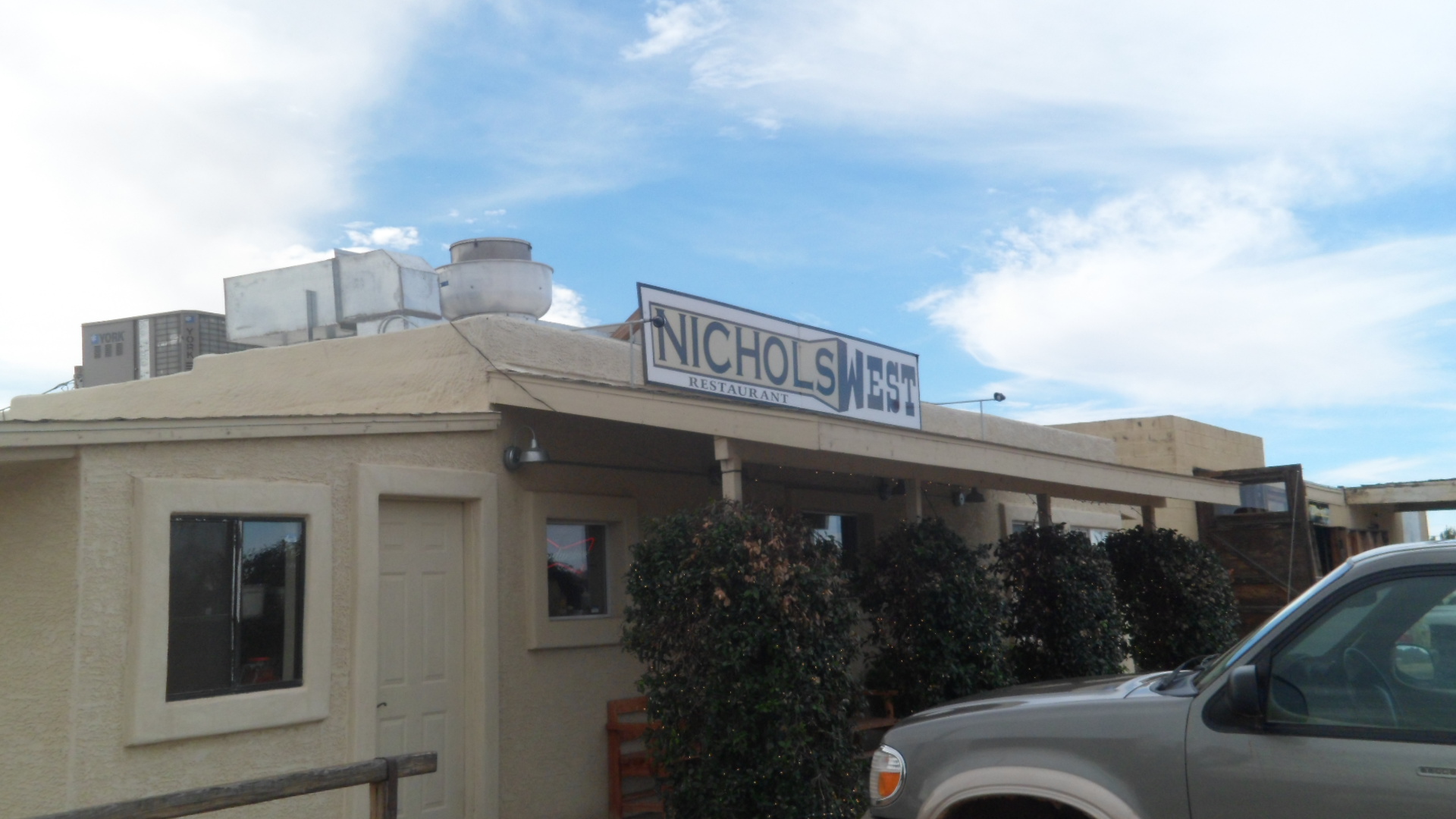
I left Prescott around 10 AM, on 11/27. Lunch consisted of superb shrimp tacos, at Nichols West, in Congress, AZ.
The owner said there is a Nichols East, somewhere in Long Island, NY. That’s as good a reason as any to explore Long Island. If the restaurant is closed, there are always Amagansett, Sag Harbor and Montauk, on which to fall back.
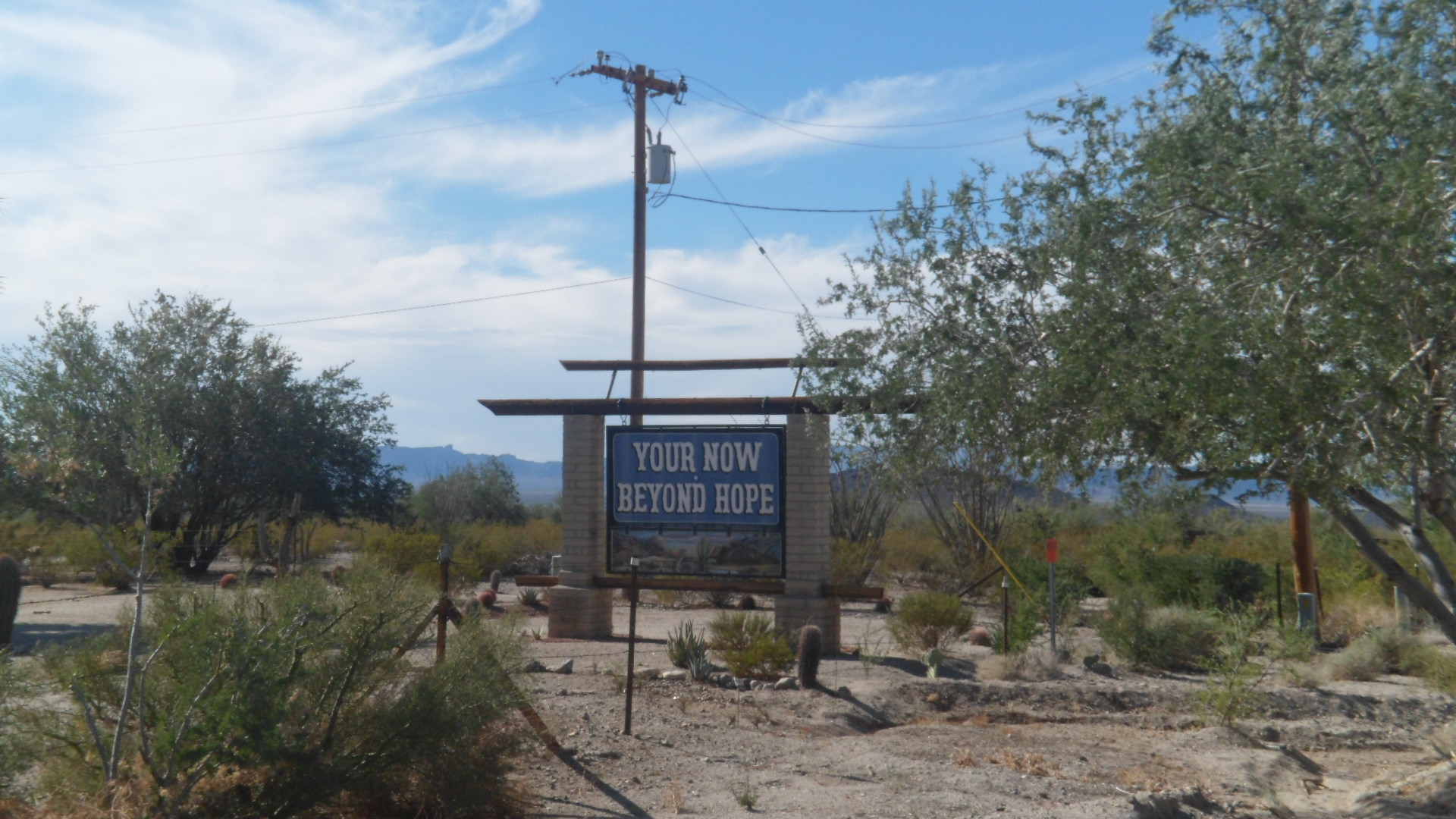
I continued on, after lunch, through Arizona’s Outback- only to read what I’ve often thought:
My inner Grammar Nazi got me through this one, just fine. It’s their Beyond Hope, not mine- LOL.
I arrived in San Diego around 6, courtesy of a couple of serious high-speed-induced crashes that led to traffic tie-ups for the rest of us. We got MOI settled into a cozy room at the Navy Lodge, and drove to Applebee’s in Plaza Bonita, near Chula Vista, on the south end of Metro. Afterwards, I joyously crashed and Aram went back to his barracks.
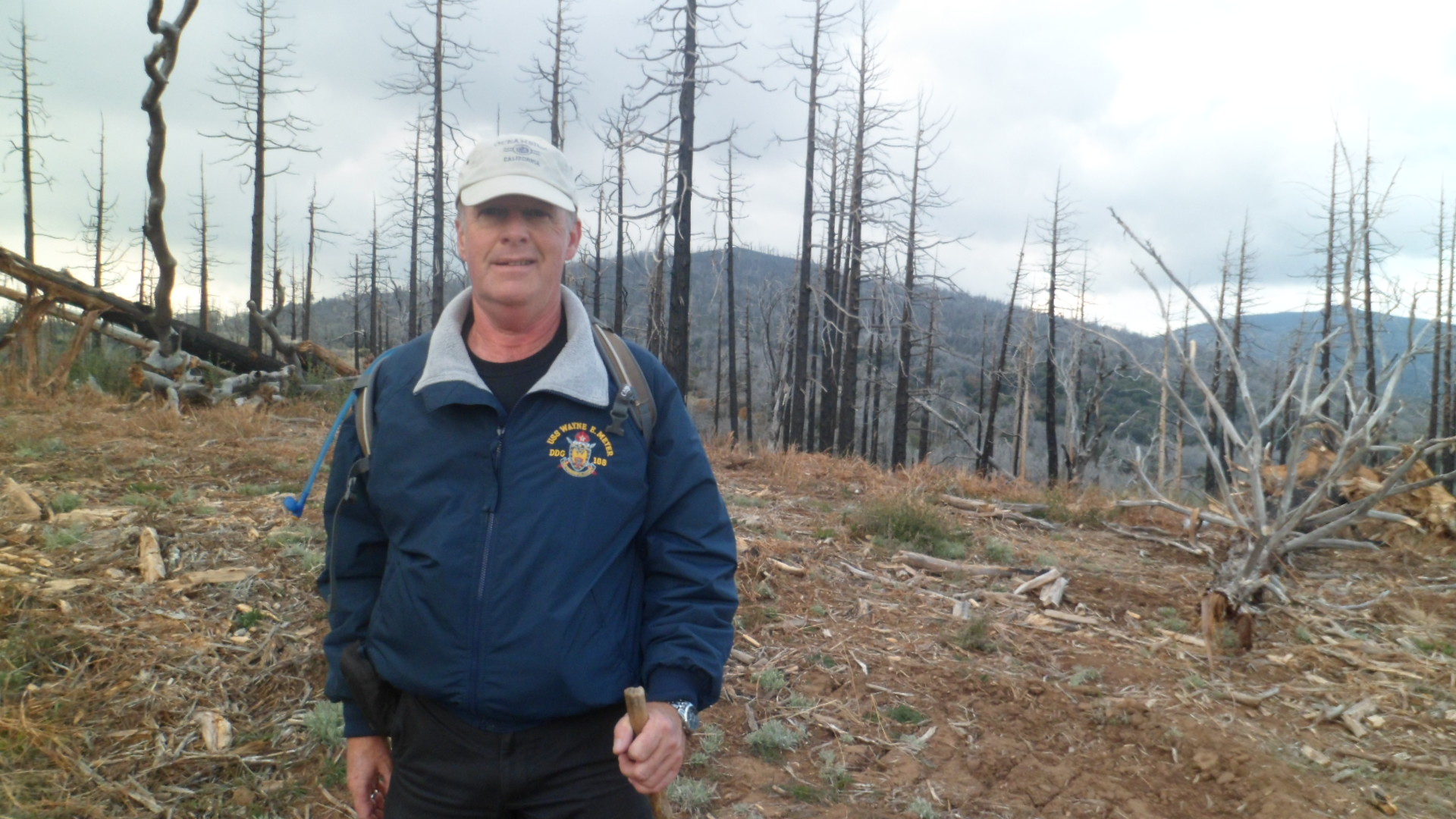
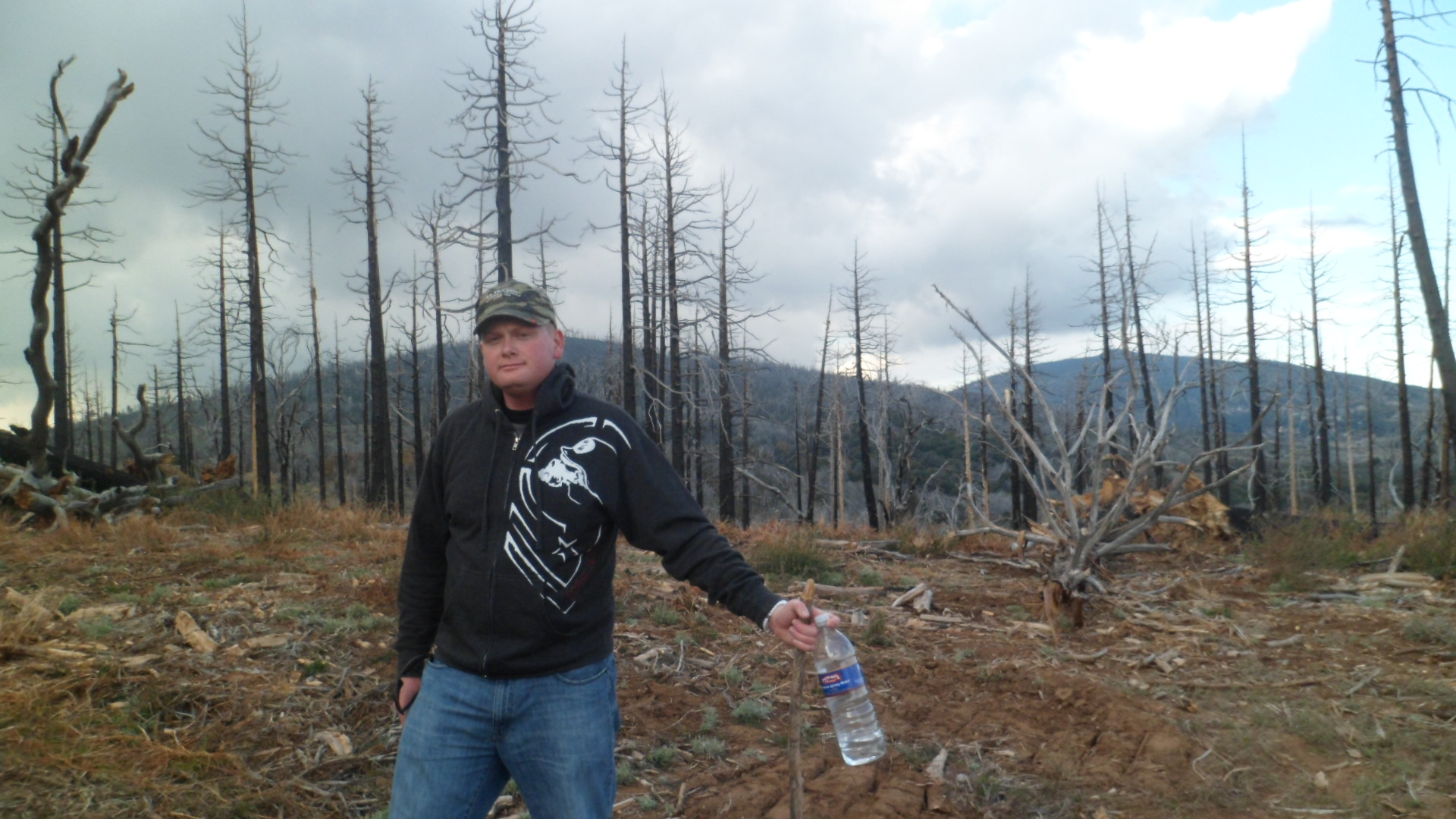
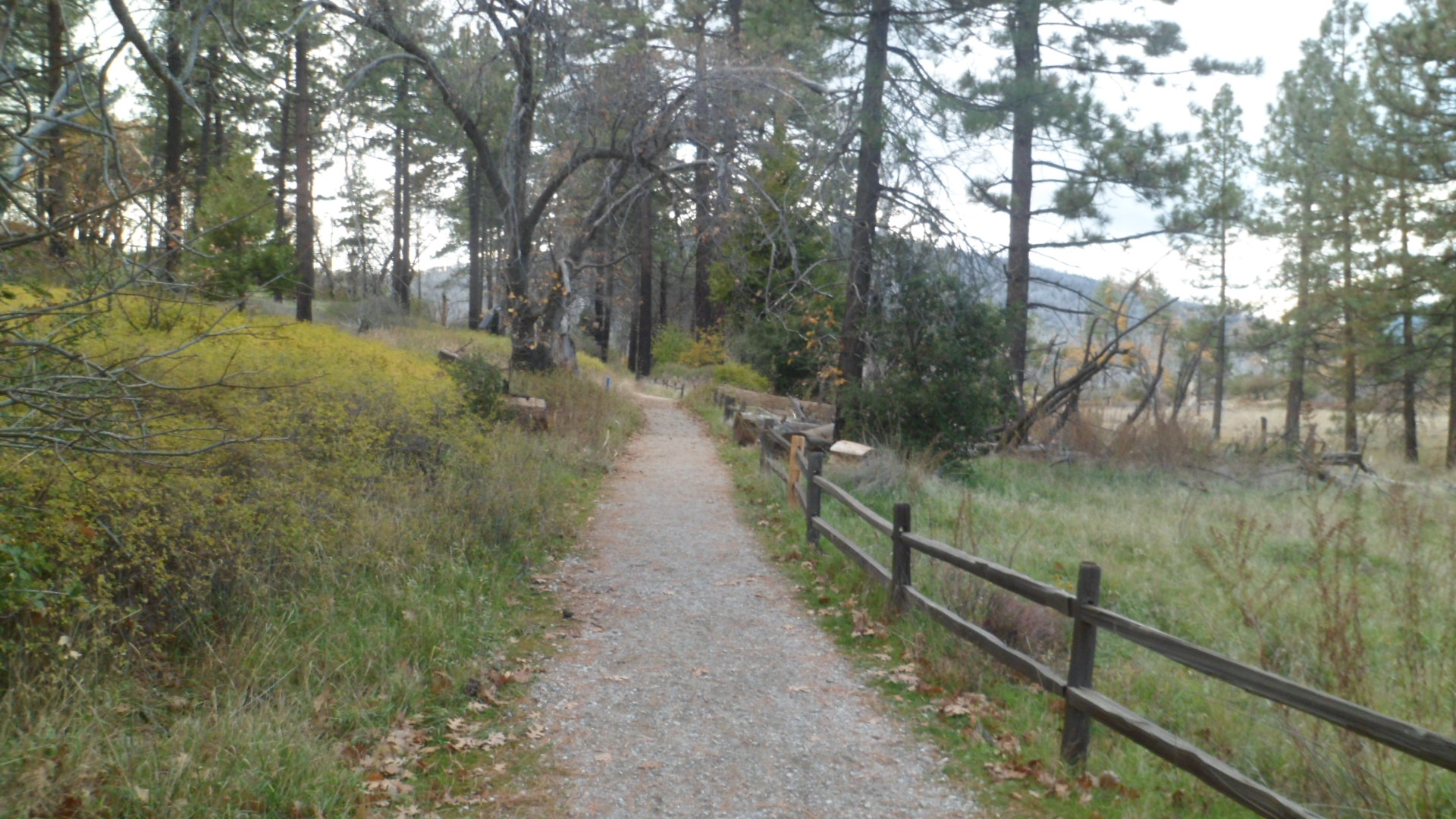
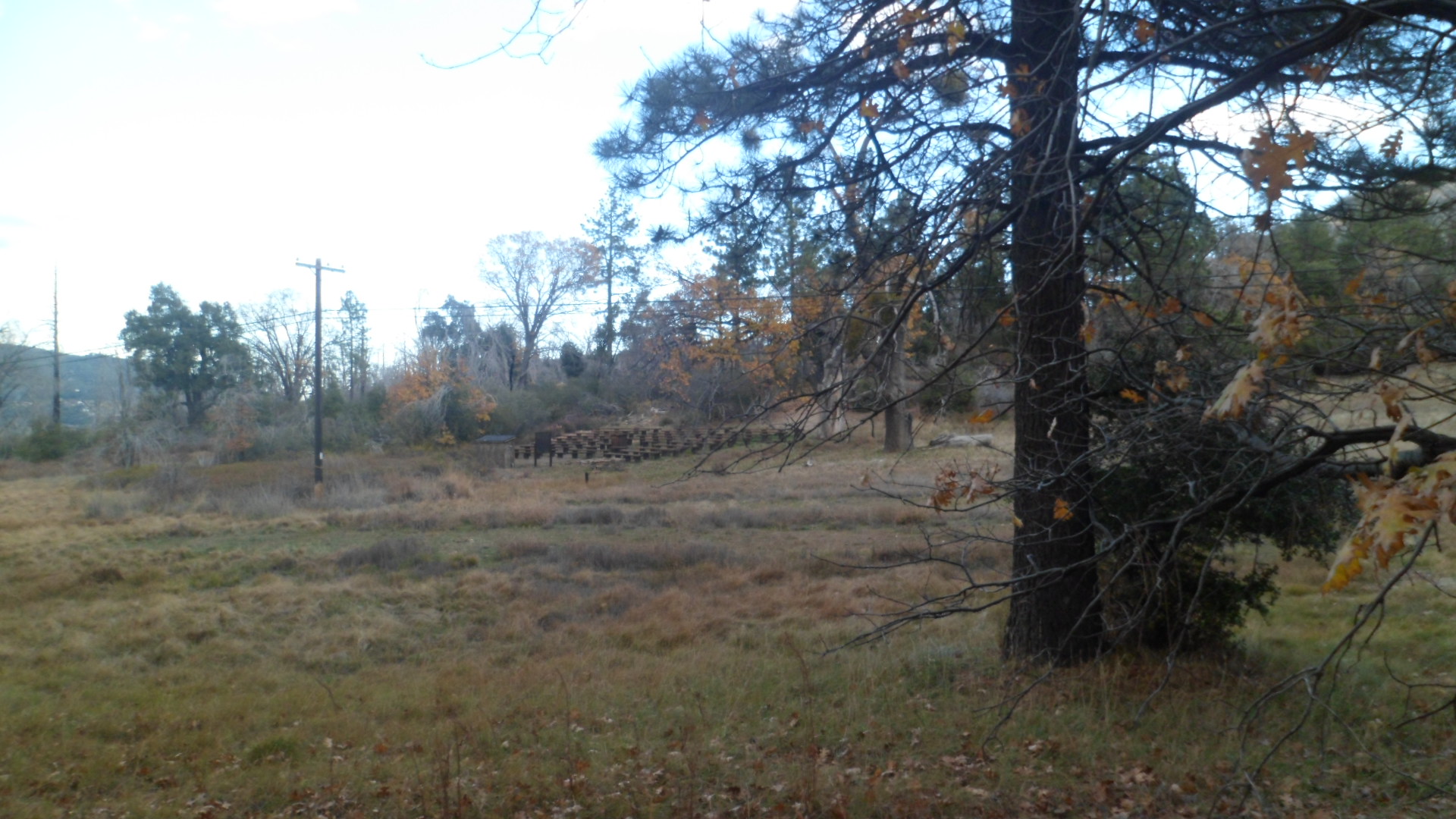
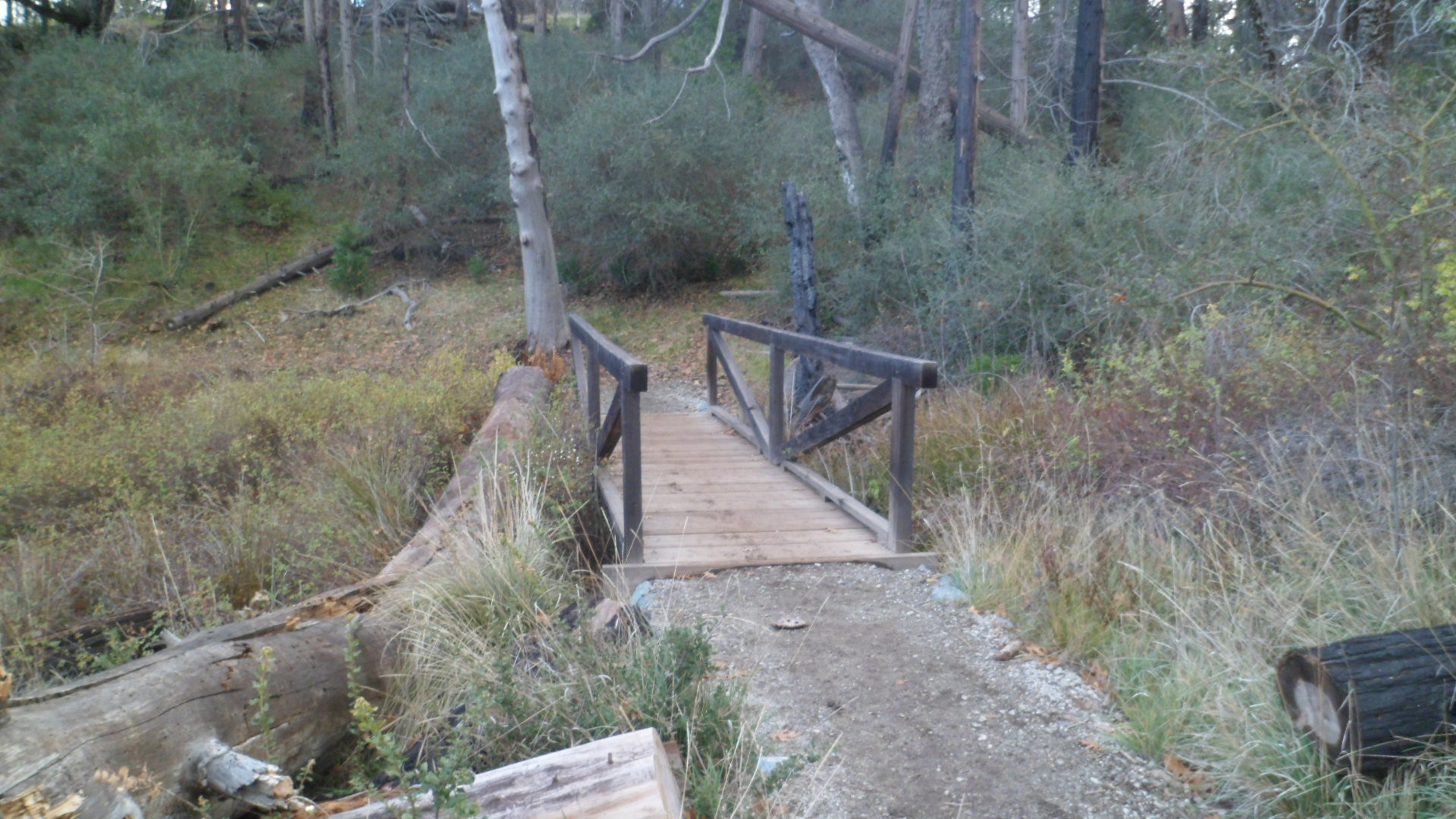
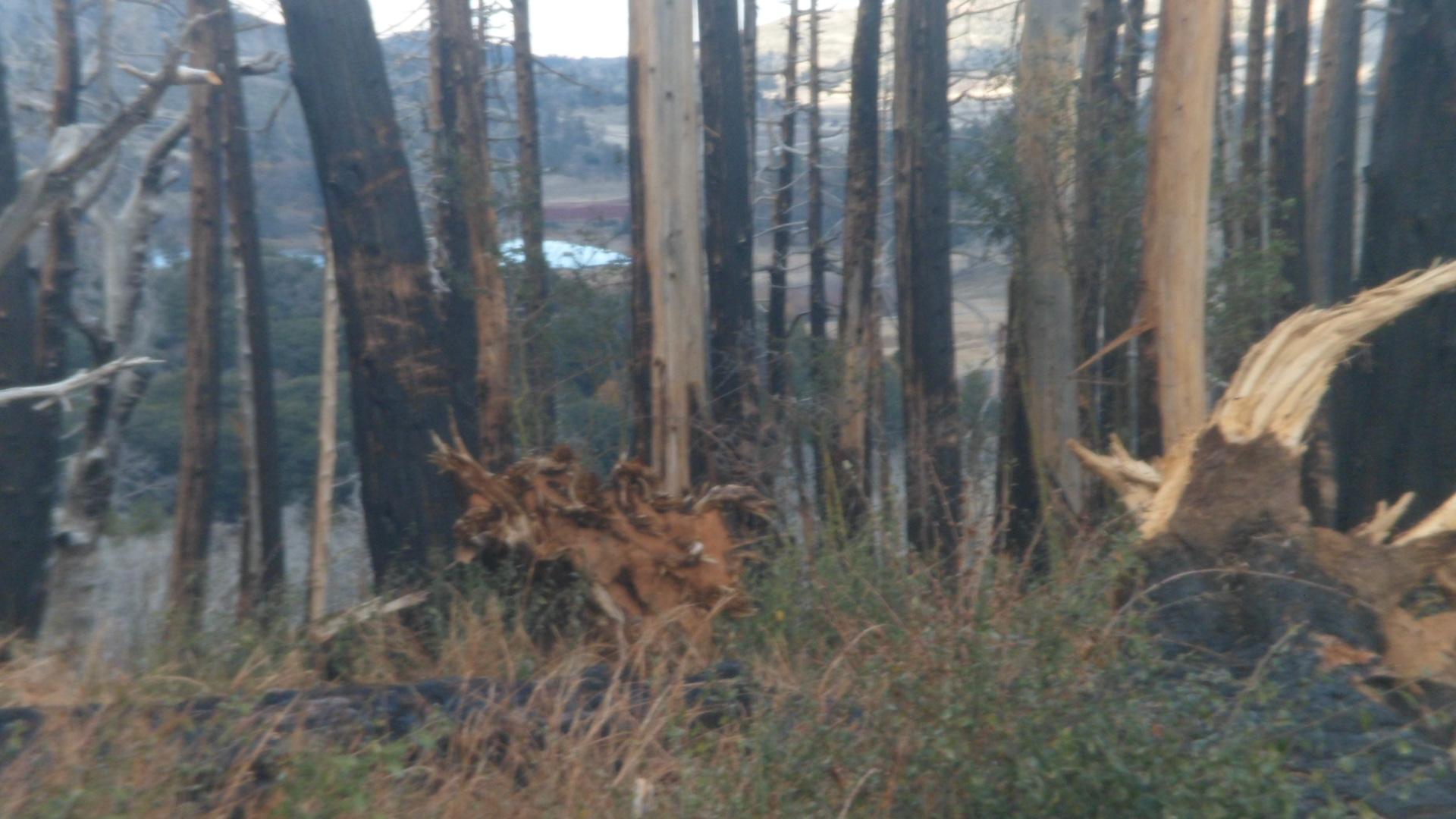
Thursday, Thanksgiving et al, was spent on the trail. The venue was Cuyamaca Park, a section of Anza-Borrego State Park, in the foothills of the Laguna Mountains, east of San Diego. There was a serious forest fire here, about three years ago. We were just happy to get out and enjoy the modest trails, even in the charred surroundings.
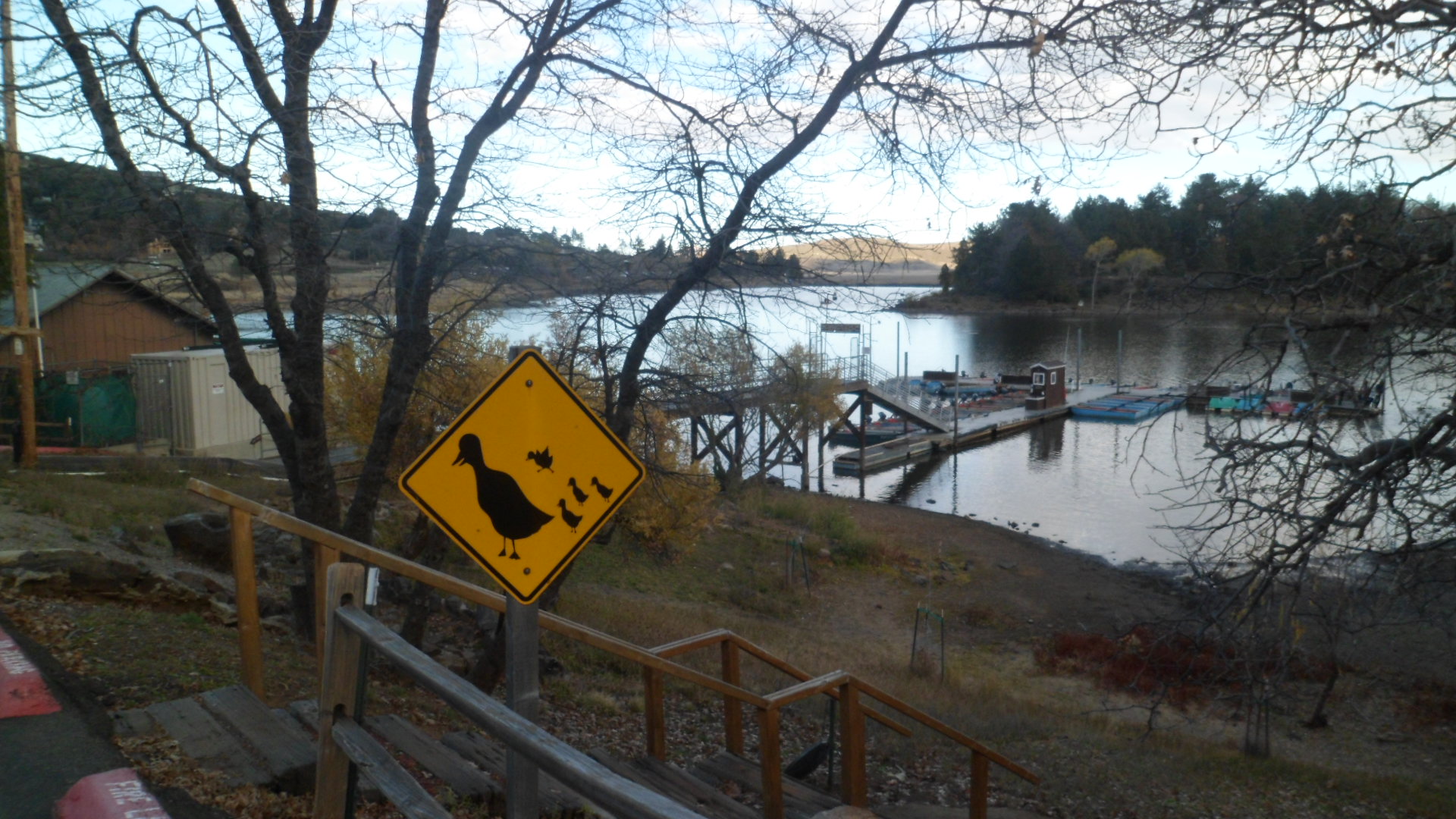
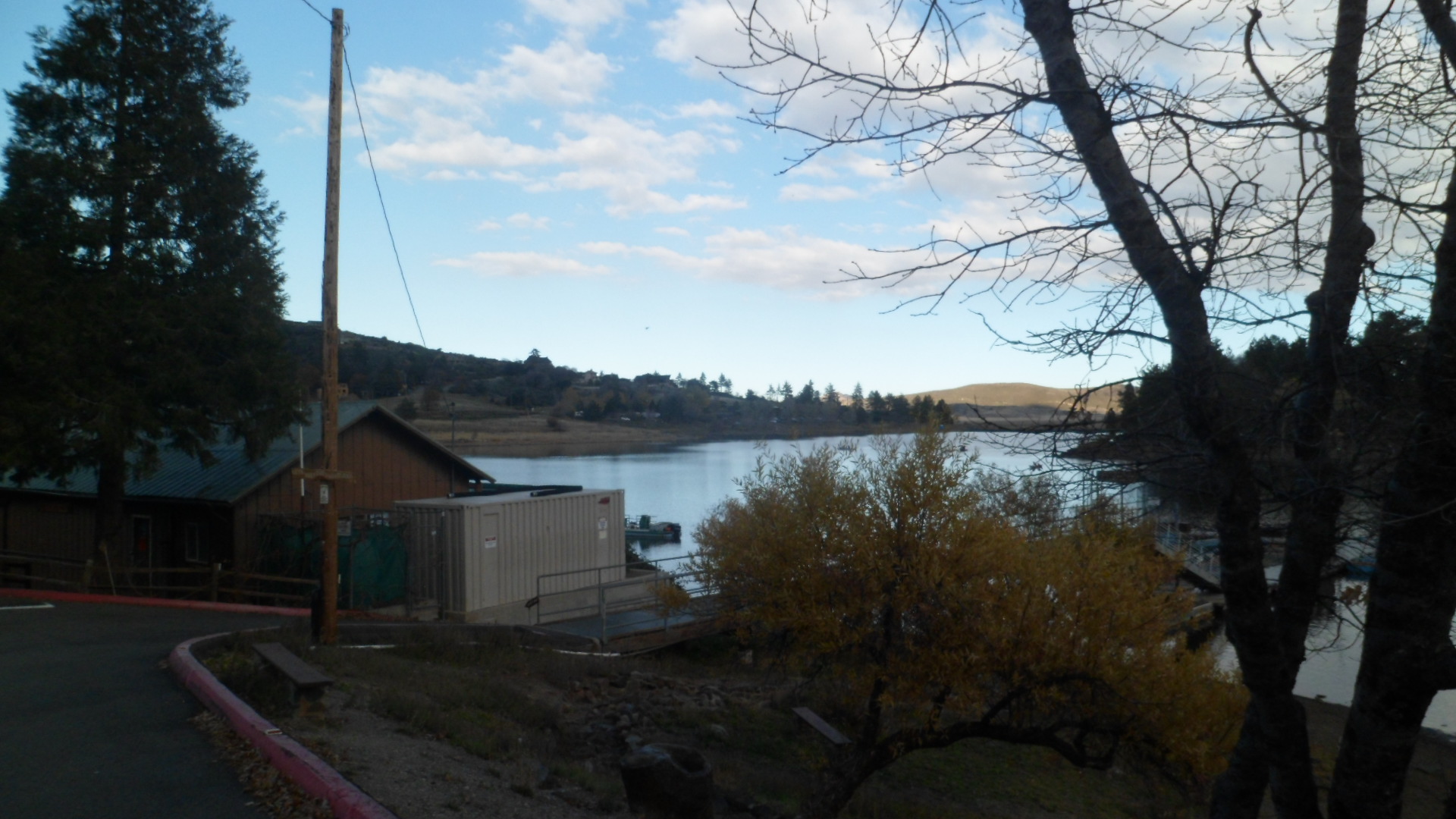
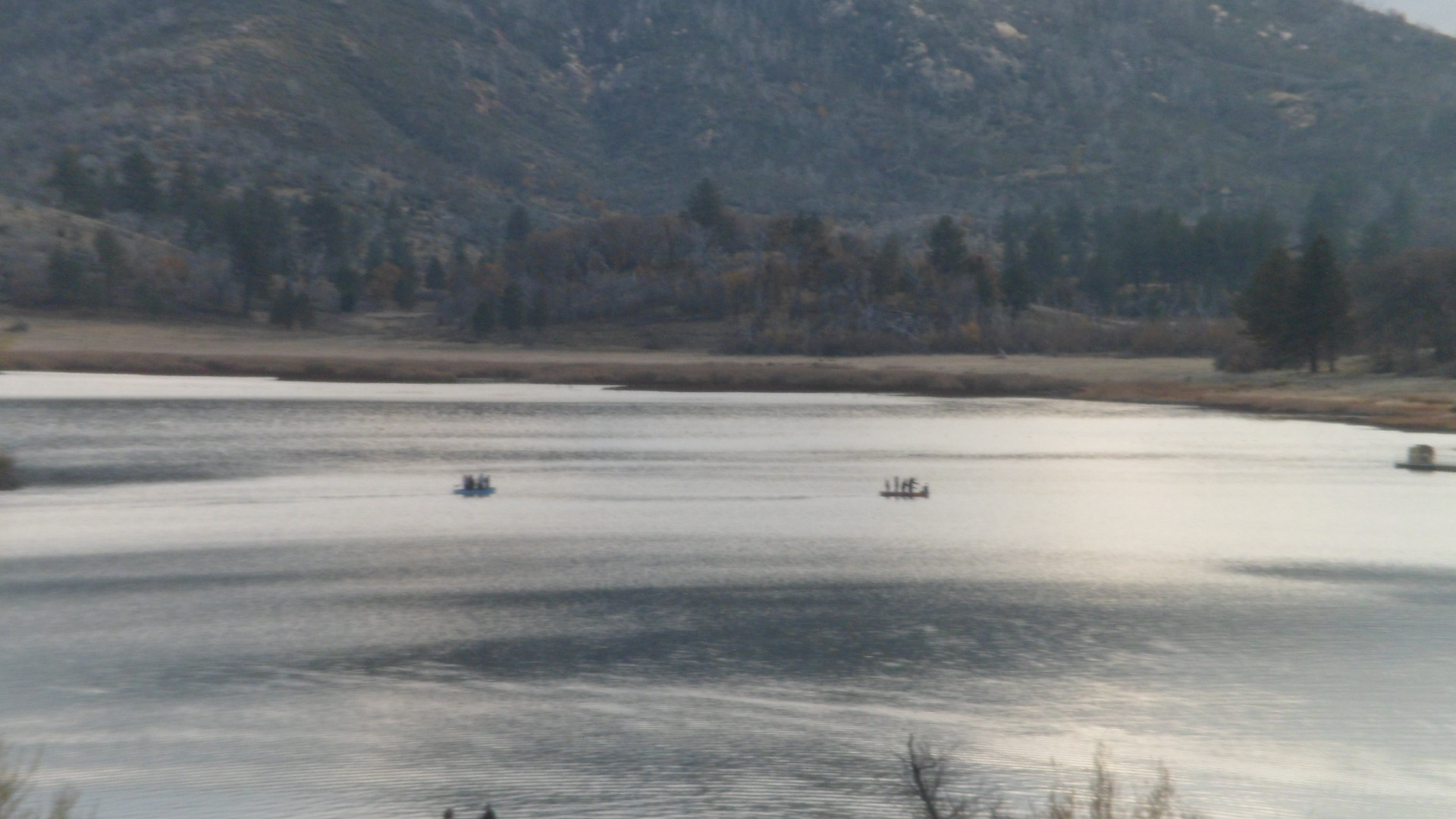
We continued back towards Julian, after an hour or so of hiking. It’s good to give a nod or two to Lake Cuyamaca.
Julian offered a few options for Thanksgiving Dinner. We chose Julian Cafe, where we had dined last year, on a different occasion. The traditional meal was fabulous, from apple-pumpkin soup and hot cider, through the full dinner plate centered on roast turkey and cornbread stuffing with chicken sausage. There was no dessert included, but I had hot pumpkin bread, as part of the meal and Aram got his caramel apple. So this Thanksgiving/birthday dinner was worth it.
The day was topped off with Jen. Ms. Lawrence and Company did a smashing job with “The Hunger Games: Catching Fire”. Even Donald Sutherland did a much better job this time, as the villain. There are some plot twists, especially at the end- no spoiler here.
So, the convergence of special days was a fine one. San Diego, Julian, and so many points in between, will always register dearly with me, because of over 30 years of family connections to the area.
Friday was lower key, being rather overcast. After tending to Aram’s stuff, and my trying on his gift of new hiking boots (great fit!), we went to see “Thor: The Dark World”. Tom Hiddleston excels again, as Loki, and Asgard looks like the kind of multi-racial world where all is going so well- until stuff happens, courtesy of some dark forces. The film is topsy-turvy, as is the universe during its plot unfoldment. After this, we went to Zorba’s, taking along one of Aram’s barracks mates, and had fine Greek buffet fare. The day ended with us watching several episodes from the first season of “Game of Thrones”- an HBO quasi-medieval-meets- Westerns series, that several of us have surely seen. Unsettling, but entertaining, in a quirky way, the series is mostly faithful to the serial novels of “A Song of Ice and Fire”, by George R.R. Martin.
The two days and three nights were among my fondest visits to SD. Next: Another fine day in the OC.
I always seem to return to Arizona, from points east and northeast, by way of Colorado. My uncle lives there, as do Penny’s next-oldest sister and her husband, several of her other relatives, and an honest, loyal friend. Then, there’s the Blind Chef.
I went back to the Denver area on September 25-26, specifically to check on my uncle and give a bag of gifts to my friend and her family. Both were in view of the floods that ravaged the west side of the Front Range, while I was back on the East Coast. I also had to reassure my friend that I was in a good place, emotionally.
I first took care of seeing to it that my Uncle George was okay. He was, and he wondered if I was okay. After dispensing sage advice about widowhood, he headed back to his place, and I took care of my car, overdue for a good service. The next day, I went up to Fort Collins, and found a town well-along in recovery from its waterborne travails of early September.
A brief meeting with my friend, surprisingly, left me in a calm, well-balanced frame of mind and emotional state. I drove down to south Denver, stayed in a rough and tumble motel, and, the next morning, met the Blind Chef, fresh from his having whipped up some chicken chili.
,
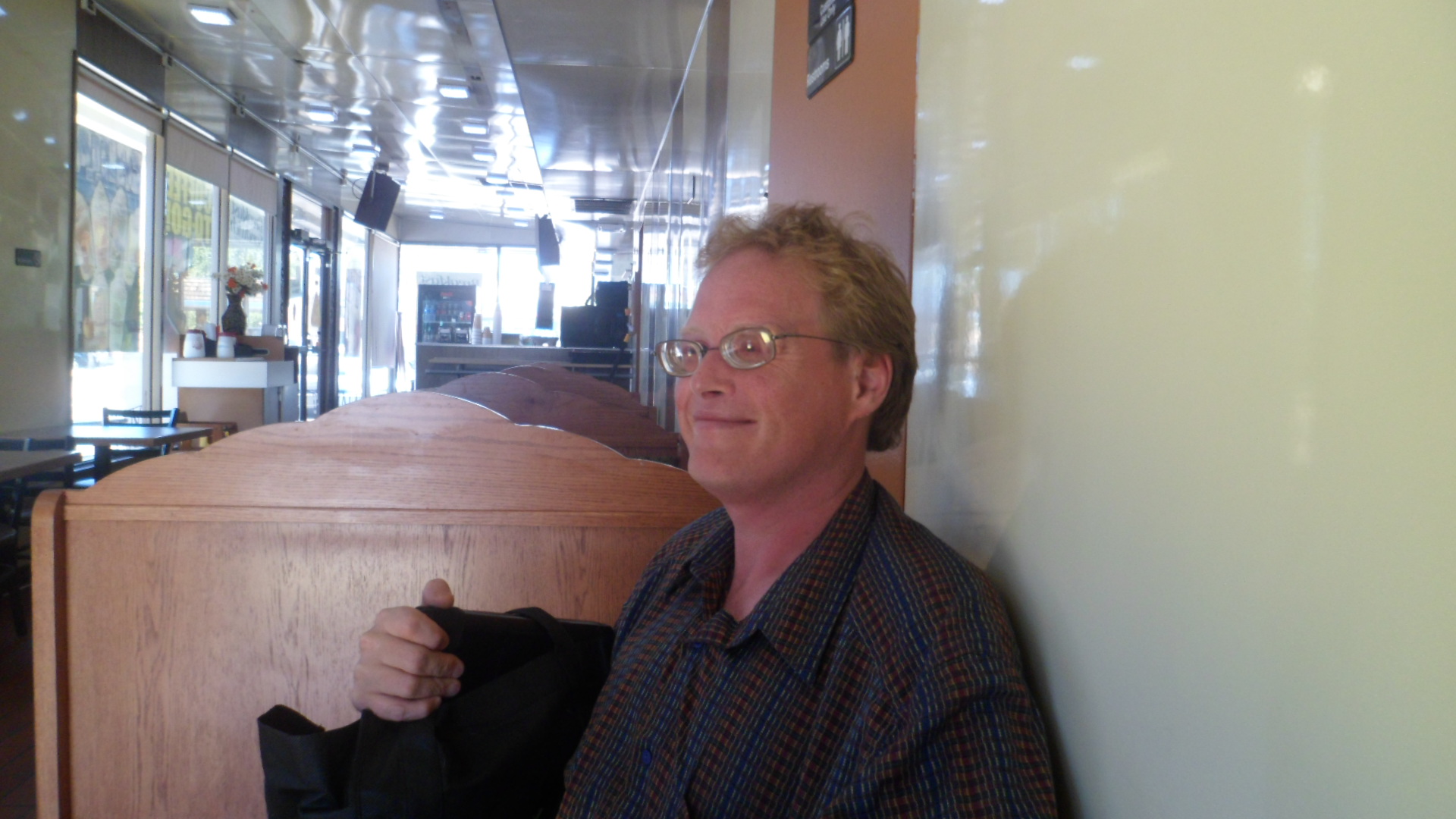
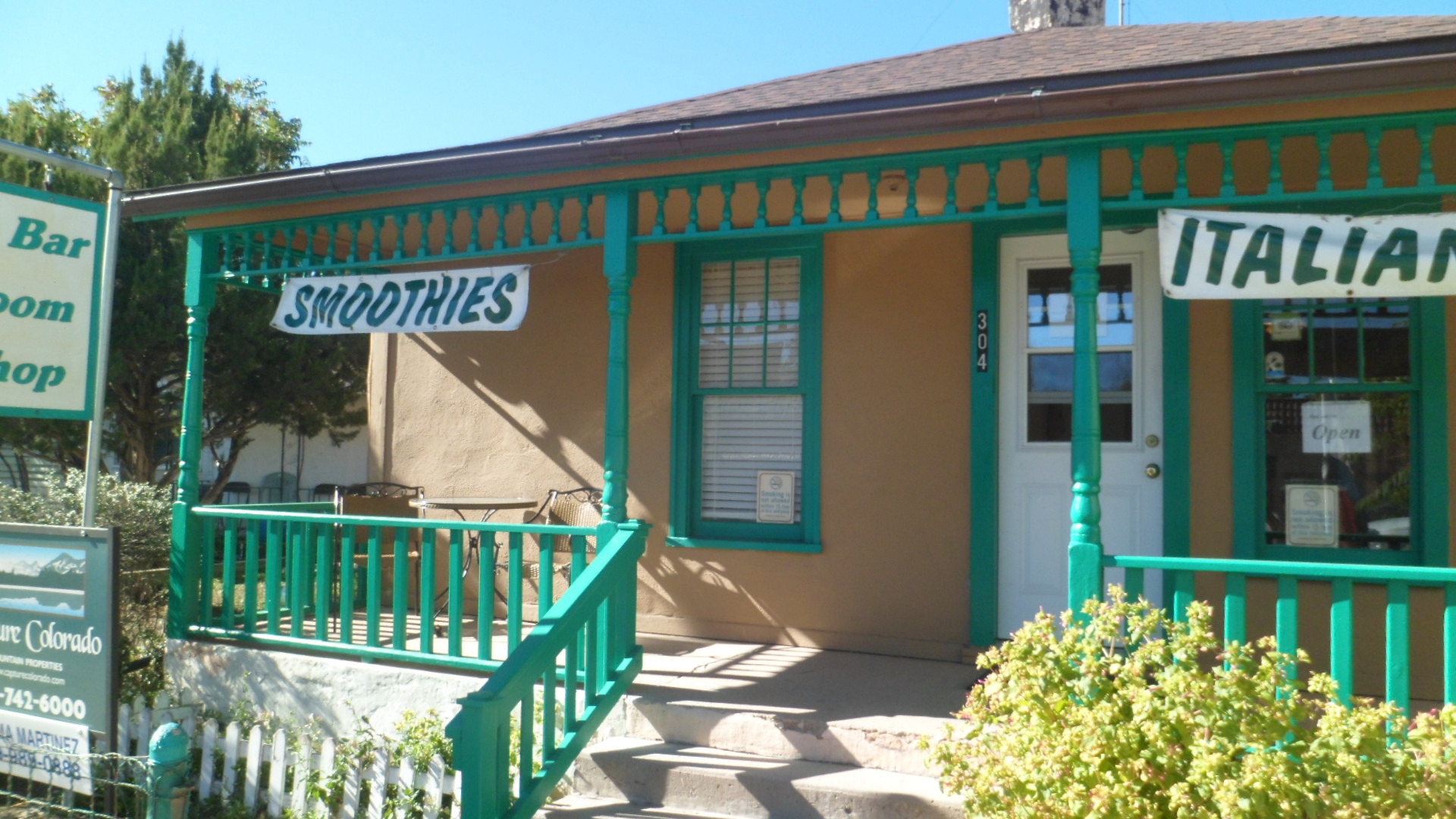
We amused the noon day group at the corner Winchell’s, and, after an hour’s worth of bantering about social media and the joys of cooking, I was off again towards home. One stop intervened between me and Cortez: Mike’s Coffee Bar, in Walsenburg, CO. This, of course, made up for the lack of wifi at the Winchell’s, earlier.
I arrived in Cortez about 8 PM, and easily convinced myself that AZ would be better off without me for one more night. A good night’s sleep always makes for a better homecoming, anyway. On September 27, 2013, at 12:45 PM, I pulled into my garage in Prescott, and this year’s marathon came to an end.
September 23 took me through the rolling, forested hills of a far neighbour: southwestern Kansas. I find going through Dodge City, Garden City and their siblings to the west is the quickest way to get to Colorado from Oklahoma. I drove up through the Cimarron Valley, out of Enid and into the Jayhawk State, rather than going through the Oklahoma Panhandle, as I did last time. The Cimarron River was running a tad low.
Soon enough, I was marveling at the Red Hills of Kansas, south and east of Dodge City.
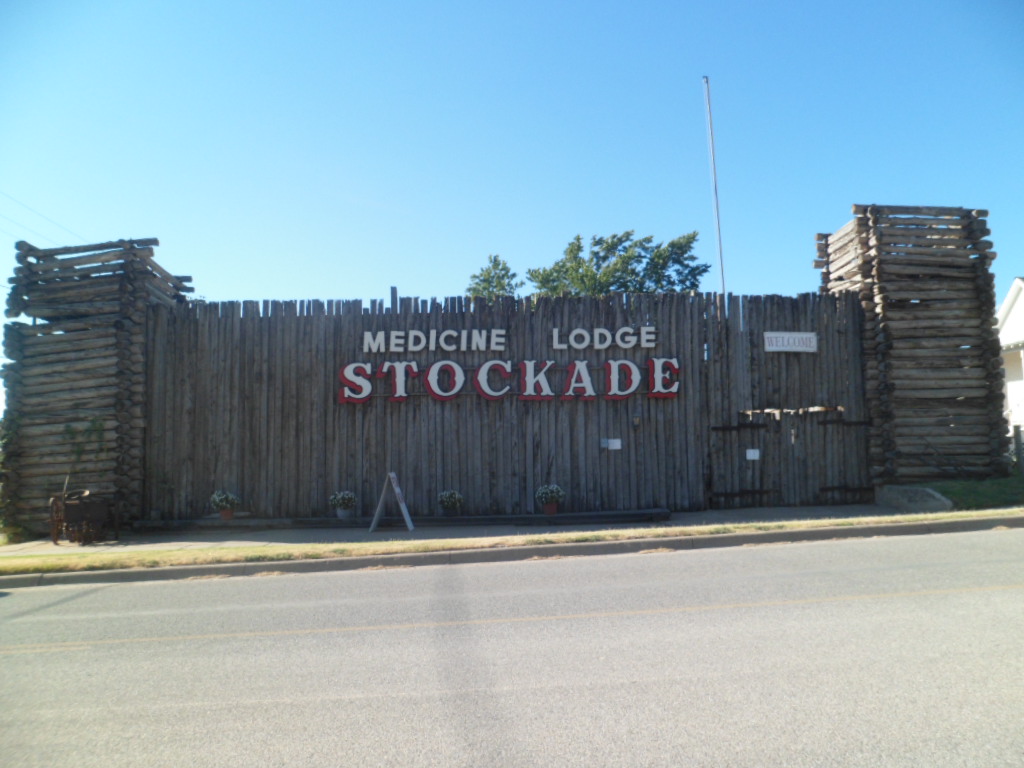
Medicine Lodge is the first community in a series of Kansas towns which figured large, in the story of the settlement of the West.
The centerpiece of this area, though, remains the domain of Marshal Matt Dillon and Wyatt Earp: Welcome to Dodge!
The Marshal was real,
and he had a little jail.
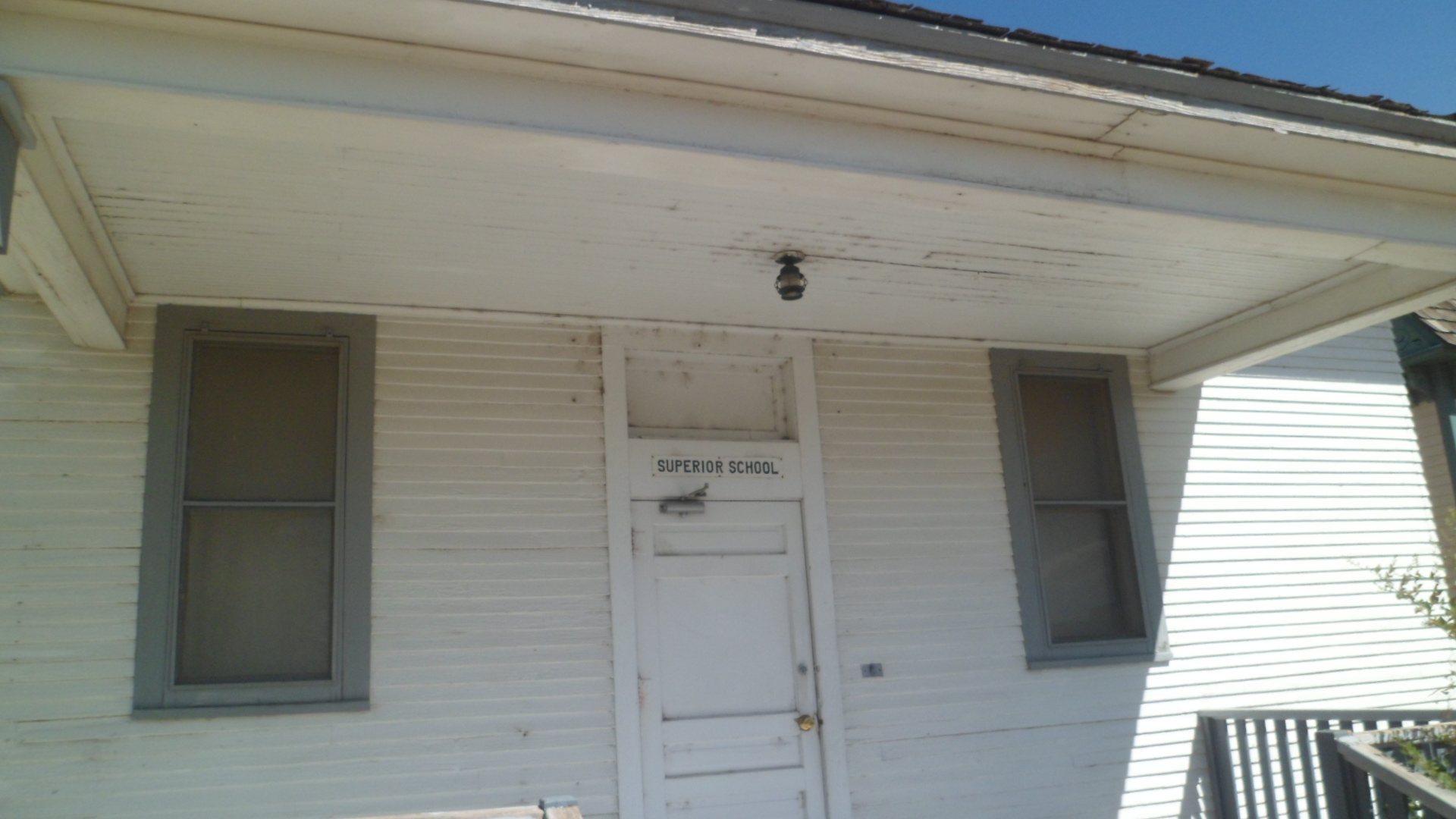
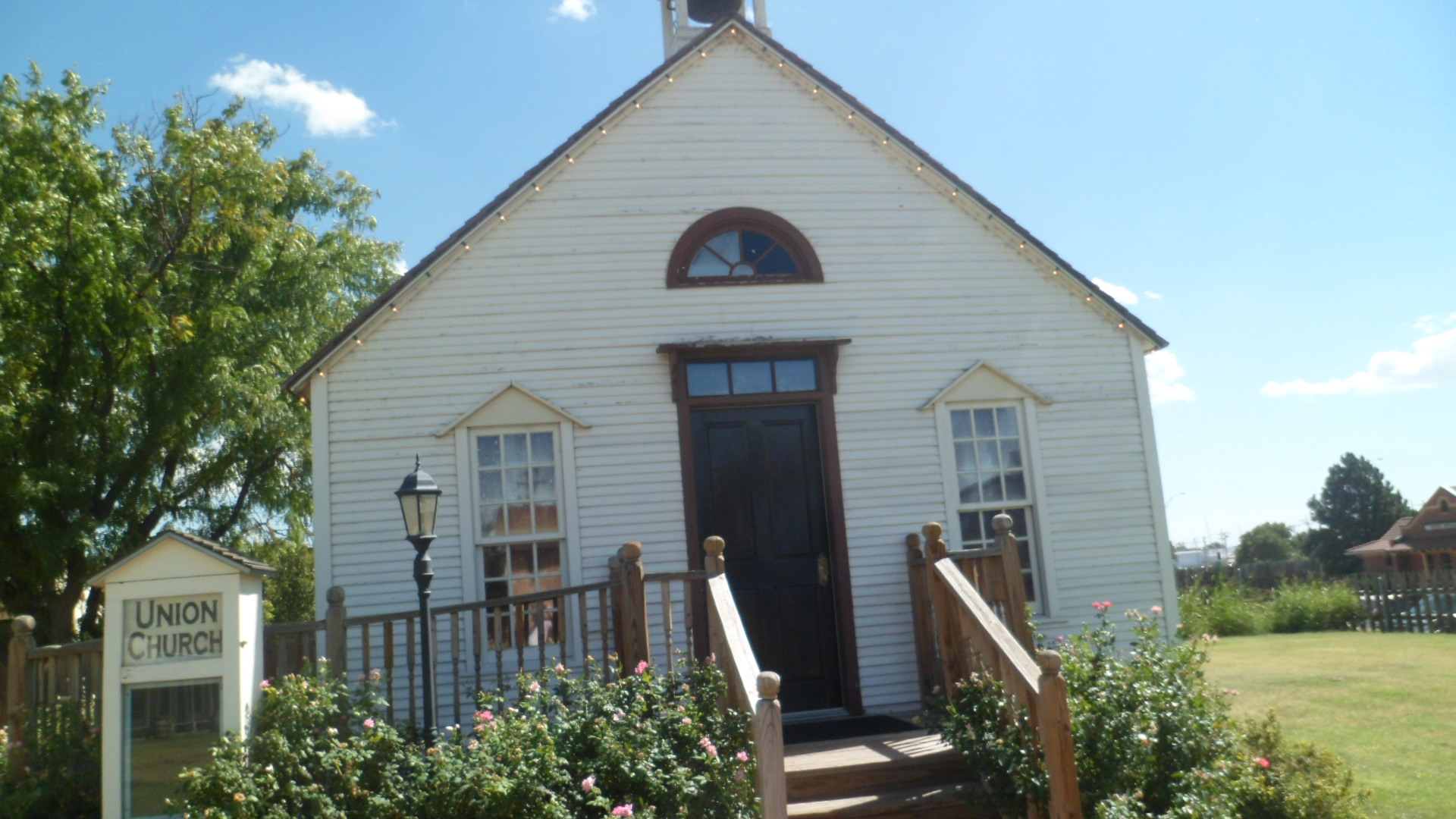
Everything else that is necessary to a viable community was also there- including school and church.
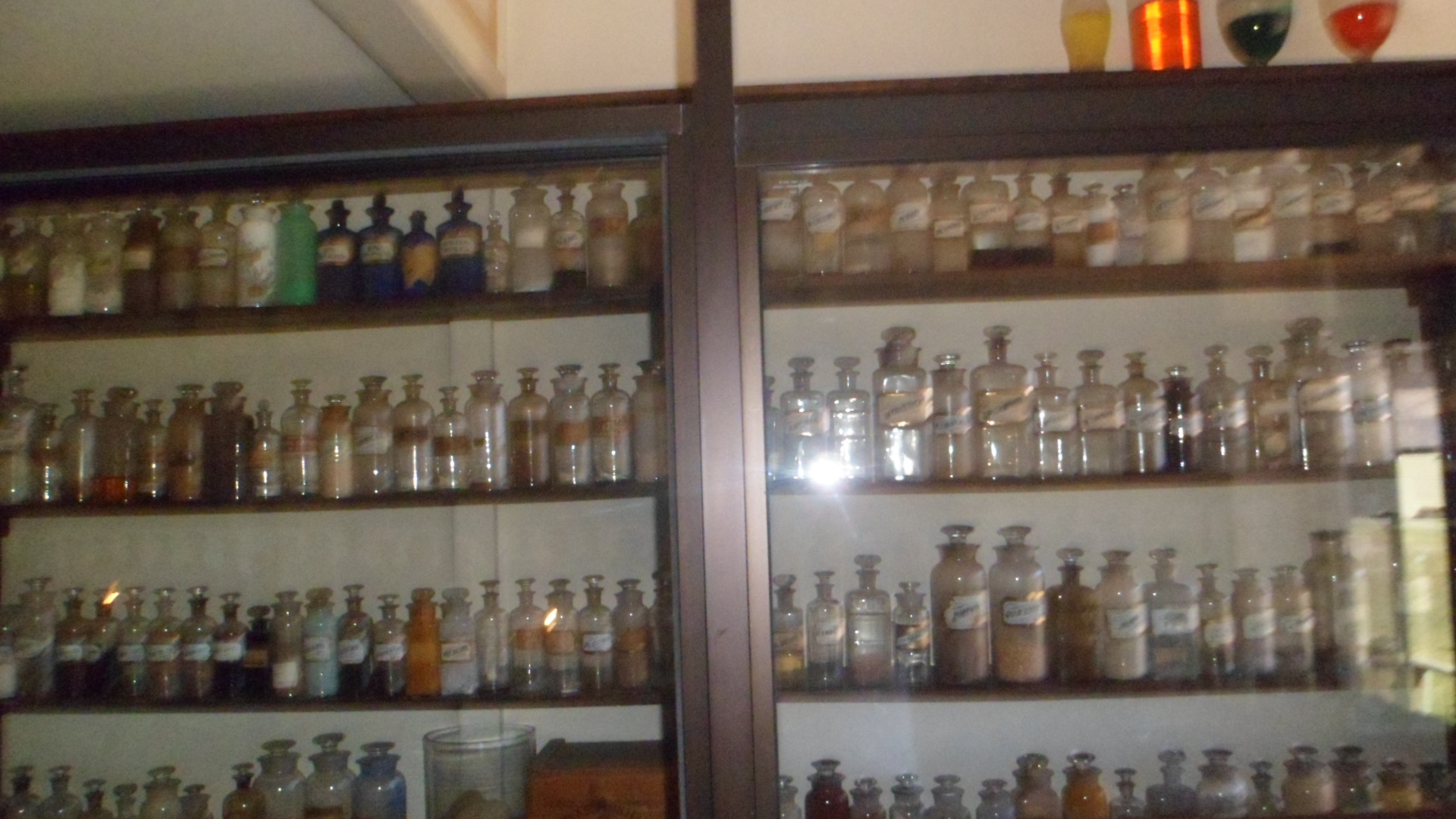
Old Dodge City’s commercial area was as lively as that of much larger towns back East. The pharmacy had, relatively speaking, a selection reminiscent of WalMart or CVS.
The saloons and restaurants were numerous.
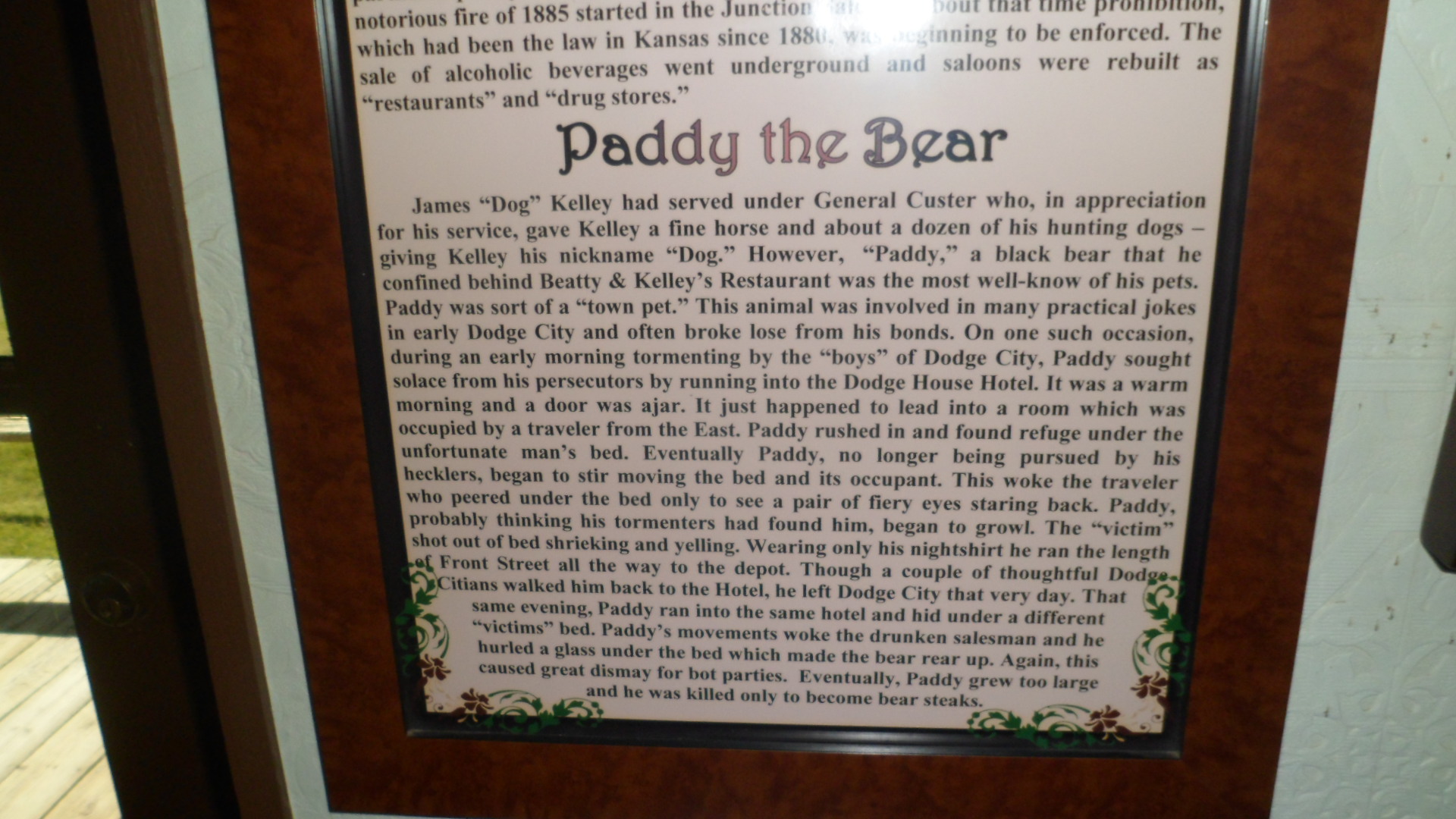
In addition to the lawmen, even animals found their way into Dodge City lore.
Dodge City had a small Town Green.
Today’s Dodge is as upbeat and modern as any place in the USA. The philosophical mien of this town is self-reliance, as indicated by this meme on the wall of a local coffee house, Cup of Jones.
I like to be nice to people, but there is something to be said for the person who wrote this. I was soon to sit down with one of his/her kindred spirits, who is also one of my best friends.
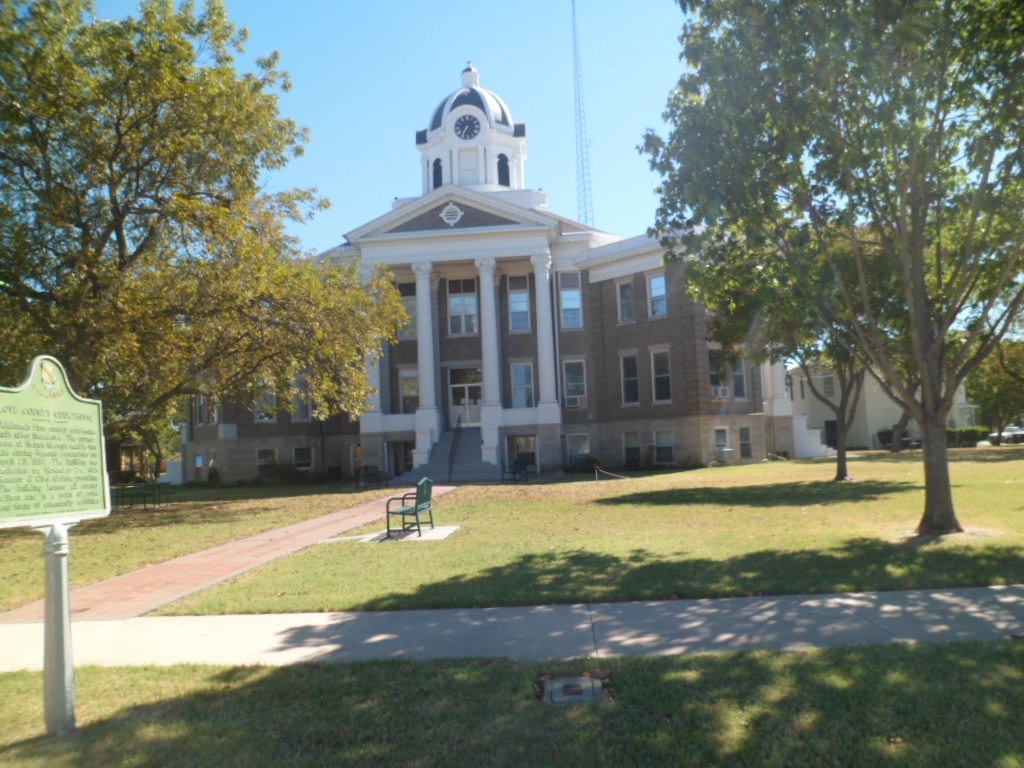
Getting from Cleburne to Lake Texoma took much of the afternoon. I spent an hour or so, driving around the northern and eastern edges of the man-made gem that lies along the state line of Texas and Oklahoma. First stop was the Love County Courthouse, in Marietta, OK.
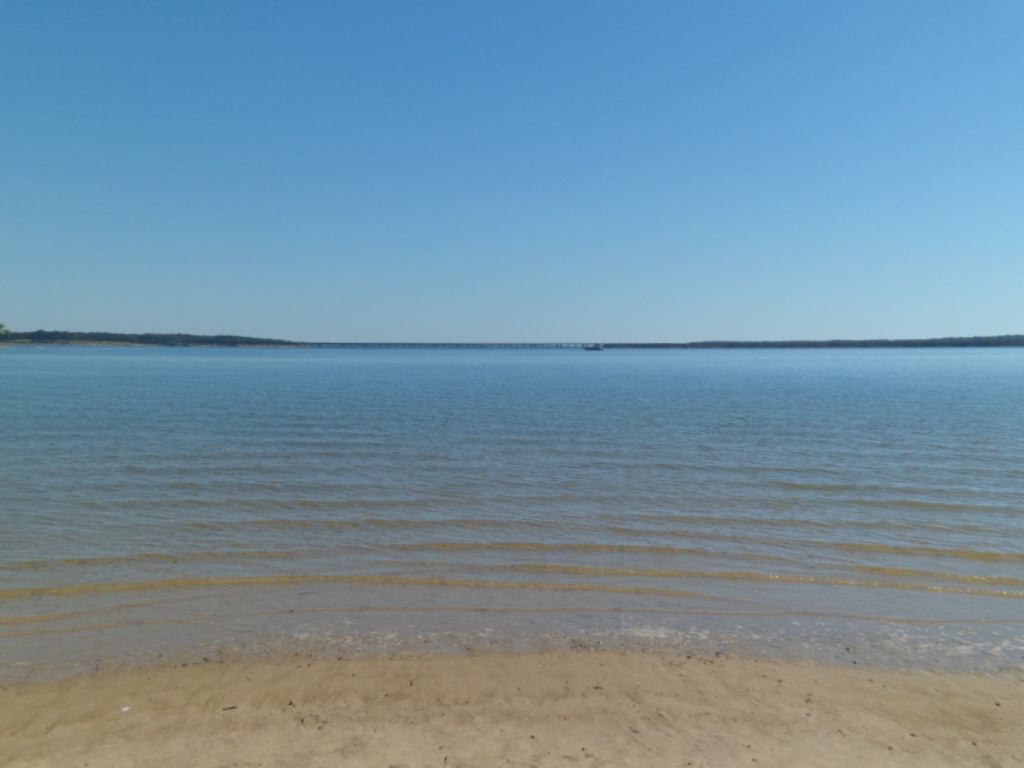
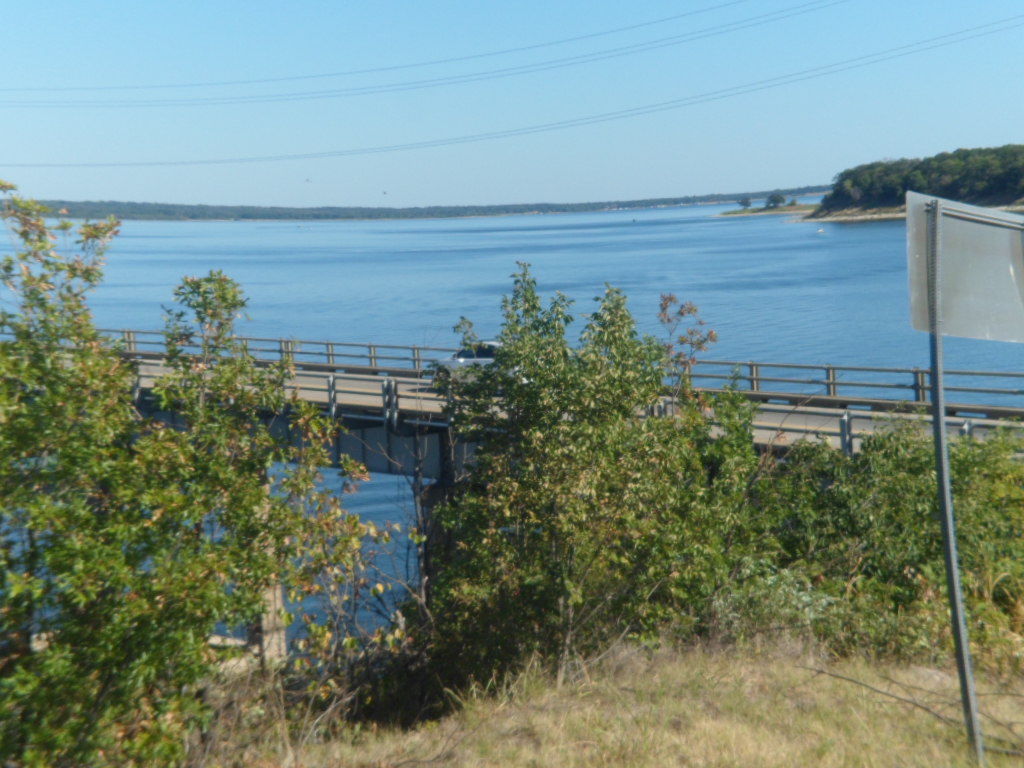
Next were the lake, and its awesome truss bridge.
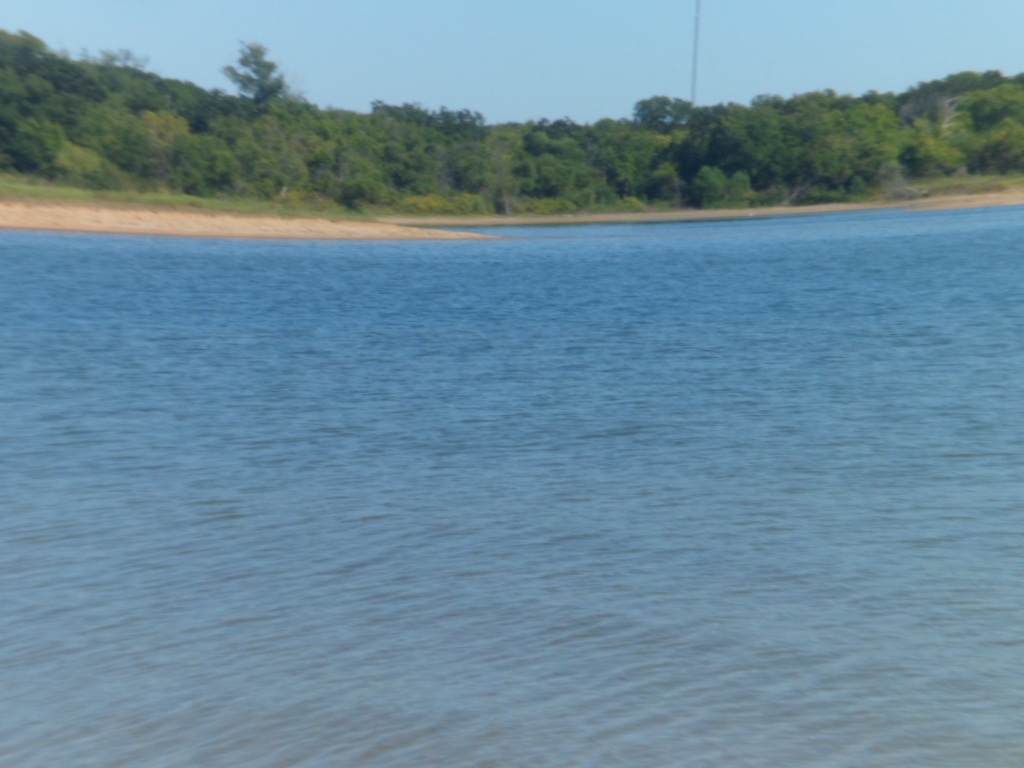
A crane took a lazy wade in the lake’s northeastern corner.
In the midst of intense fishing and swimming activity, I managed some sanguine shots from the eastern shore.
The Roosevelt Memorial Bridge may not win any beauty contests, but it gets the job done well.
Here’s a final view, from the western edge.
I didn’t stop long in Oklahoma City, and got into Enid, and a cozy couch, at 8:30, so the photo day was done
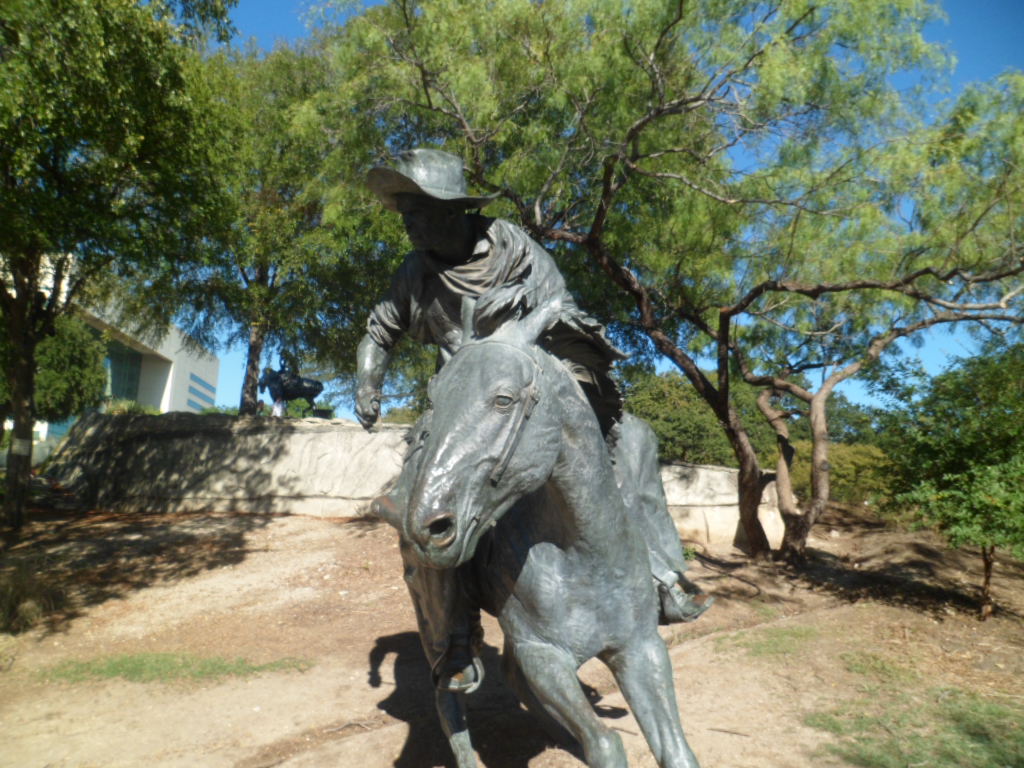
My Dallas visit covered the flashy downtown, Pioneer Park, with its cattle drive sculpture and Dealy Plaza. There are other sections of Texas’ second-largest city, including the Heritage Center, that could be the focus of another visit, but my main concern was the heart of Big D.
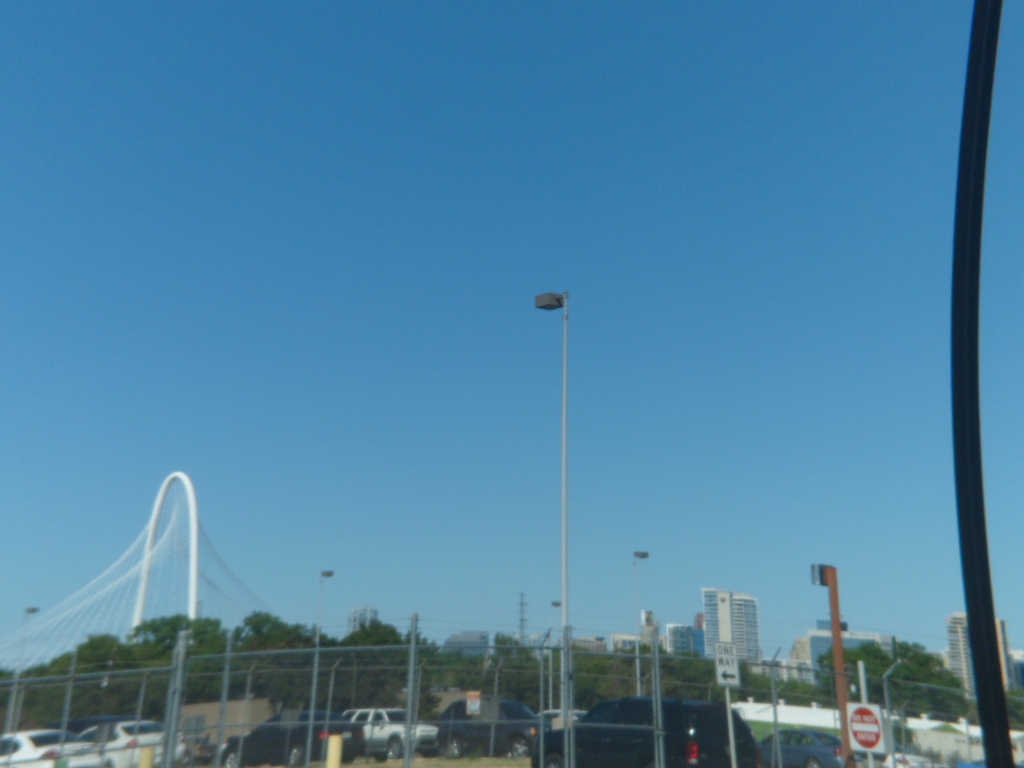
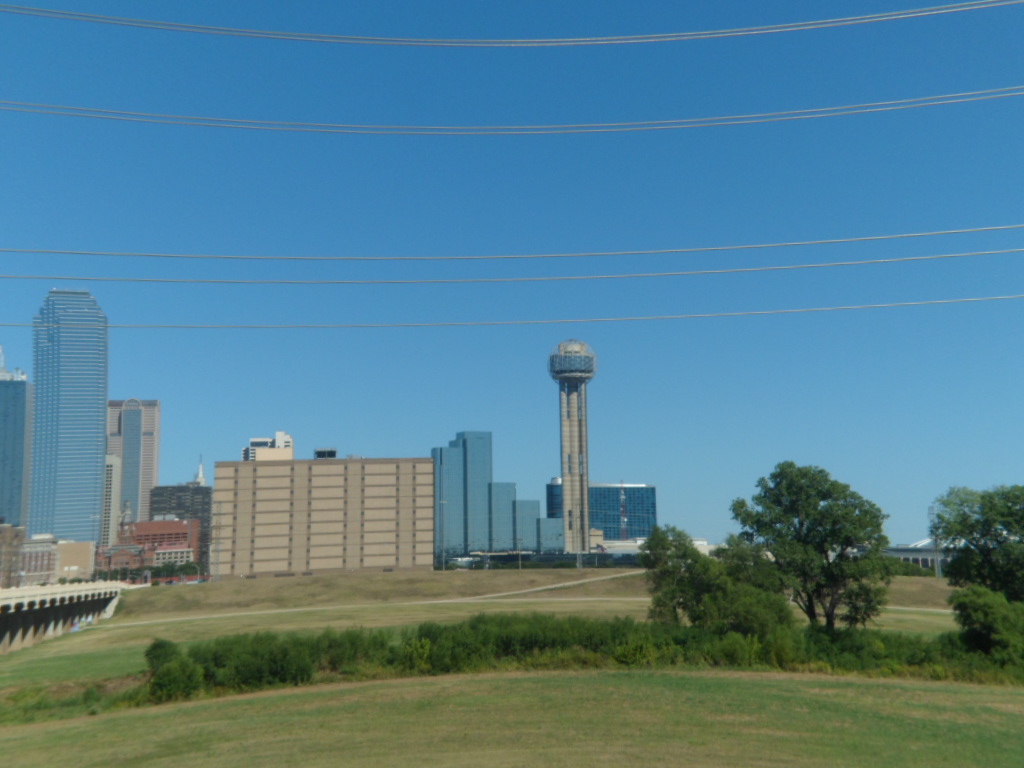
The area along the Trinity River, and its views of downtown, from the west, gave me a fine first impression of a city that had mainly been seen from the freeway, in years past.
Like San Antonio, Dallas has preserved its exposition-period tower.
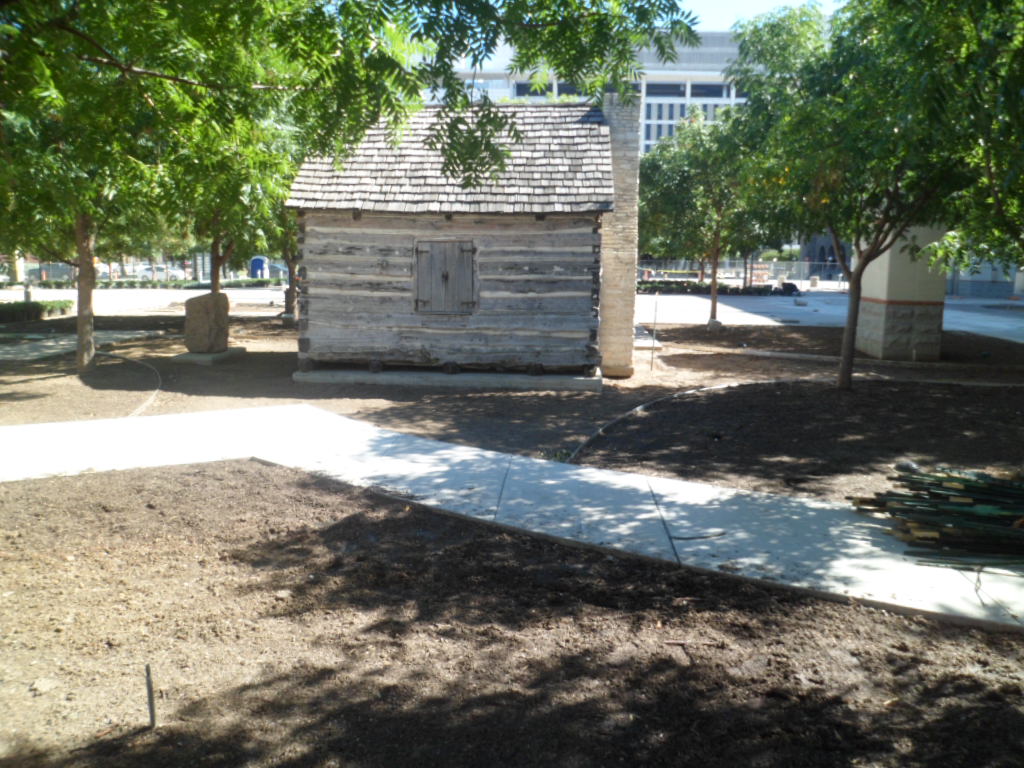
It has also preserved the cabin built in 1841, by Dallas’ founder, John Neely Bryan.
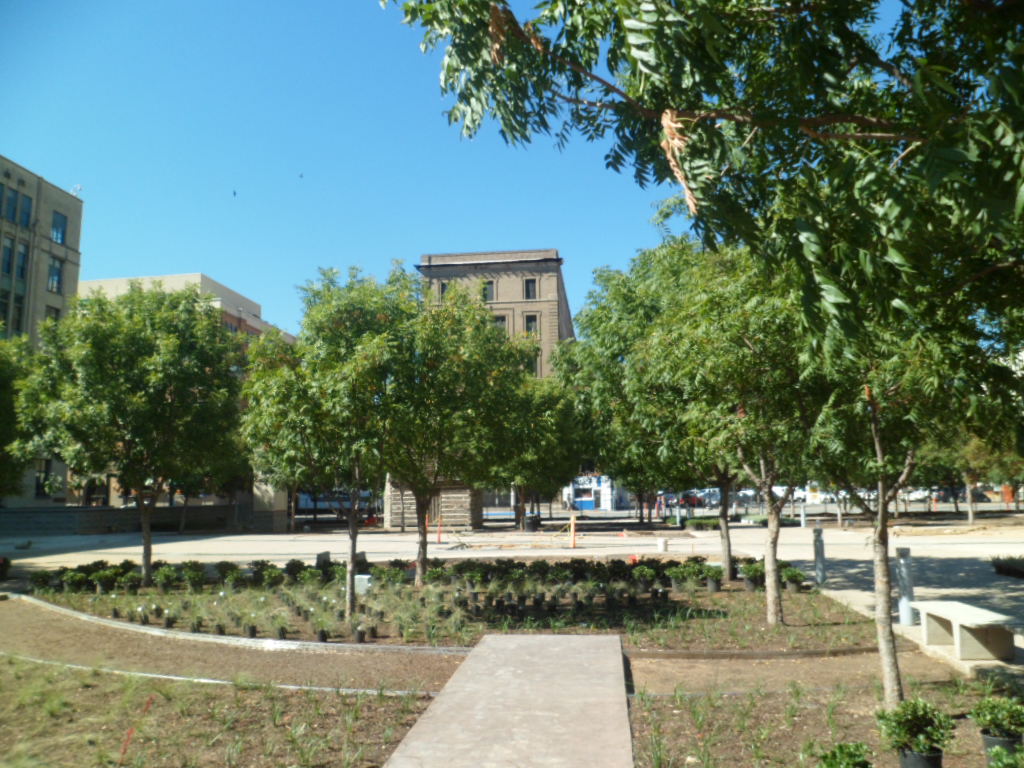
In the same downtown park, Founders Plaza, there is an homage to those who died in combat.
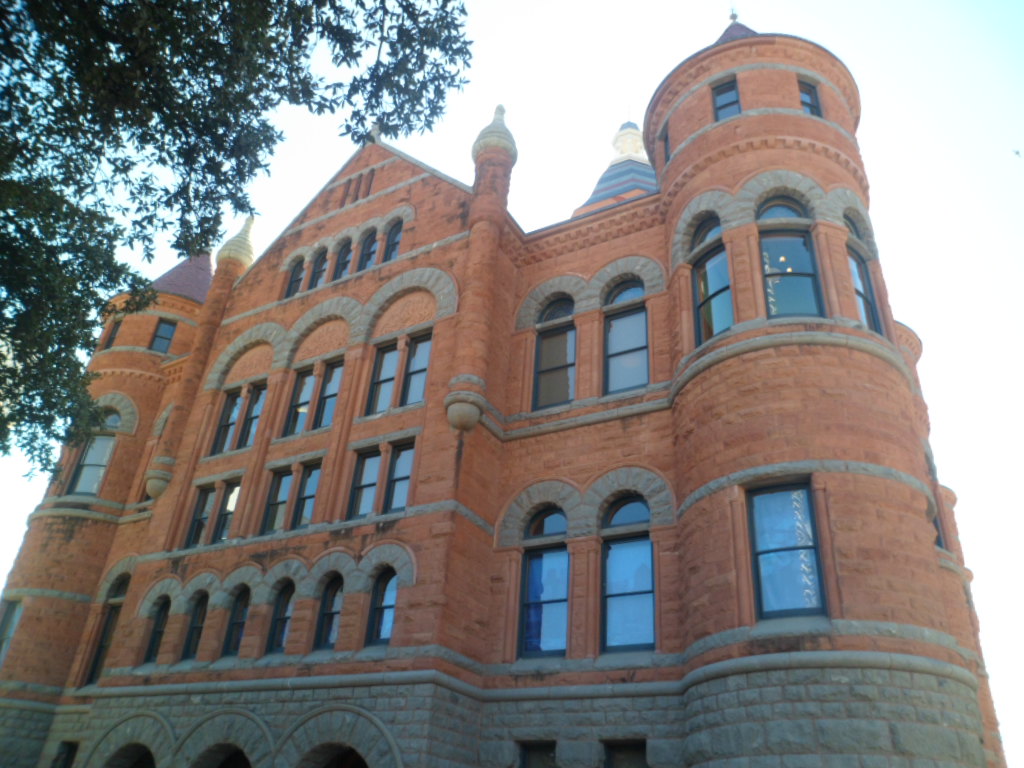
The most iconic building in downtown Dallas is the red sandstone Dallas County Courthouse, now known as the Old Red Museum.
Just north of the Big Red is the Purse Building, a preserved former government records office, now converted into shops and restaurants.
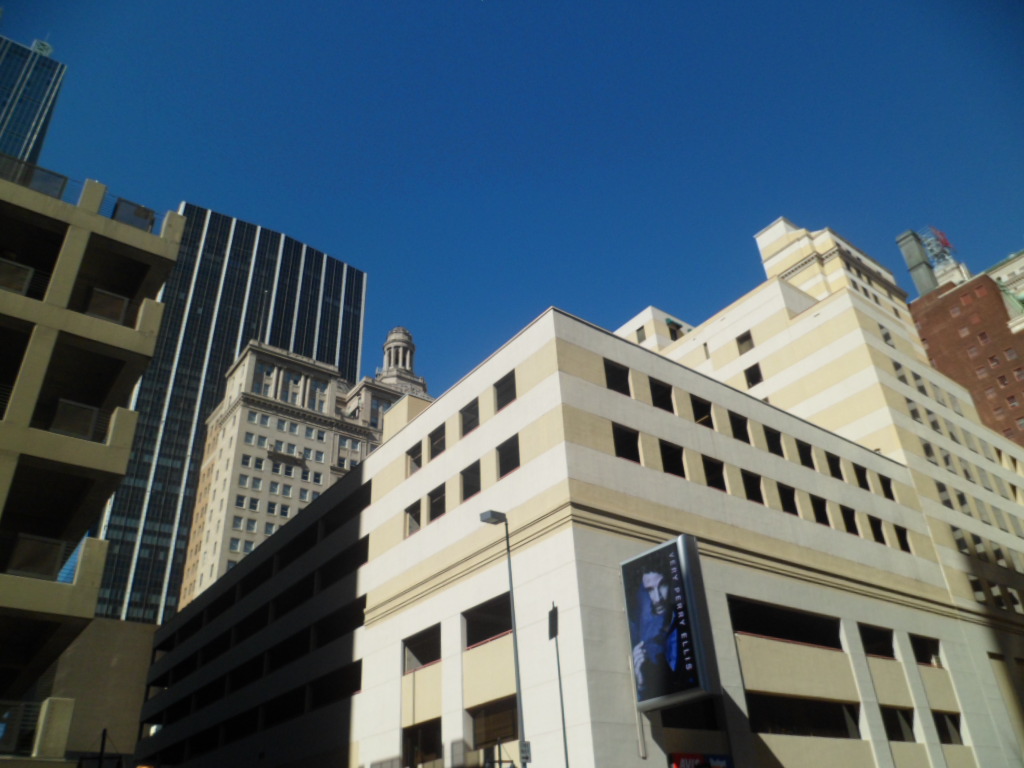
Here is the core of downtown Dallas.
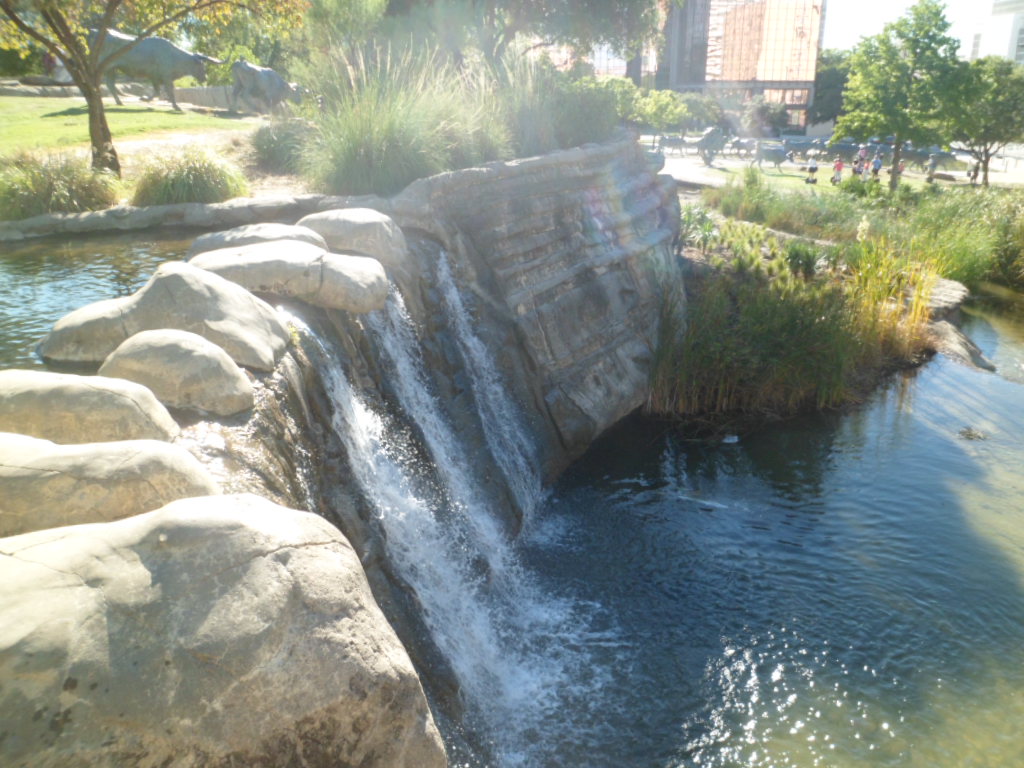
After an hour in the Dallas Public Library, I found my way to Pioneer Park, and enjoyed the cow culture sculptures, a small waterfall and a pina colada icy.
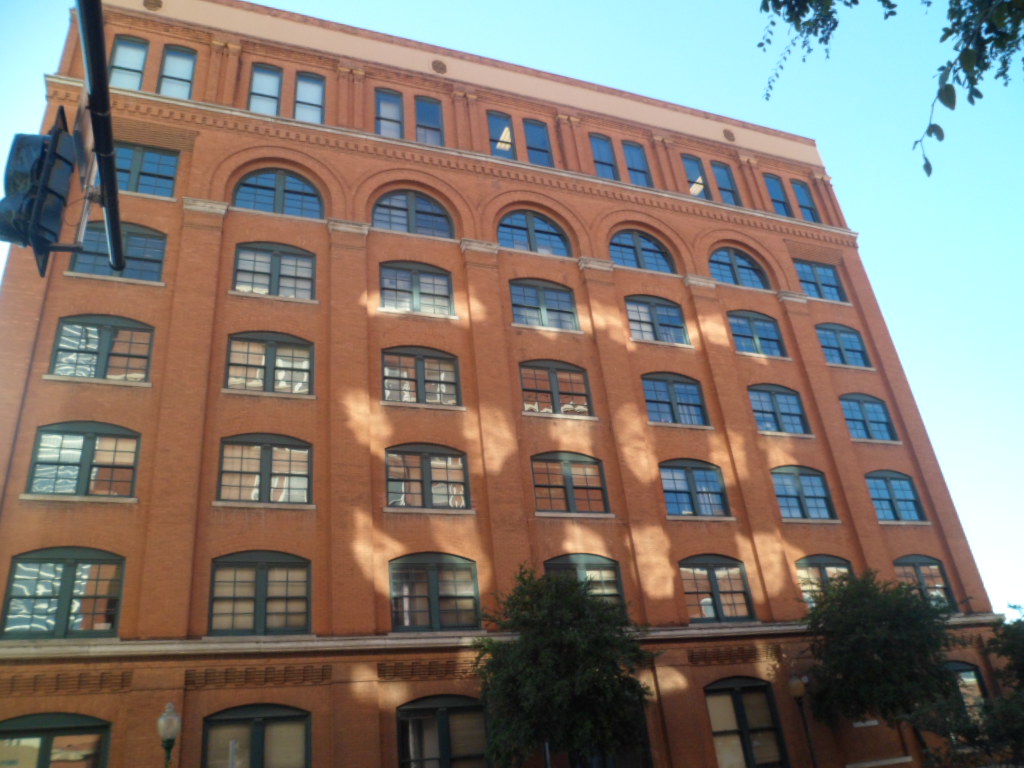
My final stop, in this 50th commemorative year of John F. Kennedy’s assassination, was Dealey Plaza.
As it was 6 PM, on that Saturday evening, and my heart was a bit achy, I headed on down to the Liberty Hotel, in Cleburne, TX, and pondered just how far we’ve come, as a nation, since 1963. I’ve been in Cleburne, once before, in May, 2012, and my stay at the Liberty fulfilled a silent promise I made back then. It’s a well-appointed business hotel, with a fine eatery, Caddo Street Grill, located just behind. I enjoyed Saturday dinner and Sunday lunch there- courtesy of a feisty, but hard-working wait staff.
My journey was entering the home stretch, with a few stops remaining in the familiar turf of Oklahoma, Kansas and Colorado. My biggest journey was to be the one I took inside myself.
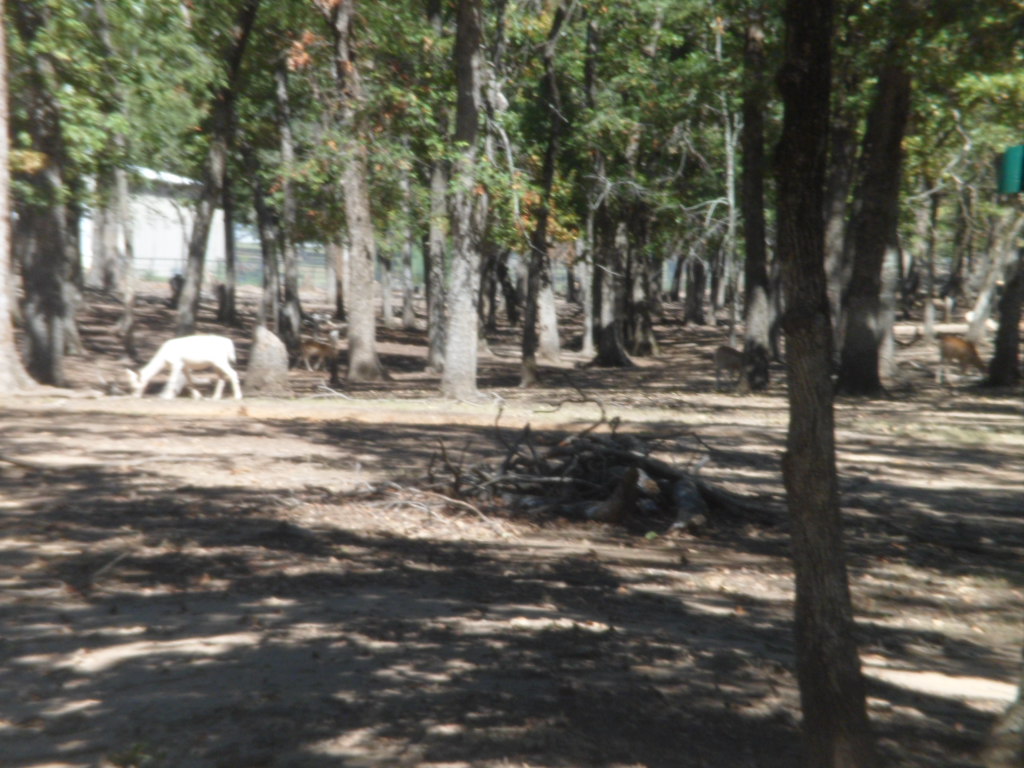
Most of my Texas journeys have focused on the west and north of the Lone Star Empire. I did head down the midsection, from Fort Worth to Brownsville, in May, 2012. This time around, the journey was brief, from Texarkana, to Longview, and on to Dallas. Longview was my rest stop on September 20. My first taste of the Piney Woods came at a rest stop, off I-20, halfway between Tyler and Terrell. Here, next to a game farm, is a 1/2 mile nature trail.
Views of the game farm were abundant,
and I made a new friend.
The emu followed me along the fence, for pretty much the length of the trail.
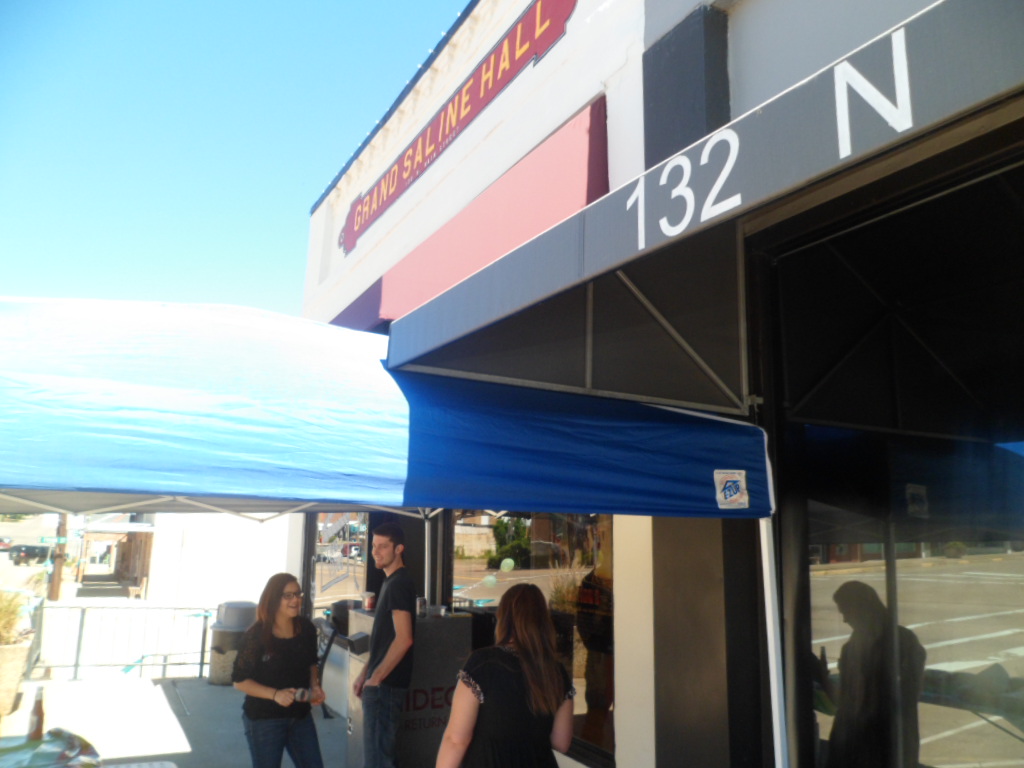
When I detoured to Grand Saline, some friendly folks were giving away hot dogs and water, to promote their video store.
Their store is right next to the venerable Grand Saline Inn.
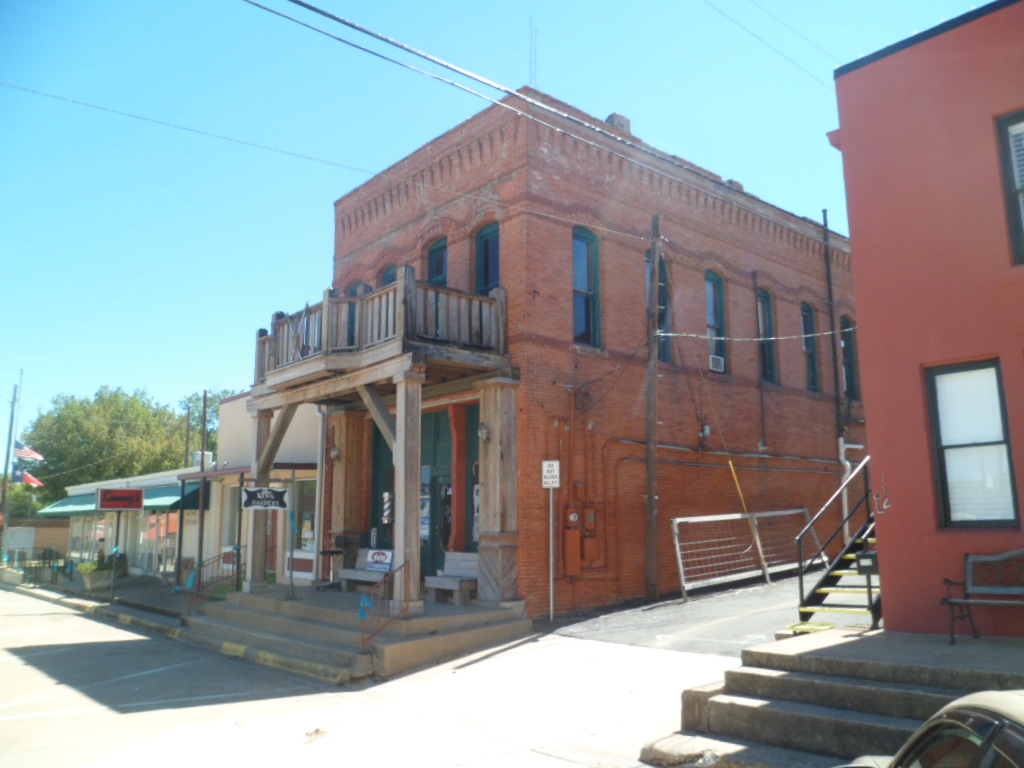
As elsewhere in Texas, the east has its share of “Old West” structures.
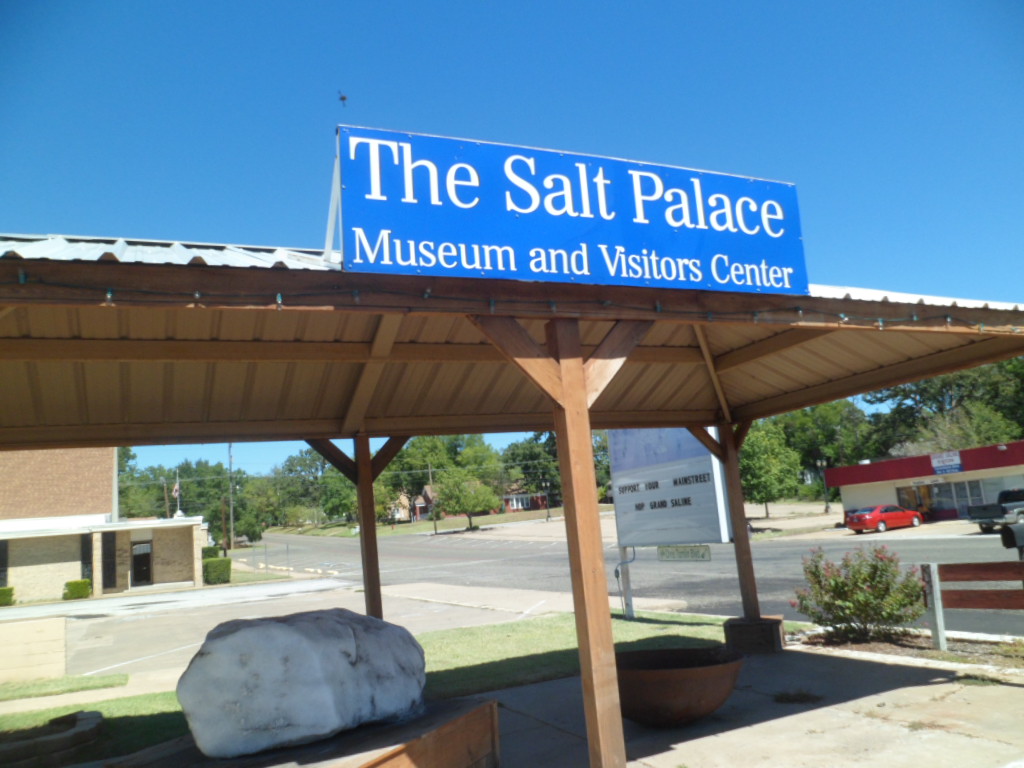
Only Grand Saline, though, has the Salt Palace, actually an overhead to protect this lump of salt. East Texas’ largest active salt mine is in operation, 5 miles south of Grand Saline.
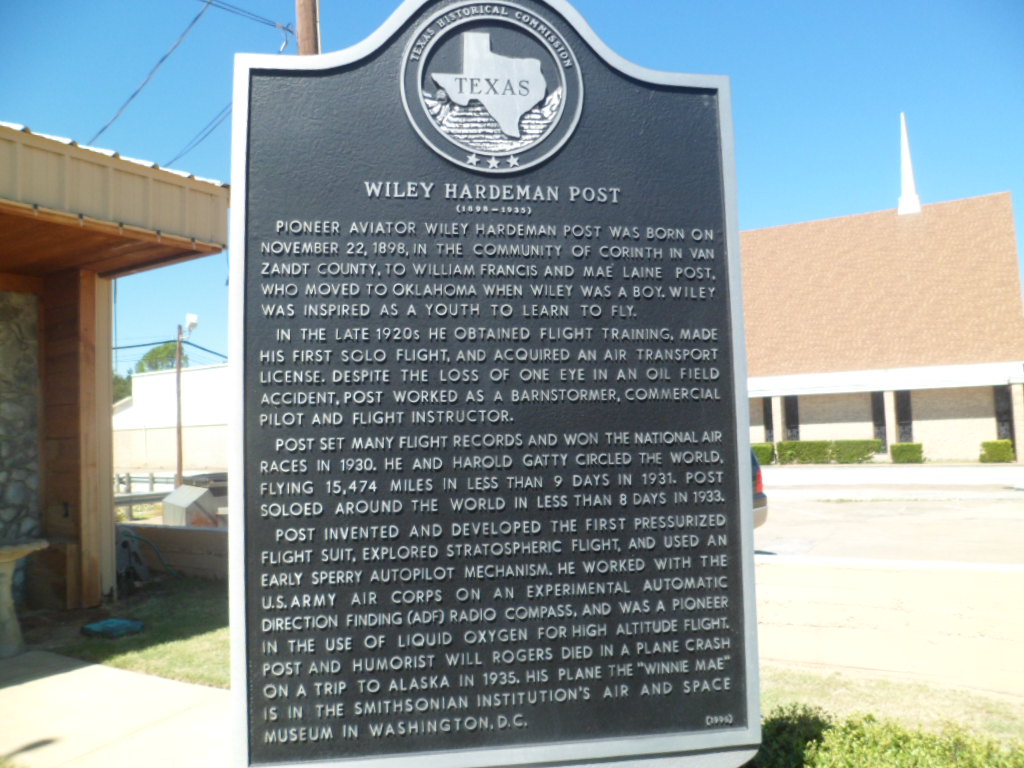
The aviator Wiley Post is from this area, and is commemorated here.
I made a three hour visit to Dallas, that afternoon, so next up is Big D.
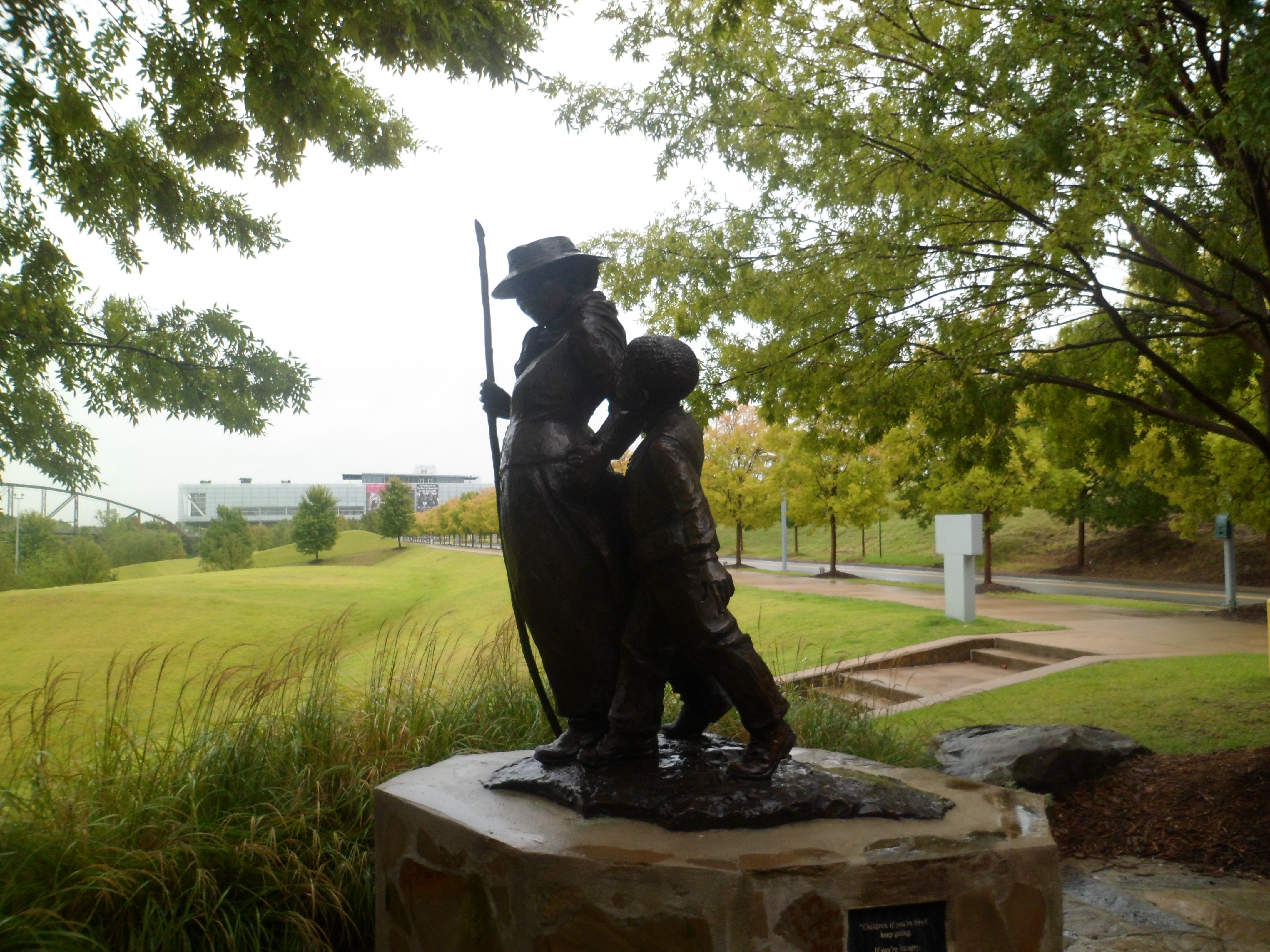
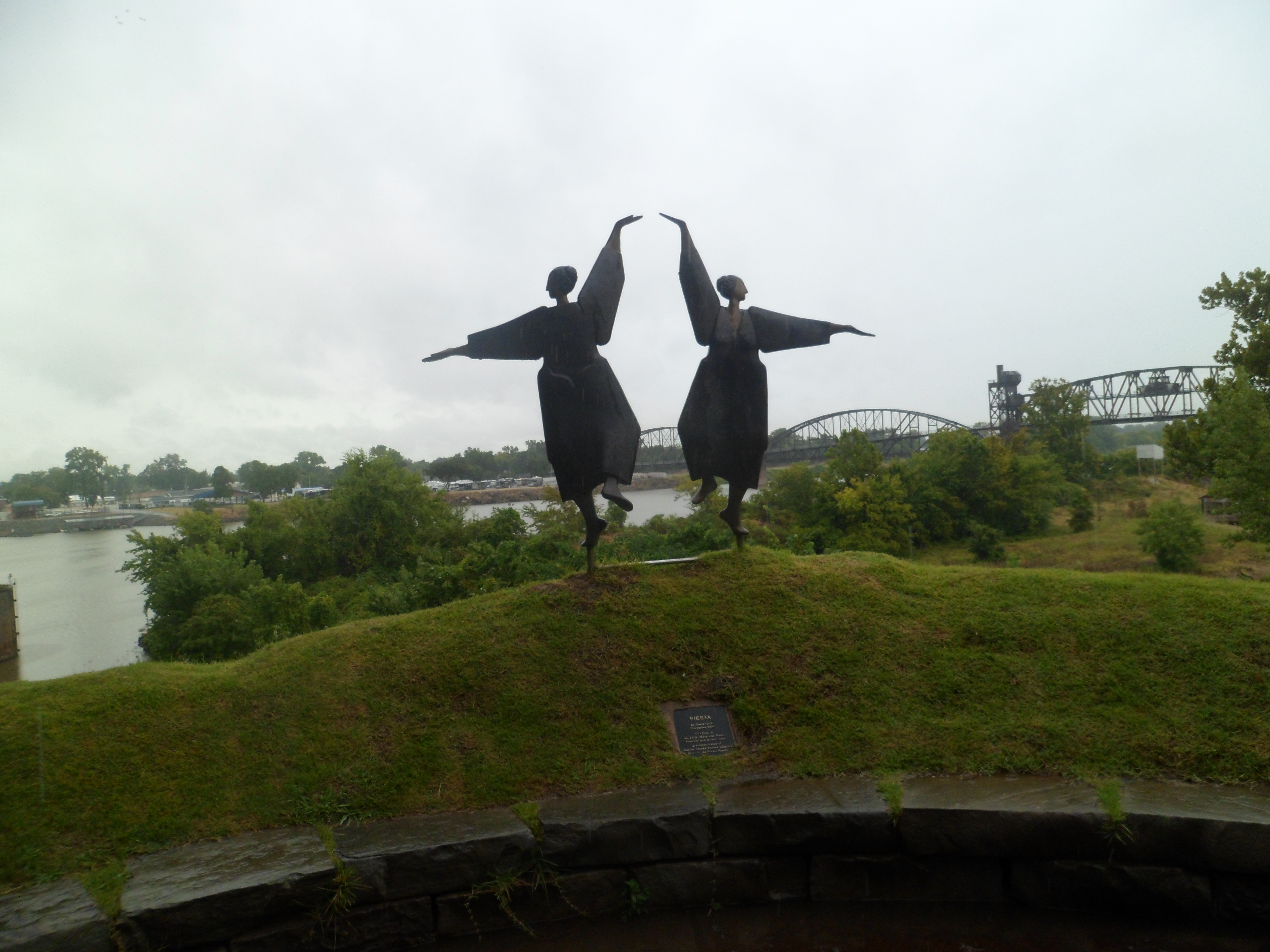
I spent a rather mild, but rainy and misty day, the last day of summer- September 20, taking in more of the loveliness along the Arkansas River, in the River Market area of Little Rock. About an hour and thirty minutes were also spent reliving the Clinton years, at the 42nd President’s Library and Museum. Those were fine years for my wife, son and me. They were, like Bill himself, a mixed blessing for the country.
Little Rock sometimes gets a bad rap, but my two visits there were very pleasant, and I would like to see more mid-sized cities emulate a locale like the River Market. I had a very cozy two hours, sitting in the warmth of Boulevard Bread Company.
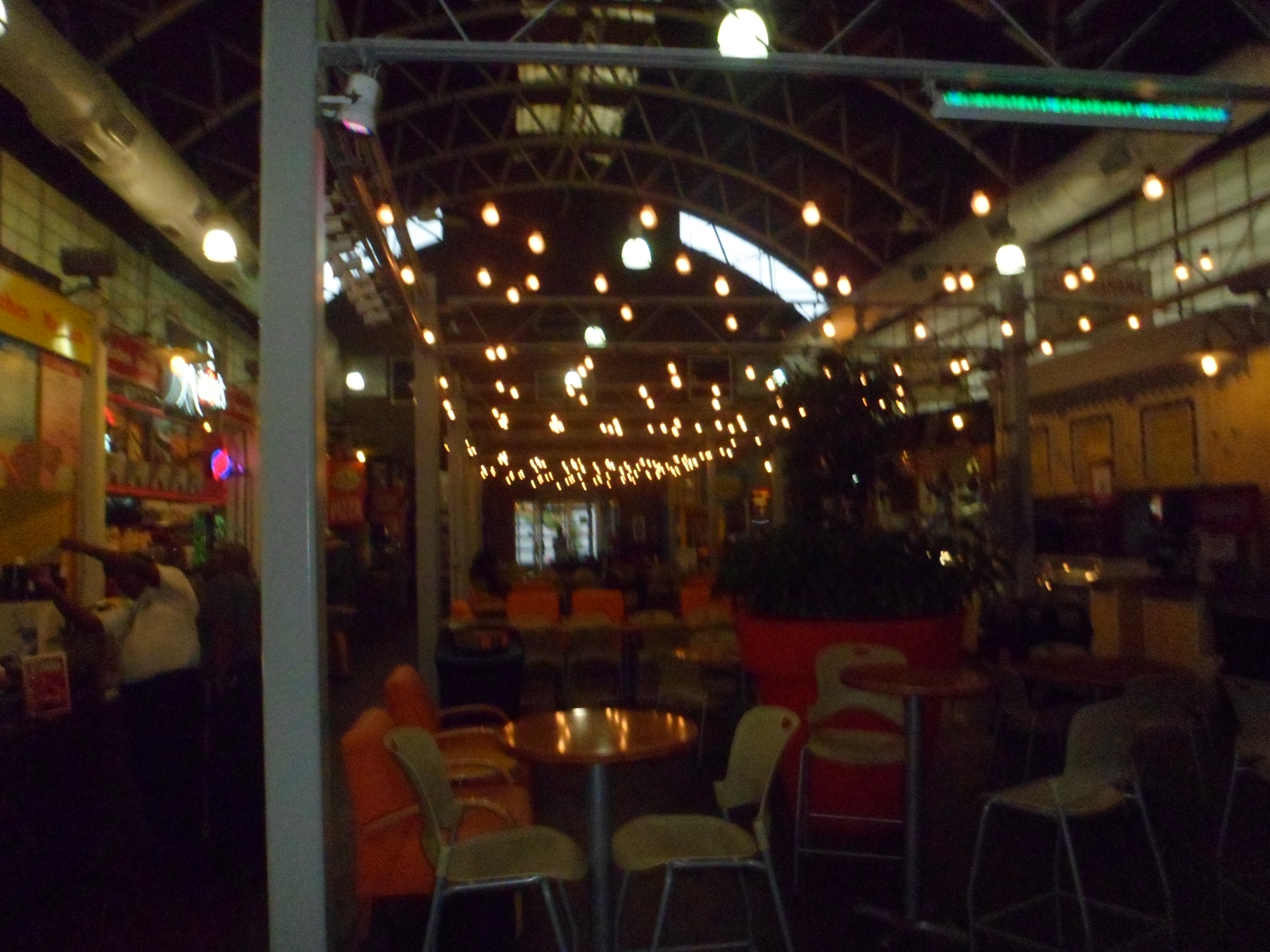
Later in the afternoon, I enjoyed the larger food court. It’s a mini- Quincy Market.
My first rainy day adventure was visiting the Central Arkansas Nature Center.
It has some things that could figure in one of my nightmares- if I ever have nightmares.
Still think turtles make cute pets?
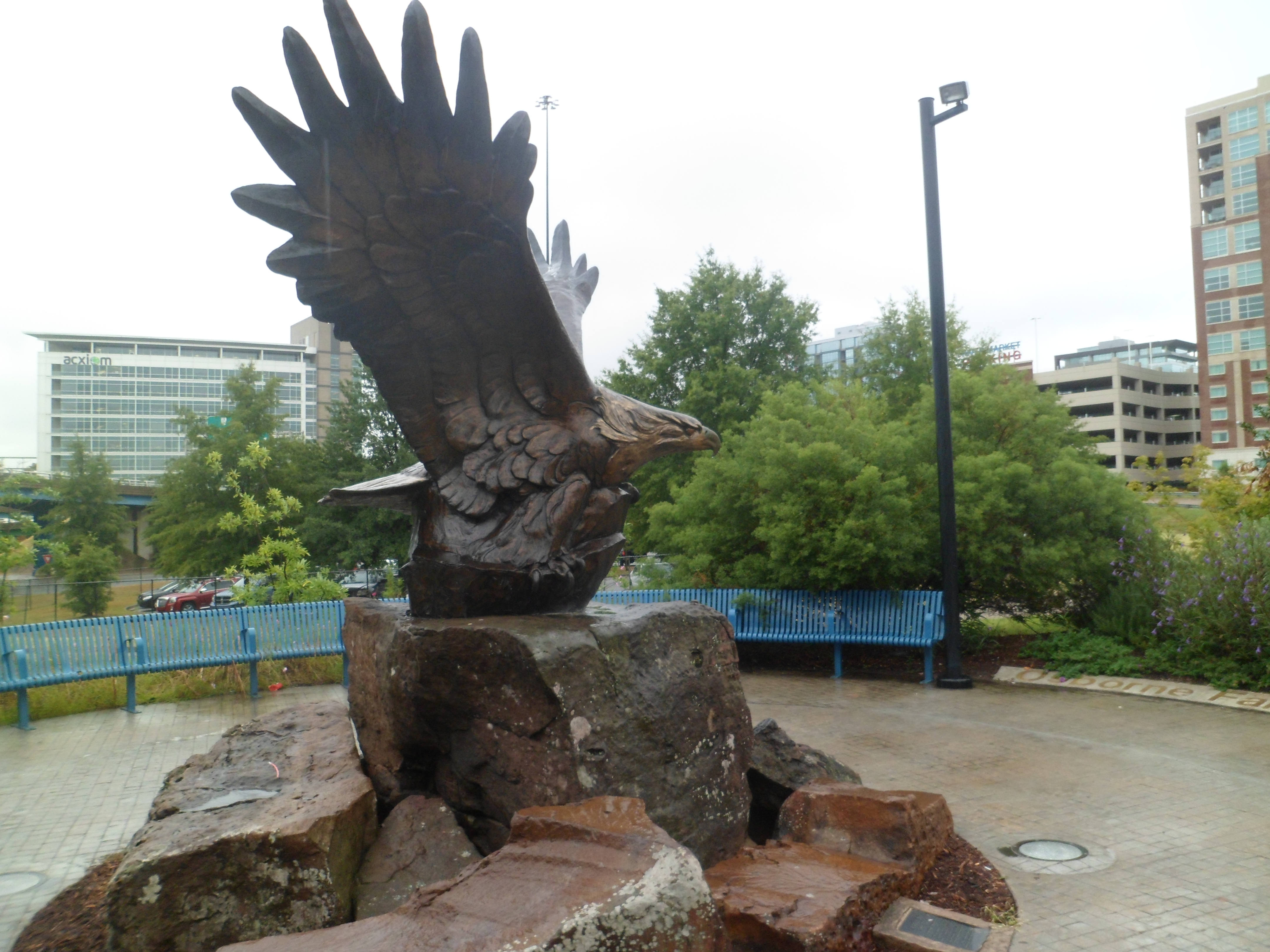
I next took a walk along a section of the River Trail that I had missed last time.
At the eastern end of this fine park, a small botanic garden separates it from the freeway.
Here is where I thought further of my Little Rock friend, Reilly.
The route to the William J. Clinton Presidential Center and Library follows this boardwalk.
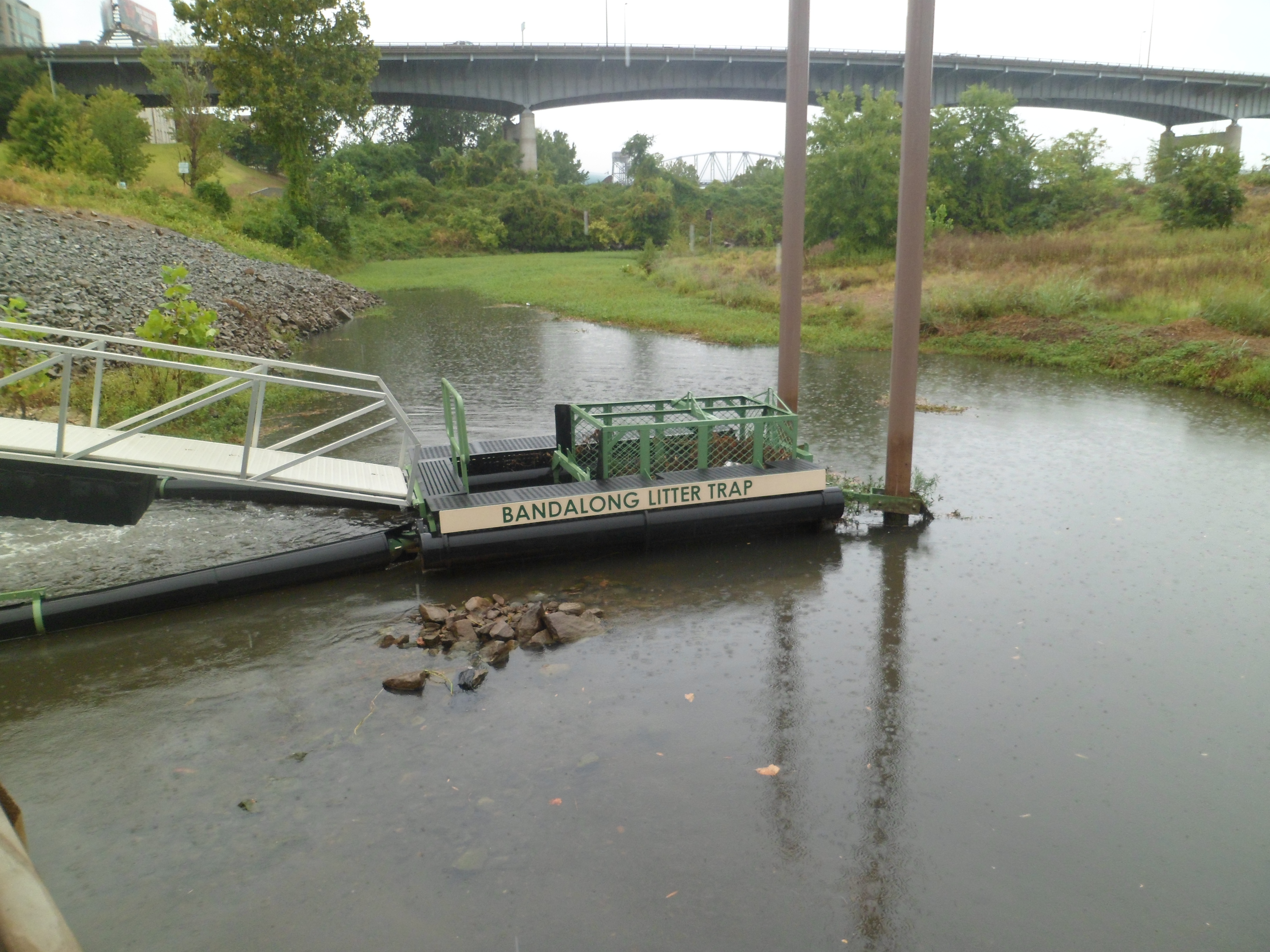
The clean-up along the banks of the Arkansas River includes this unique device.
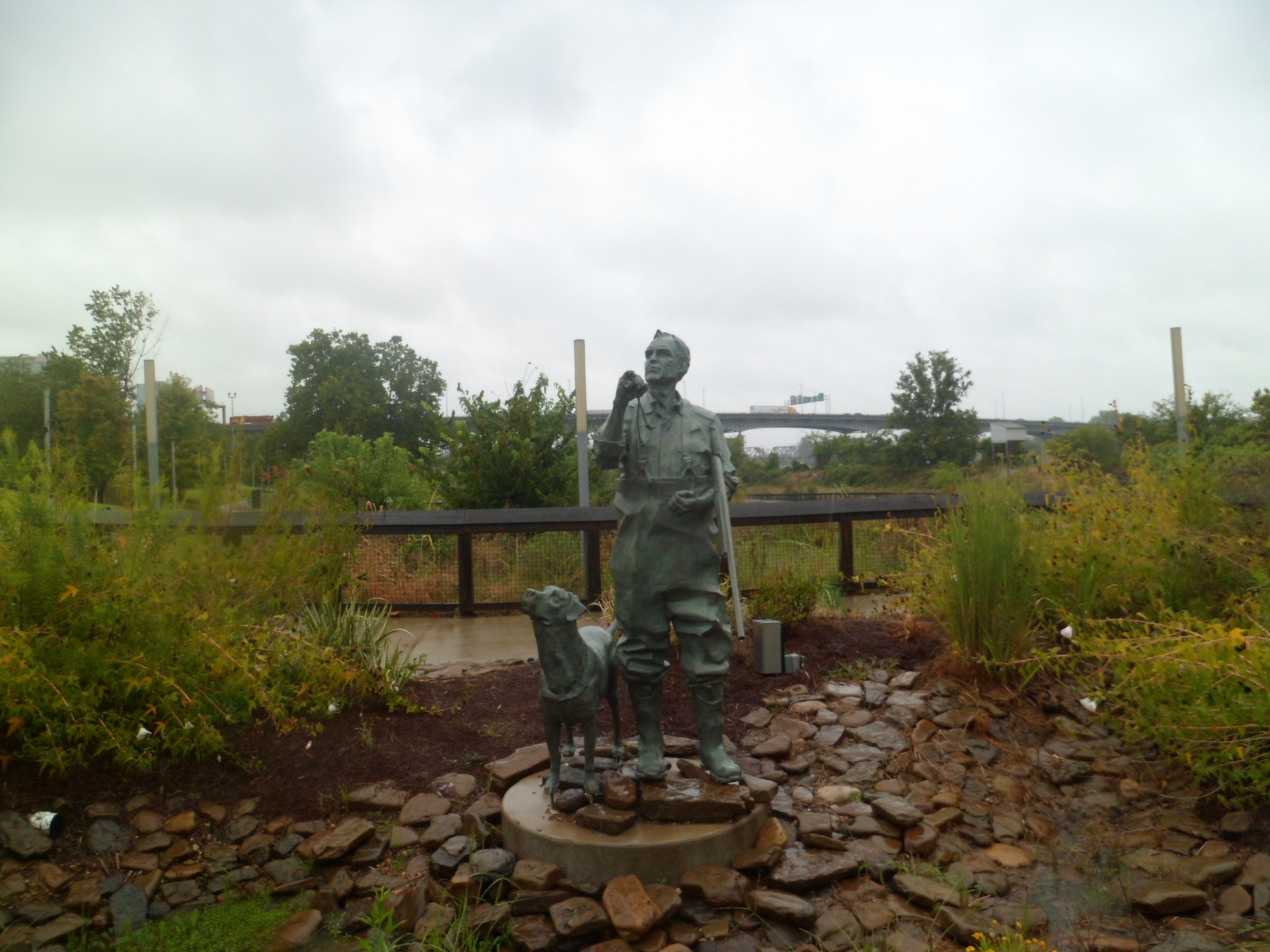
Many hard-working people of the soil have kept the faith, and kept places like Arkansas going.
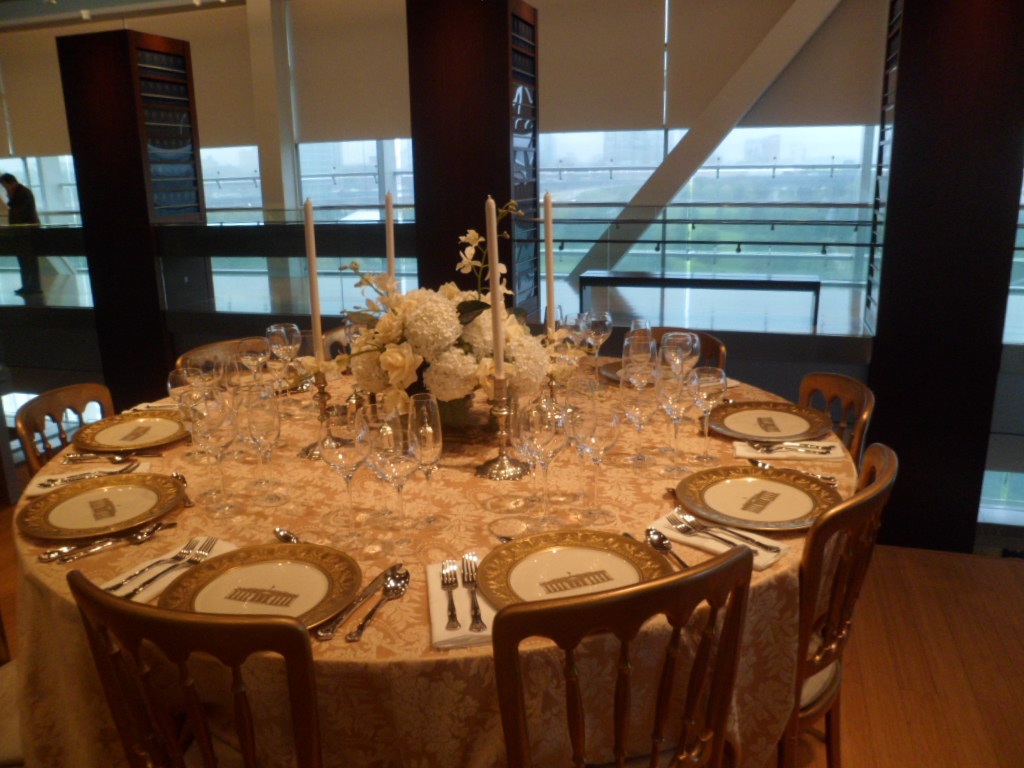
Here are some scenes of the Clinton Presidential Center. This is the table from the Cabinet Room.
Another table served dignitaries at State Dinners.
One such visitor presented the Clintons with this unique piece d’art.
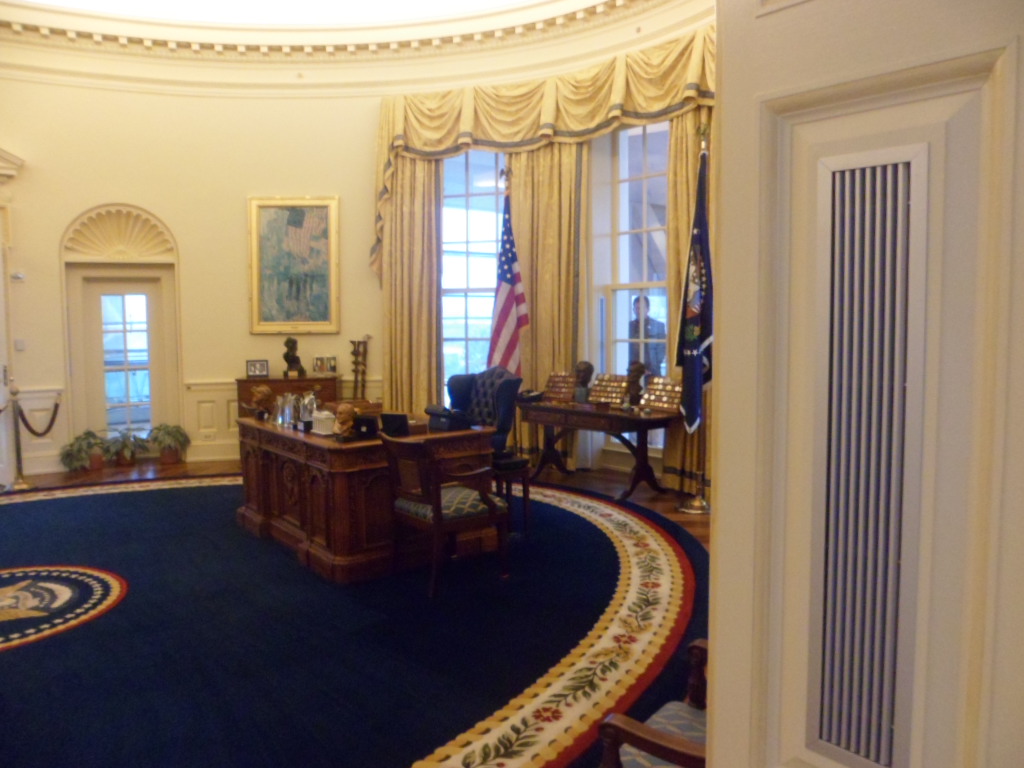
Here is Mr. Clinton’s desk from the Oval Office.
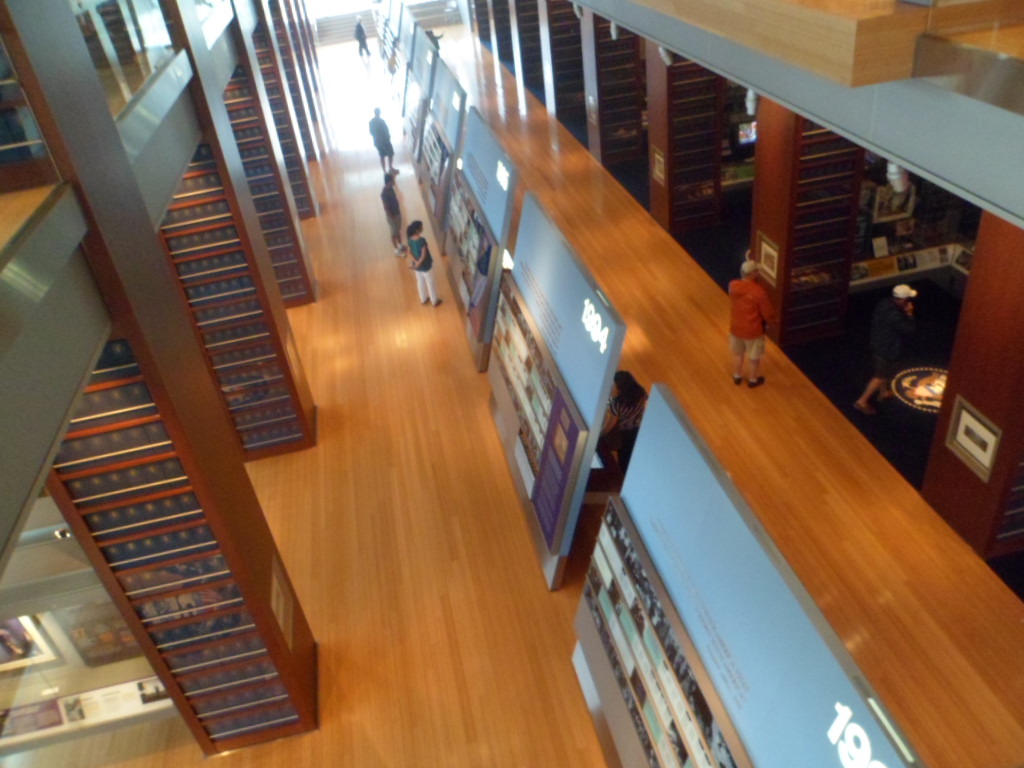
The view from the third floor offers a new perspective on the timeline.
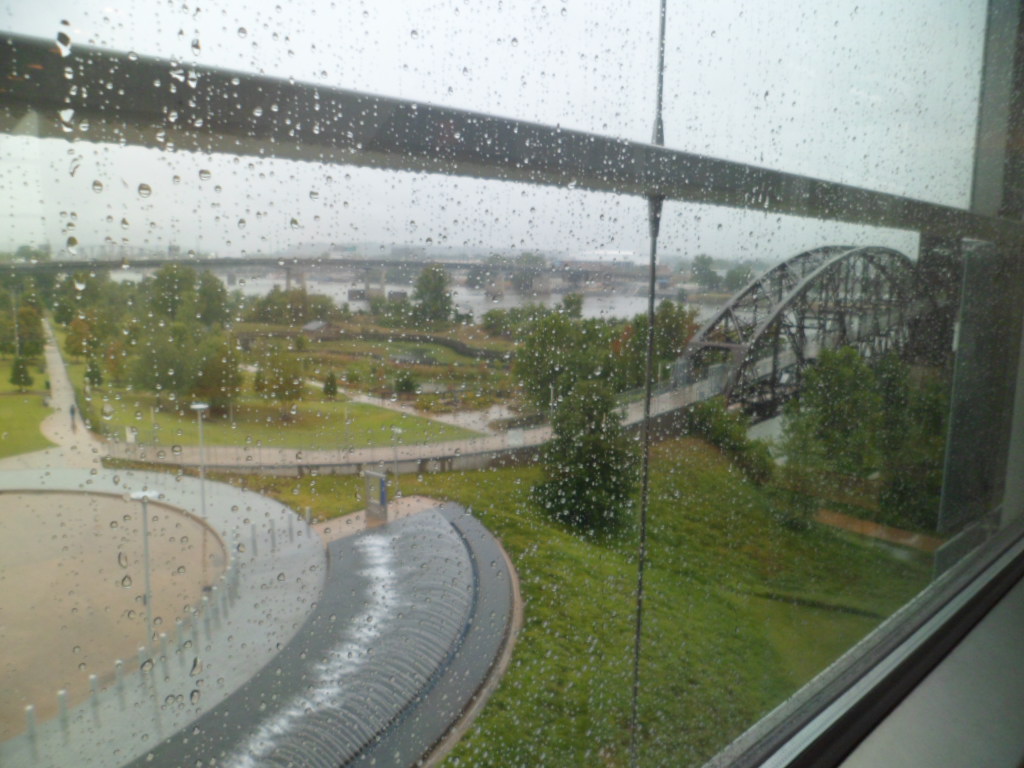
Inside looking out also gave me pause.
So, also, did looking back at the complex, afterward.
Little Rock is worth discovering.
So, too, is east Texas, and I found a bit of it to my liking, on the first day of autumn.
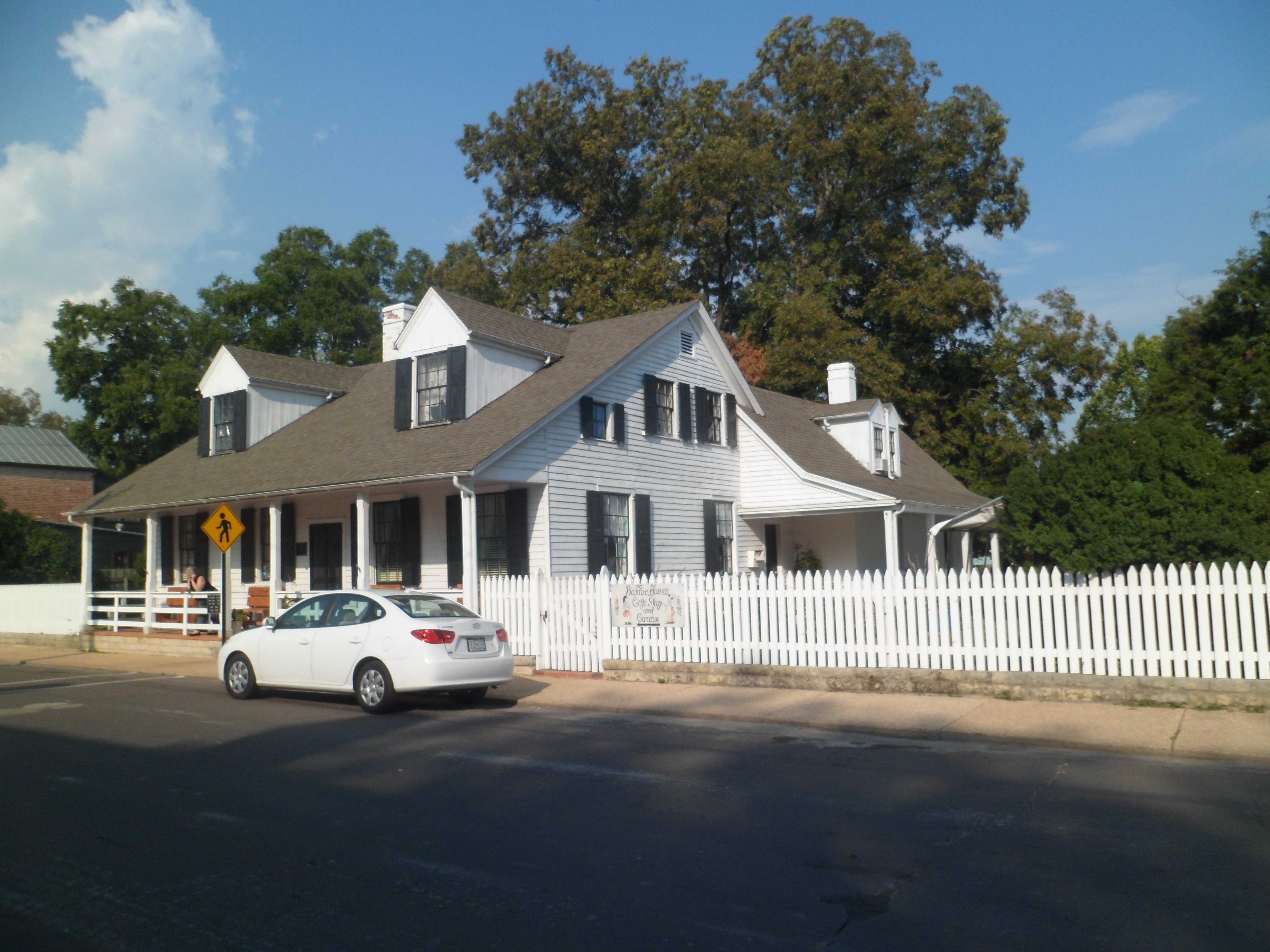
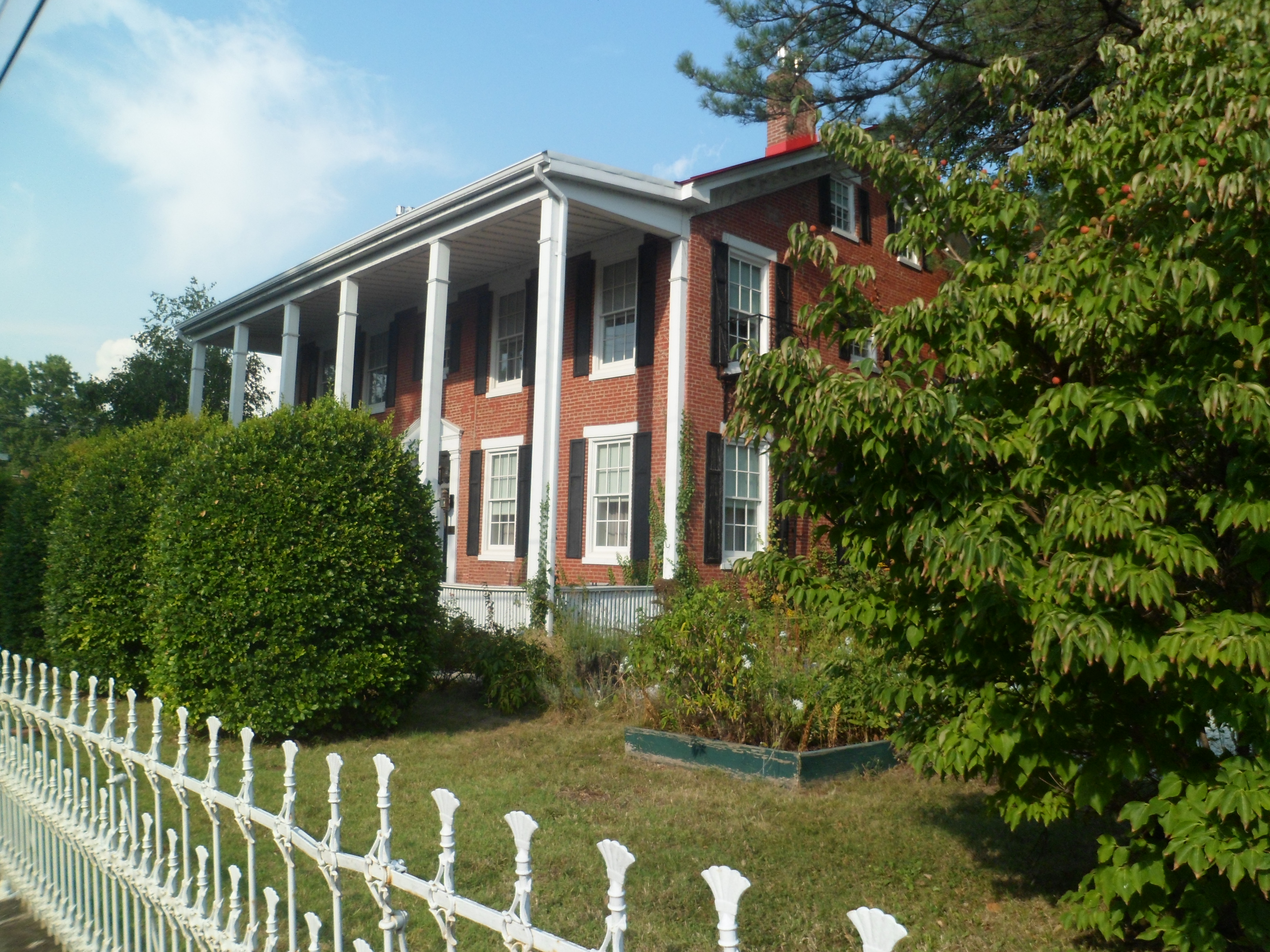
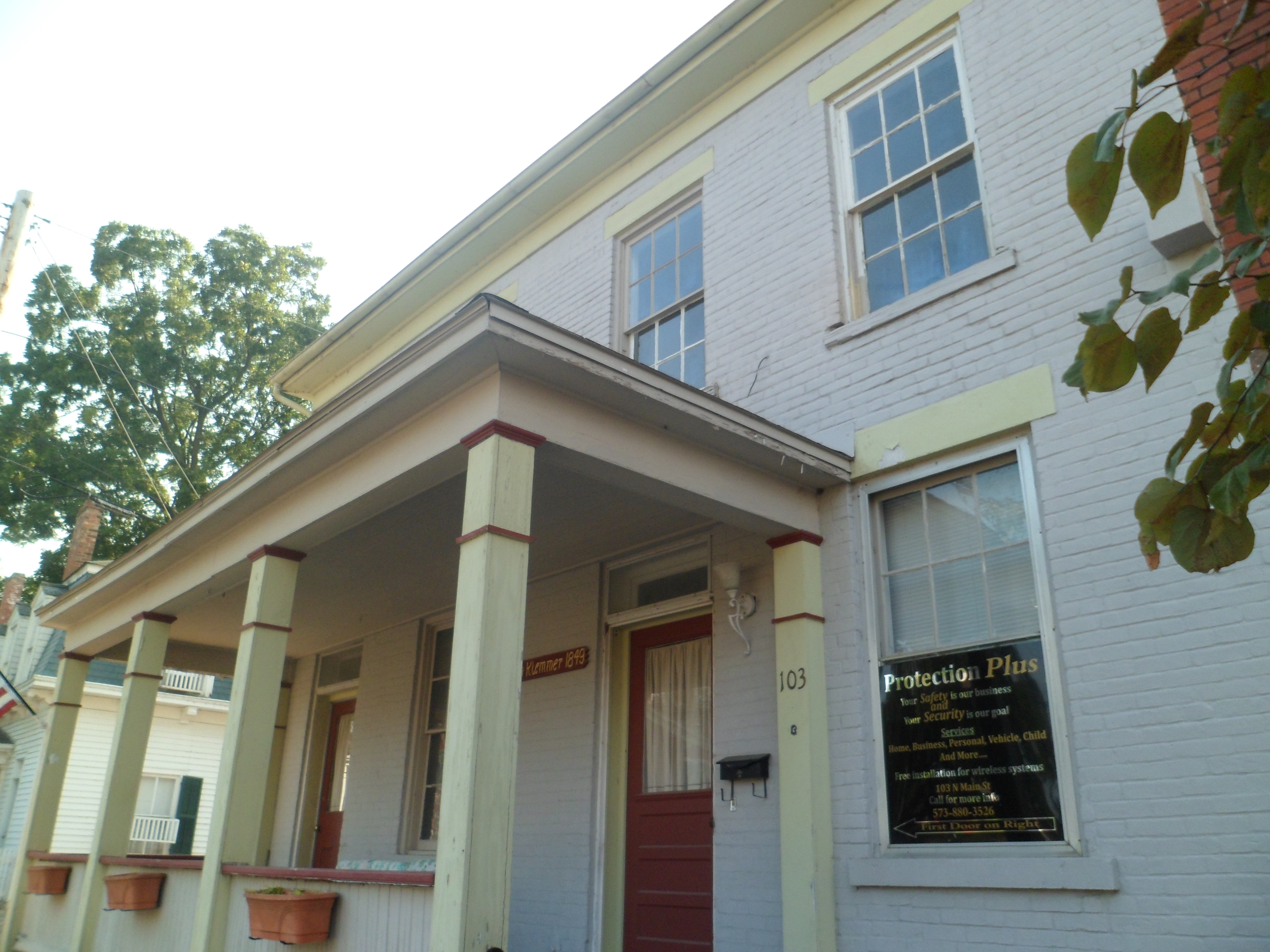
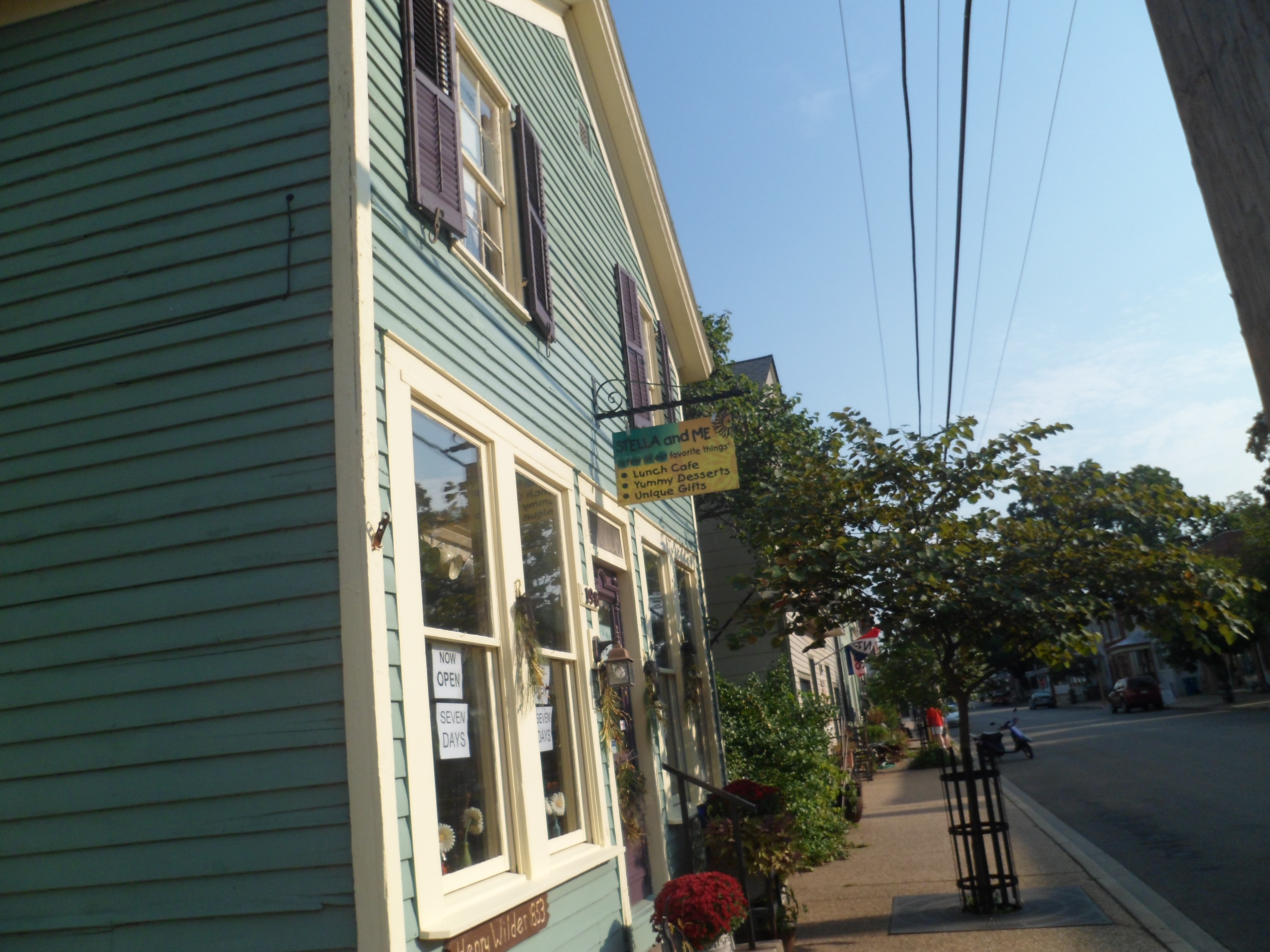
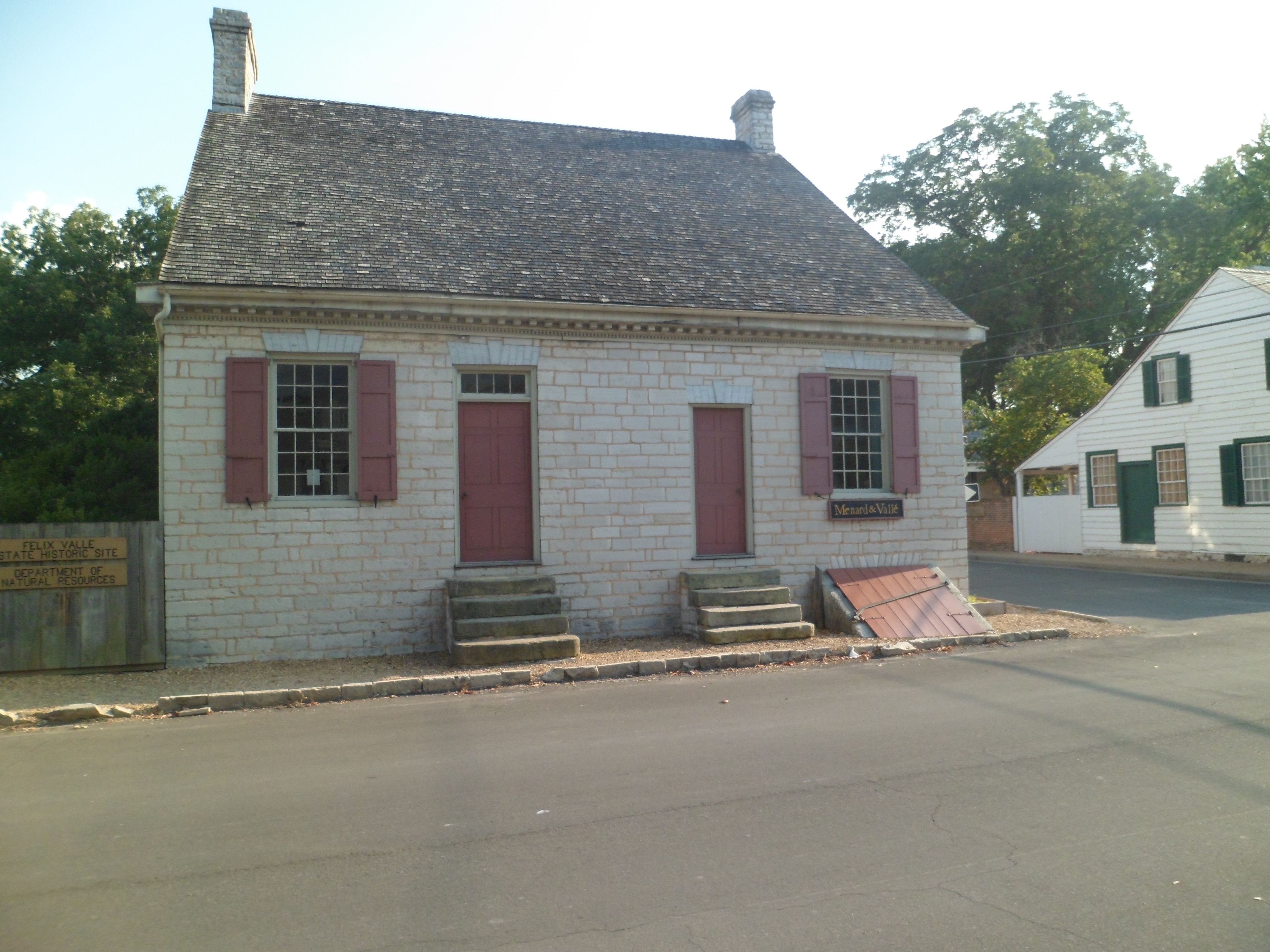
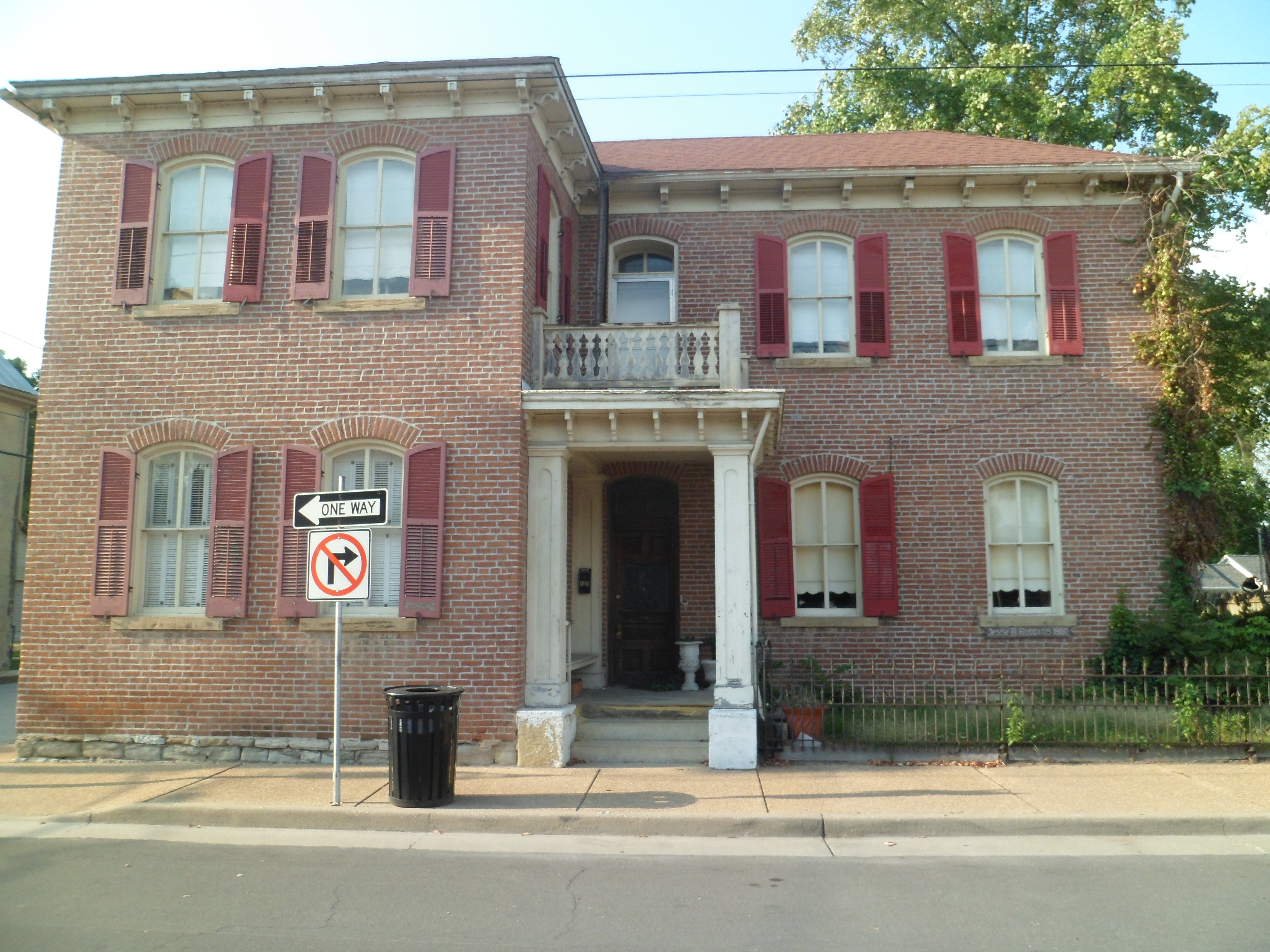
Ste. Genevieve, MO lies tight along the Mississippi, about two hours south of St. Louis. It is Missouri’s Canadian connection, and having been founded in 1735, is the oldest permanent European settlement in the state. I spent about 2 1/2 hours there, in the afternoon of September 19. Here is a sampling of the town’s architecture, both of the 18th and 19th centuries.
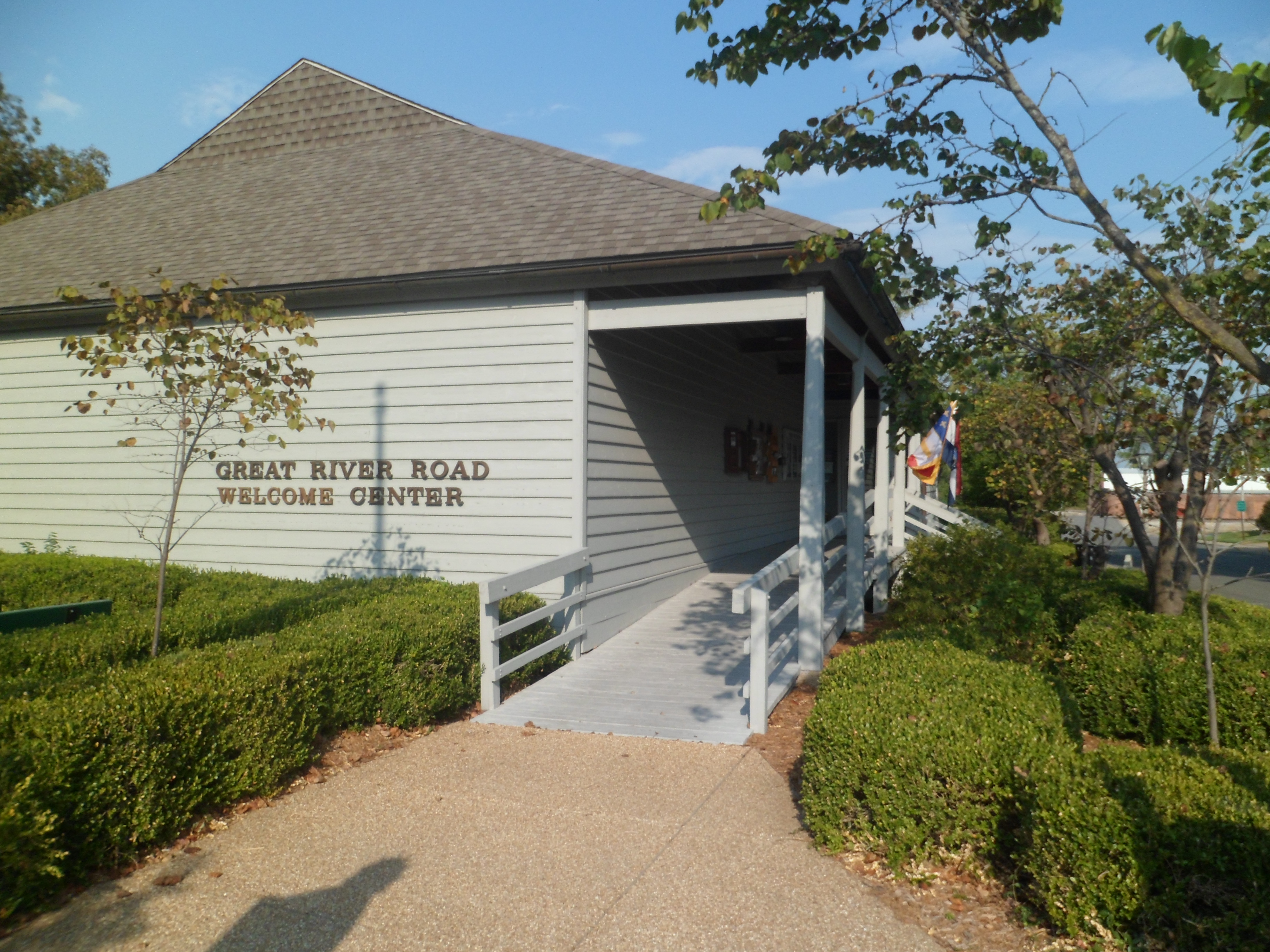
Of course, I started at a 20th Century edifice: Great River Road Visitor Center.
Then, it was time to revert to Les Bontemps Vieux.
The County Courthouse is typical of the Midwest’s great structures.
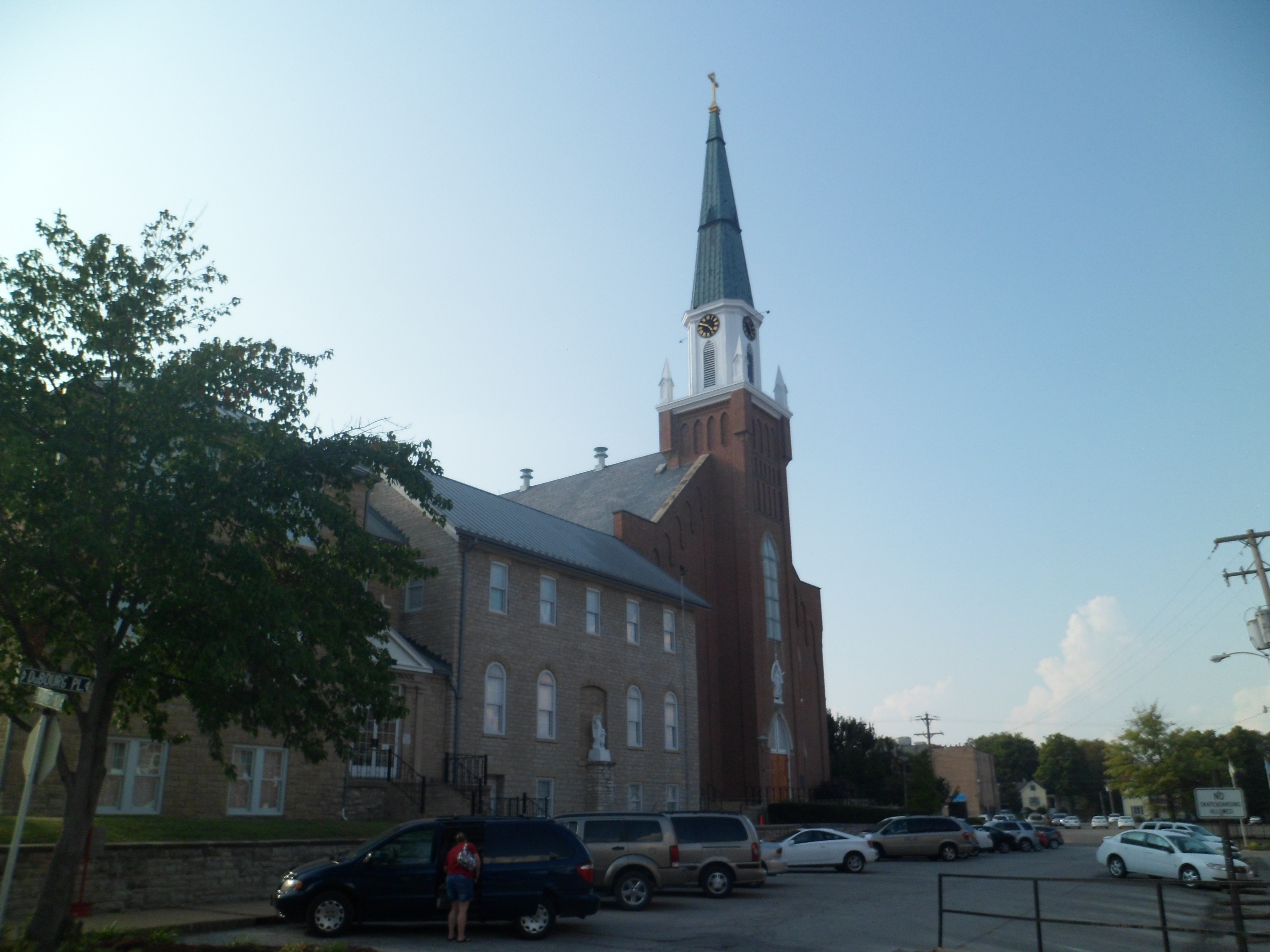
The Cathedral of Ste. Genevieve is, by far, the signature piece of this lovely town, named in her honour.
This grand little settlement has its cheeky side, and here’s a nod to one of my online friends.
Day 29 was a misty, cool visit to another unexpected favourite- Little Rock.
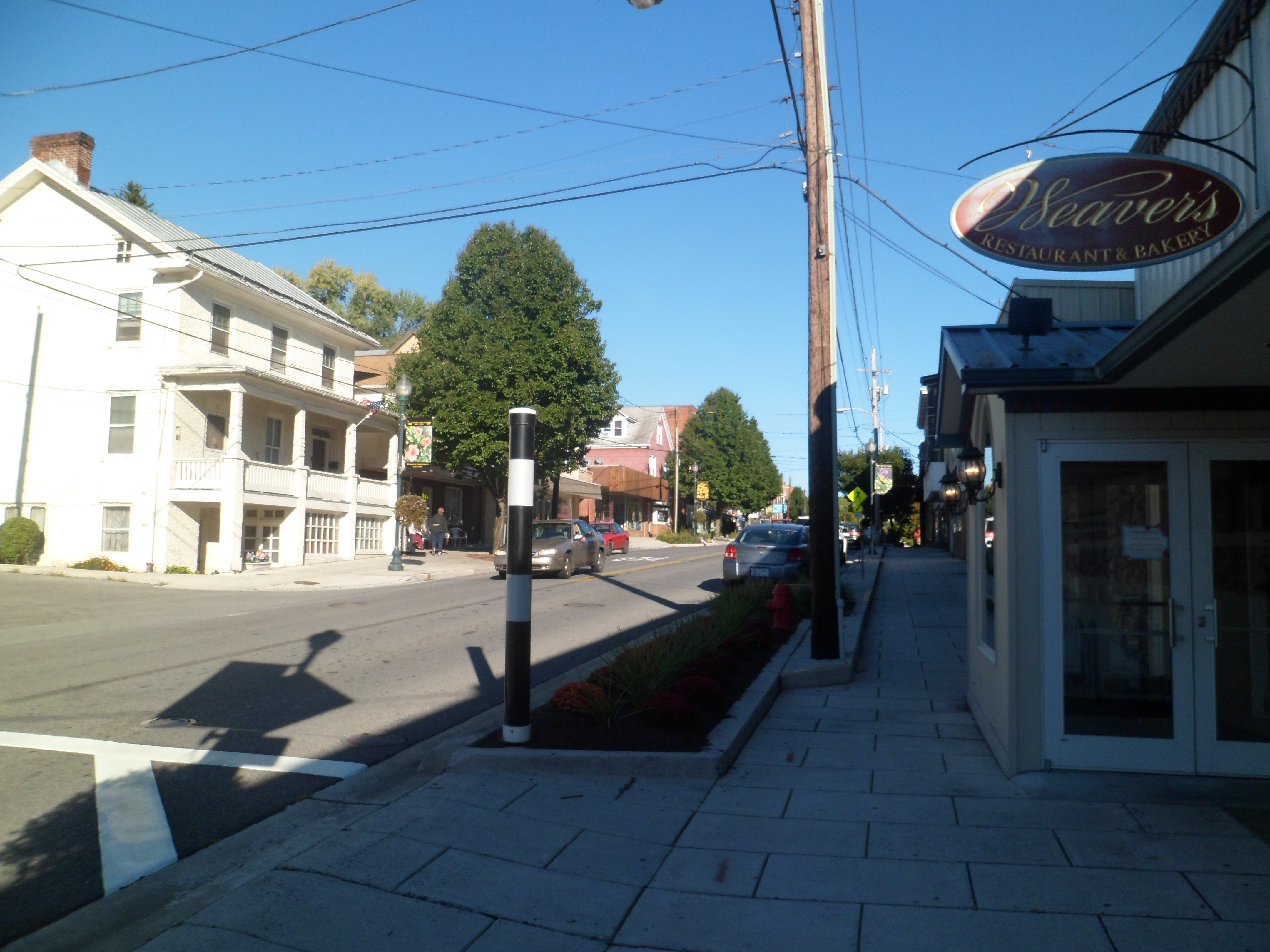
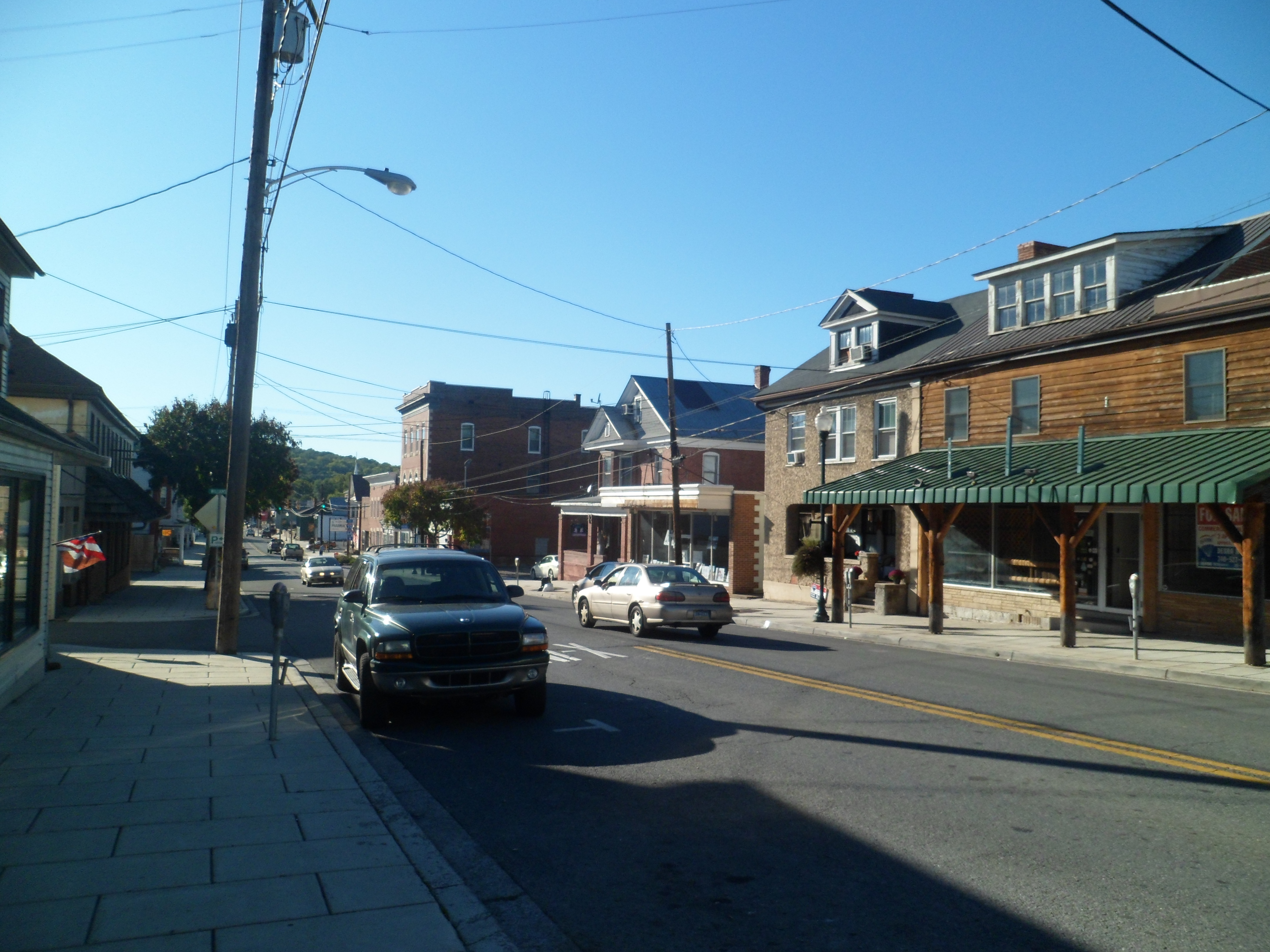
I had interesting stops along the way, from Annapolis to Ste. Genevieve, MO. Taking I-86, instead of I-70, took me through Hancock and Cumberland, MD, both small, but historically vital towns. Hancock was my dinner stop, and has a couple of hiking trails that could occupy the time of furloughed Federal workers, should there be another “hiccup”. It also has Weaver’s, a decent family restaurant in the downtown area.
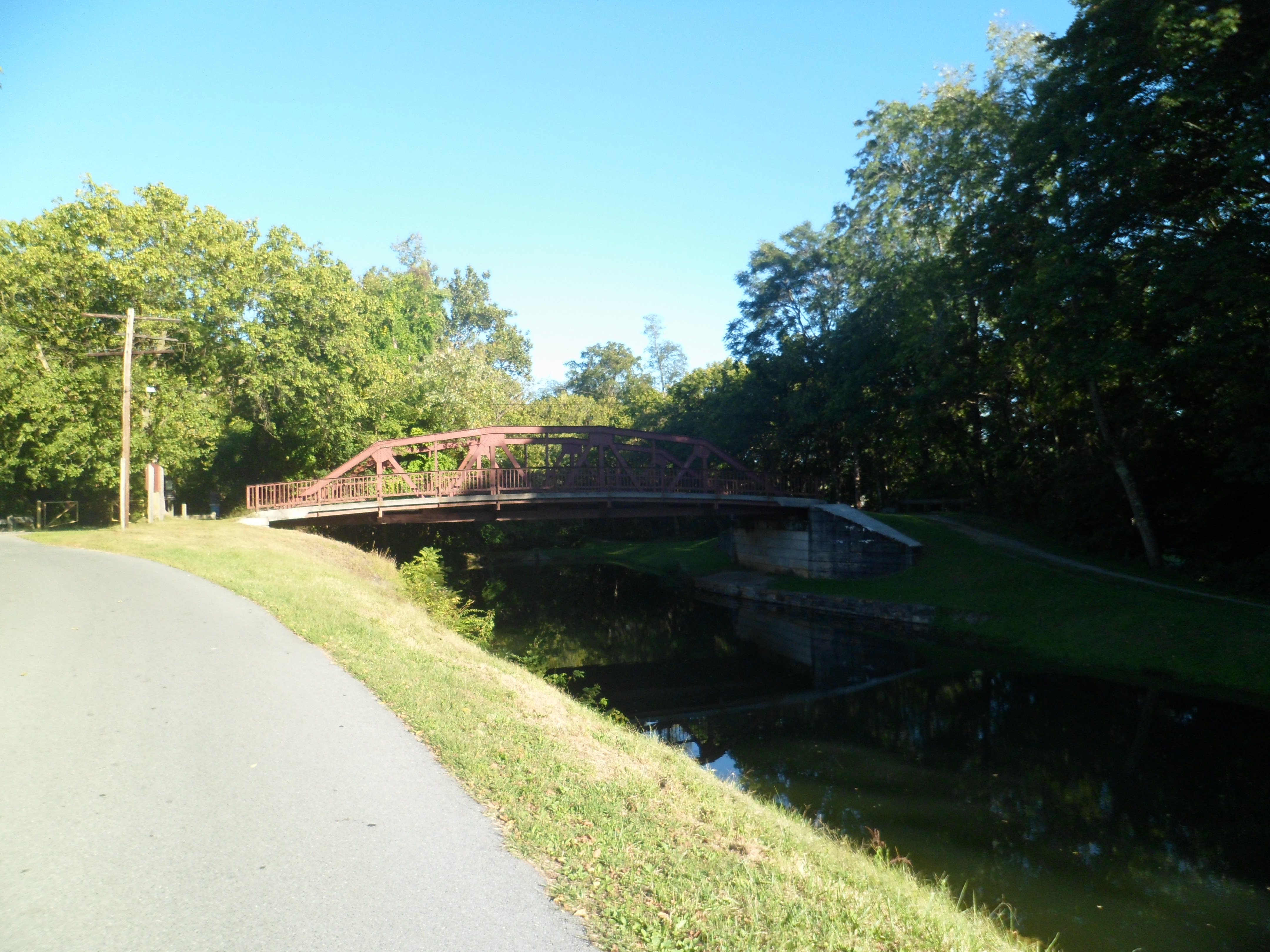
I didn’t take the hiking trails, but in the off-chance I get back this way, Hancock is close to the AppalachianTrail.
One of the trails begins near this bridge, behind Main Street.
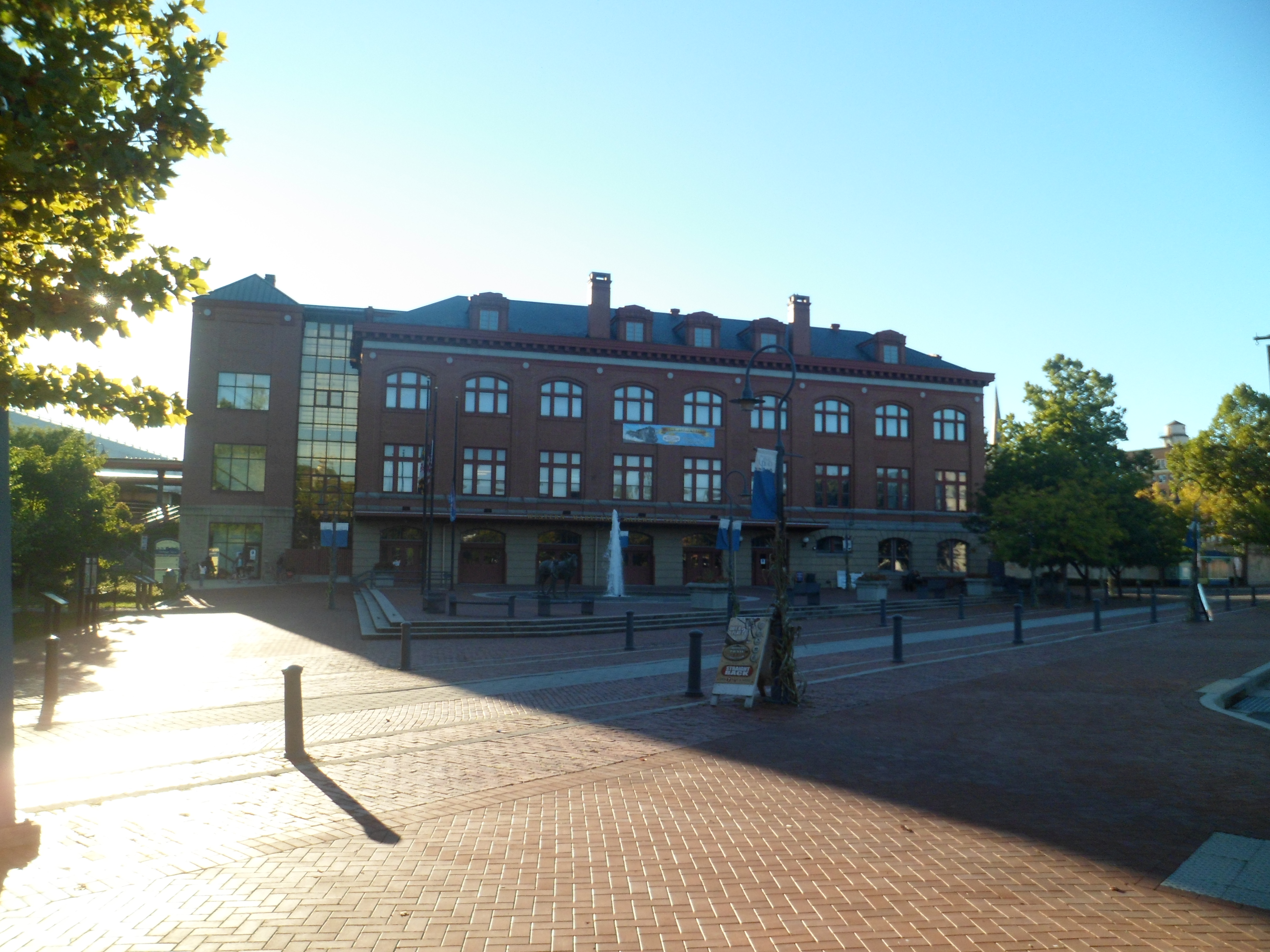
My stop in Cumberland was for dessert and Wifi. There was the added bonus of this historic train station park, which has a European Desserts Cafe on its southern edge.
Day 26 ended at a Super 8, in Waynesburg, PA. This is the heart of a fracking area, so I was lucky to get a room, on that rainy night.
The next day was bright and sunny, and got me as far as Bloomington, IL. I didn’t indulge in sightseeing, though Rudy’s, in Springfield, OH, has some worthwhile barbecue, at a rock-bottom price. Richmond, IN, is worth a stop, if one wants to sample Amish goods. I stopped there for about an hour, for Wifi. Getting to Bloomington, IL around 8:30 P.M., I encountered a welcome sight, at Schooner’s.
Nataly was gracious and a fine conversationalist. Since Bloomington has become a favoured stop of mine, in this part of Illinois, it was doubly worth our two hour visit. I stayed at America’s Best Value, for the second time in two months, and took care of “housekeeping” tasks the next morning. Much of Day 28, though, was spent in Ste. Genevieve, Missouri’s oldest settlement.