The Hana Chronicles: Month 9, Day 6

0

September 27,2026– Hana now has a pegboard, with thing like a timer, a zipper, an abacus, a gear board and some coloured fruits. She has taken happily to it and posed for a picture, while playing with the gears. When I left for Baha’i Feast, this evening, she was still busily at work, sorting things out in the large toy basket.

Earlier this afternoon, we went on a walk, for the first time in P.M., since June. I took her by a yard that already has a full Halloween display, mostly various skeletons, from an armadillo to a 20-foot human, along with Elphaba, from the “Wizard of Oz” and a few little goblins. She regarded them mildly, then went back into her own thoughts.

HANA’S NOTE– I am so happy with my new toys, that are on a board with holes in it. I especially like the wheels that fit into each other.

EXPANDING CIRCLES- Nevada The Silver State has often been called “The Big Empty”, but not so much in the last 15-20 years. Las Vegas is now a major metropolitan area. Reno- Sparks-Carson City and Lake Tahoe are becoming a second major metro. The area in between is no longer “The Loneliest Road in America”. I would not be surprised if places like Beatty and Tonopah start to fill in and grow,

The Turf- Nevada has regions that are close to sea level, not far from mountains that rise to over 13,000 feet. The bulk of the state is in the Great Basin, but there are small mountain ranges: Toiyabe, Ruby and Panamint. The Sierra Nevada edge into their namesake state, near Lake Tahoe, which, along with Pyramid Lake and Lake Lahontan, is a fresh water remnant of glaciation. Lake Mead, on the other hand, is the result of the damming of the Colorado River. That river, with its tributaries, the White and Virgin Rivers, drains the south of Nevada. The Truckee, Carson, Owyhee, Humboldt, Reese and Marys Rivers irrigate the north,

First Nations- Nevada is the ancestral home of the Northern and Southern Paiute, Goshute, Mohave, Chemehuevi, Mono, Washoe, Shoshone, Pahvant, Tsaiduka and Kuyatikka peoples, along with a dozen smaller groups. As in many other areas, Nevada’s indigenous people have had reason to regard people of European descent with suspicion. I have been received with varying degrees of guardedness, by people in First Nations areas near Las Vegas and Carson City. It is always best to show kindness and patience there, as anywhere.

Places where I feel most at home- Carson City, most certainly, as that is where my heart family lives. Reno, Austin, Fallon, Tonopah, Beatty, Valley of Fire, Pioche and Panaca are all heart homes, as well.

Where I feel most at peace: Cathedral Gorge

NEXT: Southern California
The Road to 65, Mile 209: A Triangle of Towns, Part 3- Lewiston and Its Two Rivers

0

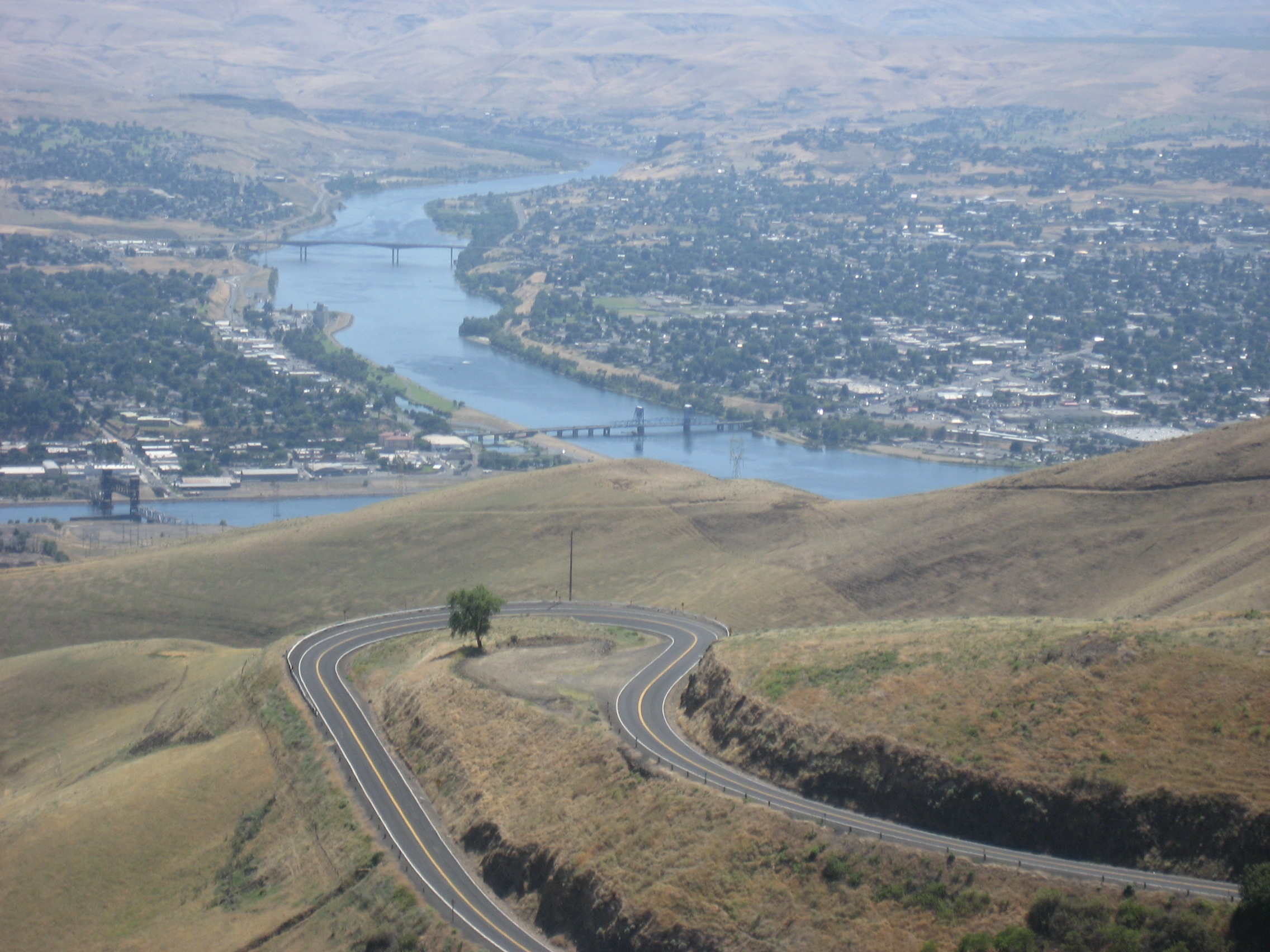
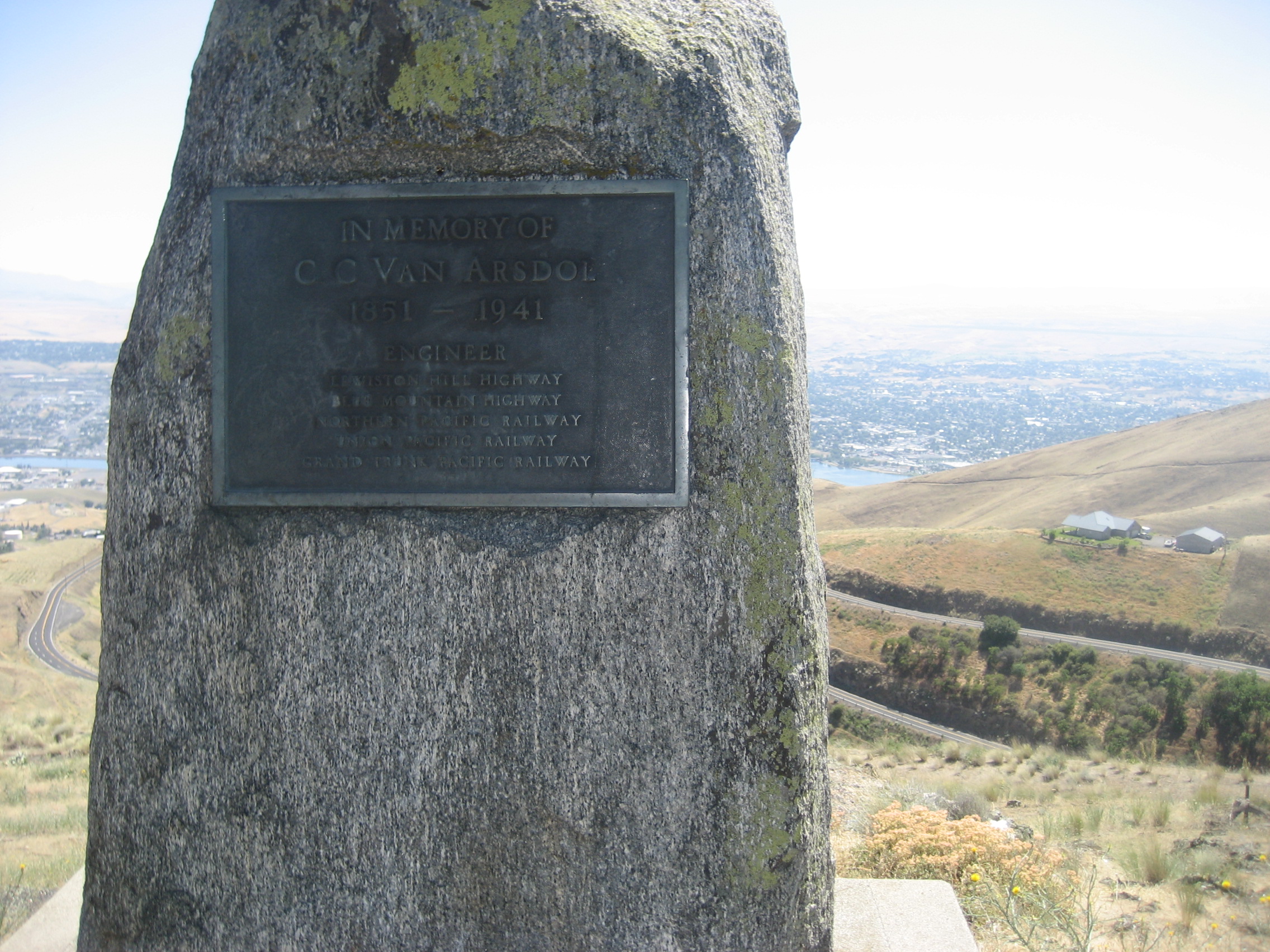
June 25, 2015, Lewiston, ID- This eastern half of the Lewis and Clark twin cities announces itself from a place at the foot of winding path, coming down a steep desert hillside.

357

359

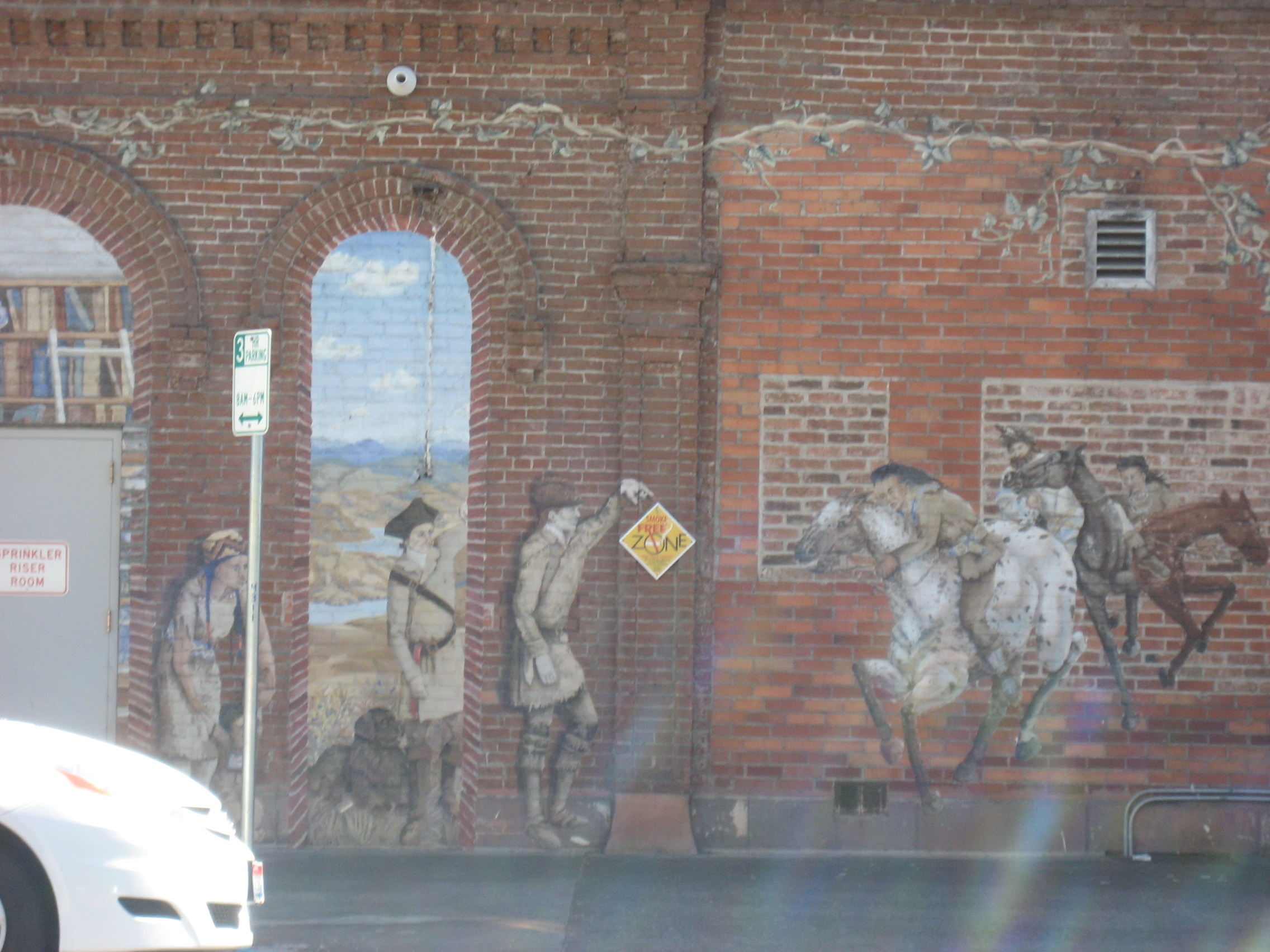
Like so many Inland Northwest towns, Lewiston presents a charming and arts-oriented downtown.  Named for Meriwether Lewis, it has, as a centerpiece, Lewis and Clark State College’s Center for Arts and History361

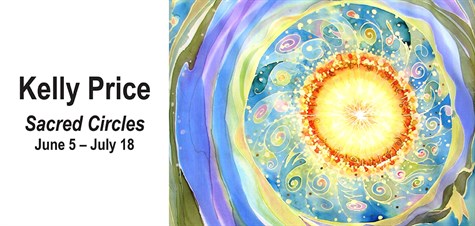
Revolving art exhibits take center stage, on the first floor.  On the day I visited, the Sandpoint-based artist, Kelly Price, offered an astonishing array of Sacred Circles, making a very strong case for the interconnectedness of all things in the Universe and the security which may be found within an orb. Ms. Price’s exhibit clearly shows the universality of the notion that the circle, symbol of completion, is universally held sacred.  (As is my practice, no photos were taken of her exhibit, nor of the presentation of Scott Kirby.)

Price_WEB_475x226

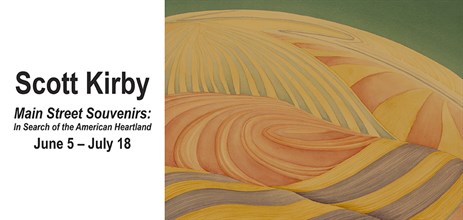
Scott Kirby, a pianist based in Boulder, CO, transitioned into painting scenes of the Great Plains, after an afternoon of drawing and painting with his daughter.  The flow of his art work certainly evoked a vibrant musical background.

KIRBY_WEB_463x220

On the second floor of the Center, lies a tribute to suffering and perseverance:  Beuk Aie (“Buckeye”) Temple.

363

The Temple was built by immigrants from Guangdong, China, who practiced a particular blend of animism and Buddhism, which called for this sort of temple to be used in worship.  It was housed in two consecutive structures, until 1959, when the second structure fell into disuse.  The sacred altar and relics were preserved by Mr. Ted Loy, a Lewiston businessman, until his death in 1981. They were then curated by his family and transferred to Lewis and Clark Community College, for safekeeping.

The Beuk Aie Temple also serves as a memorial to the 34 victims of one of the many shameful incidents of persecution aimed at Chinese residents in the Pacific Northwest:  The Deep Creek Massacre.  In May, 1887, the victims, all miners from Guangdong, were slaughtered by White miners in Wallowa County, OR, who then took the gold that the Chinese men had mined.  While the identities of those involved were determined by investigators from Lewiston, the State of Oregon, which had jurisdiction in the case, found no one guilty.  There is a memorial plaque on the Oregon side of Hells Canyon, but there the matter has rested.

368

In fairness, the people of the Pacific Northwest have made enormous strides in White-Asian relations, and the major source of friction in the Nineteenth and early Twentieth Centuries was mainly economic.  Then again, isn’t it always?  Fighting over crumbs seems to be our wont, as a species.

My thoughts turned to the indigenous residents of this area:  The Nez Perce Nation, symbolized by their leader, Chief Joseph (“I will fight no more, forever”) and the Shoshone, symbolized by Sacagawea, the woman who guided Lewis and Clark through this then rough wilderness.

The confluence of the Snake and Clearwater Rivers has been a key resting and gathering place for humanity, for thousands of years.  Now, a bridge connects Lewiston with Clarkston, WA, which I did not visit this time, as a walk along the Idaho side’s Riverwalk captivated me for nearly an hour, before it seemed time to head down to Lapwai, Nez Perce Nation and further south.

373

383

The people of this area feel a great connection to the Pacific, which both feeds, and receives from,these great rivers.

378

The Lewis and Clark Pavilion, at the northwest corner of the Riverwalk, honours the explorers and Sacagawea.  A sculpture with her likeness graces the entrance to the small kiosk.

381

I will come back through here, and spend more time in both Lewiston and Clarkston, as well as connecting with a Baha’i friend who I did not realize lives in Lewiston.

After having dinner at Donald’s Restaurant, in Lapwai, it was time to move through the salubrious mountains and canyons of western Idaho.  Hell’s Canyon would have made for some fine photos, but the traffic was horrible, so I went further, to Salmon River Canyon.

388

This trestle is one of seven built between Lewiston and Grangeville, to help move gold and other goods.

385

The area is among the most rugged parts of Idaho, which is saying quite alot.

390

The rest of the day’s drive was through more sanguine territory, from Grangeville to Payette, then east to Ontario, OR, and a rest at the Oregon Trail Motel.  The Beaver State’s Big East awaited.