An Eastward Homage, Day 3: The Sum Total

17

I had no trouble getting up the morning of May 29, having briefly risen at 3 AM, said a prayer in honour of Baha’ullah’s passing, 122 years ago today.  I thought later that morning of my youngest brother, Brian, who would have turned 50 today, had he not suffered for 22 years and died after 29 of them.

Today on the ground, however, was about the family Norm Fellman left behind, especially his wife, my mother-in-law.  The family is at their south Jersey home, in a place called Vineland.  I had a heart-wrenching visit with my MIL, and will not go into detail as to all she, or her daughter, shared.  .

What were nice were two things:  A walk around their immediate neighbourhood, and the London Broil dinner we had, fresh off the grill.  Wynne and David have worked hard at making the home nice for her devoted mother.  Here are some scenes of home and neighbourhood.  The sum total of this whole trip is the devotion of family.  I have my part to share in this.  It is to visit those sites which Norm and his comrades-in-arms sanctified with their sacrifices, whether by dying or by suffering both internal and external wounds.

For most of us, wounds are hard to conceal.  The pain of loss is felt by all, including the family’s last surviving dog. The window box, though, is a spirit lifter, which Wynne has prepared in her father’s memory.

Image
Image

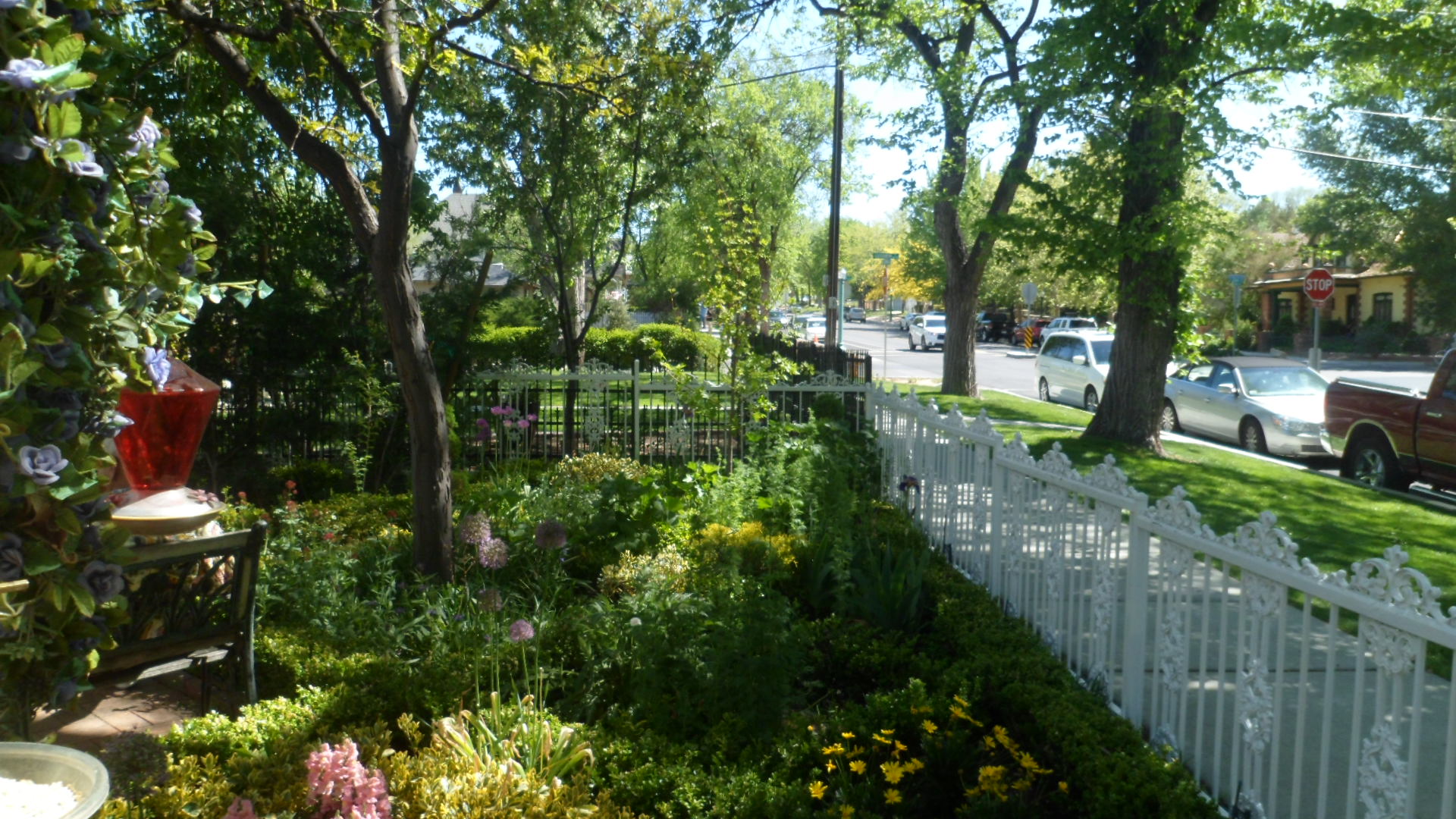
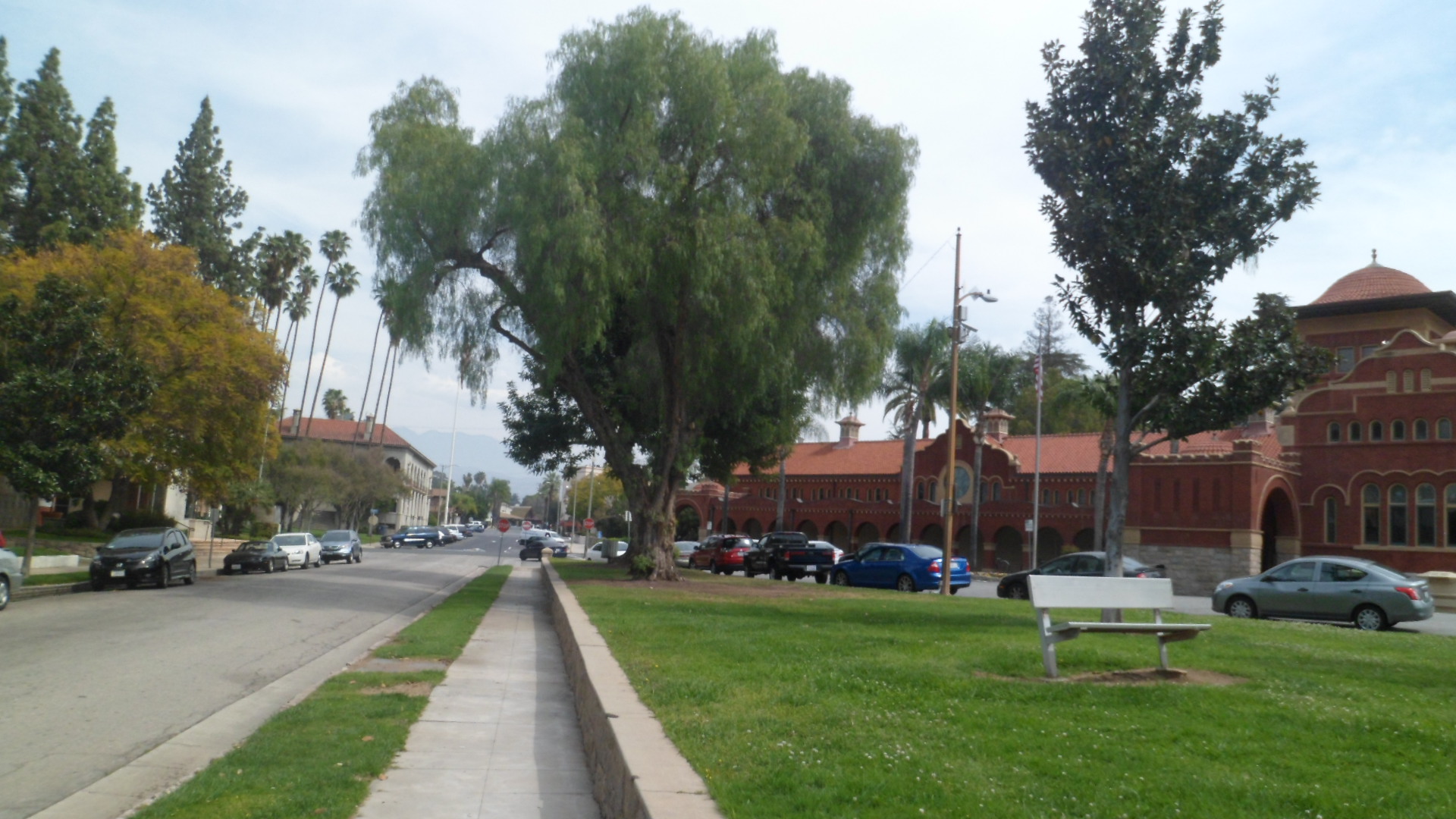
We did get a change of scene, by walking about the immediate neighbourhood, which is filled with both architectural and botanical gems.  The first we saw was a red maple, spread fully with stunning foliage, long before Fall.

Here’s a little rabbit, just before Willow charged at it.

Image

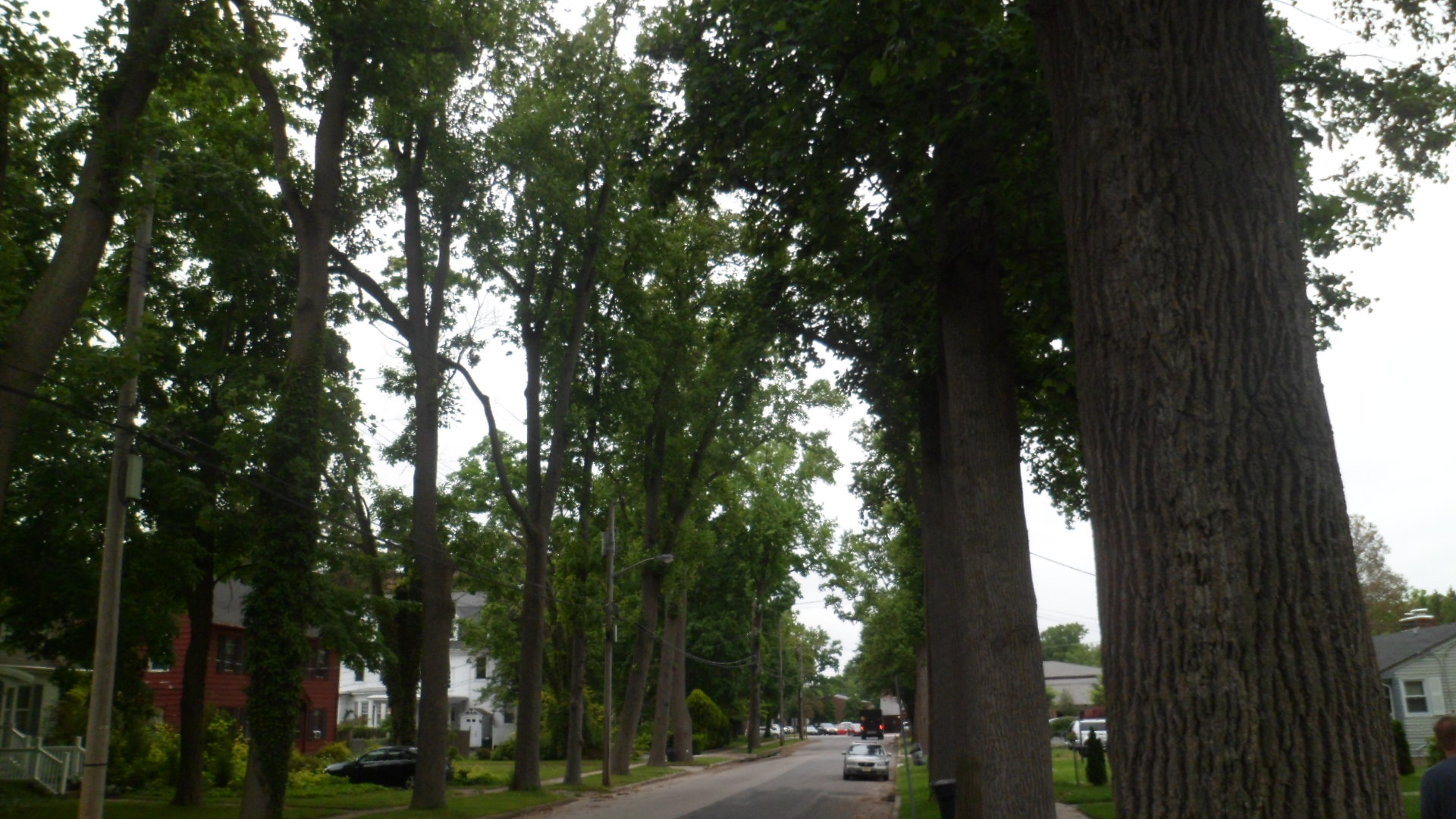
The great forests have nothing on Vineland.
Image

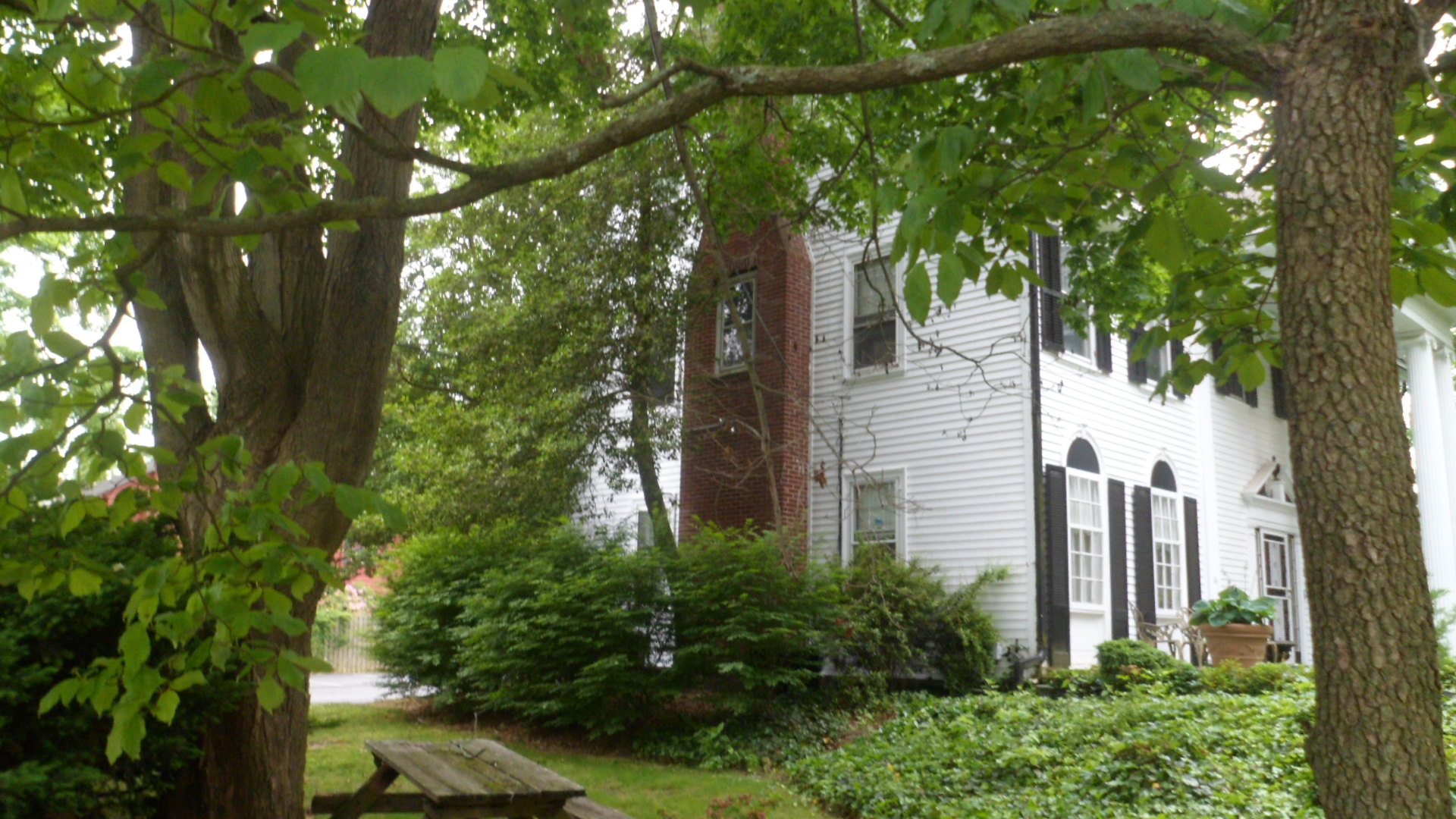
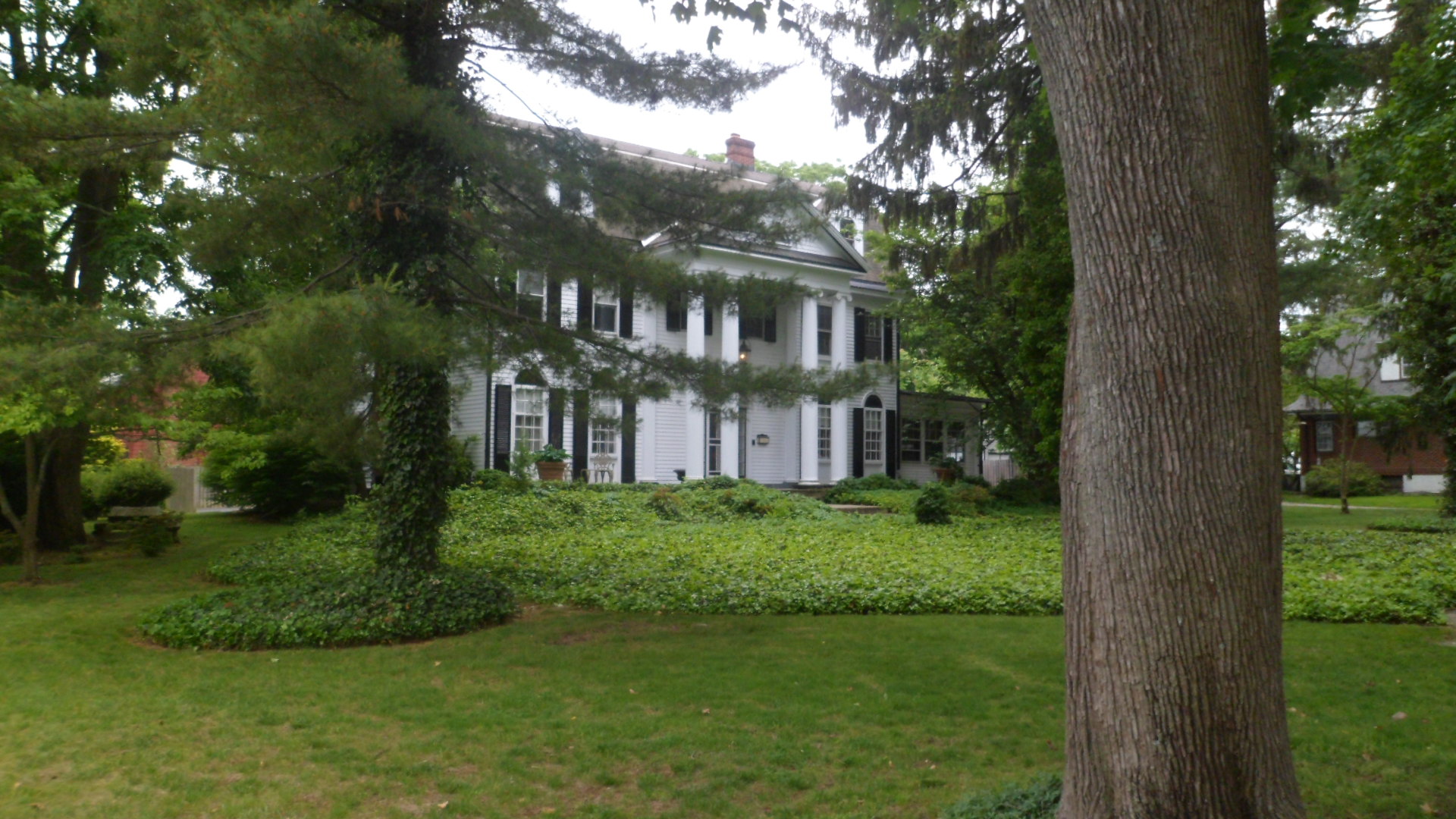
One of Vineland’s most stately Georgian era homes is now an attorney’s office.  Note the special feature in the chimney.
Image
Image

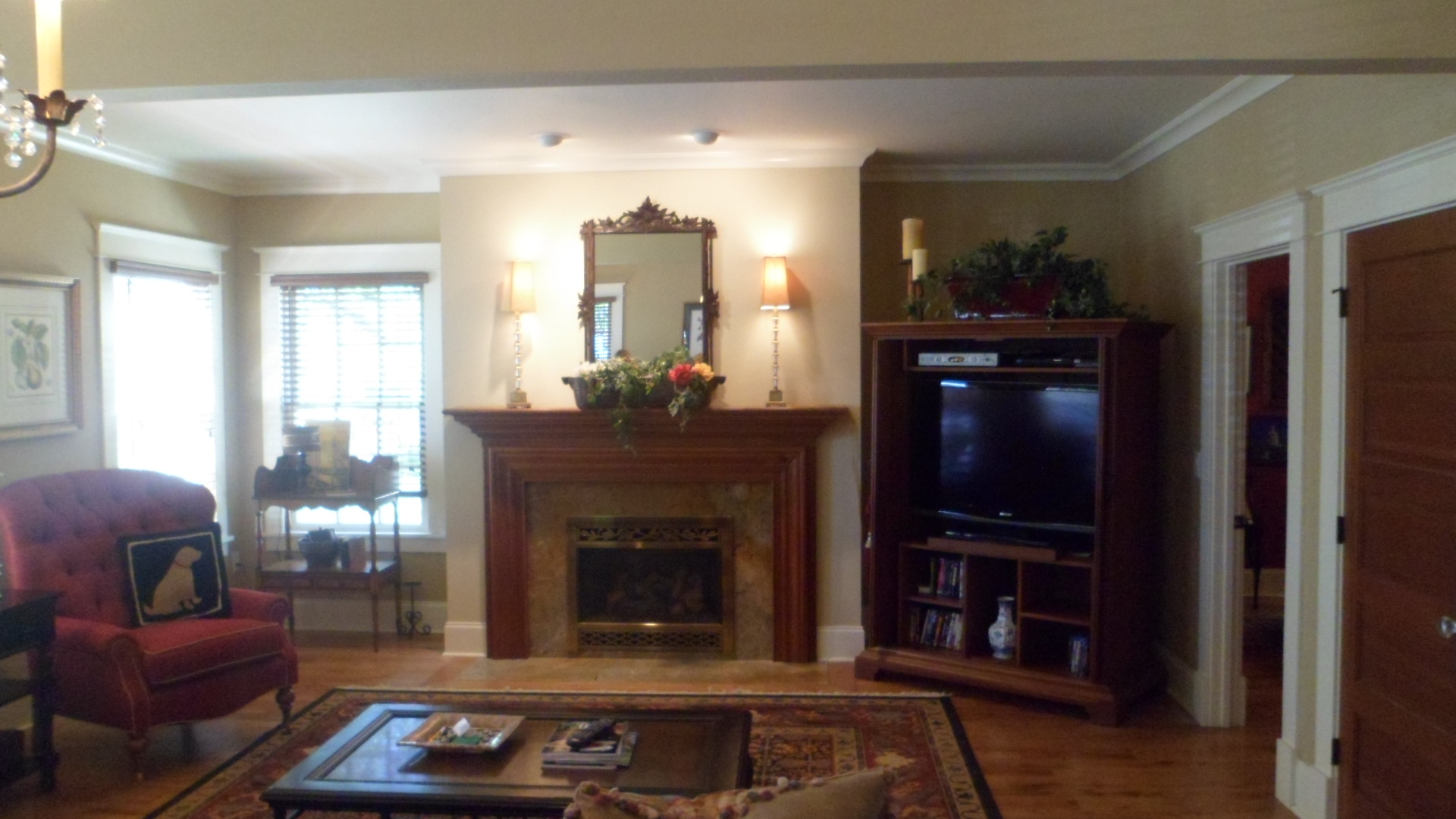
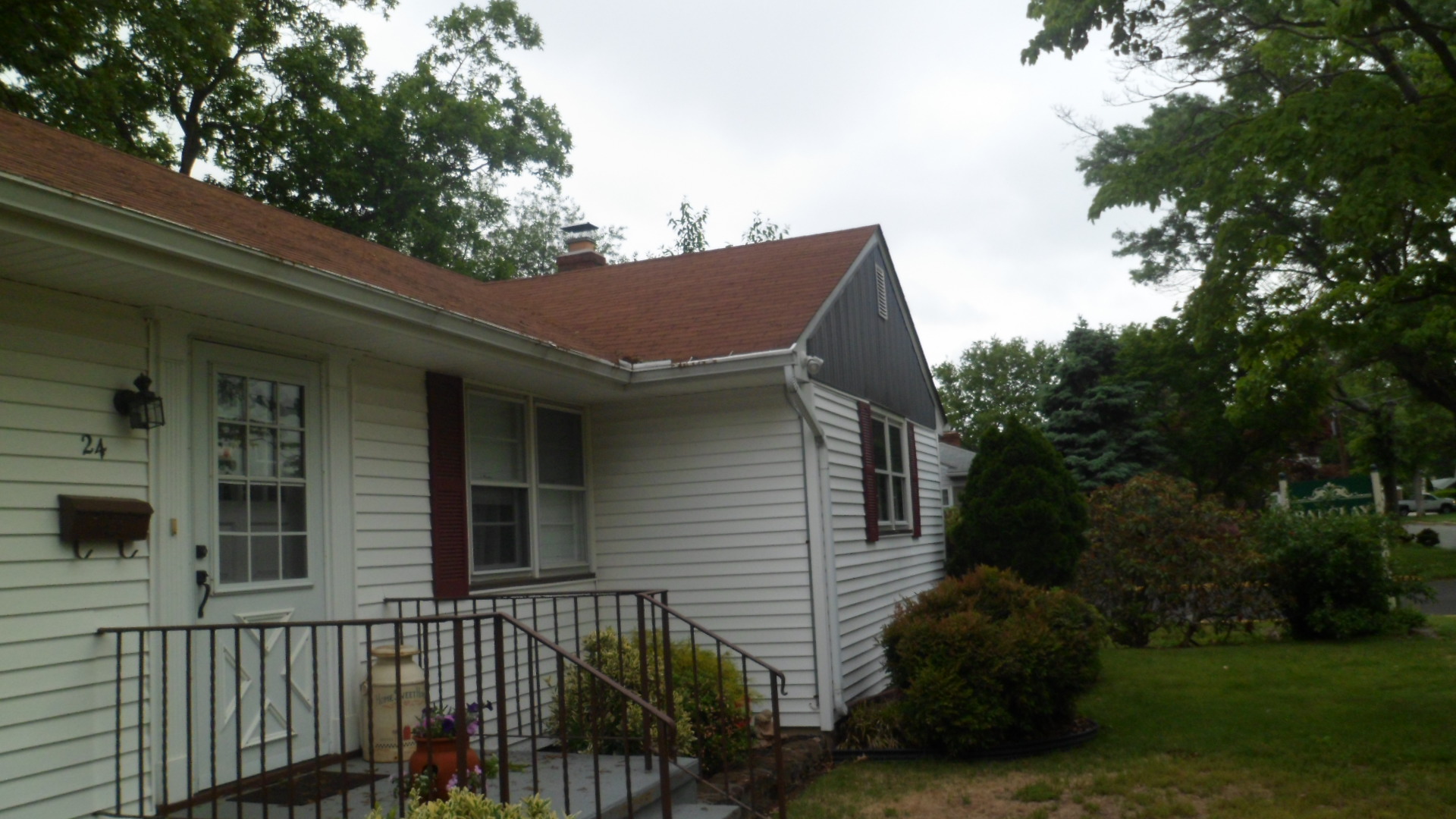
Back at the house, it struck me how it is similar, in some respects, to the old house at Longmeadow Farm.  Mom remembers the farm as their strongest dream, and greatest success, as a couple. Joseph Campbell advises us to “Follow your bliss.”  This, the Fellmans did, and in spades.  Now, all of us are protected by a cadre of angels.
Image
Image

An Eastward Homage, Day 2: Broken Stuff

6

My flight to Newark, from Phoenix via Charlotte, started inconspicuously enough.  We flew out on time (11:40 PM) and I got about four hours of sleep on the first leg of the trip.  My seat mate was a quiet young lady, also concerned with using the dark stretch of  the route for a restorative sleep.

We got to Charlotte on time, and I enjoyed a light breakfast.  Leaving the Queen City, though, was definitely an exercise in patience.  Technical safety issues plagued the lead flight attendant, and it took an hour to get her situated in a flight-worthy jump seat.  No one squawked, for after all, everyone needs to both feel and BE safe- on any public transport.

The delay gave me another hour of sleep, and the flight itself, still another forty-five minutes’ worth of shuteye.  My seat mate for this leg was a very pretty, engaging young lady, M, who is an artist living and working in Manhattan.  We discussed the September 11 memorial and agreed that a Gift Shop, in such a place is a bit questionable, and certainly difficult to pull off.  Time will tell on that last point, but it is not my idea of a proper memorial.

We left Charlotte an hour late, so we arrived at Newark an hour late.  Then, the conveyor belt bringing our luggage to the carousel, broke.  It took about twenty-five minutes to get it up and running again, but this break down in the system got very old, fast.  M had enough on her plate, and I was getting very tired and wished for one thing:  My motel room in Parsippany, and hot running water.

“Not so fast!”, said the Universe.  After I had my luggage in hand, including the “carry-on” that I checked-in, for the Team, at the last minute on Tuesday night, it was time to go get my rental car.  Of course, the Advantage Car agency is NOT at the Rental Car Lot.  It is at  Wyndham Gardens.  It was amazing, the way one thinks all similar companies ought hang together in one spot, but it seldom works that way.  There is always at least one outlier.  Advantage is a nice agency, and gave me a lovely nearly new compact car, for which I asked.  One thing on which they were off was the set of directions for getting on I-78 West.

I never did get on the 78.  The 1 & 9, secondary highways that somewhat parallel the 78, got me to NJ Highway 7, which got me to  Hwy 23, then back to the 46.  I had nothing pre-arranged today, but I am still concerned with there being a striving for accuracy in direction-giving.  The directions I was given had me headed to the Holland Tunnel.  Granted, the Wyndham Gardens is off the beaten track, as Newark area hotels go, but hey, if I can navigate to Red Roof Inn,  in Parsippany, with no GPS- the car rental people can give accurate info.

It ended well, though.  I enjoyed a great corned beef Reuben at Clifton Bagels and Deli, en route to Parsippany, reveled in my return to humanness, once at Red Roof Inn, and had one of the best Fujien-style Chinese meals in memory, at Qin Dynasty, next to Red Roof Inn.  The cook threw bits of well-cooked squid in with my cashew chicken, bringing back fond memories of our Jeju days.
Tomorrow, after paying  early morning respects to Baha’ullah, on the 122nd Anniversary of His Ascension, I will head down to Vineland, NJ, in mid-morning, and visit with Penny’s Mom and sister for a spell.  Their spirits are up and down, as might be expected, but they are far from broken.  Northeast Jersey, you aren’t broken either- so believe in yourselves, and get it together!

An Eastward Homage, Day 1: A More Timely Departure

4

This morning began as most days do:  Prayers, errands and reading the paper, over coffee.  The usual stuff took on more urgent tones, around 9:30, and there were bills paid for June and July, brief visits to a couple of friends and last-minute mailings of various items.

I made the walk to Hassayampa Inn, and a rendezvous with the airport shuttle, in plenty of time this afternoon.  This gave me an excuse to photograph the Hassaymapa’s lovely east courtyard garden.

SAM_8844

The shuttle ride was smooth and swift, and provided a chance to hear the insights of a local pastor/psychologist.  Like me, he is urgently concerned with the mental health and well-being of  the surviving Prescott Hotshot, and of the families of the men who were killed, nearly a year ago.

Sky Harbor Airport was crowded and bustling, at 6 PM.  I passed through security without fanfare, though a book I had just finished, “Touch the Top of the World”, by Erik Weihenmayer, got lost in an unguarded moment.  Whoever has it now is in for a treat.  Erik, a blind man, has successfully climbed peaks as disparate as Everest, Mt. McKinley, Aconcagua, El Capitan and Kilimanjaro, with various teams.   His story should prove inspiring to anyone, regardless of one’s personal challenges.

My new read is “Bunker Hill”, by Nathaniel Philbrick.  This will keep me enthralled, during several flights in the days ahead.  Sky Harbor at night is a different place.  As happens elsewhere after hours. those waiting for night flights gather as a sociable family, of sorts.  The insular crowds of the daylight hours have gone on, and the Redeye Crowd are pumped for their flights into the morning sunlight, or California midnight, as the case may be.

I whiled the waiting period away at Olive and Ivy Marketplace, a nice little deli and pizzeria.

SAM_8845

Well, kids, it’s time to put this computer away, and mosey on down to the gate.  The Queen City, Charlotte, NC, is next on the itinerary, then on to Newark, and a day or two in the familiar climes of the Garden State.

.

Trailheads and Paths, Issue 19: Arizona’s Mount Vernon

4
SAM_8739

Prescott’s Mount Vernon Avenue is an amalgam of much that makes the town a draw for those who seek a blend of nature and luxury. It starts with a series of Victorian Era homes, ranging from full-on elegance to well-built, lower middle class bungalows.  The road goes uphill steadily, then leads to Senator Highway, with its many forest camps and the rustic beauty of the Hassayampa resort area.

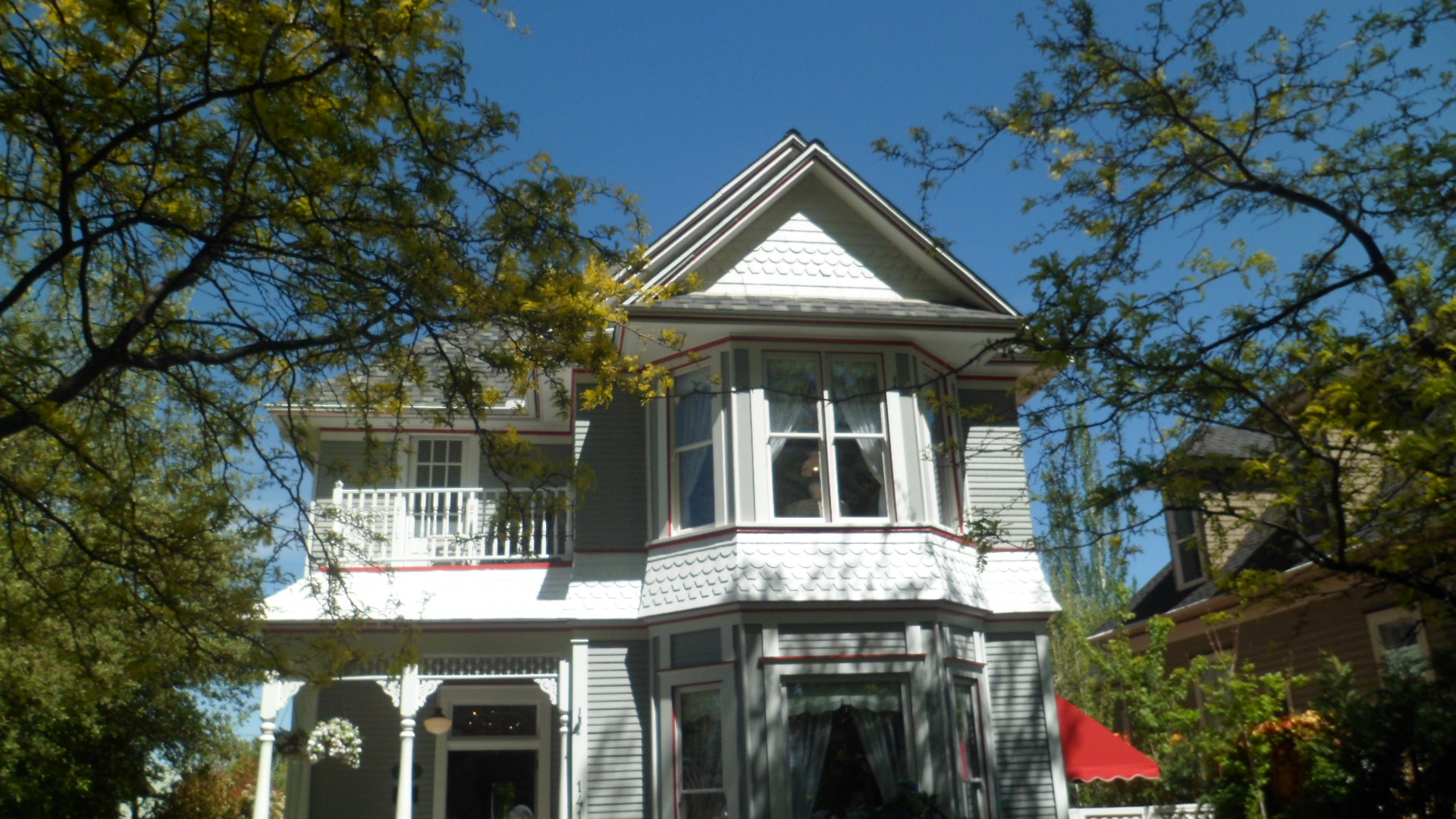
Five of Mount Vernon Avenue’s homes made up the conclusion of my historic homes tour on May 3.  Here are nineteen photos of this diverse street’s best offerings.

I went first to the Hedrick D. Aitken House, home to a storekeeper and his family.  “Hed” was one of the early members of Hassayampa Country Club, and is said to have golfed 18 holes, each morning before work.

SAM_8695

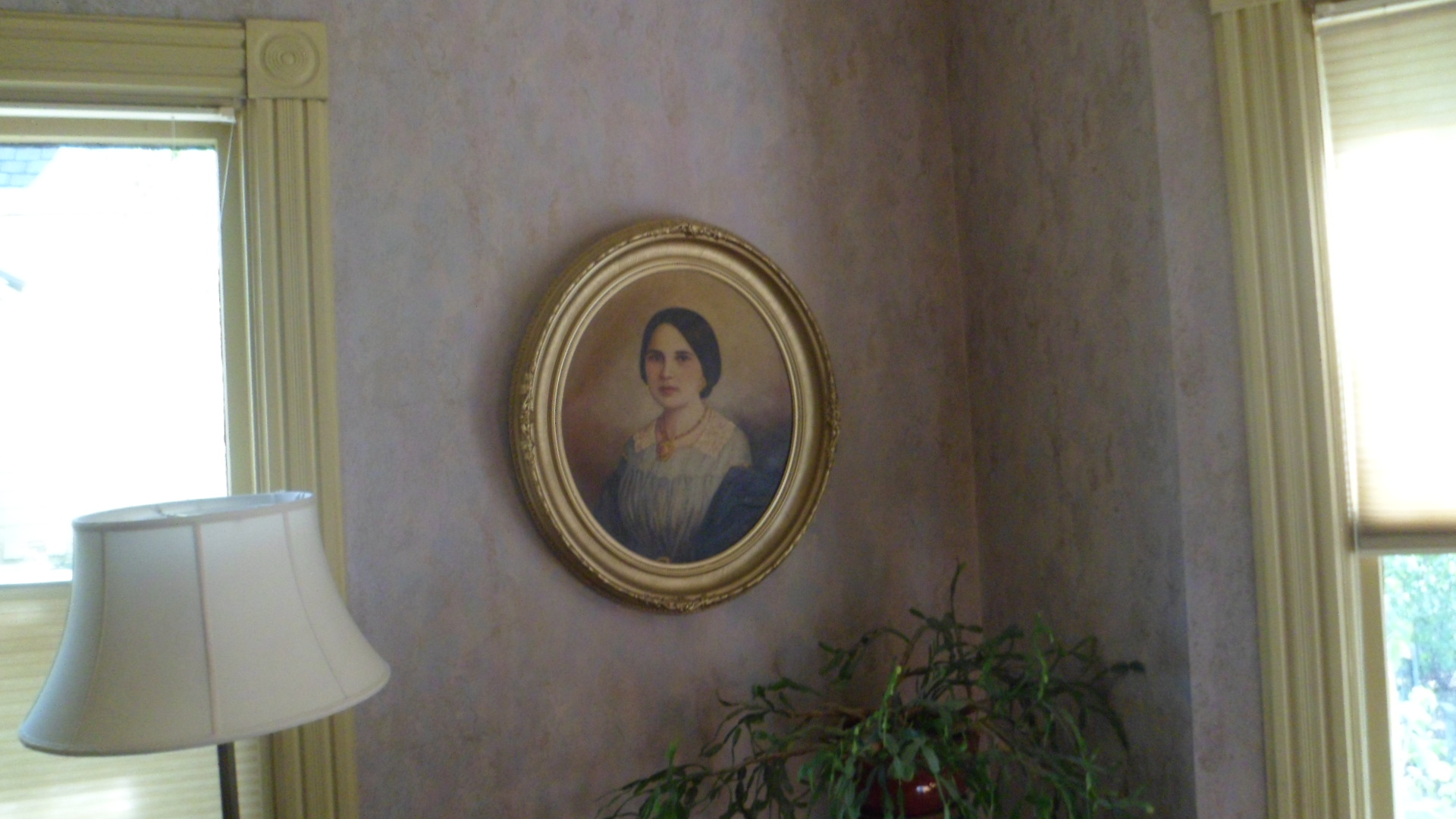
Here are two shots of the interior, a photograph of Mattie Tuttle Aitken’s aunt, and one of the current lady of the house, as “Mattie”.

SAM_8696
SAM_8697

I next visited the Ralph Roper House, a Victorian Cottage, which was home to Prescott’s first dentist.

SAM_8702

The living room gives the lie to the name “cottage”.

SAM_8703

The present owner was laid back, preferring to sit on the porch and trade snarky barbs with some of the visitors.

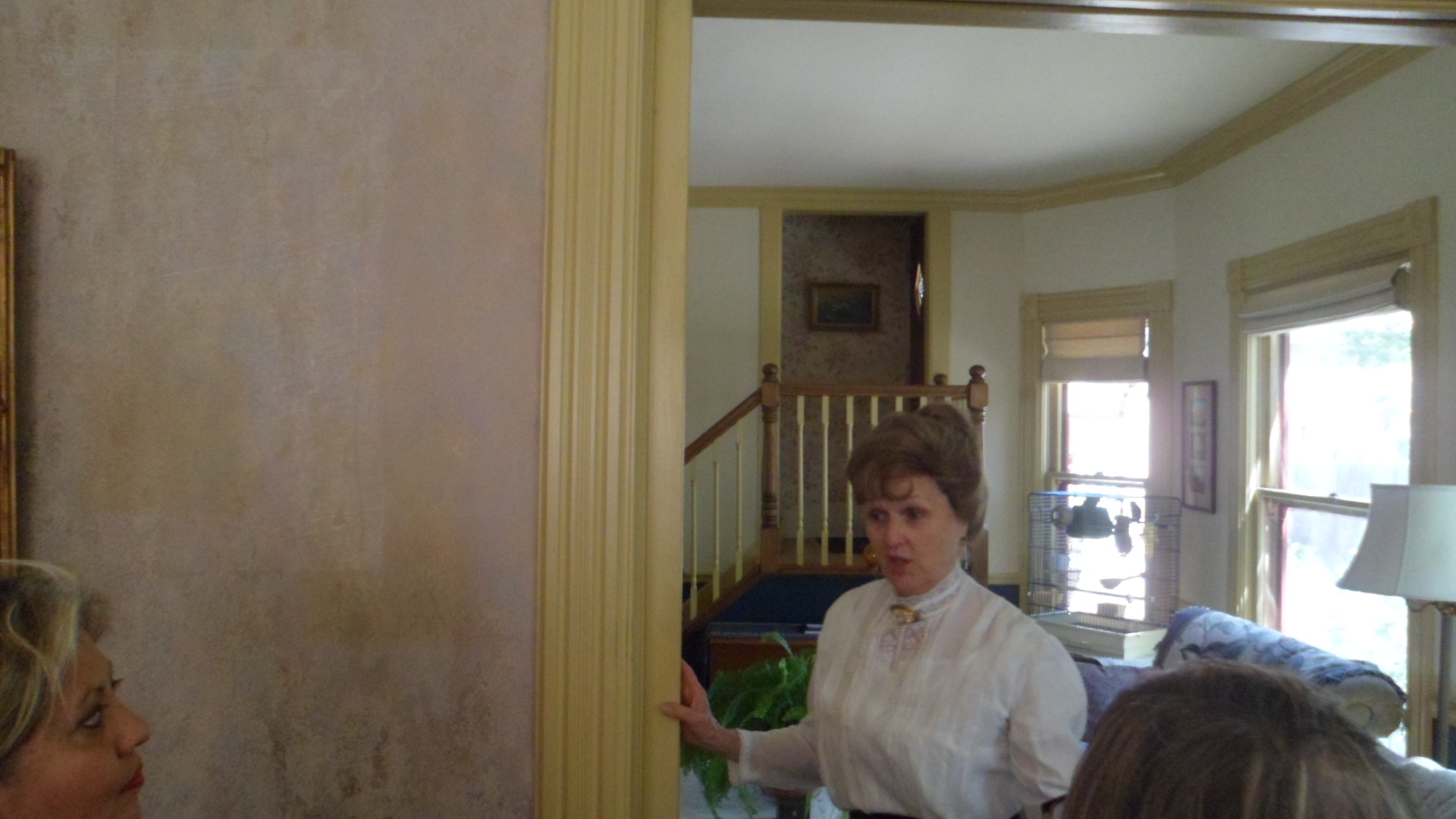
I moved on, to the Hesla House, whose owners were very engaged in showing the house, dividing the visitors into small groups, and themselves dressed in Fin de Siecle garb.

SAM_8701

Here are some of the more interesting features of the Hesla.  First, it has one of the larger gardens along Mount Vernon.

SAM_8705
SAM_8706

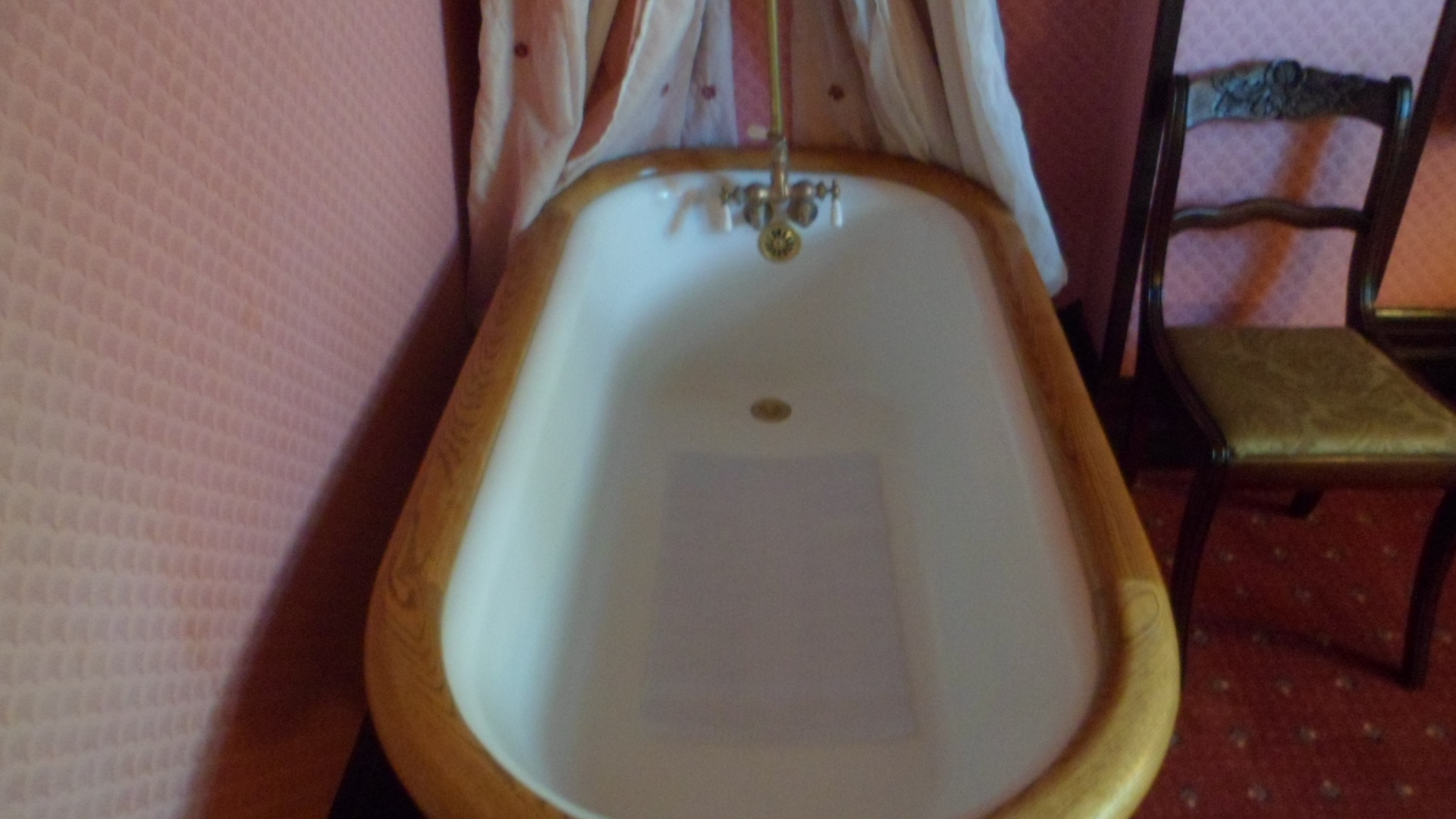
Wood-ringed bath tubs were rare then, as now.

SAM_8710

A Victrola provided the evening entertainment, before the heyday of radio.

SAM_8712

Dolls were serious works of art, as the Nineteenth Century drew to a close.

SAM_8713
SAM_8714

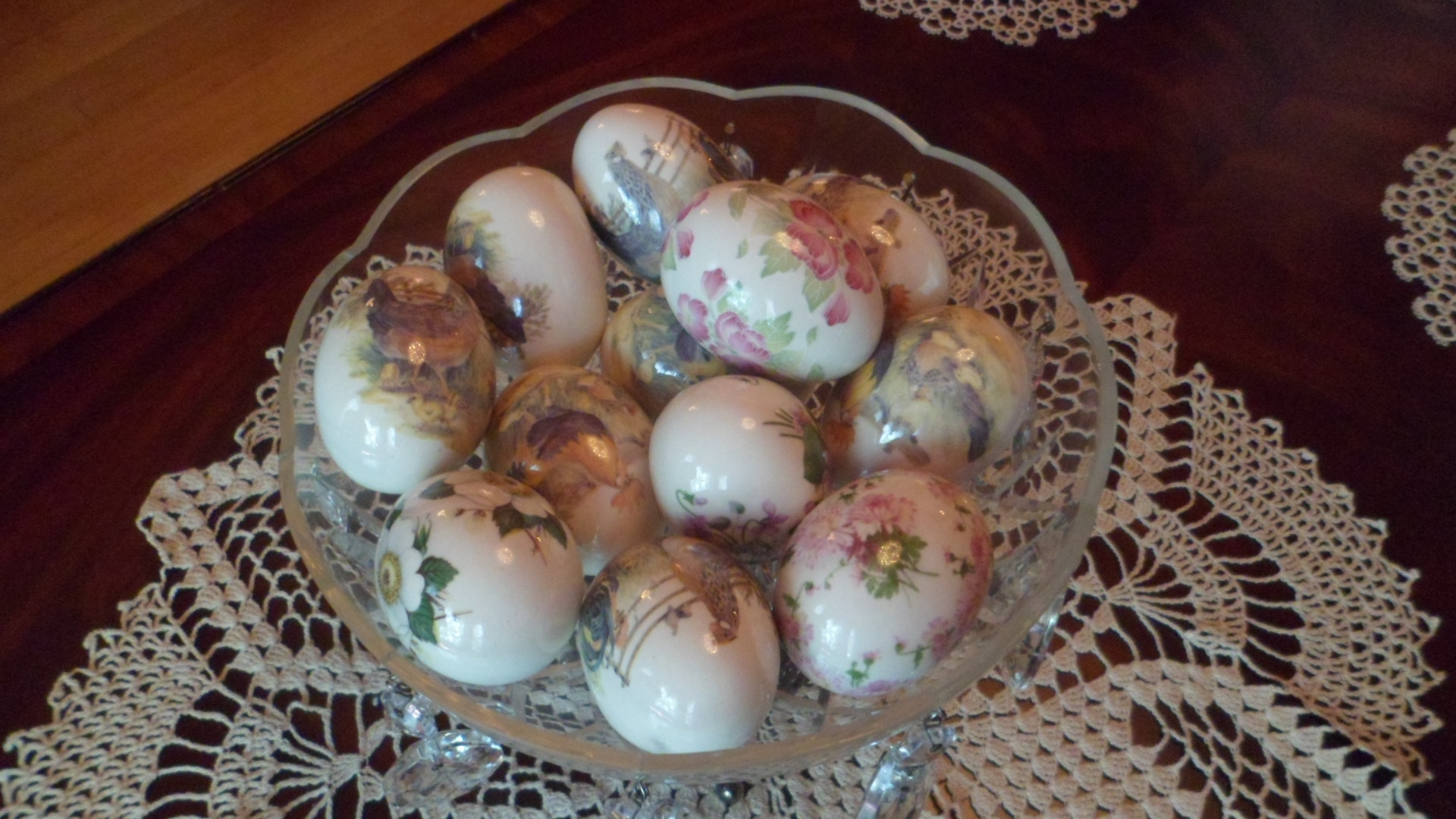
Ceramic eggs, which I remember from my aunt’s house as a child, were another item of late Victorian decor.

SAM_8717

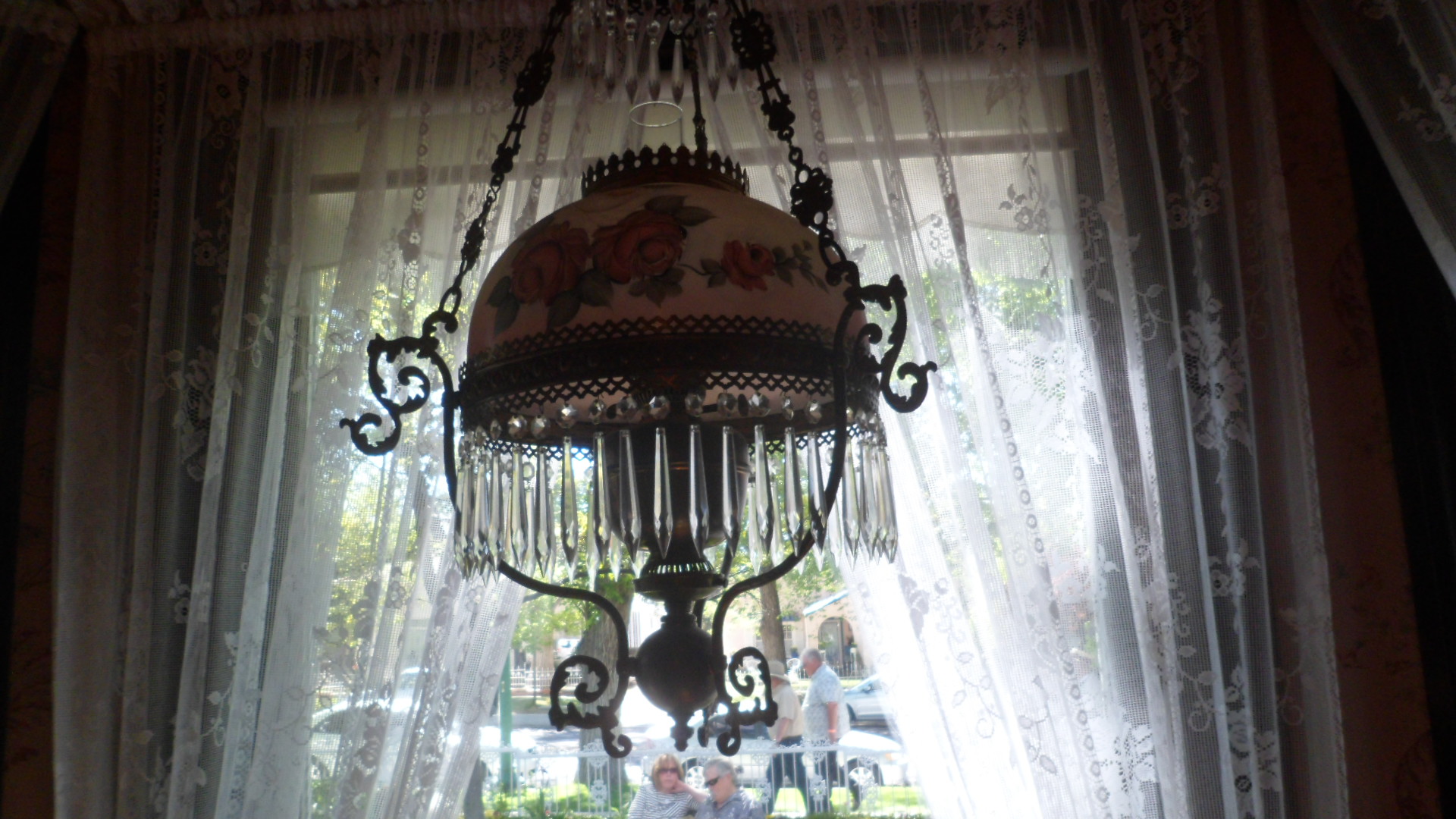
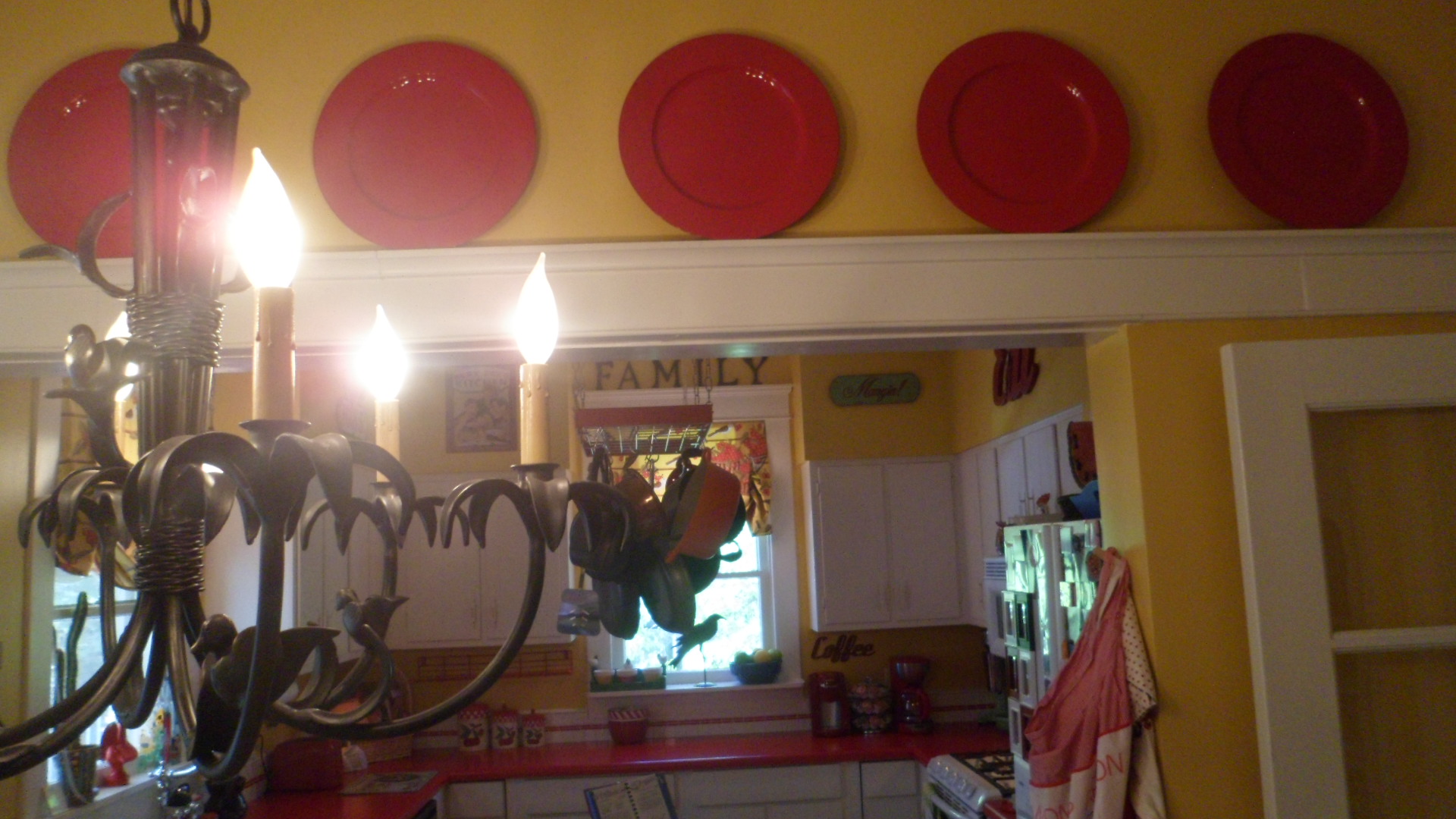
No Victorian home would have been complete without a chandelier.

SAM_8716

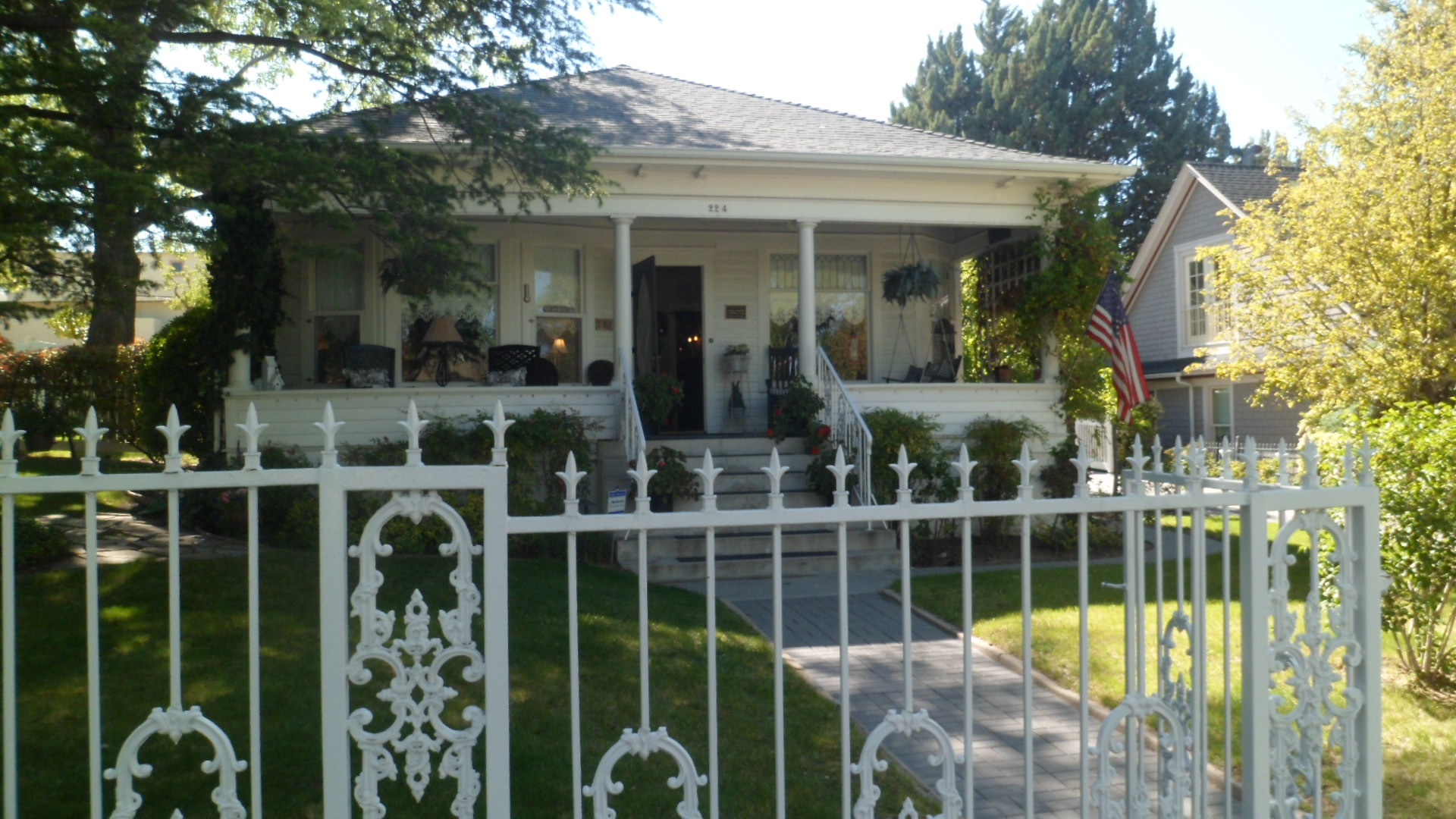
This view of  the Sanglier House, a Queen Anne Cottage, shows the vagaries of lighting a house naturally, at the edge of a hill.

SAM_8727

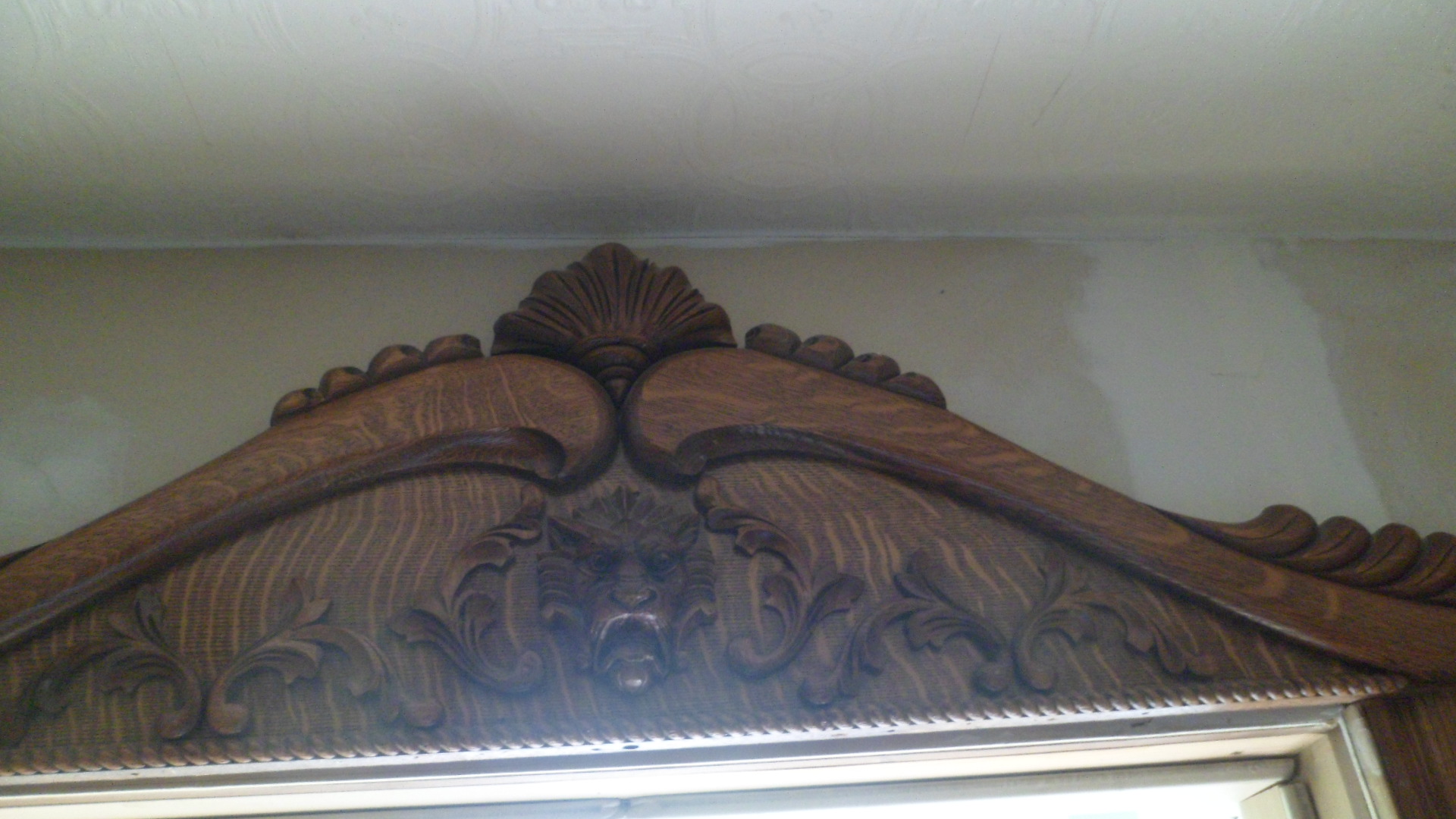
Carved animal heads, over a door, were the mark of the owner’s spirit.

SAM_8730

The last house on the tour was the Lodge-Hicks house, a bungalow.

SAM_8733

The decor was more reflective of the Forties and Fifties.

SAM_8736
SAM_8737

The little jaunt was encapsulated by this bit of sage advice:

SAM_8722

Each resident of these delightful homes has followed this maxim, in their own way.

Trailheads and Paths, Issue 18: Goldwater’s Glittering Mansion

31

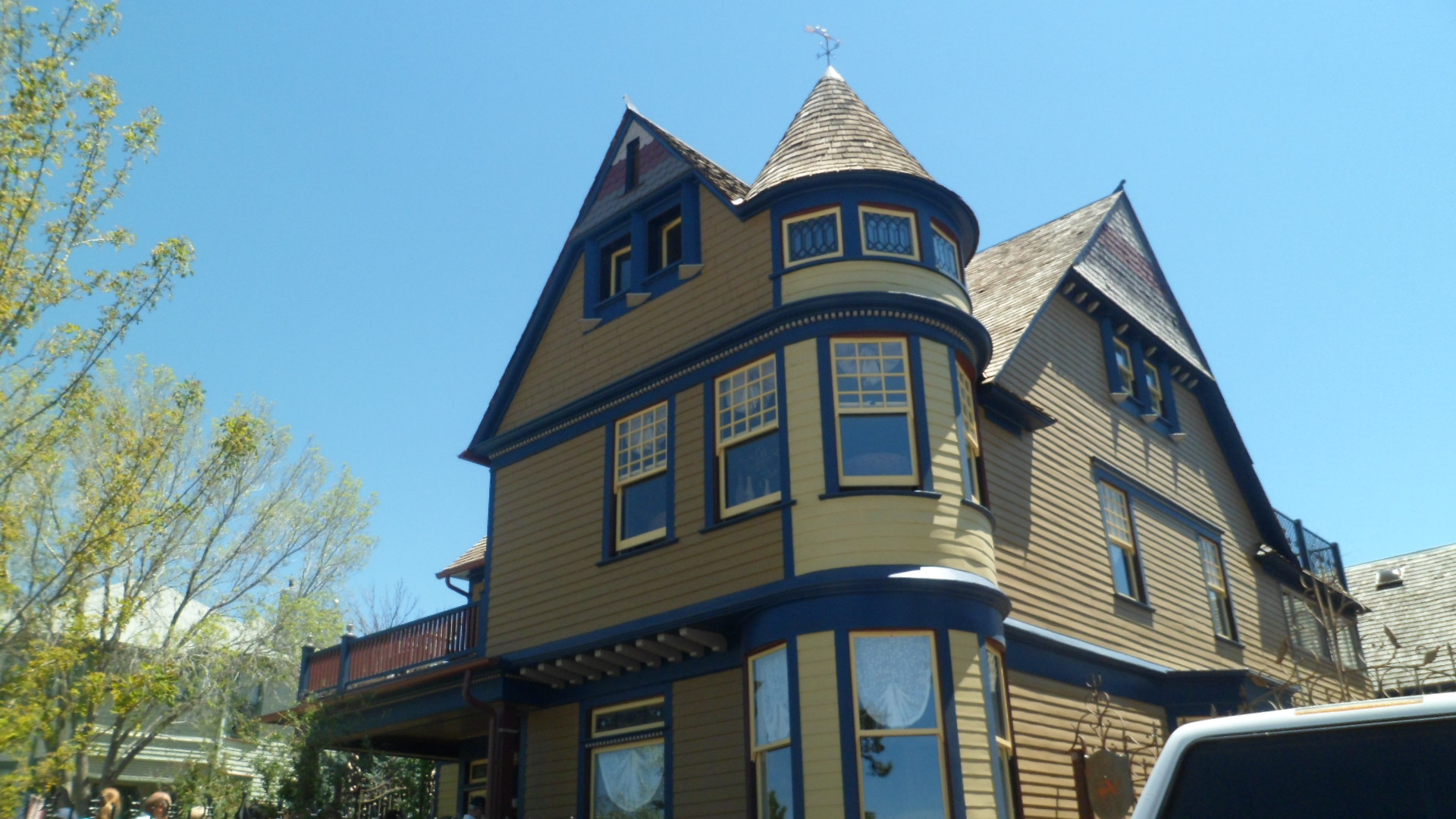
Henry Goldwater, the brother of Barry, ran the mercantile interests of one of  Arizona’s premier families during his brother’s time in the national political arena.  Henry and his family lived in this Norton & Patton home, for much of the 20th Century.  It is a melange of stylistic features, suggesting a turret, without actually having one.

Here is a first view of this most grandiose of the Union Street mansions.

SAM_8659

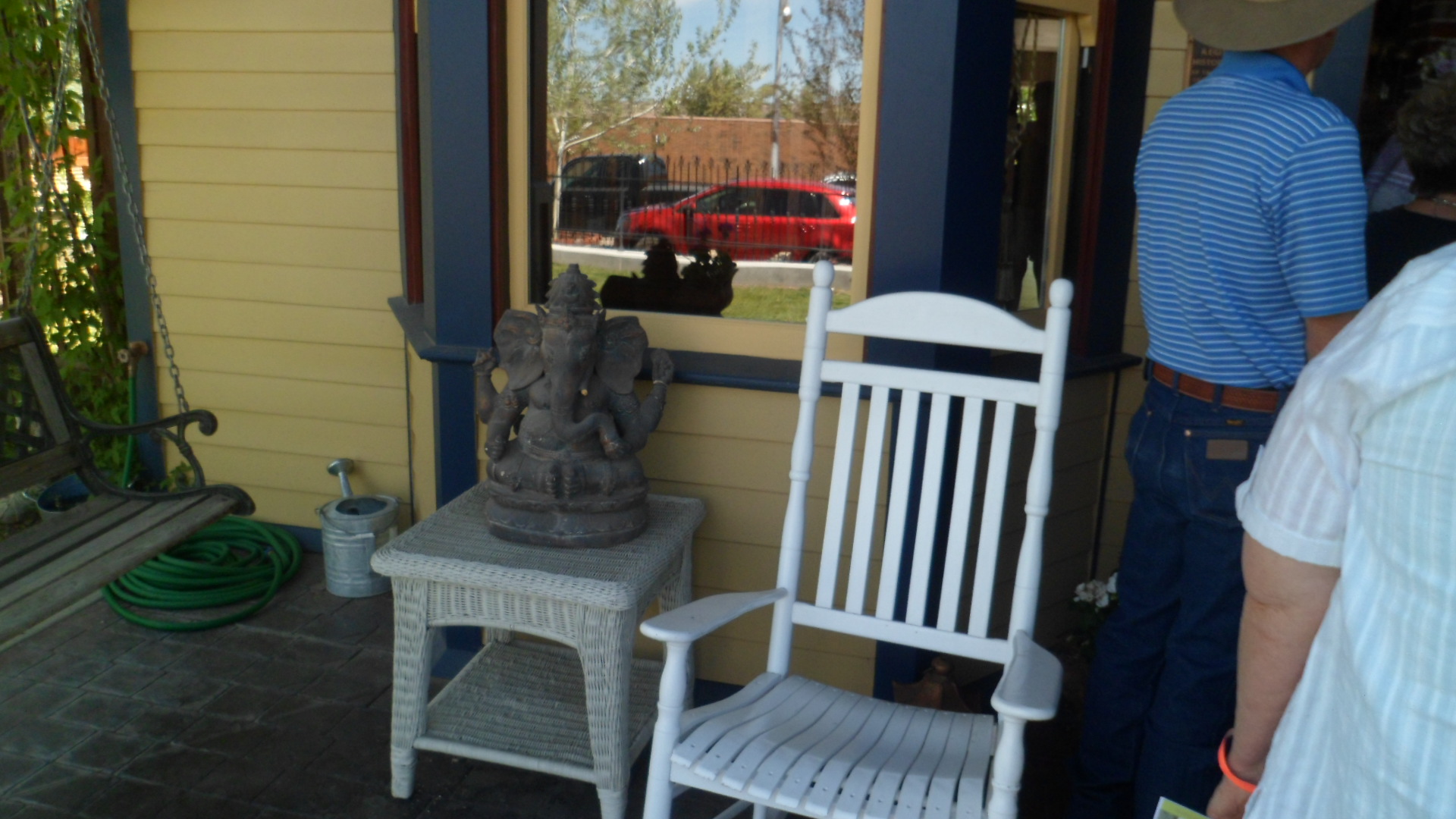
Given its popularity that day, I spent some time waiting on the front porch.

SAM_8660

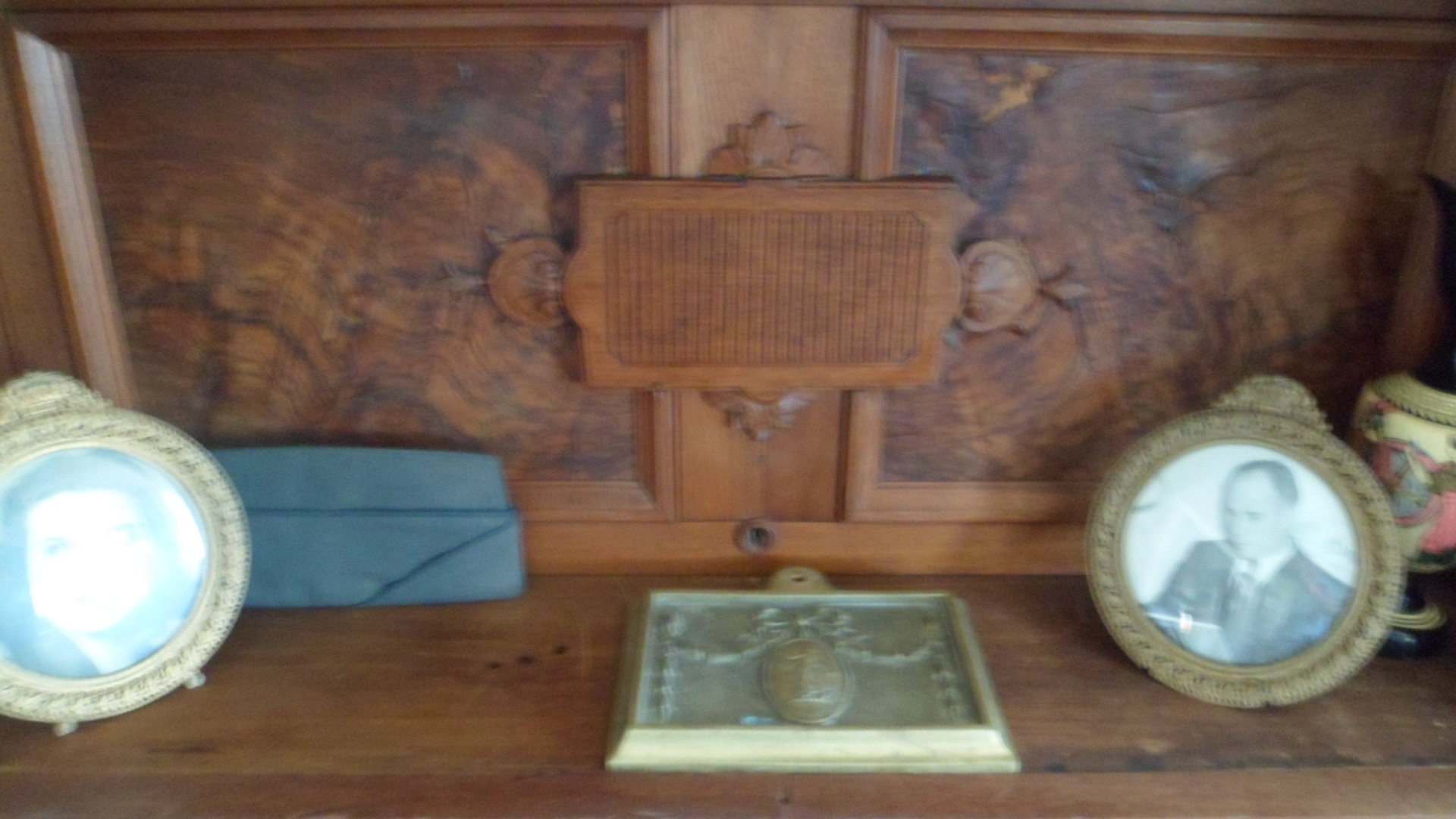
Those familiar with Senator Goldwater will see the family resemblance, in Henry’s countenance.

SAM_8661

The kitchen and dining room are wide open to each other.

SAM_8663
SAM_8664

Being a true Arizonan, Henry favoured a large garden area, and a sizable guest house.

SAM_8667
SAM_8668
SAM_8671

You may notice the variety of art, from Classical Greek to Theravada Buddhist. Modern items crop up here and there, as well.

SAM_8672
SAM_8674

Then, there’s an old cowboy hangin’ around.

SAM_8679

I am partial to old wooden tiles on tall houses like this.  They just add character.

SAM_8681

The view from the third floor can’t be beat, either.

SAM_8683

I always like a beautiful person, with a garland of flowers around her hair.

SAM_8685

Upon leaving the Goldwater Mansion, still a private residence, I came upon a classic car from the 1930’s.

SAM_8686

Next door, and to the east, is another old gem, now a law office.

SAM_8687

I walked a bit down Alarcon Street, and found the Gage-Murphy House, now an apartment building.  One of the residents let me inside for a bit, but I satisfied myself with a single photo of the exterior.

SAM_8688

The last place in this segment of the tour was Prescott’s premier Bed and Breakfast, Pleasant Street Inn.  It was first built in 1906, at the site of the present Prescott Police Station.  The house was moved to its Pleasant Street location in 1990.

SAM_8690

As it was still early for some of the inn’s guests, we stayed downstairs and walked through the dining room and kitchen.

SAM_8692

This potpourri of styles was matched by that of the last segment of the tour:  Five houses on South Mount Vernon Avenue.

Trailheads and Paths, Issue 17: In and Out The Windows, (and Doors)

4

Home tours would bore me, growing up.  I wanted to be outside, running pell mell here and there, or at least in one of my little nooks or crannies in the woods or on one of the hill tops near our house.  Gradually, though, I came to value the connection between homes and their attendant gardens and yards.  My fascination with the Story of Man had a lot to do with this.

On  May 3, I joined a day long tour of several Victorian and Edwardian homes, near downtown Prescott.  The city has done a fine job of creating Historic Districts, of which there are five.  Private enterprise has done the rest- and the Prescott Downtown Partnership offered an excellent Open House, with nine properties highlighted, that day.

Here is a look at these, which I originally intended to post yesterday, Mother’s Day, before life intervened, in the form of Death.

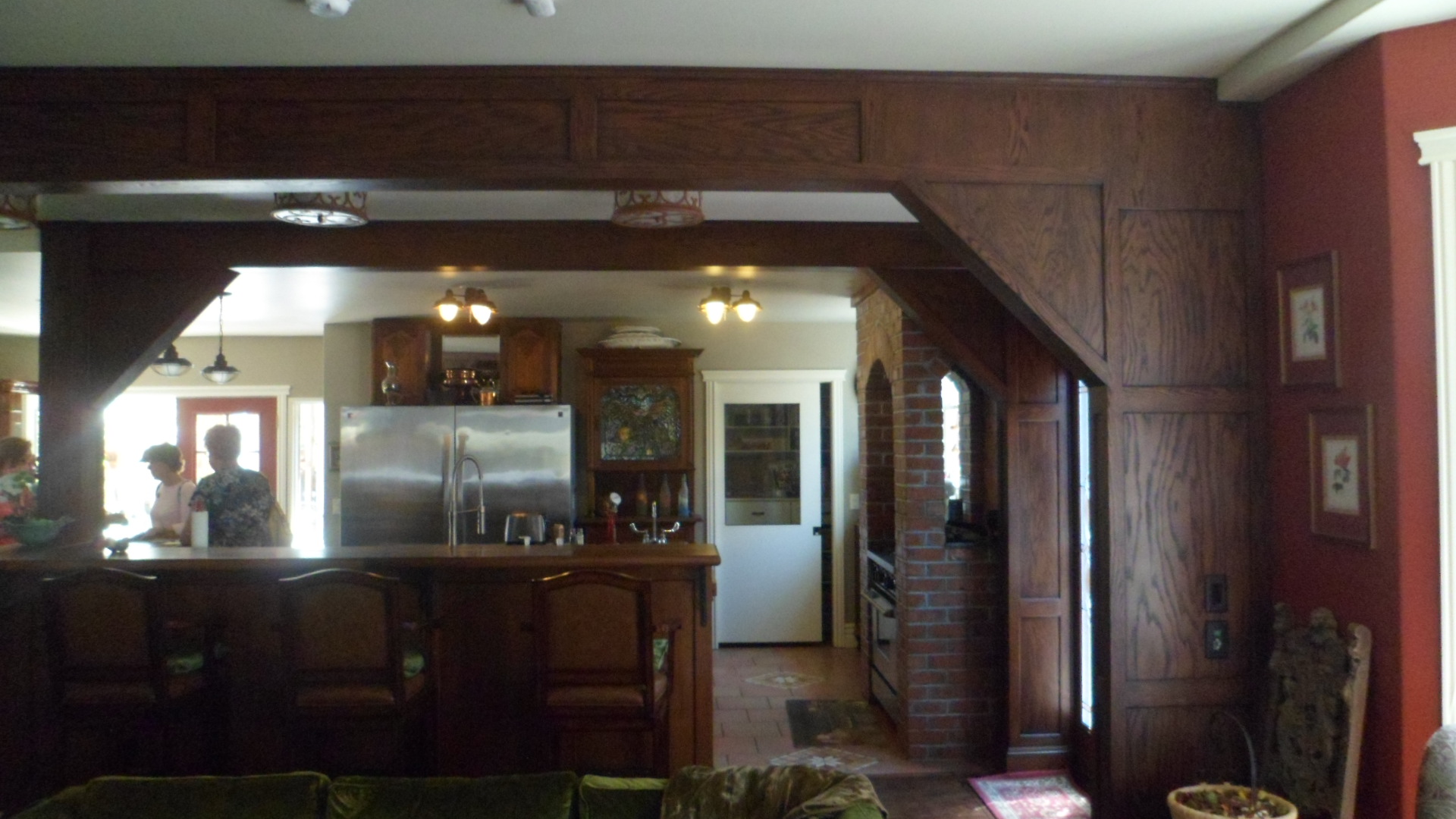
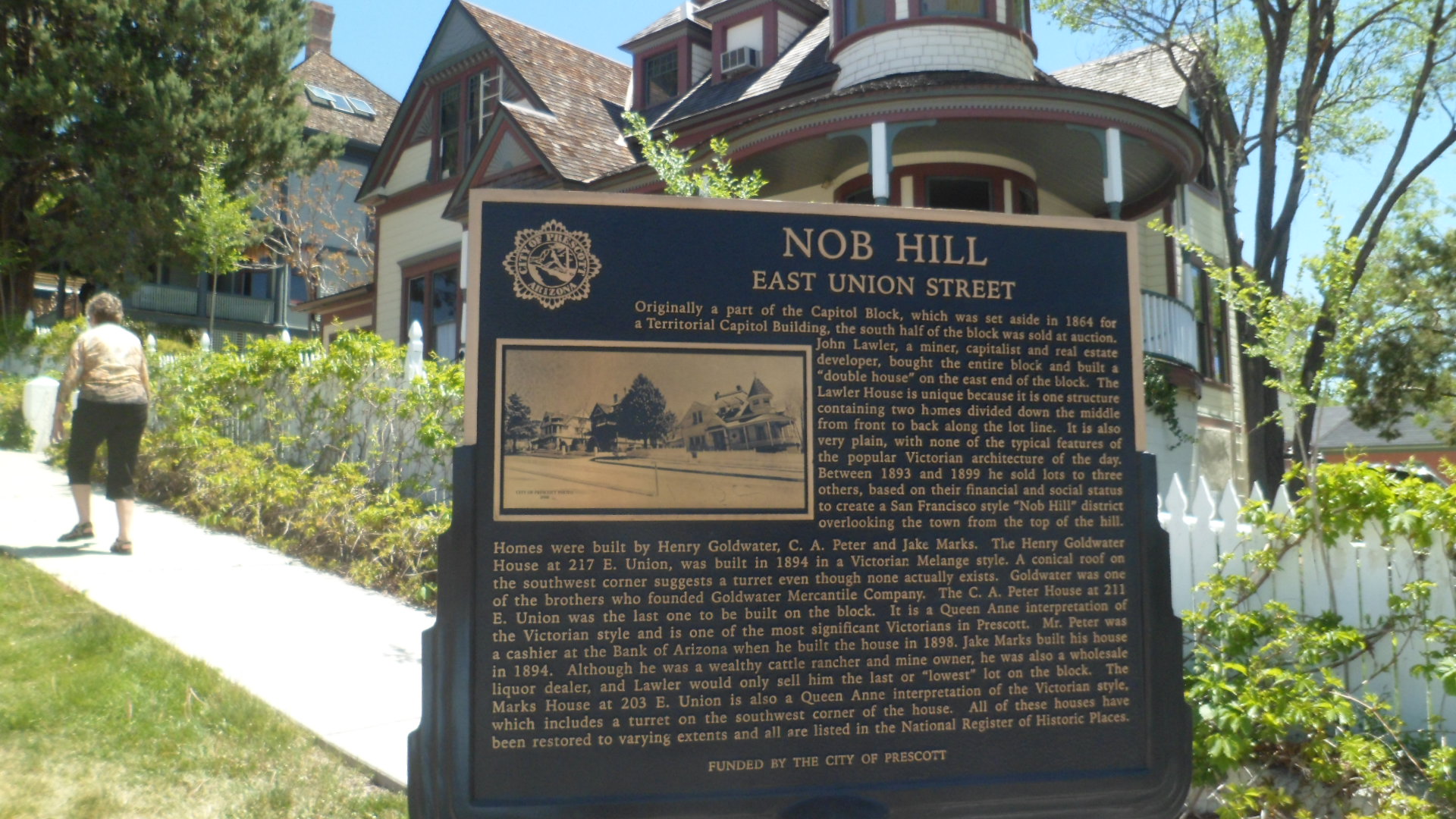
I stopped first at the Marks House.  The area of Union Street on which it, and three other historic homes, are located is called Nob Hill, a somewhat pretentious reference to the eponymous neighbourhood of San Francisco.  Marks House was owned by Jake Marks, a colourful rancher and miner of the 1890’s.

SAM_8623

Marks House was built in the Queen Anne style, which meant a turret was part of the design.

SAM_8625
SAM_8644

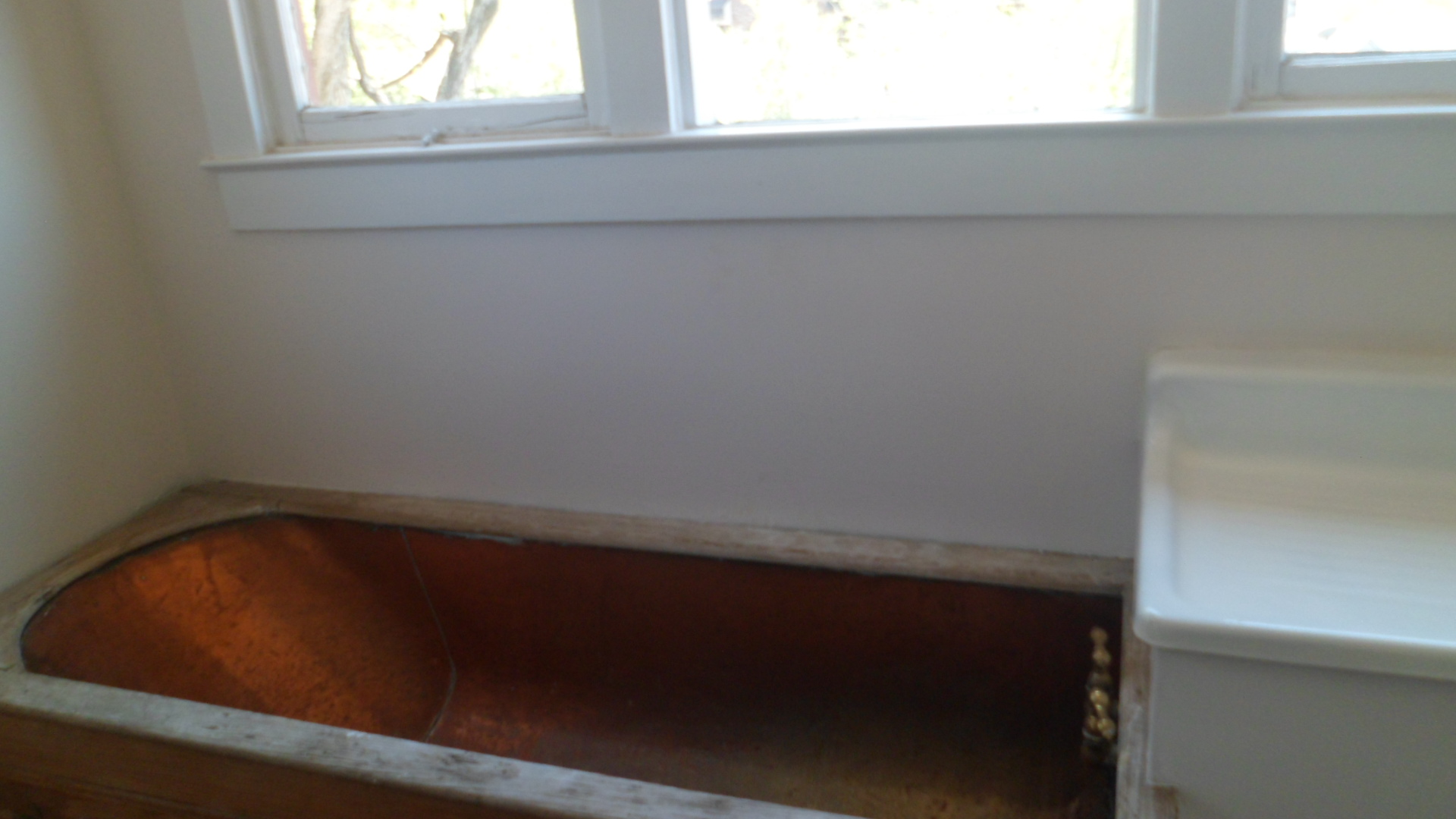
Here is a scene from inside the residence.  The copper tub is unique to this house, among Union Street domiciles, anyway.

SAM_8628

The framed photos of Jake and his wife bid visitors hello and goodbye.

SAM_8631

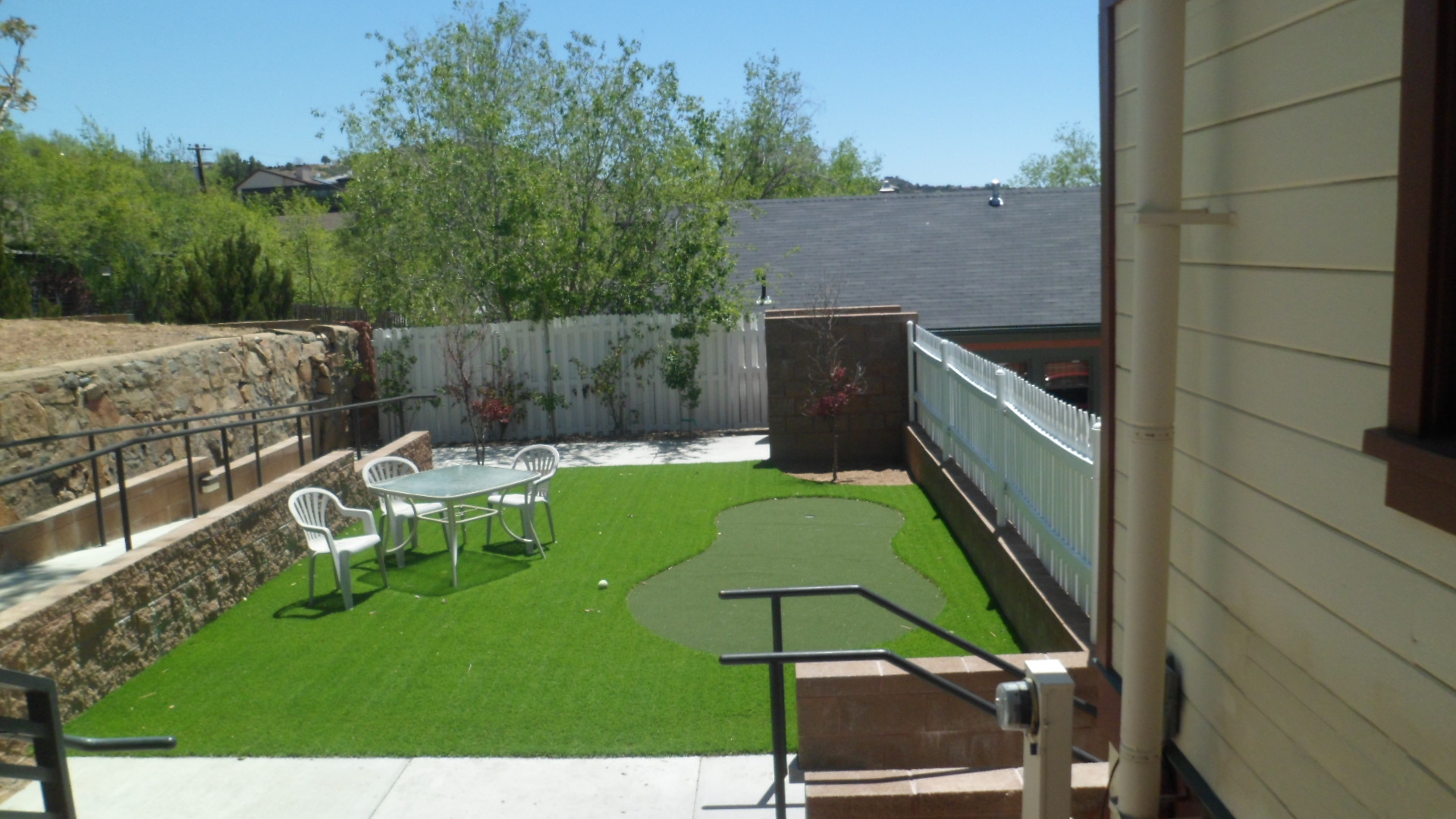
The manicured back yard favoured croquet tournaments.

SAM_8629

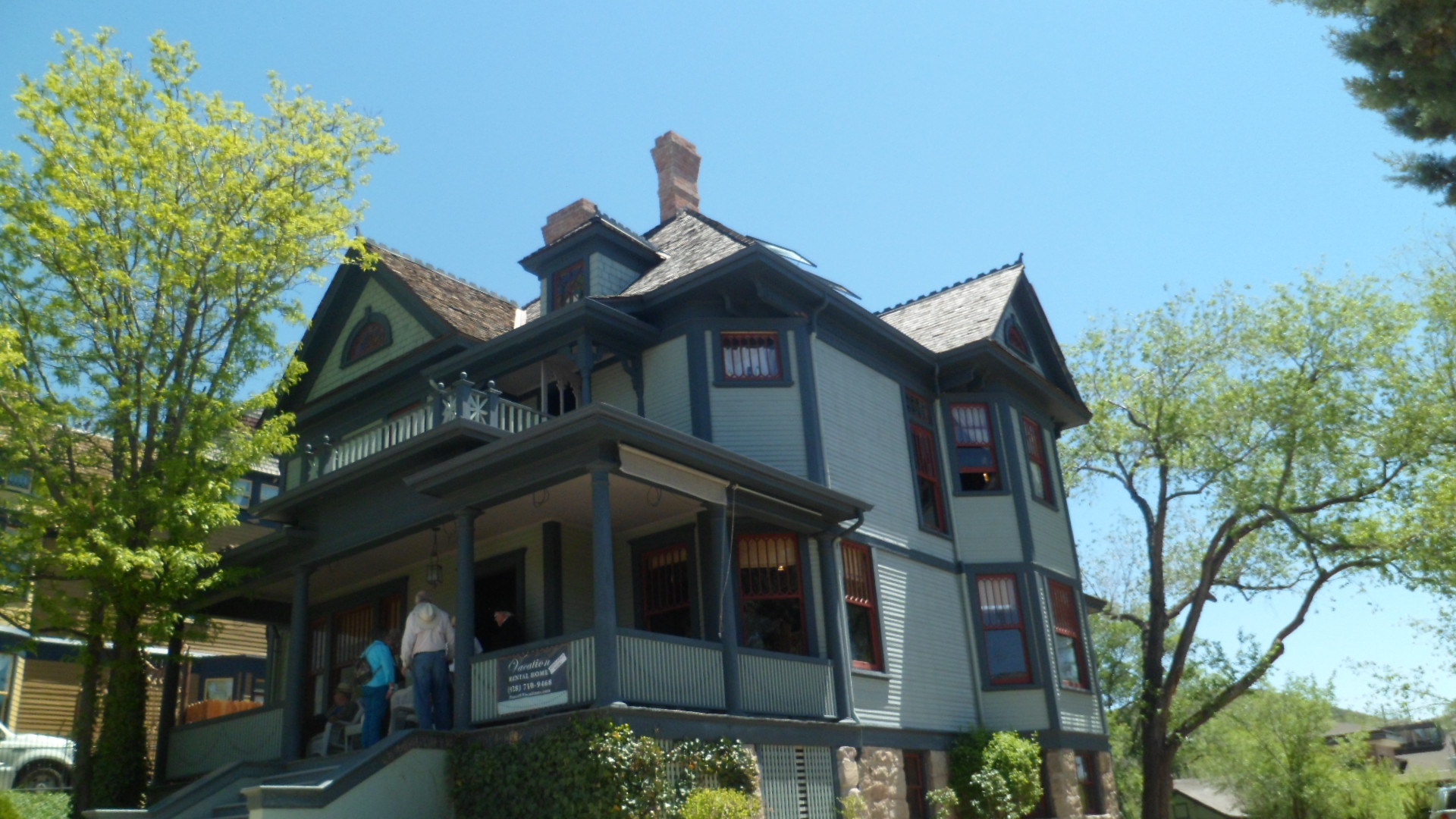
I meandered next over to C.A. Peter House, now a vacation rental.  It is remarkably well-maintained.

SAM_8632

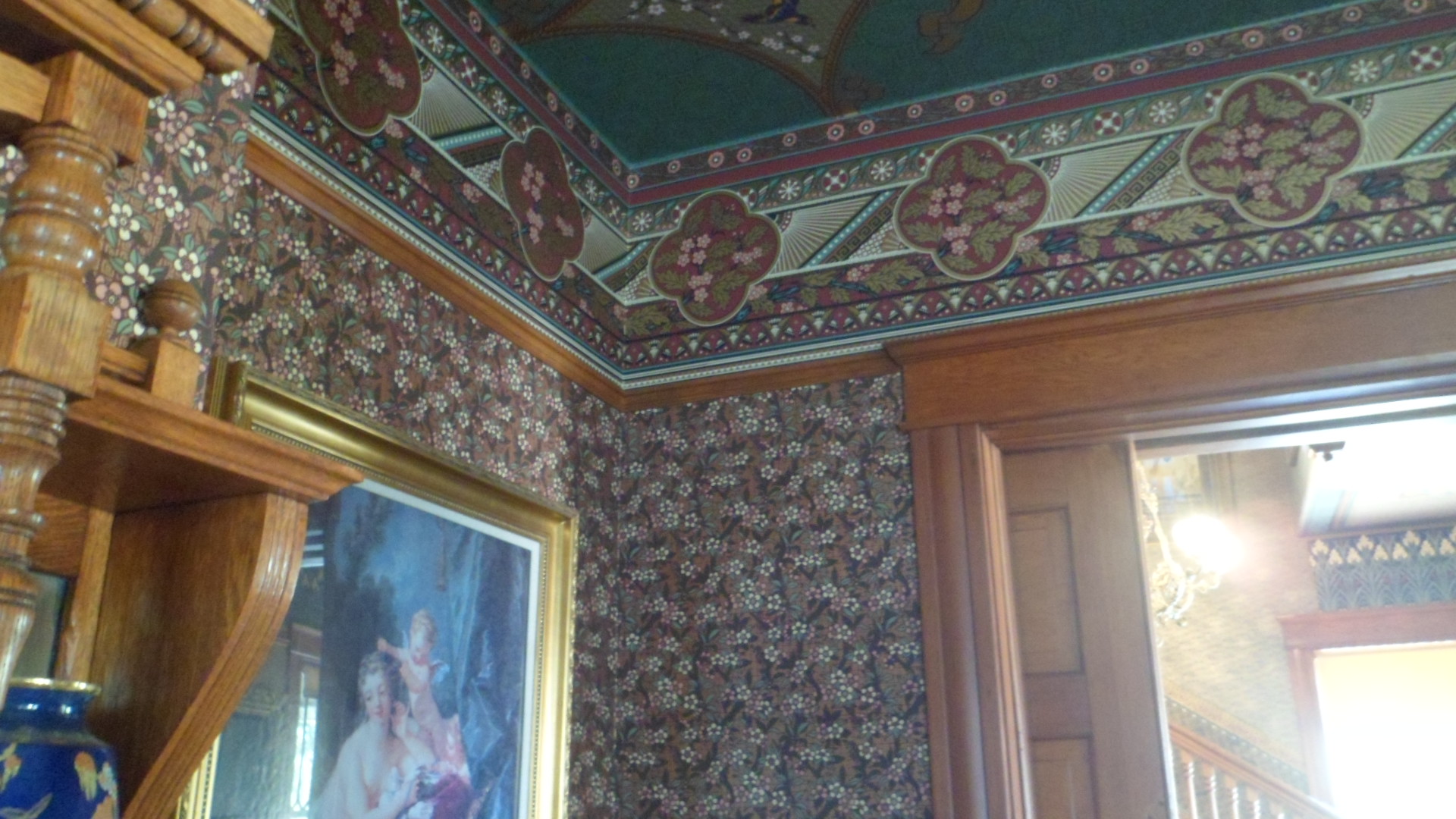
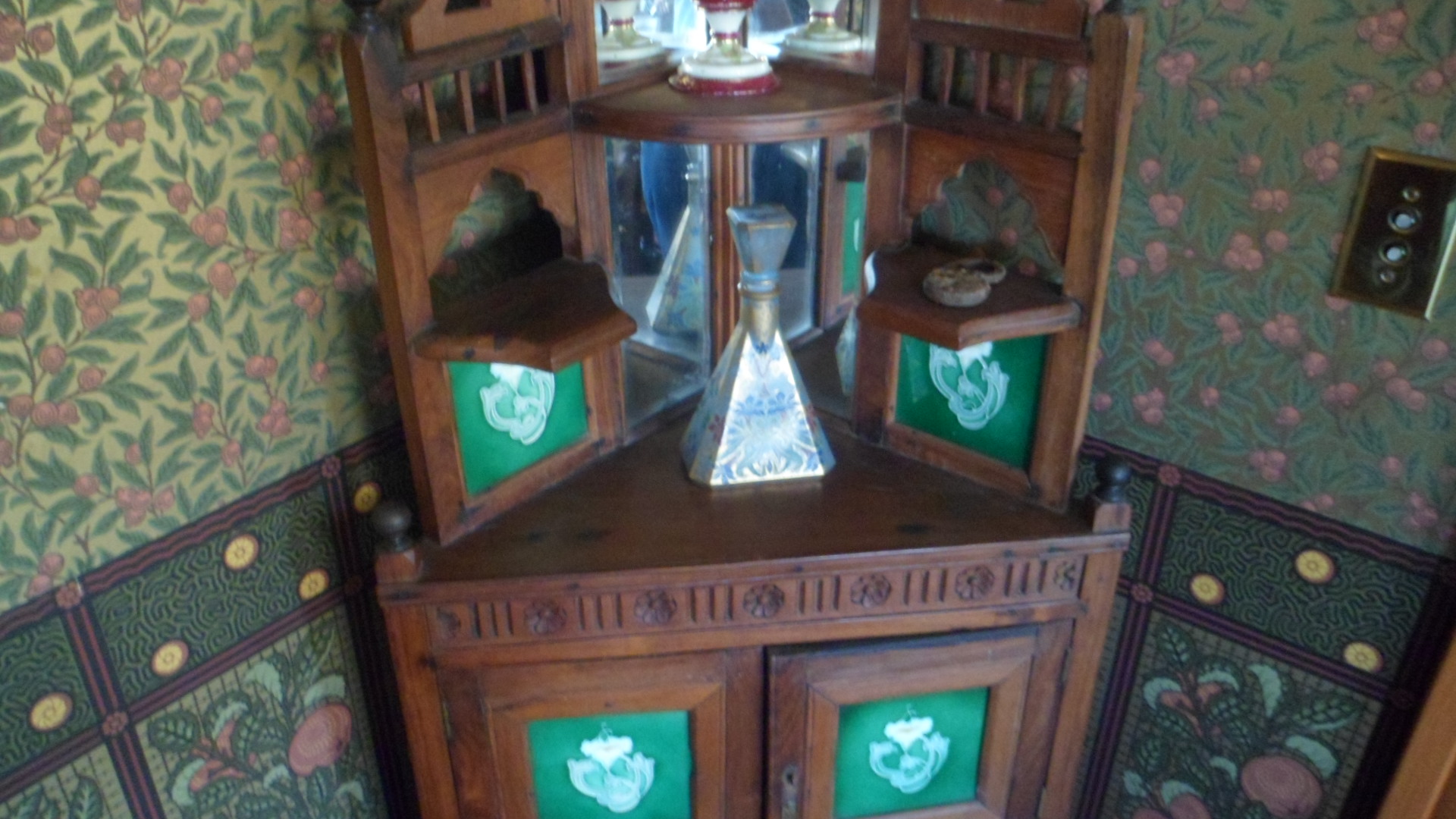
Hand-painted wallpaper evokes the spirit of Prescott’s mine baron heyday.

SAM_8636

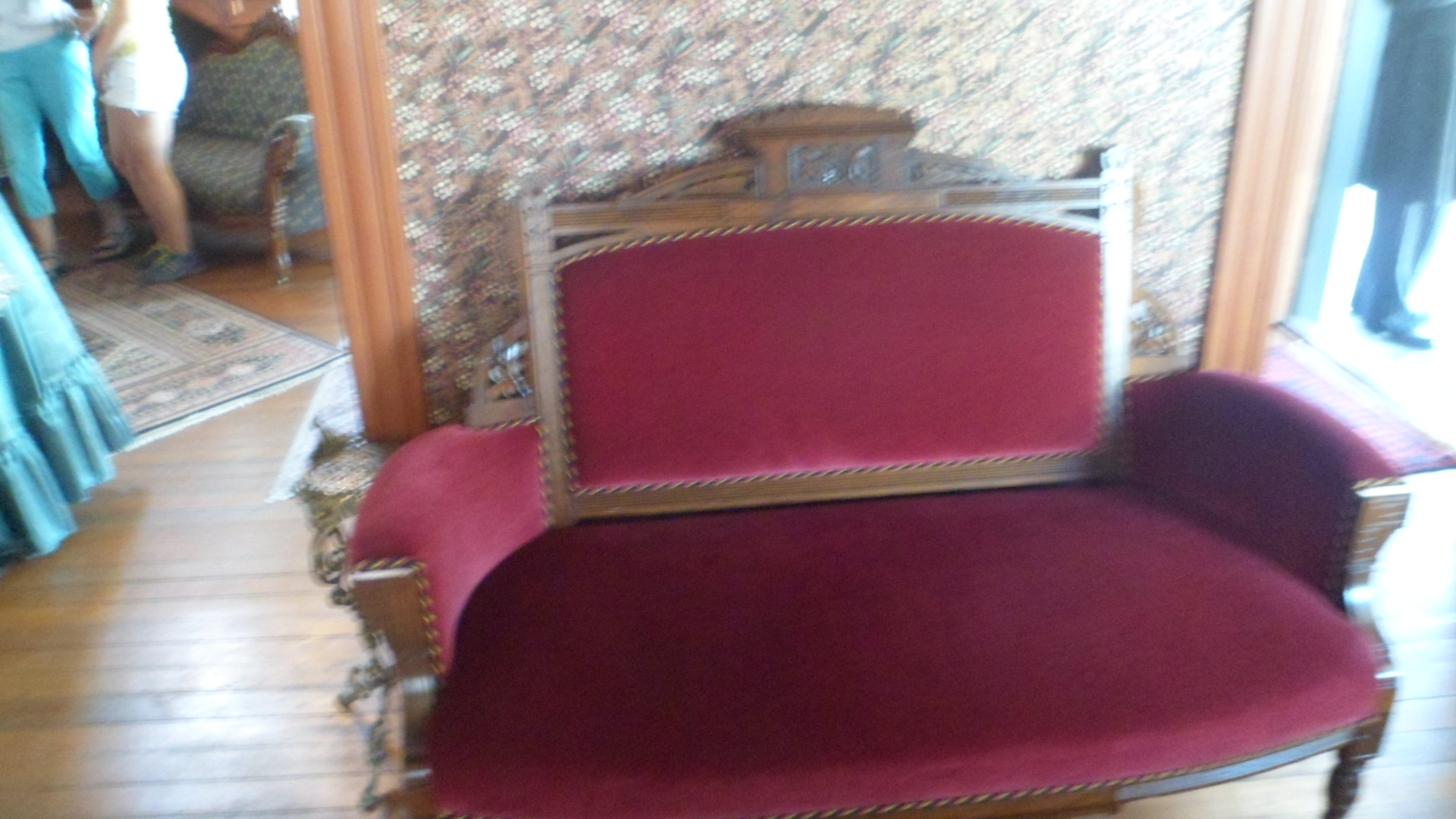
A handsome settee was useful for those who were winded by climbing the steps to the house, or by exploring all three of its well-appointed floors.

SAM_8635

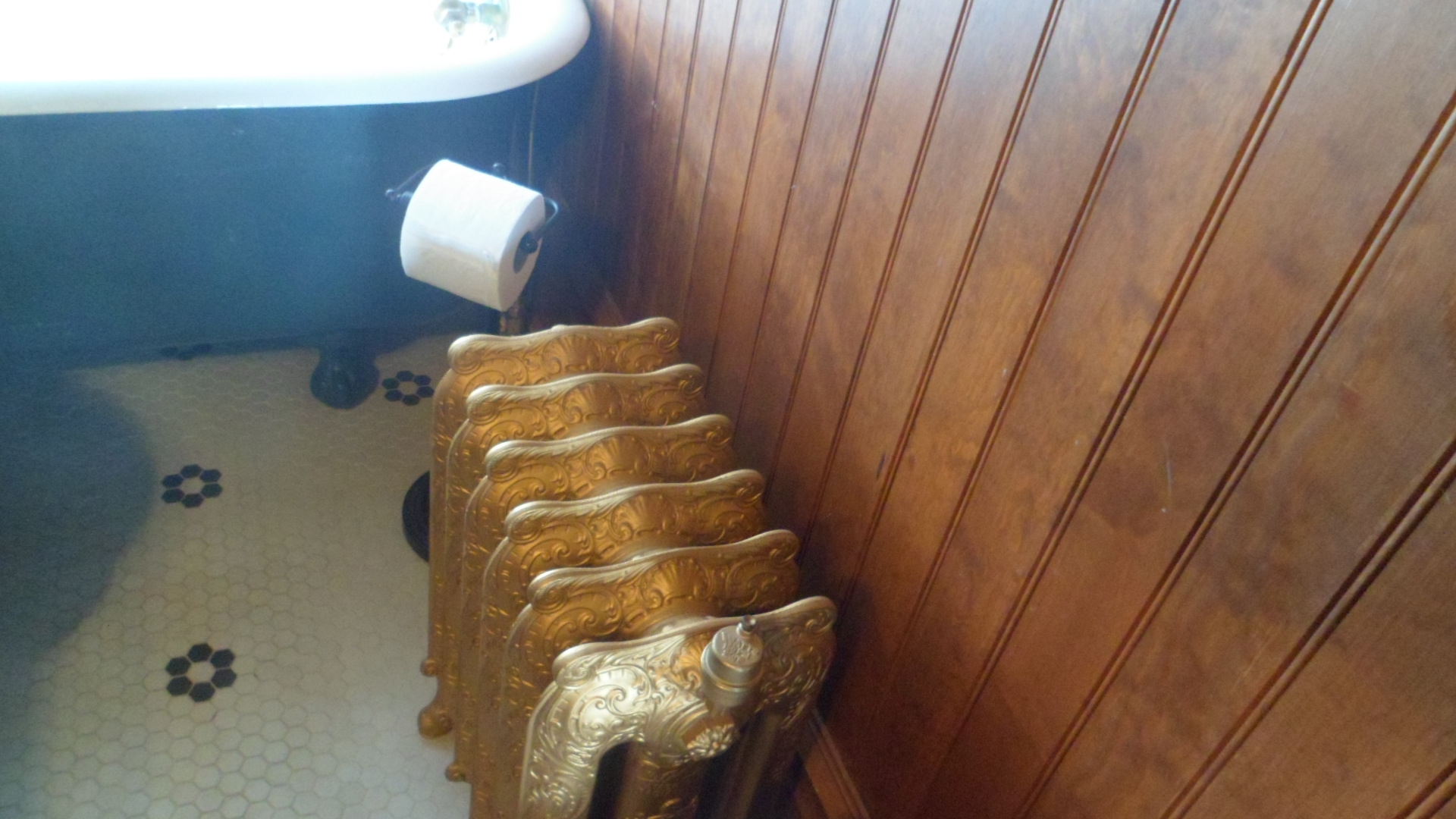
Steam heat was a must, from the 1880’s right up until the mid- 1960’s.

SAM_8648

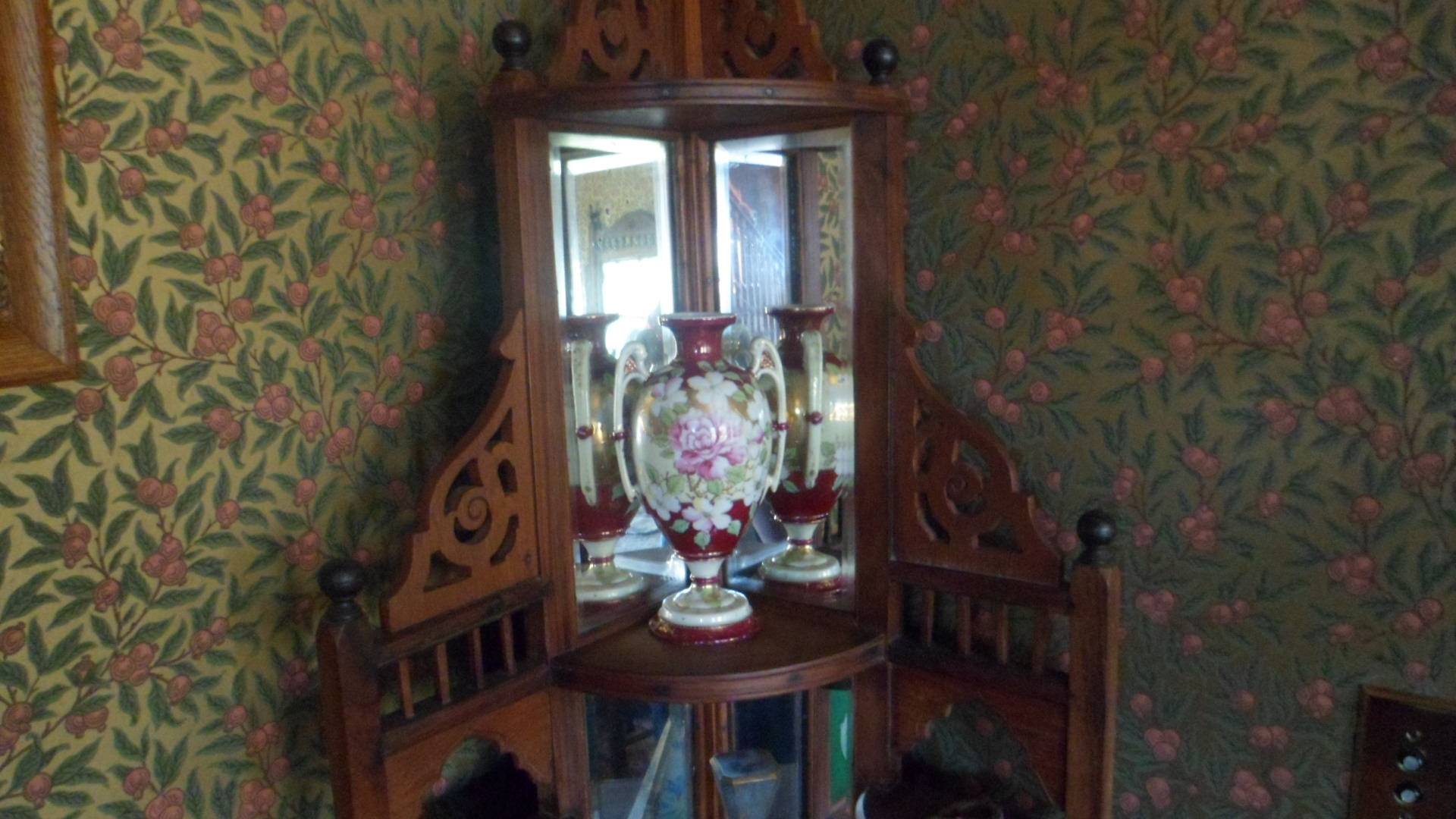
Decorative art alludes to the growing connections between the Mountain West, and the rest of the world, including China.

SAM_8637
SAM_8641
SAM_8642
SAM_8643
SAM_8654

Mr. Peter enjoyed a fabulous view of the Sierra Prieta, to the southwest.

SAM_8658

In the second of three installments, I will look at Henry Goldwater House, and at a few other locales, including Prescott’s most prestigious Bed and Breakfast.

Trailheads and Paths, Issue 15: Lamplight of Learning in the Inland Empire

2

Redlands, CA is one of those towns one could zip past, on the freeway, and totally miss out on one of life’s grander moments.  The town’s whole raison d’etre is the advancement of learning- from its university, established by the Seventh Day Adventists, who were the community’s prime movers, to the Lincoln Shrine, which honours  our 16th President, while promoting the study of civics and, of course, A.K. Smiley Public Library, established for the people of Redlands in 1894.

I first became familiar with Redlands, and nearby Loma Linda, when I first dated Penny, in 1981.  We visited her Seventh Day Adventist relatives here a few times, but I never really took photographs of the area, until Sunday, March 23, as the last leg of my most recent SoCal adventure.

Here are some views of the mountainside, and of downtown Redlands.

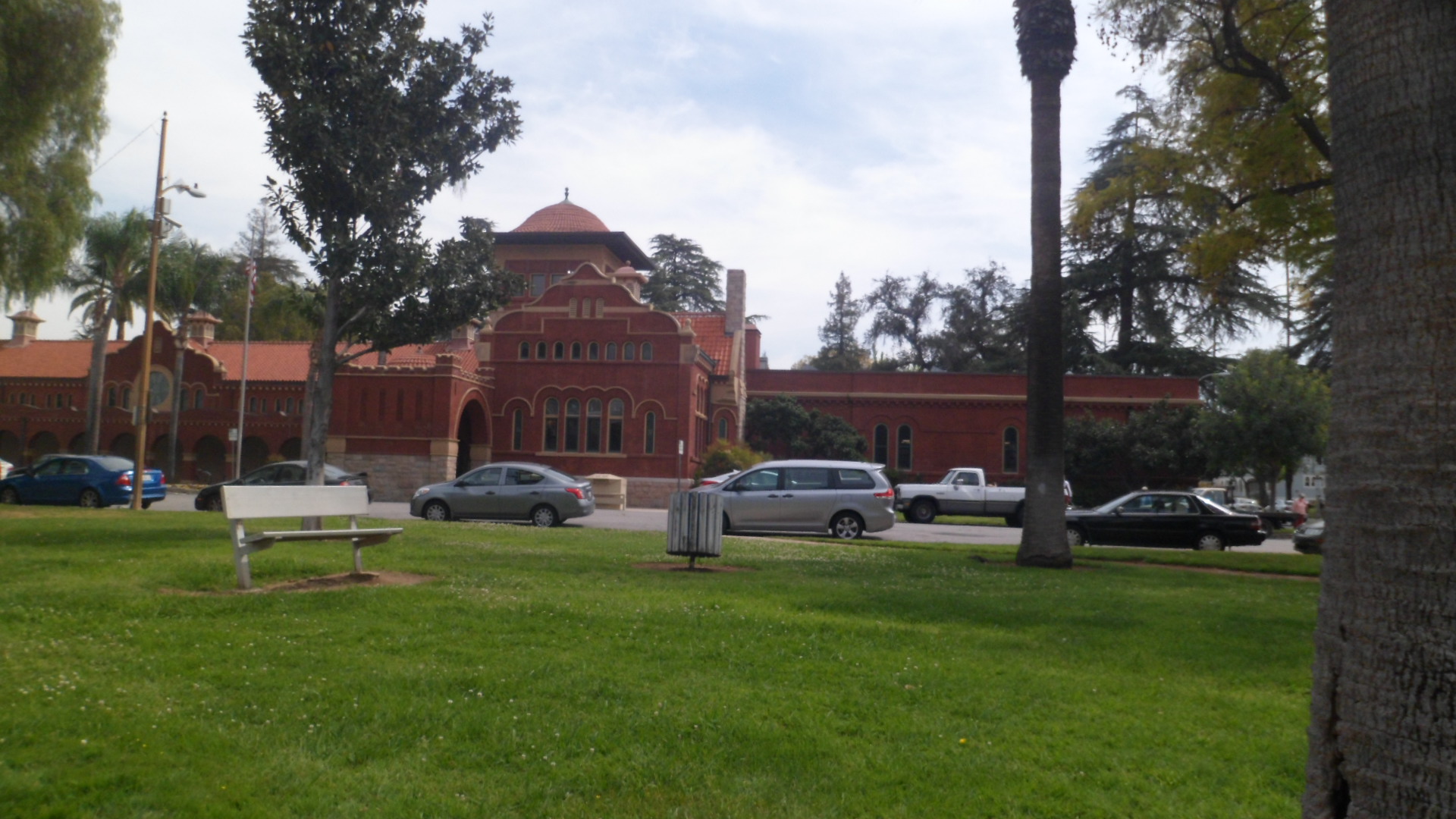
The Post Office set the tone for my expectations of Redlands architecture.

SAM_8513

The movie theater, just north of Redlands Mall, didn’t disappoint, either.

SAM_8514

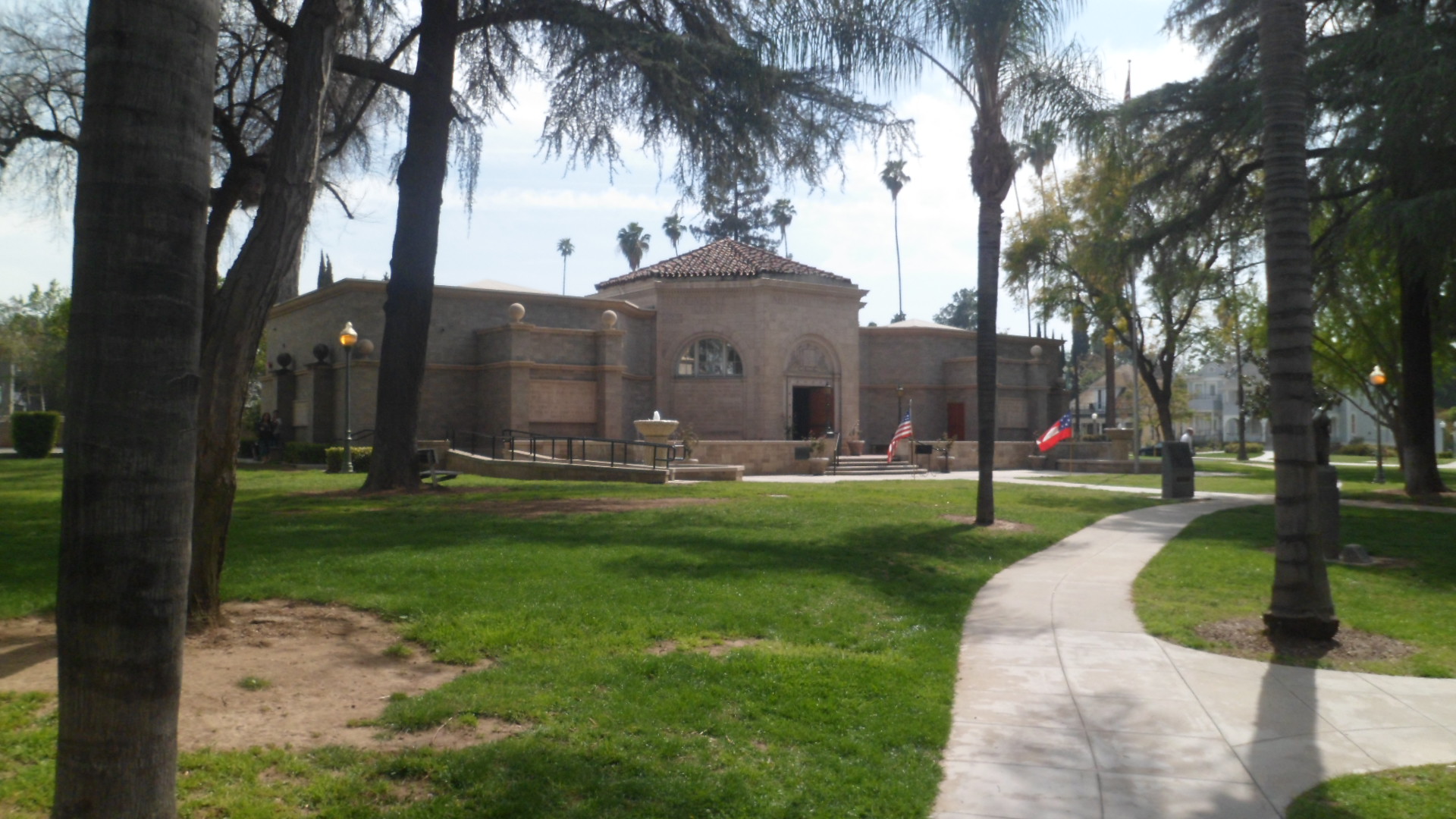
It was the Smiley, however, which really stood out and dominates the scene, from its place on the mountainside.  Two of Redlands more prominent early citizens greet the visitor.  They are, of course, Albert K. Smiley, and his brother, Alfred.  Each year, green hats are placed on the two, in honour of their March birthdays.

SAM_8515

The next two shots give an idea as to the size of this edifice.

SAM_8516
SAM_8517

Below, the main entrance is given some justice.

SAM_8518

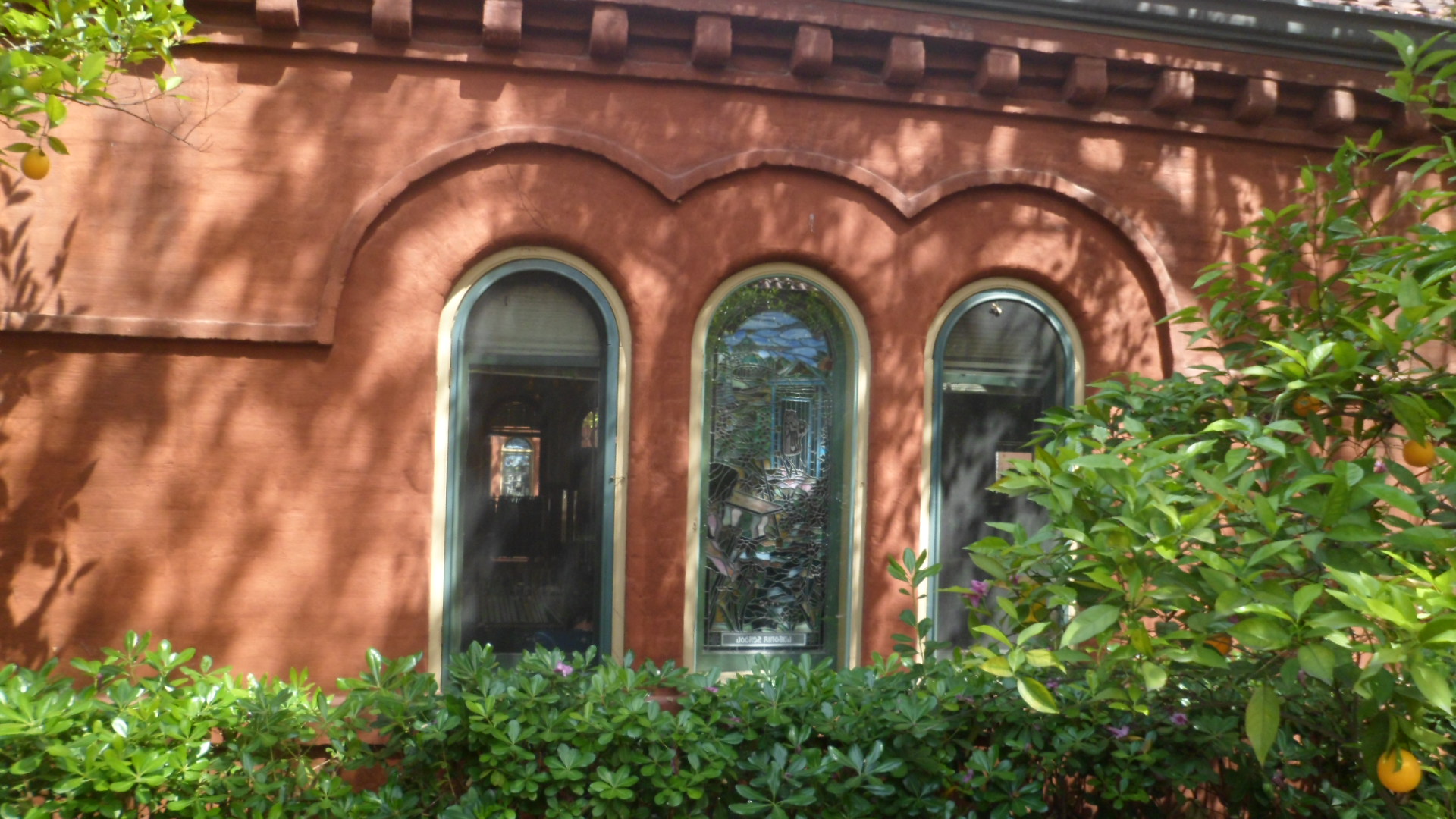
Stained glass adorns most of the windows.

SAM_8522

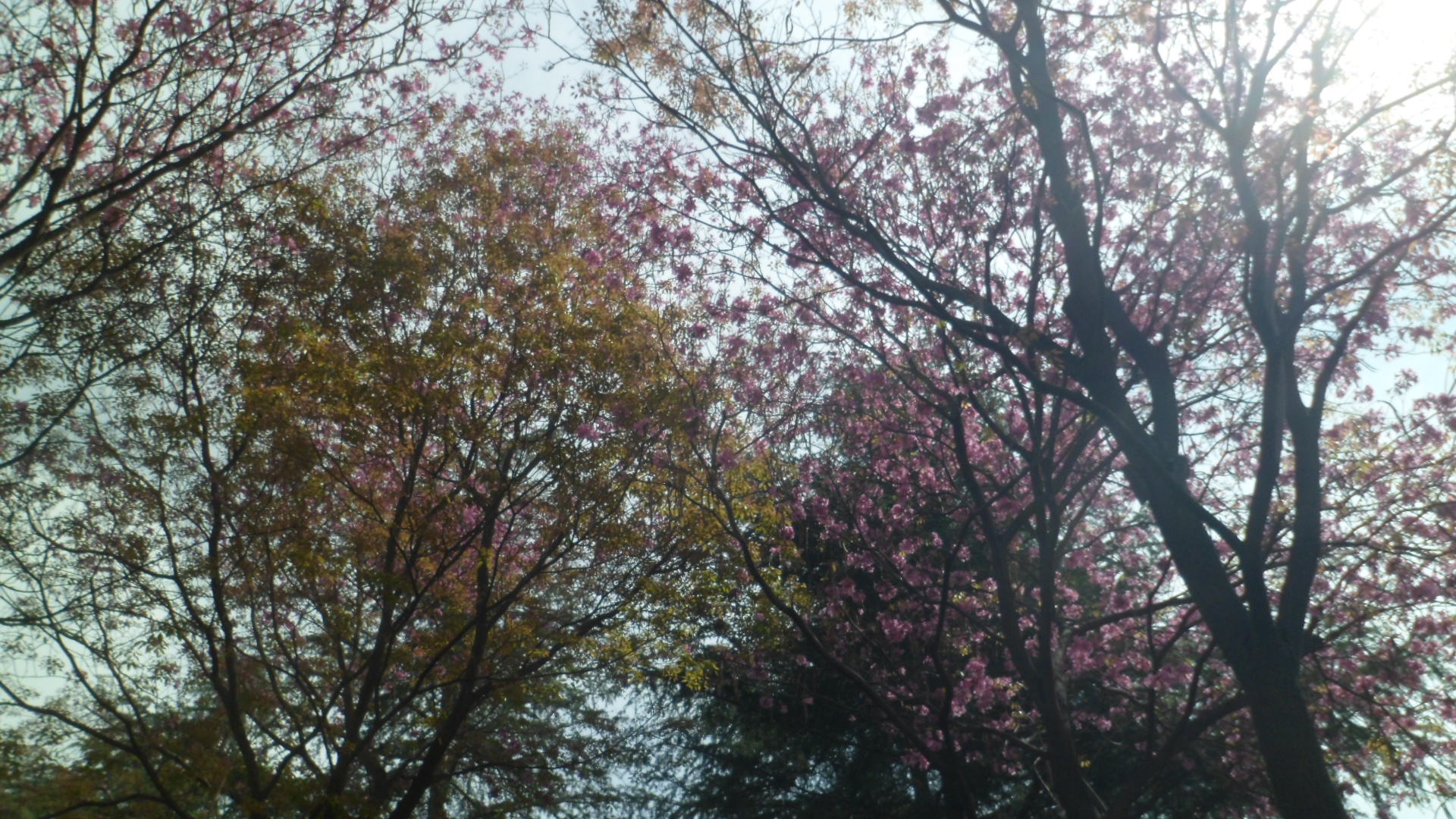
As is the case in most buildings of the time, garden courtyards may be found on either side of the main corridor.  Cherry blossoms are as prolific here, as anywhere in southern California.

SAM_8519

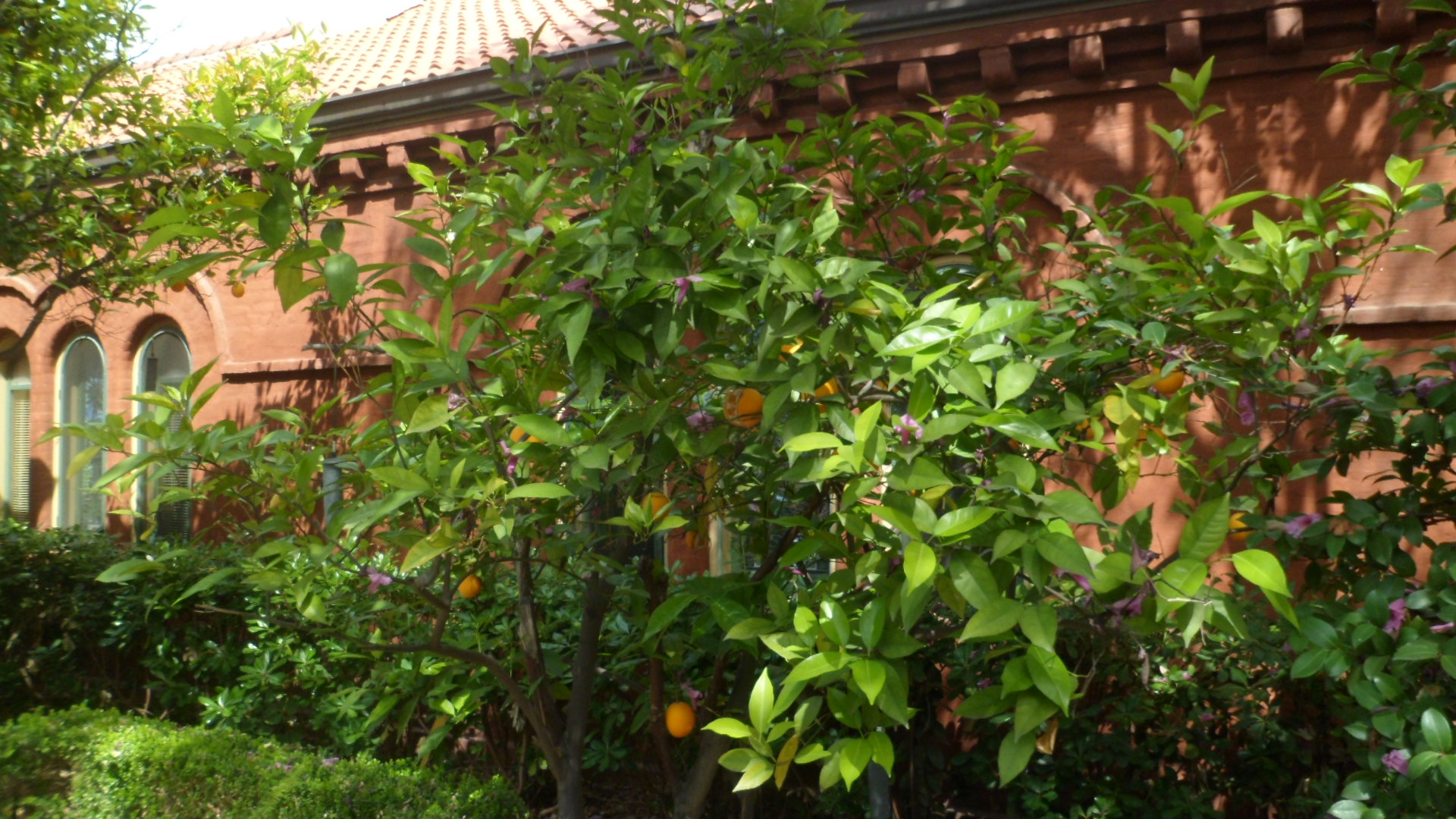
Orange trees symbolize what brought material prosperity to San Bernardino County, as well as nearby areas of the Los Angeles Basin, pre-suburbia.

SAM_8520

As devout as SDA people are, they also have a playful side.  Here are a couple of signs of Spring, topiary-style.

SAM_8524

The cavernous Main Reading Room lends gravitas to the Smiley, as well.

SAM_8525

Immediately to the south of the Library is the Lincoln Pavilion.

SAM_8526

Honest Abe, and an impressive collection of  Lincoln memorabilia, are on display within.

SAM_8528

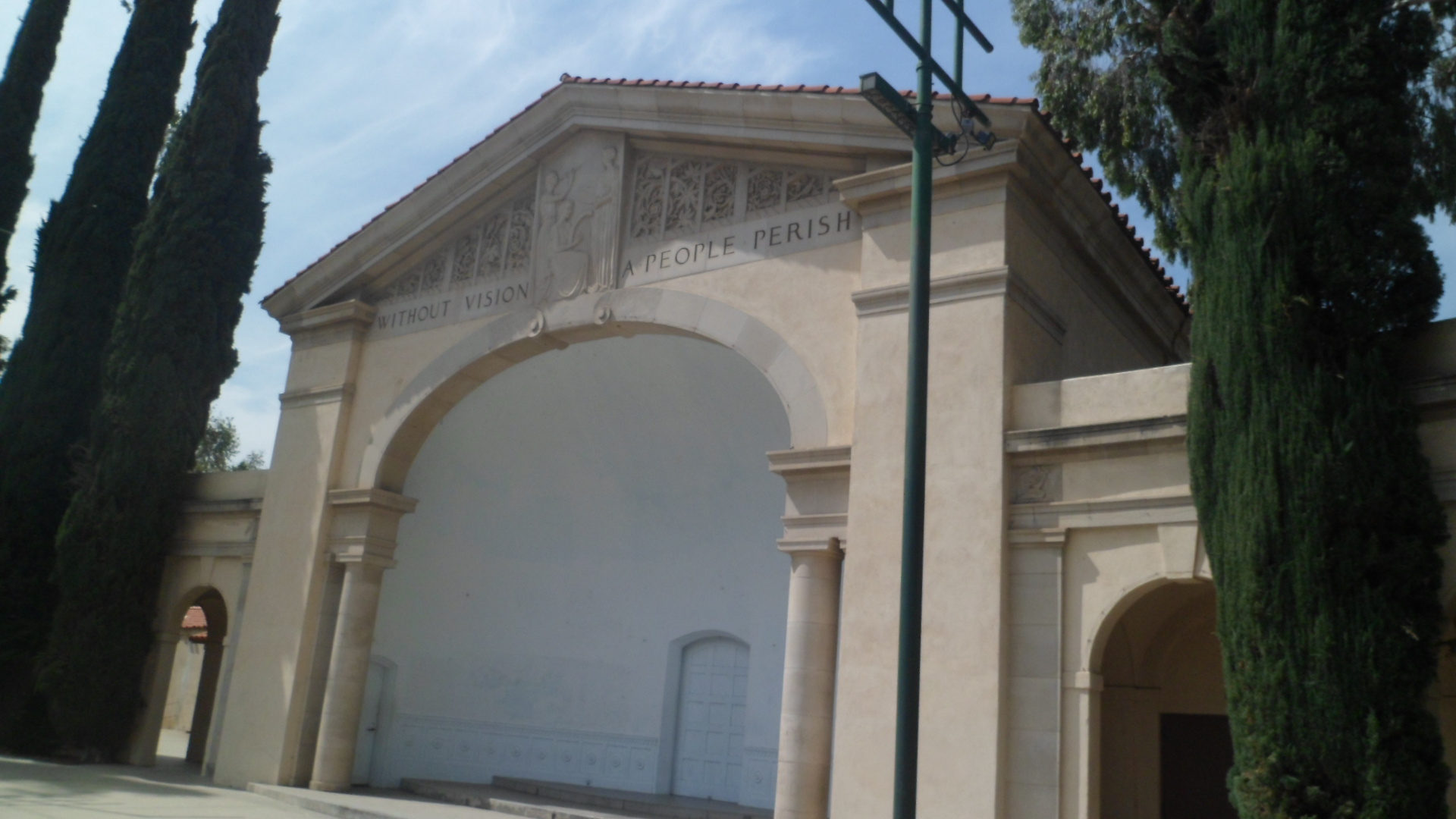
I spent about 30 minutes inside, then went across the street, for a look at Redlands Bowl, the municipal amphitheater.  A photo shoot, featuring a fashion model, was in progress when I made my visit.  Without disturbing the young lady in her work, I got a few shots of the venue.  Note the many Italian Cypress planted here.

SAM_8530
SAM_8533

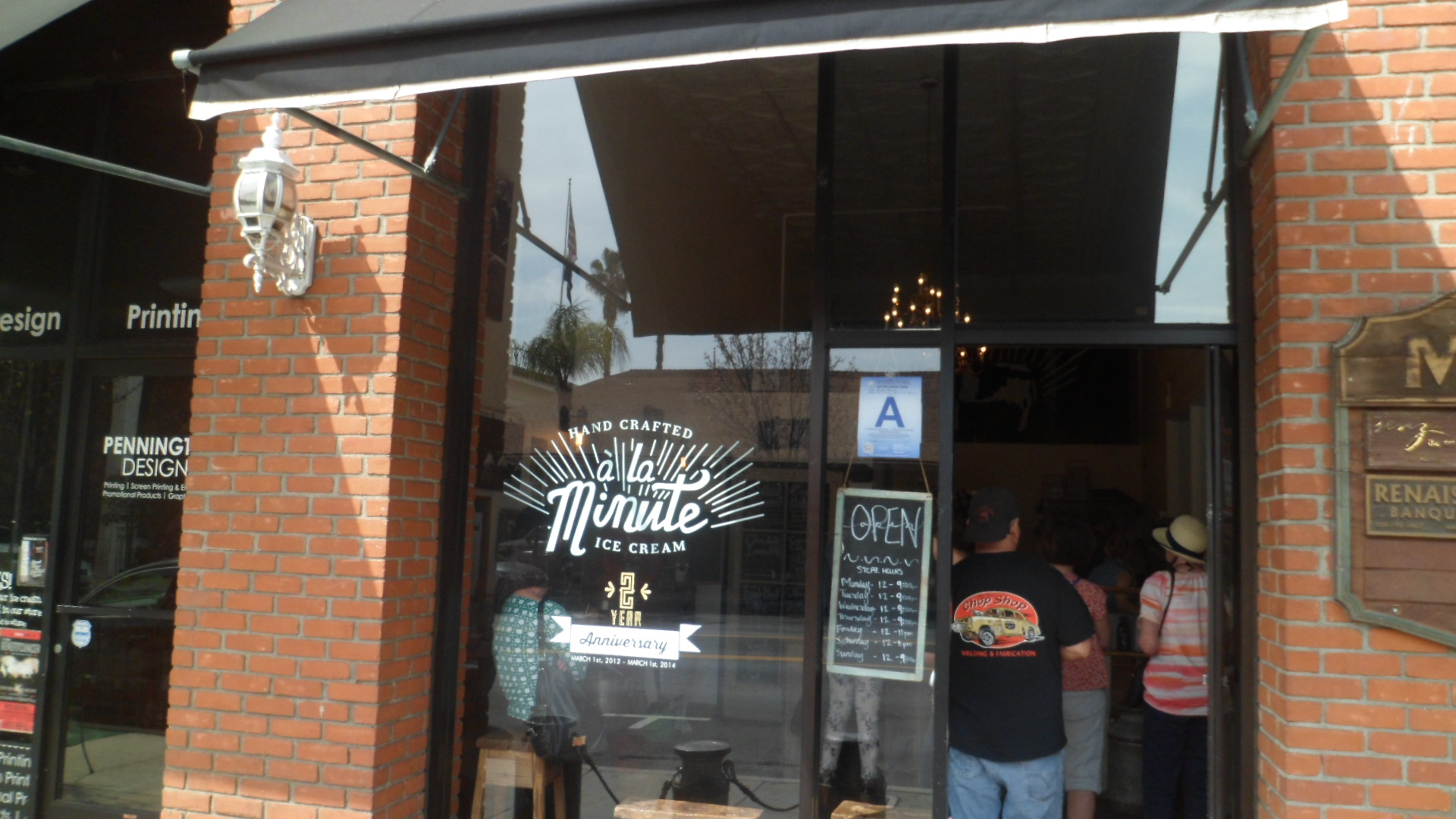
After this, it was time for a stroll downtown.  I was delighted to find an ice-cream shop, which features made-to-order, nitrogen-infused delicacies.

SAM_8536

After enjoying some salted caramel ice cream, I noticed that Mom and Pop are working hard for local children.

SAM_8537

Downtown Redlands, on a Sunday afternoon, was serene, even with a modest crowd meandering the streets, including some local teens, who were shadowing me from a safe distance, while giggling and goofing around.

SAM_8538

Redlands homes are mostly well-kept, and surrounded by greenery.

SAM_8540

So, another lovely trip to the Golden State came to a sweet end, courtesy of yet another fine locale, in the underrated Inland Empire.

Trailheads and Paths, Issue 14: Halls of Eastertide

4

On this Easter, 2014, let me share the final segment of my March 23, 2014 visit to San Gabriel, CA:  The church itself.

Here, en route to Mission Church, is the Mission Elementary School.

SAM_8426

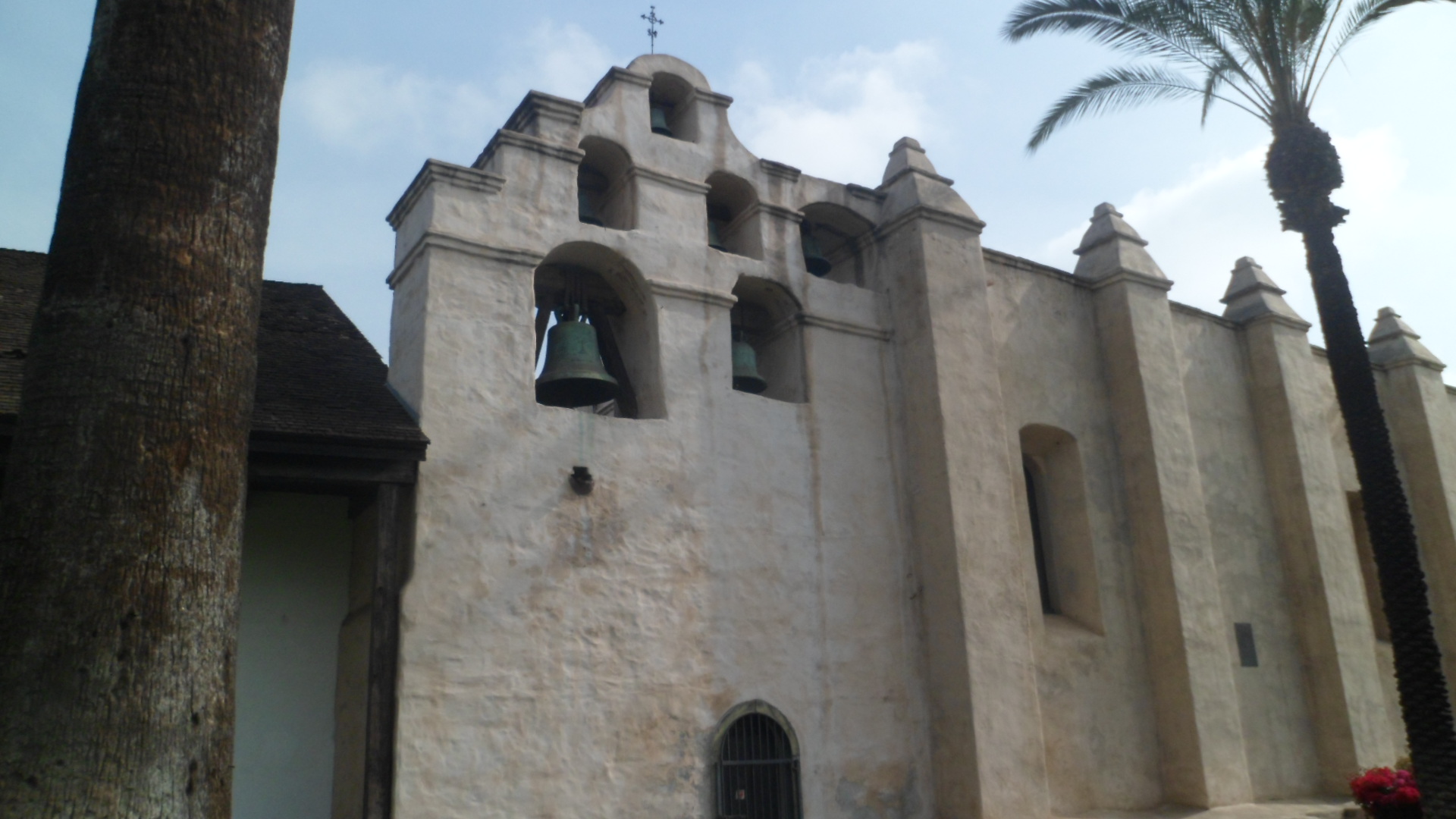
Here is the Campanario, or Bell Assembly, on a wall separate from the Mission Church itself.

SAM_8427
SAM_8502

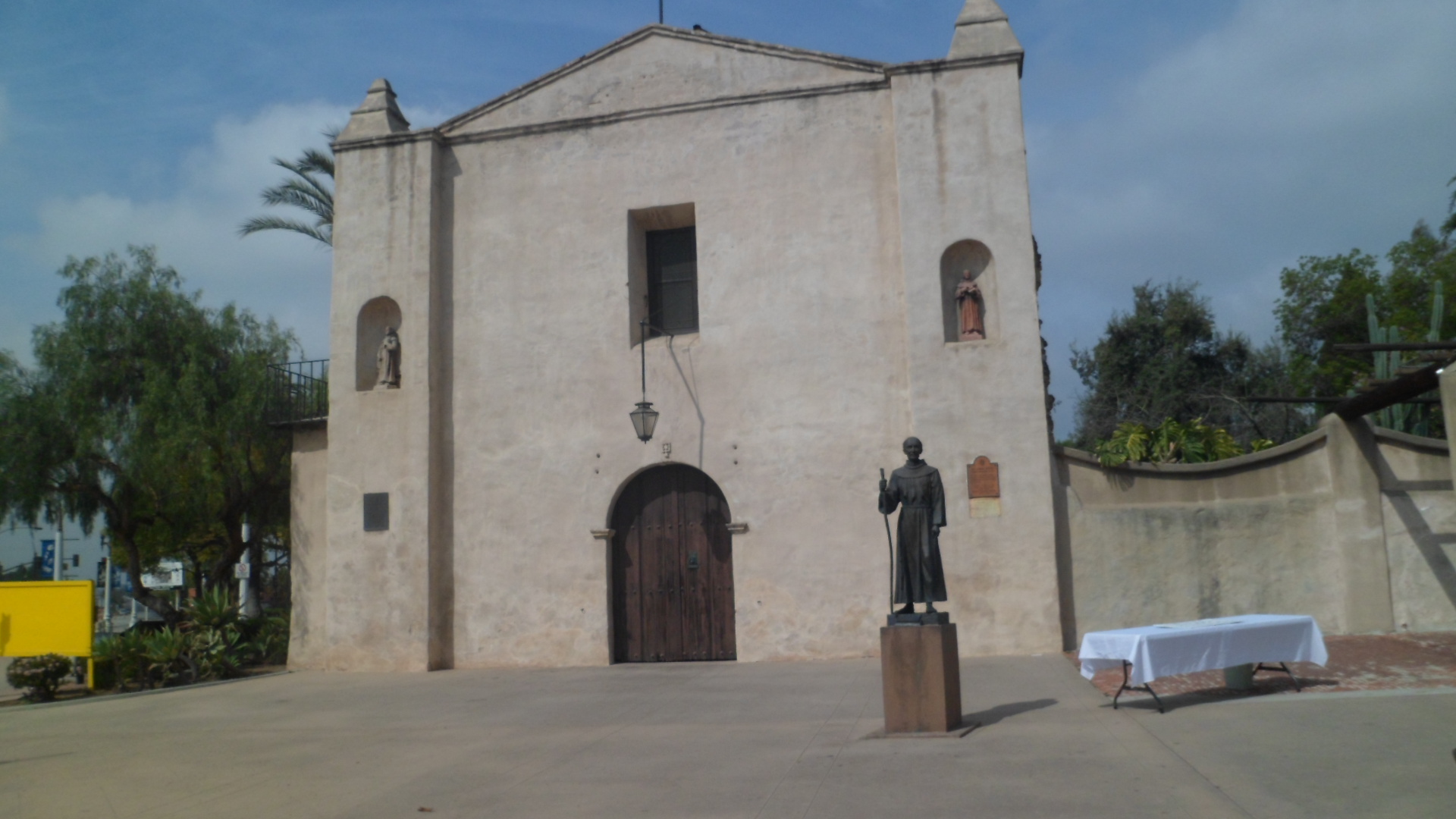
The Mission Church’s main entrance features this decorative door.

SAM_8430

A statue of Father Junipero Serra greets all who approach the Mission

SAM_8433

Inside, it is the Holy Spirit Who hosts one and all.

SAM_8495

The deacon has his own loft.

SAM_8496

So, too, does the choir.

SAM_8500

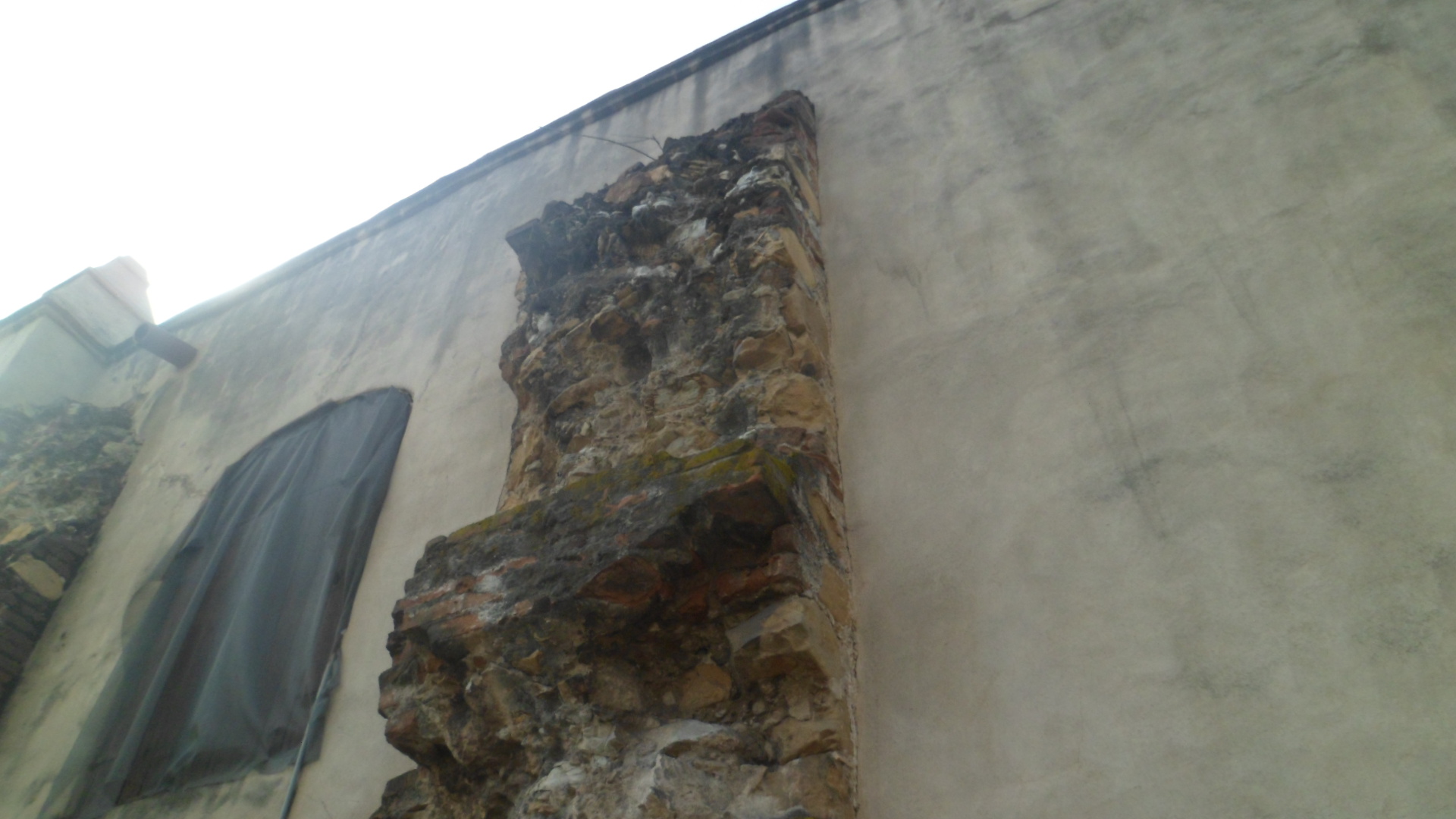
The adjacent museum features one of the original decorative columns on the outside.

SAM_8494

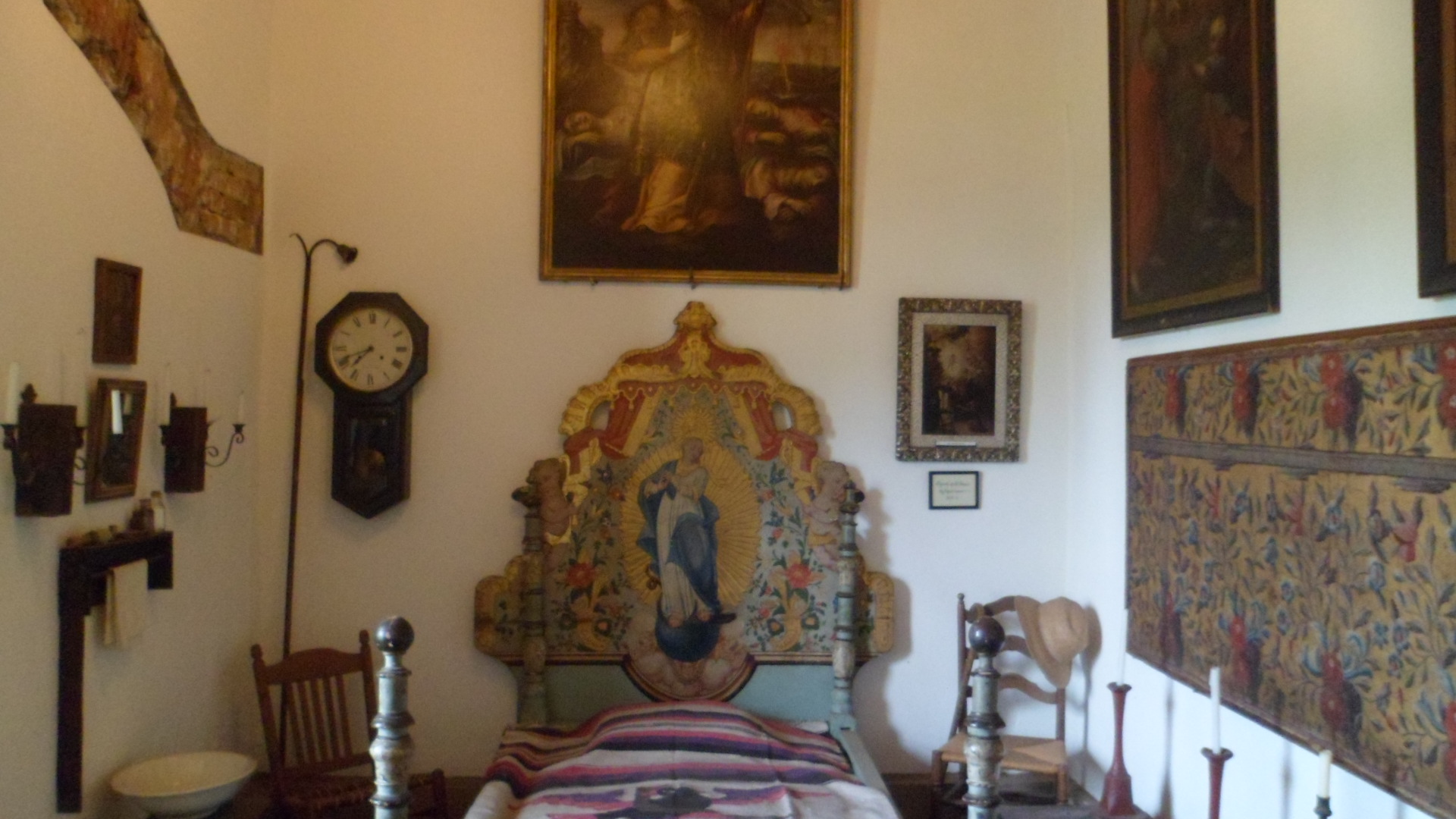
Glimpses into the lives of the monks also continue here, as they did in the Garden.  The Abbot’s bedroom was small, yet looked comfortable enough.

SAM_8488

Here is one more look at the Mission Church, as the congregants prepared for a mid-Lenten after-Mass gathering.

SAM_8501

The Pride of the Missions certainly lived up to its sobriquet on that sunny and happy day.

NEXT:  Last, but not least, on my latest California jaunt, was Redlands.

Trailheads and Paths, Issue 13: San Gabriel, Part II, The Gardens

12

The serene inner garden of Mission San Gabriel Arcangel  exists in four parts.  There are indeed four points in this lovely arrangement:  The Grape Arbor; the manufactory; the Peace Garden; the Tongva display.

When entering the garden, through the Mission’s Museum Store, one encounters an area that links the four points of this amazing island of serenity.  Here, it is explained how the big picture of Spanish settlement fit the work of the monks and friars into its warp and weft.

SAM_8434

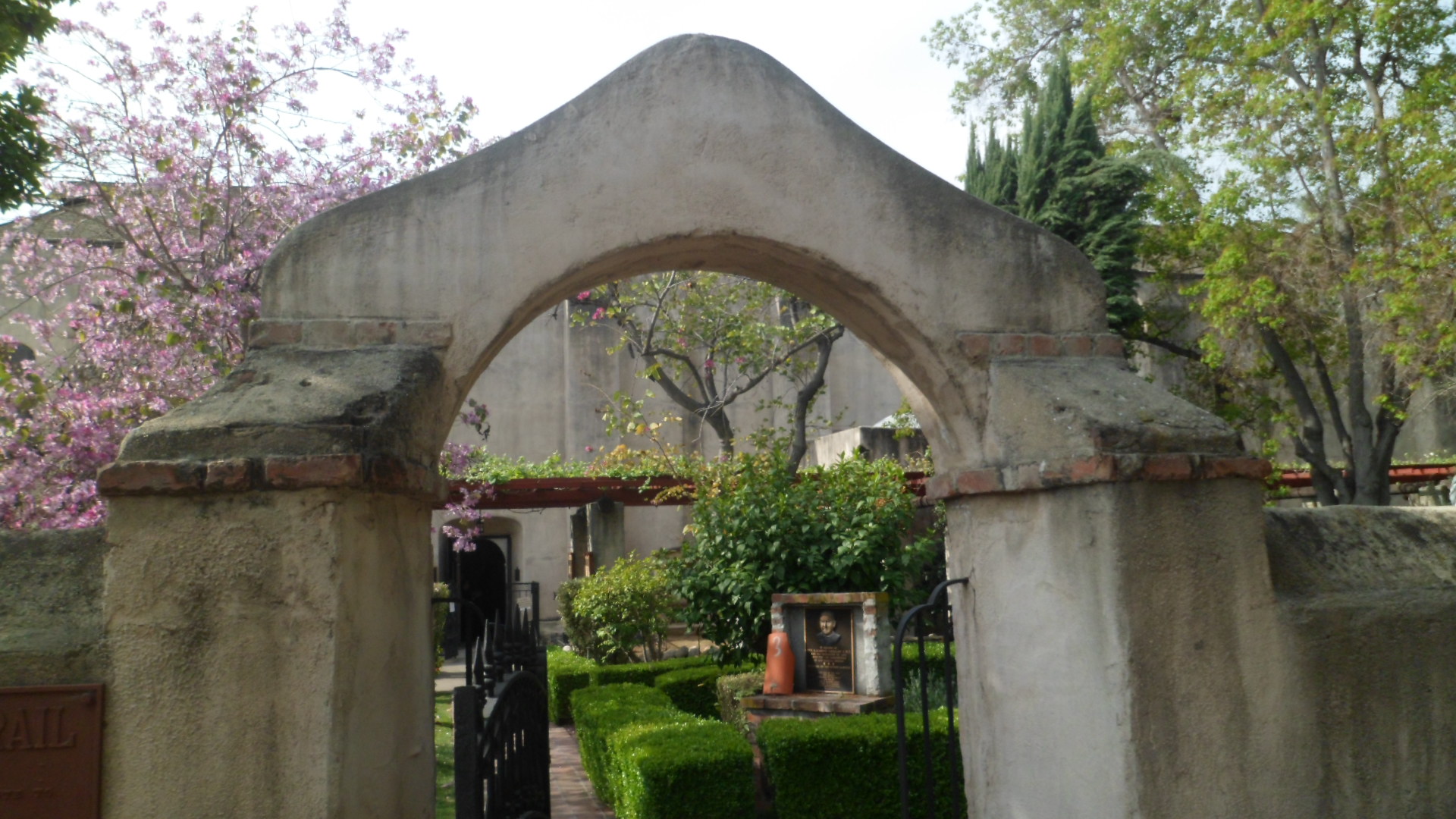
An archway brings the traveler into the Peace Garden.

SAM_8435

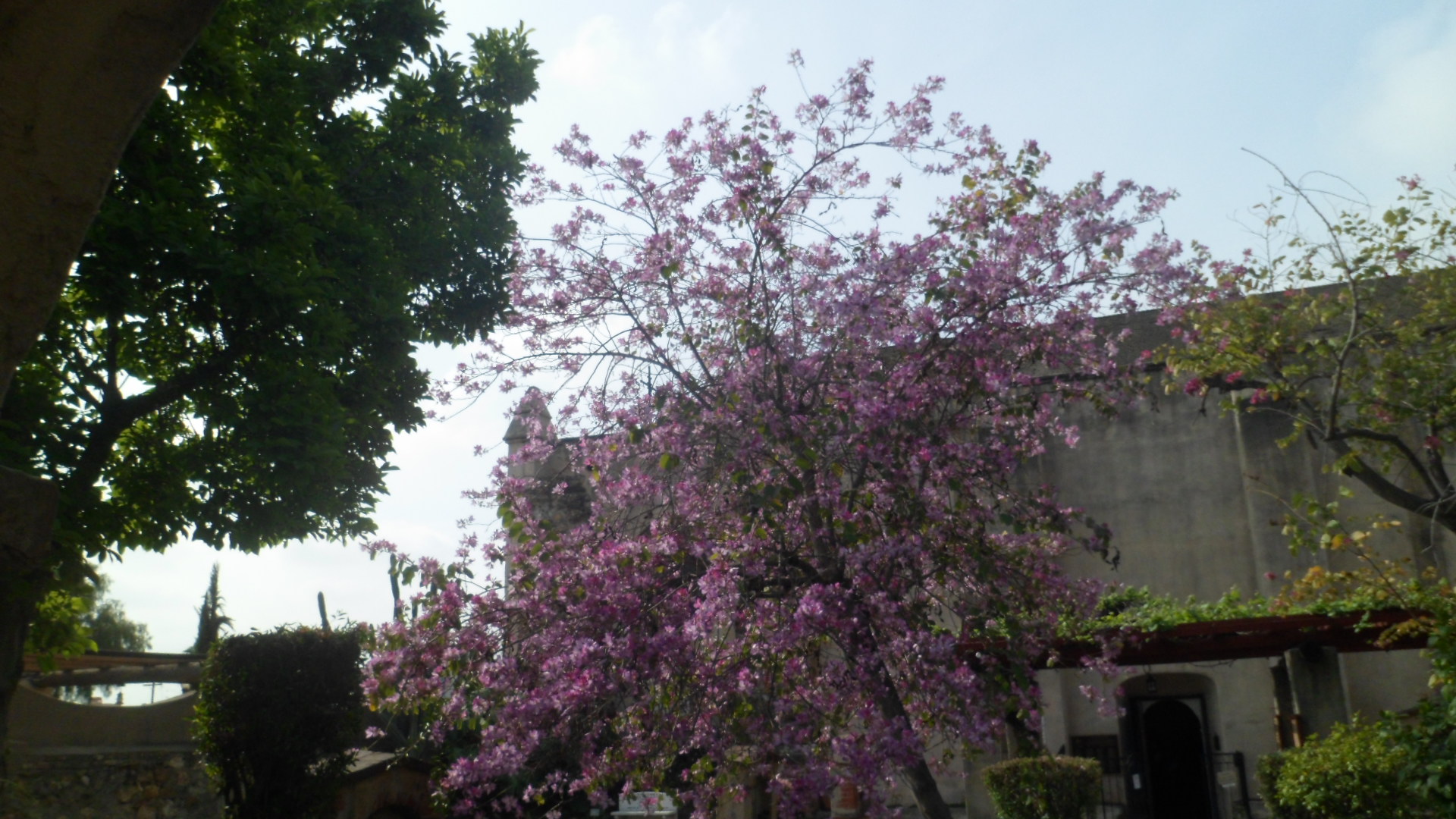
From here, it is wise to listen for any signs that there might be a Mass, or other worship activity, going on, as the Mission Church is immediately ahead, to the south.  As Mass was in progress when I walked through the Archway, I contented myself with walking about in the Tongva quadrant.  Cherry blossoms were abundant.

SAM_8436

A lion glared out from the fountain.

SAM_8437

As was the case at the Playhouse, there is a full set of  miniatures of the California missions, in this section of the garden.  Here is a miniature of Mission San Gabriel Arcangel.

SAM_8444

The garden path weaves in and out, through the various sectors.  This area, for some reason, invoked Gethsemane, for me.

SAM_8462

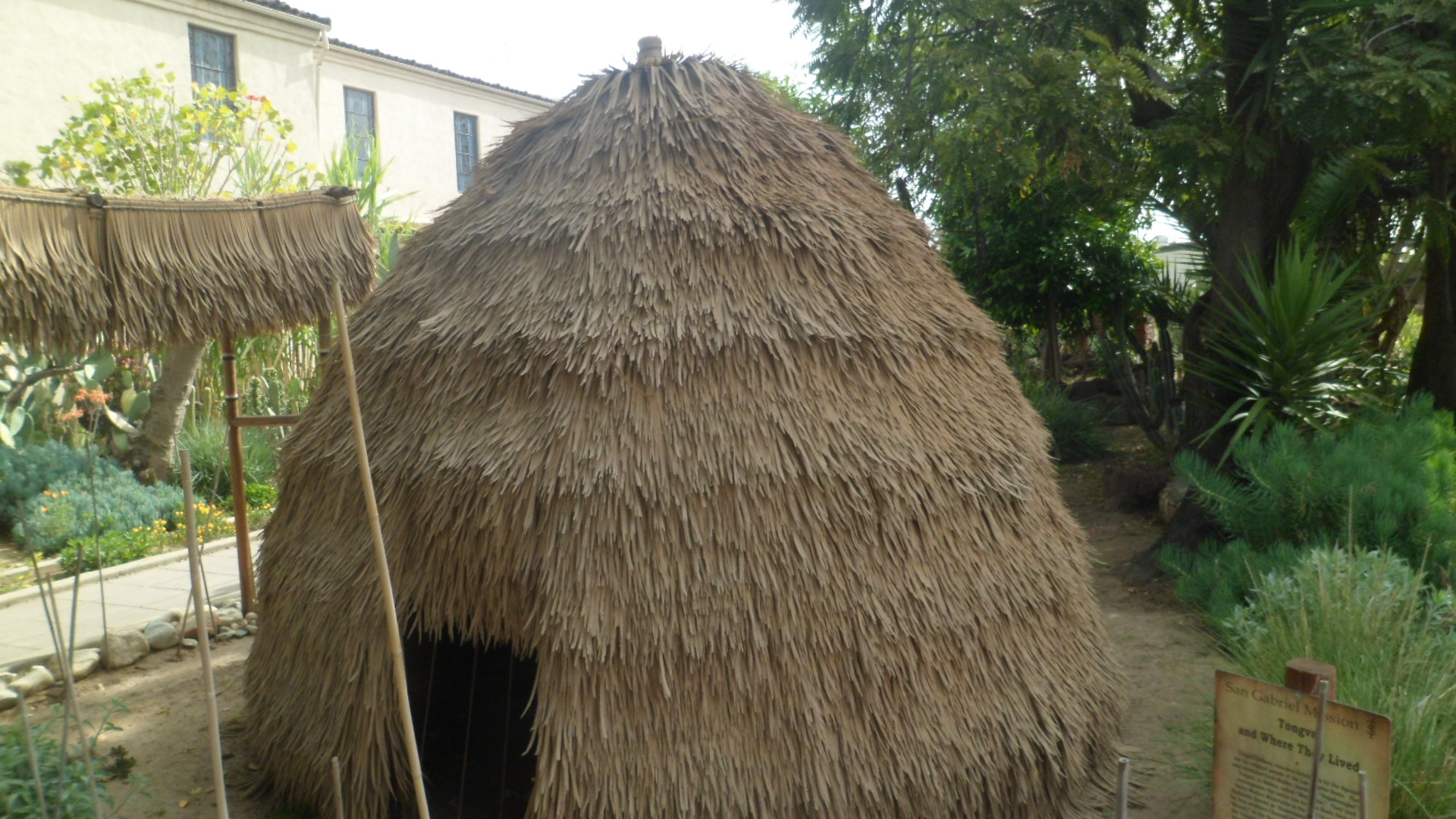
Around this corner, next to the bust of an unknown Spaniard, is the replica of a traditional home of  the Tongva, or Gabrieleno, people.  These indigenous folk dominated the Los Angeles Basin, from Malibu and Santa Monica to the area now called the Inland Empire.  A band of Tongva still lives in San Gabriel, and shares the traditional culture with interested friends and neighbours.

SAM_8468

A Tongva image is featured on this nearby stone wall.

SAM_8465

From the northwest, or Tongva, quadrant, I moved into the comforting realm of Peace Garden.

SAM_8451

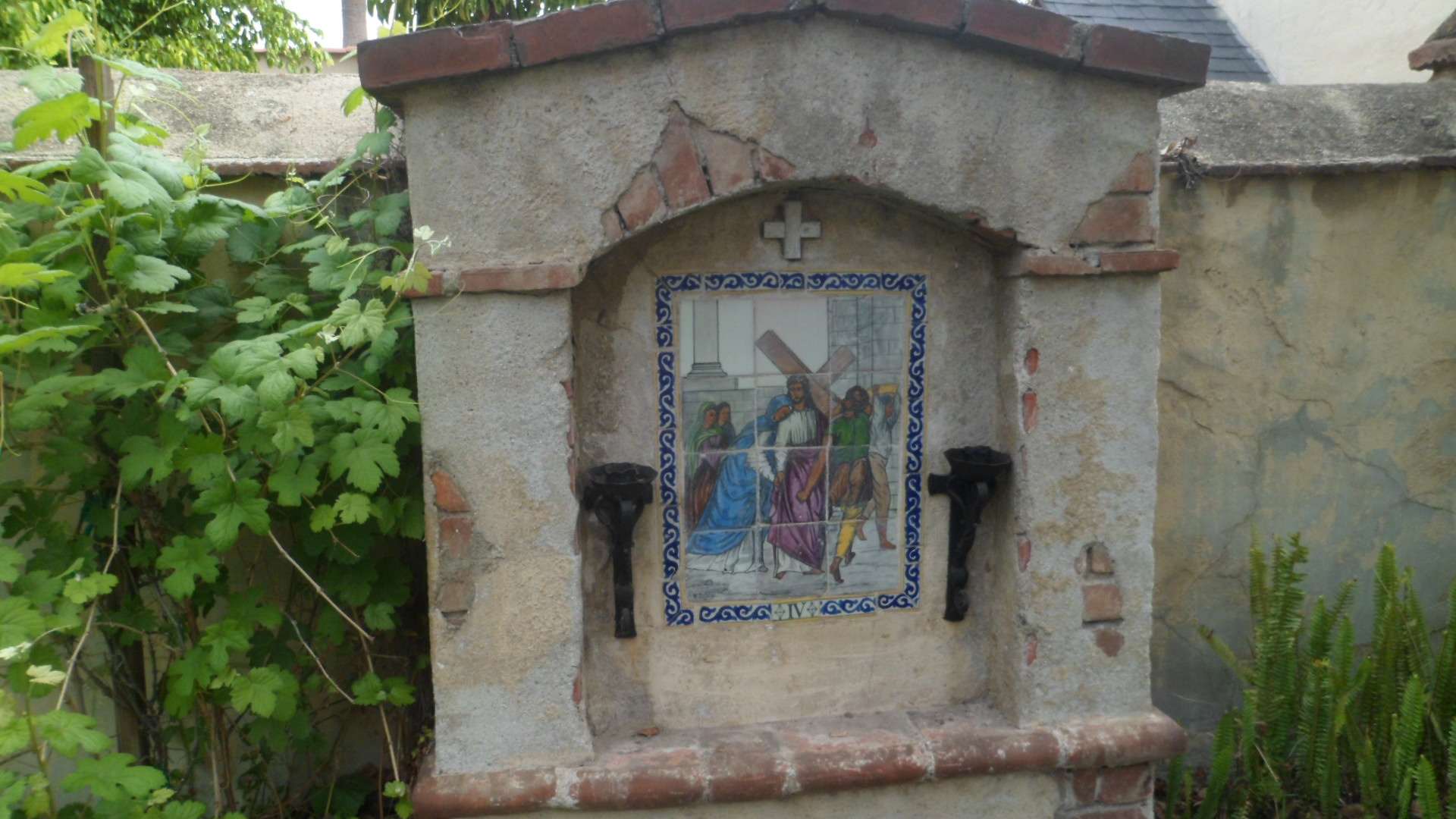
The Blessed Mother, Christ and His Stations are here, bringing into focus the closeness that God and His Messengers are always willing to have with each of us, provided we open the channel.

SAM_8439

Mary’s countenance gives solace in two places within the Peace Garden.  Here, she is addressed as Our Lady of Guadalupe.

SAM_8441
SAM_8478

The Passion of Christ is reflected in the illustrations of His Stations, such as that below.

SAM_8474

All the more so,  Christ’s Presence is felt, in this depiction of the Crucifixion.

SAM_8477

There is a very quick transition from the Crucifix to the Grape Arbor.  This small area represents the first winery in the Los Angeles Basin.    The monks initiated grape cultivation, at first to provide ceremonial wine to be used at Mass.  As with all such libations, however, pleasurable uses soon proved an incentive for wider cultivation.

SAM_8481

Padre Junipero Serra’s statue greets us here as well.

SAM_8486

Through the Cypress Arch, one is escorted into the workaday realm of the Manufactory, the northeast quadrant.

SAM_8482

Here, tallow soap, candles  and everyday implements needed by the Mission were crafted, as well as all cooked food prepared.

Below,  here is a view of the outdoor ovens.

SAM_8461

The aqueduct was fashioned from similar brick and mortar.

SAM_8459

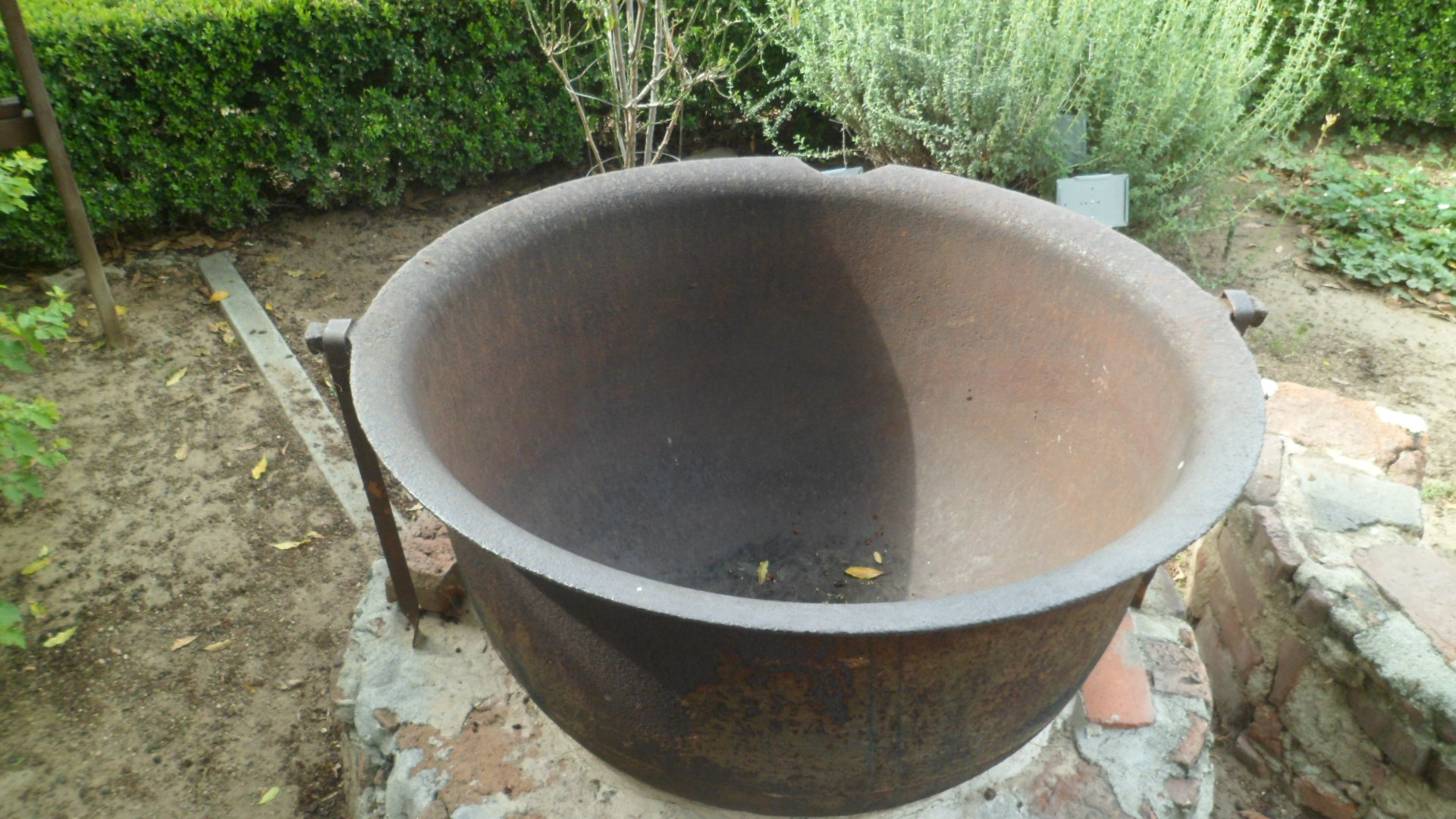
This iron cauldron was essential to the life of the community.

SAM_8460

So, of course, were soap and candles, fashioned from animal tallow, in vats such as this one.

SAM_8472

With the heat inside close to 450F, woe betided the careless and unwary of those venturing into the Manufactory.  Making the necessities of life was quite hazardous.

Life in this mission, as in other such communities, was however, generally rewarding for those of good heart.  Control of the property was batted back and forth, especially after California’s admission into the Union, in 1850.  By 183, however, the Federal government had restored control of the Mission to the Claretian Order.

On Easter, I will post scenes of the Mission Church, the Parish Church and Mission School buildings.

Trails and Paths, Issue 12: Padre’s Playhouse, and Its Surroundings

4

San Gabriel, in its heyday, was one of the most important settlements in the Los Angeles Basin, both to the Tongva people who dominated the area from Malibu to San Bernardino, and to the Spanish interlopers who saw Alta California as the next Golden Paradise.  Mission San Gabriel Arcangel was the most important way station between San Diego de Alcala and Santa Barbara.

I spent about three hours on Sunday, March 23, in the Mission District of this still fascinating town on the eastern edge of Los Angeles County.  The arts have become full partners with the lovely and still vibrant Mission, in calling attention to San Gabriel.

This post focuses on the Mission Playhouse, now San Gabriel Civic Auditorium, and the other buildings immediately to the west of the Mission itself.  I arrived here about 10 A.M., after a brisk stretch-walk from El Monte to Rosemead and back, about a two-mile rounder.  Not much was happening there, but San Gabriel was my goal for the morning, anyway.

The Playhouse itself was closed, of course.  Who goes to plays on Sunday morning, even if they are about Padre Eusebio Kino?

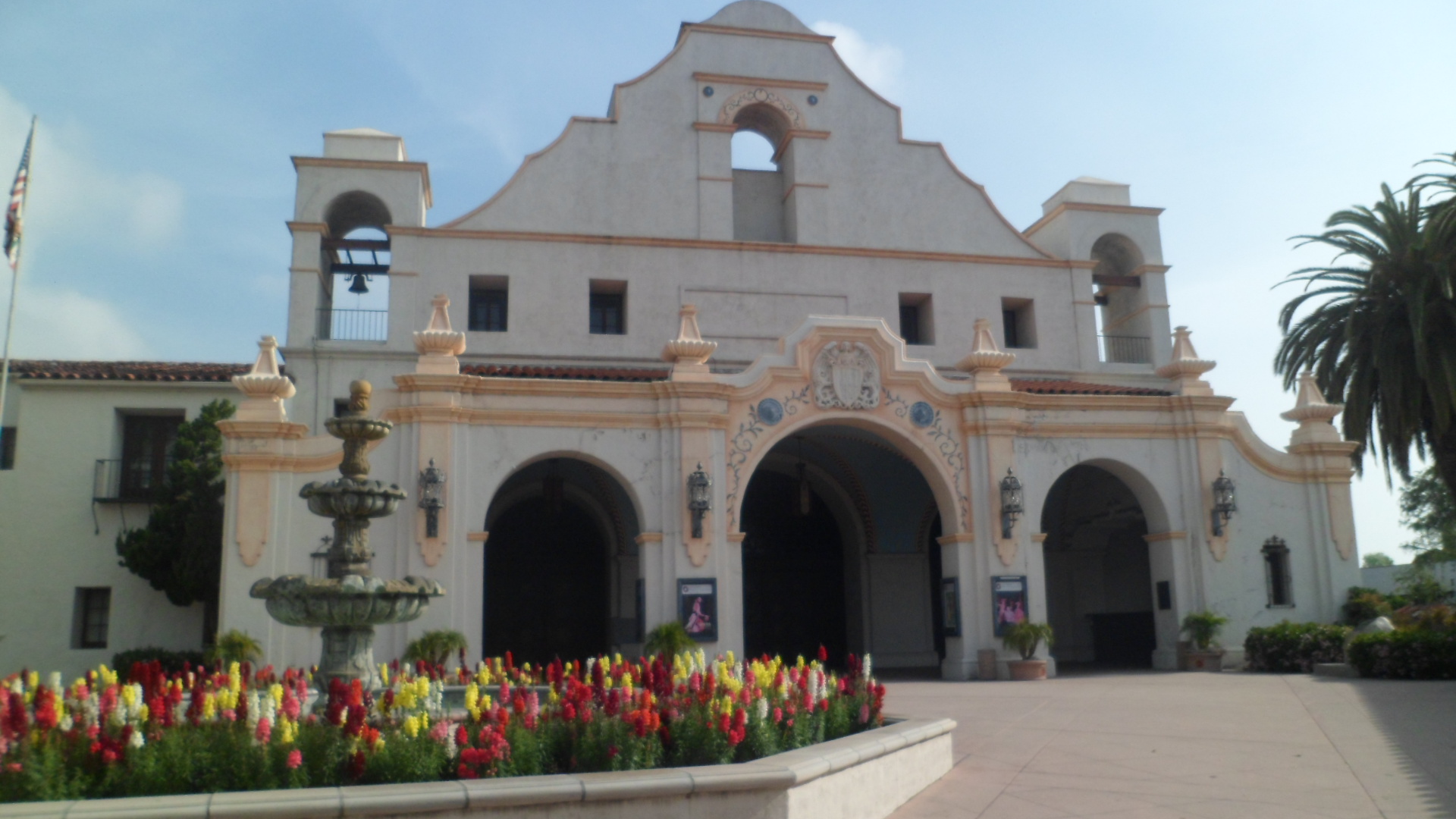
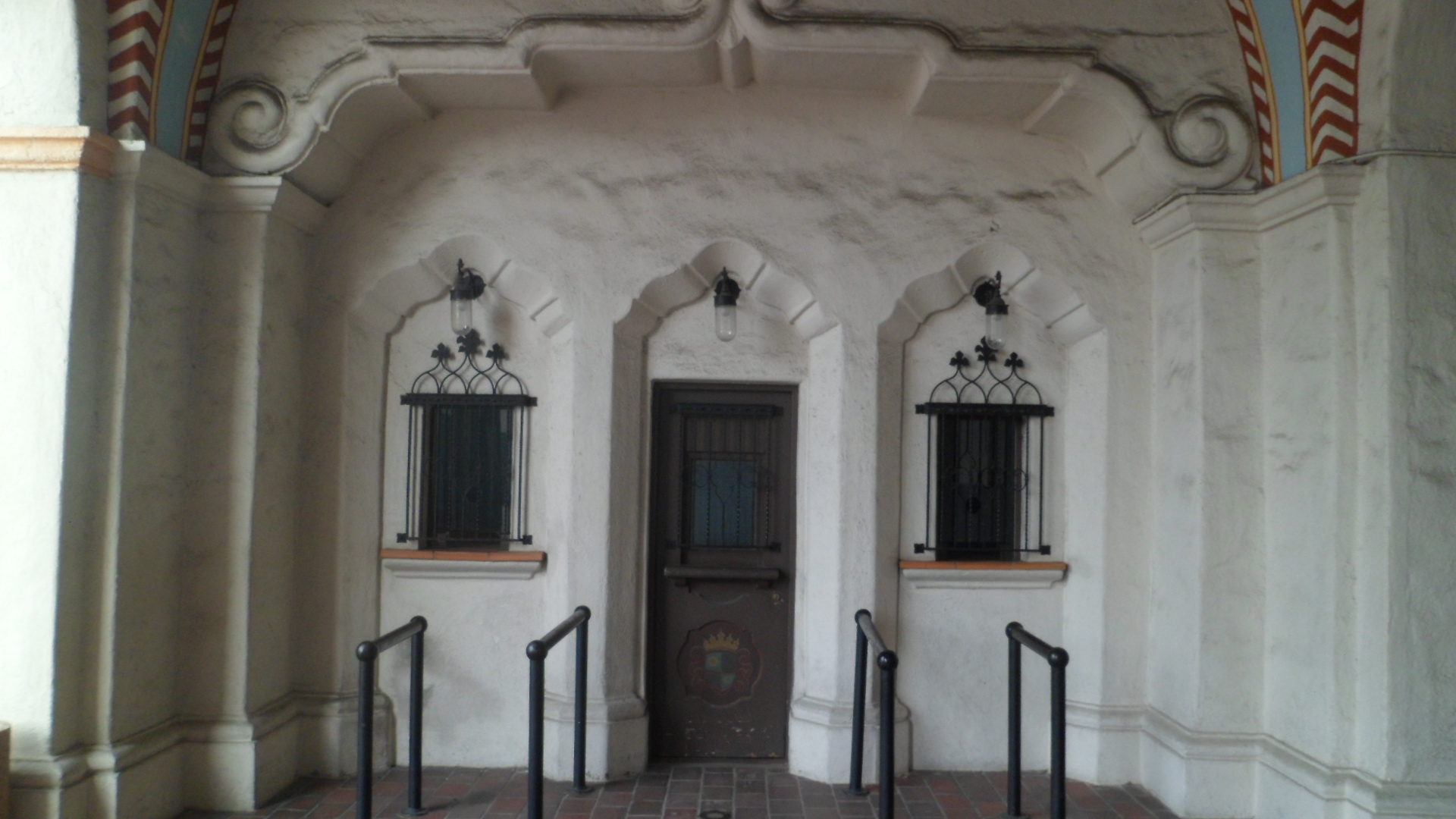
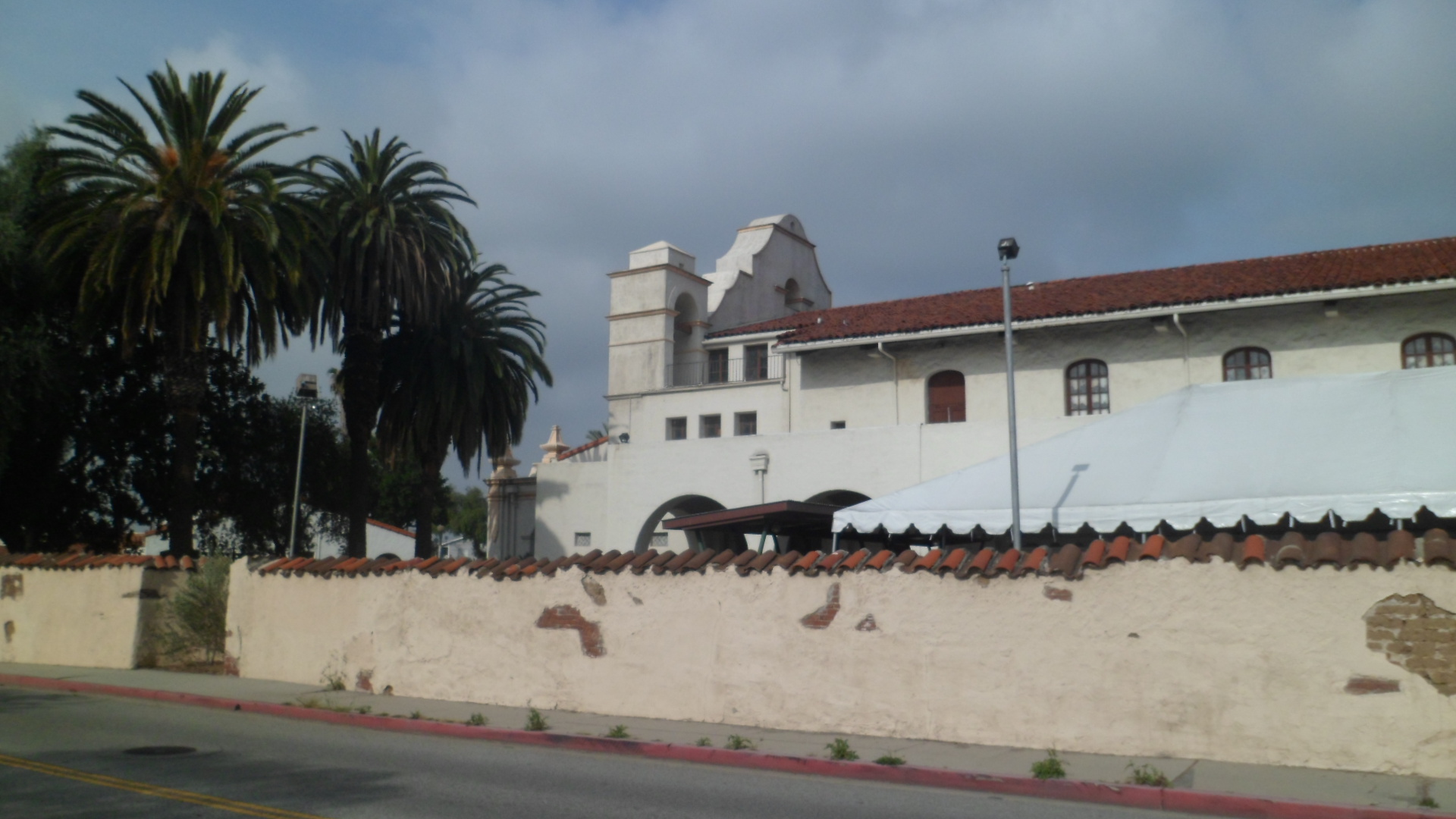
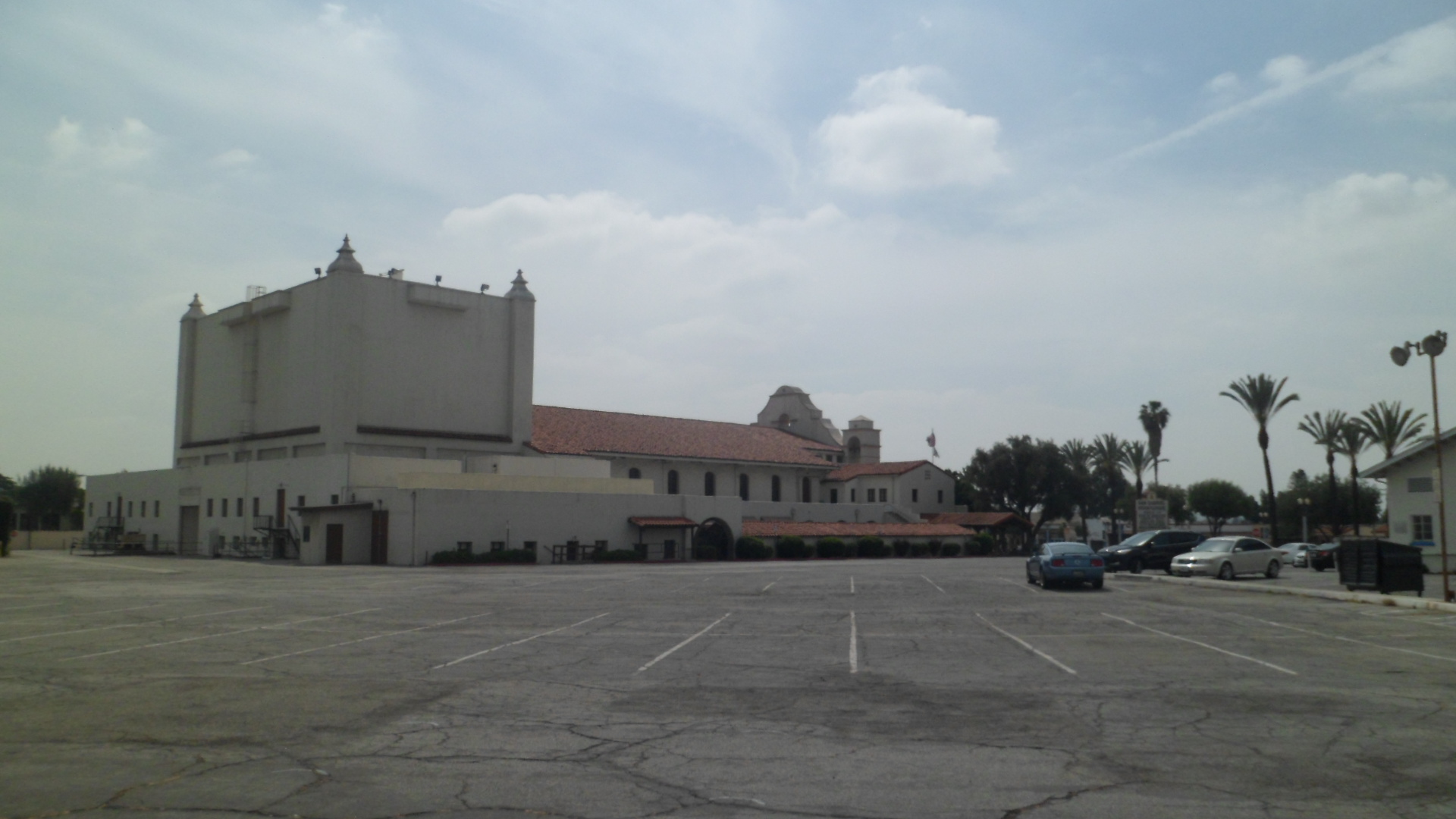
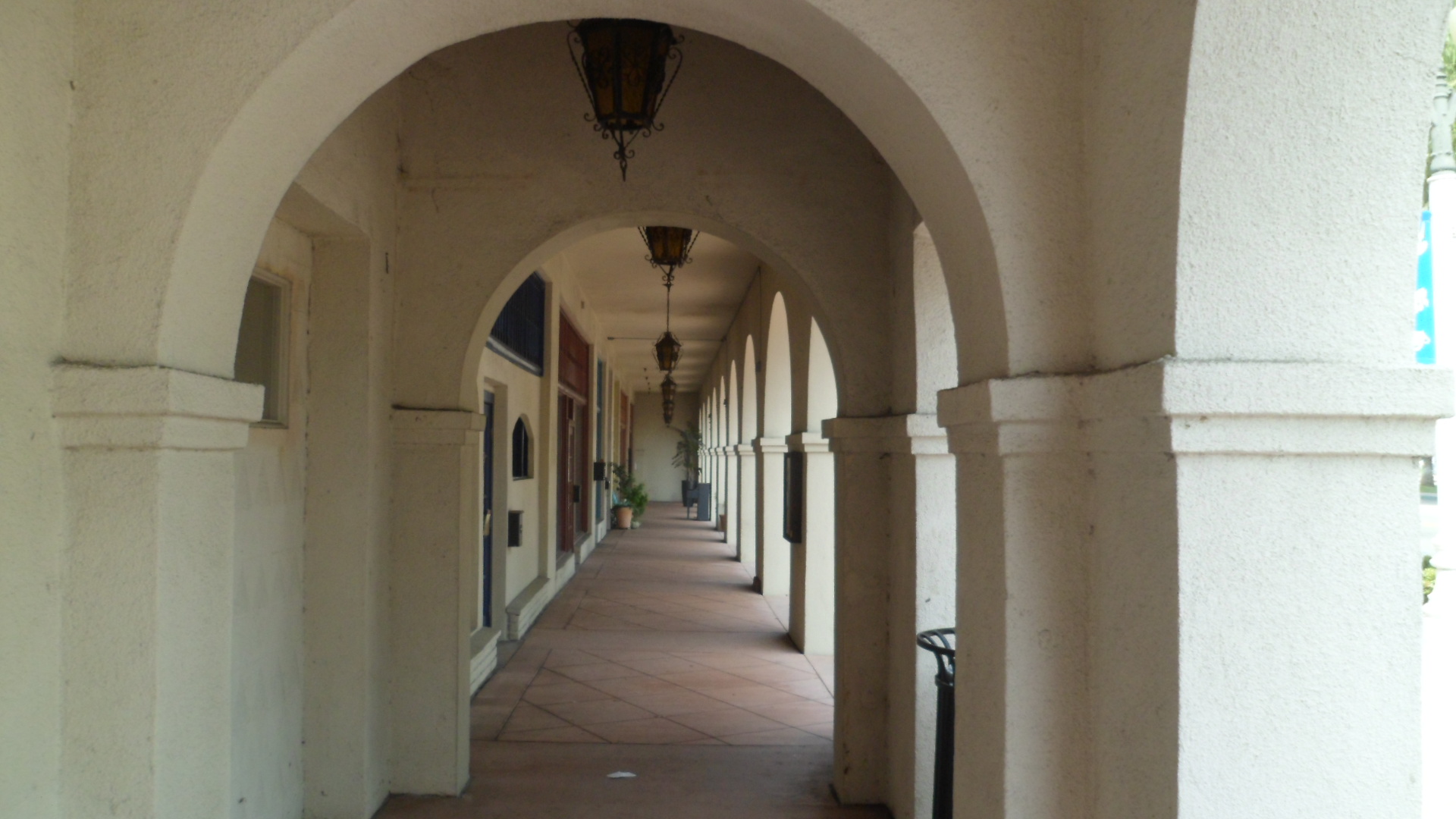
I was treated to some lovely scenes, though.  Here are views of the grounds, and of the imposing edifice.SAM_8402

SAM_8404


SAM_8406

Both the Civic Auditorium and Mission San Gabriel itself have miniature exhibits of all the coastal missions in Alta California.

SAM_8407


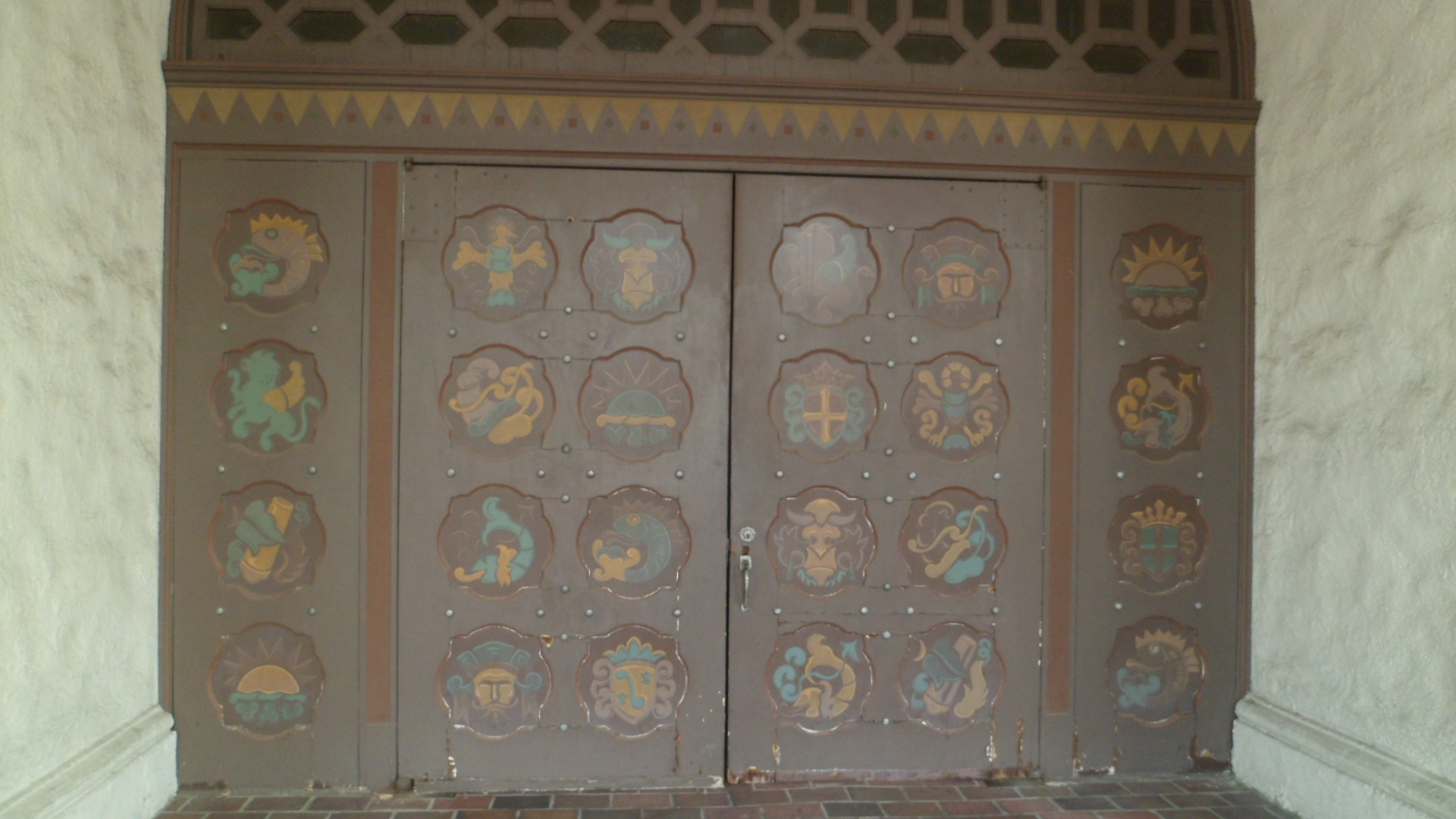
As with so much decorative art, one must never neglect a view of the doors.  Those found here, are second to none.

SAM_8416


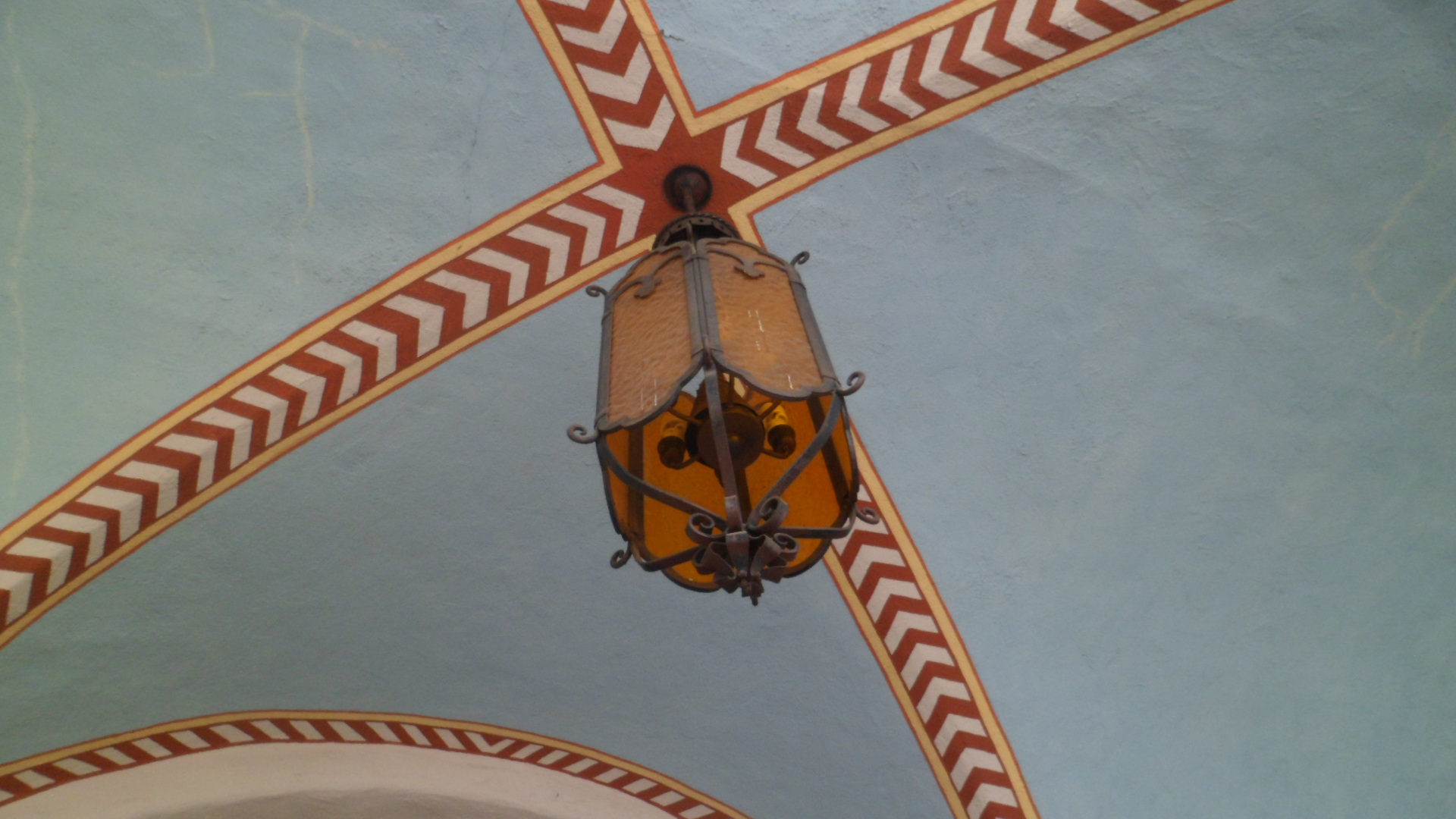
Nor should we overlook the ceiling!  This painted design is more modern, of course.  The Spaniards opted for wooden beams and other, more simple fare.

SAM_8417

The alcoves are among my favourite  parts of the missions.

SAM_8418

The full story of the Playhouse, and its transfer to the City of San Gabriel, is told here.

SAM_8419


Grapevine Park is part of San Gabriel Senior Center now, and as such is only open during the week.  It has one of the original grapevines which helped defray the costs of the Mission.

SAM_8420


The walls protected the privacy of the friars, back when this was part of the mission proper.  Today, they keep Mom and Pop safe from prying eyes.

SAM_8421


There is a spot, though, where one is able to get a good view of the California Live Oak, on the Playhouse grounds.

SAM_8422


Here is one last view of  San Gabriel Civic Auditorium, from the northwest.

SAM_8509

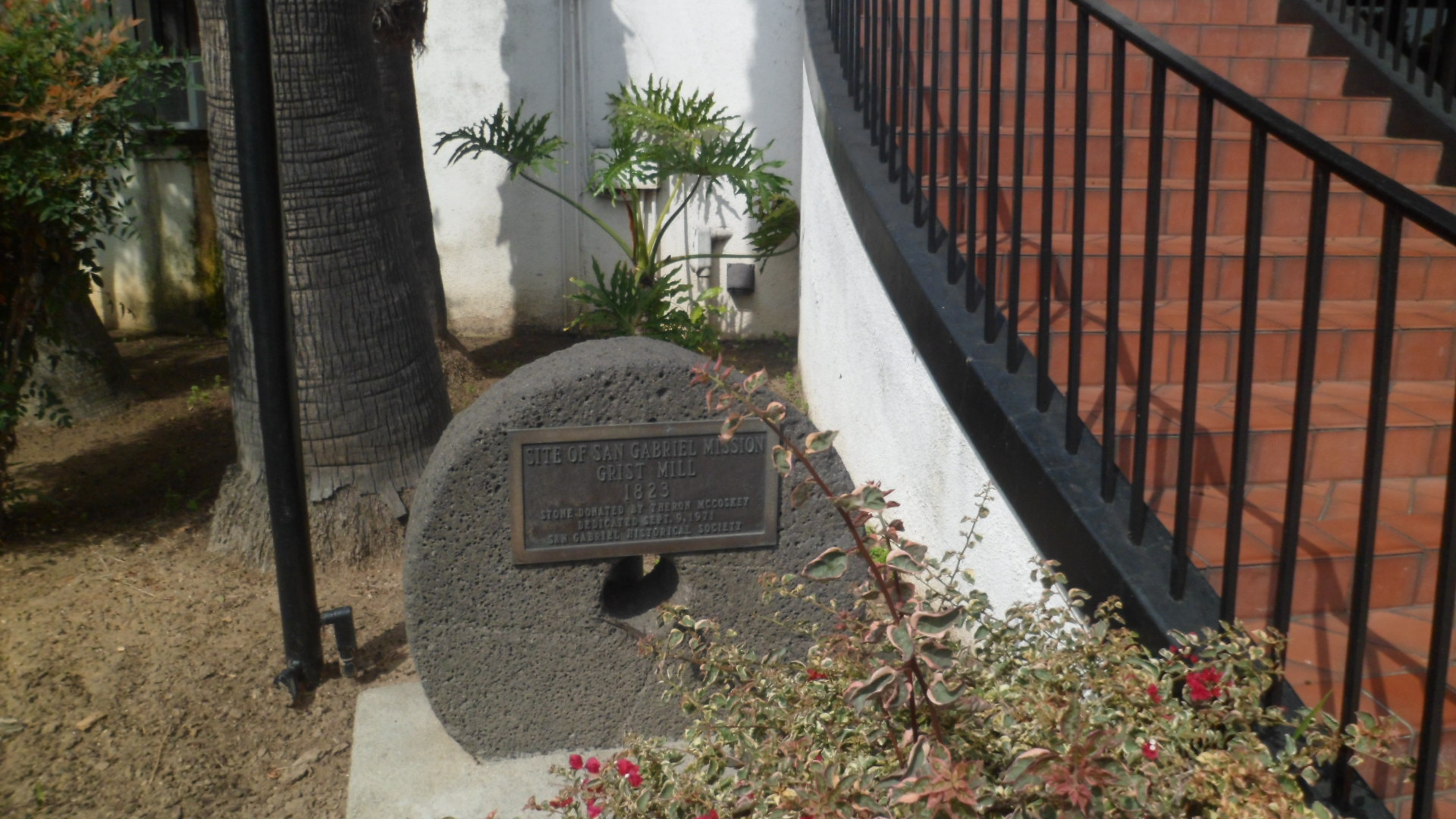
Across the street from the old playhouse lies San Gabriel City Hall, built in 1914, in the Spanish Colonial style, on the grounds of the area’s Grist Mill.

SAM_8503


SAM_8505
SAM_8504

Adjacent to City Hall is the Ramona Museum of California History.  It’s open from 1-4 PM on Saturdays, but the mural is there, 24/7.

SAM_8506


North of the Civic Auditorium lies Bovard-Wilson-Hayes House, home to the area’s first Anglo-Californian settlers.  Reverend George Bovard, the first resident of this 1887 Victorian, was the fourth President of the University of Southern California.  When he moved to Pasadena, Judge Milton S. Wilson purchased this house.  Judge Wilson’s granddaughter, Mary Ruth Hayes, inherited the home and served as a school teacher in San Gabriel, for many years.  When she passed on, in 1990, her will deeded the house to the San Gabriel Historical Association.    The house is open to the public on the first Saturday of each month, from 1-4 PM.

SAM_8510


SAM_8511

So, it looks like I will need to pencil in a First Saturday afternoon in San Gabriel, at some point.

NEXT:  Mission San Gabriel Arcangel- The Quadrangle and Peace Garden