
Virtually every town on the coast of New England has its share of heartwarming scenery and historical buildings, conjuring up images of maidens in full dresses and head bonnets, and men in black jackets, pants and wide brimmed hats.
Here is a town I visited on the morning of August 30, 2011.
Actually, the cobblestones have pretty much disappeared from Marblehead, which is a shame. The streets, though, will NEVER be wider than what it takes for drivers to be ladies and gentlemen with each other, and with bicyclists. I had to make a choice this time, for financial and time reasons, between going to Marblehead or going to Salem. I chose Marblehead, because it is compact and because understanding this little town does not involve going to museums, and it can be appreciated fully in a span of one hour. Salem requires at least a day.
Marblehead is a major sailing venue, and among other claims to fame, it was the home of Elbridge Gerry, who gave us gerrymandering of congressional districts. This may not be something of which modern Marbleheaders would boast, but Bay Staters tend to gravitate towards positions of influence.
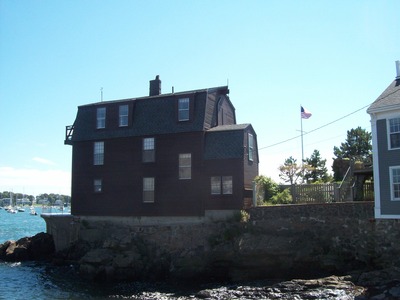
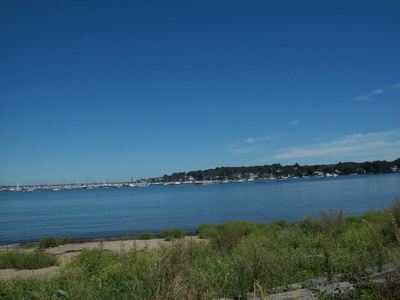
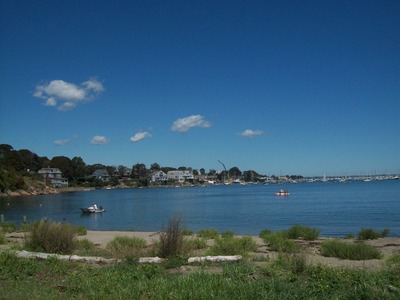
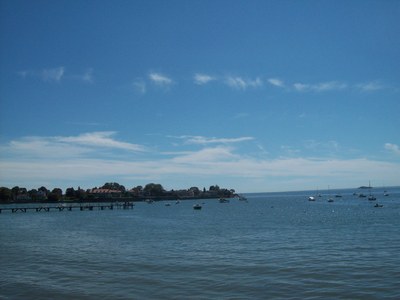
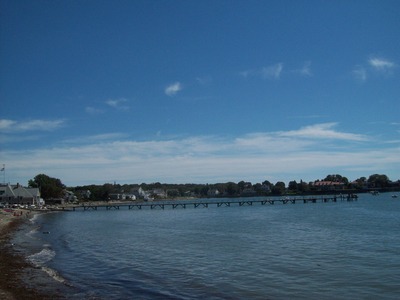
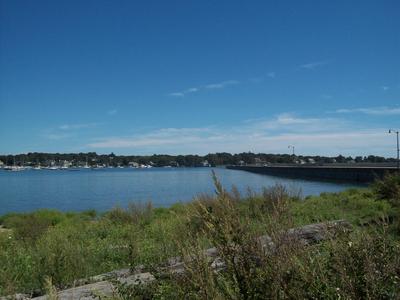
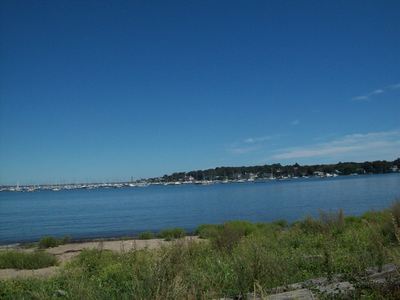
The immediately preceding photos are of Marblehead Neck
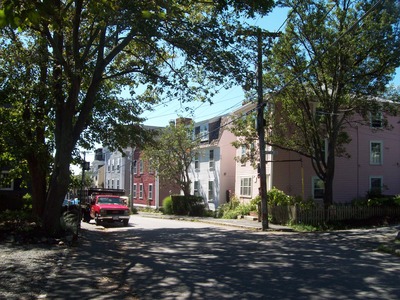
Now for some old style New England clapboard houses, some of which were originally built in the eighteenth century, during Marblehead’s clipper ship heyday. 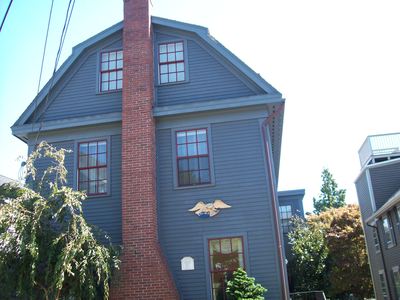
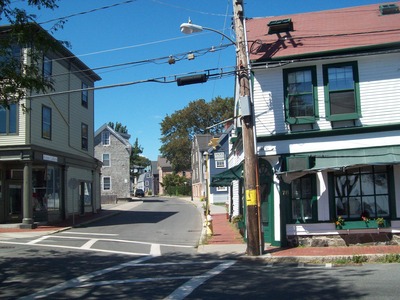
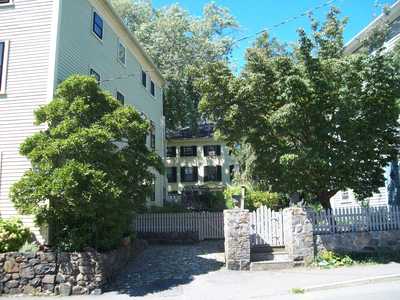
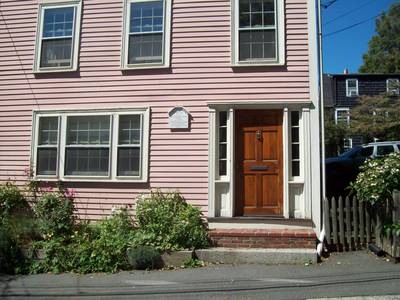
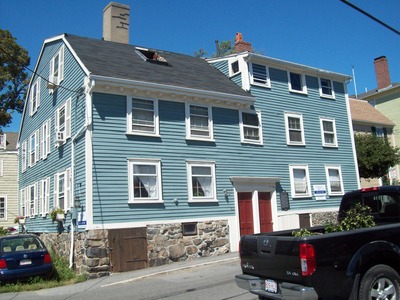
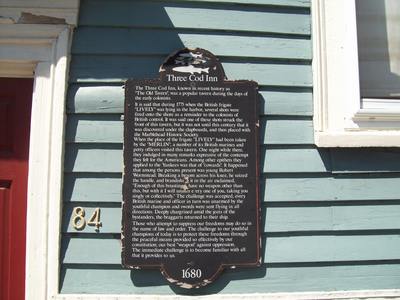
The Three Cod Inn is the site of an act of Revolutionary War bravery. An eighteen-year-old man fought off several British soldiers, using items of furniture at his disposal, whilst less brave onlookers cheered him.
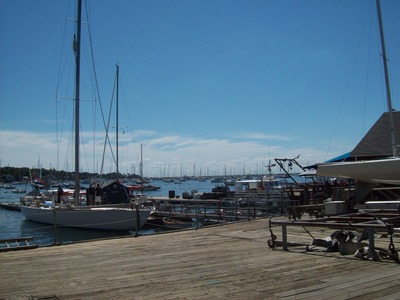
To the left is Marblehead’s central marina. A Great Race was held there yearly when I was in my late teens and early twenties. I didn’t learn to sail until much later, but it was always a great time to gather and carouse. New England’s coast is blessed with towns like this, and I am lucky to be enjoying them.

 When the Puritans, led by John Winthrop, settled Boston in 1621, they were looking for a place in which to produce iron locally. At first, they tried the hamlet of Braintree, 16 miles south of Boston, but found it meager as a foundry venue. An engineer named John Leader came from England, explored the lands of the Pawtuckets, and found a spot on the Saugus River. He named the place Hammersmith, and began the iron-making operation. Scottish indentured servants were brought in to do the non-farming labour that was loathed by the Puritans. The Scots were a rowdy, but hard-working bunch and made a good effort at producing quality iron. Leader and his Board of Directors were not sound businessmen, however, and the business failed after less than 20 years.

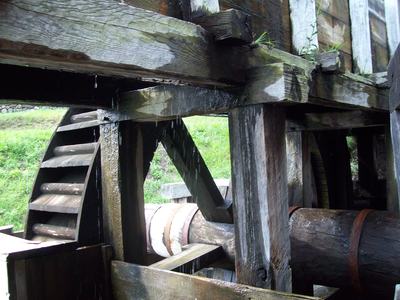
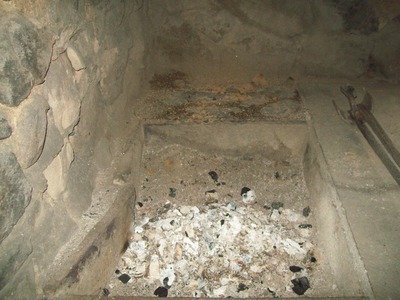
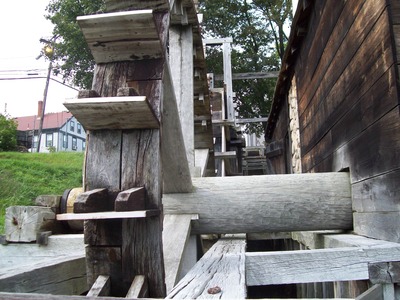
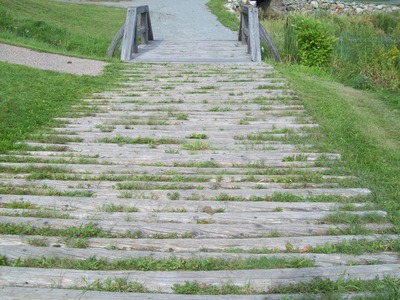
 Here are some close-ups of the forge, the rolling and slitting mill, the blacksmith shop and the river that helped it all happen.
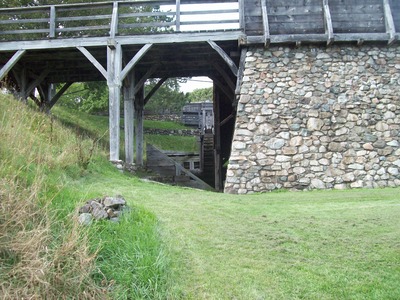


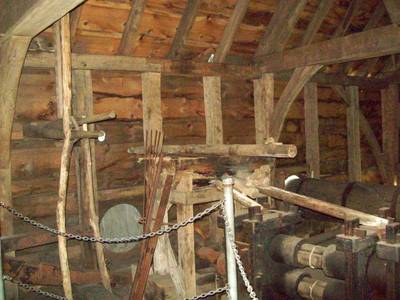






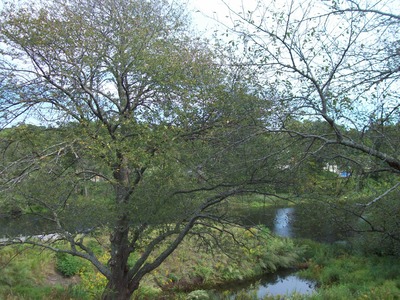 The Scottish iron workers, and their descendants, carried the ironworking tradition to other parts of the country. One such new ironworking locale became Pawtucket, RI, in honor of the ironworkers’ first hosts. Saugus, the name that the Pawtuckets gave to the river, eventually became the name of the town in which the Ironworks is preserved.





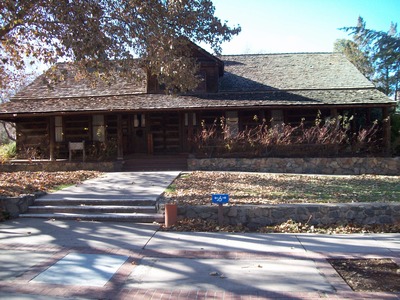

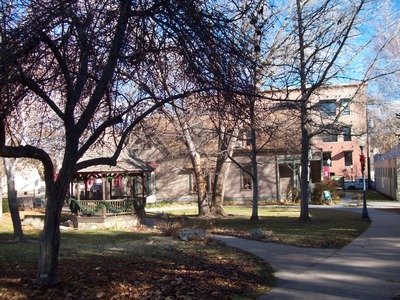
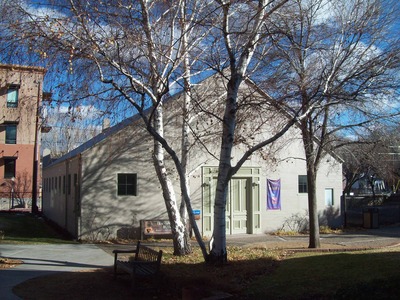
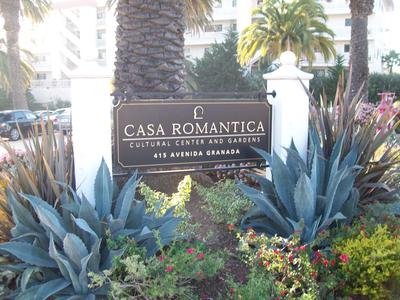


 There you have it. 18 reasons to visit Casa Romantica- each speaking for itself.


