Texas, Day 4, Part 2: Austin’s Happenin’ Downtown

60

The capital city of Texas also pretty much draws lots of free-thinkers.  Downtown fills up fast, after sundown.  There are dozens of places to unwind, but the streets themselves are not the least among them.  Even one of the swankiest venues in town, the ‘W’ Hotel, can claim to have a statue of one of Texas’ freest thinkers:

8177354320_fb239b6c24_m

What restored my own capacity for free, or any other kind of, thinking, was a stop at a place recommended by Kate a few weeks ago:

8177320385_a2c3d1234b_m

I was not disappointed.  La Condesa has the best Mexican-German Fusion cuisine imaginable.  I had a Torta Ahogada de Carnitas.  I repeat myself; this was the best ever.  The chain has a presence in every major Texas city, plus Napa Valley and Phoenix, and is coming soon to Hollywood.

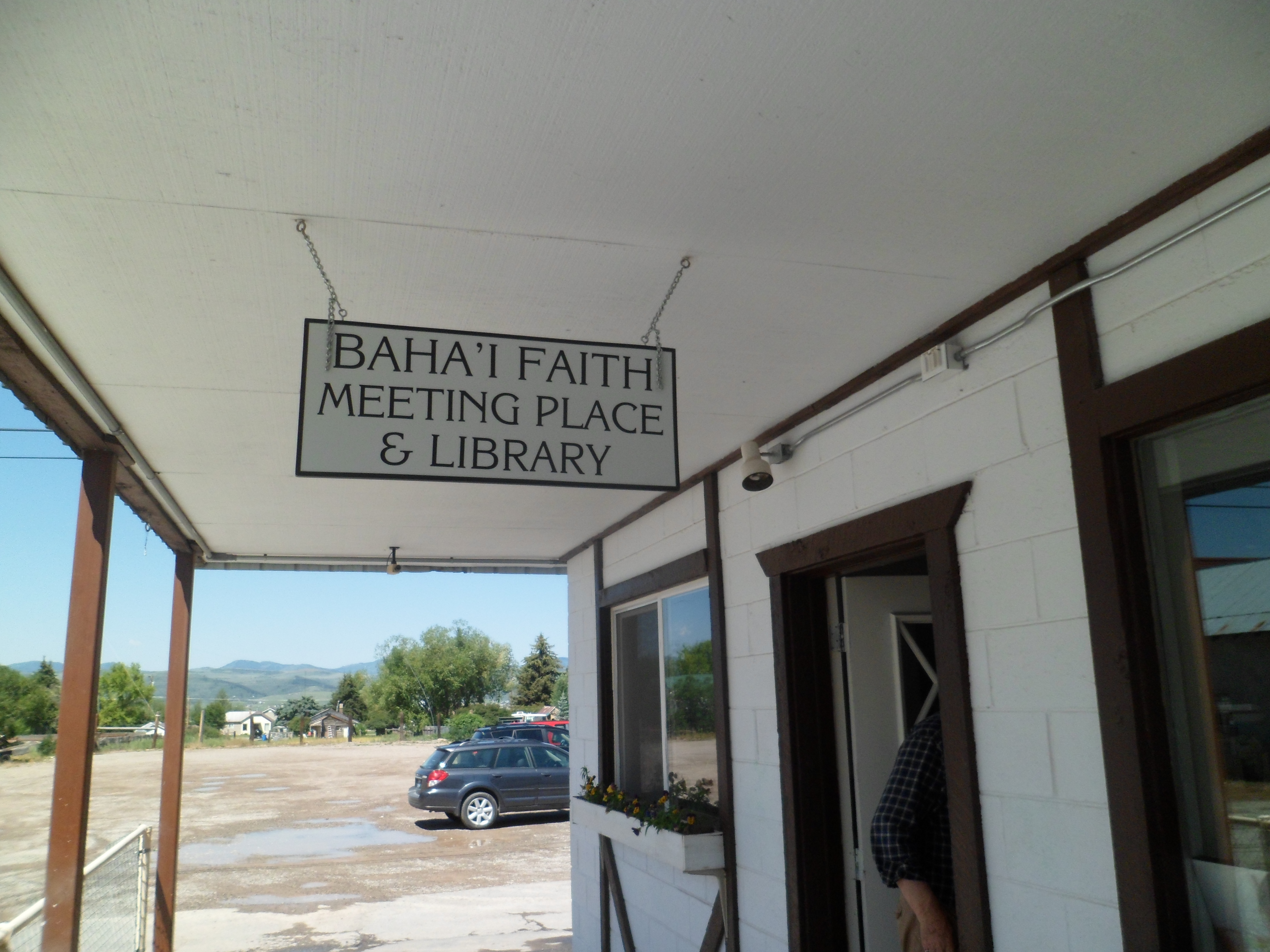
There is a spiritual side to Austin as well.  One place for this is the Austin Baha’i Center.  There is also a Buddhist temple, somewhere over on the West Side, and the Cathedral of St. Mary.

8177369652_85526e86f0_m

The movers and shakers have their shrine also.  Driskill Hotel is associated with both LBJ and the Bushes.

8177333933_1e2e8376c2_m

As for me, I prefer to do my hobnobbing and deal-making in a good coffee house.  In Austin, one can’t beat Halcyon.

8177347092_d84291caca_m

For those who gather when it’s “too late” to drink coffee or chai, there is the original Austin honky-tonk:

8177318099_fa46b2bf98_m

Lambert’s is right across the street from La Condesa, so dinner and a show is easy in downtown Austin!  If one still needs dessert, after all this, there’s Lundberg Bakery.

8177332942_dd554a1e92_m

Austin’s architecture does feature a blend of styles and periods, which somehow don’t seem to clash.

8177344740_c4f01eb38a_m

There is, as in any great city, a sense of upward striving.

8177303915_0e1da4bc67_m

I found that Austin, like Fort Worth, merits not one, but two or three days of exploration and enjoyment. I had much to ponder, while walking up to the Bob Bullock Museum of Texas History.

Texas, Day 4, Part 1: The Lone Star Capitol

2

I arrived in Austin around 10 A.M. on Monday.  Most every place was packed with students on end-of-year field trips, but that was true in Palo Duro as well.  Kids have been part of my landscape for so long, that I miss them when they aren’t there.  So this week would prove to be very refreshing.  I spent about ninety minutes, in and around the Texas State Capitol, once having parked in the visitors’ garage.

This capitol building is suitably huge and majestic, befitting a state that, under the terms of its admission to the Union, may legally subdivide into as many as five states. That this diverse land has chosen to remain united as the Lone Star State is a message to the nation as a whole, as well as a reminder to its citizens to not repeat the choice it made in 1861.  Until recently, there was a separatist movement in Texas, to bring back the Republic of 1836-45.

There was much that was praiseworthy about the original Tejas Rebellion.  It would likely not have happened, had not Mexican President Antonio Lopez de Santa Anna usurped nearly imperial powers, after his election by the Congress of Mexico, in 1833.  The majority of Tejas residents by then were American southerners, who had a sense of their own freedom, while espousing the institution of slavery.  The irony was not lost on them, but they were determined to safeguard their freedom, anyway.  More on Santa Anna, and the rebels, in Day 4, Part 3.

Here are some photos of this magnificent building and its surroundings.

8177168406_1ba96ba5ef_m

Approaching the capitol from the east.

Here is Sam Houston.

8177134867_11b48944f3_m

This statue honors those who fought for freedom in 1836.

8177161360_e306536ea3_m

A Fountain of Youth, on the South Side of the Capitol.

8177118579_00bb6b1743_m

This is a close-up of the dome, from the south side.

8177127869_d7c93af252_m

Six Flags Over Texas- The Real Deal.

8177125607_ea7fe0e692_m

The Texas State Capitol, from the south.

8177145220_f76c9dea54_m

The Tenacity of the Tejano, part of a sculpture honoring the Mexicans who stayed in Texas, after 1836.

8177134306_d01641b6f6_m

The Texas Capitol Visitors’ Center,  is southeast of the Capitol.

8177132256_0979812de6_m

In 2008, an arsonist set fire to the Texas Governor’s Mansion, which was unoccupied at the time.  This piece from the portico of the mansion is on display in the Capitol Visitors’ Center.

8177090839_4bc48a1ff4_m

Here is an interior view of the Rotunda, taken after I got back from lunch (See Part 2).

8177292237_f978fdc78b_m

Silhouette of Lady Liberty; was taken from north side of the Texas Capitol.

8177287383_81824ed73b_m

So you can see, the Texas State Capitol could easily take up a good five hours of a person’s time.  This vignette, like my other posts, could easily be topped by the connoisseur of Texas history.

I will have three more posts on Austin:  Part 2 is on Downtown; part 3 will cover the Bob Bullock Texas State History Museum and part 4, the University of Texas at Austin.   Some may be up tonight, depending on where I stay the night.  Otherwise, being Memorial Day weekend, I will post my 20 or so remaining blogs over the course of next week.  Stay tuned.

Texas, Day 3, Part 4: Czech Stop

2

Texas drew people from the world over, during its brief stint as an independent nation,1836-1845.  Among the Europeans who came in droves were the Bohemians and Moravians, now known as Czechs.  They tended to settle in areas where there were many Germans, for some reason- areas like what are now San Antonio, the Hill Country and Corpus Christi.  This, even though Germans and Czechs weren’t exactly kissing cousins.

I found a gem of  a town, with a large Czech presence:  West, TX.  It is orally referenced as “West comma Texas, to distinguish it from the REGION of West Texas, from which it is rather far.  The town of West, TX lies just north of Waco, another center of German heritage, which is unfortunately better known for the Branch Davidian debacle of the 1990’s.  I didn’t have time to seriously discover Waco and my friend who lives near there was busy, anyway.

West, TX, however, may be well-covered in an hour or so.  It is named, not for the idea of Texas being in the West, but after Thomas West, a rancher who was also the area’s first Postmaster.  He promoted its growth, as a counterpoint to Waco and Fort Worth.  Somehow, though he built a solid little town, its greatness is still a potential rather than a reality.

West, TX is a fine place to stop and enjoy awesome Central European staples, such as feisty sausages, beer bread and kolaches (fruit or nut filled buns).  I chose Czech Stop, a bakery attached to the Sunoco station.  Actually, it was chosen for me, as everyone else was closed, with it being Sunday.   No matter, the place was packed, with people flying up over the hill and whipping into the parking lot, as if there were a fire sale going on.

I bought enough poppy seed kolaches, cheddar-jalapeno rolls, summer sausage and rye bread to keep me happy over the ensuing three days- making breakfast and supper  at restaurants unnecessary.  I had to save for purchasing beach wear, you see.

Here are some scenes from West, TX and from the delightful Oasis Inn, in Temple, TX, where I spent Sunday night.  Below is West City Hall.

8174180392_79750dfae9_m

Czech-Mexican fusion is big here, as it is in Corpus Christi.

8174186798_5de200099f_m

Other bakeries in town do stick to traditional central European fare.

8174178842_38a52aaf62_m

Below, the gazebo honours Thomas West.

8174149213_62f96d0cb6_m

Another Czech butcher shop/bakery was closed, but looks interesting.

8174185078_df893634b3_m

On the far West Side of West, I found this:

8174144837_3e7fe5a185_m

Now, since this was such a long, full and wonderful day, I found a marvelous little motel, right off I-35, in Temple.

8174140549_78f2e4b1df_m

It’s Oasis Inn.

8174174398_1488b5b3d4_m

Texas, Day 3, Part 3: Log Cabin Village

2

I chose Log Cabin Village as my foray into Fort Worth’s vast Cultural District.  Sundance Square, the Zoo and other fine features of the Civilized Cowtown will wait for another time. Many Fort Worthers, including the marvelous family I met here, had not ever heard of LCV until recently.  It turns out that the Winters’ younger daughter heard about it first, and brought her parents there, this beautiful Sunday afternoon. Now, to spill on Fort Worth’s Best-kept Secret.  Dog Trots are a Texas tradition, or were, in the 19th and early 20th Centuries.  Sam Houston built one.  Lyndon B. Johnson grew up in one.

Now, let’s see what the photo record shows.

Here’s the Trinity River, which made Fort Worth, Dallas and all their intervening suburbs, possible.

8173999292_83633950b1_m

The Log Cabin Village’s main building is the only two-story structure in the park.

8173996254_e7b8518461_m

Next is the Seela Cabin.

8173988316_197972c293_m

Here a couple of shots of the inside of Seela Cabin.  Note how well “dolly” is treated.

8173954551_e74b0659f7_m

8173951103_a7a6238209_m

Also, note how the building is insulated.  King Cotton had many uses.

8173981544_86796369cb_m

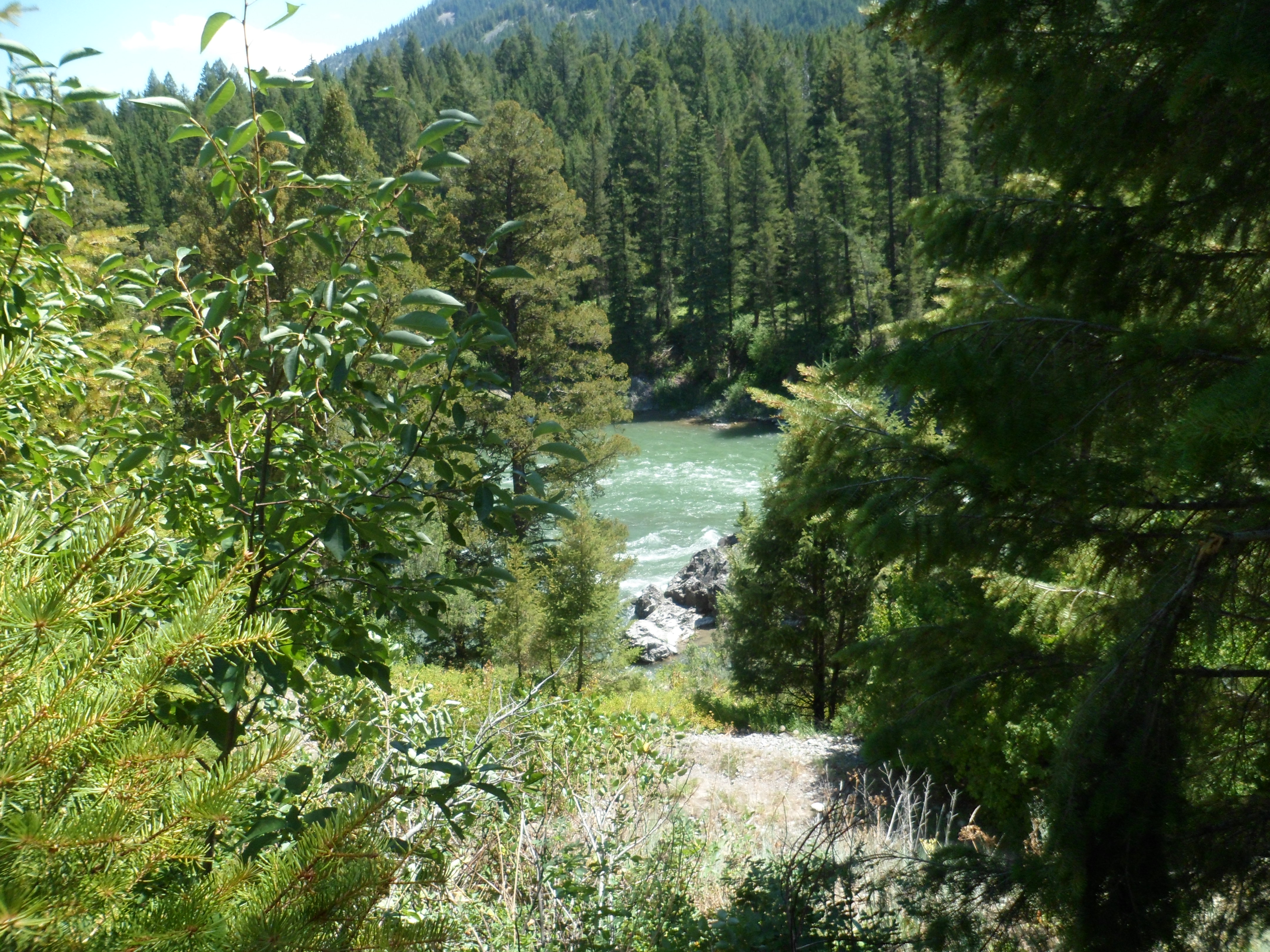
This is a Dog Trot House.  It has two rooms, separated by a covered area, where dogs (and cats) could come in for the night, or out of the rain.
8173979782_5e1ff44633_m

Next, we moved on to the School House, where someone ( not me), who will not be identified here, tried on the dunce cap.

8173963734_181400c753_m

If a kid messed up, the dunce cap was waiting.

8173961958_bd492b440d_m

No village is complete without a garden, and a mill house.

8174149474_726d6f3ba9_m

8173913137_8a6d164b11_m

8174151132_2d7a02e284_m

There you have it- at least a portion.  I will be putting together complete albums, once I get home.  As a bonus to this visit, I gladly recommend http://michellewinters.com, for those women looking to treat themselves to fine fashion.  Mrs. Winters was dressed to the Nines, even while walking the paths of Old Texas.

Texas, Day 3- Part 2: Fort Worth Downtown and Way Uptown

2

Understanding a city like Fort Worth takes a good dose of meat- lovin’.  I imagine it’d be hard to be a vegan and live here, though I’m sure there are plenty who do.  I am one who likes a balanced diet, so some meat in a day is a good thing, in my view.

I spent about forty minutes on Saturday and an hour or so today, walking around Fort Worth’s downtown, before heading up to the city’s heart:  The North Side.

As I mentioned earlier, when cattlemen build something, it’s meant to last.  Here are Tarrant County’s Administration Building, and a few other shots of downtown Fort Worth.

8173813964_e853d0c5e6_m

This is where the Fort Worth Colts (baseball team) play, or so I’m told.

8173800707_64b126308b_m

Downtown has a mix of Victorian, Art Deco and Modern architectural styles.

8173799027_e12b92f56c_m

Now, the fun part- the Stockyards District!

8173772051_494b422d2b_m

Here is one of several Barbecue choices on the North Side:  Cooper’s.   It’s a large open bay with long tables.  Pick out your meat and choice of sauces, jalapeno or “regular’, then go on to the carbs area- baked potato, potato salad, corn on the cob, etc, then get a drink cup and settle up at the register.  After that, “set down” and dig in!  Oh, there’s cobbler, but you have to practically beg the girl at the carbs area for a piece.  She might not think you need it.  Some customers pitch a fit if you leave your tray after eating, but there is a busperson, so ignore them, and let him do his job.  It’s all good.

There are still a few head of cattle left in the pens.

8173798194_80c07605a9_m

I walked up into and along the pens and came out here, where the animals obligingly dare you to try and pet them.  Warning signs dissuade most everyone, including me.

8173756733_160a3d35ea_m

There was a good crowd on the streets south of the pens, reminding me of all the tales told about Old Fort Worth.

8173981597_b535e3b6e5_m

8174028662_d58e7d720b_m

This is, of course, the Livestock Exchange.  As I walked around, I noticed a few more BBQ choices, for those who like table service.  One is Riscky’s Steakhouse (Yep, that’s the spelling).  Another is Cattlemen’s.

8173986459_0770c445b2_m

8173975187_18c85850ae_m

After one has eaten, it’s time for a show.  Billy Bob’s Texas has it covered!

8174000824_1cb5f08dbf_m

There’s more than enough in the North Side to keep a passel of kids entertained, for days.  I will be back here, some day.  It was time, though, to head a bit west, to the Cultural District, and Log Cabin Village.

Texas, Day 3- Part 1: Cleburne

2

This little town, about thirty miles south of Fort Worth, housed me on Saturday night.  There never needs to be all that much going on in my life at night, unless I am in the middle of a happenin’ place.  As it was, I needed some p & q, to get my thoughts organized, so Traveler’s Inn, another Mom & Pop Indian place, was perfect. I had considered Liberty Hotel, Cleburne’s centerpiece, but that’ll be for another visit, where my itinerary is not as broad.  I may be passing through next August or September  (2013), though, coming back from the northeast-so that would work. On Sunday morning, I had breakfast at another Cleburne institution, Chaf-Inn (Pronounced “chayf”).  In keeping with my diner-oriented spirit, I sat at the counter, though Chaf-Inn is a few cuts above a diner.

8173784047_5a915262da_m

I later had the pleasure of meeting a friend from another blog site.  This is J.

8173787127_f4a25b47bb_m

I had a full afternoon ahead of me in Fort Worth- downtown, the North Side and Log Cabin Village, so I spent just another small bit of time looking around lovely little Cleburne.  I never did find the “Indian Village” J was talking about, but maybe next time out.

Here is the Johnson County Courthouse.

8173817400_dae169f531_m

When cattlemen built a public structure, in the days of the Big Drives, it was meant to last a while.

In Part 2,  we head downtown and to the North Side of Fort Worth.

Texas, Day 2: Panhandle to Prairie and Quanah’s Land

2

I could have kept going a bit longer, on Friday night, but Comfort Inn’s cold-as-ice desk clerk (refugee from the Welfare Office, much) didn’t mess me up. I had a nice breakfast, got laundry done and the morning crew were great guys.

I got to Quanah by mid-morning.  The town is named for the Comanche chief, Quanah Parker, whose mother was actually a white woman captured as a child by the Comanche, and raised by them as one of their own.  It is said she was the inspiration for Kevin Costner’s character’s love interest in Dances with Wolves.

8171210485_ab687a2e46_s

Quanah never saw his mother after he was nine years old.  This was part of the impetus for him to carry on a concerted conflict with white settlers and the U.S. Cavalry, which ended with the Army, under Col. McKenzie, slaughtering the Plains warriors’ horses, and Quanah giving up the fight.

He quickly adopted mainstream culture, becoming a successful farmer and merchant, and encouraging other Plains Indians to do the same.  Geronimo emulated Quanah, after he, too, felt the tide becoming overwhelming.

Quanah is also remembered as an advocate of the Vision Quest, which, he taught, should be   enhanced with ceremonial use of peyote,  a hallucinogen about which he learned from Mexican Native peoples.  He is seen by many as a founder of the Native American Church.

In any case,  I am somewhat fascinated with Chief Quanah’s life and legacy, so I spent an hour or so in the small museum.

8171233640_55688f5163_m

This is the high school, also named in Quanah Parker’s honor.

8171212771_71c4df0604_m

Below is Quanah Routes Museum

8171239540_dcac6faf40_m

The museum also commemorates area veterans, and astronaut Ed Givens, a native of Quanah, TX, who would have been the first man to walk on the moon, had he not died in a car accident in Houston, two years prior to the launch of Apollo I.

8171196599_02f13f8935_m

There are also collections of memorabilia from the early part of the twentieth century, on up to the fifties.

8171205833_18ce54468a_m

Meet Mr. Poison

8171202277_d8d874f685_m

Remember Howdy Doody?

8171197747_c8c9f313e3_m

A calculator, from before the days of “apps”.

8171223576_79248b7516_m

There is much to be learned from the life of Quanah Parker, especially about resilience and adaptation.  There is also much to be learned in small towns like Quanah, about preservation of both small items and large legacies.

After I left Quanah, I drove a few miles east, to Chillicothe, and found this little prairie gem:

8171190027_03665e5012_m

Love’s Barbecue, for those who do.

I had a delectable two-meat combo (Brisket and German sausage, with fresh sauerkraut, Cole slaw and meaty beans.  I did have UN sweetened tea, but that was balanced by the decadent sin of Pecan Cobbler.

Texas, Day 1: Palo Duro Canyon and Panhandle-Plains Museum (May 18, 2012)

76

Yesterday, I went to America’s second longest canyon- Palo Duro, about nineteen miles south of Amarillo.  You can see photos of this marvelous place at http://www.palodurocanyon.com/.  They are copyrighted, so I can’t show them here.  I had a great time walking along Paseo Del Rio, which goes along the Prairie Dog Town Fork of the Red River.  At a place called The Sha-la-ko (Rain Maker), I felt a very strong vibration, for about a minute or so.  This spot is a vortex, much like several places in Sedona, and a few in Prescott.

8171010357_46297cdb06_m

I also hiked to the base of Lighthouse Peak, another striking landmark.  The heat kept me from going to the top, which is probably a sign of encroaching wisdom.

8170988507_30495a2319_m

After stopping at the Trading Post for a sports drink and some soft-serve ice cream, I picked up a silver wind chime for one of my generous hosts, and headed to the city of Canyon, and the humongous Panhandle Plains Historical Museum.

8171158616_92d43e861c_m

The security guard told  me that only 2 % of the museum’s collection is on display, at any given time.  I learned a great deal about the Battle of Palo Duro, where Col. McKenzie’s forces fought to a draw against a combined force of Kiowas, Comanches and Southern Cheyennes, led by Quanah Parker.  Chief Parker never surrendered, but made his peace with the whites, and led his people into a settled life of farming.   I will have more about him in my next post.

SAMSUNG CAMERA PICTURES

I caught up with @texastidbits around 6:30 PM, at  one of his frequent haunts.  I got to meet a few of his friends this time.  The girl he calls “Freckles” heard my story, surprised that I was out and about, after having been widowed.  Truth is, though, Penny and I lived much the same life, before her illness.  Around eight, I headed out of Amarillo and got as far as Childress, 106 miles southeast, before running out of steam.  For some reason, the motel people were on edge, and very wary of my being alone and casually dressed. I got a room anyway, and rested for the night, before moving on towards Fort Worth.

Enid, Oklahoma (May 17, 2012)

0

Wednesday night began my second visit to Enid, OK.  As before, my purpose was to connect with @plantinthewindow.  It took me a while longer to get from Guymon, where I had dinner at Yesterday’s, a Fifties-style diner, to the new wildcat oil drilling capital of the Southwest.  I found one of the results of the wildcatting: Few rooms at the inn, any inn.

I found the last available room in Enid, at midnight, and gladly took it.

The next morning (Thursday) I met up with John, and went first to Enid’s landfill (below),

then to breakfast and on to the Gloss Mountains, so-named because of the glossy gypsum that used to cover the tops of the buttes.  It has mostly worn away, and now shards of gypsum are ubiquitous on top.  This was a first hike for John’s newly adopted dog, Cabella.


This area is close enough to both Enid and Woodward, yet we had few other fellow hikers on Thursday morning. I know- most people work.  That just gives me more incentive to stop and smell the flowers.


The “gloss” may be discerned, as well:


Above right is a small cave.  There are many caves in an area just to the west of here.  

Another interesting enterprise in Enid is Johnson’s Jewelers. The business began in the 1940’s, and is now operated by its second set of owners. The establishment is focused not on fine jewelry, per se, but on what the earth has provided us directly.

Fossils, arrow points and geodes abound. A favorite is the barite rose, Oklahoma’s state rock, so called because of its reddish hue and flower-like ridges. We each picked up some items to give to deserving friends and family.  Here are some scenes from the store.


Before closing, I must tip my hat to downtown Enid.

Comanche National Grassland and Oklahoma’s Black Mesa (May 16, 2012)

5

Mother Nature doesn’t think too much of state lines and such.  On Wednesday, I left Lamar, Co and headed south, through range and silo country.  One farmer outside Springfield has this arrangement of his silos.

Along the route to Black Mesa, Oklahoma, the Comanche National Grassland of southeast Colorado offers several bucolic scenes.


Some of these evoke days gone by, but there are some active cow herds grazing under lease.  I’d have photographed them, but the bulls were a bit too close to the road.


Once in the Oklahoma portion of Comanche National Grassland, I saw hints of the terrain to come, and spotted Black Mesa (above, right).

I spent about ten minutes driving around the nearly empty town of Kenton, before getting directions to Black Mesa from the Postmistress.  The Diner tells no tales; it’s closed.

Here are some shots of the eight-mile round trip up and down Black Mesa, Oklahoma’s highest peak.


Each mile is marked.  The first three markers are benches.


The view is terrific, once atop the switchbacks.


At the summit, there is an obelisk with info on how far it is to distant point, in each direction.  It was clear, so I could see New Mexico (a whopping 1,299 feet away) and Texas (18 miles due south)!


Every plain has its heights and every mountain its low points.