Yellowstone, Part I: Thundering Hooves and Thermal Lakes

18

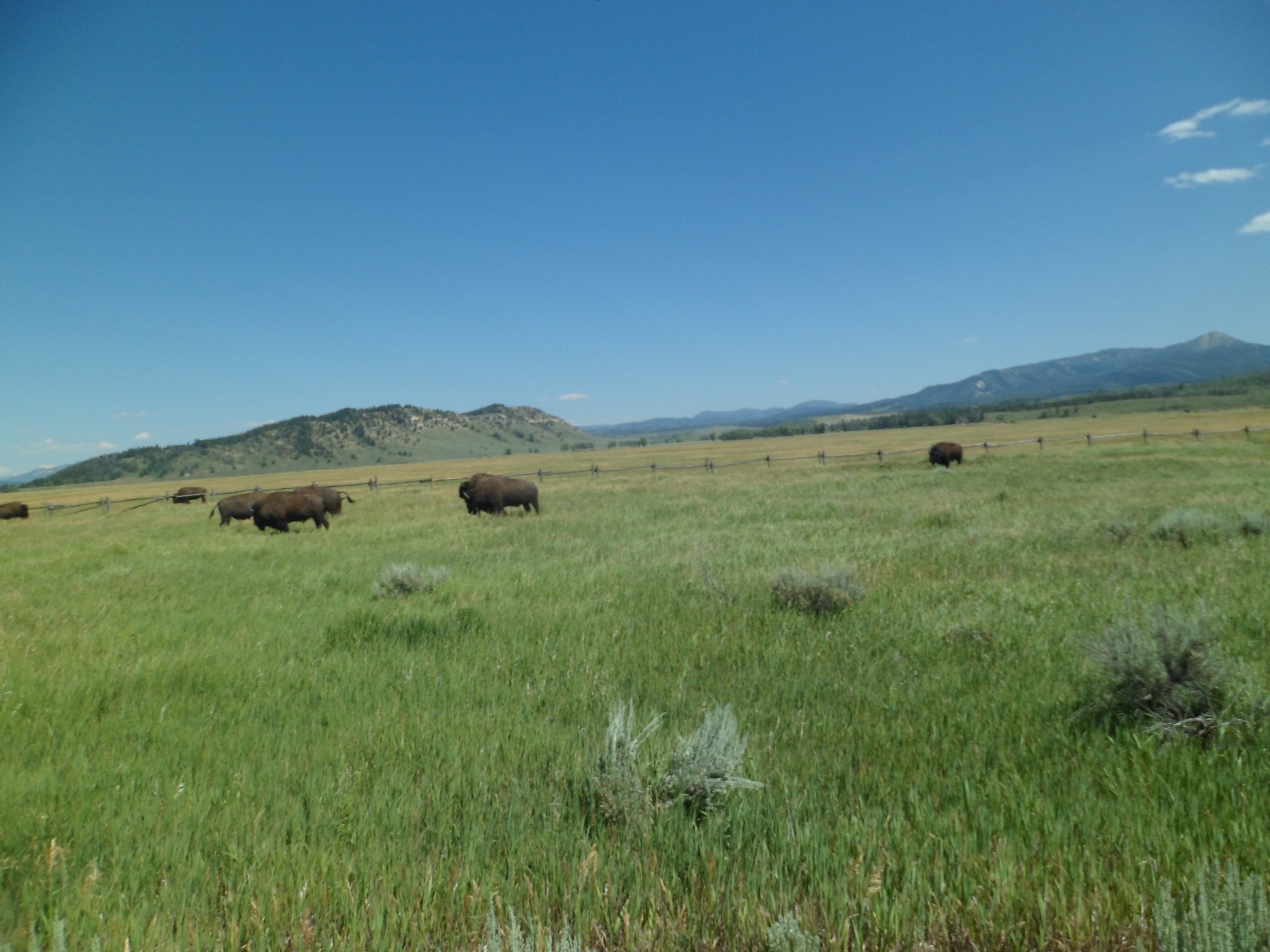
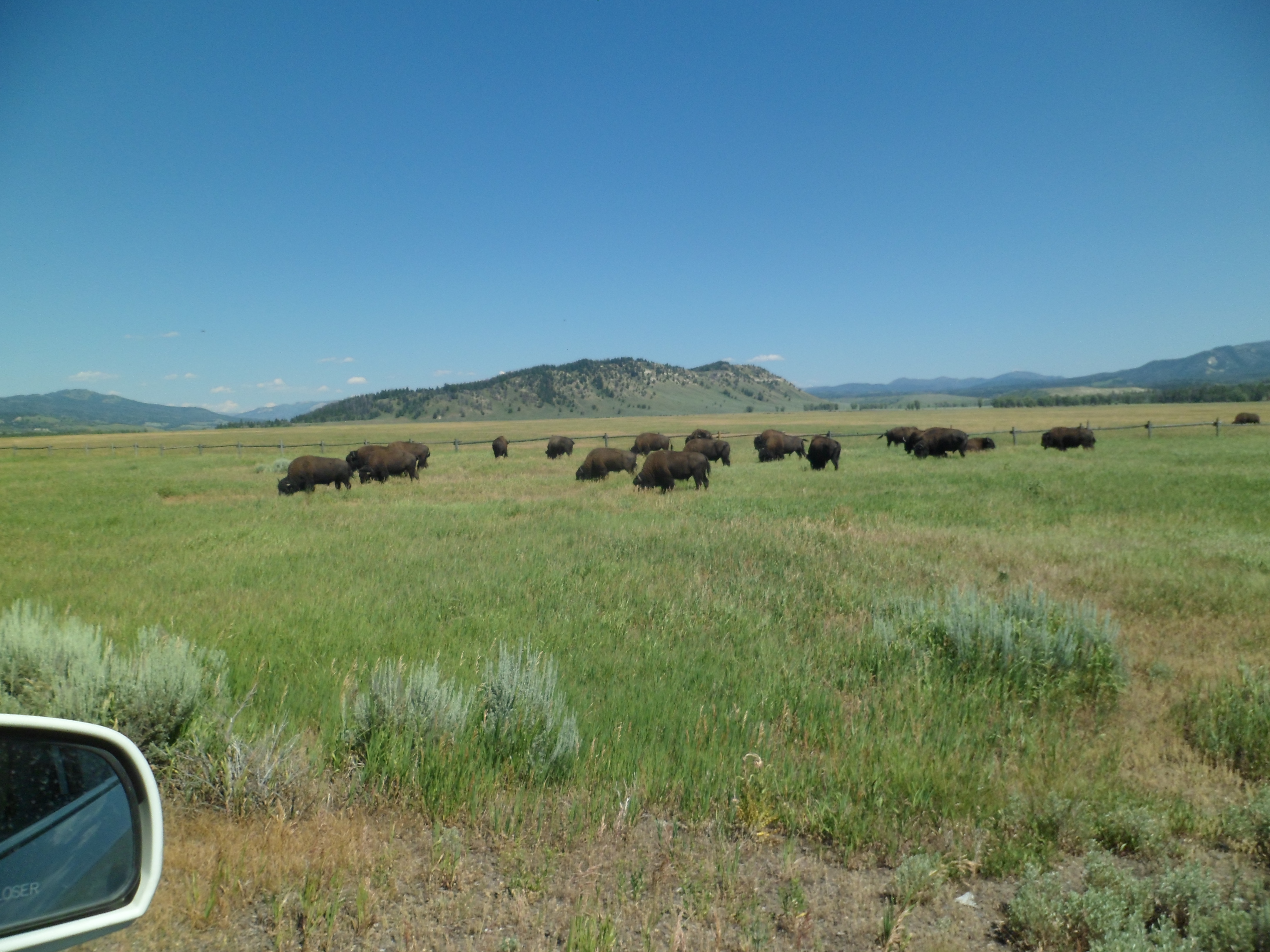
Yellowstone, to me, has always meant a jaunt to Old Faithful.  This time, though, I focused solely on the eastern portion of the park.  My goal was to at least reach Greybull, in the north central area of Wyoming, by bedtime. There was plenty to see, hear, touch and smell.  The area from Moose Falls to Cody Peak is as full of exquisite experiences as anywhere in the world. Between the south entrance and Lewis Lake, there are at least two herds of American bison. SAM_5412  SAM_5414 SAM_5415

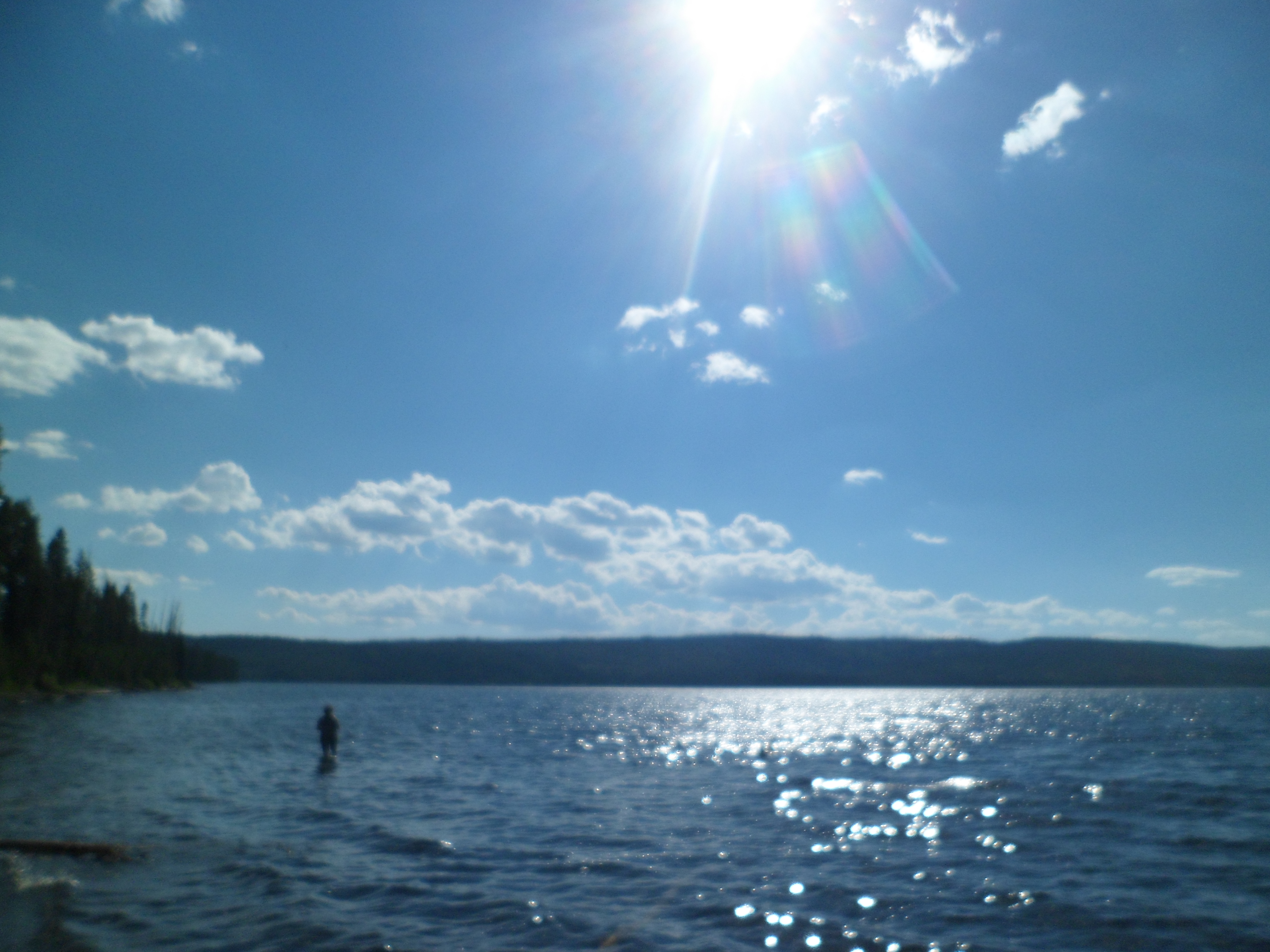
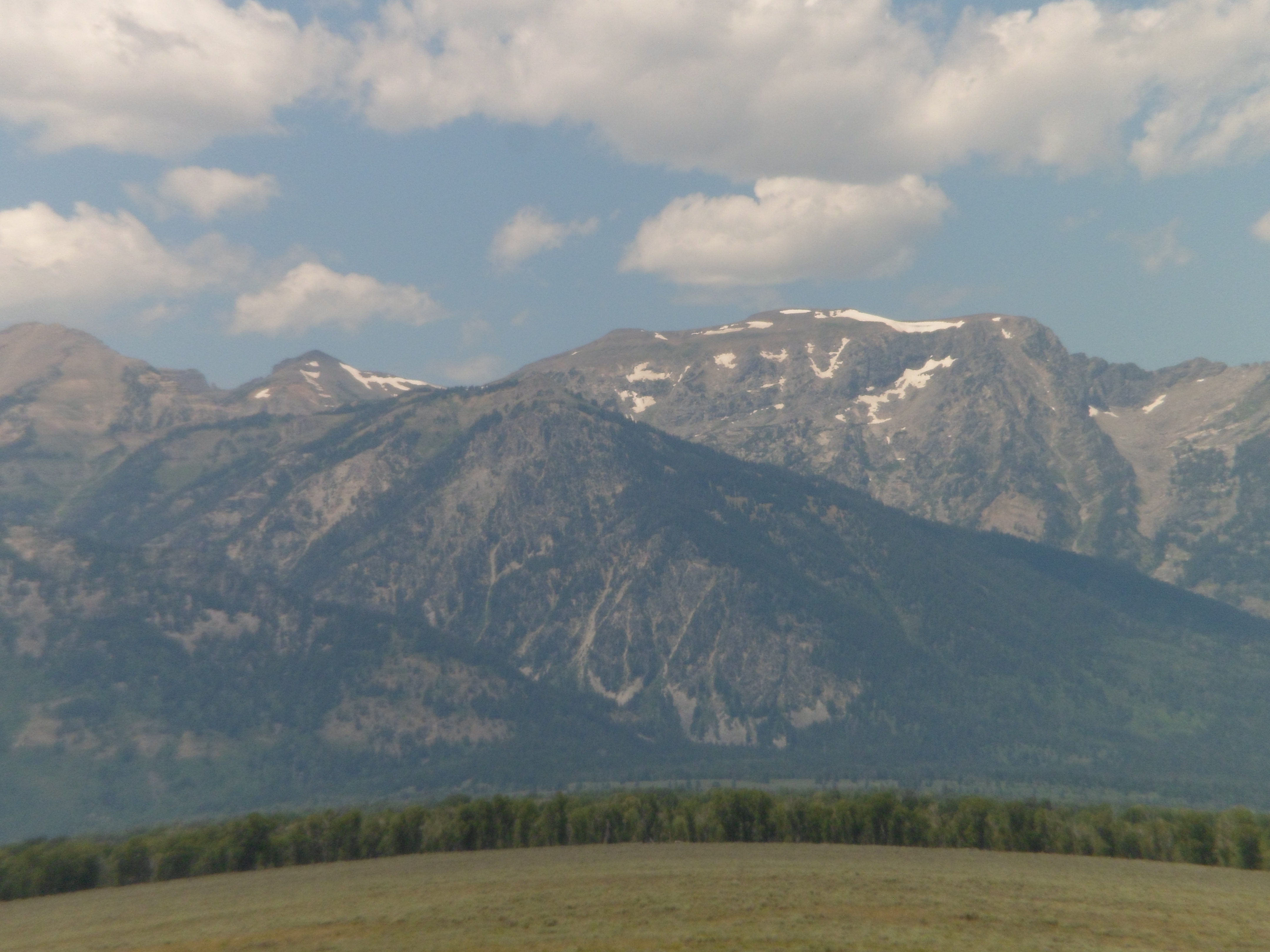
The main thing about bison is- know that you, the human, are their favourite kind of throw toy.  Get closer than 300 yards and you’d better be the Kipchoge Keino of your family.  Bison bulls can haul it! Lewis Lake, and its neighbour, Shoshone Lake, are warm- bath water warm.  The pine forest gave one of my fellow travelers the impression that Shoshone Lake would be quite cold.  She dipped her foot in, ever so apprehensively, and gave a shout of joy, as she then immersed herself, full-on, in the humongous mineral bath. Here are some views of Lewis Lake.  Note that the Teton Range stays with us, as a magnificent backdrop.

SAM_5420   SAM_5422

The lake is fed by the river of the same name.  Both are named for Meriwether Lewis, commander of the early 19th Century expedition to the mouth of the Columbia River.

SAM_5425

Shoshone Lake, named for the indigenous people who inhabited the area on all sides of the great parks, is nearly twice the size of Lewis.  It also appeared to draw more swimmers.

SAM_5427   SAM_5428

SAM_5429

These lakes call out:  “Slow down and soak awhile”.  Yet onward I go.

Next: West Thumb and Yellowstone Lake.
The Grand Tetons

6

I passed through gleaming, clean-as-a-whistle Jackson, stopping briefly at the Visitors Center, to inquire about WiFi, so that I could check for messages from a friend.  I was politely directed to the first Visitors Center in the Grand Teton region.

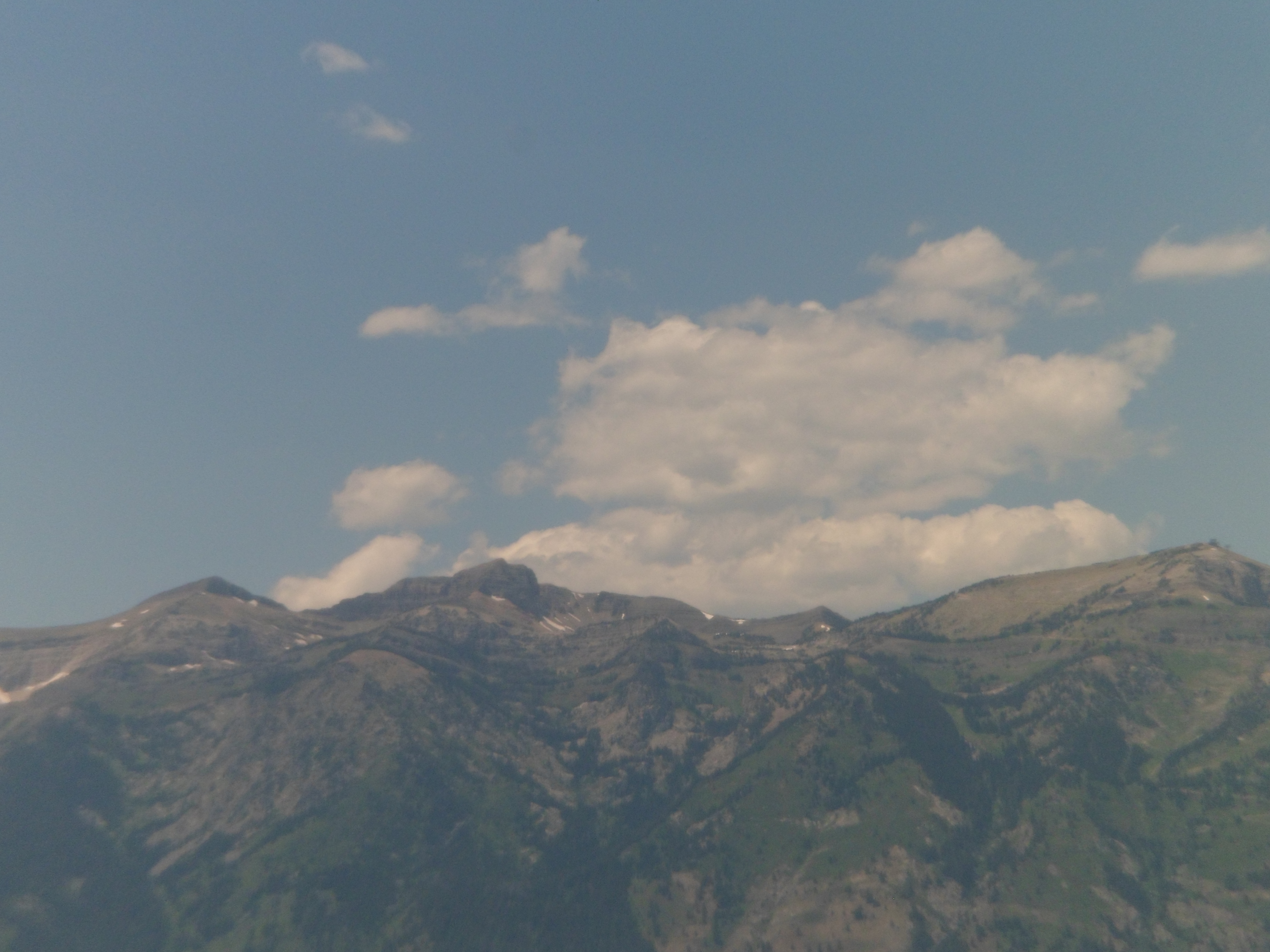
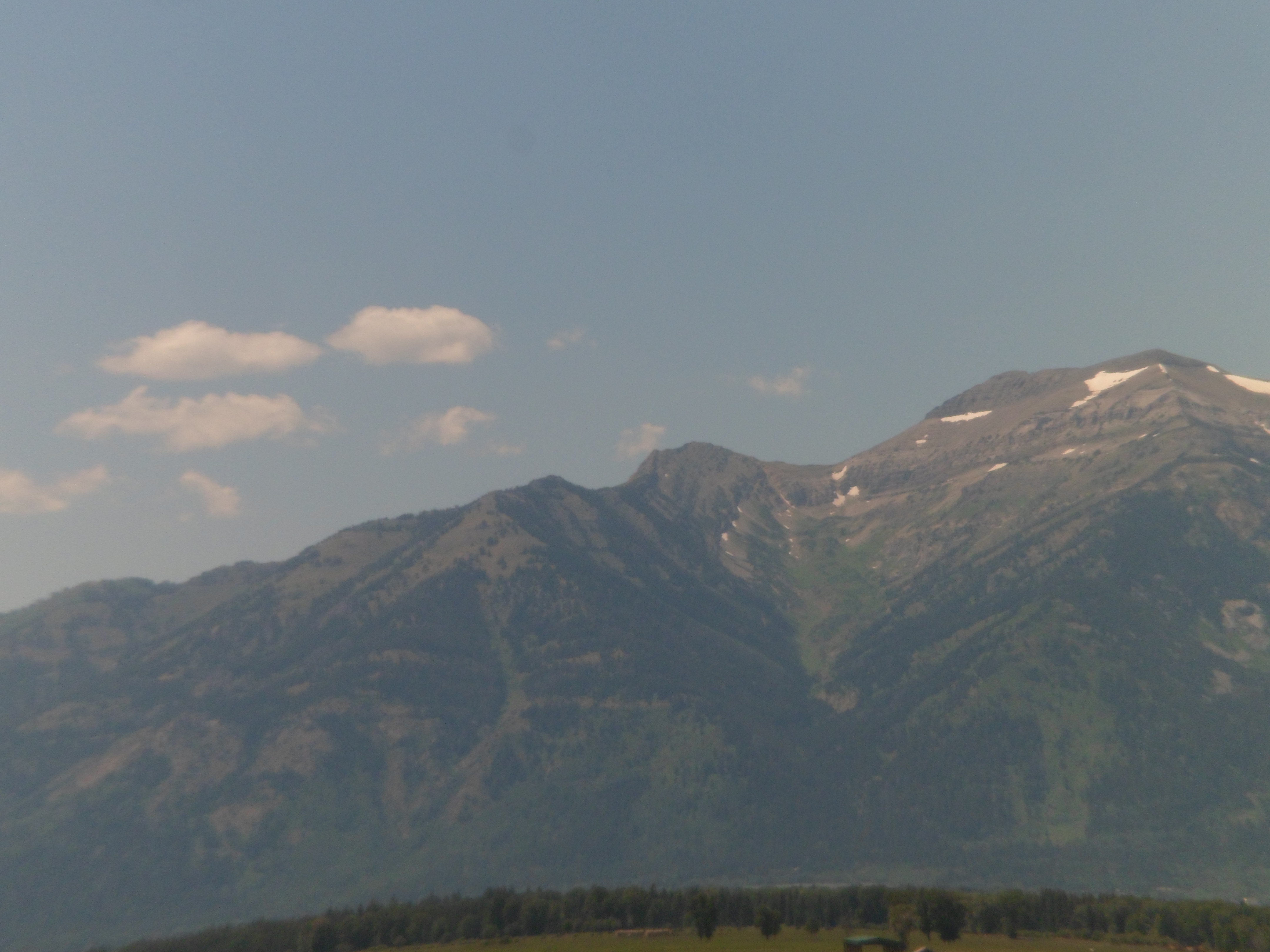
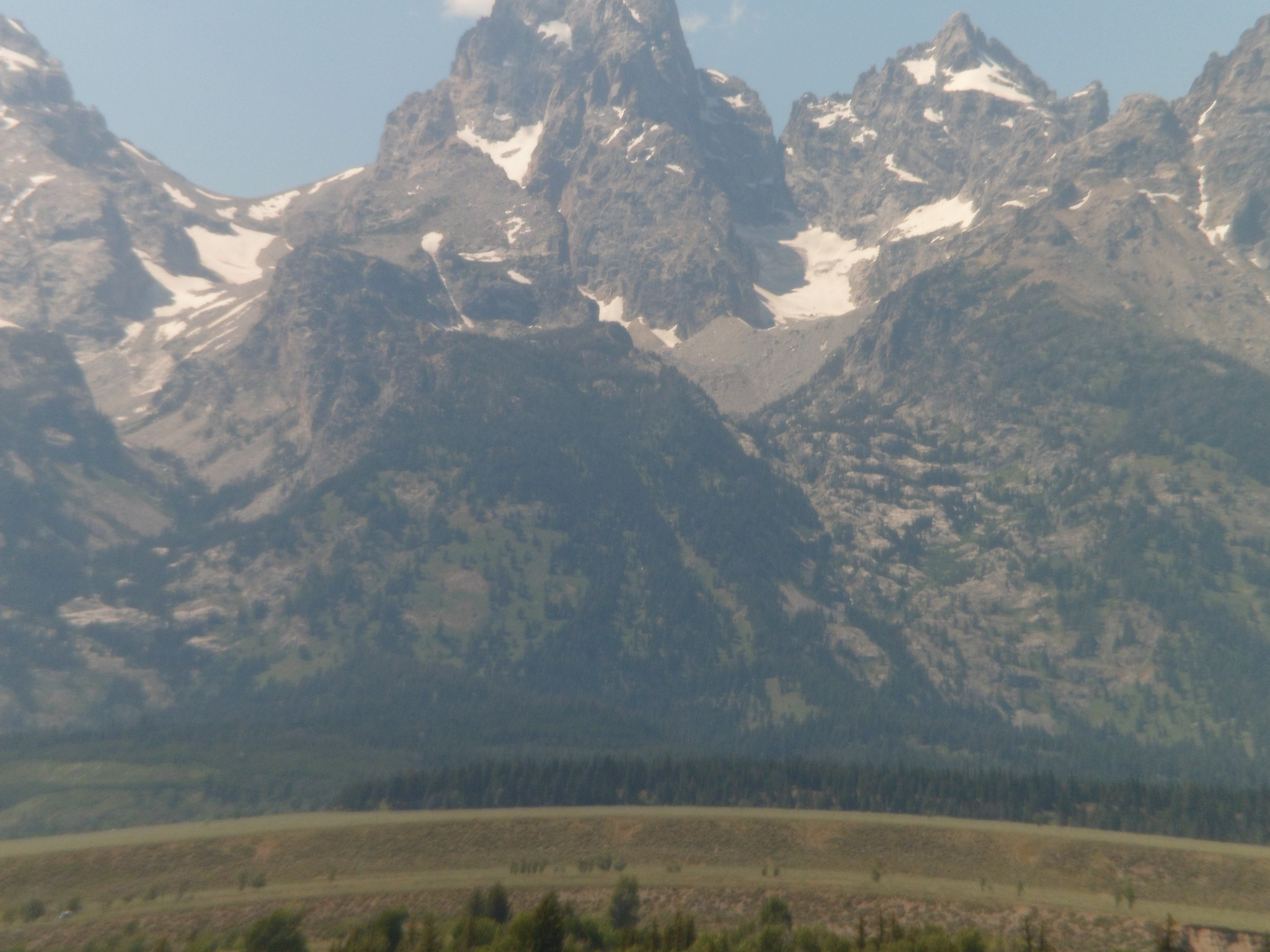
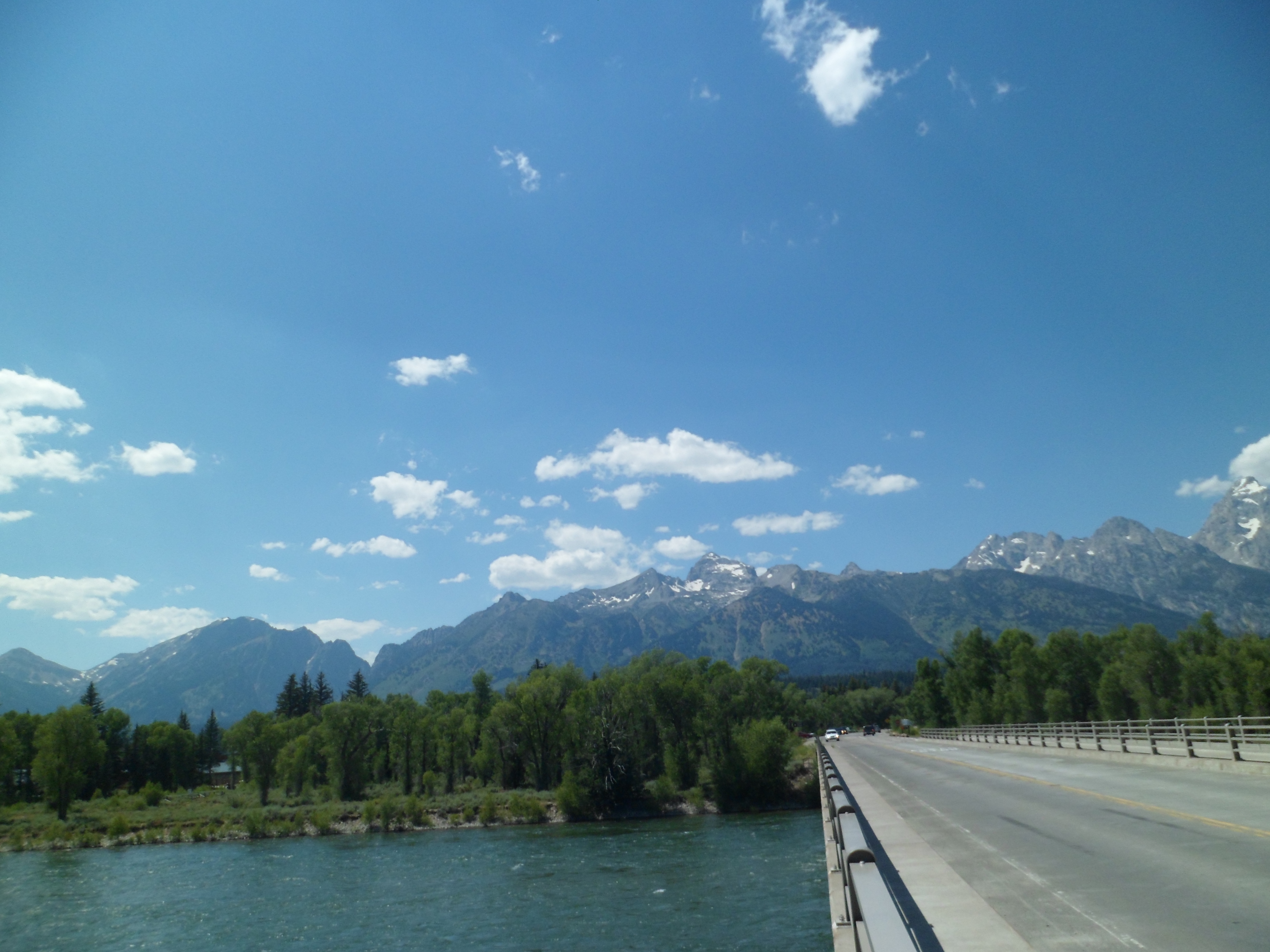
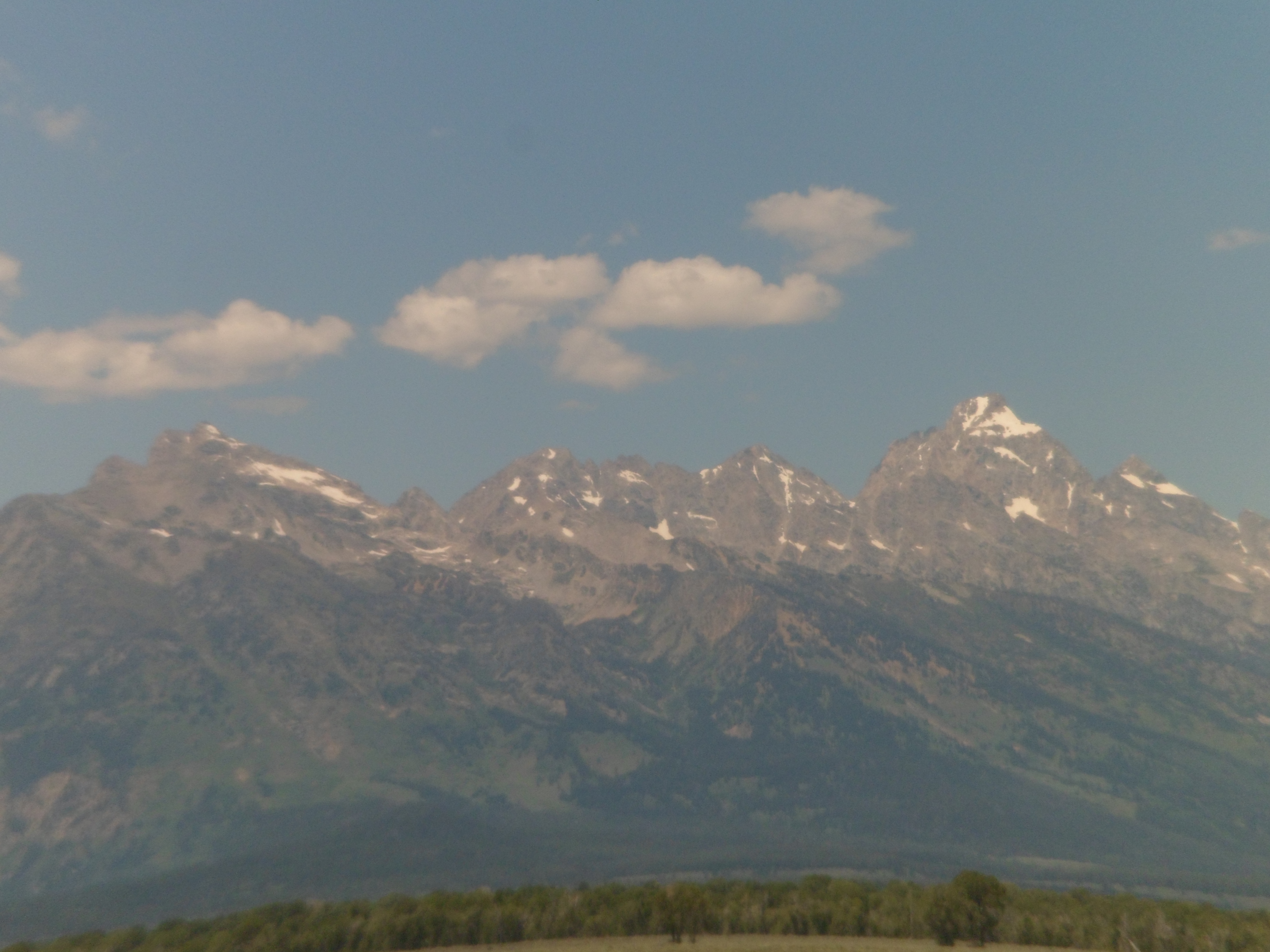
So, on I went, and learned later that I needed to hone both my intuition and my communications skills.  Nonetheless, the scenery en-route is both a tonic for the soul and a challenge- as if the mountains are saying ” Do you think you are a seasoned hiker?  Come play with us, big boy!”

SAM_5401   SAM_5402

SAM_5403   SAM_5404

SAM_5409     SAM_5410

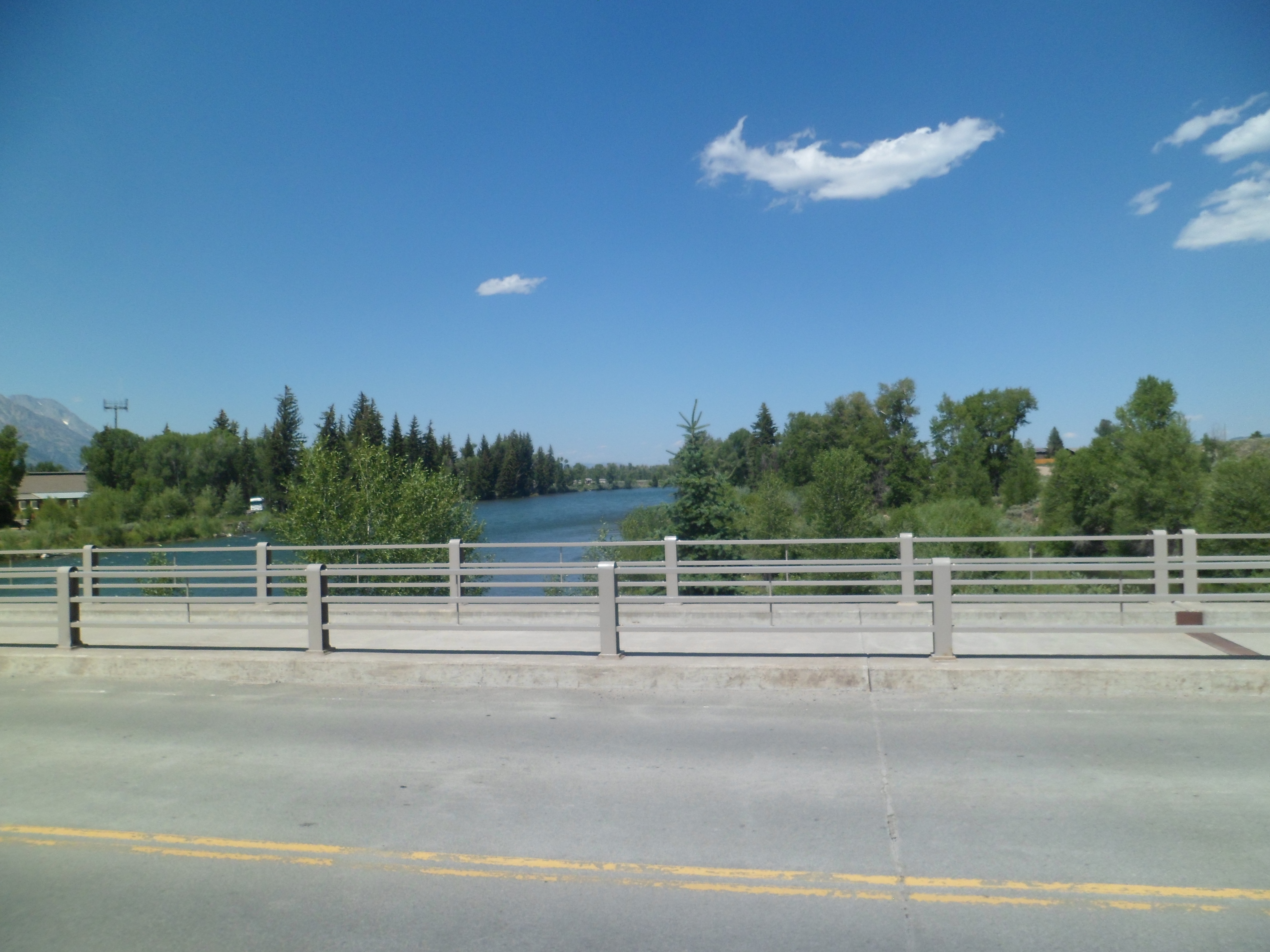
The Tetons are formidable, but are punctuated by the meandering Snake River.    SAM_5406      SAM_5408

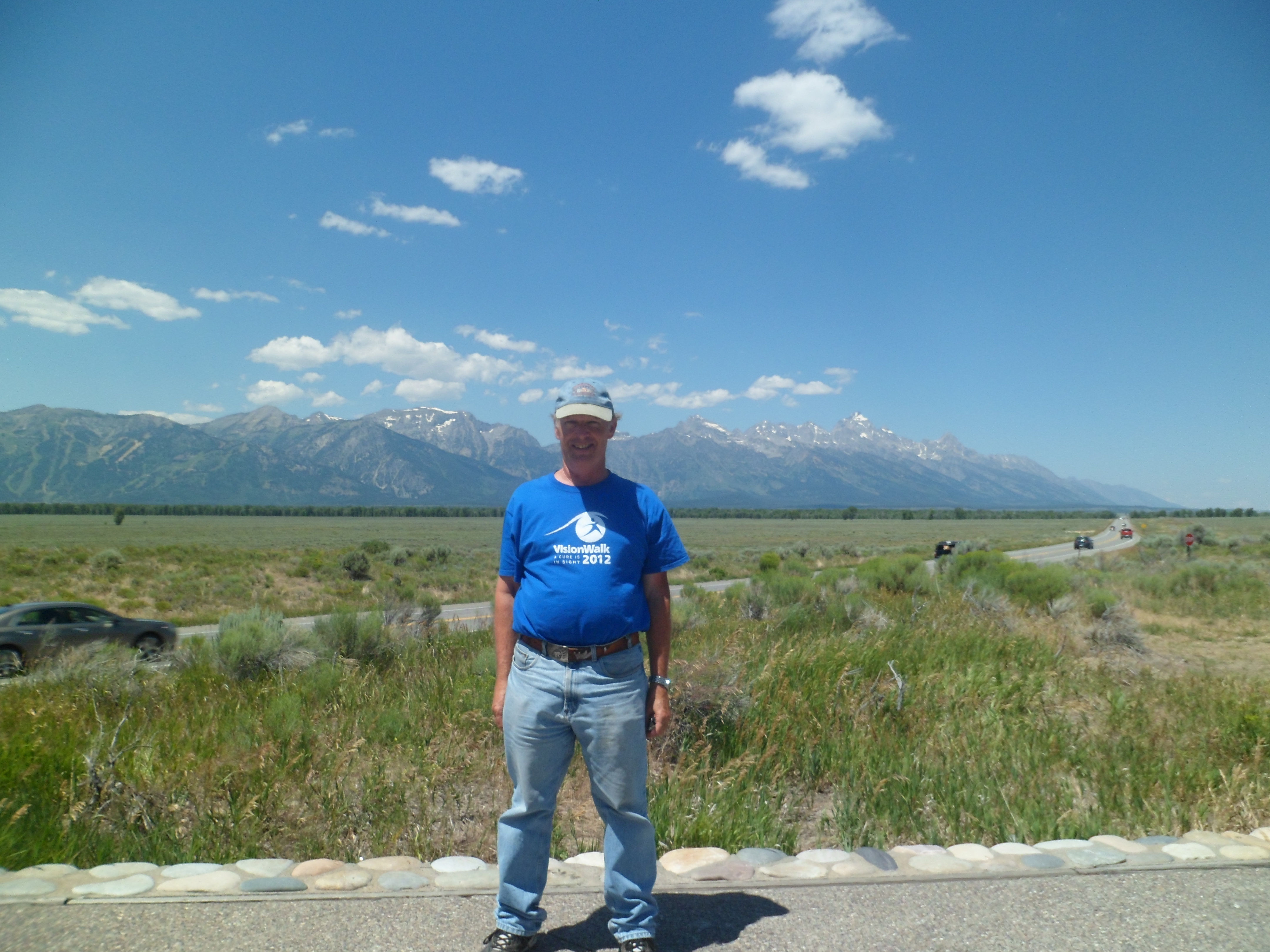
Little old me continued on the path to insight and enlightenment, though the wind made my t-shirt balloon out a bit.

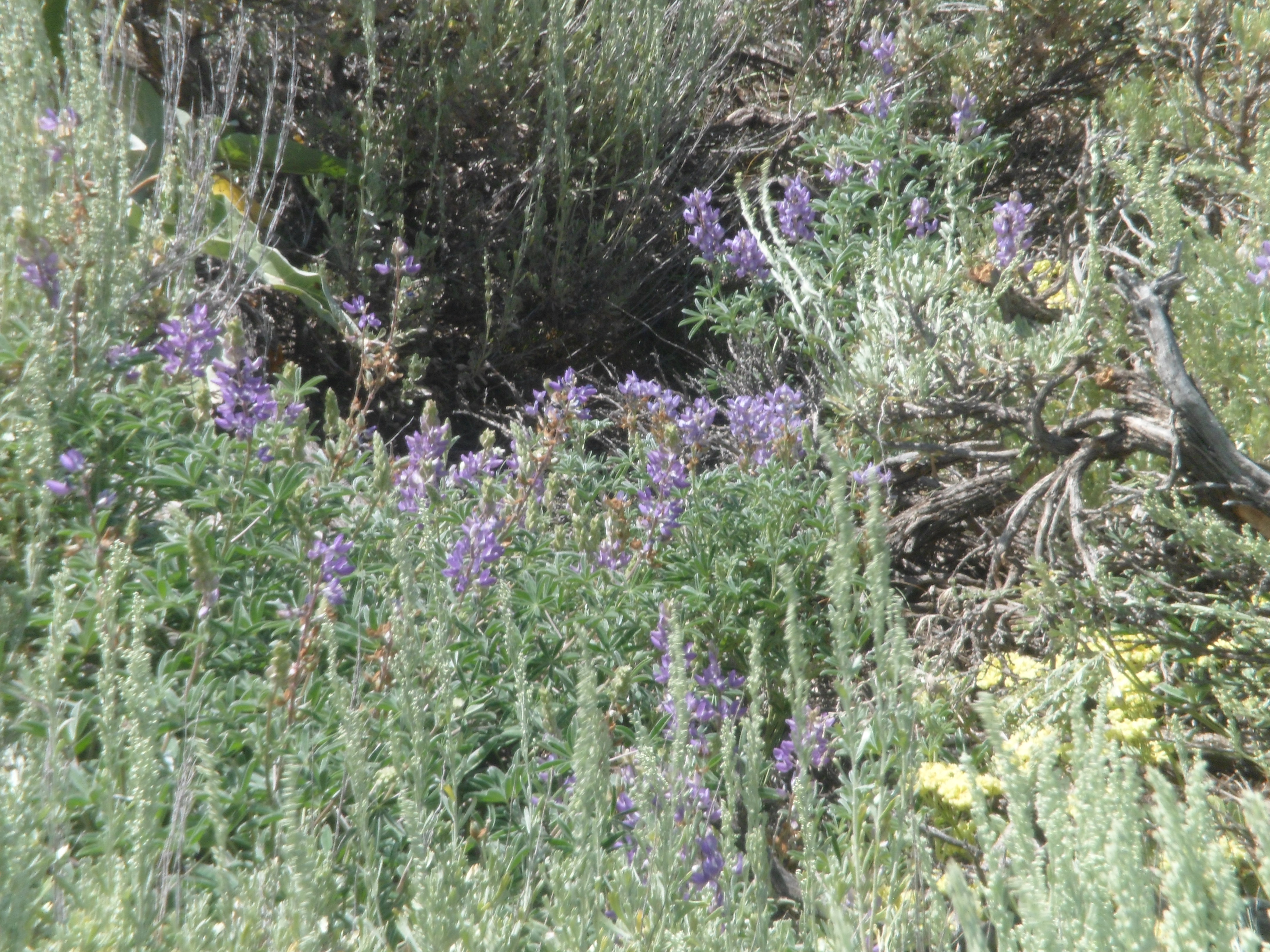
SAM_5405                                                                                              The columbines, however, were not disturbed.

SAM_5411

Grand Teton, though, is not a long park, north to south.  I found myself in the behemoth that is Yellowstone National Park, in very short order.

My Yellowstone visit will be covered in three posts:  The bison herds to Shoshone Lake;

West Thumb and Yellowstone Lake; The Absaroka and Buffalo Bill State Park.

I left happy, but with a strange feeling that something was amiss.

The Bridger-Teton Express, Part 2: The Snake River Valley, from Alpine to Jackson

10

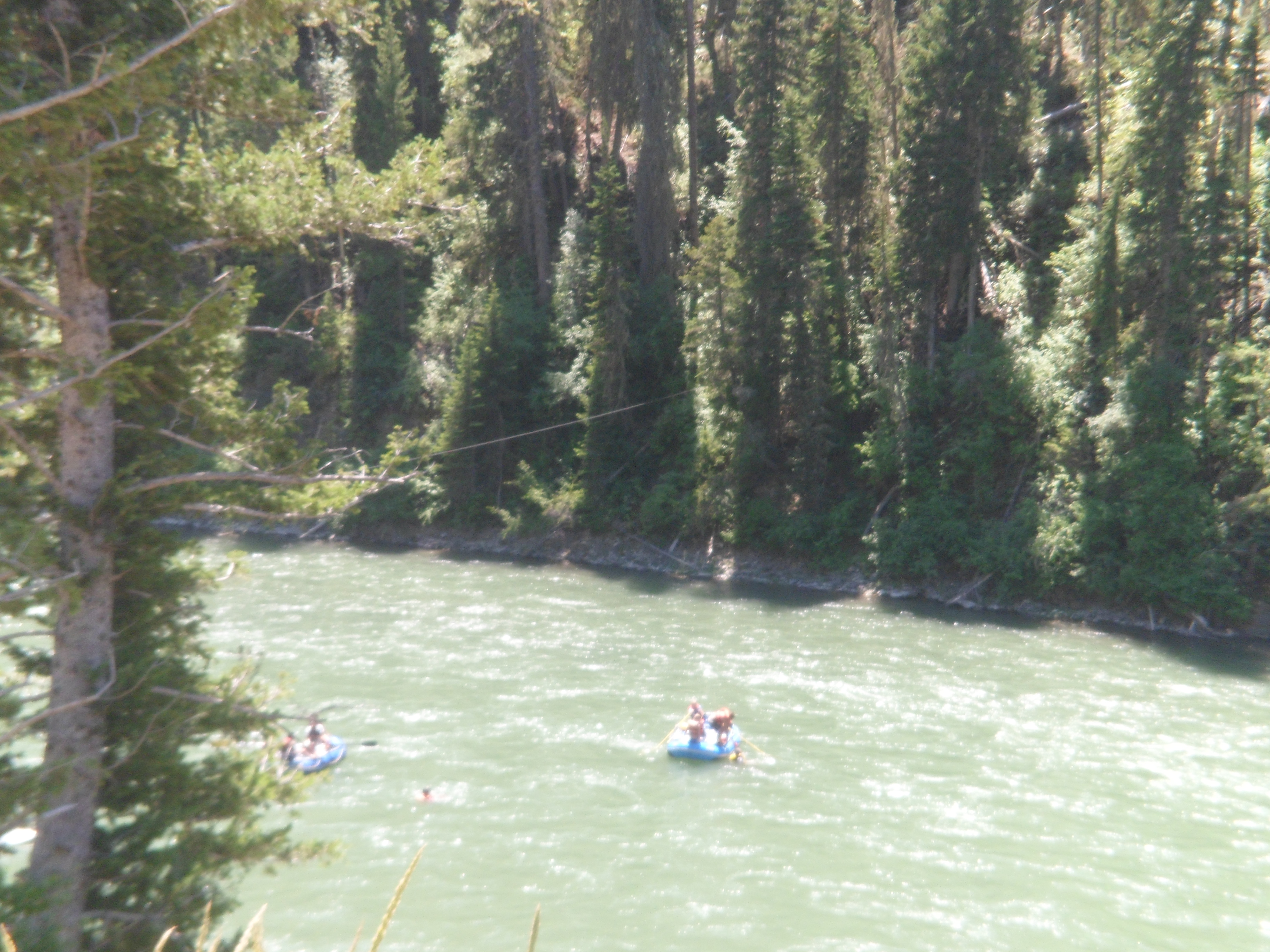
After leaving Afton, I pretty much stuck to the road- until I passed the tourist town of Alpine.   Then, I reached the Grand Canyon of the Snake River.  As with our Grand Canyon in AZ, Wyoming’s draws rafters by the busload.  No matter; although hordes of tourists are a concern for conservationists, long-term, the presence of lots of other people has never bothered me much.  I don’t go in for trinkets and mementos of a visit to a tourist mecca.  I would buy things for my son, or for a certain special friend, but neither of them are very big on junk, either.  So, I don’t stand in long lines much at all.

Jim Bridger, for whom the Bridger-Teton National Forest is partially named, along with the Teton Range of the Rocky Mountains, was a “mountain man” in these parts during the mid-19th Century.  Every school child in Wyoming and Montana is sure to learn a fair amount about Jim and his close ties to the indigenous people of the northern Rockies.

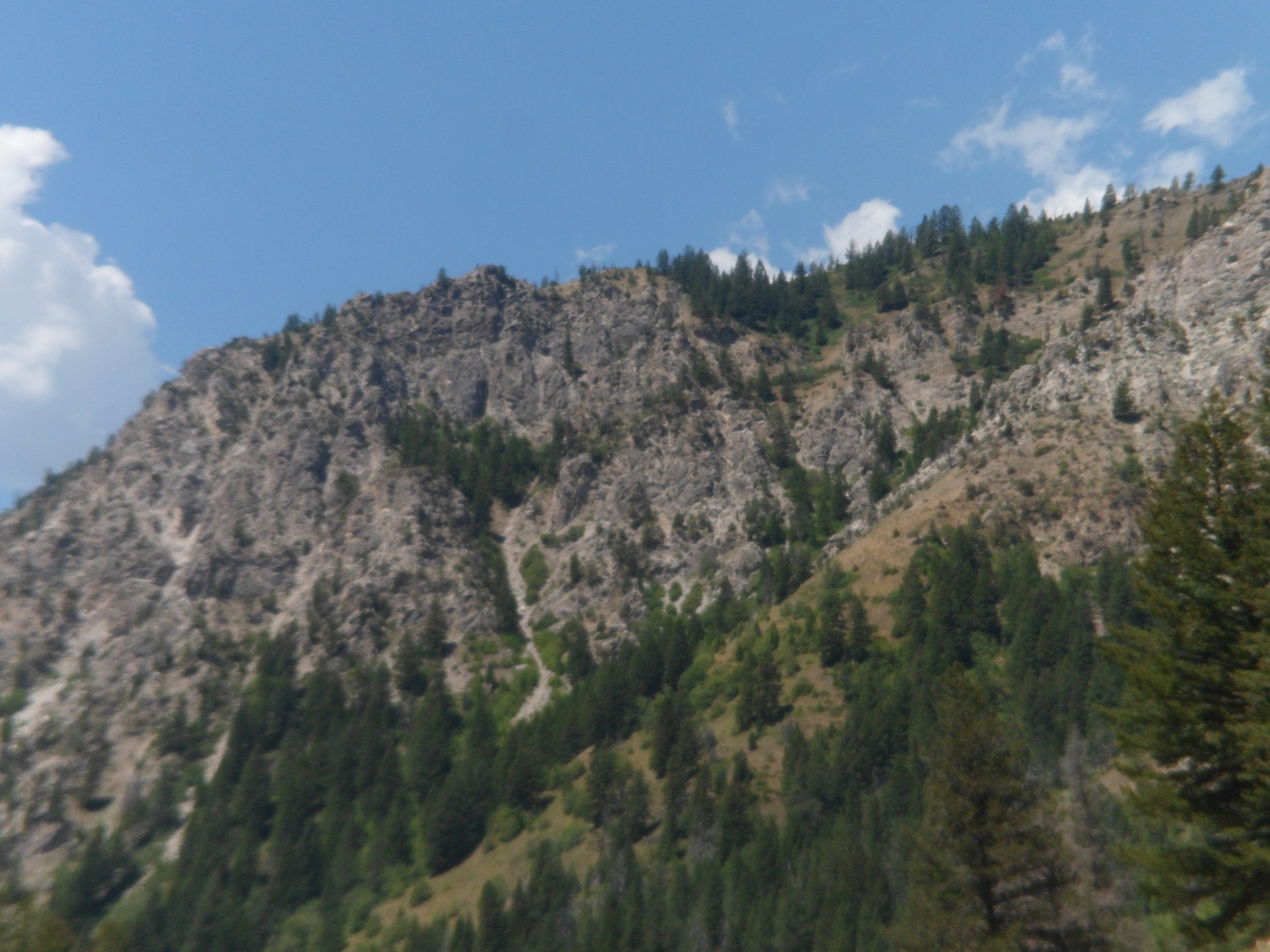
The Snake and Gros Ventre Ranges, and the river itself, captivated the hordes of rafters, and me.  The Gros Ventre show themselves on the south and east banks of the Snake River.

SAM_5394     SAM_5395

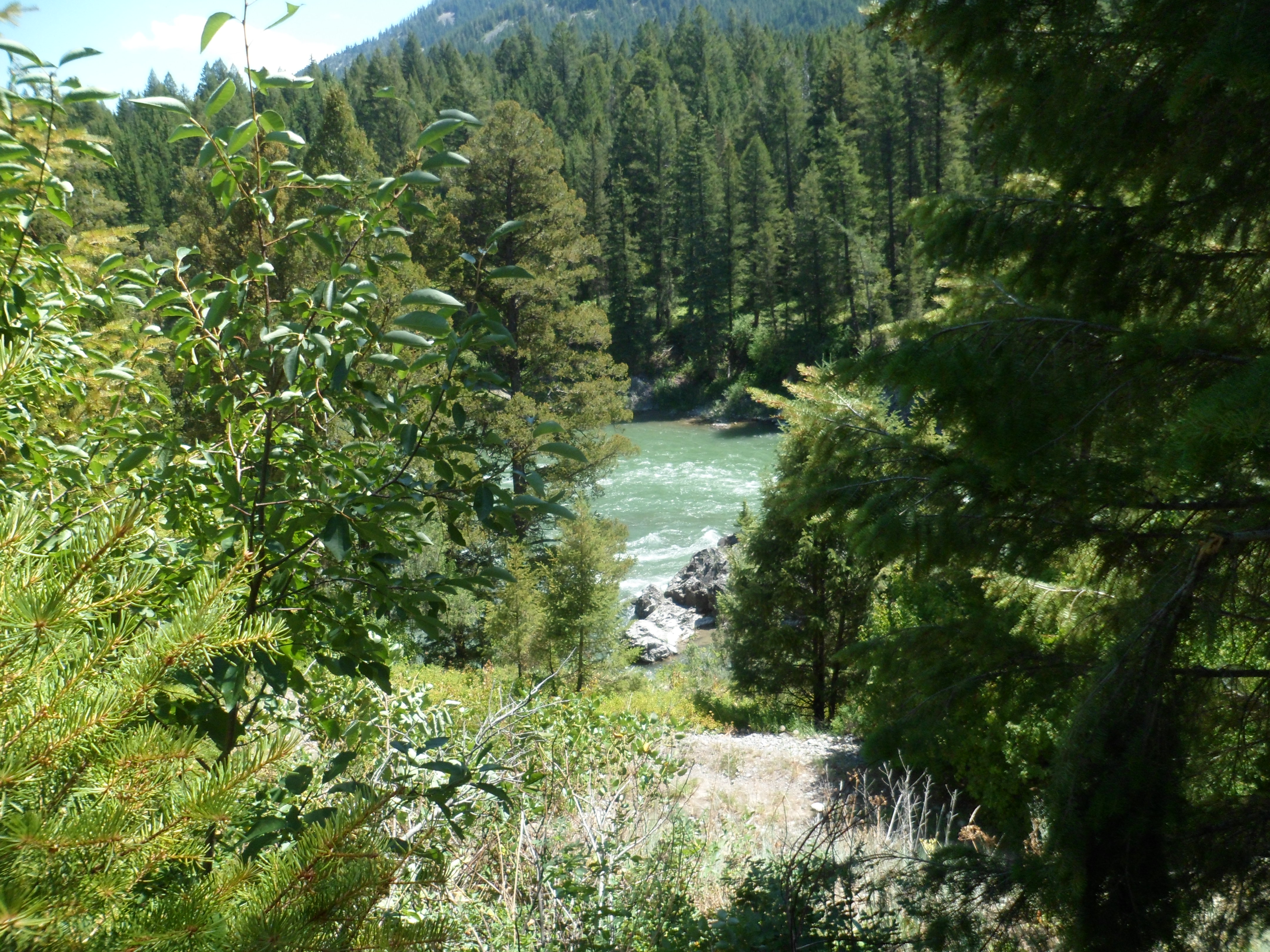
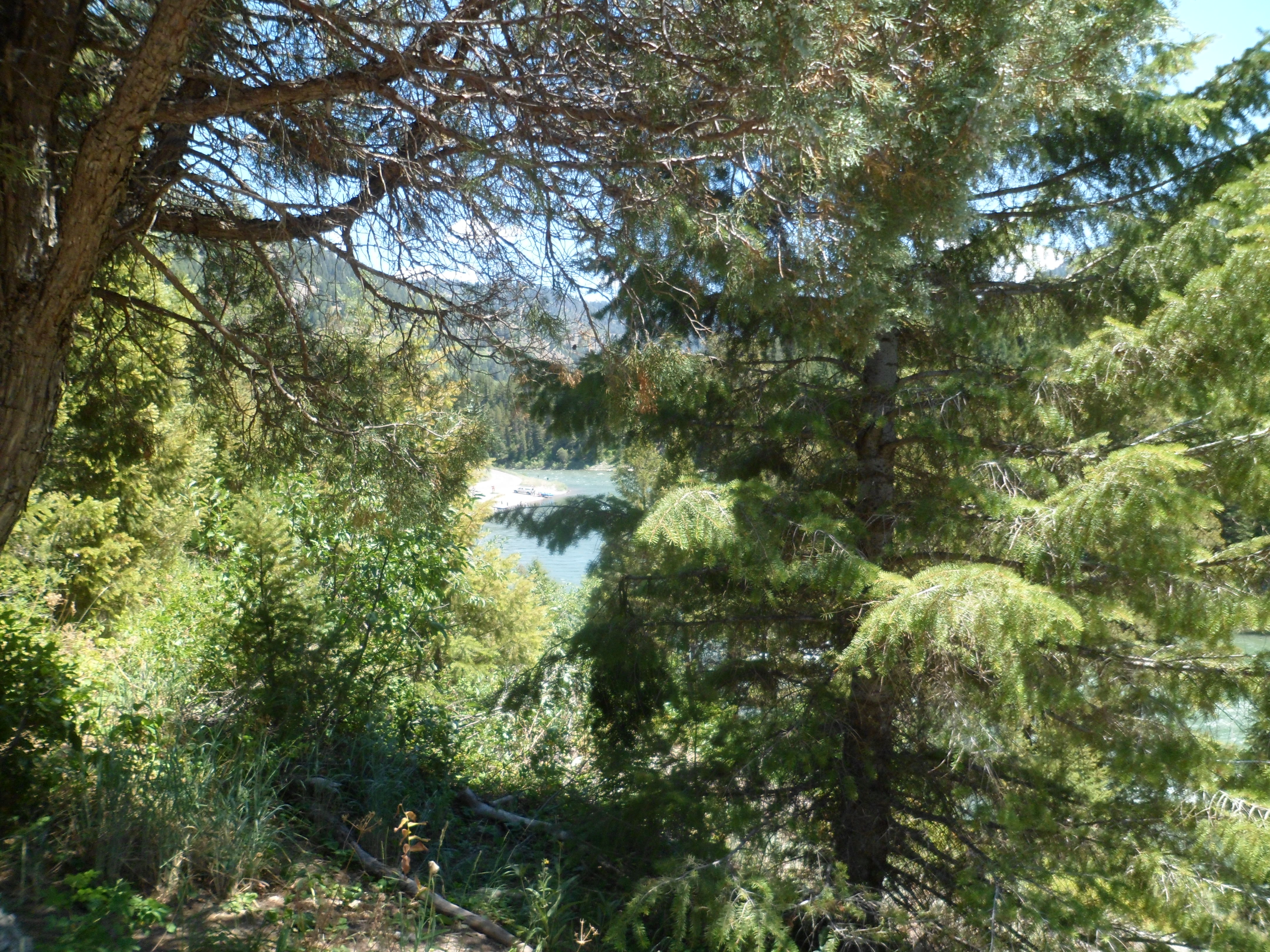
As the river broke through the heavy forest growth, at the raft and kayak put-ins, I walked down for some views of the grandest river in the northwest Rockies, save the Missouri.

SAM_5396  SAM_5397

A visitor from New Zealand called me over and pointed out some better views of the open flow.  He is a home builder, by profession, and does his own architecture and design.  The Renaissance Man lifestyle has not disappeared.  In my afternoon years, with my sun still bright, I am always glad to meet such people and explore their views, much as I explore landscapes and build new friendships.

As he left to rejoin his “mates”, I enjoyed the views to which he was referring.

SAM_5398  SAM_5399

SAM_5400

My mindset was healed somewhat by the magnificence.  I look back on the hour or so that was spent here, just taking in the ambiance of the river and its mountain backdrop.  The message is clear- “Gary, remember the song, ‘May It Be’, from The Lord of the Rings- ‘The promise is within you now’. ”

There would be so much more- Promise, doubt, regrouping and fulfillment, as the quest continued.

Next:  Grand Teton National Park

July 17, 2013: Rifle Falls and Caves

2

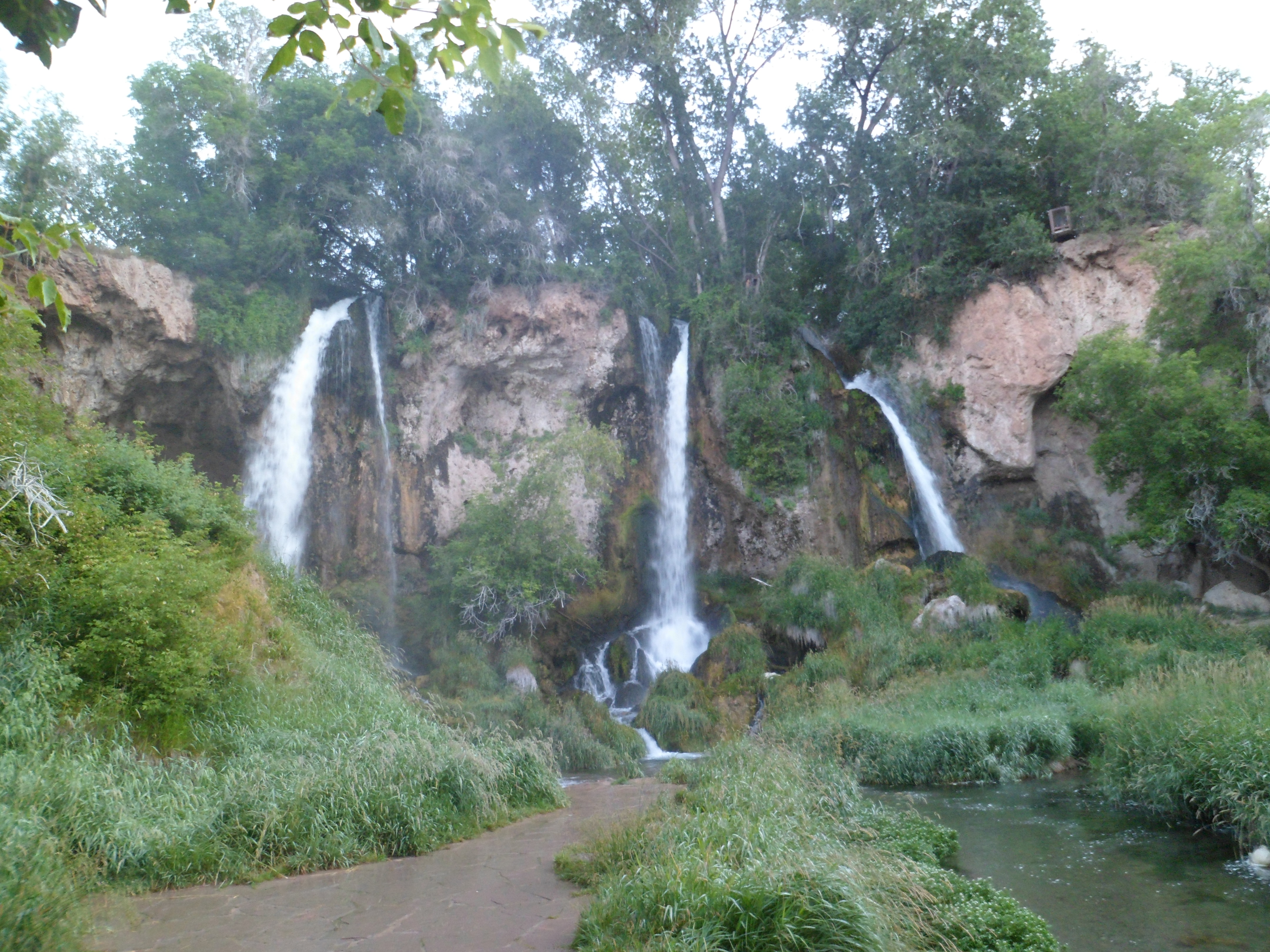
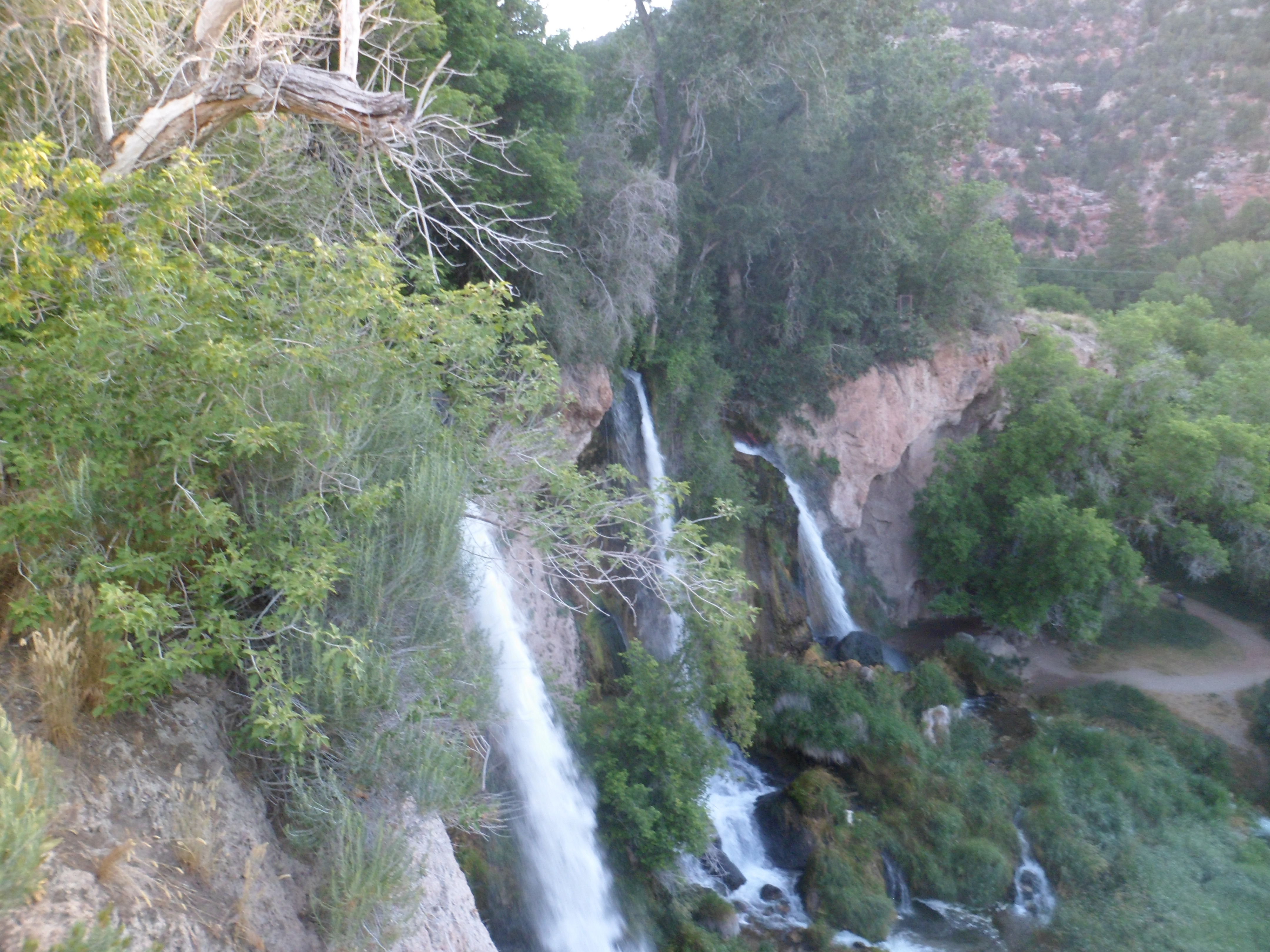
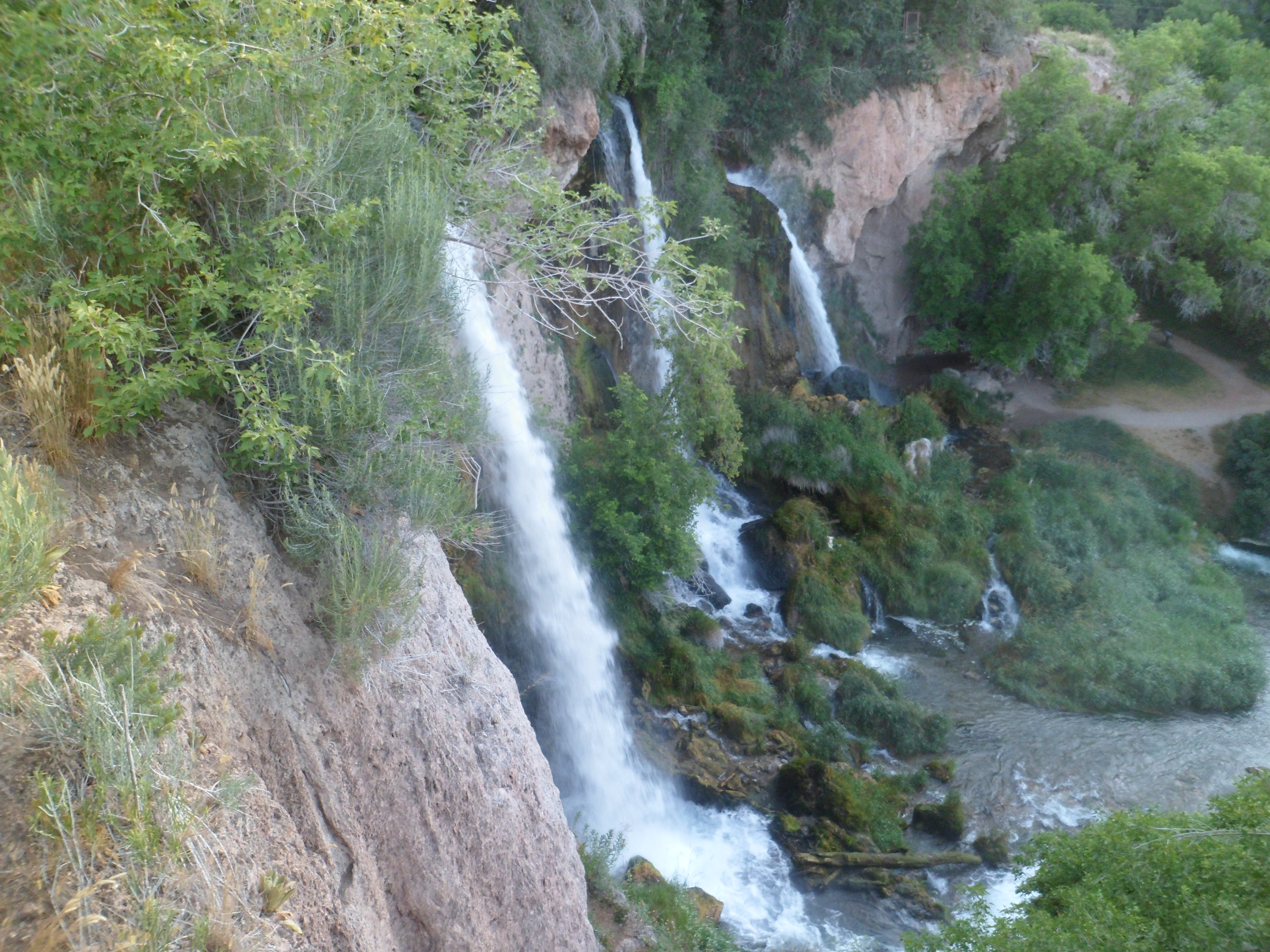
The northwest of Colorado is somewhat drier than the Rocky Mountain core.  Even so, the rivers run at a credible clip, and the occasional waterfalls are well worth an hour or two.  Rifle Falls has three such waterfalls and a series of limestone caves occupies the area underneath the falls.  I spent ninety minutes on the morning of July 17, casually walking the trail to the top of Rifle Falls and exploring the caves along the bottom of the trail.

I begin with scenes of the plateau leading into the Rifle Gap.

SAM_5295 SAM_5297

SAM_5298

The falls and caves lie just east of Rifle Gap State Park.

SAM_5303      SAM_5307

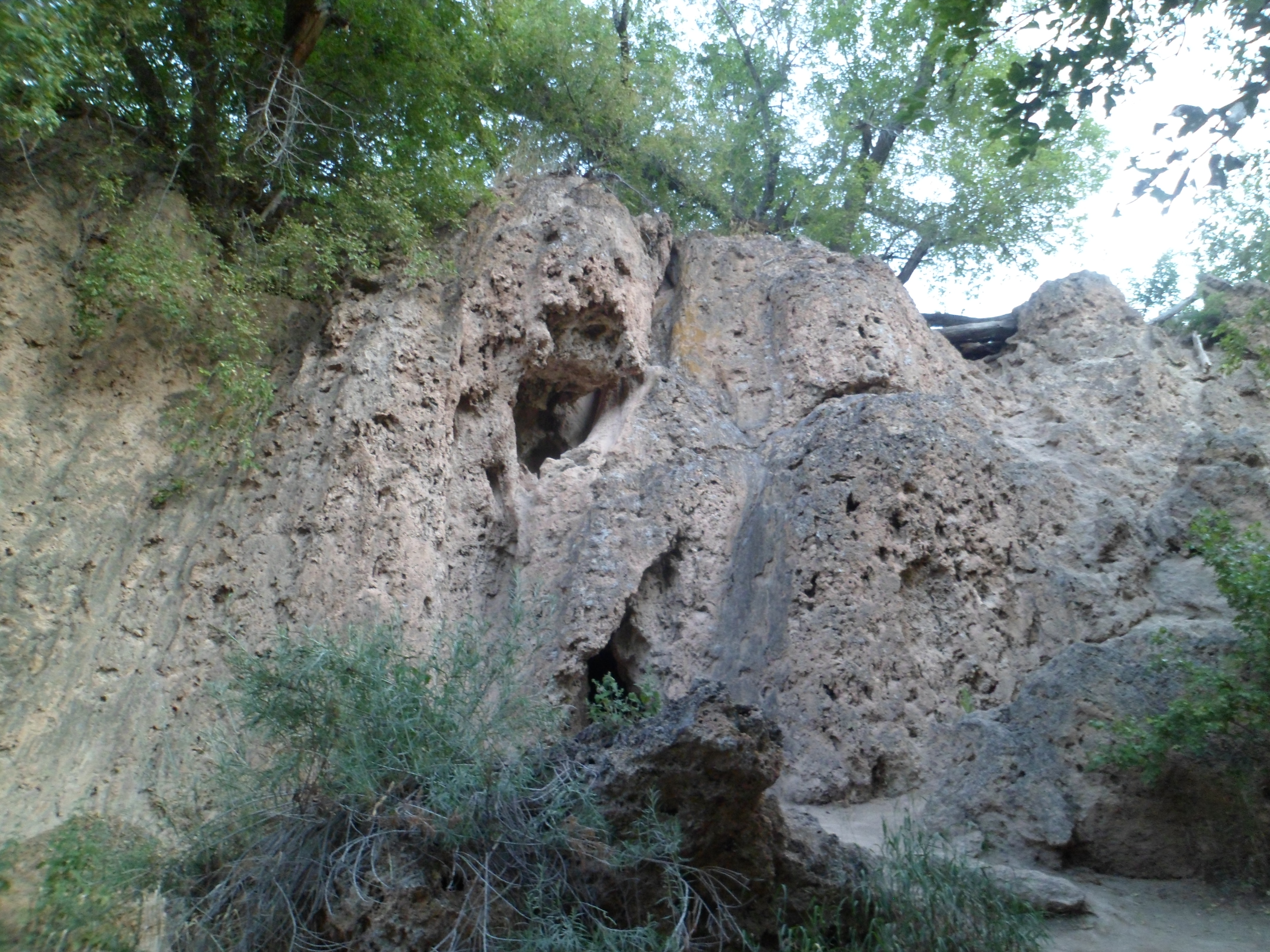
Here are more scenes of the caves, which are quite delicate, and would not make safe hiding places- though that would be tempting, in a pinch.

SAM_5308  SAM_5312

SAM_5317  SAM_5318

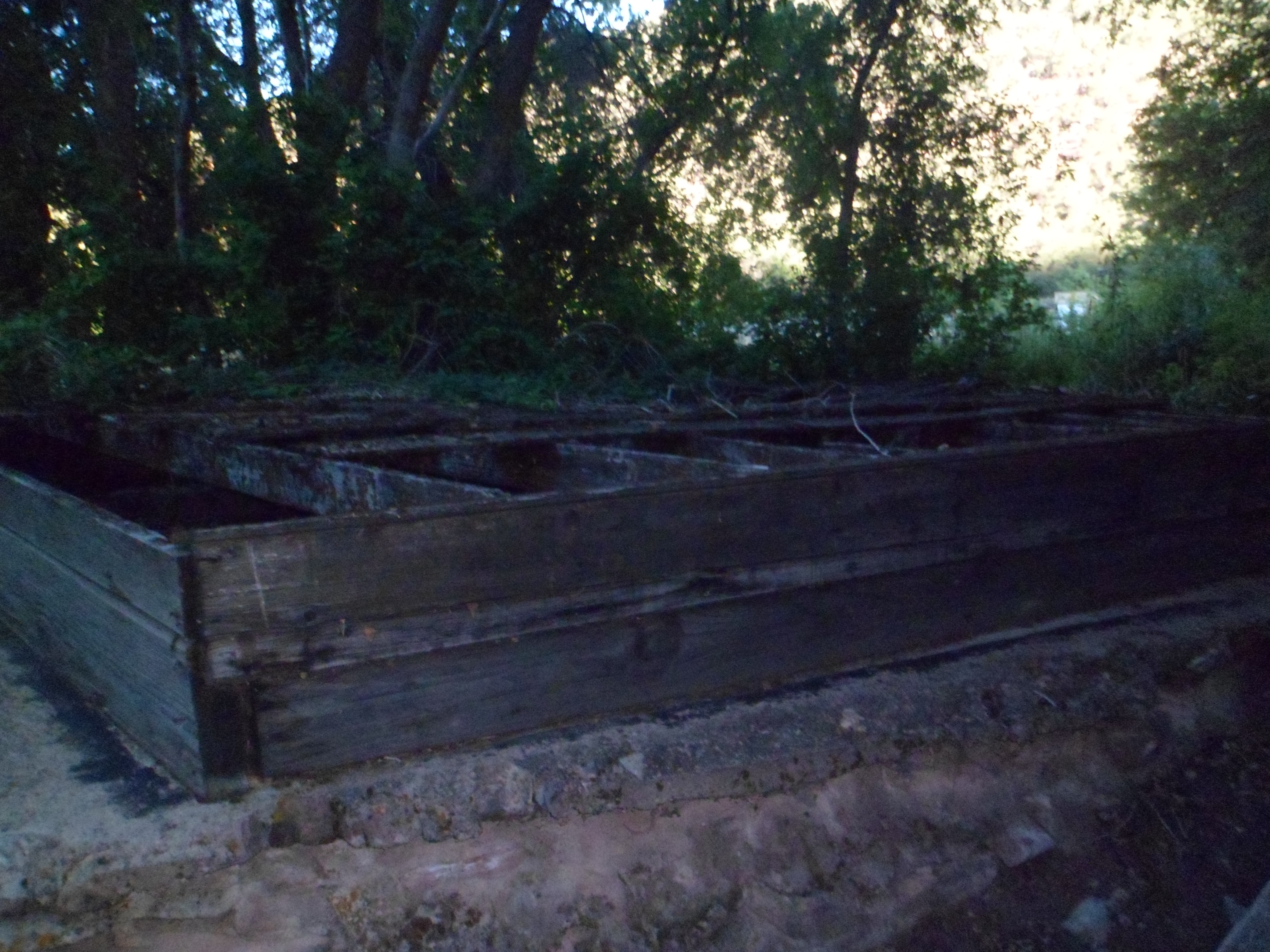
I climbed up to the top of the falls, along Coyote Trail, and learned that a private entrepreneur had built a hydropower plant, of sorts, and a tourist attraction, in the 1890’s.

SAM_5327   SAM_5328

SAM_5336   SAM_5337                                                       SAM_5334

Above is a remnant of the hydropower facility.

Rifle Falls set the tone for a rather happy day, that Wednesday.

Next:  The Road to Cokeville

A Benign Bastille Day

16

Yesterday, the bunch of us piled into several cars, and headed first to The Delectable Egg, in Westminster, CO.  This was our Birthday Brunch for the twin ladies.  Melissa took excellent care of our large group, and we continued the fine conversations from last night.

SAM_5223

SAM_5224          SAM_5226

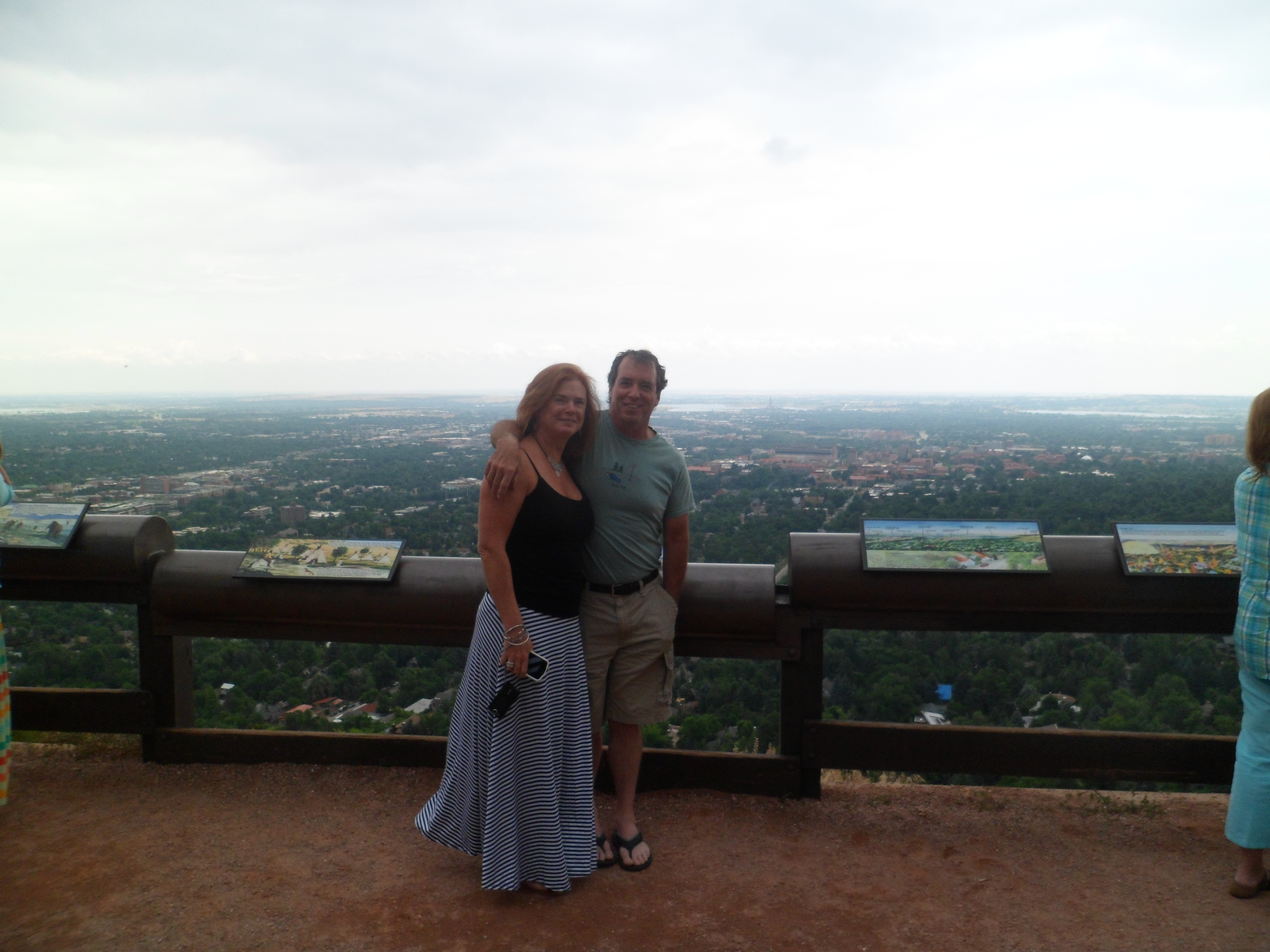
Afterwards, five of us headed to Boulder, where we first went up to the Flatiron area, on Flagstaff Mountain.  We got a fine view of UC- Boulder, below.

SAM_5227

The twins and their men are thoroughly impressed with the view.

SAM_5231   SAM_5232

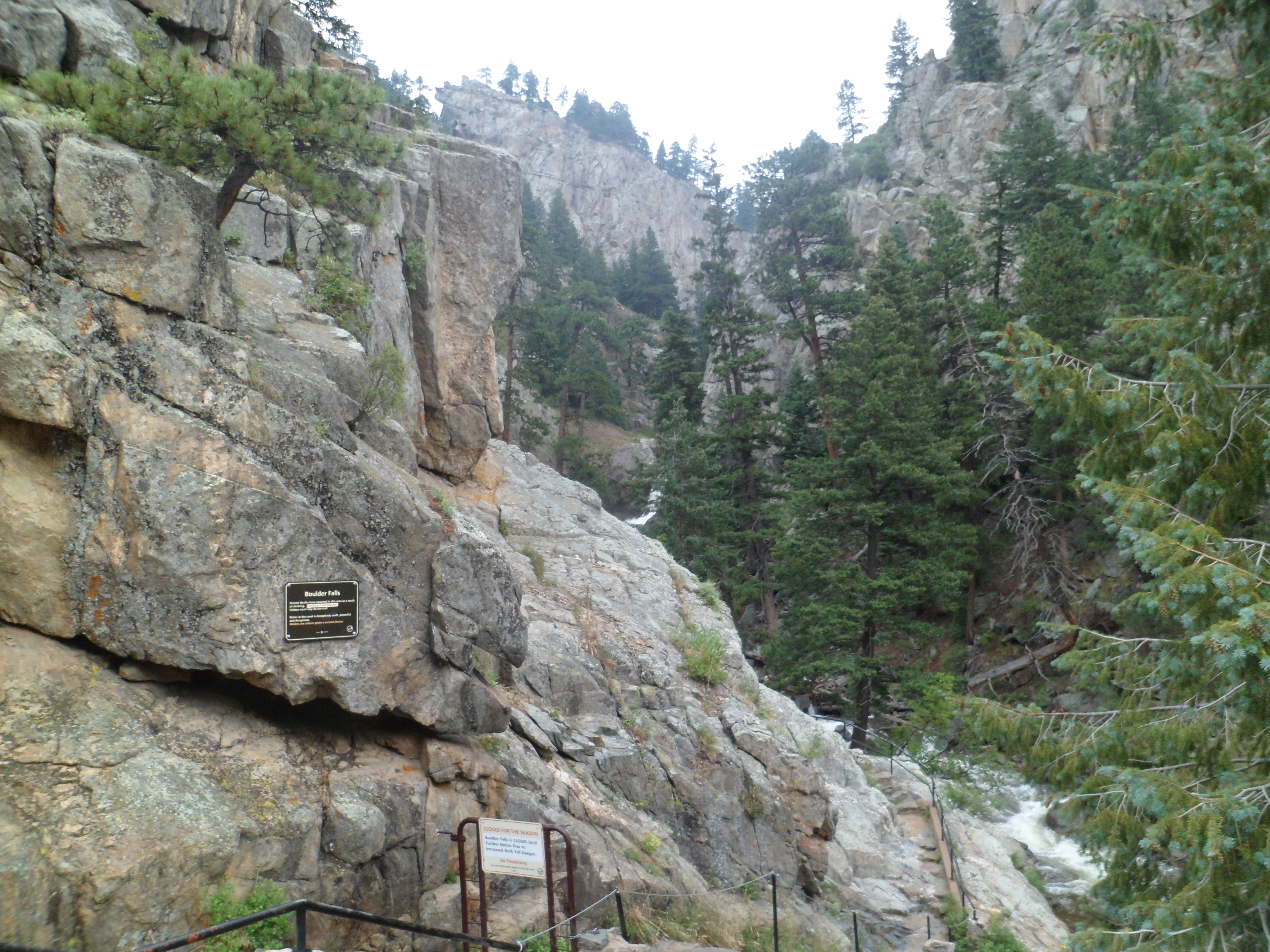
Our next stop was Boulder Canyon.  The falls trail was closed, but we got some nice views from the fence, anyway.

SAM_5238     SAM_5256

SAM_5241

SAM_5250    SAM_5253

SAM_5255

The imp in me was sorely tempted to hop the fence and be photo’d inside the hole in the rock!

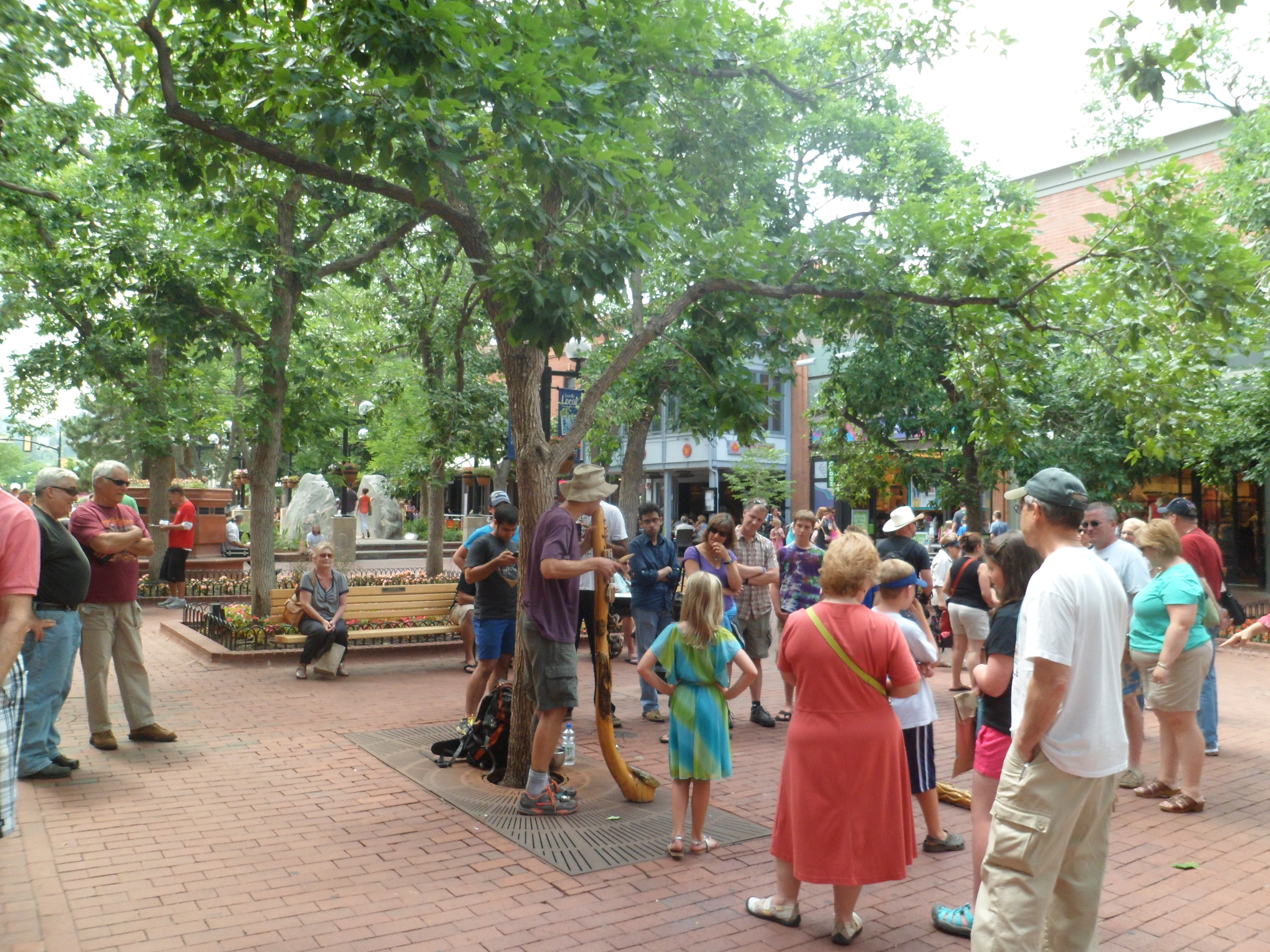
We capped a perfect outing with a visit to Pearl Street Mall, for ice cream, hot Puer tea, and an hour’s worth of browsing.  A didgereedoo player added to the festivities, as did a bubble man and a violinist.

SAM_5257        SAM_5258

SAM_5260

There is something for everyone in Boulder.

Pine Mountain’s Mini- “Rain Forest”

4

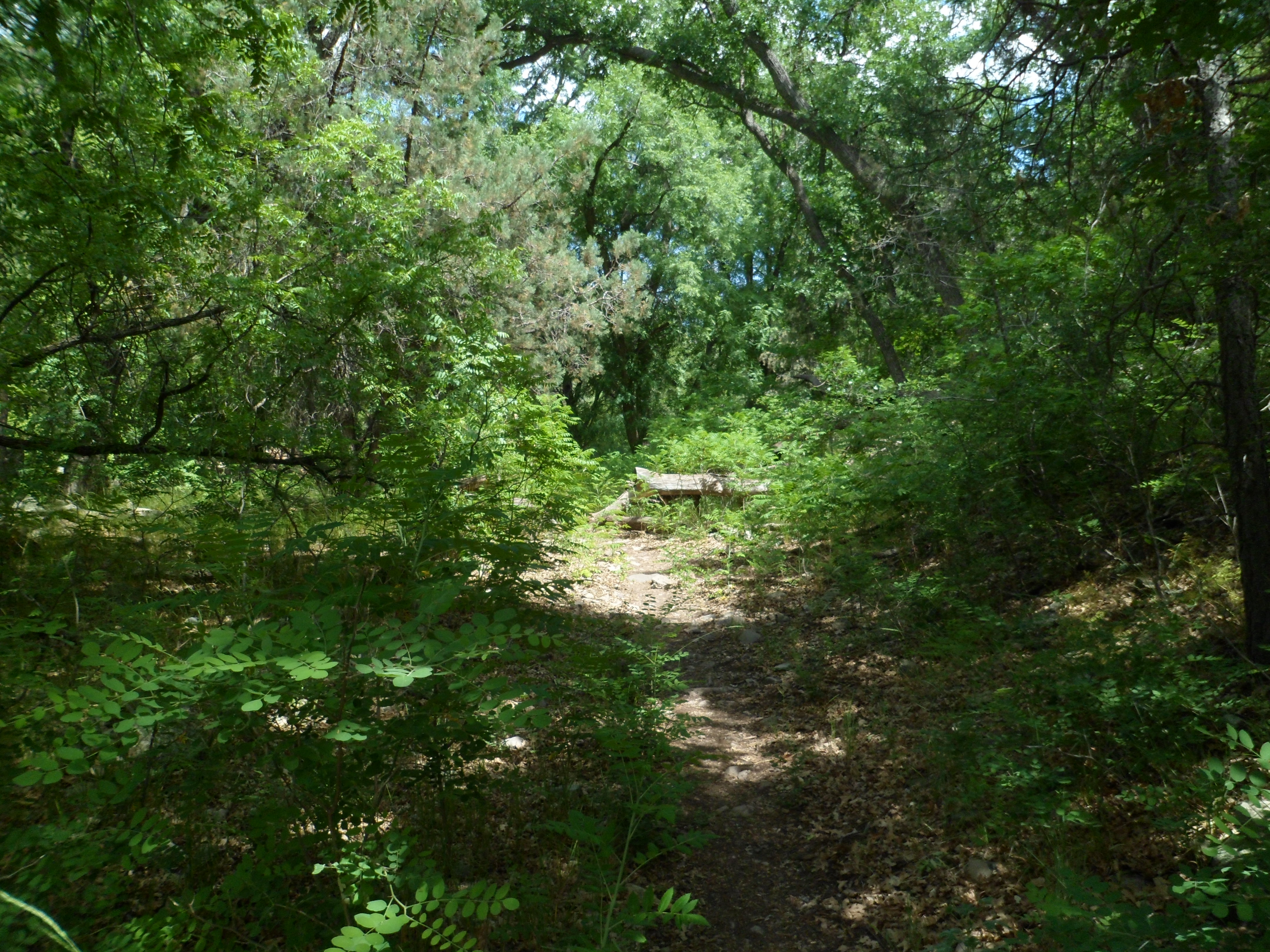
It doesn’t rain any more intensely on Pine Mountain than it does anywhere else in Arizona.  I did find, though, that the trail to Nelson Place Spring and onward along Beehouse Canyon Trail is intensely green.

It attracts the same intense wildlife as the Mazatzal Range, some forty miles to the southeast- including mountain lions, bobcats and bears.

SAM_4916

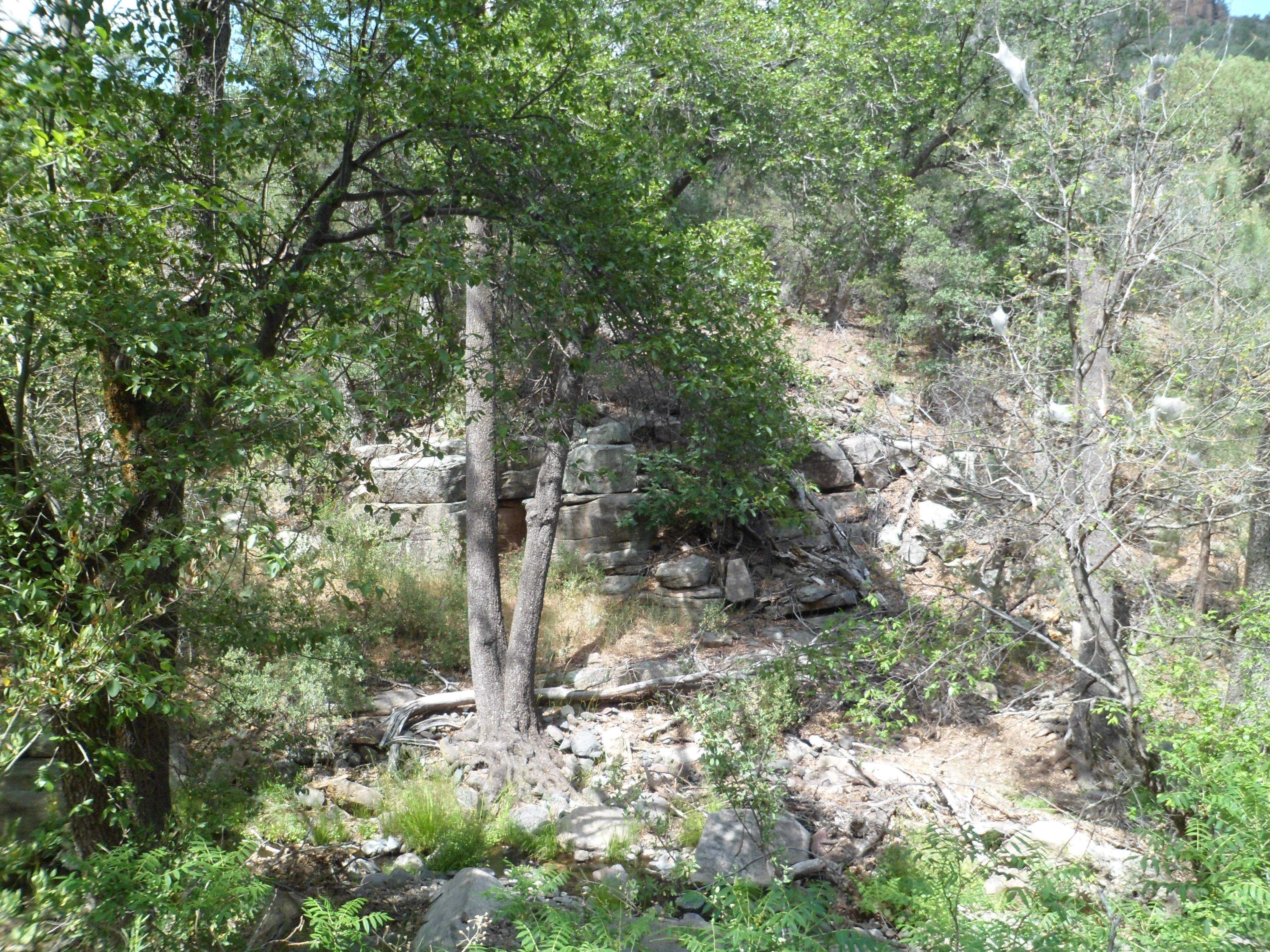
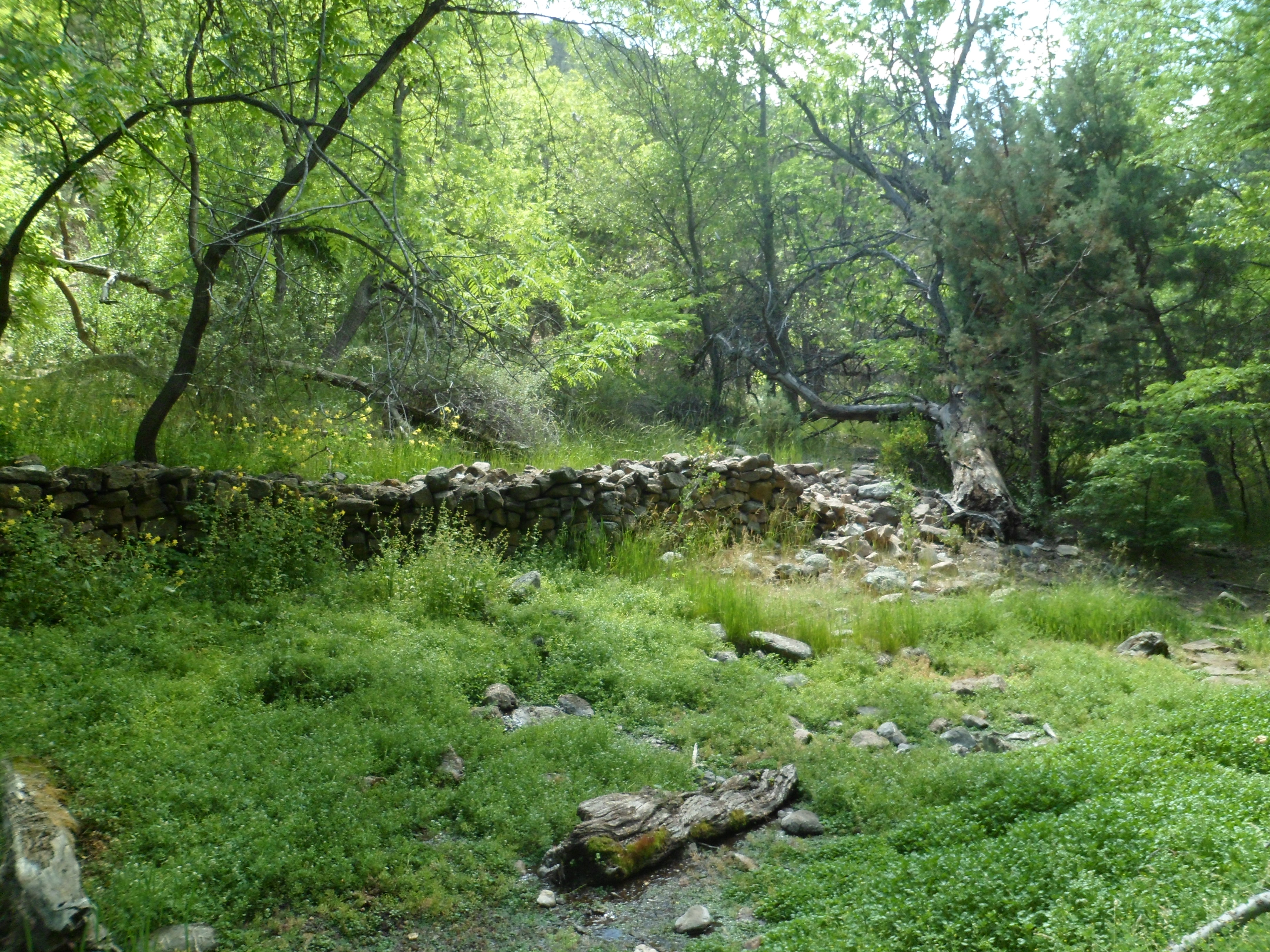
So, here are a few scenes near Nelson Place Spring, where there are but remnants of some stone walls to show the vibrant life that people had here, 100 years ago.

SAM_4919       SAM_4921

SAM_4922       SAM_4924

Not far along Beehouse Canyon Trail, I got a fine view of Beehouse Mesa.

SAM_4927


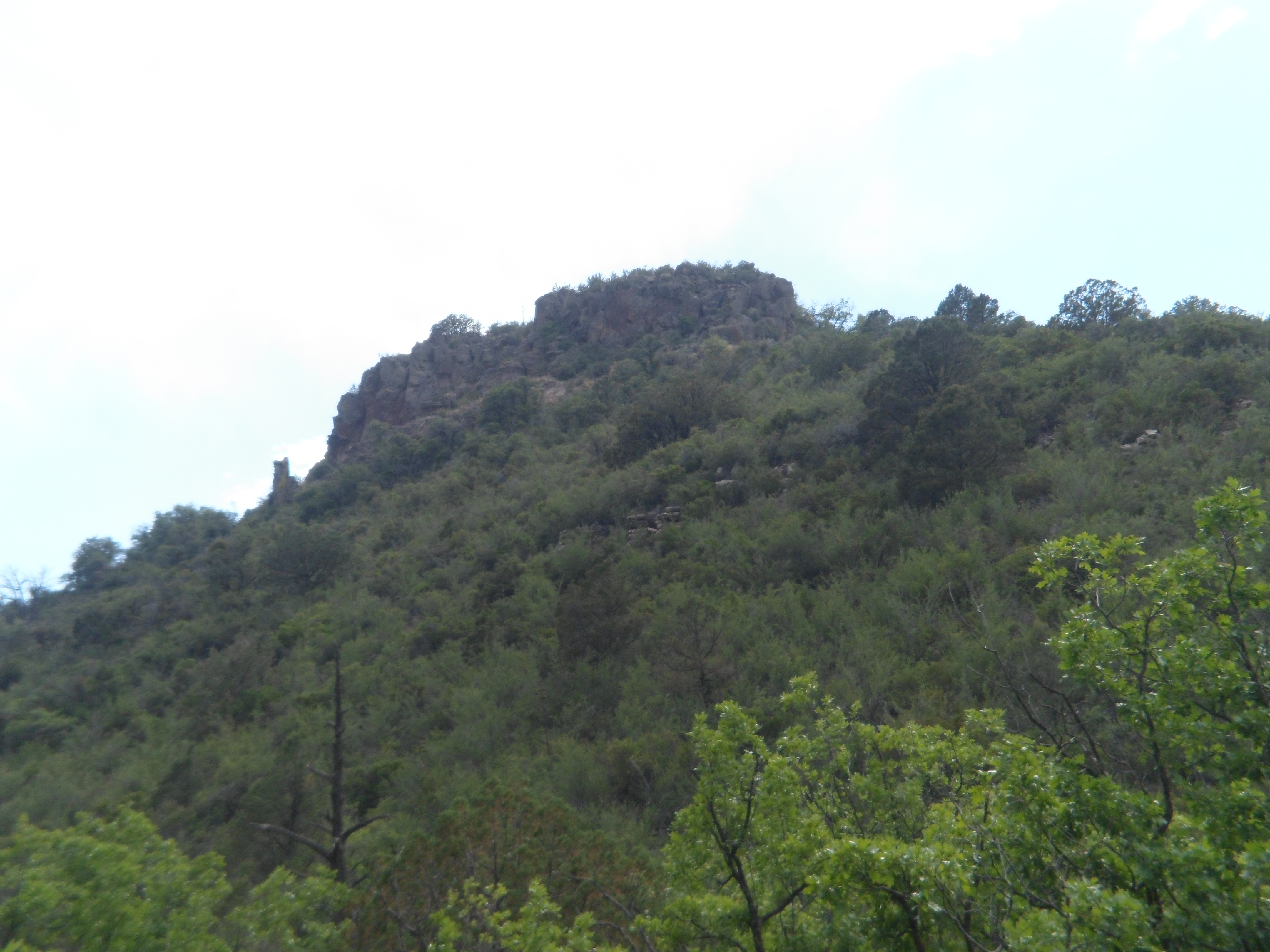
Going in and out of the forest, I got fine views of Pine Mountain itself, which will be the focus of another hike, sometime in the next year or two.


SAM_4928 SAM_4931 SAM_4935 SAM_4938

On the way out of the Wilderness, I enjoyed views of Sycamore Creek Gorge, not to be confused with Sycamore Canyon, which follows the same body of water, but lies several miles north of here.

SAM_4942


SAM_4947      SAM_4944

SAM_4942


So went my mini-adventure, on what would have been our 31st wedding anniversary, June 6, 2013.


The Road to Pine Mountain

6

Yesterday would have been our thirty-first wedding anniversary.  June 6 will always be one of those days when something out of the ordinary calls to me, to be done.

I chose to have lunch with the arcology students at Arcosanti, the avant-garde community-in-progress that was started by the late Paolo Soleri, in the early 1970’s.  I was not disappointed; the buffet fare was well-balanced and freshly made. Besides, having to wait thirty minutes, in the small outdoor garden, gave me a chance to contemplate creatures like a red-tailed hawk, hummingbirds and a chuckawalla.

After this fine meal, I headed northeast, to Pine Mountain Wilderness, a rarely visited area, between Cordes Junction and Payson.  At its highest point, PMW affords magnificent views of the Verde River, with steep canyon walls in between.  As it was late in the day for any blowout hike, I chose to spend an hour or so in Beehouse Canyon, a connector trail on the north side of PMW.

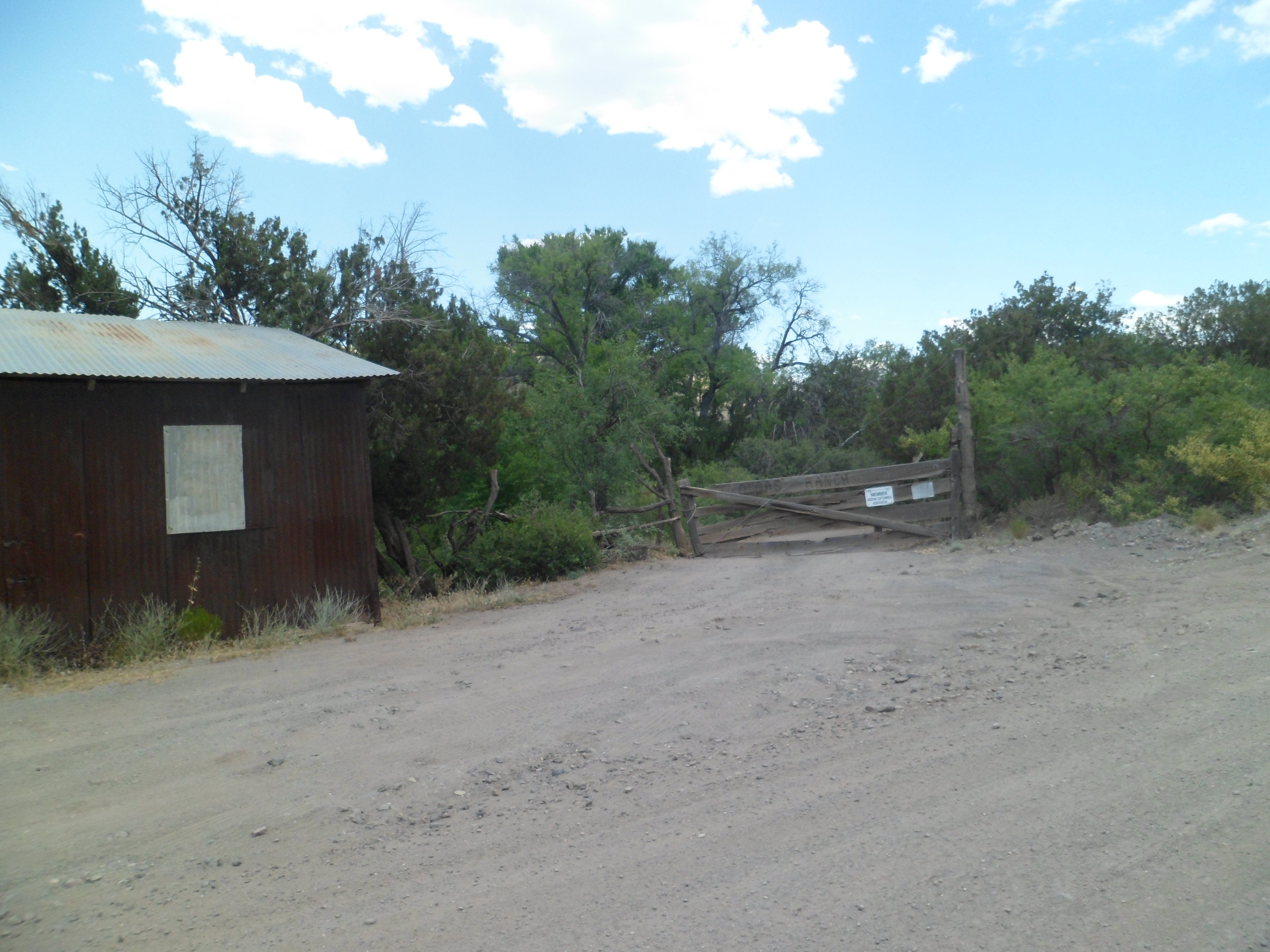
Of course, as with any remote wilderness, the route to the trailhead is itself a worthy experience.  I met few humans along the narrow dirt road, but did slow down or stop for a robust juvenile coyote, a long bull snake and a spirited mule deer.

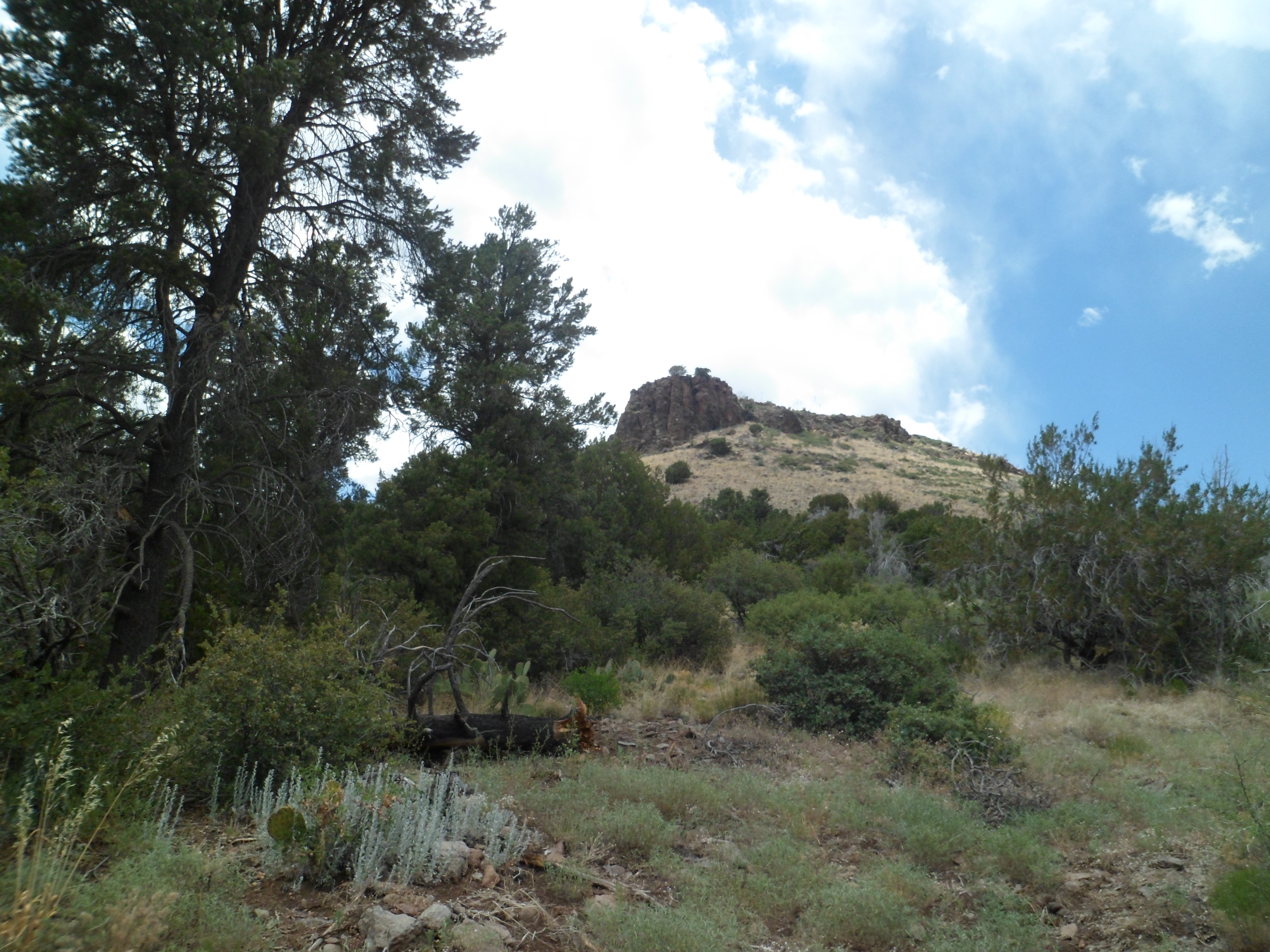
Here are a few scenes of the features presented by Forest Road 68.  First, I encountered Estier Peak.

This short mountain is east of I-17, off Dugas Road.

This short mountain is east of I-17, off Dugas Road.

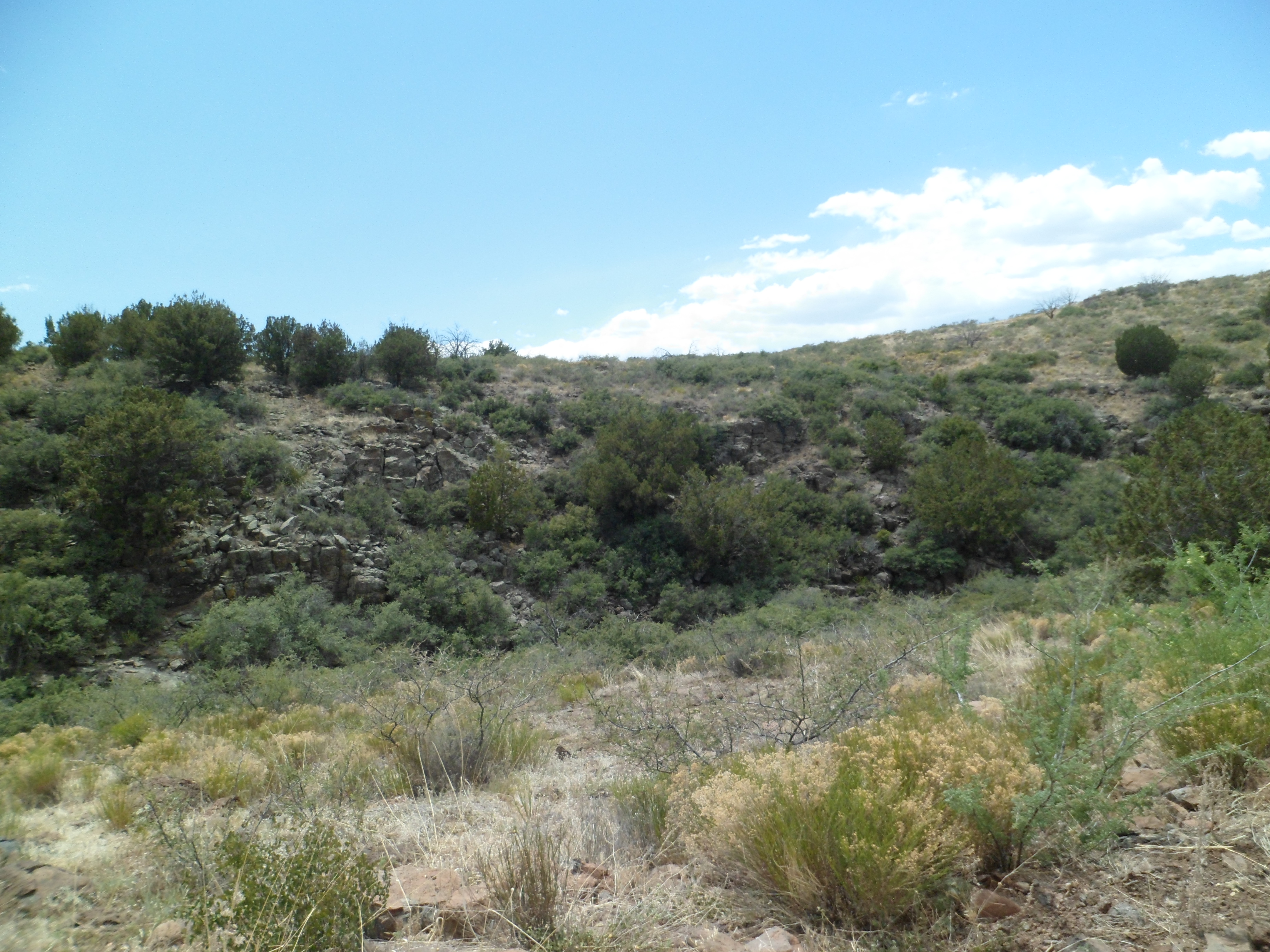
Just east of Estier is five-mile long Horner Gulch.

This long sub-canyon stretches for five miles along Forest Road 68, below Yellow Jacket Mesa, visible at the top.

This long sub-canyon stretches for five miles along Forest Road 68, below Yellow Jacket Mesa, visible at the top.

Here is a longer view of Yellow Jacket Mesa.

This ridge runs northeastward, from Horner Gulch.

This ridge runs northeastward, from Horner Gulch.

The area has several ranches, which are still fully operational.  It also has the old mining town of Dugas, now a place of refuge for those needing to be “out-of-towners”.

This is the remnant of yet another old mining town.  Now, those who want to be left alone hang out here.  They were nice enough to let me take two photos.

This is the remnant of yet another old mining town. Now, those who want to be left alone hang out here. They were nice enough to let me take two photos.

This property is mostly abandoned.  The owner supposedly just shows up once in a blue moon.

This property is mostly abandoned. The owner supposedly just shows up once in a blue moon.

This is the north ridge of Tule Canyon, which runs east of Dugas.

This is the north ridge of Tule Canyon, which runs east of Dugas.

This is Mount Thomas. From here on, the landscape becomes more lush, with Sycamore Creek and the Verde River exerting greater influence.

This igneous rock outcropping rises just southeast of Dugas, and about three miles southwest of Pine Mountain Wilderness

This igneous rock outcropping rises just southeast of Dugas, and about three miles southwest of Pine Mountain Wilderness

In the next post, I will showcase the canyon rising from Sycamore Creek, the northern first mile of Pine Mountain Trail,  and the lushness of Beehouse Canyon.

Old Bill’s Favourite Mountain

2

Bill Williams was a mountain man, in the mid- 19th Century, trading with the Havasupai, Hualapai, Yavapai, Navajo and Hopi, in the north central region of Arizona.  He is remembered by having the City of Williams, Bill Williams River, and this mountain named for him.

Bill Williams Mountain is the furthest west of a series of uplifts that rise majestically out of the semi-arid Colorado Plateau.  The higher mountains in this loosely-constructed “range” are known collectively as the San Francisco Peaks, or Kachina Peaks.  All are sacred to the five nations that call the area home.  They are also used by the ski industry, at Mt. Agassiz, near Flagstaff and on one of the slopes of Bill Williams Mountain.  The two interest groups are not 100% in agreement, as to how the Peaks should be treated.  So far, though, the mountains remain in majesty.  The indigenous people, particularly the Hopi, regard the Peaks as the realm of their sacred spirits, known to the Hopi as Kachinas.

I took time yesterday to hike to the top of Bill Williams Mountain, something that I’ve had in mind for thirty years or so.  Here are some views of this western sentinel of the Peaks.

There is a map of the area, at the trail head

.

Then, we are off,up a mild set of switchbacks.


The trail is used by many creatures.  This one looks familiar.  Absalom?

The trail is three miles, one way, variously flat and inclined.


It offers nice views of Bixler Peak, the western sub-peak of Bill Williams.

There are also hints of the summit, still well ahead.

Along the way, a progress report is offered.

There are limestone boulders, on which to rest, plus plenty of aspen, ponderosa pine and fir trees (White and Douglas) for shade.


I offer here a small homage to @Buddy 71, and his friends.

Now, back to “work”.


There are numerous views, in all directions, en route to the top.


By this time, I came upon a father and two sons, who had made the trip to Mile Post 2.5,  about twenty minutes before me.  We went the rest of the way as a unit.

As you can see, the US Forest Service maintains elaborate communications and fire watch equipment, atop Bill Williams Mountain.

I moseyed on over to the west overlook, and smiled for the birdie, as a souvenir of this hike.

Now, it’s back to Prescott, and a weekend of Folk Arts Festival! happy


The Flora of the Superstitions

0

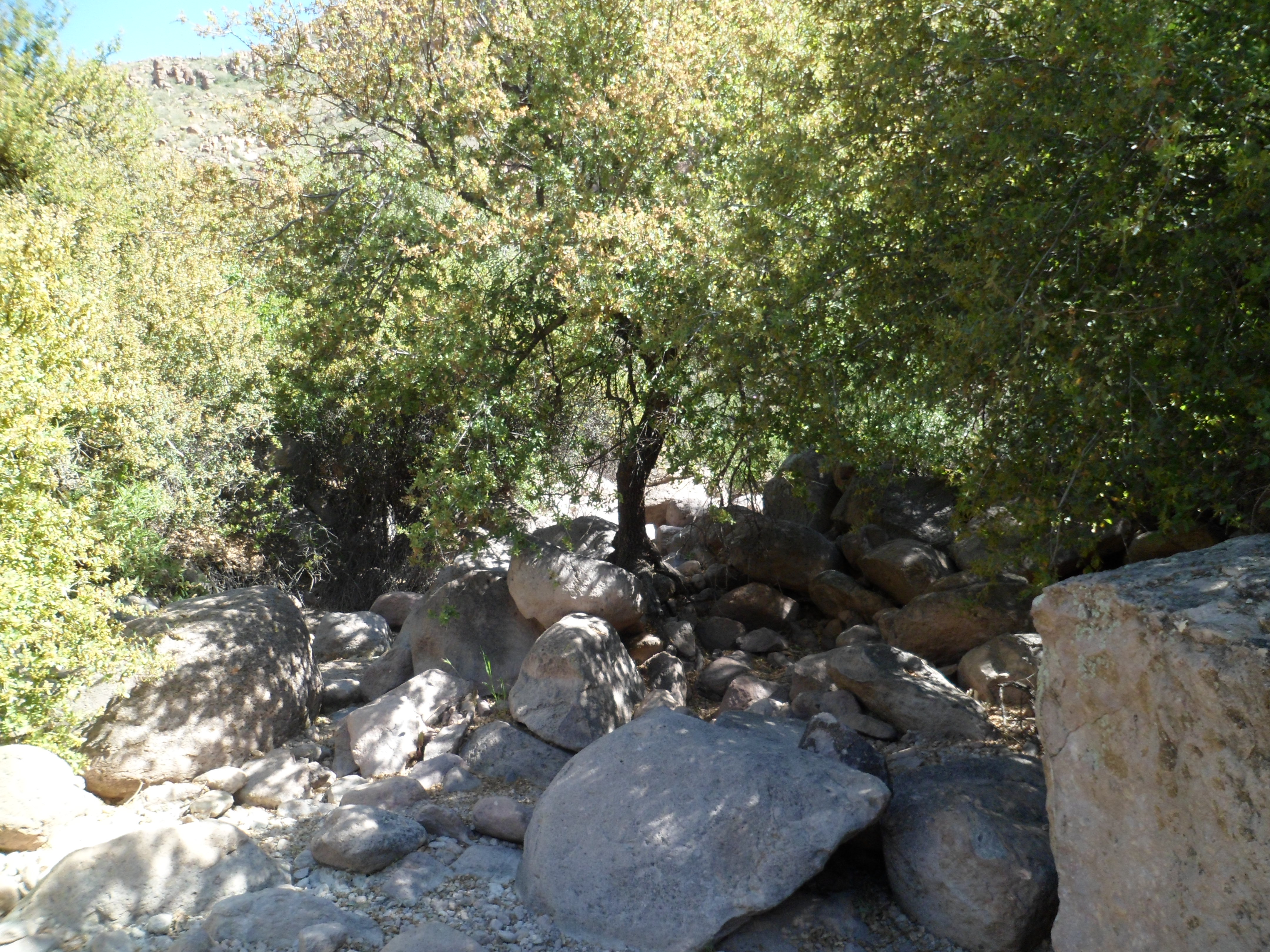
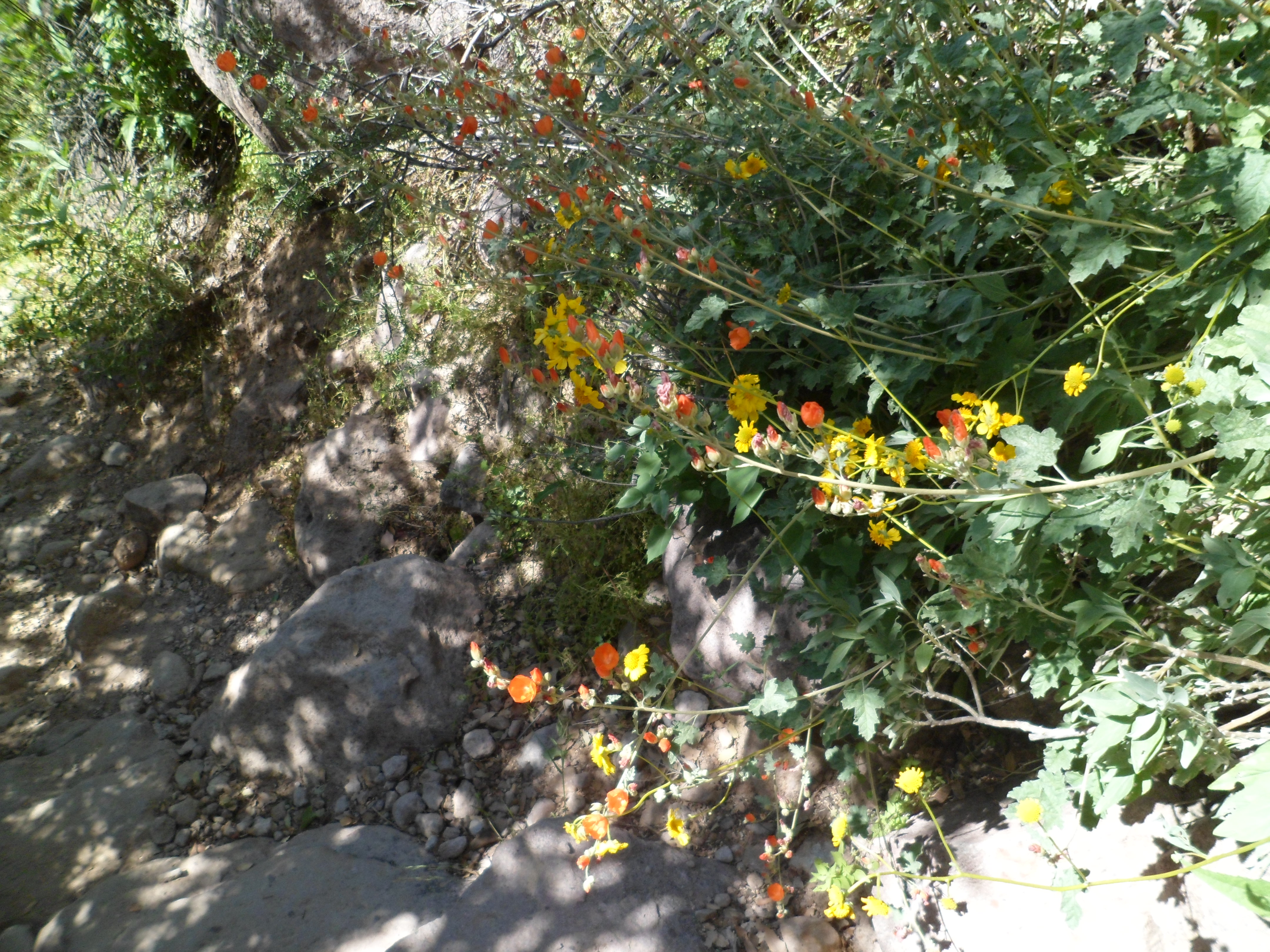
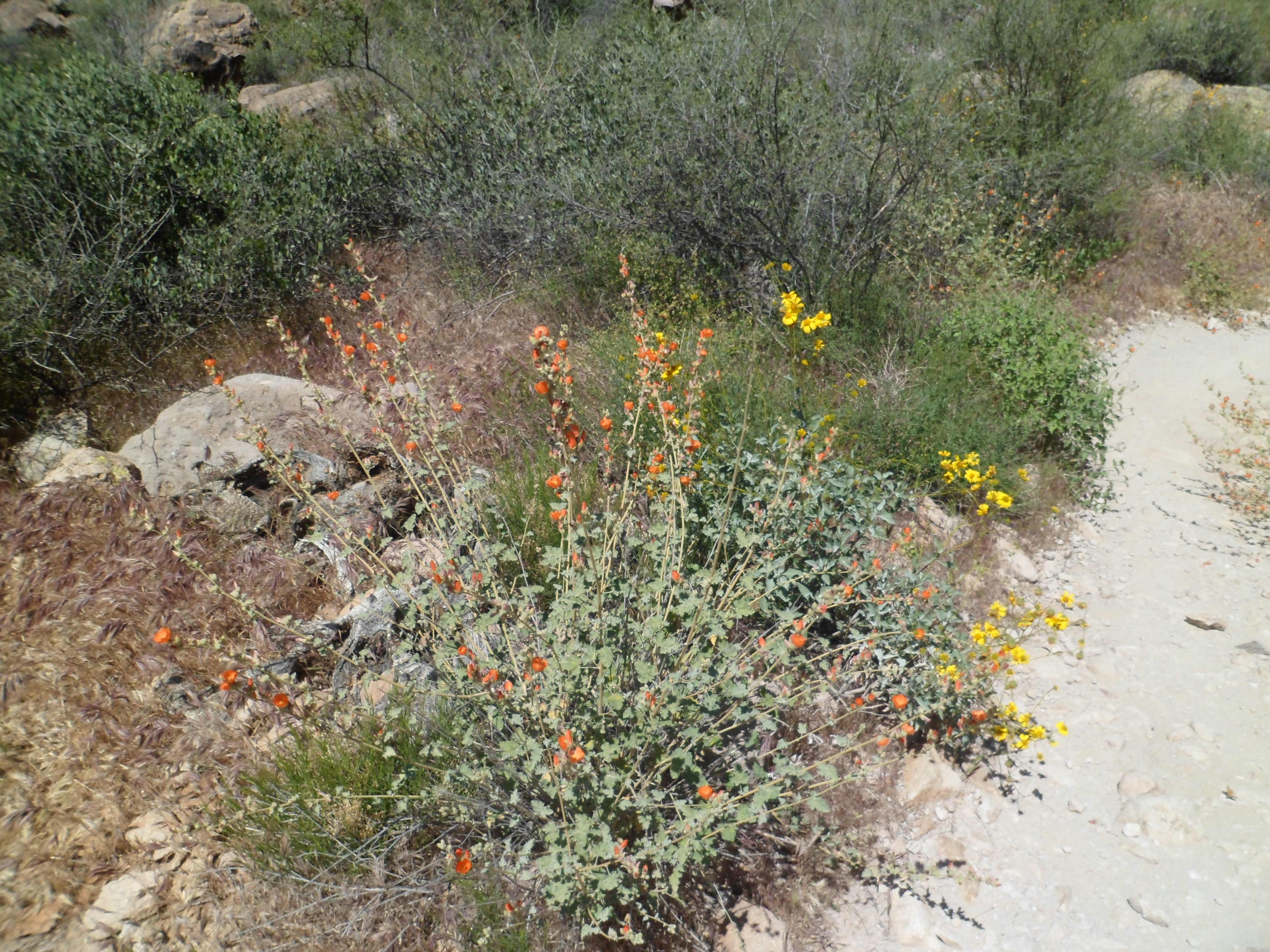
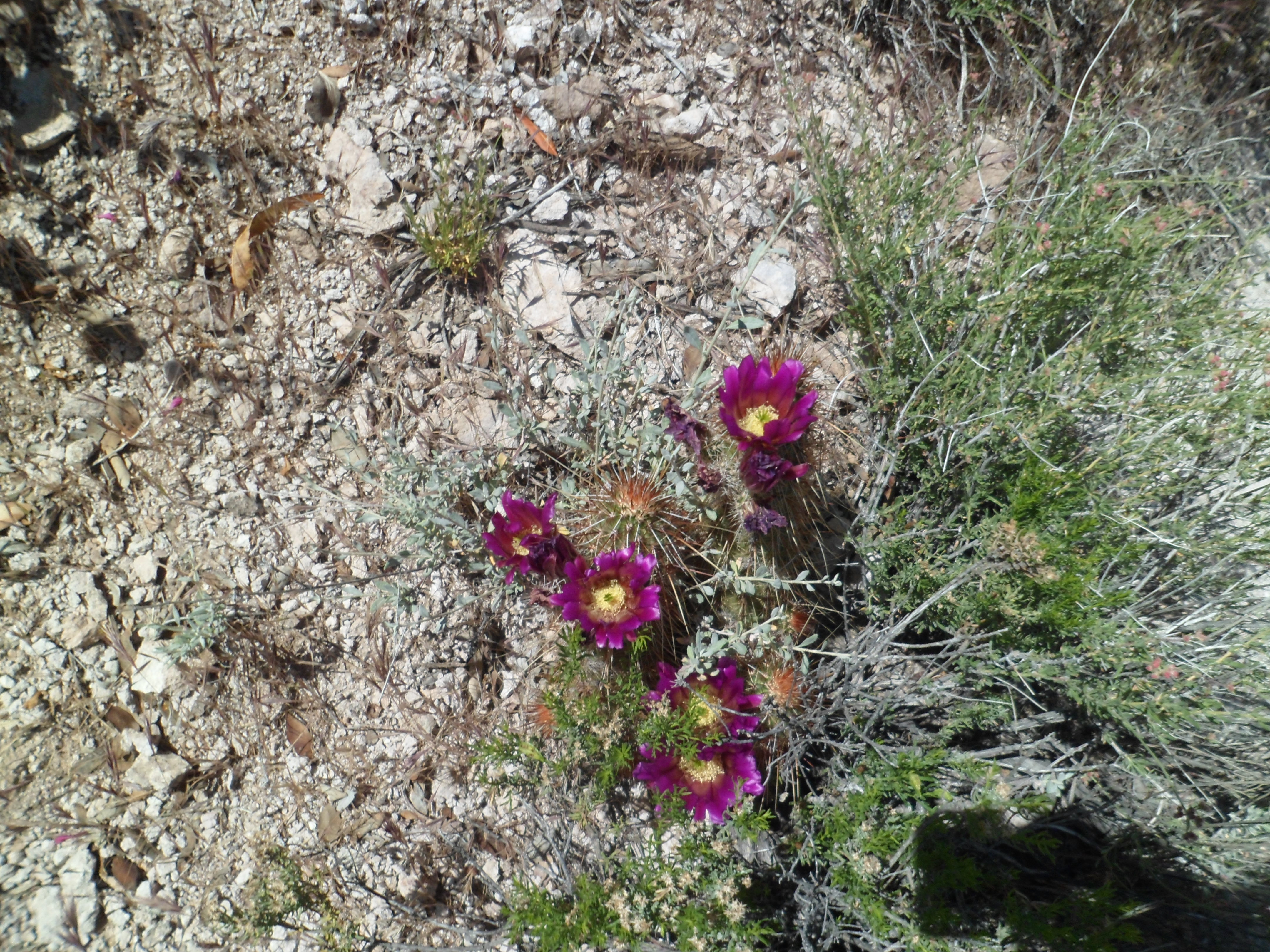
Part of what makes the Sonoran Desert a cut above surrounding arid regions is its lushness.  The Superstition Mountains figure prominently among those sections of the Sonoran in which wildflowers run riot from April to early June.

When I visited last Saturday, the colours were beginning to emerge, and the Gambel’s oak was very thick in several spots along the Peralta Canyon, East Boulder Canyon and Dutchmans Trails.

Here is part 3 of this series on the Superstition Wilderness.  Hope you enjoy the plant life.

SAM_4339           SAM_4356 SAM_4358           SAM_4360 SAM_4373           SAM_4374 SAM_4376           SAM_4379 SAM_4388           SAM_4389 SAM_4411           SAM_4419

All of this is brought to you by the tributaries of the Salt and Gila Rivers, which grace the fringes of the Superstition Mountains.

SAM_4435


Where Rhyolite Rules: Weaver’s Needle Loop

0

Most of the dazzling array of rock spires found in the Superstition Mountains are of a volcanic rock, called rhyolite.  Sandstone also figures into the mix, usually at the outer base of formations like Weaver’s Needle.  The Superstitions are an eroding mountain chain, far older than Arizona’s other large volcanic ranges- the San Francisco Peaks and the Santa Catalinas.

I found no dearth of amazing rock formations, giving my imagination full vent, during the nine hours spent in approach and circumnavigation of Weaver’s Needle, last Saturday.

Here are about twelve of the rock formation shots I took.  You be the interpreter as to what they represent. happy


The formations actually extend quite a bit further, to the west, north and east of the Fremont Saddle/Weaver’s Needle areas on which I focused last weekend.  Someday, who knows, I may just stumble upon the Lost Dutchman’s Mine.