The Road to 65, Mile 213: Manzanar

8

June 29, 2015, Lone Pine- Today is the last day of my second long road journey of this year. Like all trips, it has been less of a “vacation”, (though to some, any time spent away from one’s home town is a vacation), and more of a time of self-discovery. I learned that I could handle the worst of circumstances, with help from the spirit realm and logistical support from steadfast friends. I learned that there are those who will love me, regardless of what condition I am in and that there are those who will despise and avoid me, no matter how humbly I approach them. I learned, again, that there is no Final Destination, and that, no matter how far one goes, there is that one step beyond.061
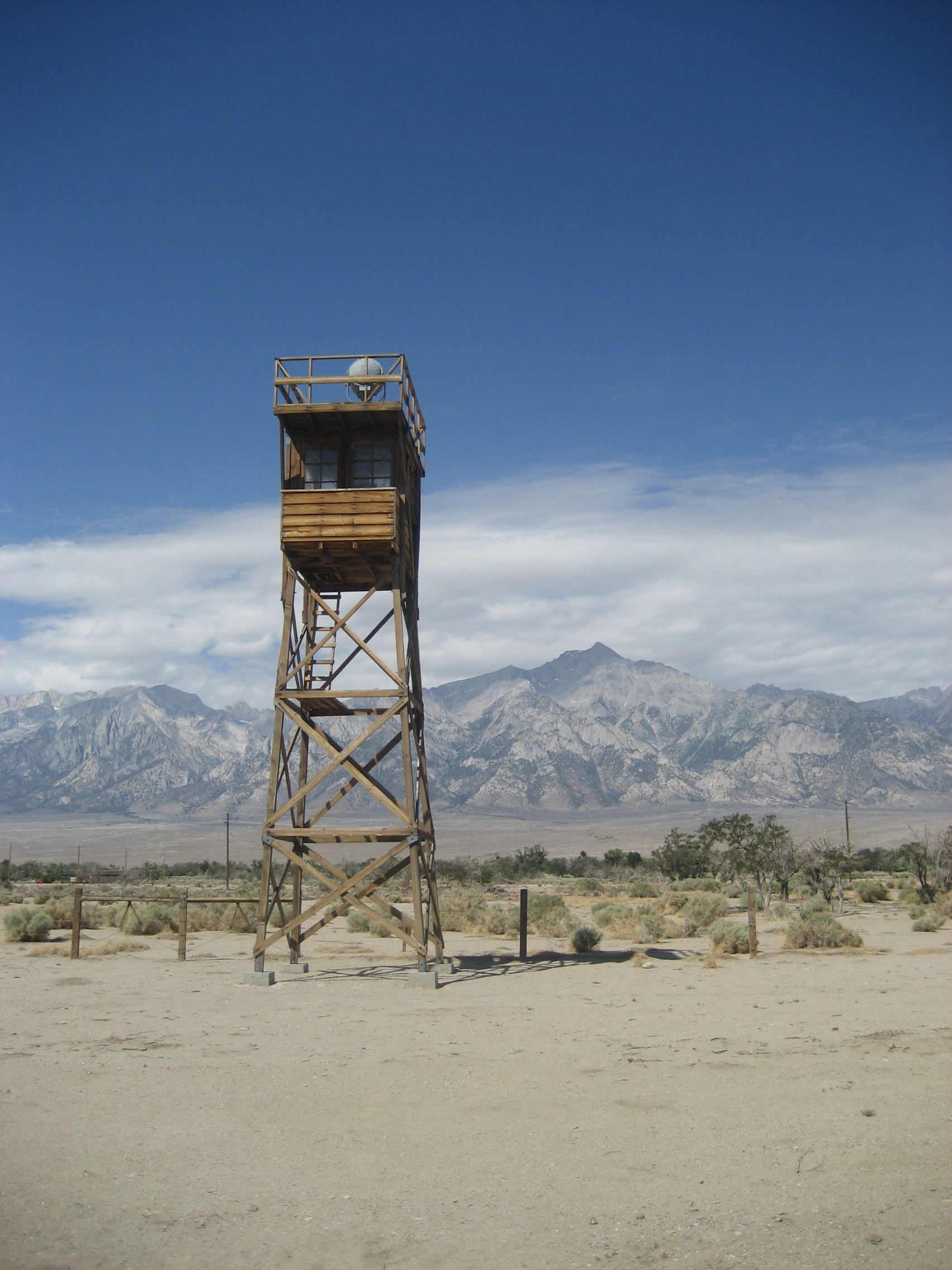
My last key destination on this road trip is a place of national shame, and of continuous soul-searching. Fear itself drove Franklin D. Roosevelt to order the removal of Japanese-Americans from the immediate Pacific Coast and of smaller numbers of German-, Italian- and Romanian-Americans from the Atlantic and Gulf Coasts, from 1942-1945. These American citizens were interned in what the President himself called “Concentration Camps”, though there were no pogroms planned or carried out against any of the interned.

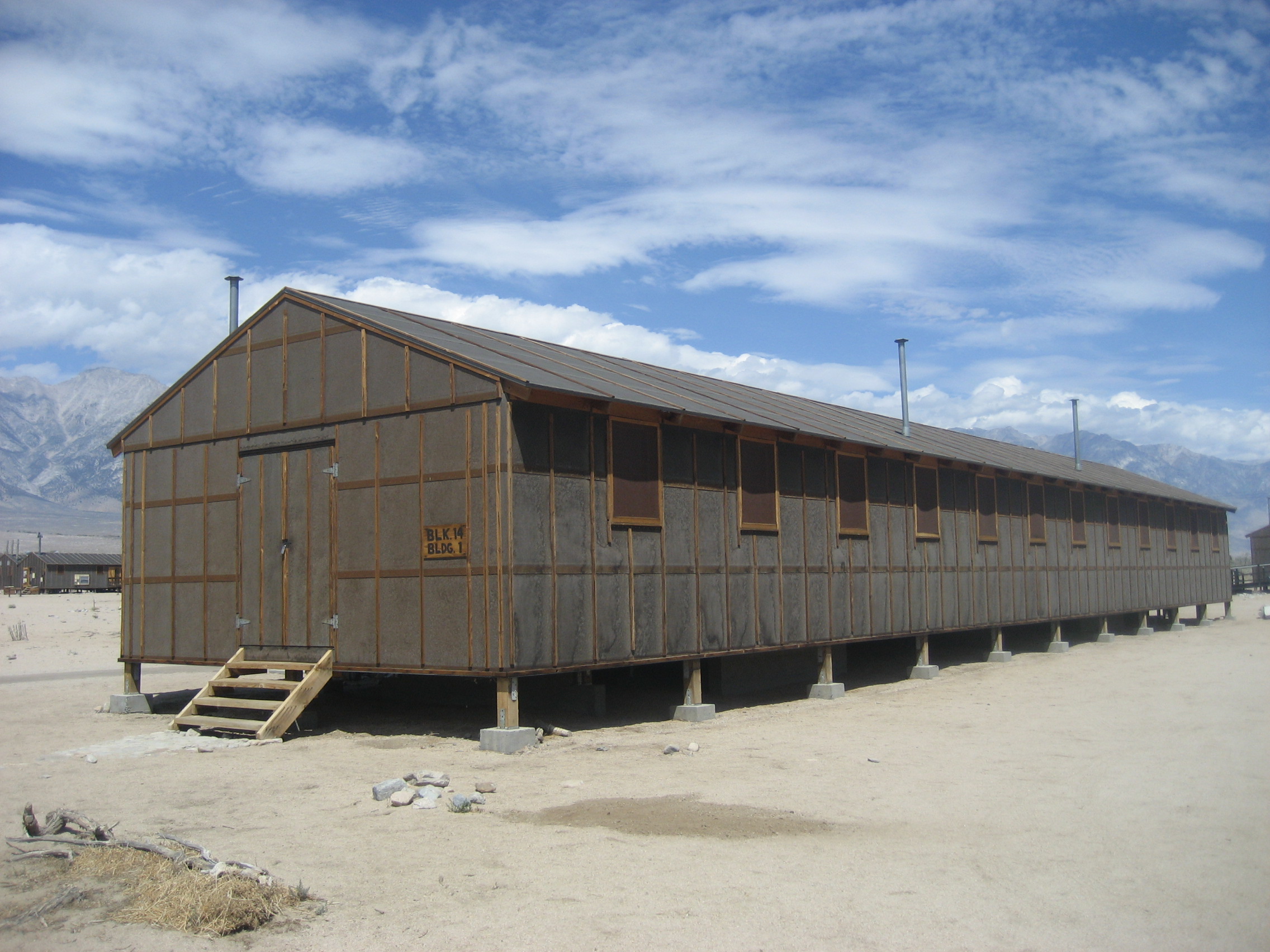
Manzanar was the largest of the camps, with the Sierra Nevada serving as a wall between its Great Basin location and the western 2/3 of California. People were rounded up, without explanation, by the FBI and the military, early in 1942, from places like San Diego, Long Beach, Los Angeles, San Francisco, Sacramento, Portland and Seattle, and transported in buses and trains to this desert camp, and several others, such as Poston, AZ and Tule Lake, CA. There are two ironies here: The camps were often close to, or on, Native American reservations, though Manzanar was not- as the reservations in this part of California are on the outskirts of small Great Basin towns. Manzanar was a small collection of farms and ranches, such as Wilder Farm and Shepherd Ranch. These had been abandoned, before the U.S. government took over the area. The second irony is that, in 1944-45, internes were recruited into the U.S. military, for service in the European theatre. Many Japanese-Americans distinguished themselves in military service, including the late Daniel Inouye, who later served several decades as a U. S. Senator from Hawaii.

The Visitor Center at Manzanar National Historical Site has elaborate displays of both the Internment Period and of the history of the region. The other big conflict between ordinary citizens and the governments, both state and Federal, involved water rights in this region, the Owens Valley. The City of Los Angeles has bought up the lion’s share of water rights and built a pipeline, to meet much of its water needs. There is ongoing discussion with Owens Valley residents, from Bridgeport and Bishop, in the north, to Lone Pine and Lee Vining, in the south, about how to strike a balance with the City of Angels.

062

Here is a scale model of the Internment Camp, at its peak.063

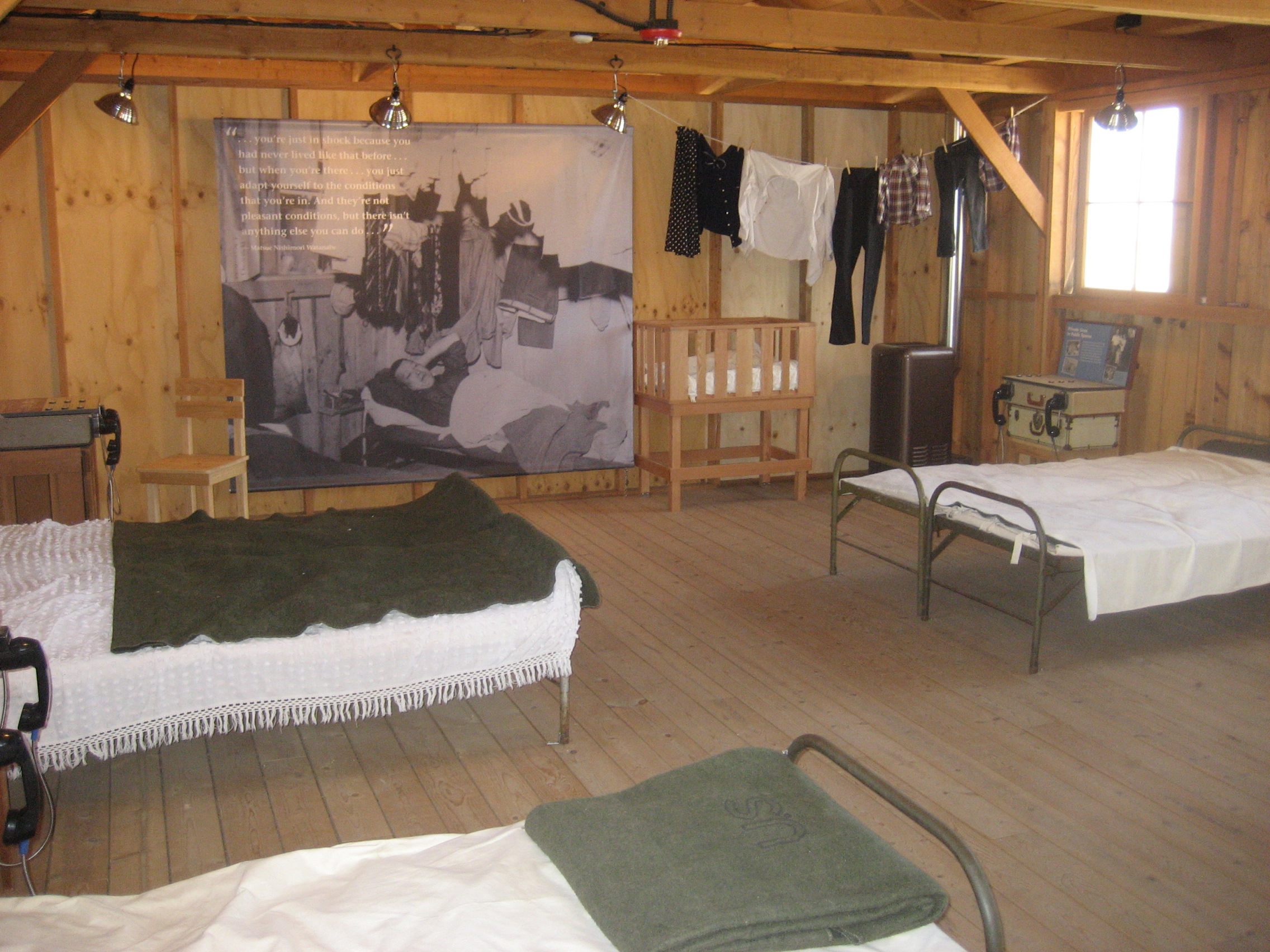
Some dormitories are maintained, by the National Park Service, to show just what living conditions were for the detainees. Remember, in 1942, there was no air conditioning, such as we know today.
064
068

The dining halls were crowded, and there were few safeguards against infestations by vermin and scavenging insects.

078

Ruins of several areas are accessible. Here is what’s left of the house at Shepherd Ranch.

093

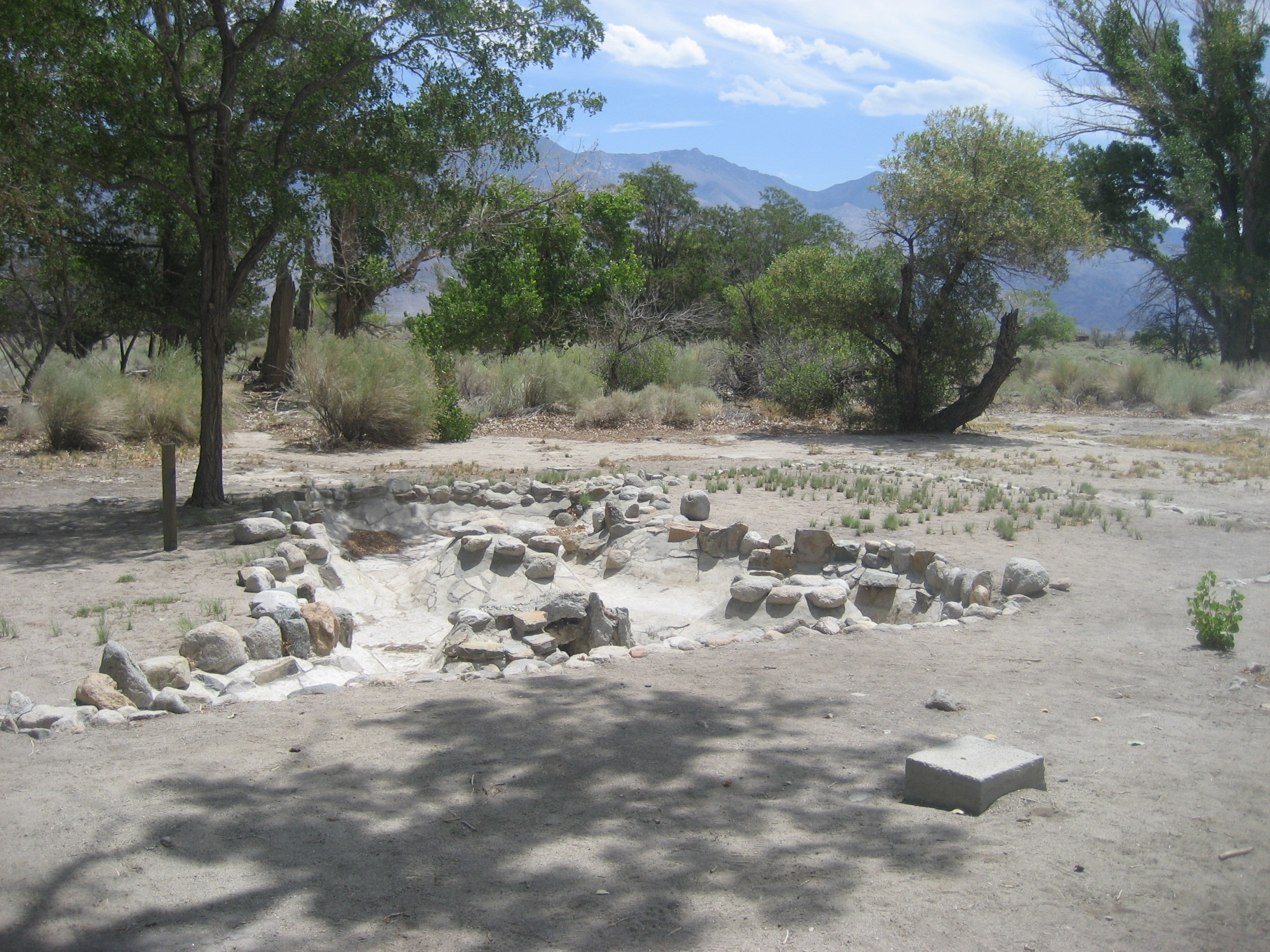
This was once a koi pond, maintained by the internes.
100

They kept up a splendid “city park”, on the north side of the camp.

103

Yes, it was called Pleasure Park.

107

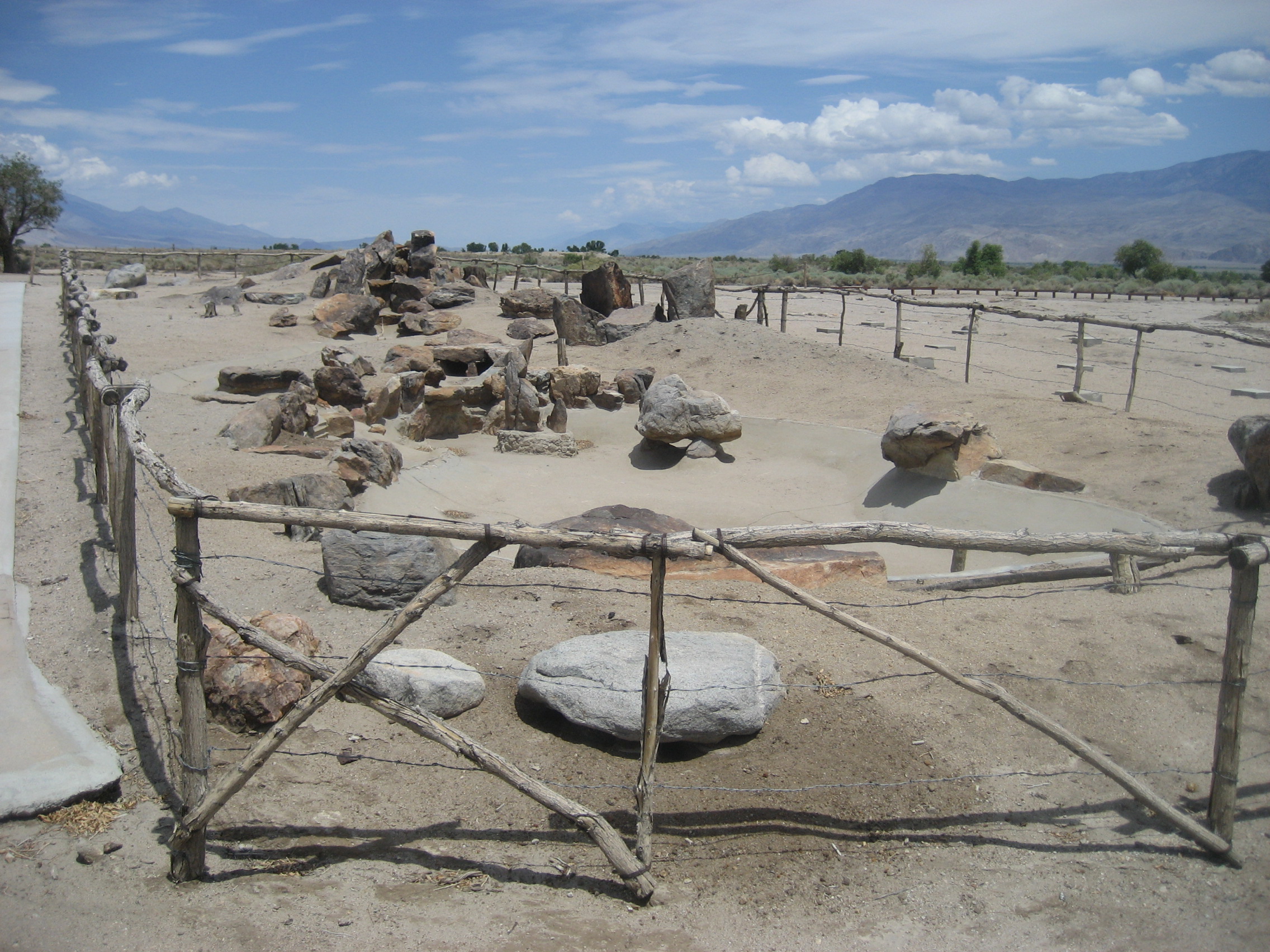
This part of the park is sealed off, to prevent injuries to the public, and defacing of sacred inscriptions.
114

These are scenes of the hospital zone. There was a full medical facility, separate doctors’ and nurses’ facilities, and as was the wont of the internes, a garden.

119

There was also a cemetery, and this cenotaph stands today, in honour of those who died during internment.

129

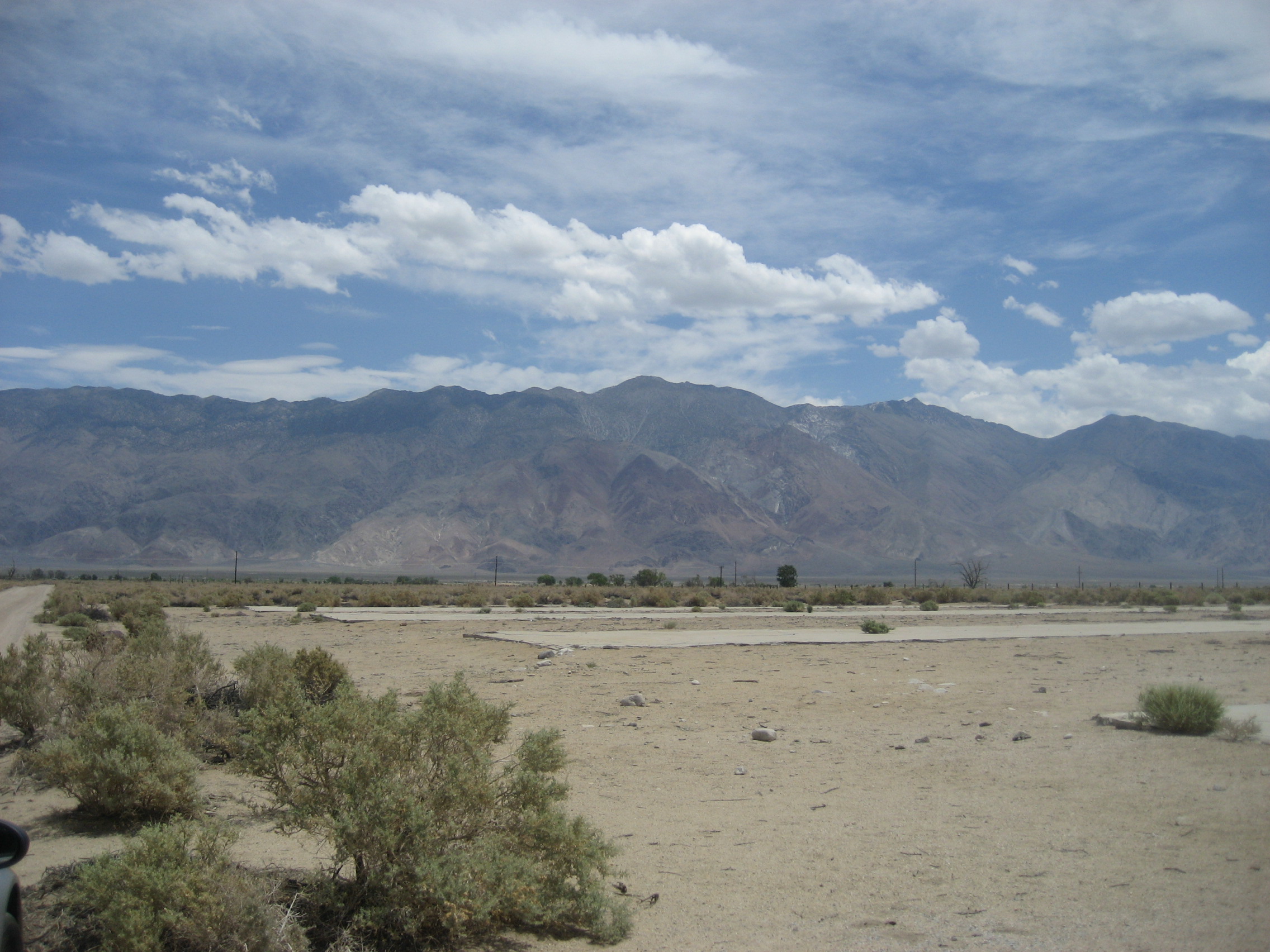
At the southeast corner of Manzanar, there is this slab, the remnant of a camouflage tent factory, where many internes worked, “for the war effort.”
136

This time in an American government internment camp was nearly as jarring, and as thought-provoking, for me, as my visit, about this time last year, to Berga, Germany, where Jewish-American and Hispanic-American POW’s were kept, in slave labour conditions, during the last months of World War II. The difference was that the U.S. was, and is, a representative democracy, and Germany knelt to the whims of a few. The similarity: Bigotry called the shots.

In 1988, President Ronald Reagan formally apologized to those interned, and to their families, and signed legislation which authorized $20,000 to be paid to each surviving victim. This was the Civil Liberties Act of 1988.

I drove, purposely, with the windows rolled down and no AC, from Manzanar to Prescott. Stopping for lunch and a copious amount of iced tea, at Totem Cafe, Lone Pine, set the stage for this. I came in to the pleasant establishment alone, but was followed by 28 other people, within ten minutes. The couple running the place managed to keep everyone pleased, but I had some concern for the wife, who had to brace herself on the back cabinet and apply a wet towel to her forehead, for several minutes.

140

My heart goes out to all those who work in the hospitality industry, during these days of triple digit temperatures, in so many places, around the globe. I also stopped at Juicy’s Famous Riverfront Cafe, Needles, for an early supper, before heading on across the Colorado and back to base. Juicy was a stray dog, who attached herself to the fire company in Needles, and to the hearts of the entire town. That, alone, made it worth the stop. The service is excellent and the food fine and dandy.

I got back to Prescott at 9:40 P.M., exulting in the drizzle and cooling temperatures, no worse off, for the heat, having plied myself with lots of iced tea and cool water, along the way. Oh, yes, and plenty of sunscreen was applied.

The Road to 65, Mile 227: Integrity

2

June 13, 2015, Prescott- I looked at a few, rather superficial, aspects of my life in the last post. Now, it’s time to look again at how things are in the inner circle of my being. Most of us would define integrity as one’s behaviour when no one but God is watching.

I’m doing better in that area. I no longer fuss and fume, internally, when people I thought I could trust, turn on me, as happened yesterday on another social media site. I know there are definitely people I CAN trust, to the direst of straits and back-starting with myself, and everyone to whom I alluded as family, in a recent post. I no longer doubt myself, when it comes to the ability to do what I need to do to survive. The issues with my Nissan took care of that. I no longer make how people treat me as the determining factor in whether I should help them or not. Lastly, I no longer feel that I need to explain myself to my critics, especially when it comes to dealing head-on with unpleasant subjects. No problem has ever been resolved by sticking one’s head in the sand.

There is much to be done, in getting this spirit of mine in condition for the Great Beyond. I sense, though, that I have a lot of time left to get it accomplished. Integrity is our mirror, to be polished each day.

The Road to 65, Mile 226: The Measure of A Man

3

July 12, 2015, Prescott- I went to the high-end downtown shoe store, yesterday, to be properly fitted for a more stylish pair of black shoes, which will stand me in good stead in the workplace, this coming academic year.

I learned that my feet were different sizes, and that the size I had been buying for the past twenty years, no longer fit. I have experienced late-onset foot expansion (my term), with the left foot being larger than the right, to boot (no pun intended). So, I settled on a size 10 1/2 pair, and will replace the smaller pairs, one at a time, until my shoes are in compliance with Foot Reality. This, of course, means that my sneakers will be larger, by week’s end.

It got me to thinking: How do I measure, in other ways.

Health-wise, my teeth, which could be replaced by a full set, are stable, and I won’t worry about the full set unless it becomes a deal-breaker, in an otherwise budding relationship.

That brings me to the notion of relationships. We’ve discussed this here before, and almost ad nauseam I am in a good place, right now, and have several fine friendships with women, based on mutual respect and regard for each other’s well-being, just as my friendships with men, or with children, happen to be. None of us sees any reason for that to change, and several of the several are in good marriages, or other committed relationships. Those who aren’t, are happy being where they are.

I am honest, by nature, and almost to a fault. This sometimes causes problems with people who communicate with circumlocution, or roundabout speech, subtle hints, etc. I never was very good at that, even when an offended party screams at me or slams the door, as has happened a few times. I have to be true to my own soul, though I do make an effort to be gentle about it.

Work-wise, I finish what I start. So, once this academic year gets on, I will be very conscious of doing all that’s needed to ensure the success of any students with whom I happen to work. A commentator on another post suggested “take the money and don’t concern yourself too much with the outcome.” That may be the person’s way of “avoiding burnout”, but to me, it is a recipe for crashing.

I will continue to measure myself, in various ways, knowing that the path should always be, as Jack Kornfield wrote, “with heart”.

The Road to 65, Mile 212: The Sierra’s Back Door

5

June 28, 2015, Big Pine, CA- I got my Nissan back in shape again, with a morning visit to Jiffy Lube. Friends Wendy & Steve hosted a brunch, which was a group effort, and thoroughly enjoyed by all. Then, I bid farewell to my Reno family.

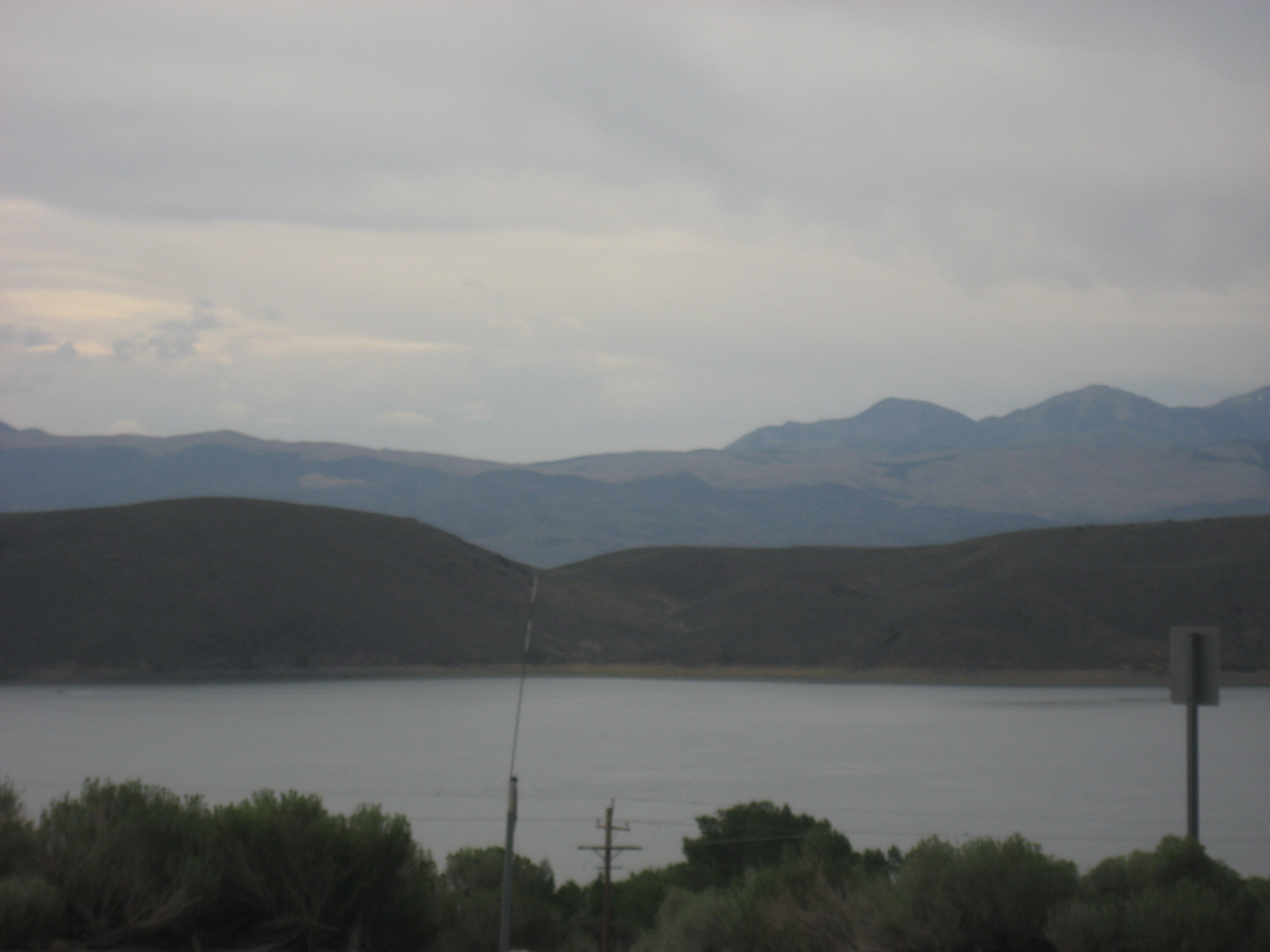
Little did we know that, a scant thirty miles away, above Gardnerville, three vehicles, including an RV, had collided.   One of those involved was killed. I was in the southbound five-mile line of cars. Two hours later, I was in Topaz Lake. While in the intermittently-moving line, I took these shots of the area.

034
035

The scene at Topaz Lake was rather quiet, away from the border town casino anyway.

036

Off to the west, the Sierra Nevada showed just a smidgen of snow, where there are normally several feet, even in late June.

037

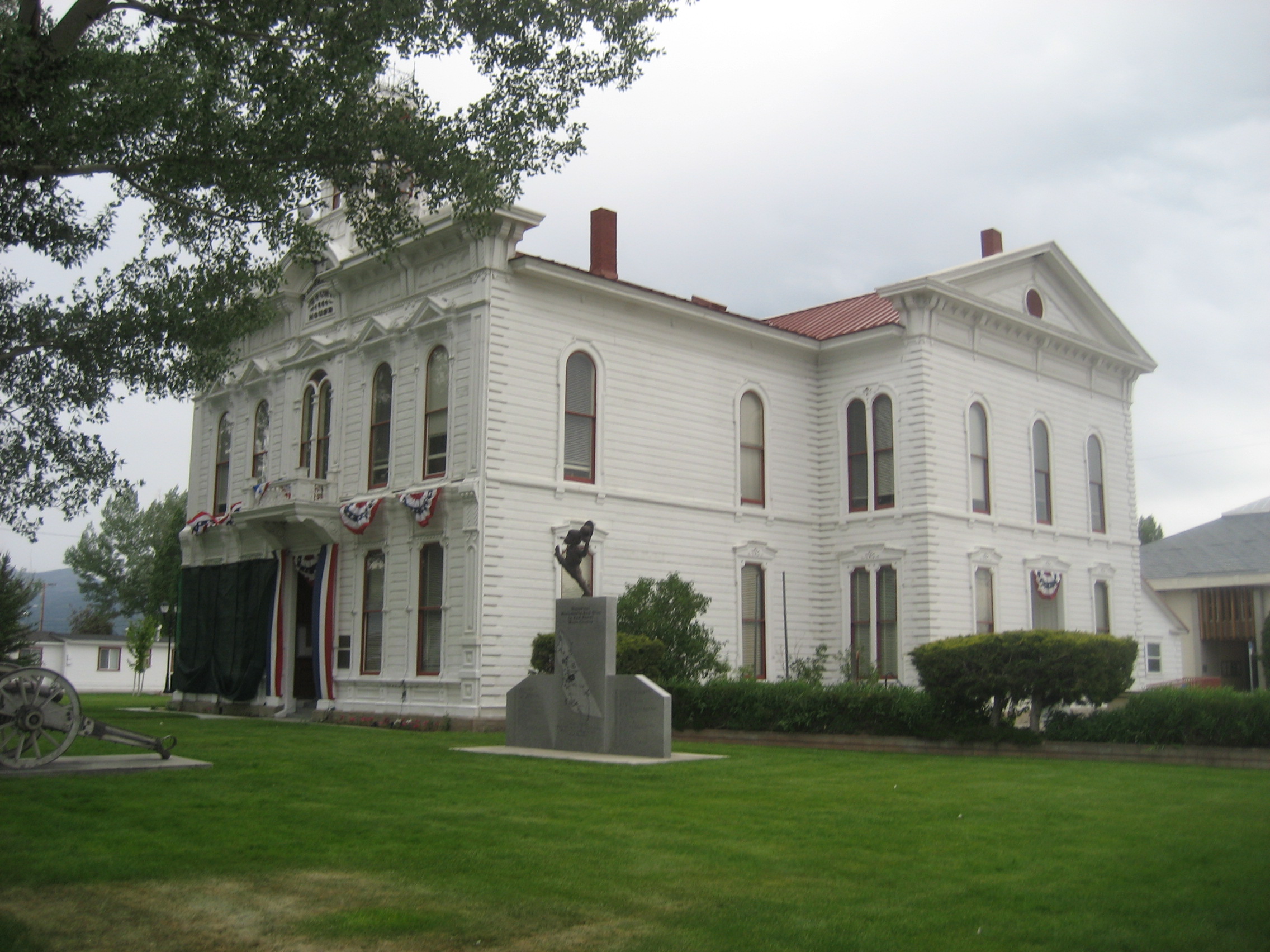
The first town I entered in California was Bridgeport, already set for Independence Day.

040

I had a pleasant break and supper, at the lively Rhino’s Grill. “Rhino” is the owner, not an item on the bill of fare. Seeing so many families and couples enjoying the nation’s back roads does my heart good, as does being served by congenial folks, of all ages.

The last time I visited Mono Lake was in 1980.  It is about 1/3 smaller now.

041

This saline lake is still a gem, but an endangered one.

044

As I drove towards Big Pine, and my stop for the night, I caught a glimpse of a superb California sunset.

049

Then, as is its wont, the sky went to bed.

051

After all that waiting, and switchback-negotiating, the Nissan was just fine. So was I, settled in at Bristlecone Motel, run by one of the town’s two mechanics.

The Road to 65, Mile 225: Zoo

7

June 11, 2015, Prescott- I went to see the film, “Jurassic World”, this evening. Having seen the first three films in that franchise, it was a matter of curiosity, as to what possibly could be added to them. There are two overriding themes in this episode: Genetic Engineering and the Arms Race.

The artificially created being, in this case, is, of course, a dinosaur- and the biggest, most ferocious ever, at that. With regard to the Arms Race, a mercenary comes to Jurassic World, with an eye towards using velociraptors as the Ultimate Weapon. The rest of what happens is for anyone who hasn’t seen it, to find out.

My take on any effort at bringing animals back from extinction is that they would be hard put to find a niche in a human-centered, progress-oriented world, such as ours. The ever-shrinking animal population of the world is being expected by many, as the President of Zimbabwe once put it, “to pay their rent.” This, of course, means the ivory, internal organs and exotic pet trade are going to be with us for some time to come, though the thing none of the purveyors of those odious practices have considered much is: These are not renewable resources, at least not at the rate they are being depleted.

I have heard of enterprising Chinese, and others, starting game farms, with a view towards replenishing herds and prides. The idea in many of these is strictly breeding and increasing animal populations, much as has been done with American bison in the U.S. and Canada, in the 1960’s and since. There are others, of course, who are mercenary and keep animals around, strictly for hunting. They are no better than poachers, who are the Slash and Burn farmers of animal husbandry, with no thought whatsoever of the future.

The television series, “Zoo”, explores the notion: What if mammals, collectively, began taking the planet back? It’s highly unlikely, to say the least, but it begs asking. Do we really need to cleanse the planet of those closest to us in intelligence and spirit?

The Road to 65, Mile 211: Reno Is For Reality Checks

6

June 27, 2015, Reno- I had breakfast at Kopper Kettle, then left Susanville, headed for my mid-journey anchor. In Reno, I would do things like see how my car was holding up, assess the state of my clean clothing supply and share my Alaska, British Columbia and Pacific Northwest stories with people who would actually listen for more than three minutes.

Truth told, I have people I consider family (both spiritual and biological) in many parts of the world: Massachusetts, Philadelphia, New Jersey, Atlanta, northwest Florida, Alabama, various parts of Texas, eastern Kentucky, southern Indiana, northern Illinois, northwest Oklahoma, Colorado, New Mexico, all over Arizona, southern California, western Oregon, southeast Alaska, France, Luxembourg, Luzon, South Korea, somewhere in Canada, and Reno.

That this could keep me in perpetual motion is plausible; that the list will grow, is probable, but I digress. I got in to the parking lot of the apartment complex, where the matriarch of my Reno family lives. I checked the oil dip stick on my Nissan, after giving it a two-hour rest: Nothing. NOTHING?? How long, with no oil light flashing on the dash? The consensus was: The temperature gauge was normal, no smoke was coming out of the tailpipe and no clanging, shaking and banging were being vocalized by the engine, so lucky Nissan, lucky me. Jiffy Lube, in Reno, opens at 9 A.M. on Sunday, so the rest of today could be, and was, spent doing things like sipping artisan iced tea at the Starbucks that lives in the House that Barnes & Noble built, whilst listening to my spiritual nephew speculate as to the possible virtues of a Hillary Presidency, and enjoy a 3:30 PM dinner, at Black Bear Diner. The day was well-capped by three of us going to see “Inside/Out” at a nearby multiplex. Given the heat, anything inside was best for my Reno family. I am almost impervious to heat; but most are not.

“Inside/Out” is, essentially, the depiction of a young child’s emotions, as she struggles with a move that was generated by her father’s quest for the Golden Egg. It is a fascinating take on the topic, and ought to be seen by every parent- and prospective parent. Too often, a child is expected to take one for the team. I know we moved far too often for my long-suffering son. He is a treasure, nonetheless, and handles life’s vicissitudes quite well, I’d say.

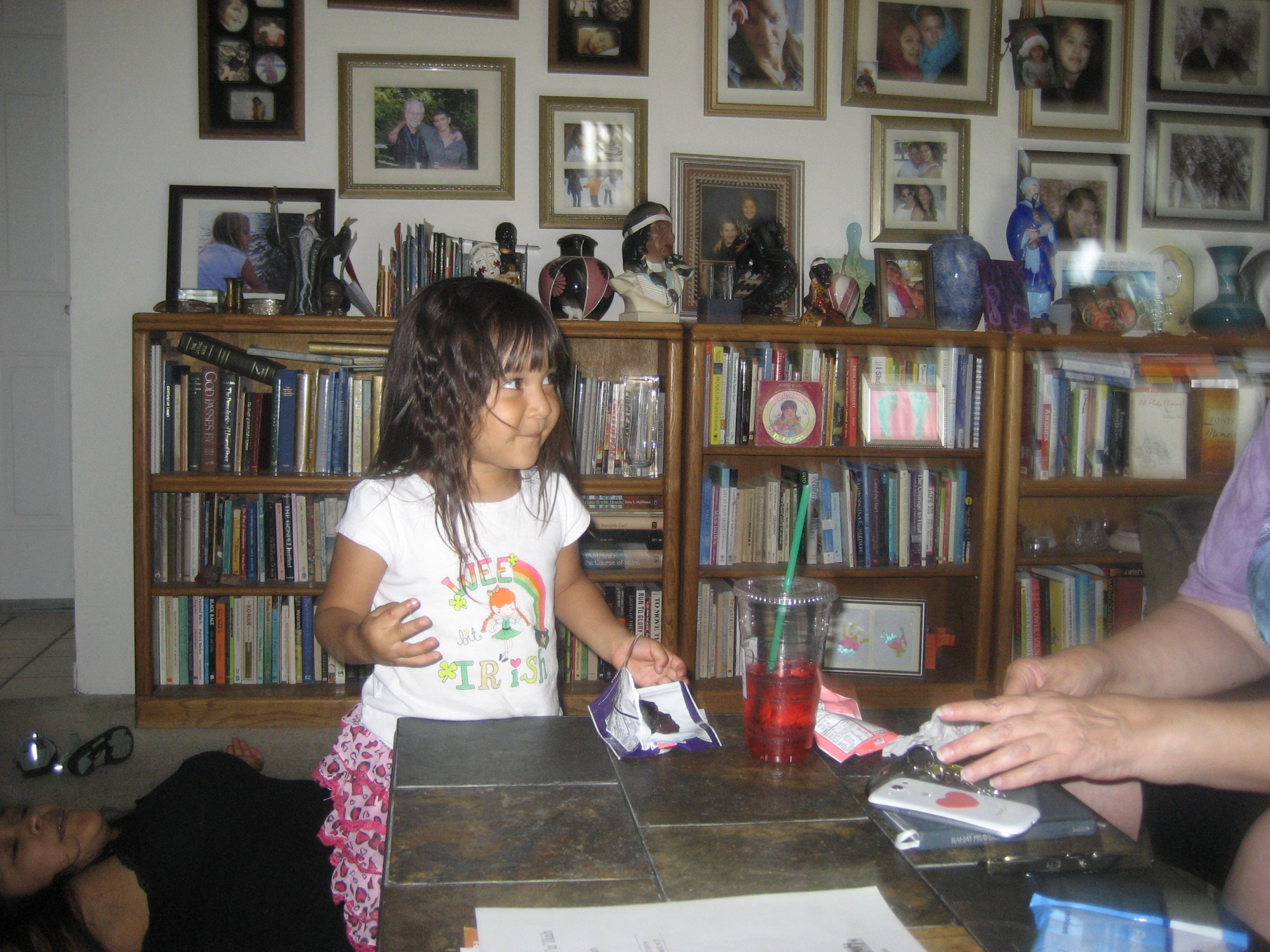
After the film, I was gratified to see that it was still light out, yet cooling off enough to briefly enjoy some fresh air. Then, another breath of fresh air showed up: Spiritual grand-niece.

031
032

There is no end to the joy this little one brings into a room, and into a heart.

The Road to 65, Mile 224: Light of the World

6

July 10, 2015, Prescott- Today, we Baha’is observed the 165th anniversary of the Martyrdom of al-Bab. On July 10, 1850, the Persian government, at the behest of powerful clerics, conducted the execution of Siyyid Ali-Muhammad, given the title al-Bab “The Gate”, in Arabic.

Briefly, He was Forerunner to Baha’u’llah, the Founder of our Faith.   Al-Bab challenged the orthodoxy of Islam, noting how far it had strayed from the Teachings of Muhammad. He called for the purification of the human heart, as an essential prerequisite to the dawning of an Age, in which the human race would become unified, and would enjoy the Kingdom of God on Earth, as promised by Jesus the Christ.

This won Him the allegiance of thousands of Persians and Arabs, and the admiring notice of many Europeans. It also won Him the enmity of those whose vested interests were threatened by such a call to change.

The execution did not proceed without a hitch. Al-Bab warned his captors that He would not depart this life until He had completed certain matters, with his secretary. They took Him out to the killing plaza, anyway, and He was joined by a young man, who insisted he be allowed to die, alongside al-Bab. The firing squad commander, who was Christian, pleaded with al-Bab that he not be forced to complete the execution.

Al-Bab responded “Follow your instructions, and if your intention be sincere, the Almighty is surely able to relieve you from your perplexity.” Thus did it transpire, that the volleys were fired, and when the smoke had cleared, al-Bab and his devotee were found, not dead on the ground, but alive, and with al-Bab in a room with His secretary, completing His business!

Once this was finished, al-Bab and the young follower submitted to again being escorted to the execution zone. This time, a Muslim commander ordered his regiment to carry out the volley. The bodies of the al-Bab and His devotee were fused together, with only their heads untouched by the bullets.

With the complicity of the prison yard’s guards, some other followers of al-Bab spirited the remains out of the area. These were carried, from place to place, in secrecy, for 59 years, until ‘Abdu’l-Baha, the eldest son of Baha’u’llah, placed them in a vault, in a crypt on the slopes of Mount Carmel, near Haifa, in what is now Israel, in 1909. The remains so rest, today, in the magnificent structure, known as the Shrine of Al-Bab, or “The Bab”, as He is called, in English.

I view this series of events as further evidence of the re-appearance of Divine Light in the world, just as it appeared at the time of Christ, before that, in the times of Moses, Krishna and Buddha, and after that, in the days when Muhmmad walked the Earth. That mankind chose half-measures, in embracing the Teachings of these Sacred Beings, does not take away from the efficacy of those Truths. God is nothing if not patient, though. He certainly has been so with me, and is no less so with the human race as whole.

The Road to 65, Mile 223: Cataracts of the Mind’s Eye

6

July 9, 2015, Prescott- Random reactions to ill-considered provocations:

She- “You  don’t lust for me, therefore you don’t love me. So, I hate you!”

I- “There are four kinds of love. None of them requires lust. I hate no one, actually.”

Another- “Religion is darkness. It is domination of one by the others.”

I- “Dogma, man-made divisiveness, is darkness. Faith, purity of heart, is Light upon Light.”

A cursory reader- “You are being redundant. Who cares about Chinese people in darkest Idaho?”

I- “There is something to be learned, to be treasured, in each place, or circumstance, in which we find ourselves.”

The Road to 65, Mile 222: Obfuscation

2

July 8, 2015, Prescott- 

A little verse, because I am tired, vexed, annoyed with certain people.  Thankfully, they are far from here.

You summon me

To follow my baser passions

And when I say,

“No, I’m good”,

you say “Hater!”

Muddy the waters.

Turn the tables.

Doesn’t make you right.

Truth, will come out,

like sunflowers in autumn.

The Road to 65, Mile 209: A Triangle of Towns, Part 3- Lewiston and Its Two Rivers

0

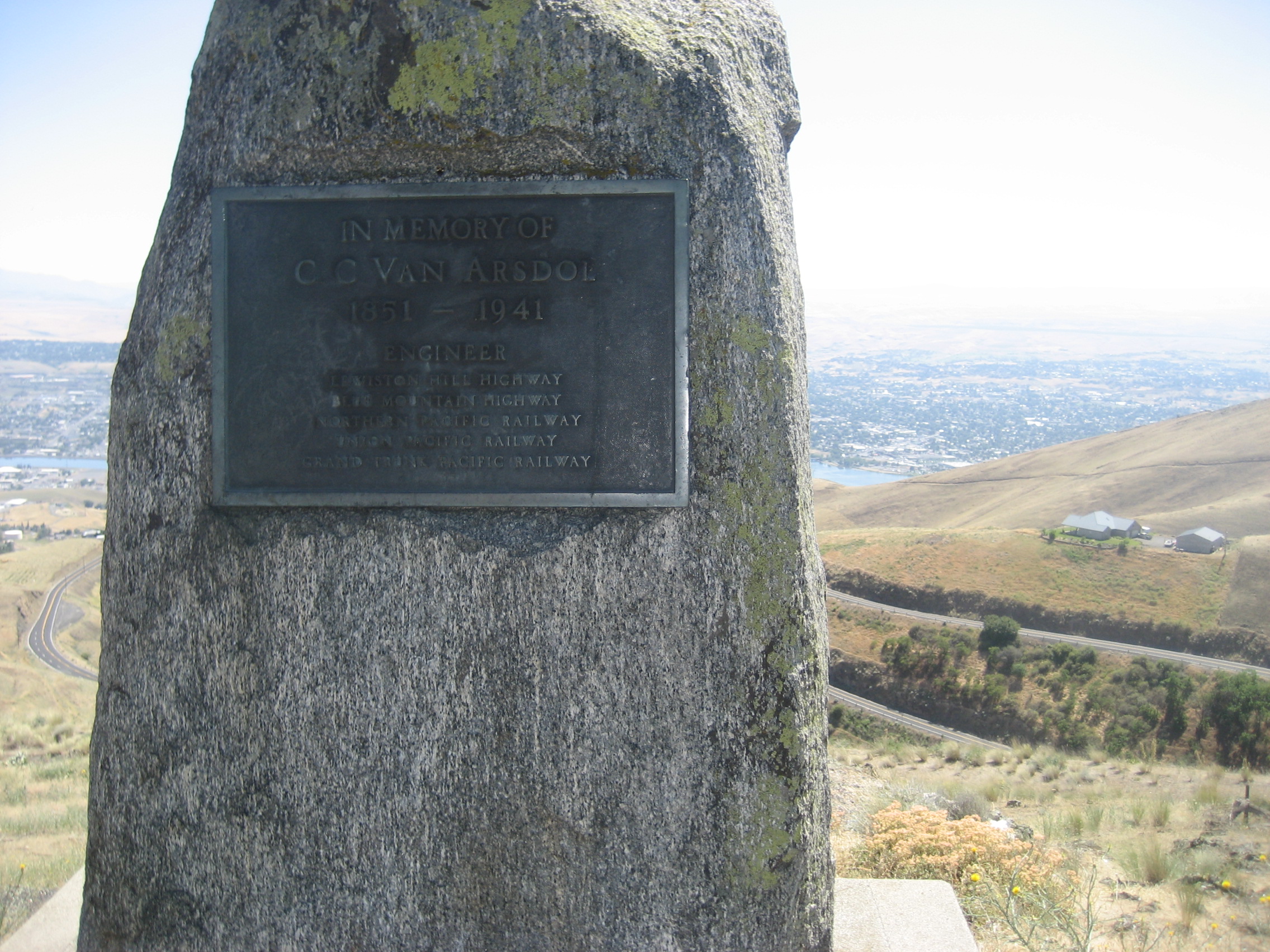
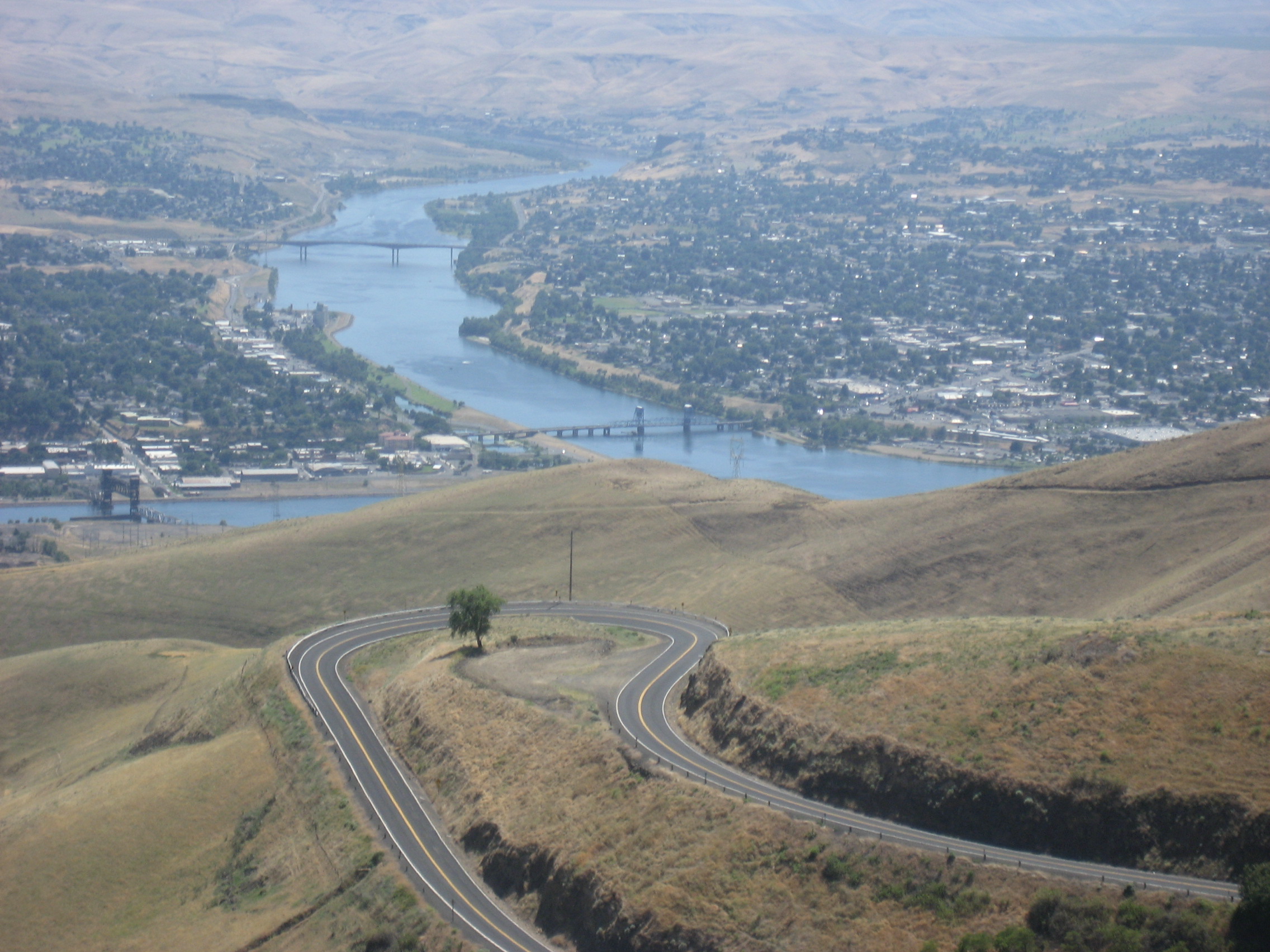
June 25, 2015, Lewiston, ID- This eastern half of the Lewis and Clark twin cities announces itself from a place at the foot of winding path, coming down a steep desert hillside.

357
359

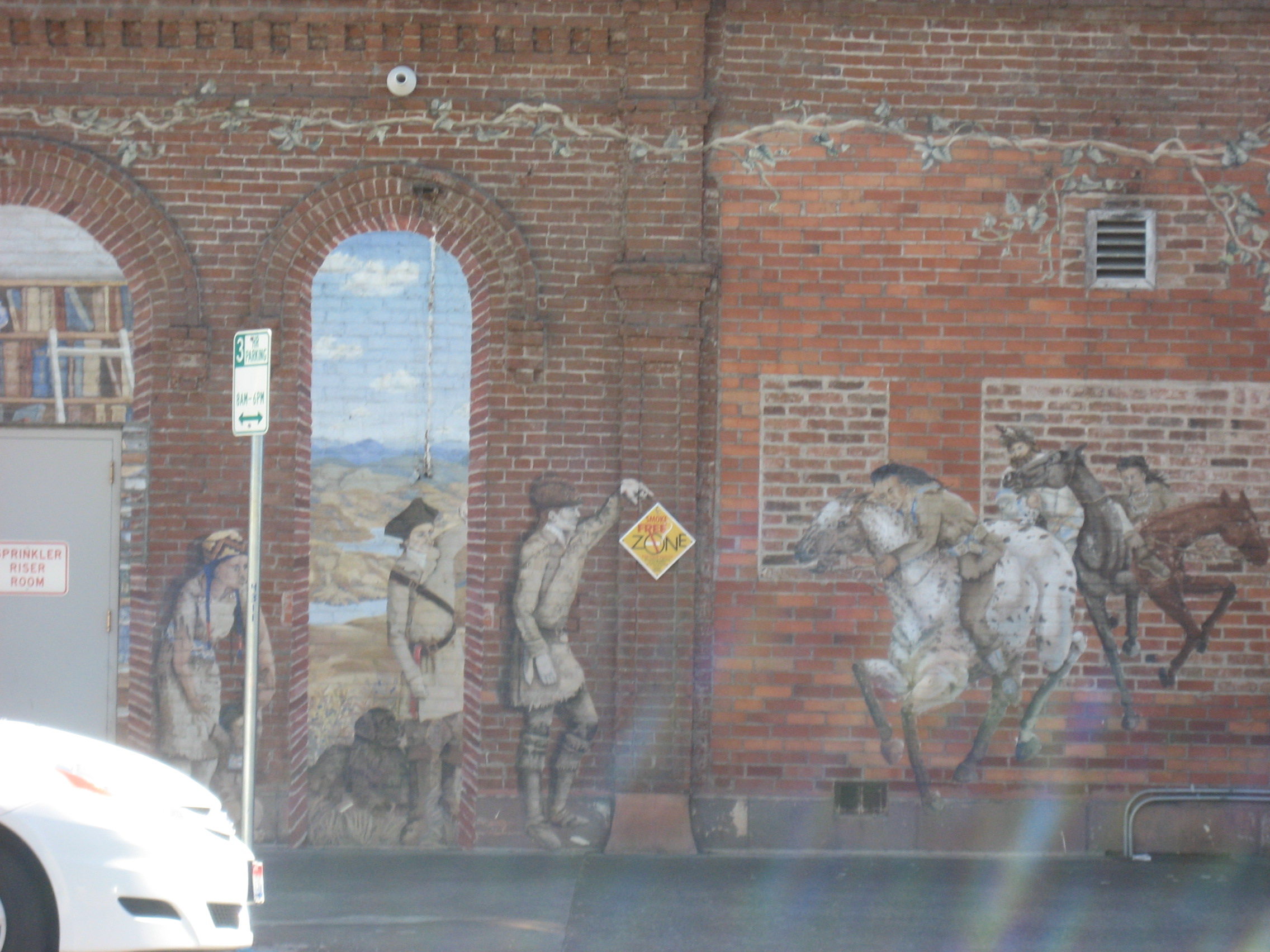
Like so many Inland Northwest towns, Lewiston presents a charming and arts-oriented downtown.  Named for Meriwether Lewis, it has, as a centerpiece, Lewis and Clark State College’s Center for Arts and History

361

Revolving art exhibits take center stage, on the first floor. On the day I visited, the Sandpoint-based artist, Kelly Price, offered an astonishing array of Sacred Circles, making a very strong case for the interconnectedness of all things in the Universe and the security which may be found within an orb. Ms. Price’s exhibit clearly shows the universality of the notion that the circle, symbol of completion, is universally held sacred. (As is my practice, no photos were taken of her exhibit, nor of the presentation of Scott Kirby.)

Price_WEB_475x226

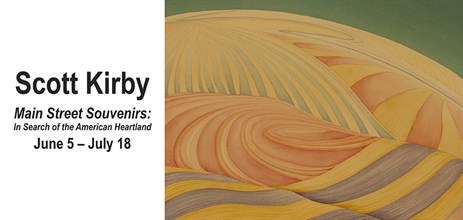
Scott Kirby, a pianist based in Boulder, CO, transitioned into painting scenes of the Great Plains, after an afternoon of drawing and painting with his daughter. The flow of his art work certainly evoked a vibrant musical background.

KIRBY_WEB_463x220

On the second floor of the Center, lies a tribute to suffering and perseverance: Beuk Aie (“Buckeye”) Temple.

363

The Temple was built by immigrants from Guangdong, China, who practiced a particular blend of animism and Buddhism, which called for this sort of temple to be used in worship. It was housed in two consecutive structures, until 1959, when the second structure fell into disuse. The sacred altar and relics were preserved by Mr. Ted Loy, a Lewiston businessman, until his death in 1981. They were then curated by his family and transferred to Lewis and Clark Community College, for safekeeping.

The Beuk Aie Temple also serves as a memorial to the 34 victims of one of the many shameful incidents of persecution aimed at Chinese residents in the Pacific Northwest: The Deep Creek Massacre. In May, 1887, the victims, all miners from Guangdong, were slaughtered by White miners in Wallowa County, OR, who then took the gold that the Chinese men had mined. While the identities of those involved were determined by investigators from Lewiston, the State of Oregon, which had jurisdiction in the case, found no one guilty. There is a memorial plaque on the Oregon side of Hells Canyon, but there the matter has rested.

368

In fairness, the people of the Pacific Northwest have made enormous strides in White-Asian relations, and the major source of friction in the Nineteenth and early Twentieth Centuries was mainly economic. Then again, isn’t it always? Fighting over crumbs seems to be our wont, as a species.

My thoughts turned to the indigenous residents of this area: The Nez Perce Nation, symbolized by their leader, Chief Joseph (“I will fight no more, forever”) and the Shoshone, symbolized by Sacagawea, the woman who guided Lewis and Clark through this then rough wilderness.

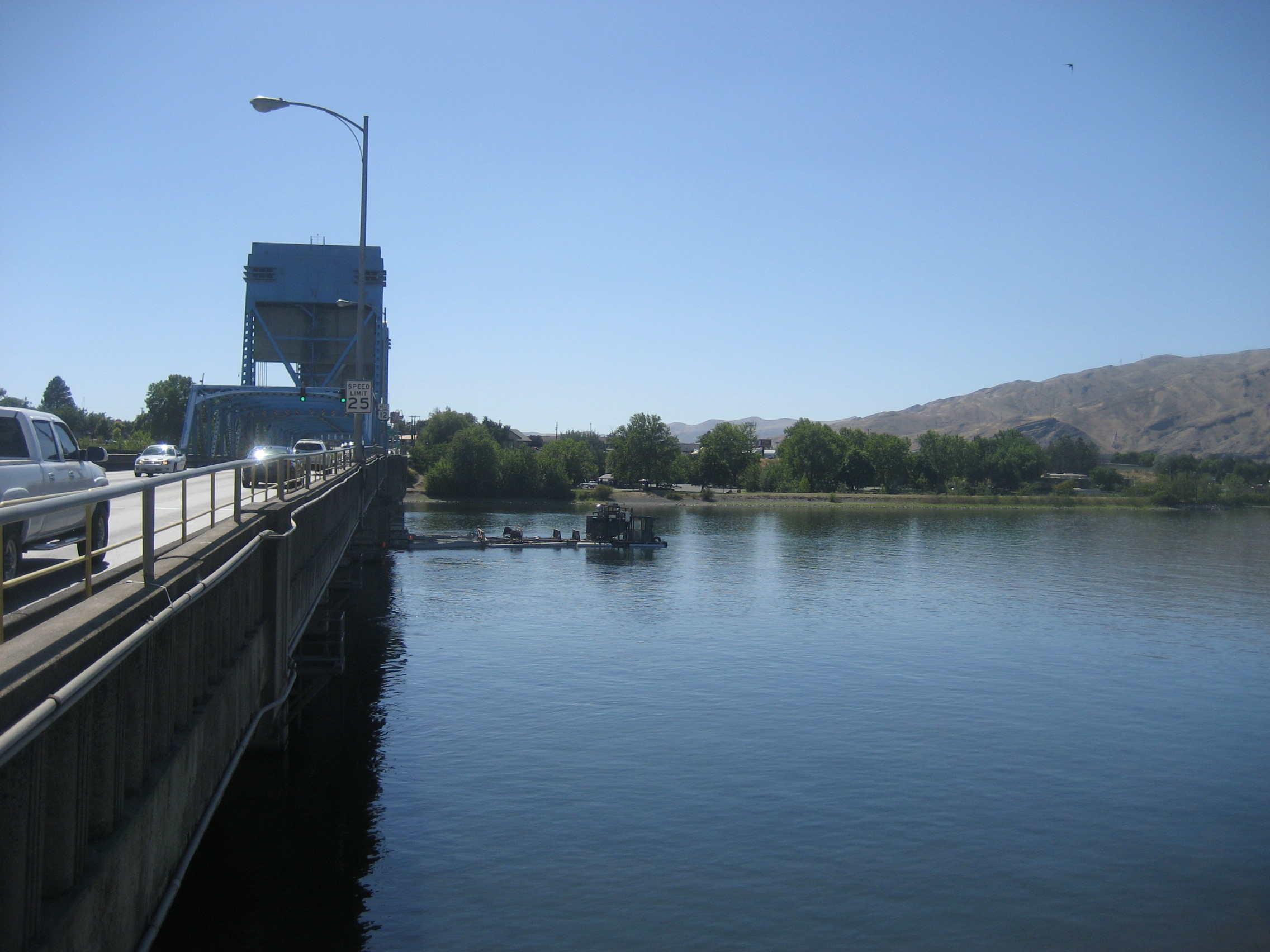
The confluence of the Snake and Clearwater Rivers has been a key resting and gathering place for humanity, for thousands of years. Now, a bridge connects Lewiston with Clarkston, WA, which I did not visit this time, as a walk along the Idaho side’s Riverwalk captivated me for nearly an hour, before it seemed time to head down to Lapwai, Nez Perce Nation and further south.

373
383

The people of this area feel a great connection to the Pacific, which both feeds, and receives from,these great rivers.

378

The Lewis and Clark Pavilion, at the northwest corner of the Riverwalk, honours the explorers and Sacagawea. A sculpture with her likeness graces the entrance to the small kiosk.

381

I will come back through here, and spend more time in both Lewiston and Clarkston, as well as connecting with a Baha’i friend who I did not realize lives in Lewiston.

After having dinner at Donald’s Restaurant, in Lapwai, it was time to move through the salubrious mountains and canyons of western Idaho. Hell’s Canyon would have made for some fine photos, but the traffic was horrible, so I went further, to Salmon River Canyon.

388

This trestle is one of seven built between Lewiston and Grangeville, to help move gold and other goods.

385

The area is among the most rugged parts of Idaho, which is saying quite a lot.

390

The rest of the day’s drive was through more sanguine territory, from Grangeville to Payette, then east to Ontario, OR, and a rest at the Oregon Trail Motel. The Beaver State’s Big East awaited.