The Road to 65, Mile 25: Truth, Consequences and Delayed Gratification

3

December 23, 2014, Lordsburg-  When I was a very young child, about 4 or 5, my maternal grandmother would occasionally babysit us, so both our parents could work.  Grama would sometimes have the radio broadcasting something about truth or consequences.  I could barely say the second name, but I knew what truth meant, and figured consequences were some kind of lies.

In March, 1950, shortly after i would have been conceived, the game show host Ralph Edwards, celebrating ten years of his successful radio show, “Truth or Consequences”, took an idea from a couple of staff members- to name an American town after the show.  The town selected was Hot Springs, New Mexico, which had the advantage of already being a prime tourist destination, due to its eponymous mineral baths and nearby Elephant Butte Lake, a man-made reservoir of the Rio Grande.  On April 1, Mr. Edwards, his wife and several crew members went to Hot Springs, for the official renaming, and the City of Truth or Consequences, “TRC”, was born.

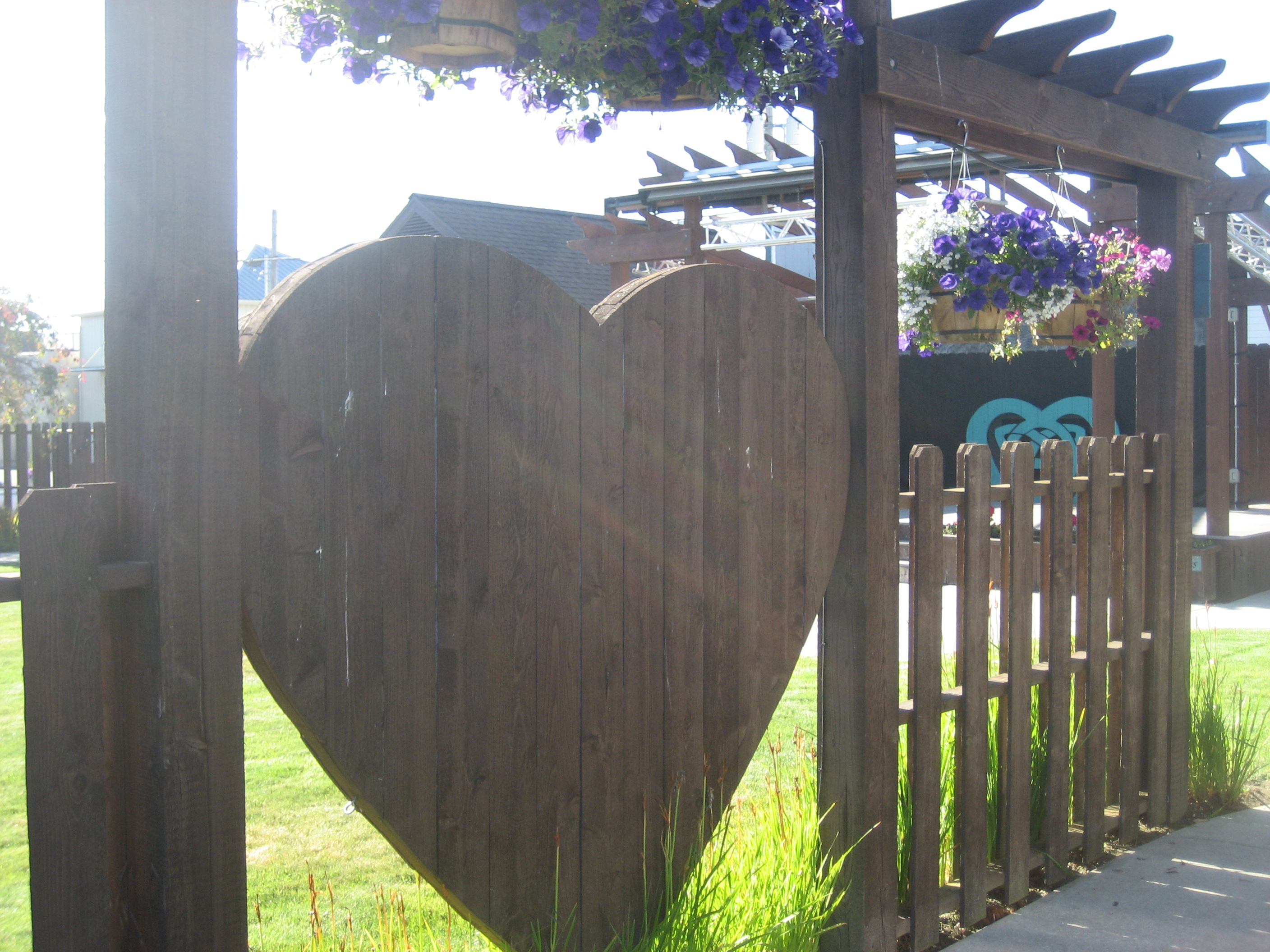
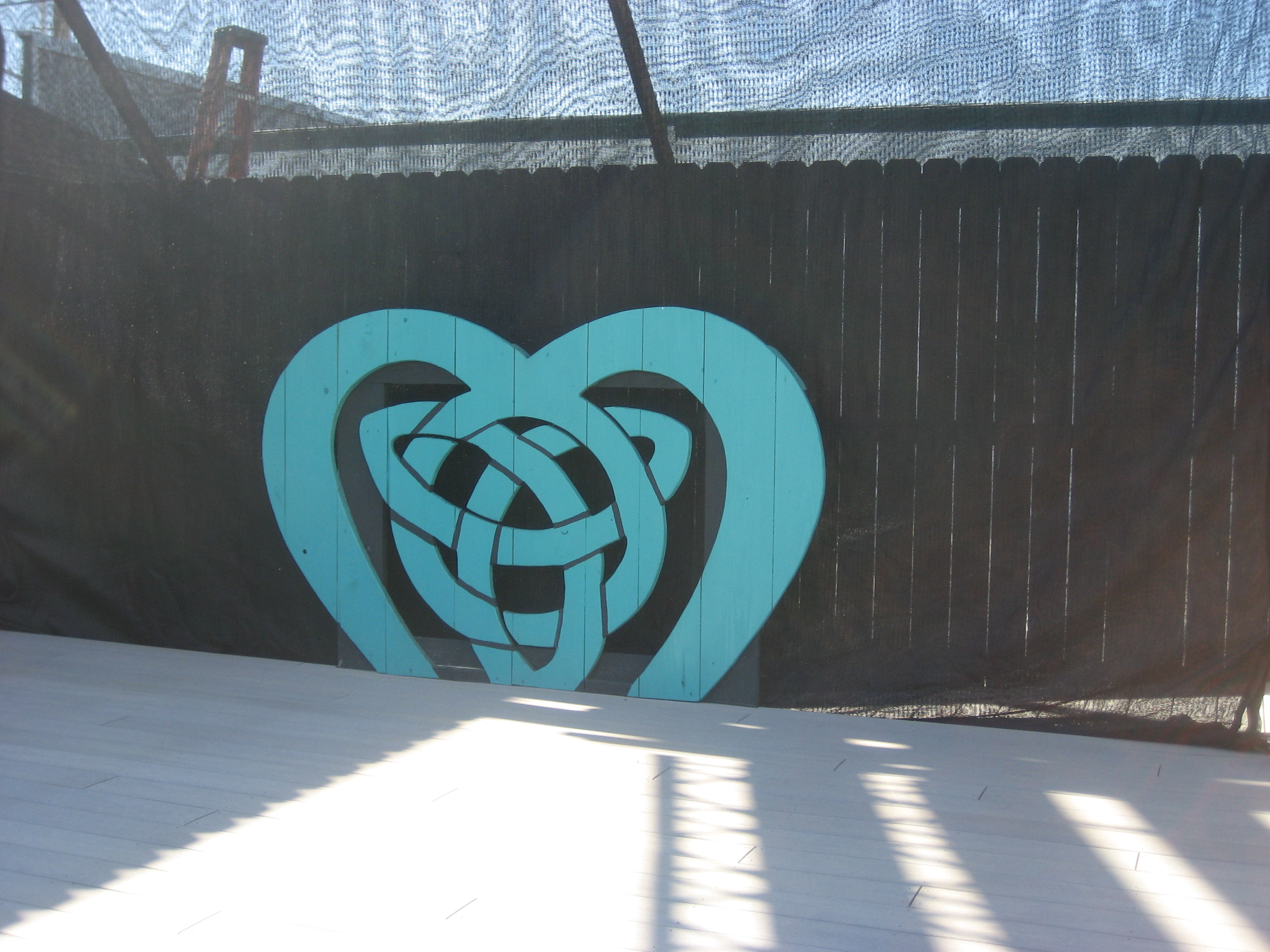
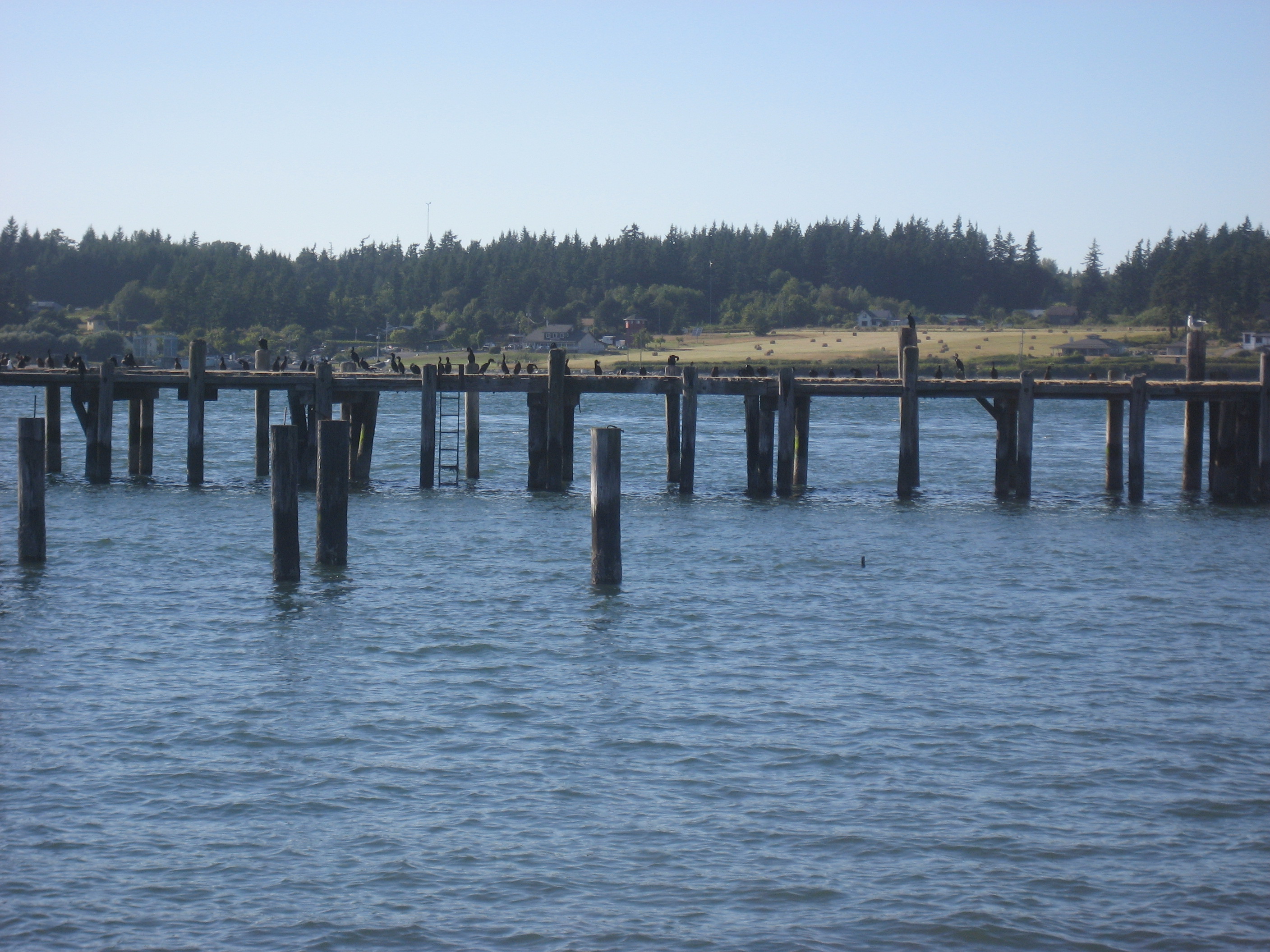
I spent Monday night and Tuesday morning, enjoying the hospitality and vibrant civic spirit of this remarkable little community.  Here are some scenes from the Hot Springs Historic District and Geronimo Springs Historical Museum, Sierra County’s place of record.  The painted water tower and some brightly coloured homes reminded me of Bisbee, AZ.

SAM_3437

The San Andres Mountains rise to the southeast.SAM_3439 Quirky shops and eateries are scattered throughout the town.SAM_3447 Geronimo Springs Museum is a well-ordered and delightful place in which to learn of west central New Mexico.SAM_3441 A display of coloured glass and ceramic greets the visitor, outside.SAM_3443 So, too, does a log cabin.

SAM_3442 SAM_3465 Inside the museum are many features of paleontology, anthropology, local culture and history.  I started with Pleistocene relics, a mammoth skull, and one of a mastodon.

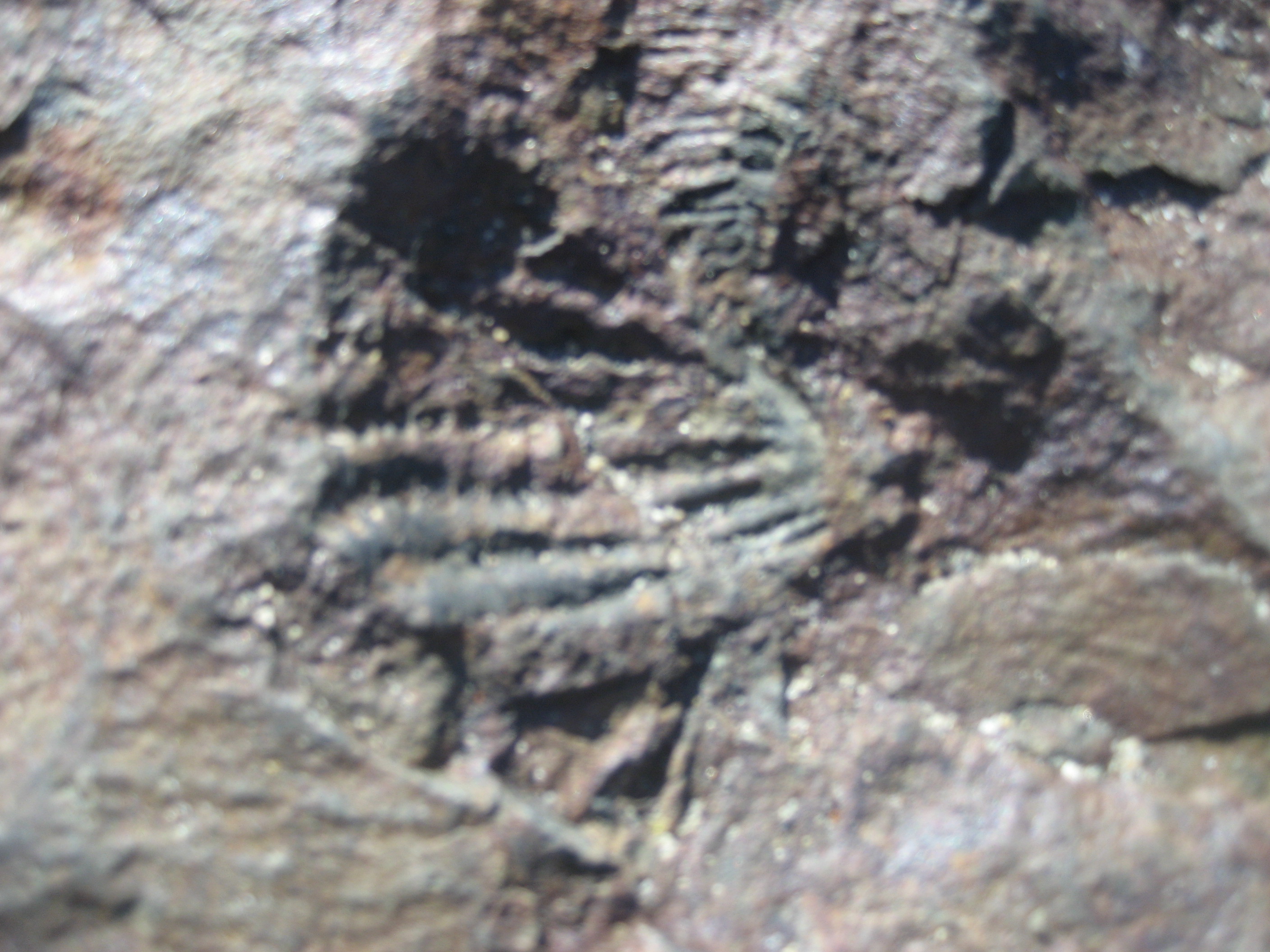
SAM_3455SAM_3456 Going backwards in time, here is a Devonian coral.SAM_3459 Next, are some fern fossils.

SAM_3460 This is the tale of a chair, brought from the original Sierra County Courthouse, in nearby Hillsboro.  The two towns disputed which would be county seat, and the State of New Mexico ruled in favour of Hot Springs.SAM_3463 The historical exhibits showed portraits of Geronimo, Don Juan de Onate, and cowboy author Eugene Rhodes.  This local hero outshines them all, in my opinion.SAM_3468 I left “TRC” a bit later than I had planned, but some serendipity is worth delayed gratification elsewhere.  I would end up putting off a visit to Gila Cliff Dwellings National Monument and a walk around Silver City, but along the way to that area, I encountered several little gems.

Hillsboro, the aforementioned rival, was mostly closed up for the holidays.

SAM_3470  Not far up the road is Percha Creek, with a truss bridge and adjacent walkway/overlook.

SAM_3479 Emory Pass, at 8230 feet, is the highest point along this exquisite highway.  Here, I encountered a writer from Martha’s Vineyard, who is looking to relocate to warmer climes.  I gave him a few possible sites to explore, in that regard.  Emory was definitely not one of them- but it is a place of splendour.

SAM_3485 I stopped for lunch at La Tienda del Sol, in San Lorenzo, before visiting the Mimbres Ranger Station, which confirmed my suspicions about Gila Cliff Dwellings closing at 4 PM.  This delightful little place was full into the holiday spirit, as was Sunset Grill, in TRC, last night and this morning.

SAM_3487 I headed to Silver City, in the end, spent a short time at Fort Bayard National Cemetery, then continued down to Lordsburg.  The dusty desert town has its own gems, among them the comfortable and inexpensive Holiday Motel (NOT “Inn”) and Kranberry’s Family Restaurant, open for lunch and dinner.  I was treated like royalty in both places.  Days like this will bring me back to this area in the Spring, and then we’ll see about Gila Cliff Dwellings and vicinity.

The Road to 65, Mile 24: A Refuge and A Fortress

4

December 22, 2014, Truth or Consequences- It was a mild day, which I started with a lovely breakfast of Strawberry Pancakes and sausage patties, at Socorro’s El Camino Family Restaurant.  Once again, all the regulars were present; nobody named Strawberry, though.

I set out for my first visit to Bosque del Apache (Apache Woods), since Penny and I came here in 1983.  It made an impression then, and did so now.  There were more sandhill cranes back then, and one of the docents gave a reason for the relative decline in their numbers.  The cranes have become dependent on corn that is grown by a farmer, who is employed by the Refuge.  The farmer they had, left and so, if anyone is interested in growing corn, specifically to feed birds, and be part of an upbeat crew of wildlife managers- contact Bosque del Apache National Wildlife Refuge, US Fish and Wildlife Service.

I began my drive down El Camino Real (New Mexico Highway 1), with a stop at this defunct Catholic church, in San Antonio, NM.  This little village has few remaining residents,but it is still worth remembering.  Each small settlement along the Royal Road was once a major stop, for those on foot or on horseback.

SAM_3347 I was greeted, upon my entrance into the Wildlife Refuge, by a Greater Sandhill Crane, perched on a branch.  Of course, he flew off immediately as I got my camera ready to shoot.  Continuing on, I walked a 3-mile loop of Chupadera National Recreational Trail.  The whole trail, up Chupadera Peak and back, would’ve been 9 miles.  I had more on my agenda, so that can be done another time.  The cairns mark each length of the trail.SAM_3355 Watch out!  The snakes and scorpions may be hibernating.  Not so, the thorny bushes.SAM_3358 Out in the distance, lie the San Andres Mountains.SAM_3360 Ann Young was an avid birder, who has since passed on.  To make up for the relative lack of wintering birds this year, here is a video of one of her last visits to Bosque: https://www.youtube.com/watch?v=KyecyGVWrto.SAM_3361 New growth is taking its place, all over Bosque del Apache.SAM_3363 From the window of the Visitor Center, one can sit for hours, just watching the various finches, wrens and hummingbirds eat their fill.  Many, though, prefer the findings on the ground and in the brush.SAM_3367 Believe it or not, a bald eagle is perched in the cottonwood tree on the right.SAM_3369 Trees growing up out of the sandbars create a safe haven for aquatic life, but also are a convenient place for raptors to sit and enjoy the view.SAM_3372 I walked this berm, around a marsh that is full, seasonally.  This is not the season of its fullness, but I got a sense of what it could be.  A Cooper’s hawk followed me around the loop, screeching, but never quite finding its favourite meal.SAM_3376 Raptors, cliff swallows and barn swallows make their nests in these sandstone cliffs.SAM_3383 SAM_3386 Here is an overlook, above the Marsh Trail.SAM_3389 When I climbed the path, this was my view.  Some say the Chihuahua Desert is more barren than the Sonoran.  Right now, I’d say they are correct.

SAM_3390 This is an oxbow of the Rio Grande, and trends towards dry, even when the river itself is full.SAM_3395 As you can see in Ann Young’s video, sometimes the bed under this boardwalk is full of water.  Not today.SAM_3396 SAM_3399 It is good enough for cattails, though.SAM_3400 My spirit friend was on the job.SAM_3401 Once back along the main flow of the Rio Grande, I spotted a Lesser Sandhill Crane, by its lonesome.SAM_3412 From the Eagle Scout Deck, more evidence of past drynesses and flows could be seen.SAM_3415 On my next visit to Bosque, I will focus more on the North Loop and the Canyon Trail.  It’ll also mean taking in a Fly-In, at sunset.

Continuing down El Camino Real, I came to a dirt road, which led me to Fort Craig, five miles eastward.  This National Historic Site is comprised of ruins, and figures in three sorry episodes of our nation’s history:  The Mexican War, which was its raison d’etre; the Civil War, during which Confederates from Texas tried to use New Mexico as a steppingstone to Colorado’s gold fields; and the Trans- Mississippi Indian Wars, which just led to more suffering and misunderstandings, on both sides.  That its ruins stand at all, however, show just how formidable Fort Craig was.  Walking these paths brought me back to the ramparts and walls of France, Belgium and Luxembourg.  The pilings below support the earthworks, which defended the fort against the Confederate force.

SAM_3416 This is what’s left of the Guard House and Jail.  Prisoners were segregated by race, as were the soldiers.SAM_3418 These are the remains of the Commanding Officer’s Quarters.SAM_3420 SAM_3421 The perimeter walls were more formidable than they look now.SAM_3425SAM_3426 Here is the Magazine Storage, where ammunition was kept safe and dry.SAM_3431 The Battle of Valverde, near Socorro, was a Pyrrhic victory for the Confederates.  They lost so much in materiel that they were unable to capture Fort Craig and hobbled on to Albuquerque, never gaining control of New Mexico.SAM_3435 I don’t believe I have ever cast such a long shadow.  Being tired by now, my course of action was to stop in the unique town of Truth or Consequences.  The story has been told by someone on my Facebook wall, but I will discuss it at length in “Mile 25.”

SAM_3436

The Road to 65, Mile 23, A Very Full Solstice, Part II: Passed by This Place

7

December 21, 2014, Socorro- I encountered two sets of people, atop Atsinna Pueblo, on El Morro.  One was a worldly, sophisticated couple, who showed mild interest in my observations, before  heading off to more intriguing things.  The others were grandparents and grandson, who had several questions about the nature of the settlement, and whether the Zuni were related to the Puebloans who lived in Atsinna, before the Spanish came.

These chance encounters set me to thinking;  What message, in picture and word, was each person who left his/her signature on Inscription Rock, trying to convey?  How has each been received by those who have seen these messages since?

Before addressing that issue further, let’s have a look at what we found yesterday, at Atsinna.

SAM_3293
SAM_3296

SAM_3294SAM_3299  The area that was once farmed, below, is now home to junipers and a few Ponderosa pines.

SAM_3300

Snow and ice have given the Headland Trail a rest for several months.

SAM_3302

I turned around and headed to Inscription Rock, for a new look at some old friends, from thirty-one years ago.  Here some of the better examples of each period’s messages to posterity.  Can you see any resemblance to Mount Rushmore, above the lichen-created heart?SAM_3308

The next three frames show the natural pool, created by runoff and preserved by an artificial dam, and the striation caused by mineral absorption.SAM_3311

SAM_3312

SAM_3314  Next, are inscriptions by Puebloan peoples, Spanish explorers, and Americans headed west.

SAM_3318
SAM_3319
SAM_3320

A pair of Cliff Swallows also leave their mark, in the form of nests, barely visible under the slight overhang.SAM_3322SAM_3325SAM_3328   SAM_3329SAM_3330 SAM_3334SAM_3339 How many signatures and petroglyphs can you discern?

I spent a few minutes driving around Zuni Pueblo, but with all shops closed on Sunday, and my own practice of not taking photos inside a Pueblo village, I leave you with these two views of nearby mesas, which are sacred to the Zuni.

SAM_3344

SAM_3346  I continued on to dinner, in Magdalena and a restful sleep, in Socorro.  NEXT UP:  Mile 24- Bosque del Apache National Wildlife Refuge and Fort Craig National Historic Site.

The Road to 65, Mile 23: A Very Full Solstice, Part 1

4

December 21, 2014, El Morro, NM- I don’t think I’ve made such a big deal about the December Solstice before.    Penny and I would have chai and watch the moon rise, with a group of Phoenix- area or Prescott- area Wiccans, but since her passing, it took me until this year to include the occasion in my life, in a meaningful way.  (I use the term December Solstice, because the longest day is a great celebration for the indigenous people across the Southern Hemisphere, and I tire of seeing them left out of the celebratory messages.)

Today started with a marvelous shower and gradual wakening, by 7:30 AM, in my comfortable cabin, “Deer Cabin”.  I was informed that breakfast would be served from 9-12, so there was plenty of time for me to take a few winter photos and pray for many people and situations.  I posted a few of these on FB, but here are some scenes of the El Morro Lodge and Ancient Way Cafe.

First, here is the interior of Deer Cabin.

SAM_3255

Here’s the exterior.SAM_3257

Ancient Way Cafe was founded by a spiritual mentor who is known as Red Wulf.  He paid us a visit at breakfast, but stressed “I’m not here”, as he is officially on sabbatical, until April, 2015.  Several other local characters also gathered for breakfast.  I selected “Donald’s Breakfast”, a hearty farmer’s breakfast ,which is fitting, since Donald is a self-sufficient organic farmer.  He was present this morning, at the table next to mine, along with several members of Red Wulf’s spiritual circle, Wave Riders of the Ancient Way.  They’ve been here since the 1970’s, as have many counterculture groups, around the Southwest.

SAM_3262

SAM_3259

SAM_3261Hanging chilis are a symbol of welcome in New Mexico, and I certainly felt welcome.  The Wave Riders did not wish to be photographed.  Many of them were quite exhausted from having attended an event at a gallery across the highway, until 2 AM. Our cook was one of them but fortunately he was rested enough to do a good job.

I checked out at 10:30, and headed up the road to El Morro National Monument.  The place is distinctive in three aspects:  Geologically, archaeologically and graphically. I will show photos of the geological aspect first. El Morro, Spanish for “The Headland”, is made of largely striated sandstone.  Wind, water and lichen are breaking the sandstone down.  Many, like the NPS film’s narrator, the actor, Edward James Olmos, bemoan this process.  The National Park Service is trying to shore up the ruins, as we’ll see.  The big picture, though, is that nature was here first, and will fulfill her mission, one way or another.  Notice that there are pinon pines, and one-seed junipers, mixed throughout the park.  A smattering of Ponderosa pines have grown on top of El Morro Mesa.  The trees also break down the rock, by sending out roots.

SAM_3267

SAM_3269

SAM_3273

SAM_3279SAM_3285SAM_3286SAM_3290 So, you can see the majesty of the sandstone massif,  plus the effects of  wind, water, lichen and tree roots, on the great structure.  In the next post, “Mile 23.5”, I will address the human legacy of El Morro.

The Road to 65, Mile 22: Return to A Point of Departure

4

December 20, 2014, El Morro, NM-  I set out for Zuni, a bit after noon today, preferring to wait for the last little bit of mail to arrive at my house. It was an inconsequential piece, but better safe than sorry.  Gassing up at Costco, I headed to what I hoped would be a satisfying lunch at a local organic farm stand.  As it happened, the farm stand’s sandwich maker has Saturdays off, so the choice was pastry, or pastry.  I waited until Camp Verde, got a tuna sandwich from one of the chains, just off I-17, and continued on, past Flagstaff, to Winslow, where a delectable acai smoothie, from Mojo Coffee House, re-energized my focus.

SAM_3252

The terrain is low-lying, through the Little Colorado River Valley, past Joseph City, Holbrook and the Petrified Forest National Park, then rises into chaparral forest near Navajo Travel Center.  After taking advantage of good, inexpensive gas, at the Giant in Sanders, I followed HWY 191 to Hwy 61, which leads to the New Mexico state line. At the junction, I looked back and saw this:

SAM_3253

It was getting dark, though, as I approached the settlement, where I met Penny, my late wife, on December 6, 1980.  There was no visible place of accommodations, on the main road and Chu Chu’s Restaurant shut out its lights, just as I pulled into the parking lot.  Getting the message, “Beat it”, I resolved to come back to Zuni in daylight.

My next choice for a dinner stop was Stagecoach Cafe, in Ramah.  It was marvelous- a small, cozy room, filled with Southwestern decor, and offering hearty New Mexican-style cuisine.  I opted for Red Chili Beef Enchiladas, followed by coffee and blueberry pie.  I’d stop again at the Stagecoach, anytime.  The owner told me about El Morro Cabins, so that’s where I headed next, and where I am now.  This is a lovely reminder of the Cabins at Wolf Creek, where I stayed last year, on a return from Denver.  One of these journeys will be spent entirely in one spot, a cabin like this, somewhere. (Photos in the next post).

The Road to 65, Mile 20: Now, Then

2

December 18, 2014, Prescott-   I found out, early this morning, that someone had pushed the wrong button, in the course of my last financial transaction.  The deposit which should have been posted yesterday, never made it.  This will slightly alter my spiritual journey to western New Mexico, which I had planned on starting Friday night.  No matter, I will get a good night’s sleep here, and most likely be able to set out on Saturday morning.

Zuni, where Penny and I first met, in December, 1980, is first on my itinerary. El Morro National Monument, near there, is next, and I will head, in succession, to Bosque del Apache National Wildlife Refuge, where we went crane watching, Gila Cliff Dwellings National Monument and Silver City, which we wanted to visit, but never did, Cochise Stronghold (one of my favourite meditation spots), and Tucson, where a few friends await.

Christmas weekend will find me at the Grand Canyon Baha’i Conference, where I have spent each of the past twenty-two years, save 1997.  It is a good place for spiritual regeneration, and coming on the heals of my time in the forests of western New Mexico and the serene desert near Vail and Avra Valley, it represents a double dose.  Of course, the crowds at GCBC are large, but I draw energy from the youth, and regard many of them as friends.  I have watched so many grow up from infancy, in the time I’ve been back in Arizona.  Now, they are taking on the world, on their own terms.

I sat down this morning with several of the Red Cross Disaster Response Team members, with whom I would be working, if chosen for the position mentioned earlier.  There is a plethora of detail to be worked out, each time a disaster happens.  Good thing there is no ‘I’ in team.  I have had a lot of practice, these past two years, both here and in Europe, in being an effective member of a team handling somewhat chaotic emergencies.  There is a reason for everything.

This evening gave me an hour’s worth of study on Essential Oils, vis-a-vis women’s health issues.  It is also going to come in handy, and this area was not something with which I had much familiarity, until now. That goes to show, in this day and age, an old dog had best learn new tricks, and skills, without hesitation.

A Rim Country Saturday, Part 2: Flecks of Gold and A Lingering Elvira

8

November 8, 2014, Payson-8693191109_264ac6385e_k

Every town in the Southwest, and from what I’ve seen, just about every town anywhere else, has a story to tell.  Our Arizona burgs generally have a wealth of tales revolving around cowboys, copper miners and Cavalry.  Payson, and the Mogollon Rim, have their share of cattle ranches, the grass being very sweet thereabouts.  There are about a dozen kinds of barbed wire, and twice as many cattle brands, on display at Rim Country Historical Museum, which was my second stop on this gorgeous Saturday afternoon, last weekend. It is housed in a replica of the Herron Hotel, a former mainstay of old Payson.  The hotel burned down in 1918.

The mines were less forthcoming here than in other places, as the granite contained only flecks of gold, and silver.  An attempt at mining in the vicinity of Tonto Natural Bridge, at Kohl’s Ranch and a few other areas along the west Mogollon sector, produced very little, if any, in terms of precious and profitable ore.  I noticed a unique type of mining cart in the museum’s Oxbow Mine display.  It was able to pivot, sideways, so as to be able to stop, on the steep slanted terrain, which characterized the few lucrative mines in the area, of which Oxbow was the largest.

General George Crook tried to keep the Tonto Apaches on a reservation near Payson, but the bean counters in Washington determined otherwise.  The hapless Apaches were moved, first to San Carlos, in the eastern Sonora Desert, then to Fort Sill, Oklahoma.  They were able to, eventually, return to the Payson area, and today the Tonto Apache Community is an integral part of the social and economic life of northern Gila County.  A replica of an Apache gowah, or round, thatched dwelling, is displayed in the Museum’s east room.

The Museum staff was still in the spirit of Halloween, so a skeleton or two, and Elvira, the TV horror movie hostess of the 1980’s, were hanging around, perhaps waiting for the Thanksgiving theme characters to show their faces.  Photos of the interior were not allowed, but follow this link, and you may see for yourselves:  http://paysonrimcountry.com/The-Town/Attractions/Museums/Rim-Country-Museum.

I was able to take some shots of the outside surroundings.  First is a view of Green Lake, a man-made gem from the 1980’s.

SAM_3169

Time was that logging, also, was a key component of the Rim’s economy, as it was across the Ponderosa Pine region, from Chihuahua to Alberta.  With logging’s demise came overgrowth, and increased fire danger.   This was one of the unintended consequences of clear-cutting, which focused on relatively small areas, for the sake of maximizing profit.  Clear-cutting incited environmental activism, which brought logging to a standstill.  Trees thus became overgrown, and nature’s way to handle overgrowth is fire.  In June, 1990, the Dude Fire laid waste to 24,ooo acres of land in the Rim Country northeast of Payson.  The original Zane Grey Cabin was a casualty of that fire, as were six Wildland Firefighters.   (The Zane Grey Cabin which now exists at Green Lake Park is the result of an intense community effort, including replicated furniture and other wood work by Industrial Arts students at Payson High School.)  A special exhibit, in advance of the 25th anniversary of the Dude Fire, in June, 2015, tells the story of that horrific loss.  As I was wearing a t-shirt honouring the men killed in June, 2014, at Yarnell Hill, the docent asked whether I would be disturbed at viewing the video of the Payson tragedy.  I watched it, solemnly.  One community’s tragedy is just as worthy of respect and its grief equally deserving of validation, as any other.  The firemen are honoured with a statue outside the Museum.

SAM_3170

Also honoured is William Goettl (GETT-l), a Phoenix heating and cooling entrepreneur, who bought, and lived in, the old Zane Grey Cabin, when Zane’s family no longer wanted it.  His family underwrote a goodly portion of the replicating efforts for the Cabin we are able to visit today.

SAM_3171

Finally, just to the east of the Museum’s main building is an original cabin of the Haught family, who were Zane Grey’s key helpers in his ranching efforts.  They lived near what today is the settlement of Kohl’s Ranch, east of Payson.

SAM_3172

This complex does an excellent job of telling the many stories of the western Mogollon Rim.

NEXT:  Tonto Natural Bridge

A Rim Country Saturday, Part 1: The Boy Named Pearl

8

November 8, 2014, Payson- Zane Grey was nothing, if not headstrong.  The best-selling author of all time had an impetus, however.  His mother, a fervent admirer of Queen Victoria, named him Pearl Zane Grey, the first name coming from the Queen’s wearing of pearl grey attire, whilst she mourned Prince Albert.  Zane was his mother’s maiden name, and they lived in Zanesville, Ohio, which was named for one of her forebears.  Zane’s father, a dentist, commanded him to follow in his footsteps, and he grudgingly did.  He also devised the curve ball, whilst playing for his college baseball team, and wrote a novel, Betty Zane, based on the life of a maternal aunt.  This last gave him the idea of getting out from under dentistry, which he detested.

I learned these facts about P. Zane Grey, as he called himself, once his parents had died, at Zane Grey Cabin, part of the historical complex of Payson, AZ.  He was an avid hunter, in the Payson area, until the new state government got involved and started to change the rules of hunting.  He then quit hunting, loudly and publicly, taking up deep sea fishing for a time, and setting records in that sport, many of which still stand.

The cabin is a humongous affair, built in the style of the Adirondack Region of Upstate New York.

8693200871_50b3464e63_k

No photos are allowed, either in the Cabin, or in the adjacent Rim Country Historical Museum, as many items are on loan from private collectors and families of Zane Grey’s employees and associates.  I started my visit with Docent P., in the Cabin’s kitchen.  There is a huge, old-style cast iron stove in the room.  It is especially notable, in that on the top of the stove are two passive heat receptacles, used for keeping infants warm, in the dead of winter.  No, the witch in Hansel and Gretel didn’t work there.  The two infants in question grew up to be successful in their trades, and lived to a ripe old age.

I then went into the Great Room, festooned with bear rugs, taxidermed elk  and Zane’s Morris Desk- a comfortable chair, with arms that allowed a slab of pine to be stretched across them, serving as a desk. Across from these is a collection of first editions of Zane Grey’s books, many of them signed by him.  If you ever happen to be in an antique shop or old book store, look for Zane’s still-missing treasures.  30-45 of them are still out in the wider world.  He painted extraordinary word pictures of all the areas in which he lived, from Wheeling, WV to Tahiti and New Zealand.  Being something of a contemporary of Samuel L. Clemens, he was, in that respect, a man of his time.

A Small-Time Mariner’s Voyage, Day 12: Meanwhile, Back On Land

1

Oct. 22, 2014, Newport Beach- Each time I venture out to San Diego, I make a foray into Orange County, and usually try to get up further along the coast.  This time was no different, and I met an online friend and mentor at Crystal Cove State Park, Newport Beach, in mid-day.  J is always enthusiastic about the California coast, and is a good source of information about the state of affairs in SoCal, which is more crucial to the welfare of the rest of us than we might care to think.

The weather was dry and mild, when we landed in San Diego, two days earlier.  It was a nice Monday and Tuesday in San Diego, as I mentioned previously.  Wednesday morning found me headed north, on a smooth-flowing freeway and with comparatively little traffic on the Pacific Highway, from Dana Point up to Crystal Cove.  There were about a dozen people on the beach itself, being Wednesday of a school week.   As we strolled the beach, the work of a couple of children was in evidence.SAM_3136

Beachcomber Cafe, where we had lunch, is a reliable spot, for good food and entertaining people-watching.  J and I have been here twice before, and spent close to an hour talking of her concerns about California and of my experiences in Honolulu and  at sea.

After lunch,we focused on the troubled north side cottages of the beachfront.  Crystal Cove Alliance is working on restoration of the deteriorating structures, and has largely completed the work on the south side.  The rest of the work on the north will likely begin in December, according to the flyer I read.  These cottages are actually unique for Orange County beaches, which are largely structure-free, aside from changing rooms and lifeguard towers.  Their restoration would be a fine achievement for Newport Beach.

SAM_3139

SAM_3141

SAM_3143

For more on Crystal Cove, please see my earlier post:  “Back to Crystal Cove”, 4/5/2013.

After, J bid me farewell, I decided to end my northward quest, for now, and headed back towards Arizona, opting to take the back roads from Oceanside to Palm Desert.  It’s a winding route, but traffic is minimal, especially once past Temecula.  I stopped only to wonder at Cahuila Tehanet, just southwest of Palm Desert.

SAM_3146

SAM_3147

SAM_3148

The rugged outback of SoCal’s Colorado Desert seems to be one of the sub-state’s best-kept secrets. Well, my list just keeps getting longer.  For the moment, though, I felt the homeward tug, and made it to Blythe, and Relax Inn- recharging, before driving back to Prescott, the following day.  Like Arnold, I’ll be BAAHCK.

A Small-Time Mariner’s Voyage, Days 8-10: Hard-Tied Knots, Picnic On A Steel Beach and A Bright Gray Home-Coming

4

October 18-20, 2014, Aboard USS Wayne E. Meyer-

SAM_3090

Our last 2 1/2 days of sail found the Tigers and crew reaching a modicum of comfort with one another’s presence, even as most of the sailors were just looking for landfall, as anyone would be, after seven months.  We started the Saturday morning with a lesson in knot-tying.  The most hardened tough guys among us were almost as perplexed as I was, when it came to completing anything more complicated than a square knot.  It’s been a long time since I was at the edge of becoming a Star Scout.  The Boatswains (“Bo’suns) were, thankfully, much more adept at the skill which keeps ships moored, and things tied down.  Here, a boatswain demonstrates tossing a guy rope overboard, with requisite gusto.

SAM_3093

The deck crew has this view of the Crow’s Nest, which would humble just about anyone.

SAM_3092

I also tried, a bit later, to don and use a full firefighting suit.  The air mask did not fit properly over my nose and mouth, though, and I quickly had to remove it and get out of the suit, though not before going through a room filled with faux smoke, so as to experience the visual aspect of firefighting.

That embarrassing experience aside, it was a pleasant and productive Saturday.  I forewent the Ice Cream Social and Bingo, preferring to hang out on in the chart room with my son.

Sunday found us getting ready for Steel Beach Picnic.  This is done on the Flight Deck of a ship, with no blankets, no ants, but plenty of barbecued meats, watermelon, salads- and a Journey’s End cake.  You may think there was beer involved, by looking at the zig-zag wake.  Not to worry.  No alcohol is aboard ship.  It’s simply a photo of the ship’s course while on autopilot, with the helmsman simply watching the charts for shoals or other impediments to safety.

SAM_3096

By 11 AM, the gathering on Flight Deck was getting into full swing.

SAM_3099

SAM_3100

SAM_3101

You may notice more than one shade of blue.  In the course of the cruise, I distinguished five shades, when the light was brightest.

SAM_3103

Later Sunday afternoon, the organizer of our Tiger Cruise re-enlisted in the Navy.  We were privileged to witness this ceremony.

SAM_3107

The closer we got to North America, the grayer the sky seemed to get.

SAM_3105

Those who are able to zoom this photo in, for a close look, will spot some bumps on the surface. These bumps are a pod of dolphins, come to welcome us home.

SAM_3121

Monday morning found Aram at the helm, and it is a proof of his skill that he was able to talk a bluestreak and not lose track of the course and the various features with which we were sharing it:  Yachts, other large ships, buoys, a tugboat (sent to help guide our ship), the crowd  on the ship’s bridge, Coronado Bridge and, finally, the dock itself and the crowd waiting on it.  Below, the helicopter takes off, headed towards ITS base.

SAM_3113

We had our final muster at 8:00, then went above decks.

SAM_3116

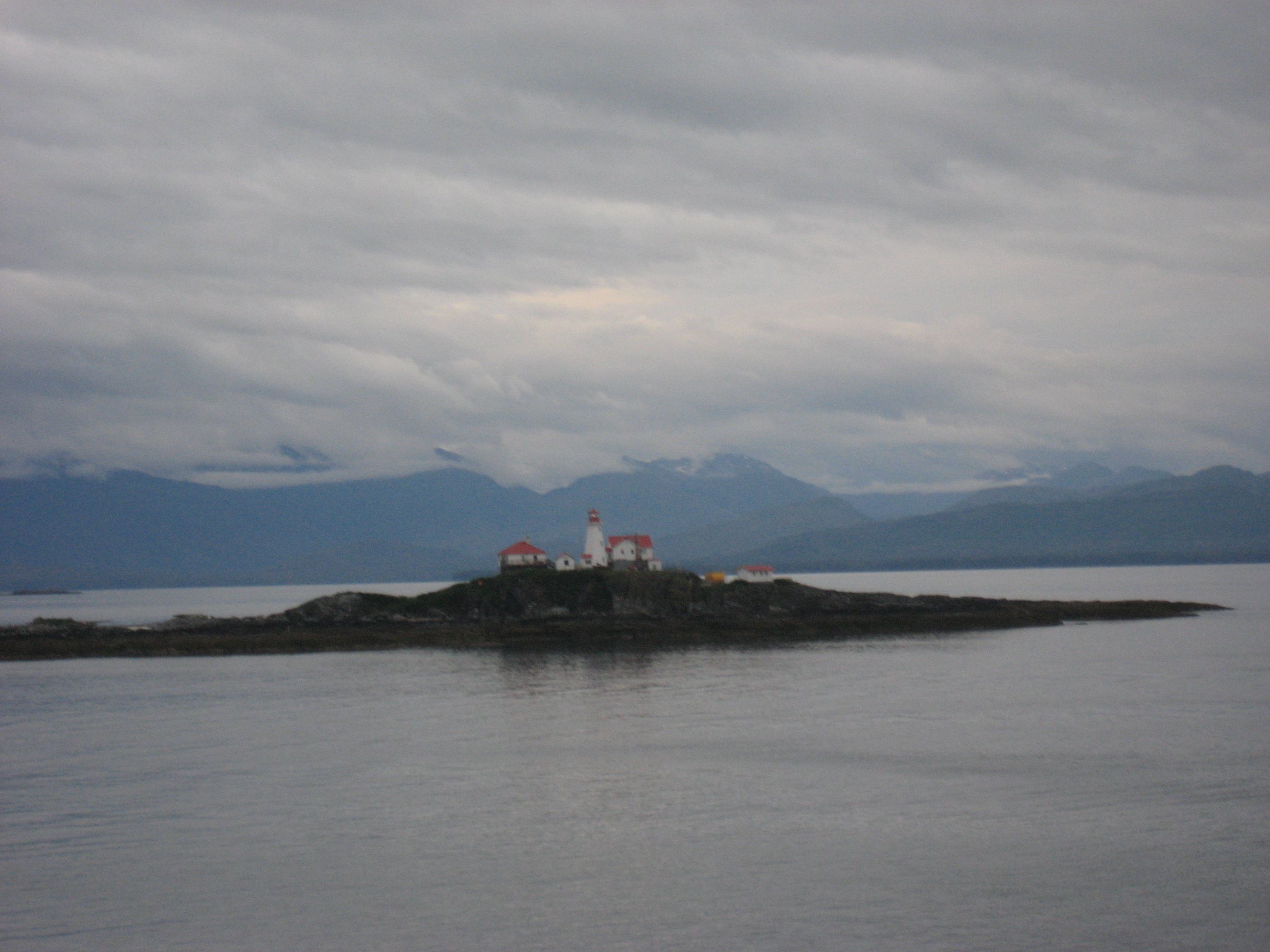
Around 9 AM, we spotted the first signs of California.SAM_3118

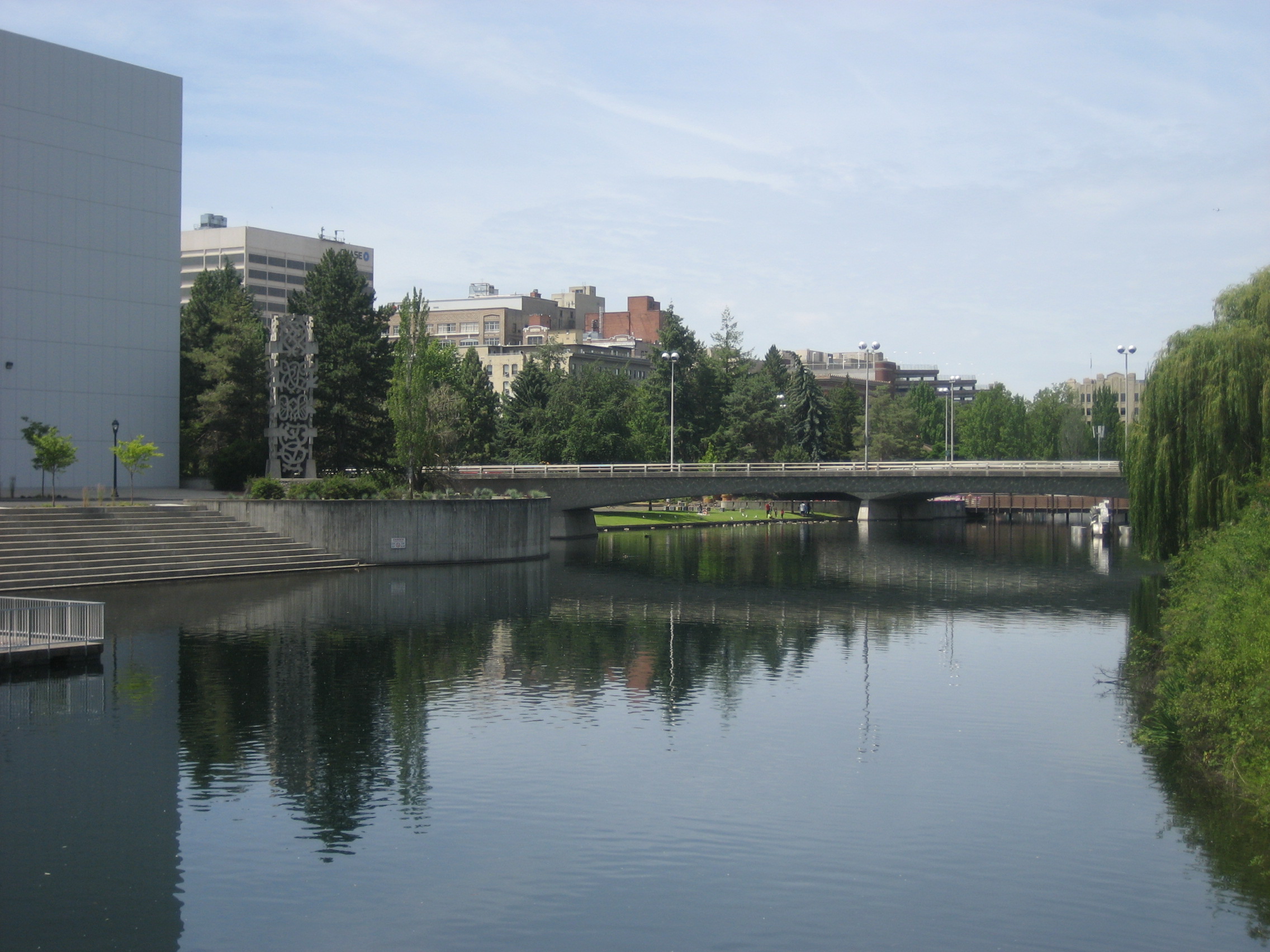
These became steadily more apparent, and before long, San Diego loomed large. Note the boatswains and engineers on the foredeck, in Dress White.
SAM_3126

SAM_3127

SAM_3130

By 11:30, we were at pierside.  Success!

SAM_3132

SAM_3133

Son and I had no need to stick around for everyone else’s hoopla.  So, after thanking  as many of the helpful crew as possible, I gathered my gear, Aram took some of his, and we headed to his apartment on the base’s “Dry Side”.  This refers to the area well away from San Diego Harbor.  Still, there are fine views, from the balcony, of the docks, and of each and every sunset.

SAM_3135

I spent  a day andtwo nights more here, in one of my favourite cities.  Though sticking mainly to the base, and surrounding commercial centers, where “return home” chores could be accomplished by Aram and his housemate, it was a satisfying end to another fulfilling journey.  As I’ve said before, I don’t view these sojourns as vacations, but as spiritual quests.  The sea is as good a place as any, for confronting oneself and pushing forward with personal growth.