
This is a chronicle of a visit to Boston and Cambridge, MA, on August 31, 2011.
In the late 1960’s, a Boston funk-rock group called The Standells did a medley of their hit. It was called “Dirty Water” and has become a staple of Boston rock history. It centers around the Charles River, which runs through Boston, and separates the Hub of the Universe from neighbouring Cambridge. The song alludes to the stench of the Charles River in those days.
A series of mayors in both cities took steps to remove that onus, and today, the Charles is a perfectly enjoyable venue for sculling, and for walking along its banks.
I spent yesterday walking from Harvard Square to the John Hynes Convention Center, just north of Boston’s Chinatown. Much of that walk was along the east and south banks of the Charles.
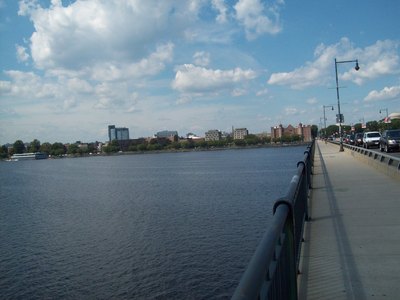
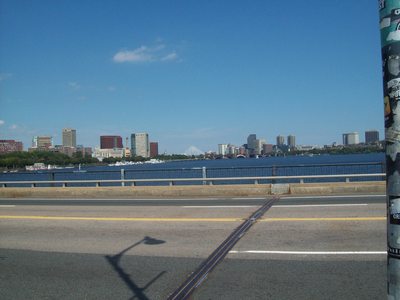
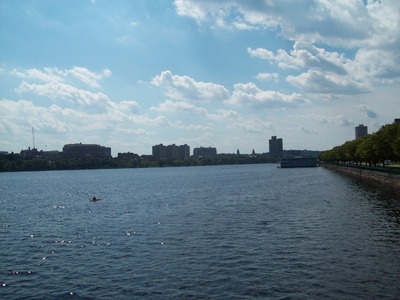
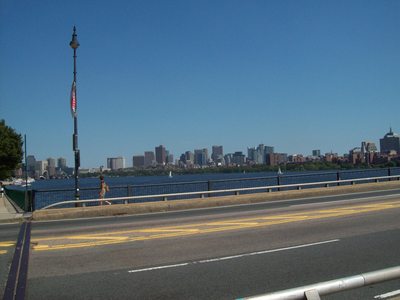
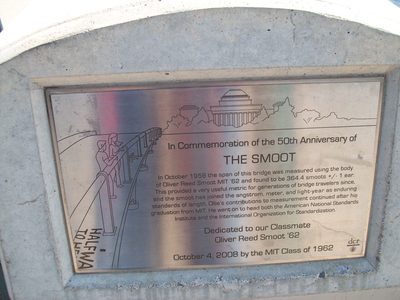
In 1958, an MIT (Massachusetts Institute of Technology) student named Oliver Smoot devised a way to measure the width of the Charles, using his outstretched body as the unit of measure. So, Ollie, the first known planker, lent his surname to the unit of measure. It is agreed that the Charles, at the Harvard Bridge (above, right), measures some 83 smoots in width.
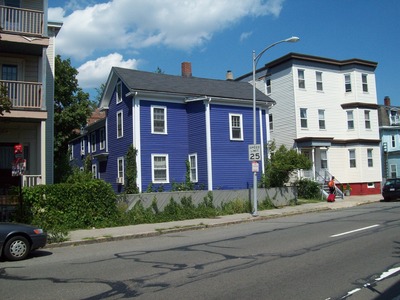
Before crossing the Harvard Bridge, I walked off on a tangent, north to Cambridge’s Central Square. The “town” aspect of Town and Gown Cambridge had not been the subject of my perusal up to now. Every city and town have their story, though, so I walked north, past some intriguing edifices. Question: Would you paint your house in such eye-catching fashion?
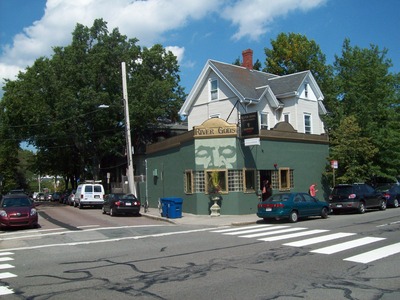
Next up, I spotted a small pub called “River Gods Food and Spirits”.
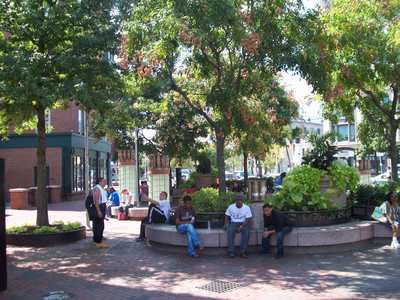
After a half-mile or so, came Central Square, a hearteningly cosmopolitan area. South Asian and Middle Eastern shops and eateries vie with Irish establishments (Asgard is the best known of these) and Caribbean restaurants.
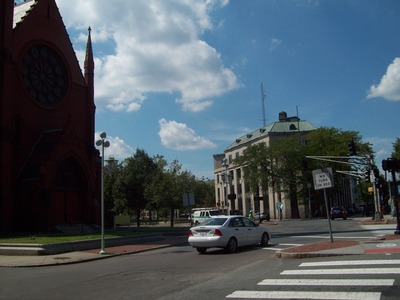
I then walked back along Massachusetts Avenue, and came to Kendall Square, and MIT, a half-mile further.
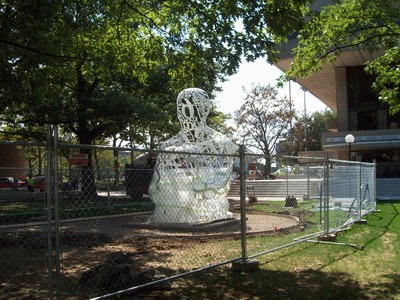
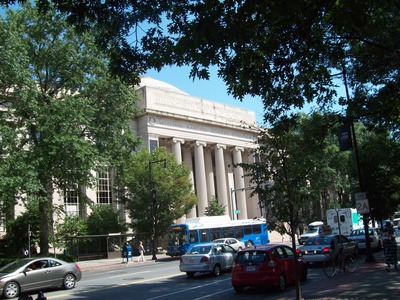
MIT is a perfect counterpoint to Harvard: The future, and technology, balancing the Arts, Letters and Divinity, and tradition.
Yet, everything intertwines. Harvard has its world-class Medical School, and is fully involved with the Sciences. MIT is concerned with climate change, and all the politics that go with that concern. Both Harvard Square and Kendall Square are lively gathering places, with world-class entertainment venues and eateries. In the middle of it all remains workaday Central Square, alive and aware.

 When the Puritans, led by John Winthrop, settled Boston in 1621, they were looking for a place in which to produce iron locally. At first, they tried the hamlet of Braintree, 16 miles south of Boston, but found it meager as a foundry venue. An engineer named John Leader came from England, explored the lands of the Pawtuckets, and found a spot on the Saugus River. He named the place Hammersmith, and began the iron-making operation. Scottish indentured servants were brought in to do the non-farming labour that was loathed by the Puritans. The Scots were a rowdy, but hard-working bunch and made a good effort at producing quality iron. Leader and his Board of Directors were not sound businessmen, however, and the business failed after less than 20 years.


 Here are some close-ups of the forge, the rolling and slitting mill, the blacksmith shop and the river that helped it all happen.

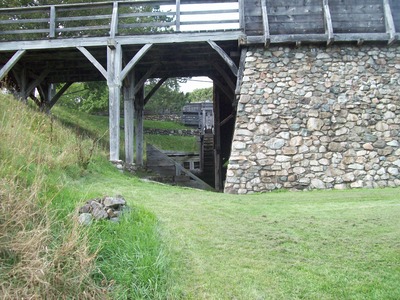


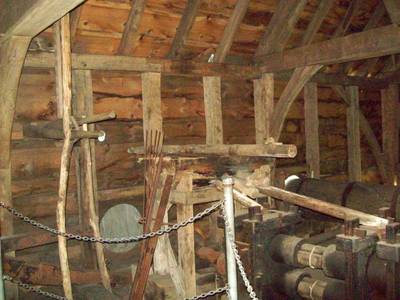

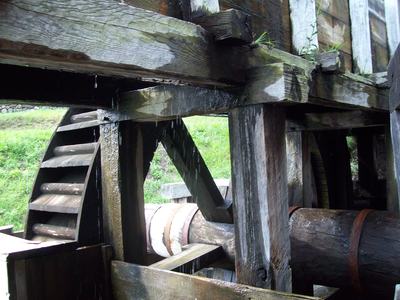
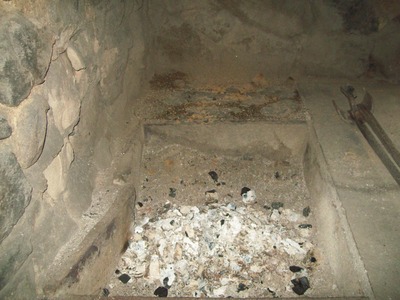

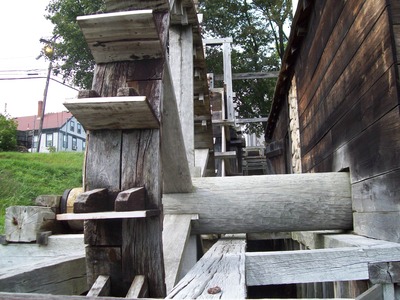


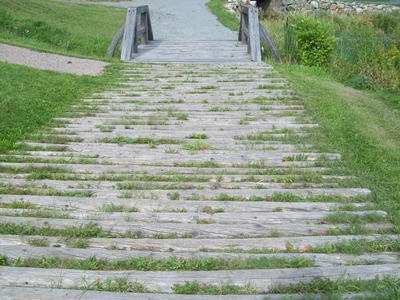


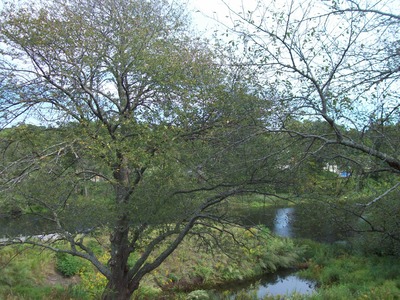 The Scottish iron workers, and their descendants, carried the ironworking tradition to other parts of the country. One such new ironworking locale became Pawtucket, RI, in honor of the ironworkers’ first hosts. Saugus, the name that the Pawtuckets gave to the river, eventually became the name of the town in which the Ironworks is preserved.






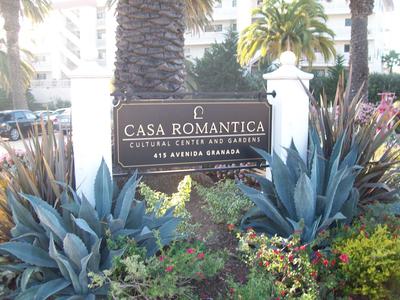
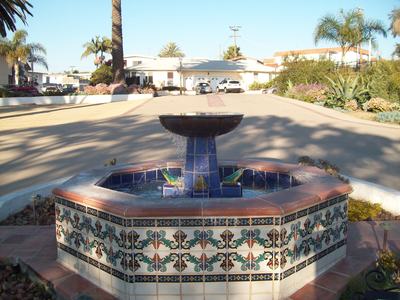
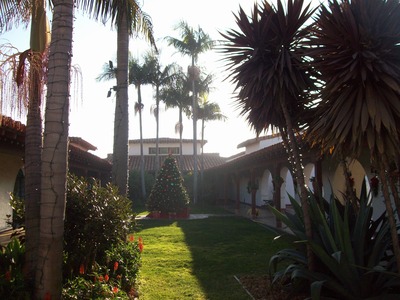


 There you have it. 18 reasons to visit Casa Romantica- each speaking for itself.


