The Road to 65, Mile 121: Getting In Tune

5

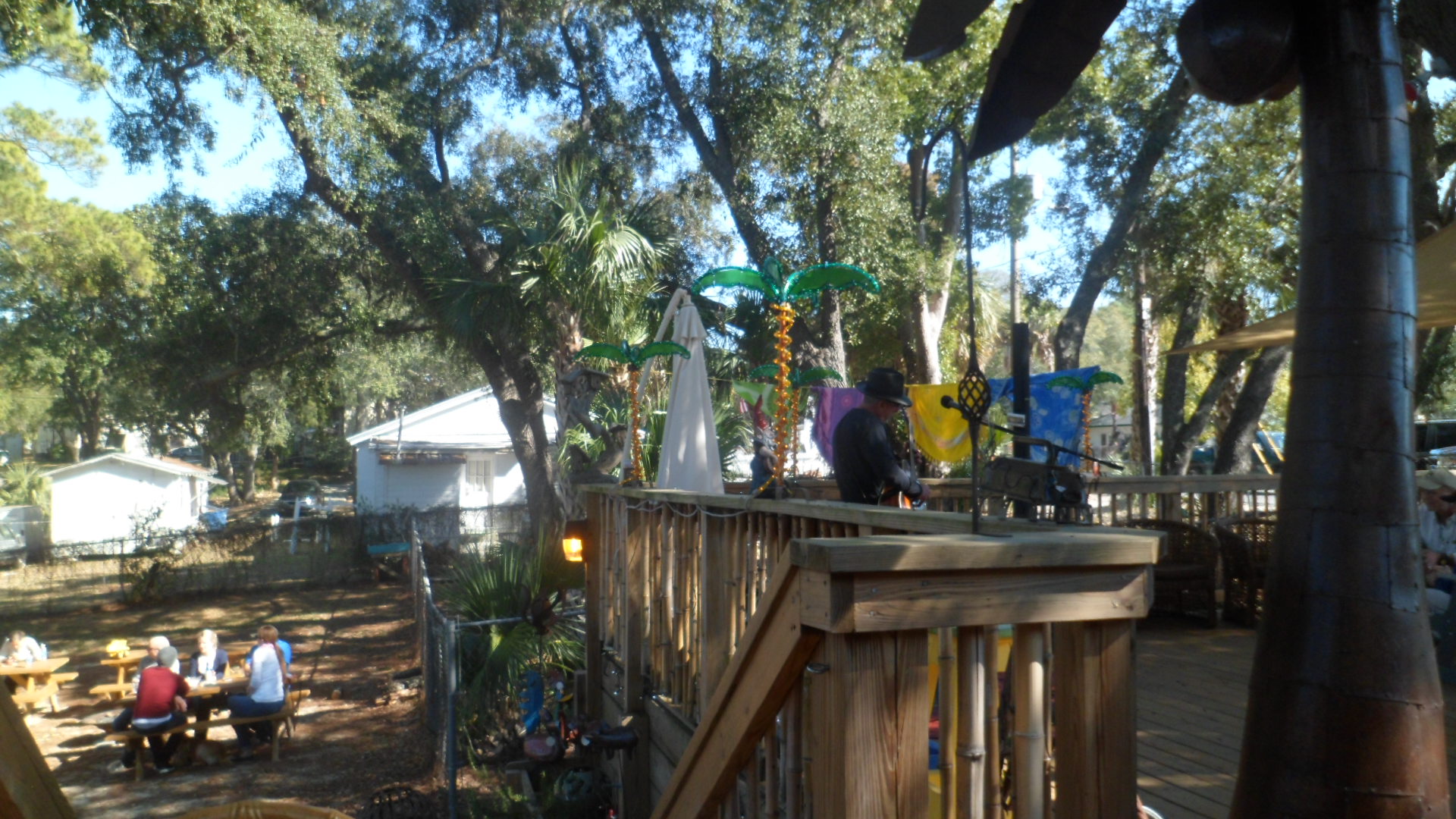
March 29, 2015, Jerome- After a difficult morning, largely due to my dealing with a few internal conflicts, I headed to this mountainside former mining town-turned-tourist mecca.  Jerome, as a whole, and my chosen lunch spot, Haunted Hamburger ( a bar and grill), are not the sorts of places one goes for emotional support.  Those who live here are a tough breed, so the affirmation I got from the wait staff was- “Yep, tough it out” .  I chose that route, anyway, so I found the meal enjoyable and left right after eating, as the place was way full of tourists- another reason the locals tend to be short, in the listening department.

Driving back up Mingus Mountain, I decided to explore the north peak of the mountain a bit.  A four-mile round trip hike along Woodchute Trail was what really restored my equilibrium.

SAM_4665

A restoration project, Powerline Meadow, is found at the beginning of the trail,just east of the road that makes up the first half-mile of the route.  Livestock and vehicular traffic are banned.

SAM_4666

SAM_4668

About a half-mile further, I met a couple and their two children, with an eight-week-old puppy, who had walked with them to the nearby ridge, from which there are exquisite views of Sycamore Canyon, to the northeast.

SAM_4676

SAM_4685

I wonder how much the little dog saw.  Nature seems to like togetherness, at any rate.

SAM_4670

I know what I always enjoy seeing, besides the greenery.

SAM_4683

I also find, when my chemical imbalance gets in my way, as it did once yesterday and a bit this morning, is taking a few drops of a soothing essential oil, and rub it on my neck or forehead.  The return to equilibrium is almost immediate.  It is a blend of frankincense, patchouli, Roman chamomile, sandalwood and lime oils.  I find that, the more severe the zoning-out or disconnect, the faster the blend works to bring me back to where I need to be.  I don’t mind sharing this here, as anyone else who is autistic, or someone who has OCD, panic attacks, or even mild schizophrenia, can benefit from applying this oil blend. As with our other products, there are no side effects and it does not counteract medication.

Now that day is done, I feel like, between “Haunted Hamburger’s” get-with-the-program tough love, my walk in the woods and the doses of this blend, I am ready for a busy and successful week.

The Road to 65, Mile 114: V Bar V

9

March 22, 2015, Montezuma Well-  Today would have been my father’s 88th birthday.  He’s been gone from us for 29 years now, but the wisdom of the man resonates still.  A lot of that wisdom, I am convinced, was passed down through the faded, but still perceptible, knowledge of our Penobscot ancestors.  I am ever drawn to Native American perspectives on matters, perhaps because of this.  Having lived among the Navajo and Hopi people for several years, I have internalized many of these perceptions.  I visited some long-time Baha’i friends this afternoon, in this quiet community, north of Camp Verde and along the tributary of the Verde River that is known as Wet Beaver Creek.  My friends, a Navajo man and his wife who is of European descent, and their elder daughter, greeted me at their home just west of  Montezuma Well National Monument.

 SAM_4612

After a light lunch, three of us went over to V Bar V Ranch Historical Site, which is maintained by the U. S. Forest Service.  Today was the second Archaeology Discovery Day, at this site.  There were several booths, as well as the permanent ruins of the ranch, from the 1880’s and several petroglyphs, which appear to be of the Beaver Creek Style, dating from the 12th and 13th Centuries, A.D., and associated with the people known commonly as Sinagua or, to their Hopi descendants, Hisatsinom.  In this style, animals and people are often depicted together- either as prey/predator or as observed and observer.

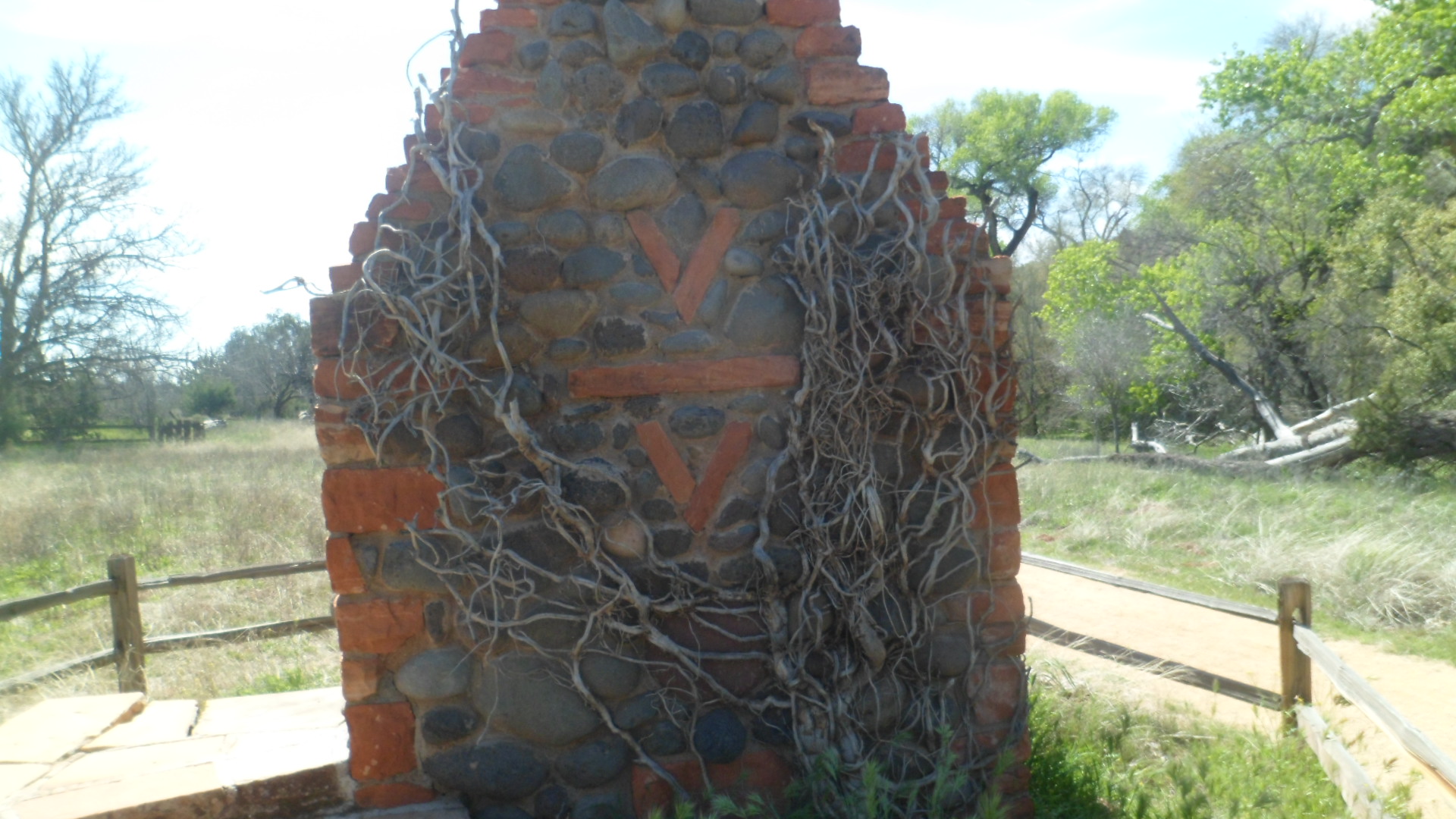
On the way in, we encountered the ruin of a chimney and fireplace, virtually all that is left of the ranch that that once dominated this area.  There is a former ranch house, now used as rangers’ offices, at the north end of the site and next to it, a Visitor Center.

SAM_4617

SAM_4614

We were first pleasantly greeted by a lilac bush.

SAM_4615

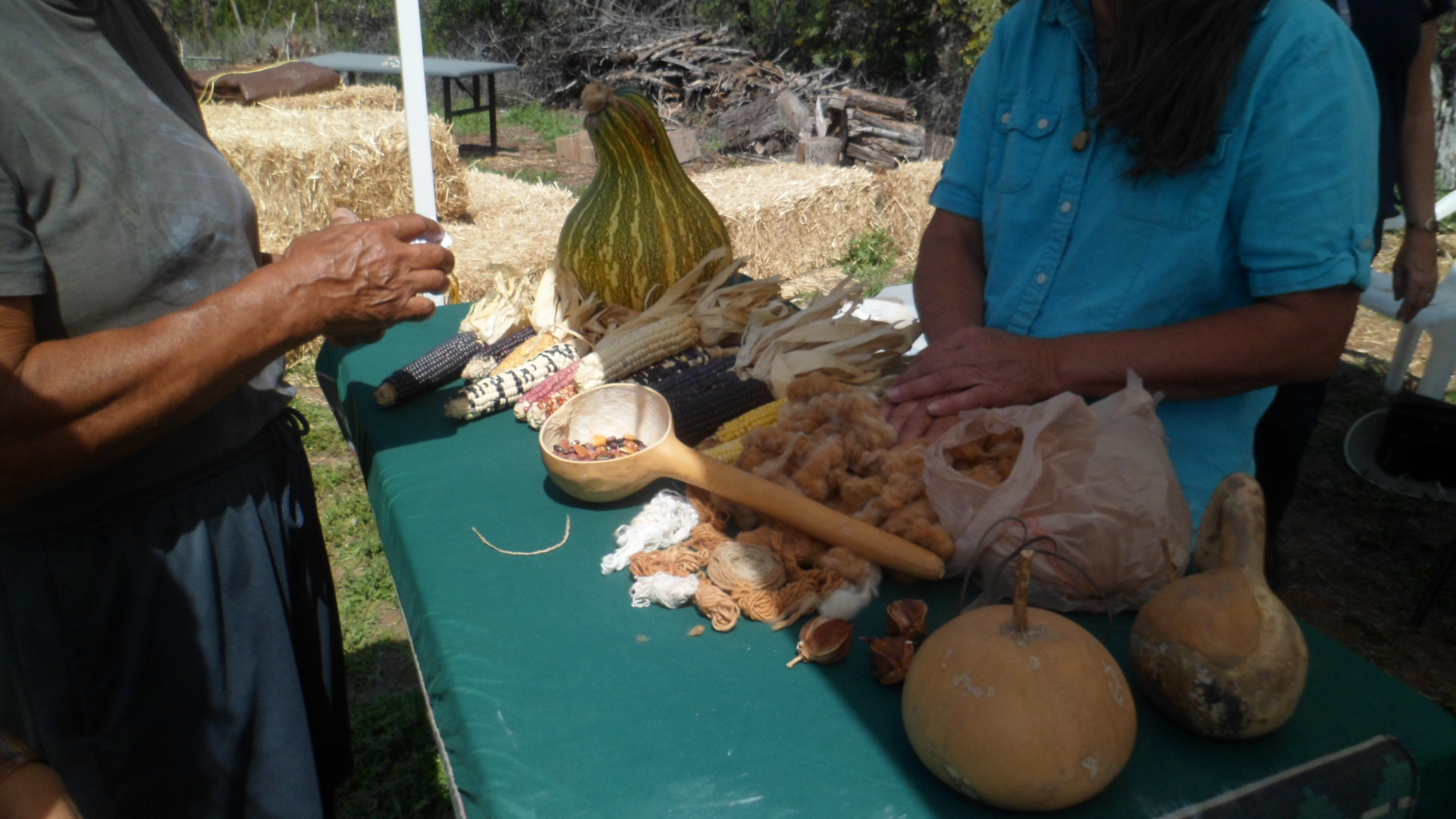
The importance of agriculture, then and now, was highlighted by a table which featured traditional plants and seeds of the area, including white and blue corn, and various beans and squash.  Brown native cotton was also on display.  We were each given several packs of heirloom seeds.SAM_4620

Each sherd of pottery found in the area is kept in a dignified manner.  Each piece is treated as representing the energy of the person who fashioned it, many centuries ago.  It was explained to us that many modern Native American officials a re now more interested in oil and mineral royalties, and the pursuit of corporate wealth, than in maintaining traditional languages and cultures.  The preservation of archaeological sites, then, is, ironically, entrusted to the Federal government.

SAM_4621

The petroglyphs themselves, and the way the sun hit an area near a crack in the rock face, drew the largest crowds..

SAM_4624

SAM_4628

SAM_4630

SAM_4630

SAM_4634

SAM_4636

SAM_4639

SAM_4642

Globemallow were in full bloom.SAM_4646

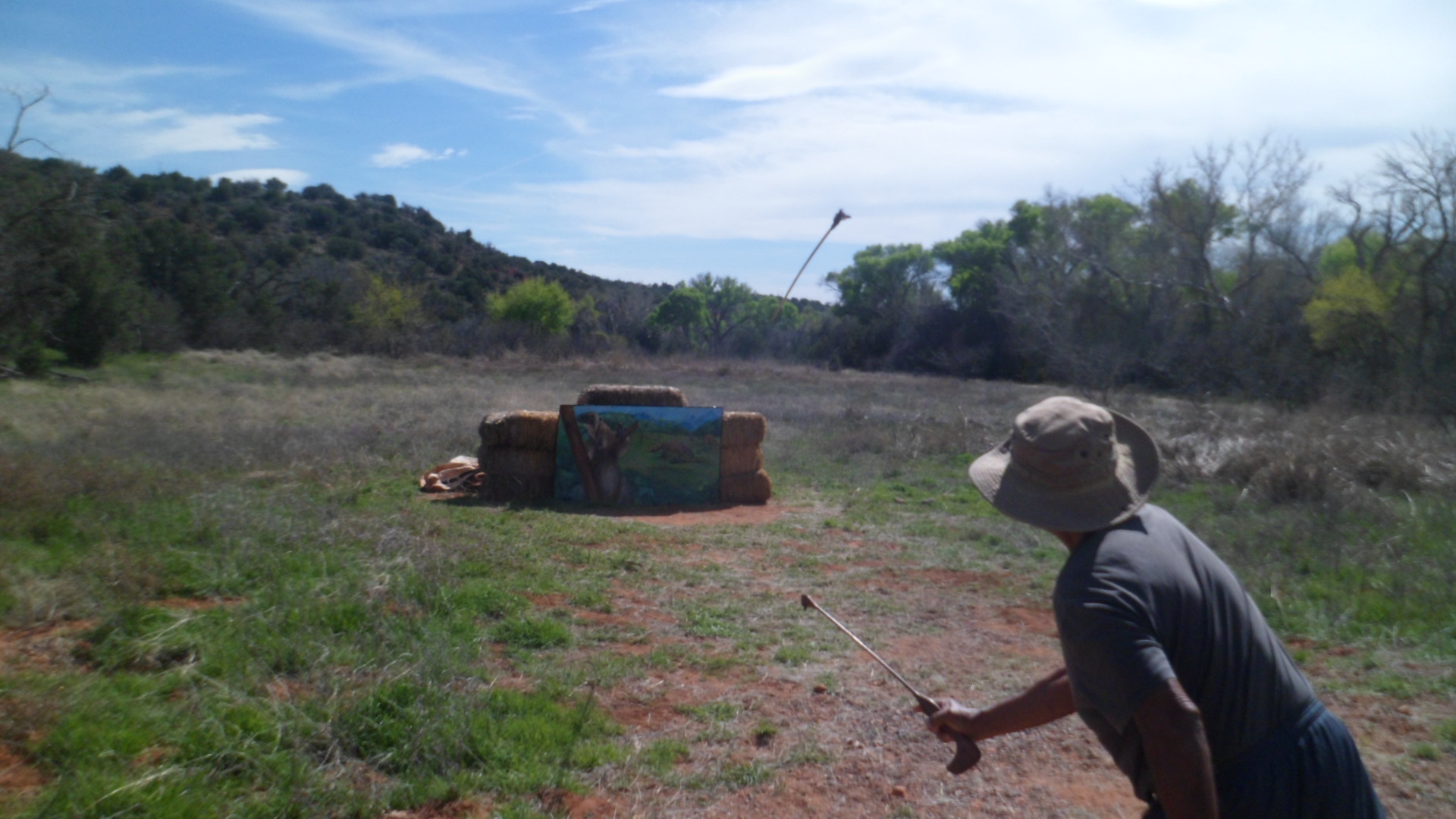
There was a spear throwing contest, using an atlatl.  None of us were immediately adept at it.  I would need several hours of practice, in order to properly use the instrument.SAM_4648

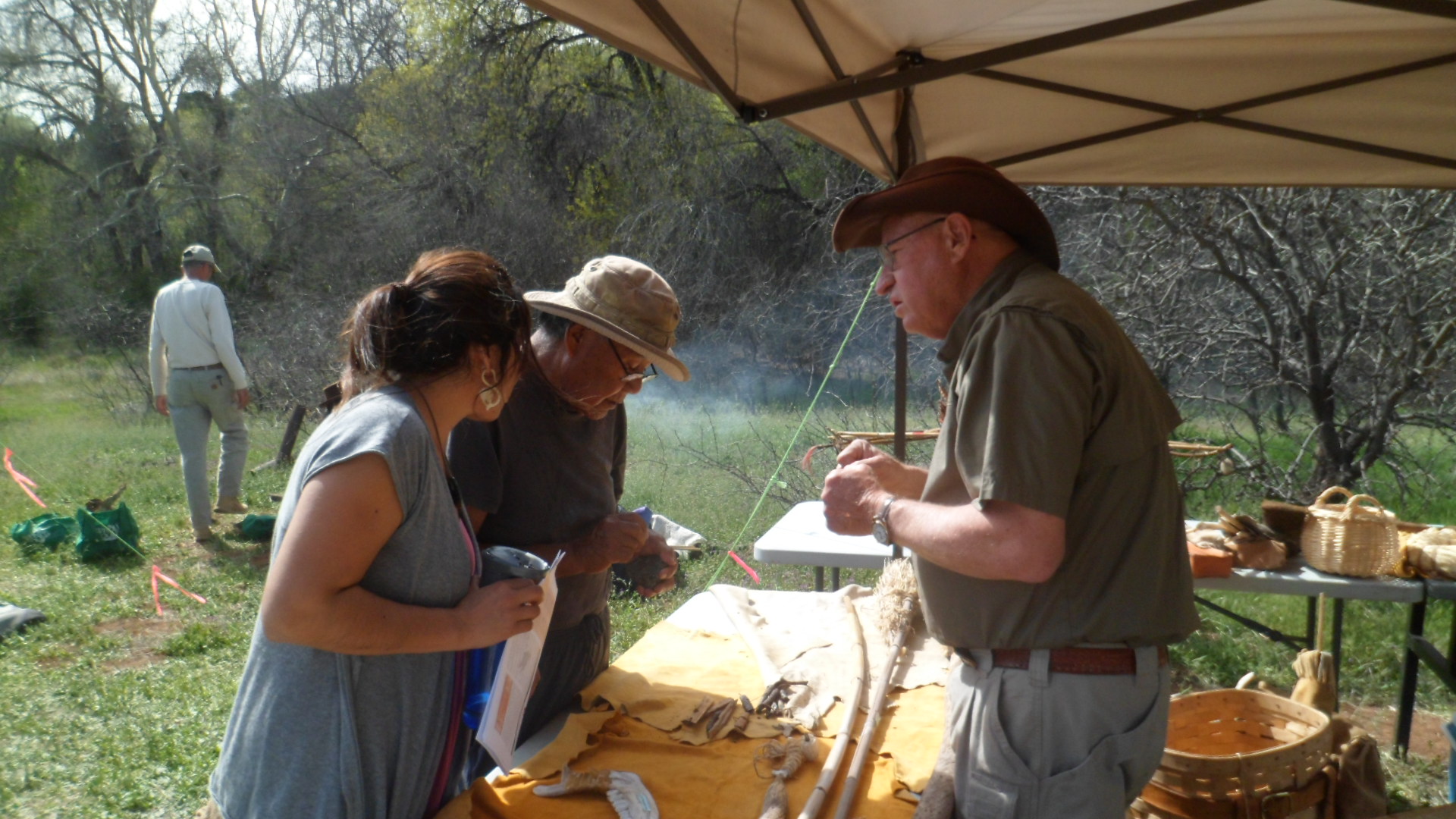
Many other wilderness survival tools were on display, including several fishing implements and hunting snares and traps.SAM_4652

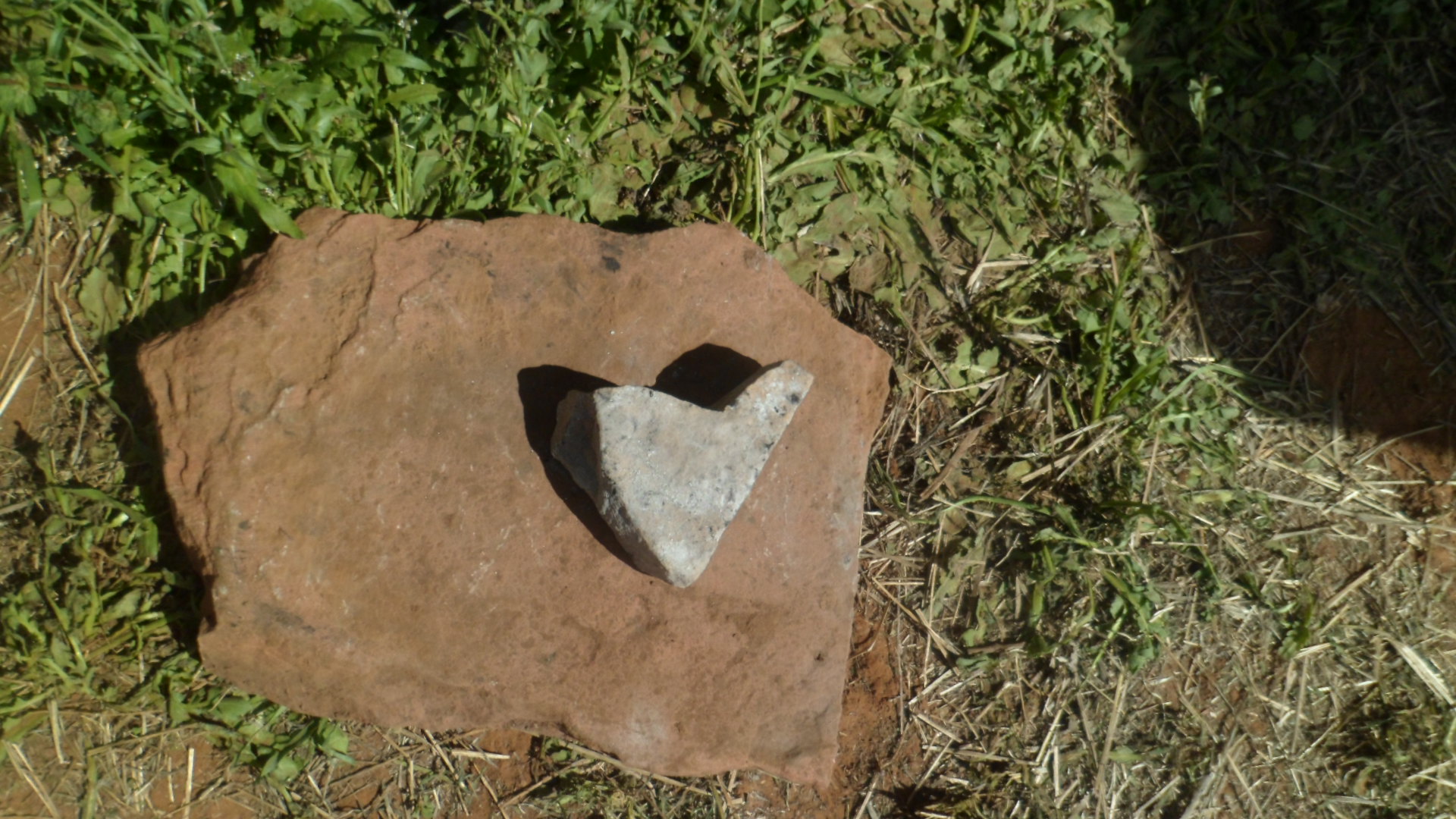
As ever, my outing got an affirmation from the spirit realm.  There were several heart-shaped rocks along the trail.

SAM_4650

I was well-impressed by the site and the various displays, which offered a wealth of explanations to young and old alike. This was a fine way to offer an homage to my father.

site, which is now used as a ranger station, by the Forest Service.

The Road to 65, Mile 112: Spring Affirmations and Goals

4

March 20, 2015,, Goodyear, AZ-  So, as I headed down to this western suburb of Phoenix, for a reunion with old friends, on the occasion of our Nineteen-Day Fast’s conclusion, the March Equinox brought Spring to the North and Autumn to the South.  The evening was mostly convivial, and I got to know someone, who had once been off-putting, a bit better.

The occasion of Naw-Ruz, the ancient Persian celebration of the Vernal Equinox as New Year, has been adopted by the Baha’i Faith as our New Year.  More about this, in my next post.

I used today as a time to formulate short-term affirmations and goals, for the season of Spring itself.  These are in the categories of personal, community and extended community.

Personal- I will adhere to waking at 5:30 AM, each day.

I have eliminated sources of frivolity from my daily routine.

I will continue the regimen of daily health checks, morning devotions and exercise.

I will add evening devotions to that daily regimen. (This being one activity that lacked consistency in my life).

I will walk at least a half-hour after dinner, wherever I happen to be, every evening.

Hikes will continue to be a regular part of my weekly regimen.

I will continue with random, and intentional, acts of kindness, each day, wherever I happen to be.

Community- I will remain actively involved with my Baha’i community, with the Red Cross, with Angels of Prescott, and with Slow-Food Prescott.

I will serve out the remaining months of my term with the American Legion Post, though continuing as its Chaplain is a matter on which I am undecided, at this point.

Extended community-  I will continue to expand on the size of this.

I will visit with friends both locally and farther afield.

I will offer daily  messages and acts of support to those in my world.

I will continue to share and educate people, regarding  Essential Oils.

I will make a journey, in late May and the month of June, to the Pacific Northwest and  to Southeast Alaska.

Knowing these affirmations and goals will resonate with some, and viewed askance by others, I will honour them anyway.

The Road to 65, Mile 107: E-Motion

5

March 15, 2015, Prescott-  I found myself in three friendly environments today.  I spent an hour or so with a kindred soul, catching up  with her considerable efforts at staying solvent.  She has done far better, historically, than I have, in terms of financial management.  I’m far better in that regard than I once was, yet I find her ability amazing.  She gave me a link to a film,

articles.mercola.com
More about this, in a bit.
I went to pay my respects, in mid-afternoon, to the members of our American Legion Post who had passed on, since last March.  Each year, we have a Post Everlasting ceremony.  “Post Everlasting” is the Legion’s name for eternity.
After this brief, but heartfelt, ceremony, I got in some fresh air and exercise, at Granite Basin Lake, a reservoir at the foot of Granite Mountain, northwest of Prescott.  Here are some photos of the wilderness that is emerging from winter.
SAM_4588

SAM_4590

SAM_4591

SAM_4594

Not all parts of the forest made it through winter unscathed.

SAM_4595

The granite endures, though.

SAM_4598

In spite of the purveyors of doom, water is a bit more plentiful this year.SAM_4599

As always, there is at least one heart to greet me.

SAM_4600

The stuffed rock wall reminded me of the one in Marfa, TX.

SAM_4602

A small waterfall spilled over the barrier.

SAM_4604

Further up the road, a glorious sunset awaited.

SAM_4610

This was not just any outing, but a chance to get a shut-in out to the lake he loves so much.  That’s always time well-spent.

Back to E-Motion. I watched the film, this evening.  It has presented me with several confirmations of what I have known for some time.  It also corroborates the observations of Dr. MonaLisa Schulze, in “Awakening Intuition”, that our emotions remain stored in various parts of our bodies.  Replacing negative stuffed emotions with positive is an essential component of reversing a negative mindset/lifestyle.  I have offered the link here, so that anyone wanting to get a handle on migraines, lack of sleep, stomach aches, and even many forms of cancer, may commence the healing process.  There is also a cute love story at the end.

The Road to 65, Mile 103: Glo’s Asteroids

6

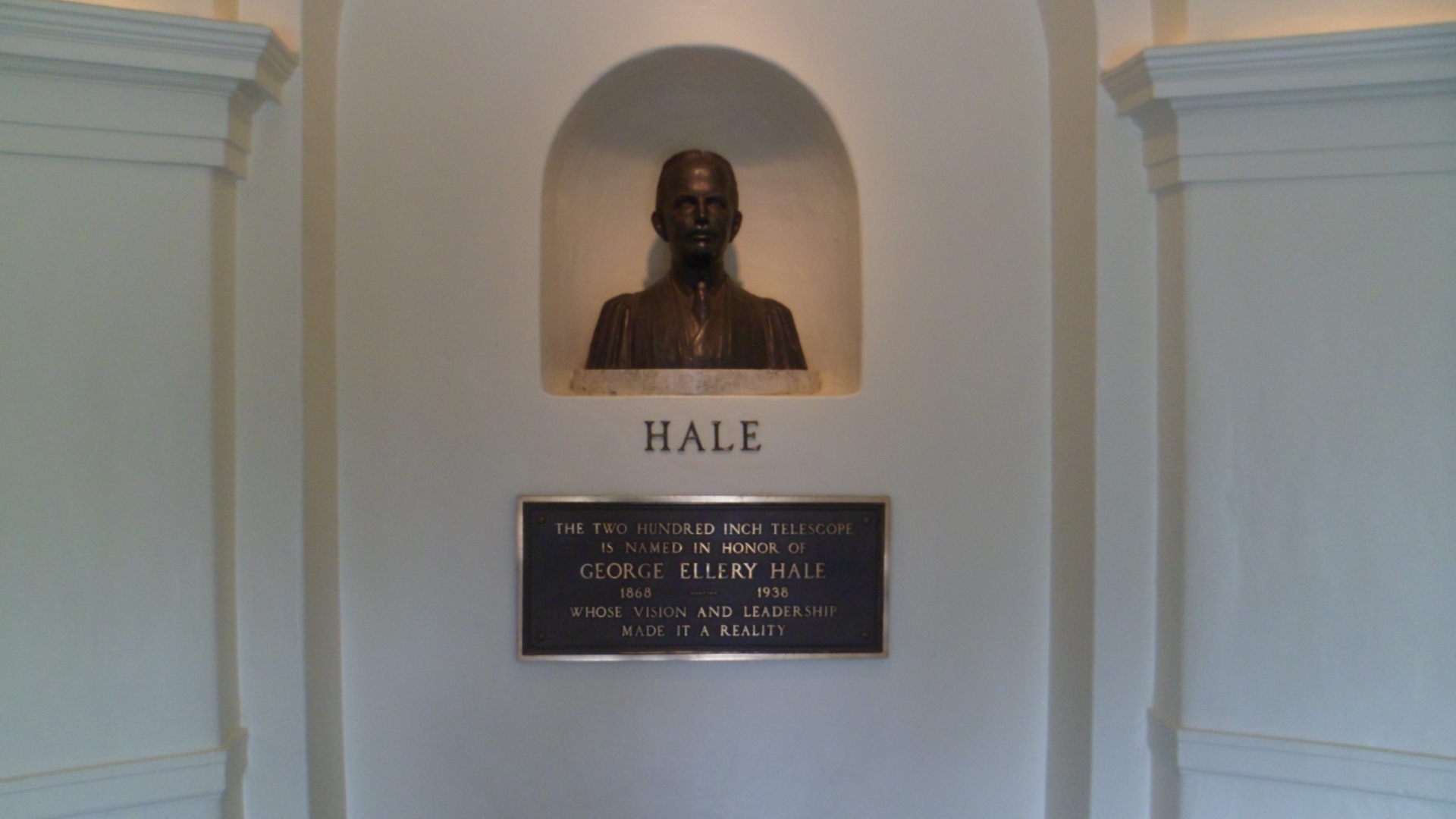
March 11, 2015, Palm Desert-  After a restful night under the stars at Oak Grove Campground, near Aguanga, CA, I made the drive back up to Palomar Mountain, and the Caltech Observatory.  The story of this first great West Coast astronomical site is the story of George Hale, its first chief astronomer;

SAM_4567 of Kurt Zwicky and Maarten Schmidt, who developed telescopes and focused on far-flung galaxies;

SAM_4563 and of Eleanor Helin.

SAM_4560

“Glo”, as she was endearingly called by her co-workers at Palomar, had an intense focus on asteroids.  Her Near-Earth Asteroid Tracking project resulted in the discovery of 872 asteroids, including # 3267, which was named Glo, in her honour.  Because of her work, which ended only with her passing in 2009, NASA has summoned enough interest within its ranks to have sent probes to the Kuyper Belt, and has found such orbs as an asteroid with its own moon, a find which surely must delight “Glo”, in the Spirit Realm.  She deserves to be in the ranks of all those women who inspire girls to pursue their dreams, regardless of the heights those dreams seek to reach.

I spent about ninety minutes walking and reading in the Observatory Museum (Here is the original 1930 telescope, made by Bernhardt Schmidt).SAM_4561 and the Gallery, on the first two floors of the Observatory itself, then took in the surroundings.

SAM_4557

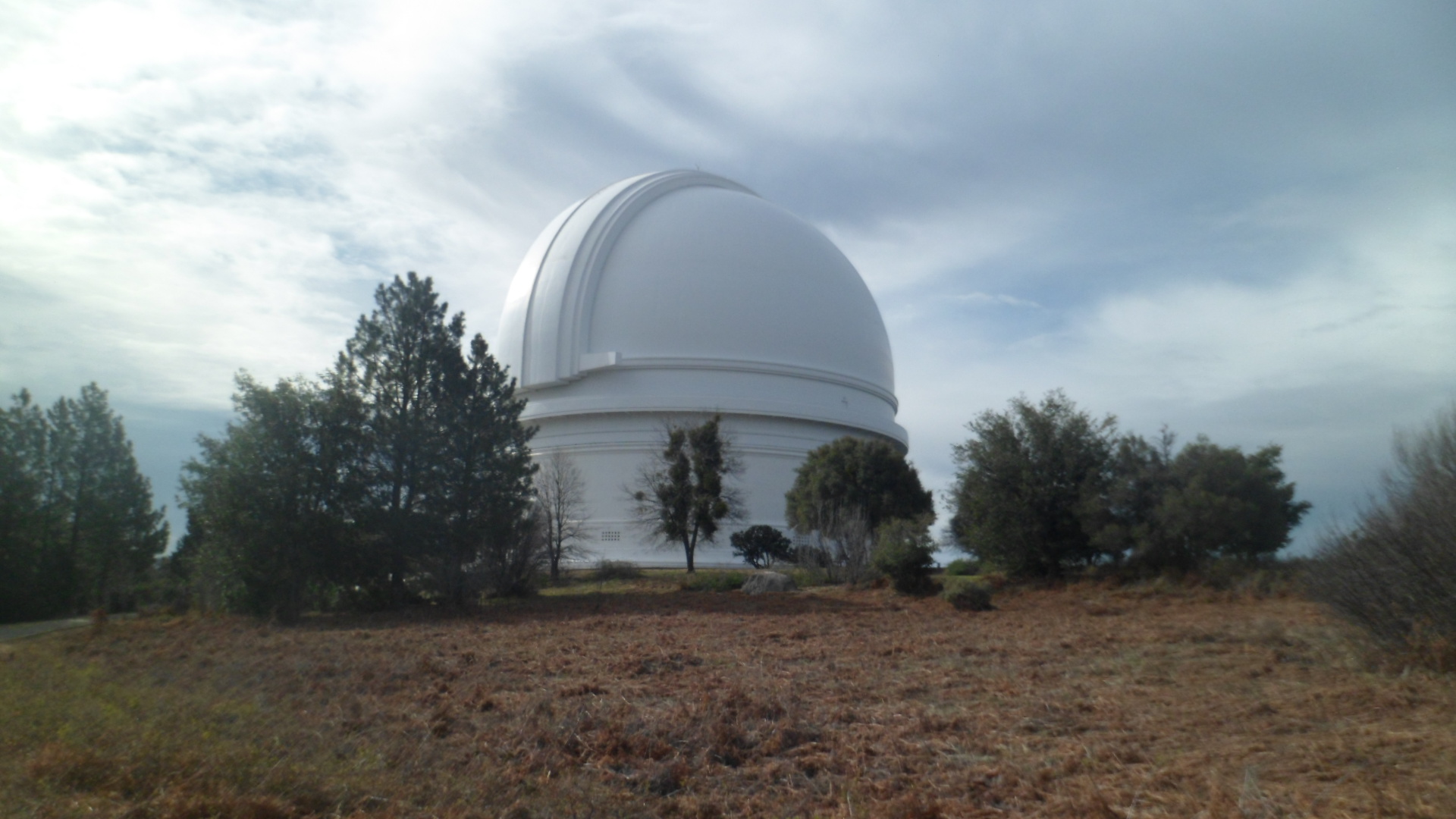
Here is the Hale Telescope’s home.SAM_4565

This small telescope, off-limits to the public, is ancillary to the Hale Telescope’s work.

SAM_4572

I spent a few minutes afterward,  checking out the base of a California Live Oak, and observing woodpeckers at their craft, in the picnic area.

SAM_4574

SAM_4576

On the way down the mountain, there is a memorial to a firefighter from Picuris, NM, who was one of those killed in the 1999  La Jolla Fire, so-named for its devastation of the nearby La Jolla Reservation, of the Luiseno people.

SAM_4554

An overlook near the memorial shows the outline of the Laguna and Cuyamaca Mountains, which comprise San Diego’s highest peaks.SAM_4577

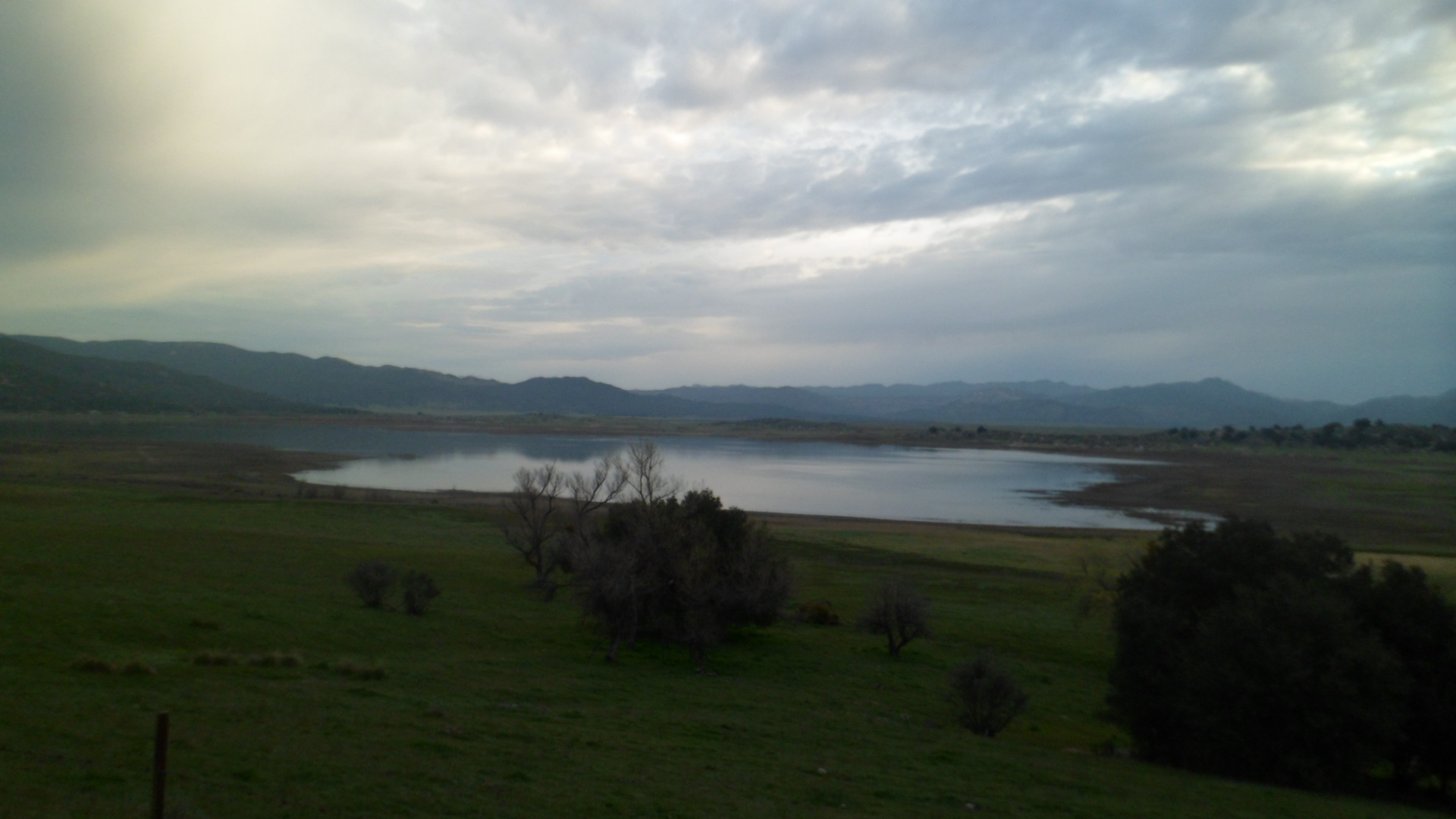
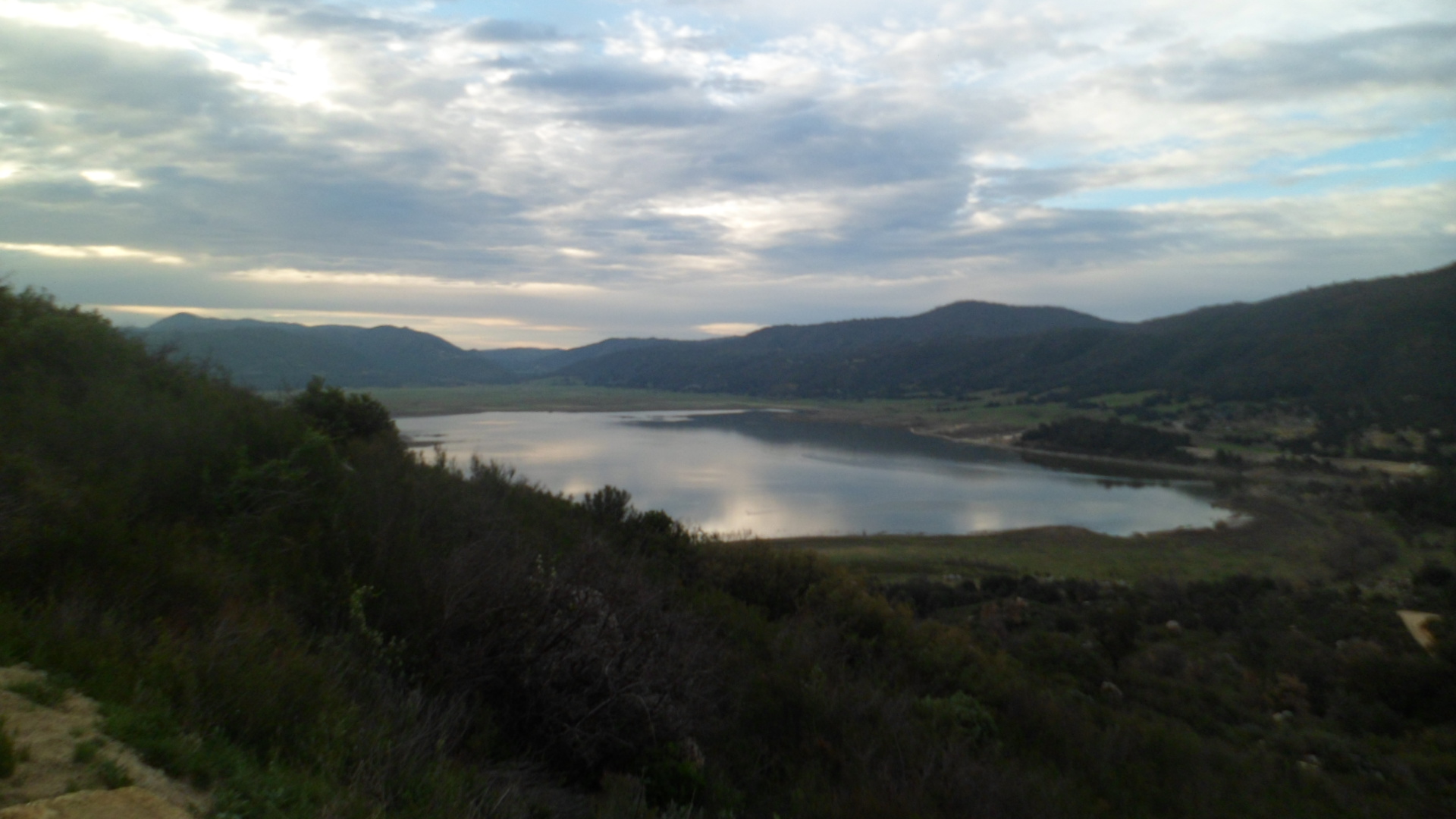
Near the area leading east to the Colorado Desert, lies Lake Henshaw, a reservoir behind an earthen dam, that draws birds and sportsmen alike.

SAM_4548

SAM_4550

SAM_4553

The desert emerged, about an hour or so later, after I navigated a seven-mile series of switchbacks, through the San Jacinto Wilderness.

SAM_4579

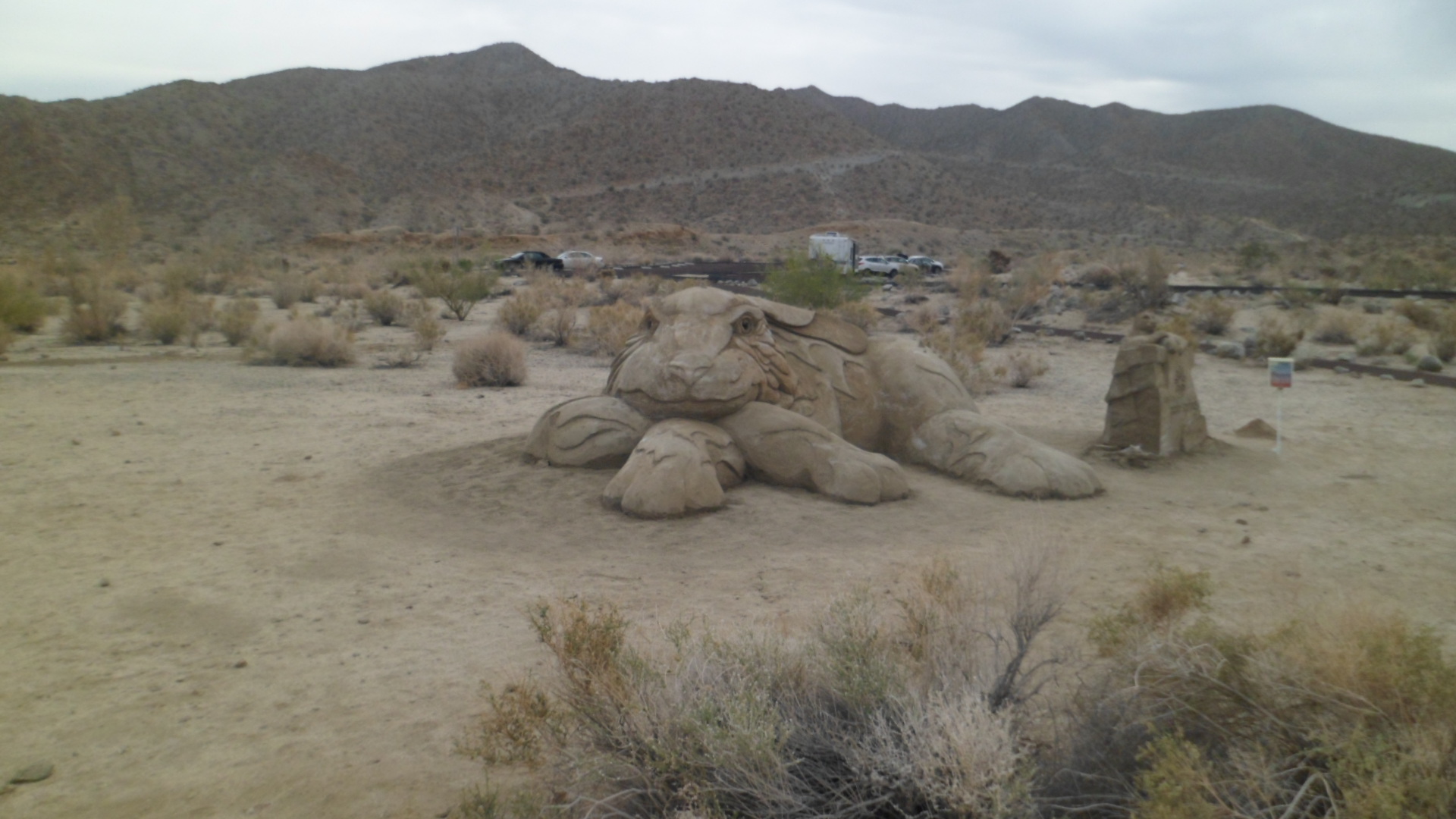
At the San Jacinto Visitor Center, I was greeted by a pleasant-looking jackrabbit.

SAM_4581

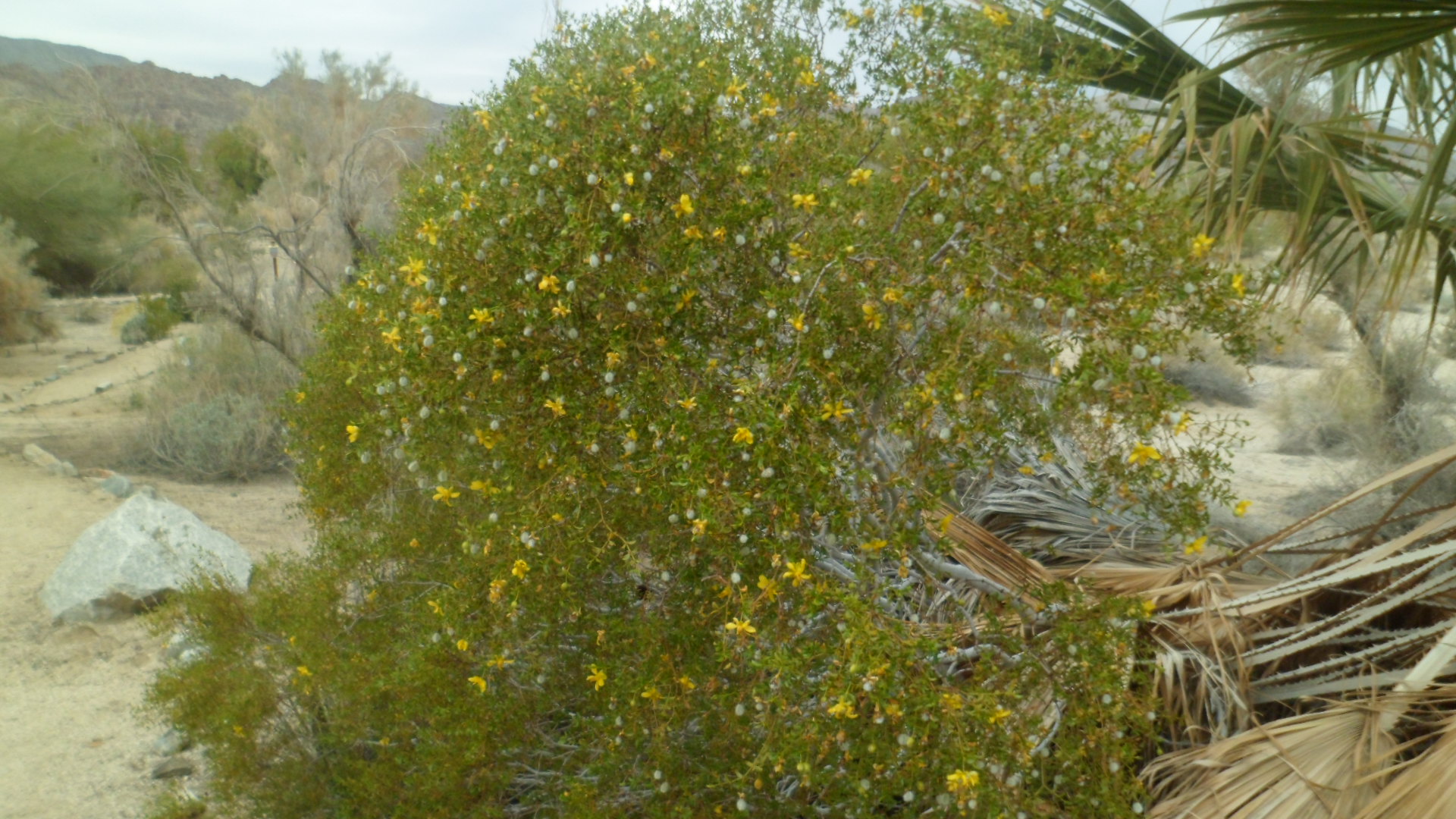
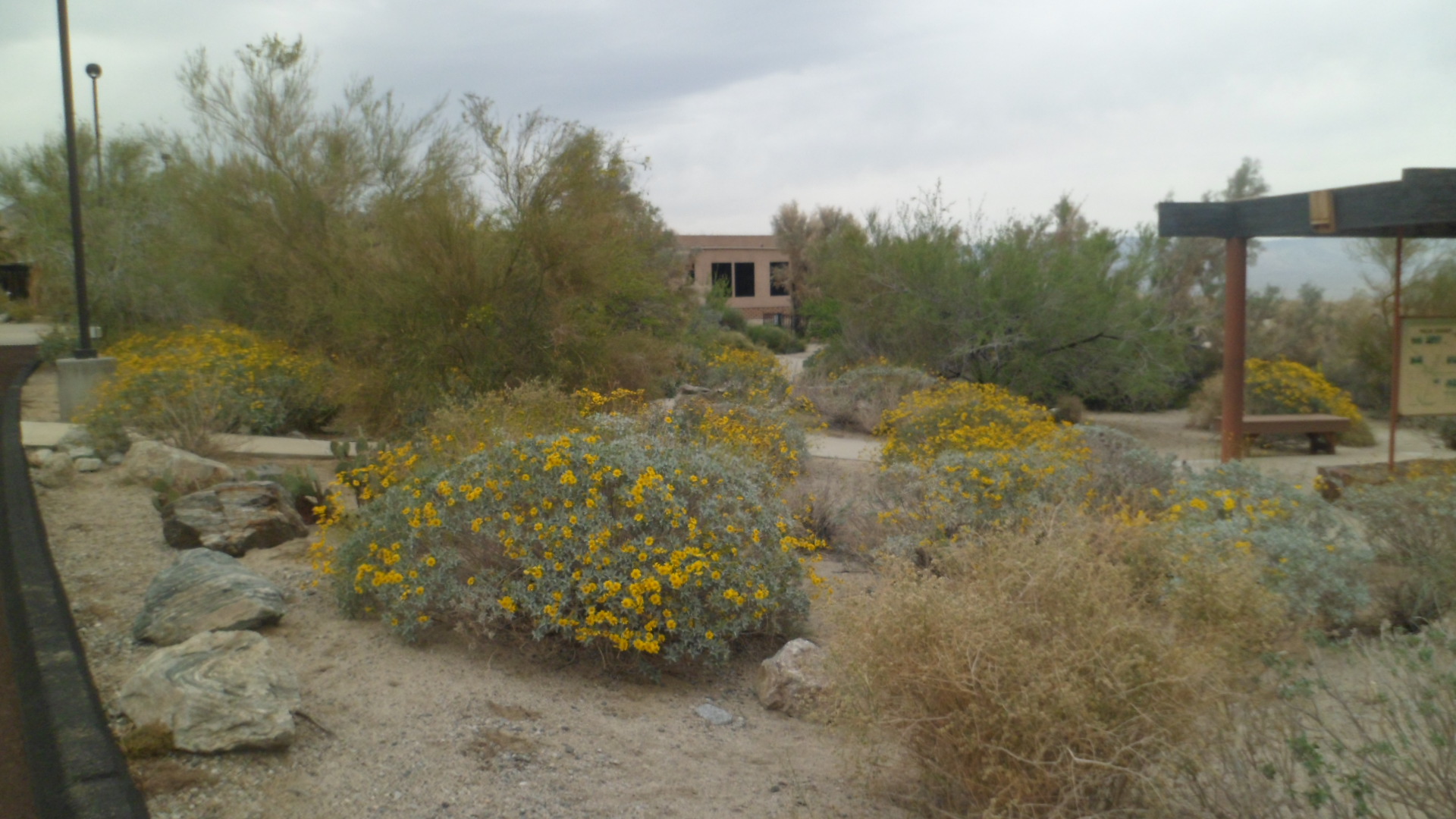
Creosote and primrose are blossoming.

SAM_4587

SAM_4582

The smoke trees, though, do not.

SAM_4584

With the Visitor Center closed, due to illness, I headed the rest of the way back to Prescott- and 2 1/2 months or so of working to replenish my resources.

The Road to 65, Mile 102: Three Beaches

6

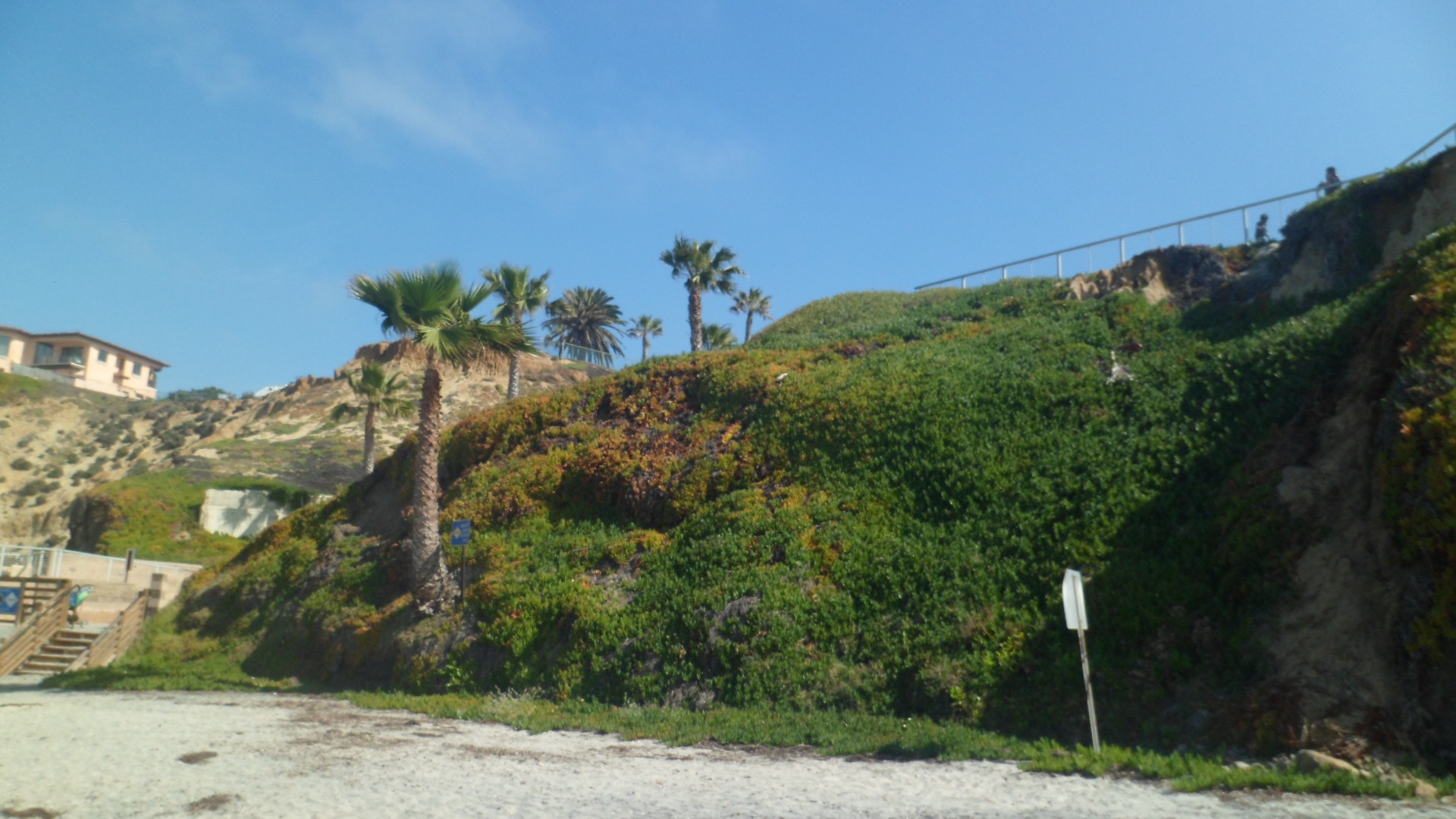
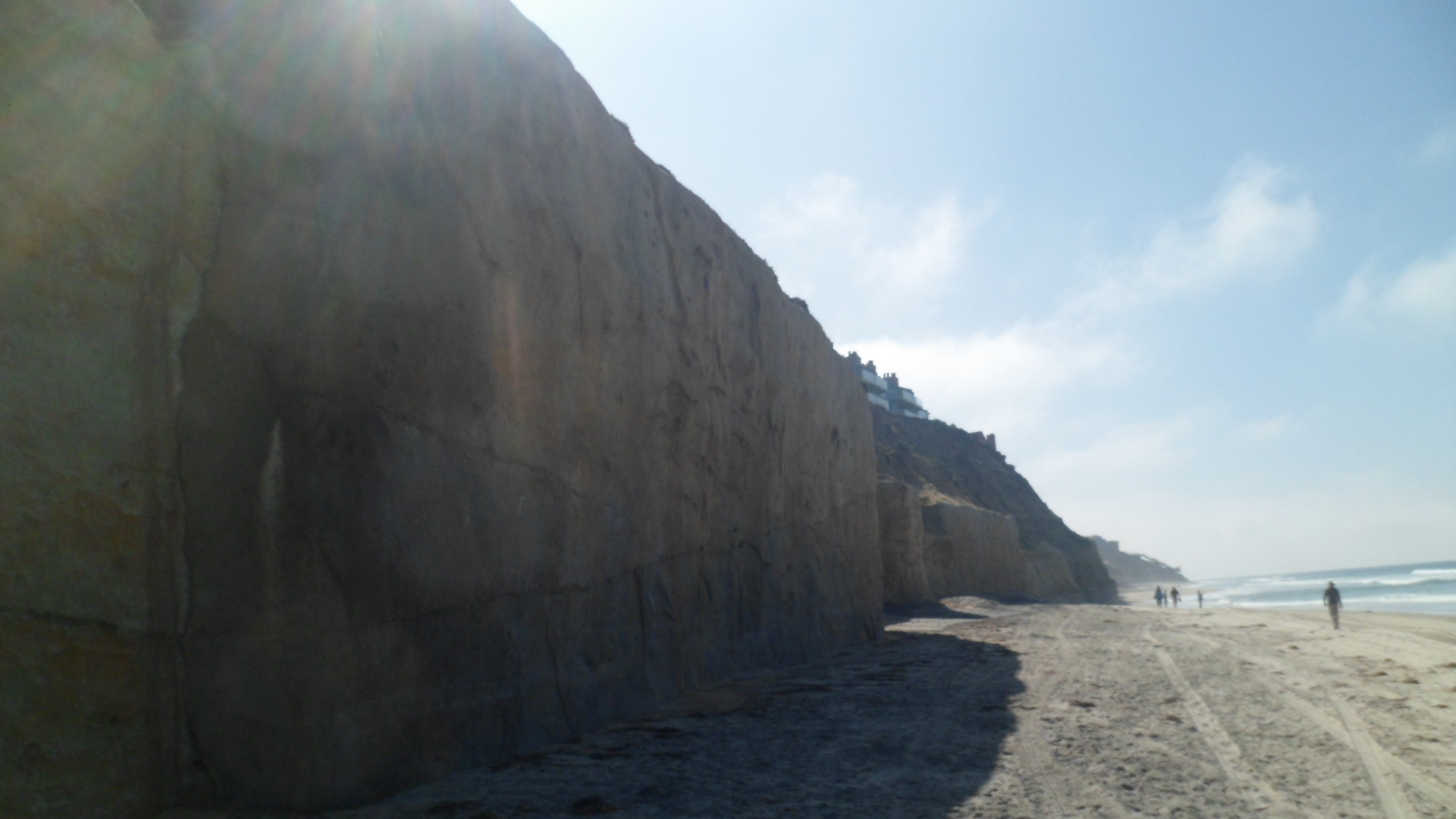
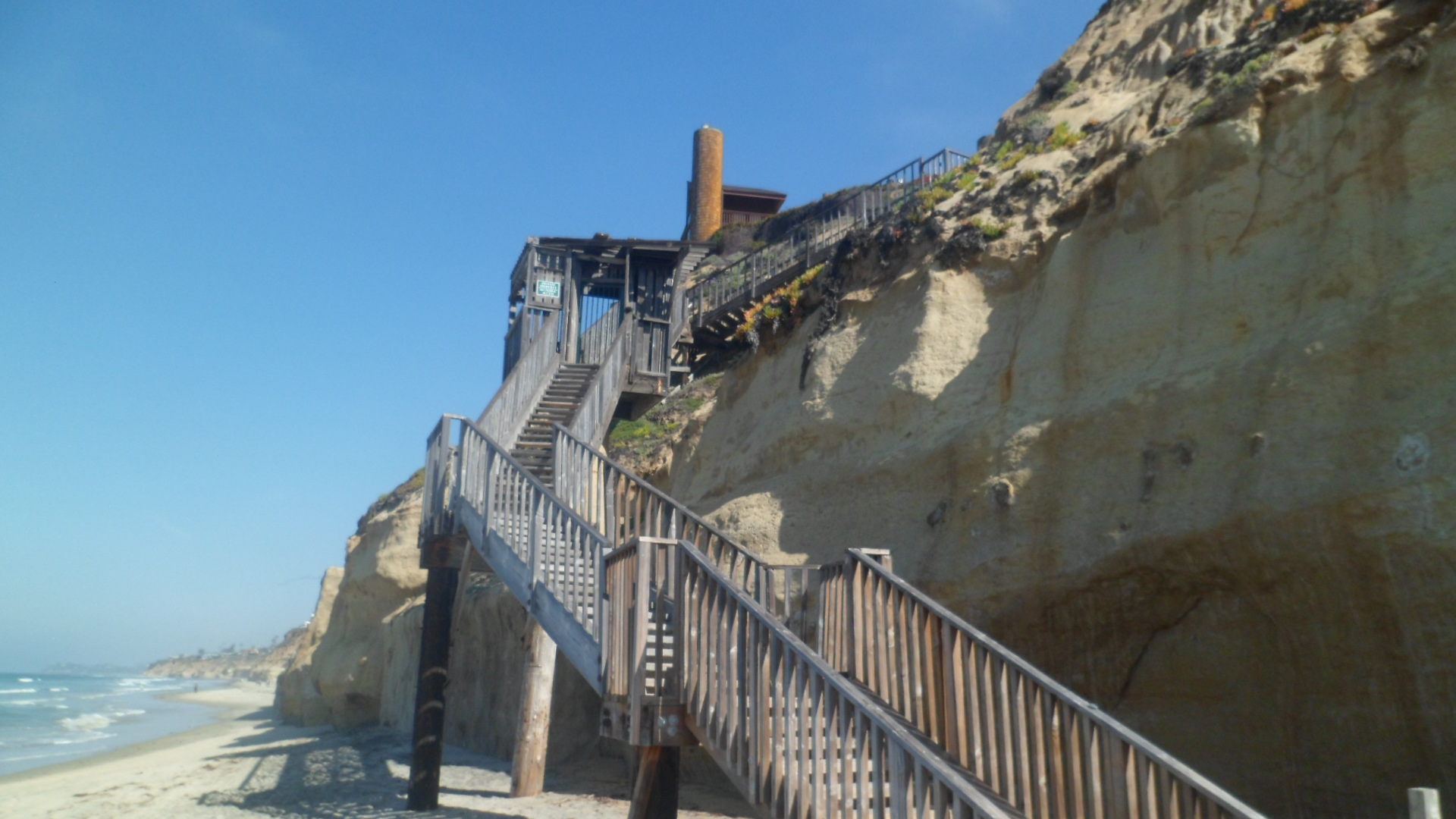
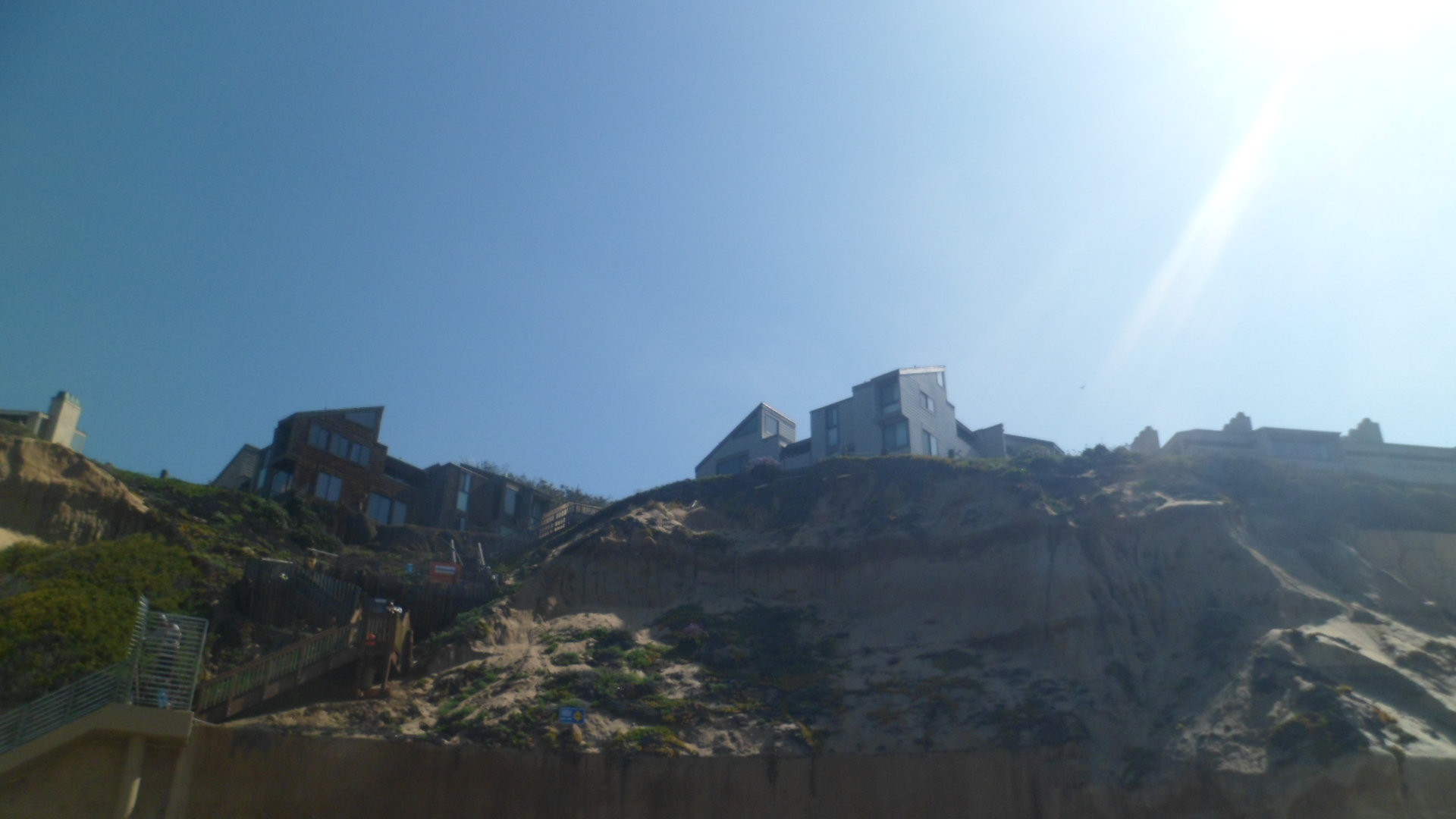
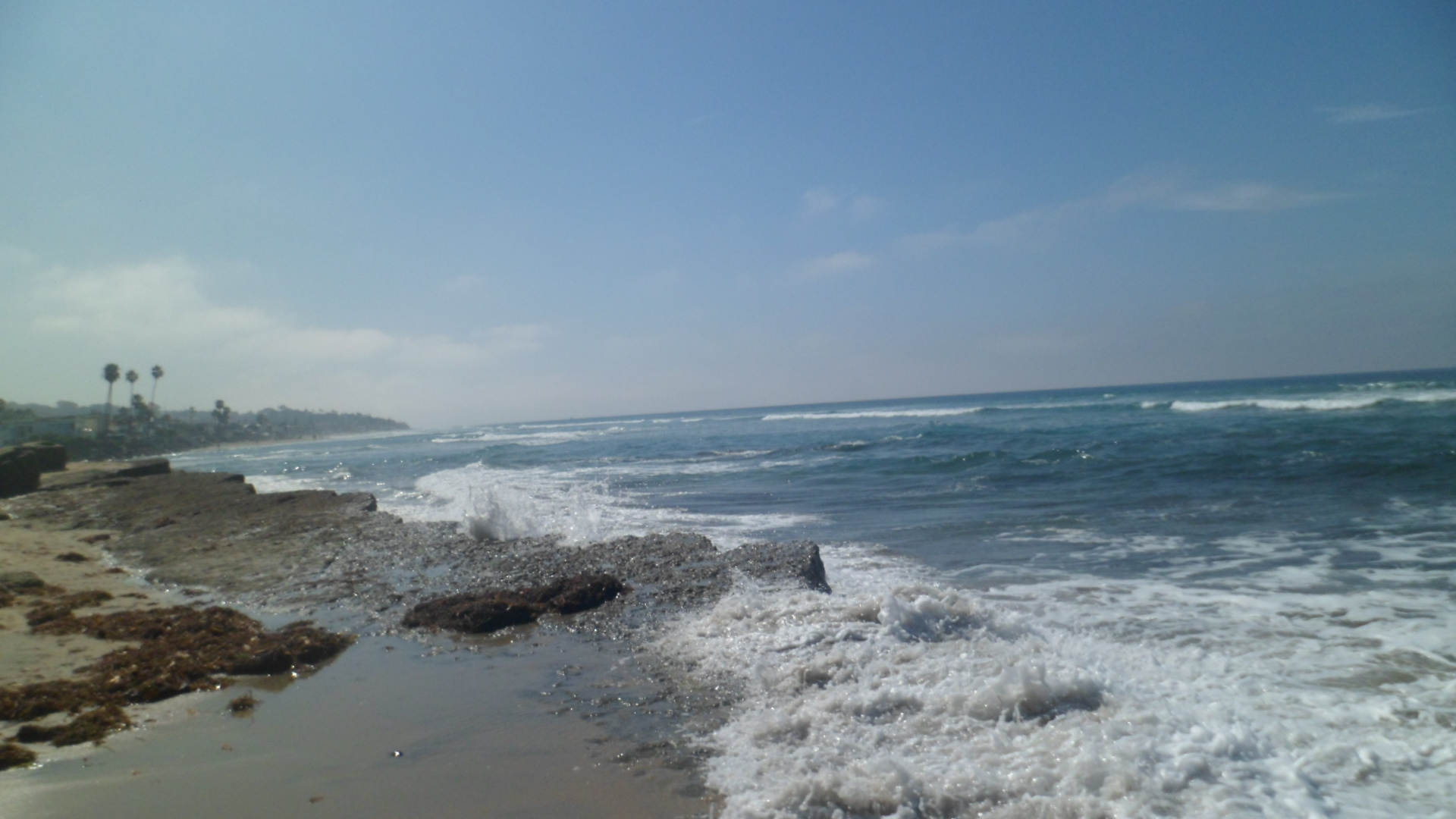
March 10, 2015, Dana Point- I began the day innocently enough, letting myself out of the apartment of two young men, who were already at work, making two trips from hallway to car.  My first stop of the day:  Fletcher Cove, at Solana Beach, one of the few Southern California beach towns I had never seen up close.  Fletcher Cove Park was busy with several parents and children, as San Diego County has Spring Break this week, as does Arizona.

SAM_4490

I chose to investigate the south strand of Solana’s public beach area, part of the one-mile stretch donated by the town’s developer, as well as the “Dog Beach”, even further south.

SAM_4496

Note that the tide was coming in, quickly.SAM_4500

SAM_4501

This walkway evoked Crystal Cove, further up the coast in Newport Beach.

SAM_4502

Not sure of the name of this bird, but it was a curious, friendly sort.

SAM_4506

Colour is found is the most unexpected places.

SAM_4507

People persist in living on the edge here, as elsewhere in SoCal, and for a premium.

SAM_4508

The tide reached its high point, as I crossed this ledge.

SAM_4523

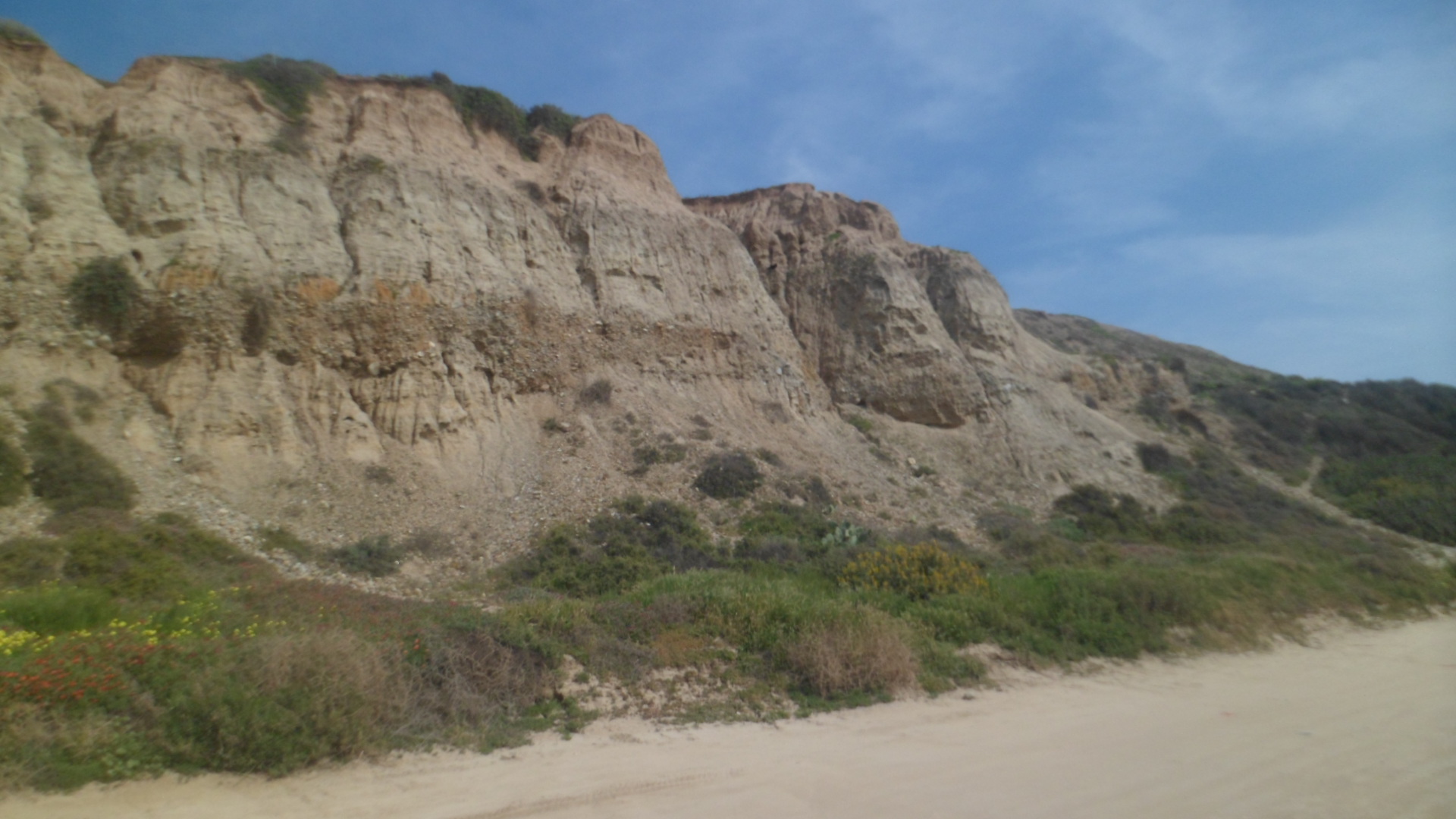
Solana’s colourful cliffs are kin to those of the desert, which is actually not so far away.

SAM_4528

It appears sea gulls have found it hard to maintain a chevron.

SAM_4529

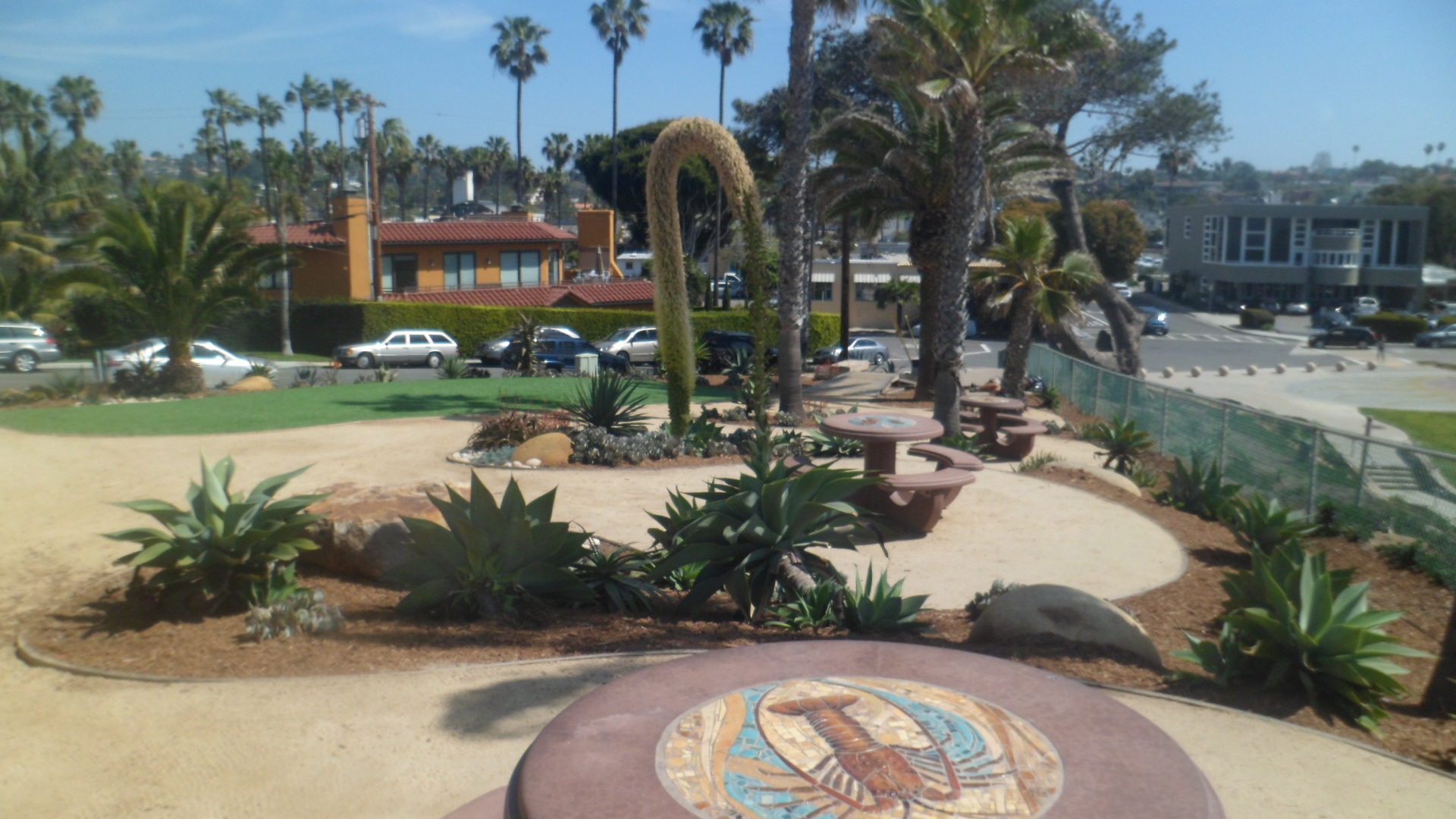
A mother pointed out to her daughter, that sometimes plants can appear lazy.  Fletcher Cove has this relaxing park, near its central overlook.

SAM_4531

As with so many SoCal towns, Solana Beach has something to offer a repeat visitor: The north beach of Fletcher Cove;  maybe in July.

I drove up the coast to San Diego County’s northernmost strand:  San Onofre.

This is a State Beach, so it’s a $15 day fee.  San Onofre is a surfer’s beach, and there were many people in the water.  Kayakers abounded, and while there were mainly single adults here, a smattering of families were enjoying the relatively calm water.

SAM_4535

SAM_4537

Surfer music, palm trees and replicated Hawaiian totems cast an South Pacific aura.

SAM_4539

The state beach lies between the gradually-being-decomissioned nuclea power plant, to the south, and Camp Pendleton, to the north.  Walkers are allowed on the north end of San Onofre Beach, which is inside Camp Pendleton, provided they remain below the berm cliffs.

SAM_4543

I ended my beach day with a brief visit to familiar Dana Point Harbor, where I met my friend, Janet (not pictured).  While waiting for her, I made note of the clarity of the harbour water,

SAM_4546

and of several pelicans, who were chasing fishing boats that were coming into the marina.

SAM_4547

Janet and I did not see our favourite blue herons, though there were tell-tale nests in the thinned-out eucalyptus.  We visited for a while, then I headed inland- to the different magic of the oaks and pines.

The Road to 65, Mile 100: Cowles Mountain

8

March 8, 2015, San Diego- This morning found me up early, as is customary during the Baha’i Fast, which falls between March 2-20.  Getting a solid breakfast at Gramma’s Country Kitchen, my favourite restaurant in Banning, and enjoying watching as the team got everything ready for what promised to be a busy Sunday after-church crowd, I rolled out of Banning relatively early.  The drive through Hemet and Menifee, then on down to San Diego, was smooth and uneventful, save for an overturned semi-trailer, near MiraMesa.

Aram and I both rested for a bit; he, because of having had watch, last night and I, because it was Noon and fasting makes a 30-minute nap especially important.  At 2 PM, we headed out to Cowles Mountain, in Mission Trails Park, on the east side of town.  It is the highest peak within the city limits.

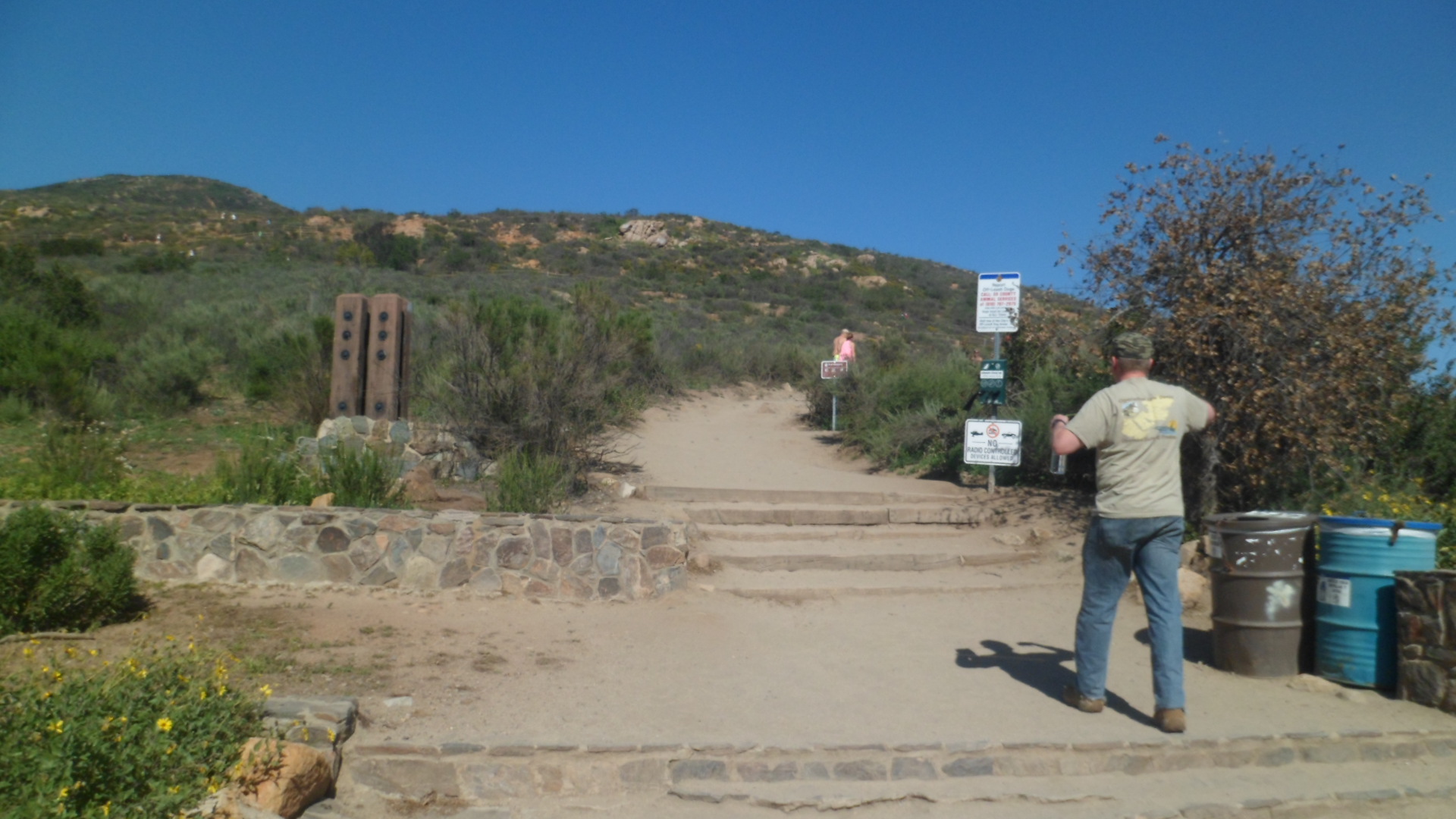
I was my usual self, maintaining a steady pace and taking lots of photos.  It had been a while since I hiked uphill, so it was a rather decent cardio workout.

Here are a few photos, before I put the lot of them in Flickr. Aram, feeling in need of a brisk start, blazed ahead, with my blessing.

SAM_4466

SAM_4467

We had fine views of San Diego, to the southwest, and the Cuyamaca Range, to the east.

SAM_4469

SAM_4474

The scrub and sandstone were our hosts, and there were dozens of hikers out enjoying the picture-postcard afternoon.

SAM_4471

SAM_4476

Lake Murray, a reservoir that is part of Mission Trails Park, is visible from the south face of Cowles Mountain.  It is a popular fishing and boating venue for San Diegans.

SAM_4480

I reached the top in about forty minutes.  It being 83 out, the sweat was not shy about making itself known.

SAM_4481

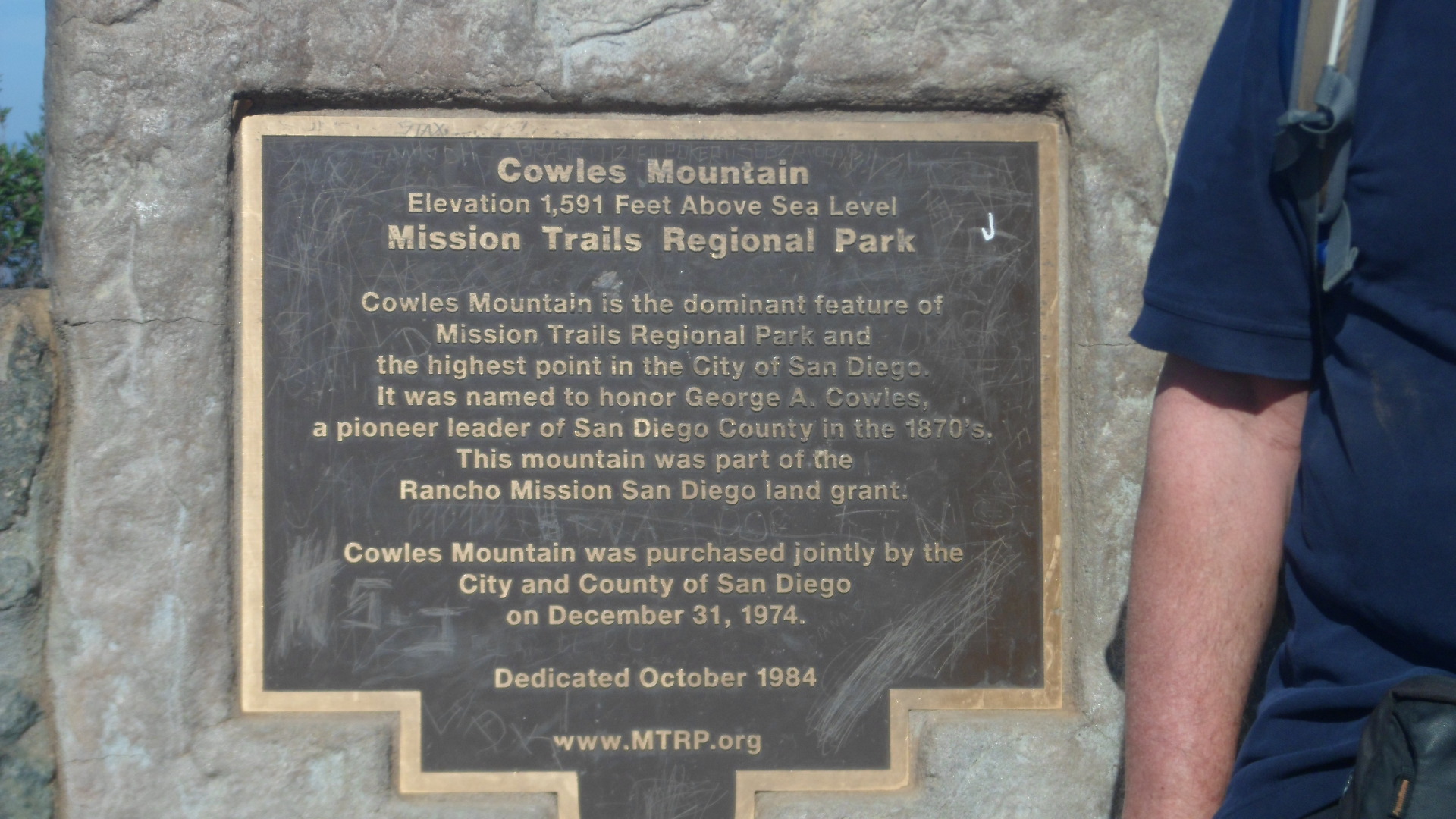
George Cowles, a pioneer in the area in the 1870’s, lent his name to the mountain.SAM_4482

On the way down, I got a better sense of the alignment of various boulders.  They are almost like family groupings.

SAM_4487

At the foot of Cowles Mountain, near a covered trash barrel, I spotted this canyon, in which lurked- a Sandbag Boa Constrictor! 🙂

SAM_4489

This was a truly fine day, capped by dinner at Zorba’s, a Greek cafe between the airport and Point Loma.  San Diego never disappoints.  Neither does my son.

The Road to 65, Mile 81, Part 4: Espada Apart

6

February 17, 2015, San Antonio-

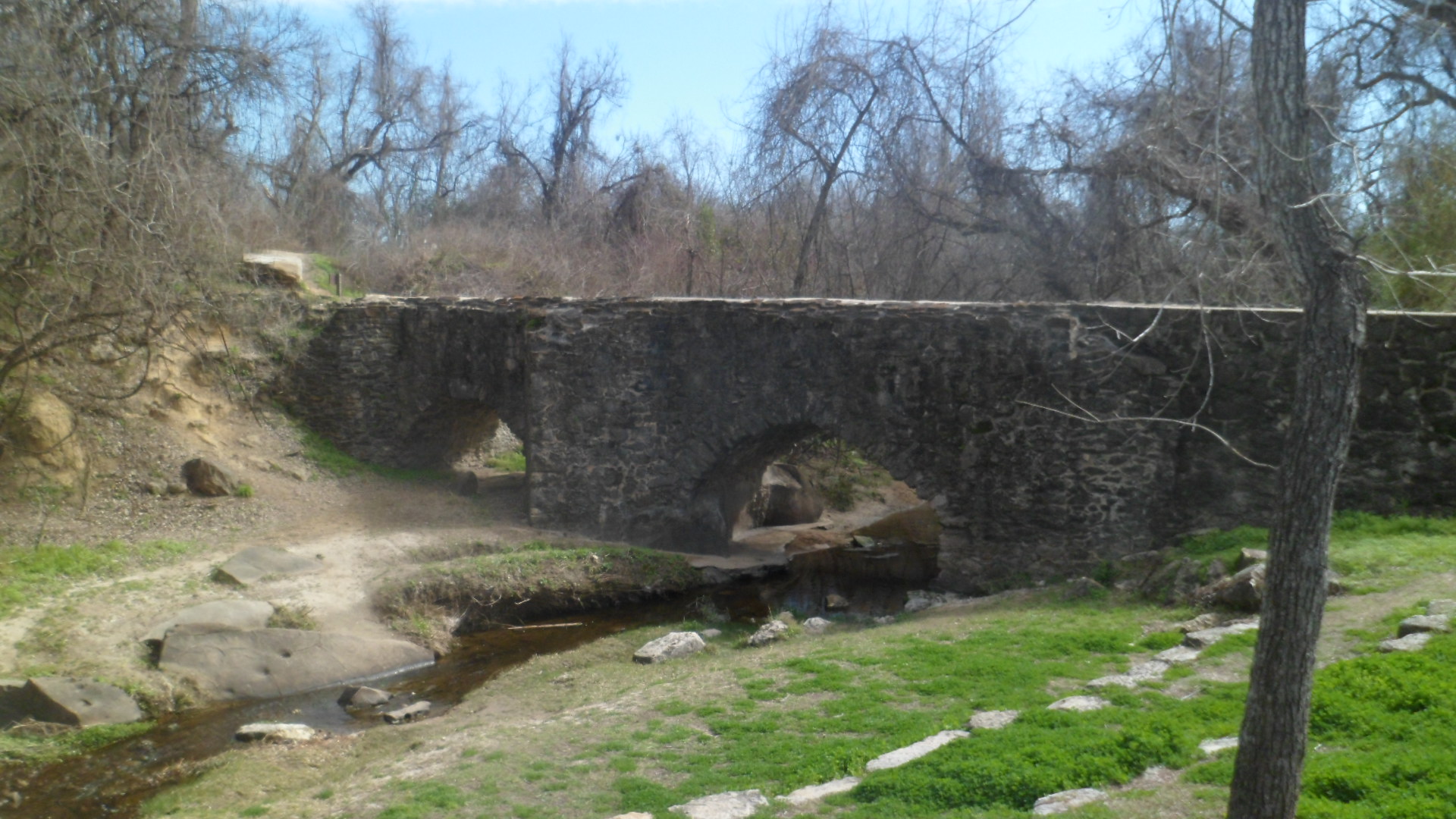
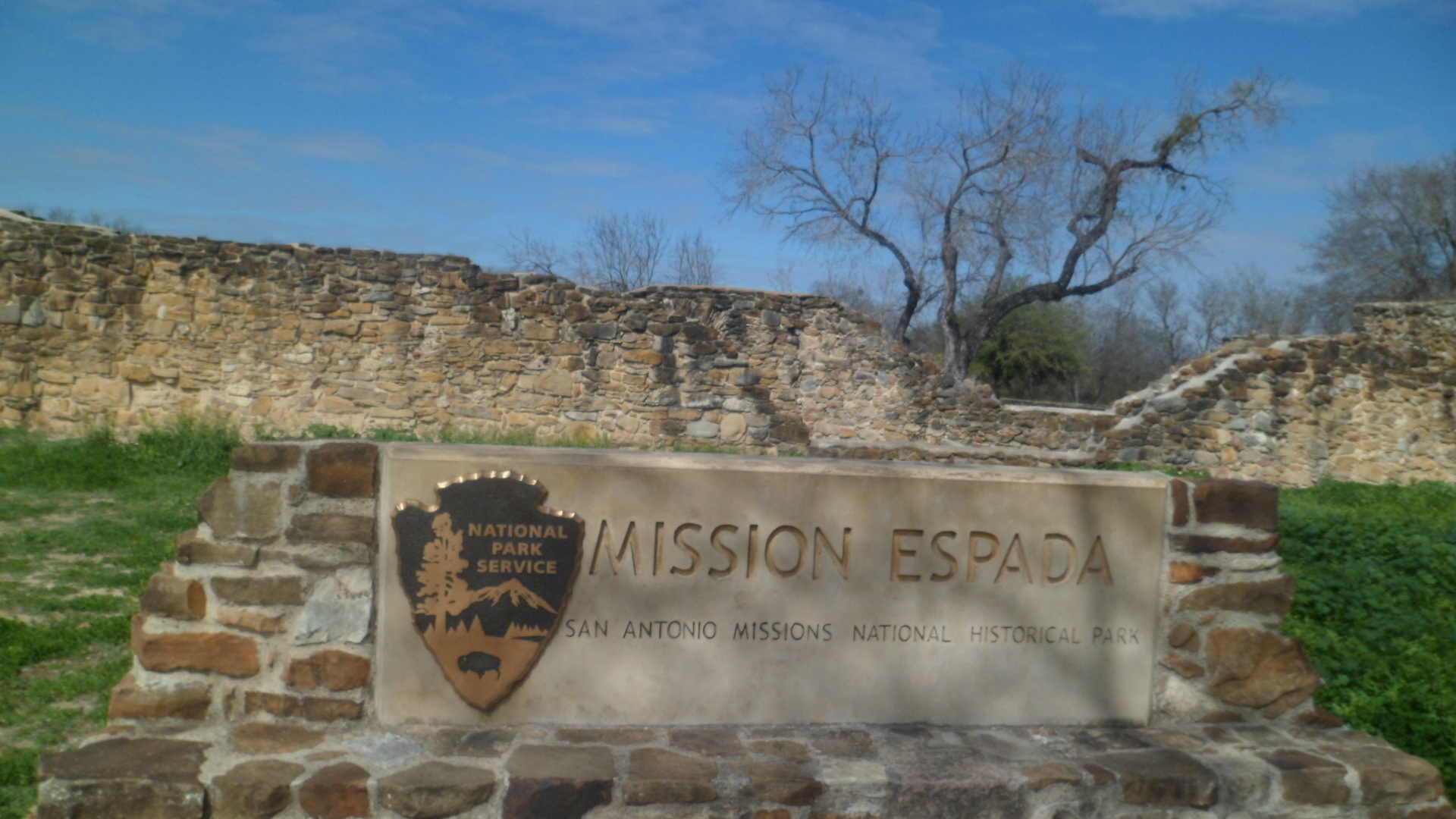
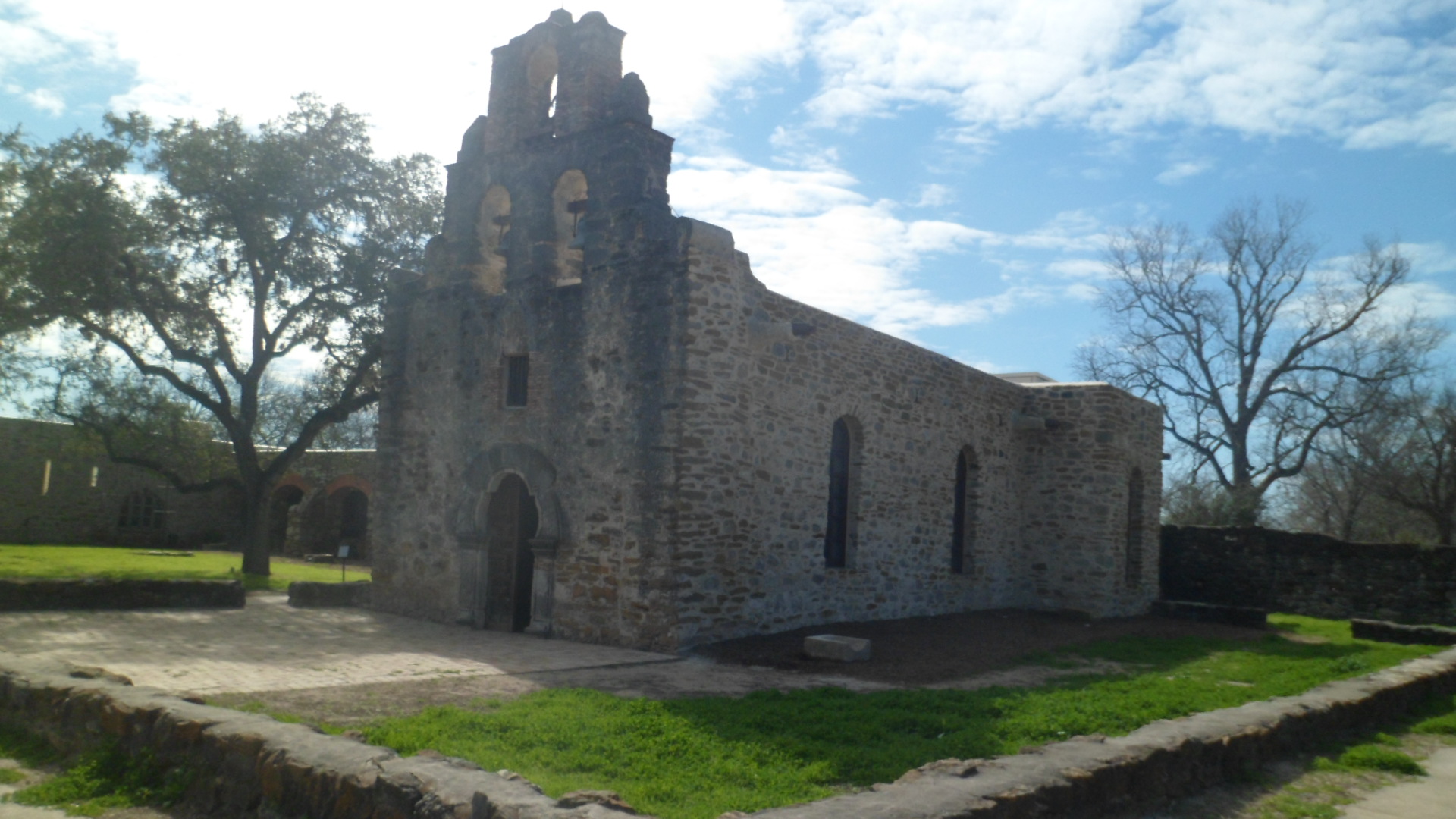
One must want to visit Mission San Francisco de la Espada, much as one must want to visit Death Valley, Key West or the Upper Peninsula of Michigan.  I’m overstating, of course, but Espada is well out of the way of even its nearest neighbour, among the San Antonio Missions:  San Juan Capistrano.  To get to  Espada, I drove past the southward extension of San Antonio Riverwalk, to the Espada Aqueduct, which waters the southernmost of San Antonio’s mission communities.  From the Aqueduct, it is about three miles further to the Mission.  The drive is worth every inch.  I stopped briefly at Espada Dam and Acequia Park, near the southern end of Riverwalk.  Several bicyclists and runners were enjoying the area, as were Canadian geese and these serene ducks.

SAM_4338

The Aqueduct, however, was totally deserted and silent.

SAM_4339

SAM_4340

I arrived at the Mission about fifteen minutes later.  A family was just concluding a funeral service, in the community building, so I kept a quiet profile and focused on the western sector of the grounds.  The people seemed surprised to see a Gringo, but there are signs warning “Leave no valuables in your car.  Break-ins have occurred.”  This group seemed to me to be quite otherwise engaged, though I keep my car locked, electronically, anywhere I am.

SAM_4342

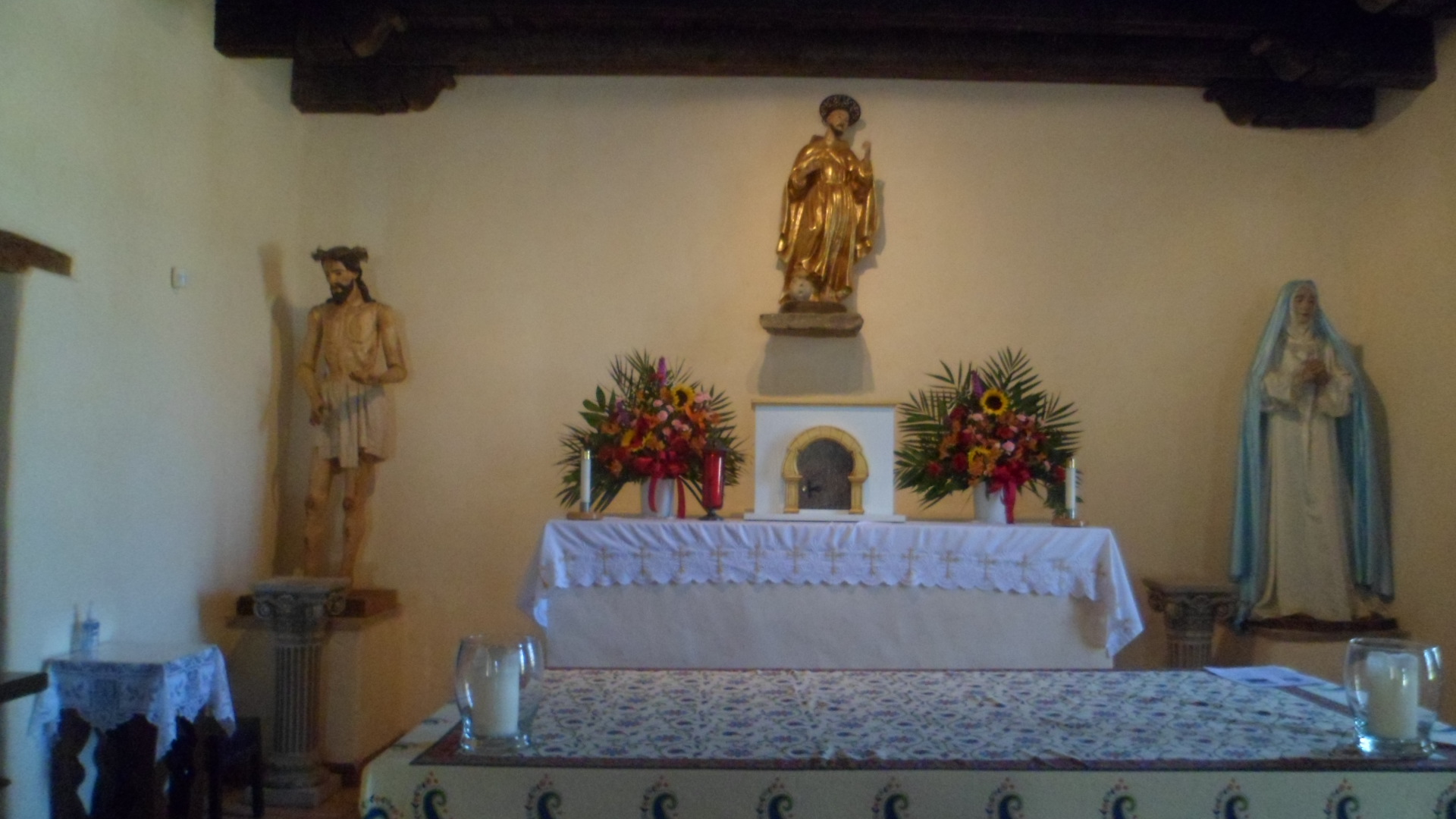
I was immediately struck by the solitary nature of the church and by the fact that the mission has an active school, which has in fact been its distinguishing feature.  It has been Espada which has provided the lion’s share of education and training for the Coahuiltecans of southern San Antonio.

SAM_4360

SAM_4357

SAM_4358

SAM_4359

SAM_4372

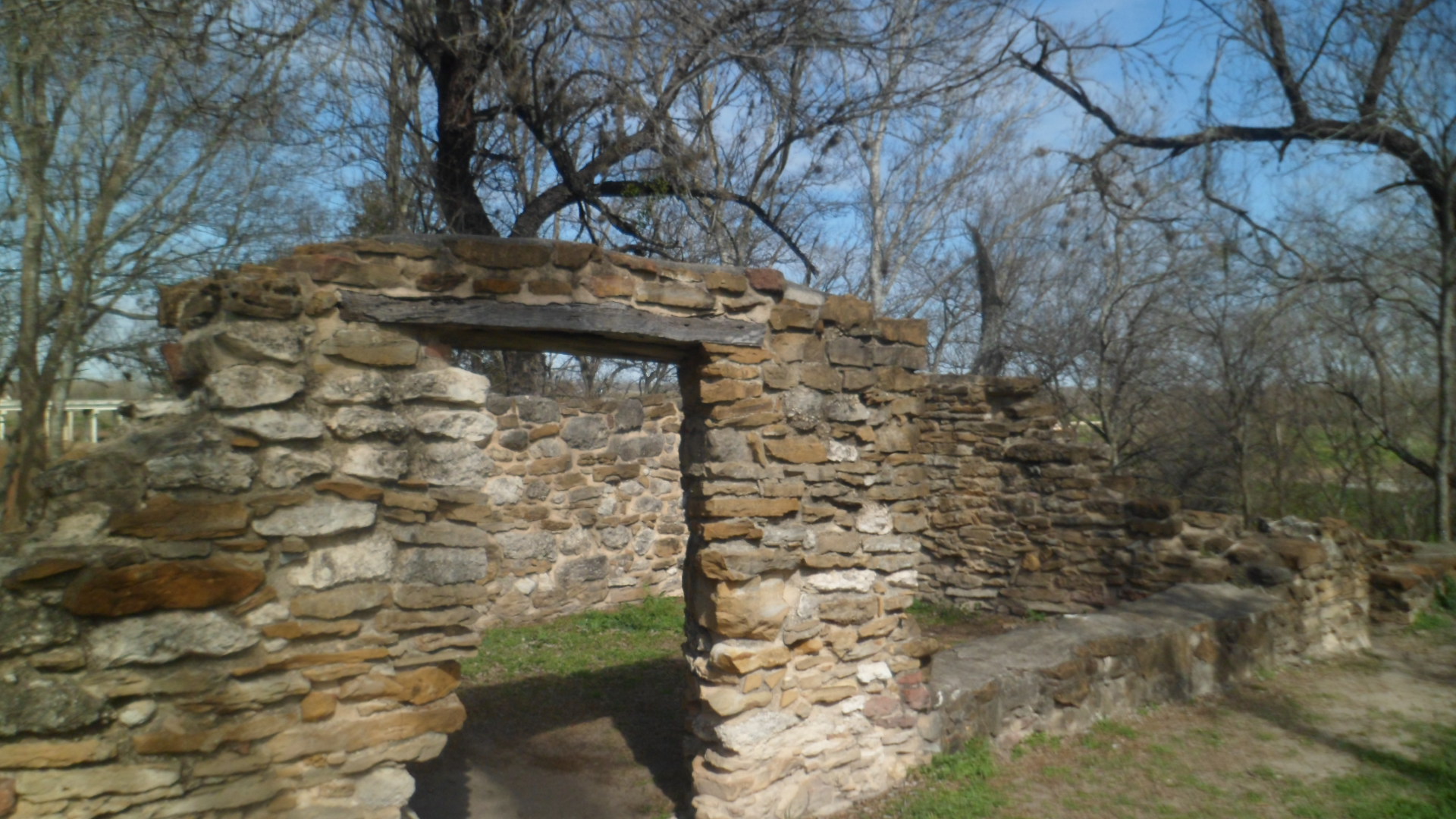
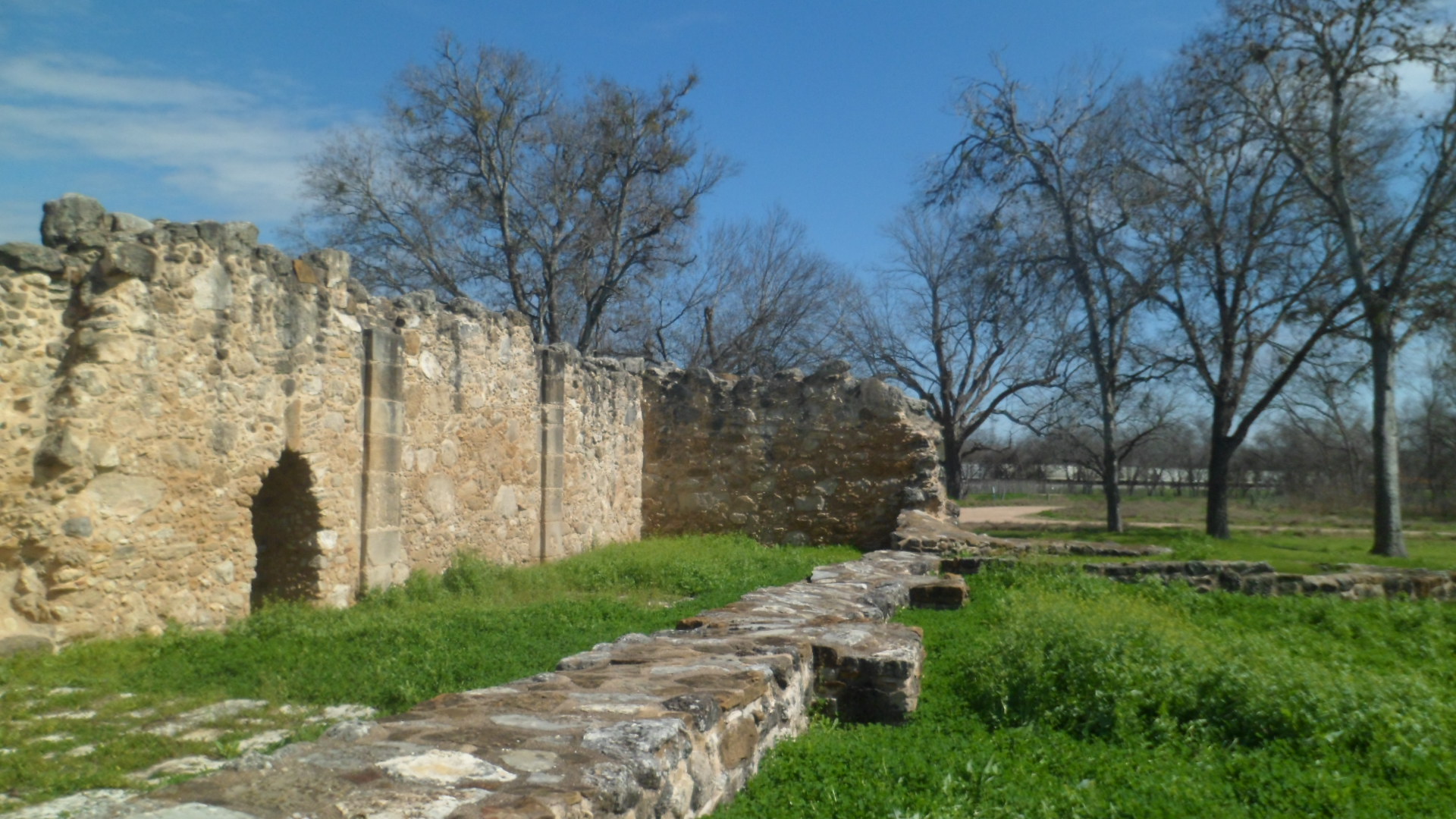
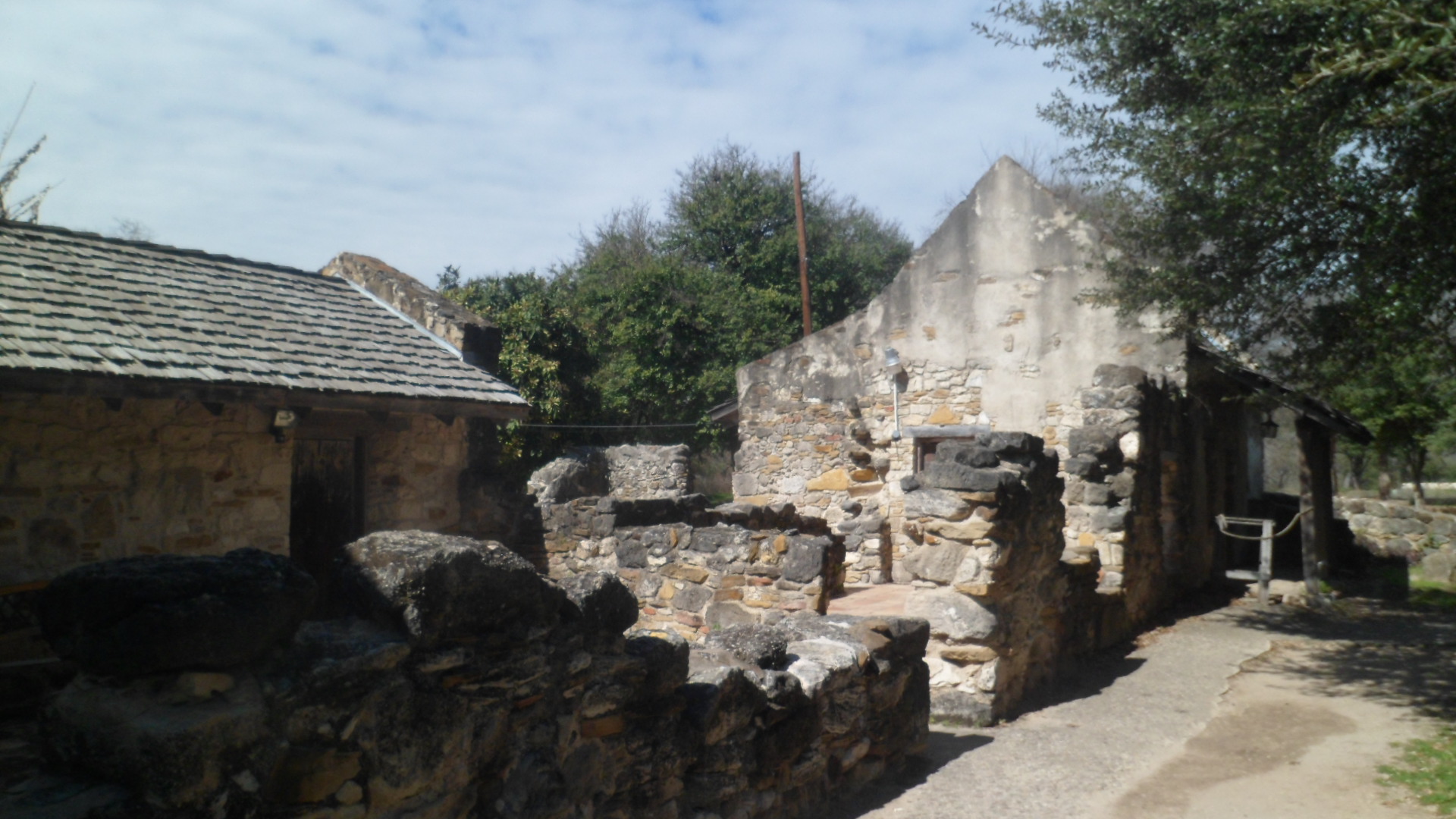
There are ruins of the small presidio, south of the church.  Espada was not on the main route of the marauding tribes, so fewer soldiers were needed.  The ranch which sustained the mission was another 20 or so “leagues” to the south, making it less attractive a target, still.

SAM_4343

SAM_4345

The original church was in the center of the mission grounds.  It was destroyed by a kitchen fire in 1826.SAM_4346

SAM_4352

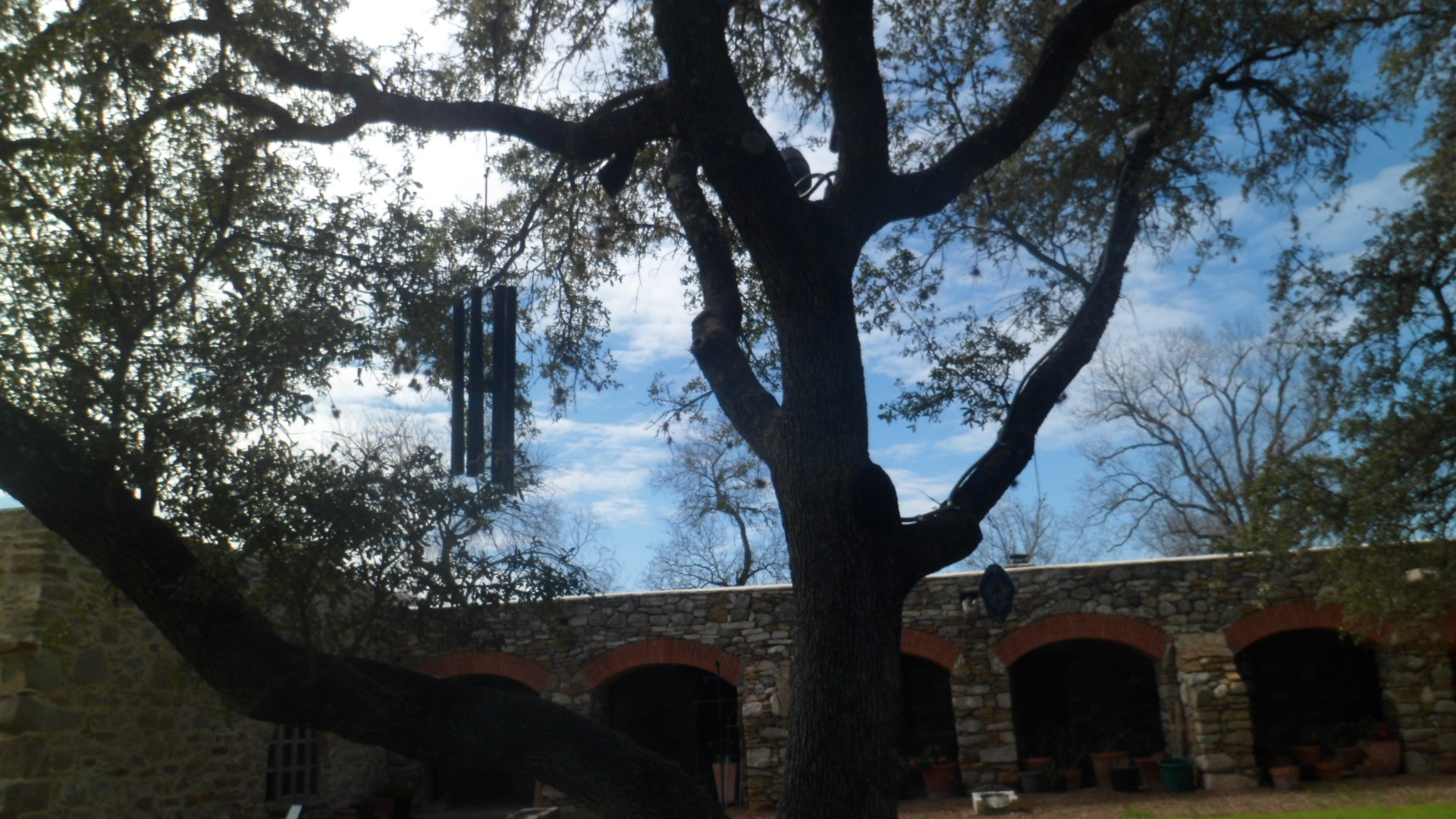
The chimes which gave the location its name still hang in front of the Convento.SAM_4354

The granary survived the fire of 1826, mainly because it was nearly empty after a rare Comanche raid that year.

SAM_4361

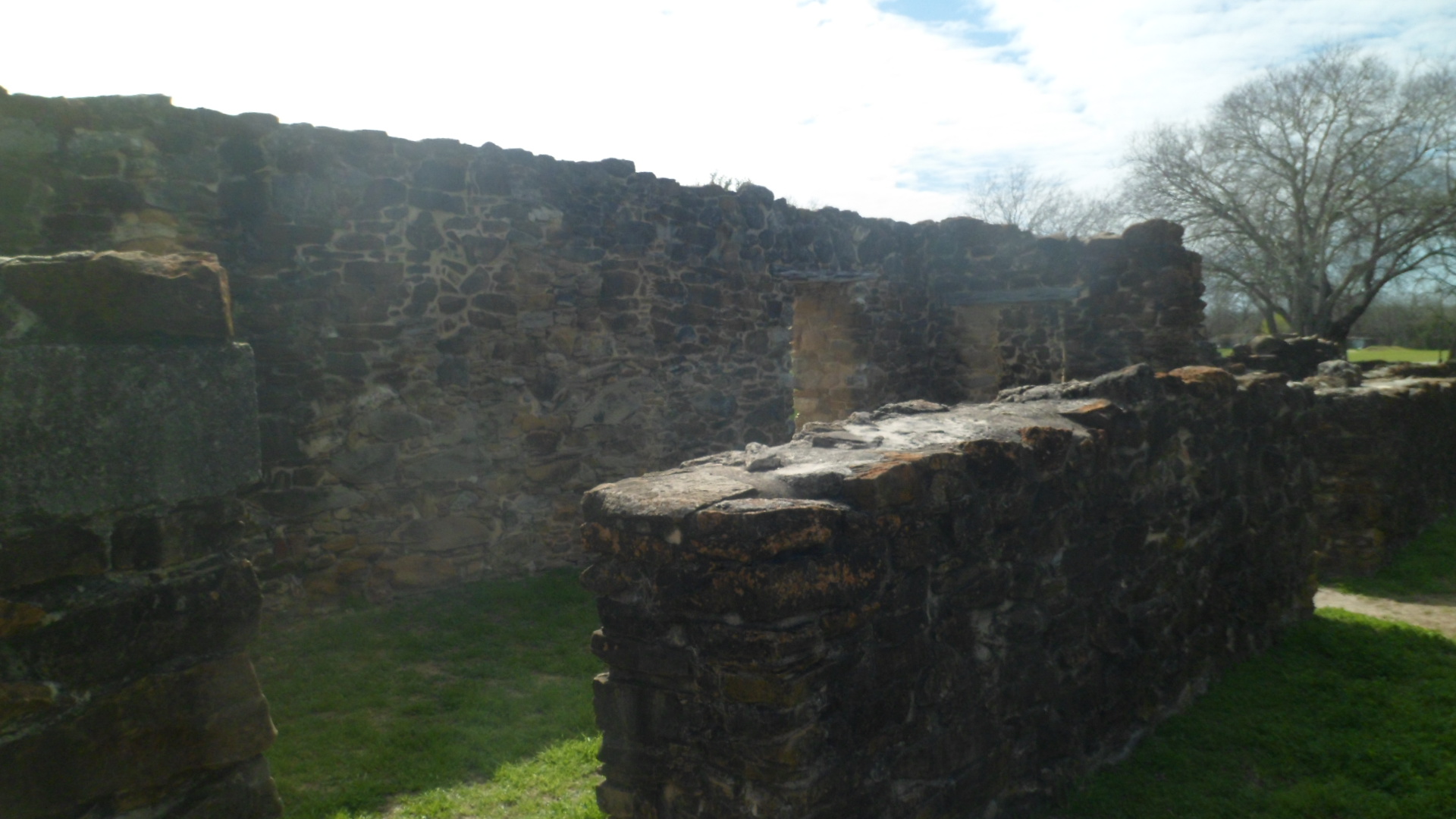
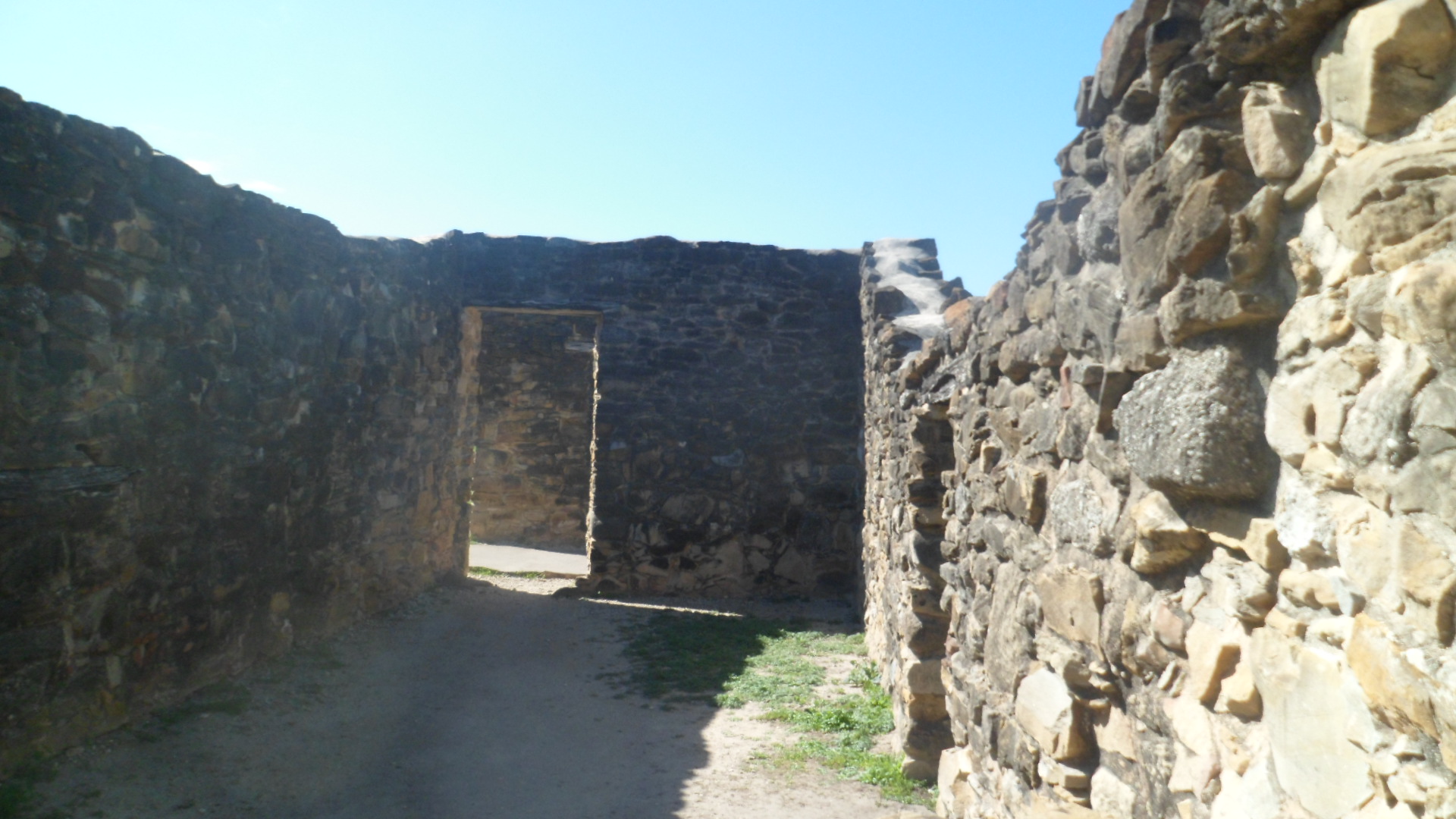
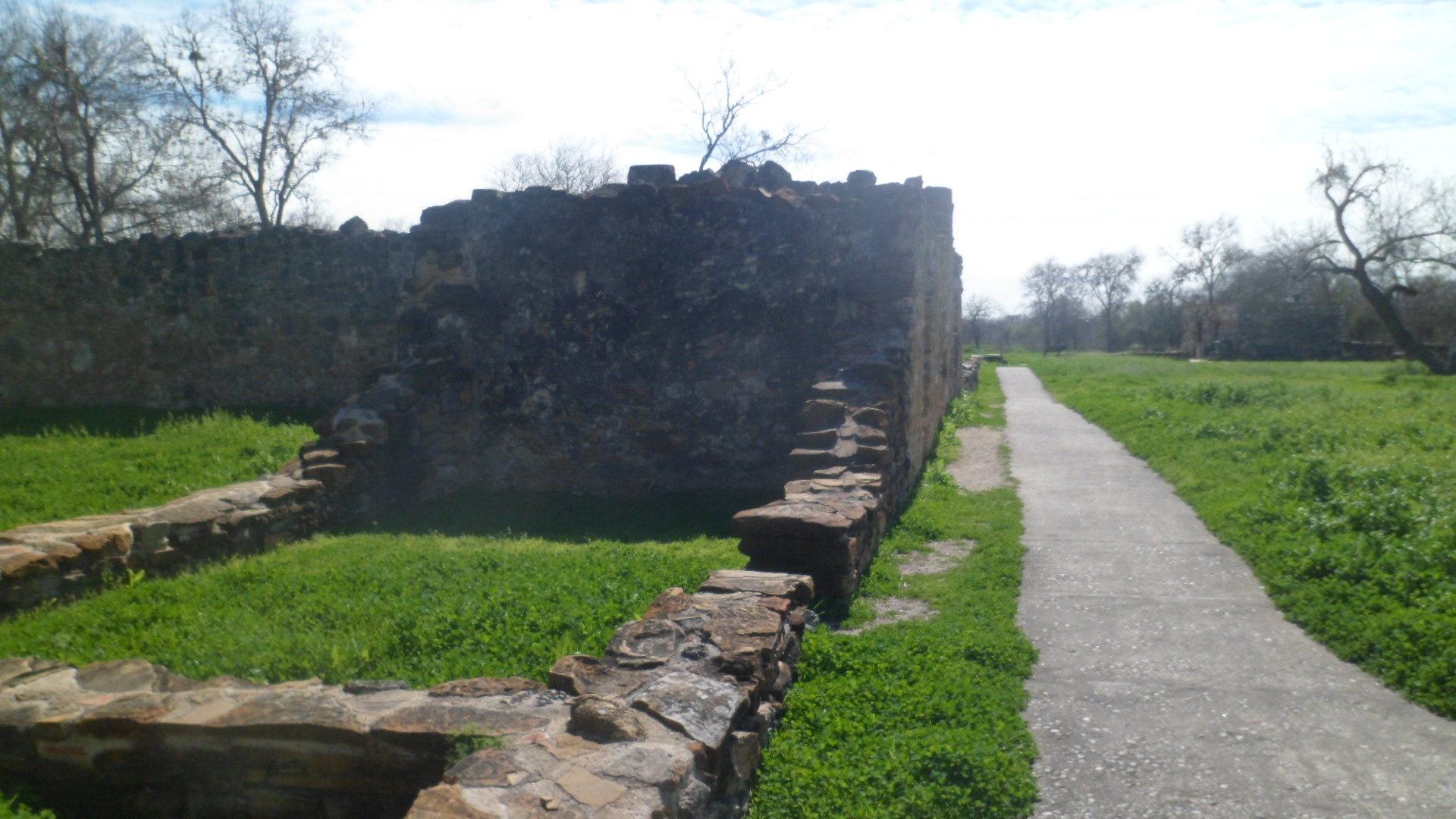
Other buildings were not so fortunate.SAM_4363

SAM_4364

SAM_4369

SAM_4373

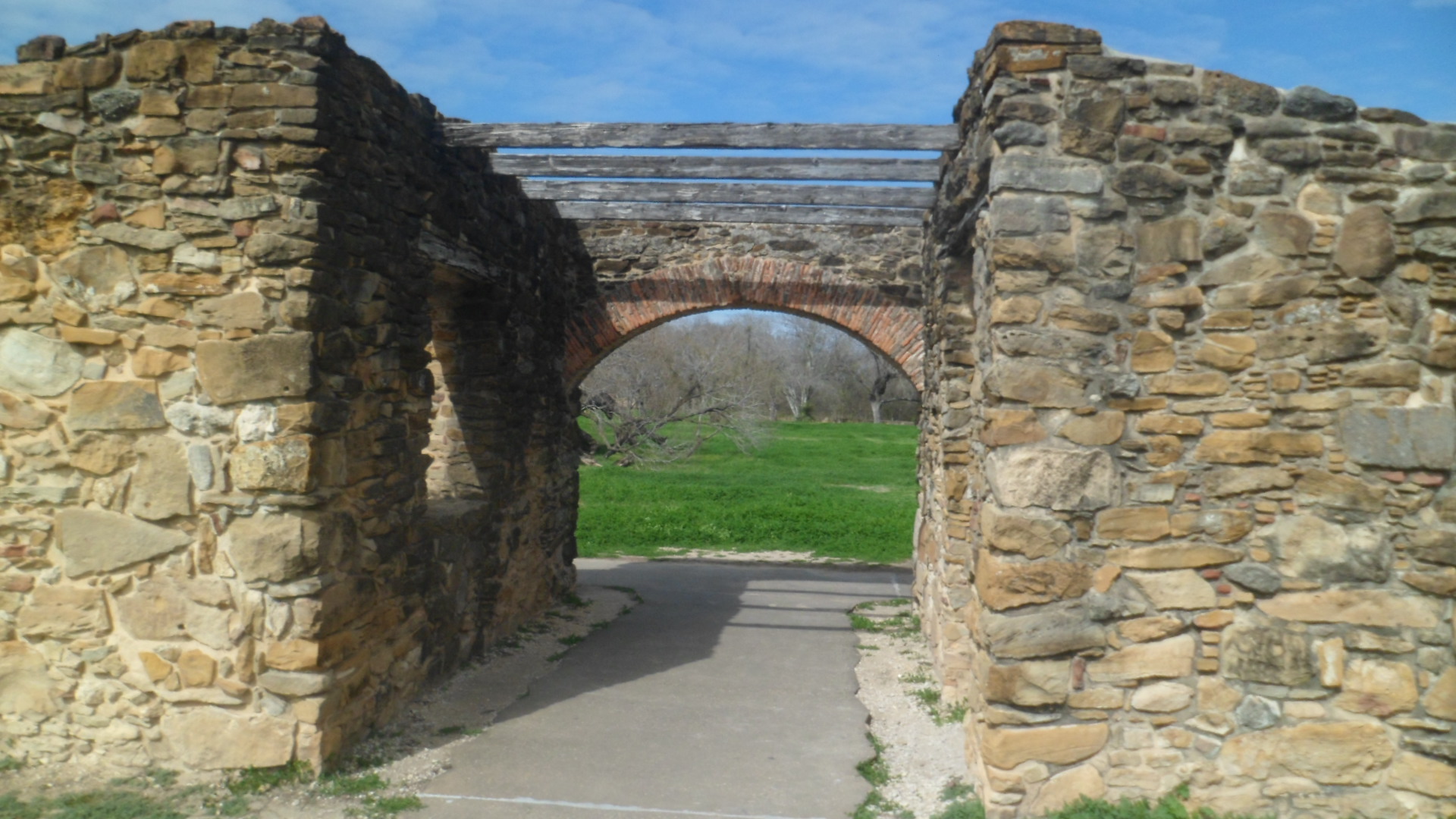
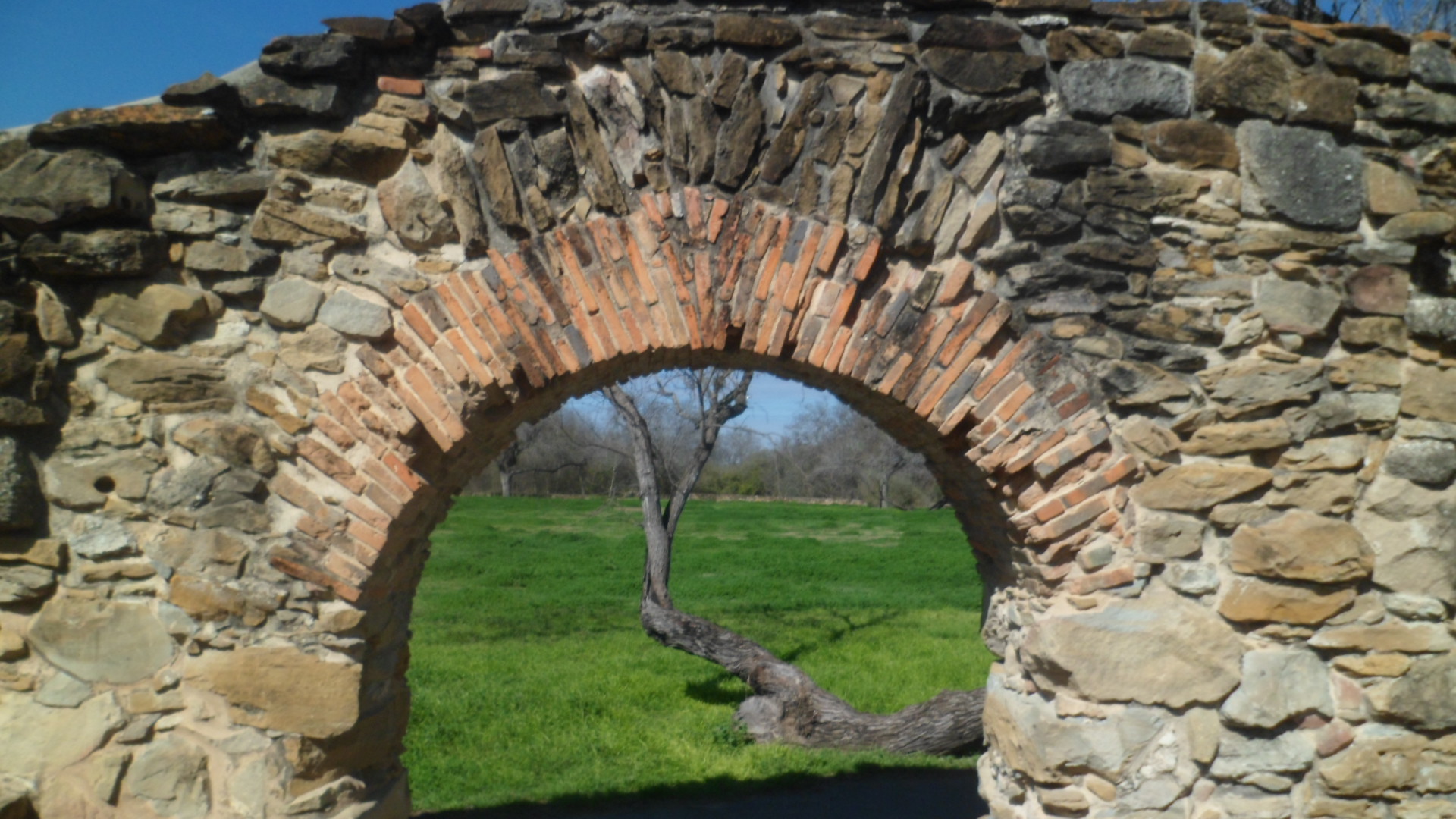
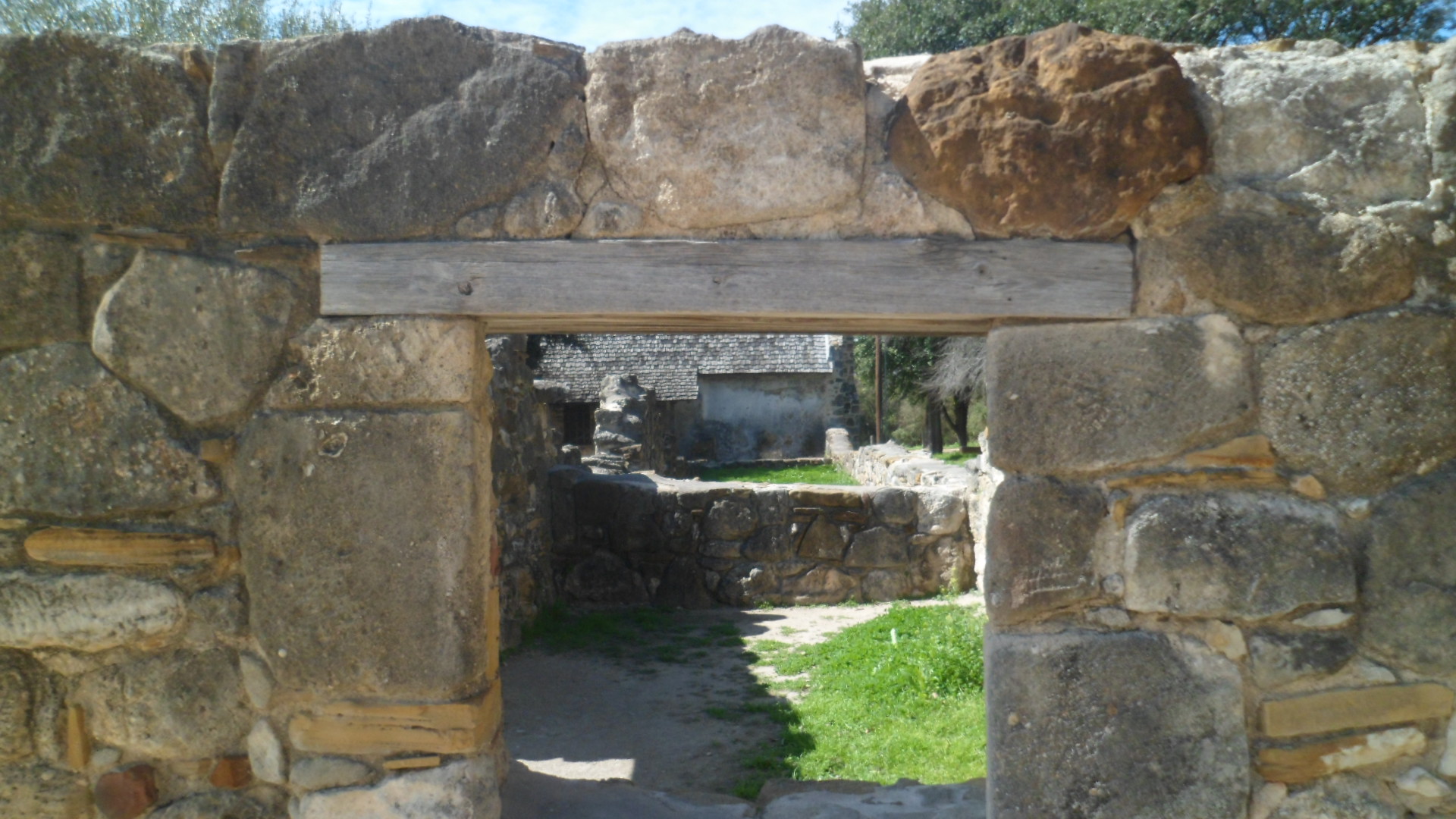
The two southern archways differ, with one being wide enough for horse-drawn carts and the other for travelers on foot to enter, and be searched.

SAM_4374

SAM_4375

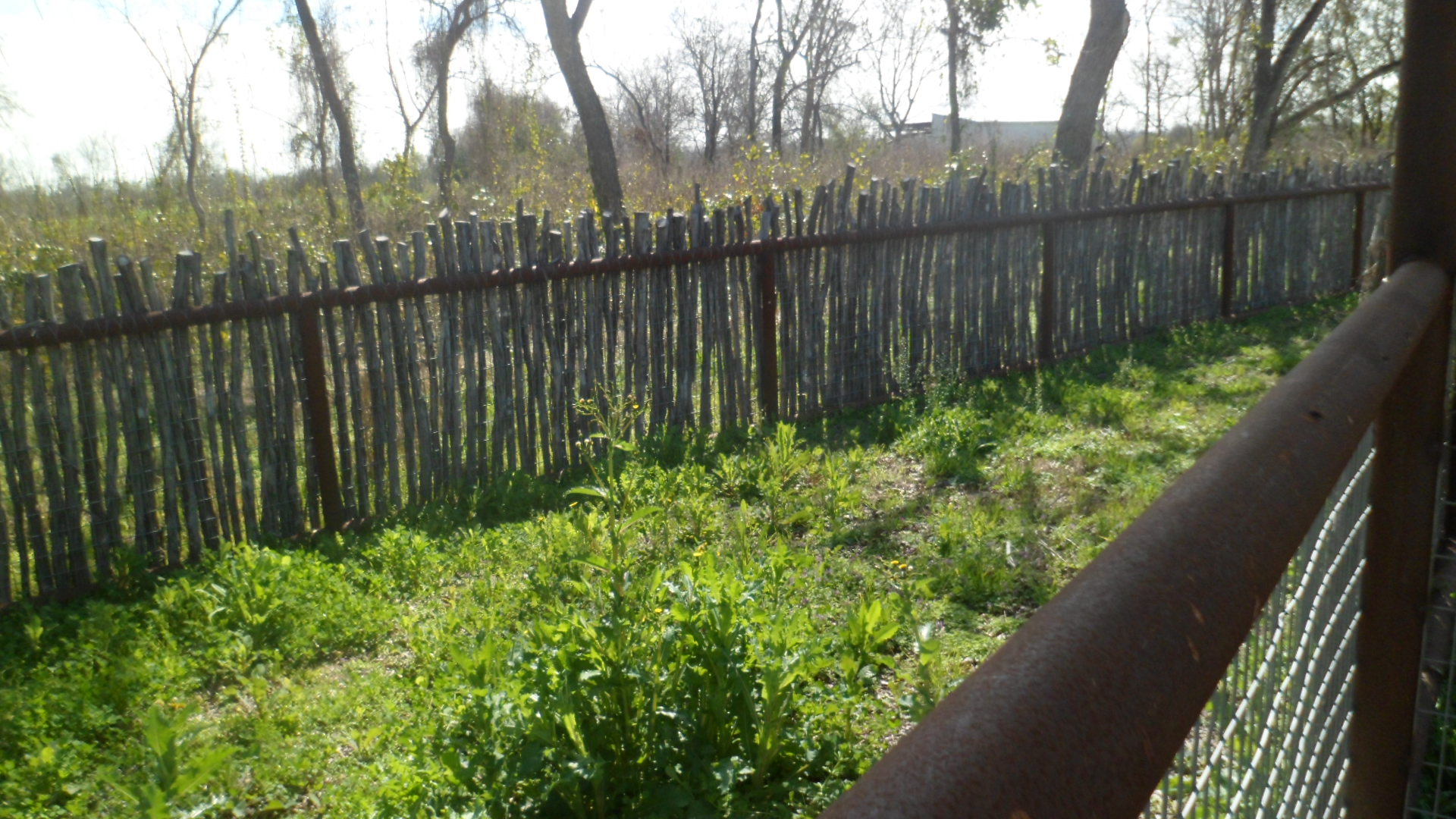
This well-kept secret was a delicious finish to my long-desired visit to the southern missions of San Antonio.  It was getting late in the afternoon, however, so I bid this exciting city farewell, and headed west on U.S. 90.  The desolate beauty of west Texas was still ahead.

The Road to 65, Mile 81, Part 3: Capistrano in Texas

6

February 17, 2015- San Antonio 

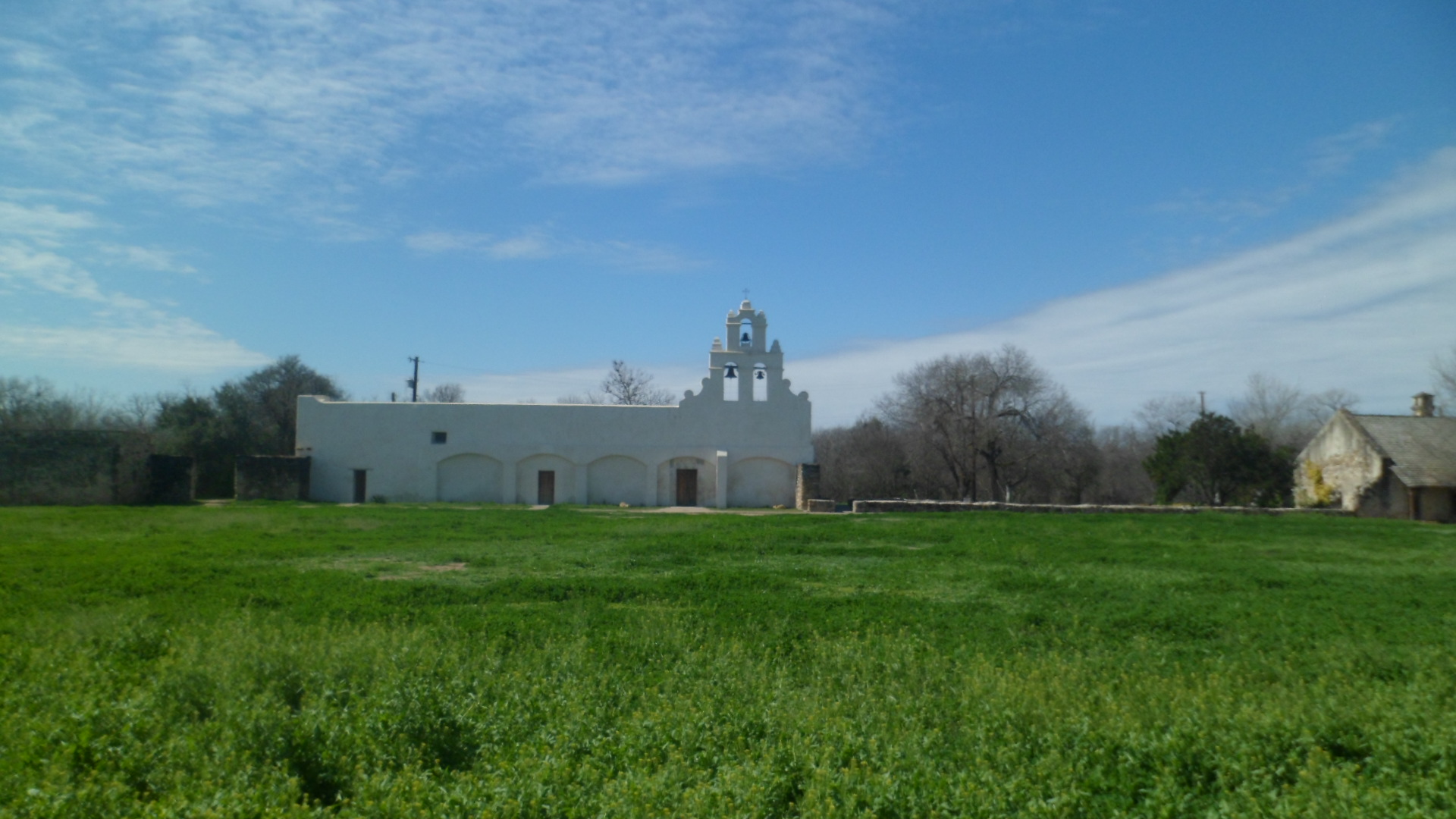
The justly famed Mission San Juan Capistrano, in southern California. has a Texas twin.  This Mission San Juan was established in 1731, on the east bank of the San Antonio River, using the remnants of a previous mission near present-day Lufkin,which fell on hard times and the deaf ears of the Nazonis people.

The Coahuiltecans were, on the other hand, more than glad to have Spanish assistance, owing to the severe drought.  The Spanish taught the people near Mission San Juan, how to build and use acequias and to domesticate cattle.  Some of the first longhorn ranches were near this mission.

SAM_4309

The principal acequia for this mission came from the Yanaguana, the Coahuiltecan name for the San Antonio River.  A short nature trail allows the visitor a semblance of what was available to the residents of that time.

SAM_4323

The water level was a bit higher then, than now.  The present water supply is low, and sullied with clay.

SAM_4326

SAM_4327

Still, it allowed the populace to be fairly productive, botanically, as well as in animal husbandry.  A replica of the main garden still produces herbs and legumes.

SAM_4321

This is the site of the mission’s granary.

SAM_4313

There are preserved foundations of the small presidio and of the old church.  A campaign to enlarge the mission church ultimately failed, owing to scant manpower.

SAM_4310

SAM_4318

SAM_4320

A section of the old church remains in use as a friary.

SAM_4335

On the east side of the grounds, a post-colonial tufa house remains intact.

SAM_4312

San Juan is still an active mission community, with Coahuiltecan people comprising a large percentage of the neighbouring community.  The present-day church was last renovated in 2012.  Good thing I waited until now, to visit.

SAM_4330

SAM_4331

SAM_4315

This corner is a favourite outdoor gathering spot, for the parishioners, after Sunday Mass.

SAM_4333

Having learned of the extensive ranching and farming at three of the four southern missions, I headed for the place where the Coahuiltecans themselves were taught academics and trades:  Espada.

The Road to 65, Mile 78: All Love’s Labours

4

February 14, 2015- Panama City, FL.  Actors have an open-ended mission:  To relieve tension in their audience, but also to incite thought.  This is as true of those who devote themselves to small-city “stock” theater productions, becoming more intimate with both their audiences and their crews, as it is of those who stride the Red Carpet on awards night.

The rehearsal on which I sat in, this lovely north Florida morning, was intent on taking the viewer/listener back to childhood:  Specifically, it addressed the Spelling Bee, on the surface level, and the issues of parents living through their children and the resulting effects this brazen, immature vicarious life has on the child, on the more crucial, underlying, level.

Two hours of love were put into this endeavour, at least from the actors’ perspective.  There will be more, before the February 20 presentation.  The troupe presents before school groups, so this play will hit home, for any child who is in an activity for the sake of his/her parents.

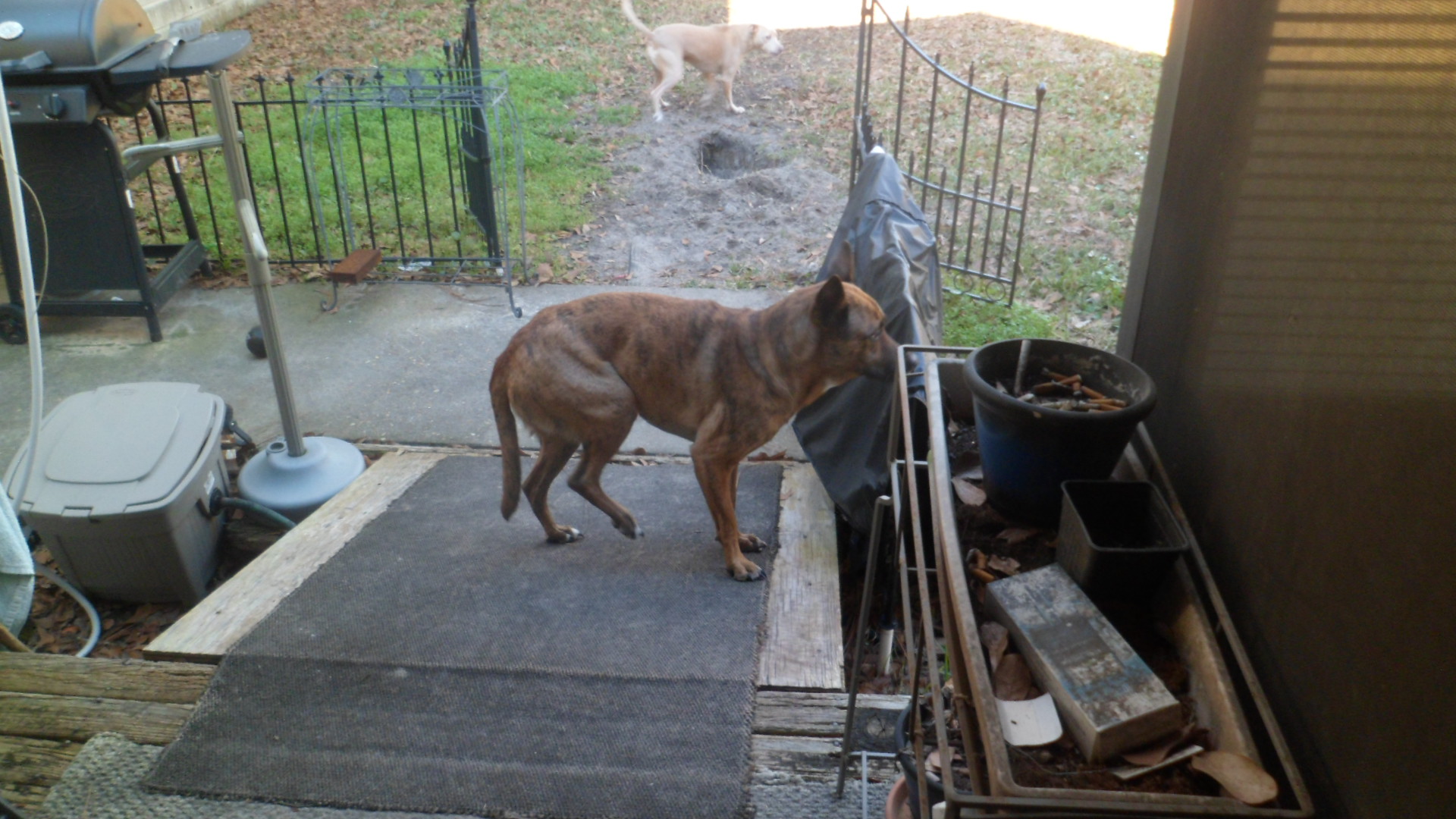
I started the morning watching my hosts’ dogs play, in the back yard.  Dogs have the right perspective:  Only do what feels right, do it as a team, and mess around a bit, while doing it.

SAM_4051

The actors have the team thing down, and so will get through the production quite well.  My host is one of the best at this, and while messing around is not on her agenda- there is no one who has more fun with her work.

SAM_4053

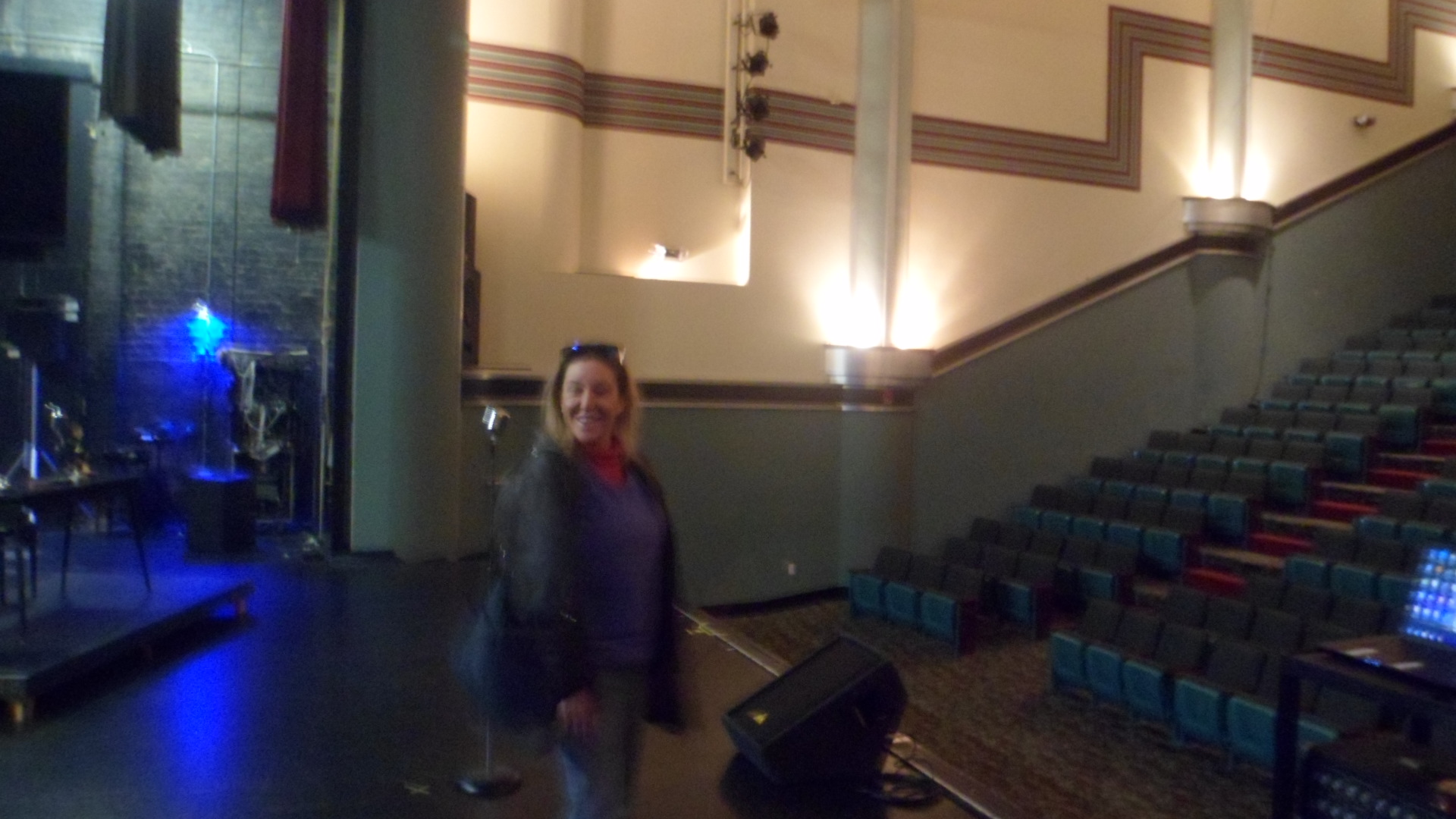
The Martin Theater, where the production will first be staged, is a venerable institution in Panama City, and was a key USO site during World War II, when north Florida was a key staging area for the European Theatre of the conflict.

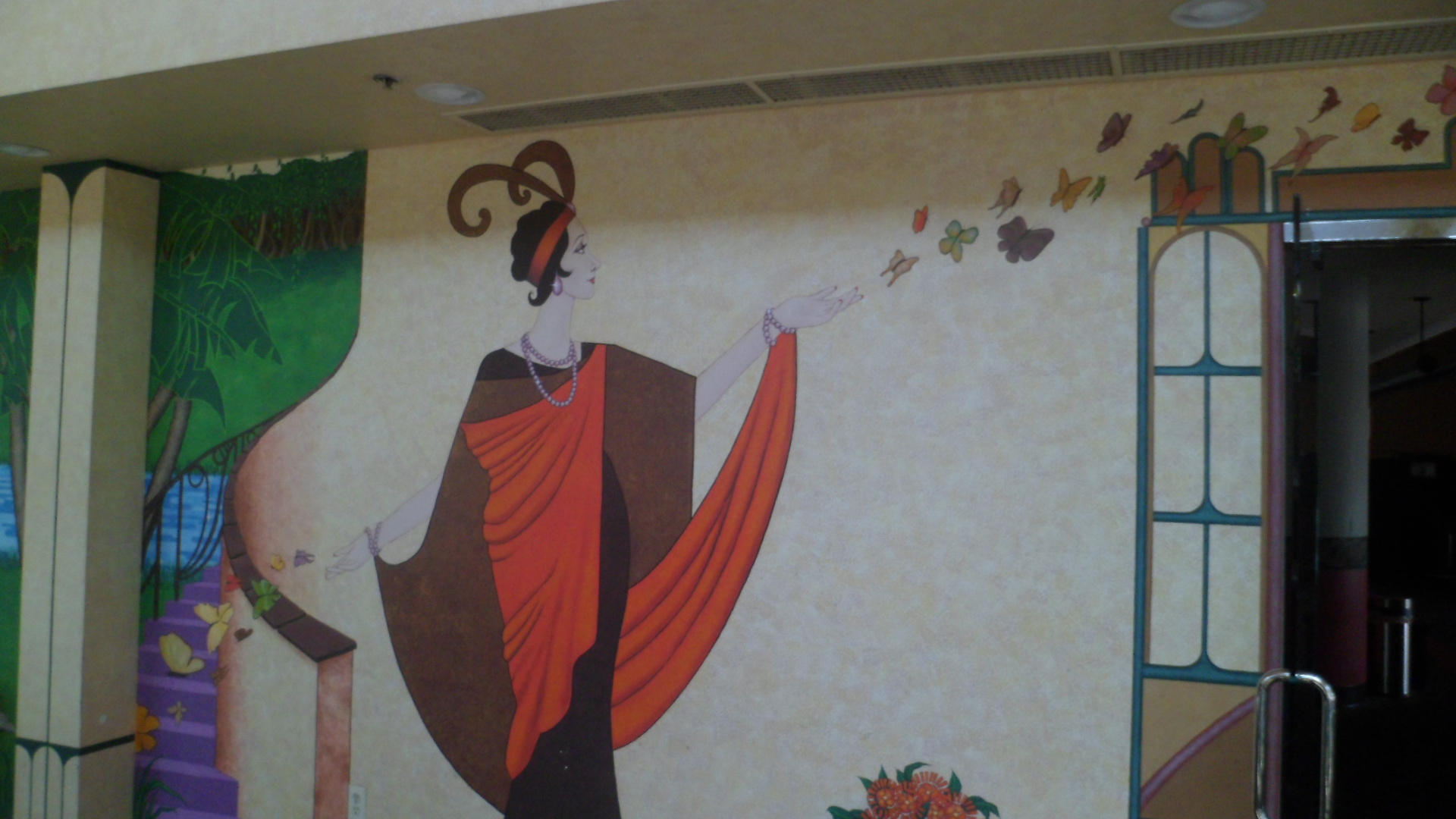
The murals on its south wall reflect the spirit of that time of national teamwork, and determination.  Womankind in those days was far more than Rosie the Riveter.  Style and grace remained key elements of maintaining morale.

SAM_4062

After the two-hour practice, there was a new mission:  Lunch.  Where better to begin this important search, than at a Farmer’s Market.  Panama City has a fine one, in the St. Andrews neighbourhood.

SAM_4065

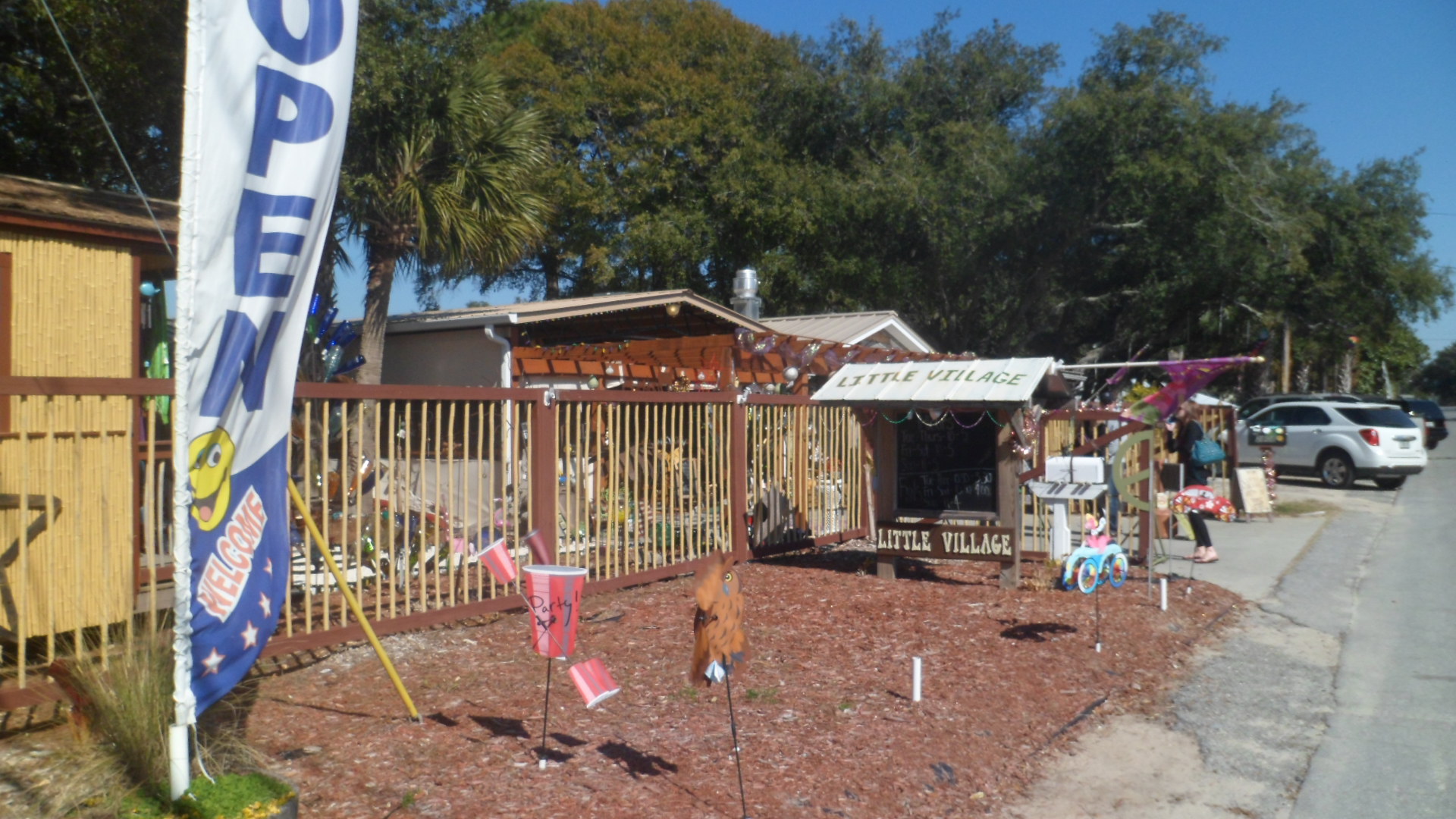
We found lots of arts, crafts and fresh vegetables, but a complete meal required crossing the street- to Little Village, a lovely old house that was converted by its owner into a small restaurant, bar and gift shop complex.  It reminds me of a similar arrangement in an airplane hangar, at Oceanside, CA.

SAM_4068 Little Village is certainly well appreciated by the residents of Panama City:  The place was packed, and we got stuffed by the amazing Veracruz-style Mexican cuisine.  Music was provided by a pianist-singer, evoking a cross between Billy Joel and Carlos Santana.

SAM_4072

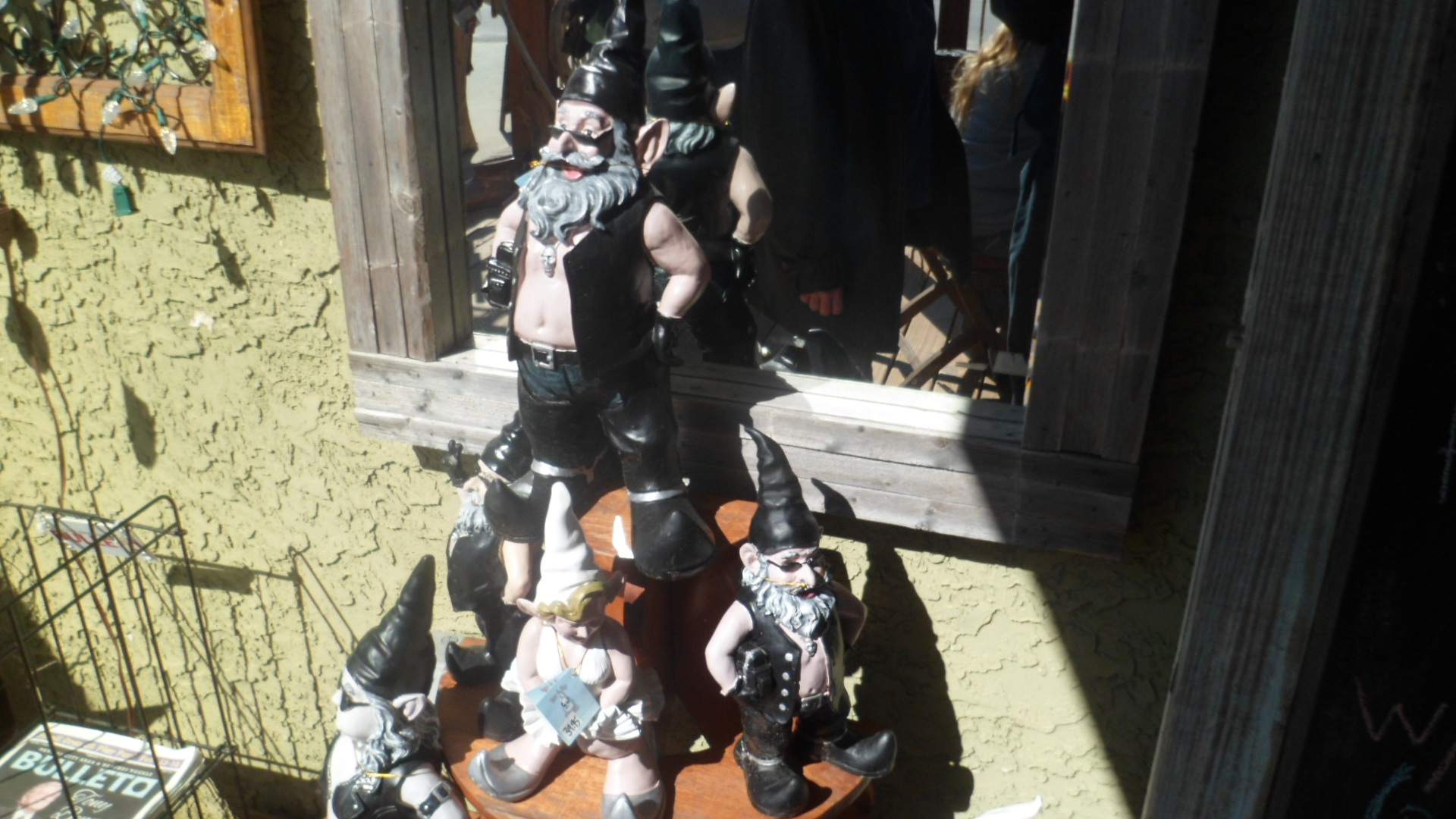
I was beginning to think that I might end this journey looking like these fellows.

SAM_4069

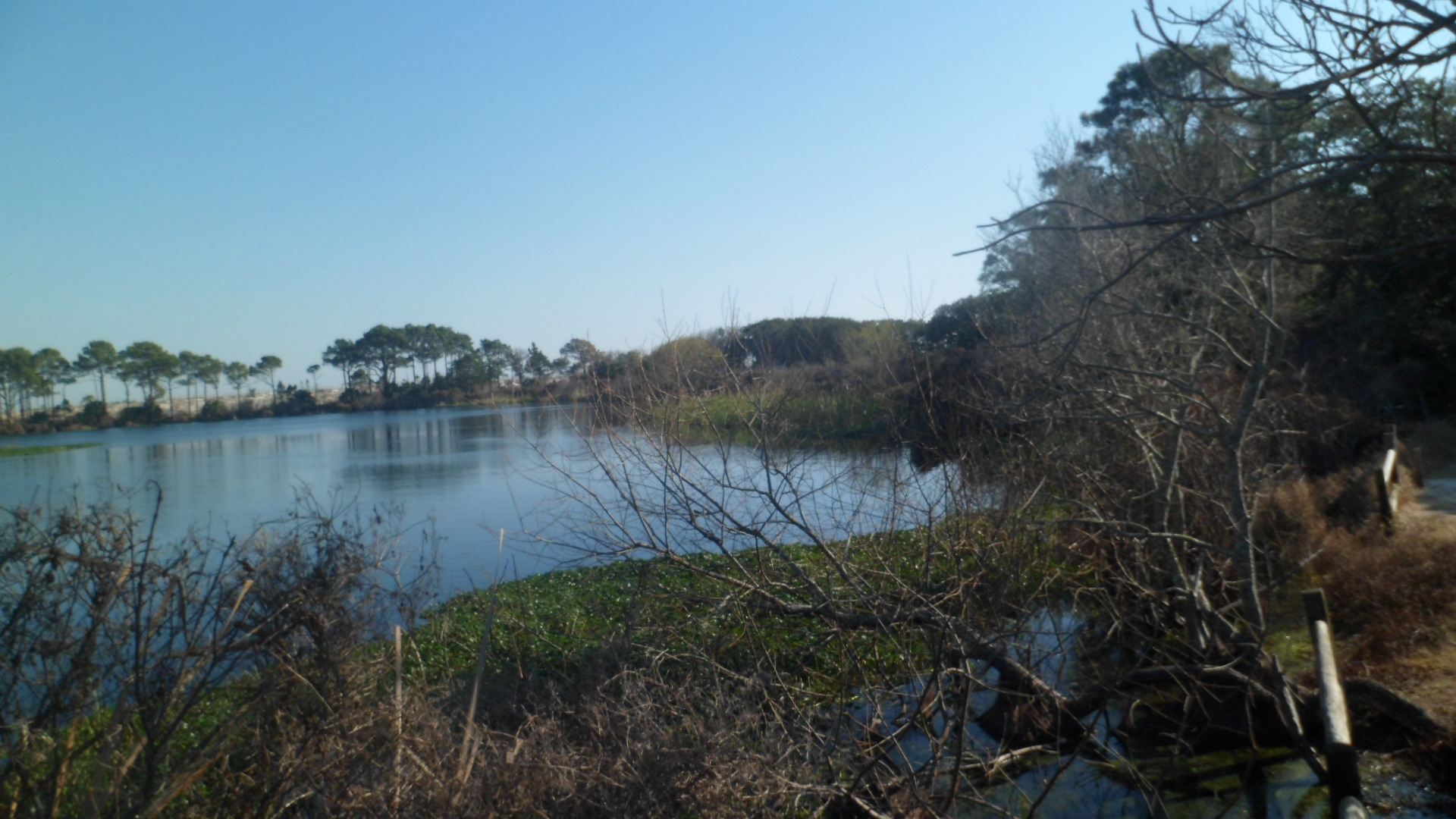
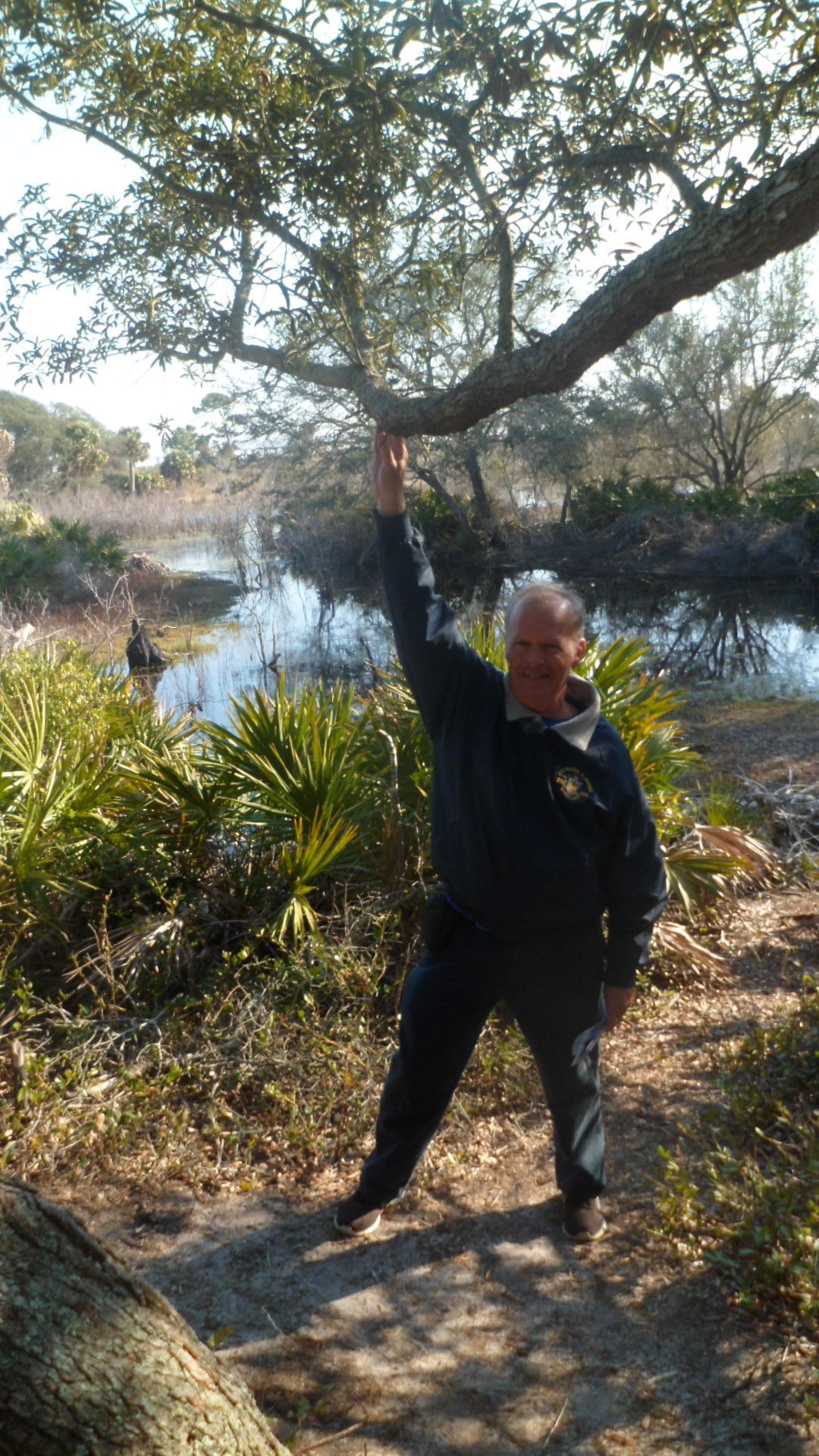
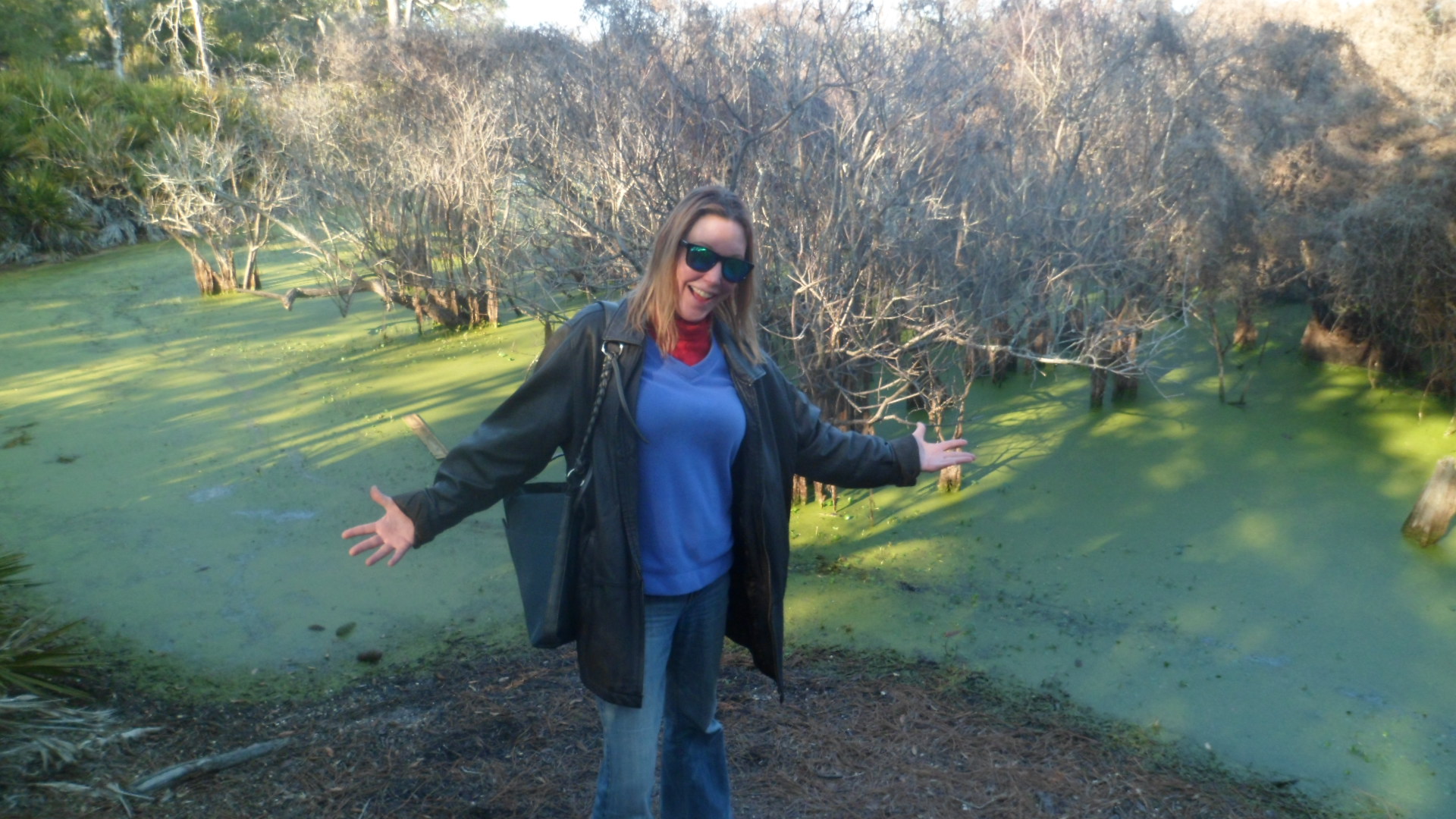
We decided to walk off the meal, as best we could, and drove to St. Andrews State Recreation Area, first visiting Gator Lake, an encounter with a swamp environment.  The signature creatures were nowhere to be seen.  Of course, it was early afternoon, and alligators usually prefer to be out and about in the morning.

SAM_4075

SAM_4089

The sand here is the whitest I’ve yet seen, being largely the result of shell deposits.

SAM_4083

Needless to say, Host and I were both in our elements.

SAM_4081

SAM_4086

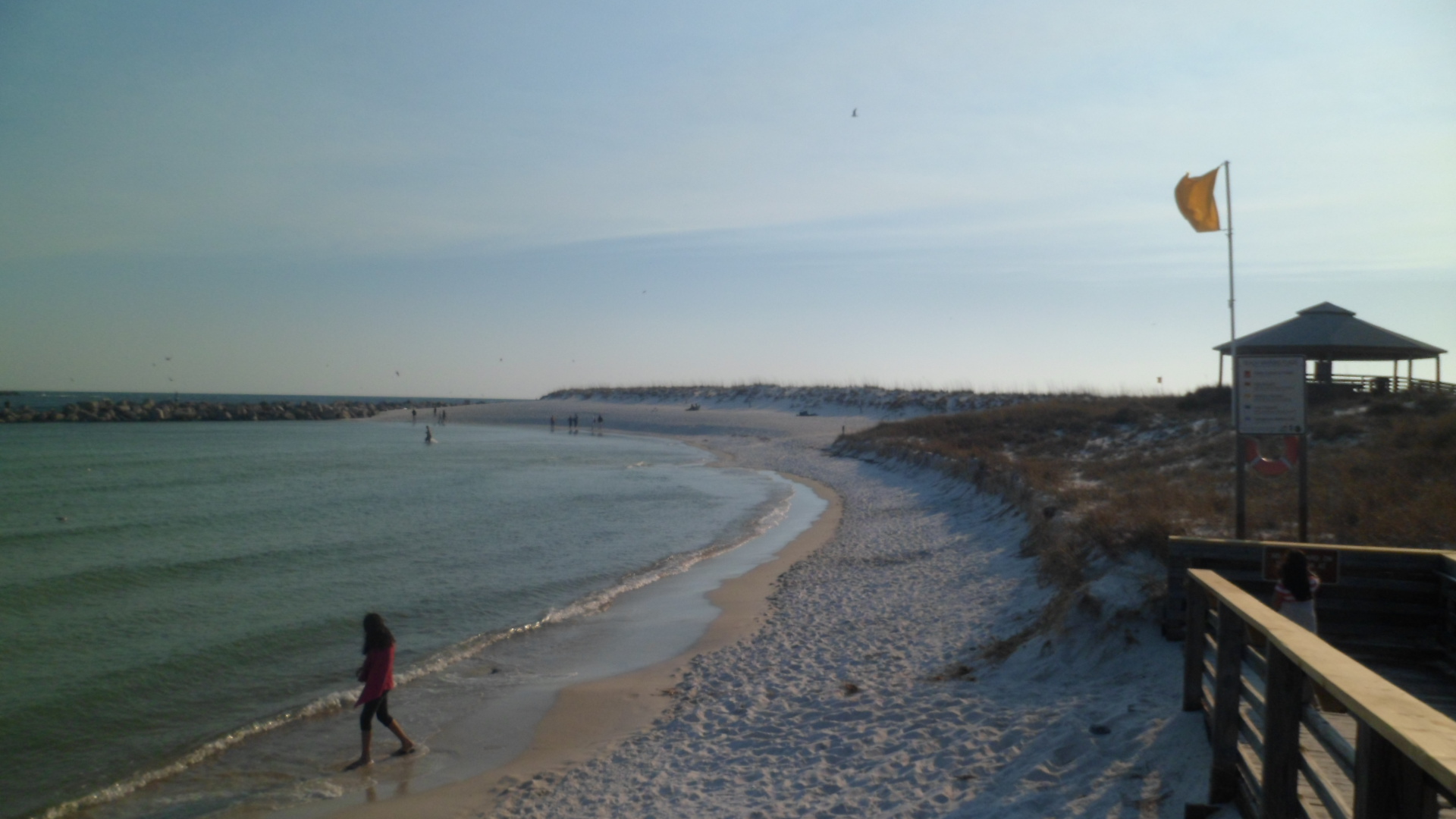
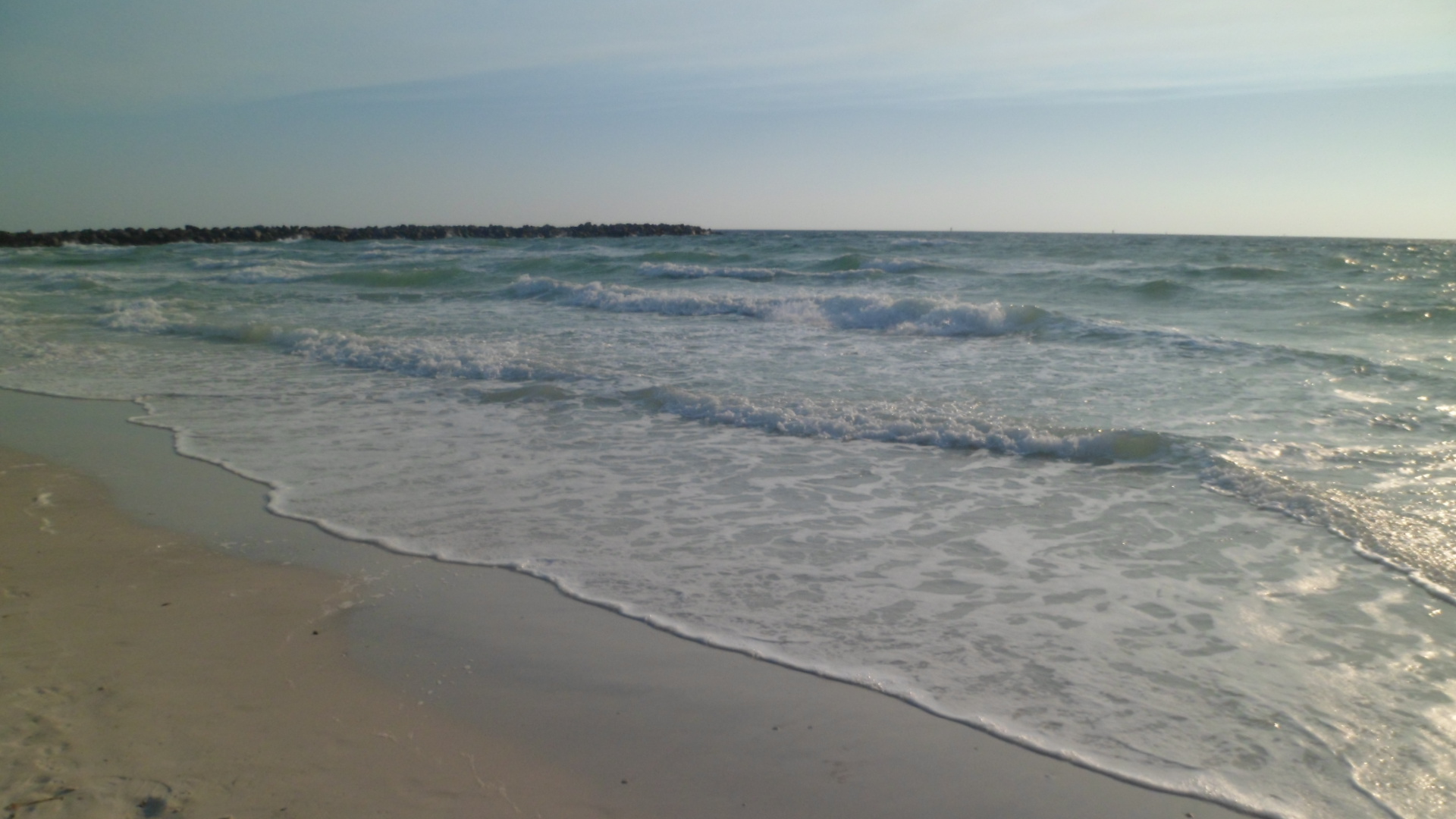
The afternoon would not have been complete, though, without going across the parking lot and seeing the fabulous stretches of pure white sand and rather feisty surf.SAM_4091

SAM_4094

SAM_4096

This was a very full St. Valentine’s Day.  As much as sourpuss revisionists like to put down the Patron Saint of lovers, I like to think his devotion to his chosen mission was a path of love, much like that of the actors whom I watched last night, and this morning.

The theme of real love continued on into the night, as we sat in my hosts’ living room and watched “The Good Lie”, wherein Reese Witherspoon teaches, and is taught by, four refugees from Sudan.  We did so in segments, around the work of loving parents who put their son and his needs first.  Later this evening, with my exhausted hosts gone to bed, I had the pleasure of talking with another house guest, an amazingly insightful boy of twelve, for about ninety minutes of free-ranging exploration of just what is needed, in order for families that are fragmented, to reconnect and ultimately thrive.  I think the man-child will do just fine.